Why Visit Pont d’Espagne – What Makes It Special?
Even after years of living in the central Pyrenees, Pont d’Espagne still disarms me every time I walk up to the roaring cascade. It’s one of those rare places that is both ridiculously photogenic and genuinely wild. The stone bridge arcing above a furious white torrent, the mist in the air, the forest closing in around you – it feels like a slice of alpine fairy-tale dropped a short drive from the spa town of Cauterets.
Located in the Parc National des Pyrénées in south‑west France, Pont d’Espagne is less a single “site” than a whole high‑mountain world: waterfalls, glacial lakes, cable cars, family‑friendly walks, serious hikes, ski touring in winter and wildflower meadows in late spring. It’s also the historical gateway between France and Spain – hence the name, the “Bridge of Spain” – once used by smugglers and traders crossing the border via the high passes.
Over multiple visits – one memorably wet autumn in 2023, a snow‑blanketed day in January 2025, and a long research stay in early summer 2026 – I’ve watched Pont d’Espagne in all seasons. I’ve brought visiting family with toddlers, hiking‑obsessed friends, and one couple on a honeymoon road trip. It works for all of them because you can tailor the intensity: gentle walks and lakeside cafés for some, steep ascents to high cirques and cols for others.
This 2026 travel guide for Pont d’Espagne is written as if I’m walking you through it myself: how to get there without wasting time, where to stand for the best photos, how to avoid the worst crowds, and where to find an actually good meal in an area that can fall into the “tourist crepe trap” if you’re not careful.
Whether you’re planning a 1 day itinerary for Pont d’Espagne or settling in Cauterets for a week, you’ll find detailed itineraries for 1, 2 and 3 days in Pont d’Espagne, plus cultural etiquette, local customs, and practical travel tips.
Table of Contents
- Why Visit Pont d’Espagne
- Essential Overview: Where & What is Pont d’Espagne?
- 1–3 Day Itineraries for Pont d’Espagne
- Main Sections, Viewpoints & Adjacent Sites (8 Deep Dives)
- Eating & Drinking Around Pont d’Espagne
- Where to Stay Nearby
- How to Get to Pont d’Espagne & Get Around
- Pont d’Espagne at Off‑Hours: Dawn, Dusk & After Dark
- Cultural Etiquette & Local Customs
- What’s New in 2026–2027: Events & Changes
- Day Trips & Nearby Attractions
- Practical Travel Advice & Money‑Saving Tips
- Tickets, Opening Hours & On‑Site Logistics
- Best Time to Visit Pont d’Espagne
- Summary & Final Recommendations
Essential Overview: Where & What Is Pont d’Espagne?
Pont d’Espagne sits above the spa town of Cauterets, itself about 30 km south of Lourdes in the French Pyrénées. From Cauterets, a winding road climbs through forest to a large parking area at roughly 1,500 m altitude. From there, you step straight into the national park: waterfalls, pine forest, and the famous arched stone bridge spanning the thunderous Gave du Marcadau.
Most visitors experience several distinct zones in a single day:
- The Main Approach & Bridge: the classic postcard scene, just a short walk from the parking.
- Waterfall Walkways & Viewpoints: wooden paths, metal railings, and multiple angles on the cascades.
- Cable Car & Chairlift to Plateau du Clot and Lac de Gaube.
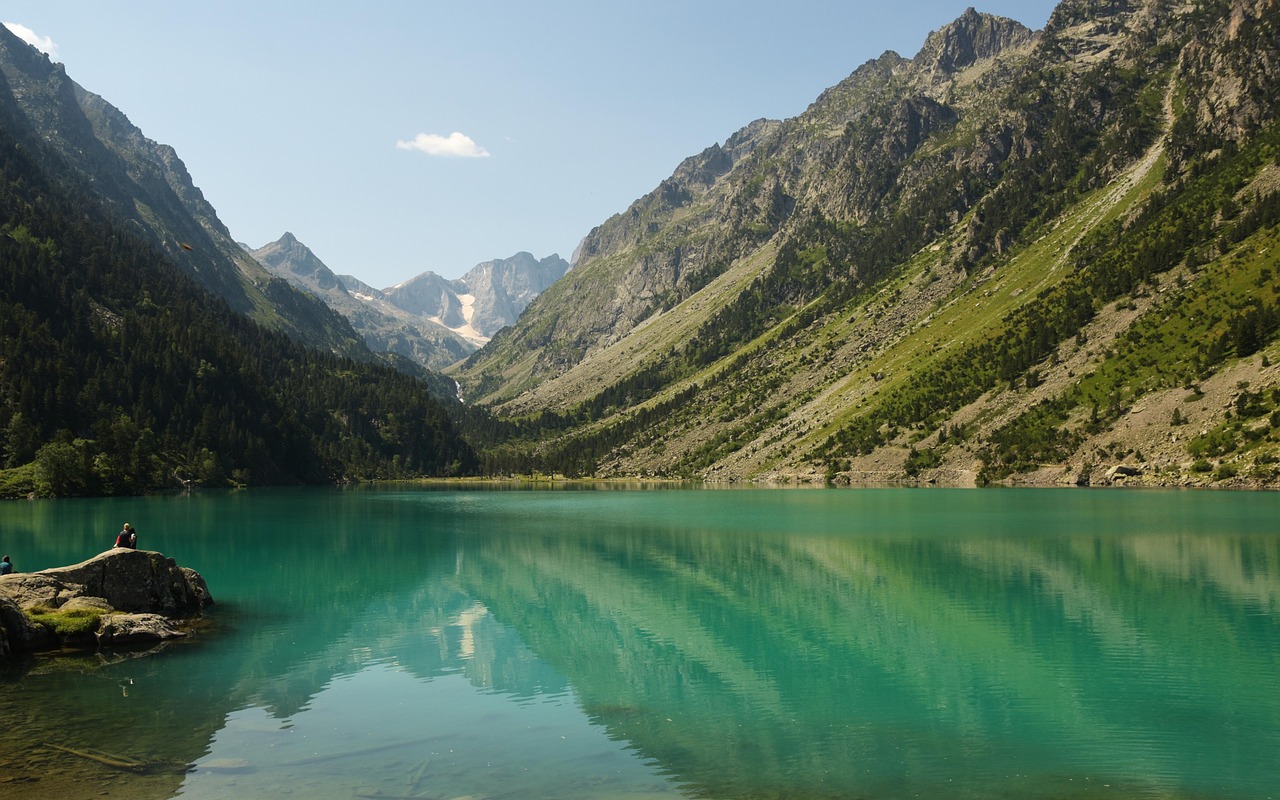
- Lac de Gaube: a turquoise glacial lake framed by the Vignemale massif.
- Vallée du Marcadau: a wide, pastoral valley with easier trails and mountain huts.
- Higher Lakes & Passes (summer only): for hikers wanting full‑day adventures.
What makes Pont d’Espagne special compared with many other alpine spots I’ve written about is the combination of easy access and dramatic scenery. You don’t need to be super fit or heavily equipped to feel like you’re in real high mountains. For families, this is gold: kids get instant “wow” without long slogs; couples get romantic lakeside walks; serious hikers can peel off up to high passes.
Recommended 1–3 Day Itineraries for Pont d’Espagne
Below are three itineraries – for 1, 2 and 3 days in Pont d’Espagne – that I’ve actually done with friends and family over the last few years, updated with 2026 logistics. Each day mixes the must‑see attractions with quieter corners and practical timings.
1 Day Itinerary for Pont d’Espagne – The Essential Highlights
If you only have 1 day in Pont d’Espagne, you can still experience its greatest hits: the bridge, the waterfalls, and Lac de Gaube. I’ve run this exact day as a compact tour for visiting friends when they were passing through from Toulouse to San Sebastián.
Morning: Arrival & First Encounter with the Bridge
Best time: Aim to arrive at the Pont d’Espagne parking between 08:30 and 09:30, especially in July–August and during school holidays. In 2026, the parking fills most days by late morning in peak season.
From Cauterets, the drive takes 15–20 minutes. The last 5 km twist through dense forest, with the road narrowing and the air noticeably cooling. On my most recent summer visit (July 2026), the outside temperature in Cauterets was 28°C; at Pont d’Espagne it was 19°C with that crisp, pine‑scented alpine feel.
Park, lock valuables out of sight (break‑ins are rare but not impossible), and follow the clearly marked path towards the site. Within five minutes you’ll hear the roar of the Gave. There’s always that moment when people around you slow down, mid‑conversation, as the first views of the cascades come into frame.
The Main Approach: Walking to the Stone Bridge
The approach path is short, but don’t rush it. On the right is the Maison du Parc (National Park visitor center), worth a quick stop on your way out if you’re curious about wildlife and hiking conditions. On the left, the river slams down through a gorge. The path curves and suddenly the Pont d’Espagne stone bridge appears, framed by towering pines and spray.
I always tell people: don’t race straight onto the bridge. Instead:
- First, walk to the lower viewpoint on the left, slightly downstream. This gives you the classic postcard shot: bridge, multiple cascades, and forest backdrop.
- Then, circle onto the bridge itself for the visceral experience: water crashing beneath and the valley opening upriver.
- Finally, climb the short staircase to the upper viewing terraces on the right. From here, you can see the full sequence of falls and feel the spray.
Allow 45–60 minutes here to wander all the viewpoints, take photos, and simply stand still. If you’re visiting with kids, they usually get transfixed by the water; keep a firm grip, as the noise and spray can be overwhelming for the littlest ones.
Late Morning: Cable Car to the Plateau & Chairlift to Lac de Gaube
For a one‑day itinerary, the fastest route to the iconic lake is via cable car + chairlift. I’ve hiked it many times, but with limited time this is the sensible option.
- From the bridge area, follow signs to the télécabine du Puntas (cable car). It’s a short, slightly uphill walk (5–10 minutes).
- Buy a combined ticket for cable car + chairlift + site access at the main kiosk (details in the logistics section below).
- Ride the enclosed cable car up to the Plateau du Clot – a gentle, open area with cafés and picnic spots.
- From the plateau, follow signs to the chairlift to Lac de Gaube.
The chairlift ride is, in itself, one of the must‑see attractions in Pont d’Espagne on a clear day: your legs dangling over streams and pines, the Vignemale massif slowly appearing ahead. In early summer 2026, I rode up around 10:45 and the queue was only 5–10 minutes; by noon, it had more than doubled.
Midday & Afternoon: Lac de Gaube – Picnics, Short Walks & Views
Stepping off the chairlift, you walk a few minutes along an easy path and suddenly the lake appears – an almost impossibly turquoise bowl of water with the jagged Vignemale peaks at its head. Every time, I’ve noticed the same thing: conversations stop, phones come out, and even the most cynical teenagers look briefly impressed.
With just 1 day in Pont d’Espagne, here’s how I’d structure your time at Lac de Gaube:
- First 30 minutes: Walk the right‑hand shore path (clockwise) to get slightly away from the arrival area. This side has more rock slabs where you can sit close to the water.
- Next 60–90 minutes: Picnic and laze. There is a small restaurant on the lake, but I strongly recommend bringing your own picnic from Cauterets (see the food section) – local cheese, saucisson, bread, fruit. In 2025, I paid for a coffee here and was happy with the view, less so with the price‑to‑quality ratio of the food.
- Optional 60–90 minutes: If you’re reasonably fit and conditions are good, continue along the lake and up a little into the valley towards the Refuge des Oulettes de Gaube. Even a partial walk gives you quieter views and a greater sense of scale.
Swimming in Lac de Gaube is technically allowed but the water is glacially cold – think short dips, not leisurely swims. In early July 2026, I watched a few brave souls plunge in; none lasted more than a few minutes.
Late Afternoon: Descent & Second Look at the Bridge
Head back towards the chairlift mid‑afternoon. If you prefer walking, you can skip the lift and follow the signposted hiking trail down to Pont d’Espagne (about 1 hour down, 1.5–2 hours up) – a stone‑stepped path with occasional steep sections, but fine for active families with children 7+.
Back at the Plateau du Clot, either ride the cable car down or descend on foot via the forest trail. I often walk down, especially in the late afternoon when the light slants through the pines and the traffic noise from the road has died down.
Before you leave, take a second slow lap around the Pont d’Espagne bridge. The light now will be different; in summer, late afternoon/early evening can be gorgeous, with rainbows forming in the spray.
Evening: Return to Cauterets for Dinner & Thermal Baths
Drive back to Cauterets and reward yourself with a hearty mountain dinner and, if you still have energy, a soak in the thermal baths. My go‑to pattern on quick visits:
- Apéro (drink and small bites) on a terrace in Cauterets’ main square.
- Dinner of garbure (hearty vegetable and ham soup) or truite des Pyrénées (local trout).
- Optional late session at the Bains du Rocher spa, where you can float in warm water while looking up at the surrounding peaks.
This 1 day itinerary for Pont d’Espagne gives you the classic experience: the roar of the bridge, the serenity of Lac de Gaube, and a sense of the broader mountain landscape.
2 Day Itinerary for Pont d’Espagne – Lakes, Valleys & Quiet Corners
With 2 days in Pont d’Espagne, you can split your time between the main icons and the quieter Marcadau valley, plus enjoy Cauterets itself. I did this exact rhythm in June 2024 with a couple from Lyon who wanted something “a little wild but not too hardcore.”
Day 1: Classic Highlights (Bridge & Lac de Gaube)
Follow the 1 day itinerary above for your first day, adding one twist if you’re up for it: instead of the chairlift down from Lac de Gaube, walk the whole descent to Pont d’Espagne. This gives you a truer sense of the terrain and extra viewpoints down the valley.
Day 2 Morning: Into the Vallée du Marcadau
The Vallée du Marcadau is, for me, the soul of the area – a wide U‑shaped valley carved by glaciers, dotted with old shepherds’ huts, with the river meandering through meadows. It’s much less crowded than the Lac de Gaube route, especially once you walk beyond the first hour.
Start early again and from the parking, instead of turning towards the bridge, follow signs towards the Marcadau valley. The path climbs gently through forest, occasionally giving side views of waterfalls, then opens into broad pastures where horses and cows graze in summer.
In October 2023, I walked this in a patchwork of sun and fog. The larches were turning gold, and the only other people for the first two hours were a pair of local mushroom hunters we met near a stream (foraging is common; don’t copy them unless you know what you’re doing).
Refuge du Marcadau (Wallon) – A Perfect Lunch Stop
After about 2 hours at a gentle pace (less if you stride), you reach the historic Refuge Wallon–Marcadau, a mountain hut set in a bowl of peaks. It was renovated recently and in 2026 is one of the best places in the area for a rustic, satisfying lunch.
Even if you’re not staying the night, you can usually get:
- A hot dish – pasta, soup, or stew – using local ingredients.
- Homemade desserts like tarte aux myrtilles (blueberry tart).
- Simple but good coffee or hot chocolate.
On a chilly June day in 2024, I sat inside by the wood stove with a bowl of steaming soup and watched a group of trail runners refuel on tart and beer. The atmosphere is convivial but not rowdy – a mix of families, hikers, and occasional climbers checking weather forecasts.
Afternoon: Short Explorations or Lazy Return
After lunch, you have options depending on your energy:
- Short valley stroll: Continue another 30–45 minutes up the valley; each bend reveals new angles on the surrounding peaks.
- Stream‑side siesta: Find a flat rock near the river, lie back, and enjoy the sound of water. I’ve lost whole afternoons this way, and I regret nothing.
- Return at a leisurely pace: The light often improves on the way back; you’ll notice details you missed on the ascent.
You’ll be back at the parking by late afternoon. If you stayed in Cauterets, this is a nice evening for a more elaborate dinner – perhaps trying magret de canard (duck breast) or a cheese‑heavy tourte des Pyrénées dessert.
3 Day Itinerary for Pont d’Espagne – High Lakes, Culture & Thermal Soaks
With 3 days in Pont d’Espagne, you can add a more adventurous hike, spend real time in Cauterets, and even sample a nearby valley. I like this split:
Day 1: Bridge & Lac de Gaube
Follow the 1 day itinerary for Pont d’Espagne, but don’t rush. Knowing you have two more days takes the pressure off; linger longer at the bridge; take more side paths around Lac de Gaube.
Day 2: Marcadau Valley & Optional Refuge Night
Use the Day 2 plan above as your base. If you’re comfortable with hut stays, consider sleeping at Refuge Wallon–Marcadau (book well ahead in 2026 summers – details later). Waking up in the valley is magic: the early light on the peaks and the chill in the air are unforgettable.
Day 3: A Bigger Hike or Nearby Valley + Cauterets Thermal Culture
For your third day, choose based on your energy and interests:
- Option A: High‑Lake Hike from Pont d’Espagne – for experienced hikers, head towards higher cirques and lakes (ask at the Maison du Parc for current conditions). This is more of a full‑day, higher‑altitude commitment.
- Option B: Explore Cauterets & Thermal Baths – stay low, wander the Belle Époque streets, visit the small local museum, and spend an extended session at Bains du Rocher, including their evening or night‑time sessions in 2026.
- Option C: Nearby Valley – Gavarnie or Luz‑Saint‑Sauveur – use your base in Cauterets to sample another classic Pyrenean valley (see day‑trip section).
I often recommend Option B for couples on a romantic break: two intense days in the mountains followed by a slower day of strolling, spa, and good food. For adventurous friends, Option A gives you that satisfying leg‑burn and the sense of having really “walked into” the high Pyrenees.
Main Sections, Viewpoints & Adjacent Sites – 8 Deep Dives
Below are the must‑see attractions in Pont d’Espagne and its surroundings, each treated as a mini‑chapter with history, what to look for, and my own notes from recent visits.
1. The Pont d’Espagne Bridge & Waterfall Complex
The stone bridge itself is older than most visitors realise. While the current structure has been strengthened and repaired, the crossing point dates back centuries, when mule caravans and shepherds moved between France and Spain via the high passes. Standing in the spray now, it’s easy to forget that this was once a working transport link, not just an Instagram backdrop.
On a damp October day in 2022, I arrived around 08:45 and found the bridge almost empty. A light mist hung in the trees, and the only sound was the river. In those quiet moments, you can almost feel the history: the clatter of hooves, the shouted greetings in Gascon and Spanish, the wary exchange of goods (and perhaps contraband).
How to Explore the Bridge Area
- Lower Platforms: From the main path, take the first stairs down to the lower viewing decks. These put you almost level with the water, giving a dramatic angle as the torrents crash through the gorge.
- On the Bridge: Cross slowly, pausing midway to look upstream and down. Upstream, you see the river disappearing into the forest; downstream, the water funnels under the arch, foaming white.
- Upper Terraces: Climb to the terraced viewpoints above the bridge. These are excellent for photos with less crowd jostling, and you can better appreciate the layered rock formations.
What to Look For
- Rock Striations: The gorge walls show the force of glacial carving followed by millennia of water erosion. Look for smoothed, almost polished surfaces where the water runs at high levels in spring.
- Seasonal Variation: In late spring (May–June), the snowmelt makes the falls deafening; in late summer, the flow softens and reveals more rock detail. After heavy rain, expect spray and occasional temporary closures of some platforms.
- Rainbows in the Mist: Around mid‑afternoon on sunny days, you can often see prismatic arcs in the spray from the upper terraces.
Time & Tips
Allow at least an hour here, more if you like photographing moving water. Bring a light rain jacket even in summer; the spray can be surprisingly intense near the lower platforms, and my camera lens cloth is in constant use here.
2. Lac de Gaube – The Turquoise Icon
Lac de Gaube is the image that sells the region: turquoise water, dark pines, and the Vignemale massif at the far end. Its name comes from the Gascon word for “lake,” and it has been a tourist draw since the 19th‑century craze for alpine scenery. Early visitors would arrive by mule or sedan chair; you now have cable cars and chairlifts.
Approach Options
- Chairlift Route: The quickest, described in the 1‑day itinerary. Ideal for families, less mobile travelers, or if you’re tight on time.
- On Foot from Pont d’Espagne: A 1.5–2 hour hike up, following a well‑built stone trail through forest and alongside waterfalls. This is my preferred route when I’m not on a tight schedule – the reward feels earned, and you avoid chairlift queues in high season.
On a clear June morning in 2025, I walked up before the lifts opened. The trail was almost empty apart from a couple from Bordeaux and an older local man who told me he’s been walking up every Sunday for 30 years. “Je monte pour dire bonjour au lac,” he said – “I go up to say hello to the lake.”
At the Lake: Where to Go
- Right‑Hand Shore (Clockwise): Sun‑drenched in the morning, with flat rocks perfect for picnics and resting feet in the water.
- Left‑Hand Shore (Counter‑clockwise): Slightly quieter, with more boulder fields and interesting angles for photography.
- Far End of the Lake: Fewer people make it this far; the view back towards the chairlift station and beyond is superb.
I always walk at least halfway around before settling down. The character of the lake shifts with each angle; at one bend you’re face‑to‑face with Vignemale’s glaciers, at another you get more of the surrounding forest.
Best Times & Light
- Morning: Calm water and good reflections if the wind is low; fewer crowds.
- Midday: Strong sun, harsher light, but the water’s colour is at its most intense.
- Late Afternoon: Warmer tones on the peaks; can be busier near the chairlift station, but quieter further along the shore.
3. Vallée du Marcadau – Meadows, Huts & Long Views
The Marcadau valley has a different energy from the bridge and Lac de Gaube. It’s more horizontal than vertical: wide meadows, sinuous rivers, and the sense of a landscape lived in slowly, through seasonal grazing and hut life.
Historically, this valley has been a summer pasture for shepherds and their flocks. You’ll still see sheep and cows grazing here in July and August; bells clinking, dogs at work, and temporary summer cabins dotting the slopes.
Walking the Valley
From Pont d’Espagne, the main trail to Marcadau is well‑marked and of moderate difficulty: some uphill at the start, then flattening as you enter the main valley. Families with children 6+ often manage it easily, especially with snack breaks.
I like to frame the walk in three phases:
- Phase 1 – Forest & Cascades: You climb through mixed pine and beech, with occasional glimpses of side waterfalls.
- Phase 2 – Meadows & Open Valley: The trail emerges into open ground; this is where you start to see horses and cows, plus wide views.
- Phase 3 – Approach to Refuge Wallon–Marcadau: The valley narrows again slightly, with the hut visible ahead on a small rise.
Refuge Life & Overnight Stays
Spending a night at the Refuge Wallon–Marcadau is a great way to add a cultural and social layer to your trip. You’ll share dorms, meals, and route chatter with French hikers, often from the region. In 2026, you must book ahead online for peak season, especially weekends.
Expect:
- Simple Dorms: Bunk beds, blankets, bring your own sleeping bag liner.
- Shared Meals: A set menu served at fixed times, often starting with soup, then a hearty main, and dessert.
- Mountain Atmosphere: Headlamps, early nights, and early starts. It’s convivial but quiet after 22:00.
My last hut night here in 2024 coincided with a sudden storm. We watched the clouds tumble down the valley as we ate; by the time dessert came, rain was drumming on the roof and everyone was swapping route stories and checking tomorrow’s forecast on the guardian’s weather board.
4. Plateau du Clot – Family Hub Above the Forest
The Plateau du Clot is where the cable car drops you: an open, gently sloping area above the dense forest, surrounded by peaks. It’s less dramatic than the bridge or Lac de Gaube, but it’s an important staging ground and a pleasant space in its own right – especially for families with young children or anyone not up for more serious hiking.
What to Do on the Plateau
- Cafés & Terraces: There are simple cafés with outdoor seating; I’ve had many mid‑morning coffees here, watching clouds move over the ridges.
- Short Loops: Waymarked trails circle the plateau, ideal for toddlers to burn energy while still feeling “in the mountains.”
- Picnic Spots: Flat grassy patches are perfect for laying out a blanket; in summer weekends, you’ll see French families turning lunch into a leisurely 2‑hour event.
Why It Matters
If you’re planning a 1 day itinerary for Pont d’Espagne with mixed abilities – say, grandparents, parents, and kids – the Plateau du Clot can be the compromise. Some of you take the chairlift to Lac de Gaube while others stay on the plateau; everyone meets again for coffee or snacks without anyone feeling left behind.
5. Maison du Parc National – Nature & Culture Under One Roof
The Maison du Parc National near the entrance to Pont d’Espagne is easy to skip – many visitors walk straight past it, eager to see the waterfalls. But if you’re even slightly interested in ecology, wildlife, or local culture, it’s worth 30–45 minutes.
Inside, you’ll find:
- Exhibits on local flora and fauna – including isards (Pyrenean chamois) and marmots.
- Information on trails, including current closures or hazards.
- Displays about traditional mountain life – shepherding, transhumance (seasonal movement of livestock), and early tourism.
On a drizzly afternoon in May 2026, I ducked in here with a British family I was guiding. The kids loved the interactive displays and spotting animal tracks. The parents appreciated the detailed weather and trail info given by the ranger, who pointed out a lesser‑known loop suitable for the next day’s forecast.
Entrance is free, and staff are usually happy to answer questions in French and basic English.
6. Cauterets – Belle Époque Spa Town & Gateway
Although not technically “at” Pont d’Espagne, Cauterets is your most likely base, and understanding the town adds depth to your visit. It’s a compact spa town with Belle Époque architecture, a relaxed holiday atmosphere, and a long history of welcoming visitors seeking thermal cures.
Strolling the Town
Between hikes, I like to wander Cauterets’ main streets: past ornate 19th‑century façades, under wrought‑iron balconies, and into small specialty shops. You’ll find:
- Fromageries selling local cheeses like tomme des Pyrénées.
- Bakeries with tourtes (dense, slightly sweet cakes sometimes flavoured with myrtle or rum).
- Outdoor shops where you can pick up last‑minute gear – from rain jackets to hiking poles.
Thermal Culture & Bains du Rocher
The Bains du Rocher spa is the modern incarnation of Cauterets’ thermal tradition. In Roman times and throughout the 19th century, visitors came “to take the waters” for health; today, you come to soak in warm, mineral‑rich pools after a day in the mountains.
On my last evening session here (February 2025), I floated in the outdoor pool as snowflakes started to fall, the surrounding peaks fading into the dark. It’s moments like that that anchor a mountain trip, giving your muscles and your memory something to hold onto.
7. Higher Lakes & Passes – For Adventurous Hikers
Beyond Lac de Gaube and the Marcadau valley lie a network of higher lakes and passes that require more time, fitness, and route‑finding. These include routes towards the Refuge des Oulettes de Gaube and passes leading towards Spain.
These are not casual strolls; they are best tackled by experienced hikers, ideally with a good topographic map or GPS track, and only in stable summer conditions (roughly late June to September, depending on snowmelt).
My most memorable high‑route day here was in August 2023, when I joined a group of local hikers for a long loop above Lac de Gaube. We left before sunrise, reached a high col around late morning, and spent an hour just sitting in silence, looking down at a chain of lakes that felt worlds away from the busy parking lots below.
8. Pont d’Espagne in Winter – Snowshoeing & Quiet Magic
While most visitors come in summer, winter at Pont d’Espagne is beautiful in a completely different way. The bridge and forests are draped in snow, the river steams slightly against the cold air, and noise is muffled.
There is a small nordic skiing and snowshoeing area here; trails are groomed for cross‑country skiing, and you can rent snowshoes in Cauterets to explore marked routes. The cable car and chairlift may operate on a winter schedule, giving access to gentle slopes and viewpoints.
In January 2025, I visited on a weekday after a fresh snowfall. Apart from a handful of locals on skis, the place was almost empty. I walked a short snowshoe loop along the Gave, hearing nothing but the crunch of snow and the distant rush of the falls. If you like your mountains quiet and white, this is a worthwhile alternative to the more manic French ski resorts.
Eating & Drinking Around Pont d’Espagne
Food directly at Pont d’Espagne itself is limited and leans tourist‑simple: think basic sandwiches, fries, and drinks. For anything memorable, you’ll want to plan ahead or eat in Cauterets. Here’s how I handle meals on my own trips and with clients.
What to Bring Onto the Site
- Picnic Ingredients: Buy bread, cheese, and charcuterie in Cauterets before driving up. A favourite combo: tomme des Pyrénées, local saucisson, fresh baguette, apples, and a bar of dark chocolate.
- Water: Start with at least 1–1.5 L per person. You can refill at refuges and some fountains, but don’t rely on being able to drink straight from streams.
- Snacks: Nuts, dried fruit, and a small treat (local tourte slices travel well).
Where Locals Actually Eat – Cauterets Recommendations
Rather than the immediate tourist‑trap radius around the most obvious central terrace, look one or two streets back for more character and better value.
- Hearty Mountain Bistros: Look for menus featuring garbure, cassoulet, grilled magret de canard, and trout. In 2026, a couple of my long‑time favourites still do a solid, unfussy three‑course menu for a reasonable price.
- Crêperies: There are many; avoid the ones directly on the busiest square with laminated 20‑item English menus. A smaller crêperie on a side street, with a shorter menu and local ciders, has consistently given me better galettes.
- Cafés & Bakeries: Perfect for breakfast before heading up: croissants, coffee, and a baguette to take away. I often do this at 08:00, then hit the road by 08:30.
Refuges & On‑Mountain Food
The refuges (Wallon–Marcadau, Oulettes de Gaube) provide simple but satisfying meals. They are not gourmet, but the combination of hunger, altitude, and scenery does wonders. In 2024 at Wallon, my lunch of soup, bread, and tart was one of the most satisfying meals of the trip despite its simplicity.
Where to Stay Near Pont d’Espagne
Your choice of base will shape your experience. For most visitors, Cauterets is the sweet spot: close enough to Pont d’Espagne to get up early, large enough to have services and atmosphere.
Cauterets – Best All‑Round Base
In Cauterets, you’ll find:
- Hotels ranging from simple 2‑star to comfortable 3‑star with spas.
- Apartment rentals, ideal for families or longer stays.
- Campsites just outside the centre, open roughly May–September.
I often stay in a small family‑run hotel a few minutes’ walk from the main square – nothing flashy, but with warm owners who remember repeat guests, a drying room for boots, and early breakfast times for hikers.
Other Options
- Lourdes: A larger town with more hotel capacity and train connections. Good if you’re combining pilgrimage or cultural tourism with a day trip to Pont d’Espagne, but the daily drive is longer (about 1 hour each way).
- Refuges: For a more immersive mountain experience, spend one night in a refuge and the others in town. This works well in a 3 day itinerary for Pont d’Espagne.
How to Get to Pont d’Espagne & Get Around
By Car
From Lourdes, follow signs to Argelès‑Gazost, then branch off to Cauterets. Once in Cauterets, the road to Pont d’Espagne is well‑signed; it’s about 12 km of winding, mostly two‑lane mountain road.
Parking at Pont d’Espagne is in a large paid lot. In 2026, daily rates are moderate, and payment is via machine (card accepted). Arrive early in July–August and on sunny weekends to guarantee a spot.
By Public Transport
Public transport gets you as far as Cauterets:
- Train: To Lourdes from major cities (Paris, Toulouse, Bordeaux). From there, bus to Cauterets.
- Bus: Regional buses connect Lourdes and Cauterets on a regular schedule, more frequent in summer and ski season.
From Cauterets to Pont d’Espagne, a seasonal shuttle bus usually operates in peak months. Check current times at the Cauterets tourist office or online before you rely on it.
Car Rental & Foreign Licenses
You can rent a car at Lourdes or larger nearby cities. Most companies accept foreign driving licences (EU, UK, North America, etc.) without the need for an International Driving Permit if your licence is in Roman script; for others, an IDP is recommended. Always check current French regulations before travel.
Pont d’Espagne at Off‑Hours: Dawn, Dusk & After Dark
Pont d’Espagne itself is primarily a daytime destination; there are no large‑scale sound‑and‑light shows or late‑night opening hours like you’d find at a big city monument. However, the time of day you visit makes a huge difference to your experience.
Early Morning (Dawn to 09:00)
This is my favourite window. In late June 2026, I arrived just after sunrise and had the bridge almost to myself for 30 precious minutes. The water roared, birds were active, and the first light hit the spray in subtle colours.
Golden Hour & Sunset
In summer, the golden hour & sunset light can be beautiful on the bridge and the tops of the surrounding peaks. Be mindful of closing times for cable cars and facilities; you’ll usually need to be back at the parking lot before full dark.
Evening in Cauterets
After dark, the action shifts to Cauterets: restaurant terraces, evening spa sessions at Bains du Rocher, and occasional small‑scale cultural events or concerts, particularly in July–August.
Cultural Etiquette & Local Customs
While Pont d’Espagne is firmly on the tourist map, it still sits within a living mountain culture. A few simple gestures make your visit smoother and more respectful.
On the Trail
- Greet People: In the Pyrenees, it’s customary to say “Bonjour” when you pass other hikers, especially on quieter trails.
- Respect Livestock: Give cows and horses space; do not approach or feed them. Close gates behind you.
- Stay on Marked Paths: This protects fragile alpine vegetation and reduces erosion.
In Refuges & Restaurants
- Reservations: For refuges, booking is essential in 2026 summer. For popular restaurants in Cauterets, a reservation is useful on weekends.
- Meal Times: Lunch service usually 12:00–14:00, dinner from ~19:30. Turning up at 16:00 expecting a full meal will likely disappoint.
- Noise: Refuges go quiet early; keep late‑night chatting to common areas and respect “lights out.”
Language
French is the main language; some older residents may also speak Gascon or Spanish. English is understood in many tourist‑facing contexts (information offices, some restaurants), less so in smaller shops. A few basic French phrases are appreciated.
What’s New in 2026–2027: Events & Changes
For 2026–2027, a few developments and events are worth noting for Pont d’Espagne and Cauterets:
- Trail Maintenance Campaigns (2026): The Parc National has scheduled targeted maintenance on some higher routes; check at the Maison du Parc for any temporary closures or diversions.
- Cauterets Mountain & Nature Festival (Summer 2026): Multi‑day program of guided walks, talks, and local product markets, with some events highlighting Pont d’Espagne’s history and ecology.
- Refuge Booking Systems: Upgraded online reservation platforms for Wallon–Marcadau and nearby huts, making it easier (but also more necessary) to book early in summer 2026 and 2027.
Day Trips & Nearby Attractions from Pont d’Espagne
If you’re basing yourself in Cauterets for several days, you can easily combine Pont d’Espagne with other world‑class Pyrenean sites.
Gavarnie Cirque
About 1.5 hours by car from Cauterets, the Cirque de Gavarnie is a UNESCO‑listed amphitheatre of cliffs and waterfalls. It’s busier than Pont d’Espagne in peak season but for good reason. A mostly gentle walk leads from the village to the base of the cirque.
Luz‑Saint‑Sauveur & Col du Tourmalet
Popular with cyclists and Tour de France fans, this area offers dramatic road passes, historic churches, and thermal baths. A good choice if you’re keen on scenic drives as well as hikes.
Lourdes
A pilgrimage centre with its own particular atmosphere, Lourdes can be visited on your arrival or departure day. The contrast between the spiritual bustle of Lourdes and the wild quiet of Pont d’Espagne is striking.
Practical Travel Advice & Money‑Saving Tips
Tickets & Pont d’Espagne Logistics
- Site Access: There is a fee for parking; access to the bridge area on foot is otherwise free. Cable car and chairlift have separate charges; combined tickets are available.
- Timed Entry: As of 2026, there is no strict timed entry for the site, but cable car capacity can create informal waves of flow.
- When to Buy: You can buy cable car/chairlift tickets on site. For busy summer weekends, arrive early to avoid queues.
- Peak Hours: 11:00–15:00 at the bridge and Lac de Gaube are busiest in July–August. Aim for mornings or late afternoons if you prefer quieter experiences.
Opening Hours
Exact times shift with the season and weather, but generally:
- Parking & Bridge Area: Accessible during daylight hours; barriers may close the access road overnight.
- Cable Car & Chairlift: Typically run from mid‑morning to late afternoon in summer and ski season; always check current schedules online or at the Cauterets tourist office.
Dress Code & Behaviour
There is no formal dress code, but treat this as a mountain environment, not an urban park:
- Wear proper footwear with grip; flip‑flops or slick‑soled shoes are unsafe on wet rock and trails.
- Carry a light waterproof layer; weather changes quickly.
- Do not fly drones without explicit permission; the national park generally prohibits them.
- Pack out all trash; bins are limited in upper areas.
Photography Restrictions
Personal photography is allowed and expected. Use discretion when photographing other visitors, particularly children. Tripods are fine on trails but avoid blocking pathways and railings at busy viewpoints.
Accessibility
The immediate area around the parking and some viewpoints are relatively accessible, but many paths involve uneven surfaces, steps, and slopes. The cable car cabins can accommodate some mobility aids; check in advance with the operator if you have specific needs. The chairlift to Lac de Gaube is not suitable for all mobility levels.
SIM Cards & Connectivity
Mobile coverage is good in Cauterets and spotty in the mountains. For visitors from outside the EU:
- eSIMs & Prepaid SIMs: You can buy French or EU‑wide data eSIMs online before arrival, or physical SIMs in larger towns. Look for major operators (Orange, SFR, Bouygues).
- Roaming: EU residents roam at domestic rates; non‑EU visitors should check plans to avoid bill shock.
Visa Requirements
France is part of the Schengen Area. Visitors from many countries (EU, UK, North America, Australia, etc.) can enter visa‑free for short stays; others need a Schengen visa. Always check the latest requirements from official sources before travel, particularly with ongoing changes to EU entry systems.
Money‑Saving Tips
- Picnic Instead of Restaurant Lunches: Especially at Lac de Gaube, you’ll eat better and cheaper with a prepared picnic.
- Travel Shoulder Seasons: Late May–June and September–early October offer lower prices and fewer crowds, with mostly good weather.
- Use Public Buses: If you don’t need a car for wider exploring, buses to Cauterets from Lourdes can save rental and parking costs.
Best Time to Visit Pont d’Espagne – Seasons & Activities
Spring (April–June)
Pros: Roaring waterfalls from snowmelt, wildflowers, fewer crowds in April–May. Cons: Higher trails may still be snow‑covered; some facilities operate on limited hours until mid‑June.
Summer (July–August)
Pros: All facilities open, stable weather, accessible high routes. Cons: Crowds, especially mid‑July to late August; need to arrive early for parking and popular trails.
Autumn (September–October)
Pros: Quieter trails, golden foliage, often excellent hiking weather in September. Cons: Some lifts and services reduce hours or close from late September; days shorter; weather more changeable.
Winter (December–March)
Pros: Snowshoeing, cross‑country skiing, magical snowy scenery; fewer tourists overall. Cons: Limited trail access, weather can be harsh; need proper winter clothing and sometimes chains for cars.
Summary & Final Recommendations
Pont d’Espagne is one of those rare places where the hype matches reality. The stone bridge and waterfalls deliver instant drama; Lac de Gaube provides the dreamlike alpine lake; the Marcadau valley opens into wider, quieter beauty. With options that range from stroller‑friendly paths to high‑altitude routes, it supports family trips, romantic getaways, and serious hiking adventures alike.
For most travelers, the best time to visit Pont d’Espagne is from late June to late September, when conditions are stable and all services run. If you value calm over convenience, aim for June or September rather than the peak summer weeks.
Build your visit around one of the 1, 2 or 3 day itineraries outlined above, use Cauterets as your comfortable base, and remember that some of the best moments here happen when you stop “collecting sights” and simply sit – on a rock by Lac de Gaube, in a meadow in the Marcadau, or on a spa terrace in Cauterets – listening to water and wind in the high Pyrenees.