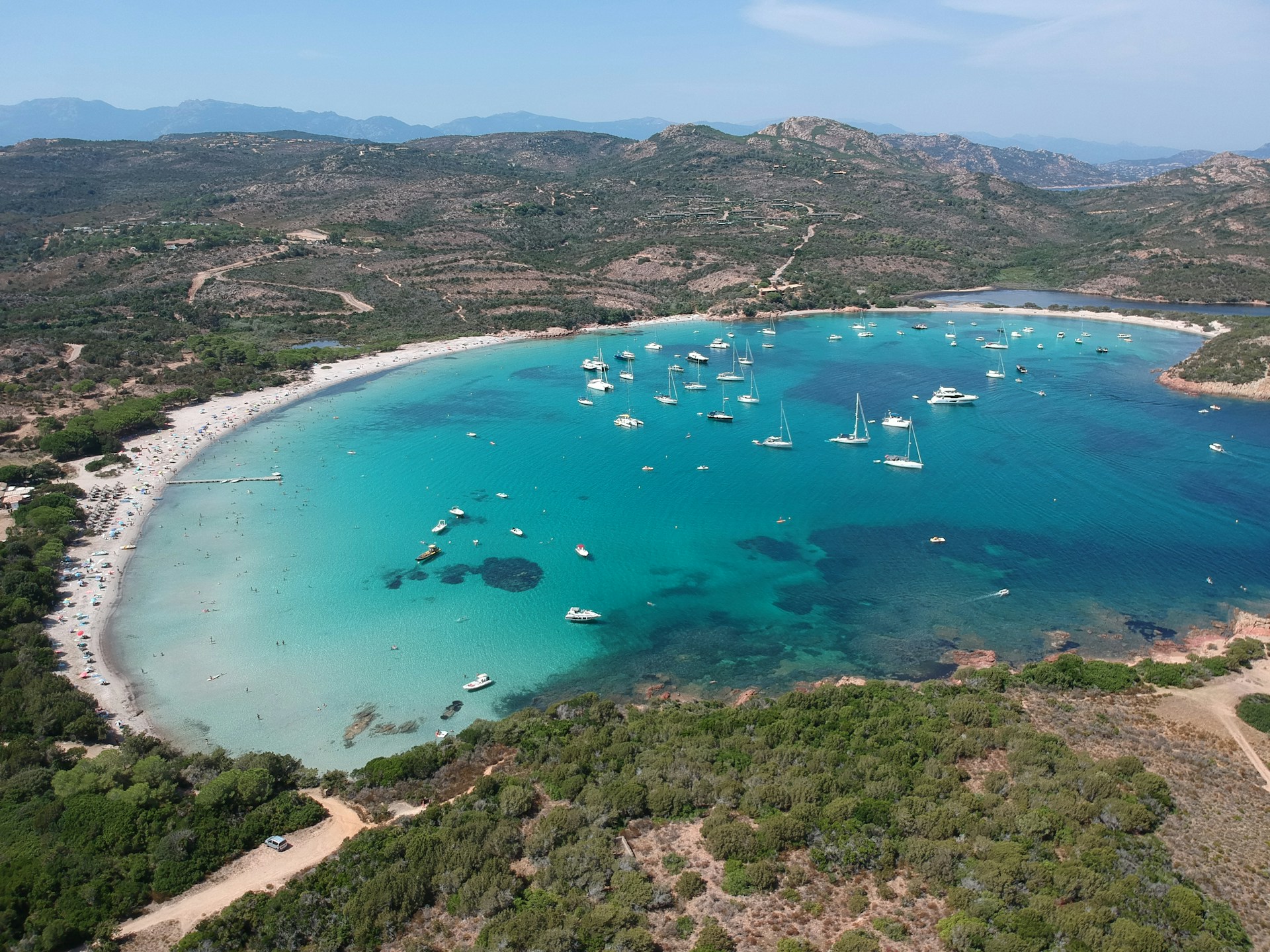
Why Visit Porto-Vecchio?
Porto-Vecchio is where emerald mountains slide into turquoise bays, where you can have a lazy beach morning, hike through pine-scented forests in the afternoon, and share a bottle of Corsican wine in a medieval citadel at sunset. It’s small enough to feel intimate, but rich enough in history, food, and landscapes that I keep discovering new corners every time I return.
What makes Porto-Vecchio special isn’t just the famous beaches like Palombaggia and Santa Giulia, but the contrasts: glamorous beach clubs vs. quiet shepherd paths, yachts in the marina vs. old men playing pétanque in the shade, sophisticated restaurants vs. tiny épiceries selling pungent Corsican cheese and cured meats.
I’ve visited Porto-Vecchio almost every year since my first trip in my twenties. I’ve come as a backpacker on a budget, as a couple looking for romantic hideaways, and later with friends and kids in tow. This guide distills those years of experience: the best places to visit in Porto-Vecchio, detailed 3–5 day itineraries, hidden gems, local food you shouldn’t miss, cultural customs, and plenty of practical travel tips for Porto-Vecchio.
Table of Contents
- Why Visit Porto-Vecchio?
- Quick Overview of Porto-Vecchio
- Neighborhoods & Areas to Explore
- 20 Must-See Attractions in Porto-Vecchio (In-Depth)
- 3–5 Day Itineraries in Porto-Vecchio (2026 Edition)
- Local Food & Drink: What and Where to Eat
- Nightlife, Entertainment & Cultural Experiences
- Best Day Trips from Porto-Vecchio
- Events & Festivals in 2026–2027
- Cultural Etiquette & Local Customs
- Practical Travel Advice & Money-Saving Tips
- Summary & Best Time to Visit Porto-Vecchio
Quick Overview of Porto-Vecchio
Porto-Vecchio is a small coastal town on the southeast coast of Corsica, part of France but fiercely proud of its distinct Corsican identity. The town is split between the old citadel hill and the modern marina and waterfront below. Around it stretches a coastline of lagoons and sandy bays, backed by the dramatic peaks of the Alta Rocca mountains.
Population-wise, it’s small, but in summer it swells with visitors—French families, Italian couples, Swiss hikers, and increasingly international travelers discovering how magical it is. Yet outside the core summer weeks, it retains a pleasantly sleepy, local feel.
Porto-Vecchio is an ideal base for:
- Beach lovers (Palombaggia, Santa Giulia, Tamaricciu, and more)
- Outdoor enthusiasts (hiking in Ospedale forest, canyoning in Bavella)
- Food lovers (Corsican charcuterie, brocciu cheese, fresh seafood, local wines)
- Families (gentle beaches, water sports, easy walks)
- Couples (romantic sunsets, quiet coves, charming old town dinners)
Neighborhoods & Areas to Explore in Porto-Vecchio
The Citadel & Old Town (Haute Ville)
This is the historic heart: a small maze of stone lanes encircled by old walls, perched on a hill above the harbor. I’ve lost entire evenings just wandering here, stopping for an apéro at a terrace with sea views, and ducking into tiny boutiques.
- Vibe: Romantic, atmospheric, busy in summer evenings.
- Best for: Sunset views, restaurants, wine bars, browsing local crafts.
- Tip: Arrive by late afternoon to find parking, then stay through blue hour when the lights come on and the day-trippers leave.
Marina & Waterfront
Down the hill from the citadel, the marina is where yachts bob in the harbor and open-air restaurants line the promenade. I usually start my mornings here with a coffee, watching boats head out while the town is still quiet.
- Vibe: Lively, resort-like in summer, relaxed off-season.
- Best for: Boat trips, casual seafood, people-watching.
- Tip: Prices can be higher here; walk one or two streets behind the main promenade for better value cafes.
Palombaggia Area
About 20 minutes’ drive south of town, Palombaggia is more than a single beach—it’s a whole stretch of bays, pine trees, and low-key villas. I often stay here when I want a “wake up and walk to the water” kind of holiday.
- Vibe: Beachy, family-friendly, upscale but not flashy.
- Best for: Beach days, sunrise walks, gentle swimming.
- Tip: In peak summer, arrive before 9:00 a.m. to easily find parking and a good spot on the sand.
Santa Giulia Bay
Further south, Santa Giulia is a shallow, lagoon-like bay. On one of my visits, I spent a whole afternoon here with friends and our kids, who could wade safely for meters. The water is absurdly clear.
- Vibe: Family-oriented, some chic beach clubs, water-sports.
- Best for: Paddleboarding, kayaking, relaxed swimming.
- Tip: Winds can pick up in the afternoon; mornings are calmer for SUP and kayaking.
Lecci & Cala Rossa / Saint-Cyprien Area
To the north, around the village of Lecci, you’ll find bays like Cala Rossa and Saint-Cyprien. I like this area when I want to be close to Porto-Vecchio but in a quieter, more residential setting.
- Vibe: Calm, residential, with a mix of villas and small resorts.
- Best for: Peaceful beaches, self-catering stays.
- Tip: Having a car here is almost essential; public transport is limited.
Ospedale & Alta Rocca (Mountain Hinterland)
Within 30–40 minutes’ drive, the road climbs into pine forests, lakes, and the rugged Alta Rocca. After a few days on the beach, I always crave this change of scenery—the air is cooler, and the views back to the coast are fantastic.
- Vibe: Rural, outdoorsy, traditional villages.
- Best for: Hiking, canyoning, picnics, scenic drives.
- Tip: Bring a light jacket even in summer; temperatures drop significantly compared to the coast.
20 Must-See Attractions in Porto-Vecchio (In-Depth)
Below are the must-see attractions in Porto-Vecchio, ordered from the most iconic to lesser-known hidden gems. Each one comes with history, what to do, and personal tips from multiple visits.
1. Palombaggia Beach
If you’ve seen a photo that made you want to visit Porto-Vecchio, it was probably Palombaggia. Think white sand, red rocks, and umbrella pines leaning toward impossibly turquoise water.
The first time I came here, I arrived late (around 11 a.m.) and ended up parking far from the main access, weaving between cars like in a Mediterranean version of musical chairs. I learned my lesson: come early, especially in July and August.
History & Significance
Palombaggia is part of a protected coastal area, recognized for its fragile dunes and marine life. Locals are proud of it as one of Corsica’s most beautiful beaches and there’s been a push in recent years to limit overdevelopment. You’ll notice modest, low-rise beach restaurants rather than massive concrete resorts.
What to Do
- Swim & snorkel: The water is clear and usually calm, with gentle entry—great for families.
- Walk the length: A 30–40 minute stroll takes you along quieter stretches; keep going toward Tamaricciu for more intimate coves.
- Rent a sunbed or go DIY: Beach clubs offer loungers and umbrellas, but there are also large free sections where you can lay your own towel.
- Watersports: Depending on the season, you can rent kayaks or paddleboards.
Food & Drink
I like to splurge at least once per trip on a long lunch at a beach restaurant—fresh fish, grilled vegetables, and a glass of Corsican rosé. Other days, I bring a picnic: crusty bread, lonzu or coppa (Corsican cured meats), and ripe tomatoes from the market. There are a couple of snack stands behind the beach if you need something quick.
How to Get There
From Porto-Vecchio, it’s a 15–20 minute drive south along the D859 and then the D111. In high season, several paid and free car parks line the approach roads. Buses are sporadic and seasonal, so for flexibility, a rental car is ideal.
Personal Tips
- Arrive before 9 a.m. in peak summer; by 10:30 a.m., the easy parking is often gone.
- Bring reef-safe sunscreen—locals are increasingly conscious of protecting the bay.
- If you’re visiting in September or early October, you’ll often enjoy summer-like weather with a fraction of the crowds.
2. Santa Giulia Bay
Santa Giulia is the softer, more lagoon-like sibling of Palombaggia. My most memorable visit was a windless morning when the water was so still it felt like floating in glass. I ended up renting a paddleboard and gliding along the shallow sandbanks for hours.
History & Significance
The bay is set beneath a low headland and framed by dunes and marshy areas that host birds and other wildlife. It’s been a favorite anchorage for sailors for decades, but development has remained relatively controlled, with beach bars and small hotels rather than large resorts.
What to Do
- Paddleboarding & kayaking: Especially safe for beginners thanks to shallow water.
- Family beach time: The gradual slope is ideal for children; I’ve watched toddlers happily splashing in knee-deep water all afternoon.
- Beach clubs: Rent a sunbed and spend the day with drink service to your lounger.
- Short coastal walks: Explore the rocky edges on foot for quieter spots.
Food & Drink
Several beachfront restaurants serve salads, burgers, seafood, and surprisingly good pizzas. For a budget option, grab takeaway sandwiches or panini from the small shops near the parking areas.
How to Get There
About a 15–20 minute drive from Porto-Vecchio via the N198 heading south, then follow signs to Santa Giulia. Parking is a mix of paid and free areas closer to the beach.
Personal Tips
- Mornings are best for calm water; afternoon winds can make it choppier.
- Bring water shoes if you have sensitive feet; there can be patches of small rocks or shells.
- On crowded days, walk 5–10 minutes away from the main entrances to find more space.
3. Porto-Vecchio Citadel & Old Town
The citadel is where I always feel the heart of Porto-Vecchio beating: stone lanes, glimpses of sea between buildings, and the smell of grilled meat and garlic drifting from tiny kitchens. On one trip, I stayed in a small guesthouse within the walls and woke every morning to church bells and the murmur of deliveries starting below.
History & Significance
Founded in the 16th century by the Genoese, the citadel was built on a strategic hill overlooking marshlands and the harbor. It withstood pirate raids, malaria, and sieges, gradually evolving from a defensive outpost into a trading center and fishing town. The Genoese influence is still visible in the layout of the walls and bastions.
What to Do
- Walk the ramparts: Look for viewpoints over the marina and the salt marshes.
- Visit the church: The modest but charming Église Saint-Jean-Baptiste sits at the heart of the old town.
- Shop local: Small boutiques sell Corsican products—honey, charcuterie, wine, soaps, and textiles.
- Evening passeggiata: Join locals and visitors strolling the streets after dinner.
Food & Drink
My perfect old-town evening: start with an apéro (a spritz or a glass of muscat) on a terrace with sea views, then move to a tucked-away bistro for civet de sanglier (wild boar stew) or aubergines à la bonifacienne (stuffed eggplants). There are options for all budgets—from simple pizzerias to more refined Corsican cuisine.
How to Get There
The citadel is the signposted upper town. Driving, follow signs for Centre-ville / Haute Ville. Several parking lots surround the base of the old town (paid in high season); from there, it’s a short uphill walk.
Personal Tips
- Come around 5–6 p.m.: easier to park, not too hot, and you can stay through sunset and dinner.
- Wear proper shoes; some streets are steep and paved with slippery stone.
- If you’re sensitive to crowds, avoid peak market mornings in August and instead visit in shoulder season (May–June, September).
4. Porto-Vecchio Marina & Waterfront
In the morning, the marina is calm: fishermen unloading catches, cafe chairs being set out, joggers following the water’s edge. By evening, it transforms into a lively strip of restaurants and bars. I still remember one July night when a spontaneous band started playing Corsican polyphonic songs near the quay—locals joined in, and for a moment, tourists and residents were singing together.
What to Do
- Stroll the promenade: A flat, easy walk suitable for families and older travelers.
- Boat trips: Arrange excursions to nearby bays, snorkeling spots, or even up the coast toward Bonifacio.
- Evening drinks: Aperitifs on the terrace overlooking the yachts.
- Markets: In high season, small stalls sometimes appear selling crafts and local products.
Food & Drink
Seafood dominates here—mussels, grilled fish, and seafood platters. For a more affordable meal, look for set menus or daily specials posted on chalkboards. Pizza and burger joints are sprinkled along the marina as well, handy for families.
Personal Tips
- For the best value, have your main meal at lunch and just drinks or tapas in the evening on the waterfront.
- Check boat trip reviews and languages spoken before booking; some tours are mainly in French.
- If you’re driving, park above the marina and walk down; waterfront parking fills quickly at night.
5. Tamaricciu Beach
Tamaricciu is technically part of the Palombaggia area but has its own, slightly wilder character. I often escape here when Palombaggia feels too crowded. The sand is just as soft, the water just as clear, but with fewer facilities and a calmer vibe.
What to Do
- Swim & relax: Quieter atmosphere, ideal for couples or solo travelers.
- Photography: The contrast of red rocks, white sand, and turquoise water is a photographer’s dream.
- Short hikes: Explore the rocky headlands for different angles and viewpoints.
Personal Tips
- Bring your own snacks and water; there are fewer services compared to Palombaggia.
- Access paths can be a bit steep; wear proper sandals or shoes, not flimsy flip-flops.
6. Saint-Cyprien Beach
This long crescent north of Porto-Vecchio has become one of my go-to recommendations for families and anyone wanting a less hectic alternative to Palombaggia and Santa Giulia. On a September trip, I spent a whole day here and counted maybe a dozen people within eyesight.
What to Do
- Beach walks: The bay is wide and long—perfect for barefoot strolls.
- Windsurfing & kitesurfing: Conditions can be good when the wind picks up.
- Lagoon exploration: Behind the beach, there’s a lagoon area with birdlife.
Personal Tips
- Facilities are more spread out; plan ahead for toilets and snacks.
- This is a good option on days when popular beaches feel overwhelming.
7. Cala Rossa
Cala Rossa is tucked into a residential area, with a more discreet, almost private feel. I once rented an apartment nearby for a week and loved being able to slip down for a quick swim at sunrise before anyone else was around.
What to Do
- Relaxed swimming: Often calmer and less crowded.
- Snorkeling: Rockier edges have fish and underwater rock formations.
- Sunset watching: The orientation makes for pretty evening light.
Personal Tips
- Parking can be limited; arrive early or stay nearby.
- Respect private property; access paths sometimes cross near villa entrances.
8. Ospedale Lake & Forest
After a few scorching days on the coast, driving up to Ospedale feels like entering a different world. The first time I went, the temperature dropped nearly 10°C, and the scent of pine hit as soon as I opened the car door. The lake itself often has a mystical feel, especially when low clouds drift over the water.
History & Significance
Ospedale is a man-made reservoir supplying Porto-Vecchio and surrounds with water. The forest around it is part of Corsica’s mountainous interior, with hiking trails and viewpoints. Historically, shepherds moved flocks between these highlands and the coast in a transhumance pattern.
What to Do
- Scenic walks: Easy paths around parts of the lake and short forest trails.
- Hiking: Trails like the one to the Piscia di Gallu waterfall (see below).
- Picnicking: Shady spots under pines with views of the lake.
How to Get There
About a 30–40 minute drive from Porto-Vecchio via the D368, a winding but well-maintained mountain road. Viewpoints along the way offer sweeping vistas over the coast.
Personal Tips
- Bring layers; it can be chilly even in summer, especially in the evening.
- Combine with a hike to make the most of the drive up.
9. Piscia di Gallu Waterfall
One of my favorite half-day trips from Porto-Vecchio, the hike to Piscia di Gallu offers a taste of Corsica’s rugged interior without requiring extreme fitness. I remember doing this trail with a friend who rarely hikes; she grumbled on the way back up but still calls it one of the highlights of her trip.
What to Expect
The trail winds through pine forest and over rocky ground, culminating in a dramatic viewpoint over a tall waterfall plunging into a gorge. In recent years, access to the very base has sometimes been restricted for safety reasons; respect signs and barriers.
Difficulty
Moderate: about 1.5–2 hours return, with some steeper, rocky sections. Not ideal for very young children or people with mobility issues, but manageable for most reasonably active travelers with good shoes.
Personal Tips
- Start early to avoid midday heat, even in the mountains.
- Wear proper hiking shoes or solid trainers; the rocks can be slippery.
- Bring water; there are no facilities on the trail itself.
10. Porto-Vecchio Salt Marshes (Salines)
From certain viewpoints near the citadel, you’ll see geometric patches of water stretching inland—these are the former salt pans that gave Porto-Vecchio part of its wealth. I’ve always found them strangely beautiful, especially in evening light when they reflect the sky.
History & Significance
Salt production was a major economic activity here for centuries. Workers endured harsh conditions and malaria from the surrounding marshes. While large-scale production has ceased, the area remains a distinctive landscape feature and a reminder of the town’s past.
What to Do
- Photography: Best in early morning or late afternoon.
- Short walks: Some paths and small roads skirt the area, though it’s not developed as a major tourist site.
Personal Tips
- Combine with a visit to the citadel viewpoints for context.
- Bring insect repellent in warmer months; marshy areas can attract mosquitoes.
11. Église Saint-Jean-Baptiste
This modest church in the old town has become one of my quiet refuges. On hot afternoons, I sometimes slip inside for a few minutes of cool calm, listening to murmured prayers and distant street sounds.
History & Significance
Dedicated to Saint John the Baptist, the church dates back to the Genoese era, though it has been modified over time. It’s the focal point for local religious festivals, including processions during major feast days.
What to Do
- Visit respectfully: Take in the simple interior, votive candles, and artwork.
- Observe local customs: You may catch a baptism, wedding, or mass.
Personal Tips
- Dress modestly (shoulders covered) if entering during services.
- Keep voices low; this is an active place of worship, not just a tourist attraction.
12. Porto-Vecchio Markets
Local markets are my favorite way to feel the pulse of Corsican life. In Porto-Vecchio, market days mean tables piled with cured meats, fragrant cheeses, honey, and seasonal produce. I still remember the first time I tasted properly ripe Corsican figs here—sweet, warm from the sun, and mildly addictive.
What to Find
- Charcuterie: Coppa, lonzu, figatellu (in cooler months).
- Cheeses: Brocciu (fresh when in season), tomme, and strong aged varieties.
- Honey & jams: Chestnut honey, maquis-flower blends, fig jam.
- Produce: Tomatoes, zucchini, peaches, figs, depending on season.
- Crafts: Soaps, woodwork, and textiles.
Personal Tips
- Go early (8–9 a.m.) for the best selection and cooler temperatures.
- Bring cash; some small producers don’t accept cards.
- Ask for tastings; vendors are usually happy to let you sample.
13. Local Wineries & Vineyards (Lecci Area)
The hills around Porto-Vecchio and Lecci are dotted with vineyards. One of my most enjoyable afternoons was spent hopping between two small wineries, tasting Niellucciu and Vermentinu while chatting with the owners about changing climate patterns and harvest dates.
What to Do
- Wine tastings: Sample whites, rosés, and reds unique to Corsica.
- Cellar tours: Some estates offer short tours of their facilities.
- Picnic purchases: Buy a bottle and some snacks for a later beach picnic.
Personal Tips
- Call ahead or check current opening hours; smaller estates may close midday or outside high season.
- Designate a driver if you’re visiting multiple vineyards.
14. Alta Rocca Villages (Zonza, Levie, etc.)
Driving inland beyond Ospedale brings you to stone villages perched on ridges, with views over valleys and peaks. Zonza has become my favorite coffee stop—stone houses, a sleepy square, and glimpses of the Bavella spires in the distance.
What to Do
- Village strolls: Narrow lanes, old churches, and fountains.
- Local restaurants: Try mountain specialties like wild boar, chestnut-based dishes, and hearty stews.
- Archaeological sites: Around Levie, there are prehistoric remains and small museums.
Personal Tips
- Take your time; the drives are scenic but winding.
- Carry some cash; smaller cafes may have card minimums.
15. Bavella Needles (Aiguilles de Bavella)
Though not in Porto-Vecchio itself, the Aiguilles de Bavella are a must-see if you’re spending several days in the area and like mountain scenery. Jagged peaks rise above pine forests, with plenty of hiking and canyoning options. My first time there, low clouds wrapped around the spires, giving it an otherworldly feel.
What to Do
- Scenic drives: Even without hiking, the mountain pass is stunning.
- Hiking: Trails of various lengths; some portions overlap with the famous GR20.
- Canyoning: Guided trips down river gorges for adventure seekers.
Personal Tips
- Check weather; storms can roll in quickly in the mountains.
- Wear layers; temperatures are much cooler than on the coast.
16. La Chiappa & Nearby Wild Coves
For those who like wilder, rockier coasts, the La Chiappa area east of Porto-Vecchio offers small coves and rocky slabs you can sunbathe on. On a calm day, I’ve snorkeled here and spotted more fish than at the big sandy beaches.
What to Do
- Snorkeling: Bring your own gear; there are no rentals on the rocks.
- Rockpool exploring: Great fun for kids at low tide (watch for slippery rocks).
Personal Tips
- Wear sturdy sandals or water shoes.
- Some areas nearby include naturist zones; check signs and respect local rules.
17. Punta di a Chiappa Lighthouse Viewpoints
The hike toward the Punta di a Chiappa lighthouse is an off-the-beaten-path treat. The trail offers sweeping views back toward Porto-Vecchio and out across the Tyrrhenian Sea. I did it once in late afternoon, with the sun slowly sinking and a warm breeze—one of my top “Corsica moments.”
What to Do
- Coastal hike: A moderate walk with uneven terrain.
- Photography: Great vantage points for wide coastal panoramas.
Personal Tips
- Bring water; there is no shade or facilities.
- Avoid midday heat; sunrise or late afternoon is best.
18. Water Sports Centers (Santa Giulia, Saint-Cyprien)
For an active twist on your beach days, Porto-Vecchio’s bays offer numerous water sports centers. I’ve tried everything from beginner windsurfing to renting a small motorboat for a half-day with friends.
What to Do
- Kayak & SUP rentals: Ideal in Santa Giulia and Saint-Cyprien.
- Windsurfing & kitesurfing lessons: Available when wind conditions are right.
- Small boat rentals: Some companies rent without a license for limited horsepower boats.
Personal Tips
- Book in advance during July–August, especially for boat rentals.
- Bring a waterproof bag for your phone and valuables.
19. Evening Views from the Bastions
One of the simplest yet most memorable experiences: watching the sun go down from the bastions of the citadel. On more than one trip, my friends and I grabbed takeaway gelato or a bottle of wine (and plastic cups) and sat quietly as the lights of the marina flickered on below.
What to Do
- Sunset watching: Get there 20–30 minutes before sunset.
- Photography: Perfect for skyline and harbor shots.
Personal Tips
- Bring a light sweater; evening breezes can be cool on the ramparts.
- Respect noise levels; people live in the old town just behind.
20. Local Farms & Fromageries (Countryside Around Porto-Vecchio)
Some of my most authentic encounters have been at small farms and fromageries in the hills around Porto-Vecchio. Once, a cheesemaker’s grandmother insisted we stay for coffee and homemade cake after a tasting—it turned into a two-hour chat about village life.
What to Do
- Cheese tastings: Try fresh and aged brocciu, and other sheep or goat cheeses.
- Farm visits: Some places welcome visitors to see animals and production.
- Buy direct: Stock up on picnic supplies at lower prices than tourist shops.
Personal Tips
- Call ahead or check websites; many are small family businesses with limited hours.
- Be prepared with basic French; English might not be widely spoken.
3–5 Day Itineraries for Porto-Vecchio (2026)
Below are flexible itineraries optimized for 3 days in Porto-Vecchio, 4 days in Porto-Vecchio, and 5 days in Porto-Vecchio. I’ll describe them as I’ve actually done them, mixing famous spots with lesser-known ones, and flagging where you can adjust for families, couples, or adventure seekers.
3 Day Itinerary for Porto-Vecchio
This 3 day itinerary for Porto-Vecchio is ideal if you’re short on time but want a good mix of beach, old town, and a taste of the mountains.
Day 1: Arrival, Marina Walk & Citadel Sunset
I like to keep the first day gentle. After dropping bags at my accommodation, I head straight to the marina to stretch my legs after travel. Grab a coffee or ice cream and walk along the water, letting the sight of yachts and the backdrop of the citadel remind you that you’re really in Corsica.
Once you’ve oriented yourself, wander up toward the old town. The climb is short but can be hot in the afternoon, so walk slowly and stop for photos along the way.
- Afternoon: Explore the narrow lanes, visit Église Saint-Jean-Baptiste, and browse small shops for early souvenirs or picnic supplies.
- Sunset: Head to the bastions for panoramic views over the marina and salt marshes.
- Evening: Enjoy dinner at a traditional Corsican restaurant in the old town—order wild boar stew or grilled fish, depending on your mood.
Family-friendly tweak: Keep the evening short and choose a pizzeria or crêperie with outdoor seating where kids can move around.
Romantic tweak: Book a table with balcony views over the bay; reserve ahead in July–August.
Day 2: Palombaggia & Tamaricciu – The Iconic Beach Day
On my second day, I almost always dedicate it to the beaches that made Porto-Vecchio famous. Get up early; there’s something magical about being on Palombaggia before the umbrellas mushroom across the sand.
- Morning: Drive to Palombaggia by 8:30–9:00 a.m. Swim, nap, read, repeat.
- Midday: Either have lunch at a beach restaurant (splurge day) or enjoy a picnic under the pines.
- Afternoon: Walk down toward Tamaricciu for a slightly different atmosphere and fewer crowds.
By late afternoon, when the sun softens, I like to leave the beach and maybe stop at a viewpoint on the way back to town. Dinner back in Porto-Vecchio can be something casual—a burger or salad near the marina—especially if the sun and sea have sapped your energy.
Adventure tweak: Add a half-day kayak or SUP rental in the morning.
Budget tip: Skip sunbed rentals and use the free sections of the beach. Bring your own umbrella if you burn easily.
Day 3: Santa Giulia & Departure (Plus a Taste of the Hills if Time Allows)
For your last day, head to Santa Giulia. Its calm, shallow water is soothing, and it’s close enough to town that you can fit it in even with an afternoon or evening departure.
- Morning: Swim, paddleboard, or simply lounge at Santa Giulia.
- Lunch: Eat at a beachfront restaurant—have your final plate of Corsican charcuterie or fresh fish.
- Afternoon (if you have time): Drive partway up toward Ospedale for a scenic overlook. Even a short detour gives you a different perspective of the coast.
Couples tweak: If your departure is late, consider a quick stop at a vineyard near Lecci on your way out for a last glass of Corsican wine.
4 Day Itinerary for Porto-Vecchio
With 4 days in Porto-Vecchio, you can add a proper taste of the mountains and a quieter northern bay.
Day 1: Marina & Old Town (as in 3-day)
Follow Day 1 of the 3-day itinerary: arrival, marina walk, and citadel sunset.
Day 2: Palombaggia & Tamaricciu
As in the 3-day itinerary, dedicate Day 2 to the classic beaches. If you have extra energy in the evening, consider checking out a wine bar in the old town.
Day 3: Ospedale Lake & Piscia di Gallu
On my 4-day stays, Day 3 is always “mountain day.”
- Morning: Drive up to Ospedale Lake, stopping at viewpoints along the D368 for photos over Porto-Vecchio and the sea.
- Late Morning–Early Afternoon: Hike to Piscia di Gallu. Take your time, rest at the viewpoints, and soak in the cooler mountain air.
- Lunch: Either pack a picnic to enjoy in the forest or eat at a simple restaurant in Ospedale village.
- Afternoon: Drive back slowly, perhaps stopping at another viewpoint or small village café.
Family note: If your kids are very young, you might skip Piscia di Gallu and instead do an easier forest walk near the lake plus a picnic.
Adventure option: Swap the hike for a canyoning excursion in the Bavella area (book ahead).
Day 4: Saint-Cyprien or Cala Rossa + Vineyard Visit
Your last full day is perfect for exploring the north side of Porto-Vecchio.
- Morning: Head to Saint-Cyprien Beach for a more relaxed, less crowded beach experience.
- Lunch: Beachside café or picnic.
- Afternoon: Visit a nearby vineyard in the Lecci area for tastings.
- Evening: Final dinner back in Porto-Vecchio old town or marina.
Romantic twist: Choose a vineyard that offers sunset views and linger over a tasting.
5 Day Itinerary for Porto-Vecchio
With 5 days in Porto-Vecchio, you have time to fully blend beaches, culture, and adventure. This is my preferred length for a truly balanced trip.
Day 1: Arrival & Old Town
Same as the 3-day itinerary Day 1. Take it slow, adjust to the rhythm of the town.
Day 2: Palombaggia & Tamaricciu
Enjoy the classic beaches, with the option to add a watersport activity.
Day 3: Santa Giulia + La Chiappa Coves
Split the day between famous and wilder shores.
- Morning: Santa Giulia for calm swimming or SUP.
- Lunch: Beachfront restaurant.
- Afternoon: Drive toward La Chiappa and explore rocky coves and snorkeling spots.
Tip: Check sea conditions; if it’s too rough for snorkeling, extend your time at Santa Giulia or explore another bay.
Day 4: Ospedale & Alta Rocca Villages
Combine mountains and villages for a full-day inland excursion.
- Morning: Drive to Ospedale, short walk around the lake or forest.
- Late Morning: Continue up toward Zonza, stopping at viewpoints.
- Lunch: Eat in Zonza—try mountain specialties.
- Afternoon: Optional detour toward Bavella for dramatic mountain views, or visit archaeological sites near Levie.
Adventure variant: Replace some village time with a half-day canyoning trip in a nearby river gorge.
Day 5: Hidden Gems & Free Day
I like to keep the final day flexible, letting it respond to weather and energy levels. Options include:
- Return to your favorite beach from earlier in the trip.
- Do the Punta di a Chiappa lighthouse hike.
- Spend more time in the old town, visiting shops and lingering in cafes.
- Visit a local farm or fromagerie for tastings.
Family idea: Make it a fun, low-pressure day with a short activity (like a boat trip) and plenty of downtime.
Romantic idea: Book a special dinner for your last night—perhaps a restaurant with sea views or a tasting menu featuring local products.
Local Food & Drink in Porto-Vecchio
Corsican cuisine is rustic, flavorful, and deeply tied to the land and seasons. In Porto-Vecchio, you’ll find everything from family-run bistros to polished restaurants, plus markets and small shops where you can assemble your own picnic feasts.
Must-Try Corsican Dishes
- Charcuterie: Coppa, lonzu, prisuttu (ham), and figatellu (a liver sausage usually eaten grilled in cooler months).
- Brocciu: A fresh sheep or goat cheese, used in both savory and sweet dishes (like fiadone, a Corsican cheesecake).
- Wild boar: Often served as civet de sanglier, a rich, slow-cooked stew.
- Aubergines à la bonifacienne: Stuffed eggplant in a tomato-based sauce.
- Seafood: Grilled fish, mussels, and seafood platters, especially near the marina.
- Chestnut-based dishes: Chestnut flour appears in breads, cakes, and polenta-like sides.
What to Drink
- Corsican wines: Try whites and rosés made from Vermentinu, and reds from Niellucciu and Sciaccarellu.
- Local beers: Corsican craft beers often feature maquis herbs or chestnut.
- Myrtle liqueur (myrte): A strong, aromatic digestif.
Where to Eat (Types of Places & Money-Saving Tips)
Instead of a fixed list of restaurants that may change by 2026, here are the kinds of places and strategies that consistently work for me:
- Old town bistros: Great for Corsican classics. Look for places with short menus that change by season.
- Marina restaurants: Best for seafood and views. For better value, have lunch here and a simpler dinner elsewhere.
- Beach restaurants: Splurge spots. Plan one “treat” lunch at Palombaggia or Santa Giulia.
- Boulangeries & markets: Perfect for budget picnics—buy bread, cheese, charcuterie, fruit, and wine.
- Takeaway counters: Many places sell pizzas, panini, and salads to go.
Money-saving tip: Make breakfast and some lunches yourself if you have a kitchenette, and save sit-down restaurant meals for evenings or special days.
Nightlife, Entertainment & Cultural Experiences
Porto-Vecchio’s nightlife ranges from low-key wine bars to lively beach clubs. It’s not as wild as some mainland resort towns, but in July–August the energy is high.
Evening & Nightlife Options
- Wine & cocktail bars: Concentrated in the old town and along the marina. I like to sit outside with a glass of Corsican rosé and watch the evening flow by.
- Beach clubs: Some at Palombaggia and Santa Giulia transform into party spots with DJs at night in high season.
- Live music: Bars occasionally host bands or DJs; check posters around town.
- Family evenings: Gelato walks in the old town, mini-fairs or small rides sometimes appear in summer.
Cultural Experiences
- Corsican polyphonic singing: Look for concerts or church events featuring traditional multi-voice songs—haunting and beautiful.
- Festivals & village fêtes: Nearby villages in Alta Rocca often host summer celebrations with music and food.
- Religious processions: Around major Catholic feast days, you may see processions through the streets.
Day Trips from Porto-Vecchio
Bonifacio
About an hour’s drive south, Bonifacio is one of Corsica’s most dramatic towns, perched on white limestone cliffs above a blue strait. I’ve done this as a full-day trip from Porto-Vecchio several times and never tire of it.
- What to do: Explore the citadel, walk the clifftop path, take a boat tour under the cliffs.
- How to get there: Drive via the N198; buses run in high season but are less frequent.
Bavella & Interior Villages
If you didn’t fit Bavella into your main itinerary, it makes a perfect full-day outing from Porto-Vecchio.
Coastal Boat Excursions
Various companies offer boat trips to nearby coves, islands, and snorkeling spots. Some trips include lunch on board or at a beach restaurant.
- Tip: In 2026, several operators are emphasizing eco-friendly practices; ask about fuel efficiency and marine protection measures when booking.
Events & Festivals in Porto-Vecchio (2026–2027)
Exact dates shift each year, but here’s what to look for in 2026–2027 around Porto-Vecchio and nearby:
- Summer music evenings (Porto-Vecchio Marina & Old Town): July–August 2026: outdoor concerts, DJ sets, and cultural events in squares and along the waterfront.
- Local village fêtes (Alta Rocca): Throughout summer, villages like Zonza and Levie host fêtes with music, dancing, and food stalls.
- Wine & gastronomy events: Autumn 2026–spring 2027, small wine fairs and food festivals highlight Corsican products.
- Religious celebrations: Easter and major saints’ days often involve processions and special masses in Porto-Vecchio’s church.
By 2026, Porto-Vecchio is also expected to continue expanding its eco-tourism and sustainable travel initiatives, with more hiking trails being marked, better information on protected areas, and campaigns to reduce plastic use on beaches.
Cultural Etiquette & Local Customs
Corsica is French, but with its own strong identity and traditions. Respect for local customs goes a long way.
Language
- French is the main language; many locals also speak Corsican (Corsu).
- English is increasingly spoken in tourist areas, but not guaranteed everywhere.
- Learning a few basic French phrases (“Bonjour,” “Merci,” “S’il vous plaît”) is appreciated.
Greetings & Politeness
- Always greet shopkeepers and staff with a quick “Bonjour” upon entering; it’s considered rude not to.
- In small villages, a nod or “Bonjour” to people you pass is common courtesy.
Dining Etiquette
- Lunch is typically 12:00–2:00 p.m.; many kitchens close between lunch and dinner.
- Dinner usually begins around 7:30–8:00 p.m., later in high summer.
- Tipping is not obligatory, but rounding up or leaving 5–10% for good service is appreciated.
Beach & Nature Respect
- Take all your trash with you; bins may be limited on more natural beaches.
- Don’t pick protected plants or disturb dunes; they help protect against erosion.
- In the mountains, greet fellow hikers; it’s part of the outdoor culture.
Local Identity
Corsicans are proud of their heritage. You’ll see Corsican flags, hear Corsican music, and find the language on signs. Treat it with curiosity and respect. Conversations about politics or independence movements should be approached sensitively, if at all.
Practical Travel Advice for Porto-Vecchio (2026)
How to Get There
- By air: The nearest airport is Figari Sud-Corse, about 25–30 minutes by car from Porto-Vecchio.
- By ferry: Ferries connect Corsica with mainland France and Italy; some routes go to Porto-Vecchio, others to Bastia or Ajaccio (then drive).
Getting Around: Car, Public Transport & Bikes
To be honest, a car makes life much easier in Porto-Vecchio, especially if you want to reach multiple beaches and the mountains.
- Car rental: Available at Figari airport and in town. Book ahead for summer 2026.
- Public buses: Limited, mostly seasonal and focused on main routes; fine if you stick to a few key beaches but restrictive.
- Bikes & scooters: Possible for short distances but be mindful of hills and summer heat.
Driving & Licenses
- Porto-Vecchio follows French road rules. Drive on the right.
- Foreign licenses: Most foreign driver’s licenses are accepted; check if you need an International Driving Permit depending on your country.
- Mountain roads are winding; drive slowly and be ready for livestock on the road.
Visas & Entry Requirements
As of 2026, Corsica follows France’s and the Schengen Area’s visa rules.
- EU/EEA/Swiss citizens: no visa for entry.
- Many other nationalities: can visit short-term with or without a Schengen visa depending on agreements.
- Always check up-to-date requirements from official sources before traveling.
Money & Costs
- Currency: Euro (€).
- Cards are widely accepted, but carry some cash for markets, small cafes, and rural areas.
- Porto-Vecchio can be pricey in July–August; shoulder seasons (May–June, September) offer better value.
Saving Money in Porto-Vecchio
- Travel in shoulder season (May–June, September–early October) for lower accommodation prices.
- Stay in self-catering apartments or campings and cook some meals.
- Use markets and supermarkets for picnics instead of daily restaurant lunches.
- Choose a few “splurge days” (like a beach club lunch or boat trip) and keep others simple.
SIM Cards & Connectivity
- As of 2026, EU roaming rules still generally allow EU SIM users to roam in Corsica without extra charges (check your carrier).
- Non-EU travelers can buy a French SIM at airports, supermarkets, or phone shops. Look for data-focused prepaid plans.
- Coverage is good in and around Porto-Vecchio, but can be patchy in mountain and remote coastal areas.
Safety & Health
- Porto-Vecchio is generally safe; normal travel common sense applies.
- Sun and heat are the main hazards; use sunscreen, stay hydrated, and avoid the hottest midday hours for strenuous activity.
- In nature, watch for uneven ground and respect warning signs at cliffs and waterfalls.
Best Seasons & What They’re Good For
- May–June: Ideal balance of pleasant temperatures, fewer crowds, and lower prices. Great for hiking and beaches.
- July–August: Hottest and busiest. Best for buzzing nightlife, full range of services, and guaranteed beach weather—expect higher costs and crowds.
- September–early October: My personal favorite time. Sea still warm, weather generally excellent, crowds thinning, many services still open.
- Late October–April: Quiet, some hotels and restaurants closed, but lovely if you want peace and are focused more on hiking and local life than swimming.
Hidden Tips from Multiple Visits
- Plan beach days around the wind: Ask locals or check forecasts; if one bay is windy, another may be calmer.
- Early starts pay off: For parking, quieter beaches, and cooler hikes.
- Carry a light jacket: Even in summer, for mountain trips and breezy evenings.
- Respect siesta rhythms: Some shops close in the early afternoon, especially outside peak season.
Summary & Final Recommendations
Porto-Vecchio is a place I keep returning to because it offers so many layers in a relatively small area: world-class beaches, a historic citadel, mountain adventures, and rich local food and wine. Whether you follow a 3 day itinerary for Porto-Vecchio, stretch to 4 days in Porto-Vecchio, or indulge in a full 5 day itinerary for Porto-Vecchio, you’ll be able to blend lazy beach time with genuine cultural and outdoor experiences.
For most travelers, the best time to visit Porto-Vecchio is from late May to June and September to early October—you’ll get warm seas, good weather, and fewer crowds. If you thrive on buzz and don’t mind higher prices, July–August offer maximum energy and full-service tourism.
However you structure your trip, leave room to follow your instincts—linger at the beach that speaks to you, take that spontaneous wine tasting, or drive up a mountain road just to see where it goes. That’s how many of my favorite Porto-Vecchio memories were made, and how you’ll likely create yours too.