Why Visit Provence in 2026
Provence has a way of getting under your skin. I’ve been coming here for over a decade now—first as a starry-eyed student with a backpack, later as a travel writer with deadlines, and most recently as someone who sneaks down from Paris whenever the mistral calms and the vines begin to leaf out. It is both exactly what you imagine—lavender fields, stone villages, rosé by the carafe—and far more complex: a working agricultural heartland, a fiercely proud cultural region, and a place where life is lived outdoors and in the open.
This 2026 travel guide for Provence is written as if we’re planning your trip together at a café table in Aix. I’ll walk you through the best places to visit in Provence, the villages and landscapes that genuinely warrant time, how to structure a 4, 5, 6 or 7 day itinerary for Provence, and the little practicalities that can make or break a multi-town trip—parking, markets, seasonal closures, and those deceptively long country drives.
Provence is ideal for:
- Romantic escapes: hilltop sunsets, vineyard stays, candlelit dinners in stone courtyards.
- Family trips: gentle hikes, shallow rivers to paddle in, friendly markets, and safe small towns.
- Outdoor adventures: hiking in the Calanques, canyoning in the Verdon, road cycling, and kayaking.
- Cultural deep-dives: Roman ruins, Cézanne’s landscapes, festivals, and village fêtes.
2026–2027 bring a renewed energy: upgraded train connections, new wine routes, and a full calendar of festivals after the stop-start years earlier in the decade. If you’ve been waiting for the “right year” to finally spend 4–7 days in Provence, this is it.
Table of Contents
- 1. Why Visit Provence
- 2. Provence at a Glance: Regions, Towns & Landscapes
- 3. Suggested Itineraries (4–7 Days in Provence)
- 4. Deep Dives into 18 Key Towns, Villages & Landscapes
- 5. Local Food in Provence & Where to Taste It
- 6. Evenings in Provence: Piazzas, Sunsets & Festivals
- 7. Events & Festivals in 2026–2027
- 8. Day Trips & Nearby Regions
- 9. Practical Travel Advice for Provence
- 10. Final Summary & Best Time to Visit
Provence at a Glance: How the Region Fits Together
When travelers say “Provence,” they usually mean the broad sweep from the Rhône Valley in the west to the Italian border in the east, and from the Luberon hills down to the Mediterranean. For planning, I break it into a handful of character zones:
- Western Provence & the Rhône Valley: Avignon, Châteauneuf-du-Pape, the Camargue. Good for wine, wetlands, and history.
- The Luberon: Gordes, Roussillon, Bonnieux, Ménerbes. Hilltop villages, markets, and classic “Under the Tuscan Sun but French” scenery.
- Alpilles & Surrounds: Saint-Rémy-de-Provence, Les Baux-de-Provence, Arles. Rocky hills, olive groves, Van Gogh landscapes.
- Central & Eastern Provence: Aix-en-Provence, the Sainte-Victoire, Valensole, the Verdon Gorges. Lavender, lakes, and Cézanne country.
- Provence’s Mediterranean Coast: Marseille, Cassis & the Calanques, Bandol, Hyères and the islands. Beaches, cliffs, and ports.
For a 4 day itinerary for Provence, I usually recommend choosing one core base (Aix, Avignon, or Saint-Rémy) and one “satellite” area for a night or two (Luberon or coast). With 5, 6 or 7 days in Provence, you can layer in a coastal stay or a wilder landscape like the Verdon or Camargue.
Suggested Itineraries: 4–7 Days in Provence
Below are frameworks you can adapt. I’ll sketch them here, then later we’ll dig into the places themselves.
4 Day Itinerary for Provence (Balanced Highlights)
- Day 1: Arrive in Aix-en-Provence, evening in the old town.
- Day 2: Luberon villages – Gordes, Roussillon, Bonnieux.
- Day 3: Saint-Rémy-de-Provence & Les Baux-de-Provence, night in Saint-Rémy.
- Day 4: Avignon & departure.
5 Day Itinerary for Provence (Add Roman & Coastal Touches)
- Days 1–3: As above.
- Day 4: Arles & the Camargue.
- Day 5: Marseille or Cassis & the Calanques, departure from Marseille or Aix.
6 Day Itinerary for Provence (Add Lavender or Verdon)
- Days 1–4: Follow the 4-day plan.
- Day 5: Valensole Plateau (lavender, June–July) or Gorges du Verdon.
- Day 6: Aix-en-Provence & Montagne Sainte-Victoire before departure.
7 Day Itinerary for Provence (Slow-Travel & Hidden Gems)
- Days 1–3: Aix base with day trips to Sainte-Victoire & one Luberon loop.
- Days 4–5: Base in Saint-Rémy for Alpilles, Les Baux, and Arles.
- Days 6–7: Shift to the coast: Cassis or Marseille, with a Calanques boat or hike and a final market morning.
Later in this guide I’ll narrate a more personal, day-by-day version of these plans, with what I actually did on each day and what I’d change next time.
18 Essential Towns, Villages & Landscapes of Provence
1. Aix-en-Provence: Elegant Base & Cultural Heart
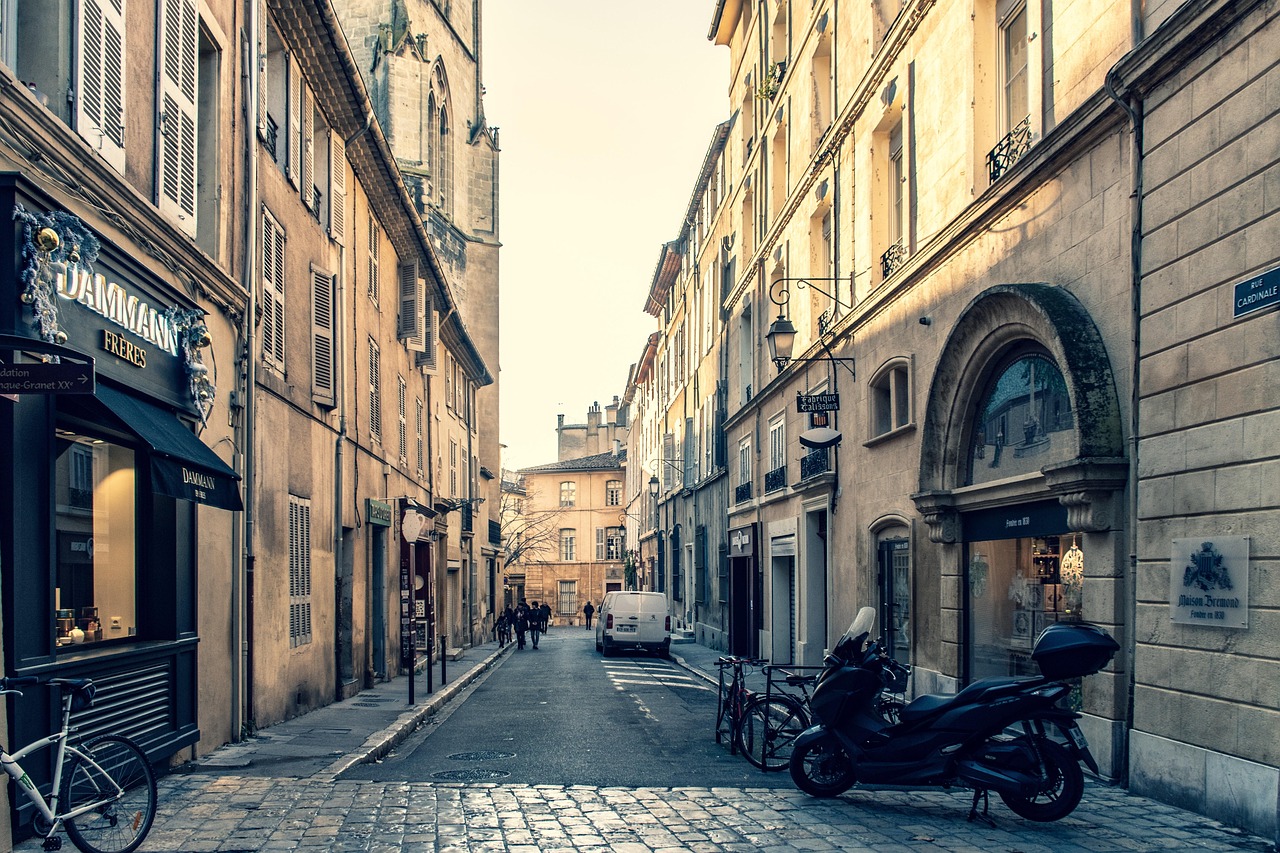
I almost always begin a Provence trip in Aix-en-Provence. It’s a university town with fountains at every corner, a lively café culture, and easy access by TGV from Paris or by bus from Marseille Airport. If it’s your first time and you’re planning 4 days in Provence, this is my top recommendation for a base.
Aix wears its history lightly. The Cours Mirabeau is its spine: a broad boulevard lined with plane trees and terrace cafés. On my last visit in late spring 2025, I spent my first afternoon doing nothing more ambitious than wandering from fountain to fountain, stopping for an espresso at Les Deux Garçons (rebuilt after a fire, but still atmospheric) and watching locals argue amiably over pétanque rules in the little squares.
Things to do in Aix-en-Provence:
- Follow Cézanne’s trail – visit his atelier on the northern edge of town, then take the short trip out to Montagne Sainte-Victoire, the jagged limestone ridge that obsessed him.
- Explore the markets – especially the Tuesday, Thursday, and Saturday morning markets around Place Richelme (food) and Place des Prêcheurs (produce and textiles). This is where you feel the rhythm of local life.
- Visit the Granet Museum for a manageable but rich collection, including works by Cézanne and his contemporaries.
Where to eat & drink: I’m fond of the simple, seasonal cooking at La Fromagerie du Passage (cheese-forward, with terrace seating) and the casual wine bar atmosphere at Le Zinc d’Hugo. Order a carafe of local rosé, a plate of tapenade and anchoïade, and you’re in business.
Why Aix makes a great base: It’s well-connected, walkable, and lively at night without being rowdy. Families appreciate the safe, compact centre; couples love the café culture; solo travelers appreciate the ease of train and bus links.
2. Avignon: Papal History on the Rhône
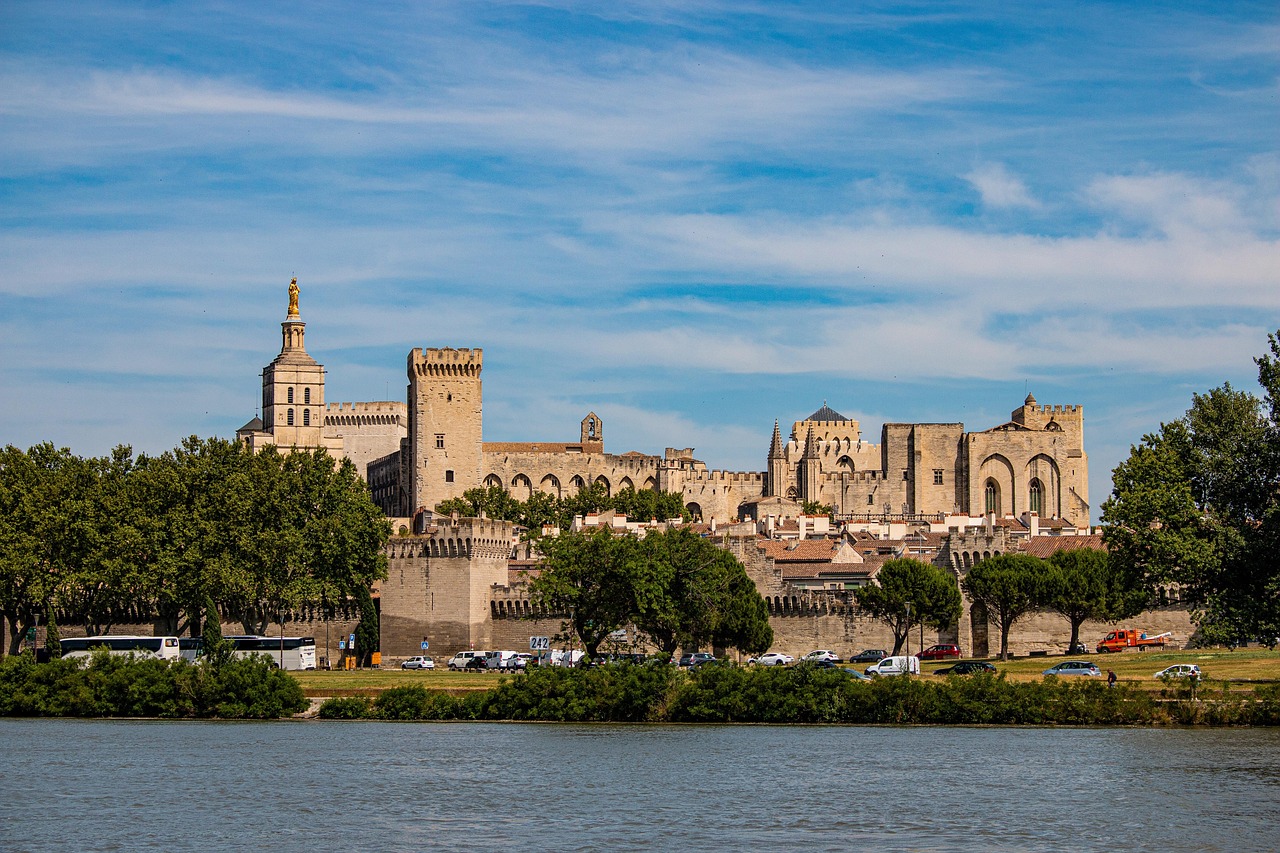
Avignon feels almost theatrical, which is fitting given its month-long theatre festival in July. The Palais des Papes looms above the Rhône, its bulk a reminder that this was once the centre of the Catholic world. I love arriving by train—Avignon TGV is just a short shuttle from the walled old town—then walking through the medieval gates into a warren of stone lanes.
On a cool morning in March 2024, I climbed up to the Rocher des Doms garden, coffee in hand, to watch the light rise over the river and the broken span of the Pont Saint-Bénézet. School groups came and went, guides explained the song “Sur le pont d’Avignon,” and joggers circled the park. It’s touristy, yes, but still oddly moving.
What to do:
- Tour the Palais des Papes with the interactive tablet guide—it’s one of the better audio experiences in France.
- Walk partway across the Pont d’Avignon for views back to the ramparts.
- Stroll the city walls and get lost in backstreets behind the main squares.
Tips: Avignon is an excellent base if your Provence trip leans westward (Rhône Valley, Luberon, Camargue). During the July festival, book far ahead and expect a different, buzzing city—fun if you love theatre, overwhelming if you don’t.
3. Saint-Rémy-de-Provence: Olive Groves & Van Gogh Skies
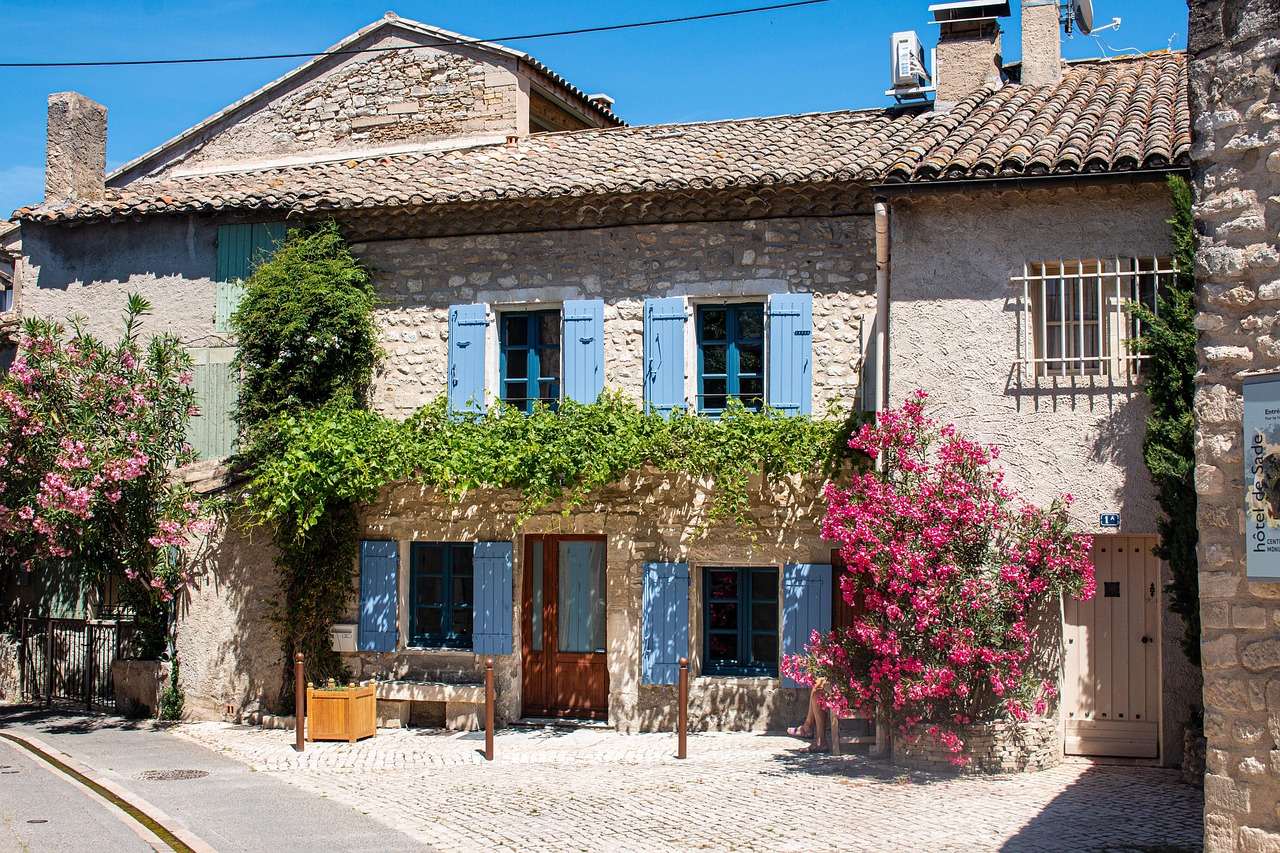
Saint-Rémy is where I send friends who want the “classic” Provencal village experience but with enough services to be practical. It’s ringed by boulevards and plane trees, with a compact, beautifully preserved centre. On Wednesdays, the streets fill with one of the best markets in the region—my own pantry in Paris is still stocked with olive oil and honey from my last Saint-Rémy haul.
Highlights:
- St-Paul-de-Mausole: the former asylum where Van Gogh stayed, just outside town. The cypress trees and wheat fields look like they’ve stepped straight out of his canvases.
- Roman Glanum: archaeological remains that remind you how long people have valued this fertile pocket of land.
- Evening apéro in the main square – families, couples, and older locals all converge here as the light softens.
My tip: Base here if you want to explore the Alpilles, Les Baux, and Arles without changing hotels too often. A car is practical, though buses do run to Arles and Avignon.
4. Les Baux-de-Provence & the Alpilles: Dramatic Rock & Light
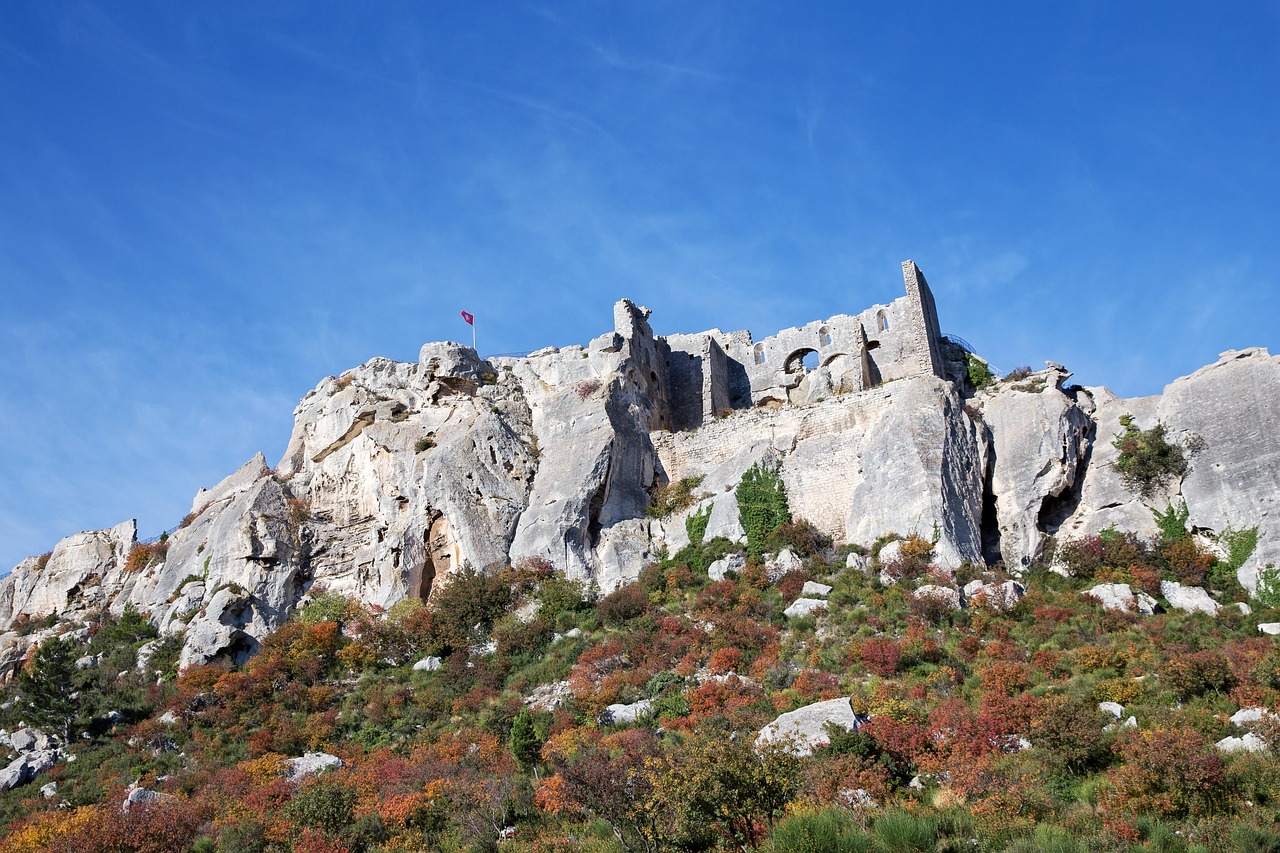
Les Baux is impossibly perched on a rocky outcrop in the Alpilles range, surrounded by silvery olive groves. I first visited on a blustery December afternoon, when the wind nearly knocked me sideways on the ruined castle ramparts—and the absence of crowds made the place feel genuinely medieval.
Must-sees:
- The Château des Baux ruins, with panoramic views over the valley.
- Carrières des Lumières, an immersive art show projected onto the walls of an old quarry. As of 2026, the programming includes rotating exhibitions on modern art and music—kids tend to love it.
- Driving or cycling through the Alpilles Regional Park, stopping at olive mills and small vineyards.
Tip: Arrive early morning or late afternoon outside of peak summer. Parking is limited and the village can feel overrun in midday July–August.
5. Arles: Roman Stones & Bohemian Edge
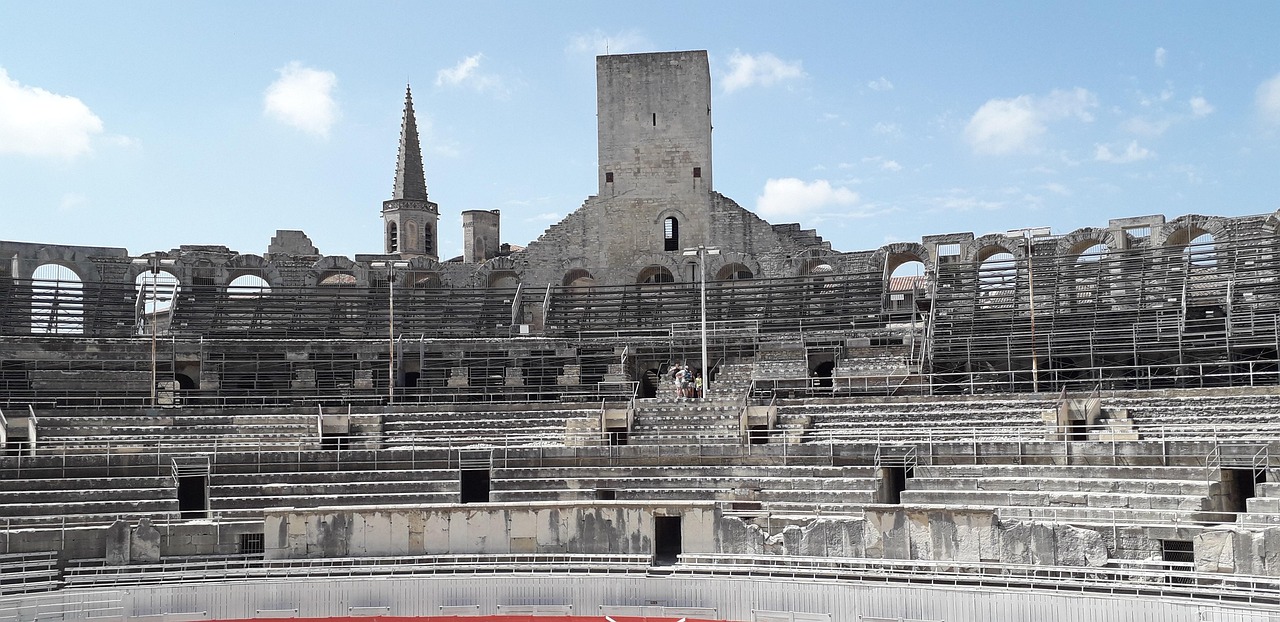
Arles has more grit than Saint-Rémy and more edge than Avignon. It’s where Roman ruins, photography festivals, and bull traditions share the same cobbled streets. On a hot September morning, I sat on the steps of the Roman amphitheatre watching workers set up for a course camarguaise—a local, non-lethal bull game—while tourists traced Van Gogh’s footsteps through the town.
Don’t miss:
- The amphitheatre and Roman theatre.
- The LUMA Arles arts complex in the Parc des Ateliers, with its shimmering Frank Gehry tower.
- Van Gogh spots: the café at Place du Forum, the riverside view at the Trinquetaille bridge.
Why go: Arles is a great day trip from Avignon or Saint-Rémy and a gateway to the Camargue. Its slightly rougher edges mean lower prices and a more local feel than some polished villages.
6. The Camargue: Wild Wetlands & White Horses
South of Arles, the Rhône fans out into a watery maze: the Camargue. It’s a world of salt flats, rice paddies, reed beds, and big skies, with flamingos feeding in the shallows and the famous white horses grazing on the marsh edges. I spent two days here in autumn 2023, based in a simple inn near Saintes-Maries-de-la-Mer, waking to the sound of wind in the reeds and the distant bells of the village church.
Activities:
- Birdwatching at the Parc Ornithologique de Pont de Gau.
- Horseback riding with reputable stables that avoid the more circus-like operations along the road.
- Beach walks near Saintes-Maries or the wilder stretches further east.
Good to know: Mosquitoes are fierce in late spring and summer—pack repellent and light long sleeves. A car is essential here; public transport is sparse.
7. Gordes: Cliffside Icon of the Luberon
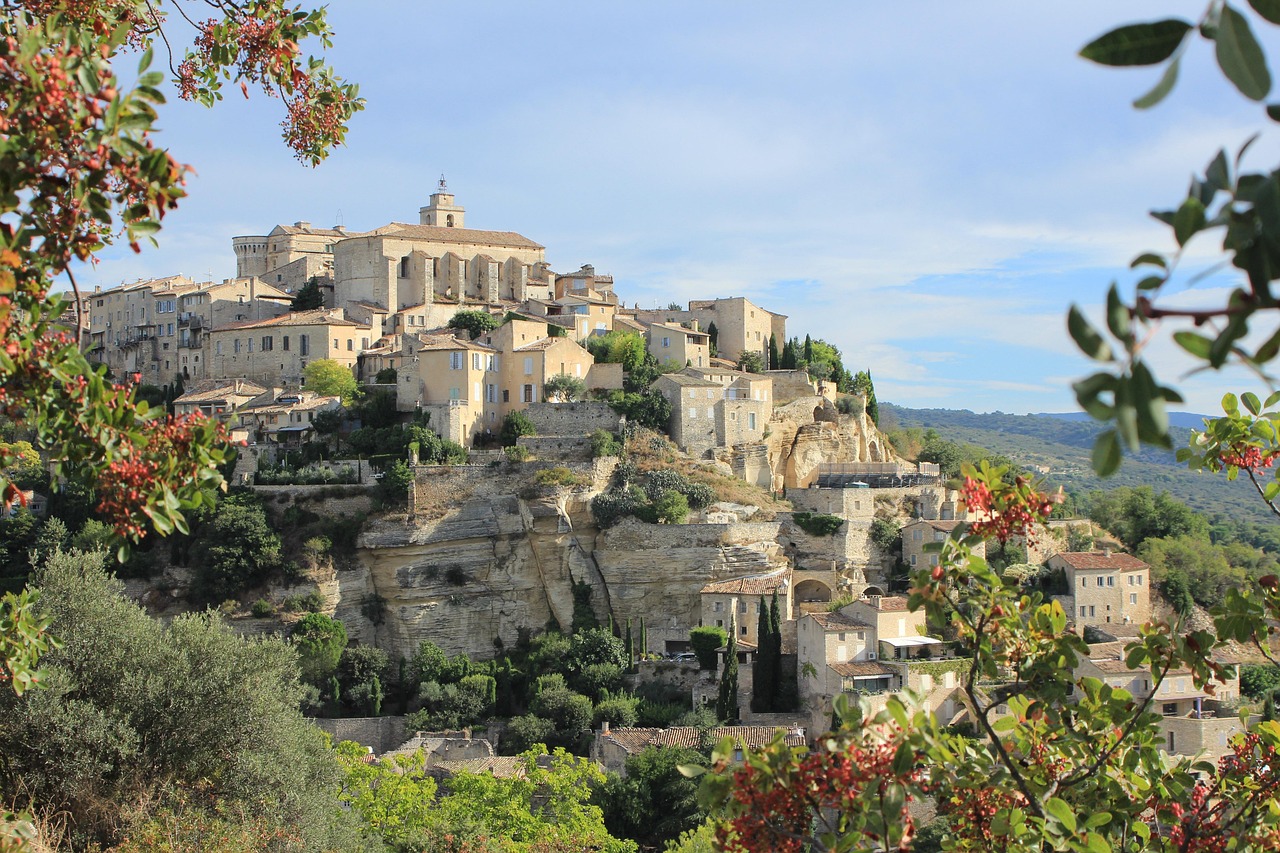
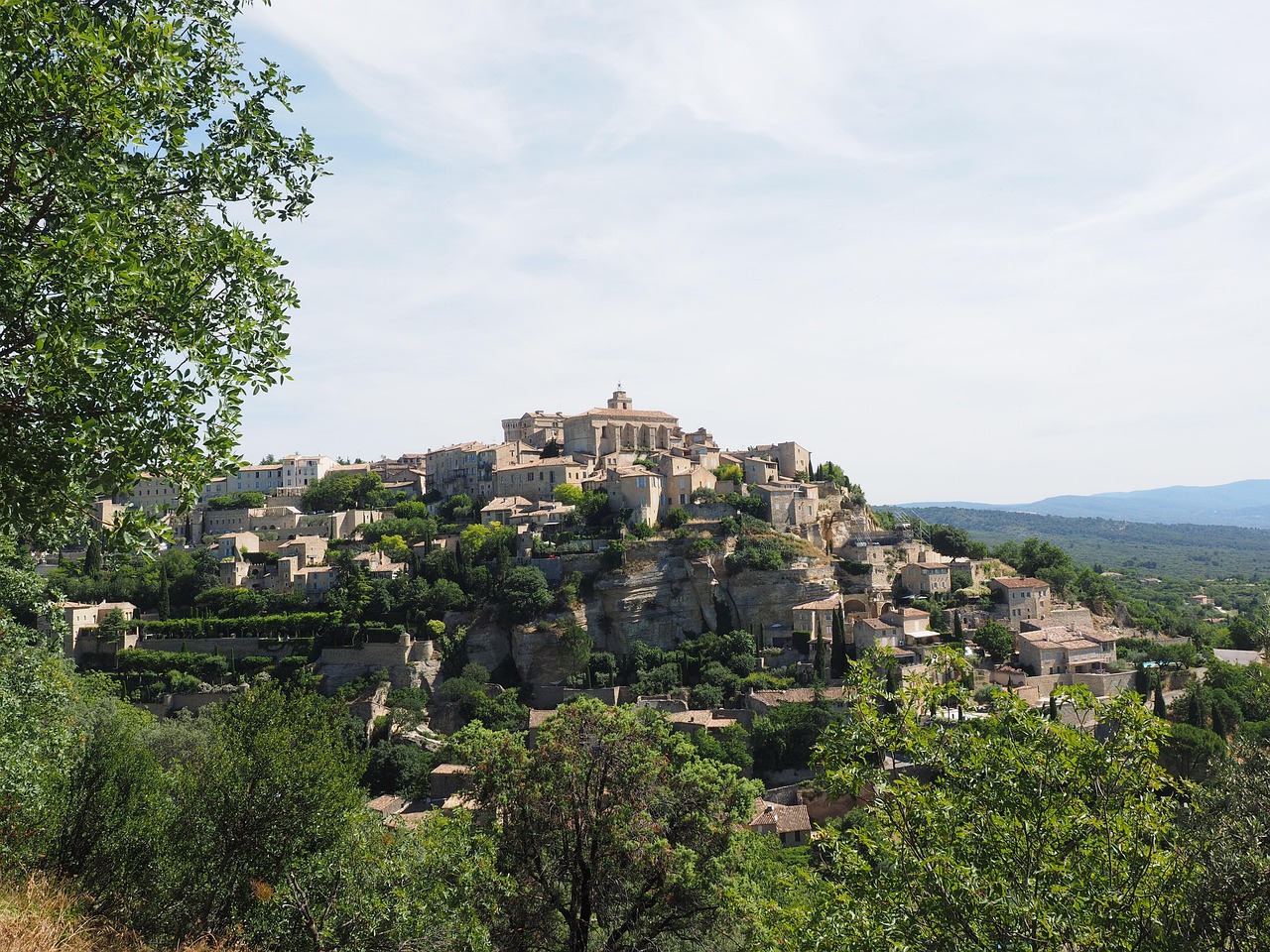
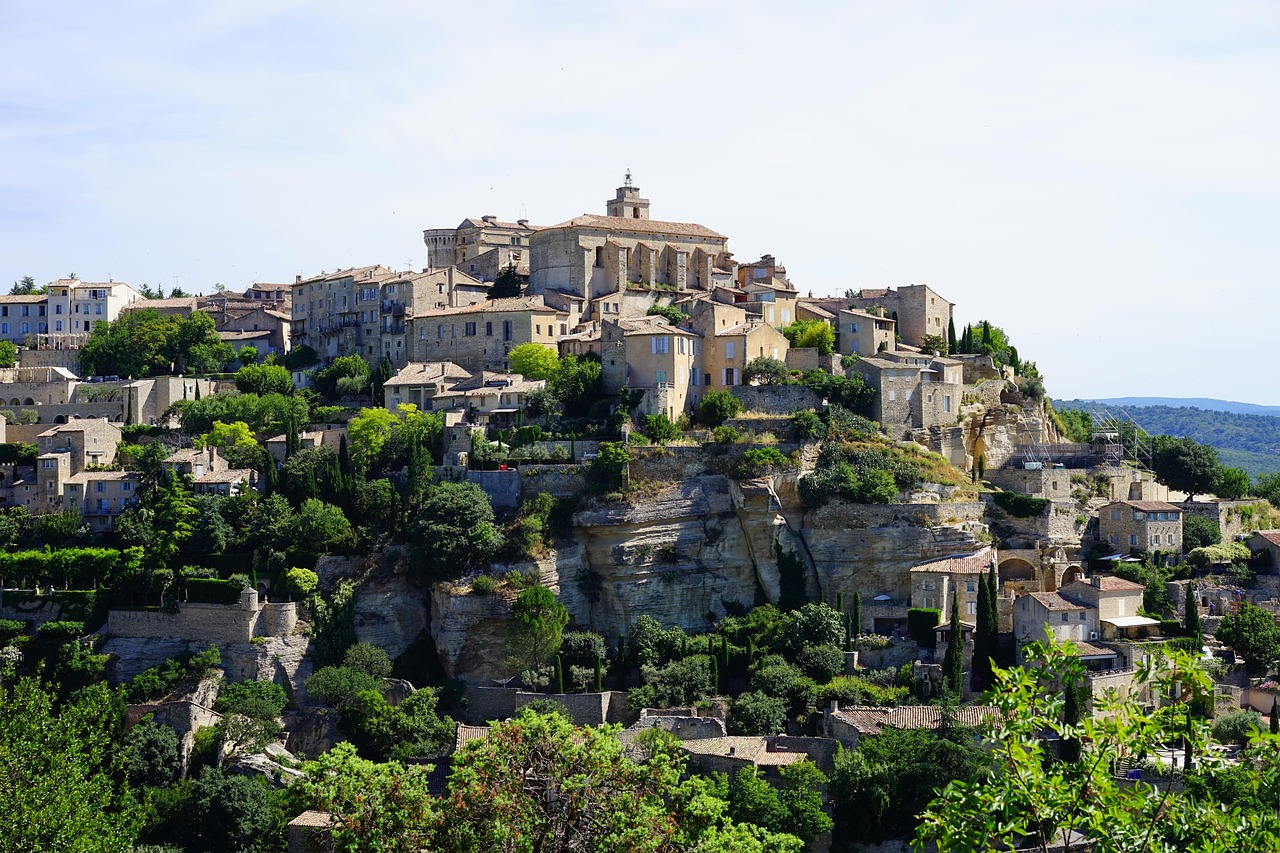
There’s a particular lay-by on the road as you approach Gordes from the west where every car seems to stop. The view is ridiculous: stone houses tumbling down a cliff, the Luberon hills beyond, the light softening to honey as evening falls. I’ve pulled over there on at least four separate trips, always telling myself “this time I won’t take another photo” and always failing.
Why Gordes is famous: It’s one of the most photographed villages in Provence, and with good reason. The town itself has a castle, vaulted lanes, and sweeping views, surrounded by terraced fields and olive groves.
Nearby highlight: The Abbaye de Sénanque, a 12th-century Cistercian abbey in a lavender-lined valley. In June and early July, the lavender fields in front of the abbey are a magnet for photographers. Please respect the monks’ privacy and stay on marked paths.
Tip: Gordes gets very busy midday in summer. If you’re on a 4 or 5 day itinerary for Provence and short on time, visit early morning or after 17:00, then have dinner on a terrace overlooking the valley.
8. Roussillon & the Ochre Trail
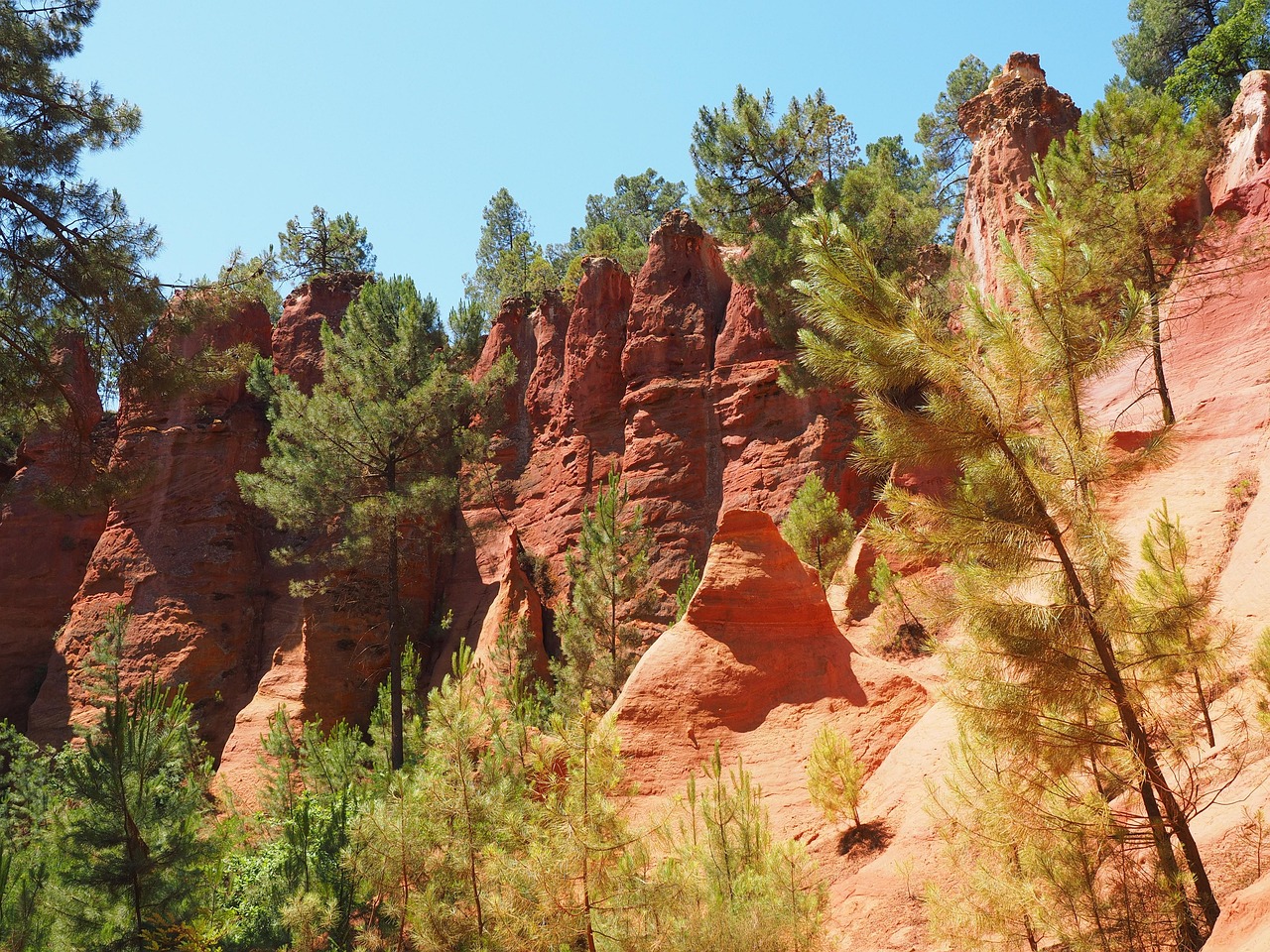
Roussillon looks like someone turned the saturation up: houses in shades of rust, peach, and terracotta; cliffs striped in orange and gold. The village sits atop one of Europe’s largest ochre deposits, once actively mined and now protected.
I walked the Sentier des Ocres (Ochre Trail) on a breezy April afternoon, the wind carrying the scent of pine. The easy loop trail is perfect for families and photographers—just don’t wear white shoes unless you want them permanently tinted orange.
Good for: A half-day stop combined with Gordes and Bonnieux on a Luberon loop. Plenty of cafés for an ice cream or a glass of rosé after your walk.
9. Bonnieux & the Central Luberon: Slow Roads & Stone Villages
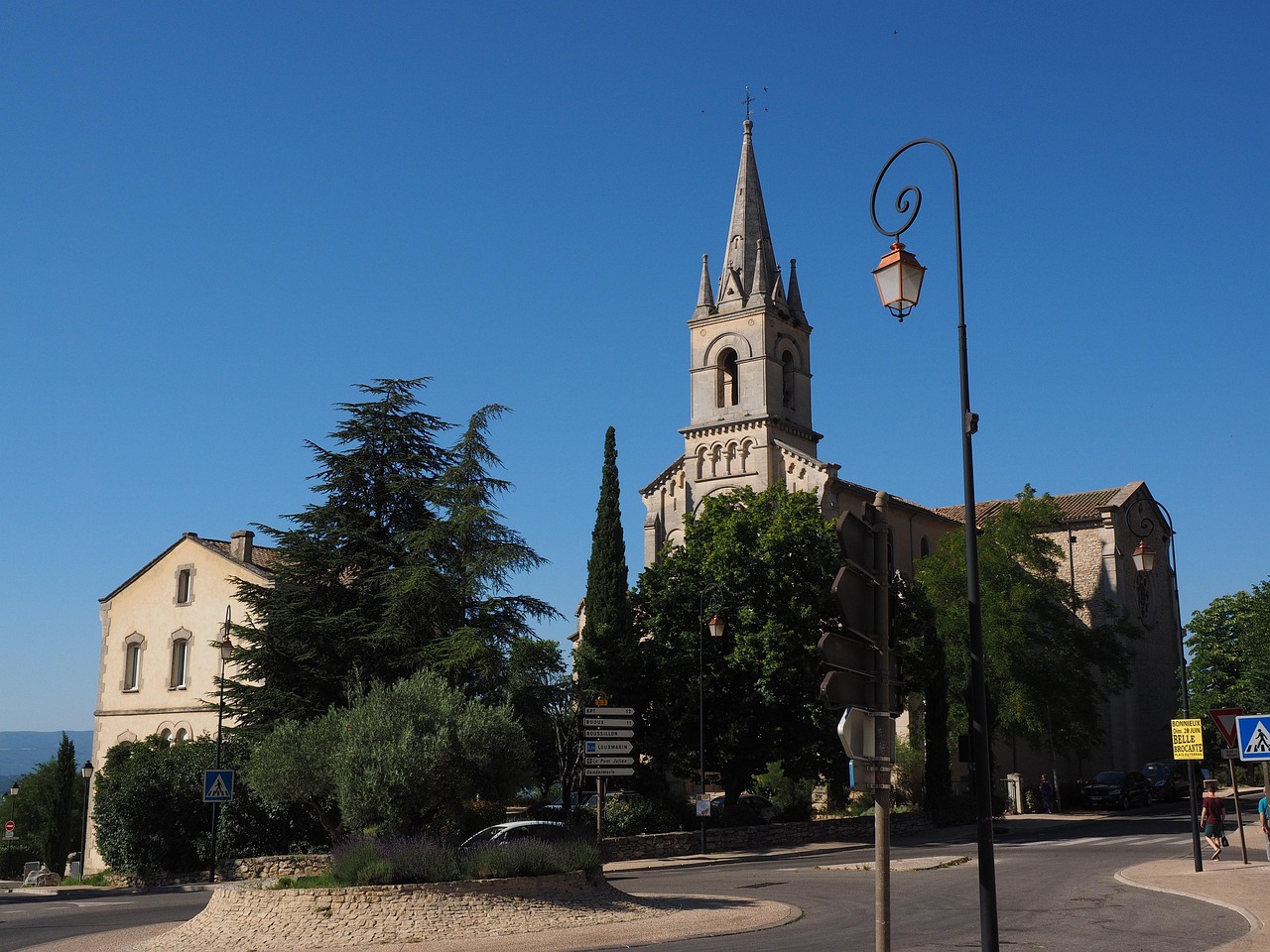
Bonnieux is one of my favorite Luberon villages to actually stay in. It’s vertical—prepare for stairs—but the views over the valley towards Lacoste and the distant Mont Ventoux are extraordinary. Early one June morning, I climbed to the upper church before breakfast and watched mist lift off the fields below while swallows looped over the rooftops.
Nearby:
- Lacoste, with the ruins of the Marquis de Sade’s castle.
- Ménerbes, another beautifully preserved hilltop town (made famous by Peter Mayle’s books).
- The patchwork of vineyards and orchards in the valley between them—ideal for cycling.
Tip: Base in Bonnieux or Ménerbes if you want a quieter, more residential Luberon experience than Gordes, with easy access to multiple villages over 2–3 days.
10. The Luberon as a Whole: Heartland of Hilltop Provence
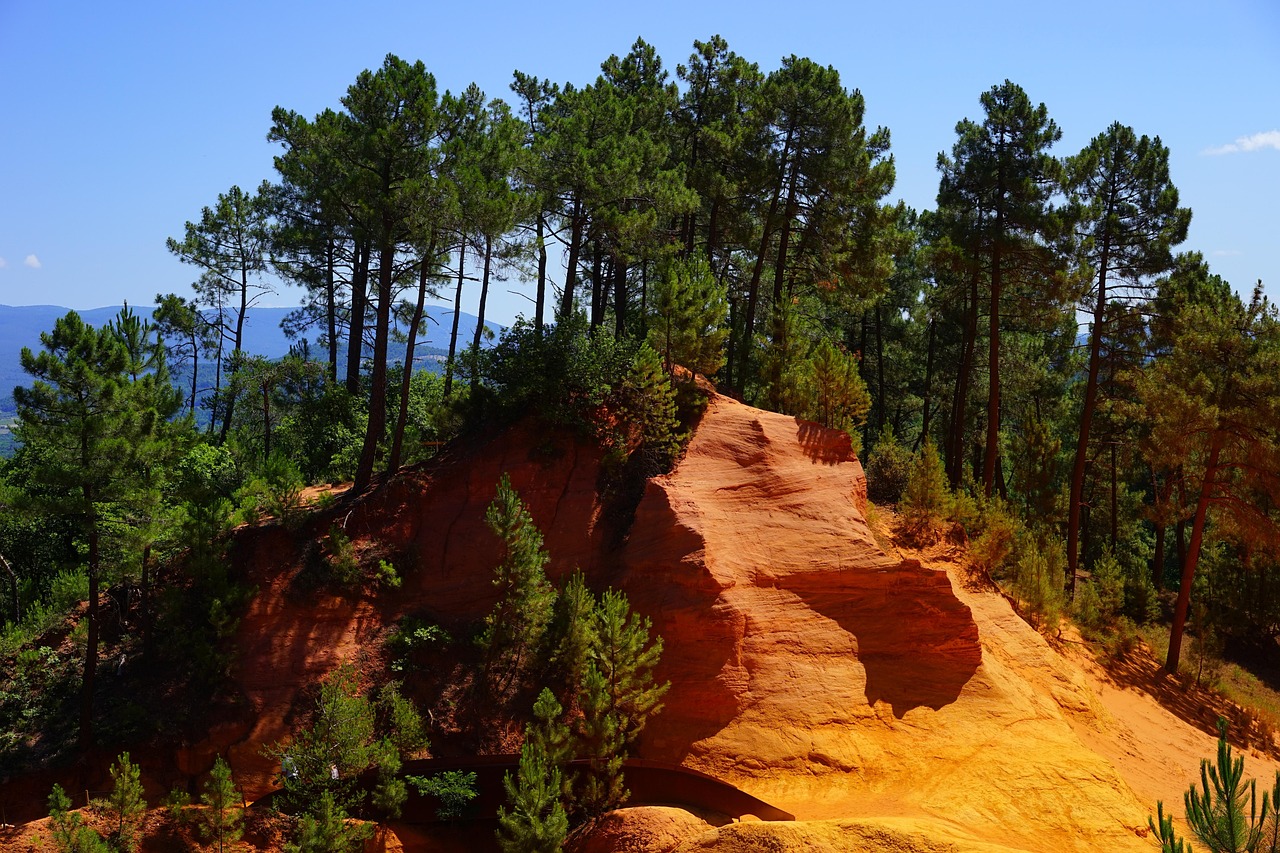
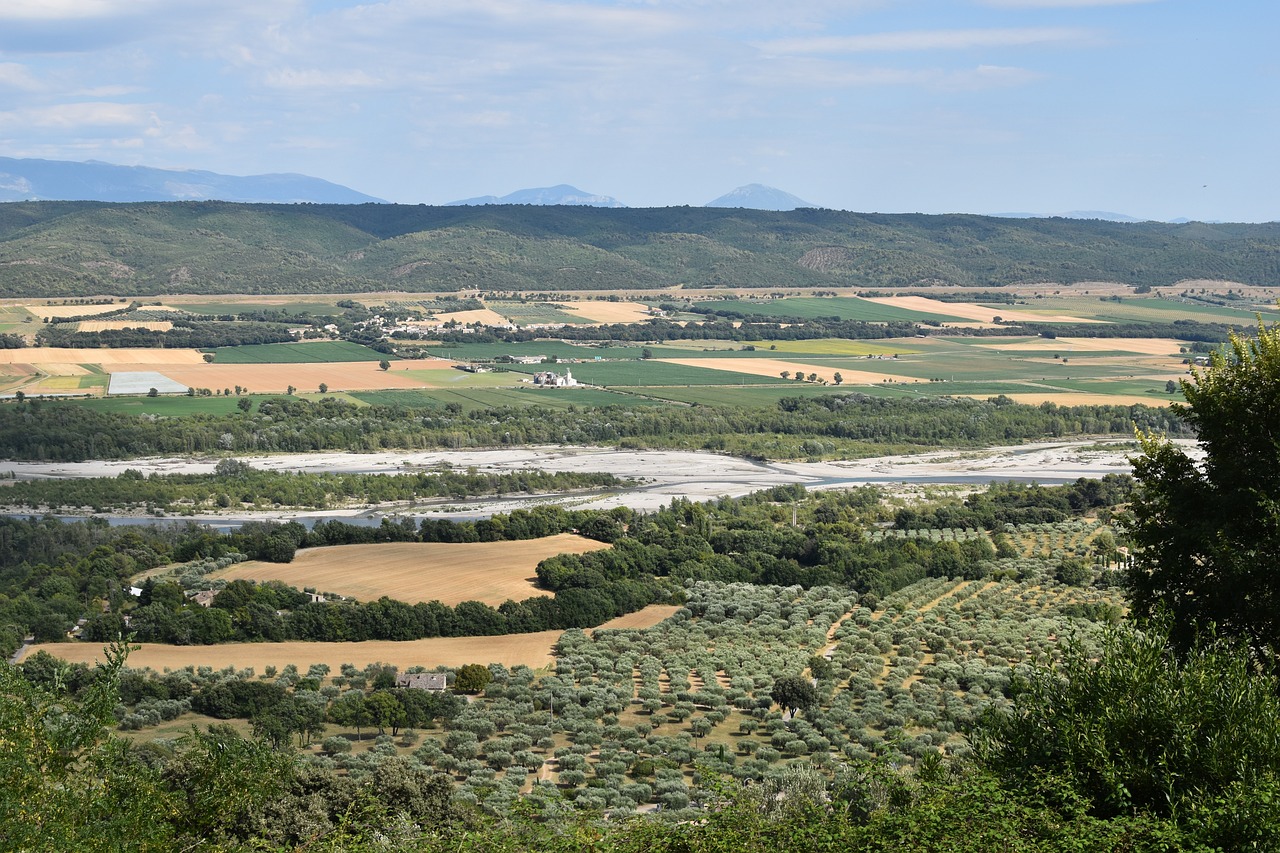
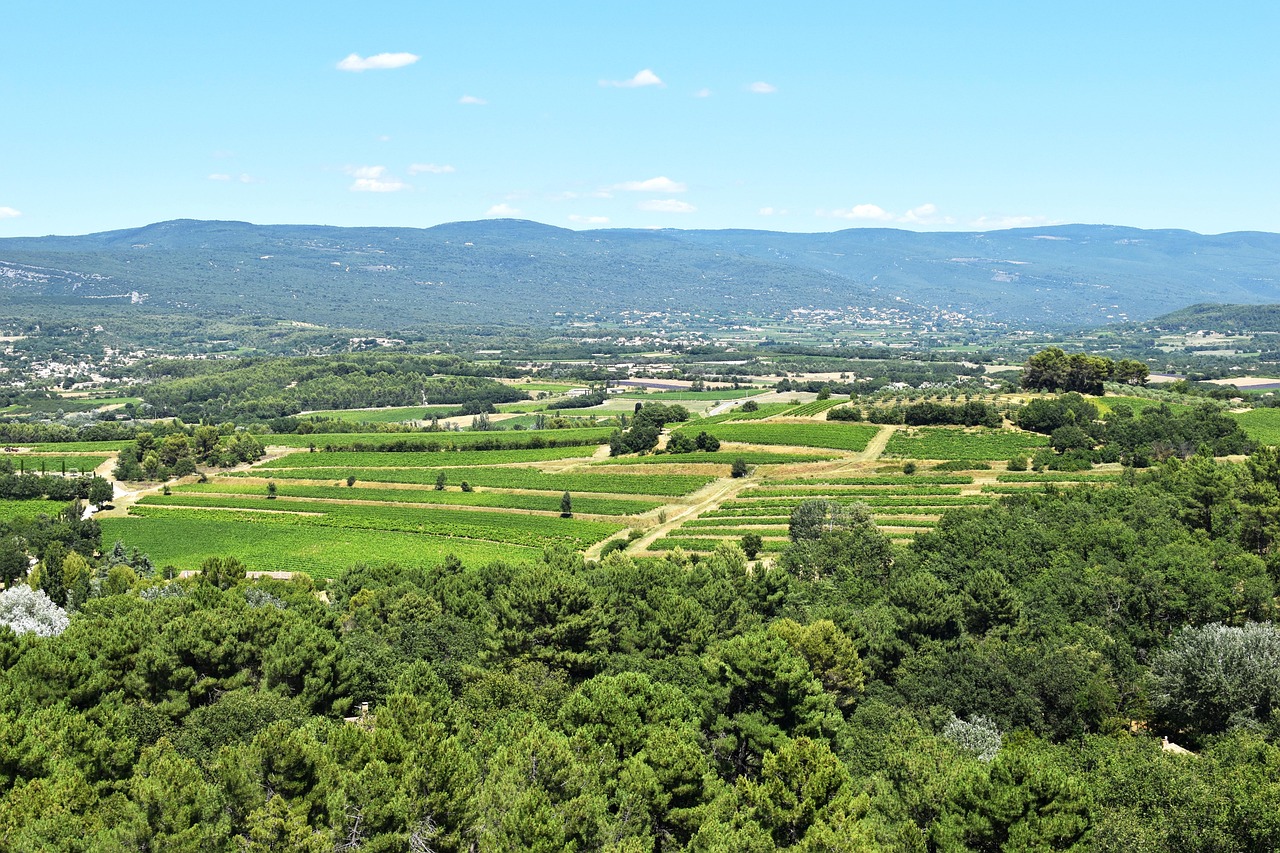
The Luberon is almost a cliché of Provence—and yet every time I return, I remember why the clichés exist. Vineyards, cherry orchards, modest stone farmhouses, twisty roads lined with cypresses, and a string of villages each with its own weekly market.
History here is layered: Neolithic traces, Roman roads, medieval fortresses, and a 20th-century influx of artists and writers. In the 2020s, it has also become a magnet for second-home owners and upscale tourism, but outside July–August you can still feel its working rhythms.
Best bases: Bonnieux, Ménerbes, or a countryside gîte between several villages if you have a car.
11. Marseille: Port City with a Soul
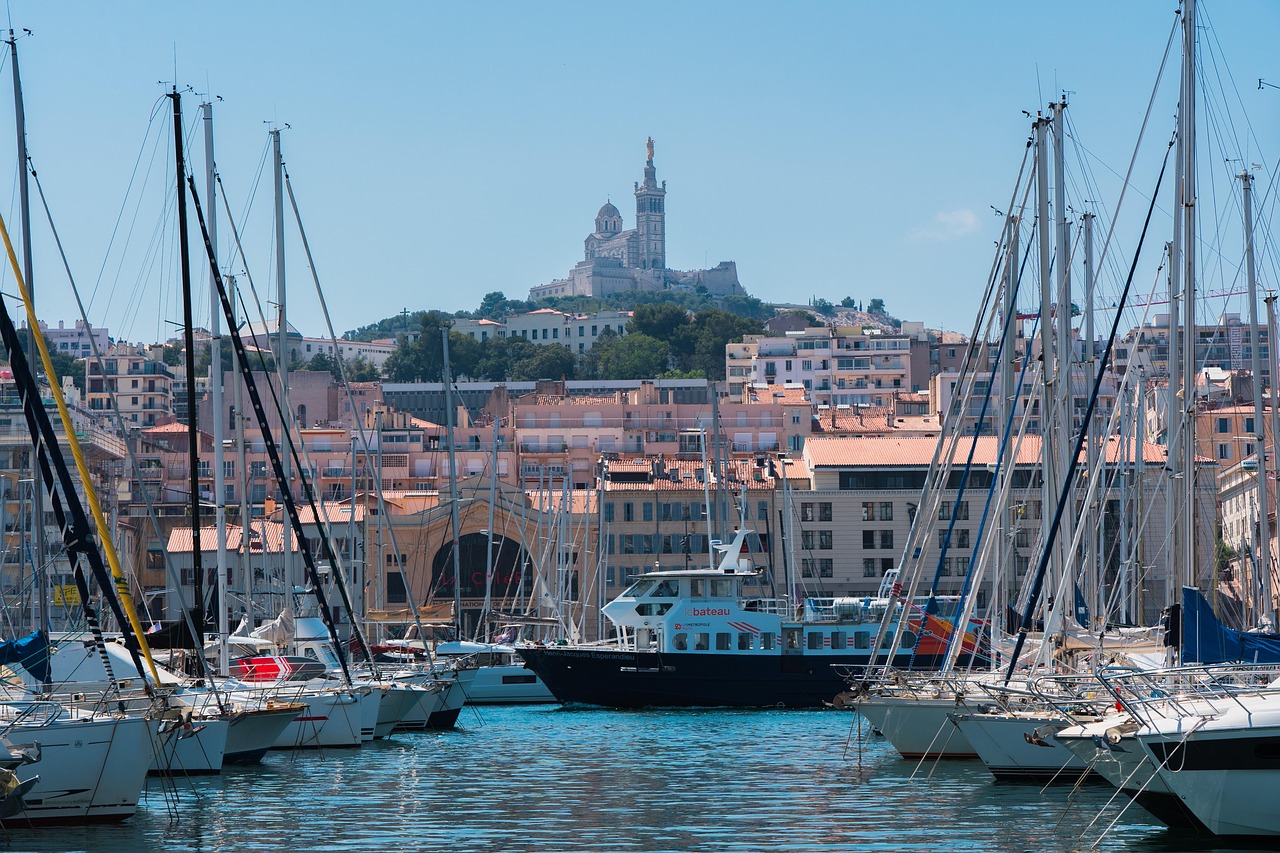
Marseille is not a postcard village; it’s a big, chaotic, multicultural port—and that’s exactly why I adore it. When I’m ready for a dose of city energy after days of vineyards and villages, I head straight to the Vieux-Port, watching fishing boats unload in the morning and ferries leave for the islands by afternoon.
Key sights:
- Basilique Notre-Dame de la Garde, the “Bonne Mère” watching over the city—go for the view, stay for the mosaics.
- Le Panier district, with narrow lanes, street art, and small galleries.
- MuCEM (Museum of European and Mediterranean Civilisations), architecturally stunning and a great way to understand the region’s broader context.
Food: Marseille is the place to try authentic bouillabaisse (if your budget allows) and North African-influenced dishes like couscous and tagines. The no-frills seafood restaurants along the Vallon des Auffes are a favorite of mine for a long, lazy lunch.
12. Cassis & the Calanques: Cliffs, Coves & Turquoise Water
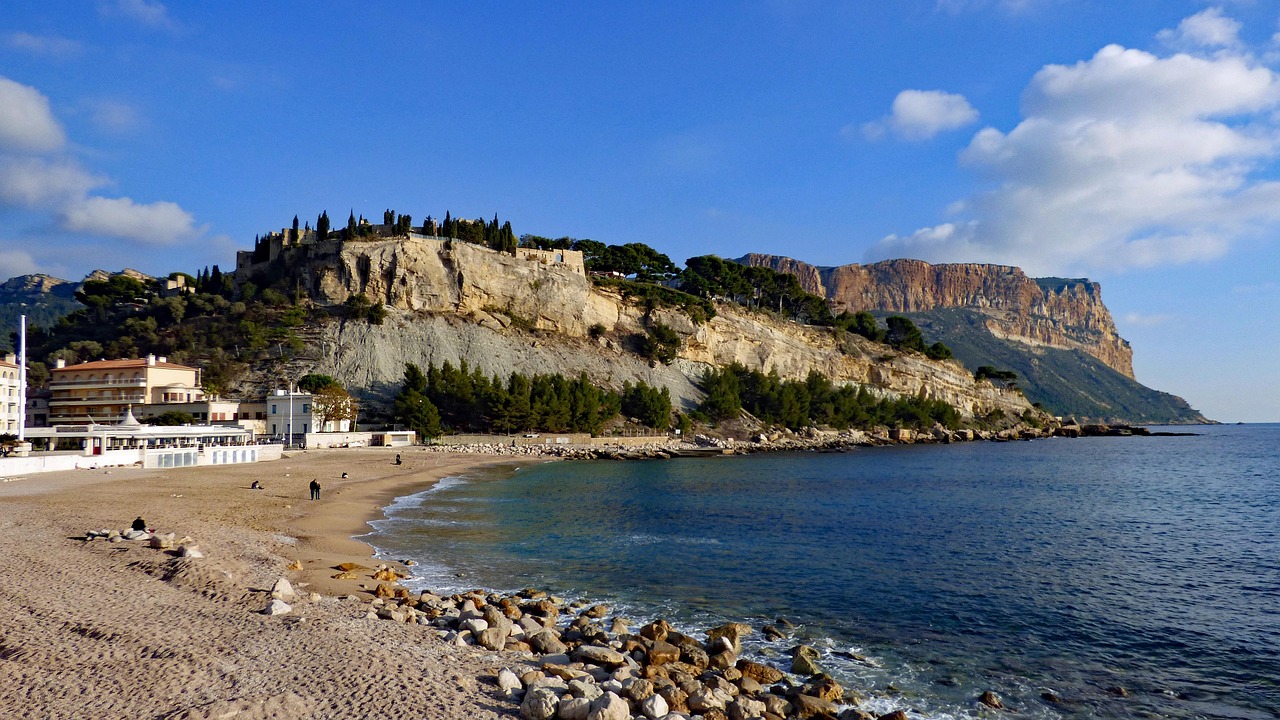
Cassis is a small fishing port east of Marseille, pressed between vineyards and cliffs. I’ve lost count of how many times I’ve lingered here after a hike in the Calanques National Park, sipping cold white wine made from the surrounding hills and watching kids lick melting ice creams on the quay.
Things to do:
- Take a boat tour to the Calanques for families or less-mobile travelers.
- Hike from Cassis to the Calanques (Port Miou, Port Pin, En-Vau) if you’re reasonably fit—bring water, hat, and proper shoes.
- Swim at the town beach or smaller coves if the sea is calm.
Tip: In high fire-risk periods (especially August), some trails close. Check current conditions before planning long hikes. Parking in Cassis is limited; arrive early or consider the park-and-ride lots.
13. Montagne Sainte-Victoire: Hiking Cézanne’s Muse
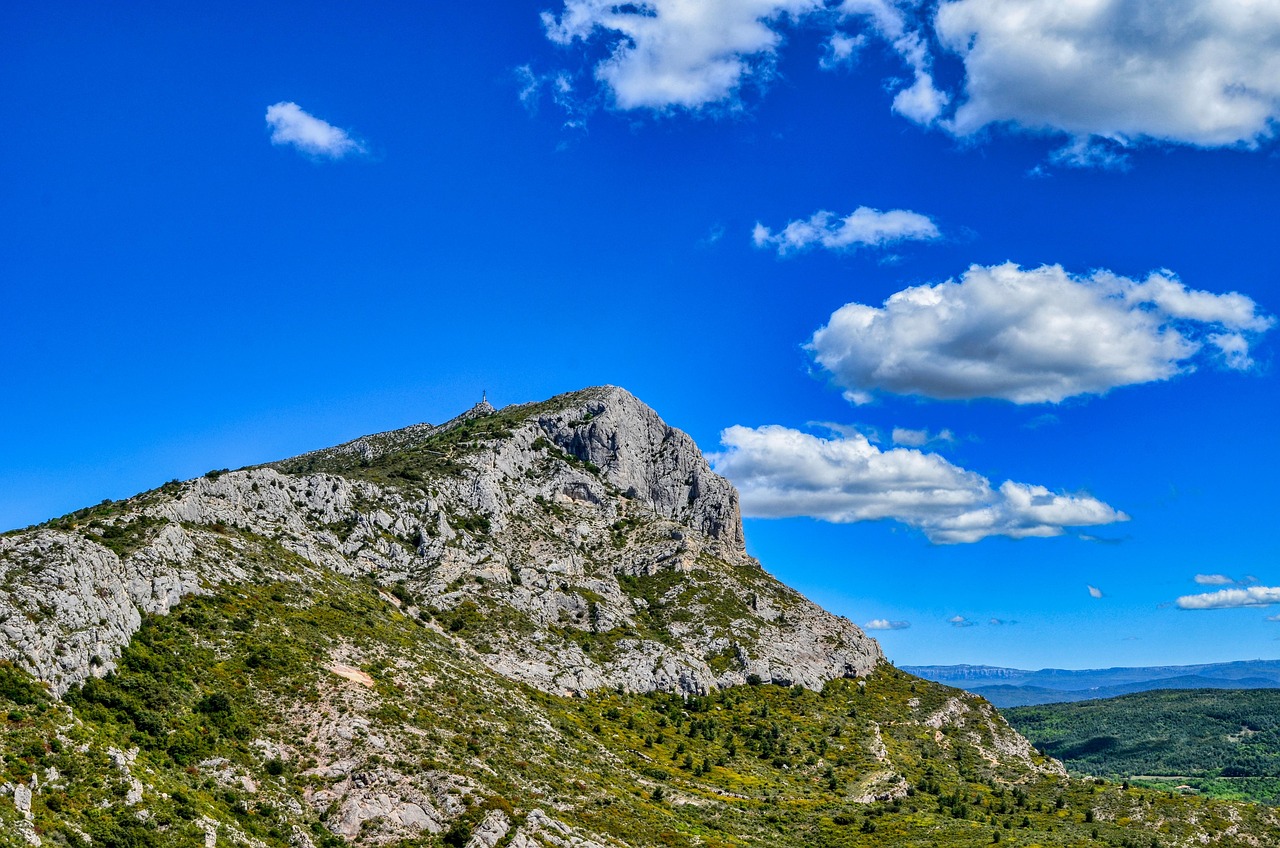
East of Aix, the jagged silhouette of Montagne Sainte-Victoire dominates the horizon. Cézanne painted it obsessively; hikers tackle it eagerly. I’ve hiked to the Croix de Provence on its summit three times now, twice in spring and once foolishly in August (I don’t recommend that last choice—too hot, too exposed).
Why go: The views are extraordinary—on a clear day you can see as far as the Alps. There are trails of varying difficulty, some suitable for families with older kids.
Practicalities: Start early, carry ample water, and wear sturdy shoes. Avoid mid-summer midday hikes; this is limestone country with little shade.
14. Valensole Plateau: Lavender Seas & Almond Trees
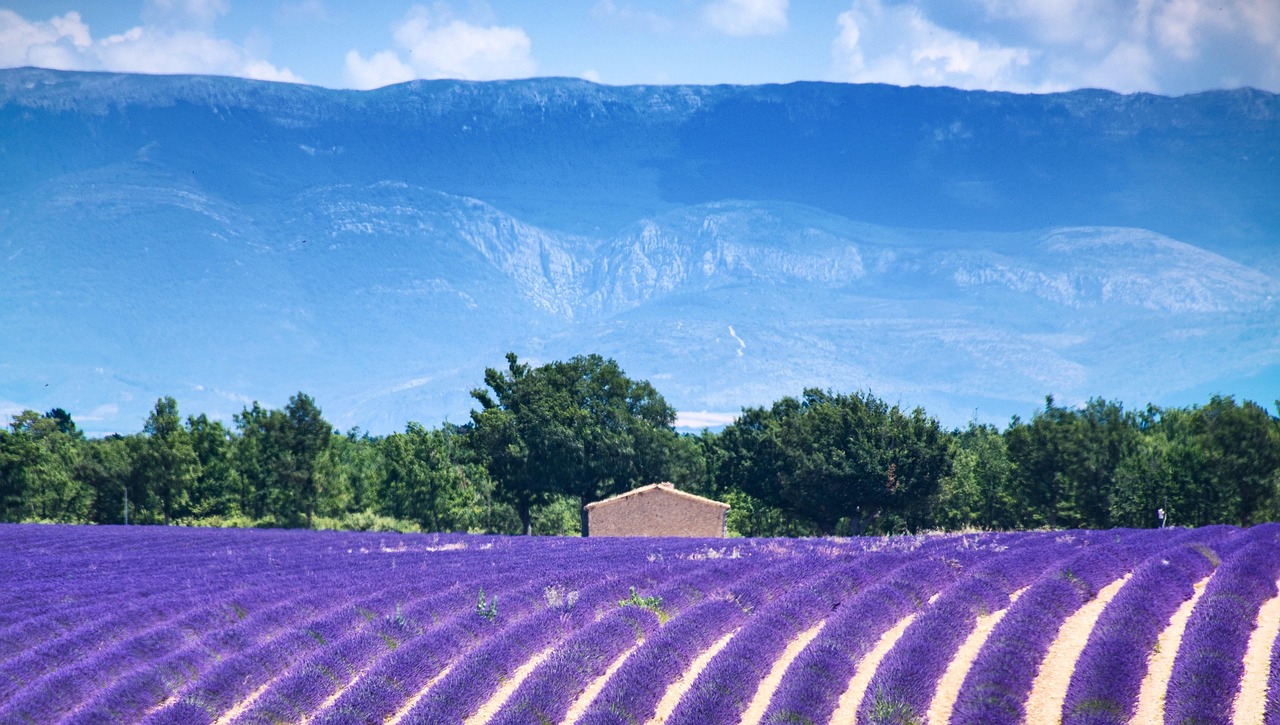
The Valensole Plateau is where those surreal photos of endless lavender rows are usually taken. I visited in late June 2022, just before peak bloom, and was still stunned by the intensity of color and scent. Bees buzzed, tourists posed between rows, and farmers watched it all from the shade of their tractors.
When to go: Late June to mid-July is prime lavender; by late July some fields are already being harvested. Come at sunrise or sunset for softer light and cooler temperatures.
Combine with: The Gorges du Verdon or the small town of Manosque (home of L’Occitane’s factory and a pretty old centre).
15. Gorges du Verdon & Lac de Sainte-Croix: Provence’s Grand Canyon
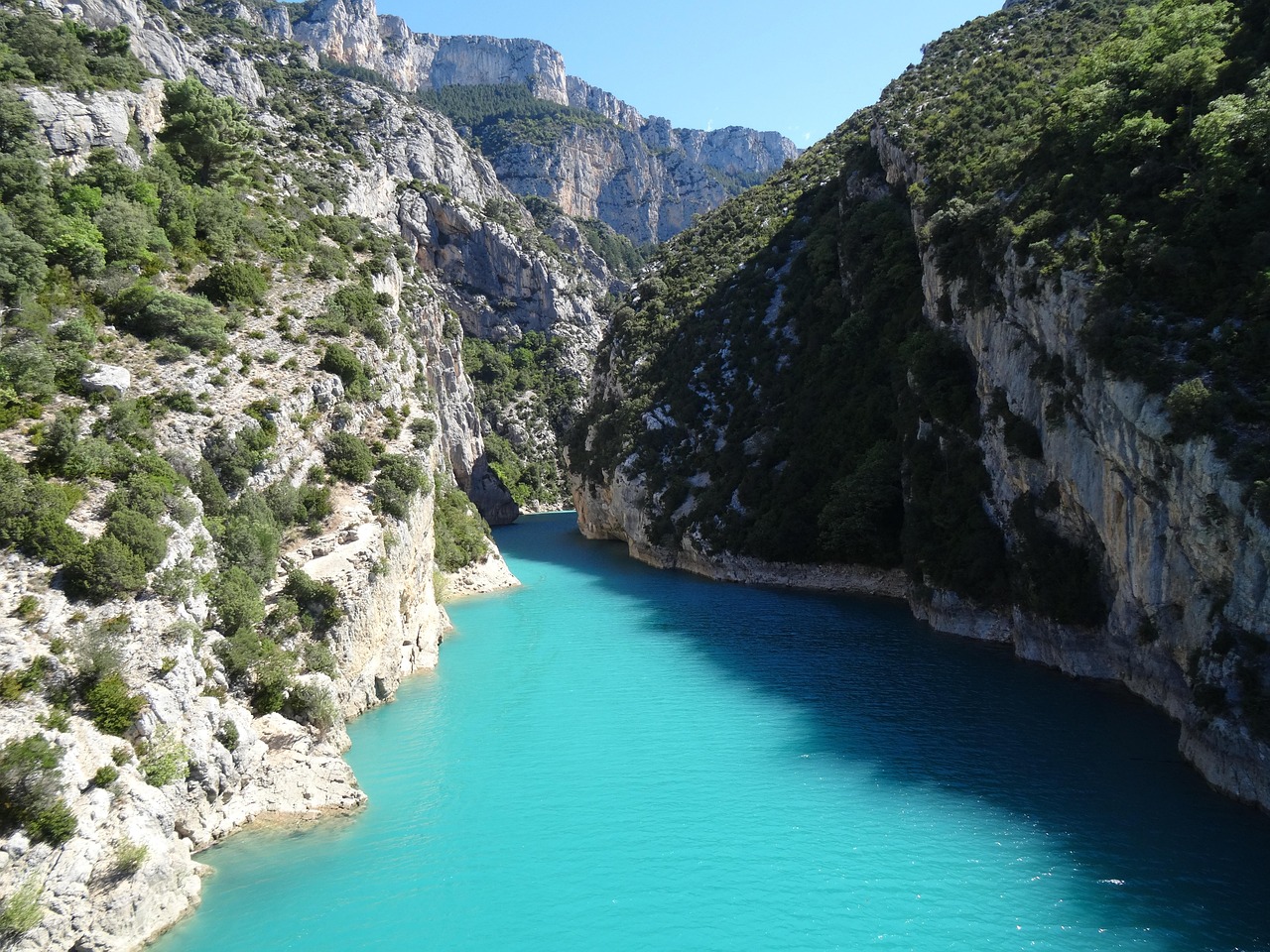
The first time I drove up to the Gorges du Verdon, I actually gasped. The canyon slices through limestone, the river below an improbable turquoise, vultures circling overhead. This is Provence’s wild side—a world away from lazy rosé afternoons, yet only a couple of hours’ drive from Aix or the Luberon.
Activities:
- Rent a paddle boat or kayak at Lac de Sainte-Croix and enter the lower part of the gorge.
- Drive the Route des Crêtes for vertigo-inducing viewpoints.
- Hike classic trails like the Sentier Blanc-Martel (for experienced hikers).
Tip: Base for a night or two in Moustiers-Sainte-Marie (a beautiful village clinging to a cliff) if you have a 6 or 7 day itinerary for Provence and crave adventure.
16. The Alpilles: Olives, Wine & Rocky Ridges
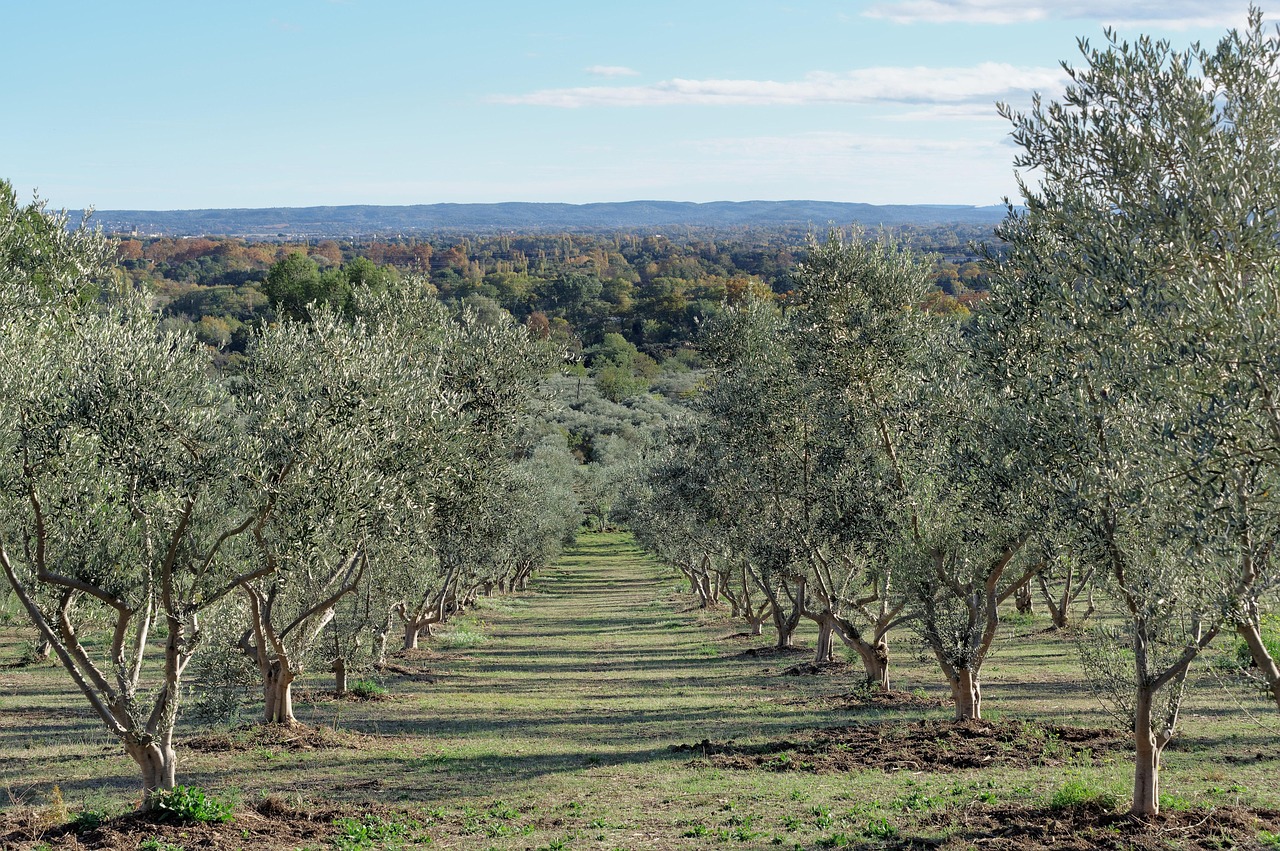
The Alpilles are a miniature mountain range between Saint-Rémy and Les Baux, dotted with olive groves and small vineyards. I often come here just to drive the minor roads, windows down, stopping at roadside stands to buy olive oil in unlabelled bottles and occasionally getting lost on purpose.
Good for: Easy hikes, scenic drives, wine and olive oil tastings, and a quieter feel than the Luberon.
17. Bandol & the Western Riviera: Coastal Wines & Small Ports
Bandol is both a small port town and a serious wine appellation, known for structured reds and excellent rosés. I like to come here in late September, when the sea is still warm but the crowds have thinned, to alternate between vineyard visits and lazy afternoons on the beach.
Why visit: A more low-key alternative to the glitzier Côte d’Azur, with authentic coastal life and easy train access from Marseille and Toulon.
18. Hyères & the Golden Islands: Secret-Like Mediterranean
Off the coast near Hyères lie the Îles d’Or—Porquerolles, Port-Cros, and Île du Levant. Porquerolles in particular is a gem: no cars, sandy beaches, and eucalyptus-scented paths. I spent three days there in May 2023, staying in a simple guesthouse in the main village, cycling to different beaches each day and feeling very far from the mainland frenzy.
Best for: Couples and families wanting a beachy add-on to a longer Provence trip. Ideal shoulder-season destination in May–June or September.
Local Food in Provence & Where to Taste It
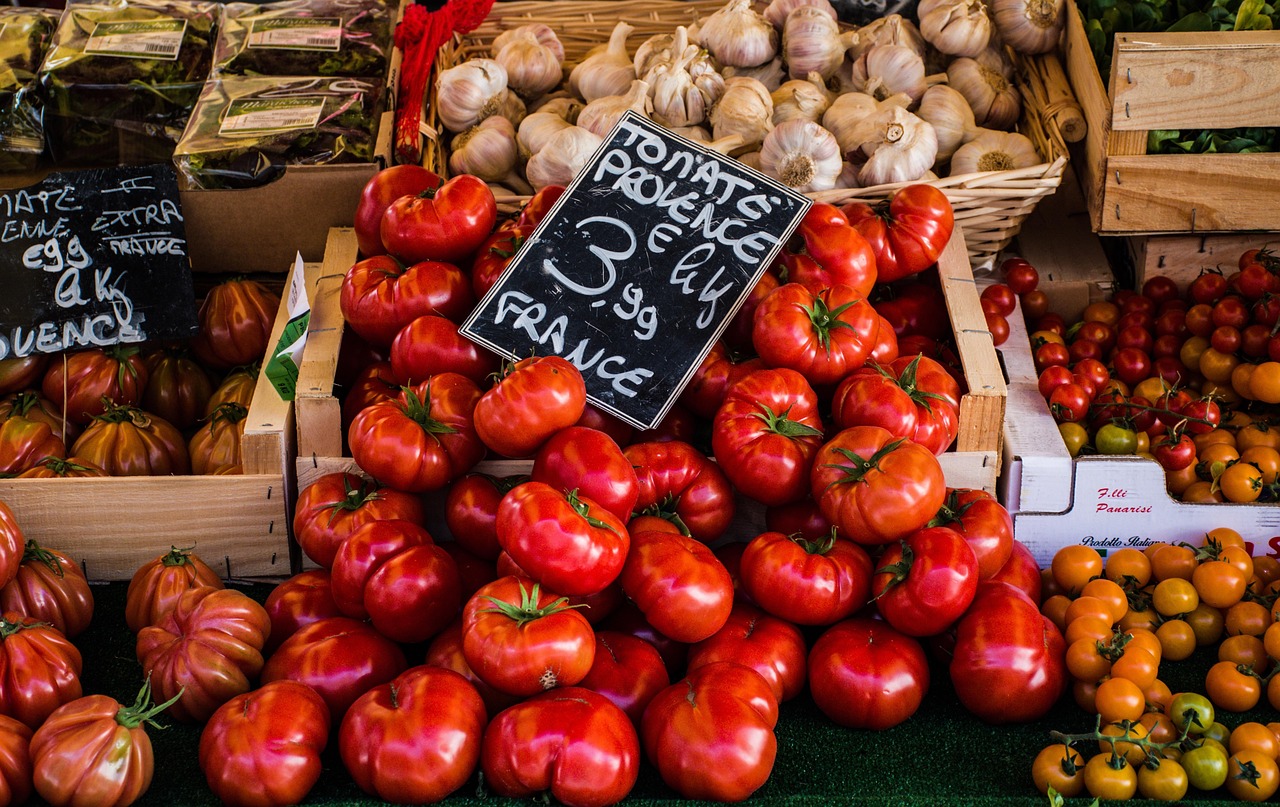
Provençal cuisine is about sun, not fuss: tomatoes, olive oil, garlic, herbs, and the freshest possible fish or vegetables. Yet within that simplicity are big differences between coastal, inland, and mountain tables.
Signature Dishes by Sub-Area
- Aix & Interior Provence: aïoli (garlic mayonnaise with steamed vegetables and fish), daube provençale (slow-cooked beef stew), pieds et paquets (for the adventurous).
- Marseille & Coast: bouillabaisse, pieds-paquets, panisse (chickpea fritters), grilled sardines.
- Luberon & Alpilles: Goat’s cheese, tapenade, stuffed vegetables, olive oil-based dishes.
- Camargue: gardianne de taureau (bull stew), Camargue rice, tellines (small clams).
Markets & Farm Stays
I plan my Provence days around markets whenever possible. Saint-Rémy’s Wednesday market, L’Isle-sur-la-Sorgue’s Sunday antiques and produce market, and Aix’s Saturday markets are standouts. For deeper immersion, look for farm stays (gîtes ruraux) listed through local tourism offices—many offer table d’hôtes dinners using their own vegetables, eggs, and wine.
In 2026, there’s a noticeable push towards organic and low-intervention wines across the Luberon and Alpilles. Ask at any wine bar for “nature” or “bio” options if that’s your thing.
Evenings in Provence: After-Dark Rhythm
Evenings are where Provence really reveals itself. In summer, daytime heat gives way to a gentle buzz: shutters open, chairs appear in squares, and the clack of pétanque balls rings out.
- Small-town piazzas: In Saint-Rémy, Bonnieux, or Gordes, find a café table with a view of the square and linger over a pastis or glass of rosé. Kids run around, older locals debate politics, and travelers decompress from the day.
- Sunset viewpoints: The classic view of Gordes from the roadside pullout, the Rocher des Doms in Avignon, or the terrace of Notre-Dame de la Garde in Marseille.
- Local concerts & fêtes: Summer brings open-air concerts, village fêtes votives, and night markets. Posters go up weeks in advance—check town notice boards.
In the shoulder seasons (April–May, September–October), evenings are quieter but no less charming; pack a light jacket and enjoy less crowded restaurants.
Provence in 2026–2027: Events & What’s New
While exact lineups shift, the rhythm of major Provençal events is steady year to year. For 2026–2027, expect:
- Festival d’Avignon (July 2026 & 2027): Major theatre festival; book lodging many months ahead.
- Rencontres d’Arles (Photography, July–September annually): Exhibitions throughout Arles and the LUMA campus.
- Aix-en-Provence Festival (late June–July): Opera and classical music, with some free outdoor performances.
- Lavender Festivals in Valensole, Sault, and surrounding villages (late June–July).
- Wine harvest events in Luberon, Ventoux, and Bandol (September–October): open cellars, harvest picnics.
- Camargue Fêtes Votives in Saintes-Maries-de-la-Mer and nearby towns (dates vary late spring–autumn).
For 2026, regional tourism boards are also promoting new cycling routes linking Aix, the Luberon, and the Alpilles—with improved bike rentals and signage.
Day Trips & Nearby Regions from Provence
If you’ve based yourself in Provence for a week, you can easily add:
- Mont Ventoux: Iconic cycling climb, plus gentler hikes and truffle country nearby. Drive from Avignon or the Luberon.
- Nîmes & Pont du Gard: Spectacular Roman amphitheatre and aqueduct, easily combined in a day from Avignon by car or train + bus.
- The Southern Alps: From Digne-les-Bains or Sisteron upwards if you crave cooler air and mountain scenery in high summer.
Practical Travel Advice for Provence (2026 Edition)
Getting Around: Car vs Train vs Bus
Is a car essential? Not strictly, but for a flexible multi-village trip, especially in the Luberon, Alpilles, or Verdon, a car is immensely helpful.
- By car: Pick up in Marseille Airport, Marseille Saint-Charles, or Aix TGV to avoid driving in bigger cities. Distances: Aix–Gordes ~1h15; Aix–Saint-Rémy ~1h; Aix–Cassis ~55min; Avignon–Arles ~45min; Avignon–Gordes ~1h.
- By train: High-speed TGV connects Paris to Avignon and Aix in around 3 hours. Regional TER trains link Avignon, Arles, Nîmes, Marseille, Toulon, and Hyères.
- By bus: Regional buses connect Aix, the Luberon villages (less frequent), and some Alpilles towns. Good for budget travelers with time to spare.
Parking in historic centres: Most villages have signed parking just outside the cores. Expect to pay a few euros for several hours. In places like Gordes, Cassis, and Les Baux, arrive early in summer to secure a spot.
Budget & Money-Saving Tips
- Travel in shoulder season (late April–June, September–mid-October) for lower prices and better availability.
- Self-cater partially: Book an apartment or gîte, shop at markets, and cook some meals; splurge on a few special dinners out.
- Wine-wise: Buy from co-ops and supermarkets for picnics—local wines are often excellent value.
- Transport: If you’re planning only city-to-city travel (Avignon, Arles, Marseille, Aix), you can skip the car and rely on trains and buses.
SIM Cards & Connectivity
In 2026, connectivity is straightforward:
- EU visitors: Roaming generally included in home plans.
- Non-EU visitors: Buy an eSIM or physical SIM from major providers (Orange, SFR, Bouygues) at airports, train stations, or supermarkets. Short-term tourist packages with ample data are common.
Visas & Driving Licenses
France is in the Schengen Area. Most visitors from Europe, the UK, North America, Australia, New Zealand, and several other countries can enter visa-free for short stays (up to 90 days in 180), but always check current rules before travel.
Driving: Many foreign licenses in Roman script are accepted; some nationalities need an International Driving Permit in addition to their home license. Car rental companies in Provence are used to international drivers—confirm requirements when booking.
Cultural Etiquette & Local Customs
- Greetings: Always say “Bonjour” when entering shops or addressing staff; add “Madame” or “Monsieur” for politeness.
- Meals: Lunch is typically 12:00–14:00, dinner from 19:30 onwards. Many restaurants close one or two days per week; always check and reserve in high season.
- Language: A few French phrases go a long way. Locals appreciate the effort, even if you switch to English after.
- Dress: Casual but neat is fine almost everywhere. Beachwear is for the beach, not village centres or churches.
- Markets: Touch produce only after indicating interest, or let the vendor select for you. Sampling is often offered—don’t abuse it.
Best Seasons by Activity
- Spring (April–early June): Wildflowers, comfortable temperatures, fewer crowds. Great for hiking and a 4 or 5 day itinerary for Provence focused on villages and landscapes.
- Summer (late June–August): Lavender in bloom (late June–mid July), festivals, buzzing evenings, hot days. Best for beach/coast, but crowded; plan ahead.
- Autumn (September–October): Wine harvest, warm seas, golden light. My personal favorite time for 6 or 7 days in Provence mixing coast, vineyards, and villages.
- Winter (November–March): Quiet towns, lower prices, crisp days. Some rural accommodations and restaurants close; best for repeat visitors who don’t need all services.
Summary: Key Takeaways & Final Recommendations
After years of coming back, I think of Provence less as a “trip” and more as a relationship—one that changes with the seasons and deepens with each visit.
- For a first-time 4 day itinerary for Provence, base in Aix or Avignon, add a Luberon day and an Alpilles/Arles day.
- With 5 days in Provence, introduce either the Camargue or the coast (Cassis/Marseille).
- With 6 or 7 days in Provence, slow down: spend 2–3 nights each in two different bases (for example, Aix + Saint-Rémy, or Luberon + Cassis), and consider a wilder add-on like Valensole or the Verdon.
- Best seasons overall: Late April–June and September–early October for balance of weather, crowds, and price.
Come for the lavender and stone villages if you must—but let yourself also notice the everyday: the old men playing cards under plane trees, the schoolkids raiding the bakery at 16:30, the way the light hits a terrace at the exact moment you lift your glass. That, more than any checklist of must-see attractions in Provence, is what will stay with you long after you’ve left.