Why Visit the French Pyrenees in 2026
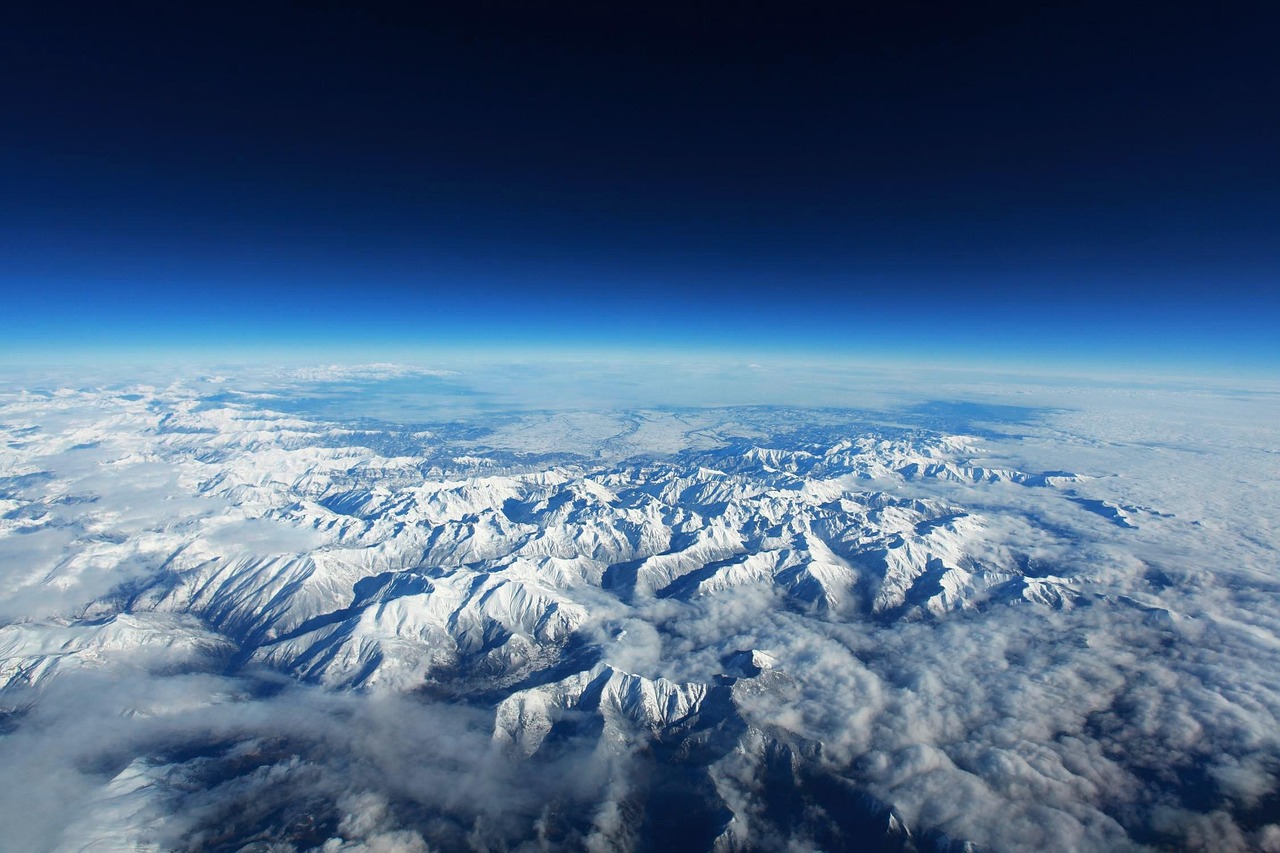
The French Pyrenees are where France loosens its collar. The ridgelines are wild, the villages small and deeply rooted, and the rhythm of the day still follows the clouds more than the clock. I’ve been coming here for over a decade now, often for a week that somehow stretches into two. Every time I return, I’m struck by how under-visited these mountains are compared to the Alps, yet how rich they are in things to do in Pyrenees: high lakes, pilgrim trails, ski resorts that feel like big villages, and valleys where you hear more Occitan or Basque than French.
In 2026, the region is quietly evolving. A few new lift connections, better-marked trails, and a renewed focus on slow, sustainable tourism make it easier to explore without losing the sense that you’ve stepped into a more old-fashioned, generous France. Whether you’re planning a 4 day itinerary for Pyrenees or a full 7 days in Pyrenees, this guide is written from the ground – from nights in stone refuges, mornings over café crème in tiny valley cafés, and long traverses over passes where marmots whistle at you like disapproving locals.
If you want a place where you can hike to a cirque in the morning, soak in hot springs in the afternoon, and eat garbure and local lamb by the fire at night – and where your kids can run feral by a river – the French Pyrenees are one of Europe’s quietly perfect answers.
Table of Contents
- Why Visit the Pyrenees
- Pyrenees Essentials for 2026
- 15 Iconic Peaks, Valleys, Passes & Villages (Deep Dives)
- 4–7 Day Itineraries (With Personal Stories)
- Mountain Dining & Refuges
- Evenings in the Pyrenees
- Cultural Etiquette & Local Customs
- Mountain Logistics & Safety
- Getting Around, Money-Saving & Practical Travel Advice
- Day Trips & Nearby Attractions
- Events & Festivals 2026–2027
- Summary & Best Seasons to Visit
Pyrenees Essentials for 2026
This travel guide for Pyrenees focuses on the French side, from the Atlantic-flavoured Basque valleys to the sharper granite around Luchon and the high, wild Ariège. It’s written for hikers, skiers, families, romantic escapes, and anyone chasing hidden gems in Pyrenees.
- Best bases for first-timers: Cauterets, Luz-Saint-Sauveur, Saint-Lary-Soulan, Luchon (Bagnères-de-Luchon).
- Best for families: Cauterets, Gourette/Eaux-Bonnes, Ax-les-Thermes, Saint-Lary.
- Best for romance: Gavarnie village, Luz-Saint-Sauveur, the spa hotels of Ax-les-Thermes, or a stone gîte near Arreau.
- Best for serious hikers & ski tourers: Gavarnie–Gèdre, Barèges, Luchon, Ariège valleys like Aulus-les-Bains and Vicdessos.
Throughout the guide I’ll weave in detailed 4 day itinerary for Pyrenees, 5 days in Pyrenees, 6 days in Pyrenees and 7 day itinerary for Pyrenees suggestions, anchored in real days I’ve spent on these trails and in these bars.
15 Iconic Peaks, Valleys, Passes & Villages (With Personal Stories)
These are the bones of the French Pyrenees – the places I return to and recommend again and again. Each sub-section is a mini travel story plus practical guide.
1. Cirque de Gavarnie & Village (Hautes-Pyrénées)
Altitude: Village ~1,360 m; cirque floor ~1,600 m. Best for: Iconic hiking, family-friendly walks, winter snowshoeing, romantic scenery.
The first time I walked into the Cirque de Gavarnie, I understood why Victor Hugo called it a “colosseum of nature.” The walls rear up to over 3,000 m, layered like cathedral stone, and even in late June the waterfalls thread down the cliffs in long, thin veils.
I usually base myself in Gavarnie village or down the valley in Gèdre to keep costs down. In summer 2025 I spent three nights here with friends and a very energetic eight-year-old: we managed one big hike and two easier valley rambles, plus extended après-hike sessions over local beer.
What to Do
- Classic walk to the Hôtel du Cirque: A wide, gently rising track from the village (about 1.5–2 hours one way) that’s accessible for families and casual walkers. We set out at 8:30 a.m. to catch the shade and avoid crowds; by noon, the terrace of the Hôtel du Cirque was packed. The last 15–20 minutes from the hotel to the foot of the waterfall is steeper and stonier but worth it when the spray cools your face.
- Balcony trails: For more experienced hikers, the Plateau de Bellevue and the “sentier des Espugues” offer balcony views across the cirque and the valley. I usually do this loop clockwise from the village, carrying a picnic of local tomme, saucisson, and a still-warm baguette from the village boulangerie.
- Winter snowshoeing: In January 2024 I came back for a long weekend and snowshoed into the cirque in silent, muffled snow. Guided outings from local guides in Gavarnie are a good idea – avalanche awareness is essential even on seemingly gentle terrain.
Food & Where to Stay
Gavarnie’s restaurants tilt touristy, but a couple of spots still feel local. I’ve had reliably hearty garbure (thick cabbage and bean soup with ham) and confit de canard at small inns on the main road – ask your host which kitchen is “still cooking for locals.” In 2023 I stayed in a family-run hotel with creaky floors and a view straight up the valley; breakfast was simple but generous, and the owner gave me trail updates over coffee.
Tip: For better value, stay down-valley in Gèdre (~1,000 m) where self-catering gîtes are cheaper and you can drive or bus up to Gavarnie.
Getting There
Access is by road via Luz-Saint-Sauveur. Public buses run in summer and peak ski times; off-season you’ll need a car. The road is generally open year-round but can be snowy – in winter I carry chains even with snow tires.
2. Cauterets & Pont d’Espagne
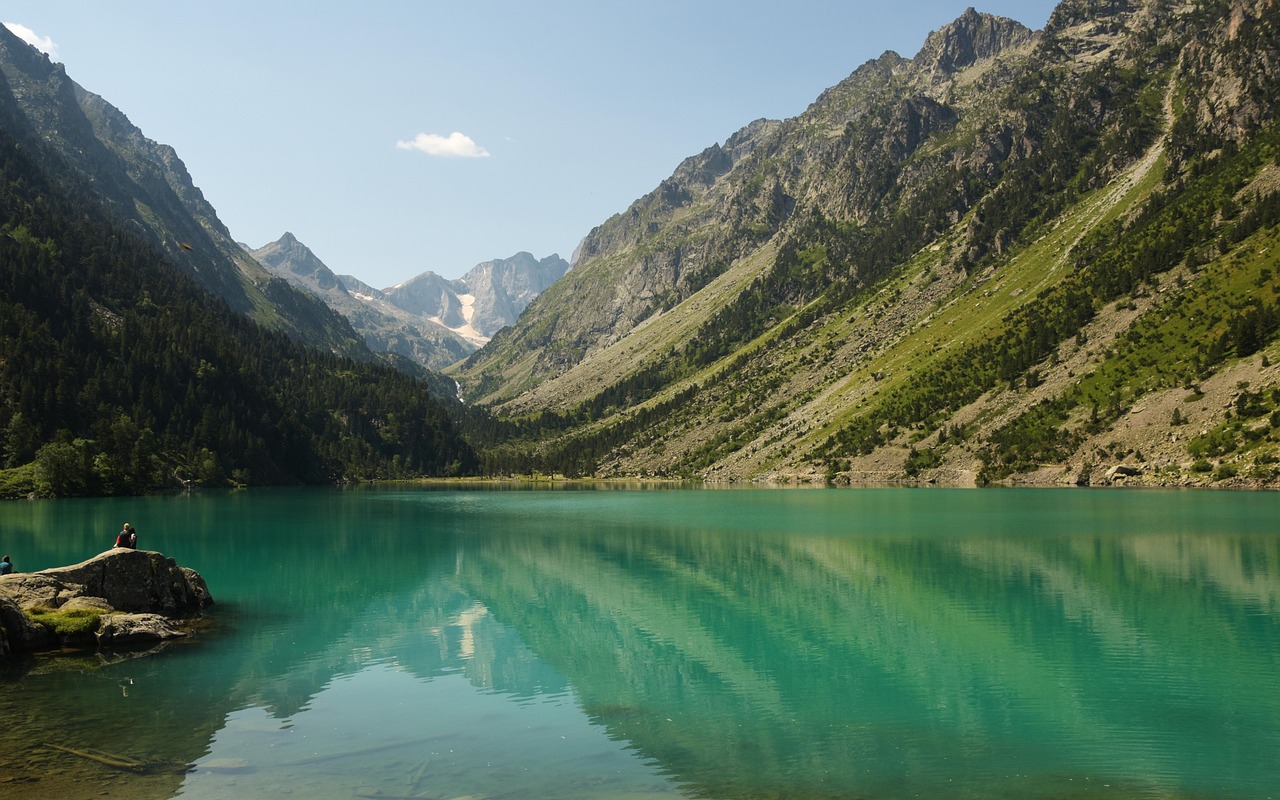
Altitude: Cauterets 930 m; Pont d’Espagne ~1,496 m; Lac de Gaube ~1,725 m. Best for: Family hikes, waterfalls, lakes, skiing, hot springs, shoulder-season breaks.
Cauterets is my go-to recommendation for anyone planning 4 days in Pyrenees as a first visit. It has everything: a compact Belle Époque spa town, proper mountains on the doorstep, and the fairytale waterfalls and stone bridges of Pont d’Espagne. It also works year-round: ski in winter, hike the rest of the year, and soak in thermal baths whenever your legs complain.
My Last Visit
In October 2025 I spent five days here working on a book chapter. Mornings I’d write in a café under the arcades; afternoons I’d chase light up the valley. The autumn colours around Pont d’Espagne – rust-red rowan, yellow birch, dark fir – were some of the richest I’ve seen in any mountain range.
Things to Do
- Pont d’Espagne & Lac de Gaube: A cable car and short chairlift help families access the plateau above the Pont d’Espagne car park. From there, it’s an easy, well-marked walk to Lac de Gaube, where the north face of Vignemale floats in the distance. The path can feel busy in summer; I prefer early morning starts, when the surface of the lake is mirror-still.
- Cauterets village & thermal baths: The spa complex – rebuilt with glass and light – is one of my favourite rainy-day refuges. In winter 2024 I spent a blissful afternoon rotating between outdoor hot pools and a eucalyptus steam room while snow filtered down outside.
- Skiing: Cauterets has two areas: the Cirque du Lys (alpine skiing) and Pont d’Espagne (more beginner & cross-country). For mixed-ability groups or families, it’s an excellent compromise.
Food, Markets & Pastries
Cauterets punches above its weight in food. The Wednesday and Friday markets are where I load up on local cheese (Ossau-Iraty, tomme des Pyrénées), honey, and tourte aux myrtilles (blueberry cake) for hikes. The town’s patisseries still feel proudly old-fashioned; in 2025 I became briefly addicted to pastis gascon, a flaky, armagnac-scented apple dessert.
Best Bases by Season
- Summer & fall: Stay in the village, walking distance to cafés and the gondola. Family apartments near the river are especially pleasant.
- Winter: Village stays still make sense; there are regular shuttles up to the ski area. A car offers flexibility but isn’t essential for a one-resort stay.
3. Vignemale (3,298 m): The Northern Giant
Altitude: 3,298 m. Best for: Serious mountaineering, multi-day trekking, high alpine ambiance.
Vignemale is the mountain that haunts the skyline of Cauterets and Gavarnie: a hulking, glaciated massif with a reputation that pre-dates modern tourism. It isn’t for beginners, but even if you never set foot on its flanks, you’ll encounter its legend in every valley café.
In summer 2022 and again in 2025, I approached Vignemale from the French side, staying at the Refuge des Oulettes de Gaube. Watching sunset stain its north face from the refuge terrace is one of my most cherished Pyrenean memories.
Approaches & Refuges
- Refuge des Oulettes de Gaube (~2,151 m): A classic hike from Pont d’Espagne via Lac de Gaube. It’s a long but steady day-hike for strong walkers; I usually make it a leisurely two-day trip, sleeping at the refuge to soak in the high-mountain atmosphere and endless stars.
- Glacier & summit: The normal route from the French side involves glacier travel, crevasse risk, and rock scrambling – a guided ascent is highly advisable unless you’re fully equipped and experienced. My own ascent was with a local guide from Cauterets; we left the refuge by headlamp, roped up, and reached the summit mid-morning, clouds boiling over the Spanish side.
Tips for Visitors
- Book refuges months ahead for July–August, especially weekends.
- Pack proper layers; even in August, nights at 2,000 m can be near freezing.
- For non-climbers, the belvedere at the Oulettes refuge offers plenty of drama without ropes or crampons.
4. Luz-Saint-Sauveur, Barèges & Col du Tourmalet
Altitude: Luz ~710 m; Barèges ~1,250 m; Col du Tourmalet 2,115 m. Best for: Cycling, hiking, skiing (Grand Tourmalet), thermal baths, village life.
When I think of the Pyrenees in summer, I see switchbacks and hear the soft whirr of freewheels. The Col du Tourmalet is a cycling icon, but it’s more than a notch on riders’ handlebars. The valleys below – Luz and Barèges – are some of my favourite bases for a 5 day itinerary for Pyrenees that blends high passes, spa time, and authentic village food.
Luz-Saint-Sauveur
Luz is a real, working village with a slightly scruffy charm. I’ve based myself here at least six times. The morning ritual is simple: walk to the boulangerie, grab a still-warm baguette and a pain aux raisins, and drink coffee under the plane trees on the main square while the valley slowly wakes.
From Luz, you can fan out: up-valley to Gavarnie, sideways to Barèges and Tourmalet, or down to Lourdes by bus. It’s especially good for families or mixed groups who want options.
Barèges & Grand Tourmalet
Barèges, higher and smaller, feels more overtly mountainy. The village straddles a steep slope, with wooden balconies and a subdued après scene. I like Barèges as a spring ski base: in April 2023 we ski-toured in the mornings and sunbathed on café terraces in the afternoons.
Grand Tourmalet (linking Barèges and La Mongie) is the largest ski area in the French Pyrenees, with a pleasingly old-school feel. Lift queues are shorter than in the Alps, and prices more humane.
Col du Tourmalet
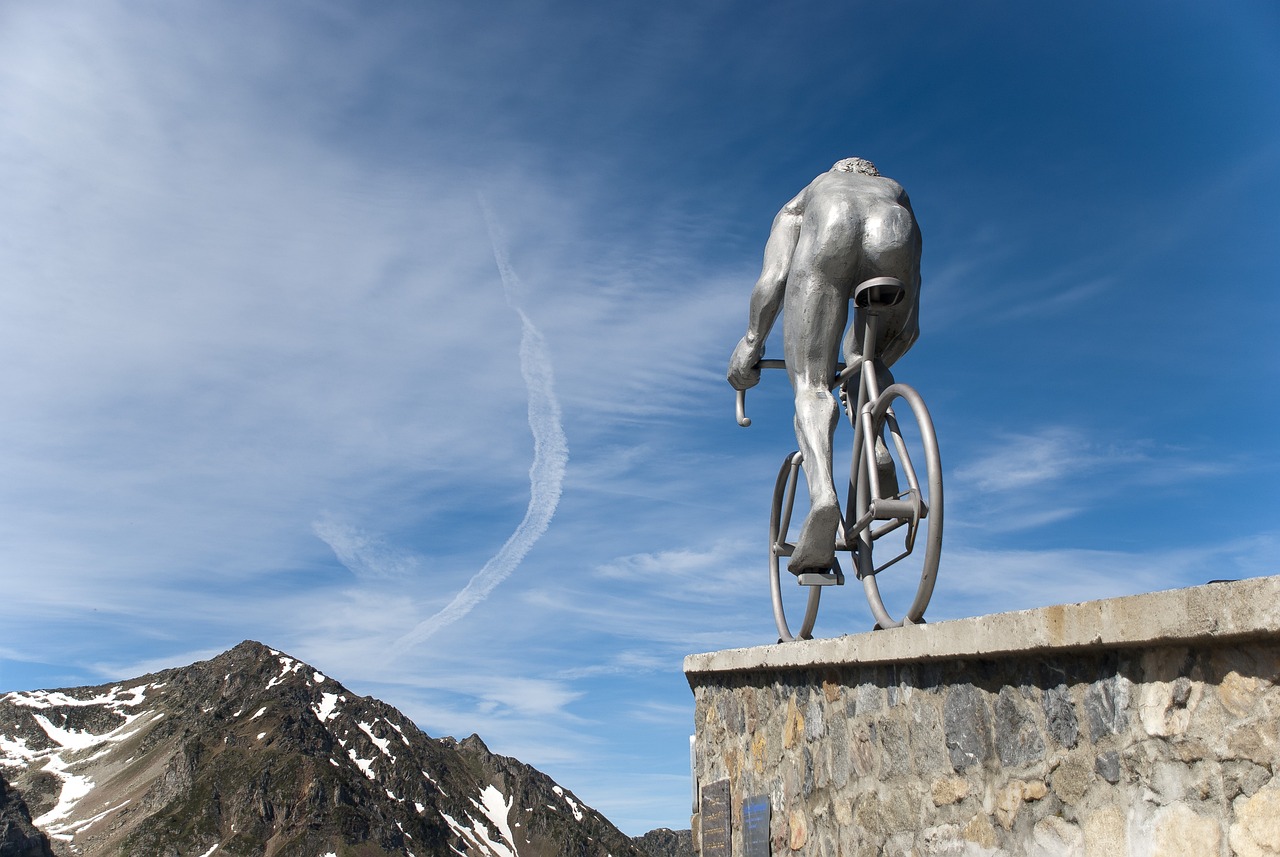
I’ve driven, cycled, and once even skied over the Tourmalet. The road usually opens from late May/June to October, but snow years differ; in 2024 it opened a week later than expected after a stubborn late storm. At the top, cyclists pose under the iron giant statue, and everyone takes photos of the rolling ridges that tumble away toward the Atlantic.
Hikers can use the pass as a launch point for easier ridgeline walks and lake circuits, including some family-friendly options. On one clear July day, I watched a herd of isards (Pyrenean chamois) pick their way along a distant ridge, the only sound the wind and occasional cowbells.
Tips
- Summer traffic: Avoid midday on peak July–August weekends; go early or late for quieter driving and softer light.
- Winter closures: The pass is closed by snow; access to the ski area comes from La Mongie or Barèges depending on conditions.
5. Pic du Midi de Bigorre (2,877 m)
Altitude: 2,877 m. Best for: Panoramic views, astronomy, family-friendly high-mountain experience.
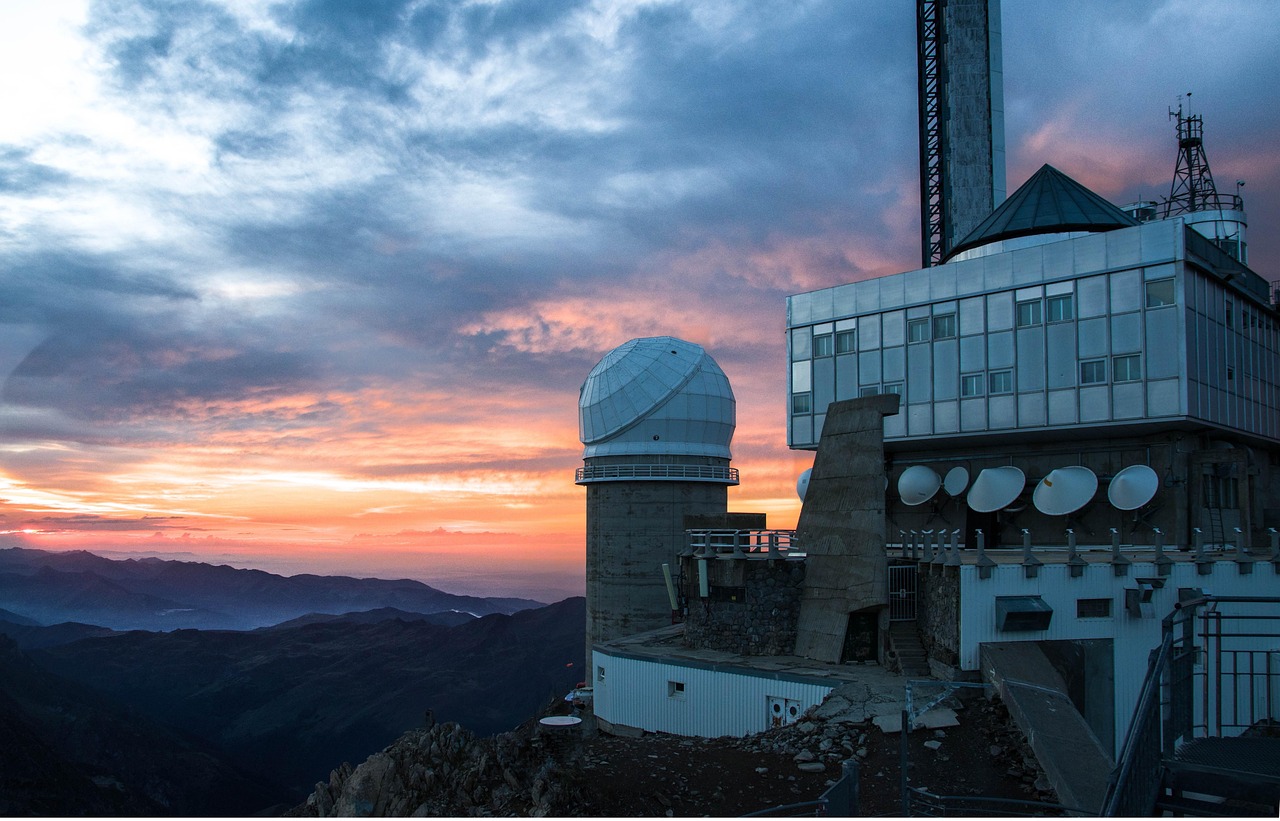
The Pic du Midi observatory sits like a spaceship on a summit that watches over half the range. On a clear day you can see from the Atlantic to the high Pyrenees; on a clear night, the stars feel close enough to scoop up.
I’ve been up three times, twice in summer and once for a winter night in 2023 as part of their astronomical stay program. Falling asleep in a simple room above the clouds, after a guided tour of the observatory, is as close as most of us get to space travel.
Access
A cable car from La Mongie whisks you up. It’s not cheap, but as a one-off splurge it’s utterly worth it, especially with kids or non-hikers who crave big views without big exertion.
Tips
- Book night experiences months ahead, especially around new moon dates.
- Even in July, bring a warm hat and serious jacket – the wind at 2,877 m cuts through bravado.
6. Vallée d’Ossau & Pic du Midi d’Ossau
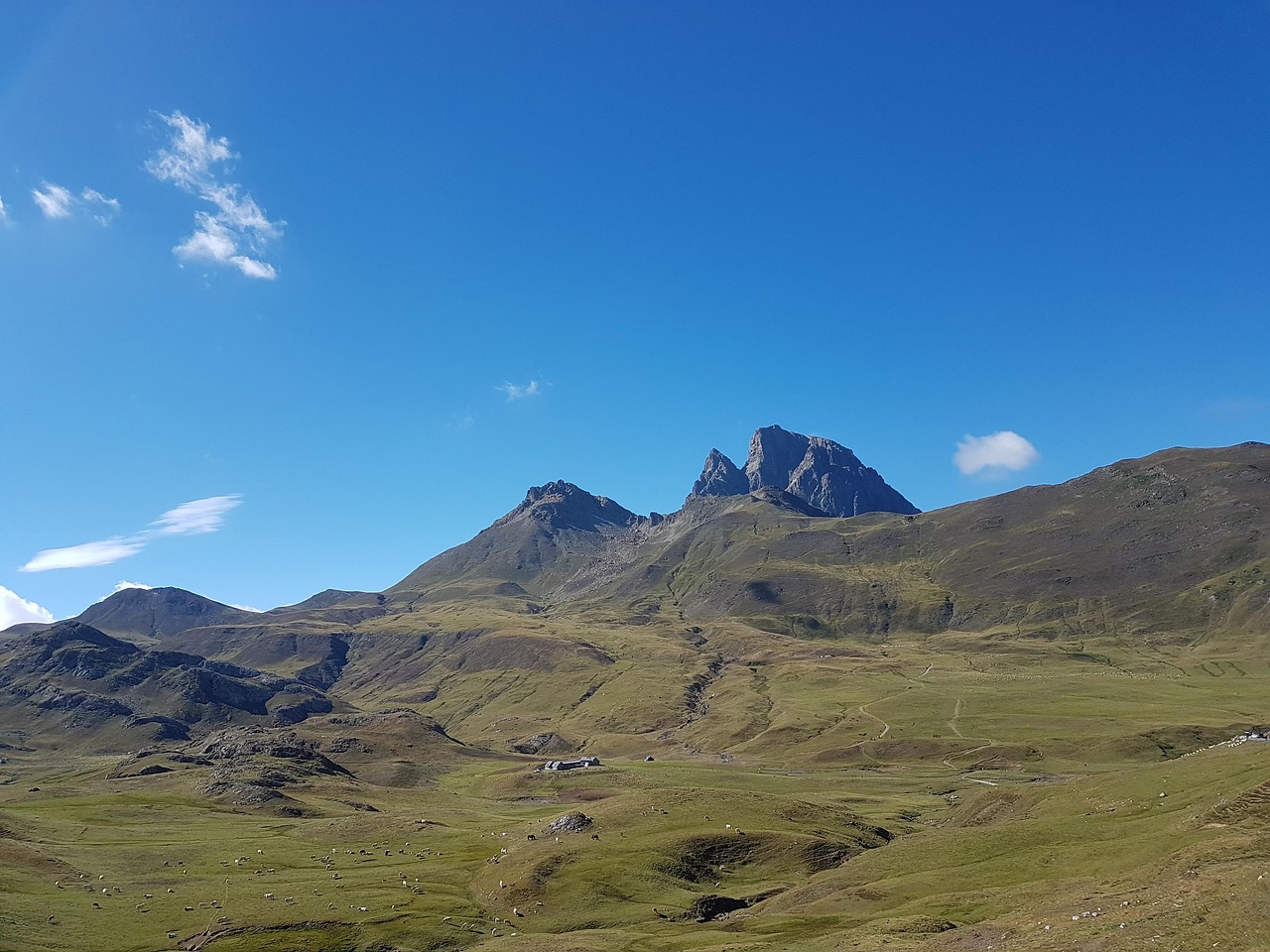
Altitude: Valley villages 400–800 m; Pic du Midi d’Ossau 2,884 m. Best for: Scenic lakes, cheese, road passes, Basque flavour.
The Ossau valley is the western Pyrenees at their most photogenic: jagged peaks, blue lakes, and herds of sheep whose milk becomes the region’s famous Ossau-Iraty cheese. The volcanic-looking bulk of Pic du Midi d’Ossau – “Jean-Pierre” to locals – dominates the skyline.
I’ve looped through here many times, most recently in September 2025 on a long, lazy drive linking Arreau to the Basque coast. We stayed in a stone-walled farmhouse B&B that smelled of woodsmoke and cheese.
Col d’Aubisque & Col du Pourtalet
Two classic passes bookend the valley. The Col d’Aubisque is another Tour de France regular, with green slopes and a row of brightly painted bikes at the top. The Col du Pourtalet crosses into Spain; near the border the landscape opens into high meadows and lake basins that are perfect for easy family walks.
Lakes & Hikes
The lacs d’Ayous circuit is a must for hikers: a string of small lakes mirroring the dark triangle of Pic du Midi d’Ossau. I’ve done the loop in both directions; clockwise gives you the best “reveal” of the peak early in the day.
Food
Cheese is the valley’s soul. At farm stalls in summer, I buy rounds of Ossau-Iraty directly from producers. Many offer tastings; kids are usually greeted with a patient smile and a small slice.
7. Bagnères-de-Luchon & Vallée de Luchon
Altitude: ~630 m. Best for: Mixed-activity base, spas, paragliding, cross-border adventures.
Luchon is sometimes called the “Queen of the Pyrenees,” and while that sounds like tourism-board hyperbole, it does have a grand, slightly faded charm. The plane-tree-lined Allées d’Étigny speak of 19th-century spa visitors; the peaks that close in around town speak of serious mountain business.
I often use Luchon as a base when I’m working on both French and Spanish sides of the range. The Superbagnères cable car climbs directly from town to an airy plateau, where in winter you ski and in summer you hike and paraglide.
Activities
- Superbagnères: The grassy plateau at ~1,800 m offers easy scenic walks with mountain panoramas – perfect if you’re traveling with older relatives or toddlers.
- Paragliding: Luchon is one of the best spots in the French Pyrenees for tandem flights. I took one in 2023; running off the slope and suddenly floating above the valley was surreal and surprisingly peaceful.
- Thermal spa: The town’s baths have recently been refreshed, though they retain a slightly retro feel I find oddly comforting.
Best Season
Luchon works almost year-round but shines in late spring and early autumn, when trails are open but crowds are light. It’s ideal for a 6 day itinerary for Pyrenees that includes day trips into Spain’s Val d’Aran (Vielha) via the tunnel.
8. Réserve Naturelle du Néouvielle
Altitude: Lakes ~2,000–2,200 m; Pic de Néouvielle 3,091 m. Best for: Alpine lakes, wildflowers, multi-day hut-to-hut trips, photography.
If Gavarnie is dramatic and vertical, the Néouvielle is intricate and crystalline: granite towers, larch forests, and dozens of interconnected lakes that catch light in different shades of blue and green.
In July 2023 I spent four days here solo, based at the Refuge d’Orédon and then at the Refuge d’Oule. Each morning I’d pick a new string of lakes to wander: Aumar, Aubert, Orédon, Cap de Long.
Hiking & Accessibility
- Family-friendly: Short circuits around Lac d’Aumar and Lac d’Aubert offer big scenery for little legs, especially when wildflowers are out in late June/early July.
- Serious hikes: The ascent of Pic de Néouvielle is a full alpine day, best for seasoned hikers comfortable with boulder fields and occasional scrambling.
Access roads can be regulated in peak summer, with shuttles to reduce traffic – check 2026 details locally.
9. Saint-Lary-Soulan & Arreau
Altitude: Saint-Lary ~830 m; Arreau ~700 m. Best for: Year-round base, skiing, family holidays, easy access to high passes.
Saint-Lary is a cheerful, lively village that somehow manages to be both a proper Pyrenean community and a fully-fledged resort. I often recommend it to families planning 5 days in Pyrenees who want a single base with everything in walking distance: lifts, shops, bakeries, and a new-ish thermal spa complex perfect for rainy afternoons.
Just down the road, Arreau feels older and sleepier, with a photogenic bridge and stone houses lining the river. In June 2025, I spent a week in a gîte here, using it as a jumping-off point for the Col d’Aspin, Col de Peyresourde, and the Louron valley.
Winter & Summer
Saint-Lary’s ski area is one of the best-balanced in the French Pyrenees, with plenty of intermediate pistes, snow parks for teenagers, and gentle learning slopes. In summer, the lifts open for mountain biking and hiking.
Arreau, without direct lift access, is quieter but charming; it’s better suited to self-drivers who want to hop between valleys.
10. Gourette & Eaux-Bonnes
Altitude: Eaux-Bonnes ~750 m; Gourette ~1,350 m. Best for: Compact skiing, families, off-the-beaten-path hiking.
Gourette is a high, bowl-shaped ski resort tucked above the spa village of Eaux-Bonnes. It’s less polished than some, but that’s part of the appeal: this is where French families come who don’t care about brand names on their jackets.
I’ve skied here twice and hiked above the resort in summer. In February 2024, a heavy snowfall turned the whole bowl into a playground; lifts were briefly wind-closed, and we built snowmen and ate crêpes until the storm cleared and the slopes turned into fresh powder.
Eaux-Bonnes, lower and more sheltered, has a faded spa charm and a couple of inexpensive, wonderfully old-school hotels.
11. Ax-les-Thermes & Ariège Valleys
Altitude: ~720 m. Best for: Hot springs, skiing (Ax 3 Domaines), wild-feeling hikes, budget-friendlier stays.
The Ariège is the Pyrenees’ quiet rebel: less developed, more forested, and proudly independent. Ax-les-Thermes is its main resort town, a place where hikers and skiers soak tired legs in the public hot-water basins by the river while chatting about snow conditions.
In March 2025 I spent a week here on a budget ski trip. The Ax 3 Domaines ski area surprised me with its size and variety, and evenings in town were friendly and unpretentious.
Summer & Shoulder Seasons
Come summer, Ax becomes a base for wild valleys like Orlu and the plateau de Beille. Trails are less manicured than in the central Pyrenees; you feel closer to the “old mountains” here.
13. Vallée du Louron & Peyragudes
Altitude: Valley ~900 m; passes ~1,500–1,800 m. Best for: Lakeside relaxation, family cycling, moderate skiing.
The Louron valley feels neatly packaged: a long, gentle valley with a lake at its centre and slopes rising into meadows and ski stations. It’s become popular with families thanks to its network of cycling paths and the Balnéa spa complex.
On a six-day trip in August 2023 with my sister and her two kids, we biked around the valley on easy greenways, picnicked by the lake, and took the telecabine up to Peyragudes for alpine walks among cows and wildflowers.
14. Basque Pyrenees: Saint-Jean-Pied-de-Port & Iraty
Altitude: 150–1,500 m. Best for: Cultural experiences, Camino de Santiago, rolling hills, forest cabins.
The Basque Pyrenees feel softer in shape but strong in identity. Saint-Jean-Pied-de-Port is the classic Camino de Santiago start point, its streets buzzing with pilgrims. In contrast, the Forêt d’Iraty is a high beech forest where fog drifts between the trunks and sheep graze on open ridges.
I’ve come here more for culture than for peak-bagging: to eat axoa (a veal and pepper stew), listen to Basque polyphonic singing in village squares, and watch pelota games at dusk.
15. Foothills & Carcassonne Gateway
Altitude: 100–800 m. Best for: Combining mountains with medieval towns and vineyards.
Though not strictly in the high Pyrenees, the foothills around Carcassonne and Limoux are worth mentioning because they dovetail so well with a mountain trip. On one memorable 2022 journey, I spent 7 days in Pyrenees around Ax and Ariège, then dropped into the Aude to drink blanquette de Limoux and wander Carcassonne’s ramparts.
For travelers with a rental car and 6–7 days, this mountain–medieval combo makes an especially rich itinerary.
4–7 Day Itineraries in the French Pyrenees (With Real Days on the Ground)
Below you’ll find structured itineraries – a 4 day itinerary for Pyrenees, a 5 day itinerary for Pyrenees, and options for 6 days in Pyrenees and a 7 day itinerary for Pyrenees. Each is rooted in actual trips I’ve taken, then tweaked to make them practical for you.
4 Day Itinerary for Pyrenees: Cauterets & Gavarnie Classics
This is my most recommended first-timer route: four days based between Cauterets and Luz/Gavarnie, hitting must-see attractions in Pyrenees while leaving space for serendipity. It’s family-friendly, romantic, and can be as adventurous as you want.
Day 1 – Arrival in Cauterets & Evening Thermal Soak
I usually arrive in Cauterets mid-afternoon, after a train to Lourdes and a bus up the valley. My first ritual is always the same: drop bags at my guesthouse, stretch my legs along the river, and then stake out a café table with a view of the ornate spa buildings.
For your first evening:
- Check into your accommodation: I like small family-run hotels or apartments near the centre, so everything is walkable.
- Stroll the village: Wander past the casino, peek into gear shops for any last-minute items (maps, gas canisters), and grab a scoop of ice cream or a crepe if you’ve arrived with kids.
- Thermal baths: Book a 2–3 hour session for early evening. In October 2025, after a long travel day, I floated in the warm outdoor pool watching clouds snag on the ridges. Bliss.
- Dinner: Choose a brasserie that serves garbure or a plat du jour featuring local trout or lamb. Portions are generous; I often share a starter to leave room for dessert.
Tips: Buy snacks and picnic supplies tonight – bakeries can sell out early on busy mornings, and markets don’t run daily.
Day 2 – Pont d’Espagne & Lac de Gaube
On my last autumn visit, I devoted a full day to the Pont d’Espagne and Lac de Gaube, resisting the temptation to cram in more. It was the right call: the area rewards dawdling.
- Morning: Catch the first bus or drive to Pont d’Espagne (about 15–20 minutes). If you’re feeling energetic, you can hike up from the car park along the waterfall trail; with kids or older relatives, take the cable car and short chairlift to the plateau.
- Hike to Lac de Gaube: The trail is well-marked and gently undulating. I like to walk the lake’s shore and find a quiet rock for an early picnic while watching clouds gather around Vignemale’s summit.
- Optional extension: Strong hikers can continue toward the Refuge des Oulettes de Gaube for closer views of Vignemale; just watch the time, as it’s a longer day.
- Afternoon: Return to Cauterets, treating yourself to pastries en route. On one rainy 2023 afternoon, I ducked into a café for hot chocolate and watched the mist pour down the street – one of those dreary but oddly perfect mountain days.
- Evening: Low-key dinner. If it’s Friday or Sunday and the weather’s fine, join locals for an evening promenade; people-watching is a core Pyrenean sport.
Day 3 – Luz-Saint-Sauveur & Gavarnie Village
On my 2024 trip, I transferred from Cauterets to Luz on day three, breaking the journey in Lourdes for a quick, curious wander. You can do the same or drive directly if you have a car.
- Morning transfer: Travel to Luz-Saint-Sauveur. Drop bags at your guesthouse and grab an early lunch – a simple omelette aux cèpes in mushroom season is hard to beat.
- Afternoon in Luz: Walk the old quarter, visit the fortified church, and, if time allows, take a short hike from town (there are several signed circuits).
- Late afternoon drive to Gavarnie: If you’re overnighting in Gavarnie, head up now (about 40 minutes). The late light on the valley walls is golden and far less crowded than midday.
- Evening: In Gavarnie, check into your inn, then walk up above the village for sunset. The cliffs pick up a soft pink hue on clear nights.
Day 4 – Cirque de Gavarnie & Departure
Devote your last day to the Cirque de Gavarnie. I always start early, both to beat crowds and to give myself margin for weather surprises.
- Morning hike: Follow the main track toward the cirque. Stop often to look back at the valley – the views are just as good behind you.
- Lunch: Either picnic near the Hôtel du Cirque or eat at the terrace if open (prices are higher, but the setting is hard to argue with).
- Optional add-on: If you have a late departure, consider continuing to the base of the waterfall (rocky) or doing a short balcony detour on the way back.
- Afternoon departure: Head down to Luz or Lourdes for your onward journey, tired in the satisfying way only mountain air can deliver.
Who this suits: First-timers, couples, families with school-age kids, and anyone who wants must-see attractions in Pyrenees without renting a car (buses are workable in season).
5 Day Itinerary for Pyrenees: Tourmalet, Néouvielle & Lakes
This 5 days in Pyrenees plan is for travelers who want more hiking and high lakes, plus a taste of the Tourmalet cycling legend.
Day 1 – Arrival in Luz-Saint-Sauveur
Settle into Luz, stretch your legs, and soak up village life. I like to stay near the river for the sound of water at night.
Day 2 – Col du Tourmalet & Easy Ridge Walk
Drive or bus up to the Col du Tourmalet. Walk a simple ridge path with panoramic views, visit the monument, and have lunch at the col café. In the afternoon, descend to Barèges for a stroll and maybe a spa session.
Day 3 – Pic du Midi de Bigorre
Take the cable car from La Mongie up to the Pic du Midi. Spend a lazy morning on the terraces and in the museum, then walk short signed trails at altitude. Afternoon: return to Luz, find a sunny terrace, and order a cold beer or sirop for the kids.
Day 4 – Néouvielle Lakes Circuit
Drive up toward Lac d’Orédon or Cap de Long and spend a full day hiking among the lakes. I like to start near dawn, when the water is still and the first sun hits the granite towers. Families can opt for shorter loops; experienced hikers can climb higher toward passes and minor peaks.
Day 5 – Market Morning & Departure
Spend your last morning at a local market (Luz, Arreau, or Saint-Lary depending on where you’ve based yourself), stock up on cheese and cured meats, then make your way to Toulouse or Pau for your onward journey.
6–7 Day Itinerary for Pyrenees: Grand Traverse from Basque Hills to High Peaks
This is closer to the way I travel when I have a week: west to east, from rolling Basque hills to sharp central ridges, mixing culture and summits. You can truncate it to a 6 day itinerary for Pyrenees by skipping one stage.
Day 1 – Saint-Jean-Pied-de-Port & Basque Flavours
Arrive in Saint-Jean-Pied-de-Port, wander the walled town, watch Camino pilgrims, and eat your first Basque dinner: piperade, axoa, and gateau Basque.
Day 2 – Iraty Forest & Ridge Walks
Drive to the Forêt d’Iraty. Spend the day on easy ridge trails with wide views and picnic lunches. Night in a mountain chalet or back in valley accommodation.
Day 3 – Transfer to Ossau Valley
Cross via the Col d’Aubisque or other scenic passes to the Vallée d’Ossau. Visit a cheese farm, walk a short lake trail, and sleep in a farmhouse B&B.
Day 4 – Lacs d’Ayous Circuit
Hike the classic Ayous lakes loop. It’s a big day but one of the best places to visit in Pyrenees if you love mirrored peaks and extended ridgelines.
Day 5 – Transfer to Luz or Saint-Lary via High Passes
Drive east through passes like the Col du Pourtalet, Col du Soulor, and Col d’Aspin, stopping for short walks and photo breaks. This is a day of moving, snacking, and marveling.
Day 6 – High Lakes (Néouvielle or Gavarnie)
Depending on where you’ve based yourself, spend a full day in either the Néouvielle reserve or back in the Gavarnie–Troumouse area. In summer 2022 I did Néouvielle on this “stage”; in 2024 I swapped in the Cirque de Troumouse instead – both are superb choices.
Day 7 – Spa & Slow Down
Finish with a spa day in Cauterets, Saint-Lary, or Ax-les-Thermes. It’s tempting to squeeze in “one last hike,” but I’ve learned that ending a mountain trip with soaking, strolling, and long lunches sends you home in a better state than racing to the airport from a trailhead.
Mountain Dining: Refuges, Alpine Inns & Local Food in Pyrenees
The French Pyrenees are a place where dining is still stubbornly local. Menus follow the seasons, and dishes are built for people who spend their days moving through cold air.
Refuges & Mountain Inns
Refuges here feel more intimate than many Alpine huts. I’ve eaten at a dozen or so over the years; the formula is similar but each has its own personality.
- Half-board: A bed, dinner, and breakfast. Dinner is typically soup, a hearty main (pasta bake, stew, or roast meat with potatoes), and a simple dessert. In 2023 at Refuge des Oulettes de Gaube, we had lentil soup, pork stew, and flan; I was so hungry I went back for seconds.
- Picnics: Many refuges sell packed lunches; order the night before. They typically include a sandwich, fruit, and a treat.
- Reservations: Essential for July–August and weekends. No-shows are frowned upon; call if plans change.
Signature Dishes
- Garbure: A thick soup of cabbage, beans, and ham – the Pyrenean grandmother of comfort food. I crave it after cold, wet days.
- Confit de canard: Duck leg cooked slowly in its own fat, crisped up in a pan. Usually served with potatoes sautéed in the same glorious fat.
- Local lamb: Often from animals that spent the summer in high pastures (look for “agneau de lait”).
- Cheese: Tomme des Pyrénées, Ossau-Iraty, and small artisanal goat and sheep cheeses sold at markets.
- Tourte aux myrtilles: Blueberry cake or tart – perfect trail food.
- Pastis gascon: Paper-thin pastry layered with apples and brushed with armagnac.
Café & Pastry Culture
Mornings in Pyrenean villages begin with clinking cups. Café culture is relaxed: linger over a grand crème or espresso, and don’t be surprised if your neighbor’s dog wanders under your table.
In Cauterets and Saint-Lary I have favourite spots where the staff greet me with a nod of recognition by day three. It’s a small thing, but it’s what makes a place feel like a temporary home.
Where to Eat (and Save)
- Village vs slope-side: Eating in village restaurants is almost always cheaper than on-mountain. On ski days, I pack a sandwich from the bakery and buy just a coffee or soup at a mountain café.
- Set menus: Look for menu du jour at lunch. A two- or three-course meal can be excellent value compared to ordering à la carte.
- Self-catering: Gîtes and apartments with kitchens are your best friend if you’re watching your budget. Markets in Lourdes, Argelès-Gazost, and Saint-Lary are perfect for stocking up.
Evenings in the Pyrenees: Après-Hike, Après-Ski & Stargazing
Evenings in the Pyrenees are softer than in the big Alpine resorts. Nightlife is more about conversations than clubs, more about stars than spotlights.
Après-Ski & Après-Hike
- Village bars: In Luz, Saint-Lary, and Ax, small bars fill with skiers and hikers by late afternoon. Beer, hot chocolate, vin chaud, and local wine are the staples. On a snowy March evening in Ax, I found myself sharing a table (and a plate of charcuterie) with three retired ski instructors who’d been teaching there since the 1980s.
- Fondue & raclette nights: Not a traditional Pyrenean dish but now ubiquitous and always fun. Many restaurants offer set fondue/raclette evenings; book ahead in high season.
- Family-friendly: Kids are welcome in most cafés and brasseries. Board games and card decks appear as the night goes on.
Stargazing
With relatively low light pollution, the Pyrenees are superb for stargazing. The Pic du Midi is the headline act, but even from valley villages like Aulus or Vicdessos you can see the Milky Way on clear moonless nights. I keep a lightweight pair of binoculars in my pack just for this.
Seasonal Festivals
From fêtes de transhumance (celebrating the seasonal movement of livestock to high pastures) to village music festivals, summer evenings can be surprisingly lively. You’ll find posters on village noticeboards and in bakeries; that’s still the most reliable “what’s on” guide.
Cultural Experiences & Local Customs in the Pyrenees
The Pyrenees straddle cultures: Gascon, Occitan, Basque, Catalan. Each valley has its own accent and pride, but certain customs are shared.
Everyday Etiquette
- Greetings: Always say bonjour (daytime) or bonsoir (evening) when entering shops, bakeries, and small restaurants. On narrow trails, a “bonjour” and a nod are standard when passing other hikers.
- Meals: Lunch is sacred. Expect restaurants to be busiest from 12:30–14:00; outside those hours, full meals may not be served. Dinner usually starts around 19:30 or later.
- Refuge manners: Remove boots in designated areas, keep noise down after lights out, and don’t spread your gear everywhere. In 2023, at a crowded refuge, I watched a group quietly consolidate their stuff to free up space for late-arriving hikers – the unspoken refuge code in action.
Cultural Experiences
- Transhumance festivals: In late spring and early autumn, villages celebrate herds moving to and from high pastures. Expect decorated animals, music, and lots of food.
- Basque & Occitan music: I’ve stumbled into impromptu singing sessions in Ossau bars and at Saint-Jean-Pied-de-Port festivals. Participation is welcome, even if your grasp of lyrics is shaky.
- Markets: Weekly markets (often Wednesday or Saturday) are social events as much as commerce. Go early for produce, stay for the atmosphere.
Respect for Nature & Farms
Many trails cross grazing land. Close gates, keep dogs on leads near livestock, and give wide berth to patous (guard dogs). These dogs are doing a job; don’t try to pet them. I’ve had a few tense encounters defused by calmly giving them space and avoiding eye contact.
Mountain Logistics & Safety in the Pyrenees
Mountains here may feel gentler than the Alps, but they demand just as much respect. Weather changes fast, and infrastructure is patchy compared to Alpine super-resorts.
Altitude & Acclimatisation
Most French Pyrenean villages sit between 600 and 1,400 m; common hiking altitudes are 1,500–2,500 m. Acute altitude sickness is rare but not impossible above 2,500–3,000 m. I follow simple rules:
- Don’t go from sea level to a 3,000 m summit in one day; sleep a night or two at mid-altitude first.
- Hydrate, pace yourself, and turn back if headaches or nausea hit at higher altitudes.
Avalanches, Storms & Pass Closures
- Winter: Avalanches are a real risk off-piste and in backcountry areas. Always check the avalanche bulletin (bulletin d’estimation du risque d’avalanche), carry transceiver/shovel/probe, and know how to use them. Consider hiring a guide if unsure.
- Summer storms: Thunderstorms often build in late afternoon, especially in July–August. Start early, aim to be off exposed ridges by early afternoon, and don’t hesitate to cut a route short if clouds pile up.
- Road passes: High passes like Tourmalet, Aubisque, and Pourtalet typically close for snow from late autumn to late spring. In 2026, expect similar patterns, but always check local information; late cold snaps can delay openings.
Gear
- Hiking: Sturdy boots (or trail shoes for easier trails), waterproof jacket, warm layers, sun hat, and trekking poles for steeper descents.
- Shoulder seasons: Microspikes or light crampons may be needed for early-season snowfields, especially on north-facing slopes.
- Skiing: Helmets are standard; for ski touring, full avalanche kit is essential.
Rescue & Insurance
Mountain rescue in France is coordinated through emergency number 112 (or 15). Rescue may be free, but related medical care isn’t, and helicopter evacuations can be expensive for non-residents. Get travel insurance that explicitly covers hiking above 2,000–3,000 m, skiing, and off-piste/ touring if relevant.
Cable-Car & Lift-Pass Strategy
Lift systems here are smaller than in the Alps, and passes are often valley- or resort-specific.
- Winter: For pure ski trips, multi-day passes at a single resort (e.g., Grand Tourmalet, Saint-Lary, Ax 3 Domaines) are best value.
- Summer: Many lifts open for hikers; check for “piéton” (pedestrian) tickets and family discounts. Some valleys offer multi-lift passes; ask at tourist offices.
Best Seasons for Activities
- Wildflowers: Late June to mid-July in mid- and high-altitude meadows.
- Hiking: Mid-June–October (depending on snow); September often offers the best mix of stable weather and quieter trails.
- Fall colour: Late September–late October, especially in beech forests (Ariège, Iraty).
- Skiing: Mid-December–late March, sometimes into April at higher resorts.
Practical Travel Advice for the Pyrenees
How to Get There & Around
- By air: Main gateways are Toulouse, Pau, Lourdes–Tarbes, and Biarritz (for the Basque side).
- By train: TGV and Intercités to Toulouse, Pau, Lourdes, and Foix; regional trains connect to smaller towns.
- By bus: Regional buses link major towns to valleys (e.g., Lourdes–Cauterets, Lourdes–Luz–Gavarnie, Toulouse–Ax-les-Thermes). In 2026, some services are being expanded, but schedules remain patchy outside peak seasons.
- By car: A rental car remains the most flexible option for linking multiple valleys and passes within a short stay.
Car Rental & Foreign Licenses
Most major agencies operate in Toulouse and other gateway cities. EU/EEA licenses are accepted; many non-EU licenses are fine too, but an International Driving Permit is recommended if your license isn’t in French or English. Mountain roads can be narrow and twisty; take your time and use passing places courteously.
SIM Cards & Connectivity
French SIMs from Orange, SFR, Bouygues, and Free are easy to buy in cities and larger towns. Coverage is good in valleys and towns but patchy in remote areas; don’t rely on constant signal in high mountains. Download offline maps (e.g., via Maps.me or offline IGN maps) before heading out.
Money-Saving Tips
- Travel in shoulder seasons (June, September, early October) for lower prices and quieter trails.
- Choose self-catering gîtes for longer stays; cook breakfast and some dinners at “home.”
- Use lunch menus and markets rather than always eating à la carte dinners.
- Share cable-car trips: pick one or two big lift splurges rather than taking every lift available.
Visa Requirements
France is in the Schengen Area. EU/EEA/Swiss citizens can enter freely. Many other nationalities (including UK, US, Canada, Australia, New Zealand, and Japan) can enter visa-free for short stays (typically up to 90 days in any 180-day period), but rules change – check official guidance before travel. From 2026, the EU’s ETIAS travel authorization system is expected to be in force for some visa-exempt nationals; verify requirements well before departure.
Day Trips & Nearby Attractions
Lourdes
Whether or not you’re religious, Lourdes is an intriguing day trip from Cauterets, Luz, or Saint-Lary. The sanctuary, candlelit processions, and sheer scale of pilgrimage infrastructure make for a fascinating few hours. Trains connect easily to Toulouse and Pau.
Carcassonne
From Ax-les-Thermes or Foix, Carcassonne is a logical add-on: a walled medieval city with fairytale towers. Yes, it can be busy, but stay overnight and walk the ramparts early or late for quieter moments.
Spanish Side: Val d’Aran & Ordesa
With a car, popping over into Spain for a day or two adds welcome contrast: different food, different architecture, same mountains. From Luchon, the Val d’Aran is within easy reach; from Gavarnie, the Ordesa canyon is a long but spectacular day trip.
Events, Festivals & 2026–2027 Updates
While schedules are always subject to change, as of early 2026 you can expect:
- Tour de France 2026: The Pyrenees almost always host key mountain stages. In 2026, provisional plans include stages crossing the Col du Tourmalet and possibly the Col d’Aubisque. Road closures and crowds will affect travel – exhilarating if you’re a cycling fan, disruptive if you’re not.
- Transhumance festivals: Late May–June and September–October in valleys like Ossau, Louron, and Ariège. Check local tourist offices for exact dates.
- Trail & ultra races: Events like the Grand Raid des Pyrénées (around Saint-Lary) and mountain marathons around Luchon and Gavarnie. These bring vibrancy and some accommodation pressure; book ahead if your dates coincide.
- Infrastructure updates: In 2026–2027, several lift systems (notably in Saint-Lary and Ax) are undergoing maintenance or upgrades; check local info for possible summer closures of specific lifts.
Summary: Key Takeaways & Best Seasons to Visit the Pyrenees
After years of returning to these mountains, I still find new corners to fall in love with – a side valley in Ariège, a lake in the Néouvielle I’d somehow missed, a village fête that ends with strangers singing under the stars.
If you’re planning 4 days in Pyrenees, base yourself around Cauterets and Gavarnie to see the classics. With 5 days in Pyrenees, add the Tourmalet and a lake day in the Néouvielle. At 6 days in Pyrenees or a full 7 day itinerary for Pyrenees, you can start stitching valleys together – from Basque hills to high granite basins – and layer in cultural experiences alongside summits.
Best Seasons by Traveler Type
- Hikers & photographers: June–early July (wildflowers, full waterfalls) and September–early October (stable weather, fall colour).
- Skiers & snowboarders: January–March for snow reliability; early spring (late March–April) for long, sunny days in higher resorts.
- Families: July–August for lift openings, lake swims, and kid-friendly activities; Easter and October school holidays can also work with flexible plans.
- Couples & slow travelers: May–June and September–October, when villages are calmer and evenings cooler and cozier.
What sets the French Pyrenees apart isn’t just their beauty, but their scale: big enough to feel wild, small enough that after a week you’ll start recognizing faces at the bakery. Come with good boots, a flexible plan, and an appetite – for steep paths, simple food, and the quiet pleasure of being somewhere that has no need to shout about itself.