Why Visit Rennes in 2026?
Rennes is one of those cities that sneaks up on you. People landing in France often sprint for Paris, the Riviera, or the châteaux of the Loire. Meanwhile, Rennes quietly goes about its business: brewing craft cider, hosting street festivals, filling medieval half-timbered houses with bookshops and crêperies, and turning its parks into outdoor living rooms every sunny day.
I’ve lived in Brittany for years and return to Rennes constantly—for concerts, exhibitions, long wanders through the Old Town, and frankly, for galettes. Every visit reminds me that Rennes is a perfect blend of student energy, historic charm, and relaxed Breton lifestyle. It’s big enough to have great museums, nightlife, and food, but compact enough that you can cross the center on foot in under 30 minutes.
In 2026, Rennes is especially worth considering for your next trip:
- New and improved transport links: The high-speed TGV from Paris takes around 1.5 hours, making 3–5 days in Rennes an easy add-on to a France itinerary.
- Cultural events in 2026–2027: Expanded programming at the Champs Libres cultural center, Rennes Métropole’s contemporary art initiatives, and a packed festival calendar (Trans Musicales, Mythos, and more).
- Perfect size for 3–5 day itineraries: You can see the must-see attractions in Rennes in a couple of days, then dig deeper into hidden gems, local food, and day trips.
- Authentic Breton culture: Bilingual French-Breton signs, fest-noz (traditional dance nights), local cider, buckwheat galettes, and a strong sense of regional identity.
Whether you’re planning a 3 day itinerary for Rennes, stretching to 4 days in Rennes, or settling in for a full 5 day itinerary for Rennes, this travel guide for Rennes will walk you through the best places to visit, local food, cultural experiences, and hidden gems that locals actually love.
Table of Contents
- Why Visit Rennes in 2026?
- Quick Overview of Rennes
- 3–5 Day Itineraries for Rennes
- 20 Must-See Attractions in Rennes (With Local Tips)
- Neighborhoods & Areas to Explore
- Local Food & Drink in Rennes
- Nightlife, Entertainment & Cultural Experiences
- Major Events & Festivals 2026–2027
- Day Trips From Rennes
- Cultural Etiquette & Local Customs
- Practical Travel Tips for Rennes
- Summary & Best Time to Visit Rennes
Quick Overview of Rennes
Rennes is the capital of Brittany (Bretagne), in northwest France. With around 220,000 residents in the city proper and a large student population, it feels dynamic yet human-sized. Architecturally, it’s a fascinating mix: medieval streets, 18th-century classical buildings, and bold modern structures sprinkled across the center.
- Region: Brittany (Bretagne)
- Population: ~220,000 (city), ~750,000 (metro)
- Language: French (Breton and Gallo also present; English widely understood in tourism & younger crowd)
- Currency: Euro (€)
- Best for: Food lovers, culture seekers, families, couples, weekend city breaks, and as a base for Brittany
3–5 Day Itineraries for Rennes (With Personal Notes)
These itineraries are based on how I actually show friends around when they visit. Feel free to mix and match, but they’ll give you a realistic sense of how to spend 3 days in Rennes, extend to a 4 day itinerary for Rennes, or go deeper with 5 days in Rennes.
3 Days in Rennes: Essential Highlights
This 3 day itinerary for Rennes focuses on the must-see attractions, local food, and a couple of hidden gems, all at a comfortable pace.
Day 1 – Old Town, Parliament, and Parc du Thabor
I almost always start friends in the historic center. The first morning sets the tone: half-timbered houses, markets, and a stroll that ends in what I think is Rennes’ prettiest park.
Morning: Place des Lices & Old Town
- Start at Place des Lices, especially on Saturday when one of France’s largest markets fills the square. Go early (around 9 am) for produce, cheese, and crêpes.
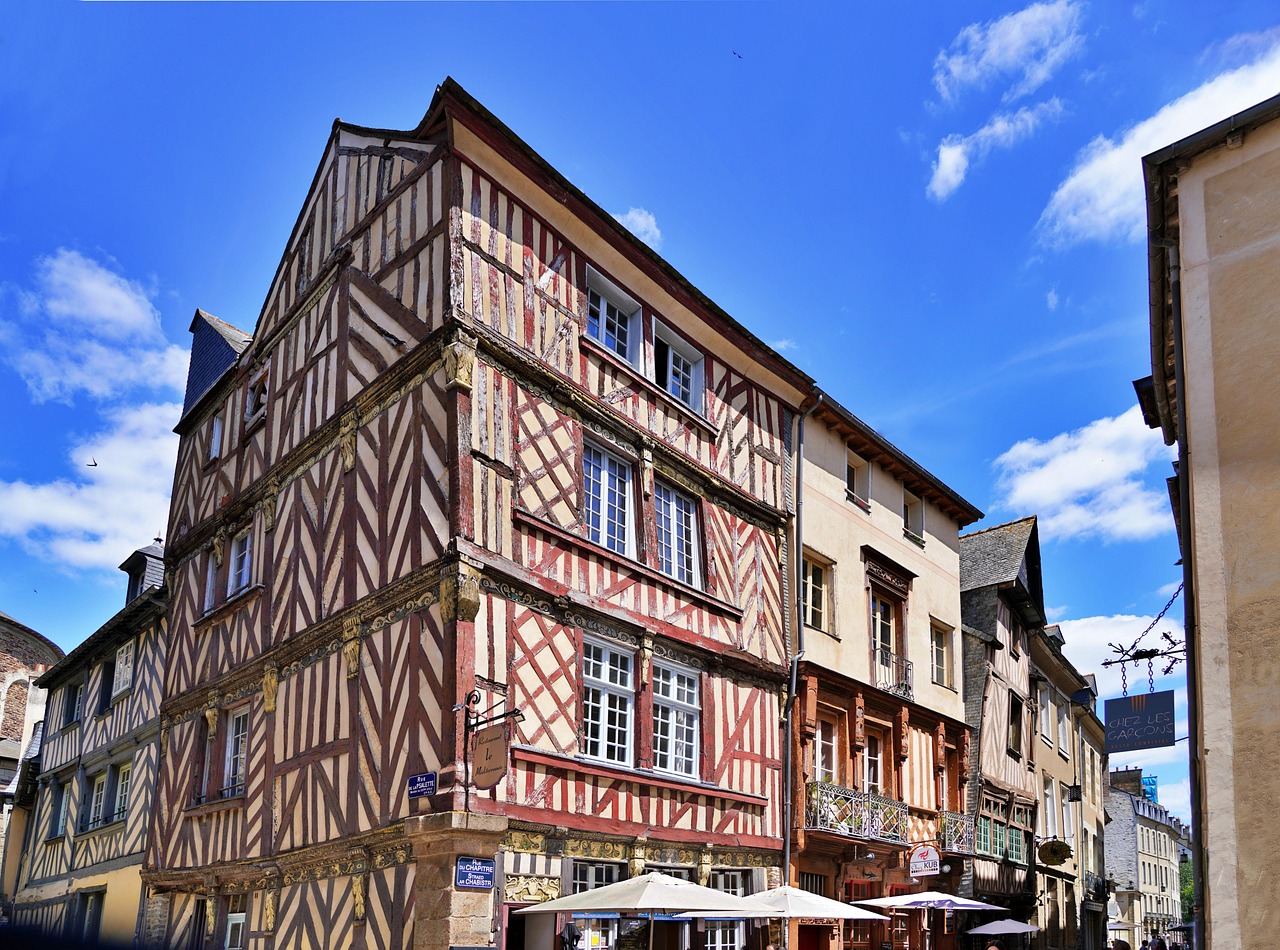
- Walk through the medieval streets: Rue du Chapitre, Rue Saint-Sauveur, and Rue Saint-Georges, admiring the leaning half-timbered façades.
- Stop for a coffee at a terrace on Rue Saint-Georges or around Place Sainte-Anne.
Personal tip: I like to grab a fresh galette-saucisse (Rennes’ unofficial street food) from a market stand and eat it while people-watching in Place des Lices.
Midday: Parliament of Brittany & City Center
- Head to the Parlement de Bretagne (Parliament of Brittany), the city’s iconic 17th-century building. Guided tours are worth it if you enjoy history and interiors.
- Wander across Place de la République and along the Vilaine River for classic city views.
- Lunch in a nearby brasserie or crêperie—there are several good options around Rue de la Monnaie and Rue Saint-Georges.
Afternoon: Parc du Thabor
- Walk (15–20 minutes) or take the metro/bus to Parc du Thabor, Rennes’ lush central park with French-style gardens, an English landscape area, a rose garden, and even a small aviary.
- Bring a book or just stroll; locals come here to relax, picnic, or jog.
Personal tip: I often grab a pastry from a bakery near Place Hoche and eat it on a bench facing the rose garden. In spring and early summer the flowers are incredible.
Evening: Crêperie & Drinks in Sainte-Anne
- Dinner at a traditional crêperie (I’ll list specific recommendations in the food section below).
- Have a cider in the lively Place Sainte-Anne or nearby streets. This area is great for people-watching and bar-hopping.
Day 2 – Culture, Modern Rennes & Canal Walk
Day 2 of this 3 day itinerary for Rennes dives into museums and modern cultural spaces, then slows down with a canal walk.
Morning: Les Champs Libres & Museum of Brittany
- Start at Les Champs Libres, a striking modern complex near the train station that houses the Museum of Brittany, a science center, and the main library.
- Visit the Museum of Brittany to understand the region’s history, from prehistoric times to modern Breton identity.
Midday: Lunch & Shopping Streets
- Walk back toward the old center via Rue d’Isly and Rue Le Bastard, the main shopping axis.
- Have lunch in the center—bistros, crêperies, and small ethnic restaurants are plentiful.
Afternoon: Canal Saint-Martin & Northern Quarters
- Walk or cycle along the Canal Saint-Martin. It’s a peaceful, leafy route with locks and small bridges.
- If the weather is nice, continue up to the Gayeulles Park area (by bus if you’re tired).
Evening: Craft Beer & Casual Eats
- Explore Rennes’ growing craft beer and natural wine scene in the center.
- For a more low-key night, choose a relaxed bar around Place des Lices or near the canal.
Day 3 – Markets, Hidden Squares & Street Art
Day 3 ties up the classic sights with more local, hidden gems.
Morning: Market (If Saturday) or Local Bakeries
- If it’s Saturday, go back to Place des Lices to catch what you missed: cheese stalls, oysters, and local products.
- On other days, hop between boulangeries and small local shops for breakfast supplies.
Midday: Street Art & Alternative Rennes
- Rennes has a strong street art scene, especially in some student-heavy and former industrial areas.
- Explore the streets around the Mabilais area and parts of the southern bank of the Vilaine.
Afternoon: Last-Minute Favorites
- Visit any attraction you missed (a church, a specific museum, or just more time in Parc du Thabor).
- Shop for local products: salted butter caramels, cider, Breton biscuits, or books from independent shops.
Evening: Farewell Dinner
- End your 3 days in Rennes with a special meal—either a refined bistro, a creative modern restaurant, or a beloved crêperie you haven’t tried yet.
4 Days in Rennes: Add a Deeper Dive
For a 4 day itinerary for Rennes, follow the 3-day plan above and add:
Day 4 – Architecture, University Area & Evening Fest-Noz (If Available)
Morning: Modern Architecture & Eco-Districts
- Explore newer districts such as parts of the EuroRennes area near the station and other recent developments that showcase Rennes’ modern side.
- Pay attention to eco-conscious design, bike lanes, and public spaces.
Afternoon: University Campus & Cultural Venues
- Visit the Université de Rennes area for a feel of student life.
- Check what’s on at cultural venues (galleries, performance spaces) that often sit outside the most touristy part of the center.
Evening: Fest-Noz or Live Music
- If you’re lucky, you might catch a fest-noz (traditional Breton dance night) in or around Rennes. These are incredibly welcoming, family-friendly, and a real cultural highlight.
- Otherwise, look for live music bars or small venues, especially on Thursdays and weekends.
5 Days in Rennes: Day Trips & Slow Travel
A 5 day itinerary for Rennes lets you really relax. Use days 1–4 as above, then add:
Day 5 – Day Trip to the Coast or Medieval Town
Rennes is a fantastic base for day trips. For the final day, pick one:
- Saint-Malo: Walled corsair city by the sea, reachable in about 55 minutes by train.
- Dinan: Perfectly preserved medieval town with cobbled streets and river views.
- Mont-Saint-Michel: Iconic abbey on a tidal island (longer day trip, but doable).
I’ll detail these in the day trips section below, but for 5 days in Rennes, I’d usually choose Saint-Malo for sea air and fresh seafood or Dinan for romantic medieval charm.
20 Must-See Attractions in Rennes (With Personal Stories & Tips)
This section goes in depth on the best places to visit in Rennes, mixing history, significance, and how I personally like to experience them. These can anchor any 3–5 day itinerary for Rennes.
1. Place des Lices & the Saturday Market
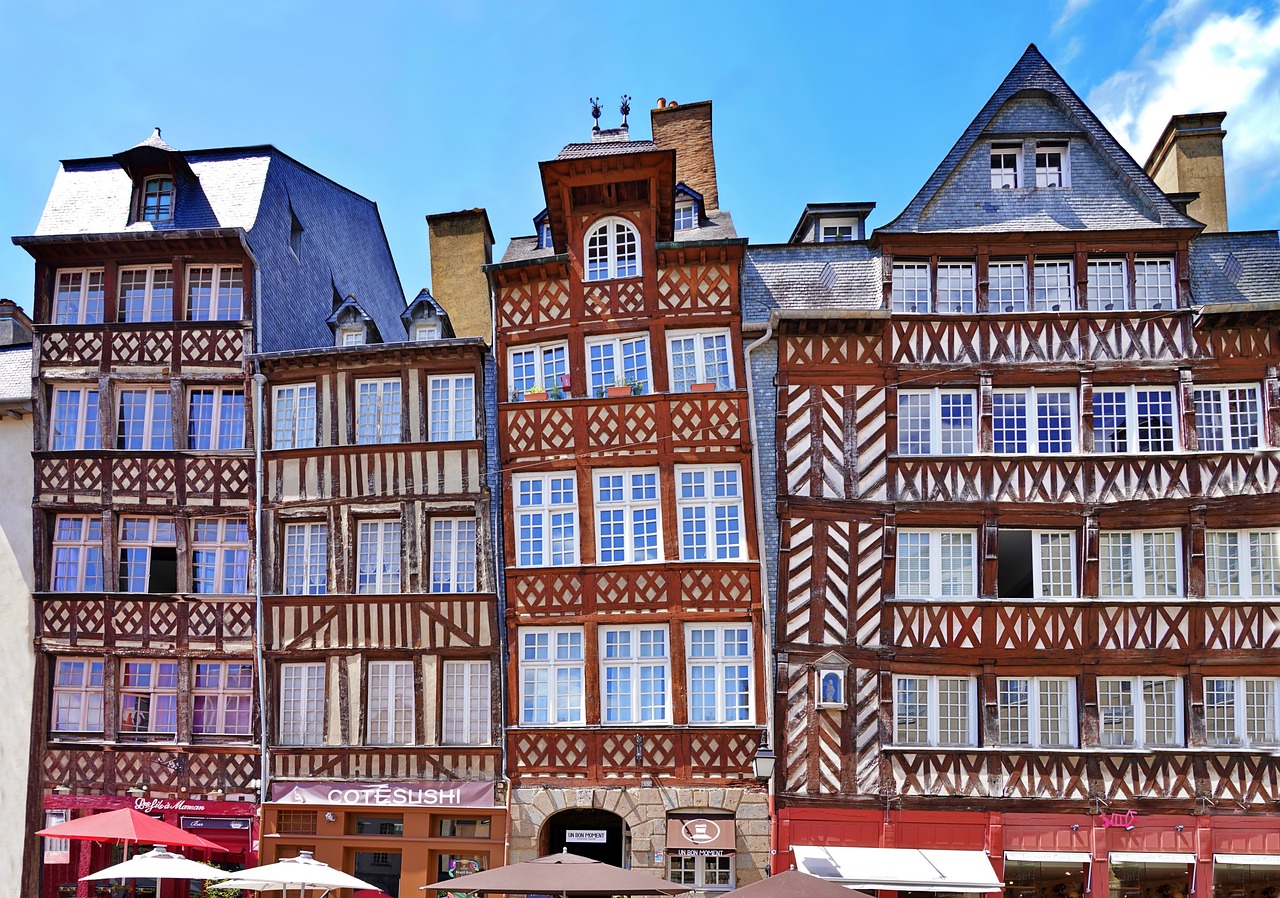
Why go: Place des Lices is the heart of Rennes on Saturday mornings, home to one of France’s largest weekly markets. Even on non-market days, the square is flanked by impressive mansions and half-timbered houses.
History & vibe: Historically, this square was where medieval tournaments and jousting took place—“lices” refers to the list fields where knights competed. Today, it’s a bustling social hub. On Saturdays, you’ll find stalls selling everything from local vegetables and cheeses to cider, honey, and flowers.
My experience: I’ve lost count of how many Saturdays I’ve spent at this market. My ritual is always the same: start at the covered market halls for cheese and charcuterie, then move outside to the fresh produce. If friends are visiting, we pick up picnic supplies and walk to Parc du Thabor afterward.
Don’t miss: The galette-saucisse stands—grilled sausage wrapped in a buckwheat galette. It’s the ultimate Rennes street food and incredibly budget-friendly.
Practical tips:
- When: Saturday morning, ideally before 11 am (things wind down by early afternoon).
- How to get there: Short walk from République or Sainte-Anne metro stops.
- Family-friendly? Yes, but keep an eye on kids in the crowds.
- Budget: Excellent for cheap, high-quality food; you can assemble a picnic for under €10 per person.
2. Parc du Thabor
Why go: Parc du Thabor is, in my opinion, one of the most beautiful urban parks in France. It’s perfect for families, couples, and solo travelers.
History & layout: Once the kitchen garden of the nearby abbey, it was redesigned in the 19th century as a combination of French formal garden, English landscape park, and botanical garden. There’s a rose garden with hundreds of varieties, hidden paths, and a small aviary.
My experience: I come here in all seasons. In spring, I love the explosion of tulips and blossoms; in summer, I sit in the shade with a book; in autumn, the leaves add a golden glow. On sunny Sundays, you’ll see students sprawled on the grass, families strolling, and older locals reading on benches.
Best for: Relaxing between sightseeing, picnics, romantic walks, kids to run around.
Practical tips:
- Location: East of the center, about 10–15 minutes’ walk from Sainte-Anne.
- Cost: Free.
- When to go: Morning or late afternoon for softer light and fewer crowds.
- Food: Pick up sandwiches or pastries en route; there are sometimes small refreshment stands, but don’t rely on them.
3. Parlement de Bretagne (Parliament of Brittany)
Why go: This grand 17th-century building is the symbol of Rennes and a key piece of Breton history.
History: Built as the seat of the Parliament of Brittany after the region’s union with France, it has seen centuries of political and judicial history. A devastating fire in 1994 led to a massive restoration that preserved its splendor.
My experience: On my first visit, I only admired the façade and the square. Later, I joined a guided tour and was surprised at how much more context it gave to the whole region’s story. The gilded interiors and painted ceilings are a striking contrast to Rennes’ modest half-timbered streets.
Practical tips:
- Tours: Guided tours often require reservations, especially in peak season. Check the Rennes tourism office website.
- Language: Tours are usually in French; some English options or audio guides may be available.
- Photography: Check rules; flash may be restricted inside.
4. Historic Center & Half-Timbered Houses
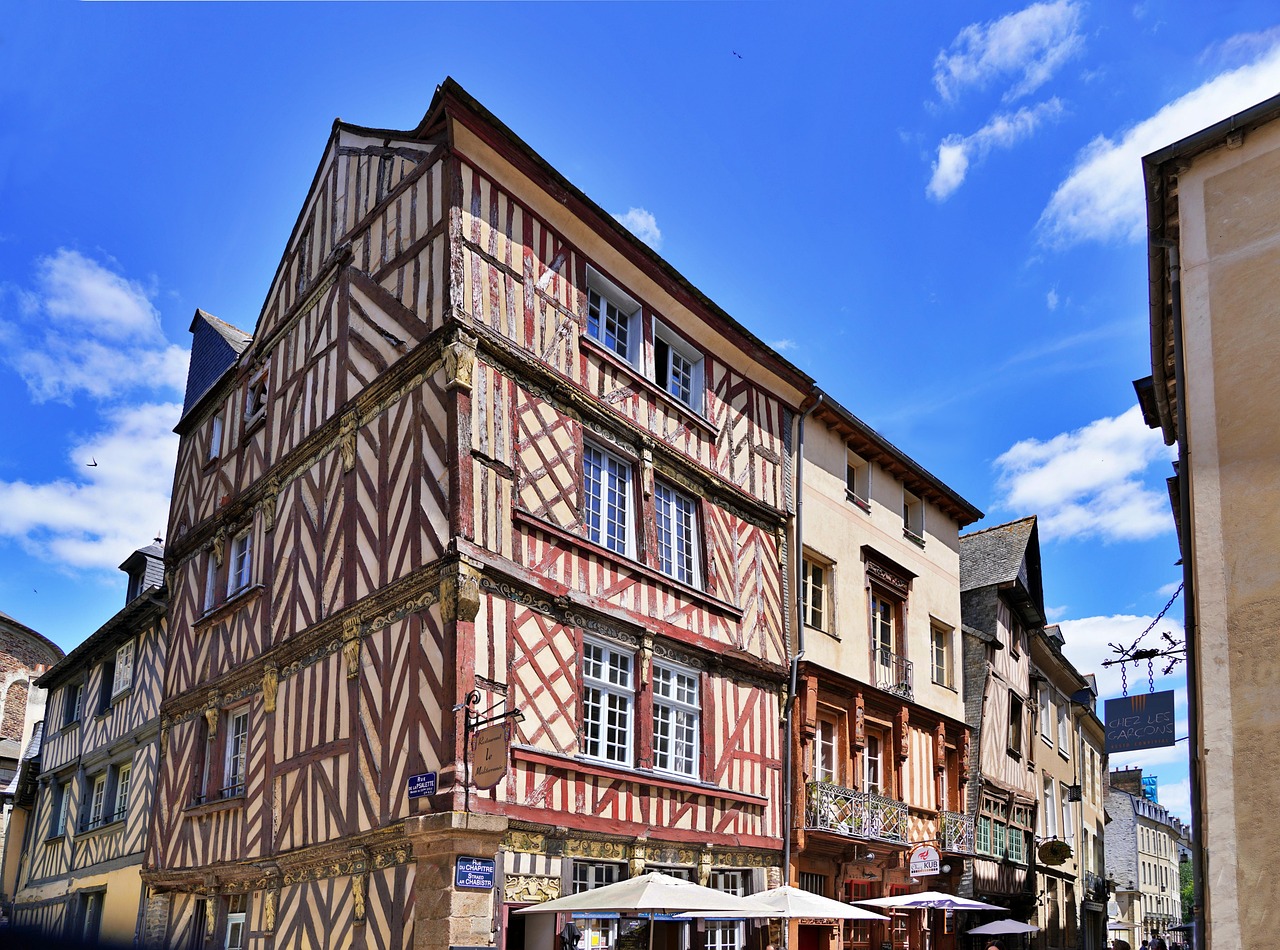
Why go: The old town of Rennes is a warren of cobbled streets lined with colorful, crooked half-timbered houses—one of the city’s most charming aspects.
What to see: Streets like Rue du Chapitre, Rue Saint-Sauveur, Rue de la Psalette, and around Place Sainte-Anne are especially photogenic.
My experience: I love walking here early in the morning, before shops open and delivery trucks arrive. The quiet makes the uneven façades and overhanging upper floors feel like a film set. At night, the same streets buzz with bars and restaurants.
Practical tips:
- Footwear: Comfortable shoes—cobbles can be slippery in rain.
- Photography: Morning light is wonderful; evenings bring a lively atmosphere.
- Family-friendly? Yes, but narrow sidewalks—keep close to kids.
5. Les Champs Libres & Museum of Brittany
Why go: This is Rennes’ main cultural hub, with a museum, library, and science center all under one striking modern roof.
Museum of Brittany: Exhibits cover archaeology, medieval Brittany, maritime history, and contemporary culture. It’s the best place to get your head around the region’s strong identity.
My experience: On rainy days, this is where I retreat. I’ve taken visiting friends through the permanent collections and temporary exhibitions, and we always leave with a deeper appreciation of Brittany’s language, music, and politics.
Practical tips:
- Location: Near the main train station (Gare de Rennes).
- Good for: Families (science center is a hit with kids), culture buffs.
- Tickets: Check combined tickets and free days on the official site.
6. Rennes Cathedral (Saint-Pierre de Rennes)
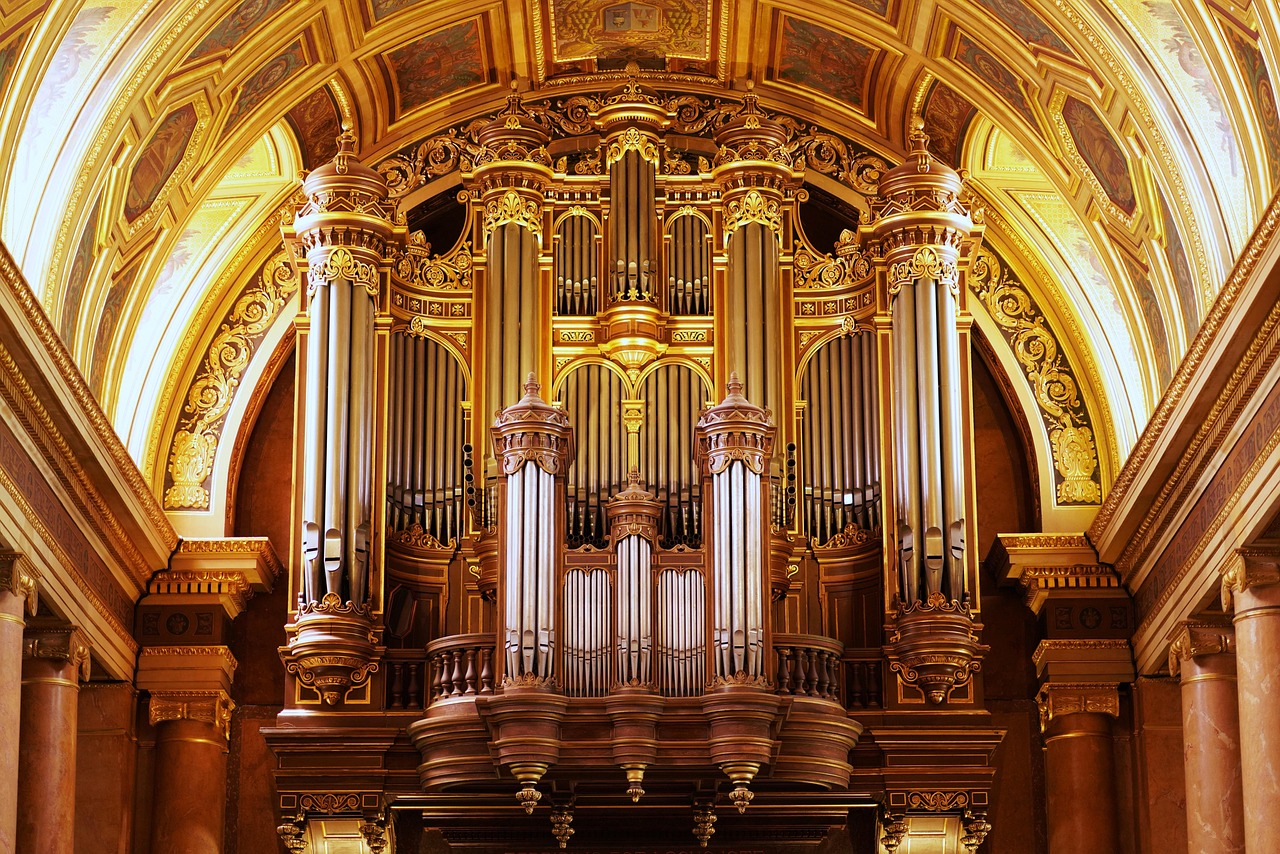
Why go: The cathedral’s neoclassical façade hides a richly decorated interior.
History: The current cathedral was mostly rebuilt between the 18th and 19th centuries, replacing earlier structures. Inside, you’ll find ornate altars, paintings, and a striking sense of vertical space.
My experience: I stumbled in one chilly winter afternoon to warm up and ended up staying for nearly an hour, just taking in the light filtering through the stained glass. It’s an oasis of calm in the busy center.
Practical tips:
- Dress: Respectful clothing (shoulders covered) is appreciated.
- Entry: Usually free; donations welcome.
- Good for: Quiet reflection, architecture lovers.
7. Place Sainte-Anne
Why go: This lively square is the social heart of Rennes, ringed by half-timbered houses, cafés, and bars.
Vibe: During the day it’s relaxed, with terrace cafés full of locals and students. At night, especially on Thursdays (Rennes’ big student night) and weekends, it gets loud and festive.
My experience: I’ve had everything here from lazy afternoon coffees to 2 am last drinks. It’s where I bring first-time visitors to get a feel for Rennes’ youthful energy.
Practical tips:
- Noise: If your accommodation overlooks the square, expect night noise.
- Safety: Generally safe, but as in any busy nightlife area, watch your belongings.
8. Vilaine River Quays
Why go: The Vilaine River cuts through the city, offering pleasant quayside walks and a different perspective on Rennes’ architecture.
My experience: On warm evenings, I love walking from the center down to the riverside, watching the reflections of buildings in the water and spotting joggers and cyclists.
Best stretch: Around Mail François Mitterrand and toward the Mabilais area, where modern buildings and street art meet the water.
9. Canal Saint-Martin
Why go: A peaceful alternative to the busy center, with tree-lined paths and picturesque locks.
My experience: When I need to clear my head, I walk along the canal in the late afternoon. It’s especially lovely in autumn with the changing leaves.
Good for: Walking, jogging, cycling, photography, families with strollers.
10. Parc des Gayeulles
Why go: Rennes’ largest park, a mix of forest, lakes, sports facilities, and play areas.
My experience: I usually come here with local friends for longer walks or runs. In summer, families descend on the lakes and picnic areas.
Practical tips:
- How to get there: Bus from the center; allow 20–30 minutes.
- Good for: Families, nature lovers, budget-friendly days out.
11. Espace des Sciences
Why go: Hands-on science center within Les Champs Libres, great for kids and curious adults.
My experience: I went once with friends’ children and was surprised how much fun the interactive exhibits were, even for adults. It’s a perfect rainy-day option.
12. Rennes Opera House & Place de la Mairie
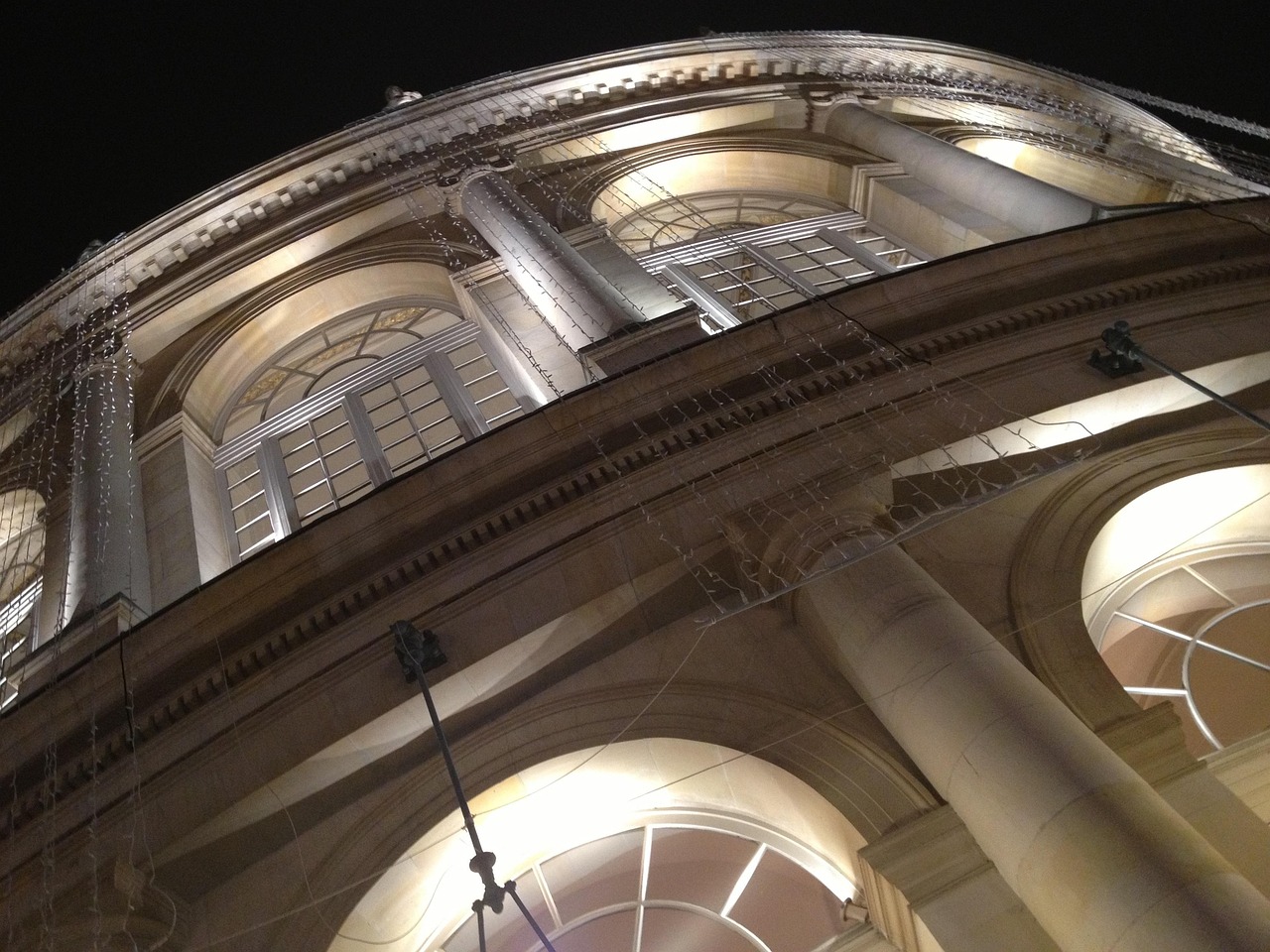
Why go: Elegant civic square with the curved opera house facing the town hall, a classic postcard view of Rennes.
My experience: I’ve attended a couple of performances here; even if you don’t go inside, the square is worth a visit both day and night when it’s beautifully lit.
13. Fine Arts Museum of Rennes (Musée des Beaux-Arts)
Why go: A compact but rich collection including works by Botticelli, Rubens, and modern artists, plus archaeological pieces.
My experience: I like popping in for an hour or two; it’s never overwhelming, and temporary exhibits are often excellent.
14. Saint-Germain Church & Square
Why go: A Gothic church with interesting stained glass and a pleasant square nearby.
My experience: I often pass through this square on the way between the old town and the Vilaine. It’s a nice place to pause with a takeaway coffee.
15. Rue de Saint-Malo & the North Gate Area
Why go: Less polished than the main tourist streets, with a creative, slightly bohemian feel.
My experience: I’ve explored here during small neighborhood festivals and loved the mix of street art, independent bars, and old façades.
16. Marché des Lices (Indoor Halls)
Why go: Two covered halls at Place des Lices host butchers, fishmongers, cheesemongers, and more.
My experience: I love wandering the cheese counters and asking for recommendations for local specialties. Staff are usually happy to let you taste.
17. Rue Saint-Georges & Crêperies
Why go: One of the best streets to sample local food in Rennes, especially galettes and crêpes.
My experience: This is where I bring visitors for their “first proper galette.” The terraces are lively in the evening, and the street is atmospheric after dark.
18. Contemporary Art Spaces (FRAC, Galleries)
Why go: Rennes has a strong contemporary art scene with regional art funds (FRAC) and independent galleries.
My experience: I often peek into small galleries when I pass them; exhibitions change frequently, so there’s always something new.
19. Eco-Districts & Modern Rennes
Why go: To see how Rennes is planning for the future with sustainable, mixed-use neighborhoods.
My experience: Walking these areas gives a sense of everyday local life beyond the postcard views.
20. Local Fest-Noz & Cultural Centers
Why go: A fest-noz (traditional Breton dance night) is one of the most authentic cultural experiences in Rennes.
My experience: The first time I joined a fest-noz, I was terrible at the steps but everyone was patient and welcoming. You don’t need to know the dances—locals will guide you.
Practical tip: Check local listings or ask at the tourist office for upcoming events; many are family-friendly and inexpensive.
Neighborhoods & Areas to Explore in Rennes
Historic Center (Centre Historique)
A maze of medieval streets, half-timbered houses, and key sights like the Parliament and Cathedral. This is where most visitors spend their time, and it’s where I still get happily lost despite knowing it well.
Thabor – Saint-Hélier
Leafy, elegant, and quieter than the student-heavy core, anchored by Parc du Thabor. Great for those who like staying in calm residential streets but still want walking access to the center.
Villejean – Université
Home to campuses and student housing, with cheap eateries, bars, and a youthful atmosphere. If you’re on a tight budget, this area can offer more affordable stays and food.
Cleunay – Arsenal – Redon & Mabilais Area
Former industrial zones turned into modern neighborhoods with street art, riverside walks, and new apartment blocks. This is where I go when I want a different, more contemporary feel to Rennes.
Bourg-l’Évêque – La Touche – Moulin du Comte
Residential but close to the center, with local shops and easy access to the canal and parks. Ideal if you want a local, non-touristy base.
Local Food & Drink in Rennes
Brittany is famous for its buckwheat galettes, sweet crêpes, butter-laden pastries, and cider. Rennes is one of the best cities to dive into this food culture without breaking the bank.
Must-Try Local Specialties
- Galette complète: Buckwheat galette with ham, cheese, and egg—simple and perfect.
- Galette-saucisse: Grilled sausage wrapped in a galette; classic Rennes street snack.
- Crêpe caramel au beurre salé: Sweet crêpe with salted butter caramel.
- Kouign-amann: Extremely buttery Breton pastry; share one if you’re not very hungry.
- Cider (cidre): Usually served in bowls with galettes; try brut (dry) or doux (sweet).
- Local seafood: Oysters and other shellfish often come from nearby coasts.
Where to Eat (Personal Favorites)
I can’t list every place (and they change), but here’s how I choose:
- Crêperies: Look for busy spots on Rue Saint-Georges and side streets in the old town. Menus should highlight buckwheat and local ingredients.
- Markets: On Saturdays at Place des Lices, eat your way through stalls: oysters, galettes, pastries.
- Budget eats: Student-heavy streets near Sainte-Anne and the university offer cheap kebabs, Asian food, and pizzas.
- Bakeries: Pop into any boulangerie-pâtisserie for croissants, pains au chocolat, and local specialties.
Saving Money on Food
From my experience, you can eat well in Rennes on a modest budget:
- Lunch menus: Many restaurants offer a cheaper formule midi (set lunch) on weekdays.
- Picnics: Assemble food from markets and supermarkets and eat in Parc du Thabor or by the canal.
- Street food: Galette-saucisse or takeaway crêpes are filling and affordable.
Nightlife, Entertainment & Cultural Experiences
Rennes punches above its weight in nightlife and culture, largely thanks to its universities.
Nightlife
- Place Sainte-Anne & nearby streets: Bars, pubs, and late-night spots; high energy, especially on Thursdays.
- Rue de la Soif (Rue Saint-Michel): Nicknamed “the street of thirst,” packed with bars; can be rowdy.
- Craft beer & wine bars: Scattered across the center; ask locals for current favorites.
Cultural Experiences
- Fest-Noz: Traditional Breton dance nights; welcoming, communal, and unforgettable.
- Concerts & festivals: Rennes hosts many events (see events section below).
- Theater & opera: Check programming at the Opera and other venues.
Family-Friendly Evenings
For families, early dinners at crêperies, evening walks through the lit-up old town, and occasional outdoor concerts in summer are perfect.
Major Events & Festivals in Rennes (2026–2027)
Dates vary each year, but here are key events that typically animate Rennes and are expected to continue in 2026–2027:
- Trans Musicales (December): International music festival known for discovering new talent; a huge draw for music lovers.
- Mythos Festival (Spring): Storytelling, theater, and music with performances across the city.
- Festival Travelling (Winter): Film festival focusing on a different city or theme each year.
- Various summer events: Outdoor concerts, cinema nights, and neighborhood festivals.
Check the official Rennes tourism website closer to your travel dates for confirmed 2026–2027 schedules.
Day Trips From Rennes
One of the perks of planning 4 or 5 days in Rennes is using the city as a base for coastal or countryside excursions.
Saint-Malo
Why go: A walled corsair city on the sea, with ramparts, beaches, and seafood.
Getting there: About 55 minutes by direct train from Rennes; frequent departures.
What to do: Walk the ramparts, explore the old town, relax on the beach, eat mussels and crêpes.
Dinan
Why go: One of Brittany’s prettiest medieval towns, full of half-timbered houses and cobbled lanes.
Getting there: Train or bus from Rennes (around 45–60 minutes).
What to do: Stroll the old streets, visit the port, and enjoy the views.
Mont-Saint-Michel
Why go: Iconic abbey on a tidal island—one of France’s most famous landmarks.
Getting there: Combination of train and shuttle bus, or organized tour, from Rennes. Expect a full-day outing.
Tip: Go early and avoid peak midday crowds if possible.
Cultural Etiquette & Local Customs in Rennes
Understanding a few local customs will make your time in Rennes smoother and more enjoyable.
Greetings & Politeness
- Always say “Bonjour” (daytime) or “Bonsoir” (evening) when entering shops, cafés, and restaurants.
- Use “S’il vous plaît” (please) and “Merci” (thank you) liberally.
- A simple “Bonjour, parlez-vous anglais ?” is a polite way to ask if someone speaks English.
Dining Customs
- Table service is the norm; tipping is modest (round up or 5–10% for excellent service).
- It’s common to linger over meals; you usually must ask for the bill (“L’addition, s’il vous plaît.”).
Fest-Noz & Local Culture
At fest-noz, dances are communal circles or lines. Don’t worry about being perfect; just follow your neighbors. It’s fine to join in even if you’re a beginner.
Practical Travel Tips for Rennes
Getting Around
- On foot: The center is compact; most things to do in Rennes are walkable.
- Metro & buses: Rennes has a clean, efficient metro and bus network. Single tickets or day passes are available.
- Bikes: Public bike systems and rental shops make cycling an easy option.
- Car rental: Not needed in the city, but useful for rural day trips. Parking in the center can be tricky and paid.
SIM Cards & Connectivity
- Major French providers (Orange, SFR, Bouygues, Free) offer prepaid SIMs; you’ll find shops near the train station and in shopping streets.
- EU visitors usually have roaming included; non-EU visitors should compare tourist SIMs.
Visa & Entry Requirements
Rennes follows French and Schengen Area rules. Many visitors from Europe and certain other countries can enter visa-free for short stays; others require a Schengen visa. Check with your local French consulate or official government websites before travel.
Driving & Licenses
- Foreign licenses: Many are accepted for short stays; some non-EU licenses may require an International Driving Permit. Confirm before renting.
- City driving: Narrow streets and one-way systems can be stressful; I recommend relying on public transport in Rennes itself.
Money-Saving Tips
- Use weekend and off-peak travel discounts on trains and buses where available.
- Take advantage of museum free days or reduced rates (students, under-26, etc.).
- Eat main meals at lunch with fixed-price menus; go lighter in the evening.
Weather & Best Seasons for Activities

- Spring (March–May): Ideal for Parc du Thabor’s flowers, city walks, and moderate crowds.
- Summer (June–August): Warm, with festivals and long evenings. Some smaller businesses may close for holidays in August.
- Autumn (September–November): Great light, colorful foliage, fewer tourists; good for culture and food-focused trips.
- Winter (December–February): Cooler, wetter; best for indoor culture (museums, concerts, festivals like Trans Musicales).
Summary: Key Takeaways & Best Time to Visit Rennes
Rennes is a city that rewards curiosity rather than checklist tourism. It’s one of my favorite places in France to slow down without ever being bored. In 3 days in Rennes, you can see the essentials—old town, Parc du Thabor, Parliament, and markets. With 4 days in Rennes, you can add neighborhoods, cultural experiences, and a deeper taste of local food and nightlife. With 5 days in Rennes, you can fold in day trips to Saint-Malo, Dinan, or even Mont-Saint-Michel.
The best time to visit Rennes depends on your priorities:
- Spring and early autumn: Overall best balance of weather, events, and manageable crowds.
- Summer: Lively, great for festivals and day trips to the coast.
- Winter: For culture-heavy trips and music festivals, if you don’t mind rain and cooler temperatures.
Use this travel guide for Rennes as a flexible framework—swap in attractions that match your interests, follow the 3–5 day itineraries as a base, and leave space for wandering. That’s where the city really reveals itself.