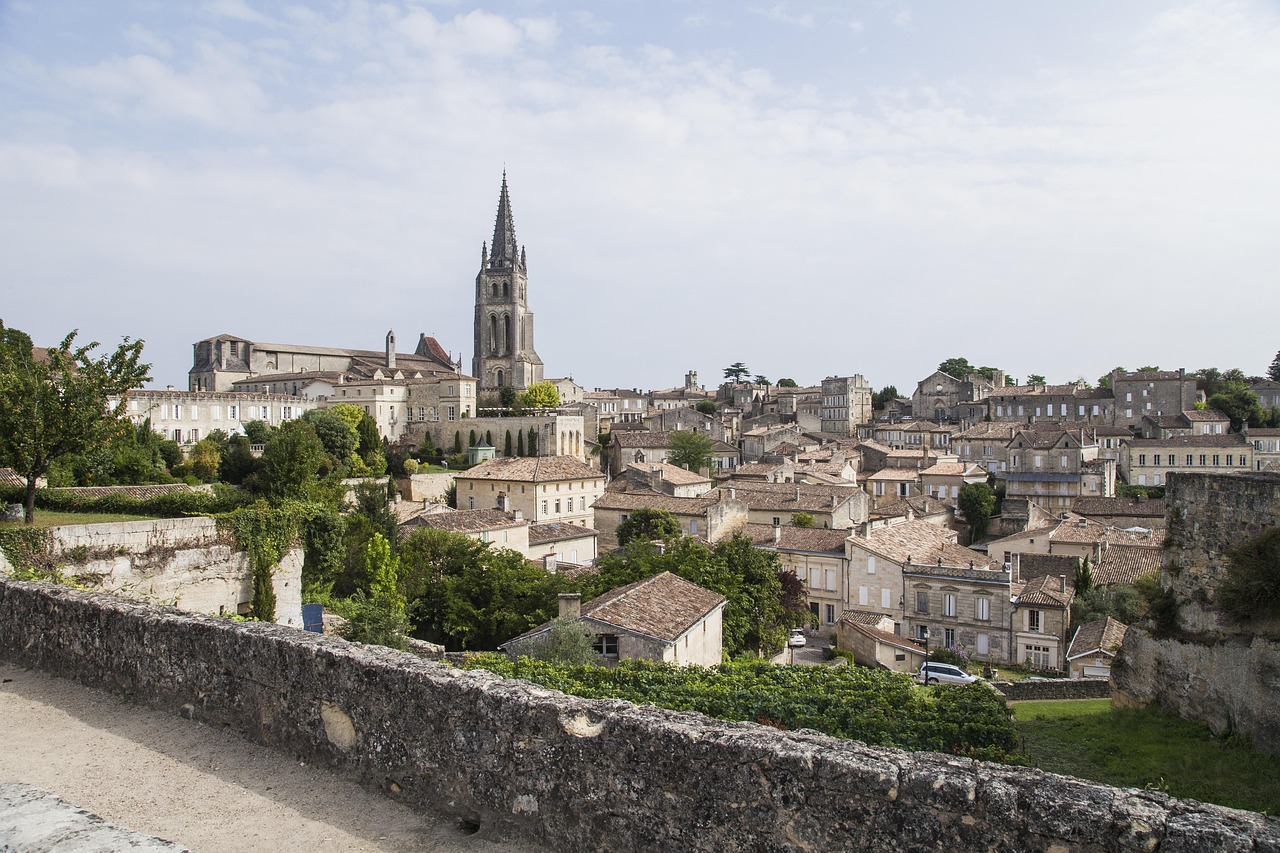
Why Visit the Route des Grands Crus?
If France is a library of wines, the Route des Grands Crus is the central aisle where all the legendary volumes sit. This 60‑ish kilometer stretch between Dijon and Santenay is compact, gentle, and improbably dense with names you’ve seen on the world’s great wine lists: Gevrey‑Chambertin, Chambolle‑Musigny, Vosne‑Romanée, Nuits‑Saint‑Georges, Pommard, Volnay, Meursault, Puligny‑Montrachet, Chassagne‑Montrachet.
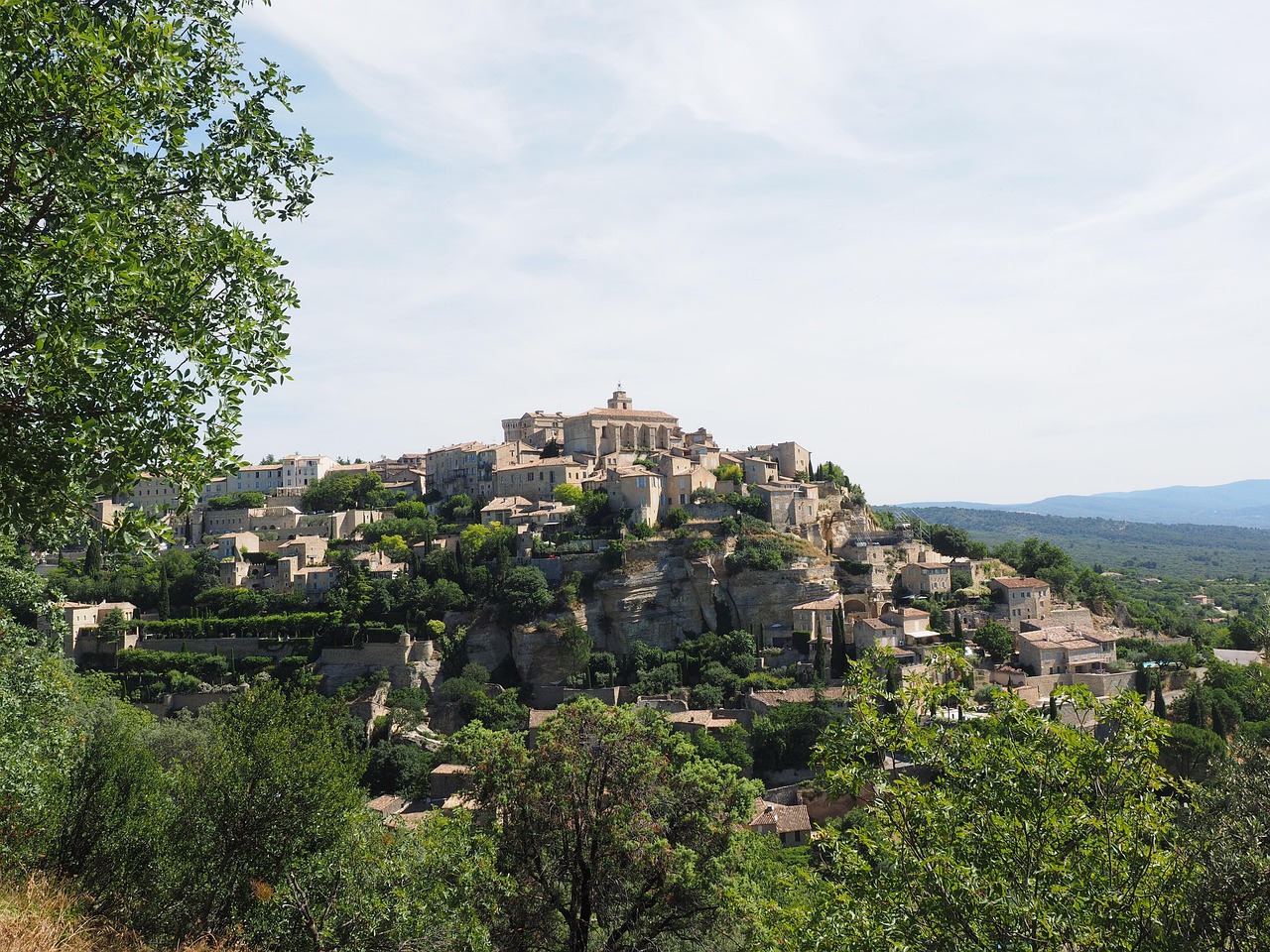
I’ve been driving, cycling, and occasionally stumbling along this road for more than a decade, and what keeps me coming back isn’t only the wine. It’s the way the light hits the limestone walls at dusk, the slow rhythm of vineyard tractors, the kids playing in village squares while their parents drink a kir, the mist hanging low over the vines on an October morning.
The Route des Grands Crus is perfect if you:
- Want a gentle road trip with 7 to 14 legs that you can savor, not survive.
- Love wine, food, and history but don’t want a stiff, formal experience.
- Are traveling as a couple and looking for romantic evenings in stone‑walled villages.
- Have a family and need space for kids to run, ice cream bribes, and short drives.
- Prefer local experiences over tourist buses and mega‑tastings.
This travel guide for Route des Grands Crus is written as a road story: 10 legs, each 1–2 days, piecing together the 7–14 leg itineraries people usually search for. You can compress it into a 7 leg itinerary for Route des Grands Crus or stretch it into a 14 legs of Route des Grands Crus slow journey. I’ll walk you through the best stops on Route des Grands Crus, must‑see attractions, hidden gems, local food, and the cultural experiences that make this road feel alive.
Overview: How the Route des Grands Crus Works
The Route des Grands Crus runs roughly north–south along the foot of the Côte d’Or escarpment, from Dijon down to Santenay. It’s not a single highway, but a signposted ribbon of quiet departmental roads (mainly the D974 and smaller vineyard lanes) that thread through more than 30 wine villages.
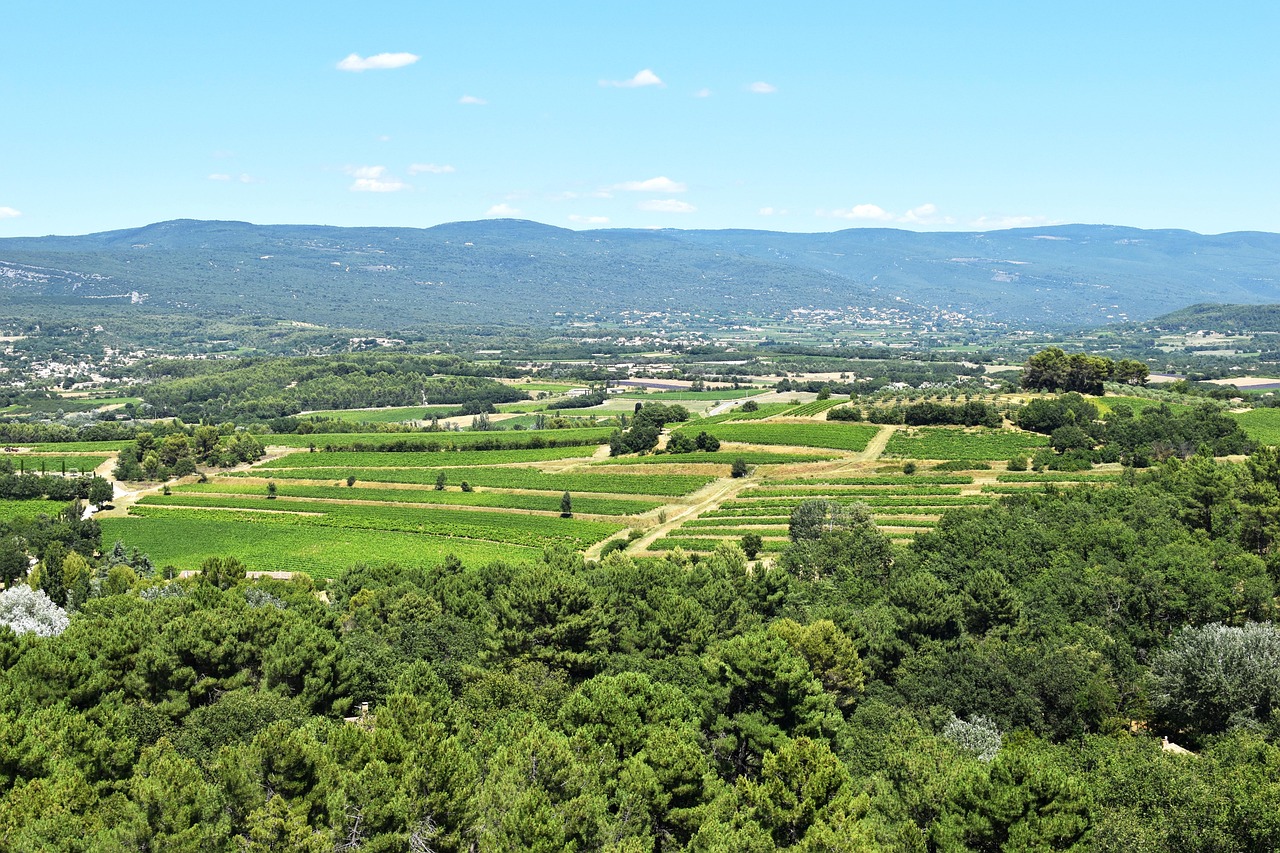
Most first‑timers think of it as a wine‑tasting crawl. In reality it’s a landscape route, a cultural corridor with Romanesque churches, dry‑stone walls, tiny washhouses, and war memorials tucked between grand cru plots. Even if you don’t drink, it’s worth doing as a slow road trip: wide views from the montagne, misty mornings in autumn, and the kind of small‑town main streets that haven’t been completely polished for Instagram (yet).
Direction to drive: I usually recommend north to south (Dijon → Santenay) for first‑timers:
- The progression from the dark, muscular reds of the Côte de Nuits to the silken whites of the Côte de Beaune feels like a story with a satisfying arc.
- You finish in Santenay, where there’s a more relaxed vibe, hot springs nearby, and easy onward connections to the Morvan or Beaujolais.
If you’re aligning with flights into Lyon, you can absolutely flip it and drive south to north. The 7 legs of Route des Grands Crus, 8 leg itineraries, up to 14 legs all work in either direction.
10‑Leg Route des Grands Crus Road Trip Itinerary (Adaptable to 7–14 Legs)
You’ll see lots of people searching for a 7 leg itinerary for Route des Grands Crus or 12 leg itinerary for Route des Grands Crus. The road is short enough that you can technically drive it in a day, but you’d miss everything that matters. What follows is my tried‑and‑tested 10 leg itinerary, each leg being 1–2 days of travel. Compress legs to create a 7 or 8 leg itinerary, or stretch them for a 12–14 leg slow journey.
Leg 1 – Dijon to Marsannay‑la‑Côte: Gateway to the Côte de Nuits
I usually start my Route des Grands Crus road trip with a night or two in Dijon. In 2025 I arrived on a soft April afternoon, the kind where the plane trees along the Canal de Bourgogne are just leafing out and terraces in Place de la Libération are full of locals with glasses of kir (white wine and blackcurrant liqueur, invented here).
Why this leg matters: Dijon sets the tone, and Marsannay is your first contact with the vineyard slopes. It’s an easy, low‑stress start: no hairpin bends, no steep grades, just a gentle glide out of the city and into wine country.
Dijon: More Than a Prologue
Spend a morning following the Owl Trail through Dijon’s medieval core. My routine now is almost ritualistic:
- Coffee and a croissant at a café on Rue des Godrans.
- A slow wander past the Palais des Ducs and up the Philippe le Bon tower for a first distant glimpse of the Côte d’Or to the south.
- A quick stop in the Musée des Beaux‑Arts (free, and newly refurbished) to remind myself this was once the seat of the powerful Dukes of Burgundy.
- Lunch at a bistro where I inevitably order œufs en meurette (eggs poached in red wine sauce) and jambon persillé (parsleyed ham) – classic local food in Route des Grands Crus territory.
Families can let kids blow off steam in Jardin Darcy, while couples might enjoy a stroll through the antique shops on Rue Verrerie. Dijon feels lived‑in, not theme‑parked, and prices are gentler than Paris.
Driving Dijon to Marsannay
Leaving Dijon, follow signs for Route des Grands Crus or Marsannay‑la‑Côte. Within 15 minutes, city blocks give way to vineyard lines and low stone walls. Every time, this is the moment I exhale and feel the trip really begin.
The road is wide and well‑paved. A regular car is perfect; you don’t need a 4x4 or anything special. Speed limits drop as you enter villages, and they’re enforced – the Gendarmes love a sneaky radar car.
Marsannay‑la‑Côte: Rosé and the First Viewpoints
Marsannay is the only appellation in the Côte d’Or allowed to produce red, white, and rosé. That rosé is your subtle hint that, despite all the talk of grand crus, this is still real country: people here drink what they like.
On my last visit in September 2025, I parked opposite the Domaine du Comte de Vogüé satellite tasting room (newly opened) and walked up behind the village into the vines. There’s a small viewpoint above the Clos du Roy plot where you can look north to Dijon’s church spires and south along the sweep of the Côte de Nuits. Bring a picnic from Dijon’s market; there are a couple of stone benches and almost never any crowds.
Where to Stay & Eat (Leg 1)
- Stay in Dijon if you like nightlife, museums, and a broader restaurant scene. It also breaks the journey nicely if you’ve just flown in.
- Stay in Marsannay if you want to wake up in the vines. A couple of B&Bs have opened since 2024 in renovated stone houses; they book early for harvest (September–October).
Dinner tip: In 2025 I had a simple but perfect plate of poulet Gaston Gérard (local creamy chicken dish) at a family‑run auberge in Marsannay, with kids at the next table sharing a giant bowl of fries. Family‑friendly, casual, and far less intimidating than some of the Michelin spots further south.
Leg 2 – Marsannay to Gevrey‑Chambertin: Into Pinot Noir Country
From Marsannay, the vineyards tighten up as you roll through Fixin and on towards Gevrey‑Chambertin, one of the best places to visit in Route des Grands Crus if you’re curious about how soil, slope, and exposure translate into the glass.
Fixin: A Quiet Detour and Forest Walk
Fixin (pronounced “Fiss‑an”) is a slightly scruffier, more real village than some of its polished neighbors. That’s exactly why I like stopping here. The Parc Noisot above the village is a hidden gem in Route des Grands Crus, with walking paths, a small Napoleonic monument, and shady picnic spots – great for kids to burn energy.
On a hot July day in 2024, I parked by the church and followed a way‑marked trail into the Combe de Fixin, a limestone valley cutting into the escarpment. Ten minutes later the traffic noise had vanished, replaced by birds and wind in the pines. If you’re doing a 9 leg itinerary for Route des Grands Crus and need a nature break, build Fixin in.
Gevrey‑Chambertin: Kingdom of Grand Crus
As you approach Gevrey, the road flattens and widens, flanked by neatly ordered rows of vines and those small stone huts (called cabottes) that dot the landscape. On my 2025 autumn trip, the leaves were turning burnished gold and scarlet, and the Chambertin and Clos de Bèze vineyards looked like patchwork quilts laid up the slope.
Signature Viewpoint: Above Chambertin
Drive up behind the village (signs to the Route des Grands Crus panoramas) and park where the paved road ends. A dirt track leads along the upper edge of the grand cru plots. From here you see:
- Across the Saône plain towards the Jura on a clear day.
- Down over a mosaic of vineyard parcels, each with its own tiny signpost: Chambertin, Clos de Bèze, Ruchottes‑Chambertin.
I’ve brought friends here who couldn’t care less about wine, and they were still stunned. It’s one of the must‑see attractions in Route des Grands Crus for sheer sense of place.
Tasting in Gevrey Without Intimidation
Gevrey’s top domaines can be hard to visit without advance connections, but there are several caveaux de dégustation (shared tasting rooms) where you can sample wines from smaller producers. In 2025 I had a memorable tasting flight in a former stable just off the main square: three village wines, a premier cru, and a simple Bourgogne rouge that frankly out‑drank some of the fancier bottles.
Tip: For travel tips for Route des Grands Crus tastings with kids, choose places with courtyards where children can potter about or draw while you taste. Always ask first, but most vignerons are surprisingly relaxed about well‑behaved little ones.
Overnight: Gevrey or Back to Dijon?
If you’re on a tighter schedule (7 or 8 leg itinerary for Route des Grands Crus), you might push on to stay in Nuits‑Saint‑Georges. But I like to linger in Gevrey:
- Evenings are quiet, with locals walking dogs between stone houses.
- There are a handful of bistros serving boeuf bourguignon, escargots, and seasonal dishes like coq au vin.
Leg 3 – Gevrey‑Chambertin to Chambolle‑Musigny & Morey‑Saint‑Denis: The Lacework of Pinot
This is one of my favorite drives of the entire Route des Grands Crus road trip itinerary: short in distance, huge in nuance. The villages of Morey‑Saint‑Denis and Chambolle‑Musigny are packed side by side, each with its own personality.
Morey‑Saint‑Denis: Under‑the‑Radar Royalty
Morey has five grand crus, but somehow escapes the limelight. That makes it a wonderful place to wander without pressure. The main street is barely more than a lane, edged with stone houses and quiet tasting rooms.
On a misty November morning in 2023, I walked from the church up between Clos de la Roche and Clos Saint‑Denis, following a narrow tractor path. The fog clung low over the vines; only the tops of the stone walls and the odd wooden stake emerged from the whiteness. I passed one vigneron pruning alone, radio crackling softly. We exchanged the usual bonjour, ça va? and nothing more. It felt like entering the private backstage of Burgundy’s mythology.
Chambolle‑Musigny: Silk and Cherry Blossom
Chambolle is prettier, perhaps even a little self‑conscious about it. There’s a sweetness to its narrow streets, flower boxes overflowing in summer, and the way the village seems to hug itself into the slope.
In May 2025 I stayed in a simple B&B here. Late one afternoon I walked up towards the Les Amoureuses vineyard. The name is no accident; it’s a classic romantic walk for couples. From the top of the slope, Chambolle’s roofs cluster together below, with the plains stretching out beyond. Bring a light jacket – the breeze can be surprisingly cool, even in summer.
Food Stop: Picnic Among the Vines
One of the joys of this leg is how easy it is to assemble a picnic: a baguette from Gevrey, cheese and charcuterie from a small épicerie in Morey, a bottle of village‑level red from a tasting room. Please don’t drink and then drive immediately; either share a small amount or save the bottle for the evening. There are dry‑stone walls and low viewpoints where you can sit and eat in peace.
Leg 4 – Chambolle‑Musigny to Vosne‑Romanée & Flagey‑Échezeaux: The Holy Grail
Leg 4 is where the Route des Grands Crus brushes up against the world’s most expensive Pinot Noir. You don’t need to drink Romanée‑Conti to feel the significance of this stretch – the names alone are enough to raise goosebumps if you’re a wine lover.
Vougeot: The Monks’ Legacy
A short drive from Chambolle brings you to Vougeot, dominated by the Clos de Vougeot, a walled vineyard and château founded by Cistercian monks. Even if you usually skip “historical attractions,” make an exception here.
Inside the château you’ll see the vast ancient presses, the monks’ dormitory, and exhibits on how the parcel was divided after the French Revolution. On a chilly December afternoon I stood alone in the press room, hands on the worn beams, and felt a visceral sense of continuity: people have been making wine here for nearly a millennium.
Vosne‑Romanée: Quiet Streets, Big Names
Vosne itself is tiny. If you didn’t know better, you might drive through in two minutes and never realize that some of the world’s most coveted wines are sleeping under these modest roofs.
I like to park discreetly by the church and walk the Chemin des Grands Crus path that skirts between La Tâche, La Romanée, Romanée‑Saint‑Vivant, and the fabled Romanée‑Conti. The latter is just a small, unassuming walled plot with a simple stone sign. No tasting room, no spectacle – just vines, earth, and history.
Etiquette note: Stay on marked paths, don’t climb walls, and don’t walk between vine rows unless explicitly allowed. This is working farmland, not a theme park, and respect for property is a key local custom in Route des Grands Crus villages.
Flagey‑Échezeaux: Between the Lines
Flagey is more a scattering of houses and vines than a conventional village, but it’s the gateway to the grand crus Échezeaux and Grands‑Échezeaux. There’s a peacefulness here I love: fewer visitors, more tractors, and the occasional hunter’s dog sniffing along the hedgerows in autumn.
Where to Sleep
For this leg, I often base myself in Vosne‑Romanée or nearby Nuits‑Saint‑Georges for better restaurant choice. Vosne has a couple of higher‑end guesthouses perfect for a romantic stop on a 9 or 10 leg itinerary for Route des Grands Crus.
Leg 5 – Vosne‑Romanée to Nuits‑Saint‑Georges: The Beating Heart of the Côte de Nuits
Nuits‑Saint‑Georges is the largest town between Dijon and Beaune, and it functions as the service hub for much of the Côte de Nuits: supermarkets, garages, pharmacies, wine shops, and enough restaurants to keep you busy for several nights.
The Drive: Small Climats, Big Character
The short run from Vosne to Nuits takes you past a patchwork of premier cru climats with names like Les Boudots, Les Saint‑Georges, and Les Vaucrains. It’s worth making a stop at one of the lay‑bys that look out over the village and down into the plain. On a clear winter’s day in January 2026, I stood there with a thermos of coffee, the vines bare and black against frost‑silvered soil, and thought: this is what “dormant” looks like – the land resting between harvests.
Nuits‑Saint‑Georges: Lively but Not Slick
Nuits isn’t as postcard‑pretty as Beaune, but it’s real, and I find that increasingly rare and precious. There’s a Saturday market where locals buy their fruit, cheese, and sausages; kids ride bikes around the war memorial; the wine museum offers a compact, digestible primer on Burgundy’s appellation system (a huge help early in your trip).
Family‑Friendly Stop: Cassissium
Just outside town lies the Cassissium, a museum dedicated to blackcurrants and crème de cassis. It sounds niche, but it’s a hit with families: interactive exhibits, sweet tastings for kids, and liqueur tastings for adults. On a rainy day in 2024, I watched a group of children utterly absorbed in the bottling demonstrations while their parents sampled liqueurs in the next room.
Evenings in Nuits
For evenings on the road in Route des Grands Crus, Nuits is one of the best bases:
- Several wine bars with by‑the‑glass lists that let you taste serious bottles without taking out a second mortgage.
- Bistros serving local dishes: andouillette (for the brave), charolais steak, seasonal mushroom dishes in autumn.
- An easy, flat walk back to most guesthouses – no driving required once you’ve opened that second bottle.
Leg 6 – Nuits‑Saint‑Georges to Beaune: Crossing the Threshold
This leg marks the psychological shift from the Côte de Nuits (mostly reds) to the Côte de Beaune (home of many great whites, though the reds are superb too). It’s also where your road trip starts to intersect with more visitors, buses, and tour groups, especially as you approach Beaune.
Between Nuits and Beaune: Comblanchien, Ladoix, Aloxe‑Corton
Between Nuits and Beaune you pass quarries at Comblanchien (source of the pale limestone you’ll see in Parisian metro stations and Haussmannian buildings) and the hill of Corton, rising like a low dome above the flatlands.
Stop at a pull‑out near Aloxe‑Corton and look up at the patchwork of red and white grand crus (Corton for red, Corton‑Charlemagne for white) that wrap the hill. It’s one of the must‑see attractions in Route des Grands Crus for geology and landscape.
Beaune: The Beating Tourist Heart
Beaune is the unofficial capital of Burgundy wine tourism: cobbled streets, dozens of wine shops, the iconic Hospices de Beaune with its glazed tile roof. I’ve had mixed feelings about Beaune over the years – it can feel crowded and commercial in peak season – but it’s also indispensible. For a travel guide for Route des Grands Crus, this is where you get museums, a range of accommodations, and essential context.
Hospices de Beaune
This former charity hospital, founded in 1443, is now a museum and the site of Burgundy’s most famous annual wine auction each November. Visit in the late afternoon when the tour groups thin out. The painted beams, tiled roof, and reconstructed hospital ward tell a story of care, faith, and the deep intertwining of charity and wine commerce.
Wine Tasting in Beaune
Beaune has several cellar‑style tastings where you pay a fixed fee and work through a lineup of wines at your own pace in vaulted underground spaces. They can be fun introductions but sometimes feel a bit production‑line. For a more personal experience, I prefer booking a tasting at a smaller maison or visiting a producer in the surrounding villages and using Beaune as your sleeping base.
Evening Atmosphere
Evenings on Beaune’s main streets are lively in high season: restaurant terraces, live music in summer, and the soft glow of shop windows displaying dust‑covered bottles. It’s worth pausing here for a proper night rather than blowing through, especially if you’re on a 10, 11, or 12 legs of Route des Grands Crus plan.
Leg 7 – Beaune to Pommard & Volnay: Red Velvet
Leaving Beaune, you quickly slip back into the quieter rhythm of small villages. Pommard and Volnay are must‑pause towns on any Route des Grands Crus road trip itinerary, with enough depth to justify half a day or more in each.
Pommard: Sturdy, Structured, Classic
Pommard has a slightly severe beauty: darker roofs, a more compact village core, and vineyards that seem to press right up against the houses. Its wines are famously structured, often firmer than those of neighbor Volnay.
On an early October visit in 2025, harvest was just finishing. Yellow crates lined the vineyard edges, kids helped pick out leaves from the sorting tables, and the air smelled faintly of crushed grapes. I ducked into a small domaine’s cellar for a tasting where the winemaker’s mother poured the wines and set out a plate of gougères (cheese puffs). This kind of intergenerational hospitality is one of the most rewarding cultural experiences in Route des Grands Crus.
Volnay: Light on Its Feet
Volnay sits slightly higher, with gentler, more open views. The wines are often described as more delicate, floral, and feminine – stereotypes, yes, but you can sense a stylistic difference when tasting side by side with Pommard.
Above the village, there’s a wonderful panoramic spot where multiple vineyard paths converge. On a clear evening in June 2024, I watched the sun dip behind the escarpment while swallows swooped low over the vines. Couples had brought picnic blankets; a group of cyclists in Lycra clinked plastic cups of Aligoté. It was relaxed, unpretentious, and very Burgundian.
Leg 8 – Volnay to Meursault & Auxey‑Duresses: Crossing Into White Wine Country
This leg is where the white wines begin to assert themselves. Names like Meursault and Auxey‑Duresses appear on wine lists worldwide, but the villages themselves remain notably down‑to‑earth.
Meursault: White Wine and a Grand Square
Meursault’s central square, with its ornate town hall and cafe terraces, is one of the most atmospheric in the Côte de Beaune. It’s also extremely film‑friendly – parts of the classic French film “La Grande Vadrouille” were shot here.
I like to arrive late morning, when the sun lights up the stone facades and locals sit with their coffees and small glasses of white. The wines here are opulent, nutty, and textured, though styles have shifted towards more freshness in recent years.
Vineyard Walks & Family Time
For family‑friendly things to do in Route des Grands Crus, Meursault is a gem:
- Easy, mostly flat paths through the vines, perfect for short legs.
- Shallow streams where kids can splash (supervise carefully).
- Plenty of open space around the village edges for running and play.
Auxey‑Duresses: The Quiet Back Valley
Turn west from Meursault into a narrower, more enclosed valley and you’ll find Auxey‑Duresses. It feels like a hidden side pocket of the Côte d’Or: steeper slopes, mixed plantings (some cows and pastures), and a cooler, more rustic vibe.
On my spring 2026 trip, Auxey was one of the least busy spots on the whole Route des Grands Crus, despite its excellent value wines. A young winemaker I met here had just converted part of his grandparents’ barn into a simple tasting room with wooden benches and coloring pencils for kids. We tasted a flight of reds and whites while his dog snored in the corner. It was the antithesis of luxury tourism and exactly the kind of hidden gem in Route des Grands Crus I love.
Leg 9 – Meursault to Puligny‑Montrachet & Chassagne‑Montrachet: Chardonnay’s Sacred Ground
This is the most concentrated stretch of world‑class white wine terroir on the planet. The villages of Puligny‑Montrachet and Chassagne‑Montrachet share the fabled Montrachet hillside and a scattering of grand cru plots that have defined Chardonnay for generations.
Puligny‑Montrachet: Discreet Excellence
Puligny’s central square is modest: a few houses, a fountain, a couple of restaurants, and rows of vines pressing in from all sides. The wines are often described as more linear and mineral than those of Meursault – less butter, more chalk and citrus.
One crisp March afternoon in 2025, I walked from the village up towards the Montrachet hillside. The ground was still damp from winter rains; small green tips were just emerging on the vines. Standing at the edge of the Le Montrachet climat, I watched a solitary worker repairing a low stone wall. The scene was quiet, almost austere, yet it’s this exact earth that fetches astronomical prices in bottle form. That contradiction – extreme value layered on modest surroundings – is everywhere along Route des Grands Crus.
Chassagne‑Montrachet: Reds and Whites, Bistro Buzz
Chassagne feels slightly livelier than Puligny, with more visible restaurants and tasting signs. Historically better known for reds, it has increasingly planted and promoted whites as demand for Chardonnay surged. I still love the village’s reds – they’re often excellent value compared to the big names.
On a summer evening in 2024, I ate on a terrace here: escargots in garlic butter, grilled charolais beef, and a glass of premier cru Chassagne that tasted of lemon curd and hazelnut. At the next table, a family played cards between courses while their dog snoozed under the table. Couples lingered over dessert, watching the sky turn pink above the church tower. It’s one of the most romantic yet unpretentious evening atmospheres along the 10 legs of Route des Grands Crus.
Leg 10 – Chassagne‑Montrachet to Santenay & Beyond: Winding Down
The final leg to Santenay is gentle and slightly wistful. You feel the Côte d’Or slowly dissolving into rolling hills, the vineyards sharing space with fields and woodlands. It’s an ideal place to slow down, reflect, or begin your onward journey to the Morvan, Beaujolais, or the Rhône.
Santenay: Springs, Windmills, and Relaxed Reds
Santenay has a faintly belle‑époque spa feel; there used to be more active thermal bath tourism here, and traces remain in the architecture. The wines are often more approachable in youth and definitely easier on the wallet than some of their northern cousins.
I like to walk up to the Moulin Sorine, a restored windmill overlooking the village. From here, you can look back north along the entire line of the Côte d’Or, tracing your route mentally: Dijon’s spires, the shadow of Corton hill, Beaune’s cluster, the gentle folds above Meursault and Puligny. It’s a contemplative place to end a 7, 8, 9, 10, 11, 12, 13, or 14 legs of Route des Grands Crus itinerary – however long you’ve made it.
Beyond Santenay
From Santenay you can:
- Continue south into the Côte Chalonnaise (Mercurey, Givry, Rully) for a less crowded, excellent‑value extension.
- Head west into the Morvan Regional Park for lakes, forests, and hiking – a perfect antidote after days of rich food and wine.
- Turn east towards the Saône River and pick up fast routes to Lyon, Geneva, or further afield.
Deep Dives into 18 Key Stops & Viewpoints
Here are more detailed portraits of 18 of the best stops on Route des Grands Crus – the places I return to on almost every trip.
1. Dijon – Historic Gateway
History & Significance: Capital of the Duchy of Burgundy in the 14th–15th centuries, Dijon’s wealth and power shaped the wine trade that still underpins the region. The dukes funded monasteries, infrastructure, and the codification of vineyard boundaries.
My Take: I always start here to recalibrate from city speed to Burgundy time. In 2025 I spent a morning at the Musée de la Vie Bourguignonne, with displays on rural life: tools, costumes, everyday objects. It’s a gentle primer in the culture that produced the wines you’re about to drink.
2. Marsannay‑la‑Côte – Rosé and First Vines
See Leg 1 for details; Marsannay is my favorite low‑pressure first tasting stop, especially for those wary of wine snobbery.
3. Fixin – Forests and Napoleonic Echoes
The combination of vineyards below and forested combe above makes Fixin one of the best quick detours if you need shade and greenery.
4. Gevrey‑Chambertin – Grand Cru Capital
Gevrey’s nine grand crus represent the densest cluster of top‑tier red wine terroir on the planet. Yet the village retains a workaday feel: farmers’ vans, kids on scooters, and the smell of woodsmoke in winter.
5. Morey‑Saint‑Denis – Understated Nobility
Morey is where I send friends who want to taste serious wine without ceremony. Its climats climb the slope in tidy lines; the view from the top across to the plain is one of my personal favorites.
6. Chambolle‑Musigny – Elegance in Stone
For romantic walks and that ineffable sense of “this is why people love Burgundy,” Chambolle is hard to beat.
7. Vougeot & Clos de Vougeot – Monastic Heritage
The Clos de Vougeot encapsulates the region’s monastic roots. If you like history, don’t skip the guided tours; stories of medieval land management add rich context to your wine tastings.
8. Vosne‑Romanée – Quiet Legend
Standing at the edge of Romanée‑Conti, you’re mere centimeters from vines whose grapes will end up in bottles that sell for thousands. Yet the village remains remarkably calm and unshowy.
9. Flagey‑Échezeaux – Between Worlds
Here the grand crus stretch out like a patchwork towards the forest edge. It’s a lovely place to cycle; traffic is light, and the views are wide.
10. Nuits‑Saint‑Georges – Practical Hub
Nuits is where I stock up: picnic supplies, SIM cards, pharmacy items. It’s an essential anchor for any 7–14 leg itinerary.
11. Aloxe‑Corton & Hill of Corton – Dome of Vines
The only hill in the Côte d’Or where red and white grand crus share the same slope. Great scenic pull‑outs and walking paths.
12. Beaune – Wine Capital
Hospices, shops, bustling streets, and plenty of evening options. See Leg 6 for more; Beaune is the main pivot in almost every Route des Grands Crus road trip itinerary.
13. Pommard – Firm and Focused
Pommard’s wines and architecture share a certain solidity. I love the contrast with airy Volnay next door.
14. Volnay – Air and Light
Best at golden hour, when the sun backlights the vines and the village bells mark time.
15. Meursault – The White Wine Square
Stay for a long lunch on the square, then wander the surrounding vineyard paths. Families, cyclists, and serious wine lovers all find something here.
16. Auxey‑Duresses – Rustic Side Valley
An ideal place to experience small‑scale, family‑run domains without crowds.
17. Puligny‑Montrachet – Precision Chardonnay
Discreet, serious, and quietly beautiful. Focused tastings, excellent restaurants, and easy vineyard access.
18. Santenay – Soft Landing
With its windmill, spa history, and chilled vibe, Santenay is my preferred endpoint, especially for longer 13 or 14 legs of Route des Grands Crus routes.
Eating & Sleeping Along the Route
One of the most rewarding things to do in Route des Grands Crus is simply to eat and sleep well between short drives. Distances are small, so you can minimize time in the car and maximize time at the table.
Local Food in Route des Grands Crus
Signature dishes you’ll see again and again:
- Œufs en meurette – poached eggs in red wine sauce with lardons and mushrooms.
- Boeuf bourguignon – stew of beef, red wine, and vegetables.
- Escargots de Bourgogne – snails in garlic‑parsley butter.
- Jambon persillé – ham in parsleyed aspic, a classic starter.
- Fromages – Epoisses, Brillat‑Savarin, Citeaux, and others from local dairies.
- Gougères – cheese puffs, the quintessential tasting room snack.
Where to Eat: Styles & Strategies
You’ll find:
- Roadside auberges on the D974 – perfect for hearty lunches.
- Village bistros – small menus, chalkboards, often excellent value.
- Gastronomic temples – in Beaune, Puligny, and a few villages, for blow‑out meals.
- Picnic spots – viewpoints above Gevrey, Volnay, Meursault, Santenay.
Sleeping: Inns, B&Bs, and Vineyard Stays
Accommodation types along Route des Grands Crus:
- Chambres d’hôtes (B&Bs) in stone houses – often family‑run, breakfast included, great for local advice.
- Small hotels in Beaune, Nuits, Dijon – more services, good for those without cars.
- Vineyard guest rooms – stay on a working domaine, often with on‑site tastings.
- Gîtes – self‑catering apartments or houses, ideal for families or longer stays.
My Pacing Tips
- Plan 2–4 nights in Beaune or Nuits as hubs, with 1–2 nights in smaller villages like Chambolle, Meursault, or Santenay.
- Book early (3–6 months) for September–October and for big events (see 2026–2027 section).
- For budget trips, stay just off the main route (e.g., in Chagny or the outskirts of Dijon) and drive in for day visits.
Evenings on the Road in Route des Grands Crus
Evenings are when the Route des Grands Crus exhale: tractors return to barns, tasting rooms close, village lights flicker on.
Small‑Town Main Streets After Dark
In Nuits‑Saint‑Georges, Beaune, and Dijon, you’ll find:
- Wine bars with extensive by‑the‑glass lists.
- Bistros buzzing until 10–11pm.
- Occasional live music, especially in summer.
Quiet Village Nights
In Chambolle, Vosne, Meursault, and Santenay:
- Expect silence after 10pm; this is farm country.
- Perfect for star‑gazing – Burgundy skies can be strikingly clear.
- Walk the village lanes; you’ll smell woodsmoke, see cats on stoops, hear distant laughter from kitchen tables.
Day Trips & Nearby Attractions
Once you’ve driven the core Route des Grands Crus, consider these extras:
- Canal de Bourgogne – cycling and boat trips from Dijon or nearby villages.
- Morvan Regional Park – lakes (Settons, Pannecière), hiking, and cooler air in summer; 1–1.5 hours west of Beaune.
- Châteauneuf‑en‑Auxois – hilltop medieval village with views over the canal and countryside; good half‑day trip from Beaune.
- Côte Chalonnaise – Mercurey, Givry, Rully for quieter, less pricey wine touring.
Cultural Etiquette & Local Customs
Understanding local customs in Route des Grands Crus villages makes interactions smoother.
- Greetings: Always say bonjour (daytime) or bonsoir (evening) when entering shops, tasting rooms, or restaurants.
- Tastings: Book ahead when possible; don’t wear heavy perfume; spit or dump wine if you’re driving – it’s normal.
- Property: Stay on marked paths; don’t enter vineyard rows without permission; keep dogs leashed.
- Meal times: Lunch typically 12–2pm, dinner from 7–9pm. Outside these hours, options are limited.
- Tipping: Service is included, but rounding up or adding 5–10% for good service is appreciated.
- Noise: Villages are quiet; keep late‑night noise to a minimum.
Practical Logistics & Travel Advice for Route des Grands Crus
How to Get Around: Car, Bike, or Public Transport
- Car Rental: Easiest from Dijon, Beaune, or major cities (Paris, Lyon). A regular car is fine; roads are paved and gentle.
- Public Transport: Trains connect Dijon, Nuits, Beaune, and Chagny; buses serve some villages but are infrequent.
- Cycling: Excellent option in good weather, especially between Gevrey and Beaune; many routes use smaller vineyard roads.
Fuel & Charging
- Fuel stations: In Dijon, Nuits, Beaune, Chagny, and on main highways nearby; none in tiny villages.
- EV charging: Growing rapidly; check Beaune, Dijon, and some larger villages for public chargers or hotel chargers.
- Plan to fill up when you dip below half, especially on Sundays or holidays when some stations close.
Vehicle Suitability & Road Conditions
- Standard car is perfect; no 4x4 needed.
- RVs/campervans are fine on main roads; avoid narrow lanes in village centers.
- Motorcycles are a joy here – smooth tarmac, gentle curves, and great visibility.
Seasonal Considerations
- Spring (April–June): Fresh greens, fewer crowds, some rain. Great for walking and cycling.
- Summer (July–August): Warm to hot, busier, long evenings. Book lodging and restaurants ahead.
- Harvest (September–October): Magical – colors, activity, festivals. Also the busiest and priciest period.
- Winter (Nov–March): Quiet, some restaurants/tastings closed or limited hours; short days, but atmospheric and budget‑friendly.
Breakdowns & Emergencies
- Roadside assistance comes with most rentals; keep the number handy.
- Villages have garages for minor issues; bigger repairs may need Dijon or Beaune.
- Emergency number in France is 112 or 15 for medical.
SIM Cards & Connectivity
- French SIMs (Orange, SFR, Bouygues, Free) available in Dijon, Beaune, larger supermarkets.
- EU roaming works seamlessly if you’re from another EU country.
- Coverage is generally good; a few dead spots in combes and side valleys.
Visa & Driving Requirements
- Visas: Check Schengen requirements (most European, UK, US, Canadian, Australian, and some other passport holders have 90‑day visa‑free stays as of 2026).
- Driving license: EU/UK licenses are accepted. Non‑EU visitors should carry an International Driving Permit alongside their home license.
- Rules: Drive on the right, seatbelts required, 0.05% BAC limit (essentially one small glass, max, if you’re driving).
Budgeting Tips
- Save on lodging by staying slightly off the main route (e.g., in Chagny, outskirts of Beaune).
- Do tastings strategically: Mix paid, appointment‑only tastings with free or low‑cost village caveaux.
- Self‑cater some meals with market produce – picnics in vineyards are cheaper and often more memorable.
2026–2027 Events & What’s New on Route des Grands Crus
The Route des Grands Crus isn’t static; each year brings new tasting rooms, restaurant openings, and events.
Major Events (2026–2027)
- Hospices de Beaune Wine Auction (November 2026 & 2027): The biggest annual event; the town is packed, prices spike, but the atmosphere is electric.
- Saint‑Vincent Tournante (January 2026 & 2027): A rotating wine festival hosted by a different village each year, with tastings, parades, and barrel decor. Check which village is hosting; it might be on or near the Route des Grands Crus.
- Musical Festivals in Beaune: Summer 2026–27 classical and baroque music series in historic venues, including the Hospices courtyard.
What’s New for 2026
- Several new EV charging points around Beaune and Dijon, improving EV road trip viability.
- A couple of reimagined tasting rooms in Marsannay and Auxey‑Duresses, focusing on immersive terroir experiences with maps, soil samples, and blind tastings.
- Increased bike rental options in Nuits‑Saint‑Georges and Beaune, including e‑bikes for easier vineyard climbs.
Summary & Final Recommendations
The Route des Grands Crus is short in kilometers but infinite in detail. Whether you craft a 7 leg itinerary for Route des Grands Crus focused on highlights, a 10 leg itinerary like the one I’ve outlined, or a leisurely 14 legs of Route des Grands Crus meander, the key is to slow down:
- Limit yourself to 2–4 villages per day.
- Walk the vineyard paths above at least three: Gevrey, Volnay, Meursault, Santenay.
- Mix “big name” stops (Vosne, Puligny, Beaune) with quieter gems (Fixin, Auxey, Morey).
- Eat local food, from market picnics to simple bistros.
Best Seasons to Visit Route des Grands Crus
- Late April–June: My personal favorite – fresh greens, active vineyards, fewer crowds.
- September–mid‑October: Harvest and autumn color; the most atmospheric but also the busiest.
- July–August: Great if you love long evenings, but book everything ahead and expect more heat and visitors.
- November–March: For insiders and budget travelers; quiet, contemplative, and sometimes starkly beautiful.
Wherever you start and however long you stay, the Route des Grands Crus rewards attention. After more than a decade of visits, I still find new corners, new winemakers, new ways the light hits old stones. That’s why I keep going back – and why, if you drive it with curiosity and respect, you may find yourself planning your own return before you’ve even left Santenay’s windmill behind.