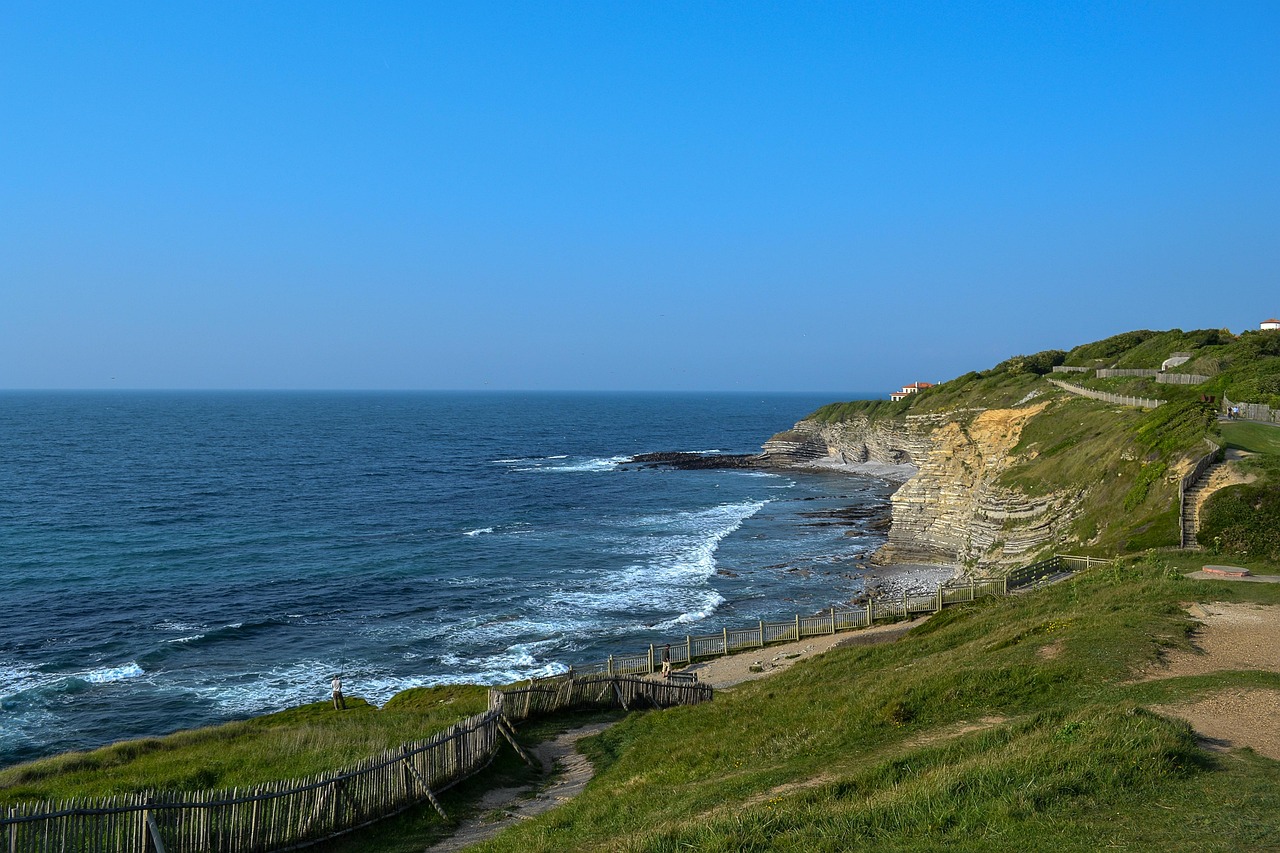
Why Visit Saint-Jean-de-Luz?
Saint-Jean-de-Luz is where the wild Atlantic meets Basque warmth, where fishermen’s houses lean over a sheltered bay and the smell of grilled squid and buttered gateau Basque drifts out of tiny kitchens. It’s small enough to feel like a village, but rich enough in history, food, and atmosphere to fill a week-long trip. I’ve been returning almost every year since my first visit over a decade ago, and each time I find a new café, a new viewpoint, or a new corner of beach to fall in love with.
This is not a city of skyscrapers; its “skyline” is a sweep of red-roofed houses, church towers, and the curve of the bay. Yet when people ask me where to go in the French Basque Country, Saint-Jean-de-Luz is usually my first answer. It’s ideal for:
- Short breaks: A perfect 3 day itinerary for Saint-Jean-de-Luz if you just want sea air, good food, and a few must-see attractions.
- Longer stays: A relaxed 4 day itinerary for Saint-Jean-de-Luz or 5 days in Saint-Jean-de-Luz with day trips into the Basque hills.
- Families: Calm waters, safe swimming areas, playgrounds, and easy walks.
- Couples: Romantic sunsets, candlelit dinners, and quiet corners of beach away from the crowds.
- Active travelers: Surfing, coastal hikes, sailing, and easy access to mountain trails.
What makes Saint-Jean-de-Luz special is the blend of Basque culture, royal history (this is where Louis XIV married Maria Theresa of Spain), and a living fishing port that hasn’t turned into a theme park. You come for the things to do in Saint-Jean-de-Luz, but you remember the slow, everyday moments: the sound of Euskara (the Basque language) in the market, the old men in berets playing pétanque near the harbor, and your own daily ritual of a café crème with a view of the sea.
Quick Overview & How to Use This Travel Guide
This travel guide for Saint-Jean-de-Luz is written the way I actually explore the town: slowly, on foot, with long breaks for food and people-watching. You’ll find:
- Detailed descriptions of the best places to visit in Saint-Jean-de-Luz, with personal anecdotes.
- Suggested 3, 4, and 5 day itineraries that weave in both must-see attractions and hidden gems in Saint-Jean-de-Luz.
- Local insight on cultural experiences in Saint-Jean-de-Luz and local customs so you feel comfortable and respectful.
- Practical travel tips for Saint-Jean-de-Luz: how to get around, where to stay, when to go, and how to save money without missing out.
Skim the itineraries if you’re planning a 3 days in Saint-Jean-de-Luz quick trip; dig into the attraction sections if you love context and history.
Neighborhoods & Areas to Explore
Vieux Centre (Old Town)
This is where you’ll probably spend most of your time: narrow, cobbled lanes lined with half-timbered Basque houses, bakeries spilling out the smell of butter and almonds, and boutiques selling espadrilles and striped Basque linens. I like to wander Rue Gambetta first thing in the morning before the crowds arrive, grabbing a coffee and watching shopkeepers hose down the pavement.
The Old Town holds several must-see attractions in Saint-Jean-de-Luz: the Church of Saint-Jean-Baptiste, the Maison de l’Infante, and the Maison Louis XIV, plus a dense concentration of restaurants and bars.
La Baie & Promenade Jacques Thibaud
The horseshoe-shaped bay is the stage for most visitors’ days. A wide, flat promenade curves along the fine sandy beach, dotted with classic striped cabanas in summer. I love walking it at sunrise when the fishermen’s boats are still coming in and again at sunset when the façade of the town glows soft gold.
Fishing Port & Quai de l’Infante
This is the working heart of town: trawlers docked bow to bow, nets dry on the quay, and fishmongers yelling prices in French and Basque. If you’re into photography, arrive just after dawn; if you’re into food, come mid-morning and follow your nose to the day’s catch.
Les Halles & Market Quarter
Just behind the Old Town, the covered market (Les Halles) anchors a grid of small streets packed with bars and food shops. On market mornings (especially Tuesdays, Fridays, and Saturdays), the whole area hums. This is where I buy picnic supplies and linger over oysters at 10 a.m. with locals.
La Barre & Beaches to the North
Walk past the harbor and you reach quieter residential areas and wild stretches of coast heading towards Guéthary and Bidart. This is where I go when I want to escape summer crowds and watch surfers battle the Atlantic.
Ciboure (Across the River)
Technically a separate town, Ciboure feels like an extension of Saint-Jean-de-Luz across the Nivelle River. It’s calmer, with pastel houses and a slower rhythm. For me, it’s the perfect place to stay if you want easy access to everything but a truly local feel at night.
20 Must-See Attractions in Saint-Jean-de-Luz
Below are twenty core stops I return to almost every trip. For each, I’ll share history, why it matters, and how I personally like to experience it.
1. Grande Plage (Main Beach)
The Grande Plage is the iconic curve of sand that defines Saint-Jean-de-Luz. Protected by sea walls, its waters are calm compared with nearby surf beaches, making it ideal for families and timid swimmers. My first memory of the town is arriving late afternoon, dropping my bag at a small hotel, and diving straight into the bay as the sky turned pink.
History & significance: The bay’s natural protection made Saint-Jean-de-Luz a safe harbor for Basque fishermen and, later, for the royal entourage arriving for Louis XIV’s wedding. In the 19th and early 20th centuries, it evolved into a fashionable seaside resort—hence the grand villas and art deco touches along the promenade.
What to do:
- Swim or wade in the shallow waters; lifeguards are present in season.
- Rent a striped cabana in summer—touristy but charming.
- Walk the full length of the Promenade Jacques Thibaud for ever-changing views of the bay and town.
- In the evening, grab an ice cream and join locals sitting on the sea wall watching the sunset.
Personal tip: If you’re planning a 3 day itinerary for Saint-Jean-de-Luz, start and end each day here. I like sunrise swims when the water is glassy and only a few hardy locals are out. In high season, head towards the far western end of the beach near the sea wall for slightly quieter space.
Family-friendly? Absolutely. Soft sand, calm waters, and nearby toilets and cafés make it ideal for kids.
2. Église Saint-Jean-Baptiste (Church of Saint John the Baptist)
From the outside, the church is almost austere, wedged into the Old Town. Step inside and you’re in another world: a cavernous, dim space lined with carved wooden galleries and a golden Baroque altarpiece that glows softly even on grey days. I still remember the first time I walked in from the bright street and had to stand a moment for my eyes to adjust.
History: This is where Louis XIV married Maria Theresa of Spain in 1660, sealing peace between the two kingdoms. The side door supposedly used by the royal couple was famously walled up afterward so no one could leave by the same passage.
What to notice:
- The multi-tiered wooden galleries, typical of Basque churches, where men traditionally sat while women sat below.
- The ornate altarpiece, a riot of gold and figures.
- The model ships hanging from the ceiling, ex-votos offered by sailors.
When to visit: Late morning or just before closing, when crowds thin. Dress modestly and keep voices low; this is an active parish, not a museum.
Personal tip: For a more immersive cultural experience in Saint-Jean-de-Luz, check if there’s a mass with Basque hymns during your stay. The sound of the organ and voices filling the nave is unforgettable, even if you’re not religious.
3. Maison Louis XIV
Facing the main square, this imposing 17th-century house hosted Louis XIV before his wedding. I’ve toured it three times now, and each guide has added a different flavor—some emphasize court gossip, others the architecture. Either way, you feel the weight of history in the creaking floorboards and dim salons.
Highlights:
- Period furnishings and portraits that give a sense of aristocratic life in the 1600s.
- Views from the upper floors over the square and rooftops.
- A glimpse into Saint-Jean-de-Luz’s glory days as a wealthy maritime town.
Tip: Tours are usually in French, but you can often get a written guide in English. If you’re short on time in a 3 days in Saint-Jean-de-Luz plan, prioritize the church and a quick peek at the façade here rather than a full tour.
4. Maison de l’Infante
Down by the harbor, this rose-colored house with its elegant loggia is where Maria Theresa (the Spanish Infanta) stayed before marrying Louis XIV. It’s one of those buildings I photograph every single visit; the way its balconies frame the sky is endlessly photogenic.
Why go:
- To walk through rooms that once housed Spanish royalty.
- To enjoy harbor views from its windows.
- To connect the dots of the 1660 royal wedding as you move between here, Maison Louis XIV, and the church.
Personal note: I like to visit in the late afternoon, then sit on the quay outside with a glass of local white wine, imagining the comings and goings of royal barges centuries ago.
5. The Fishing Port & Quai Maurice Ravel
The fishing port is where Saint-Jean-de-Luz feels least like a resort and most like a working town. Trawlers come and go, gulls wheel overhead, and the air smells of salt and diesel. I’ve lost count of how many times I’ve walked this quay, coffee in hand, just watching harbor life wake up.
What to do:
- Arrive early (around 7–8 a.m.) to see fishermen unloading catches.
- Stroll the Quai Maurice Ravel, named after the composer who spent time here.
- Pop into small waterfront bars for seafood tapas—chipirons (baby squid) à la plancha are a must.
Tip for food lovers: This is the perfect prelude to a seafood lunch. Ask which fish is “du jour” and let the chef decide how to prepare it.
6. Les Halles Market
Les Halles is my favorite place in town, full stop. If I have only one morning in Saint-Jean-de-Luz, I spend it here. It’s the best place to taste local food in Saint-Jean-de-Luz and see daily life in motion.
Inside the market:
- Stalls stacked with Basque cheeses (Ossau-Iraty), cured hams, and saucisson.
- Vendors selling fresh anchovies, tuna, and seasonal fish.
- Heaps of peppers, tomatoes, and stone fruit in summer.
- Sweet stands with gateau Basque and rows of pastel-colored macarons.
My ritual: I arrive around 9 a.m., buy a paper cone of chipirons or a slice of tortilla from a deli counter, then order a coffee at the bar by the entrance. After shopping for picnic supplies (cheese, bread, fruit, maybe a bottle of Irouléguy wine), I sit outside on the steps, watching the swirl of shoppers and delivery vans.
Money-saving tip: If you’re traveling on a budget, building lunches out of market finds is one of the best travel tips for Saint-Jean-de-Luz. It’s cheaper than restaurant meals and often tastier.
7. Promenade Jacques Thibaud
This seaside promenade is the town’s living room. I walk it at least twice a day when I’m in town. Mornings are for joggers and dog walkers; late afternoons for grandparents with strollers; evenings for couples and groups of friends strolling with ice creams.
What to do:
- Walk the full stretch from the casino end to the western sea wall.
- Pause at the viewpoints over the Grande Plage.
- Take photos of the classic Belle Époque and art deco façades lining the front.
Romantic moment: If you’re planning a romantic 3 days in Saint-Jean-de-Luz, come here just before sunset with a bottle of wine (or just two glasses from a nearby bar) and watch the sky change colors over the bay.
8. Pointe de Sainte-Barbe
At the northern end of the bay, a grassy headland juts out into the Atlantic. From here you get one of the best views of the town: the full arc of the bay backed by red-roofed houses and, on clear days, the Pyrenees hazy in the background. I often bring a book and picnic here and end up reading barely a page because the view is too distracting.
Activities:
- Scenic walk from the Old Town (about 20–25 minutes).
- Picnic on the grass with kids and kites—very family friendly.
- Start of longer coastal walks northwards towards Guéthary.
Tip: Bring a light jacket; even in summer the wind can be brisk. It’s one of my favorite “hidden” romantic spots at sunset—there’s almost always more locals than visitors up here.
9. Fort de Socoa
Guarding the opposite side of the bay in Ciboure, Fort de Socoa looks like something from a storybook, with its round tower and thick walls. Built and rebuilt over centuries to defend the harbor from English and Spanish attacks, it now watches over swimmers and small boats instead of warships.
Why go:
- For classic photos of the bay with Saint-Jean-de-Luz in the distance.
- To explore rock pools and small coves around the fort at low tide.
- To escape the busier Grande Plage in summer.
Personal tip: I like to walk or bus over in the late afternoon, explore the fort and breakwaters, then linger for a drink at one of the small cafes overlooking the water. It’s a serene counterpart to the bustle of the main town.
10. Coastal Path to Guéthary
If you’re an active traveler, this is one of the best things to do in Saint-Jean-de-Luz. The coastal path (part of the Sentier du Littoral) heads north from Pointe Sainte-Barbe, undulating above cliffs with constant ocean views.
Hike details:
- Distance: About 8–9 km one way to Guéthary.
- Difficulty: Moderate—some ups and downs but nothing technical.
- Scenery: Waves crashing on rocks, hidden coves, surfers below, and occasional old blockhouses from WWII.
My experience: I like to start mid-morning with plenty of water, stopping at scenic benches for snacks from Les Halles. Reaching Guéthary, I reward myself with a late lunch overlooking the surf, then catch the train back. On a 4 day itinerary for Saint-Jean-de-Luz, this makes a perfect half-day adventure.
11. Rue Gambetta & Old Town Shopping Streets
Rue Gambetta is the main spine of the Old Town, running from the church down towards the harbor. It’s lined with shops selling Basque linens, espadrilles, chocolates, and local specialties. Even if you’re not a shopper, it’s a lively part of town to stroll.
What to look for:
- Traditional Basque linen shops with striped tablecloths and towels.
- Artisan food boutiques with jars of piperade, Basque sauces, and patés.
- Espadrille makers where you can watch shoes being stitched.
Personal tip: I like browsing in the late afternoon when the light is soft and people are out for their pre-dinner stroll. For souvenirs, prioritize items you’ll actually use at home—tea towels and spices rather than generic trinkets.
12. Quai de l’Infante & Harborfront Architecture
This quay, lined with historic houses, gives you that quintessential Saint-Jean-de-Luz postcard view: colorful facades, wooden balconies, and fishing boats bobbing in the foreground. It’s also a great place to appreciate the town’s unique architectural features.
Architecture notes:
- Basque houses with white walls and dark red or green timbering.
- Stone-framed windows and carved wooden balconies.
- Subtle variations that reveal the wealth and taste of their original owners.
Photography tip: Come in the morning when the light hits the facades or on overcast days when colors pop. Avoid midday glare if you can.
13. Jardin Botanique Littoral Paul Jovet (Coastal Botanical Garden)
Perched on a cliff between Saint-Jean-de-Luz and Guéthary, this botanical garden showcases Atlantic coastal flora with ocean views in every direction. It’s one of those hidden gems in Saint-Jean-de-Luz that even some regular visitors miss.
Why I love it: It’s peaceful, educational without being stuffy, and offers benches where you can sit and just listen to the wind in the grasses. I often bring a picnic and a notebook here when I need a quiet writing spot.
14. Ciboure Old Quarter & Saint Vincent Church
Cross the bridge over the Nivelle and you’re in Ciboure, which feels like Saint-Jean-de-Luz’s quieter cousin. Its old quarter around the harbor is a warren of narrow streets with flower-decked balconies and hidden squares.
Highlights:
- Saint Vincent Church with its own Basque galleries.
- Views back across the water to Saint-Jean-de-Luz.
- Small artists’ studios and galleries tucked into side streets.
Personal tip: If you’re staying 4–5 days, spend at least one evening dining in Ciboure—it’s often less crowded and more “local” than the main town.
15. Nivelle Promenade & Marina
Following the Nivelle River inland, a quiet promenade lines the marina with pleasure boats and small sailing clubs. It’s a calm, flat walk perfect for families and anyone needing a break from the bustle of the center.
What I enjoy: Early morning runs along this path when mist still hangs over the water. In the evening, the reflections of lights in the river can be surprisingly romantic.
16. Casino & Art Deco Façades
On the seafront, the casino is a landmark of Saint-Jean-de-Luz’s early 20th-century resort era. Even if you don’t gamble, the building and its neighbors offer a crash course in seaside architecture of the time.
What to do:
- Admire the art deco lines and geometric details.
- Pop inside for a drink at the bar if smoky casinos don’t bother you.
- Watch evening strollers from the steps out front.
Note: Dress codes inside are usually casual-smart in the evenings; bring an ID.
17. Local Thalassotherapy & Spas
Like many Atlantic resorts, Saint-Jean-de-Luz has embraced thalassotherapy—spa treatments using seawater and marine products. I booked a half-day package here one rainy November and floated in warm pools while waves crashed outside. It’s a deeply relaxing way to embrace the maritime climate.
Good for: Couples on a romantic escape, solo travelers needing a break, or anyone visiting outside peak summer when you might not want to swim in the sea.
18. Surf Spots at Lafitenia & Erromardie
While the bay is sheltered, a short hop north brings you to serious surf spots like Lafitenia and Erromardie. Even if you don’t surf, watching the lineup on a big-swell day is one of the most thrilling things to do near Saint-Jean-de-Luz.
For surfers: Local surf schools offer lessons and board rentals; waves here suit intermediate to advanced riders, but beginners can get started with instructors on gentler days.
Personal note: I’m a terrible surfer, but I love sitting on the grassy cliffs above Lafitenia at golden hour, watching silhouettes ride long right-handers as the sun sinks.
19. Local Festivals & Fêtes (Town-wide)
While not a single attraction, the town completely transforms during its festivals: streets are draped in red, green, and white (Basque colors), bands roam, and dance performances pop up in squares. Being here during a fête is one of the most memorable cultural experiences in Saint-Jean-de-Luz.
Tip: If your 3–5 day itinerary for Saint-Jean-de-Luz overlaps with a festival, be flexible. Let the program guide your days—you’ll see the town at its most alive.
20. Sunset Spots Around the Bay
I’m counting this as an “attraction” because sunsets in Saint-Jean-de-Luz are events in themselves. Locals know where to go depending on mood: the sea wall for drama, Sainte-Barbe for sweeping views, or a quiet bench on the Nivelle for soft reflections.
My favorites: Pointe Sainte-Barbe for the full bay panorama, and the western end of the Promenade Jacques Thibaud where you can sit on the low wall with your feet dangling over the sand. For couples, this is the moment the town feels most intimate.
3–5 Day Itineraries for Saint-Jean-de-Luz (With Personal Stories)
Below are flexible itineraries based on trips I’ve actually taken. Use them as templates and adjust to your pace and interests. All work as either a 3 day itinerary for Saint-Jean-de-Luz, a relaxed 4 days in Saint-Jean-de-Luz, or an immersive 5 days in Saint-Jean-de-Luz.
3 Day Itinerary for Saint-Jean-de-Luz
Day 1: First Taste of the Bay & Old Town
I like to arrive by late morning, drop my bags, and head straight for the sea. On my last 3-day visit, I checked into a small guesthouse behind the church, changed into sandals, and walked down to the Promenade Jacques Thibaud.
Morning:
- Walk the full length of the promenade, taking in views of the Grande Plage and the town.
- Grab a light lunch at a beachfront café—grilled sardines or a simple omelet with salad.
- Swim or just lie on the sand to shake off travel fatigue.
Afternoon:
- Explore the Old Town: start at Église Saint-Jean-Baptiste, then wander Rue Gambetta.
- Pop into a Basque linen shop and an espadrille workshop.
- Visit Maison Louis XIV or at least admire the square and façades around it.
Evening: For dinner, I usually choose a bistro near the harbor. On my last trip, I ordered chipirons à la plancha followed by a whole grilled fish. After dinner, I strolled the harborfront (Quai de l’Infante), listening to a street musician and watching kids chase each other around the square.
Day 2: Markets, History & Sainte-Barbe
Morning at Les Halles: I always schedule at least one market morning. Arrive around 9 a.m., have coffee and a croissant at a counter, then wander the stalls. Buy picnic fixings: a wedge of Ossau-Iraty, a baguette, cherry tomatoes, and a slice of gateau Basque.
Late Morning:
- Walk to the port, watch fishing boats and browse the quayside.
- Visit Maison de l’Infante for the royal wedding connection.
Afternoon at Sainte-Barbe: Take the seafront path to Pointe Sainte-Barbe (about 20–25 minutes). Spread out your picnic on the grass and spend a lazy couple of hours just admiring the view, maybe dozing or reading.
Evening: Back in town, find a table on a terrace for an early evening drink. For dinner, try a restaurant that does a good piperade or axoa (Basque veal stew). End the day with a slow walk along the promenade under the lights.
Day 3: Ciboure & Fort de Socoa
On your last day, cross the bridge into Ciboure. The shift in atmosphere is subtle but real—quieter streets, more locals chatting at café tables.
Morning:
- Explore Ciboure’s old quarter and Saint Vincent Church.
- Walk along the harborfront for views back to Saint-Jean-de-Luz.
Afternoon at Fort de Socoa:
- Continue to Fort de Socoa by foot or bus.
- Scramble around the rocks (carefully) at low tide; watch surfers if conditions are right.
- Have a late lunch or coffee at a café overlooking the small beach.
Final evening: Back in Saint-Jean-de-Luz, pick up a few edible souvenirs (Basque cake, chocolates, piment d’Espelette) and choose a favorite spot for your last sunset—mine is usually Sainte-Barbe or the western end of the promenade.
4 Day Itinerary for Saint-Jean-de-Luz
With four days, you can follow the 3-day plan above and add a half-day hike or coastal adventure.
Day 4: Coastal Walk to Guéthary
Morning: Start from Pointe Sainte-Barbe and follow the coastal path north towards Guéthary. Bring water, sunscreen, and snacks. The trail undulates along cliffs, passing beaches like Erromardie and Lafitenia.
Midday: Arrive in Guéthary and reward yourself with lunch overlooking the ocean—there are several terraces with front-row views of the surf. On my last trip, I lingered over grilled fish and a glass of local white while watching waves roll in.
Afternoon: Explore Guéthary’s small center, then take the train back to Saint-Jean-de-Luz. If you still have energy, a gentle swim in the bay is a perfect cool-down.
Evening: For something different, head slightly inland for dinner at a farmhouse-style restaurant (you may need a taxi or car). Order hearty Basque classics like axoa or duck breast.
5 Day Itinerary for Saint-Jean-de-Luz
With five days, you can slow down further and fit in a full day trip into the Basque hills or across the border into Spain.
Day 5 Option A: Basque Countryside – Espelette & Ainhoa
Morning: Pick up a rental car or join an organized excursion to the inland Basque villages. Espelette, famous for its red peppers hung on house facades, is about 40 minutes away. Stroll the main street, visit pepper shops, and sample local charcuterie.
Midday: Continue to Ainhoa, one of the “Plus Beaux Villages de France,” for lunch in a traditional inn. The green hills all around are a soothing contrast to the sea.
Afternoon: Return via Sare, perhaps taking a short walk or cable car up La Rhune if time and weather allow. Back in Saint-Jean-de-Luz, a sunset walk along the bay feels even more magical after a day in the countryside.
Day 5 Option B: San Sebastián (Donostia), Spain
If you prefer city buzz and pintxos, hop over the border to San Sebastián (about an hour by car or combination of train/bus). Spend the day strolling the Old Town, snacking at pintxos bars, and maybe walking La Concha beach.
Note: Border crossings are usually seamless within the Schengen area, but carry ID. This makes a great complement to a 5 day itinerary for Saint-Jean-de-Luz, adding a dash of Spanish Basque flavor.
Local Food & Drink in Saint-Jean-de-Luz
Food is a huge part of why I keep returning. Basque cuisine is bold but simple: good ingredients, handled with respect. In Saint-Jean-de-Luz, that means pristine fish, peppers, and hearty mountain cheeses.
Must-Try Dishes
- Chipirons à la plancha: Baby squid seared on a hot griddle with garlic and parsley. My go-to starter.
- Merlu à l’espagnole: Hake in a tomato-garlic sauce with peppers and olives.
- Piperade: Stewed peppers, onions, tomatoes, and eggs—simple and perfect.
- Axoa: A rustic veal stew with peppers and onions, more common slightly inland but often on menus here.
- Gateau Basque: Buttery cake filled with pastry cream or black cherry jam. I keep meaning to share mine and never do.
- Basque cheeses: Especially Ossau-Iraty, often served with black cherry jam.
Where to Eat (Personal Favorites)
I won’t list every restaurant (things change quickly), but here’s how I choose:
- For seafood: small places near the port that list only a few fish of the day on a chalkboard.
- For traditional Basque: bistros a few streets back from the seafront, catering more to locals than to day-trippers.
- For budget eats: takeaway counters in and around Les Halles, plus bakeries offering sandwiches and quiches.
Drinks
- Local white wines from the Irouléguy region.
- Cider (sagardoa): Slightly funky, often poured from a height.
- Txakoli: Light, spritzy Basque white wine from just over the Spanish border—perfect with seafood.
Money-Saving Food Tips
- Have your main hot meal at lunch: many restaurants offer better-value set menus.
- Build some meals from Les Halles and supermarkets: cheeses, bread, fruit, cured meats.
- Skip the most obviously tourist-oriented seafront places with laminated menus and photos; walk two or three streets inland instead.
Cultural Etiquette & Local Customs
Saint-Jean-de-Luz is proudly Basque and French. A few basics will make your stay smoother and more respectful.
Language
- French is the main language; many people also speak Basque (Euskara).
- English is understood in tourist-facing places but far less in small shops and markets.
- Always start interactions with a polite “Bonjour” (daytime) or “Bonsoir” (evening). It matters.
Greetings & Behavior
- In shops, greet the staff and say goodbye (“Au revoir, bonne journée”) when leaving.
- Speak softly in churches and during cultural performances.
- On markets and in queues, avoid pushing; people take their time and expect you to do the same.
Dining Etiquette
- Meals are unhurried; don’t expect quick turnover.
- It’s considered a bit rude to ask for separate checks in small places; one bill per table is the norm.
- Tip by rounding up or leaving 5–10% for good service; service is officially included but appreciated extras are common.
Basque Identity
You’ll see Basque flags, hear Basque music, and notice bilingual signs. This isn’t just decoration; Basque culture is alive and important. Attending a local dance or music event is one of the richest cultural experiences in Saint-Jean-de-Luz.
Nightlife, Entertainment & Cultural Experiences
Saint-Jean-de-Luz is more about convivial evenings than wild nightlife. Think wine bars and late dinners rather than big clubs.
Evening Atmosphere
- Pre-dinner drinks on terraces in the Old Town or facing the bay.
- Casual bars around Les Halles buzzing on market nights.
- Ice cream strolls along the promenade with families and couples.
Cultural Experiences
- Basque music and dance shows in summer (check posters and the tourist office).
- Occasional concerts in the church or squares.
- Festivals featuring pelota (traditional Basque ball game) demonstrations and competitions.
For Night Owls
There are a few late-night bars and the casino, but if you’re looking for clubbing, nearby Biarritz or even San Sebastián may be better bases. Many visitors appreciate Saint-Jean-de-Luz precisely because nights are lively but not rowdy.
Day Trips & Nearby Attractions
Espelette & Inland Basque Villages
Espelette, with its cascades of drying red peppers, is about 40 minutes away by car. Combined with Ainhoa, Sare, or Itxassou, it makes a perfect countryside day trip.
Biarritz
About 20–25 minutes north by train, Biarritz offers a slightly glitzier take on Atlantic seaside life: surf beaches, a dramatic lighthouse, and grand hotels. Good for a change of scene on a cloudy day.
Hendaye & the Spanish Border
Hendaye’s long beach is great for beginner surfers and families. From there, Spanish towns like Hondarribia and San Sebastián are easy to reach by train or bus.
La Rhune Mountain
Take the vintage rack railway up La Rhune for sweeping views over the coast and Pyrenees. On clear days, you can see well into Spain. Pack a jacket—it’s often cooler at the top.
What’s New in 2026–2027: Events & Festivals
Dates can shift year to year, so always check closer to travel, but here are recurring highlights expected again in 2026–2027:
- Summer Fêtes de Saint-Jean-de-Luz (June–August 2026): Street parades, Basque music and dance, fireworks over the bay, and plenty of food stalls.
- Basque Pelota Tournaments (Summer 2026–2027): Matches in local frontons; a great way to see a key Basque sport.
- Gastronomy & Seafood Events (Autumn 2026): Seasonal festivals celebrating line-caught tuna, sardines, and local produce.
- Christmas Markets (December 2026): Small but charming markets with lights, mulled wine, and regional products.
By 2026, some ongoing improvements to coastal paths and promenade infrastructure are also expected to be complete, making walks safer and more accessible.
Practical Travel Tips for Saint-Jean-de-Luz
Getting There
- By train: Direct regional trains connect from Bordeaux, Bayonne, Biarritz, and Hendaye. The station is a short walk from the center.
- By air: Fly to Biarritz Pays Basque Airport, then take a bus or taxi (about 30–40 minutes).
- By car: Easy access via the A63 motorway. Parking in summer can be tight; look for park-and-walk options a bit outside the very center.
Getting Around
- On foot: The town is compact; walking is the main way to get around.
- Local buses: Useful for short trips to Ciboure, Socoa, and nearby beaches.
- Bike: Rentals are available; cycle paths link parts of the coast.
- Car rental: Handy for inland day trips but not necessary within town.
SIM Cards & Connectivity
- EU visitors typically roam as at home (check your provider).
- Non-EU visitors can buy prepaid SIMs from French operators (Orange, SFR, Bouygues) in nearby cities or at airports. Look for tourist plans with generous data.
- Most hotels and many cafés offer free Wi-Fi.
Money & Budget Tips
- Currency is the euro (€); cards are widely accepted, but carry some cash for markets and small bars.
- Save money by making lunch your main meal and using markets for picnics.
- Avoid peak August if you’re on a tight budget—prices climb with demand.
Visa & Driving Requirements
- Visas: Saint-Jean-de-Luz is in France (Schengen Area). Many nationalities can enter visa-free for short stays; others require a Schengen visa. Always check current requirements before travel.
- Driving licenses: EU licenses are valid. Visitors from many countries can drive with their home license for a limited period; an International Driving Permit (IDP) may be recommended depending on your country.
Best Seasons & Weather
- Spring (April–June): Mild, fewer crowds, good for hiking and a quieter 3 or 4 days in Saint-Jean-de-Luz.
- Summer (July–August): Beach-perfect but busy; book accommodation well ahead.
- Autumn (September–October): My favorite: warm sea, softer light, food festivals, and more space.
- Winter (November–March): Stormy seas, quiet streets, and lower prices—great for writers, walkers, and anyone who loves dramatic coastlines.
Hidden Tips from Repeat Visits
- For a cheap, beautiful lunch, buy from Les Halles and eat at Sainte-Barbe or on a bench by the Nivelle.
- If the bay is crowded, hop over to Socoa or take a bus to Erromardie for more space.
- Get up early at least once; the town feels completely different at dawn.
- Check the tourist office when you arrive for the week’s events—small concerts and village fêtes often aren’t widely advertised online.
Summary & Final Recommendations
Saint-Jean-de-Luz is a place to breathe deeply, eat well, and slow down. Whether you follow a 3 day itinerary for Saint-Jean-de-Luz packed with must-see attractions or linger for 5 days in Saint-Jean-de-Luz exploring hidden gems and day trips, you’ll find a balance of sea, culture, and food that’s hard to beat.
Key takeaways:
- Base yourself in or near the Old Town for easy access to everything on foot.
- Blend beach time with market mornings, short hikes, and at least one inland or cross-border day trip.
- Eat local: fresh fish, Basque specialties, and market picnics will define your memories.
- Respect the Basque culture and rhythms of daily life; you’ll be welcomed warmly.
- For the best mix of weather and atmosphere, aim for late May–June or September–early October.
Plan your days loosely, leave room for serendipity, and let the tide, the market, and the sound of the church bells set your pace. Saint-Jean-de-Luz rewards travelers who are willing to wander slowly and savor every detail.