Why Visit Saint-Malo?
If you only know Saint-Malo as a picturesque stop on a Brittany road trip or from “All the Light We Cannot See,” you’re only seeing the surface. This walled corsair city is a place where:
- Tides rise and fall over 12 meters, completely transforming the shoreline in a matter of hours.
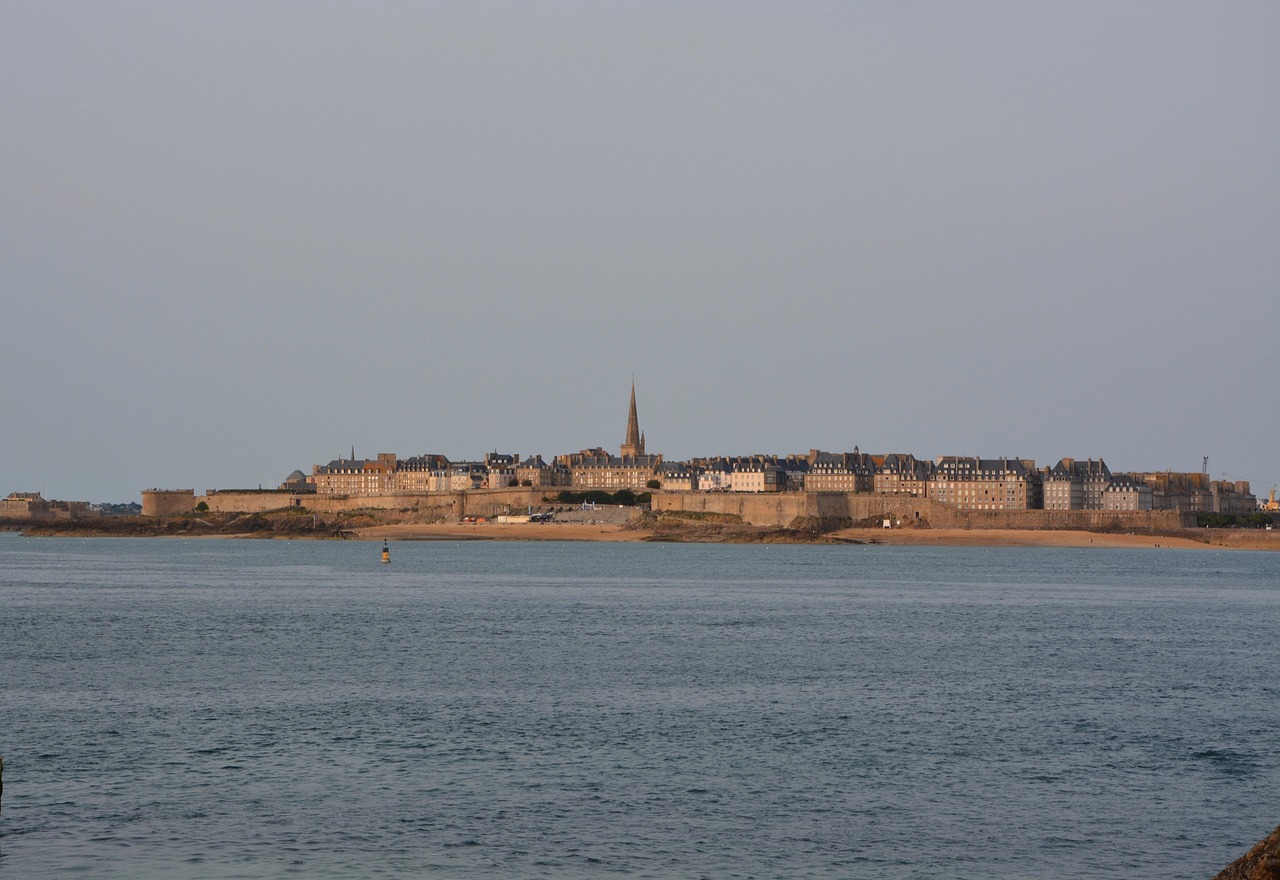
- Granite ramparts offer 360° views of sea, islands, and the old town’s slate rooftops.
- History is layered: medieval walls, corsair mansions, WWII reconstruction, and modern sailing culture.
- Food is serious business: oysters from nearby Cancale, buckwheat galettes, fresh seafood, and butter-rich Breton pastries.
- There’s something for every traveler: family-friendly beaches, romantic sunsets, storm-watching, sailing, and long coastal hikes.
Saint-Malo is compact enough to feel intimate, yet big enough to keep you busy for 3, 4, or even 5 days. It’s one of my favorite places in France to slow down, walk everywhere, and let the rhythm of the tides structure the day.
Table of Contents
- Why Visit Saint-Malo?
- Saint-Malo in 2026: Overview & What’s New
- Neighborhoods & Areas to Explore
- 20+ Must-See Attractions in Saint-Malo
- 3–5 Day Itineraries for Saint-Malo
- Local Food & Drink: What and Where to Eat
- Nightlife, Entertainment & Cultural Experiences
- Day Trips & Nearby Excursions
- Cultural Etiquette & Local Customs
- Practical Travel Tips for Saint-Malo
- Summary & Best Time to Visit Saint-Malo
Saint-Malo in 2026: Overview & What’s New
Saint-Malo in 2026 is buzzing but not overwhelmed. Tourism has rebounded, but the city is still more relaxed than the big-name French hotspots. A few things to note:
- Harbor & ferry upgrades: Ferry connections to England and the Channel Islands have been modernized, with more eco-friendly vessels and slightly faster crossings.
- Beach & rampart maintenance: Sections of the ramparts have been carefully restored; temporary diversions may appear in 2026–2027 but are usually brief and well signposted.
- Digital ticketing: You can now buy combined digital tickets for several Saint-Malo museums, helpful if you plan a 3–5 day itinerary packed with history and culture.
- Sustainability push: More emphasis on local, seasonal products and low-impact activities like walking, cycling, and sailing.
Major Events in 2026–2027
Dates are indicative (they can shift slightly year to year), but these are the big ones you should know when planning your trip:
- Route du Rhum (next edition expected 2026 or 2030): This transatlantic solo sailing race leaves from Saint-Malo to Guadeloupe. When it runs (likely late 2026 or a future cycle), the city turns into a massive sailing festival. Book far in advance.
- Étonnants Voyageurs (late May – early June 2026 & 2027): An international book & film festival focused on travel and world literature. Intra-Muros fills with authors, screenings, and discussions.
- Quai des Bulles (October 2026 & 2027): One of France’s biggest comic book festivals. Great if you’re into graphic novels; expect crowds but a fun, creative vibe.
- Saint-Malo Craft & Gastronomy Fairs: Seasonal events showcasing Breton products—cider, kouign-amann, oysters, and local crafts—usually in spring and pre-Christmas.
If your 3 day itinerary for Saint-Malo overlaps any of these, plan lodging early and be prepared for a livelier city (and occasionally higher prices).
Neighborhoods & Areas to Explore
Intra-Muros (Within the Walls)
This is the heart of Saint-Malo: the walled city rebuilt stone by stone after WWII. Cobbled streets, slate roofs, creperies, bookshops, and the ramparts encircling it all. I almost always stay here when I can—walking out at sunrise onto the walls is worth a few extra euros.
Best for: first-time visitors, 3–5 day itineraries, history buffs, couples, and anyone who wants to walk everywhere.
Sillon Beach & Seafront
The sweeping, 3km Plage du Sillon stretches from the old town toward Paramé. It’s lined with grand 19th-century villas and a promenade that’s perfect for morning runs, sunset walks, or storm watching in winter.
Best for: families (wide beach, lifeguards in season), runners, people who like a quieter base but close access to Intra-Muros (10–20 minutes’ walk).
Paramé
A residential neighborhood behind Sillon, less touristy, with bakeries, small restaurants, and some budget-friendly accommodations. I often come here for more local-feeling cafés.
Saint-Servan
South of the main harbor, Saint-Servan feels like a small town of its own. It has a busy local market, the Tour Solidor, and views over the Rance estuary. It’s a great area if you’ve already done a classic 3 days in Saint-Malo once and want a different perspective.
Rothéneuf
Northeast of the center, this coastal area is known for Les Rochers Sculptés (the Sculpted Rocks) and rugged coastal paths. Quieter, more natural, great for walks with Atlantic views.
20+ Must-See Attractions in Saint-Malo (with Local Insights)
These are the best places to visit in Saint-Malo, from iconic must-sees to quieter hidden gems. I’ll mix history, what it’s actually like to be there, and specific tips for your own visit.
1. The Ramparts of Saint-Malo
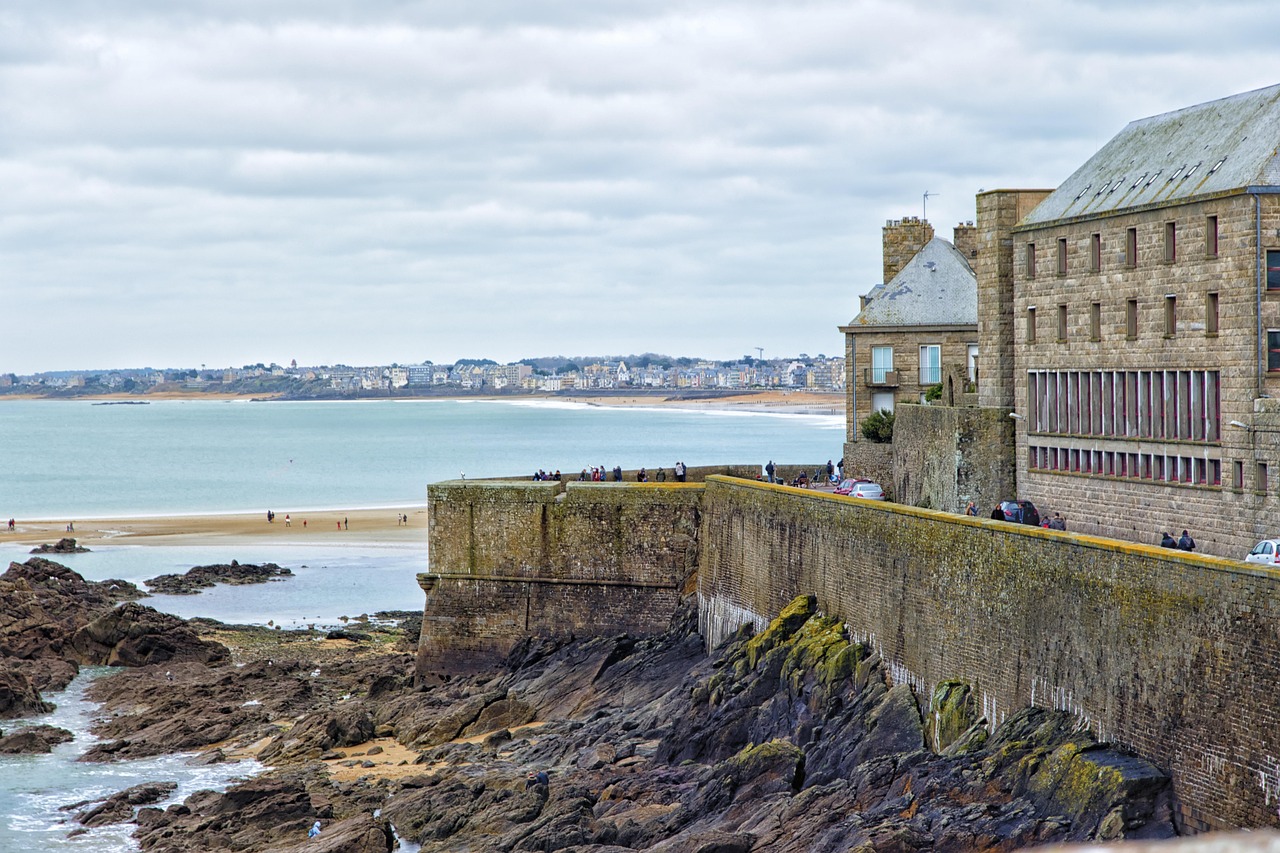
Why go: If you do only one thing in Saint-Malo, walk the ramparts. They circle the entire Intra-Muros, offering constant views over beaches, islands, and rooftops.
My experience: I always do my first loop on arrival day, even before checking in if I can stash my bag. In summer, I love heading up around 8 pm when the sun turns the stone golden; in winter, I wrap up in every layer I have and let the wind wake me up.
What to expect:
- Roughly 1.7 km loop, flat and easy, with stairs at several entry points.
- Views of Grand Bé, Petit Bé, Fort National, Sillon Beach, and the harbor.
- Interpretation panels explaining the Corsair history and reconstruction.
Tips: Start near Porte Saint-Vincent and go counterclockwise to hit the best sea views first. Early morning or sunset are ideal for photos. In peak season, go before 9 am for a quieter walk.
2. Plage du Sillon
Why go: One of the most beautiful urban beaches in France. Even after dozens of visits, I still end up with far too many photos of its changing skies and tide lines.
My experience: On a warm July morning, I’ve walked barefoot from the old town ferry terminal all the way to Paramé, stopping for a coffee at a beach kiosk and watching kids build fortresses in the sand. In November, I’ve stood behind the seawall watching waves crash over the promenade.
Good for: Families (lots of space, lifeguards in season), romantic sunset walks, jogging, and storm watching out of season.
Tip: Check tide times. At very high tide, parts of the beach may be reduced to a narrow strip; at low tide, you’ll have an enormous expanse of hard-packed sand perfect for long walks.
3. Grand Bé Island
Why go: A tidal island you can walk to at low tide, with sweeping views of Saint-Malo’s ramparts and the open sea. It’s also the resting place of writer Chateaubriand.
My experience: My favorite memory is an early spring evening, timing my visit with a falling tide. The sand was still wet and reflective, and the city behind me turned pink in the sunset. I sat near Chateaubriand’s tomb and felt completely alone, despite the nearby bustle.
Important: Only accessible at low tide. Always check tide tables posted along the ramparts or online, and cross back well before the tide turns. Locals really do get annoyed at tourists who ignore this and need rescuing.
4. Petit Bé Fort
Why go: Another tidal adventure. This sea fort offers a more immersive historical experience than Grand Bé, with ramparts, cannons, and guides explaining the defensive system built by Vauban.
My experience: I visited on a clear day with patchy clouds; the sea shifted from turquoise to deep green every few minutes. The local guide told stories of storms and sieges while we looked back toward the walled city.
Tip: Bring sturdy shoes; rocks can be slippery. Check opening times and tides, as access is limited to specific windows.
5. Fort National
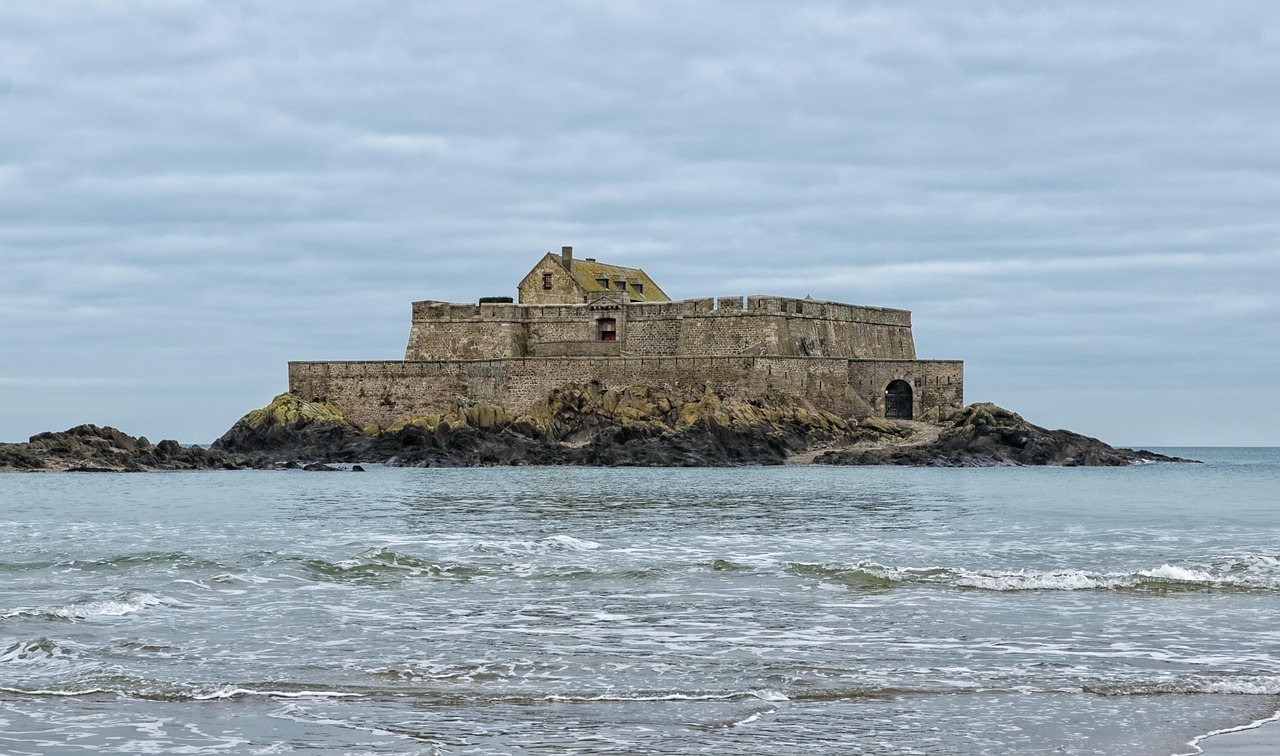
Why go: This fort, standing on a rocky islet facing Intra-Muros, is one of the city’s iconic silhouettes and offers a direct window into Saint-Malo’s military and corsair past.
My experience: On one windy August afternoon, I joined a guided visit as squalls passed over. The guide used the weather as a backdrop, pointing out navigation challenges for corsairs, and I remember thinking I’d never look at the flat sea on a calm day the same way again.
Tip: Again, tidal access only. It’s an easy walk over sand and rocks at low tide; I’d recommend going in sturdy sandals or sneakers rather than flip-flops.
6. Saint-Vincent Cathedral
Why go: The spiritual and historical core of Intra-Muros, rebuilt after the war but with parts dating back centuries. It’s quieter than many big-city cathedrals and perfect for a reflective pause.
My experience: I like slipping inside in the late afternoon when the stained glass throws colored light across the nave. It’s surprisingly peaceful even in peak season.
7. The Corsair Spirit & Hôtel de la Villeon (Corsair Mansions)
Why go: Saint-Malo’s identity as a corsair city is more than a marketing slogan. Visiting a historic corsair house gives context to the wealth and power that shaped the city.
My experience: The first time I visited a corsair mansion, I was struck by the contrast: austere granite outside, but rich wood paneling and maps inside. The guide’s stories of privateers blurring the line between pirate and patriot made history feel very alive.
Tip: Guided tours are mostly in French, but even with limited language skills, you’ll get a lot from the atmosphere and visuals.
8. Saint-Malo Castle & City History Museum
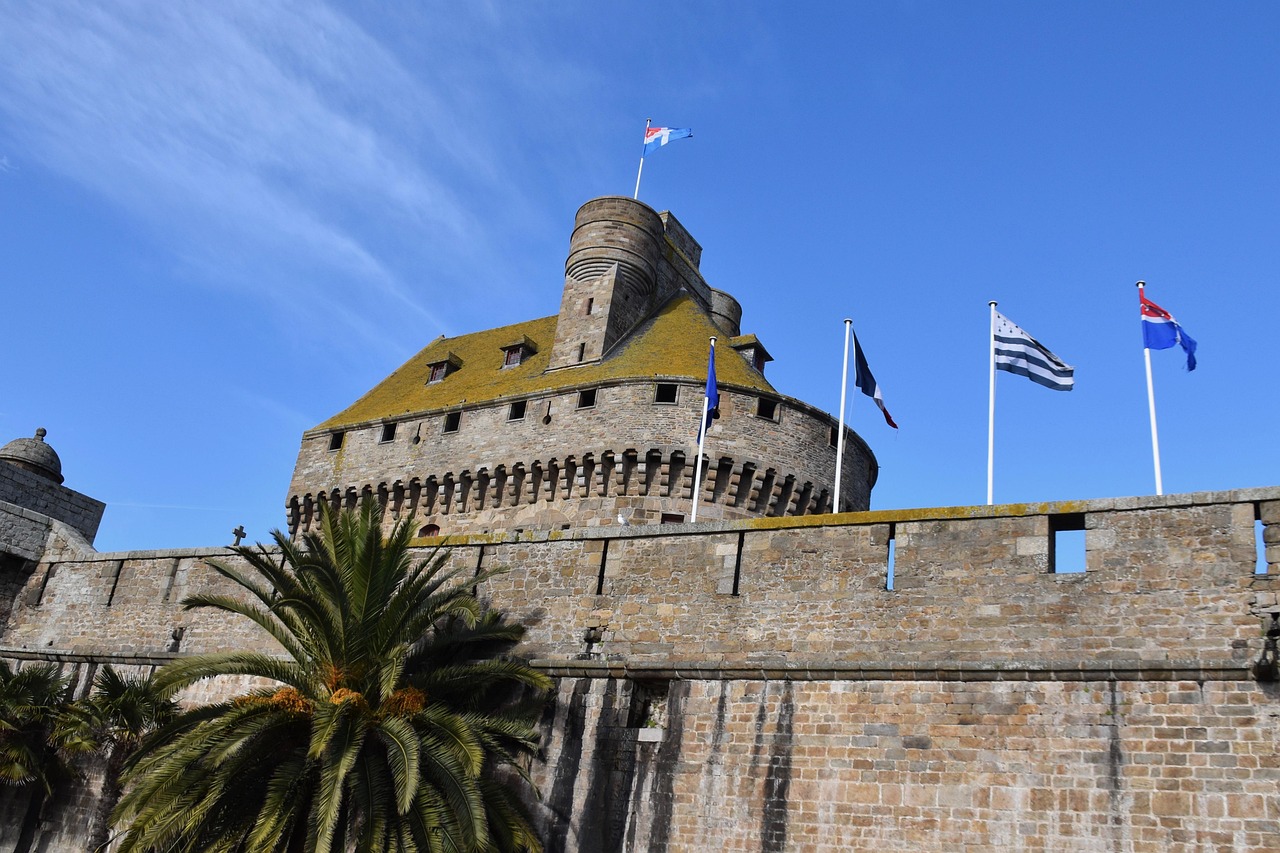
Why go: Anchoring the old town, the castle houses exhibits on Saint-Malo’s maritime history, reconstruction, and famous figures.
My experience: I spent a rainy November afternoon here and was surprised how fast time passed. The section on the city’s post-war rebuilding, with photos of ruins and models of reconstruction plans, made walking the streets afterward feel different—like I was seeing a carefully reconstructed stage set with a powerful backstory.
Good for: Families (plenty of visuals and models), history lovers, and a rainy day in a 3 day itinerary for Saint-Malo.
9. Saint-Servan & Tour Solidor
Why go: A medieval tower guarding the Rance estuary, plus a charming neighborhood with a strong local feel.
My experience: I like to walk from Intra-Muros over the bridge to Saint-Servan, grab a coffee near the market, and then climb Tour Solidor for views up and down the estuary. On my last visit, I watched a regatta threading between moored boats in the shifting tide.
10. Les Rochers Sculptés (Sculpted Rocks of Rothéneuf)
Why go: Hundreds of bizarre, expressive figures carved into seaside rocks by a hermit priest in the late 19th/early 20th century.
My experience: Visiting at low tide with soft evening light, I felt like I was walking through someone’s private, slightly mad dream. Faces, animals, and scenes emerge from the rock; kids love spotting new shapes.
Tip: Combine with a coastal walk around Rothéneuf. It’s one of the best “hidden gems in Saint-Malo” if you have more than 3 days.
11. Museum of Saint-Malo (Local History & Maritime Heritage)
Why go: To understand why this relatively small city played such an outsized role in French maritime history, exploration, and trade.
My experience: I particularly enjoyed the sections on long-distance voyages and cod fishing in Newfoundland; you begin to understand just how far Malouin sailors roamed.
12. The Harbors & Marina
Why go: The working port and marina showcase Saint-Malo’s modern sailing culture. This is where the Route du Rhum departures happen.
My experience: I love grabbing a drink at a harborside bar and watching the mix of fishing boats, ferries, and sleek racing yachts. During major sailing events, the energy here is electric.
13. Belle Époque Villas of Sillon
Why go: The row of grand villas along Sillon Beach is an open-air architecture gallery.
My experience: On a long walk, I like to invent stories about who built each villa and why—the turrets, balconies, and ornate stonework are incredibly evocative.
14. Local Markets (Intra-Muros & Saint-Servan)
Why go: To see and taste local food in Saint-Malo at its source: oysters, buckwheat flour, cider, salted butter, and more.
My experience: I often pick up picnic supplies here—cheese, fruit, and a still-warm baguette—and head to the ramparts or beach. Vendors are generally friendly if you attempt a few words of French.
15. Thalassotherapy & Seawater Spas
Why go: Brittany is famous for thalassotherapy—spa treatments using seawater, seaweed, and marine mud. Saint-Malo has several high-quality centers.
My experience: I treated myself to a half-day marine spa package one chilly February. Floating in a warm seawater pool while waves crashed outside was a surreal, deeply relaxing experience.
Good for: Couples, wellness-focused travelers, and anyone visiting off-season.
16. Plage de Bon-Secours & Seawater Pool
Why go: A beautiful sandy cove right below the ramparts, with a tidal seawater pool and diving board—iconic summer spot.
My experience: On hot days, I like climbing down from the ramparts for a quick swim. The pool holds water even at low tide, making it ideal for families.
17. Plage du Môle & Breakwater
Why go: Smaller and more sheltered than Sillon, with great views of the harbor entrance and ferry traffic.
My experience: I often come here for a quieter late-afternoon sit on the sand or to watch ships arrive and depart.
18. Étonnants Voyageurs Festival Venues
Why go: If your 3 or 4 day itinerary for Saint-Malo overlaps this festival, visiting the venues (usually within Intra-Muros and near the harbor) gives you a cultural angle beyond beaches and walls.
My experience: I’ve stumbled into fascinating talks here—from travel writers to explorers—and it changes the feel of the whole city. Book tickets early if there’s a talk you really want to catch.
19. Quai des Bulles (Comic Festival Spaces)
Why go: Even if you’re not a huge comic fan, the exhibitions and artist stands are vibrant and approachable.
My experience: I once ducked in out of a drizzle and came out two hours later with a new appreciation for French graphic novels.
20. Coastal Paths toward Dinard & Rothéneuf
Why go: For all the charm within the walls, Saint-Malo’s coastal paths are pure freedom: cliffs, small coves, sea birds, and endless horizons.
My experience: I try to dedicate at least half a day each trip to a coastal walk. Pack water, a light jacket (the wind can turn), and your camera.
3–5 Day Itineraries for Saint-Malo (with Personal Stories)
These itineraries are flexible; think of them as frameworks. Mix and match based on your interests and the season. They’re designed so you can easily search for “3 day itinerary for Saint-Malo,” “4 days in Saint-Malo,” or “5 day itinerary for Saint-Malo” and adapt them.
3 Day Itinerary for Saint-Malo: Classic Highlights
This 3 day itinerary for Saint-Malo is ideal for first-time visitors, couples, or families who want the must-see attractions plus a taste of local life.
Day 1: Intra-Muros & Ramparts
Morning: Arrive, drop your bags (even if your room isn’t ready), and head straight into Intra-Muros. I like entering through Porte Saint-Vincent; the view of granite facades and the castle tower is a perfect introduction.
Grab a coffee and a pastry from a bakery just inside the gate, then climb up to the ramparts. Walk slowly, stopping at each bastion. Take note of:
- Views of Fort National and Grand Bé to the west.
- The sweep of Sillon Beach to the east.
- Ferries heading toward Jersey and Guernsey.
Lunch: Drop back into the streets and choose a brasserie or crêperie. I usually go for a galette complète (ham, cheese, egg) and a bowl of cider—simple but classic local food in Saint-Malo.
Afternoon: Visit Saint-Vincent Cathedral and the nearby cobbled lanes. Duck into bookstores and artisan shops. If you’re into history, head to the castle and city history museum for a couple of hours.
Evening: Stroll the ramparts again at sunset (yes, again—it feels completely different). For dinner, pick a seafood restaurant inside the walls. I usually order mussels with cream and cider or a mixed seafood platter and finish with a salted butter caramel dessert.
Day 2: Islands, Forts & Beaches
Morning: Check the tide tables at breakfast. Time your walk to Grand Bé for low tide, ideally mid-morning. On the way out, look back often: the city looks like a stone ship rising from the sand.
Climb to Chateaubriand’s tomb, wander the island, and sit for a bit just listening to the waves. If tides and opening hours line up, continue to Petit Bé Fort on a guided visit.
Lunch: Picnic on the ramparts or at Plage de Bon-Secours using market-bought goodies, or sit at a terrace overlooking the sea.
Afternoon: Head to Plage du Sillon. Depending on the season:
- Summer: Swim, sunbathe, rent a beach chair, or try a sailing lesson.
- Spring/Autumn: Long walks, shell collecting, maybe a wind-whipped coffee at a beachfront bar.
- Winter: Stay behind the seawall and watch the waves; it’s spectacular.
Evening: If you’re not too tired, explore a few hidden backstreets of Intra-Muros. Dinner could be another crêperie (try a more creative galette, maybe with scallops in season) and a glass of cider or Breton beer.
Day 3: Saint-Servan & Harbors
Morning: Walk or take a local bus to Saint-Servan. Start with the local market if it’s open (usually a couple of mornings a week), then continue to Tour Solidor.
Climb the tower for panoramic views of the Rance estuary and look back at Intra-Muros from a new angle. It’s quieter here; you’ll hear more French than any other language.
Lunch: Eat at a café in Saint-Servan or back near the harbor. I often go for the plat du jour (daily special), which is usually good value and seasonal.
Afternoon: Wander along the harbors and marina. If there’s a sailing event, plan to linger; otherwise, just enjoy watching boats and maybe visit one more museum or go shopping for local products (cider, salted butter caramels, sea salt).
Evening: Spend your last evening doing whatever you loved most: a final rampart walk, a last swim at Bon-Secours, or a long dinner with seafood and Breton desserts.
4 Day Itinerary for Saint-Malo: Add Coastal Walks & Wellness
With 4 days in Saint-Malo, you can follow the 3 day itinerary above and add:
Day 4: Rothéneuf & Coastal Path
Morning: Take a bus or drive to Rothéneuf. Visit Les Rochers Sculptés, taking time to spot as many carved faces and figures as you can. Kids find this magical and slightly spooky.
Lunch: Have lunch in Rothéneuf or pack a picnic to eat along the coastal path.
Afternoon: Walk a stretch of the coastal path, following the cliffs and small coves. On clear days, the sea is a deep blue; on moody days, it’s all drama and crashing surf.
Evening: Back in Saint-Malo, reward sore legs with a simple dinner—perhaps a hearty galette and a shared dessert.
Alternative Day 4: Thalasso & Beach Time
If you prefer wellness to walking, dedicate this day to a thalassotherapy center along Sillon. Book a half- or full-day package in advance. Between treatments, walk the beach and nap. It’s an excellent way to break up a busy 4 days in Saint-Malo.
5 Day Itinerary for Saint-Malo: Deep Dive & Day Trips
With 5 days in Saint-Malo, you can truly slow down. Use the 4 day itinerary above, plus:
Day 5: Day Trip to Dinard or Cancale
Option 1 – Dinard: Take the boat shuttle across the Rance (my favorite way) or bus to Dinard. Explore its Belle Époque villas, walk the coastal promenade, and enjoy a different but complementary seaside vibe.
Option 2 – Cancale: Short bus or drive to this oyster capital. Walk the harbor, eat oysters right on the seawall, and maybe continue to Pointe du Grouin for dramatic views.
Both options make your 5 day itinerary for Saint-Malo feel richer and more varied.
Local Food & Drink in Saint-Malo
Food is a huge part of any travel guide for Saint-Malo. Here’s what to look for and where I’ve personally enjoyed eating over the years.
What to Eat: Breton & Malouin Specialties
- Galettes (buckwheat crêpes): Savory, made from buckwheat flour. Classic is the complète, but try variations with local cheese, sausage, or scallops.
- Crêpes (sweet): For dessert—try salted butter caramel, lemon-sugar, or chocolate.
- Seafood: Mussels (often with cream and cider), oysters (especially from nearby Cancale), scallops in season, and mixed platters.
- Cider: Served in small bowls, ranging from sweet (doux) to dry (brut).
- Kouign-amann: Rich, caramelized butter cake—share one unless you’re very hungry.
- Far Breton: A dense, flan-like cake often with prunes.
- Salted butter caramels: A perfect edible souvenir.
Where to Eat: Personal Favorites
I won’t list every place (and openings change year to year), but here’s the kind of spots I seek out and why:
- Intra-Muros crêperies: I gravitate toward small, slightly off-mainstreet places with short menus and plenty of locals. If you see a combination of families and older Malouins, it’s usually a good sign.
- Seafood restaurants by the ramparts: Yes, some are touristy, but a few do genuinely excellent, fresh seafood. I always peek at the daily specials and the size of the seafood platters going out.
- Bakeries in Paramé or Saint-Servan: For breakfast and picnic supplies, I prefer neighborhood bakeries outside the walls—cheaper and often better.
- Market stalls: Perfect for grazing lunches: cheese, bread, fruit, and sometimes a stall selling hot dishes or rotisserie chicken.
Saving Money on Food
Saint-Malo can be pricey if you eat only on the main tourist streets. To save money:
- Have breakfast from a bakery rather than a sit-down café.
- Make lunch your main restaurant meal and go simpler for dinner.
- Use markets and supermarkets for picnic-style meals.
- Look for menu du jour (fixed-price daily menus) at lunch.
Nightlife, Entertainment & Cultural Experiences
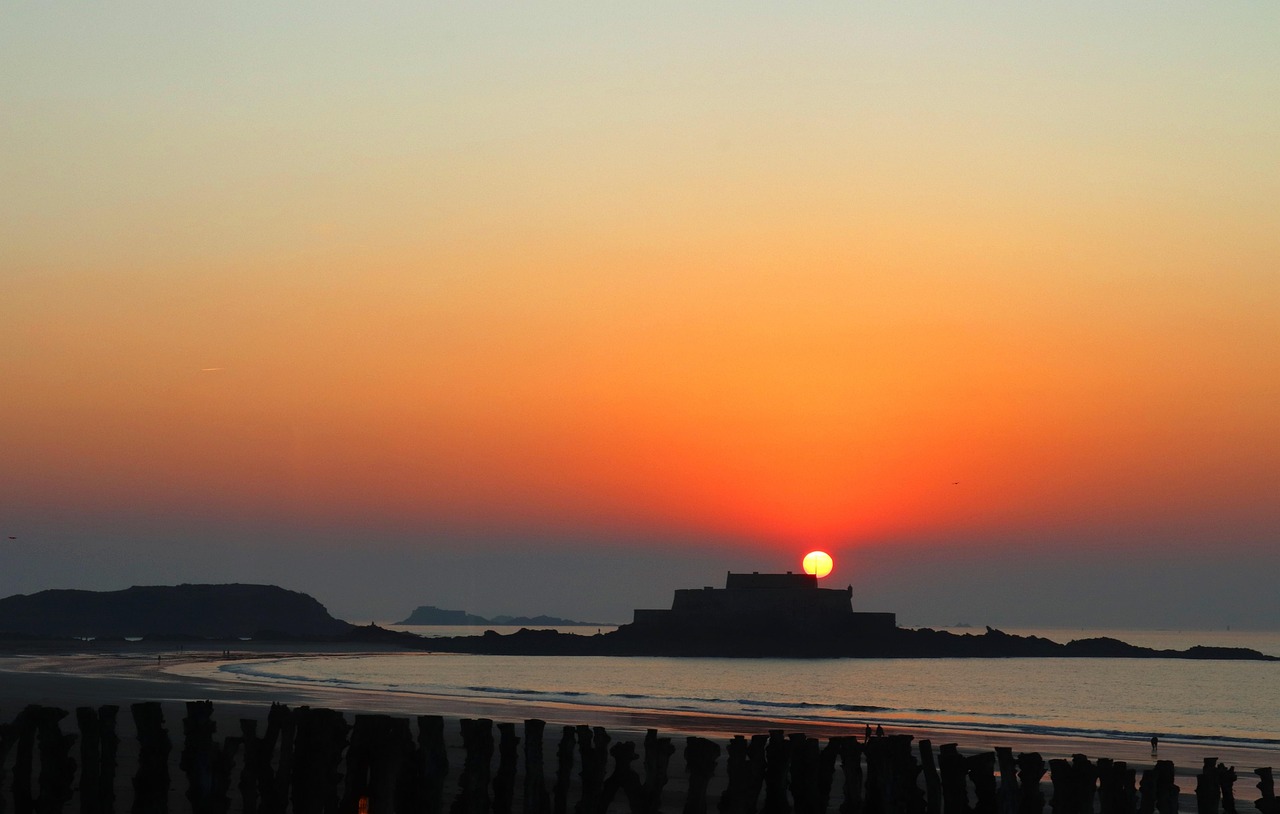
Saint-Malo isn’t a wild party town (head to bigger cities if that’s your goal), but it has a cozy, convivial nightlife scene and plenty of cultural experiences.
Evening & Nightlife
- Wine bars & cafés: Great for an aperitif or a quiet glass after dinner. Look for small, candlelit spots inside the walls.
- Harborside bars: Livelier, with outdoor seating in summer and views of boats and ferries.
- Live music: Bars sometimes host small bands or solo musicians, especially on weekends and during festivals.
- Beach evenings: In summer, locals gather on Bon-Secours or Sillon to watch the sunset; bring a blanket and a bottle of cider.
Cultural Experiences
- Festivals: Time your trip with Étonnants Voyageurs or Quai des Bulles for readings, exhibitions, and film screenings.
- Museums: City history, maritime heritage, and occasional temporary exhibitions.
- Guided walks: Themed tours on corsairs, WWII, or architectural history can add depth to what you see.
Family-Friendly Evenings
For families, evenings often mean a relaxed dinner followed by:
- Ice cream and a stroll on the ramparts.
- Watching street performers in peak season.
- An early night before a full beach or sightseeing day.
Day Trips & Nearby Attractions from Saint-Malo
Dinard
Why go: A chic seaside resort across the Rance with beaches, Belle Époque villas, and a very walkable promenade.
How to get there: Boat shuttle (my favorite—fast and scenic) or bus. Ferries run frequently in season.
What to do: Walk the coastal paths, swim at main beaches, explore villas, have a leisurely lunch on a terrace.
Cancale
Why go: Famous for oysters and a working harbor lined with seafood restaurants.
How to get there: Bus or car, roughly 20–30 minutes.
What to do: Eat oysters on the harbor wall, stroll the town, continue to Pointe du Grouin for dramatic coastal views.
Mont-Saint-Michel
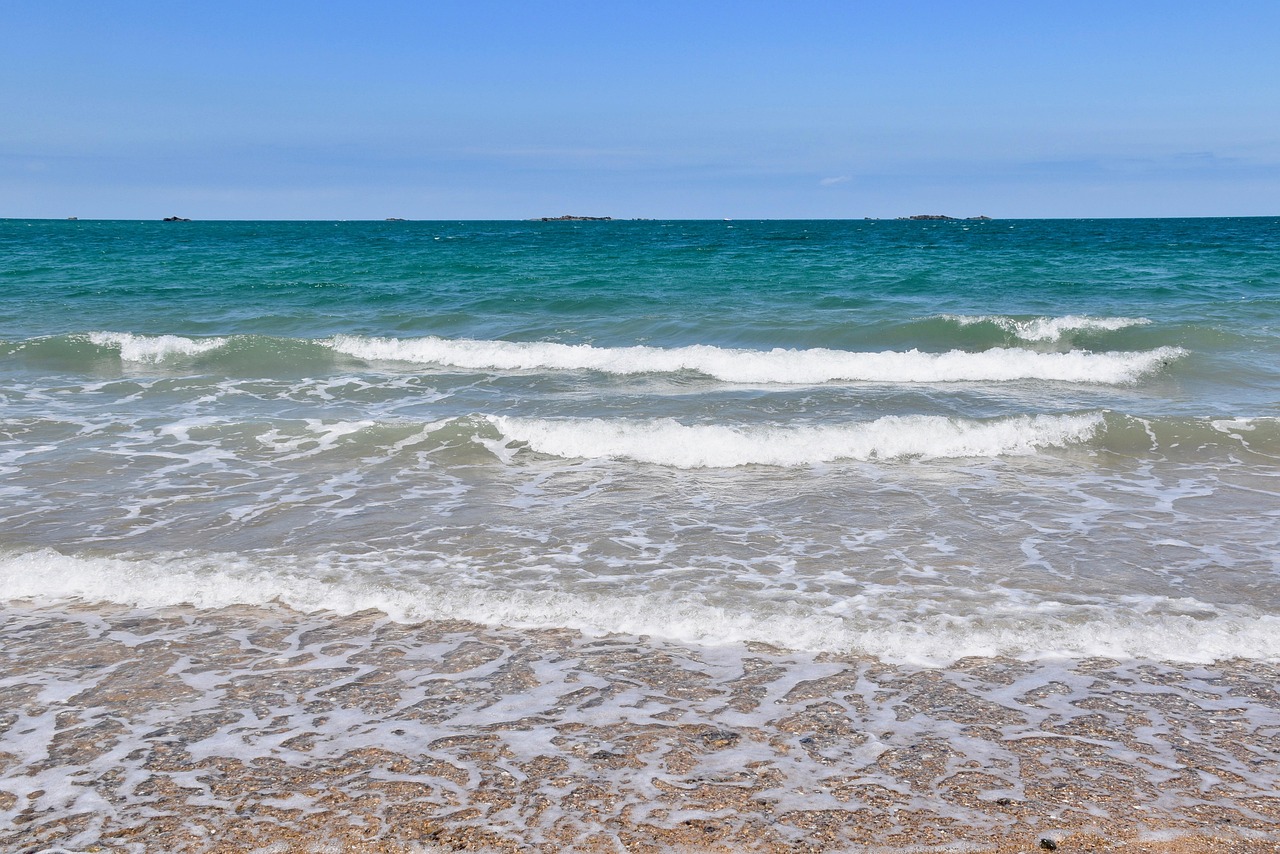
Why go: One of France’s most famous sights, about an hour or so from Saint-Malo.
How to get there: Organized tours, bus connections, or car. It’s busy but still magical, especially if you go early or late.
Tip: If your time is limited (e.g., only 3 days in Saint-Malo), think carefully before dedicating a whole day to this; you’ll miss out on some local experiences in Saint-Malo itself.
Cultural Etiquette & Local Customs in Saint-Malo
Understanding a few local customs makes your trip smoother and more pleasant—for you and locals.
Basic French Politeness
- Always greet: Say “Bonjour” (daytime) or “Bonsoir” (evening) when entering shops, cafés, or speaking to staff.
- Use “vous”: The formal “you” is the default with strangers.
- Goodbyes: A quick “Au revoir” when leaving a shop is appreciated.
Dining Etiquette
- Meals are slower; don’t expect the check until you ask (“L’addition, s’il vous plaît”).
- It’s fine to share plates or desserts; just mention it when ordering.
- Tipping is modest—service is included, but rounding up or leaving 5–10% for good service is nice.
Beach & Tide Etiquette
- Respect tide warnings: Don’t cross to islands when tides are rising; rescue operations are dangerous and expensive.
- Keep noise down late at night near residential streets, even inside the walls.
- Take all trash with you from beaches and coastal paths.
Festivals & Events
During big events, be patient with crowds and booked-out restaurants. Locals are used to it but appreciate polite, calm visitors.
Practical Travel Tips for Saint-Malo (2026–2027)
Getting There
- By train: Direct or easy connections from Paris (via Rennes), about 2.5–3 hours total.
- By ferry: From the UK and Channel Islands, arriving directly in Saint-Malo’s port.
- By car: Useful if you plan multiple day trips, but not necessary within the city itself.
Getting Around Saint-Malo
- On foot: The best way to explore Intra-Muros and beaches. Most things are within a 20–25 minute walk.
- Bus: Handy for reaching Saint-Servan, Paramé, Rothéneuf, Cancale, or Dinard (via bridges).
- Bicycle: Good for exploring Sillon and beyond, but be cautious on narrow streets.
- Car: More of a liability inside the walls—parking is limited and often expensive.
SIM Cards & Connectivity
- France has good 4G/5G coverage; eSIMs are increasingly common in 2026.
- Buy a local SIM at major train stations, airports, or phone shops in town if you need lots of data.
- Most hotels and many cafés offer free Wi-Fi.
Money-Saving Tips
- Visit in shoulder season (May–June, September–early October) for lower prices and fewer crowds.
- Use lunch specials rather than dining big every night.
- Stay slightly outside the walls (Sillon, Paramé, Saint-Servan) for cheaper accommodation and walk in.
- Buy combined museum tickets if you plan multiple visits.
Accommodation: Where to Stay
- Intra-Muros: Best for first-timers and short 3 day stays—immersive but often pricier and noisier in high season.
- Sillon: Sea views, easy beach access, and a 10–20 minute walk to the walls. Great for families and runners.
- Saint-Servan: More local feel, often slightly cheaper, with easy access to the Rance and harbor.
Visa Requirements & Driving
Visas: Saint-Malo follows France/Schengen rules. Many travelers from the EU, UK, and some other countries can enter short-term visa-free; others need a Schengen visa. Check official French consular sites before you come.
Driving & Licenses: Foreign drivers licenses are generally accepted for visitors from many countries for short stays; if yours is not in Roman script, consider an International Driving Permit. Remember:
- Drive on the right.
- Watch for speed limits and cameras.
- Parking inside or near Intra-Muros can be pricey and limited; park outside and walk when possible.
Best Seasons & What They’re Good For
- Spring (April–June): Ideal balance of mild weather, fewer crowds, and vibrant festivals. Great for 3–5 day itineraries focused on walking and culture.
- Summer (July–August): Warmest weather, best for beach time and swimming, but also busiest and more expensive. Perfect for families.
- Autumn (September–October): Sea is still warm early in the season; fewer crowds; storms can start, which is exciting to watch.
- Winter (November–March): Quiet, atmospheric, and stormy. Many attractions have shorter hours, but if you like moody seascapes and low-key city life, it’s wonderful. Great time to combine thalassotherapy with long, bracing walks.
Hidden Tips from Repeated Visits
- Always carry a light windproof layer, even in summer; the sea breeze can turn quickly.
- Check tide times daily; let them shape your plan for islands, beaches, and walks.
- Start your day early to enjoy nearly empty ramparts, even in peak season.
- Don’t overpack your schedule—part of Saint-Malo’s charm is simply sitting on a bench, watching the tide and the changing light.
Summary & Final Recommendations for Visiting Saint-Malo
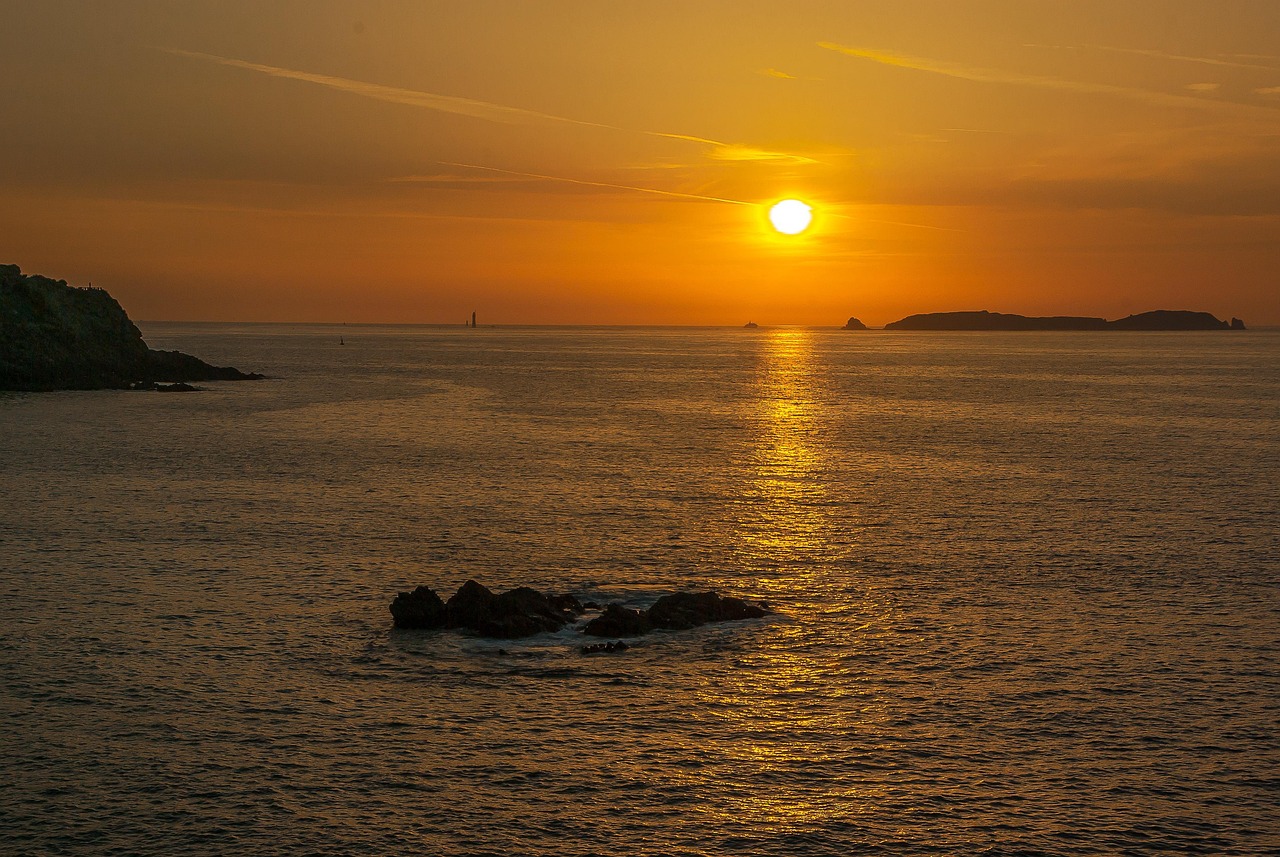
Saint-Malo is one of those rare places that’s both compact and endlessly interesting. Whether you’re planning a 3 day itinerary for Saint-Malo or stretching to 4 or 5 days, you can shape your trip around:
- History: Ramparts, forts, corsair mansions, and museums.
- Nature: Huge tides, beaches, islands, and coastal paths.
- Food: Galettes, seafood, cider, and Breton pastries.
- Culture: Festivals, local markets, and quiet backstreet cafés.
Best seasons: For most travelers, May–June and September are ideal: long days, milder prices, and fewer crowds. Families who want guaranteed beach time will prefer July–August, while storm lovers and wellness seekers might choose winter for dramatic seas and cozy spa days.
After many trips, I still feel a small thrill walking through the gates of Intra-Muros and up onto the walls. If you give Saint-Malo the gift of a few unhurried days, it will repay you with memories of light on stone, the sound of waves echoing under the ramparts, and the taste of sea salt on everything—from oysters to the breeze itself.