Why Visit Saint-Rémy-de-Provence?
If I had to choose one town that captures the soul of Provence, it would be Saint-Rémy-de-Provence. It’s small enough to feel intimate, but rich enough in history, food, art, and landscapes that I still discover something new every time I go.
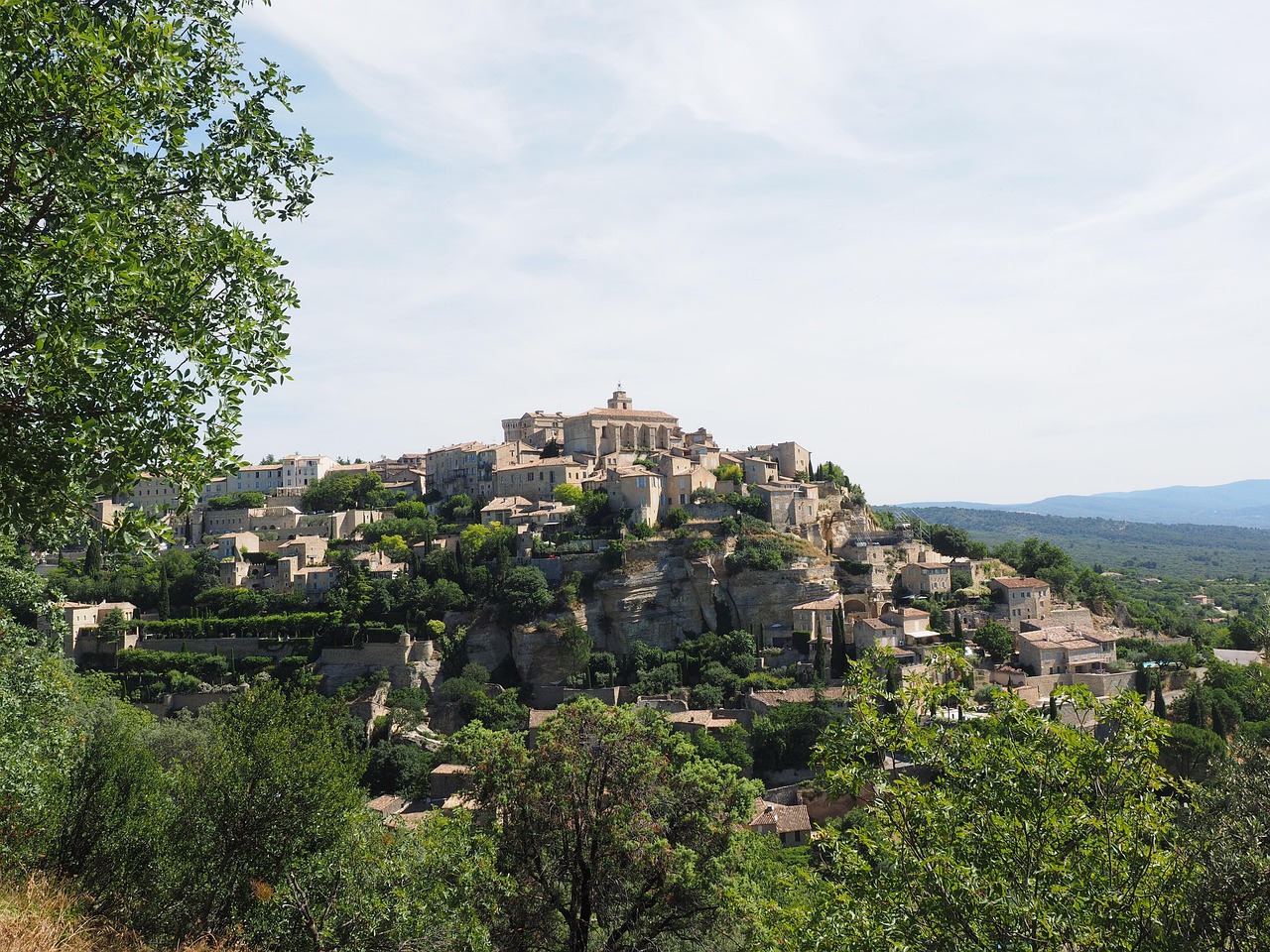
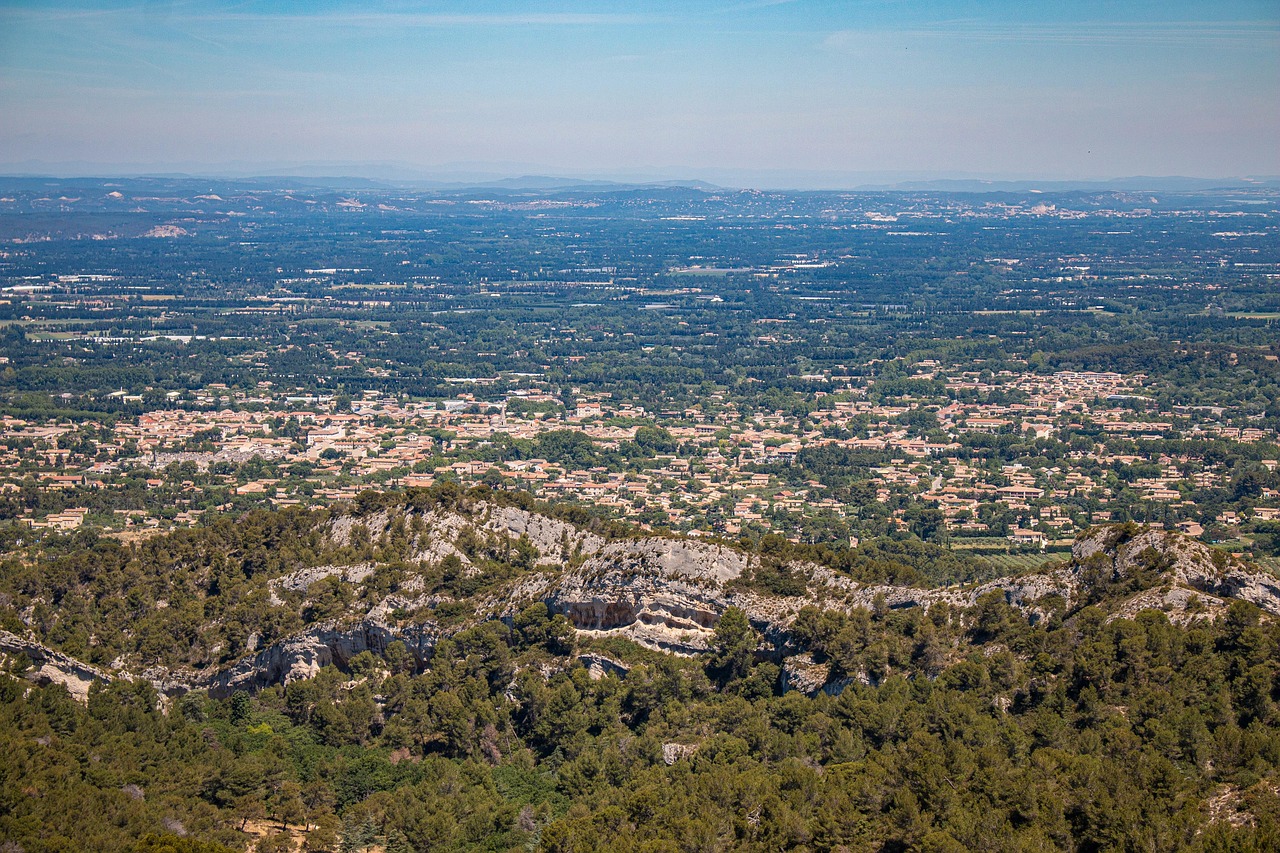
Saint-Rémy sits in the shadow of the rocky Alpilles hills, wrapped in olive groves and vineyards, with a compact old town of stone houses, shady squares, and plane tree-lined boulevards. Vincent van Gogh painted some of his most famous works here. Roman ruins lie just outside town. And yet, when the day-trippers leave, it feels like a real Provençal village again—locals chatting at the market, kids biking through cobbled lanes, pétanque balls clinking in the square.
Whether you’re planning a 3 day itinerary for Saint-Rémy-de-Provence, stretching it into 4 days, or settling in for a leisurely 5 days in Saint-Rémy-de-Provence, this travel guide will help you dig deeper than a checklist of “things to do in Saint-Rémy-de-Provence.” I’ll share the spots I return to again and again, the corner cafés where I write, the hidden chapels on the hill, and how to string it all together into easy, memorable days.
Table of Contents
- Saint-Rémy-de-Provence at a Glance (2026)
- Neighborhoods & Districts to Explore
- Suggested 3–5 Day Itineraries
- Top 20+ Attractions & Experiences (Deep Dive)
- Local Food & Drink: Where and What to Eat
- Nightlife, Entertainment & Cultural Experiences
- Events & Festivals in 2026–2027
- Best Day Trips from Saint-Rémy-de-Provence
- Cultural Etiquette & Local Customs
- Practical Travel Tips & Money-Saving Advice
- When to Visit & Seasonal Highlights
- Summary & Final Recommendations
Saint-Rémy-de-Provence at a Glance (2026)
Saint-Rémy is a small town (around 10,000 residents) in the Bouches-du-Rhône department, about 20 km north of Arles and 25 km south of Avignon. It’s part of the Parc naturel régional des Alpilles, so nature is never far away.
- Best for: Couples, food lovers, art and history buffs, slow travelers, families who like a relaxed base.
- Vibe: Elegant yet unpretentious; chic boutiques and galleries next to old men playing cards in the square.
- Perfect trip length: 3–5 days in Saint-Rémy-de-Provence (plus a few day trips).
- Car or no car? You can enjoy town without a car, but a car makes day trips and Alpilles hikes much easier.
Neighborhoods & Areas to Explore in Saint-Rémy-de-Provence
1. The Historic Center (Intra-Muros)
This is where you’ll likely spend most of your time, and where I always book my stays if possible. A tangle of narrow lanes, fountains, 17th–18th-century facades, and stone archways, the center is perfect for getting lost. The weekly market spills through these streets, and most cafés, restaurants, and boutiques are here.
2. Les Allées & Boulevard Mirabeau
The broad, plane tree-lined boulevards circling the center—especially Boulevard Mirabeau and Boulevard Victor Hugo—feel almost Parisian in miniature. Terraces here are ideal for people-watching over a glass of rosé. This is also where buses stop and where you’ll find some of the more modern hotels and parking lots.
3. Outskirts Toward Glanum & Les Antiques
South of town towards the Alpilles, the houses thin out into olive groves, cypress trees, and farmhouses (mas). The road to Glanum and Les Antiques is one I cycle whenever I can: early morning light, cicadas in summer, the hills rising ahead. It’s a gentle introduction to the countryside, still close to town.
4. The Olive Groves & Mas Countryside
Scattered around Saint-Rémy are traditional stone farmhouses that now serve as B&Bs, boutique hotels, and working farms. Staying here means waking to birdsong, breakfast in a garden, and sunsets over the Alpilles. It’s ideal for a 4 or 5 day itinerary when you want both town and countryside.
5. The Alpilles Hills
The craggy white limestone ridges of the Alpilles rise just beyond Saint-Rémy. They’re crisscrossed with hiking and cycling trails, hidden chapels, and viewpoints. When the town feels busy, I escape up here; 20 minutes later, it’s just me, the wind, and the smell of wild thyme.
Recommended 3–5 Day Itineraries for Saint-Rémy-de-Provence
Below are flexible itineraries combining must-see attractions in Saint-Rémy-de-Provence with lesser-known spots. Think of them as storylines rather than strict schedules—you can mix and match depending on your pace.
3 Day Itinerary for Saint-Rémy-de-Provence
If you have 3 days in Saint-Rémy-de-Provence, focus on the town itself, Van Gogh sites, Roman history, and at least one countryside experience.
Day 1: First Taste of Saint-Rémy – Old Town, Market & Van Gogh Walk
I like to start my first morning in Saint-Rémy early, especially if it’s a Wednesday (market day). The streets are still quiet, the light is soft, and you can feel the town slowly waking up. On my last visit in late May, I arrived just after 8:00 a.m., dropped my bag at a small guesthouse off Rue Carnot, and immediately followed the smell of coffee.
Morning – Market & Orientation
If you’re here on a Wednesday, weave through the weekly market that fills the boulevards and side streets. You’ll find everything from lavender soaps and linens to glistening olives, goat cheeses, and rotisserie chickens. I usually grab a still-warm fougasse (a Provençal flatbread) from a bakery on Rue de la Commune and a small bag of olives from a producer who has been in the same spot for at least a decade.
Even on non-market days, use the morning to orient yourself: stroll Rue Carnot, Rue de la Commune, and Rue Lafayette; note where the tourist office is (handy for maps and trail info); and peek into the church of Collégiale Saint-Martin with its surprisingly grand neoclassical interior.
Lunch – Terrace Time
I often settle on a shaded terrace near Place Favier or Place de la République. Order a simple plat du jour—often something like daube provençale (slow-cooked beef stew) or grilled fish with ratatouille—and a carafe of rosé. Meals are not rushed here; give yourself a solid hour or more.
Afternoon – Van Gogh Walk & Saint-Paul de Mausole
In the early afternoon, follow the Van Gogh walking trail that leaves from the tourist office and heads south toward the monastery of Saint-Paul de Mausole. Along the way, panels reproduce Van Gogh’s paintings in the landscapes that inspired them. I remember pausing at one of these in late afternoon, the same winds Van Gogh wrote about tugging at the trees, and feeling that strange double vision of art and reality overlapping.
At Saint-Paul de Mausole, where Van Gogh voluntarily committed himself in 1889, you can visit the small room where he stayed (a simple bed, a window framing the fields), cloisters, and gardens. The lavender here in June is almost too photogenic. It’s a contemplative, slightly haunting place, yet not heavy—more a quiet tribute to resilience and creativity.
Evening – Apéritif & Twilight Stroll
Back in town, join locals for apéro (pre-dinner drinks). My go-to is a glass of chilled white or a kir (white wine with cassis liqueur) on a terrace along Boulevard Victor Hugo. As the light fades, wander the old streets again; they feel utterly different at night. For dinner, I often pick a small bistro inside the walls—look for short menus that change daily (a good sign of fresh, local cooking).
Day 2: Romans & Rocks – Glanum, Les Antiques & Alpilles Vistas
On my second day, I like to step just beyond town into the layers of history and the rough beauty of the hills.
Morning – Glanum & Les Antiques
Walk or drive about 1.5 km south of town along the Avenue Vincent Van Gogh to reach Les Antiques—two remarkably well-preserved Roman monuments standing guard by the roadside: a triumphal arch and a funerary mausoleum. They’re like a stone prologue to the main event just beyond: the ancient city of Glanum.
Set in a rocky valley at the foot of the Alpilles, Glanum has been one of my favorite archaeological sites to revisit. You walk through the remains of streets, houses, baths, and temples, piecing together Roman daily life from the stones. The view back towards Saint-Rémy framed by the ruins is especially striking. Give yourself at least 2 hours here; longer if you like to linger with the audio guide.
Lunch – Picnic or Countryside Bistro
On my last trip, I picked up cheese, bread, fruit, and a bottle of local olive oil in town before heading to Glanum, then picnicked in a shaded area nearby (respect any signs about where you can and can’t sit). Alternatively, drive a short way into the countryside to a mas-restaurant for a leisurely lunch in a garden.
Afternoon – Short Hike or Drive into the Alpilles
From Glanum, several trails lead up into the Alpilles. For a 3 day itinerary, I usually opt for a moderate 2–3 hour hike rather than an all-day trek. The reward is big sky views over the plains and the sense that you’ve stepped into the backdrop of so many Provençal paintings. Bring water, sun protection, and proper shoes; the limestone can be slippery.
If you’re not into hiking, a scenic drive along the D27 or towards Les Baux-de-Provence (even if you don’t go all the way) offers beautiful vistas and photo stops.
Evening – Casual Dinner & Gelato
After a shower and a short rest, I like a more casual dinner on night two—maybe a pizza with Provençal toppings (think anchovies, olives, herbs) or a simple steak-frites in a brasserie. Finish with ice cream or sorbet from a local glacier and a slow wander around the illuminated fountains.
Day 3: Art, Olive Oil & Hidden Corners
Day three is for deepening your relationship with Saint-Rémy: galleries, olive oil tastings, and those tucked-away corners you missed on day one.
Morning – Museum & Art Time
Start with the Musée des Alpilles in a gorgeous 16th-century mansion in the old town. It’s a small but thoughtfully curated museum about local culture—agriculture, crafts, traditions, and the landscapes of the Alpilles. I like it because it makes the region feel alive, not like a postcard.
From there, dip into a few art galleries and studios scattered through the center. Saint-Rémy has a lively contemporary scene; you’ll find everything from abstract canvases to ceramics and sculpture.
Lunch – Local Food Focus
Choose a restaurant known for seasonal, locally sourced menus. This is the day I might splurge a bit on a longer, fancier lunch: a tasting menu with wine pairings, perhaps, on a shaded terrace overlooking a garden.
Afternoon – Olive Oil Mill Visit
In the afternoon, visit a nearby olive oil mill (moulin à huile). Many welcome visitors for short tours and tastings. I still remember the first time I tasted a just-pressed green, peppery oil here—in a simple piece of bread, nothing else—and suddenly understood why locals talk about olive oil the way others talk about wine.
You’ll learn how the olives are grown, harvested, and pressed, and how to recognize different flavor profiles. It’s a great family-friendly activity and an excellent opportunity to bring back edible souvenirs that actually get used.
Evening – Last Sunset & Rooftop or Garden Drink
For your final evening in a 3 day itinerary for Saint-Rémy-de-Provence, find a slightly elevated terrace, rooftop, or garden bar (some hotels open their bars to non-guests). Sip something local—perhaps a glass of chilled rosé from the Alpilles AOC—and mentally map all the places you’ve seen. This is when I always start planning my return.
4 Day Itinerary for Saint-Rémy-de-Provence
With 4 days in Saint-Rémy-de-Provence, you can comfortably add a full-day excursion while keeping a relaxed pace.
Day 4 Option A: Les Baux-de-Provence & Carrières des Lumières
On one of my spring trips, I used my fourth day to visit Les Baux-de-Provence, a spectacular hilltop village about 20 minutes’ drive from Saint-Rémy. The ruined castle, perched on a rocky spur, offers sweeping views over the olive groves and vineyards. Kids love the castle’s reconstructed medieval machines of war; adults love the views and history.
Just below lies the Carrières des Lumières, an immersive art show projected onto the walls of a former stone quarry. I still remember stepping inside on a hot June afternoon and being enveloped in cool air and swirling light as famous paintings came alive on the cavernous walls. It’s a magical, family-friendly cultural experience, and a welcome break from the sun.
Return to Saint-Rémy in the late afternoon for a relaxed dinner.
Day 4 Option B: Slow Countryside Day & Pool Time
If you’re staying in a countryside mas or hotel with a pool, dedicate day four to pure Provençal dolce far niente: lazy breakfast, a short bike ride or walk through the olive groves, an afternoon by the pool with a book, and perhaps a simple dinner at a local guinguette-style restaurant. Sometimes the most memorable days are the ones where you do “nothing” in particular.
5 Day Itinerary for Saint-Rémy-de-Provence
A 5 day itinerary for Saint-Rémy-de-Provence is ideal: you can explore thoroughly, do multiple day trips, and still have unscheduled time.
Day 5: Avignon or Arles Day Trip
On my longer stays, I almost always carve out a day for either Avignon (north) or Arles (south):
- Avignon: Explore the Palais des Papes, the famous bridge, and a vibrant arts and food scene. Easy by car or bus from Saint-Rémy.
- Arles: Dive deeper into Roman history (amphitheater, theater), Van Gogh sites, and a growing contemporary arts scene around the Luma foundation.
Return to Saint-Rémy for a final dinner at that restaurant you’ve been walking past and eyeing each evening. By now, you’ll likely recognize familiar faces in town—that’s one of the quiet joys of stretching your trip to 5 days in Saint-Rémy-de-Provence.
Top Attractions & Experiences in Saint-Rémy-de-Provence (Deep Dive)
Below are over 20 of the best places to visit in Saint-Rémy-de-Provence and its immediate surroundings. I’ve grouped them roughly from most iconic to more hidden gems, with personal notes on why each is worth your time.
1. Historic Old Town of Saint-Rémy-de-Provence
The old town is not a single “attraction” but an experience that unfolds street by street. I always tell friends: if you did nothing but wander here for a day, you’d already have a good trip.
History & Significance: Saint-Rémy grew on the site of the Roman town’s outskirts; medieval streets still dictate the layout inside the old walls. Many houses date back centuries, their thick stone walls keeping interiors cool in summer.
What I Love Doing Here: Early mornings for photos without crowds; late afternoons for golden light and shopping; evenings for strolling past glowing shop windows and restaurant terraces. Duck into quiet side streets—often the prettiest.
Tips for Visitors: Wear comfortable shoes (cobbles can be uneven). Expect narrow one-way streets if you drive; I prefer parking outside the center and exploring on foot.
2. Saint-Paul de Mausole (Van Gogh’s Asylum)
Why Go: This former monastery-turned-psychiatric hospital is where Vincent van Gogh spent a pivotal year (1889–1890), producing some of his most iconic works.
History: Built in the 11th–12th centuries, Saint-Paul de Mausole later became a psychiatric institution. Van Gogh voluntarily admitted himself here after crises in Arles. The landscapes and gardens he saw from his window became the backdrop to paintings like “The Starry Night.”
My Experience: Walking the cloister, you feel an odd serenity; the stone, the lavender, the cypress trees all conspire to quiet the mind. Van Gogh’s simple reconstructed room is almost shockingly bare compared to the emotional intensity of his work.
Practical Tips: Reachable on foot from town (~20–25 minutes) or by bike/car. Go early or late in the day for fewer tour groups. Photography is allowed in most outdoor areas; respect any signage indoors.
3. Glanum Roman Ruins
Why Go: One of southern France’s most atmospheric Roman sites, set in a natural hollow at the foot of the Alpilles.
History: Glanum began as a Celtic-Ligurian settlement, later Hellenized, then Romanized. It flourished as a spa and religious center before being abandoned in late antiquity. Excavations in the 20th century revealed streets, houses, baths, and temples.
My Experience: I like to start at the upper viewpoint, taking in the whole site before diving into the details. The combination of archaeology and rugged landscape is especially evocative in late afternoon when shadows lengthen.
Family-Friendly? Yes, though kids will enjoy it more if you bring the stories to life—imagine Roman merchants, soldiers, and bathhouse gossip.
4. Les Antiques
Why Go: Two monumental Roman structures—the triumphal arch and the mausoleum—standing almost incongruously by the roadside, yet perfectly placed as a gateway to Glanum.
Tip: Stop here first for photos, then continue on to Glanum. In spring, wildflowers around the site make it especially photogenic.
5. Van Gogh Walking Trail
Why Go: A self-guided outdoor “museum” connecting Saint-Rémy to Saint-Paul de Mausole with panels showing Van Gogh’s works alongside the landscapes that inspired them.
My Experience: I’ve walked this path in different seasons: shimmering heat in July, crisp air in October, and a riot of green in April. Each time, I notice different details—a particular tree, a line of low stone walls—that echo his paintings.
Practical: Flat and easy; suitable for kids. Wear a hat and bring water in summer—there’s limited shade along parts of the route.
6. Collégiale Saint-Martin
Why Go: From the outside, it looks like a typical village church; inside, you step into a surprisingly grand, light-filled neoclassical nave.
Tip: Pop in between market browsing or during the heat of the day. If you’re lucky, someone may be practicing the organ; the acoustics are beautiful.
7. Musée des Alpilles
Why Go: To understand the human side of the Alpilles—its craftspeople, farmers, and traditions—beyond the postcard clichés.
Highlights: Exhibits on local agriculture, transhumance (seasonal movement of livestock), traditional costumes, and contemporary photography.
My Tip: Combine with a coffee or drink at a nearby café; it’s a compact museum you can absorb in an hour, but the context it gives will enrich your walks through the countryside.
8. Wednesday Market of Saint-Rémy-de-Provence
Why Go: This is one of the most vibrant markets in the region and a must-see attraction in Saint-Rémy-de-Provence if you’re here midweek.
What You’ll Find: Fresh produce, cheeses, charcuterie, olives, honey, spices, clothes, baskets, linen, ceramics, and more. It’s both a practical market for locals and a sensory feast for visitors.
Money-Saving Tip: Assemble a picnic instead of eating lunch at a restaurant: buy bread, cheese, fruit, and a small dessert. It’s a delicious way to save money while sampling local food in Saint-Rémy-de-Provence.
9. Alpilles Natural Regional Park (Hiking & Viewpoints)
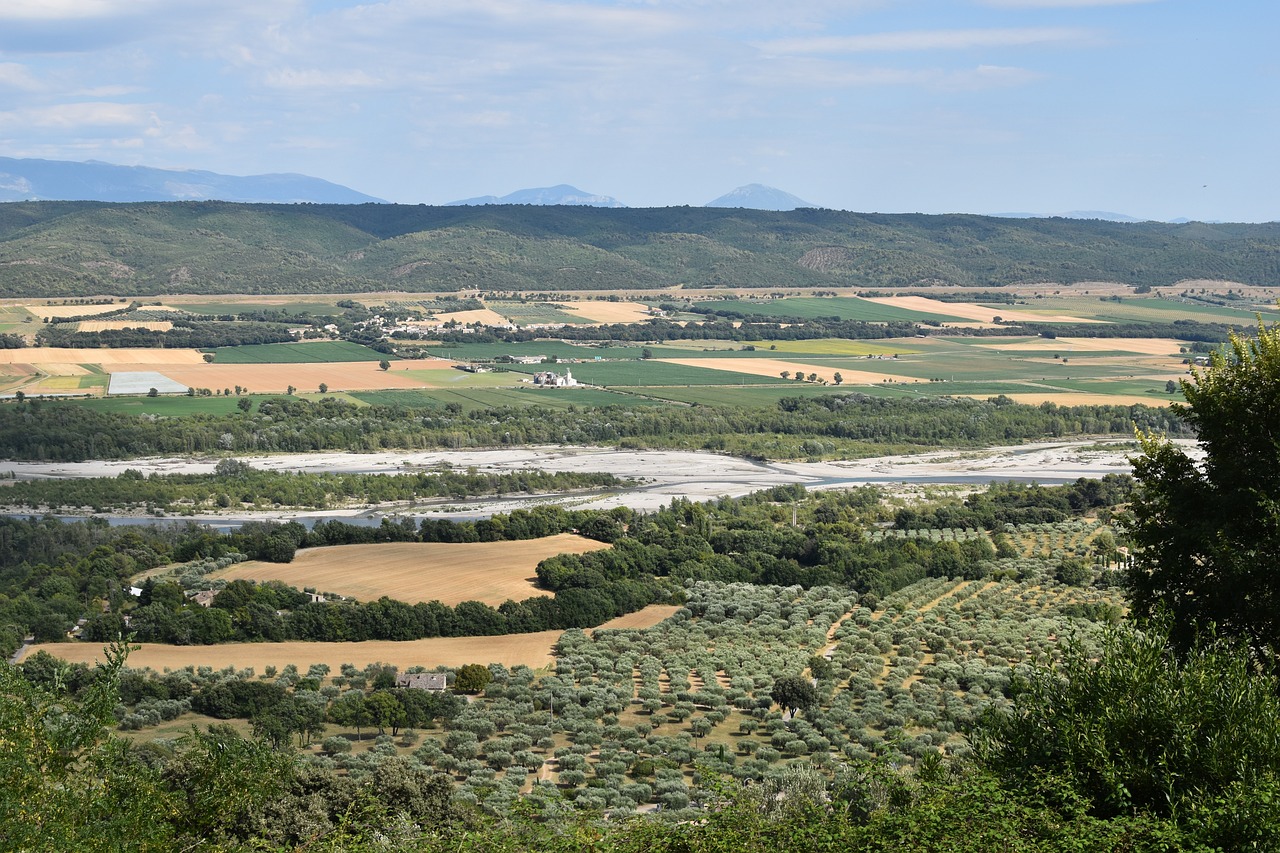
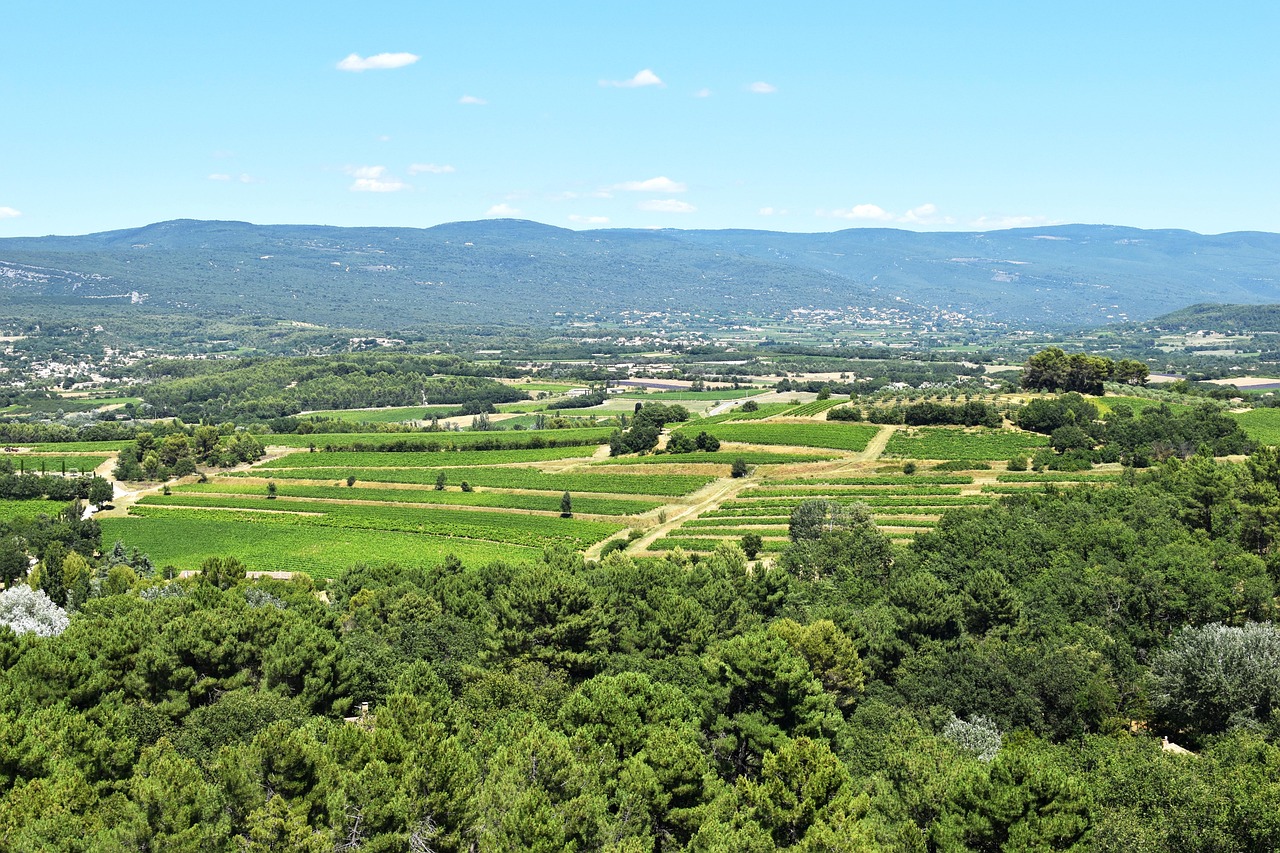
Why Go: For rugged limestone ridges, fragrant scrubland (garrigue), and wide views over vineyards and olive groves.
My Favorite Experiences: A sunset hike above Saint-Rémy with friends, the sky turning orange behind the hills; a solo spring walk when the air was thick with wild herbs and birdsong.
Practical: Trails range from easy to challenging. Check with the tourist office or park info for current conditions and fire restrictions in summer.
10. Olive Oil Mills Around Saint-Rémy
Why Go: Olive oil is to Provence what wine is to Bordeaux. Visiting a mill is both educational and delicious.
What Happens: Short tours of the presses (modern and sometimes old), explanations of harvest timing, and tastings. You’ll learn to distinguish fruity, grassy, and peppery oils.
What to Buy: A tin or bottle of extra-virgin oil, maybe some tapenade; they make perfect gifts, as they survive travel and get used back home.
11. Local Wineries & Vineyards
Why Go: The Alpilles AOC produces excellent rosé, red, and white wines. Many estates welcome visitors.
My Experience: On one autumn trip, a winemaker poured us tastes straight from the tank while explaining the impact of that year’s weather. We ended up sharing a simple lunch at a long table in the courtyard with other visitors—a spontaneous highlight of the trip.
Tip: Designate a driver or book a guided wine tour so everyone can taste safely.
12. Place Favier & Old Town Squares
Why Go: Saint-Rémy’s squares are its living rooms. Place Favier, in particular, with its fountain and surrounding buildings, is one of those spots where hours slip away over coffee or a glass of wine.
Personal Note: This is where I often sit to write notes: the background hum of conversation, clink of cutlery, and the occasional church bell creating a gentle soundtrack.
13. Local Art Galleries & Studios
Why Go: To connect with the living artistic community that continues the legacy of Van Gogh and countless others drawn by this light.
What You’ll Find: Painting, photography, ceramics, sculpture. Many galleries are small and welcoming; don’t be shy about stepping inside.
Tip: Ask locals which temporary exhibitions are worth seeing; the lineup changes throughout the year.
14. Local Pétanque Courts
Why Go: Pétanque (boules) is as much about socializing as sport. Watching a game is a window into daily life.
My Experience: I’ve been happily roped into games by friendly locals more than once. They’ll tease you for bad throws but also cheer when you improve. It’s a wonderfully low-stakes, convivial way to spend an early evening.
Etiquette: Don’t walk through the playing area; stand behind players when they throw. Clap for good shots, no matter who threw them.
15. Countryside Bike Rides
Why Go: Biking between olive groves, stone walls, and vineyards is one of the most pleasurable ways to experience the region.
Practical: Several shops rent bikes (including e-bikes, which make hills easy). Ask for suggested routes with low traffic. Always wear a helmet and respect road rules.
16. Hidden Chapels in the Hills
Why Go: Tiny stone chapels dotting the hills and countryside offer quiet spaces and beautiful views.
My Experience: One late afternoon, I reached a small chapel alone, wind rustling through the pines, valley spread below. Someone had left a sprig of rosemary on the simple altar. It felt like stepping out of time.
17. Local Farms & Goat Cheese Producers
Why Go: To meet the animals and people behind some of the cheeses you taste in town.
Family-Friendly? Very. Kids love meeting goats and seeing how cheese is made; adults love tasting the results.
18. Evening Apéro Spots
Why Go: Apéro is not just a drink; it’s a daily ritual. Choosing your favorite terrace is part of getting to know Saint-Rémy.
What to Order: A glass of local rosé, pastis (anise liqueur with water), a kir, or a non-alcoholic sirop with sparkling water.
19. Seasonal Lavender & Sunflower Fields (Nearby)
Why Go: While the most famous lavender fields are further east, the countryside around Saint-Rémy can have smaller patches of lavender and plenty of sunflower fields in season.
Best Time: Lavender: late June–mid July (varies by year). Sunflowers: roughly July–August.
Respect: Never trample fields; take photos from the edges or designated paths.
20. Evening Strolls Under the Plane Trees
Why Go: It’s simple, free, and endlessly satisfying. After dinner, locals and visitors alike wander the boulevards and old streets, chatting, window-shopping, and savoring the cooler air.
My Ritual: Gelato in hand, a slow loop around the center, a quick stop by the fountain in Place de la République, and back through the lanes to my guesthouse.
Local Food & Drink in Saint-Rémy-de-Provence
Food is one of the biggest reasons I keep returning to Saint-Rémy-de-Provence. The town punches far above its weight in terms of quality, from bakeries and markets to bistros and fine dining.
What to Eat: Provençal Specialties
- Tapenade: Olive paste (black or green) with capers and anchovies, spread on bread.
- Aïoli: Garlicky mayonnaise served with fish and vegetables, sometimes as part of a full grand aïoli.
- Ratatouille: Slow-cooked vegetable stew—nothing like the quick versions elsewhere when done properly.
- Daube Provençale: Beef stew braised in red wine with herbs and sometimes olives.
- Brandade de morue: Salt cod whipped with olive oil and sometimes potato.
- Fougasse: Leaf-shaped bread, sometimes with olives or herbs.
- Local cheeses: Especially goat cheeses in various stages of aging.
What to Drink
- Rosé from the Alpilles: Dry, refreshing, perfect for warm evenings.
- Local reds and whites: Ask for regional wines by the glass or carafe.
- Pastis: Anise liqueur diluted with water—an iconic Provençal apéritif.
Saving Money on Food
To keep costs down without sacrificing quality:
- Make lunch your main meal; many places offer good-value lunch menus.
- Buy picnic supplies at the market or supermarkets and eat in a park or your lodging’s terrace.
- Opt for house wine (vin de maison) by the carafe; it’s usually local and affordable.
Nightlife, Entertainment & Cultural Experiences
Saint-Rémy is more about relaxed evenings than wild nightlife—think wine bars, live music, and open-air events rather than clubs.
Evening & Nightlife Options
- Wine & cocktail bars: Several stylish spots around the center where locals gather.
- Live music: In summer, many bars and squares host small concerts—jazz, chanson, or acoustic sets.
- Outdoor cinema & events: Check the tourist office for open-air screenings or special cultural nights in high season.
Cultural Experiences
- Art openings: Gallery vernissages are a fun way to meet locals and artists (often with a glass of wine).
- Workshops: Cooking classes, painting workshops, or photography walks centered on Saint-Rémy and the Alpilles.
Major Events & Festivals in 2026–2027
Exact dates can shift year to year, so verify closer to your trip via the official Saint-Rémy tourist office, but here are recurring events likely in 2026–2027:
- Weekly Wednesday Market: Year-round, one of the town’s anchors.
- Summer Festivals (June–August 2026 & 2027): Outdoor concerts, theater, and cultural events in town squares and nearby villages.
- Fête votive / Local Patron Festivals: Traditional celebrations with music, food, sometimes bull runs (abrivados) and parades.
- Christmas Markets (December 2026): Seasonal stalls, lights, and Provençal nativity scenes (crèches and santons figurines).
Best Day Trips from Saint-Rémy-de-Provence
One of the strengths of using Saint-Rémy as a base is how many excellent destinations lie within an hour’s drive.
Les Baux-de-Provence & Carrières des Lumières
Distance: ~20 minutes by car. Some tours or taxis available; limited public transport.
Highlights: Hilltop medieval village, ruined castle, immersive art show in a former quarry.
Avignon
Distance: ~25–30 minutes by car; bus connections available.
Highlights: Palais des Papes, Pont d’Avignon, lively old town, summer theater festival.
Arles
Distance: ~30–35 minutes by car; bus possible.
Highlights: Roman amphitheater and theater, Van Gogh sites, Luma Arles arts complex.
Camargue
Distance: 1–1.5 hours by car.
Highlights: Wild wetlands, white horses, black bulls, pink flamingos, wide sandy beaches at Saintes-Maries-de-la-Mer.
Cultural Etiquette & Local Customs in Saint-Rémy-de-Provence
Understanding a few local customs will make your stay smoother and more enjoyable.
Greetings & Politeness
- Always say “Bonjour, Monsieur/Madame” when entering shops or cafés and “Au revoir” when leaving.
- In smaller settings, a brief greeting in French goes a long way, even if you switch to English afterward.
Dining Etiquette
- Meal times are generally 12:00–14:00 for lunch and from 19:30 onward for dinner. Many kitchens close between lunch and dinner.
- It’s considered polite to keep your hands visible above the table (resting wrists on the edge) rather than in your lap.
- Leaving a small tip (5–10%) is appreciated but not obligatory; service is usually included.
Dress & Behavior
- Casual but neat clothing is standard. Beachwear is for the beach, not town streets or restaurants.
- Speak softly in churches and at historical sites; avoid phone calls inside.
Driving & Noise
- Old town streets are narrow; drive slowly and give way to pedestrians and cyclists.
- At night, keep noise down in residential lanes—sound carries in the stone streets.
Practical Travel Tips for Saint-Rémy-de-Provence (2026)
How to Get There
- By Air: Nearest major airports are Marseille Provence (MRS) and Nîmes or Montpellier further away. From Marseille, rent a car or take a train to Avignon, then bus/taxi.
- By Train: High-speed TGV to Avignon from Paris, Lyon, etc., then onward by bus or car to Saint-Rémy.
- By Car: Driving gives you maximum freedom for day trips and countryside exploration.
Getting Around Saint-Rémy
The town itself is compact and walkable.
- On Foot: Best way to experience the center.
- By Bike: Great for nearby countryside, Glanum, and Saint-Paul de Mausole.
- By Car: Useful for Alpilles, Les Baux, Avignon, Arles, and Camargue day trips.
Car Rental & Driving
- Book car rentals early for peak season (June–September).
- European Union driver’s licenses are valid in France. Many other countries’ licenses are accepted, but an International Driving Permit (IDP) is recommended; check current regulations before travel.
- Parking: Several public lots just outside the historic center; some are free or low-cost. Avoid driving into the narrowest old streets unless your lodging instructs you to.
SIM Cards & Connectivity
- eSIM: In 2026, many travelers find it easiest to buy an eSIM online (e.g., European data packages) before arrival.
- Physical SIM: Available at major airports, phone shops, and large supermarkets in nearby cities (Avignon, Arles). Bring your passport.
- Cafés and many accommodations offer free Wi-Fi; speeds are generally good.
Money & Costs
- Currency: Euro (€).
- Cards widely accepted, but carry some cash for markets, small cafés, and parking.
- Budget travelers can eat well by mixing market picnics, bakery lunches, and occasional restaurant meals.
Visa Requirements (Overview)
France is part of the Schengen Area. Many nationalities (including most from Europe, North America, parts of Asia-Pacific, and Latin America) can enter visa-free for short stays (typically up to 90 days in any 180-day period). Always check the latest official information based on your nationality well before travel, as rules can change.
Safety
- Saint-Rémy is generally very safe. Usual common-sense precautions apply (watch your belongings at markets and in crowded areas).
- In summer, be cautious with heat and sun on hikes; carry water and wear a hat.
How to Save Money in Saint-Rémy-de-Provence
- Visit in shoulder seasons (April–May or late September–October) for better rates.
- Stay slightly outside the center or in a countryside mas if town prices are high.
- Use the weekly market for picnic meals and snacks.
- Opt for house wine and lunch menus; share starters and desserts.
- Walk and bike whenever possible; limit taxis.
When to Visit Saint-Rémy-de-Provence
Each season offers different attractions and experiences in Saint-Rémy-de-Provence:
Spring (March–May)
- Pros: Mild weather, blooming landscapes, fewer crowds, great for hiking and cycling.
- Cons: Evenings can be cool; some countryside pools may not be open until late spring.
- Best For: Active travelers, photographers, budget-conscious visitors.
Summer (June–August)
- Pros: Lavender and sunflower fields (timing varies), long evenings, lively festivals.
- Cons: Heat (especially in July–August), more crowds, higher prices.
- Best For: Families, festival-goers, those wanting guaranteed pool weather and maximal buzz.
Autumn (September–November)
- Pros: Harvest season for grapes and olives, softer light, generally pleasant temperatures.
- Cons: Days slowly shorten; some seasonal operations wind down later in autumn.
- Best For: Food and wine lovers, hikers, couples seeking a quieter, romantic atmosphere.
Winter (December–February)
- Pros: Very few tourists, atmospheric Christmas period, crisp clear days.
- Cons: Some hotels and restaurants may close or limit hours; cooler, shorter days.
- Best For: Travelers who value tranquility over bustle and don’t mind cooler weather.
Summary & Final Recommendations
Saint-Rémy-de-Provence is the kind of place that rewards slow travel. Whether you have 3 days in Saint-Rémy-de-Provence or stretch your stay into a 4 or 5 day itinerary, you’ll find plenty of things to do in Saint-Rémy-de-Provence that go far beyond ticking off must-see attractions.
Use this travel guide for Saint-Rémy-de-Provence as a flexible framework: wander the historic center, dive into Van Gogh’s world at Saint-Paul de Mausole and along the walking trail, step back in time at Glanum, savor local food and wine, and let the Alpilles hills reset your sense of scale and pace.
If you remember to greet people with a warm “Bonjour,” respect the gentle rhythms of this small town, and leave space in your schedule for unplanned discoveries, Saint-Rémy has a way of getting under your skin. I’ve lost track of how many times I’ve returned over the years—and I’m already plotting my next visit for 2026.