Why Visit Salers? What Makes This Village in the Cantal So Special
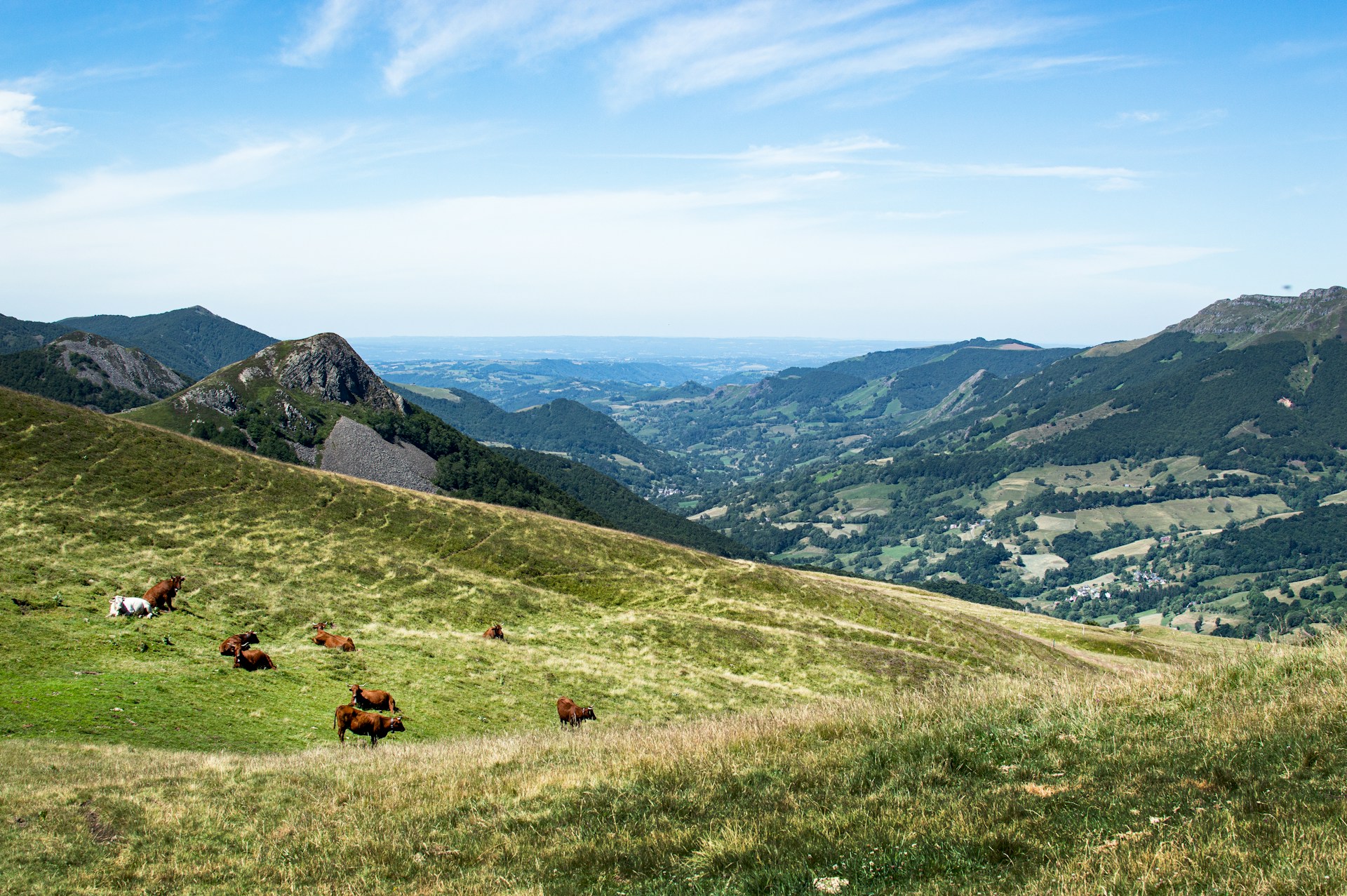
Salers is not the kind of place you stumble upon by accident. Tucked high on a volcanic plateau in the Cantal region of Auvergne, it feels like a perfectly preserved medieval film set – except people really live here, cows really graze around it, and the wind that whips through the lava-stone streets is very real. Every time I arrive, usually after a long, winding drive through the green mountains, I feel like I’m stepping into another century.
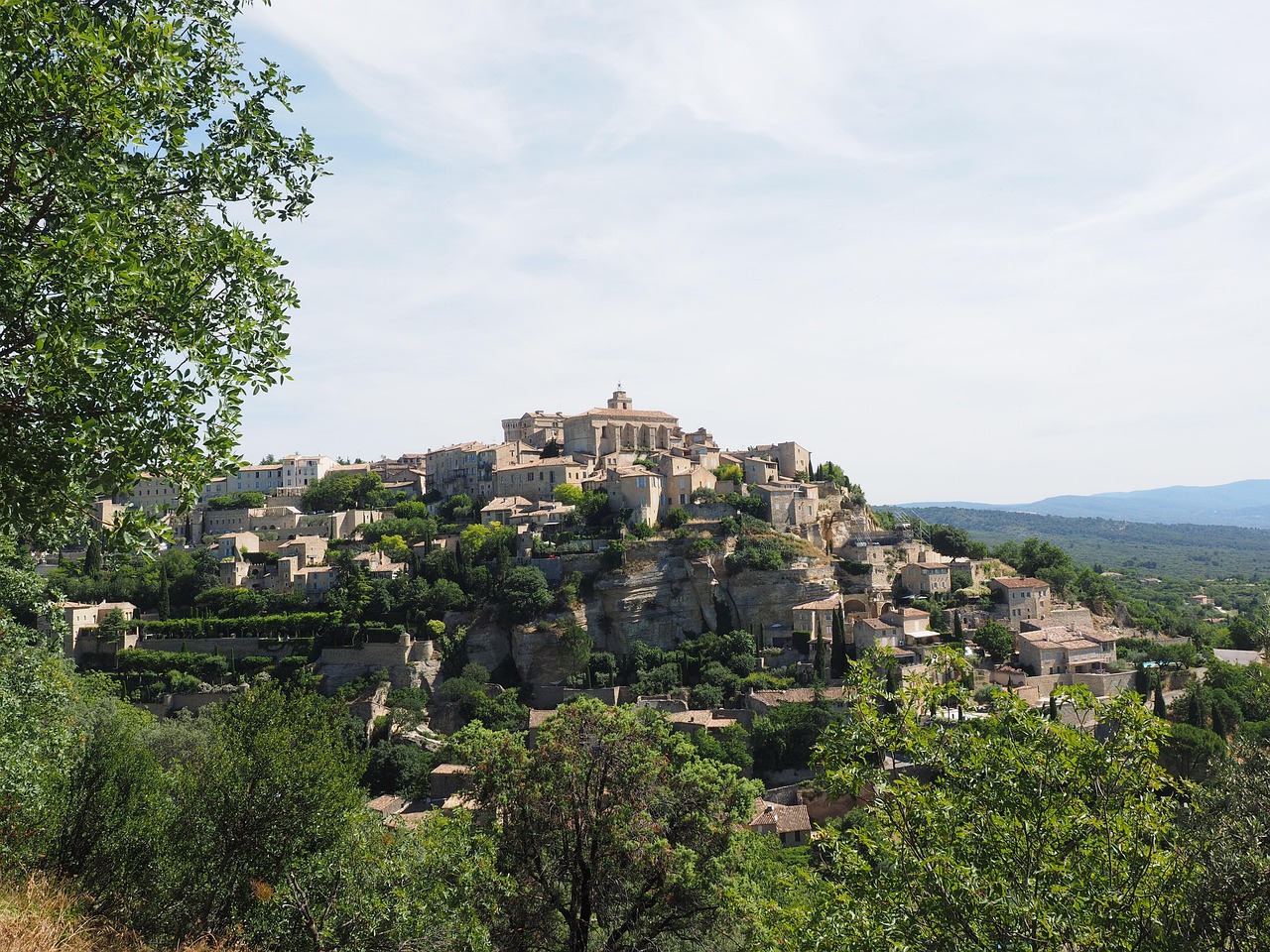
Salers is officially listed as one of the “Plus Beaux Villages de France” (Most Beautiful Villages of France), and it earns that title at every corner: dark volcanic stone mansions with pepper-pot turrets, flower-filled balconies, a central square that looks unchanged since the Renaissance, and a backdrop of the Monts du Cantal that shifts color with the time of day.
If you’re looking for sleek skyscrapers and big-city buzz, Salers isn’t that. Instead, think of it as the anti-city skyline: a crown of stone gables silhouetted against endless pastures and volcanic ridges. This is where you come to slow down, eat ridiculously good cheese, hike extinct volcanoes, sip gentian liqueur at sunset, and listen to bells from grazing Salers cows echo up the valley.
In 2026, Salers is still blissfully under the radar for most international travelers. That means uncrowded lanes even in summer (outside peak weekends), genuine encounters with locals, and prices that are friendlier than the big-name French hot spots.
This travel guide for Salers is built from multiple visits over the last few years, including the 2025 shoulder seasons and winter 2024–2025. I’ve walked these streets in thick summer heat, autumn mists, and under a dusting of snow. What follows is the guide I wish I’d had the first time I visited – with practical travel tips for Salers, personal stories, and detailed 3–5 day itineraries to help you make the most of your stay.
Table of Contents
- Why Visit Salers?
- Getting to Know Salers: Layout & Character
- Overview: 20 Must-See Attractions & Experiences
- Suggested 3–5 Day Itineraries
- Detailed Guide to 20 Main Attractions in Salers
- Local Food in Salers: What & Where to Eat
- Nightlife, Entertainment & Cultural Experiences
- Day Trips & Nearby Highlights
- Upcoming Events 2026–2027
- Local Customs & Cultural Etiquette
- Practical Travel Advice for Salers
- Summary & Final Recommendations
Getting to Know Salers: Layout & Character
Salers is compact; you can cross the historic core in ten minutes, but you’ll spend hours stopping for views, old doors, and café terraces. The village sits on a basalt promontory overlooking the Maronne valley, with the Monts du Cantal forming a dramatic backdrop.
The town roughly breaks down into several small “zones” you’ll get to know quickly:
- Place Tyssandier d’Escous (the main square) – the heart of Salers, where cafés spill out under Renaissance façades and the 15th–16th century mansions show off their turrets. I usually start and end every day here.
- Rue Notre-Dame & surrounding lanes – narrow, winding lanes with artisan shops, cheese sellers, and small guesthouses. In the early morning, you’ll often have them to yourself.
- Ramparts & viewpoints – around the edge of the village, especially near the Barrière de Salers, you’ll find lookouts across the green valley. These are magical at sunrise or just after a storm when clouds cling to the hills.
- Lower road to the valley – paths and small roads leading down toward the Maronne river and out toward the trailheads for the Puy Mary area.
There’s no modern high-rise skyline here; the “skyscrapers” are stone gables and church spires. A single church bell tower and a forest of chimneys define the horizon. At dusk, the effect is incredibly atmospheric, especially when swallows circle above the roofs.
Overview: 20 Must-See Attractions & Experiences in Salers
Before diving into the detailed 3 day itinerary for Salers and longer stays, here’s a quick overview of the main attractions and experiences I’ll cover in depth later. These are the best places to visit in Salers, mixing architecture, history, food, and nature.
- 1. Place Tyssandier d’Escous – the iconic main square and social heart of Salers.
- 2. Maison des Templiers – a medieval house and small museum with beautiful stonework.
- 3. Église Saint-Mathieu – the parish church with its striking volcanic stone and quiet interior.
- 4. Remparts & Village Rampart Walk – viewpoints over the Maronne valley.
- 5. Esplanade de Barrouze Viewpoint (often just called the panorama) – one of the best views around Salers.
- 6. Salers Heritage Museum (Musée de Salers) – local history, costumes, and daily life.
- 7. Cheese Tasting at a Salers Farm – meet the famous Salers cows and taste the cheese at the source.
- 8. Gentian & Local Liqueur Tasting – for lovers of bitter aperitifs and regional spirits.
- 9. Puy Mary – a nearby volcanic peak and one of the region’s most iconic hikes.
- 10. Pas de Peyrol – the highest road pass in the Massif Central, with epic vistas.
- 11. Maronne Valley Walks – gentle to moderate hikes below the village.
- 12. Salers Cattle Pastures – the red-coated cows that made the region famous.
- 13. Local Markets & Farmers’ Stalls – seasonal produce, charcuterie, and cheeses.
- 14. Renaissance Mansions of Salers – including Maison de Flogeac and Maison de la Ronade exteriors.
- 15. Fromagerie Visits in the Surrounding Countryside – for serious cheese lovers.
- 16. Evening Strolls & Night Photography – Salers after dark is another world.
- 17. Local Festivals in Salers – especially the Fête du Fromage and summer events.
- 18. Horseback Riding in the Cantal Highlands – a different way to experience the landscape.
- 19. Nearby Village of Tournemire & Château d’Anjony – fairy-tale towers and stone houses.
- 20. Thermal Town of Chaudes-Aigues – hot springs and a quirky spa tradition.
Suggested 3–5 Day Itineraries in Salers
To help you plan 3 days in Salers, 4 days in Salers, or even a longer 5 day itinerary for Salers, I’ve laid out flexible day-by-day plans based on how I usually show friends around. Each day combines must-see attractions in Salers, hidden gems, and realistic pacing. You can mix and match depending on your interests and fitness level.
3 Day Itinerary for Salers: Essence of the Village & Volcanoes
Overview of 3 Days in Salers
This 3 day itinerary for Salers focuses on the village itself, nearby viewpoints, and one full-day outing to Puy Mary, giving you a solid feel for both the architecture and the wild landscapes that define the Cantal.
Day 1: First Steps in Stone – Exploring the Heart of Salers
I like to arrive in Salers either late morning or just after lunch, when the sun begins to slide over the slate roofs and the square is buzzing but not yet crowded. On my last spring visit, I parked in the lot just outside the village walls, slung my small bag over my shoulder, and walked in under the stone arch with the faint smell of wood smoke in the air.
Morning: Arrival & Place Tyssandier d’Escous
Head straight to Place Tyssandier d’Escous, the central square, and let yourself simply absorb it for a bit. The dark volcanic stone, the turrets of the old mansions, the gentle clink of cups from café terraces – it’s the Salers postcard in three dimensions.
Pick a terrace (I often choose the café on the southwest corner; it gets good light) and order a coffee or, if you’re already in holiday mode, a glass of cantalou (a local aperitif). From here, you can map out your first wander.
- Time needed: 1–2 hours, including coffee and photo stops.
- Family-friendly? Absolutely. Kids can safely roam the square while you watch from the terrace.
- Romantic? Very. Evening is especially atmospheric.
Late Morning: Rue Notre-Dame & Maison des Templiers
From the square, slip into Rue Notre-Dame, one of the loveliest streets in Salers. About halfway down, you’ll find the Maison des Templiers, a beautiful medieval house and small museum. Its façade is a lesson in Auvergne stonework: carved window frames, steep roof, and heavy wooden door polished by centuries of use.
Inside, simple exhibits explain life in Salers through the ages. I remember standing in one of the small upstairs rooms on a rainy afternoon, listening to the patter on the roof and thinking how little the view from that window had changed in 400 years.
- Tips: Check opening hours in advance; in low season (especially outside school holidays), it sometimes closes at lunchtime or certain weekdays.
- Photos: The interior is low light; a fast lens or good phone camera helps.
Lunch: First Taste of Local Food in Salers
For your first meal, dive straight into local food in Salers. Most restaurants on or near the main square serve variations of the same hearty dishes:
- Truffade – potatoes sautéed in duck fat with melted tome fraîche cheese, usually served with a green salad and cured ham.
- Pounti – a baked loaf of pork, prunes, and herbs, sliced and pan-fried.
- Salers steak – beef from the local red cows, often grilled à point (medium).
On my last trip, I ordered truffade “just to taste a bit” and ended up finishing every bite. It’s rich, so maybe share if you’re not used to such hearty fare at lunch.
Afternoon: Église Saint-Mathieu & Ramparts Walk
After lunch, stroll over to Église Saint-Mathieu, the village church. Its dark stone contrasts beautifully with the sky, and the interior is cooler and simple, with a few interesting wooden sculptures and a quiet, timeless feel.
From the church, follow the lanes outward toward the remnants of the ramparts and viewpoints. There isn’t a complete city wall to walk like in larger towns, but you can make a loose circuit using the streets that flirt with the cliff edge. Look for small openings where the view suddenly drops away to the Maronne valley.
On a clear day, you’ll see patchwork pastures dotted with Salers cows, lines of stone walls, and the ridges leading toward Puy Mary. I like to do this walk slowly, stopping on any low wall I find to just sit and watch the clouds slide by.
Late Afternoon: Check-in & Café Time
By now, you’ll probably be ready to check into your accommodation. In the historic center, options range from small hotels in old mansions to chambres d’hôtes (guest rooms) with family hosts. I’ve stayed in both; the guesthouses tend to offer more personal tips, while small hotels offer a bit more privacy.
After a short rest, wander back to the square or one of the side-street cafés. This is a great time to try a Salers gentian apéritif – either the eponymous “Salers” liqueur or a gentian-based cocktail. The taste is pleasantly bitter, like alpine herbs and earth, and pairs well with local charcuterie.
Evening: Blue Hour Photography & Dinner
As dusk falls, Salers shifts from daytime charm to full-on medieval mood. Warm lights in windows, the sound of cutlery on plates, the occasional clop of a car on cobblestones. If you enjoy photography, this is the time to capture the square and side streets during blue hour.
For dinner, choose another restaurant slightly off the main square if you want a quieter vibe. Try:
- Salers beef – ask for recommendations on cuts; entrecôte is a good bet.
- Cantal or Salers cheese platter – young (jeune), entre-deux, and old (vieux) cheeses to compare.
- Local dessert – tarte aux myrtilles (blueberry tart) if in season.
End your first day with a short stroll under the stars. In summer, the sky can be incredibly clear; you’re far from big city lights here.
Day 2: Volcano Day – Puy Mary & Pas de Peyrol
On your second day, it’s time to leave the stone cocoon of the village and head up into the highlands. This is where Salers really connects with its volcanic roots.
Morning: Drive to Pas de Peyrol
Start early, especially in July–August when the road and parking can get busy. The drive from Salers to Pas de Peyrol (the highest road pass in the Massif Central, at about 1,589 m) takes roughly 30–40 minutes depending on stops.
The road winds through forests and open pastures; you’ll likely encounter cows on or near the road, especially in summer. On one trip, we had to stop completely as a herd of Salers cows casually occupied the lane, bells chiming, seemingly in no hurry to let us pass.
At Pas de Peyrol, there’s a parking area and a visitor center (open mainly in the warmer months). From here, trails lead to the summit of Puy Mary.
Late Morning: Hike to the Summit of Puy Mary
The hike from Pas de Peyrol to the summit of Puy Mary is short but can be steep in parts, with steps and gravel. It usually takes 30–45 minutes up, less going down, depending on fitness and how often you stop to catch your breath and take photos.
- Difficulty: Moderate; fine for reasonably fit adults and older kids.
- Footwear: Sturdy trainers or hiking shoes; it’s often windy and can be slippery if wet.
At the top, the view is spectacular: a radial pattern of valleys carved out from the ancient volcano. You’ll see the Cantal highlands spreading out like the petals of a stone flower. On my last visit, low clouds were drifting through the saddles of the ridges, giving everything a mystical feel.
Lunch: Picnic with a View
For lunch, I strongly recommend packing a picnic from Salers: bread, cheese, cured ham, maybe a tomato or two in season. There are designated picnic spots near the parking area and along some of the lower trails. Eating Salers cheese while looking out over the landscape that nurtured the cows that produced the milk is a special kind of farm-to-table experience.
Afternoon: Scenic Drive & Short Walks
After the main hike, you can either:
- Drive a loop through the surrounding valleys, stopping at viewpoints, or
- Take one of the shorter ridgeline walks, if time and energy allow.
On one particularly clear September day, I drove from Pas de Peyrol down into the valley and then up another road, stopping every few kilometers just to breathe in the silence. Apart from the bells of distant cows and the rush of wind, it was completely quiet.
Late Afternoon: Return to Salers & Gentian Tasting
Head back to Salers in the late afternoon. This is a good time to learn more about gentian (a local bitter root used in aperitifs) and other regional liqueurs. Some bars and small shops offer tastings; a sip of chilled gentian after a day of hiking feels just right.
Evening: Quiet Dinner & Early Night
You’ll likely be pleasantly tired. Choose a cozy restaurant, maybe one with a fireplace if you’re here in the cooler months. I often go for something simple after a big day: a bowl of soupe au fromage (cheese soup) or a lighter dish, followed by herbal tea or a small digestif.
Day 3: Cheese, Valleys & Hidden Corners of Salers
Morning: Farm or Fromagerie Visit
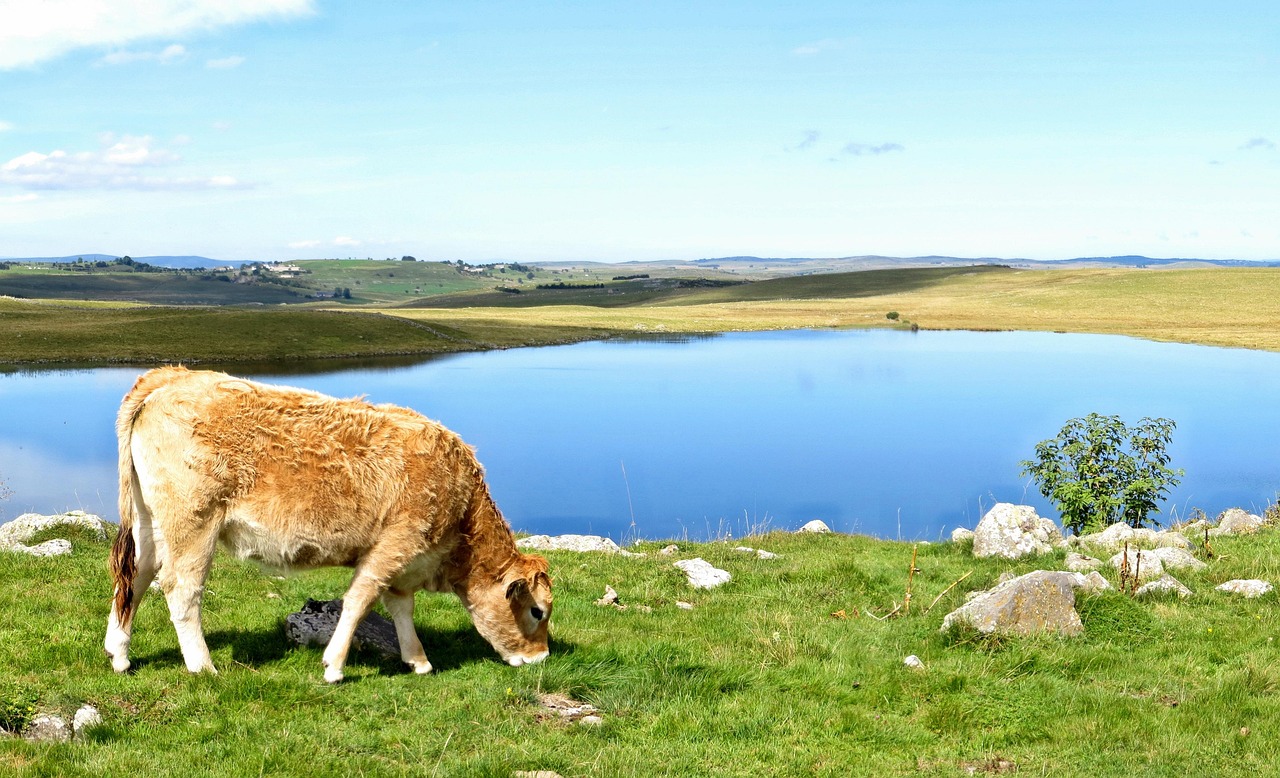
No travel guide for Salers is complete without talking about its cheese. On your third day, arrange a visit to a nearby Salers or Cantal cheese farm. Many farms in the surrounding countryside welcome visitors at set times, especially between May and October.
On a memorable summer morning, I visited a small family farm where we watched the end of the milking, then followed the farmer into a cool stone room where wheels of cheese aged on wooden shelves. He explained the difference between Salers and Cantal, how the cows must graze outdoors for Salers AOP, and how weather affects flavor.
- Tip: Ask at your accommodation or the tourist office in Salers for updated recommendations; some farms change visiting schedules annually.
- Family-friendly? Yes – kids usually love seeing the cows.
Late Morning: Maronne Valley Walk
After the farm, head back toward Salers and take one of the Maronne valley walks below the village. Some routes start near the village and descend toward the river; others begin a short drive away. These trails are less demanding than Puy Mary but still offer gorgeous scenery.
I love the contrast: looking up at Salers perched on its basalt promontory from below, with its stone houses lined up along the cliff. Bring water and wear decent shoes; even “easy” trails here can be uneven.
Lunch: Picnic by the River or Back in the Village
Depending on your route, you can either picnic near the river or head back up to Salers for lunch. If it’s hot, the cool of the valley is very welcome.
Afternoon: Salers Heritage Museum & Hidden Lanes
Back in town, visit the Musée de Salers (Salers Heritage Museum). Housed in an old building, it covers local traditions, costumes, and daily life. The displays aren’t flashy, but if you’re curious about how people actually lived here, it’s worth the time.
Afterward, give yourself over to aimless wandering. One of my favorite things to do is pick a lane I haven’t walked yet and see where it leads: a tiny garden, a carved lintel, a surprising balcony. This is where you’ll find your own hidden gems in Salers.
Late Afternoon: Shopping for Edible Souvenirs
Before you leave, stock up on a few things:
- Cantal or Salers cheese – vacuum-packed for travel.
- Salers or gentian liqueur – check your luggage allowances.
- Local honey and charcuterie.
Small shops in and around the square carry these, and many are run by the producers or their families. Ask for their favorite recipes; you’ll often get a story along with the purchase.
Evening: Farewell Dinner & Sunset View
On your last night, head to the Esplanade de Barrouze (or nearby viewpoints) for sunset if the weather cooperates. The light over the valley is beautiful, and you can see the contour of the landscape you’ve been exploring.
Then enjoy a final dinner, revisiting your favorite dish from the trip or trying something new. I like to end with a small glass of verveine (verbena liqueur) or another local digestif, toasting the village before a last stroll through its stone streets.
4 Day Itinerary for Salers: Deeper Dives into Villages & Valleys
If you have 4 days in Salers, you can follow the 3 day itinerary above and add a day trip to another beautiful village or a more relaxed day exploring nearby corners you might otherwise miss.
Day 4: Tournemire & Château d’Anjony
On my second visit to the region, I added a day trip to Tournemire, another of France’s “Most Beautiful Villages,” and it’s now a must in my 4 day itinerary for Salers.
Morning: Drive to Tournemire
The drive from Salers to Tournemire takes about 45–60 minutes, depending on your route. The roads wind, but the scenery is classic Cantal: rolling hills, small farms, and the ever-present cows.
Late Morning: Stroll Through Tournemire
Tournemire is smaller than Salers but has the same fairy-tale feel: stone houses lined up along a ridge, a church, and, dominating everything, the Château d’Anjony with its towers pointing into the sky.
Walk slowly through the village, noticing details: carved stone niches, flowers in window boxes, the way the roofs overlap in layers like dragon scales.
Afternoon: Château d’Anjony
The highlight here is a guided visit of Château d’Anjony. The tours (often in French, sometimes with written summaries in English) take you through centuries of family history, up spiral stairs, into rooms where frescoes glow dimly on the walls.
I still remember the guide’s voice echoing slightly in the tower stairwell as she talked about the castle’s role in local conflicts; outside, the view down into the valley felt like something from a novel.
Evening: Return to Salers
Head back to Salers for dinner. Even if you’re a bit tired, take one last evening stroll; you’ll start to recognize people by now – the baker closing up, the café owner stacking chairs.
5 Day Itinerary for Salers: Slow Travel, Hidden Gems & Extra Hikes
With 5 days in Salers, you can settle into a gentler rhythm. Follow the 4 day plan, then add:
Day 5: Slow Day – Markets, Horseback Riding & More Trails
Morning: Local Market or Nearby Town
Depending on the day of the week, plan a visit to a local market in one of the nearby towns (Mauriac or Riom-ès-Montagnes, for example). Ask locally which market day fits your schedule; stalls of cheese, sausages, honey, and seasonal vegetables are a joy to wander through.
Afternoon: Horseback Riding or Additional Hike
For something different, book a horseback ride in the Cantal highlands. Several stables around the region offer rides for beginners and experienced riders. I’m not an expert rider by any means, but a gentle half-day trek across the open hills, with cows watching us curiously, was a highlight of one trip.
If horses aren’t your thing, choose another hike instead – perhaps a quieter trail recommended by your host, away from the Puy Mary crowds.
Evening: Final Night – Cultural Experiences & Nightlife
On your last evening, see if there’s any local music or small event happening – sometimes in summer there are concerts, storytelling nights, or small festivals in or around Salers. Nightlife here is more about lingering at a terrace with a drink than dancing until dawn, but that slower pace fits the village.
Detailed Guide to 20 Main Attractions & Experiences in and around Salers
Below you’ll find more in-depth descriptions of the must-see attractions in Salers and its surroundings, with history, significance, and personal experiences to help you decide which ones to prioritize.
1. Place Tyssandier d’Escous
The Place Tyssandier d’Escous is the beating heart of Salers. Named after a 19th-century agronomist who helped promote Salers cattle, the square is framed by honeycomb-like façades of dark lava stone, their mullioned windows and turrets reflecting the prosperity of local notables in the 15th and 16th centuries.
Historically, this was the commercial and social center of the town: markets, fairs, and public announcements all happened here. Today, it’s where you’ll find cafés, restaurants, and small shops.
On one particularly chilly October morning, I sat at a terrace nursing a café crème, watching mist roll off the roofs. The square was nearly empty except for a couple of locals chatting by the fountain; the sense of stepping back in time was almost uncanny.
- Best time to visit: Early morning for quiet photos; late afternoon for atmosphere and people-watching.
- Photography tips: Use the fountain or café tables as foreground; the square changes dramatically with the light.
2. Maison des Templiers
The Maison des Templiers, despite its name, is not definitively proven to have belonged to the Templars, but the legend adds to its allure. The building itself, with its pointed-arch doorway and stone carvings, is one of the finest examples of medieval architecture in Salers.
Inside, you’ll find exhibitions about local history, architecture, and sometimes temporary thematic displays. What I love most here is how the creak of the old floors and the smell of stone transport you out of the present moment.
On a rainy day, ducking inside feels like entering a different world; when you step back out, the village streets seem somehow even more timeless.
3. Église Saint-Mathieu
Église Saint-Mathieu anchors the spiritual and architectural life of Salers. Built mainly in the 15th century in dark volcanic stone, it’s modest in scale but rich in atmosphere.
Inside, look for the carved wooden altarpieces and statues; some are surprisingly expressive once your eyes adjust to the dim light. On one visit, I slipped in during a brief shower and found two elderly women quietly arranging flowers near the altar, the sound of their conversation echoing softly in the nave.
- Etiquette: Dress modestly, speak quietly, and avoid flash photography if a service is happening.
4. Remnants of the Ramparts & Village Edge Walks
While Salers’ medieval walls are not intact in the way walled cities like Carcassonne are, traces of the ramparts remain in the form of gateways, fragments of wall, and the way certain streets trace the old defensive line.
Walking along the village edge gives you recurring views down into the Maronne valley and back across the roofs of Salers. This is one of my favorite “free” things to do in Salers and ideal if you only have a short time.
In summer evenings, I often see couples sitting on low walls, sharing a bottle of wine and watching the last light fade. It’s as romantic as it sounds, especially if the sky puts on a show.
5. Esplanade de Barrouze Viewpoint
Just beyond the village, the Esplanade de Barrouze offers one of the best panoramic views in the area. From here, you can see deep into the Maronne valley and across to the ridges that hint at the region’s volcanic origins.
I love coming here at different times of day: early morning, when fog pools in the valley like a white sea; midday, when the greens are almost too bright; and evening, when everything softens into blue and gold.
There are benches and low walls to sit on, making it a great spot for picnics, contemplation, or just catching your breath after a climb up from the lower paths.
6. Musée de Salers (Salers Heritage Museum)
The Musée de Salers is small but packed with objects that tell the story of local life: traditional costumes, tools, household items, and documents. It’s the kind of museum where reading a handwritten label next to a worn wooden chest can suddenly make you imagine the family that used it.
On my second visit, I spent a long time in front of old photographs of Salers under snow; seeing the familiar square transformed by winter made me want to return in January (I did, and it was magical but very quiet).
7. Salers Cheese Farm Visits
The Salers cow and the cheese bearing the village’s name are two of its greatest ambassadors. Visiting a farm or fromagerie is not just about tasting; it’s about understanding the rhythm of life that shapes the landscape.
In one stone cellar, wheels of cheese rested on wooden planks, their rinds mottled and earthy. The farmer sliced a piece from a wheel aged over a year; the flavor was complex, nutty, with a long finish. Eating it in that cool, slightly damp air, with the muffled sounds of cows above, was unforgettable.
- Practical tip: Wear layers; cheese cellars are cool even in summer.
8. Gentian & Local Liqueur Tasting
Gentian, a hardy alpine plant with deep roots, is the basis of several local bitters and aperitifs, including the famous Salers liqueur. Its flavor is earthy, bitter, and intriguing – not for everyone at first sip, but it grows on you.
Some bars in Salers serve gentle gentian cocktails; I once tried one with lemon and tonic that balanced the bitterness beautifully. There are also small distilleries and shops in the wider Cantal region where you can learn more about production.
9. Puy Mary
Puy Mary is one of the star attractions of the Cantal and a key part of any adventurous travel guide for Salers. This ancient volcanic peak is part of the largest stratovolcano in Europe, now eroded into a spectacular star-shaped massif.
The classic ascent from Pas de Peyrol, described earlier, is accessible for most reasonably fit visitors, but more ambitious hikers can tackle longer routes that cross multiple ridges. On a clear day, the panorama seems endless; on misty days, shapes loom in and out like a fantasy landscape.
Every time I’ve gone up Puy Mary, the mood has been different. Once, under a bright blue sky with lines of hikers snaking up the path; another time, almost alone, with cloud banks racing past and the occasional glimpse of valley far below.
10. Pas de Peyrol
Pas de Peyrol is the highest road pass in the Massif Central and the classic gateway to Puy Mary. Even if you don’t hike, it’s worth coming here for the drive and the views from the parking area and nearby lookout points.
In 2026, improvements to signage and parking management are planned to better handle summer traffic, especially as interest in hiking and road cycling continues to grow. If you’re cycling, this is a bucket-list climb; if you’re driving, just go slowly and be patient with other road users.
11. Maronne Valley Walks
The Maronne valley below Salers is a gentler, more intimate landscape than the bare ridges of Puy Mary. Trails wind through woods, meadows, and along the river, with occasional stone bridges and farmhouses.
On a hot August afternoon, I remember descending into the valley, the temperature dropping a few degrees with every switchback. Down by the river, the air smelled of wet stone and leaves; dragonflies hovered, and the only sound was water and distant bells.
Ask at the tourist office for up-to-date maps and trail conditions; some routes can be muddy after rain.
12. Salers Cattle Pastures
The red-coated Salers cattle with their lyre-shaped horns are a symbol of the region. Seeing them up close in highland pastures, often with calves in tow, connects all the dots: the cheese, the meat, the cultural identity.
Respect fences and signs; don’t approach too closely, especially cows with calves. I like to simply sit on a stone wall or grassy bank nearby and watch the herd move slowly across the landscape, bells chiming in slightly different tones.
13. Local Markets & Farmers’ Stalls
Markets in nearby towns (Mauriac, Riom-ès-Montagnes, and others) are essential if you enjoy seeing everyday life. Tables piled with cheese, sausages strung like garlands, jars of honey catching the light – it’s a feast for the senses.
I once bought far too much cheese at a market in Mauriac, seduced by the enthusiasm of an elderly vendor who insisted I try every age of Cantal she had. We ended up eating cheese for dinner that night with bread and apples, and I have no regrets.
14. Renaissance Mansions of Salers
Several Renaissance mansions line the streets around the main square. While most are privately owned and not open to casual visits, their façades tell stories: coats of arms, intricate window frames, and sometimes Latin inscriptions carved into lintels.
On one afternoon, I walked slowly along a side street, noticing how each mansion’s windows differed slightly in pattern and proportion. It’s like reading an architectural family tree, each generation adding its own twist.
15. Fromagerie Visits in the Countryside
Beyond farm visits, dedicated fromageries in the region offer more structured tours and tastings. Some have viewing windows where you can see curds being stirred in giant vats or cheeses being turned on shelves.
If you’re serious about cheese, ask your host or the tourist office for current recommendations; new initiatives and small producers often emerge, and part of the fun is discovering them.
16. Evening Strolls & Night Photography
Salers after dark is one of its greatest hidden gems. Many day-trippers leave by late afternoon, and as the sky deepens, the village becomes quieter, more intimate.
I like to walk a rough loop: square to church to ramparts and back, pausing wherever a light spilling from a window catches my eye. Photographers will love the interplay of warm and cool tones, the reflections on damp cobblestones after a shower.
17. Local Festivals in Salers
Salers hosts several local festivals throughout the year, often celebrating cheese, cattle, or traditional music. Exact dates vary, but summer and early autumn are usually the liveliest.
I once stumbled into a small cheese-focused event where producers had set up stands around the square, offering samples and chatting with visitors. Kids ran between the stalls; older men debated the merits of different aging periods. It was low-key but deeply authentic.
18. Horseback Riding in the Cantal Highlands
Horseback riding offers a different pace and perspective on the landscape around Salers. Riding along ridges with views in all directions, or through quiet forest tracks, you feel more connected to the terrain than from a car.
On my ride, the guide pointed out plants used in local herbal remedies and told stories about old transhumance routes. The horses were sure-footed, unfazed by cows and occasional gusts of wind.
19. Tournemire & Château d’Anjony
Tournemire, with its line of stone houses and looming Château d’Anjony, makes an ideal half-day or full-day excursion from Salers. The castle, with its cylindrical towers and conical roofs, is a textbook example of a 15th-century fortress adapted over the centuries to more peaceful times.
During my visit, the guide’s stories about the Anjony family – alliances, feuds, renovations – made the stone walls feel like witnesses rather than relics.
20. Chaudes-Aigues & Its Hot Springs
A bit farther afield, Chaudes-Aigues is known for having some of the hottest natural springs in Europe, with one source reaching up to around 82°C (179°F). The town has used this geothermal resource for centuries, even for a primitive form of district heating.
Strolling through town, you’ll see steam rising from small fountains and channels. Some spa facilities allow you to soak in the waters; it’s a lovely way to unwind after days of hiking and exploring.
Local Food in Salers: What & Where to Eat
Food is one of the best reasons to linger in Salers. The cuisine here is robust, born of a cool climate and farming culture. Expect generous portions, rich flavors, and a focus on dairy and beef.
Must-Try Dishes
- Truffade – Sliced potatoes sautéed and mixed with melting tome fraîche. Crispy edges, gooey center. A classic.
- Aligot – Related to truffade but with more mashed potatoes and stretchy cheese; you’ll see it more widely in Auvergne but sometimes in Salers too.
- Salers or Cantal cheese – Try different ages; the older ones are more intense and crumbly.
- Pounti – Lovely with a salad at lunch; the prunes give subtle sweetness.
- Salers beef – Grilled or in stews, often simply prepared to showcase the meat.
- Charcuterie – Dried sausages, cured ham, and pâtés, often from small producers.
- Berry tarts – Especially blueberry in summer.
Where to Eat in and around Salers
Restaurants come and go, but generally you’ll find:
- Square-side brasseries – Good for classics like truffade and steak, with terrace views.
- Smaller bistros in side streets – Often slightly more inventive takes on local cuisine.
- Farm inns (“fermes auberges”) in the countryside – Fixed menus based on farm products.
For saving money, consider:
- Ordering the lunch menu (menu du jour) – often very good value.
- Having one restaurant meal per day and one picnic meal from the bakery and grocery shops.
- Sharing rich dishes like truffade if you’re not a big eater.
Nightlife, Entertainment & Cultural Experiences in Salers
Nightlife in Salers is low-key. Think café terraces, wine bars, and occasional cultural events rather than clubs.
Evening Options
- Café terraces on the main square – Ideal for a glass of wine or gentian aperitif.
- Restaurant dinners – Many places offer cozy atmospheres, especially in cooler months.
- Summer events – Outdoor concerts, small festivals, or artisan markets sometimes run into the evening.
Cultural Experiences
- Local music – Look out for traditional Auvergnat or folk concerts posted on flyers.
- Church services – Attending a mass can be a quiet cultural window if you’re respectful.
- Guided tours – Occasionally the tourist office organizes evening or themed tours; check the 2026 program.
Day Trips & Nearby Hidden Gems
Beyond the attractions already mentioned, consider these additional day trips if you have a car and extra time:
- Tournemire & Château d’Anjony – Described above; fairy-tale towers and another stone village.
- Chaudes-Aigues – Hot springs and spa culture.
- Aurillac – The departmental capital, with more shops, cafés, and the famous International Street Theatre Festival (usually in August).
- Riom-ès-Montagnes – For markets and a slightly different small-town feel.
- Other “Plus Beaux Villages” in Auvergne – If you’re touring the region more broadly.
How to get there: Public transport is limited; a car rental from Aurillac or another regional hub is the most practical option. Roads are generally well-maintained but winding; allow extra time.
Upcoming Events & Festivals in Salers (2026–2027)
Exact dates can shift slightly each year, so always confirm closer to your trip, but here are the main events expected in 2026–2027:
- Fête du Fromage et de la Vache Salers (Salers Cheese & Cattle Festival) – Typically late spring or early summer. Expect cattle shows, cheese competitions, tastings, and music.
- Summer Cultural Evenings – July–August: small concerts, open-air theater, and artisan markets in and around Salers.
- Autumn Harvest & Gastronomy Events – Focused on regional products like chestnuts, mushrooms, and new cheeses.
- Christmas & Winter Markets – Smaller than in big cities but charming, with local crafts and treats.
In 2026, the region is also emphasizing sustainable tourism, with more guided hikes and interpretive outings about geology and pastoralism planned around Salers and Puy Mary.
Local Customs & Cultural Etiquette in Salers
Salers is small, and courtesy goes a long way. A few things to keep in mind:
- Greetings: Always say bonjour (daytime) or bonsoir (evening) when entering shops, cafés, or speaking to someone. It’s essential in France, especially in villages.
- Language: English may be limited. A few phrases of French and a smile help immensely. People are generally patient if you try.
- Dining etiquette: Take your time. Meals are not rushed; don’t expect fast turnover. If you’re in a hurry, mention it politely when ordering.
- Churches: Dress modestly, speak quietly, and avoid disruptive behavior or photography during services.
- Farms and fields: Respect private property. Don’t cross fields or open gates without permission; always close gates behind you if you pass through.
- Tipping: Service is usually included, but leaving a small extra (5–10%) in restaurants or rounding up in cafés is appreciated for good service.
Practical Travel Advice for Salers (2026)
Getting There & Around
By train/plane: The nearest larger town is Aurillac, accessible by regional train and with a small airport offering limited flights. From Aurillac, you’ll likely need a car rental to reach Salers (about 45–60 minutes by road).
By car: Roads are generally good but winding. In winter, snow and ice are possible; check conditions and ensure your rental has appropriate tires.
Public transport: Very limited. Do not rely on buses for flexible sightseeing; a car makes exploring much easier.
SIM Cards & Connectivity
France has excellent mobile networks, but coverage can be patchy in deep valleys. For visitors:
- Buy a prepaid SIM from major providers (Orange, SFR, Bouygues) in a larger town or airport.
- EU visitors can use their existing plans with roaming (check your provider).
- Most accommodations and some cafés in Salers offer Wi-Fi, but speeds can vary.
Money-Saving Tips
- Travel in shoulder seasons (May–June, September–October) for better prices and fewer crowds.
- Opt for lunch menus and lighter dinners, or vice versa.
- Use Salers as a base and plan day trips rather than moving accommodations every night.
- Shop in local grocery stores and bakeries for some meals and snacks.
Accommodation
Options include:
- Small hotels in historic buildings – charming, with breakfast often included.
- Chambres d’hôtes – guest rooms in homes or farms, very friendly and local.
- Gîtes – self-catering rentals, ideal for longer stays or families.
Driving, Licenses & Parking
Foreign driver’s licenses:
- EU/EEA licenses are valid in France.
- Many other countries’ licenses are accepted for short stays; an International Driving Permit (IDP) is recommended if your license isn’t in French or doesn’t use Latin script. Check current rules before traveling.
Parking in Salers: Large parking areas sit just outside the historic center. Park there and walk in; the village core is best explored on foot and may have restricted vehicle access.
Visa Requirements (2026)
Salers is in France, part of the Schengen Area. Visa rules depend on your nationality:
- EU/EEA/Swiss citizens: No visa needed.
- Citizens of many countries (e.g., UK, US, Canada, Australia, Japan) can visit the Schengen Area for up to 90 days in any 180-day period without a visa for tourism. Check if pre-authorization (like ETIAS) is required by 2026 for your nationality.
- Others may need a Schengen visa; apply in advance at a French consulate.
Always verify latest requirements with official sources, as rules may evolve before 2027.
Best Seasons for Visiting Salers
- Spring (April–June): Green hills, wildflowers, still-snowy peaks in the distance. Ideal for hikes and moderate temperatures. Some higher roads may open later in spring.
- Summer (July–August): Warm, lively, with festivals and longer days. Puy Mary and Pas de Peyrol are busiest; start hikes early. Great for families.
- Autumn (September–October): My personal favorite: autumn colors, fewer crowds, and stable weather. Perfect for a 3 or 4 day itinerary for Salers focused on hiking and food.
- Winter (November–March): Very quiet; some businesses and attractions may close or have limited hours. Snow changes the landscape dramatically. Good if you seek solitude and don’t mind reduced services.
Health & Safety
- Salers is generally very safe; usual common sense applies.
- Carry water and sun protection on hikes; mountain weather can change quickly.
- In summer, thunderstorms can form; avoid exposed ridges if storms are forecast.
Hidden Tips from Experience
- Arrive early or stay late: The most magical hours in Salers are before 10:00 and after 18:00, when day-trip crowds thin or haven’t arrived yet.
- Layer clothing: Even in August, evenings can be cool; in spring and autumn, temperatures swing quickly.
- Ask locals for “petites balades”: Short, lesser-known walks. I’ve discovered some of my favorite viewpoints this way.
- Book key restaurants in high season: Especially on weekends; the village is small and fills up.
- Carry some cash: Most places take cards, but small producers at markets or farms sometimes prefer cash.
Summary & Final Recommendations
Salers is a place that reveals itself slowly. At first glance, it’s a stunning medieval village on a rock; stay a few days, and it becomes a hub for hikes, cheese, cattle, and quiet evenings under big skies.
- If you only have 3 days in Salers, focus on the village itself, one big volcano day at Puy Mary, and a cheese or farm experience.
- With 4 days in Salers, add a day trip to Tournemire and Château d’Anjony or another nearby village.
- For a 5 day itinerary for Salers, slow down with markets, horseback riding, extra hikes, or a spa day at Chaudes-Aigues.
For most travelers, late spring to early autumn (May–October) is the best time to visit Salers. Hikers and food lovers will be especially happy in June, September, and early October, while families may prefer July–August for lively festivals and school holidays.
Whatever season you choose, come ready to walk cobbled streets, savor local dishes, and let the rhythm of the village set your pace. Salers may be small, but its combination of stone, sky, and green hills makes a deep impression – one that has drawn me back again and again, and will likely call you back too.