Why Visit Saumur?
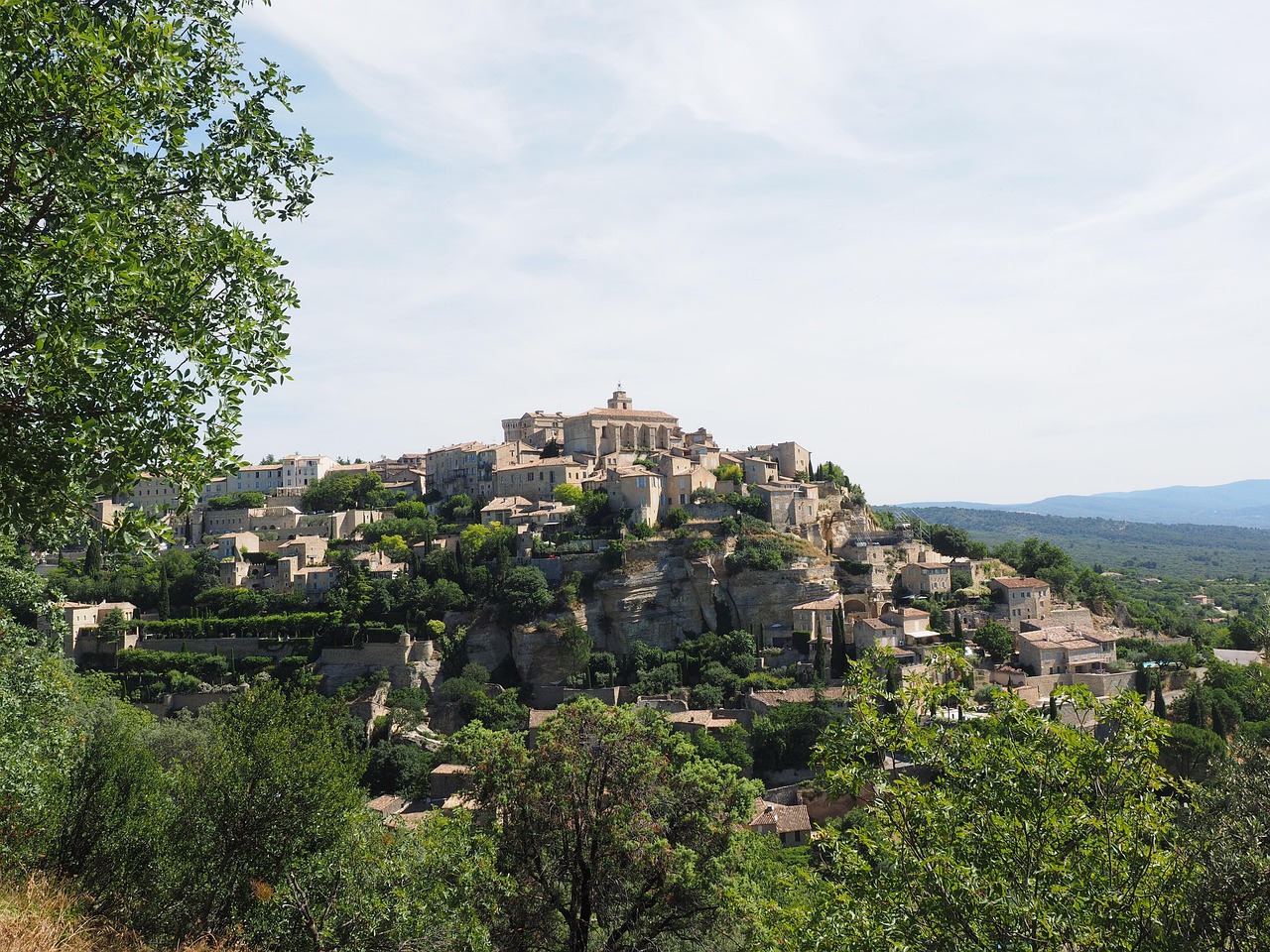
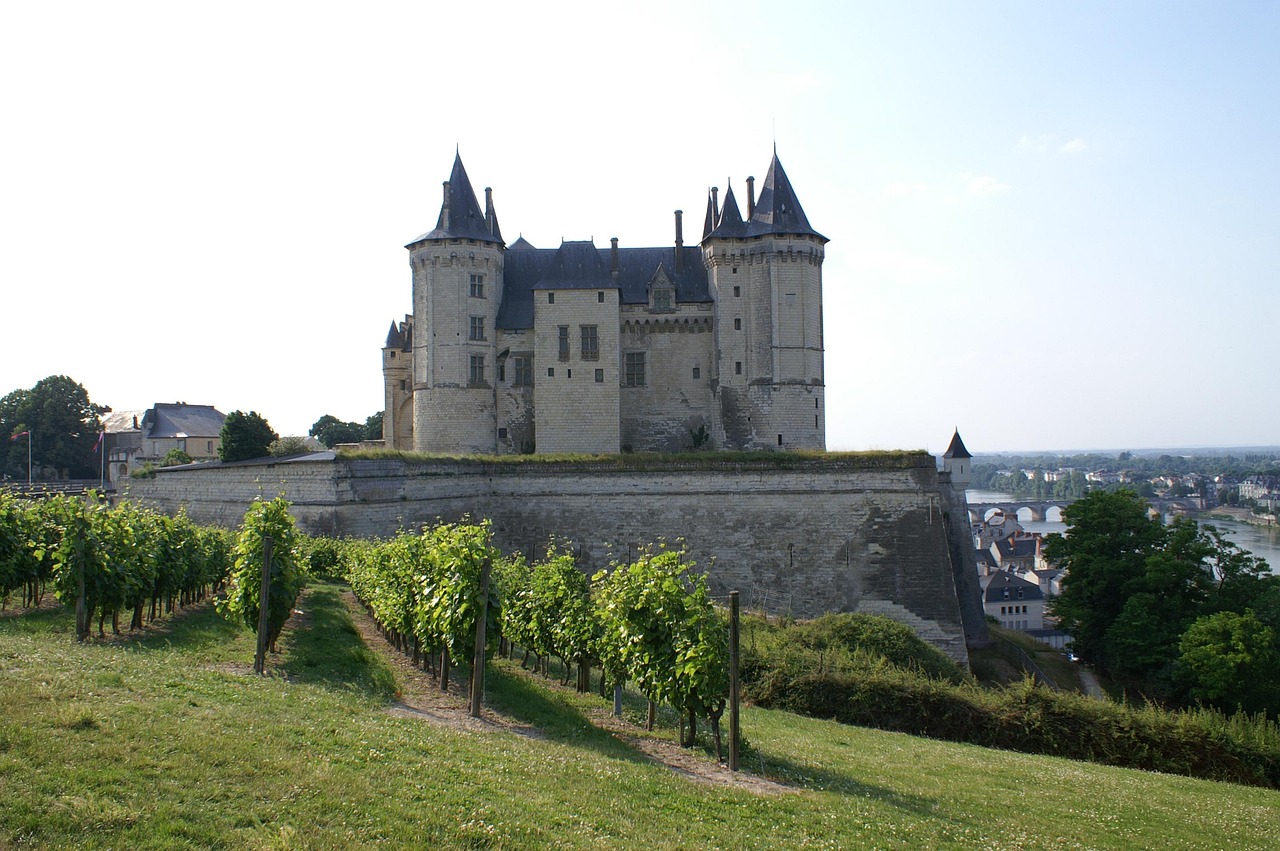
Saumur doesn’t shout. It glows. Especially in the golden hour, when the light hits the tuffeau stone (that creamy local limestone) and the town looks like someone turned the saturation down and the magic up.
Here’s what makes Saumur special – and why it deserves a spot on your France itinerary:
- A fairy-tale château on a hill: Château de Saumur watches over the town and the Loire like a stone ship. It’s less crowded than the “big-name” Loire châteaux but every bit as cinematic.
- Wine, wine, and more wine: This is the heart of the Saumur-Champigny appellation and some of the best sparkling Loire wines. The cellars are in caves dug into the hillsides – visiting them feels like exploring a secret underground city.
- Troglodyte heritage: Entire homes, restaurants, and mushroom farms carved into the rock. It’s quirky, atmospheric, and uniquely Saumurois.
- Equestrian culture: The famed Cadre Noir, France’s national riding school, turns horsemanship into ballet. Even non-horsey people I’ve brought here have been spellbound.
- Perfect Loire base: Saumur is centrally placed for exploring the Loire Valley but small enough to feel intimate and walkable.
- Authentically French, gently touristy: It’s well set up for visitors but still feels like a real town with kids going to school, locals doing groceries, and evening strolls along the river.
In 2026–2027, Saumur is also leaning into its strengths: more wine events, expanded cycle paths along the Loire à Vélo, new restoration work at the château, and even more focus on sustainable tourism.
Table of Contents
- Why Visit Saumur?
- Saumur Overview & Neighborhoods
- 20+ Must-See Attractions in Saumur
- 3, 4 & 5 Day Itineraries for Saumur
- Local Food & Wine in Saumur
- Nightlife, Entertainment & Cultural Experiences
- Day Trips & Nearby Excursions
- Major Events in 2026–2027
- Local Customs & Cultural Etiquette
- Practical Travel Tips for Saumur
- Summary & Best Time to Visit Saumur
Saumur Overview & Neighborhoods
Saumur sits almost exactly between Angers and Tours, straddling the Loire River. Trains connect it easily to Paris (usually via Tours or Angers), but the pace of life is decidedly small-town.
Key Neighborhoods & Areas
1. Vieux Saumur (Old Town)
This is where you’ll probably spend most of your time – cobbled streets, half-timbered houses, cafés spilling into little squares, and those postcard views up to the château. I usually stay somewhere around Place Saint-Pierre, because you’re within walking distance of everything: the river, the château, wine bars, and shops.
2. The Loire Riverside & Île d’Offard
The riverfront quays on the south bank and the long island of Île d’Offard are Saumur’s playground. In summer, locals picnic, jog, or cycle along the banks; in the evenings, food trucks and pop-up bars sometimes appear. The campsite on the island has some of the best sunrise château views in town.
3. Saint-Hilaire–Saint-Florent
Head west along the Loire and you’re in Saint-Hilaire–Saint-Florent – a small village that’s home to some of Saumur’s most famous wine houses and the Cadre Noir. It feels semi-rural, with vineyards creeping up behind houses. I love walking here from town via the riverside path.
4. Bagneux & the Troglodyte Hills
South of town, the tuffeau cliffs are riddled with caves. Some are homes, some are restaurants, some are mushroom farms. This is where you really feel Saumur’s “underground” personality. You’ll need a car, bike, or local bus to reach most spots comfortably.
5. Saumur Train Station & Newer Districts
Across a small bridge from the old town, the station area is more practical than charming, but it’s where you’ll arrive if you come by rail. A few budget hotels, supermarkets, and rental car offices are around here.
20+ Must-See Attractions & Experiences in Saumur
The following are the best places to visit in Saumur, drawn from many trips and a lot of wandering. I’ve grouped them loosely by popularity, starting with the icons and moving into the quieter, more “local” corners. Each has a mix of history, personal observations, and very practical tips.
1. Château de Saumur – The Iconic Hilltop Fortress
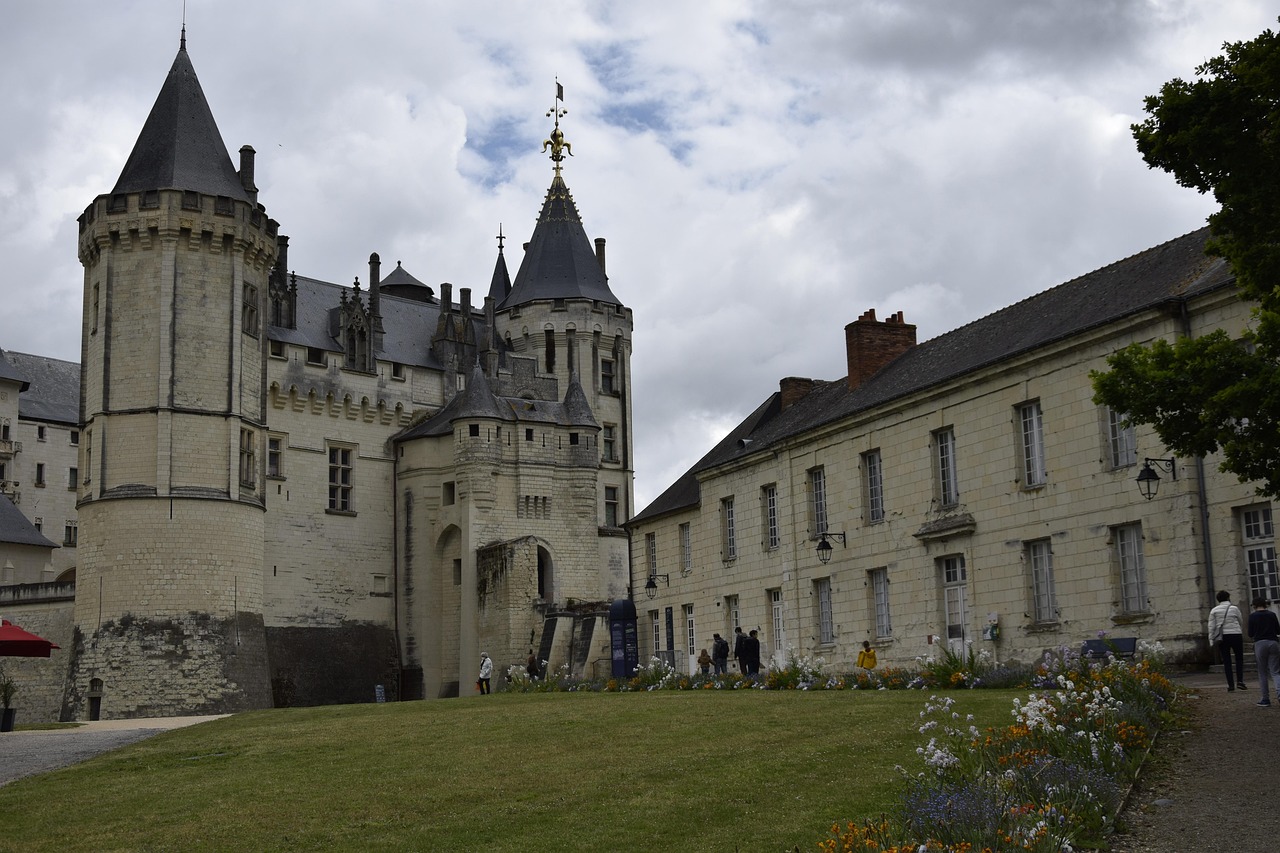
The first time I saw the Château de Saumur, it was from the train window. The Loire curved, the sun dipped, and suddenly the château was there – suspended above the river, all turrets and creamy stone. It’s the landmark you’ll orient yourself by the whole time you’re in town.
Originally a medieval fortress, the château has worn many hats: royal residence, military barracks, prison, and now museum. You’ll approach it on foot from the old town, zig-zagging up narrow streets that get progressively quieter until you emerge at the ramparts.
What to do:
- Walk the ramparts for the classic Saumur skyline – rooftops, the Loire, and far-off vineyards. Morning is calm; sunset is pure magic.
- Visit the museum collections inside, especially the decorative arts and the eclectic horse-related exhibits (Saumur’s equestrian obsession again).
- Explore the inner courtyard and imagine arriving here centuries ago by river barge.
Personal tip: I like to bring a simple picnic (baguette, cheese, fruit) and sit on the grassy slopes just below the château walls. Even if you skip going inside, the views are worth the climb.
Family-friendly? Yes – kids love the fortress vibe and the open spaces. Strollers can manage with some effort, but a baby carrier is easier because of the cobbles and incline.
Romantic? Absolutely. If you’re looking for a proposal spot in Saumur, this is the cliché for a reason.
Getting there: From Place Saint-Pierre in the old town, it’s about a 10–15 minute uphill walk. Wear decent shoes – those cobbles are picturesque but unforgiving.
2. Cadre Noir de Saumur – France’s Ballet of Horses
The Cadre Noir is not just for horse lovers. It’s for anyone who appreciates precision, tradition, and a hint of theater. The first time I went, I expected “just” an equestrian show. What I got felt closer to a choreographed performance, with riders in black uniforms and impeccably trained horses executing moves that looked impossible.
The Cadre Noir is France’s national riding school, with roots in military cavalry training. Today, they offer guided tours of the stables and public galas – some small, some grand – throughout the year.
What to do:
- Book a guided visit of the stables to see the daily life of the riders and horses. You’ll learn about training methods, horse breeds, and the history that connects Saumur to French cavalry traditions.
- Attend a gala performance if the dates align with your stay (more on 2026–2027 dates below). The atmosphere is half-sport, half-opera.
Personal tip: Even in summer, the indoor arenas can feel cool; bring a light layer. I also recommend arriving early to wander the grounds and soak up the slightly old-world military-school vibe.
Family-friendly? Yes, but best for kids who can sit through an hour-plus show. The horses hold attention better than you might think.
Getting there: The Cadre Noir is in Saint-Hilaire–Saint-Florent, about 10 minutes by car or taxi from central Saumur. Buses run but are not always perfectly timed with tours; check the current schedule locally.
3. The Loire River & Traditional Boats
For me, the Loire is the real star of Saumur. Its moods change by the hour. I’ve seen it mirror-still in winter, blazing gold at sunset in July, and shrouded in early morning mist that makes the château look like it’s hovering.
Experiences along the river:
- Boat trips: Traditional flat-bottomed toues and other boats offer short cruises, often with commentary about river ecology, history, and fishing traditions. Evening trips with a glass of local wine are a treat.
- Riverside walks & cycling: The Loire à Vélo route passes right through Saumur. Even if you’re not doing a long-distance ride, you can rent a bike and follow the river for a few hours.
- Picnics & sunsets: The riverside lawns on Île d’Offard are one of my favorite places to watch the light on the château.
Personal tip: On still evenings, I like to cross one of the bridges just before sunset, walk halfway across, and stay until the streetlights come on in the old town. It’s a simple ritual, but I never get tired of it.
Romantic? Off the charts, especially the evening boat rides.
4. Bouvet-Ladubay – Sparkling Wine in Underground Cathedrals
Saumur’s caves are legendary, and Bouvet-Ladubay is one of the most impressive introductions to this world. Imagine long galleries carved into the rock, lined with thousands of bottles of sparkling wine quietly aging. Add soft lighting, occasional art installations, and the cool, mineral smell of the caves – that’s the Bouvet experience.
I’ve done their tour three times now, and it’s consistently well-run and atmospheric. The guides are proud of the house’s history and happy to answer questions, from the technical (dosage, fermentation) to the whimsical.
What to expect:
- Guided cave tour explaining the méthode traditionnelle for sparkling wines.
- Tastings at the end, usually a few cuvées – brut, rosé, maybe a vintage.
- Occasional art exhibitions in the caves, adding a surreal twist.
Personal tip: Bring a light sweater; the caves hover around 12°C (54°F) year-round. If you’re cycling the Loire à Vélo, this makes a perfect mid-ride stop – but go easy on the tasting if you’re riding again afterward.
Family-friendly? Surprisingly, yes. Kids are often fascinated by the caves themselves, though of course the tasting is for adults only.
Getting there: Located in Saint-Hilaire–Saint-Florent, about a 10-minute drive or a 20–25 minute cycle from central Saumur.
5. Ackerman – Historic House with a Contemporary Twist
Ackerman is another of Saumur’s great sparkling wine houses, and it leans even more into art and immersive experiences than Bouvet. The caves here feel like underground galleries – I remember stumbling upon an installation with lights and sound that transformed a stone hall into something otherworldly.
Highlights:
- Self-guided or guided cave visits with multimedia installations.
- Detailed look at Saumur’s wine history and the Ackerman family’s role in it.
- Tastings of various sparkling wines and sometimes still wines.
Personal tip: If you’re a photographer, this place is a dream. The contrast of rough stone, neat stacks of bottles, and creative lighting makes for great shots (where permitted).
Romantic or adventurous? A bit of both – the caves are atmospheric, and the art installations can be surprisingly bold.
6. Musée des Blindés – Saumur’s World-Class Tank Museum
This is the attraction that always surprises people. A tank museum in a pretty Loire town? Yet Saumur’s Musée des Blindés (Armored Vehicles Museum) is one of the largest of its kind in the world, with hundreds of tanks and armored vehicles from different eras and countries.
My first visit was a rainy afternoon “backup plan” that turned into a 3-hour deep dive. Even if you’re not into military history, the scale and variety are impressive.
What stands out:
- Vehicles from World War I to modern times, often in excellent condition.
- Occasional demonstrations where some tanks are actually driven (check schedules).
- Good bilingual information panels (French/English) explaining context and technology.
Personal tip: It’s easy to underestimate how long you’ll want to spend here. If you’re even mildly interested, block at least 2 hours. There’s a small café area for breaks.
Family-friendly? Very much so – kids usually love the sheer size of everything. Some sections are intense, so adjust based on age and interest.
Getting there: A short drive from the center; also reachable by bike. Parking is straightforward.
7. Musée de la Cavalerie – Saumur’s Cavalry Heritage
While the Cadre Noir shows you the living, breathing side of Saumur’s equestrian tradition, the Musée de la Cavalerie fills in the history. Housed in a handsome 18th-century building, it traces the evolution of French cavalry from knights in armor to modern mounted troops.
I like to pair a visit here with a Cadre Noir tour – together they make sense of why Saumur is so obsessed with horses.
Expect:
- Uniforms, saddles, weapons, paintings, and models.
- Clear storytelling about how warfare and cavalry tactics changed over time.
- A sense of Saumur’s importance in French military history.
Personal tip: The museum isn’t huge, but it’s detailed. I usually spend 1–1.5 hours. It’s a good option for a hot afternoon when you want some shade and culture.
8. Église Saint-Pierre & Place Saint-Pierre
Place Saint-Pierre is the old town’s living room. Cafés, restaurants, a fountain, and the elegant façade of Église Saint-Pierre at one end. I’ve lost count of how many mornings I’ve started here with a coffee, watching delivery vans navigate medieval streets and locals greet each other like it’s still a village.
Things to do:
- Step inside the church for a few minutes of quiet and to admire the mix of Gothic and later elements.
- Choose a café terrace, order a café crème, and do some serious people-watching.
- On market days (often Saturdays), wander through stalls that sometimes spill toward this square.
Personal tip: This is a great place to orient your day. I often meet friends here before heading up to the château or down to the river.
9. Saumur’s Weekly Market
If you want to feel the heartbeat of Saumur, go to the market. The main open-air market usually takes place on Saturday mornings (check locally for current details) and spills through several streets in and around the old town.
You’ll find everything from seasonal produce and cheese to clothes and household items. The food stalls are where I head first: Loire goat cheeses, rillettes, seasonal fruit, and sometimes honey from nearby villages.
Personal ritual: I like to arrive around 9am, grab a paper cone of strawberries or cherries in season, sample a few cheeses, and assemble a picnic for later by the river. It’s also a good time to pick up gifts like jars of confit, local salt mixes, or small bottles of wine.
Family-friendly? Yes, though it can get crowded mid-morning. Keep an eye on little ones in tight alleys.
10. Troglodyte Restaurants & Caves – Dining in the Rock
One of Saumur’s most memorable experiences is eating inside the rock itself. The surrounding hills are riddled with former quarries and dwellings; some have been transformed into restaurants where you dine in candlelit caves.
What it’s like: Rough stone walls, low ceilings, flickering candles, and the soft murmur of conversations echoing slightly. I vividly remember my first troglodyte dinner: sharing a bubbling fouée (local bread pockets) extravaganza with friends while a summer storm rumbled outside, barely audible through the thick rock.
Typical dishes:
- Fouées: Small bread pockets baked in a wood-fired oven, served with fillings like rillettes, goat cheese, white beans in sauce, and butter.
- Mushroom dishes: Often featuring mushrooms grown in local caves.
- Hearty, rustic Loire fare – great with a carafe of Saumur-Champigny.
Personal tip: Book ahead, especially on weekends. And bring a light layer even in summer – caves are cool and can feel chilly after a while.
11. Château de Montsoreau & Village
A short hop downriver from Saumur, Montsoreau is a postcard-perfect village where the château sits literally on the river’s edge. It’s one of my favorite half-day escapes when I’m in Saumur for more than a couple of days.
The château itself has a contemporary art center inside, which makes for a fascinating contrast with the historical setting. The village’s lanes are lined with tuffeau houses, and the riverside views at sunset are worth the trip alone.
Personal tip: Combine Montsoreau with nearby Candes-Saint-Martin (see below) for a superb day of villages, river views, and leisurely lunches.
12. Candes-Saint-Martin – One of France’s Most Beautiful Villages
Where the Loire and the Vienne Rivers meet lies Candes-Saint-Martin, officially listed as one of “Les Plus Beaux Villages de France.” The first time I came here by bike from Saumur, I arrived sweaty and dusty, only to be stunned into silence by the view from the hill above the village: two rivers converging, boats drifting, and a patchwork of fields fading into the horizon.
Wander the village’s stone streets, visit the impressive collegiate church, then climb up to viewpoints over the rivers.
Getting there: About 15–20 minutes by car from Saumur, or a longer but rewarding ride along the Loire à Vélo.
13. Abbaye Royale de Fontevraud – Royal Tombs & Monastic Calm
A 20–25 minute drive from Saumur, Fontevraud Abbey is one of Europe’s largest monastic cities and an easy must-see if you’re in the region for more than a couple of days. This is where Henry II of England, Eleanor of Aquitaine, and Richard the Lionheart are buried – their recumbent effigies lie serenely in the abbey church.
I’ve visited in all seasons, and each has its charm: summer for the gardens and light, winter for the hushed, contemplative atmosphere when visitor numbers drop.
Highlights:
- The Romanesque church and royal tombs.
- The cloisters and refectory.
- Modern art exhibitions and cultural events integrated into the historic spaces.
Personal tip: Consider having lunch at the abbey’s restaurant or café to stretch out your visit. If you’re on a romantic trip, staying overnight at the hotel inside the abbey complex is unforgettable.
14. Loire à Vélo – Cycling Saumur & Beyond
The Loire à Vélo is a long-distance cycling route tracing the Loire River, and Saumur is a popular stop. Even if you’re not tackling the entire route, renting a bike for a day or two is one of the best ways to experience the area.
My favorite stretch is from Saumur east toward Montsoreau and Candes-Saint-Martin: river views, vineyards, troglodyte cliffs, and villages, all on mostly flat and well-marked paths.
Personal tip: Start early in summer to avoid midday heat. Many rental shops in Saumur offer panniers, which are perfect if you’re shopping at markets and picnic-provisioning as you go.
15. Saumur-Champigny Vineyards & Wine Villages
Head south and east of Saumur and the landscape shifts into gentle waves of vines. This is Saumur-Champigny country, famed for elegant Cabernet Franc wines that manage to be both serious and incredibly drinkable.
Villages like Champigny, Chacé, and Varrains dot the hills, many with small family-run wineries that welcome visitors (often by appointment). Tastings here feel personal: you’re more likely to meet the winemaker than a tasting-room employee.
Personal tip: If you don’t have a car, consider booking a local wine tour so you can sample freely without worrying about driving. I’ve found half-day tours to be the sweet spot – enough for 2–3 vineyards and a relaxed pace.
16. Mushroom Caves – Champignon Culture
One of the quirkiest hidden gems in Saumur is its mushroom culture – literally. The cool, humid caves around town are perfect for growing mushrooms, and some farms open their doors to visitors.
You’ll walk through dimly lit galleries lined with mushroom beds: button mushrooms, oyster mushrooms, sometimes more exotic varieties. It smells earthy and faintly sweet.
Personal tip: Bring some cash or a card to stock up on fresh mushrooms or preserved jars. They make great self-catering ingredients if you’re staying in an apartment, or edible souvenirs if you’re heading somewhere with a kitchen next.
17. Île d’Offard – Riverside Strolls & Campsite Views
Île d’Offard is the long island opposite the old town. It’s home to a popular campsite, sports facilities, and some of the best views back toward Saumur’s skyline.
On my last summer trip, I stayed in a simple cabin on the island and woke up every morning to mist rising off the river and the château glowing above town. Even if you’re not staying there, a walk or run along the island’s paths is a lovely way to start or end a day.
Family-friendly? Very. Kids can run, cycle, and play without the traffic of the town center.
18. Hôtel de Ville & Saumur’s Architectural Corners
Wandering off the main tourist lanes reveals Saumur’s quieter architectural beauty: civic buildings like the Hôtel de Ville, elegant 19th-century townhouses, and little courtyards that seem to appear out of nowhere.
I like to let myself get “lost” between the riverfront and the station-side neighborhoods. This is where you see balconies with overflowing geraniums, older residents chatting in doorways, and kids on scooters weaving through narrow streets.
19. Théâtre Le Dôme & Cultural Programming
Saumur’s main theater, Le Dôme, sits elegantly by the river. Its programming mixes theater, music, dance, and local events. Even if you don’t catch a performance, it’s worth passing by for the architecture and the view from its vicinity.
Personal tip: Check the schedule a few weeks before your trip. I’ve stumbled upon some excellent small concerts here, and tickets are often very reasonably priced.
20. Street Art, Small Galleries & Artisan Workshops
Saumur isn’t a street-art capital, but in recent years more murals and small creative projects have appeared, especially on the edges of the old town and in formerly industrial areas.
Keep an eye out for unexpected color on otherwise plain walls, and pop into small galleries and artisan shops selling ceramics, textiles, and artwork inspired by the Loire and local traditions.
Personal tip: If you’re here for more than a weekend, ask at the tourist office about current exhibitions and open-studio events. I’ve found some of my favorite small souvenirs this way.
3, 4 & 5 Day Itineraries for Saumur
Below are sample itineraries based on many real trips – including my own missteps, lazy mornings, and over-ambitious afternoons. Use them as flexible frameworks rather than strict schedules.
3 Day Itinerary for Saumur – The Essentials
If you have 3 days in Saumur, you can see the main sights, taste local wine, and still have time to wander. This is my go-to plan when friends visit for the first time.
Day 1 – Old Town, Château & Riverlight
Morning: Arrive, drop bags at your hotel or guesthouse in or near the old town. Start with coffee and a pastry on Place Saint-Pierre. I like to sit where I can see the church and the little slope leading up towards the château – it mentally maps the day.
After breakfast, wander through the Vieux Saumur: narrow lanes, half-timbered houses, little boutiques. Duck into Église Saint-Pierre for a moment of quiet, then gradually make your way uphill to the Château de Saumur.
Midday: Explore the château’s interior and ramparts. Don’t rush – the views are as important as the exhibits. I often spend extra time on the ramparts camera in hand, spotting boats below on the Loire.
Grab a light lunch in the old town when you descend – maybe a salad with local goat cheese or a simple plat du jour at a bistro.
Afternoon: Walk down to the riverfront and cross to Île d’Offard. Stroll along the island’s paths, enjoying the views back to the château and town. If you’re jetlagged or travel-tired, this gentle loop is restorative.
Evening: Book an evening river cruise if available. The light at this hour is unreal – the château glows, and the river slowly darkens around you. Afterward, return to the old town for dinner. If you’re up for it, end with a glass of Saumur-Champigny at a wine bar.
Personal notes: On my last 3-day trip, I arrived late morning and still fit all this in with time for a mid-afternoon nap. Don’t be afraid to pause – Saumur rewards slow travel.
Day 2 – Wine Caves & Equestrian Traditions
Morning: Head to Saint-Hilaire–Saint-Florent. I usually start with a tour at Bouvet-Ladubay or Ackerman. Book ahead; morning tours tend to be less crowded. Learn how Saumur’s underground network came to be, taste a few sparkling wines, and soak up the cool cave ambience.
Midday: Have lunch either in Saint-Hilaire–Saint-Florent (there are a few good casual spots) or back in Saumur proper. If you bike, this is a lovely ride back along quiet roads and river paths.
Afternoon: Time for the Cadre Noir. Depending on the schedule, attend a guided tour of the riding school or, if you’re lucky with dates, a full performance.
Evening: Return to Saumur, maybe stopping at a riverside bar for an apéritif. Dinner tonight could be your introduction to local specialties: think goat cheese, river fish (pike-perch, perhaps), and Loire wines. If you still have energy, take an after-dinner stroll through the softly lit old town.
Personal tip: This is a full but not frantic day. I try to keep evening plans flexible in case the Cadre Noir runs longer than expected or I simply feel like an early night.
Day 3 – Market, Troglodytes & Hidden Corners
Morning: If it’s a Saturday, dive into Saumur’s weekly market. Otherwise, spend the morning exploring more of the old town: artisan shops, less-trafficked side streets, maybe the Musée de la Cavalerie if you missed it.
Midday & Afternoon: Dedicate this block to the troglodyte world. Join a tour (or drive) to troglodyte sites south of Saumur – perhaps a mushroom cave and a troglodyte village or museum. It’s a fascinating peek into how people adapted to the local geology.
Evening: For your final night, book a dinner in a troglodyte restaurant. There’s something poetic about ending your 3 days in Saumur eating inside the very rock that built its château and houses.
3-day itinerary for Saumur summary: In three days, you’ll have covered the key things to do in Saumur: château, river, wine caves, Cadre Noir, market, and troglodytes – with enough flexibility to linger where your heart insists.
4 Day Itinerary for Saumur – Adding Villages & Vineyards
With 4 days in Saumur, you can breathe even more. I usually use the extra day to venture a bit farther into the Loire villages and vineyards.
Day 4 – Montsoreau, Candes-Saint-Martin & River Villages
Morning: Rent a bike or take a car and follow the river east to Montsoreau. Explore the château and village lanes. If it’s a Sunday and you’re lucky, you might catch the famous flea market (brocante) that occasionally takes over the riverside.
Midday: Have lunch in Montsoreau – there are a few excellent spots with river views – or continue to Candes-Saint-Martin and eat there. I once had a long, lazy lunch on a terrace overlooking the confluence of the Loire and Vienne that still makes me smile years later.
Afternoon: Explore Candes-Saint-Martin’s church and climb to a viewpoint above the village. Then either cycle/drive back to Saumur along a different route or linger for another drink by the river.
Evening: Back in Saumur, keep dinner simple. A casual bistro or picnic by the river is perfect after a day of village-hopping.
4 day itinerary for Saumur note: This extra day transforms your trip from a town break into a real Loire experience, stitching Saumur into its river landscape.
5 Day Itinerary for Saumur – Deep Dive & Day Trips
Spending 5 days in Saumur is ideal if you prefer slow travel, or if you’re using Saumur as a base for the central Loire. Here’s how I’d use that time.
Day 5 – Fontevraud Abbey & Saumur-Champigny Vineyards
Morning: Drive or take a transfer to Abbaye Royale de Fontevraud. Arrive when it opens to enjoy the calm before tour groups. Visit the church, the cloisters, and the various historic and modern exhibits.
Midday: Have lunch at the abbey or in a nearby village. On one trip, I lingered over a long lunch in Fontevraud-l’Abbaye village, then wandered quiet backstreets before moving on.
Afternoon: Heading back toward Saumur, loop through the Saumur-Champigny vineyards. Visit a winery or two for tastings – ideally a mix of one larger, more polished estate and one small family producer. Savor the contrast.
Evening: For a final night in Saumur, choose that restaurant you’ve been eyeing every time you walk past. I like to end with a meal that threads together the whole experience: local wine, Loire fish or game, and a simple dessert like a seasonal fruit tart.
5 day itinerary for Saumur summary: Five days let you blend must-see attractions in Saumur with deeper cultural experiences – abbey life, wine-grower conversations, sleepy villages – and still leave with a list of “next time” ideas.
Local Food & Wine in Saumur
Food in Saumur is understated and honest: not as flashy as big-city gastronomy, but deeply satisfying. The region straddles the worlds of river and land, so expect freshwater fish, goat cheese, mushrooms, and of course, wine.
What to Eat – Local Specialties
- Fouées (or fouaces): Little bread pockets baked in wood-fired ovens, served with fillings: rillettes, white beans, goat cheese, butter. The joy is in making your own combinations.
- Goat cheese (chèvre): Especially Sainte-Maure-de-Touraine and other Loire varieties – creamy, tangy, wonderful with a drizzle of local honey.
- River fish: Pike-perch (sandres), eel (less common now), and other freshwater fish, often served with beurre blanc or light sauces.
- Mushroom dishes: Featuring locally grown cave mushrooms in omelets, sauces, or gratins.
- Rillettes & rillons: Slow-cooked pork spreads and chunks, staples of Loire charcuterie boards.
- Tarte Tatin & fruit desserts: Apples, pears, cherries – Loire fruit is excellent, and local bakeries make the most of it.
What to Drink – Wines of Saumur
- Saumur Brut: Sparkling wine made by the traditional method. Dry, fresh, and perfect as an apéritif.
- Saumur-Champigny: Red wines from Cabernet Franc – often perfumed, medium-bodied, and very food-friendly.
- Saumur Blanc: Chenin Blanc wines that range from crisp and mineral to rounder, more honeyed styles.
- Coteaux de Saumur: Sweet wines (less common on everyday lists but worth seeking out).
Favorite Places to Eat & Drink (Personal Picks)
Names and ownerships can shift, so always double-check current reviews, but these are the types of places I seek out in Saumur:
- Old Town Bistros: Small places around Place Saint-Pierre and nearby alleys serving seasonal menus, often with a good by-the-glass wine selection.
- Wine Bars: Cozy spots with chalkboard lists of Loire wines, cheese boards, and charcuterie. Ideal for informal dinners.
- Troglodyte Restaurants: For your fouées feast and cave ambiance.
- Riverside Terraces: For lunch with a view, especially on the Saumur side or in Montsoreau and Candes-Saint-Martin.
Saving Money on Food in Saumur
Saumur is very manageable on a moderate budget if you mix restaurant meals with self-catering:
- Shop at the market for picnic supplies – bread, cheese, fruit, cured meats.
- Look for lunch menus (formule midi) at restaurants; these are often better value than dinner.
- Stay somewhere with at least a small kitchenette if you’re in town for 4–5 nights; cooking simple dinners with market finds can be a pleasure, not a sacrifice.
Nightlife, Entertainment & Cultural Experiences
Saumur is not a late-night party town, and that’s part of its charm. Evenings here are about long dinners, riverside walks, and the glow of café terraces.
Evening Activities
- Wine Bars & Cafés: Linger over a glass of Saumur-Champigny or a sparkling Saumur Brut. Many places close around midnight.
- Riverside Walks: My favorite post-dinner ritual is a slow loop along the riverfront and across a bridge, watching the reflections of the town lights.
- Théâtre Le Dôme: Check for concerts, plays, and dance performances. Even if you don’t speak French, music and dance events are accessible.
- Summer Events: In peak season, look out for open-air concerts, night markets, or special château evenings.
Cultural Experiences
- Cadre Noir Galas: Evening performances are particularly atmospheric.
- Local Festivals: Wine harvest events, food fairs, and occasional medieval-themed days in nearby villages (details shift year to year).
- Art Exhibitions: At the château, Ackerman caves, or small galleries around town.
Family note: Most nightlife in Saumur is child-friendly: terraces, riverside strolls, and early-evening events. It’s easy to keep kids included without sacrificing adult enjoyment.
Day Trips & Nearby Attractions from Saumur
Saumur is a great base for exploring central Loire Valley highlights. Beyond the villages mentioned in the itineraries, consider:
Angers
About 45–60 minutes by train or car, Angers offers an impressive castle with the Tapestry of the Apocalypse, a lively old town, and strong food culture. It’s an easy full-day urban excursion.
Tours
Also reachable by train, Tours is a bigger city with museums, shopping, and connections to other famous châteaux (Chenonceau, Amboise). I sometimes spend a day there mid-trip if I’m craving a bit more bustle.
Other Loire Châteaux
If you have a car, Saumur puts you within reach of numerous castles: Brézé (with its incredible underground defenses), Ussé (the “Sleeping Beauty” castle), and more. Choose one or two per day to avoid château fatigue.
Practical Tips for Day Trips
- By train: Angers and Tours are the most practical major cities; buy tickets in advance for busy times.
- By car: Easiest for exploring villages and smaller châteaux. Roads are generally good and not too stressful.
- By bike: For nearby villages (Montsoreau, Candes-Saint-Martin, Champigny), the Loire à Vélo is scenic and well-marked.
Major Events in Saumur, 2026–2027
Event calendars can shift, but based on recent patterns, here are recurring highlights to watch for in 2026–2027. Always confirm dates closer to your trip.
Cadre Noir Galas & Presentations
Throughout spring and autumn 2026–2027, the Cadre Noir typically hosts:
- Galas: Full evening shows with music, choreography, and commentary.
- Matinées: Shorter daytime presentations, ideal for families.
Wine & Food Events
- Harvest celebrations (September–October): Vineyards around Saumur-Champigny host open days, tastings, and sometimes music.
- Local food fairs: Seasonal markets highlighting regional produce, mushrooms, and goat cheeses.
Loire River & Cultural Festivals
- Loire-themed festivals: Occasional events celebrating river traditions, with traditional boats, music, and food stalls along the quays.
- Summer cultural programs: Concerts at the château, art installations, and night openings at select sites.
Local Customs & Cultural Etiquette in Saumur
Saumur is relaxed, but a few cultural notes will help you blend in and feel comfortable.
Greetings & Politeness
- Always start with a polite “Bonjour, Monsieur/Madame” when entering shops, cafés, or speaking to staff. It sets the tone.
- “Merci, au revoir” when leaving is appreciated.
- Smiles and a few French words go a long way, even if the conversation quickly switches to English.
Restaurant Etiquette
- Meals are generally unhurried. Don’t expect the bill to arrive until you ask (“L’addition, s’il vous plaît”).
- It’s fine to share dishes, but do it politely – mention it when ordering.
- Tipping is not mandatory (service is included), but rounding up or adding 5–10% for good service is common.
Wine Tasting Etiquette
- Tastings may be free or low-cost, especially at smaller producers; it’s considerate to buy a bottle if you enjoyed the wines.
- Spitting is normal during serious tastings – don’t feel awkward about it.
- Ask before taking photos inside cellars or of staff.
Dress & Behavior
- Saumur is casual but neat. Smart-casual is fine for most situations.
- In churches and at the abbey, dress modestly (no beachwear, avoid very short shorts).
- Keep voices moderate in residential streets at night; town centers echo more than you think.
Practical Travel Tips for Saumur
Getting To & Around Saumur
Arriving
- By train: Regular services from Paris (via Tours or Angers), Tours, and Angers. The station is across the river from the old town; it’s a 10–15 minute walk or a short taxi ride.
- By car: Easy access via A85 and other regional roads. Parking in Saumur is generally manageable; many accommodations offer guest parking or nearby options.
Getting Around
- On foot: The old town and riverside are compact and walkable.
- By bike: Ideal for villages, vineyards, and the Loire à Vélo route.
- By car: Best for deeper countryside, troglodyte sites, and day trips to Fontevraud and more distant châteaux.
- Local buses & taxis: Limited but useful for specific routes (e.g., to Cadre Noir) – check local timetables.
SIM Cards & Connectivity
In 2026, staying connected in Saumur is straightforward:
- Major French operators (Orange, SFR, Bouygues, Free) offer prepaid SIMs that work well in Saumur and the Loire region.
- You can buy SIMs at larger supermarkets, electronics stores in nearby cities, or at Paris airports before arriving.
- Most hotels, cafés, and restaurants offer free Wi-Fi.
Money-Saving Tips
- Travel in shoulder seasons (April–May, September–October) for better prices and fewer crowds.
- Use lunch menus and self-catered dinners to balance restaurant splurges.
- Consider a multi-site pass if available (sometimes offered for local châteaux and attractions).
- Rent bikes for inexpensive day adventures instead of organized tours when you’re comfortable navigating on your own.
Accommodation: Where to Stay
- Old Town: Best for charm and walking access. Boutique hotels, B&Bs, and apartments in historic buildings.
- Riverside & Île d’Offard: Great views, campsite options, and a slightly quieter feel.
- Near the Station: Practical for early trains and usually a bit cheaper, though less atmospheric.
Visa Requirements & Entry
Saumur follows France and Schengen-area rules:
- EU/EEA/Swiss citizens: Can enter with a valid national ID or passport.
- Many non-EU travelers (e.g., US, Canada, UK, Australia, etc.) can enter visa-free for short stays (typically up to 90 days in a 180-day period) but must meet Schengen requirements.
- From 2025 onward, the ETIAS travel authorization system is being phased in for some nationalities; check the latest rules before traveling in 2026–2027.
- Always confirm specifics with your country’s official guidance or the French consulate before travel.
Driving & Foreign Licenses
- Most tourists with a valid national driver’s license can rent and drive in France for short stays. Some non-EU licenses may require an International Driving Permit (IDP) in addition to the home license.
- Roads around Saumur are generally calm. Watch for cyclists on rural routes, especially along Loire à Vélo segments.
- Parking in the old town can be tight; use designated lots and respect local signage.
Best Seasons to Visit Saumur
- Spring (April–May): Blossoms, mild weather, ideal for walking and cycling. Some events start up, and vineyards wake from winter.
- Summer (June–August): Long days, lively terraces, fullest event calendar. Can be hot, but the caves and river offer relief. Great for families.
- Autumn (September–October): Harvest season, vineyard colors, fewer crowds. My personal favorite time: still warm, and wine events abound.
- Winter (November–March): Quiet, atmospheric, and good for contemplative trips and lower prices. Some attractions may have reduced hours; check ahead.
Safety & Health
Saumur is generally a safe, low-crime town. Standard precautions apply:
- Watch your belongings in markets and on trains.
- At night, town centers are usually calm; just use normal city awareness.
- Tap water is safe to drink.
- Pharmacies are well stocked; for serious issues, Angers and Tours have larger hospitals.
Hidden Tips from Repeat Visits
- Château at opening or near closing: Best light and fewest people – especially in shoulder seasons.
- Midweek markets: If you see a smaller neighborhood market or producers’ sale, stop by – they’re less tourist-focused and more local.
- Ask locals for their favorite cave: I’ve discovered some of my favorite small wine cellars this way, far from any brochure.
- Plan at least one “empty” afternoon: No big sights, just wandering, reading by the river, or café-sitting. Saumur reveals itself best when you’re not rushing.
Summary & Final Recommendations
Saumur is a town of layers: castles above, caves below, wine and river and horses weaving everything together. Whether you follow a 3 day itinerary for Saumur, stretch to a 4 day itinerary with extra villages, or settle in for a full 5 days in Saumur, you’ll find enough things to do – and enough quiet corners – to feel you’ve really lived here for a while.
Key takeaways:
- Must-see attractions in Saumur: Château de Saumur, Cadre Noir, wine caves (Bouvet-Ladubay, Ackerman), Loire riverfront, market, troglodyte sites.
- Best cultural experiences: A Cadre Noir performance, a troglodyte dinner, a day cycling Loire à Vélo, and a visit to Fontevraud Abbey.
- Best seasons: Spring and autumn for balance; summer for festivals and river life; winter for introspective calm.
- Local food in Saumur: Fouées, goat cheese, mushrooms, river fish, and, always, a glass of Saumur-Champigny.
What I love most is that Saumur never feels like it’s performing just for you. It’s a real town, at a human scale, with enough beauty and history to fill your camera roll – and enough everyday life to make you wonder what it would be like to stay longer. With the right mix of planning and simple wandering, your own Saumur stories will start to write themselves the moment you see that château floating above the Loire.