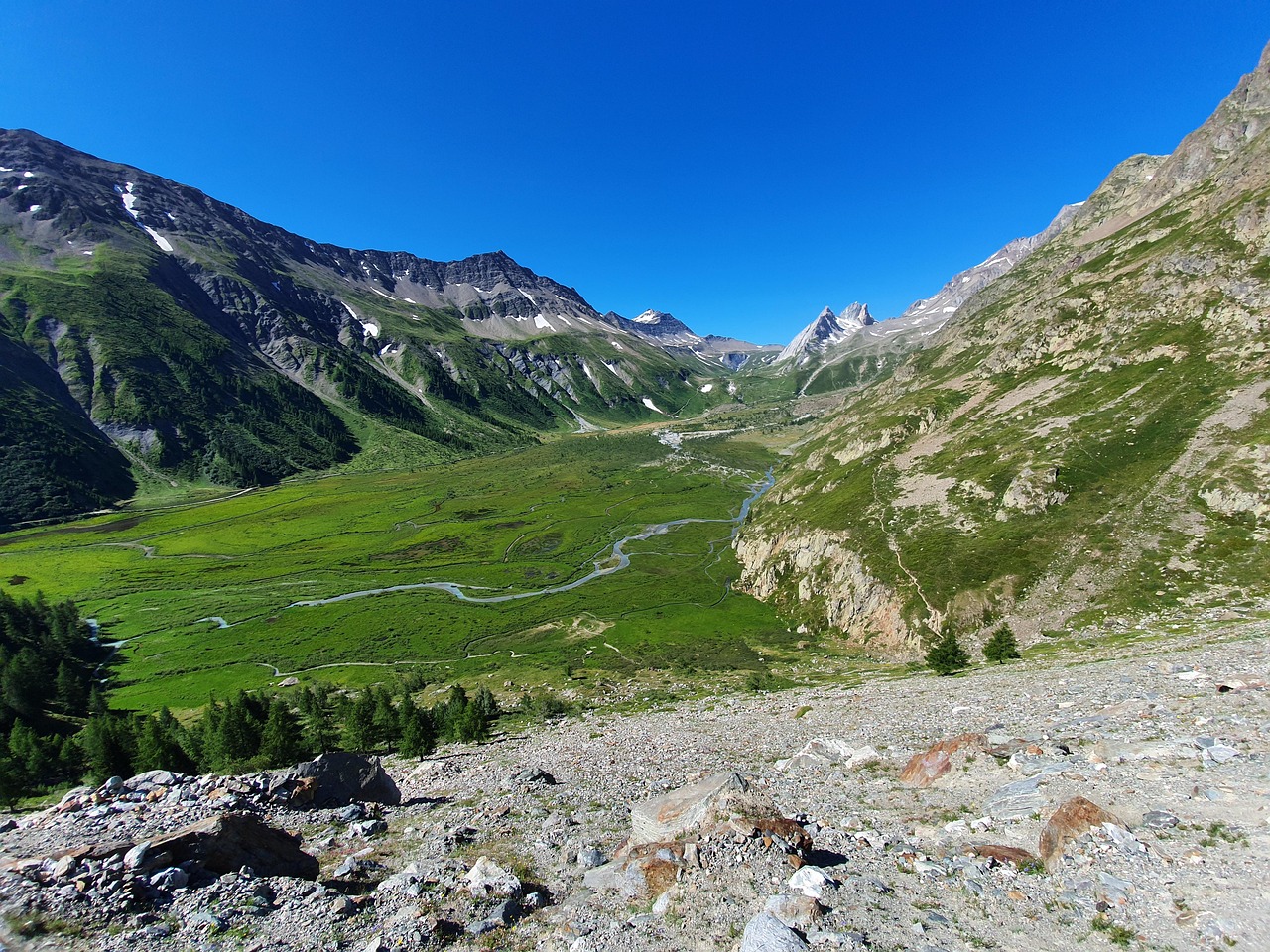
Why Visit the Tour du Mont Blanc?
The Tour du Mont Blanc is not a single viewpoint, but a sequence of worlds. In less than two weeks you cross three countries, three languages, three currencies (if you’re coming with cash), and a dozen micro-cultures of the Alps. This is not just a hiking loop; it’s a living ring-road around a massif that defines the region’s identity.
The magic lies in the contrast. One day you’re sipping a café crème in Chamonix, with paragliders spiraling over your head; the next, you’re crossing the airy Col du Bonhomme, snow lingering in June, with only marmots for company. You might end one day in an Italian rifugio, eating polenta and venison under a riot of conversation, and the next in a Swiss family-run hotel where dinner is quiet, precise, and heavy on Gruyère.
Why you should consider Tour du Mont Blanc for your next trip:
- World-class scenery, day after day: glacier-hung cirques, flower meadows, turquoise rivers, and knife-edge passes.
- Flexible itineraries: 7 legs of Tour du Mont Blanc for strong hikers with limited time, or a relaxed 12 leg itinerary with extra nights in favorite valleys.
- Cultural richness: French, Italian, and Swiss alpine culture in one loop—local food in Tour du Mont Blanc is half the point.
- Accessibility: Well-marked trails, plenty of accommodation, and public transport options. With good planning, it’s friendly to families and first-time Alpine hikers.
- All kinds of journeys: family-friendly segments, romantic balcony walks, hardcore adventure variants, and even soft “road trip” style, using buses and lifts to connect trailheads.
In 2026–2027, the TMB is also in a phase of thoughtful renewal: several mountain huts have been renovated with better insulation and water systems, new booking platforms have made reservations more transparent, and local authorities are gently nudging hikers toward more sustainable habits (waste reduction, fewer helicopter supply runs, more local sourcing).
Table of Contents
- 1. Overview: The Classic TMB Route & Directions
- 2. What’s New in 2026–2027 on the TMB
- 3. Recommended 7–14 Leg Itineraries for Tour du Mont Blanc
- 4. Leg 1 – Les Houches to Les Contamines (France)
- 5. Leg 2 – Les Contamines to Les Chapieux (France)
- 6. Leg 3 – Les Chapieux to Courmayeur (Italy)
- 7. Leg 4 – Courmayeur to Rifugio Bonatti / Val Ferret (Italy)
- 8. Leg 5 – Val Ferret to La Fouly (Switzerland)
- 9. Leg 6 – La Fouly to Champex-Lac (Switzerland)
- 10. Leg 7 – Champex-Lac to Trient (Switzerland)
- 11. Leg 8 – Trient to Argentière (France)
- 12. Leg 9 – Argentière to La Flégère / Planpraz Balcon Sud (France)
- 13. Leg 10 – La Flégère / Planpraz to Les Houches (France)
- 14. Alternative & Extra Legs (Up to 14 Legs Total)
- 15. Detailed Sub-Articles: 18 Key Stops & Viewpoints
- 16. Eating & Sleeping on the Tour du Mont Blanc
- 17. Evenings on the Route: Bars, Villages & Stargazing
- 18. Day Trips & Nearby Attractions
- 19. Cultural Etiquette & Local Customs
- 20. Logistics & Travel Advice for Tour du Mont Blanc
- 21. Summary & Final Recommendations
Overview: The Classic TMB Route & Directions
The classic Tour du Mont Blanc is roughly a 170 km loop with around 10,000 m of cumulative ascent and descent. Most walkers take 9 to 12 days, but it can be compressed into 7 legs or stretched into a 14 leg itinerary for Tour du Mont Blanc with more rest days.
Typical start/end point: Les Houches or Chamonix (France). Most walkers hike counter-clockwise, which this guide assumes.
The sequence of major stops (counter-clockwise):
- Les Houches – Les Contamines – Les Chapieux (France)
- Col de la Seigne – Val Veny – Courmayeur – Val Ferret (Italy)
- Grand Col Ferret – La Fouly – Champex-Lac – Trient (Switzerland)
- Col de la Balme – Argentière – La Flégère / Planpraz – Les Houches (France)
Along the way, you’ll pass a constellation of must-see attractions in Tour du Mont Blanc: high passes like Col Bonhomme and Grand Col Ferret; balcony traverses like the classic Grand Balcon Sud; mountain lakes such as Lac Blanc; and characterful villages like Les Contamines, Courmayeur, and Champex-Lac.
I recommend hiking counter-clockwise for three pragmatic reasons:
- You tackle steep sections like the Col du Bonhomme and Grand Col Ferret on well-trodden, more familiar gradients.
- Logistics (buses, transfers, resupply) are marginally smoother from the French side when starting in Les Houches or Chamonix.
- You build up to some of the most dramatic vistas—like the Grand Balcon Sud—toward the end, which is psychologically satisfying on a long-distance trek.
What’s New in 2026–2027 on the TMB
For 2026–2027, a few changes and events impact how you plan your Tour du Mont Blanc road trip itinerary (even if you’re mostly on foot):
- Refuge Upgrades (2025–2026): Several French refuges along the route, including Refuge de la Croix du Bonhomme and Refuge de la Flégère, have completed insulation and wastewater upgrades. Expect slightly higher prices but warmer dorms and better showers.
- Booking Platforms: A unified TMB reservation portal, rolling out more fully in 2026, allows you to book multiple French huts in one go. Italian and Swiss huts remain partially independent but more of them use online systems now.
- Trail Management: Seasonal reroutes near Les Chapieux and the Italian Val Veny are now standard in early summer due to erosion. Trail apps are updated, but always confirm at local tourist offices.
- Events:
- UTMB Mont-Blanc Week (late August 2026 & 2027): The ultra-trail races flood Chamonix, Les Houches, and parts of the route. Accommodation sells out months in advance; either avoid this week or embrace the spectacle.
- Festival des Guides de Chamonix (August 2026 & 2027): Celebrations of mountaineering culture with ceremonies, talks, and gear demos—a fascinating cultural experience if your dates align.
- Regional food festivals: Les Contamines often hosts small local product markets in July; Courmayeur’s autumn chestnut and wine events can be linked with partial TMB legs or day hikes.
Planning Your 7–14 Leg Itinerary for Tour du Mont Blanc
When people ask me how many days they “should” spend, I usually answer with questions: How fit are you? Do you like long days? Do you want extra time for swims, naps, and weather days? Below is how I break down the route for different styles, all along the same fundamental path.
7 Leg Itinerary for Tour du Mont Blanc (Fast & Fit)
- Leg 1: Les Houches – Les Contamines
- Leg 2: Les Contamines – Les Chapieux
- Leg 3: Les Chapieux – Courmayeur (via Col de la Seigne & Val Veny)
- Leg 4: Courmayeur – Rifugio Bonatti – La Fouly
- Leg 5: La Fouly – Champex-Lac – Trient
- Leg 6: Trient – Argentière – La Flégère
- Leg 7: La Flégère – Les Houches (via Brévent/Planpraz)
This 7 leg itinerary for Tour du Mont Blanc is tough but doable for strong hikers comfortable with 8–10 hour days and big elevation swings.
10 Leg Itinerary for Tour du Mont Blanc (Balanced Classic)
- Leg 1: Les Houches – Les Contamines
- Leg 2: Les Contamines – Les Chapieux
- Leg 3: Les Chapieux – Rifugio Elisabetta (Italy)
- Leg 4: Rifugio Elisabetta – Courmayeur
- Leg 5: Courmayeur – Rifugio Bonatti
- Leg 6: Rifugio Bonatti – La Fouly
- Leg 7: La Fouly – Champex-Lac
- Leg 8: Champex-Lac – Trient
- Leg 9: Trient – Argentière
- Leg 10: Argentière – La Flégère/Planpraz – Les Houches
12–14 Leg Itinerary for Tour du Mont Blanc (Leisurely & Scenic)
For those who like long lunches, side trips, or are walking with children, the 12 legs of Tour du Mont Blanc or 14 legs of Tour du Mont Blanc itineraries are ideal. You split some of the longer days (for example, breaking Les Chapieux – Courmayeur into two or three overnights) and add an extra night in Courmayeur or Champex-Lac.
In the detailed leg descriptions below, I’ll describe a 10-leg “baseline” route but also note where to compress to 8 legs or stretch to 13 legs or 14 legs. Think of it as a modular travel guide for Tour du Mont Blanc that you can resize.
Leg 1 – Les Houches to Les Contamines: Warming Up in the French Alps
I usually arrive in Les Houches the afternoon before I start. It’s less frantic than Chamonix, with more wood smoke and less neon. In 2025 I stayed at a small B&B near the Bellevue cable car, the kind where the owner still hands you a real key and warns you gently about breakfast times as if you might run off to the col in the dark.
If you’re coming straight from Geneva, the bus ride into the Chamonix valley is your first lesson in scale: the highway threads between vertical walls of granite, and the white dome of Mont Blanc appears suddenly over a ridge like a second sky. There are worse ways to start a journey.
The Route: Forests, Farms, and the Old Pilgrim Way
The classic day from Les Houches to Les Contamines is a gentle initiation: about 15–18 km, depending on your variant, with ~700–900 m of ascent. You can ease yourself in via the Bellevue cable car or earn your first beer the hard way by climbing through the forest.
I’m a traditionalist; I tend to start on foot from the church in Les Houches, following the red-and-white stripes up through the trees toward Col de Voza. The smell of pine needles and damp earth is strong in the morning, and the clack of cowbells floats up from farms below.
At Col de Voza, you intersect the tracks of the little rack railway to the Nid d’Aigle. I still remember the first time a red-and-cream train rattled past, full of day trippers with selfie sticks, while I stood sweating in gaiters, feeling like we were both on pilgrimage in different ways.
Signature Viewpoint: The Drop to Bionnassay
Beyond Col de Voza, you have a choice: the more direct descent toward Les Contamines, or the spectacular balcony route via Col du Tricot (more on that in the attractions section later). On my first circuit, in patchy June snow, I skipped Tricot. On my third, in a hot September, I took it and never looked back.
The Tricot variant crosses a dramatic suspension bridge over the milky torrent from the Bionnassay Glacier. The glacier itself looms above like a frozen wave, debris-streaked yet regal. It’s one of the must-see attractions in Tour du Mont Blanc for photographers and anyone who likes a bit of adrenaline in their morning.
The descent to the hamlet of Les Contamines-Montjoie is classic French pastoral: flower-rich meadows, wooden chalets, and, in July, a patchwork of wildflowers that makes you walk slower whether you mean to or not.
Les Contamines: First Taste of TMB Village Life
Les Contamines is the first place that really feels like a base on the TMB: bakeries, a small supermarket, gear shops, and a scattering of cafés where you’ll see half the terrace comparing blisters.
My routine here has become almost ritual:
- Check into a small gîte or hotel on the main street.
- Walk straight to the bakery for a still-warm tarte aux myrtilles (blueberry tart).
- Pick up picnic supplies for the next day: cheese from the local dairy, a cured sausage, fruit, and a chunk of baguette.
Family-friendly? Absolutely. If you’re planning a family-friendly TMB, Les Houches to Les Contamines is one of the best legs: manageable distances, easy escape routes (bus down from Col de Voza), and a playground and adventure park near Les Contamines.
Where to eat: Try a crêperie on the main drag for a savory galette and a bowl of cider. In 2025 I had a buckwheat galette stuffed with local ham and Reblochon that might have ruined me for supermarket sandwiches forever.
Tip: Many accommodation options in Les Contamines now allow online booking, but smaller gîtes still appreciate a phone call. In high season, reserve at least a month ahead.
Leg 2 – Les Contamines to Les Chapieux: Into the High Passes
The day from Les Contamines to Les Chapieux is where the Tour du Mont Blanc starts to feel like a real mountain expedition. You cross the Col du Bonhomme and sometimes the slightly higher Col de la Croix du Bonhomme, both snow-flecked well into July.
I’ve walked this leg in three very different moods: once in driving rain where the world shrank to the hood of my jacket; once in crystalline September light; and once in early July 2023, when snowfields turned the col into a playground for self-arrest practice with my nephew.
Notre-Dame de la Gorge & the Roman Road
A short shuttle or an easy warm-up walk takes you to Notre-Dame de la Gorge, a small baroque chapel at the head of the valley. The first climb follows an old Roman road, its stones polished by centuries of hooves and now boots. It’s steep, and the sound of your breathing mixes with the river’s roar.
One June, I paused at the tiny oratory by the gorge and shared dried apricots with a French couple in their 60s. They’d first walked the TMB in the 1980s and were stunned by how much busier it had become—but also how much better the trail maintenance and rescue services were.
Refuge de la Balme & the Climb to Col du Bonhomme
The trail passes Refuge de la Balme, where the smell of pancakes wafts out from the terrace. This is your last easy water and coffee before the col. I usually stop for a coffee and refill bottles here; the hut owner has a weather eye, and twice her warning about afternoon thunderstorms has convinced me to push the pace.
The climb to Col du Bonhomme is steady rather than brutal, zigzagging up through grassy slopes that often hold snow patches. Above about 2,000 m, the landscape shifts into a world of rock, snow, and occasional ibex. In cloud, the col feels austere; in sun, it’s a balcony over the valley you’ve just climbed from.
Croix du Bonhomme to Les Chapieux: Wild to Pastoral
Many walkers continue another hour to Col de la Croix du Bonhomme and its nearby refuge. This ridge is one of the most dramatic viewpoints in France, with the Mont Blanc massif rearing up across the valley. The refuge itself, recently upgraded, remains delightfully rough around the edges: creaking floors, communal meals, and the comforting smell of wet socks steaming by the stove.
The descent into Les Chapieux is long but gentle. You follow grassy slopes down into a wide pastoral basin, dotted with old stone barns. There’s a sense that you’ve crossed a proper threshold: from the wooded valleys of the start into the wilder interior of the loop.
Les Chapieux itself is not really a village but a scattering of buildings at the road head: a couple of gîtes, a small shop selling local cheese and sausage, and a bus stop. I’ve spent drizzly afternoons here eating fondue with strangers who became friends by dessert.
Tip: If weather is poor, consider staying at Refuge de la Croix du Bonhomme instead of descending all the way to Les Chapieux; it shortens the next day toward Italy and keeps you high above the valley cloud.
Leg 3 – Les Chapieux to Courmayeur: Crossing into Italy
This leg is the psychological hinge of the Tour du Mont Blanc: you cross into Italy at Col de la Seigne and drop into the long glacial trench of Val Veny. It’s a big day if done in one go to Courmayeur, so many people break it with a night at Rifugio Elisabetta or one of the campsites lower in the valley.
Morning in Les Chapieux & the Shuttle to Ville des Glaciers
Because the first section follows a small road, there’s often a shuttle bus from Les Chapieux to Ville des Glaciers in peak season. In 2025, I walked it early, enjoying the quiet, then took the bus on the return visit when I was nursing a sore knee. You can’t really go wrong; it’s a pleasant valley walk, but saving your energy for the pass is wise if you’re on a 7 legs of Tour du Mont Blanc schedule.
Ville des Glaciers is little more than a few farms and a cheese dairy. This is where I tasted my first still-warm tomme from the vat; the farmer sliced it with a practiced hand, sprinkled salt, and passed it over the counter. That elastic, milky bite is still my benchmark for Alpine cheese.
Col de la Seigne: The Gateway Ridge
The climb to Col de la Seigne is open and spacious, with the valley widening as you ascend. The border is invisible—just a cairn and sometimes a small sign—but the view into Italy is unmistakable: a sawtooth skyline and the enormous, broken ice of the Miage glacier.
On a clear day, this is one of my favorite picnic spots on the TMB. The wind can be fierce; I’ve watched hats cartwheel down into Italy here.
Rifugio Elisabetta & Val Veny: Italy’s Dramatic Entrance
The descent brings you to Rifugio Elisabetta, perched on a rocky spur at the junction of glacial valleys. It’s one of those iconic huts that appear on postcards for good reason. Inside is a glorious chaos: boots everywhere, steaming bowls of pasta, an espresso machine that never seems to rest.
If you stay the night here (highly recommended for a 10 leg itinerary for Tour du Mont Blanc), you’ll experience one of the great hut sunsets: the glaciers blush pink, and the wind rattles the windows while you eat polenta con spezzatino (polenta with stew).
Further down, Val Veny stretches toward Courmayeur. A track follows the valley floor past campsites, or you can take high balcony variants above, with jaw-dropping views across to the Italian face of Mont Blanc.
Courmayeur: Italian Style & Espresso
Dropping into Courmayeur always feels like walking onto a movie set: narrow streets, old stone houses, flower boxes overflowing with geraniums, and shop windows full of gelato and high-end mountain gear.
It’s one of the best places to visit in Tour du Mont Blanc for a rest day. In summer 2024, I took a full day off here: morning coffee on Via Roma, a lazy lunch of tagliatelle ai funghi, then a cable-car ride up to Skyway Monte Bianco for views that make you feel like you’ve stepped into a climber’s dream.
Where to eat: Courmayeur is where your tastebuds realize this is a three-country hike. Try a classic pizzeria for wood-fired pizza and a carafe of local wine, then stroll for gelato. For local food in Tour du Mont Blanc style, seek out carbonada (beef stew in red wine) and fontina cheese dishes.
Tip: Courmayeur is also a key logistics stop: ATMs, pharmacies, outdoor shops, and bus links to Aosta and Chamonix via the Mont Blanc Tunnel. If you need to bail or reconfigure your itinerary, this is the moment.
Leg 4 – Courmayeur to Rifugio Bonatti / Italian Val Ferret: Balcony Walk Perfection
If I had to choose a single leg to walk again and again, Courmayeur to Val Ferret would be it. The balcony trail above the Italian side of the massif gives you front-row seats to the jagged icefalls and pinnacles that make this side feel so dramatic.
Leaving Courmayeur, you can either trudge up through forest from the valley floor or cheat a little with the Dolonne or Courmayeur cable cars, picking up the TMB from higher up. For most people on a 9 leg itinerary for Tour du Mont Blanc, saving the knees here is no sin.
Mont de la Saxe & the Val Ferret Balcony
The classic TMB takes a mid-level balcony contouring out toward Rifugio Bertone. An even higher variant along the Mont de la Saxe ridge delivers some of the best panoramas of the entire route—but it’s exposed in bad weather and not recommended in thick fog or thunderstorms.
At Rifugio Bertone, I always stop for an espresso and a slice of homemade cake. The terrace overlooks Val Ferret like a balcony in a theatre; you can trace the path you’ll walk over the next day up to Grand Col Ferret.
Rifugio Bonatti: The TMB’s “It” Hut
Rifugio Bonatti has, deservedly, become one of the most famous huts on the TMB. Named after Italian alpinist Walter Bonatti, it sits on a grassy shelf high above Val Ferret, its terrace perfectly positioned for sunset.
In 2022, I arrived here in late afternoon, sweaty and dust-streaked, just as the sky cleared after a storm. The staff were hanging wet socks by the stove; the bar was lined with hikers holding beers and staring silently at the freshly washed peaks. Dinner was a loud, warm affair: long tables, big pots of pasta, and a shared sense of having come far.
Family & couples: For families and couples, this is a wonderful romantic and kid-thrilling overnight. The terrain to reach it is moderate, the views are huge, and the hut is well organized. Reserve early.
From Bonatti, you can either drop down to the valley floor to stay at campsites and small hotels in Val Ferret or continue to La Fouly the next day.
Leg 5 – Val Ferret to La Fouly: Over the Grand Col Ferret to Switzerland
The climb to Grand Col Ferret is one of those straightforward, meditative ascents that make long-distance hiking addictive. The path is clear, the gradient mostly steady, and the scenery distractingly good: peaks and glaciers on your left, rolling meadows on your right.
I’ve seen this pass in all moods—windy and miserable in early season, golden and warm in late September. The top is a grassy saddle with a simple marker showing the border between Italy and Switzerland. I like to sit with one boot in each country for a few minutes, just because I can.
Into Switzerland: Cows, Bells, and Neatness
The descent into Swiss Val Ferret feels different almost immediately: the farms neater, the bells slightly differently pitched, the signage more precise. La Peule, a working dairy farm and gîte, is a classic lunch or overnight stop. I still dream of their creamy yogurt with mountain berries.
Continuing down, the valley narrows for a while, then broadens again toward La Fouly, a small village tucked among pines with a backdrop of glaciers.
La Fouly: Quiet Swiss Interlude
La Fouly might be my favorite place to sleep on a rainy night. It has just enough infrastructure—a small supermarket, a couple of hotels and campsites—but not so much that it feels busy. On my 2023 tour, we arrived in a downpour and spent the late afternoon drinking hot chocolate and reading in the lounge of a small family hotel while boots dried in the boiler room.
Tip: This leg is relatively short if you start from Bonatti, which makes it a good candidate for a combined day (Bonatti to Champex-Lac) in a 7 leg itinerary for Tour du Mont Blanc, or for a slower pace with time for a lazy lunch at La Peule in a 12 legs of Tour du Mont Blanc plan.
Leg 6 – La Fouly to Champex-Lac: Forests and the “Swiss Little Canada”
This is one of the gentler days on the TMB, and a pleasant change of pace after the high pass of Grand Col Ferret. The trail meanders through forests, fields, and small hamlets, feeling almost like a countryside ramble rather than a high Alpine trek.
I tend to walk this leg in a reflective mood: no big passes to worry about, just the rhythm of boots on dirt and the occasional cow to say hello to.
Val Ferret Hamlets & Swiss Daily Life
The route threads through small hamlets like Praz-de-Fort and Issert. Children play in gardens, firewood is stacked with a precision that would make an engineer weep, and flower boxes overflow from chalet balconies.
In Issert, look out for the wooden carvings along the trail—gnomes, animals, and whimsical figures hidden among the trees. They’re a delight if you’re hiking with children.
Climb to Champex-Lac: Welcome to “Little Canada”
The final climb up to Champex-Lac is short but sharp, switchbacking through forest. Suddenly, you emerge by the lake itself—a mirror of dark water ringed by evergreens, with paddleboats and wooden jetties. It’s often described as “Little Canada,” and the comparison isn’t far off.
Champex-Lac is one of the best places to pause for a full rest day on a 9 legs of Tour du Mont Blanc route. You can rent a boat, swim if you’re hardy, or just sit by the water with an ice cream and watch the light change.
Where to eat: Several lakeside restaurants serve Swiss staples—fondue, raclette, and rosti. In 2024, I had a simple rosti with fried egg and local cheese that tasted like every good hike I’ve ever done.
Leg 7 – Champex-Lac to Trient: The Bovine or the Fenêtre d’Arpette
This leg offers one of the key choices on the TMB: the gentler Bovine route or the demanding, spectacular Fenêtre d’Arpette high variant. I’ve done both multiple times, and I still find it hard to say which is “better”—they’re different experiences entirely.
Bovine Route: Pastures & Cowbells
The Bovine route contours through forests and alpine pastures, eventually reaching the Alpage de Bovine, a rustic farm with big views down to the Rhône valley. This is the safer choice in poor weather, and a lovely one if you enjoy pastoral scenery.
I have a soft spot for Bovine because of a stormy day in 2019 when the farmhouse café became an impromptu shelter for a dozen hikers, a few sodden dogs, and a giant cow that kept poking its head through the doorway.
Fenêtre d’Arpette: Wild & Rocky
The Fenêtre d’Arpette is one of the most demanding and rewarding variants on the Tour du Mont Blanc. The climb is steep and often involves loose rock and lingering snowfields; the pass itself is a narrow gap between cliffy peaks, with dramatic views down to the Trient glacier.
This route should only be attempted in stable weather and with good fitness; it’s not ideal for small children or anyone uncomfortable on rough ground. But if conditions allow, it’s a highlight—especially for those following a more adventurous 8 legs of Tour du Mont Blanc plan.
Descent to Trient
Whether you come via Bovine or the Fenêtre, you eventually descend toward Trient, a small village known for its pink church. The valley feels narrower and quieter here; the big ski infrastructure of Chamonix is still one valley away.
There are a couple of simple accommodations and a convivial gîte where hikers gather around long tables. On my last visit, a group of Swiss teenagers had just finished their first long trek and were fizzing with the mix of exhaustion and achievement that is the real currency of the TMB.
Leg 8 – Trient to Argentière: Back into France via Col de la Balme
The Col de la Balme is your gateway back into France and your first proper view down the Chamonix valley on this loop. It’s a psychologically powerful moment; you can almost see your starting point, yet there are still days of rich walking ahead.
The climb from Trient or nearby Le Peuty is manageable, winding up through forest then open slopes where blueberries ripen in late summer. Near the top, the terrain opens into wide meadows, and the red-and-white stripes of the border hut come into view.
Col de la Balme: Classic Chamonix Panorama
At the col, the view suddenly explodes: the Aiguille Verte and the chain of snowy peaks above Chamonix line the horizon. I remember my first time here on a clear October day; the air was sharp, and paragliders were dots swirling below toward the valley floor.
From the refuge, you can choose a more direct descent toward Le Tour and on to Argentière, or take balcony variants with extra viewpoints. Argentière is a proper village, with more services than Trient but still quieter than Chamonix.
Argentière: Climbers’ Village
Argentière has a subtle charm: stone houses, a couple of excellent bakeries, and a long history as a climbers’ base for the Argentière glacier and the Aiguille d’Argentière. In 2025, I spent a rest afternoon here watching guides coil ropes outside the café while I demolished a pain aux raisins.
Tip: Argentière is a good place to re-evaluate your final days. From here you can:
- Continue with the classic high balcony route via La Flégère and Brévent.
- Drop to the valley and use lifts to sample day hikes instead of carrying your full pack.
- Shorten your itinerary if injury or fatigue demands it, thanks to excellent bus and train connections.
Leg 9 – Argentière to La Flégère / Planpraz: The Grand Balcon Nord & Sud
Welcome to the showpiece section of the Chamonix valley: the balcony trails that sit opposite the Mont Blanc massif, giving you a theatre-seat view of glaciers and granite needles.
From Argentière to La Flégère
The climb from Argentière up to La Flégère can be done on foot through forest or via the Flégère cable car from the valley. If you’re on a tight schedule (say, an 8 leg itinerary for Tour du Mont Blanc) or your knees are complaining, taking the lift is an entirely respectable choice.
La Flégère’s newly renovated refuge and lift station sit on a ledge with a truly extravagant view. The Grand Balcon Nord technically lies on the opposite side of the valley, but the concept is the same here: a mid-mountain traverse with huge vistas.
Balcon Paths & Lac Blanc Detour
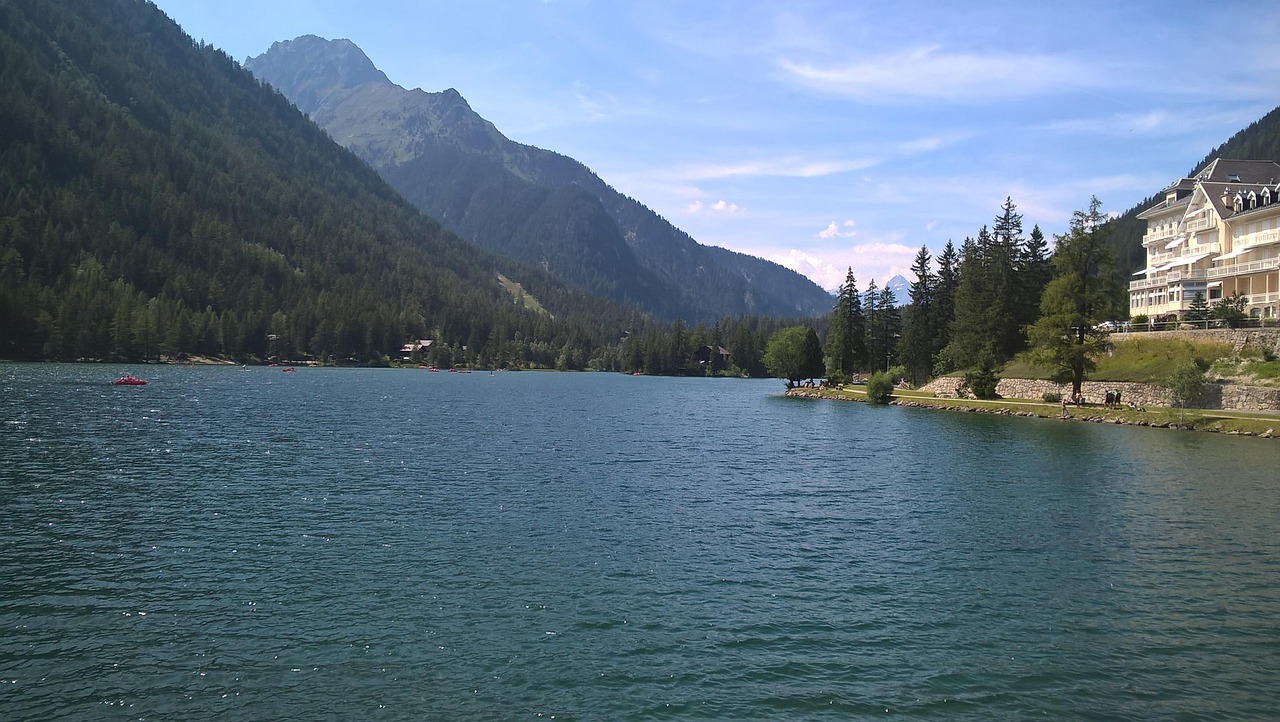
One of the best things to do in Tour du Mont Blanc’s final section is to detour to Lac Blanc, a high mountain lake often featured on postcards. On a calm day, the reflection of the peaks in its surface is almost too perfect.
The path to Lac Blanc involves a bit of scrambling and, in early season, some snow patches. At busy times it can feel crowded, but it remains a must-see attraction in Tour du Mont Blanc for good reason. I prefer to go early in the morning or later in the day when day trippers thin out.
Continuing along the balcony, you contour toward Planpraz and the mid-station of the Brévent lift, with progressively grander views of Mont Blanc and the Bossons glacier.
Leg 10 – La Flégère / Planpraz to Les Houches: Closing the Loop
The final leg of the TMB is both a victory lap and a genuine mountain day. From Planpraz or the top of Brévent, you follow a rollercoaster ridge and then descend steeply back to Les Houches, closing the circle you began days or weeks earlier.
On my last circuit, I woke early at the refuge near La Flégère and started before dawn. I reached Brévent just as the first cable car arrived, a small knot of sightseers stepping out into a world of pink and gold. For a moment, we all stood there together in silence, hikers and flip-flop wearers, sharing the same view.
The Ridge & Descent to Les Houches
The ridge south from Brévent has a few short, rocky sections but nothing technical in dry conditions. Marmots whistle from the rocks, and you can trace almost your entire circuit if the air is clear: France, Italy, Switzerland, all wrapped around the white bulk of Mont Blanc.
The descent to Les Houches is long and can be punishing on tired knees. Poles help. As you drop, the forest closes around you again, and the smells of civilization—wood smoke, damp earth, maybe even the faint scent of barbecues—creep back in.
Stepping back into Les Houches always feels oddly understated: same church, same quiet streets, but you have changed. One of my rituals is to head straight for a café, order something decadent (often a café gourmand with mini desserts), and write a few notes while the loop is still close in my mind.
Alternative & Extra Legs: Building 8, 9, 11, 12, 13 or 14 Leg Itineraries
The beauty of this route is its modularity. To shape 8 legs of Tour du Mont Blanc, 9 legs of Tour du Mont Blanc, or even 13 legs of Tour du Mont Blanc, adjust as follows:
- For 8-leg itineraries: Combine La Fouly–Champex–Trient into two days instead of three, and merge Argentière–La Flégère–Les Houches into a single long final leg.
- For 9-leg itineraries: Keep La Fouly–Champex–Trient as separate days but merge the final balcony and descent into one.
- For 11- or 12-leg itineraries: Add rest days in Courmayeur and Champex-Lac, or split Les Chapieux–Courmayeur into Chapieux–Elisabetta–Courmayeur.
- For 13 or 14 legs: Add an extra night at Bonatti or in Italian Val Ferret; include a full rest/exploration day in Chamonix at the end; or create very short days for families (e.g., Les Houches–Col de Voza, then Col de Voza–Les Contamines).
When deciding among 7 legs of Tour du Mont Blanc or 14 legs of Tour du Mont Blanc, remember: weather delays, blisters, and sheer awe will slow you down more than you think. Build at least one buffer day into your travel guide for Tour du Mont Blanc.
18 Key Stops & Viewpoints on the Tour du Mont Blanc
Below are deeper dives into some of the most important and beautiful spots—18 places where I’d happily linger again. These are the best stops on Tour du Mont Blanc to anchor your planning, whether you favor culture, food, or pure mountain drama.
1. Les Houches: Quiet Gateway to the Loop
Often overshadowed by nearby Chamonix, Les Houches is where many locals quietly prefer to start and end their TMB. Historically a farming village, it grew into a ski resort, but its heart is still small-scale: a church, a scattering of shops, family hotels, and a few good restaurants.
On my last pass-through in 2025, I spent an evening wandering the back streets, noting how many houses still had vegetable gardens tucked behind them. At the small bar by the main square, a group of older men were playing cards, unbothered by the line of hikers studying weather forecasts on their phones.
Highlights:
- Easy access from Chamonix and Geneva bus lines.
- Less expensive accommodation than Chamonix.
- Lovely evening walks along the river with views of the Aiguille du Goûter.
2. Notre-Dame de la Gorge: Baroque Chapel & Roman Road
The chapel of Notre-Dame de la Gorge sits at the end of the road from Les Contamines, marking the transition from valley to mountain. Its interior is golden, ornate, and surprisingly elaborate for such a remote spot—testament to the pilgrims who once came this way en route to the passes.
Just beyond, the famous Roman road climbs steeply by the gorge. The stones have been worn into shallow grooves by centuries of feet and hooves. I’ve slipped on them more than once in the rain, humbled by how many before me have done the same.
3. Col du Bonhomme & Col de la Croix du Bonhomme
These twin passes have long been a vital crossing between valleys, used by traders, shepherds, and now hikers. In early summer, the cols often retain snowfields that sparkle under the sun. In fog, the cairns and waymarks are your lifeline; one July, I walked here in whiteout, hearing but not seeing a small group of Spanish hikers somewhere ahead.
The Refuge de la Croix du Bonhomme nearby is one of the more atmospheric huts—basic but positioned with a 360° view of ridges and sky. On stormy nights, the wind rattles its shutters like a ship at sea.
4. Les Chapieux: End-of-the-Road Pastoral Basin
Les Chapieux isn’t a town in the usual sense; it’s more like a seasonal outpost. Historically, this was a summer pasture zone where cattle grazed and cheese was made. Today, it remains intensely seasonal—humming in July and August, almost empty by late September.
There’s a small shop that sells Beaufort cheese made in the surrounding valleys. I like to buy a wedge for the next day’s lunch, even if it adds a few hundred grams to my pack. It tastes different on a high pass.
5. Col de la Seigne: Border Balcony
At Col de la Seigne, the world feels big again. The broad saddle, wind-swept and open, has been a traditional crossing point between France and Italy for centuries. Remnants of old border infrastructure still linger: a small stone building, some weathered signposts.
Looking into Italy from here is like opening a theatre curtain. The ridges seem sharper, the glaciers more broken. Once, in 2020, I arrived here into a temperature inversion: the valleys filled with cloud, the peaks floating above like islands. Everyone on the col went very quiet.
6. Rifugio Elisabetta: Glacial Throne Room
Rifugio Elisabetta Soldini occupies one of the grandest positions on the circuit, perched at the junction of the Lex Blanche and Lex Noir valleys. The glaciers seem to pour down toward its terrace.
The hut, originally a simple refuge for climbers, has grown over the years but remains wonderfully rowdy at dinner. On my last stay, a group of Italians broke into song after dessert; the warden dimmed the lights, and for a moment the whole dining room felt like the inside of an old mountain story.
7. Courmayeur: Italian Heart of the TMB
Courmayeur is where many hikers come face to face with the pleasure of being in Italy: coffee that tastes like it was made just for you, families strolling in the passeggiata tradition, and restaurants that understand the hunger only 1,000 m of vertical can bring.
Historically a wealthy resort attracting Turin and Milan elites, Courmayeur balances glossy boutiques with an older, more grounded mountain culture. Look past the designer sunglasses and you’ll see guides’ offices, photos of early alpinists, and memorials to those the mountains took back.
8. Italian Val Ferret: Balcony of Giants
Val Ferret (Italy) is the long glacial valley running northeast from Courmayeur. Its river sparkles, its campsites hum with multi-language chatter in July, and its road ends at a simple parking area where trails radiate toward glaciers and passes.
On weekends, Italian families picnic here, bringing improbably elaborate spreads. I once watched a family unpack a tablecloth, real plates, a bottle of Barolo, and a still-warm pot of ragù while my friend and I gnawed on squashed sandwiches. It was an important lesson in alpine priorities.
9. Rifugio Bonatti: Modern Classic Hut
Built in the 1990s and dedicated to legendary alpinist Walter Bonatti, this hut has quickly become a symbol of the modern TMB: comfortable, eco-conscious, and wildly scenic. Its dining room’s big windows face the peaks; on stormy evenings, lightning illuminates the glaciers while you eat.
The food is hearty and local—pasta, polenta, rich stews. If you stay overnight, set an alarm for sunrise; the first light on the Brouillard and Frêney pillars is unforgettable.
10. Grand Col Ferret: High Point & Swiss Gateway
At around 2,537 m, Grand Col Ferret is the highest official point on the classic TMB route. Its wide, grassy top feels welcoming rather than severe. The border marker is often surrounded by hikers taking photos, eating snacks, and quietly absorbing the distance they’ve already covered.
Historically a key crossing for shepherds, it became more frequented by hikers in the late 20th century as the TMB gained fame. Nowadays, rescue teams are well organized on both sides; weather can still change quickly, but you’re never more than a few hours’ walk from help.
11. La Fouly: Swiss Forest Village
Nestled at 1,600 m, La Fouly is a quiet, family-friendly base with a strong emphasis on nature. A small ski area operates in winter; in summer, the focus is hiking, trail running, and children’s nature programs.
There’s a campsite with tent platforms and basic cabins, plus several small hotels and B&Bs. In 2022, I met a Swiss family here who were walking short legs of the TMB with their 8-year-old over several summers—a lovely way to build a childhood around the mountains.
12. Champex-Lac: Alpine Lake Resort
Champex-Lac grew as an early 20th-century lakeside resort; its villas and hotels still carry that slightly old-fashioned elegance. The lake itself is the main draw: boating, gentle promenades, and shaded benches where older locals read the paper.
For hikers, it’s a chance to wash socks, swim (if you’re brave), and maybe visit the small Fort d’Artillerie, a WWII-era bunker carved into the hillside. The contrast between mountain serenity and military history is striking.
13. Fenêtre d’Arpette: Wild High Variant
The Fenêtre d’Arpette route rises through a narrowing, rocky valley, eventually climbing steeply beside the broken tongue of the Trient glacier. The final approach is a scramble over boulders to a narrow “window” in the ridge.
This is not a place to be in thunderstorms or thick fog, but in good conditions, the sense of wildness is exhilarating. Once, in late September, I had the pass almost to myself. I sat in silence listening to the crack and rumble of glacier ice shifting below.
14. Trient: Pink Church & Crossroads Village
Trient sits at the junction of several passes and has long served as a crossroads for travelers. Its distinctive pink church stands out against the green valley and grey cliffs, visible from afar as you descend.
The village is small, and many buildings belong to seasonal workers or serve as second homes. But in summer, the gîte and small hotels fill with TMB walkers, and evenings become pleasantly social around shared meals and local Swiss wine.
15. Col de la Balme: Window to Chamonix
Historically a trading and smuggling route, Col de la Balme now mainly sees hikers and trail runners. The refuge at the pass, straddling the border, flies both Swiss and French flags.
The view down the Chamonix valley gives many hikers a jolt of recognition—there’s the sharp pyramid of the Aiguille du Midi, the long line of villages below. You’ve almost come full circle, but the best balcony walks are still ahead.
16. Argentière: Glacier & Granite
Argentière sits below its namesake glacier, which once plunged much closer to the valley floor. Climate change has pulled it back noticeably in my own lifetime; interpretation boards along the valley walks show just how much ice has vanished in recent decades.
Despite that sobering reality, the glacier remains impressive, and the village retains its climbers’ soul. Many of the world’s best alpinists have passed through here en route to big north faces and sharp ridges.
17. Lac Blanc: Iconic Mirror Lake
Lac Blanc has become one of the must-see attractions in Tour du Mont Blanc, even for non-TMB visitors. On clear days, the reflection of the Mont Blanc range in its still waters is almost uncanny.
The small refuge above the lake serves basic meals and drinks; I once sat here for two hours watching clouds play across the peaks, too mesmerized to move. It’s busy in high summer, but a dawn or dusk visit can reclaim some solitude.
18. Brévent: Final Balcony Above Chamonix
The top of Brévent is a meeting place of worlds: day trippers stepping off the cable car in sandals, paraglider pilots checking winds, and TMB hikers circling to complete their loop.
The panorama is one of the best in the Alps. The north face of the Mont Blanc massif rises almost sheer across the valley, its glaciers hanging like frozen waterfalls. I’ve ended more than one Tour du Mont Blanc here with a slow coffee on the terrace, delaying the inevitable descent back to ordinary life.
Eating & Sleeping on the Tour du Mont Blanc
One of the joys of this loop is that you can travel relatively light—no tent or multi-day food supplies needed if you plan well. Refuges, gîtes, and small hotels punctuate the route, and local food in Tour du Mont Blanc huts is far better than the freeze-dried stereotype many people expect.
Types of Accommodation
- Mountain refuges / rifugi: Dormitory-style, often with half-board (dinner & breakfast). Book early, especially Bonatti, Elisabetta, Lac Blanc, and Croix du Bonhomme.
- Gîtes d’étape: Simple lodgings in villages like Les Contamines, Les Chapieux, and Trient. Often offer dorms and a few private rooms.
- Hotels & B&Bs: Available in Chamonix, Les Houches, Courmayeur, Champex-Lac, Argentière, and La Fouly. Great for a mid-tour “reset” with private bathrooms and quieter nights.
- Campsites: Plentiful in valleys (Les Contamines, Val Veny, Val Ferret, La Fouly, Champex-Lac). Wild camping is generally discouraged or regulated; follow local rules carefully.
What to Eat (and Where)
Local food in Tour du Mont Blanc reflects its tri-national nature:
- France: Tartiflette, raclette, fondue, tarte aux myrtilles, and excellent bread. I always stock up in Les Contamines and Argentière.
- Italy: Pasta, polenta, rich stews, and outstanding coffee. Courmayeur is the gourmet heart of the loop.
- Switzerland: Cheese in every form, rosti, and hearty soups. Champex-Lac and La Fouly have small but quality restaurants.
My usual daily pattern:
- Breakfast at hut/hotel (bread, jam, sometimes cheese and ham).
- On-trail snack mid-morning (nuts, fruit, chocolate).
- Lunch: picnic from village shops or simple plate at a mountain café.
- Afternoon cake/coffee if I pass a refuge.
- Hearty hut dinner with soup, main, and dessert.
Budgeting for Food & Sleep
In 2026, typical prices (per person):
- Hut half-board: €60–€80 (France/Italy), 70–90 CHF (Switzerland).
- Gîte half-board: €50–€70.
- Hotel with breakfast: €90–€150 for a double room.
- Campsite: €8–€15 per person plus pitch fee.
- Lunch in a hut/café: €10–€20; coffee: €2–€4; beer: €5–€8.
To save money:
- Alternate hut nights with camping where practical.
- Buy picnic lunches from supermarkets and bakeries instead of huts every day.
- Travel in June (after snow melt) or September when prices and crowds ease slightly.
Evenings on the Route: Villages, Bars & Stars
Evenings are when the Tour du Mont Blanc really sinks under your skin. The day’s effort leaves your body pleasantly tired; conversations in huts drift between languages; the light slides off the peaks, and suddenly the world is lit only by candles and headlamps.
Where to Linger
- Courmayeur: The most vibrant nightlife on the loop—bars along Via Roma, gelato strolls, and occasional live music. Ideal for a “proper night” if you crave civilization.
- Chamonix / Les Houches (before or after): For celebratory dinners and craft beer bars, start or end your Tour du Mont Blanc road trip itinerary with a night here.
- Champex-Lac: Quieter, romantic. Evening walks around the lake are perfect for couples; families enjoy the playgrounds and boat rentals.
- Mountain huts (Bonatti, Elisabetta, Croix du Bonhomme, Lac Blanc): The best stargazing and “mountain atmosphere.” Lights out early; bring a headlamp and earplugs.
Bars & Live Music
This is not a party route in the conventional sense, but:
- Courmayeur has wine bars and sometimes live music in summer weekends.
- Chamonix (if you base yourself there) has several pubs with bands and DJs.
- Some huts host impromptu music nights if a staff member or guest plays guitar or accordion—these can be magical and utterly unplanned.
Star-Camping Spots
For those camping:
- Val Ferret campgrounds (Italy and Switzerland) offer big sky views with easy access to facilities.
- Champex-Lac campsite has partial lake views; wander to the shore for night skies.
- Les Contamines campsite sits under steep valley walls, with a good mix of comfort and mountain feel.
Day Trips & Nearby Attractions
If you have extra time before or after your TMB, or you’re constructing a Tour du Mont Blanc road trip itinerary that mixes hiking with driving and lifts, consider these side trips:
Chamonix Valley Highlights
- Aiguille du Midi: Cable car from Chamonix to 3,842 m with staggering views over the Mont Blanc massif. Book tickets ahead in high season.
- Montenvers & Mer de Glace: Historic cog railway to a glacier viewpoint. Educational exhibits on climate change, plus ice grotto (subject to conditions).
- Paragliding: Tandem flights from Planpraz or Plan de l’Aiguille—spectacular, especially in late afternoon light.
Val d’Aosta (Italy)
- Aosta Town: Roman ruins, cobbled streets, and excellent restaurants; easy bus ride from Courmayeur.
- Skyway Monte Bianco: Futuristic cable car from Courmayeur to Punta Helbronner, linking with Aiguille du Midi in France for a high-altitude traverse.
Swiss Detours
- Verbier: Accessible from Champex-Lac or Martigny; big lift network and mountain biking in summer.
- Martigny: Roman amphitheatre, art museums, and vineyards. Reachable by bus from Champex-Lac or Trient.
Cultural Etiquette & Local Customs
The Tour du Mont Blanc is not just a physical loop; it’s a cultural one. You’ll cross three countries and many micro-cultures. Understanding a few local customs makes a big difference.
In Huts & Gîtes
- Greetings: Always greet staff and fellow guests when entering—“Bonjour,” “Buongiorno,” or “Grüezi” go a long way.
- Shoes off: Use hut slippers in dorms and dining rooms; leave boots in the boot room.
- Quiet hours: Lights often out by 10 pm; be discreet with headlamps and conversations.
- Showers: Limited hot water; quick showers appreciated. Some huts charge a small fee.
- Waste: Pack out tissues, wipes, and non-biodegradable trash when possible.
On the Trail
- Right of way: Uphill hikers generally have priority; step aside gently on narrow paths.
- Fences & livestock: Close gates; don’t disturb animals. Give wide berth to guardian dogs if present.
- Noise: Keep speakers away from trails; the Alps don’t need a soundtrack.
Language & Tipping
- Languages: French in France, Italian in Italy, French/German in Switzerland. English is widely understood in tourism, but basic local phrases are appreciated.
- Tipping: Service is usually included, but rounding up or leaving 5–10% in restaurants/huts for good service is welcomed.
Practical Logistics & Travel Advice for Tour du Mont Blanc
This section gathers the nuts and bolts: how to get there, visas, SIM cards, and route-specific advice on direction, daily distances, vehicles, and seasonal issues.
Getting There & Around
- Nearest major airports: Geneva (best), Lyon, Milan. From Geneva, direct buses to Chamonix/Les Houches (about 1.5–2 hours).
- Public transport: Excellent around Chamonix valley (buses, small trains) and decent in Aosta and Swiss valleys. Many legs have “escape routes” by bus or lift.
- Self-drive / road trip: If you’re combining hiking with driving, you can base in Chamonix, Courmayeur, or Champex-Lac and use buses/lifts to access sections. Parking is available in Les Houches and Chamonix (paid and free long-term lots).
Visas & Licenses
- Visas: France, Italy, and Switzerland are part of the Schengen area. Many nationalities can enter visa-free for short stays; check your country’s specific Schengen rules for 2026.
- Driving licenses: Foreign licenses are generally accepted; some non-EU visitors may need an International Driving Permit (IDP) in addition to their home license—check before travel.
SIM Cards & Connectivity
- eSIM: Easiest option in 2026. Buy a European roaming eSIM online before arrival; works across all three countries.
- Physical SIM: Orange, SFR, and Bouygues (France), TIM/Vodafone (Italy), Swisscom/Sunrise (Switzerland). EU roaming covers France/Italy; Switzerland sometimes counts as non-EU for some plans—verify data roaming rules.
- Coverage: Good in valleys; patchy or absent on high passes. Many huts now have limited Wi-Fi or 4G in 2026, but don’t rely on it.
When to Go: Seasons & Activities
- Late June–mid July: Snow patches linger, wildflowers peak. Some high variants may still be risky. Fewer crowds early in this window.
- Mid July–late August: High season. All facilities open, but huts and villages are busy. Book well ahead.
- September: My favorite month—quieter trails, stable weather (often), golden light. Some huts close mid/late September; check dates.
- Beyond: October–May is primarily for ski touring and winter alpinism; the classic walking Tour du Mont Blanc is not recommended then without specialist skills and gear.
Route-Specific Logistics: Direction, Distance & Vehicles
For a Tour du Mont Blanc road trip itinerary (using car/bus/lifts to leapfrog sections) or classic trek:
- Direction: Counter-clockwise is standard and recommended for first-timers; guidebooks, signage, and hut routines are subtly oriented this way.
- Daily distance: For most hikers, 10–20 km per day with 800–1,200 m of ascent is realistic. Don’t under-estimate elevation gain; it’s the main fatigue factor.
- Vehicle suitability: All valleys are reachable by regular car or small campervan; no 4x4 needed in summer. Larger RVs may struggle with narrow roads and limited parking in some hamlets.
- Fuel/charging: Petrol stations in Chamonix, Les Houches, Courmayeur, Aosta, Martigny, and larger Swiss towns. EV charging increasingly common in Chamonix/Courmayeur; rarer in small villages—plan ahead.
- Breakdowns: Roadside assistance available via standard European services; ensure your rental or insurance covers France, Italy, and Switzerland.
- Permits & borders: No special hiking permits needed on the classic TMB. Borders are open within Schengen, but carry ID/passport; occasional spot checks, particularly around the Mont Blanc Tunnel and main roads.
Safety & Emergency
- Weather: Check local forecasts daily (Chamonix, Courmayeur, Swiss meteo). Afternoon thunderstorms common in summer.
- Gear: Proper boots or trail shoes, waterproofs, warm layers, hat, gloves, and a basic first-aid kit. Trekking poles strongly recommended.
- Emergency numbers: 112 (EU); 144 in Switzerland also routes to medical. Rescue coordination is well-organized, but only call in genuine emergencies.
Money-Saving Tips
- Travel shoulder season (late June or September).
- Carry a refillable bottle; tap water is drinkable in most villages and many huts.
- Use public transport and lifts instead of taxis wherever possible.
- Share rooms and huts; solo occupancy is expensive.
Summary & Final Recommendations
The Tour du Mont Blanc in 2026 is both timeless and evolving. Glaciers recede, huts modernize, booking apps proliferate—but the essential experience remains: a long, looping journey through three countries, stitched together by trails, cowbells, and shared meals.
Whether you choose a 7 leg itinerary for Tour du Mont Blanc and move fast, or savor a 12 or 14 legs of Tour du Mont Blanc plan with rest days and detours, the key is to respect the mountain’s scale and your own limits. Build in buffer days, listen to the weather, and don’t be afraid to sit out a storm in a hut with a book and a second helping of dessert.
Best seasons: For most travelers, late June to late September. For wildflowers and snow patches, aim for early July; for quieter trails and rich autumn light, September is hard to beat.
In the end, the TMB is less about ticking off passes and more about the accumulation of small moments: the hut guardian who lends you spare socks, the child in La Fouly proudly explaining the names of the peaks, the shared thermos on a windy col. If you let it, this circuit will change not just how you see the Alps, but how you think about journeys: as loops, not lines; as stories, not checklists.
Pack your curiosity, your patience, and a good appetite. The mountain will take care of the rest.