Why Visit Troyes? What Makes It Special
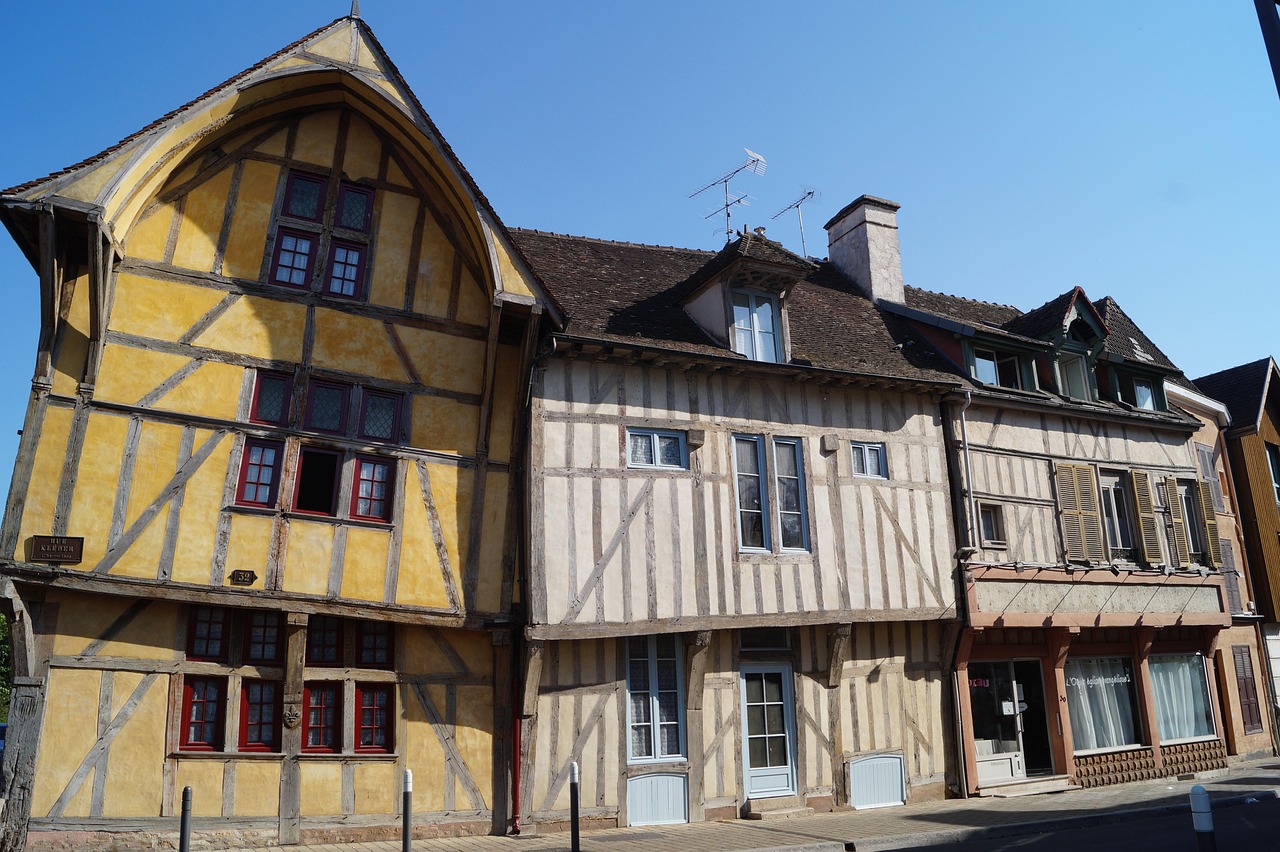
Every time I step out of Troyes train station and walk toward the historic center, I have the same reaction: how is this place not overrun with tourists? The old town of Troyes is one of the best-preserved medieval centers in France, all leaning half-timbered houses, cobbled lanes, and church spires – and yet you can still find quiet corners where it feels like the city belongs to you.
Troyes sits in the heart of the Champagne region, about 1h30–2h from Paris by train or car. It’s compact, walkable, and surprisingly relaxed. It’s where I send friends who say, “I want the romance of France, but not the stress of big cities.”
Here’s why Troyes deserves to be your next French escape:
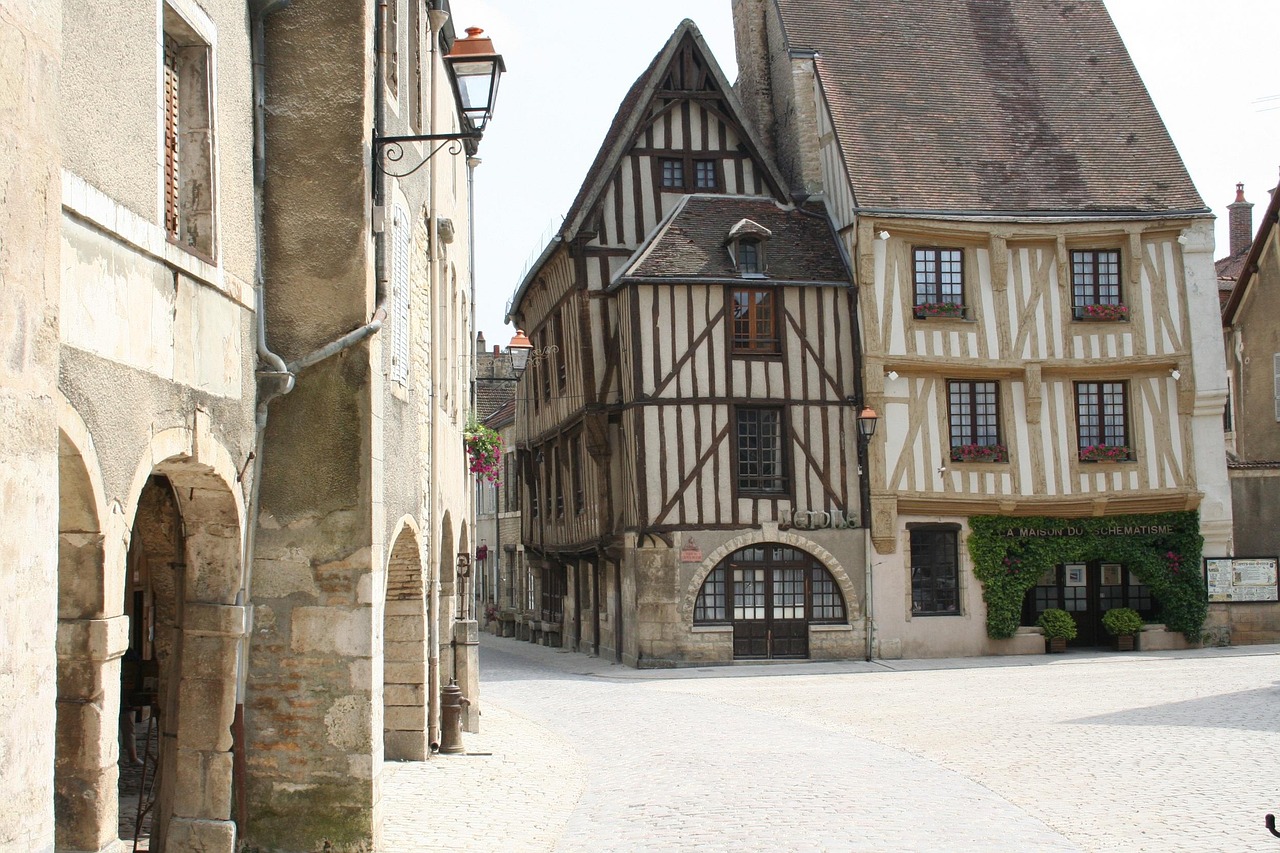
- Storybook medieval center: The “bouchon de Champagne” (Champagne-cork-shaped old town) is dense with colorful half-timbered houses dating back to the 16th century.
- Stained glass capital: Troyes is famous for its extraordinary stained glass in multiple churches, especially the Cathédrale Saint-Pierre-et-Saint-Paul and Église Sainte-Madeleine.
- Champagne without the crowds: You’re a short drive from family-run Champagne houses with friendlier prices and a warmer welcome than the big names in Reims and Épernay.
- Authentic local food: From andouillette de Troyes and creamy Chaource cheese to local biscuits and chocolate, this is a quietly excellent foodie town.
- Ideal for 3–5 days: Small enough to feel cozy, rich enough in things to do that a 3 day itinerary for Troyes, 4 days in Troyes, or even a 5 day itinerary for Troyes never feels repetitive.
- Easy logistics: Direct trains from Paris, manageable size, mostly flat walking, and a gentle pace of life make it a stress-free base for first-time visitors to France and families.
If you like your cities with layers of history, a strong sense of place, and the option to sip Champagne by late afternoon, this travel guide for Troyes will walk you through everything you need for 3 days in Troyes, 4 days in Troyes, or up to 5 days in Troyes.
Table of Contents
- Why Visit Troyes?
- About Troyes & How It Feels
- 20 Must-See Attractions in Troyes (With Personal Notes)
- 3–5 Day Itineraries for Troyes (With Personal Stories)
- Neighborhoods & Areas to Explore
- Local Food in Troyes & Where to Eat
- Nightlife, Entertainment & Cultural Experiences
- Day Trips from Troyes
- Cultural Etiquette & Local Customs
- Practical Travel Tips for Troyes (Money, SIM, Transport, Visas)
- What’s New & Upcoming Events in 2026–2027
- Summary & Best Time to Visit Troyes
About Troyes & How It Feels to Be There
Troyes is the historic capital of the Champagne region and once hosted the medieval Champagne Fairs that turned it into a major trading hub. Much of what you see today dates back to the 16th century, when a devastating fire led to large-scale rebuilding in that distinctive half-timbered style.
In 2026, Troyes feels like a well-kept secret. On my last visit in early autumn, I spent an entire afternoon wandering the narrow lanes behind Rue Champeaux. At one point I realized I could hear my own footsteps on the cobblestones – the only other sound was distant church bells. Then I turned a corner and found a sunny café terrace full of locals lingering over coffee and tarte aux mirabelles. That mix of quiet corners and lively, lived-in streets is Troyes in a nutshell.
The city is compact; you can cross the historic “cork” in 15–20 minutes on foot, but you’ll stop constantly to photograph crooked façades, tiny courtyards, and ornate church portals. It’s an easy city to “do nothing” in – just walk, sit, sip, look. Yet if you want depth, there are museums, churches, Champagne tastings, and even modern factory outlet shopping just outside the center.
20 Must-See Attractions in Troyes (With Personal Insights)
These are the best places to visit in Troyes if it’s your first time. I’ve organized them roughly from most iconic to more offbeat hidden gems. Each one includes a bit of history, what I personally enjoyed, and tips for your visit.
1. Cathédrale Saint-Pierre-et-Saint-Paul
If you only have time for one site, make it the cathedral. I still remember my first time stepping inside on a gray November afternoon. Outside, the sky was flat and dull; inside, the stained glass turned the entire nave into a soft, colored glow. It felt like walking into a watercolor painting.
The cathedral is a Gothic masterpiece whose construction stretched over several centuries (12th–17th). It’s famed for its stained glass windows from the 13th to the 19th century – look especially for the “Jesse Tree” window and the fantastically detailed biblical scenes that reward slow, careful looking.
What I love to do here: I usually walk slowly along the right-hand aisle, then sit in one of the side chapels and just watch the light change for a few minutes. If you’re into photography, come in the late afternoon when the low sun hits the glass just right.
Tips:
- Timing: Early morning or late in the day is quietest.
- Dress: It’s cool inside, even in summer; bring a light layer.
- Nearby snack: There’s a small café a block away where I often grab a coffee and scribble notes after my visit.
2. Église Sainte-Madeleine & Its Flamboyant Rood Screen
Of all the churches in Troyes (and there are many), Sainte-Madeleine is my sentimental favorite. It’s one of the oldest in the city, with foundations dating back to the 12th century, but what makes it unforgettable is the 16th-century stone rood screen – a lace-like wall of stone carving between the choir and the nave.
On my second visit to Troyes, I came back here three days in a row. Each time I found some new tiny detail: an angel’s expression, a fold of a robe, a barely visible leaf pattern. The church also has beautiful stained glass with rich blues and reds typical of Troyes’ glasswork.
Family-friendly note: Kids are often fascinated by the “stone lace” and the idea that it was all carved by hand. I sometimes turn it into a game: “find the smallest face you can.”
Tip: Combine this with a stroll in the nearby lanes – the streets around Sainte-Madeleine are some of the most atmospheric in town.
3. Rue Émile-Zola & The Heart of the Old Town
Rue Émile-Zola is the main commercial artery through the old town, but don’t let that fool you: it’s one of the loveliest streets in Troyes, lined with tilted half-timbered houses that look like they’re leaning in for a gossip.
On my last trip, I stayed just off this street for four nights, and it became my daily “commute” – morning croissant run, evening stroll back from dinner. I loved watching it change over the day: quiet and soft in the morning, lively in the afternoon, golden and romantic at dusk.
What to do:
- Window-shop and people-watch from a café terrace.
- Duck into the small side alleys – some lead to tiny courtyards and hidden bars.
- Use it as your north–south “spine” when navigating the city.
4. Ruelle des Chats – The Cat Alley
Ruelle des Chats (Cats’ Alley) is the most photographed spot in Troyes, and once you see it, you’ll understand why. It’s a narrow, winding alley where the upper stories of the houses almost touch. Legend says that cats could jump from one roof to the other – hence the name.
One rainy afternoon, I tucked my camera under my scarf and walked through here while the stones were glossy with water. The muted colors of the timber and plaster, the smell of wet wood, the echo of footsteps – it felt like being on a movie set.
Tips:
- Photography: Come early morning or late evening to avoid crowds and get softer light.
- Respect residents: People do live here, so keep voices down, especially early/late.
- Nearby stop: There’s often a cozy wine bar or café open nearby – perfect for warming up after your photos.
5. Basilique Saint-Urbain
Saint-Urbain looks almost weightless – a masterpiece of High Gothic “rayonnant” style, all vertical lines and huge windows. It was founded by Pope Urban IV, who was born in Troyes, which gives the church a particular local pride.
I remember slipping inside on a blazing hot August day and being enveloped in cool, luminous air. The building feels less massive than the cathedral, more like a forest of stone and glass. If you’re a fan of architecture, you’ll love how it showcases the evolution of Gothic design.
Tip: Step outside and circle the building – the exterior buttresses and details are worth a slow look, especially in late-afternoon light.
6. Église Saint-Jean-au-Marché & Joan of Arc History
This church looks fairly modest from the outside, but it has a strong historical resonance: it’s where the Treaty of Troyes was promulgated in 1420, disinheriting the Dauphin (future Charles VII) and recognizing Henry V of England as heir to the French throne. Joan of Arc later helped reverse that course of history.
On a quiet weekday, I sat in a pew here while a single local woman lit a candle and left. The silence felt layered with history, and I suddenly understood why so many French kids learn about Troyes in school.
Tip: Combine this with a walk through the nearby market and streets; it’s a lovely part of town to explore slowly.
7. Musée d’Art Moderne
Housed in the former bishop’s palace next to the cathedral, the Musée d’Art Moderne is one of my favorite surprises in Troyes. It holds an impressive collection of modern art (19th–20th century), including works by Bonnard, Vuillard, Derain, and others, thanks to donations from collectors Pierre and Denise Lévy.
One rainy morning, I ducked in here “just to kill time” and emerged three hours later, slightly dazed and very happy. The museum is big enough to be satisfying but small enough not to be exhausting, and the juxtaposition of modern paintings with views of the cathedral outside is delightful.
Tips:
- Good for: Art lovers, couples on a romantic getaway, and families with older kids.
- Plan: Combine with the cathedral – they’re neighbors.
8. Musée Saint-Loup (Fine Arts, Archaeology & Natural History)
Musée Saint-Loup is part of the former episcopal complex and offers a classic, slightly old-school museum experience: paintings, sculptures, regional archaeology, and natural history side by side. I always find myself lingering in the archaeology rooms, looking at Roman-era artifacts and imagining the layers beneath my feet.
If you’re doing 4 days in Troyes or a 5 day itinerary for Troyes and have time beyond the churches, this is where you deepen your sense of the city’s past.
Tip: Check current exhibits in 2026; the museum often hosts temporary shows, sometimes with a Champagne-region focus.
9. Hôtel de Ville (Town Hall) & Place Alexandre-Israël
The 17th-century town hall stands proudly on Place Alexandre-Israël, one of the main squares in Troyes. Its classical façade contrasts beautifully with the more medieval surroundings. This is a natural gathering point – from political rallies to Christmas markets, a lot of city life passes through here.
I like to grab a coffee at one of the nearby terraces and watch the rhythm of Troyes: schoolkids racing across the square, elderly couples doing shopping, office workers on break. It’s a good place to feel the city as it is today, not just as a medieval postcard.
10. Canal Walks & City Waterways
The Seine and several canals weave through Troyes, creating gentle waterfront walks and viewpoints. One of the most photogenic spots is the footbridge with the colorful “Coeur de Troyes” sculpture (more on that in a moment) and views of pastel houses reflected in the water.
On warm evenings, I often end my day with a slow stroll along the water, stopping on bridges to watch the light shift. It’s romantic, but also very family-friendly – kids love feeding ducks and spotting fish.
Tip: Bring a light jacket; the air by the water can be cooler, even in summer.
11. Le Cœur de Troyes (The Heart of Troyes)
This large metal heart sculpture near the canal has become a modern symbol of Troyes. At night it lights up, and couples often take photos here or attach small tokens nearby. It’s playful and contemporary in a city otherwise known for its medieval heritage.
On my last visit, I passed by around 10 p.m. and watched a young couple nervously try to take selfies, then burst out laughing when the wind messed up their hair. The heart isn’t just sculpture; it’s a little stage where human moments happen.
Tip: Come at blue hour (just after sunset) when the sky is deep blue and the heart is illuminated.
12. Les Halles – Covered Market of Troyes
Les Halles is the belly of Troyes – a covered market where locals buy produce, cheese, meat, and pastries. If you want to taste real local food in Troyes, this is non-negotiable.
One Saturday morning, I came here with a local friend who grew up in Troyes. We bought slices of Chaource and Soumaintrain cheese, a still-warm baguette, seasonal fruit, and a small tub of rillettes. We ended up having an impromptu picnic on a bench by the canal. That simple meal is one of my favorite food memories from the city.
What to look for:
- Andouillette de Troyes (for adventurous eaters)
- Chaource cheese (creamy, slightly tangy, from nearby village)
- Local fruits like mirabelles or strawberries in season
- Artisan chocolates and biscuits for gifts
Money-saving tip: Picking up picnic supplies here is one of the best ways to save money on food during 3 days in Troyes or longer stays.
13. McArthurGlen & Marques Avenue – Troyes Factory Outlets
Troyes is unexpectedly famous among French people as a shopping destination, thanks to its massive factory outlets on the outskirts: McArthurGlen and Marques Avenue. Many big French and international brands have discounted stores here.
I’ll be honest: I’m not a huge shopper, but one rainy afternoon I took the local bus out just to see what the fuss was about. I ended up finding a deeply discounted French winter coat that’s now my “Troyes coat” whenever I travel in colder months.
Tips:
- Transport: Local buses from the center; ask at the tourist office for current routes in 2026.
- Timing: Weekdays are less crowded than weekends.
- Good for: Families (lots of parking, food courts), bargain hunters, a rainy-day activity.
14. Cour du Mortier d’Or & Hôtel du Lion Noir Courtyards
Hidden courtyards are one of Troyes’ quiet joys. Cour du Mortier d’Or and the Hôtel du Lion Noir area are two of my favorites – enclosed spaces surrounded by particularly elaborate half-timbered buildings.
I stumbled on one of these courtyards by accident when a delivery truck pulled away and revealed a small passage I hadn’t noticed before. Inside, it was like entering a time capsule: carved beams, overhanging balconies, and flower boxes spilling color.
Tip: These spaces are residential or semi-private; be discreet, keep noise down, and avoid pointing cameras directly into windows.
15. Musée de l’Outil et de la Pensée Ouvrière (Tool & Craft Museum)
This museum is a real hidden gem in Troyes: a beautifully curated collection of hand tools from various crafts, displayed almost like works of art. Even if you’re not into woodworking or metalwork, it’s oddly mesmerizing.
I visited with a friend who’s a designer, and we both ended up fascinated by the shapes and textures of the tools. The labels and displays also highlight the philosophy of manual work and craftsmanship – a thoughtful counterpoint to our mass-produced world.
Good for: Curious travelers, older kids/teens, anyone who enjoys “odd” museums and cultural experiences in Troyes beyond the usual.
16. Église Saint-Nizier
Saint-Nizier is a bit outside the densest part of the historic center, which means fewer tourists and a more neighborhood feel. Architecturally, it’s another fine example of the Gothic tradition in Troyes, with interesting stained glass and a slightly austere exterior.
I often walk out here when I need a break from the busiest streets; it’s a good way to see more “everyday” Troyes around the church – small shops, local bakeries, and less polished corners of the city.
17. Église Notre-Dame-aux-Nonnains
Often overshadowed by the cathedral, Notre-Dame-aux-Nonnains is one of the oldest religious sites in Troyes, with roots going back to the early Middle Ages. The current building mixes Romanesque and Gothic elements.
It’s a place that rewards slow, appreciative looking rather than “wow” moments. On a quiet afternoon, I spent time here sketching simple architectural details in my notebook; it felt like an antidote to rushing.
18. Champagne Bars & Tasting Rooms in Troyes
You’re in Champagne country – it would be almost rude not to have a glass (or two). Troyes has several cozy Champagne bars and wine shops offering tastings of both big names and small producers. It’s an easy way to enjoy cultural experiences in Troyes tied to the region’s most famous export.
My favorite Troyes ritual: late afternoon, finding a bar with outdoor seating, ordering a glass of a local grower Champagne, and watching the play of light on the half-timbered façades. Once, a local couple at the next table heard my accent and ended up recommending their favorite small producer near Les Riceys, which I visited the next day. Champagne has a way of starting conversations.
Tip: Ask specifically for vignerons indépendants (independent producers) if you want something beyond the big brands.
19. Parc des Moulins & Green Spaces
Parc des Moulins is a peaceful green space with water channels, lawns, and walking paths – perfect for a break from sightseeing, especially with kids. It’s not a manicured palace garden; it’s more of a semi-wild city park that follows the course of old mills and waterways.
I like to bring a takeaway sandwich or pastry here and sit on the grass with a book. On sunny weekends, you’ll see families, joggers, and students sprawled out enjoying the weather.
20. Lac d’Orient & Forêt d’Orient Regional Nature Park (Nearby)
About 20–30 minutes by car from Troyes, Lac d’Orient is a large reservoir surrounded by beaches and forest, part of the Forêt d’Orient Regional Nature Park. It’s one of the best things to do near Troyes if you’re here in late spring or summer and want a nature break, swimming, or some gentle adventure.
One July day, after a few intense sightseeing days, I rented a bike and cycled part of the lake’s perimeter, stopping to swim and eat cherries I’d bought at the market. The contrast between medieval timbered streets and open water/forest felt like having two trips in one.
Activities: Swimming (in designated areas), sailing, stand-up paddle, birdwatching, cycling, walking.
Tip: You’ll need a car or organized transport; this works best as a half- or full-day trip in a 4 day itinerary for Troyes or 5 days in Troyes.
Suggested 3–5 Day Itineraries for Troyes (With Personal Stories)
Whether you have 3 days in Troyes, 4 days, or a full 5 day itinerary for Troyes, you can mix medieval history, Champagne tasting, and slow living. Below is how I usually structure trips when friends visit – feel free to adjust based on your interests.
3 Day Itinerary for Troyes – First-Time Visitors
This 3 day itinerary for Troyes focuses on the must-see attractions in Troyes, a taste of Champagne, and enough wandering time to fall in love with the city.
Day 1: Medieval Heart & Stained Glass
I like to start Day 1 with a slow “orientation loop” through the old town. Drop your bags at your hotel or guesthouse, then head toward the cathedral area.
Morning:
- Cathédrale Saint-Pierre-et-Saint-Paul: Spend a good hour here. Walk the full interior, then circle the exterior. If you’re jet-lagged, the quiet and cool can be oddly soothing.
- Musée d’Art Moderne: If you’re an art person, this pairs beautifully with the cathedral. If not, you can shorten it and spend more time simply wandering.
On my last “Day 1,” I arrived by late-morning train from Paris, dropped my bag, and headed straight to the cathedral. Standing under the stained glass after the chaos of Paris felt like a deep exhale.
Lunch: Choose a café near the cathedral or along a quieter side street – I usually aim for a simple plat du jour (daily special) to keep things easy and reasonably priced.
Afternoon:
- Walk slowly down to Rue Émile-Zola, letting yourself get distracted by side alleys.
- Find Ruelle des Chats and take your time there – you’ll probably want to come back at a different time of day for more photos.
- Visit Église Sainte-Madeleine, lingering at the rood screen and stained glass.
Don’t feel pressured to “see everything” on Day 1. The beauty of Troyes is in the details; allow yourself time to sit on a bench or café terrace and just look.
Evening: Early dinner near the old town. If you have energy, take a short canal walk and pass by the Cœur de Troyes heart sculpture once it’s lit.
Day 2: Markets, Local Life & Champagne
Day 2 is about food, local experiences, and those cultural experiences in Troyes that make you feel you’ve actually been somewhere, not just checked sites off a list.
Morning at Les Halles: Arrive hungry. Wander the stalls at Les Halles, tasting and shopping. I like to buy:
- A small selection of cheeses (ask for something local; Chaource is a must)
- Fresh bread and fruit
- A sweet pastry – maybe a local specialty like prunelle liqueur chocolates or biscuits
Then either eat at one of the stands or assemble your own picnic. This is also a good time to chat (briefly) with vendors – they’re often happy to explain where things come from if it’s not too busy.
Late Morning / Early Afternoon:
- Visit Musée Saint-Loup for history and art, or the Musée de l’Outil if you’re drawn to craftsmanship.
- Walk by the Hôtel de Ville and pause in Place Alexandre-Israël for a coffee.
Champagne Tasting: In the late afternoon, book a Champagne bar tasting or a short excursion to a nearby producer (if you have a car or join a tour). Staying in Troyes itself, I usually choose a bar that offers flights of different producers so I can compare styles.
One of my favorite memories: a tasting where the owner poured us a “mystery glass” and asked us to guess whether it was a big house or a small grower. We were all wrong, and he used that to explain how Champagne styles are evolving. It turned into a mini masterclass.
Evening: Dinner focused on local food in Troyes. If you’re adventurous, this is the night to try andouillette de Troyes. If not, there are plenty of other classic French options.
Day 3: Churches, Courtyards & Slow Wandering
For your third day, think of it less as a checklist and more as a “choose your own rhythm” day. Here’s how I often structure it:
Morning:
- Visit Église Saint-Jean-au-Marché and Notre-Dame-aux-Nonnains – appreciate the quieter side of Troyes’ religious heritage.
- Stroll through less touristy streets, maybe out toward Église Saint-Nizier.
Lunch: Try a small bistro a bit away from the main squares to save money and eat where locals do. Midday menus are often the best value.
Afternoon:
- Seek out one or two hidden courtyards (Cour du Mortier d’Or, Hôtel du Lion Noir area).
- Spend some time in a park like Parc des Moulins – bring a book or just people-watch.
- Return to any favorite spot for “goodbye” photos – I nearly always re-visit Ruelle des Chats and the canal.
Evening: For your last night, find a restaurant with a view of half-timbered houses or a cozy interior. Toast your stay with one last glass of Champagne or a local wine.
If you’re leaving on Day 4 morning, pack in the evening and take a final short stroll – Troyes at night, with its warm street lighting on old façades, is quietly magical.
4 Day Itinerary for Troyes – Add Depth
With 4 days in Troyes, follow the 3 day itinerary above and add:
- Extra museum time: Dive deeper into Musée de l’Outil or Musée Saint-Loup.
- Half-day nature escape: A short excursion to Lac d’Orient for walking or swimming in good weather.
- Neighborhood wandering: Explore more residential streets beyond the core, discovering small bakeries and daily-life shops.
On my own 4-day stay, I used my extra day to bike around part of Lac d’Orient and then came back into town for a simple dinner and an early night – the combination of nature and medieval city felt beautifully balanced.
5 Day Itinerary for Troyes – Fully Settle In
A 5 day itinerary for Troyes is ideal if you prefer traveling slowly, working a bit while abroad, or mixing in more day trips. With 5 days in Troyes, consider:
- Full-day at Forêt d’Orient: Combine Lac d’Orient with hiking or birdwatching.
- Champagne villages day trip: Drive or join a tour to nearby wine villages like Les Riceys.
- Shopping day: Visit the factory outlets, then spend a quiet evening back in the old town.
- “Live like a local” day: Sleep in, work from a café, shop at Les Halles, cook if you have an apartment, and just be in the city without an agenda.
On my longest stay (5 nights), my final day was purely unplanned: I wrote from a café all morning, had a long lunch at a tiny bistro, and spent the afternoon sketching façades. It’s often these unscripted days that make a place feel like somewhere you’ve lived, not just visited.
Neighborhoods & Areas to Explore in Troyes
Troyes isn’t a huge city, but it has distinct areas worth knowing about, especially when choosing where to stay or structure your days.
The “Bouchon de Champagne” – Historic Center
The old town is shaped roughly like a Champagne cork – locals call it the bouchon de Champagne. This is where you’ll spend most of your time: narrow medieval streets, churches, main squares, and the prettiest half-timbered houses.
Best for: First-time visitors, short stays, anyone who wants to walk everywhere.
Character: Lively but not overwhelming, especially away from Rue Émile-Zola at night.
Cathedral Quarter
The area around the cathedral and museums feels slightly more formal and grand, with wider streets and significant buildings like the bishop’s palace.
Best for: Culture lovers, quieter evenings, being near top must-see attractions in Troyes.
Outlet & Commercial Zones (Outskirts)
On the edges of Troyes, especially toward Pont-Sainte-Marie, you’ll find large commercial zones and the famous outlets. These are not charming, but they’re practical if you’re driving, on a tight budget, or focused on shopping.
Best for: Drivers, bargain hunters, overnight stops on a road trip.
Residential Belts Around the Center
Beyond the cork, Troyes transitions into 19th–20th-century residential neighborhoods. You’re unlikely to stay here on a short visit, but walking a bit beyond the tourist core gives you a glimpse of daily life: schools, sports fields, local cafés without English menus.
When I need to clear my head, I sometimes wander aimlessly in these areas – it’s grounding and reminds me that Troyes is not just a museum but a living city.
Local Food in Troyes – What to Eat & Where
Food is one of the best cultural experiences in Troyes. The city has its own specialties as well as regional Champagne dishes. Here’s what to look for:
Must-Try Local Specialties
- Andouillette de Troyes: A rustic sausage made from pork chitterlings. Strong smell, strong flavor – you’ll either love it or never want to see it again. I recommend trying a small portion if you’re curious; it’s a true local classic.
- Chaource cheese: Soft, creamy cow’s-milk cheese from a nearby village. Mild enough for most palates and absolutely delicious.
- Soumaintrain & Langres cheeses: Stronger washed-rind cheeses from the region.
- Prunelle de Troyes: A local sloe-berry liqueur, often used in desserts or as a digestif.
- Champagne: Obviously. Look for local growers’ bottles in wine shops and restaurants.
- Biscuits & Chocolates: Troyes has some venerable patisseries and chocolatiers; I always bring some home as gifts.
Where to Eat (Types of Places)
Rather than specific names (which can change quickly), here’s the kind of places I gravitate toward:
- Traditional bistros around the old town: Great for regional dishes and daily menus.
- Wine & Champagne bars: Ideal for sharing boards of cheese/charcuterie with drinks.
- Boulangeries & patisseries: For breakfast, snacks, and casual lunches on the go.
- Les Halles market eateries: For informal, budget-friendly meals immersed in local life.
Money-Saving Food Tips
- Lunch menus: Many restaurants offer a cheaper formule at midday (starter + main or main + dessert) – great value.
- Picnics: Buy cheese, bread, fruit, and a bottle of something at Les Halles and eat in a park or by the canal.
- Avoid only main squares: Walk one or two streets away for better prices and often better food.
Nightlife, Entertainment & Cultural Experiences in Troyes
Troyes is not a wild party city, but it has a pleasant evening scene – think wine bars, terraces, and cultural events rather than huge clubs.
Evening & Nightlife Options
- Wine and Champagne bars: My go-to option. Sip local bubbles with cheese and charcuterie.
- Cafés & brasseries: Many stay open late; great for people-watching.
- Seasonal events: In summer, you may find live music in squares; in December, Christmas markets and festive lights.
Cultural Experiences
- Church concerts: Keep an eye on posters near churches; organ or choral concerts are common and atmospheric.
- Museums by night: On certain dates, museums open late (e.g., Nuit des Musées in spring); check schedules for 2026.
- Theatre and cinema: Local theatres and cinemas show French-language performances and films; even if you don’t follow everything, it’s a fun glimpse of local culture.
Romantic vs Family-Friendly vs Adventurous
- Romantic: Evening canal strolls, Champagne bars, dinner by candlelight in a timbered house, nighttime photos at the Cœur de Troyes.
- Family-friendly: Early dinners, parks like Parc des Moulins, lakeside outings, and daytime events.
- Adventurous: In Troyes itself, “adventure” is more about exploring hidden alleys and perhaps cycling to Lac d’Orient; for real outdoor sports you’ll head into the regional park.
Day Trips & Nearby Attractions from Troyes
With 4 or 5 days in Troyes, consider adding at least one day trip:
- Lac d’Orient & Forêt d’Orient: Swimming, hiking, cycling, especially from late spring to early autumn.
- Champagne villages (e.g., Les Riceys): Visit independent Champagne producers, tour cellars, and taste on-site. Best with a car or organized tour.
- Smaller nearby towns: Several villages in Aube department offer churches with beautiful stained glass and relaxed rural life – ask at the Troyes tourist office for current recommendations.
Getting there: For Lac d’Orient and wine villages, a rental car is the easiest; buses exist but can be infrequent. Plan ahead if relying on public transport.
Cultural Etiquette & Local Customs in Troyes
Understanding local customs in Troyes will make your trip smoother and your interactions warmer.
Everyday Politeness
- Always greet: Say “Bonjour” (daytime) or “Bonsoir” (evening) when entering shops, cafés, or approaching someone for help.
- Use “vous”: Default to the formal “vous” with adults you don’t know.
- Quiet voice: In churches and residential alleys like Ruelle des Chats, keep your volume low.
In Restaurants & Cafés
- Seat yourself vs wait: In many cafés, you can choose a table; in more formal restaurants, wait to be seated.
- Lingering is normal: You won’t be rushed out; you usually need to ask for the bill (“L’addition, s’il vous plaît”).
- Tipping: Service is included, but rounding up or leaving a small tip (5–10%) is appreciated for good service.
Church Visits
- Dress modestly (no swimwear, very short shorts, or bare shoulders where possible).
- Don’t use flash photography; respect any signs about photo restrictions.
- Keep silent or speak in whispers; this applies even if you’re not religious.
Local Rhythm
- Lunch: 12:00–14:00 is typical; some shops close over lunch.
- Dinner: Often starts around 19:00–20:00; earlier is possible, but very early dinners may limit your options.
Practical Travel Tips for Troyes
Getting To & Around Troyes
By train: From Paris (Gare de l’Est), regional trains take about 1h30–2h. In 2026, there are several direct departures daily; check SNCF for current schedules.
By car: About 180 km southeast of Paris. The A5 motorway brings you close; parking is available around the old town, with some paid lots and street parking.
Within Troyes:
- On foot: The entire historic center is easily walkable.
- Bus: Local buses connect the center with outlets and suburbs; buy tickets from machines or drivers.
- Bike: You can cycle to nearby areas like Lac d’Orient if you’re comfortable on roads and paths.
SIM Cards, Money & Costs
SIM cards: In 2026, the easiest is often a European eSIM if your phone supports it. Otherwise, buy a prepaid SIM from major providers (Orange, SFR, Bouygues) in phone shops or larger supermarkets in Troyes. Look for packages with decent data if you’ll be using maps and translation apps.
Money: France uses the euro. Cards are widely accepted in Troyes, even for small amounts, but it’s wise to carry a bit of cash for markets and very small purchases.
ATMs: Easy to find in and around the center; avoid dynamic currency conversion (always choose to be charged in euros).
Saving Money in Troyes
- Stay central: You may pay slightly more for lodging, but you’ll save on transport and time.
- Eat main meal at lunch: Use lunch menus, then lighter dinners (picnics, snacks, or single dishes).
- Free sights: Most churches and simply wandering the old town are free and among the best things to do in Troyes.
- Self-cater: If staying in an apartment, shop at Les Halles and local supermarkets to cook some meals.
Visas, Safety & Driving
Visas (2026): Troyes follows French and Schengen rules. Many nationalities can visit visa-free for short stays (up to 90 days in 180), but always check the latest requirements with the French consulate or official EU sites before travel.
Safety: Troyes feels generally safe. Normal city common sense applies: watch your belongings in crowds, don’t leave valuables in cars, and be aware at night, especially in quieter, unlit areas.
Driving & Foreign Licenses:
- Most visitors from EU/EEA and many other countries can drive with their home license for short stays; some may need an International Driving Permit (IDP). Check your country’s specific rules.
- Old town streets are narrow, often one-way, and some are pedestrian-only. Park outside the densest core and walk in.
- Speed limits and alcohol limits are strictly enforced in France; if you’re tasting Champagne, designate a sober driver.
Best Seasons & What They’re Good For
- Spring (April–June): Mild weather, flowers, great for walking tours and a 3 or 4 day itinerary for Troyes. Occasional rain; bring a light jacket.
- Summer (July–August): Warm to hot; best for day trips to Lac d’Orient and outdoor dining. Can be busier, but still calmer than major French cities.
- Autumn (September–October): My personal favorite: golden light on timbered houses, harvest season in Champagne, comfortable temperatures. Ideal for 3–5 days in Troyes.
- Winter (November–February): Quiet, atmospheric, especially around Christmas markets. Cold and sometimes grey, but the medieval streets and churches feel cozy.
What’s New & Upcoming Events in Troyes (2026–2027)
While specific dates can shift year to year, here are types of events and trends you can expect in Troyes for 2026–2027. Check closer to your travel dates for exact schedules:
- Medieval & Heritage Festivals: Troyes often celebrates its past with themed markets, costumed parades, and special tours in summer or early autumn.
- Stained Glass & Art Exhibitions: Expect ongoing exhibitions highlighting Troyes’ heritage as a stained glass capital, sometimes with nighttime illuminations.
- Music Events: Summer concert series in squares or parks, plus church-based classical or choral events.
- Christmas Markets (late Nov–Dec): Festive stalls, lights, and seasonal treats transform the old town into a winter storybook.
- Champagne-Related Events: Harvest celebrations in nearby wine villages and occasional Champagne fairs or tastings in the city.
In 2026, Troyes is also continuing to invest in heritage preservation and sustainable tourism, with improved signage, walking routes, and sometimes temporary art installations in public spaces. These add fresh layers to your experience even if you’ve visited before.
Final Summary: Why Troyes Belongs On Your List
Troyes is the kind of place that sneaks up on you. It doesn’t shout; it whispers. It’s not about one “bucket list” monument, but about an ensemble: streets that curve and lean, stained glass that turns light into color, quiet churches that have seen centuries, and Champagne bubbles rising in a glass at the end of the day.
Key takeaways for your trip:
- Plan at least 3 days in Troyes for a satisfying visit; 4–5 days lets you add day trips and slower exploration.
- Focus on the bouchon de Champagne historic center for lodging and daily wandering.
- Don’t miss the cathedral, Sainte-Madeleine, Ruelle des Chats, Les Halles, and at least one Champagne tasting.
- Use markets and lunch menus to experience local food in Troyes while keeping costs reasonable.
- Respect local customs – greetings, quiet in churches, and a slower pace – and Troyes will feel welcoming and relaxed.
Best time to visit: For most travelers, late spring (May–June) and early autumn (September–early October) offer the best combination of pleasant weather, open attractions, and manageable crowds – ideal for any 3 day itinerary for Troyes, 4 day itinerary for Troyes, or a leisurely 5 day itinerary for Troyes.
Every time I leave Troyes, I promise myself I’ll come back “just for a quick weekend.” And then I do – and end up staying longer than planned, lingering in front of a new façade I hadn’t really seen before, or watching the light in Sainte-Madeleine one more time. I hope this guide helps you craft your own version of that quiet, enduring love affair with this beautiful city.