Why Visit Vannes? What Makes This Breton Port So Special
Vannes is one of those cities that quietly steals your heart. Tucked on the northern shore of the Gulf of Morbihan in Brittany, it has everything people dream of when they picture “authentic France”: half-timbered houses leaning into cobbled streets, medieval ramparts circling a compact old town, a lively marina, markets overflowing with seafood and butter-soaked pastries, and a pace of life that somehow stays relaxed even in summer.
I’ve been coming to Vannes regularly for years—sometimes for a slow weekend of café hopping and market browsing, sometimes as a base to explore the Gulf’s islands. Each time I arrive at the port and see the boats bobbing in the basin, I get the same feeling: this is a city designed for wandering, eating, and simply enjoying being alive.
Vannes works beautifully whether you’re planning a 3 day itinerary in Vannes, stretching to 4 days in Vannes, or turning it into a deeper 5 day itinerary for Vannes with island trips and countryside escapes. It’s small enough to feel intimate, but big enough that you’ll keep discovering new corners, cafés, and viewpoints.
- For families: safe pedestrian streets, parks, boat trips, aquariums, and lots of easy day trips.
- For couples: romantic harbor walks at sunset, candlelit creperies, and secret gardens along the ramparts.
- For adventurous travelers: sailing, kayaking in the Gulf of Morbihan, cycling coastal routes, and island hopping.
- For culture lovers: museums, medieval architecture, festivals, markets, and strong Breton identity.
This travel guide for Vannes is written as I’d explain the city to a friend: where to go first, the must-see attractions in Vannes, real hidden gems in Vannes, what local food in Vannes you absolutely must try, and the small local customs in Vannes that make your trip smoother and more respectful.
Table of Contents
- Quick Overview of Vannes
- Suggested 3, 4, and 5 Day Itineraries for Vannes
- Neighborhoods & Areas to Explore
- Top 20+ Attractions – Detailed Local Guide
- Best Local Food & Drink in Vannes
- Nightlife, Entertainment & Cultural Experiences
- Best Day Trips from Vannes
- Events & Festivals in 2026–2027
- Practical Travel Tips for Vannes
- Summary & Best Time to Visit Vannes
Quick Overview of Vannes
Vannes (Gwened in Breton) is a historic port city of around 55,000 people in the Morbihan department of Brittany. Founded by the Romans, fortified in the Middle Ages, and now a gateway to one of the most beautiful bays in the world, it’s a blend of seafaring heritage, Celtic culture, and French art de vivre.
In 2026, Vannes continues to grow as a laid-back alternative to the more famous coastal cities like Saint-Malo or La Rochelle. Yet it remains relatively under-the-radar internationally, which is exactly why now is the time to go.
3, 4, and 5 Day Itineraries for Vannes
These suggested itineraries are built from my own stays—pared down, rearranged, and tweaked depending on whether you have 3 days in Vannes, 4 days in Vannes, or a full 5 days in Vannes. Mix and match as needed.
3 Day Itinerary for Vannes – Classic Highlights & Harbor Vibes
If you only have three days, focus on the historic center, the ramparts, the harbor, and one good excursion into the Gulf of Morbihan. This 3 day itinerary for Vannes is the one I usually recommend to first-time visitors.
Day 1 – First Encounter with the Medieval Heart
I like to start my first day in Vannes early, before the tour groups arrive, at Place des Lices. This broad square once hosted medieval tournaments; now it’s the city’s main market square. If you’re here on a Wednesday or Saturday morning, you’ll walk straight into one of the best markets in Brittany—my favorite way to meet a city.
Grab a coffee and a butter-dripping kouign-amann from a bakery just off the square, then wander toward the Vannes Cathedral (Cathédrale Saint-Pierre). On my last trip, I spent nearly an hour inside just following the colored light patterns from the stained glass across the stone floor—it’s that kind of place.
- Morning: Place des Lices market, stroll through the Old Town, visit the Cathedral.
- Lunch: A crêperie in the old town—try a buckwheat galette with local Andouille sausage and cider.
- Afternoon: Walk the Ramparts & Gardens, including the famous Lavoir de la Garenne wash-house.
- Evening: Dinner near the Port de Vannes, sunset stroll along the harbor.
If you’re traveling with kids, the rampart gardens are perfect: plenty of space to run, flowers, and a sense of adventure. For couples, I recommend timing your rampart walk for late afternoon when the light is soft and golden on the stone walls.
Day 2 – Harbor, Boats & Gulf of Morbihan
Day 2 is for the water. I usually head straight to the Port de Vannes after breakfast, following the canal that leads out toward the Gulf. The marina is lined with cafés and brasseries; this is the postcard Vannes, but it’s still used by locals as a meeting point.
From here, join a boat tour into the Gulf of Morbihan—either a simple cruise or a trip that includes landing on an island like Île d’Arz or Île-aux-Moines. A Gulf excursion is, in my opinion, one of the absolute best places to visit in Vannes style-wise, even though technically you’re leaving the city.
- Morning: Harbor walk, coffee by the port, boat departure for the Gulf.
- Lunch: Picnic on an island or seafood at a quayside restaurant.
- Afternoon: Island hiking or cycling, swimming in summer, then boat back to Vannes.
- Evening: Casual dinner and a drink on a terrace in the old town.
Adventure-minded travelers can rent kayaks (in season) and paddle sections of the Gulf, but be aware of tides and currents; always ask locals for conditions. Families will appreciate the shorter, narrated cruises that keep kids engaged with stories of pirates and local legends.
Day 3 – Museums, Hidden Lanes & Modern Vannes
By day three, you’ll recognize certain corners of the city—this is when I like to dive into the museums and quieter neighborhoods. Start at the Musée des Beaux-Arts – La Cohue, housed in a medieval hall right across from the cathedral. Then head to the Musée d’Histoire et d’Archéologie inside the Château de l’Hermine area to get a sense of Vannes’s Celtic and Roman roots.
In the afternoon, wander to the neighborhoods just beyond the ramparts, where locals actually live. There’s a contemporary side to Vannes—craft beer bars, design shops, street art—that most quick visitors miss.
- Morning: Museum visits in the old town.
- Lunch: Bistro or modern café just outside the ramparts.
- Afternoon: Explore lesser-known streets, maybe walk or bus to Conleau Peninsula for a coastal feel.
- Evening: Final dinner featuring Breton classics: oysters, fish, crêpes, cider.
This 3 day itinerary for Vannes hits the classic things to do in Vannes while leaving just enough “I wish I had more time” feeling—which is honestly the best way to end a trip.
4 Day Itinerary for Vannes – Adding Islands & Inland Heritage
With 4 days in Vannes, you can keep all the above and add either an island day or a deeper inland excursion.
Day 4 Option 1 – Full Day on Île d’Arz
From the Vannes port, catch a boat to Île d’Arz, known as the “Island of Captains” thanks to its maritime history. I’ve spent lazy days here just walking coastal paths, stopping for crepes, and watching the tide reshape the shoreline.
Rent a bike near the pier and circle the island. Pack a picnic from Vannes’s markets or plan a lunch stop at one of the small restaurants near the village center. Families will love the beaches and gentle cycling routes; couples get all the romantic island vibes without the crowds of more famous islands.
Day 4 Option 2 – Inland: Josselin or Rochefort-en-Terre
If you prefer stone villages and castles, take a bus or drive to Rochefort-en-Terre (about 35–40 minutes) or Josselin (around 50–60 minutes). Both are among Brittany’s most photogenic small towns.
On my last extended stay, I did Josselin as a day trip: wandering its half-timbered lanes, visiting the imposing castle by the river Oust, and then returning to Vannes in time for dinner. It’s a great way to add variety to a 4 day itinerary for Vannes.
5 Day Itinerary for Vannes – Deep Dive into the Gulf & Local Life
With 5 days in Vannes, you can slow down and really sink into the city and its surroundings. A 5 day itinerary for Vannes lets you mix classic sightseeing, island trips, and lazy café afternoons.
Day 4 – Island Escape (Île-aux-Moines)
Make this your island day to Île-aux-Moines, the largest island in the Gulf. It has a slightly more upscale, garden-like feel than Île d’Arz. Rent bikes, follow the signed loops, and stop at tiny coves for a swim if the weather permits.
Day 5 – Conleau Peninsula & Local Living
Spend your final day like a local. Take the bus or a bike to the Presqu’île de Conleau, a small peninsula with a seawater swimming pool, walking paths, and a few bars and restaurants looking out over the Gulf. On a sunny afternoon, it’s where Vannetais families and groups of friends come to relax.
In the evening, head back into town for a final walk around the illuminated ramparts and one more Breton feast. This slower conclusion is what makes a 5 day itinerary in Vannes feel like you’ve genuinely lived here, if only briefly.
Neighborhoods & Areas to Explore in Vannes
Vannes isn’t a metropolis with dozens of districts, but it does have distinct areas—each with its own flavor. Understanding them helps you choose where to stay and where to wander.
1. Intra-Muros (Historic Walled Town)
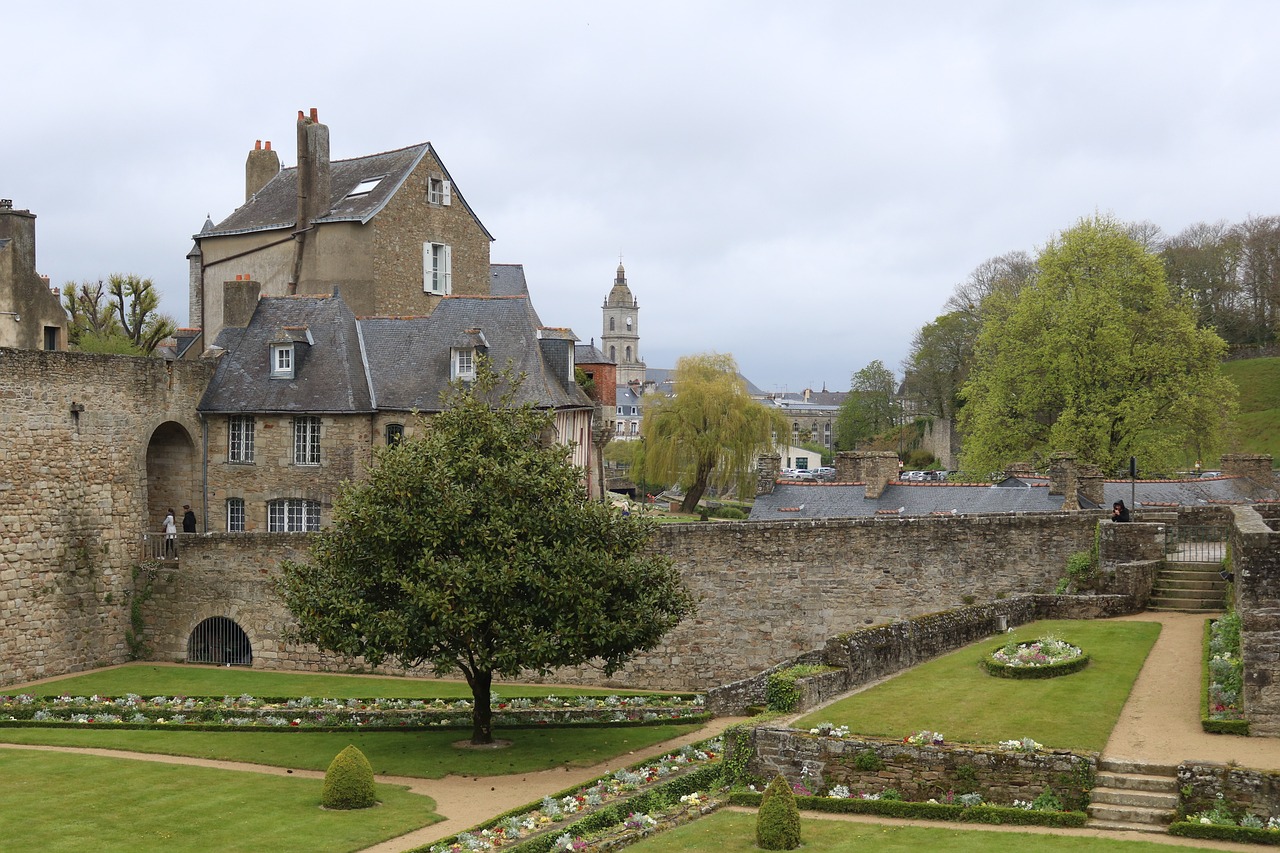
This is the storybook center of Vannes: narrow alleys, crooked half-timbered houses, small squares, and the cathedral’s tower peeking above the rooftops. It’s where you’ll spend most of your time, especially on a first visit.
- Vibe: Atmospheric, busy during the day, quieter at night.
- Best for: First-timers, history lovers, short stays.
- Highlights: Cathedral, Place des Lices, La Cohue museum, boutiques, crêperies.
2. Around the Ramparts & Gardens
Just outside the old walls, you’ll find beautifully landscaped gardens and residential streets. This area feels a little less touristy while still being a short walk from the center.
- Vibe: Green, relaxed, local.
- Best for: Families, runners (great jogging route along the ramparts), photography.
- Highlights: Rampart gardens, Lavoir de la Garenne, Château de l’Hermine.
3. Port de Vannes & Waterfront
The harbor area stretches from the marina basin right up into the old town. Terraces line the quays, and boats head out into the Gulf. I love this area at golden hour when the façades are lit and everyone emerges for an apéro.
- Vibe: Lively, slightly touristy but still authentic.
- Best for: Evening drinks, seafood dinners, people-watching.
- Highlights: Boat tours, yacht basin, sunset views.
4. Gare (Train Station) & Modern Vannes
A 10–15 minute walk from the center, the train station area is more modern and functional. It’s where you’ll arrive if you come by rail, and there are some good-value hotels and practical services here.
- Vibe: Practical, less picturesque, local.
- Best for: Budget stays, early train connections.
- Highlights: Easy transit links, some casual eateries and bars.
5. Conleau Peninsula & Coastal Fringe
Slightly out of town but easily reached by bus or bike, Conleau and the nearby waterfront lanes feel like a small seaside resort attached to the city. On sunny weekends, this is where locals head to bask, swim, and stroll.
- Vibe: Holiday, breezy, family-friendly.
- Best for: Summer afternoons, swimming, sunset drinks.
- Highlights: Seawater pool, coastal paths, cafés with Gulf views.
Top 20+ Attractions in Vannes – Detailed Local Guide
These are the must-see attractions in Vannes, plus a few that rarely make the lists but absolutely should. For each, I’ll share history, why it matters, and how I personally like to experience it, including practical travel tips for Vannes as you go.
1. Vannes Cathedral (Cathédrale Saint-Pierre)
The Cathédrale Saint-Pierre is the spiritual and symbolic heart of Vannes. Its foundations date back to the 4th century, though most of what you see now is Gothic and later. Step inside and you’ll feel the city’s long, layered history.
I always enter from the small square on the south side; it feels more intimate than the main entrance. Inside, look for the tomb of Saint Vincent Ferrier, a 15th-century Dominican preacher whose relics still draw pilgrims. The mix of architectural styles—Romanesque, Gothic, and classical—tells the story of a building constantly adapted over centuries.
- Best time to visit: Morning before 11:00, when it’s quiet.
- Tip: Step back out and circle around the cathedral to admire how it towers over the surrounding half-timbered houses.
- Family note: Keep visits shorter with kids; combine with an ice cream stop on nearby Place Henri IV.
2. Old Town & Half-Timbered Houses
The old town is essentially an open-air museum of Breton medieval architecture. Many houses date from the 15th and 16th centuries, leaning at improbable angles above narrow streets. The façades are often colorfully painted—ochres, reds, blues—making every corner a photograph waiting to happen.
My ritual is to wander without a map at least once per trip, allowing myself to get “lost” (you’ll never be truly lost; the center is small). I’ve discovered tiny courtyards, artisan workshops, and a hidden tea room this way.
- Don’t miss: Place Henri IV, Rue Saint-Gwénaël, Rue Saint-Salomon.
- Photo tip: Come early or late to avoid harsh midday light and crowds.
- Etiquette: Many of these buildings are private homes; be discreet when photographing and avoid peeking through windows.
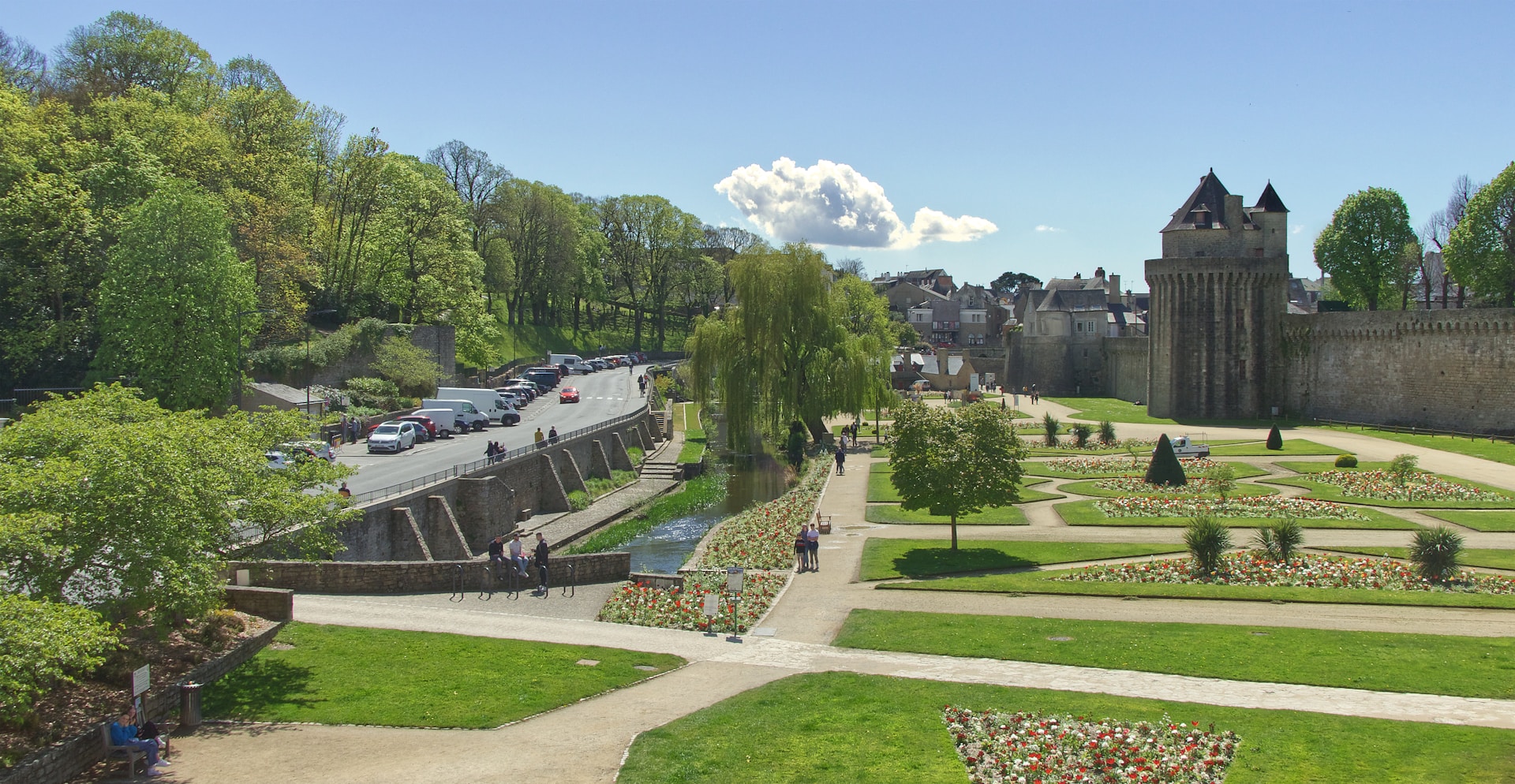
3. Vannes Ramparts & Gardens
The ramparts of Vannes are among the best-preserved city walls in Brittany. Once a vital defensive structure, they now form a scenic walking route and backdrop to manicured gardens. You can trace the line of the medieval city and get some of the best views of the old town.
I like to start near the Porte Saint-Vincent and make a loop around, descending into the gardens below for that classic shot of stone walls, towers, and flowerbeds. Spring and early summer are especially gorgeous when the gardens are in full bloom.
- Good for: Families, photographers, runners, romantic walks.
- Tip: Bring a takeaway coffee and sit on a bench in the gardens to watch locals stroll by.
- Accessibility: Parts of the ramparts involve stairs; the gardens below are flatter and easier to navigate.
4. Port de Vannes
The Port de Vannes is where the city meets the sea (or technically, the sheltered waters of the Gulf). The canal-like harbor slices into the urban fabric, bringing masts and seabirds right to the edge of the old town.
In summer, I often spend long evenings here doing nothing more than lingering over a glass of cider, watching people wandering the quays. Yacht owners, families with strollers, teenagers on scooters, elderly couples arm in arm—it’s everyday Vannes on display.
- Best time: Late afternoon into sunset.
- Food: Several good brasseries and seafood places right on the quay; reserve in July–August.
- Activity: Book Gulf of Morbihan cruises from kiosks along the port.
5. Lavoir de la Garenne
The Lavoir de la Garenne is a beautifully preserved 19th-century wash-house tucked along a stream at the base of the ramparts. Women once gathered here to do laundry and share the city’s gossip; today it’s a peaceful, almost poetic spot.
The first time I stumbled upon it, I felt like I’d walked into a painting: the covered wooden structure, water gently flowing, stone walls rising behind. It’s particularly atmospheric in the early morning mist or just after rain, when the reflections are perfect.
- Tip: Combine with a loop of the rampart gardens; it’s very close.
- Photography: Bring a wide-angle lens to capture both the wash-house and the walls above.
6. Musée des Beaux-Arts – La Cohue
La Cohue has been many things over the centuries: market hall, courthouse, meeting place. Today, it’s the city’s Museum of Fine Arts, blending contemporary exhibitions with the medieval stone structure itself.
I love the contrast here—the heavy arches and worn stone against modern art. Even if you’re not usually a museum person, it’s worth stepping inside for the building alone and the quiet, contemplative atmosphere.
- Location: Directly opposite the cathedral.
- Good for: Rainy days, culture breaks between walks.
- Tip: Check current exhibitions; 2026 has several planned shows focused on Breton artists.
7. Musée d’Histoire et d’Archéologie (Château de l’Hermine Area)
This museum dives into Vannes’s past from prehistoric times through the Roman era and into the Middle Ages. The collections include artifacts from local excavations, including Bronze Age and Gallo-Roman pieces.
As someone who loves putting places into historical context, I found this museum invaluable. Suddenly the random stone in a wall or curve of a street made sense. Don’t miss the sections on the Veneti, the Celtic tribe that once controlled this area and gave its name to Vannes.
- Best for: History buffs, older kids who enjoy “real” artifacts.
- Tip: Combine with a walk through the adjacent gardens around the Château de l’Hermine.
8. Château de l’Hermine & Gardens
The Château de l’Hermine once formed part of the ducal residence of the Dukes of Brittany. Today, its remaining structures house various cultural spaces, and the surrounding gardens are among the most elegant in the city.
On warm days, I often bring a book and sit on a bench here. The layout of the gardens, with symmetrical flowerbeds and views of the ramparts, makes it feel almost like a smaller, more intimate version of a royal French park.
- Good for: Quiet breaks, couples, reading, picnics.
- Photo tip: Stand at the far end of the garden for a perspective shot that includes both the château and the city walls.
9. Promenade de la Rabine
The Promenade de la Rabine is a tree-lined walkway stretching from the port toward the Gulf. It’s one of the most beloved daily walking routes for locals. Joggers, dog walkers, families, and cyclists all share this long, leafy path.
I like to walk it just before dinner, when the light filters through the trees and the air smells faintly of salt and greenery. It’s a simple pleasure but one of the best cultural experiences in Vannes if you want to see how people really live here.
- Good for: Exercise, leisurely strolls, sunrise or sunset.
- Tip: Look for benches along the way with views over the water and boats.
10. Presqu’île de Conleau
The Conleau Peninsula feels like a small seaside resort attached to Vannes. There’s a seawater swimming pool, a few bars and restaurants, and walking paths along the edge of the Gulf.
On hot summer days, this is where I escape the city heat. I’ll bring a towel, swim a few laps in the pool, then sit at one of the terraces with a cold drink, watching the tide roll in or out (tides are very pronounced here).
- Best for: Summer afternoons, families, sunset views.
- Getting there: Local bus from central Vannes, or a pleasant bike ride.
- Tip: Check tide times; at low tide, the scenery changes drastically.
11. Vannes Aquarium
The Vannes Aquarium is a hit with families and anyone curious about marine life in the region. It’s not enormous, but it’s well-designed, with a range of tanks featuring local Atlantic species as well as tropical fish.
The last time I went with friends and their kids, the highlight was watching the sharks and rays glide overhead in the tunnel. It’s also a useful rainy-day option in a city where so much else is outdoors.
- Good for: Families with children, bad weather days.
- Location: Short drive from the center; often combined with nearby attractions like the butterfly garden.
12. Jardin aux Papillons (Butterfly Garden)
Near the aquarium, the Butterfly Garden is a tropical greenhouse filled with free-flying butterflies. It’s warm, lush, and feels worlds away from the Breton climate outside.
I’m always amazed at how kids (and adults, honestly) go quiet when they walk in, just watching the butterflies drift past. It’s a gentle, calming experience.
- Best for: Families, nature lovers, photographers.
- Tip: Bring a macro lens if you’re into photography; humidity can fog lenses, so give them time to adjust.
13. Place des Lices & Market
On Wednesdays and Saturdays, Place des Lices transforms into one of Brittany’s liveliest markets. You’ll find everything from seafood and cheeses to clothes and plants. For me, this is non-negotiable: if my stay includes a market day, I go.
My usual market breakfast is a paper bag of far breton (a dense prune custard cake) and a hot coffee. Then I’ll wander the stalls, picking up picnic supplies: local cheese, saucisson, fruit, a baguette, and maybe a bottle of cider.
- Best for: Food lovers, people-watching, budget-friendly meals.
- Tip: Bring a tote bag; some vendors accept cards, but cash is handy.
14. Porte Saint-Vincent & Entryway to Old Vannes
The Porte Saint-Vincent is the grand gate that connects the harbor to the old town. Its stone arches, flanked by towers and crowned with statues, make it one of the most photographed views in Vannes.
I like to stand halfway through the gate and look back toward the port: boats framed by stone, cafés on either side, people streaming in and out. It’s like the city’s living postcard frame.
- Good for: Orientation, first-time arrival into the old town, photos.
- Tip: Come at night too; it’s beautifully lit and far less crowded.
15. Place Henri IV
Place Henri IV is a small square near the cathedral ringed with some of the finest half-timbered houses in the city. Many façades have decorative carvings and bright colors, making it a favorite stop on guided tours.
I’m fond of arriving early, when café chairs are just being set out and the square belongs mostly to residents on their way to work. A late-afternoon drink here is equally pleasant, though more crowded.
- Good for: Architecture lovers, relaxed café stops.
- Tip: Look up; many of the most interesting details are higher on the façades.
16. Marina Locks & Outer Harbor
Where the harbor meets the broader waters leading to the Gulf, a system of locks manages the tides. Watching boats pass through at busy times is surprisingly captivating (and a big hit with kids).
On one windy spring afternoon, I lingered here for nearly an hour, chatting with an older local sailor who explained the tidal range and how navigating the Gulf has always required skill and respect.
- Best for: Boating enthusiasts, families.
- Tip: Check approximate lock operation times to catch boats passing through.
17. Saint-Patern District
Just outside the oldest part of the city, the Saint-Patern district feels like a village within the town. Centered on the Saint-Patern church, it’s known for its small bars, restaurants, and a slightly bohemian atmosphere.
On my last stay, I spent a lively evening here hopping between a wine bar and a tiny restaurant packed with locals—a nice contrast to the more touristy main squares. This area gives you a taste of hidden gems in Vannes nightlife.
- Best for: Evenings, casual drinks, local vibe.
- Tip: Go on Thursday, Friday, or Saturday night for the most atmosphere.
18. Hôtel de Ville (City Hall)
The Hôtel de Ville is a fine example of 19th-century civic architecture, with a grand façade and ornate details. While you probably won’t spend long here, it’s worth a brief detour to admire.
I like how it contrasts with the medieval center: a reminder that Vannes isn’t just a museum town, but a living administrative capital of the Morbihan department.
19. Contemporary Art Spaces & Galleries
Beyond La Cohue, Vannes has a scattering of small galleries and art spaces that showcase contemporary Breton artists. They change hands and locations over time, but asking at the tourist office or checking local listings will point you in the right direction.
I’ve discovered some of my favorite local painters and photographers in these small galleries, often by just wandering in while walking between sites.
- Best for: Art lovers, rainy days, collectors.
- Tip: Don’t be shy about chatting with gallery owners; they’re usually happy to share recommendations.
21. Gulf of Morbihan Cruises (from Vannes)
While not strictly “in” Vannes, Gulf of Morbihan cruises depart from the city and are such a core part of the experience that I consider them a top Vannes attraction. The Gulf is dotted with islands, some tiny and uninhabited, others with villages and chapels.
My favorite cruise includes commentary about local legends (like the story that there are as many islands as days in the year) and stops at one or two islands for short walks. The constantly changing light and tide make every trip feel different.
- Best for: Everyone—families, couples, solo travelers.
- Tip: In high season (July–August), book at least a day in advance.
22. Île d’Arz (Day Trip from Vannes)
A short boat ride from Vannes, Île d’Arz is one of the most accessible islands in the Gulf. It’s small enough to explore in a day and large enough to feel like you’ve really gone somewhere.
My best day there involved renting bikes, riding coastal paths with almost no cars, and stopping for long, lazy lunches overlooking the water. The island’s church and “captains’ houses” speak to its maritime past.
- Best for: Families, cyclists, walkers.
- Tip: Bring water and snacks; services are limited outside village centers and high season.
23. Île-aux-Moines (Day Trip from Vannes)
Another island reachable by boat from near Vannes (usually via nearby ports rather than directly from the city center), Île-aux-Moines feels lush and gardened, with flower-lined lanes and charming houses.
It’s popular but rarely feels overwhelmed, especially if you walk or cycle beyond the immediate port area. I like to pack a picnic and find a quiet cove on the far side of the island.
Best Local Food & Drink in Vannes
One of the joys of visiting Vannes is exploring local food in Vannes and the wider Breton culinary tradition: seafood, butter-laden pastries, buckwheat galettes, and crisp apple cider. Here’s how I like to eat my way through a stay.
Breton Classics to Try
- Galettes (Savory Buckwheat Crêpes): Filled with ham, cheese, egg (complète), or more elaborate combinations like scallops and leeks.
- Crêpes (Sweet): Butter-sugar, salted caramel, or flambéed with local cider or Calvados.
- Kouign-amann: A rich, caramelized butter cake—crisp outside, soft inside.
- Far breton: Dense custard cake, often with prunes.
- Seafood: Oysters from the Gulf, mussels, scallops, langoustines.
- Cider (Cidre): Served in bowls or glasses; try brut (dry) or doux (sweet).
- Chouchen: Breton mead, a traditional aperitif.
Where I Like to Eat in Vannes
I won’t list every restaurant (they change, and part of the fun is exploring), but here are the types of places I seek out:
- Crêperies in the Old Town: Look for small, family-run spots on side streets rather than the busiest squares for better value and atmosphere.
- Seafood Brasseries on the Port: Ideal for platters of oysters and shellfish; ask for what’s freshest that day.
- Bistros in Saint-Patern: Often more local than touristy, with inventive takes on Breton ingredients.
- Boulangeries near Place des Lices: Perfect for breakfast, picnic supplies, and trying pastries.
- Markets: On market days, I love composing picnics from cheese, bread, fruit, and sausage rather than sitting in restaurants for every meal.
Money-Saving Eating Tips
Vannes can be affordable if you eat like locals:
- Lunch menus: Many restaurants offer a menu du jour at midday that’s significantly cheaper than à la carte.
- Picnics: Buy from markets and supermarkets and eat in parks or on the ramparts.
- Cider vs. cocktails: Local cider is generally cheaper than mixed drinks and feels more authentic.
- Bakery breakfasts: Skip hotel breakfasts and grab croissants and coffee from a bakery.
Nightlife, Entertainment & Cultural Experiences in Vannes
Vannes is not a wild party city, but it has a pleasant, sociable nightlife and rich cultural scene. Think wine bars, crêperies, live music, and festivals rather than clubs that go until dawn.
Evening Vibes & Where to Go
- Old Town: Crêperies and bistros for long dinners, small bars for after-dinner drinks.
- Port de Vannes: Lively terraces in summer; great for sunset drinks and people-watching.
- Saint-Patern: Slightly younger, more local crowd with bars and live music on some nights.
Cultural Experiences
- Festivals: Summer music events, maritime gatherings, and Breton cultural celebrations (see events section below).
- Breton Music & Dance: Look for fest-noz (traditional night festivals with dancing)—they’re an unforgettable cultural experience in Vannes if you find one.
- Theaters & Cinemas: Check local listings for plays, concerts, and films (often in French, but concerts transcend language).
Cultural Etiquette & Local Customs
Understanding a few local customs in Vannes will make your trip smoother:
- Greetings: Always say “Bonjour” when entering shops or cafés and “Au revoir” when leaving.
- Dining times: Lunch is usually 12:00–14:00; dinner from 19:30. Many kitchens close between these times.
- Tipping: Service is included, but rounding up or leaving small change is appreciated for good service.
- Language: French is the default; some locals speak Breton too. English is not universal but is common in tourist-facing businesses. A few French phrases go a long way.
- Church visits: Dress modestly, speak quietly, and avoid visiting during services unless you intend to participate respectfully.
- Respect for local life: Vannes is a living city, not just a backdrop. Keep noise down late at night in residential streets and be considerate when photographing people.
Best Day Trips from Vannes
One of Vannes’s strengths is how easily you can escape to villages, islands, and megalithic sites. Here are a few favorites.
1. Carnac & Megalithic Alignments
About 40 minutes by car or bus, Carnac is world-famous for its rows of standing stones—thousands of them. A guided tour helps make sense of it all and is one of the most fascinating things to do near Vannes for history and archaeology fans.
2. Auray & Saint-Goustan Port
The old port of Saint-Goustan in Auray, about 20 minutes from Vannes, is a picturesque haven of stone houses and quayside restaurants. I love coming here for lunch and a wander; it’s very romantic at dusk.
3. Rochefort-en-Terre
Often listed among France’s most beautiful villages, Rochefort-en-Terre is all flower-bedecked stone houses and artisan shops. It’s easily reached by car; some organized tours from Vannes are also available.
4. Josselin
With its fairy-tale castle reflected in the river Oust, Josselin is a favorite for families and romantics alike. Visit the castle, stroll the medieval streets, and enjoy a riverside picnic or café.
Events & Festivals in Vannes – 2026–2027
While exact dates can shift, here are some recurring and upcoming events that shape the Vannes travel scene in 2026–2027. Always double-check closer to your trip.
- Fêtes Historiques de Vannes (Historical Festivals) – Usually in summer: costumed parades, medieval markets, reenactments, and shows celebrating the city’s past. Streets fill with music, flags, and performers. It’s a colorful time to visit, especially for families.
- Festival d’Arts de la Rue – Street arts festival with theater, circus acts, and music popping up around the city center. Great for discovering unexpected performances.
- Maritime Events in the Gulf of Morbihan – Various regattas and boat gatherings throughout spring and summer, especially in 2026 when several regional sailing competitions are planned.
- Christmas Market – In late November and December, Vannes hosts a charming Christmas market with chalets, lights on the ramparts, and seasonal treats like hot cider and gingerbread.
- 2026–2027 Cultural Exhibitions – The city plans rotating exhibitions at La Cohue and other venues focusing on Breton art, maritime heritage, and the Celtic roots of the region.
Practical Travel Tips for Vannes
Getting To & Around Vannes
- By train: Direct and connecting trains from Paris, Rennes, Nantes, and other regional hubs arrive at Gare de Vannes, a short walk or bus ride from the center.
- By car: Vannes is well-connected via highways; parking is available around the edges of the old town and near the port. Avoid driving inside the historic core.
- By bus: Regional buses connect Vannes to nearby towns and some coastal destinations.
Within Vannes, you can do almost everything on foot. For Conleau and some outer areas, local buses run regularly. Biking is increasingly popular, with cycle paths expanding in 2026.
Saving Money in Vannes
- Stay slightly outside the old town: Hotels and guesthouses just beyond the ramparts are often cheaper but still very close.
- Use lunch menus: The best time to eat in restaurants for value; cook or picnic for dinner if on a tight budget.
- Walk and use buses: No need for taxis most of the time.
- Free attractions: Ramparts, gardens, churches, old town streets, harbor, Promenade de la Rabine, and many cultural events.
SIM Cards & Connectivity
For international visitors, getting data is straightforward:
- eSIMs: If your phone supports eSIM, consider buying a European data package online before arrival.
- Physical SIMs: Major French providers (Orange, SFR, Bouygues, Free) have shops in larger nearby cities and kiosks in some supermarkets; you can activate prepaid plans easily with a passport.
- Wi-Fi: Available in most hotels, many cafés, and some public areas.
Public Transport vs. Car Rental
- Public transport: Good for getting to Vannes and for some day trips (Auray, Carnac, etc.). Works fine if you plan mostly city and boat-based activities.
- Car rental: Useful if you want to explore multiple inland villages or off-the-beaten-path coastlines on your own schedule. Rental agencies exist in or near Vannes and at major airports.
- Driving notes: Streets in the old town are narrow and often restricted; park outside and walk in.
Visa Requirements & Driving Licenses
In 2026, France is part of the Schengen Area:
- Visas: Many nationalities (including most of Europe, the US, Canada, Australia, etc.) can enter France visa-free for short stays (up to 90 days in 180). Others need to apply for a Schengen visa in advance. Always check the latest rules from official French or EU sources before traveling.
- ETIAS: The EU is rolling out an online travel authorization (ETIAS) for visa-exempt travelers; verify if it’s active by your travel date and apply if needed.
- Driving licenses: EU/EEA licenses are valid. Many non-EU licenses are accepted with or without an International Driving Permit (IDP); check current French regulations and consider carrying an IDP if your license is not in French or English.
Best Seasons to Visit Vannes
- Spring (April–June): My personal favorite. Mild temperatures, blooming gardens, and fewer crowds. Ideal for walking, photography, and a 3 or 4 day itinerary for Vannes that includes lots of outdoor time.
- Summer (July–August): Warmest and busiest. Perfect for swimming, island trips, and nightlife by the port. Crowds and prices peak, so book ahead for a 5 day itinerary in Vannes at this time.
- Autumn (September–October): Still pleasant, especially early autumn. Quieter, with lovely light and harvest-season foods. Great for cultural experiences and calm walks.
- Winter (November–March): Quiet, with some rainy days, but the city has a moody charm. Good for cozy, low-key trips, Christmas markets, and budget-friendly stays. Some island services and attractions may be reduced.
Hidden Tips for Travelers
- Time your market visits: Arrive early at Place des Lices for the freshest produce and easier browsing.
- Ask about tides: For anything involving boats or beaches, tide times are crucial. Locals and tourist offices always have this information.
- Pack layers: Even in summer, evenings by the water can be cool; a light sweater or jacket is essential.
- Learn a few Breton words: “Degemer mat” (welcome) and seeing bilingual signs adds to the sense of place.
- Respect quiet hours: Many residential streets, especially in the old town, are very quiet at night; keep noise down when returning late.
- Use the tourist office: The Vannes tourist office is excellent for up-to-date info on festivals, fest-noz, and temporary exhibitions.
Summary & Final Recommendations – Planning Your Vannes Trip
Vannes is one of those places that reveals itself slowly: first through its postcard-perfect harbor and half-timbered houses, then through quieter discoveries—hidden courtyards, locals chatting in Breton, a sunset from Conleau, an impromptu conversation with a market vendor about which oyster is best today.
Whether you follow a 3 day itinerary for Vannes focused on essentials, expand to a 4 day itinerary for Vannes with an island or village day trip, or indulge in a full 5 day itinerary for Vannes that lets you blend city life, islands, and inland gems, you’ll find more than enough things to do in Vannes to fill your days.
For most travelers, late spring (May–June) and early autumn (September) are the sweet spots: comfortable weather, open services, and manageable crowds. Summer is wonderful if you don’t mind more people and higher prices, especially if swimming and boat trips are top priorities. Winter suits those who prefer a quieter, more introspective city break with cozy cafés and cultural visits.
However you structure your time, let yourself wander: walk the ramparts, linger at the port, taste whatever smells good at the market, and follow that intriguing side street just to see where it goes. That’s where Vannes truly shines—and where your own travel story here will begin to feel like a local one.