Why Visit the Vézère Valley Prehistoric Sites?
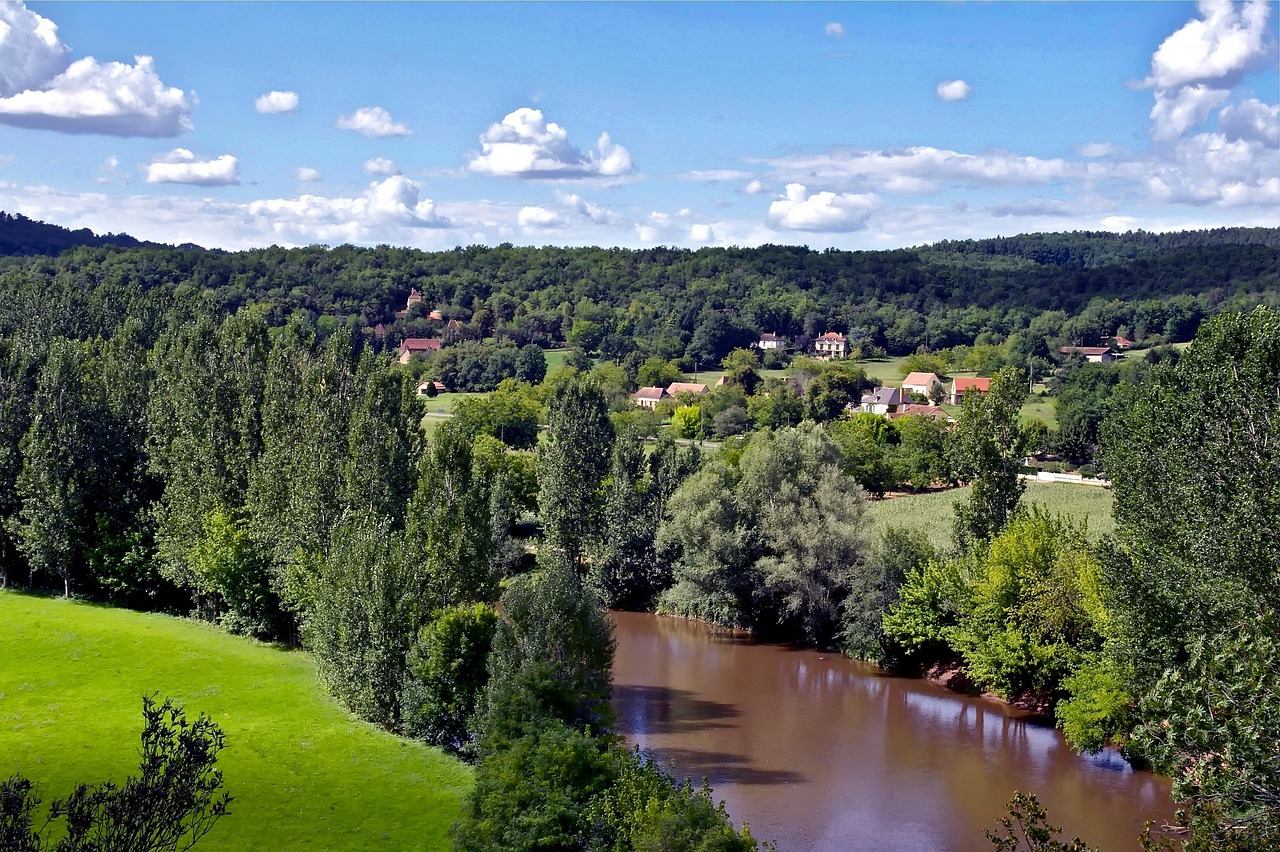
The Vézère Valley, in the heart of the Dordogne in southwest France, is one of those rare places where the landscape feels like a living archive. Between limestone cliffs and the slow, green curve of the Vézère River, you’ll find some of the world’s most significant prehistoric caves and rock shelters, medieval villages clinging to the rock, and a quietly sophisticated food scene powered by duck fat, walnuts, and generous pours of Bergerac wine.
I’ve been returning here for over a decade, most recently in spring and autumn 2025, and every trip reminds me that this isn’t a museum under glass. Local kids still play football in the village squares; farmers still drive tractors past UNESCO plaques; and the caves—those astonishing galleries of 17,000-year-old art—still smell faintly of damp stone and time. If you’re looking for a destination that combines prehistory with good food, walkable medieval towns, and slow, thoughtful travel, the Vézère Valley is hard to beat.
This 2026 travel guide is designed to help you plan a 2 day itinerary for Vézère Valley Prehistoric Sites, stretch it into 3 days in the Vézère Valley or luxuriate in a 4 day itinerary, with plenty of room for detours and hidden gems.
Table of Contents
- Understanding the Vézère Valley & Site Layout
- Suggested Itineraries (2–4 Days)
- 12 Key Quarters, Monuments & Sites
- Traditional Cuisine & Where to Eat
- Evenings in the Vézère Valley
- Cultural Etiquette & Local Customs
- Day Trips & Nearby Attractions
- Events & What’s New in 2026–2027
- Practical Travel Tips & Logistics
- Summary & Best Seasons to Visit
Understanding the Vézère Valley & How It’s Laid Out
Most visitors base themselves around a loose triangle: Montignac-Lascaux to the north, Les Eyzies-de-Tayac-Sireuil in the middle, and the Le Bugue / Limeuil area where the Vézère flows towards the Dordogne. Within this triangle you’ll find the majority of the famous prehistoric sites, layered like pages in a book:
- Paleolithic caves and rock shelters (Lascaux, Font-de-Gaume, Combarelles, Cap Blanc, Laugerie-Haute/Basse, etc.)
- Medieval cliffside villages and troglodyte dwellings (La Roque Saint-Christophe, La Madeleine)
- Renaissance and 19th-century château culture on the fringes
- 20th–21st century museums and reconstructions (Lascaux IV, the National Museum of Prehistory)
The valley has shifted from being a corridor of survival for hunter‑gatherers to a quiet rural backwater, then to a research hub for prehistory, and finally to an understated tourism magnet. When you drive or cycle along the river, you’re essentially tracing a timeline: the oldest human traces up in the caves, medieval fortifications at mid-slope, and modern life clustered at the water’s edge.
For planning, imagine the valley as a spine:
- North end: Montignac & Lascaux complex
- Central spine: Saint-Léon-sur-Vézère, La Roque Saint-Christophe, Les Eyzies
- Southern outlet: Le Bugue, Limeuil (where Vézère meets Dordogne)
You’ll move along this spine during your 2, 3 or 4 days in the Vézère Valley, hopping between prehistoric sites, riverside villages, and forest walks.
Suggested Itineraries: 2–4 Days in the Vézère Valley
I’m structuring this section as a personal log of how I actually spend my time on research trips. Adjust depending on whether you’re traveling as a family, couple, or solo, but the rhythm—big site, slow village, good meal—works for everyone.
Day 1 – Icons of Prehistory: Lascaux & Montignac
I almost always start in Montignac-Lascaux. It’s the northern gateway to the prehistoric sites, and waking up here, with mist lifting off the Vézère, sets the tone.
Morning: Lascaux IV – The International Centre for Cave Art
Book your Lascaux IV tickets online well ahead, especially in July–August and the October school holidays. In 2025, I visited twice in shoulder season (April and late September) and still opted for advance booking; tours in English sell out.
The original Lascaux cave, discovered in 1940 by four teenagers and their dog, has been closed to the public since 1963 to protect the paintings. What you visit now is Lascaux IV, a painstaking, full-scale replica in a sunken modernist building on the hillside outside Montignac. I know, “replica” can sound underwhelming, but step inside and you’ll forget that word within minutes.
The lights dim, the temperature drops, and you follow a guide into the “cave.” The silence is almost ceremonial. Your eyes adjust, and suddenly the walls come alive with galloping horses, bulls, and stags, painted with a sophistication that still shocks me, even on my fourth visit. The famous Hall of the Bulls is the showstopper—massive, muscular animals overlapping in a choreography of ochre, black, and red.
Each time I come, I look for a different detail: the fine engraving along a horse’s flank, or the way a bison’s head is twisted to give an illusion of three dimensions. Standing there, I often think of the fact that many visitors in 1948–50 lit cigarettes in the cave; now we shuffle reverently, whispering, in a reproduction that exists because we almost loved the real thing to death.
The tour ends in the interpretive galleries: interactive displays that break down pigments, techniques, and symbolism. Kids love the digital drawing tables, where they can “paint” with Paleolithic tools. Adults get lost in the context—how Lascaux compares to other Paleolithic sites, what we know and still don’t know about the people who created it.
Tips for Lascaux IV:
- When to go: First slot of the day (quieter, cooler) or late afternoon (fewer school groups).
- Language: Book a tour in your preferred language; English, French, Spanish, and others are usually available in high season.
- Photography: Allowed in some parts of the centre, but not in the “cave” itself—respect this rule; flash is harmful even in replicas due to delicate materials and atmosphere control.
- Accessibility: The site is modern and well-adapted, with lifts and smooth walkways. If mobility is an issue, Lascaux IV is one of the easiest major sites to enjoy fully.
Late Morning: Montignac Old Town Wander
After Lascaux, I like to reset my eyes with daylight and water. Drive or shuttle back down to Montignac (about 5 minutes), park near the river, and wander the old quarter. Half-timbered houses lean in over narrow alleys; laundry flaps from wrought-iron balconies; the river runs slow and reflective. It’s not as tourist-saturated as some Dordogne towns, but you’ll find a handful of boutiques and cafés.
Cross the stone bridge to get that classic view of the houses stacked above the water. This is one of my go-to spots for a quiet coffee and to scribble notes. In 2025, I watched a local fisherman patiently working the far bank while a kayak school of teenagers zig-zagged haplessly in front of him. Neither seemed particularly bothered by the other—this is the valley in miniature.
Lunch: Local Food in Montignac
Montignac has a surprisingly strong food scene for its size. Several places come and go, but the pattern remains: a mix of bistros doing cuisine du terroir (duck confit, walnut tarts, foie gras) and pizzerias and crêperies for families.
Look for:
- Family-run bistro near the river: I return to a small place just off the bridge run by a couple in their 50s. No glossy website, but a short chalkboard menu focused on duck, seasonal mushrooms, and trout from the region. Ask for the plat du jour and a glass of Bergerac red or Pécharmant; it’s usually the best value in town.
- Market days: Wednesday and Saturday mornings bring stalls to Montignac’s streets. In summer 2025 I lunched on a paper cone of hot pommes sarladaises (garlic and parsley potatoes fried in duck fat) and a slice of walnut cake from a local baker and called it a feast.
Afternoon: Vézère River by Canoe (or a Slow Walk)
For families and couples alike, an afternoon on the river is the best way to feel the valley’s scale. Several outfitters in Montignac rent canoes and kayaks, usually from May to October depending on water levels. Routes vary from 1.5 to 4 hours, often with pickup service at the end.
On a warm June day in 2024, I paddled a gentle stretch downstream with friends. Kingfishers flashed electric blue ahead of us, herons stalked on the bank, and the cliffs—pocked with dark cave mouths—rose on one side. Every so often we’d drift in silence, the only sound the dip of paddles and the clink of someone’s water bottle against the hull. For adventurous travelers, the longer routes let you glimpse rock shelters you’ll visit on later days from a different angle.
If you’re not a water person, follow the marked footpath along the riverbanks; it’s flat, family-friendly, and gives you plenty of quiet photo stops.
Late Afternoon & Evening: Montignac at Golden Hour
As the day-trippers leave, Montignac exhales. The river mirrors the pastel sky, and the old houses glow honey-gold. This is my favourite time to wander, especially in shoulder season when there are more locals than visitors in the cafés.
Where to stay (Night 1):
- Inside the old quarter: Character-filled small hotels or guesthouses in timbered houses. You’ll feel the charm but also the creaks and occasional late-night noise from the street.
- Modern outskirts: More practical motels or small hotels with parking and aircon; better if you’re traveling by car with lots of gear or kids.
I tend to choose a spot just outside the old core: easy parking for early starts, but still close enough to walk in for dinner.
Day 2 – Les Eyzies & the Heart of Prehistory
Day 2 is for the valley’s intellectual and emotional centre: Les Eyzies-de-Tayac-Sireuil. This village—part troglodytic, part 19th-century—is wedged between a towering cliff and the river, and it’s here that prehistory became a science.
Morning: Drive Montignac → Les Eyzies via Saint-Léon-sur-Vézère
The direct drive from Montignac to Les Eyzies along the D706 is about 30–35 minutes, but it would be a shame not to detour through Saint-Léon-sur-Vézère. This riverside village, officially one of “Les Plus Beaux Villages de France,” is worth a slow stroll.
Park outside the centre (the lanes are narrow) and walk in. The Romanesque church—simple, thick-walled, with a stone-tiled roof—sits a few steps from the river. In 2025, I arrived just as the morning mist was burning off; the only sounds were church bells and the clink of coffee cups from the café terrace.
From here, you’re close to sites like La Roque Saint-Christophe and Le Moustier, but I prefer to keep them for later in the day or Day 3, and head straight to Les Eyzies while my mind is fresh.
Late Morning: National Museum of Prehistory (Les Eyzies)
Musée National de Préhistoire is the anchor of any serious travel guide for Vézère Valley Prehistoric Sites. Built into the cliff above Les Eyzies, this museum holds one of Europe’s richest collections of Paleolithic artifacts. It’s not a flashy space, but if Lascaux is the emotional punch, this is the intellectual framework.
I recommend arriving late morning, when tour buses are often between stops. Climb the stepped ramp up to the entrance (there’s a lift for those who need it), and pause on the terrace. Below, the village curls along the river; above, the rock overhangs protectively. A monumental statue of a prehistoric hunter watches over everything—a 1930s addition that’s become part of the valley’s visual identity.
Inside, the galleries are chronological, so you can trace human presence from simple stone tools to intricate carvings and engraved bones. Stand in front of the tiny female figurines—so-called “Venuses”—and try not to feel awed at the continuity of human creativity. Kids in 2025 were fascinated by the replica huts and the life-sized reconstructions of Neanderthals and early Homo sapiens; adults lingered at the detailed explanations of excavation methods and dating techniques.
Visit tips:
- Plan at least 1.5–2 hours; more if you’re a museum person.
- Combo tickets are sometimes available linking the museum with nearby caves and shelters—ask at the desk in 2026 for current offers.
- Labels are primarily in French, but multilingual booklets and audio guides are available.
Lunch: Picnic or Terrace in Les Eyzies
By lunchtime, Les Eyzies gets busy, especially in July–August. I often buy picnic supplies from the village bakery and small supermarket—baguette, local cheese, cured ham, walnuts—and eat by the river under the plane trees. There are also several restaurants with terraces; quality ranges from decent to excellent, with prices to match.
Afternoon: Font-de-Gaume & Les Combarelles (Original Painted & Engraved Caves)
If there is one slot in your itinerary that demands advance planning, it’s this. Font-de-Gaume is one of the last prehistoric caves with polychrome paintings still open (in very limited numbers) to the general public. Les Combarelles, nearby, is famous for engravings. Access rules have tightened over the years; as of 2025, only a small number of visitors per day can enter, and sometimes the caves are closed altogether for conservation or research.
In September 2025, I managed to visit Font-de-Gaume with a pre-booked small group. The walk from the ticket booth up to the cave is short but steep; the entrance itself is inconspicuous, a dark slit in the rock. Once inside, the air is cool and thick. The guide’s lamp picks out bison, horses, and reindeer, their shapes emerging slowly from the rough walls. It’s more intimate than Lascaux—fewer images, closer, more fragile—and the sense of privilege is overwhelming.
Because policies change frequently, check official sites for Font-de-Gaume and Les Combarelles in 2026, or ask at the Les Eyzies tourist office. Even if you can’t get inside, the walk up to the entrances and the surrounding landscape are evocative.
Alternative / Additional Afternoon: Abri de Cap Blanc & Laugerie-Haute/Basse
Another favourite combination for the afternoon is Abri de Cap Blanc (a sculpted frieze of horses carved into the rock) and the nearby Laugerie-Haute and Laugerie-Basse rock shelters. These sites show how people not only painted but sculpted their world.
Cap Blanc’s horses, with their deep relief carving, are some of the most breathtaking I’ve seen; I remember standing there in 2023, nose almost at the rock, tracing the curves with my eyes as the guide explained how much was still covered when they were first found. The small on-site museum helps you decode what you’re seeing.
Evening: Les Eyzies After Dark
Les Eyzies changes character after dusk. Day-tripper buses roll away; the cliff, lit from below, becomes a warm, towering presence over the village. The big statue of the prehistoric hunter looks both slightly kitsch and oddly moving in the spotlights.
Evening ideas:
- Stroll the main street and pause at the small square; in summer, you might catch a local band or a small evening market.
- Dine on a terrace with the cliff overhead—duck breast with sauce aux cèpes (porcini) is a classic, and you’ll see walnut cake or tarte aux noix on most dessert menus.
- In July–August, look for nighttime guided walks (often in French) that tell the story of how Les Eyzies became the “world capital of prehistory.”
Where to stay (Night 2): Les Eyzies has a cluster of small hotels, B&Bs, and a couple of campsites by the river. For families, the campsites with pools are a hit. I usually pick a midrange hotel tucked against the cliff, where swallows nest in the rock above my window.
Day 3 – Villages, Cliffs & River Bends
By Day 3, you’ve seen the headline prehistoric sites. Now it’s time to let the valley’s slower charms work on you: cliff dwellings, postcard villages, and long lunches.
Morning: La Roque Saint-Christophe – Troglodyte City in the Cliff
Drive from Les Eyzies back towards Saint-Léon-sur-Vézère and you’ll soon see La Roque Saint-Christophe looming above the river: a massive limestone cliff, honeycombed with ledges and cavities. People have used this natural fortress for at least 55,000 years, from Paleolithic hunters to medieval villagers.
The site is well-organised for visitors: a ticket booth at the base, then a path and steps (not ideal for strollers or limited mobility) up to the main level. From there, you wander along the cliff face, through reconstructed kitchens, workshops, and defensive structures that evoke its life as a medieval troglodyte town. Children love the replicas of hoists and winches; adults tend to gravitate to the viewpoints over the river and forest.
On my 2025 visit, I arrived just after opening and had several sections almost to myself. The morning light strikes the opposite bank beautifully, and you can hear the river but not see the modern road below; for a moment, it’s easy to imagine the valley as it was centuries ago. Panels explain the chronology: where prehistoric remains were found, how the site transformed into a fortified village, and why it was eventually abandoned.
Late Morning: Le Moustier – A Key Prehistoric Type Site
Just a short drive away lies Le Moustier, a rock shelter that gave its name to the Mousterian culture associated with Neanderthals. Even if the site itself is modest compared to Lascaux, it’s a place where archaeological history was written. The village around it is tiny; I usually stop for a short visit rather than a full half-day.
Stand here and think of the scientists who, in the late 19th and early 20th centuries, pieced together human prehistory from layers of stone tools and bones. This is where a travel guide for Vézère Valley Prehistoric Sites stops being about pretty pictures and becomes about the birth of a science.
Lunch: Saint-Léon-sur-Vézère by the Water
Return to Saint-Léon-sur-Vézère for lunch if you didn’t linger there previously. The village has a handful of restaurants, some with terraces almost at water level. One of my most peaceful meals in 2024 was here: a salade périgourdine (greens topped with duck gizzards, smoked duck breast, walnuts, and sometimes foie gras) and a carafe of chilled rosé, eaten slowly while watching canoes drift past.
This is a romantic stop if you’re traveling as a couple—stone walls draped in wisteria in spring, lanterns twinkling in summer. Families appreciate the flat village streets and access to the riverbank for kids to run around.
Afternoon: La Madeleine – Cliffside Prehistoric & Medieval Hamlet
La Madeleine is one of my personal favourites and often overlooked by hurried itineraries. It’s both a major prehistoric site—giving its name to the Magdalenian culture—and a beautifully preserved medieval troglodyte hamlet built into the cliff.
You descend from the parking area through a small woodland, then emerge onto a ledge where a handful of stone houses and outbuildings cling to the rock, their back walls formed by the cliff itself. Below, the Vézère curves lazily; above, a ruined castle crowns the heights.
In 2023, I spent a long afternoon here with a local guide who grew up in the area. As we walked past the old bread oven and the tiny chapel, she told stories about her grandparents visiting the site as children, long before it was fully interpreted for visitors. The layering is what makes La Madeleine special: Paleolithic remains at the base, then medieval agriculture and domestic life, then centuries of abandonment, then rediscovery.
Panels (and sometimes guides) explain how Magdalenians lived here between about 17,000 and 12,000 years ago, hunting reindeer and horses, making finely worked bone tools and art. It’s humbling to stand in the same sheltered overhang and feel the continuity of human shelter.
Evening: Back to Les Eyzies or On to Le Bugue
Depending on your energy and onward plans, you can either return to Les Eyzies for a second night or continue south to Le Bugue (about 20 minutes from Les Eyzies). Le Bugue is less about prehistory and more about everyday French small-town life, with a good market and a riverside promenade.
I sometimes spend the third night in Le Bugue for a change of scene and to be closer to Limeuil and the Dordogne valley for the next day’s excursions.
Day 4 – Deeper Cuts & Quiet Corners
If you have a 4 day itinerary for Vézère Valley Prehistoric Sites, Day 4 is a gift: time to revisit a favourite site, seek out hidden gems, or dip into nearby Dordogne highlights.
Morning: Limeuil – Where the Vézère Meets the Dordogne
Drive from Les Eyzies or Le Bugue to Limeuil, another “Plus Beau Village de France,” perched where the Vézère flows into the Dordogne. The village climbs steeply from the riverbank up to a panoramic garden at the top.
The lower village is all cobbled lanes and stone façades with climbing roses. The upper terrace, reached via a short but steep walk, offers one of the best views in the region: both rivers, the patchwork of fields, and the wooded ridges beyond. It’s not a prehistoric site per se, but standing here helps you understand the geography that shaped human movements for millennia.
In 2024, I arrived just as the morning haze was lifting; a thin layer of mist hovered over the rivers, and the bells from the church below drifted up. I sat on a bench with a takeaway coffee from the village café and watched as the first kayakers of the day appeared as coloured specks on the water.
Late Morning: Back-Road Drives & Small Churches
Spend late morning meandering along the smaller departmental roads (the D31, D45, etc.). This is where you find the hidden gems in Vézère Valley Prehistoric Sites: tiny Romanesque churches with faded frescoes, farms selling walnut oil from the courtyard, little hamlets with no name on your map.
One of my favourite detours in 2025 was a spur-of-the-moment stop at a roadside sign advertising “Huile de noix – Vente directe.” I pulled into a farmhouse courtyard, was greeted by a friendly but bemused farmer, and left twenty minutes later with a bottle of freshly pressed walnut oil and a short lecture (in rapid French) on the difference between noyer “Franquette” and “Corne” varieties. Encounters like this are where the valley becomes personal.
Afternoon: Repeat or Reserve – Another Cave, a Walk, or a Château
You have a few options for the afternoon:
- Revisit a favourite prehistoric site at a different time of day—Lascaux IV in the last slot, or La Roque Saint-Christophe in late afternoon light.
- Take a longer hike on one of the marked trails (ask tourist offices for current maps). Some loops link rock shelters and viewpoints with almost no crowds.
- Dip into the Dordogne château circuit (Beynac, Castelnaud, Les Milandes) as a contrast to prehistory—castles and river views instead of caves.
On my most recent 4-day stay, I chose a 3-hour loop walk above Les Eyzies. The path zigzagged up through oak woods, crossed a plateau with dry-stone walls and grazing sheep, then dropped down past a small cave entrance and back to the village. I saw exactly three other people the entire time. For those craving adventure, trail running and mountain biking are increasingly popular here, especially in the cooler months.
Evening: Last Night – Slow Dinner & River Stroll
Wherever you decide to spend your final night—Montignac, Les Eyzies, or Le Bugue—make it count. Book a table somewhere that leans into local food: duck, walnuts, seasonal mushrooms, and maybe a glass of Monbazillac dessert wine with your cheese or dessert.
I like to end with a twilight walk along the river, listening to frogs and watching bats zigzag overhead. After days of caves, museums, and cliffs, the valley’s quiet settles into you. It’s a place that tends to call you back.
12 Key Quarters, Monuments & Sites – Deep Dives
Below are more detailed looks at at least twelve of the best places to visit in Vézère Valley Prehistoric Sites. Think of this as your expanded reading list after the core itineraries.
1. Lascaux IV & the Lascaux Hill
Even stripped of its original cave, the hill above Montignac where Lascaux was discovered retains a certain charged atmosphere. A pine forest, a modest plaque near the original entrance, and a sense of having stood at a turning point in our relationship with prehistoric art.
The Lascaux IV complex isn’t just a replica; it’s an attempt to recreate the sensory experience of entering the original cave, framed by cutting-edge interpretation. The architecture—partly buried in the hillside, with a sloping roof that echoes the surrounding topography—was controversial when it opened, but has settled into the landscape nicely. Inside, the tour sequence mimics the discovery: from light to dark, outside to inside, ignorance to revelation.
On my first visit shortly after it opened, I was skeptical. Could anything replace the authenticity of an original cave? After several returns, I’ve come to value Lascaux IV as an ethical compromise: a way for thousands to experience Paleolithic art without destroying it. For families, it’s an accessible, visually spectacular way to introduce kids to deep time; for enthusiasts, it’s a gateway that’ll make you want to see every other site in the valley.
2. Montignac Old Town & Riverside Quarter
Montignac’s charm lies in its scale: big enough to have practical services (pharmacies, supermarkets, decent parking) but small enough that you can cross the old core in ten minutes. The riverfront houses, with their worn stone steps descending to the water, are endlessly photogenic, especially early in the morning when shutters are just opening.
Walk the loop across both bridges, taking time to peer down side alleys, many of which dead-end in tiny courtyards. Look for details: carved lintels, old shop signs, a faded advertisement for a long-defunct brand. If you’re here on market day, follow your nose to rotisserie chickens and trays of golden rissoles (stuffed, fried pastries) that make for perfect on-the-go fuel.
3. Les Eyzies Cliff Quarter & Museum Terrace
The main street of Les Eyzies hugs the base of a monumental cliff, pierced by caves and overhangs. Above, the terrace of the National Museum of Prehistory acts as a balcony over the village. This vertical layering—street, terrace, cliff, sky—defines Les Eyzies’ character.
I like to start at the bottom, walking the street and peering up at the rock, then climb to the museum and its terrace, then look down at the human layer below. On stormy days, water cascades from fissures in the rock; on hot summer afternoons, swallows zip in and out of the caves. At night, spotlights turn the cliff into a luminous wall above dimly lit restaurants.
4. Font-de-Gaume Cave
Font-de-Gaume is one of those names that makes prehistory buffs’ eyes light up. The cave, tucked in a small valley a short drive from Les Eyzies, contains around 200 polychrome paintings, though only a fraction are shown on visits. Conservation is paramount; group sizes are tiny and the atmosphere inside strictly controlled.
If you’re lucky enough to get in, note the difference from Lascaux IV: rougher footing, narrower passages, and the subjective knowledge that the paint in front of you has stayed on that rock for tens of millennia. It’s an experience that feels less like a show and more like entering someone else’s private chapel.
In 2025, my group was just six people plus the guide. We whispered questions; the guide answered with the easy patience of someone who has spent a lifetime in these spaces. When we emerged, blinking, into the daylight, no one spoke for a few minutes. That’s the mark of a powerful site.
5. Les Combarelles Cave
Les Combarelles, nearby, is famous for its engravings—hundreds of finely incised animals and abstract signs along a sinuous passage. Even when access is restricted, the approach path through the small valley is worth walking; you get a sense of how these caves relate to the surrounding topography.
Engravings are subtler than paintings to the untrained eye; they require more patience and imagination. But once you start seeing them—light playing along the grooves—a world of horses, reindeer, and complex symbols emerges from what at first looked like random scratches.
6. Abri de Cap Blanc – Sculpted Horses in the Rock
Unlike the painted caves, Cap Blanc offers sculpture: a 13-meter-long frieze of horses and other animals carved in high relief into a limestone wall. The shelter is now protected by a modern building, but the intimacy of the space remains; you stand just a meter or two from the carvings.
I remember my 2023 visit vividly: the guide slowly moving the light along the frieze, each curve of haunch and neck appearing and disappearing with the changing angle. Some horses overlap, some are partially cut off, suggesting multiple phases of carving. It’s a reminder that Paleolithic art wasn’t a single, static event but a process unfolding over generations.
7. La Roque Saint-Christophe – Cliffside City
La Roque Saint-Christophe deserves a second mention because it encapsulates the valley’s long human presence. Prehistoric traces are here, but what you mainly see today is the ghost of a medieval troglodyte town: notched beam slots in the rock where houses once stood, carved staircases, cisterns, and defensive works.
The site’s interpretive reconstructions—wooden cranes, hoists, and siege machines—are a bit theatrical but effective, especially for children. The real star, though, is the view: the river, the road, the forested slopes. I once stood at one of the lookouts during a summer storm, watching sheets of rain move down the valley like translucent curtains. No one else was there; the site felt suddenly wild again.
8. La Madeleine – Prehistoric & Medieval Layer Cake
At La Madeleine, the story is as much about continuity as about specific dates. People sought shelter under this overhang in the late Ice Age; centuries later, farmers built houses into the same rock. It’s this multi-layered history that makes La Madeleine more than just another “troglodyte village.”
Don’t rush through. Sit on one of the stone benches, listen to the river below, and imagine the smoke from Paleolithic hearths rising up against the ceiling, then the clatter of medieval tools, then the silence of abandonment. On guided visits, you’ll sometimes see original finds or high-quality replicas that connect the dots between the two eras.
9. Saint-Léon-sur-Vézère – Riverside Village & Romanesque Church
Saint-Léon-sur-Vézère doesn’t have a major cave, but it’s an essential part of the valley’s human landscape. The Romanesque church, with its simple stone interior and riverside location, has a serenity that balances the intensity of the prehistoric sites.
If your schedule allows, attend a concert here; the acoustics are warm, and the combination of music and setting makes for a memorable evening. In summer, classical and choral performances often feature on the program.
10. Le Moustier – Birthplace of a Culture
For archaeologists, the name Mousterian is shorthand for a particular stone tool tradition associated with Neanderthals. The fact that it’s named after this modest shelter in the Vézère Valley speaks to the region’s scientific importance.
There’s not a lot to “see” in the touristic sense—no grand paintings, no spectacular cliff dwellings. But if you’ve been following the story through museums and guidebooks, standing here completes the mental map: this is one of the places where humans’ deep past was first sorted into meaningful categories.
11. Le Bugue – Everyday Life on the Vézère
Le Bugue is less picturesque than Montignac or Limeuil, but that’s partly why I like it. It’s a working town, with a big weekly market (Tuesday) that draws locals from the surrounding countryside. If you want to see how the valley feeds itself, come here early on market day: stalls piled with duck products, seasonal vegetables, goat cheeses, honey, walnuts, and more.
Grab a coffee and a chouquette from a bakery, then wander the aisles eavesdropping on conversations in French and local Occitan-tinged accents. This is also a good place to stock up on picnic supplies at more reasonable prices than in the most touristy villages.
12. Limeuil – Confluence & Panoramic Gardens
We’ve already visited Limeuil in the itinerary, but it’s worth highlighting again as a key site. The upper gardens—accessible for a small fee—offer not only views but also interpretive displays about the rivers and the valley’s history. Children enjoy the small mazes and activity areas; adults linger at the belvederes.
Look for the point where the darker waters of the Vézère meet the usually lighter Dordogne. For thousands of years, this confluence has been a natural crossroads; today, it’s a scenic waypoint for canoes and hikers.
Traditional Cuisine & Where to Eat
The Vézère Valley sits within the broader Périgord Noir region, a place almost comically rich in gastronomic clichés: duck, foie gras, truffles, walnuts, chestnuts, strawberries. But behind the tourist menus, there are still plenty of places where locals eat and where the local food in Vézère Valley Prehistoric Sites is grounded in real farm and forest life.
Signature Dishes
- Foie gras – duck or goose, mi-cuit (semi-cooked) or pan-fried. Ethically sensitive travelers will need to make their own call; there are producers working to improve conditions, but controversy remains.
- Magret de canard – duck breast, usually grilled or seared and served pink, often with a red wine or walnut sauce.
- Confit de canard – duck leg slowly cooked in its own fat until meltingly tender.
- Pommes de terre sarladaises – potatoes sliced and fried in duck fat with garlic and parsley; dangerously addictive.
- Salade périgourdine – salad topped with various duck products (gizzards, smoked breast, sometimes foie gras) and walnuts.
- Tourin – a garlicky soup sometimes served as a starter, especially in cooler months.
- Tarte aux noix / Gâteau aux noix – walnut tart or cake, often with a glossy caramel glaze.
Where to Eat – Personal Favourites & Patterns
Restaurants change hands regularly, but I look for a few signs:
- Short menus (3–5 mains) that change with the seasons.
- A mix of locals and visitors at tables, especially outside peak season.
- Lunch formulas (formule midi) with starter+main or main+dessert at fair prices.
Montignac
In Montignac, my go-to is a small stone-walled bistro a block away from the river, run by a husband-and-wife team. The menu leans classic—magret, confit, omelette aux cèpes in mushroom season—but execution is solid, and service warm rather than slick. They close a couple of days midweek out of season; always check hours in spring and autumn.
Les Eyzies
In Les Eyzies, riverside terraces are tempting, but quality varies. I often end up at a less obvious place on a side street, where the chef clearly cooks with locals in mind. One autumn evening in 2024, I had a simple plate of tête de veau (calf’s head) that was miles better than any tourist-friendly duck trio could ever be, followed by a walnut tart that tasted like someone’s grandmother had made it that morning.
Saint-Léon-sur-Vézère & Villages
In the smaller villages, restaurants often serve both locals and visitors. Expect slightly longer waits in high season, especially if there’s only one person in the kitchen. Embrace the slower pace; order a carafe of local wine and watch the evening unfold around you.
Old Quarter vs. Modern Town for Dining
Old quarters (Montignac’s riverside, Les Eyzies’ main street) offer atmosphere: stone arches, lanterns, cliff backdrops. Prices are a bit higher, but the setting is hard to beat for a romantic dinner. Modern fringes (outskirts strip in Montignac, roundabouts near Le Bugue) hide simpler brasseries and pizzerias where locals eat midweek; these are budget-friendly and kid-tolerant.
Evenings in the Vézère Valley
Evenings here are quieter than in big cities; think softly lit stone façades, the murmur of conversations on terraces, and the occasional festival or concert rather than throbbing nightlife.
Lit-Up Monuments & Night Walks
- Les Eyzies: The cliff and the prehistoric hunter statue are lit from below, creating a dramatic backdrop for an after-dinner stroll.
- Montignac: The bridge and riverside houses reflect in the water; a walk along the quay after sunset is soothing.
- Limeuil: In summer, soft lighting along the lower village makes for atmospheric evening photos, though upper gardens usually close around dusk.
Evening Tours & Shows
In July–August, look for:
- Nighttime guided walks in Les Eyzies and Montignac (often in French) focusing on local history and legends.
- Occasional sound-and-light shows or concerts at sites like La Roque Saint-Christophe or La Madeleine; schedules vary year to year.
- Classical and choral concerts in village churches, especially Saint-Léon-sur-Vézère.
Atmosphere: Day vs. Night
Walk the same street at midday and midnight and you’ll meet two different valleys. Midday in August is noisy with motorcycles, buses, and clinking cutlery. Midnight in September, by contrast, is almost silent; you might hear only the river and the occasional owl. I make a point of taking a late-night wander in every town I stay in here—it’s when the stones feel most alive.
Cultural Etiquette & Local Customs
The Vézère Valley is rural France at heart, with a layer of international tourism on top. A bit of cultural sensitivity goes a long way.
Greetings & Politeness
- Always begin interactions with “Bonjour, Monsieur/Madame”. It’s basic but important.
- In shops and at markets, greet the vendor when you arrive and say “Merci, au revoir” when you leave, even if you buy nothing.
- People are generally friendly but reserved; small talk may take time, especially if you don’t speak French.
At Restaurants
- Lunch is typically 12:00–14:00; dinner 19:30–21:30. Turning up at 15:00 expecting a full meal will often lead to disappointment.
- Service is slower than in Anglo cultures; meals are meant to be enjoyed, not rushed. If you’re in a hurry, mention it politely when you order.
- Tips are included in the bill, but rounding up or leaving 5–10% for good service is appreciated.
At Prehistoric & Sacred Sites
- Photography: Respect no-photo zones, especially in caves and museums. Flash is almost always prohibited.
- Touching: Never touch rock art, cave walls, or archaeological features, even if there’s no obvious barrier.
- Noise: Keep voices low in caves, churches, and small museums; sound travels in confined spaces.
- Dress: No strict dress code, but modest clothing is respectful in churches (cover shoulders, avoid beachwear).
Day Trips & Nearby Attractions
Once you’ve explored the must-see attractions in Vézère Valley Prehistoric Sites, you’re well-placed for a few classic Dordogne day trips.
1. Sarlat-la-Canéda
About 30–40 minutes by car from Montignac or Les Eyzies, Sarlat is the medieval poster child for the Dordogne. Perfectly restored stone mansions, a bustling Saturday market, and a summer festival scene. It’s busier and more commercial than the Vézère villages, but still worth a day for architecture and people-watching.
2. Dordogne Castles: Beynac, Castelnaud, Les Milandes
The Dordogne River valley is studded with castles. Beynac and Castelnaud face each other across the river, while Les Milandes adds a 20th-century twist with its connection to entertainer Josephine Baker. From Les Eyzies, allow about 35–45 minutes by car.
3. Grotte de Rouffignac
A bit further afield (roughly 30 minutes’ drive), Rouffignac is a huge cave system visited by electric train. It features engravings and drawings of mammoths, bison, and more. Families appreciate the train format; prehistory enthusiasts appreciate the sense of scale.
Events & What’s New in 2026–2027
Tourism in the Vézère Valley evolves slowly, but there are always new exhibitions, festivals, and conservation measures.
Prehistory & Museum Events
- 2026–2027 Temporary Exhibition at the National Museum of Prehistory (Les Eyzies): Expect a major show on “Women and Prehistory,” featuring recent research and artifacts from across Europe.
- Lascaux IV Digital Upgrades 2026: New interactive experiences and updated multilingual audio guides are slated, improving accessibility for non-French speakers.
Festivals & Cultural Events
- Montignac Summer Festival (July 2026 & 2027): A mix of street performances, evening concerts, and markets along the river.
- Saint-Léon-sur-Vézère Music Evenings: Regular classical and jazz concerts in the Romanesque church throughout summer.
- Les Eyzies “Nuit de la Préhistoire” (2026–2027): Occasional night openings at the museum and special talks or torchlit walks—check local listings.
Travel Scene Changes
- Improved cycling infrastructure (2026): Ongoing work to connect Montignac, Les Eyzies, and Le Bugue with safer cycle routes. Great news if you prefer to pedal between sites.
- Reservation systems: Expect increasingly strict online booking requirements for caves like Font-de-Gaume and Combarelles, with fewer or no same-day tickets.
Practical Travel Tips & Logistics
Getting There
- By train: Les Eyzies and Le Bugue have regional train links via Périgueux and Bordeaux. Services are not hourly but workable.
- By car: Most visitors arrive by car from Bordeaux, Toulouse, or Bergerac airports. A car remains the most flexible way to explore the valley’s scattered sites.
Getting Around
- Car rental: Available at major airports and cities like Bordeaux, Bergerac, and Brive. Book automatic transmissions well in advance.
- Foreign driver’s licence: Most non-EU licences are accepted; check if you need an International Driving Permit. In practice, rental agencies in 2025 were fine with US, Canadian, Australian, and UK licences plus passport.
- Public transport: Sparse but not nonexistent. Buses link some towns; trains reach Les Eyzies and Le Bugue. For a tight 2 day itinerary for Vézère Valley Prehistoric Sites, a car is highly recommended.
- Cycling: Increasingly viable with new routes, but be prepared for hills and narrow roads. E-bikes make a big difference.
Tickets & Crowds
- Book ahead for Lascaux IV, Font-de-Gaume, Combarelles, and Rouffignac, especially in July–August and school holidays.
- Combined tickets: Some sites offer joint passes; ask at tourist offices or the first site you visit.
- Peak hours: 10:00–16:00 in high season. Aim for the first or last tours of the day for a calmer experience.
- Cruise-ship rush: This region doesn’t see ocean cruise crowds, but river cruise excursions from the Dordogne can add small surges. They mostly impact Sarlat and major Dordogne castles, less so the Vézère caves.
Money-Saving Tips
- Travel in shoulder season (April–May, late September–October) for lower accommodation prices and fewer crowds.
- Make lunch your main restaurant meal; menus are cheaper than at dinner.
- Stock up at supermarkets and markets for picnics—local cheese, bread, and fruit are excellent value.
- Choose a base town (Montignac or Les Eyzies) and do day trips rather than moving accommodation every night.
SIM Cards & Connectivity
- EU roaming: If you’re from the EU, your phone likely works as at home.
- Visitors from outside the EU: Buy a French prepaid SIM from providers like Orange, SFR, or Bouygues in larger towns or at airports. eSIM options are increasingly available and convenient.
- Coverage is generally good in towns but can be spotty in deep valleys and forests.
Visa Requirements
France is part of the Schengen Area. Many nationalities (including US, Canada, UK, Australia, New Zealand, Japan, etc.) can stay up to 90 days within any 180-day period without a visa for tourism. Always check the latest rules for your passport, especially with the planned rollout of ETIAS travel authorisation.
Health, Safety & Site Etiquette
- Heat & hydration: Summers can be hot, though not as extreme as the Mediterranean. Caves are cool (around 13°C); bring a light layer.
- Footwear: Wear sturdy shoes with good grip—cave floors and cliff paths can be damp and uneven.
- Accessibility: Lascaux IV and the museum in Les Eyzies are well-adapted. Many older caves and cliff sites have steps and uneven terrain; check specifics if mobility is a concern.
- Respect boundaries: Fenced-off areas are there to protect fragile deposits. Don’t cross ropes or barriers for a better photo.
Best Seasons & Weather
- Spring (April–May): Lush green, wildflowers, mild temperatures, fewer crowds. Excellent for hiking and caves.
- Summer (June–August): Long days, busy villages, warm river for swimming and canoeing. Book everything early; caves offer cool refuge.
- Autumn (September–October): My favourite: golden light, vineyards changing colour, cooler days, still-active tourism services.
- Winter (November–March): Very quiet; some sites and restaurants close or reduce hours. Good if you value solitude and don’t mind limited options.
Summary & Final Recommendations
The Vézère Valley is not a place you “do” in a rush. Even a well-structured 2 days in Vézère Valley Prehistoric Sites will only skim the surface: a day for Lascaux and Montignac, a day for Les Eyzies and one cave. A 3 day itinerary lets you add cliff dwellings and a village or two. With a 4 day itinerary for Vézère Valley Prehistoric Sites, you can start to feel the rhythm of the valley—mornings in caves, afternoons on the river, evenings over duck and walnuts.
Come for the things to do in Vézère Valley Prehistoric Sites—the caves, the museums, the cliff villages—but stay for the subtler cultural experiences: chatting with a walnut farmer, listening to music in a small church, walking a country lane at dusk. Respect the sites, move slowly, and let your sense of time adjust from minutes and hours to millennia.
Best seasons? For most travelers, April–June and September–October 2026 will offer the best balance of weather, open sites, and manageable crowds. Whenever you come, remember you’re walking through one of humanity’s oldest neighbourhoods. Treat it gently, and it will stay remarkable for the next visitors—17,000 years from now.