Why Visit Villefranche-sur-Mer?
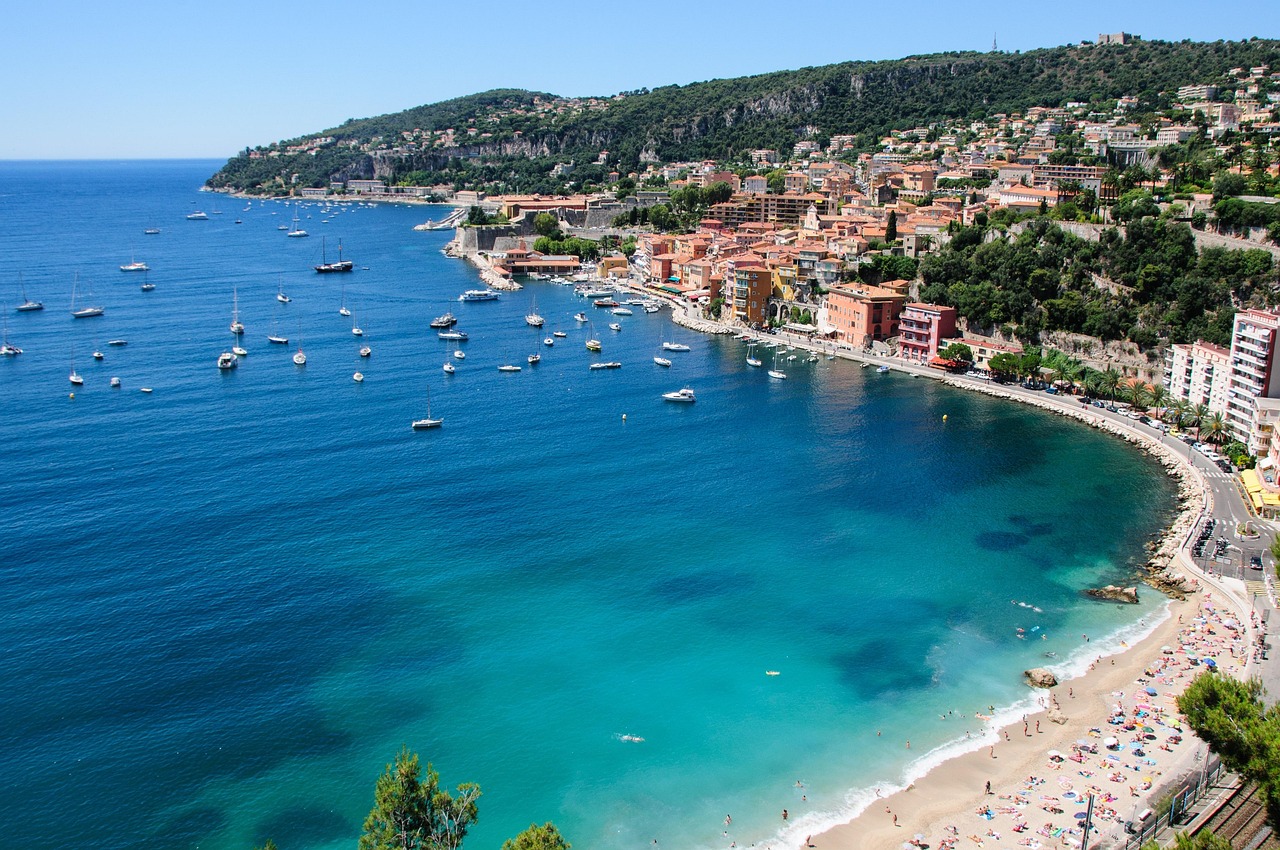
If the French Riviera had a heartbeat, it would sound like the gentle clink of masts in Villefranche-sur-Mer’s harbor at dusk. Tucked between Nice and Monaco, this small, amphitheater-shaped village manages to feel both glamorous and deeply human. It’s a place where fishermen still mend their nets by pastel façades, where cruise ships anchor in one of the world’s deepest natural harbors, and where the light on the bay can stop you mid-sentence.
I’ve been coming to Villefranche-sur-Mer for over a decade now—sometimes for work as a guide, sometimes just to breathe. I’ve visited in sticky August heat, in crisp January calm, and in shoulder seasons when the village feels like it’s exhaling. Each time, I end up lingering longer than planned.
This 2026 travel guide goes far beyond a list of “top 10” spots. It’s a full immersion: detailed 3, 4, and 5 day itineraries, 20+ in-depth attraction write-ups with local tips, food and wine recommendations, hidden corners, etiquette and customs, and practical travel advice tailored to how people actually move through Villefranche-sur-Mer.
Whether you’re planning 3 days in Villefranche-sur-Mer, a 5 day itinerary on the Riviera, or simply looking for the best places to visit and the most authentic local food in Villefranche-sur-Mer, this guide is designed to feel like exploring with a friend who knows the back streets and the bus timetables.
Table of Contents
- Quick Overview & When to Visit
- Neighborhoods & Areas of Villefranche-sur-Mer
- 20+ Must-See Attractions & Hidden Gems
- 3, 4 & 5 Day Itinerary for Villefranche-sur-Mer
- Local Food & Drink – Where & What to Eat
- Cultural Experiences, Local Customs & Etiquette
- Nightlife & Evening Experiences
- Best Day Trips from Villefranche-sur-Mer
- Practical Travel Tips & Money-Saving Advice
- What’s New: Events & Trends 2026–2027
- Summary & Final Recommendations
Quick Overview & When to Visit
Villefranche-sur-Mer is a compact coastal town on the Côte d’Azur, a few minutes east of Nice. It curves around a deep, protected bay facing south, which means long sunlight, calm waters, and incredible sea views from seemingly every staircase.
It’s ideal if you want a relaxed base with easy access to big hitters like Nice, Monaco, Eze, and Antibes, but without the constant traffic and noise. You can spend 3 days in Villefranche-sur-Mer and feel fulfilled—or 5 days and still find new alleys to wander.
Best Time to Visit Villefranche-sur-Mer
- March–May (spring): My personal favorite. Mild weather (15–22°C), wildflowers on the hills, fewer crowds, lower prices. Perfect for hiking and slow exploration.
- June & September: Warm but not brutal, sea is swimmable, most seasonal restaurants open, but you avoid the worst of July–August.
- July–August: Beach-perfect, but crowded and more expensive. Great if you love lively evenings and swimming from dawn to dusk. Book everything early.
- October–November: Quieter, still pleasant (often 18–22°C in October). Some establishments start to close, but it’s atmospheric and calmer.
- December–February: Very quiet, but soft winter light and fewer tourists. Good for introspective walks, photography, and day trips; not for serious beach time.
Neighborhoods & Areas of Villefranche-sur-Mer
Villefranche is small, but each area has a distinct atmosphere. Understanding them helps when choosing where to stay or planning your 3–5 day itinerary.
Vieux Villefranche (Old Town)
This is the postcard-perfect maze of steep lanes, arches, and washed-out colors that you’ve likely seen on Instagram. It’s where I always tell first-time visitors to stay if they want to feel the soul of the village.
- Vibe: Atmospheric, pedestrian, intimate.
- Best for: First-timers, couples, photographers, anyone doing a 3 day itinerary and wanting to walk everywhere.
- Highlights: Rue Obscure, the waterfront restaurants on Quai Courbet, the tiny squares with laundry strung overhead.
Waterfront & Port de la Santé
The working harbor where fishermen’s boats bob alongside sleek yachts. Early mornings here are magic; I often grab a coffee and watch the village wake up.
- Vibe: Lively by day, romantic by night.
- Best for: Long lunches, family-friendly strolls, people-watching.
- Highlights: Citadelle Saint-Elme towering above, views across the bay to Cap Ferrat.
Plage des Marinières & Beachfront Strip
This is the main sandy/pebbly crescent beach, backed by the railway line and low-rise buildings. It’s the most kid-friendly area and where I send families staying 4 days or more.
- Vibe: Casual, sunny, family-friendly.
- Best for: Swimming, picnics, SUP, easy access to trains.
- Highlights: Calm waters, colorful train line slicing above the beach, sunrise walks.
Col de Villefranche & Residential Hills
Up the steep streets from the bay, you reach the residential neighborhoods and hills that look down like theater seats over the sea. Many apartments and villas for rent are here.
- Vibe: Quiet, local, panoramic.
- Best for: Longer stays, those who don’t mind hills, travelers with a car.
- Highlights: Sunset views from your balcony, birdsong instead of traffic.
Near Cap Ferrat Side
Closer to the border with Saint-Jean-Cap-Ferrat, you get a slightly more secluded feeling. Perfect if you want to blend a Villefranche base with easy access to Cap Ferrat’s coastal paths.
20+ Must-See Attractions & Hidden Gems in Villefranche-sur-Mer
Below are the best places to visit in Villefranche-sur-Mer, from iconic must-see attractions to under-the-radar corners. I’ve woven in my own experiences, practical tips, history, and how each spot can fit into your 3, 4 or 5 day itinerary.
1. Plage des Marinières
Every visit I’ve made to Villefranche-sur-Mer has started or ended with a walk along Plage des Marinières. It’s the village’s main beach, stretching in a graceful arc under the railway line, with the pastel houses and terracotta roofs stacked behind you.
Why it’s special: Unlike many Riviera beaches, the bay here is naturally sheltered and shallow along the shore, making it one of the best family-friendly things to do in Villefranche-sur-Mer. The pebbles are small and smooth, and the sea usually turns an improbable turquoise by midday.
My routine: On warm mornings, I grab a takeaway espresso and a croissant from a bakery near the station, then walk the length of the beach barefoot. In summer, I swim before 9:00 to avoid the crowds, then retreat to the shade for reading. At sunset, the bay turns molten gold and the lights of Cap Ferrat begin to twinkle.
Tips for visitors:
- Getting there: From the train station, it’s literally across the road and down the steps. From Old Town, it’s a 10–15 minute walk downhill.
- Facilities: Showers, a few seasonal beach bars, and some stretches with loungers/parasols for rent. Bring water shoes if you have sensitive feet.
- Best time: Early morning or late afternoon in July–August; almost anytime in shoulder seasons.
- Budget tip: Skip pricey beach clubs; buy snacks at a supermarket in town and picnic under the tamarisk trees at the far end.
2. Vieux Villefranche (Old Town)
The Old Town is, in many ways, the heart of any travel guide for Villefranche-sur-Mer. It’s a compact, centuries-old maze where you’re never more than a few steps from a sea view or a tiny square.
I still remember one late autumn evening wandering here alone, the air smelling of woodsmoke and garlic. A cat trailed me along Rue du Poilu as church bells chimed, and for a moment it felt like time had folded in on itself.
What to do:
- Wander without a map: Let yourself get a little lost. The Old Town is car-free and safe, just steep.
- Look up: Many façades have painted trompe-l’œil shutters, frescoes, or fading religious niches.
- Cafés & bars: Stop for a glass of rosé or a café crème in one of the pocket-sized squares.
Architecture & history: The core dates back to the 13th century and later, shaped by the House of Savoy and French rule. The mix of Italianate colors and French shutters tells the story of a frontier town traded between powers.
Photo tip: Come just after sunrise when the alleys are empty and soft light hits the plaster walls. Avoid shooting at noon when everything feels harsh and flat.
3. Rue Obscure (The “Dark Street”)
Rue Obscure is one of Villefranche-sur-Mer’s most intriguing hidden gems: a covered, vaulted passage that runs under the houses of the Old Town for about 130 meters. It dates to the 13th century and once sheltered soldiers and animals.
The first time I walked it, I had to let my eyes adjust from the blinding Riviera sun to the dim, cool stone. It smells faintly of damp rock and history. Kids love it (instant medieval adventure), and on scorching summer days it becomes the village’s natural air-conditioning.
How to visit: Entrances are somewhat discreet—look for small signs near the upper lanes of the Old Town. It’s free and open to wander; just be respectful of noise, as people live above.
Why it matters: For medieval towns, these covered streets were practical defense corridors and storage areas. Rue Obscure is one of the better-preserved examples on the Côte d’Azur.
4. Citadelle Saint-Elme & Gardens
The Citadelle is the stone guardian of Villefranche-sur-Mer, a 16th-century fortress built by the Dukes of Savoy to watch over the bay. From the beach, its ramparts look severe; up close, they hide peaceful gardens, art museums, and some of the best viewpoints in town.
My experience: I like to come here in late afternoon, when the stone still holds the sun’s warmth but the crowds have thinned. I’ll walk the ramparts, pause to watch yachts in the harbor, then sit on a bench under a pine tree and just listen to the wind.
What to see inside:
- Ramparts & views: Panoramic vistas of the bay, Old Town, and Cap Ferrat.
- Gardens: Mediterranean plants, sculpture, and shaded corners perfect for a quiet break.
- Small museums: The citadel houses the town hall and a few small art and history exhibits (check current opening times with the tourist office).
Family-friendly: Kids love exploring the tunnels, cannons, and walls. Bring water; there’s a bit of climbing.
Tip: Entrance to the citadel complex is often free, which makes this one of the best-value cultural experiences in Villefranche-sur-Mer.
5. Église Saint-Michel
This baroque church anchors one of the Old Town’s prettiest squares. Its pastel yellow and white façade is classic Riviera, but inside you’ll find a hushed, cool space with ornate altars and a 18th-century organ.
I often step inside on hot days, more for the calm than anything else. Once, I stumbled upon a late-afternoon choir rehearsal; their voices spilled out into the square and stopped everyone passing by.
Details to notice:
- The carved wooden Christ attributed to a local fisherman.
- The trompe-l’œil architectural details around the altar.
- Simple votive candles flickering in the aisles.
Respect & etiquette: Shoulders covered is appreciated, keep voices low, and avoid flash photography if services are in progress.
6. Chapelle Saint-Pierre (Cocteau Chapel)
This tiny chapel by the port is one of Villefranche-sur-Mer’s must-see attractions, especially if you’re into art. In the 1950s, Jean Cocteau—poet, filmmaker, painter—decorated the interior with expressive frescoes celebrating Saint Peter and local fishermen.
The first time I visited, I’d just come off an overnight train and felt half-awake. Stepping into the chapel’s dim light was like entering someone’s dream: swirling lines, muted colors, faces both holy and human.
History & significance: The chapel was once used as a fishermen’s storage space. Cocteau, who lived nearby, transformed it into a work of art as an homage to the community. It’s a rare example of a cohesive 20th-century sacred art installation on the Riviera.
Practical info:
- There’s a small entry fee; check current hours (they can vary by season).
- Photography is often restricted inside—respect the rules.
- Combine with a stroll along the port and a coffee on the quay.
7. Port de la Santé & Waterfront Promenade
Port de la Santé is the working port—smaller boats, fishing activity, and the day-to-day life of the village. This is where I come to feel the “real” Villefranche, away from just the postcard views.
What to enjoy:
- Morning life: Fishermen unloading their catch, locals walking dogs, cafés opening.
- Evenings: Reflections of the Old Town lights in the bay; perfect for a post-dinner stroll.
- Boat trips: Several excursions to Cap Ferrat or Nice depart from here in high season. Book ahead in July–August.
Tip: For one of the most romantic things to do in Villefranche-sur-Mer, grab gelato and walk the promenade at blue hour, when the sky and sea are almost the same color.
8. Views Toward Villa Leopolda & Hillside Vistas
While Villa Leopolda itself is private (and famously one of the most expensive properties in the world), the hills above Villefranche offer sweeping views over its grounds, the bay, and the entire curve of coastline.
On one of my first trips, a local friend drove me up winding roads at golden hour. We pulled over at a nondescript lay-by, and suddenly the whole Riviera unfolded below: orange roofs, cruise ships like toys, and the sea melting into the horizon.
How to access viewpoints:
- On foot: If you’re reasonably fit, follow signed paths and streets up from the Old Town toward the Col de Villefranche. It’s steep but rewarding.
- By bus: Regional buses between Nice and the surrounding hills offer quick glimpses from above—sit on the sea side.
- By car/scooter: Several pull-offs along the road have panoramic vistas; just park safely.
Photo tip: Come in late afternoon for soft side light and long shadows across the bay.
9. Quai Courbet & Seafront Restaurants
Quai Courbet is the postcard row: a string of waterfront restaurants with colorful façades and outdoor terraces facing the bay. Some are touristy, some truly good, and many are both, but the setting is unbeatable.
I’ve had lazy lunches here where hours slipped by in a haze of chilled rosé and grilled fish. Yes, some menus are pricier, but you’re paying for one of the most beautiful dining rooms in Europe: the open sky and sea.
What to order:
- Local fish: Dorade (sea bream), loup de mer (sea bass), or sardines when in season.
- Niçoise classics: Socca, salade niçoise, petits farcis.
- Wine: A chilled Côtes de Provence rosé is practically mandatory.
Money-saving trick: Come for lunch rather than dinner; set menus are often cheaper and the light is gorgeous.
10. Coastal Path from Plage des Marinières
At the far end of Plage des Marinières, a small path begins to hug the coastline toward Cap Ferrat. It’s not as famous as Cap Ferrat’s official coastal trail, but it’s a lovely, low-effort walk with changing views of the bay.
I like to do this in the early evening, when the cicadas quiet and the sea breezes pick up. You’ll pass locals walking, runners, and a few secret swimming spots used by teenagers.
Good to know: Wear proper shoes (the path can be uneven), bring water, and don’t attempt in heavy rain or high seas.
11. Boat Excursions Around the Bay & Cap Ferrat
Seeing Villefranche-sur-Mer from the water is a completely different experience. The Old Town climbs like a painted backdrop, and you grasp just how deep and protected the bay really is.
Over the years, I’ve tried everything from 1-hour bay cruises to half-day trips circling Cap Ferrat. My favorite is a late-afternoon excursion when the light is low, stopping for a swim in one of the translucent coves.
Types of trips:
- Short bay cruises (1–2 hours).
- Cap Ferrat and snorkeling excursions.
- Private boat hire with skipper for small groups (great for special occasions).
Tip: In high season (June–September), book at least a day or two ahead, especially for sunset slots.
12. Local Market & Food Shops
Villefranche-sur-Mer doesn’t have a huge daily market like Nice, but on certain mornings you’ll find stalls of produce, flowers, and local specialties. Even when the market is small, I love ducking into the village’s independent food shops.
Why go: For anyone interested in local food in Villefranche-sur-Mer, this is where you feel part of village life. Buy olives, cheese, and bread, and assemble a picnic for the beach or citadel gardens.
Look for:
- Seasonal fruit (figs in late summer, citrus in winter).
- Provençal olives and tapenade.
- Freshly baked fougasse or baguettes.
13. Sunset Viewpoints Over the Bay
For me, sunsets are one of the defining cultural experiences in Villefranche-sur-Mer. Locals pause, visitors gather, and the whole bay glows rose-gold.
Best spots:
- The upper Old Town streets overlooking the harbor.
- Citadelle ramparts and gardens.
- Balconies and terraces in hillside apartments.
Romantic angle: Pack a bottle of wine (or local lemonade), plastic cups, and some snacks. Just remember to take your trash back with you.
14. Snorkeling & Swimming in the Bay
While not a coral-reef destination, Villefranche’s clear, calm bay is fantastic for casual snorkeling. Around the rocky edges of Plage des Marinières and near the Cap Ferrat side, you’ll see small fish, seagrass meadows, and sometimes octopus if you’re lucky.
On one July afternoon, I spent an hour following a school of silvery fish that shimmered in shafts of sunlight like liquid mercury. It was simple, meditative, and completely free.
Tips:
- Bring your own mask and snorkel; rentals are limited.
- Wear a rash guard if you burn easily; the sun is strong.
- Always respect marine life and avoid standing on rocks with sea urchins.
15. Villefranche-sur-Mer Cultural Center & Exhibits
Beyond its historic charm, Villefranche has a surprisingly active cultural scene for such a small town: rotating art exhibits, concerts in the citadel, and seasonal festivals.
On a rainy spring afternoon, I once ducked into a small photography exhibit in the citadel complex and ended up chatting with the local artist about how the village has changed since the 1970s. It’s these unscripted encounters that make slow travel so rewarding.
2026–2027: Expect an increased focus on sustainable tourism and local heritage, with more workshops and small-scale events announced via the tourist office.
16. The Stairs & Secret Passages
One of the quirkiest “attractions” in Villefranche-sur-Mer is simply the network of staircases that stitch the village together. They’re how locals move between the port, Old Town, and upper neighborhoods.
I like to pick a staircase I’ve never used before and see where it takes me. Sometimes I end up at a dead-end courtyard with potted lemon trees; other times, I emerge at a perfect overlook I’ve never seen photographed.
Good to know: If mobility is an issue, consider staying closer to the beach or port level and plan for taxis or buses rather than walking everywhere.
17. Villefranche as a Day-Trip Base
One of the biggest hidden advantages of Villefranche-sur-Mer is how well-connected it is. The train station sits right above the beach, putting you a few minutes from Nice, Eze-sur-Mer, Monaco, and Menton in one direction, and Antibes, Cannes, and beyond in the other.
If you’re planning a 4 or 5 day itinerary on the Côte d’Azur, basing yourself here means you can spend mornings in other towns and evenings back in a peaceful village by the sea.
18. Local Festivals & Events
While neighboring Nice and Menton host the region’s biggest festivals, Villefranche-sur-Mer has its own more intimate celebrations: maritime processions, music evenings in the citadel, and summer cultural events.
I once happened upon a small summer concert in the citadel courtyard—string lights overhead, a jazz trio, and families dancing with kids well past their bedtimes. It felt like being invited to a village party.
19. Night Walks Through the Old Town & Port
At night, Villefranche changes character. Day-trippers vanish, cruise ship passengers return to their cabins, and the village settles into a slower rhythm.
My favorite ritual: after dinner, I take a slow loop—up through the Old Town’s lamplit alleys, down to the port, along the water, and back. Some nights the only sounds are cutlery clinking and distant laughter; others, there’s a busker playing accordion or guitar.
3, 4 & 5 Day Itinerary for Villefranche-sur-Mer (With Personal Story)
Below are flexible itineraries you can adapt whether you have 3 days in Villefranche-sur-Mer, 4 days, or a full 5 day itinerary. I’ve written these as if I’m walking you through exactly how I spend my own time here, balancing must-see attractions, hidden gems, food, and downtime.
3 Day Itinerary for Villefranche-sur-Mer
Day 1 – First Taste of the Bay & Old Town
I like to treat the first of my 3 days in Villefranche-sur-Mer as a slow introduction: get your bearings, let your shoulders drop, and sink into the rhythm of the village.
Morning: Arrival & Plage des Marinières
After dropping bags at my guesthouse in the Old Town, I always walk straight down to Plage des Marinières. Even if I don’t swim immediately, just standing by the water resets something in my brain after travel.
Grab a coffee and a pastry from a bakery near the station, then stroll the length of the beach. If it’s warm enough, change into swimwear (most accommodations are close enough to pop back) and enjoy your first swim. This is also a great moment to mentally map the train station and beach—two anchors for your stay.
Lunch: Picnic or Beachfront Café
On a budget, I’ll stop at a small supermarket or food shop, pick up bread, cheese, tomatoes, olives, and fruit, and assemble a picnic under the trees at the eastern end of the beach. Otherwise, a casual beachfront café does the trick.
Afternoon: Old Town Exploration
Head slowly up into Vieux Villefranche. Don’t rush to see “everything”—today is about wandering.
- Start near the waterfront and climb the lanes, pausing often to look back toward the sea.
- Seek out Rue Obscure and walk its full length.
- Step into Église Saint-Michel for a moment of calm.
- Note little shops and cafés you might return to later.
I usually end up in a small square with a glass of wine and a notebook, jotting down first impressions and sketching rough plans for the next days.
Evening: Dinner on Quai Courbet & Night Walk
For your first night, treat yourself to a seafront dinner along Quai Courbet. Yes, it’s a bit more expensive, but as initiations go, it’s unbeatable.
Order something local—perhaps grilled fish with Provençal vegetables and a carafe of rosé. Watch the sky shift colors and boats bob in the harbor.
After dinner, take a slow night walk: up through the Old Town’s softly lit lanes and back down to the port. This is one of my favorite cultural experiences in Villefranche-sur-Mer—not an “activity,” just being present as the village exhales.
Day 2 – Culture, Citadel & Views
On day two, we layer in more structured sightseeing while still leaving room for serendipity.
Morning: Citadelle Saint-Elme & Chapelle Saint-Pierre
Start with the chapels and citadel before the sun gets too strong.
- Walk along the port to Chapelle Saint-Pierre. Give yourself time to take in Cocteau’s frescoes without rushing.
- Continue up to Citadelle Saint-Elme. Explore the ramparts, gardens, and any open exhibitions.
- Find a bench with a view over the bay and just sit for 10–15 minutes. This pause is not wasted time; it’s how you really absorb a place.
Lunch: Village or Port
For lunch, I like a simple plat du jour in a small restaurant in the Old Town—often better value than the waterfront. Alternatively, head back to the port for a lighter salad or pan bagnat (Niçoise tuna sandwich).
Afternoon: Hillside Walk & Panoramic Vistas
In the afternoon, if you’re up for a bit of climbing, follow streets and stairs up toward the Col de Villefranche. There’s no single “right” path—part of the charm is meandering. Your goal is simply to reach higher streets and viewpoints.
From up here, you’ll see why Villefranche-sur-Mer is such a good base: the curve of the bay, the line of the railway, Cap Ferrat jutting into the sea. Take photos, then slowly zigzag back down.
If you’re tired, swap the hill walk for a return to Plage des Marinières and some late-afternoon swimming or reading.
Evening: Casual Dinner & Gelato
Tonight, try a more local-feeling spot tucked into the Old Town. Many offer reasonably priced menus with Niçoise and Provençal dishes. Afterward, grab gelato and wander the waterfront. If there’s live music at a bar, linger a while.
Day 3 – Coastal Walk & Bay by Boat
Your third day is about the water: from the shore and from the sea. This is also where your itinerary can flex depending on your energy and interests.
Morning: Coastal Path & Secret Swimming Spots
After breakfast, walk to the far end of Plage des Marinières and pick up the informal coastal path. Follow it along the shore toward Cap Ferrat, stopping wherever a view calls to you.
If you find a quiet stretch of rocks with safe access, this can be a lovely place for a dip. Just be mindful of currents and only swim in calm conditions.
Lunch: Beach Picnic or Port Snack
Either bring snacks with you for a spontaneous picnic or loop back into town for a quick lunch. On my last visit, I grabbed a simple socca and salad near the port and ate on a shaded bench.
Afternoon: Boat Excursion
Dedicate your afternoon to a boat trip—one of the must-do things to do in Villefranche-sur-Mer, especially if this is your only chance.
- Short on time or budget: Opt for a 1-hour bay cruise.
- Want more: Choose a 2–3 hour excursion around Cap Ferrat, ideally including a swim stop.
Seeing the Old Town climb up from the water and the citadel from below gives you a new appreciation for the village’s geography.
Evening: Farewell Dinner & Sunset
For your last evening, return to whichever corner of Villefranche stole your heart—maybe a particular square in the Old Town, or the citadel gardens. Have a farewell dinner (I often choose a place with a terrace and simple, well-cooked food), then seek out a sunset viewpoint and let the day wind down slowly.
4 Day Itinerary for Villefranche-sur-Mer
With 4 days in Villefranche-sur-Mer, you can keep the 3 day itinerary as your core and add a day trip or a deeper dive into local life.
Day 4 – Day Trip & Local Evening
On my typical 4 day itinerary, I reserve Day 4 for a nearby adventure:
- Eze (village & seaside): Train to Eze-sur-Mer, bus up to the perched village, medieval alleys, exotic gardens, sweeping views, then back down for a swim.
- Nice: Explore the Old Town, Cours Saleya market, Promenade des Anglais, museums.
- Monaco: For glitz, the palace, and the harbor scene, especially if it’s your first time on the Riviera.
Whichever you choose, aim to be back in Villefranche by late afternoon. There’s something deeply satisfying about returning “home” to a smaller village after a busy day elsewhere.
In the evening, have a relaxed dinner at a place you haven’t tried yet, then maybe a drink at a bar overlooking the port. Compare the energy to the bigger city you just visited—you’ll likely be glad you chose Villefranche as your base.
5 Day Itinerary for Villefranche-sur-Mer
A 5 day itinerary for Villefranche-sur-Mer is ideal for blending rest, exploration, and a couple of day trips. You can follow the 3 day itinerary, add the Day 4 trip, and then:
Day 5 – Slow Living & Hidden Gems
By Day 5, I like to toss structure out the window and let the day be shaped by mood.
Morning: Market & Coffee Watching Village Life
If it’s a market morning, wander through the stalls, buy fruit, and chat (in French if you can) with vendors. Otherwise, pick a café and linger—watch deliveries, kids heading to school, neighbors greeting each other.
Late Morning: Cultural Stop or Hillside Exploration
Revisit a favorite place—perhaps the citadel museums—or explore a residential lane you haven’t walked yet. I often find unexpected viewpoints or small shrines on these aimless rambles.
Afternoon: Beach, Reading & Snorkeling
Dedicate your afternoon to pure relaxation on Plage des Marinières or at a hidden rocky spot. Bring a book, snorkel, and snacks. Let yourself feel that rare vacation sensation of having nowhere you need to be.
Evening: Last Night Ritual
On my last night in Villefranche-sur-Mer, I like to repeat my favorite moments in miniature: a short Old Town wander, one last look from the citadel, dinner at the restaurant that fed me best, and a night walk by the port.
It’s simple, but it anchors the memories. If you’ve followed any version of this 5 days in Villefranche-sur-Mer plan, you’ll likely feel more like a temporary local than a rushed tourist.
Local Food & Drink in Villefranche-sur-Mer
Eating well is one of the greatest pleasures here. Many dishes overlap with those in nearby Nice, but the setting and slower pace in Villefranche make meals feel more intimate.
Must-Try Dishes
- Socca: Chickpea pancake, crisp at the edges, soft inside. Drizzle with olive oil and pepper.
- Salade niçoise: The real version uses anchovies, not canned tuna (though both appear these days).
- Petits farcis: Vegetables (tomatoes, zucchini, peppers) stuffed with seasoned meat or vegetables.
- Pan bagnat: A Niçoise salad turned into a sandwich in a round loaf—perfect picnic food.
- Fresh fish: Grilled simply with herbs and lemon.
- Fougasse: Leaf-shaped bread often flavored with olives or herbs.
Drinks
- Rosé de Provence: Pale, dry, and dangerously easy to drink on hot afternoons.
- Pastis: Anise-flavored aperitif, mixed with water. Very local; sip slowly.
- Local wines: Look for Coteaux d’Aix-en-Provence, Bandol, or Bellet (from hills above Nice).
Where to Eat (General Recommendations)
Restaurant names and ownership can change, so rather than a brittle list, here’s how I choose where to eat:
- In the Old Town, look for small menus that change with the season and avoid places with aggressive touting.
- On Quai Courbet, accept that you’re paying for the view—choose simple grilled fish or pasta rather than complicated dishes.
- Ask your host or hotel staff where they’d take visiting friends; these tips are gold.
Saving Money on Food
- Self-catering: Book an apartment with a small kitchen and cook some meals using market produce.
- Picnics: A baguette, cheese, charcuterie, and fruit make a fantastic budget meal with a view.
- Lunch vs dinner: Many places have more affordable lunch menus; splurge at midday and keep dinner simple.
Cultural Experiences, Local Customs & Etiquette
Villefranche-sur-Mer might be touristy in high season, but it’s still very much a living village. A bit of cultural awareness goes a long way.
Greetings & Politeness
- Always greet shopkeepers with a “Bonjour, Monsieur/Madame” when entering, and “Au revoir” when leaving.
- In restaurants, be patient; lingering over meals is normal, and you usually need to ask for the bill (“L’addition, s’il vous plaît”).
Dress & Behavior
- Beachwear is for the beach; cover up in town (no walking shirtless or in bikinis through the Old Town).
- Keep voices low at night in residential alleys; sound carries up the stone walls.
- In churches and chapels, dress modestly and respect ongoing services.
Mealtimes
- Lunch is roughly 12:00–14:00; dinner usually from 19:30 onward.
- Many kitchens close between lunch and dinner, especially outside peak season.
Cultural Experiences to Seek Out
- Small concerts or events at the citadel in summer.
- Religious processions or maritime blessings, if your dates coincide.
- Simple everyday rituals: morning coffee at the same café, greeting the same neighbors each day.
Nightlife & Evening Entertainment in Villefranche-sur-Mer
Villefranche-sur-Mer is not a clubbing destination like Cannes or Monaco, but that’s part of its appeal. Nights here are more about lingering over drinks, harbor views, and conversations than dancing until dawn.
What Evenings Look Like
- Harborfront drinks: Bars along the port pour rosé, cocktails, and pastis with sea views.
- Old Town wine bars: Small, candlelit spots where you can sample local wines and cheese plates.
- Live music: In summer, some bars host acoustic sets or jazz nights; check boards outside for schedules.
For Night Owls
If you want more intense nightlife:
- Hop the train or bus into Nice for clubs and late-night bars, then taxi back.
- On special weekends, Monaco’s clubs (reachable by train or taxi) offer a very different scene.
Best Day Trips from Villefranche-sur-Mer
One of the smartest travel tips for Villefranche-sur-Mer is to use it as a base for wider exploration. Here are classic day or half-day trips:
Saint-Jean-Cap-Ferrat
Travel time: 10–20 min by bus or car, or longer walk.
Cap Ferrat’s coastal path is one of my favorite walks on the Riviera: turquoise coves, pine trees, and villas peeking over cliffs. Pair it with a visit to a historic villa or a swim at one of Cap Ferrat’s beaches.
Nice
Travel time: 5–10 min by train.
Explore the Old Town, Cours Saleya market, Promenade des Anglais, and world-class museums (Matisse, Chagall). Then escape back to quieter Villefranche in the evening.
Eze Village & Eze-sur-Mer
Travel time: 5 min by train to Eze-sur-Mer + 20–30 min bus or hike up.
The clifftop village of Eze is impossibly scenic, with an exotic garden and views that stretch forever. It can be crowded; go early or late in the day.
Monaco
Travel time: 15–20 min by train.
Visit the Prince’s Palace, Oceanographic Museum, Casino de Monte-Carlo, and glamorous harbor. Then return to Villefranche’s calmer vibe to sleep.
Menton & Italian Border
Travel time: 35–45 min by train.
Menton, “the city of lemons,” has pastel façades, gardens, and a more Italian feel. In winter 2027, its Lemon Festival (Fête du Citron) is a major regional event.
Practical Travel Tips for Villefranche-sur-Mer (2026)
Getting To & Around Villefranche-sur-Mer
By Air
Fly into Nice Côte d’Azur Airport (NCE). From there:
- Tram + Train: Take tram from airport to Nice-Ville station, then train to Villefranche-sur-Mer (5–7 minutes, very frequent).
- Taxi / Rideshare: 25–40 minutes depending on traffic; agree a price or use metered cabs.
By Train
Villefranche-sur-Mer is on the coastal line between Nice and Ventimiglia. Trains are frequent, reliable, and your best friend for day trips.
Getting Around Town
- On foot: The village is compact; expect hills and stairs.
- Bus: Regional buses connect to Nice, Cap Ferrat, and nearby hills.
- Car: Useful for exploring the hinterland, but parking in Villefranche is limited, especially in summer.
SIM Cards & Connectivity
In 2026, eSIMs are common and easy to buy online (e.g., regional European data plans). Otherwise:
- Major French carriers (Orange, SFR, Bouygues) sell prepaid SIMs in Nice and at the airport.
- Coverage in Villefranche-sur-Mer is generally good, even on the beach.
Money & Costs
- Currency: Euro (€).
- Cards widely accepted, but carry some cash for small cafés, markets, and bus tickets.
- Villefranche is mid-range to expensive; self-catering and picnics help control costs.
Visa Requirements & Entry
France is part of the Schengen Area. As of 2026:
- EU/EEA/Swiss citizens: no visa needed.
- Many non-EU visitors (e.g., US, Canada, UK, Australia) can enter visa-free for short stays (usually up to 90 days in 180), but may need to register via an electronic travel authorization system if implemented—check official French government or EU sources before travel.
- Always verify current rules for your nationality, as policies can change.
Driving & Foreign Licenses
- Most visitors can drive in France with their home license for short stays; some may need an International Driving Permit (IDP) alongside their license. Check your country’s guidelines.
- Roads are generally good but narrow and winding above the coast; drive with caution.
- Parking in Villefranche-sur-Mer can be challenging in peak season; consider whether you really need a car.
Best Seasons by Activity
- Beach & swimming: June–September (May and October possible but variable).
- Hiking & coastal walks: March–June, September–November.
- Cultural sightseeing: Year-round, but quieter November–February.
- Budget-conscious travel: March–early May, late September–November (excluding major holidays).
Hidden Tips for Travelers
- Early mornings: The village feels most “local” before 9:00. Take at least one dawn walk.
- Sun protection: The reflection off the bay is strong; use sunscreen even on hazy days.
- Water refill: Look for public fountains; many have potable water (check signs).
- Noise: Stone alleys amplify sound; keep late-night conversations soft, especially in the Old Town.
- Language: Even a few French phrases go a long way. Start with bonjour, s’il vous plaît, and merci.
What’s New in 2026–2027: Events & Travel Scene
While Villefranche-sur-Mer itself focuses on smaller-scale events, it sits amid a Riviera buzzing with activity:
- Summer 2026: Expect expanded open-air concerts and cultural evenings in the citadel as local authorities emphasize arts and sustainable tourism.
- Autumn 2026: Regional food and wine events highlighting Provençal and Niçoise cuisine, often promoted via the tourist office.
- Winter 2027: Nearby Nice Carnival and Menton Lemon Festival draw visitors; Villefranche offers a calmer base within easy train reach.
Check the Villefranche-sur-Mer tourist office (online or in the citadel area) for up-to-date listings when you arrive; last-minute concerts and exhibitions are common.
Summary & Final Recommendations
Villefranche-sur-Mer is small enough to feel intimate yet rich enough to fill a 5 day itinerary without boredom. It’s an ideal choice if you want:
- A village-scale base instead of a big city, but with easy access to Nice, Monaco, and Eze.
- Calm, swimmable waters and a beach literally under the train line.
- Atmospheric old streets, historic fortifications, and understated cultural experiences.
- Good local food and wine without having to dress up every night.
Best seasons to visit Villefranche-sur-Mer:
- For balance: May, June, and September – warm seas, fewer crowds.
- For pure beach time: July–August – busy but buzzing, book ahead.
- For quiet reflection & day trips: March–April and October–November.
If you follow the suggested 3, 4, or 5 day itinerary for Villefranche-sur-Mer, mix in the must-see attractions with slower mornings, local food, and unplanned wanders, you’ll leave not just with photos of a beautiful bay, but with a felt sense of a place that still lives at a human pace along one of the world’s most famous coasts.