Why Visit the Vosges Mountains in 2026
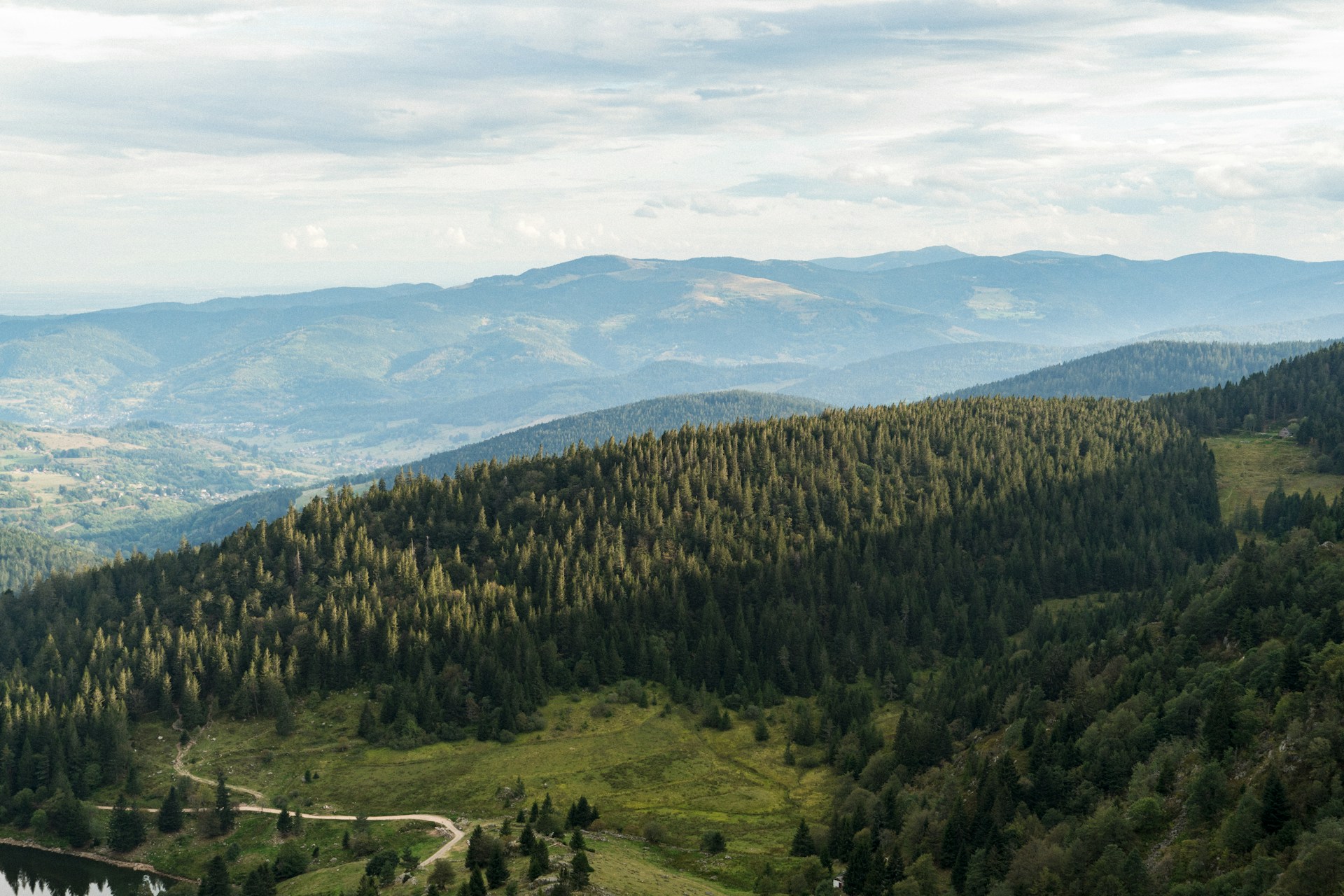
The Vosges, stretching along France’s eastern border across Alsace and Lorraine, are often overshadowed by the Alps and the Pyrenees. That’s precisely what makes them special in 2026: you still get dramatic ridgelines, deep glacial valleys, and high pastures, but without the crowds, sky-high prices, and logistics puzzle of the “big” mountain ranges.
In 2026, a few things make the Vosges particularly compelling:
- Newly improved trails and signage around Gérardmer, La Bresse, and the Hohneck ridge, making it easier for first-timers to explore safely.
- Expanded winter activities in La Bresse-Hohneck and Le Markstein, with better snowmaking and more snowshoe trails rather than just downhill skiing.
- Food-focused events celebrating munster cheese, mirabelle plums, and mountain charcuterie across 2026–2027.
- Growing eco-conscious tourism – more refuges and guesthouses are switching to local sourcing and low-impact practices.
If you’re looking for 4–7 day itineraries that mix ridge hikes, lake swims, cozy inns, family-friendly adventures, and genuine encounters with local culture, the Vosges Mountains are a deeply rewarding alternative to the more obvious French mountain choices.
Table of Contents
- 1. Overview of the Vosges Mountains
- 2. Suggested Itineraries (4–7 Days)
- 3. Peaks, Valleys, Passes & Villages – 15 In-Depth Local Guides
- 4. Mountain Dining & Local Food in Vosges Mountains
- 5. Evenings in the Vosges: Après-Hike, Bars & Stargazing
- 6. Events & Festivals 2026–2027
- 7. Day Trips & Nearby Attractions
- 8. Cultural Etiquette & Local Customs
- 9. Practical Travel Advice & Mountain Logistics
- 10. Summary & Final Recommendations
Overview: The Character of the Vosges Mountains
The Vosges are defined by three things: rounded “ballons” (summits), dark fir forests, and open high pastures dotted with rustic farm-inns called fermes-auberges. The highest point, the Grand Ballon, rises to 1,424 m – modest by Alpine standards, but don’t be fooled: winter storms can be fierce, and the weather on the ridges changes fast.
On the eastern slopes you have Alsace – vineyards, half-timbered villages, and a distinct Germanic flavor. To the west, Lorraine – gentler landscapes, lakes, and old textile towns. The Route des Crêtes (Ridge Road), originally built for military purposes during World War I, still stitches the range together, giving access to some of the best viewpoints in the region.
Over the years I’ve based myself in different spots: a lakeside apartment in Gérardmer in early spring, a tiny gîte above Munster in the heat of summer, a ski-in chalet outside La Bresse in midwinter, and a stone house in Kaysersberg one golden October. Each base offers a different face of the Vosges – choose according to season and what you want to do most: hike, ski, swim, eat, or some combination of all four.
Suggested Itineraries for 4–7 Days in the Vosges Mountains
Below are flexible itineraries that I’ve road-tested over the years. Think of them as frameworks that you can adapt depending on the weather and your energy level. Each day blends must-see attractions with quieter corners, and I’ve flagged options for families, couples, and adventure-seekers.
4 Day Itinerary for Vosges Mountains
This 4 day itinerary for Vosges Mountains is ideal if you want a concentrated introduction: a lake, a high ridge, a historic valley, and a taste of Alsatian villages.
Day 1 – Gérardmer Lake & Forest Trails
I usually start in Gérardmer, often called the “Pearl of the Vosges.” Arriving by late morning, you can feel the air change – cooler, scented with pine. The lake sits at about 660 m, wrapped in forested slopes, with the town clustered on its northern shore.
Morning: After dropping bags at a lakeside hotel or simple apartment (I like to stay within a 10-minute walk of the lakefront), I head straight for the shoreline path. A gentle 6 km loop encircles the lake; I often walk half of it first, from the town to the quieter southern end, where the crowds thin and you get those postcard views back toward the town.
Lunch: Grab a table on a terrace overlooking the water and start your culinary journey with a tarte flambée (Alsatian-style thin pizza) or a plate of tourte vosgienne (rich meat pie). In 2026, a small wave of young chefs has been reimagining local dishes with lighter twists – look for restaurants highlighting “cuisine de montagne revisité.”
Afternoon: For families, I recommend renting pedal boats or kayaks. For a more active afternoon, follow one of the signposted trails into the forest above the town. The Observatoire de Merelle lookout platform is a favorite: a short but fairly steep hike rewards you with a wide-angle view over the lake and the town, especially beautiful in late afternoon light.
Evening: Stroll the lakeside promenade as the lights come on and the last boats return. This is a good night to keep it simple: a hearty spaetzle dish (egg noodles) with creamy mushroom sauce, a glass of local Riesling or Pinot Gris, and an early night to recover from your journey.
Tips: Gérardmer makes a great base in any season: in winter for the ski area above town, in summer for lake swims, in autumn for forests of fire-colored beech. If you’re self-driving, secure parking with your accommodation; the lakefront can get busy on sunny weekends.
Day 2 – La Bresse & Hohneck Ridge
Morning drive: From Gérardmer, it’s a short, scenic drive (around 20–30 minutes) over to La Bresse, the largest ski area in the Vosges and a lively mountain town at around 630 m. I usually leave right after breakfast to beat any traffic up toward the ridge.
Up to Hohneck: Your goal today is the Hohneck area (1,363 m), one of the signature peaks of the Vosges and a must-see attraction. The road from La Bresse snakes upwards; in summer 2026, improved pullouts and signage make it easier to stop and soak in the views. Park near the Col de la Schlucht or the Hohneck parking area, depending on your chosen hike.
Hike along the Route des Crêtes: One of my favorite family-friendly hikes is the undulating trail from the Schlucht area along the Route des Crêtes toward Hohneck and back, with options to shorten. On clear days you may glimpse the Alps far to the south. Keep an eye out for chamois on the steep eastern slopes; I’ve seen them several times just after dawn and in the quiet of late afternoon.
Lunch at a ferme-auberge: Around midday, drop down a bit from the ridge to a ferme-auberge. These farm-inns are the soul of Vosgien mountain dining: fixed menus of farmhouse cheeses, roïgabrageldi (slow-cooked potatoes with onions and bacon), smoked meats, and homemade tarts. In 2026, many have embraced reservations via simple websites, but I still prefer to call ahead – especially in July and August.
Afternoon: Either continue your ridge hike or, if clouds roll in (they often do), visit the more sheltered forest trails on the western slopes toward La Bresse. In winter, this day becomes a mix of skiing and snowshoeing instead of hiking.
Evening in La Bresse: Stay in La Bresse town or in a chalet on the slopes. I love evenings here: kids running around in the square, local bars pouring bière des Vosges, and restaurants serving generous portions of fondue or raclette. In shoulder seasons, it’s quieter, but you’ll get that treasured mountain silence at night.
Day 3 – Munster Valley & Route des Crêtes to Grand Ballon
Morning: down to Munster
Depart La Bresse and cross to the eastern side of the Vosges via the Col de la Schlucht, dropping into the Vallée de Munster. This valley is famous for its pungent munster cheese and its combination of pastoral meadows and high cirques.
Stop in Munster town: stroll the square, admire the storks’ nests on rooftops (spring and summer), and visit a fromagerie. I still remember my first proper munster tasting here – the cheesemonger insisted I try both fresh and affiné (aged), explaining the different farms and altitudes.
High pastures and lakes: Continue up to the Lac de Fischboedle or Lac du Schiessrothried for a short, atmospheric hike by the water. These glacial lakes, cradled by steep wooded slopes, give a wilder feel than Gérardmer’s more domesticated shores.
Afternoon: Grand Ballon
Rejoin the Route des Crêtes and head south toward the Grand Ballon (1,424 m), the highest peak in the Vosges. From the main parking area, it’s a short walk to the summit with its radar dome – not the most romantic object, but the 360° views over the Vosges, the Rhine plain, and, on clear days, the Alps are unforgettable.
For couples, I recommend timing this for late afternoon. One October evening in 2024, I watched the sky turn from gold to violet here while a local hiker brewed coffee on a small stove. We shared stories of winter storms and summer heatwaves; that simple conversation captured the Vosges spirit for me: open, unpretentious, connected to the land.
Evening: Alsatian base
Drop down the eastern side and spend the night in an Alsatian wine village – Guebwiller is closest, but I often push a bit further to Kaysersberg or Turckheim for atmosphere. Half-timbered houses, cobblestone lanes, and taverns pouring Riesling: it’s a magical contrast after two days of deep forest and high ridges.
Day 4 – Alsatian Villages & Return
Use your final day to savor the eastern foothills before heading home.
Morning: Wander the lanes of Kaysersberg or Eguisheim, climb up to a ruined castle for views over the vineyards, and browse small shops selling local honey, jams, and mountain herbal teas. For families, the short climb to Kaysersberg’s castle is a fun mini-adventure with a clear reward at the top.
Lunch: Try a classic bäckeoffe (slow-cooked meat and potato stew) or lighter options like salads with goat cheese and walnuts, accompanied by a glass of Pinot Blanc.
Afternoon: Depending on your onward travel, either slip in one last short hike in the foothills, or visit a wine cellar for a tasting of Riesling, Gewürztraminer, and Crémant d’Alsace. Many producers in 2026 are keen to talk about the impact of climate shifts on their vines and harvest dates; it’s a fascinating window into the region’s future.
By evening, you’ll have completed a compact but rich 4 days in Vosges Mountains – enough to fall in love, and probably to start planning a longer return.
5 Day Itinerary for Vosges Mountains
The 5 day itinerary for Vosges Mountains builds on the 4-day version by adding time in the northern Vosges and the story-rich war sites around Hartmannswillerkopf. This is my go-to recommendation for first-time visitors who want both nature and history.
For brevity here, I’ll sketch the flow; in a full planning session we’d expand each day in depth.
Day 1 – Gérardmer & Lake Life
Follow Day 1 from the 4-day itinerary: arrival, lakeside walk, forest lookout, and a gentle introduction to local food.
Day 2 – La Bresse & Hohneck
As per Day 2 above, or, if you’ve already hiked the main ridge, focus on mountain biking or summer toboggan runs around La Bresse for a more adrenaline-filled day.
Day 3 – Munster Valley & High Pastures
Spend more time lingering in the Munster Valley: visit a farm producing munster cheese, walk between fermes-auberges on the high pastures, and overnight in a small guesthouse above the valley instead of dropping immediately to the plains.
Day 4 – Hartmannswillerkopf & Grand Ballon
Dedicate this day to Hartmannswillerkopf (also called Vieil Armand), a WWI battlefield now turned into a powerful memorial and open-air museum. Trails wind through old trenches and fortifications; interpretive panels (updated in recent years) tell stories from both the French and German perspectives.
Pair this with a late-afternoon return to the Grand Ballon if you missed it, or a quieter forest hike in the surrounding area.
Day 5 – Northern Vosges & Castles
Drive north to the Parc Naturel Régional des Vosges du Nord. Here the mountains are lower but wilder, with red sandstone cliffs and a scattering of castle ruins like Fleckenstein and Lichtenberg. Kids love the castle exploration trails; couples often fall for the quieter, fairy-tale woods.
Overnight in a village like La Petite-Pierre or Wingen-sur-Moder, where you can combine hiking with glassmaking heritage (the famous Lalique museum) and hearty local dinners.
6 Day Itinerary for Vosges Mountains
With 6 days in Vosges Mountains, you can slow down: add a dedicated lake day, more time on the ridges, and an immersive village stay in the wine country.
Again, I’ll sketch the structure; each day can be deepened with specific trails and restaurants once your travel dates and preferences are clear.
Day 1 – Gérardmer
Arrival, lake loop, and forest lookout, with time to settle into your accommodation properly.
Day 2 – Lakes & Waterfalls
Dedicate a full day to the lake district around Lac Blanc, Lac Noir, and smaller tarns. Hike the balcony trail above Lac Blanc, which offers dramatic views over the lake’s steep cirque, and visit waterfalls like Cascade de Tendon on the way back.
Day 3 – La Bresse-Hohneck Adventures
Either: full-day hiking along the Route des Crêtes with a long lunch at a ferme-auberge, or a mixed day of downhill biking, paragliding (in season), or winter sports.
Day 4 – Munster Valley & High Farm Stay
Drive to the Munster Valley and sleep at or near a high ferme-auberge. Waking up among the cows and bells, with mist in the folds of the mountains, is one of the most romantic experiences in the Vosges.
Day 5 – Grand Ballon & Hartmannswillerkopf
Combine the highest summit with the poignant WWI site, with enough time for a slow lunch and contemplation rather than rushing.
Day 6 – Alsatian Villages & Wine Route
End with a full day on the Alsace Wine Route: Eguisheim, Kaysersberg, Riquewihr, or Turckheim. Sleep in a village house, enjoy one last mountain-tinged dinner, and toast your stay with a glass of Crémant d’Alsace.
7 Day Itinerary for Vosges Mountains
A 7 day itinerary for Vosges Mountains lets you live here for a week: repeat favorite hikes, have a true “rest day” in a village café, and explore both the central and northern ranges.
Day 1 – Gérardmer Arrival & Lake
As for the 4-day itinerary: wander the lake and settle in.
Day 2 – Forest Immersion & Hidden Lakes
Spend the day exploring less-known forest paths and small lakes around Gérardmer and Xonrupt-Longemer, with a picnic by Lac de Longemer.
Day 3 – La Bresse-Hohneck Ridge
Full ridge day with sunrise or sunset if you can time it.
Day 4 – Munster Valley & Lakes
Hike the lac-filled cirques of the Munster Valley and overnight in the valley.
Day 5 – Grand Ballon & War History
Grand Ballon summit and Hartmannswillerkopf memorials.
Day 6 – Northern Vosges & Castles
Shift base to the northern Vosges for red sandstone castles and quieter woodland walks.
Day 7 – Alsatian Villages & Farewell
Finish with a slow village day on the wine route before departure.
15 Peaks, Valleys, Passes & Villages – In-Depth Local Guides
Below are the places I return to again and again. Each has its own mood, best season, and ideal base. I’ll focus on altitude, accessibility, what it’s best known for, and little personal tips gathered over many visits.
1. Grand Ballon (1,424 m) – Roof of the Vosges
Altitude: 1,424 m
Best for: Panoramic views, accessible summit hike, sunrise/sunset, road cycling.
Grand Ballon is where I bring people who say, “I had no idea the Vosges could look like this.” Even if you’re not a hiker, it’s easy to reach: in summer, a road climbs almost to the top, and a well-graded path leads to the summit. The radar dome is a bit of a sci-fi intrusion, but step away from it and the landscape opens into rolling summits and distant horizons.
Seasonal character: In summer 2026, expect wildflowers along the slopes and road cyclists grinding their way upwards. In winter, the area becomes a windswept, often icy world; crampons or microspikes are a must if you’re venturing out of the parking area on foot, and road closures are frequent during storms.
Best bases: I like to stay in Guebwiller or Soultz-Haut-Rhin for easy access, then combine a Grand Ballon visit with time in the vineyards. For a more rustic feel, choose a gîte in nearby mountain hamlets like Geishouse.
Personal tip: One September evening, I hiked up an hour before sunset with a thermos of coffee and a slice of tarte aux myrtilles from a bakery in Guebwiller. As the sun sank behind the line of the Vosges, the Rhine plain below lit up with tiny points of light, and the Alps emerged like a ghostly silhouette. It’s one of those quietly perfect travel moments: simple, inexpensive, and utterly memorable.
2. Hohneck (1,363 m) – Wild Slopes & Chamois Watching
Altitude: 1,363 m
Best for: Ridge hikes, chamois spotting, snowshoeing, photography.
The Hohneck area feels a bit wilder than Grand Ballon. Steep eastern slopes plunge down toward the Alsatian side, and the ridge path offers sweeping views in both directions. The summit itself is easy to reach from a parking area, but the magic lies in wandering the surrounding paths.
Accessibility: In summer, the road is open and popular with motorbikes and cars; arrive early or late in the day for a calmer experience. In winter, access can be limited by snow and closures – always check local conditions in 2026 via the Hautes Vosges tourist office sites.
Personal chamois ritual: I’ve made a habit of getting up before dawn and driving up in the half-light. Around sunrise, chamois often graze near the cliffs below the ridge, surprisingly close if you move quietly. Bring binoculars and a warm layer; even in August the wind can bite.
Family note: For kids used to city parks, the steep drops here can be a shock. I always keep younger ones well back from the cliff edges and pick broader, safer sections of path for family hikes.
3. Ballon d’Alsace (1,247 m) – Crossroads of Regions
Altitude: 1,247 m
Best for: Panoramic but gentle hikes, family outings, winter sledging, history.
Ballon d’Alsace sits at the junction of three regions: Alsace, Lorraine, and Franche-Comté. Its broad summit and network of easy paths make it one of the most family-friendly high points in the Vosges. I’ve brought friends here with toddlers and grandparents in the same group – everyone finds a loop that suits them.
What to do: In summer, do a circular walk around the summit, stopping at viewpoints toward the Belfort Gap and, on a clear day, the Alps. In winter, rental sleds and short snowshoe trails keep kids happy for hours. A cluster of inns near the summit road offer simple, hearty meals – think cervelas sausage, potatoes, and cheese.
Best base: The small town of Saint-Maurice-sur-Moselle makes a good base, or you can stay further down the valleys and visit on a day trip.
4. Lac Blanc – Dramatic Glacial Lake & Balcony Trails
Altitude: ~1,050 m
Best for: Scenic hikes, via ferrata, lake views, summer wildflowers.
Of all the lakes in the Vosges, Lac Blanc is the one that makes people stop and say “wow.” Hemmed in by cliffs on one side and forest on the other, with a turquoise surface on sunny days, it feels more Alpine than many places in the range.
Hiking options: The classic “balcony” trail runs high above the lake, offering vertiginous views down into the cirque. There’s also a via ferrata (protected climbing route) for properly equipped and experienced visitors; in 2026, local guides are emphasizing safety training, so consider hiring one if you’re new to via ferrata.
Personal note: My favorite Lac Blanc memory is of a misty July morning: the lake was entirely hidden when I arrived, but half an hour later the fog lifted in slow curls, revealing the water bit by bit. The crowds hadn’t arrived yet, and for a brief pocket of time it felt like the world belonged to the few of us quietly waiting.
Access: Reachable by road from the Munster side or via the ridge road. Parking can be tight on weekends – arrive early or late, or visit midweek in shoulder season.
5. Lac de Gérardmer – The Pearl of the Vosges
Altitude: ~660 m
Best for: Swimming, boating, easy walks, family stays, winter base.
Gérardmer is where many people meet the Vosges for the first time – and it’s where I often return when I need a few days of uncomplicated mountain living. The lake is large enough to feel like a real stretch of water, small enough to walk around in a couple of hours.
Summer: Designated swimming areas, paddleboards, kayaks, and pedal boats make this a family paradise. The lake path is mostly flat and stroller-friendly. I like to start early in the morning for calm reflections on the water and fewer people.
Winter: The lake freezes some years, though ice safety varies. The town above hosts a ski area; Gérardmer is a good base if you want a blend of skiing and non-ski activities like snowshoeing, spa visits, and shopping.
Hidden gem: Walk the southern and western shores – it’s quieter, with several small piers and picnic spots where you can escape the bustle of the northern promenade.
6. Lac de Longemer – Quiet Cousin of Gérardmer
Altitude: ~736 m
Best for: Peaceful lake walks, camping, birdwatching, photography.
A short drive from Gérardmer, Lac de Longemer feels like an escape. Fewer buildings crowd its shores, and the surrounding slopes reflect beautifully in the water at dawn and dusk.
What I love: The simple path around the lake is my “reset” walk when I’ve been on too many high ridges. Birdsong replaces traffic noise, fishermen stand motionless on the banks, and early risers sometimes swim in the morning mist.
Best season: Spring and autumn, when camping areas are quieter and the light is softer. In summer, it’s still more tranquil than Gérardmer but popular with locals.
7. Munster Valley – Cheese, Cirques & High Pastures
Altitude range: ~400–1,300 m
Best for: Food culture, pastoral hikes, lakes, WWI history.
The Vallée de Munster is about flavor as much as scenery. The distinctive munster cheese, with its strong aroma and creamy texture, comes from cows grazing on high-altitude pastures. Visit in summer and you’ll see them scattered across the chaumes (alpine meadows), bells clanking softly.
Hikes & lakes: Trails lead to glacial lakes like Fischboedle and Schiessrothried, often starting from trailheads accessible by car. These are some of the best places in the Vosges for combining forest, water, and rugged slopes in one outing.
Food experiences: Don’t miss a farm visit. Many producers now offer tastings and informal tours – call ahead or check the Munster tourist office website in 2026 for current options. I still smile thinking about a rainy afternoon spent in a farm kitchen, sipping hot chocolate while cheese curds were stirred in a steaming vat.
Best bases: The town of Munster itself, or hamlets higher in the valley if you prefer to wake up closer to the cows than to the church bells.
8. La Bresse – Adventure Hub of the Vosges
Altitude: Town ~630 m, ski area up to ~1,350 m
Best for: Skiing, mountain biking, family activities, year-round outdoors.
La Bresse is the closest thing the Vosges have to a full-scale mountain resort. In winter, slopes fill with skiers and snowboarders; in summer, bikes replace skis, and you hear the whoosh of downhill riders on the trails.
Winter 2026–27: Expect improved snowmaking and grooming, plus a growing network of snowshoe trails signposted from the ski area. Lift passes are significantly cheaper than major Alpine resorts, making La Bresse a smart choice for families learning to ski or snowboard.
Summer: Mountain biking, paragliding, hiking, and a fun “luge d’été” (summer sled) keep things lively. One July, I spent a week here with a mixed group: the thrill-seekers rode bikes and paraglided, while the rest of us hiked to nearby viewpoints and spent long afternoons in cafés with mountain views.
Where to stay: Slope-side apartments for ski-in, ski-out convenience, or in-town guesthouses if you want easy access to shops and restaurants. For families, I recommend in-town: you’re not tied to the resort for every meal.
9. Gérardmer – Year-Round Lake Town
Altitude: ~660 m
Best for: First-time bases, lake access, events, winter sports.
Beyond its lake, Gérardmer is a proper town with supermarkets, bakeries, gear shops, and a lively market. For a first trip, it’s one of the best bases: you can hike, swim, or ski without needing to move accommodation constantly.
Events: The town hosts major events like the Fête des Jonquilles (daffodil festival, usually in April) and film festivals. In 2026, expect a strong program of cultural events throughout the year, from music to sports.
Personal routine: When I’m based here, my mornings start at a bakery near the church: a still-warm kougelhopf or croissant, carried down to the lake for a quiet breakfast on a bench. It’s a small ritual that sets the tone for slow, grounded days.
10. Kaysersberg – Storybook Village at the Mountain’s Foot
Altitude: ~240 m
Best for: Romantic stays, wine, easy access to both Vosges and vineyards.
Kaysersberg sits just east of the main Vosges ridge, technically in the plains, but with the mountains rising almost immediately behind. It’s one of my favorite bases in autumn, when vineyards turn gold and the ridges burn with beech leaves.
What to do: Climb up to the ruined castle for a wide view over the town and valley, wander the cobbled streets, and visit small wine cellars. For hikers, easy trails climb from the edge of town into the foothills, connecting to longer routes toward the main ridge.
Romantic note: If you’re planning a couple’s escape, book a half-timbered guesthouse here for a few nights, then spend your days alternating between ridge hikes and long lunches in village restaurants. In 2026, a few boutique hotels have opened in renovated houses, blending tradition with modern comfort.
11. Route des Crêtes – Historic Ridge Road
Altitude range: ~1,000–1,300 m
Best for: Scenic driving, ridge hikes, WWI history, photography.
The Route des Crêtes is the backbone of many Vosges trips: a high road built during WWI to move troops along the front, now serving as a scenic drive connecting passes, peaks, and viewpoints.
Driving tips: In summer, it’s busy on weekends but still manageable. I prefer to drive it in sections early or late in the day, stopping at 2–3 viewpoints for short walks instead of trying to “do it all” in one go. In winter, sections close due to snow and ice – in 2026, electronic signage will be more widespread, but always confirm locally.
Hidden stops: Beyond the big names like Hohneck and Grand Ballon, look for quieter pullouts with trailheads into the forest. One of my favorite late-afternoon walks begins from a nondescript parking area and leads in 20 minutes to a meadow with a view over the Munster Valley – no name on the map, just a place I stumbled upon and have returned to many times since.
12. Col de la Schlucht (1,139 m) – Gateway Pass
Altitude: 1,139 m
Best for: Access to ridge trails, skiing, family adventure park.
The Col de la Schlucht is both a practical crossing between Lorraine and Alsace and a recreation hub. A small resort area offers ski slopes in winter and, increasingly, summer activities such as treetop adventure courses and luge tracks.
Why it matters: Many classic hikes start here, making it an ideal jump-off point if you’re short on time but want a taste of the high Vosges. You can park, hike a scenic loop, and be back for hot chocolate within a few hours.
Winter note: Driving conditions can be challenging in snow – in 2026, more rental cars come equipped with winter tires by default, but always check before setting off and carry chains if you’re crossing after fresh snowfall.
13. Parc Naturel Régional des Ballons des Vosges – The Big Picture
Altitude range: ~300–1,424 m
Best for: Multi-day exploration, varied landscapes, eco-tourism.
The Parc Naturel Régional des Ballons des Vosges encompasses much of the central and southern Vosges. Think of it as the umbrella under which many of the places mentioned above sit. Its mission: protect landscapes and support sustainable rural life.
Why it matters to travelers: The park coordinates trail maintenance, signs, and conservation efforts. In 2026, several initiatives encourage low-impact tourism: promoting public-transport-accessible hikes, supporting eco-labeled accommodations, and expanding educational signage about local flora and fauna.
My take: When you hike here, you’re not just walking through nature; you’re walking through a living, worked landscape – forests managed for timber, pastures grazed, villages evolving. Respecting paths, closing gates, and supporting local farms are small but meaningful ways to keep that balance.
14. Vosges du Nord – Castles, Sandstone & Quiet Forests
Altitude range: ~200–600 m
Best for: Castle hikes, long-distance walking, tranquil retreats.
The Vosges du Nord are often overlooked, but I’ve spent some of my most peaceful Vosges days here. The mountains are lower, the forests dense, and red sandstone cliffs and castle ruins pop from the canopy like something from a medieval tale.
Highlights: Château de Fleckenstein, Château de Lichtenberg, and countless smaller ruins reached by well-marked trails. The region is also a UNESCO Biosphere Reserve, reflecting its ecological value.
Best bases: Villages like La Petite-Pierre make excellent bases for a few slow days of walking and reading. After a busy itinerary in the high Vosges, this is where I come to recharge.
15. Hartmannswillerkopf (Vieil Armand) – Battle on the Mountain
Altitude: ~956 m
Best for: WWI history, reflective walks, panoramic views.
Hartmannswillerkopf is not an easy place emotionally, but it is an essential one if you want to grasp the Vosges beyond their scenic face. Here, high on the ridge, French and German troops fought in appalling conditions during WWI. The landscape still bears the scars: trenches, shell craters, fortifications.
Visiting: A well-designed interpretation center (modernized in recent years) explains the context; trails then lead you into the forest to see the remains. In 2026, guided tours in multiple languages run more frequently, particularly in summer and around key commemorative dates.
Personal experience: I’ve walked these paths in bright summer sun and in cold November mist. The latter suited the mood: silence, dripping trees, and the sense of time compressed. It’s a place to slow down, read the plaques, and imagine – as best one can – the reality faced by those who fought here.
Mountain Dining & Local Food in Vosges Mountains
The Vosges table is hearty, comforting, and perfect after a day outdoors. The line between “local food in Vosges Mountains” and Alsatian cuisine is blurry – and deliciously so.
Ferme-Auberges & Mountain Inns
Ferme-auberge literally means “farm-inn” – working farms that serve meals, often using almost exclusively their own products. Menus are usually fixed: you sit down and dishes arrive in generous succession.
- Must-try dishes: Roïgabrageldi (potato, onion, bacon bake), tourte (meat pie), farmhouse munster, cured meats, and tarte aux myrtilles (blueberry tart).
- Personal tip: Lunch, not dinner, is the main meal in most fermes-auberges. I often plan hikes so I arrive around 12:30–13:00, have a long lunch, then walk it off in the afternoon.
Refuges & Mountain Huts
The Vosges don’t have the dense hut network of the Alps, but there are several refuges and simple inns on or near the ridges. They’re perfect for dawn hikes or starry nights without a long drive back to town.
What to expect: Dormitory-style rooms or simple private rooms, shared bathrooms, and set meals (often a soup, main dish, cheese, and dessert). In 2026, more refuges accept online bookings, but don’t assume walk-in availability on peak weekends.
Village Bistros & Coffee Culture
In towns like Gérardmer, Munster, and Kaysersberg, you’ll find cafés with terraces perfect for post-hike decompression. Coffee culture here is more about slow sipping than specialty brews, though a few third-wave coffee spots have popped up in 2026 in the larger towns.
Pastries to look for: Kougelhopf (bundt-shaped brioche with raisins), bretzels (soft pretzels), and fruit tarts. After a cold winter hike, nothing beats a hot chocolate and a slice of blueberry tart eaten with slightly numb fingers.
Saving Money on Food
- Lunch menus: Many restaurants offer a cheaper menu du midi on weekdays – fill up then, and go lighter in the evening.
- Picnics: Pick up bread, cheese, charcuterie, and fruit at village markets or supermarkets and picnic by a lake or viewpoint.
- Self-catering: Apartments with kitchens are common in resort towns; cooking some meals in saves a lot, especially for families.
Evenings in the Vosges Mountains
Evenings in the Vosges are softer than in major Alpine resorts – fewer mega-clubs, more cozy bars and slow dinners. That’s part of their charm.
Après-Ski & Après-Hike
In winter, ski areas like La Bresse and Gérardmer have lively bars at the base stations: mulled wine, hot chocolate, local beers, and simple snacks. In summer, the vibe shifts to terrace beers and ice creams in town squares.
Fondue & Raclette Nights
Many mountain inns and town restaurants host fondue or raclette evenings, especially in winter. Book ahead on weekends. I like to schedule one such meal near the end of a trip – a celebratory carb-and-cheese overload after days of hiking.
Stargazing
The high Vosges ridges, far from big city lights, offer good stargazing on clear nights. Pack a warm jacket, a headlamp, and a blanket; pick a safe, open area away from roads. In 2026, some local guides offer night hikes and astronomy evenings – check tourist office listings.
Festivals & Seasonal Events
From Christmas markets in Alsatian villages (November–December) to music festivals in summer, evenings can easily include cultural events. More on specific 2026–2027 events below.
Events & Festivals in the Vosges Mountains (2026–2027)
- Fête des Jonquilles, Gérardmer (Spring 2026): Giant flower-decorated floats parade through town. Held every two years; 2026 is an edition year.
- Munster Cheese Festival (Summer 2026): Dates vary; expect tastings, farm visits, and markets focused on local products.
- Trail Running Races: La Bresse and Gérardmer host major trail events (e.g., Trail de la Vallée des Lacs), with 2026–2027 calendars published annually in autumn.
- Christmas Markets (Nov–Dec 2026 & 2027): Kaysersberg, Riquewihr, and other villages run atmospheric markets with crafts, mulled wine, and local foods.
- Cycling Events: Granfondos and amateur hill-climb races against the backdrop of Grand Ballon and Ballon d’Alsace, typically late spring to early autumn.
Always confirm dates closer to travel – local tourism sites update schedules each year.
Day Trips & Nearby Attractions from the Vosges
Colmar
Travel time: ~45–60 minutes by car from many eastern Vosges bases.
Why go: Canals, half-timbered houses, museums, and excellent restaurants. A good “city day” if the mountains are socked in with cloud.
Strasbourg
Travel time: 1.5–2 hours by car, or train from Colmar.
Why go: Impressive cathedral, historic center, and cosmopolitan food scene.
Route des Vins d’Alsace
Travel time: Directly beneath the eastern slopes.
Why go: Combine mountain mornings with vineyard afternoons; visit villages like Riquewihr, Ribeauvillé, and Turckheim.
Belfort & Lion of Belfort
Travel time: ~1 hour from Ballon d’Alsace area.
Why go: Impressive fortress, monumental lion sculpture carved into rock, and good restaurants.
Cultural Etiquette & Local Customs in the Vosges Mountains
Language & Greetings
- Start interactions with a polite “Bonjour” (daytime) or “Bonsoir” (evening) – it makes a huge difference.
- English is spoken in many tourist spots, but far less in small villages. A few basic French phrases go a long way.
In Restaurants & Inns
- Table service is the norm; wait to be seated or ask politely.
- Lunch is often 12:00–14:00; after that, kitchens may close. Plan accordingly, especially in remote areas.
- It’s considered polite to finish your plate in fermes-auberges, or at least explain if you’re too full – portions can be huge.
On Trails & in Nature
- Stick to marked paths to protect vegetation and avoid private property.
- Greet fellow hikers with a simple “Bonjour.”
- Respect quiet in memorial sites like Hartmannswillerkopf – voices carry in the forest.
Tipping
Service is included in restaurant bills in France, but rounding up or leaving a small extra (5–10%) for good service is appreciated. In mountain inns, I often leave a little extra if the staff have been particularly kind or flexible.
Practical Travel Advice & Mountain Logistics
Getting Around: Car, Train, & Buses
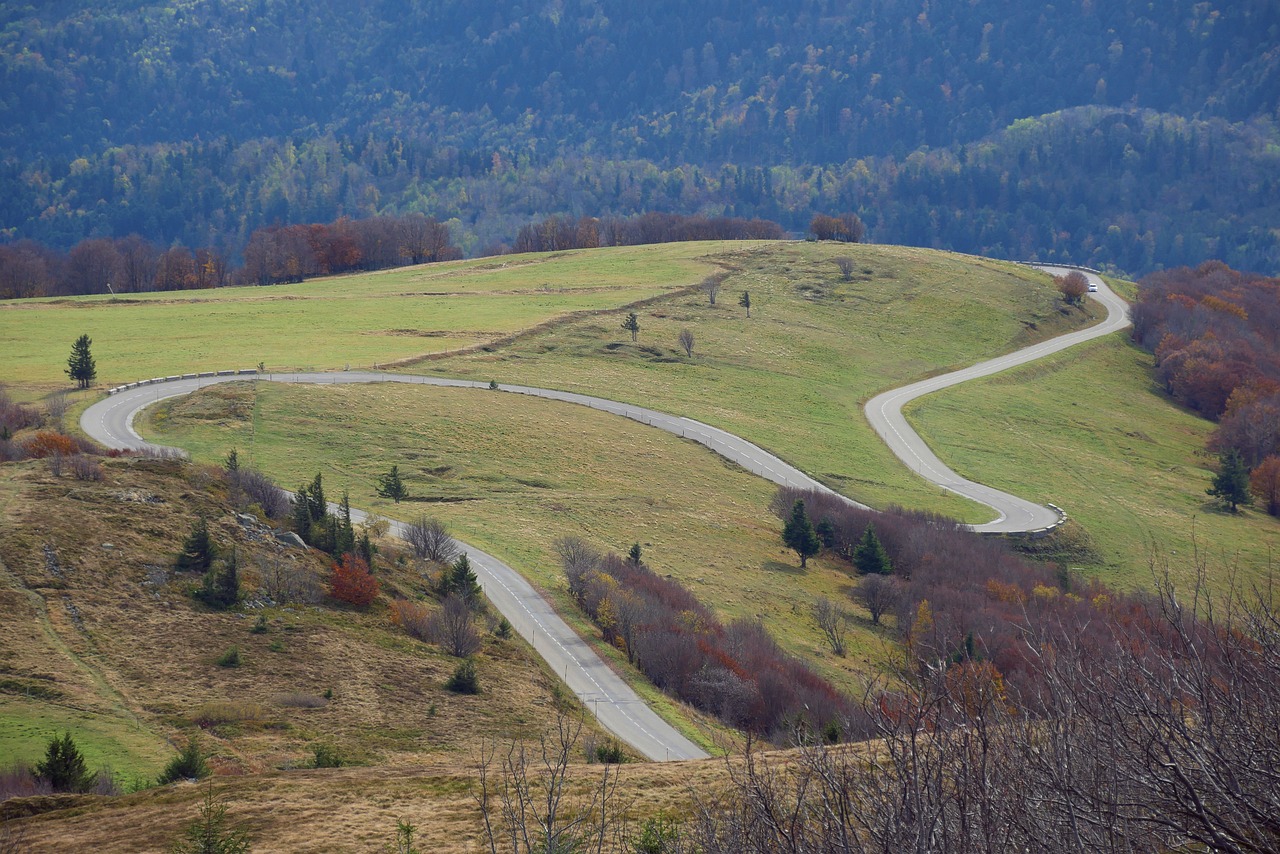
Car: The most flexible way to explore the Vosges, especially for ridge roads and small trailheads. In winter, ask for a car with winter tires; carry chains if staying in high villages.
Public transport: Trains connect major towns (e.g., Colmar, Mulhouse, Épinal) with some valley bases (e.g., Munster). Buses run to lakes and passes in season, but schedules can be limited; check 2026 timetables via local tourist sites.
SIM Cards & Connectivity
France has good mobile coverage overall, but some high valleys and ridges have patchy reception. For visitors:
- Consider an eSIM or physical SIM from French providers like Orange, SFR, or Bouygues at airports or big towns.
- Download offline maps (e.g., Maps.me, Komoot, or IGN apps) before heading into the mountains.
Visa & Driver’s License Requirements
Visas: France is in the Schengen Area. Many nationalities can enter visa-free for short stays; others need a Schengen visa. Always check current rules for 2026 with official consular sources.
Driving: EU/EEA licenses are accepted. Many other countries’ licenses are valid for short stays; an International Driving Permit (IDP) is recommended if your license is not in French or another EU language.
Mountain-Specific Logistics
Altitude & Acclimatization
The Vosges’ moderate altitudes mean altitude sickness is extremely unlikely. The main risks are weather shifts and underestimating cold or heat.
Weather, Storms & Road Closures
- Storms: Thunderstorms can build quickly in summer; start ridge hikes early and aim to be off exposed summits by mid-afternoon if storms are forecast.
- Winter: Roads like the Route des Crêtes close during heavy snow. Check local websites or ask your accommodation for the latest information.
Avalanches & Snow Safety
While avalanche risk is generally lower than in high Alpine regions, it exists on steep snow-covered slopes. If you plan off-piste skiing or winter mountaineering, treat it seriously: check bulletins, carry proper gear, and consider a guide.
Gear: What to Bring
- All seasons: Sturdy shoes or boots with grippy soles, waterproof jacket, warm layer, hat, sunscreen, and a small first-aid kit.
- Spring/Autumn: Light gloves and beanie for cool mornings and evenings; trails can be muddy, so gaiters help.
- Winter: Insulated boots, microspikes or light crampons for icy paths, and possibly snowshoes (rentable locally).
Mountain Rescue & Insurance
Dial 112 Europe-wide in emergencies. Rescue is organized regionally; in many cases, search and rescue is free, but medical care is not. Make sure your travel insurance covers hiking and winter sports in France.
Cable Cars, Lifts & Passes
The Vosges have fewer cable cars than the Alps, but ski lifts in La Bresse, Gérardmer, and other resorts run in winter and sometimes in summer for bikers and hikers.
- Winter: Compare forfait (lift pass) prices across resorts; multi-day passes can be good value.
- Summer: Some lifts open for mountain bikes and hikers; buying a day pass usually makes sense if you’ll do multiple runs.
Best Seasons for Activities
- Spring (April–May): Melting snow on high ridges, wildflowers in lower forests, waterfalls at their fullest. Great for mixed weather walkers; higher trails may still be snowy.
- Summer (June–August): Prime time for hiking, lake swimming, and long days. July–August are busiest; June and early September are often ideal.
- Autumn (September–October): Stunning foliage, quieter trails, cooler temperatures. My personal favorite time, especially around Kaysersberg and the Munster Valley.
- Winter (December–March): Skiing, snowshoeing, and cozy evenings by the fire. Conditions vary year to year, but January–February usually offer the best snow.
Money-Saving Tips in a Mountain Region
- Travel in shoulder seasons (May–June, September–early October) for lower accommodation prices.
- Use self-catering options to cook some meals and picnic on hikes.
- Book early for school holiday periods if your dates are fixed; prices and availability both get worse last-minute.
Summary & Final Recommendations
The Vosges Mountains reward travelers who slow down. They may not have the towering drama of the Alps, but they excel at something subtler: a blend of forest, lake, ridge, and village life that seeps under your skin. Over multiple visits, I’ve found that the most memorable days weren’t always the most ambitious hikes, but the ones that mixed a good walk, an unhurried meal, and a conversation with someone rooted in these hills.
Key takeaways for planning:
- For a first visit, plan at least 4–5 days; 6–7 days in Vosges Mountains let you really settle in.
- Base yourself in Gérardmer or La Bresse for active, family-friendly holidays; choose Kaysersberg or Munster for a more romantic, food-and-wine-focused stay.
- Don’t miss the Route des Crêtes, at least one high summit (Grand Ballon or Hohneck), a lake day, and at least one ferme-auberge lunch.
- Visit a WWI site like Hartmannswillerkopf to understand the region’s deeper history.
- For the best balance of weather and calm, target June or September–early October in 2026.
Whether you come for 4 days or linger for 7, let the Vosges set your pace. Walk a little slower, eat a little longer, and take that extra detour down an unassuming forest path – that’s often where the mountains reveal their quietest, most enduring magic.