Why Visit Augsburg?
Augsburg is one of those cities that quietly gets under your skin. It doesn’t shout like Berlin, it doesn’t pose like Munich. Instead, it hums – with history that goes back to the Romans, canals that once powered the Renaissance textile boom, and a lived-in, local feel that makes you feel less like a tourist and more like a temporary resident.
Founded in 15 BC, Augsburg is one of Germany’s oldest cities. You feel it in the cobblestones of the Altstadt, in the elaborate façades along Maximilianstraße, and in the way people here still talk about the Fugger banking family as if they just stepped out for coffee. But it’s not a museum city. It’s a university town, a tram city, a place where students bike past 500-year-old guild houses on the way to class.
I’ve been coming to Augsburg for years—first as a day-tripper from Munich, then as someone who stayed for weeks at a time, housesitting for friends in different neighborhoods. I’ve watched the Weihnachtsmarkt lights flicker on in the freezing December air, I’ve sweated through summer evenings at beer gardens by the Lech, and I’ve spent countless lazy Sundays wandering from church towers to hidden courtyards.
If you’re planning 3 days in Augsburg, 4 days in Augsburg, or even a full 5 days in Augsburg, this guide will help you experience the city the way locals do: unhurried, curious, and well-fed.
Table of Contents
- Why Visit Augsburg?
- Getting Oriented: Layout & Neighborhoods
- 20 Must-See Attractions & Personal Stories
- Suggested 3–5 Day Itineraries
- Local Food & Drink in Augsburg
- Nightlife, Entertainment & Cultural Experiences
- Major Events & Festivals (2026–2027)
- Best Day Trips from Augsburg
- Cultural Etiquette & Local Customs
- Practical Travel Tips for Augsburg
- Summary & Best Time to Visit Augsburg
Getting Oriented: Augsburg’s Neighborhoods & Feel
Augsburg is compact and walkable, with a reliable tram system that makes exploring incredibly easy. Once you understand the main districts, planning a 3 day itinerary for Augsburg or stretching it into a 5 day itinerary for Augsburg becomes straightforward.
Altstadt (Old Town)
This is where you’ll spend most of your time, especially if you have only 3 days in Augsburg. It’s centered around Rathausplatz, the Rathaus (Town Hall), Perlachturm, and the grand Maximilianstraße. Think cobblestones, Baroque churches, Renaissance fountains, and cafés spilling into squares.
Innenstadt & Königsplatz
Just south of the Altstadt, Königsplatz is the main public transport hub. The streets here are more modern, lined with shops, bakeries, and fast food. It’s not the prettiest area, but you’ll pass through often.
Lechviertel & Jakobervorstadt
East of the Altstadt, this is one of my favorite parts of Augsburg. Crisscrossed by small canals, it feels like a quieter, more residential Venice. You’ll find the Fuggerei nearby, plus small galleries, hidden courtyards, and relaxed cafés.
Bleich & Pfärrle
North of the center, this is a student-heavy, multicultural area where rents are cheaper and food is excellent value. If you want to see “real” Augsburg beyond the postcards, wander here in the evening.
Göggingen
Southwest of the center, Göggingen has leafy streets, villas, and the fascinating Kurhaus Göggingen. It’s a pleasant change of pace for a longer 4 day itinerary for Augsburg.
Universitätsviertel
Home to Augsburg University, this district feels young and laid-back. If you’re staying longer, there are good value apartments and a few underrated bars and eateries.
20 Must-See Attractions in Augsburg (With Local Insights)
Below are 20 of the best places to visit in Augsburg. I’m not just listing them; I’ll walk you through how they feel, little things I’ve noticed over multiple visits, and how to weave them into your 3–5 days in Augsburg.
1. Rathausplatz & Augsburg Town Hall (Rathaus)
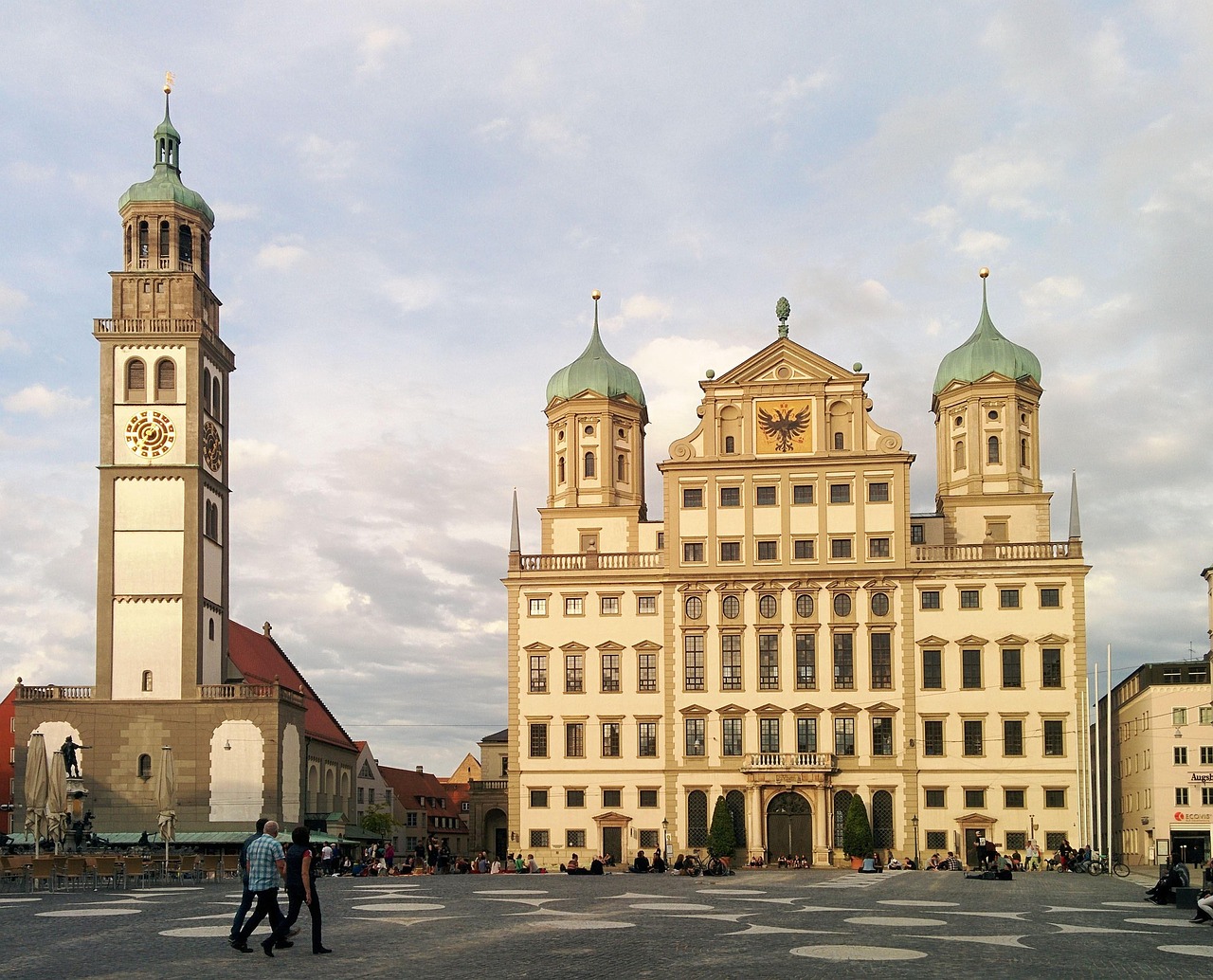
Rathausplatz is the beating heart of Augsburg. No matter how carefully I plan my days, I always end up here—morning coffee, midday people-watching, evening beers.
The Rathaus itself is a masterpiece of Renaissance architecture, built in the early 17th century by Elias Holl. The façade is imposing but elegant, and inside you’ll find the famous Goldener Saal (Golden Hall).
My experience: The first time I walked into the Goldener Saal, I actually went quiet. The entire hall glows—gilded reliefs, painted ceilings, polished wood. I’ve visited three times now, and each time I notice a new detail, a face in the ceiling frescoes or a pattern in the wood paneling I missed before.
Practical tips:
- Opening hours: Typically late morning to late afternoon; closed some Mondays and for special events. Check the city’s official website in 2026 for current times.
- Tickets: The small fee for the Golden Hall is worth it. Buy on-site; no need to reserve.
- Best time: Morning for photos without crowds; evening for the atmosphere in the square.
Food & drink nearby: I like to grab a cappuccino at a café along the square and just watch trams, kids with ice creams, and couples meeting under the statue in the center. For something hearty, head a block off the square to avoid tourist prices—look for places filled with locals on their lunch break.
2. Perlachturm (Perlach Tower)
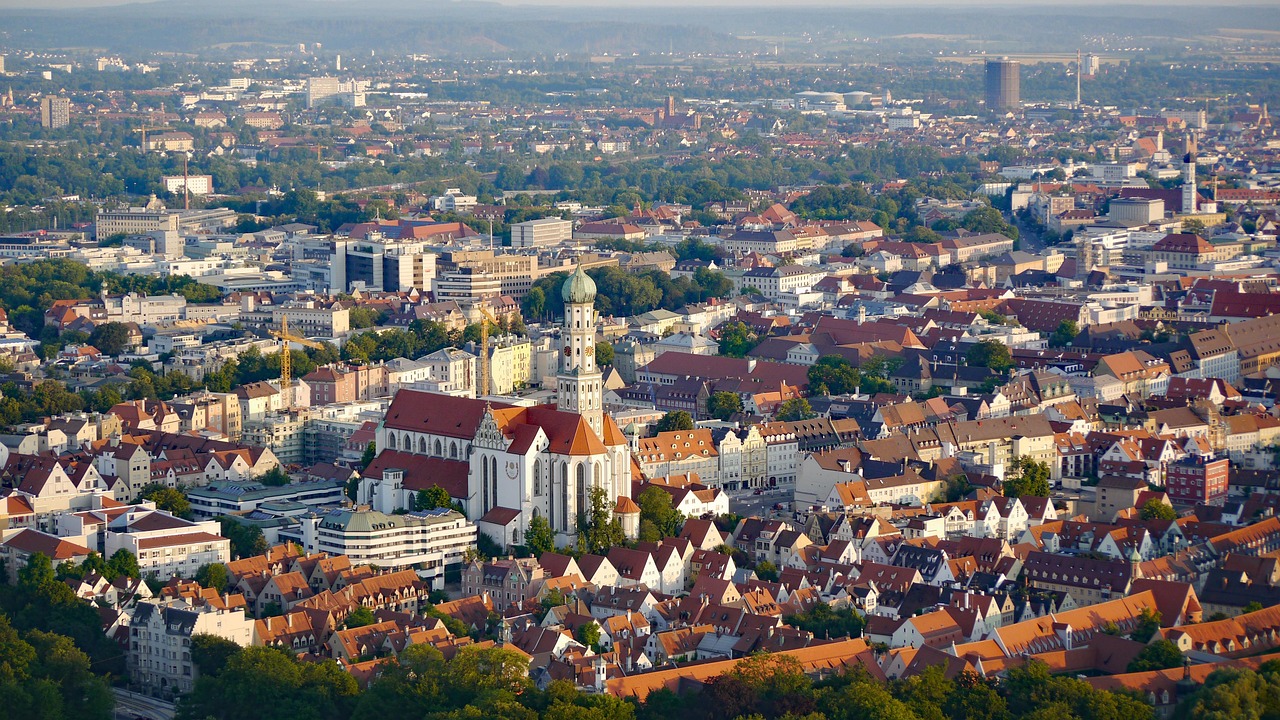
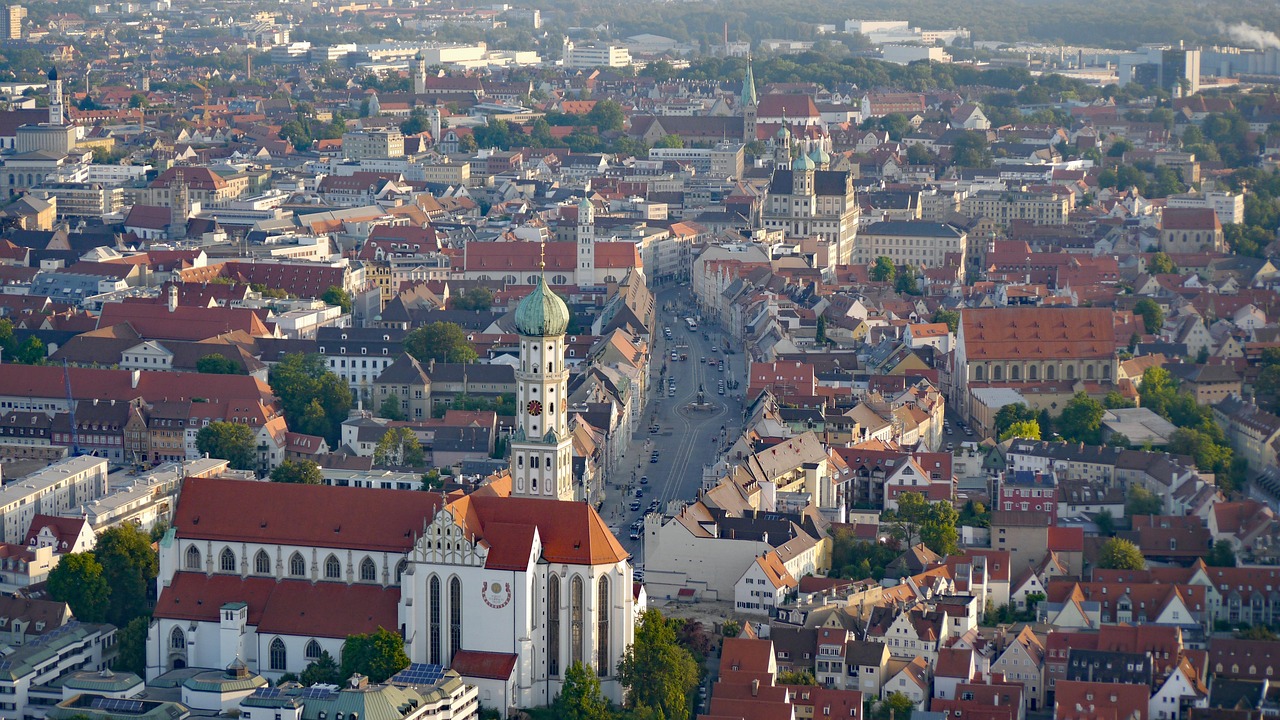
The Perlachturm stands right next to the Rathaus like its tall, slightly eccentric cousin. Climb it for one of the best skyline views of Augsburg: red roofs, church spires, the green dome of the cathedral, and on clear days, the Alps in the distance.
My experience: I’ve climbed Perlachturm in every season. In summer, it can be hot and crowded, but the light over the city is gorgeous around 6–7 pm. In winter, your fingers will freeze on the railings, but you might get snow-dusted rooftops that look straight out of a fairy tale.
Practical tips:
- Stairs only: It’s a narrow, steep staircase. Wear proper shoes and take it slow if you’re not used to climbing.
- Best time for photos: Late afternoon for warm light; mornings are quieter.
- Family-friendly? Older kids usually love the climb; tiny toddlers may struggle.
3. Maximilianstraße & the Three Fountains
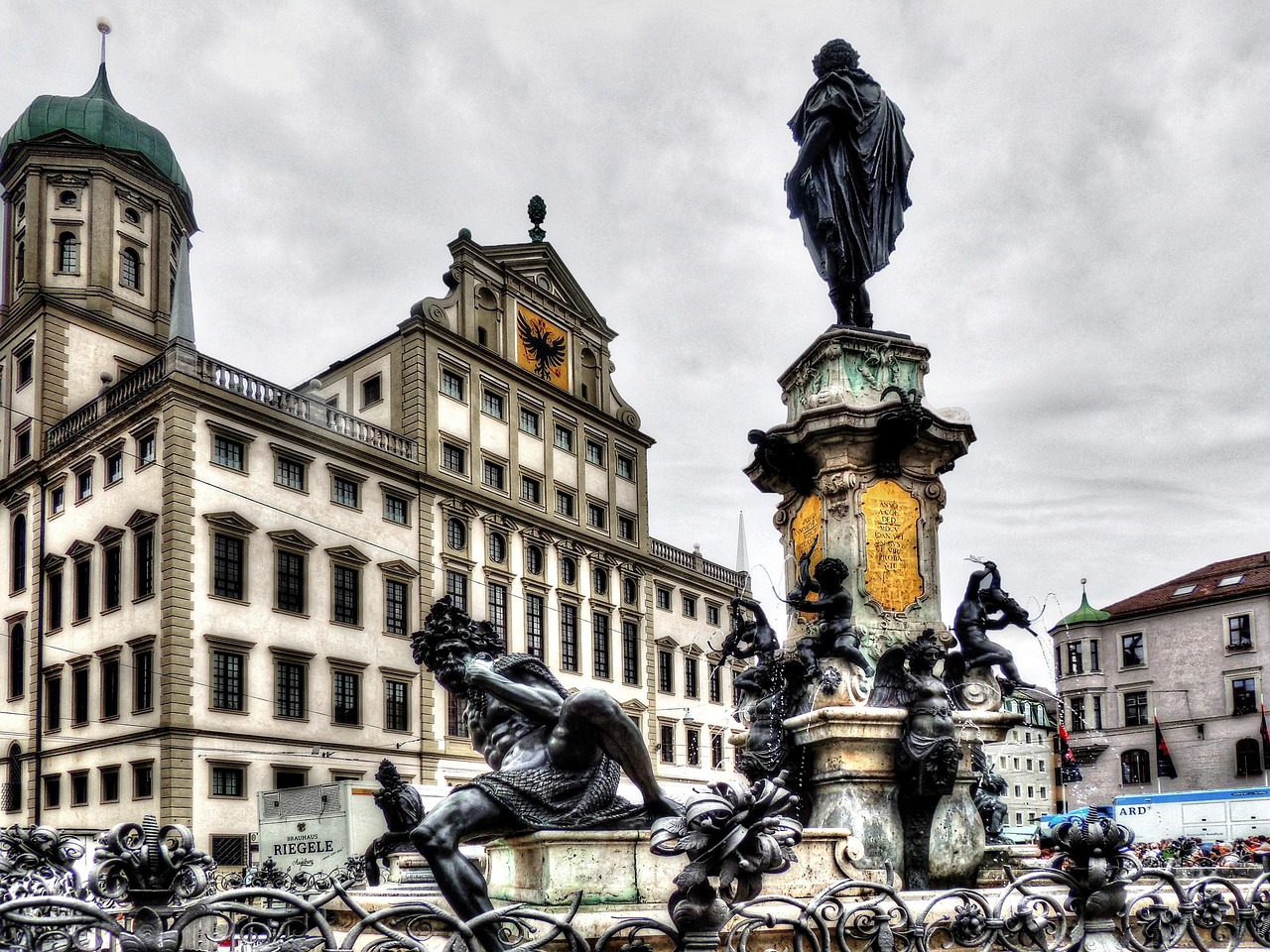
Maximilianstraße is Augsburg’s grand boulevard, running north–south through the heart of the Altstadt. It’s lined with Baroque and Renaissance façades, churches, and three magnificent fountains: the Augustusbrunnen, Merkurbrunnen, and Herkulesbrunnen.
My experience: One summer evening, I walked the entire length of Maximilianstraße slowly, gelato in hand, while the sun set behind the rooftops. The fountains were lit up, couples leaned on the railings, and the whole street felt like an outdoor living room.
What to do:
- Start at the Augustusbrunnen at Rathausplatz, then wander south.
- Pop into side streets to find quieter cafés and small shops.
- Visit the churches along the way (especially St. Ulrich and St. Afra further down).
Romantic? Very. If you’re planning a romantic 3 day itinerary for Augsburg, an evening stroll here is essential.
4. Fuggerei
The Fuggerei is one of Augsburg’s most famous sights—an ongoing social housing project founded in 1521 by the Fugger banking family. Residents still pay a symbolic annual rent of one Rhenish guilder (currently around 0.88 euros) and must pray daily for the founder’s soul.
My experience: I’ve visited the Fuggerei in all weather. In spring, the little gardens burst into color, and you can smell flowers as you walk the narrow lanes. In autumn, leaves pile up by the doorways, and the yellow façades glow under grey skies. It feels lived-in, not like a stage set.
Highlights:
- The small museum apartment showing how residents lived in earlier centuries.
- The WWII air-raid bunker exhibit, which adds another layer of history.
- The tiny church and peaceful courtyards.
Practical tips:
- Allow 1–2 hours; more if you like to linger.
- There’s a small café on site—good for a coffee break.
- Combine with a walk through Lechviertel for a half-day of exploring.
Family-friendly: Yes. Kids often enjoy the “mini village” feel and exploring the lanes.
5. Augsburg Cathedral (Dom Mariä Heimsuchung)
The Dom towers over the northern edge of the old town. Parts of it date back to the 11th century, and inside you’ll find a fascinating mix of Romanesque and Gothic elements as well as some of the oldest stained-glass windows in Germany.
My experience: I like to visit the cathedral twice if I have time: once during a quiet weekday morning when the space feels almost meditative, and once on a Sunday when the bells are ringing and locals gather for Mass. The contrast tells you a lot about how the building lives in the city’s rhythm.
Don’t miss:
- The ancient prophet windows on the south side.
- The crypt area and side chapels.
- The view of the cathedral from the nearby streets—some of my favorite Augsburg photos are from just outside the Dom, not inside.
6. Basilica of St. Ulrich and St. Afra
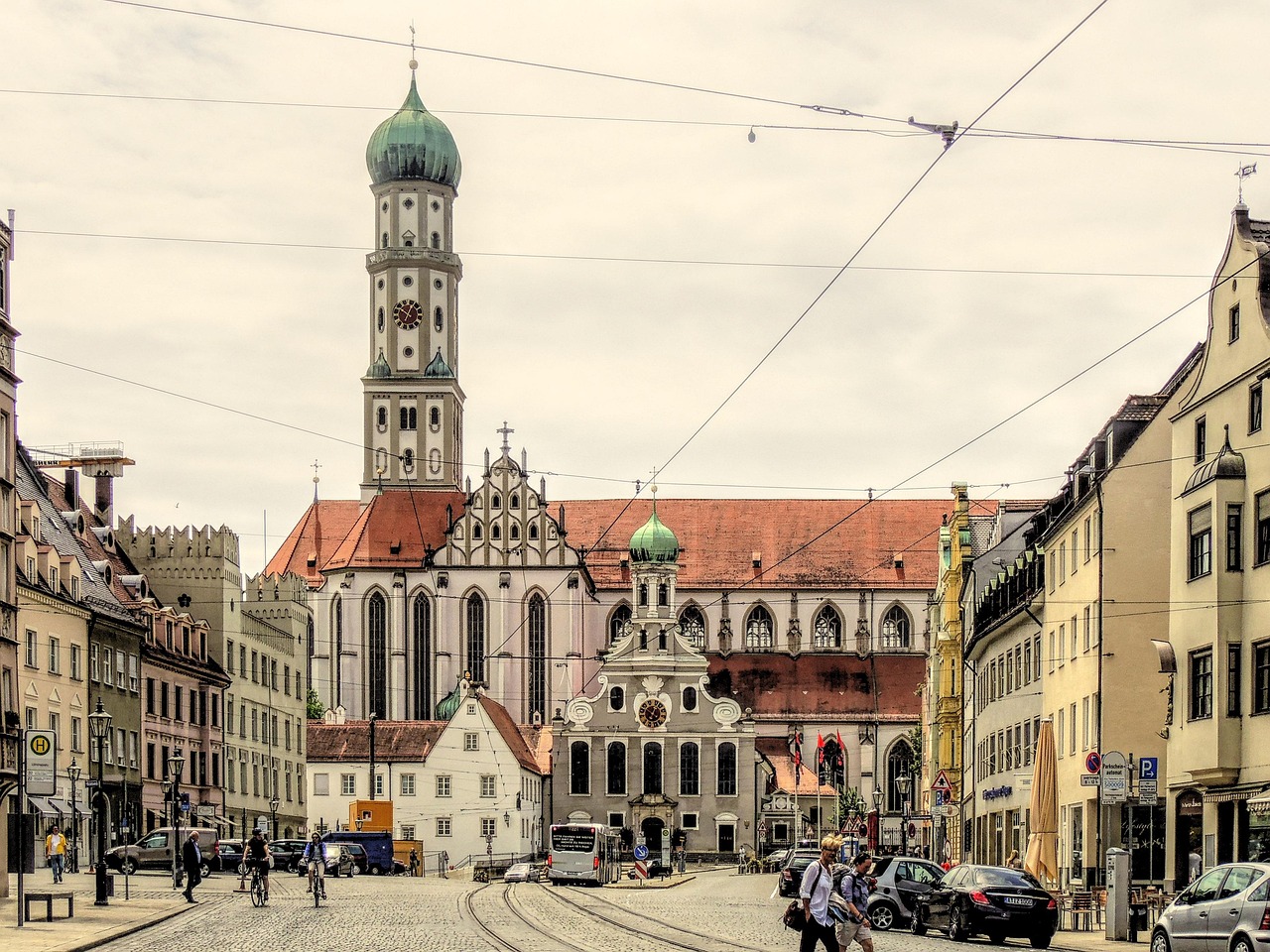
At the southern end of Maximilianstraße, this imposing basilica marks the transition from the busy shopping streets to a quieter, more contemplative part of town. Its onion dome is one of Augsburg’s defining skyline features.
My experience: I once ducked in here during a sudden summer thunderstorm. The rain hammered on the roof while inside everything was hushed and dimly lit. I sat in a pew, dried off, and just listened to the echoing sound of the storm. It’s become a little ritual for me to stop in here, even if only for five minutes.
Tip: Step outside and look back from further down the road—you get a great perspective of the basilica dominating the street.
7. Lechviertel & the Canals
Lechviertel is my personal favorite neighborhood in Augsburg. It’s where the city’s water management system—now a UNESCO World Heritage Site—really shows itself: narrow canals, small bridges, and old mills that once powered the textile industry.
My experience: I love getting “lost” here. I’ll pick a side street near the Fuggerei and just wander, following the sound of water. I’ve stumbled across tiny art studios, backyard cafés, and courtyards with ivy climbing up the walls.
What to do:
- Walk the canals slowly, look for old water wheels and plaques explaining the history.
- Stop at a café for a slice of cake and coffee by the water.
- Photography lovers: this is where you’ll find some of Augsburg’s most atmospheric shots.
Romantic? Extremely. Perfect for couples on a 3 day itinerary for Augsburg who want something quieter than the main squares.
8. Fugger and Welser Adventure Museum (Fugger und Welser Erlebnismuseum)
This interactive museum tells the story of Augsburg’s powerful merchant families, the Fuggers and Welsers, and how they helped shape global trade in the 16th century. It’s a great stop if you want to understand why this relatively small city was once a financial powerhouse.
My experience: I went in expecting dry economic history and came out genuinely fascinated. The museum does a good job of making trade routes, mining rights, and banking history feel like a gripping drama. Kids can interact with exhibits, and adults get enough depth to keep things interesting.
Tip: If you’re visiting the Fuggerei the same day, do this museum first for context.
9. State Textile and Industry Museum (tim)
Located in a former industrial area, the tim (Textil- und Industriemuseum) is one of Augsburg’s most underrated museums. It explores the city’s textile history, from hand-woven fabrics to automated looms.
My experience: I was surprised by how long I spent here—almost three hours. The old Jacquard looms, the sound of machinery starting up for demonstrations, and the fashion exhibits made me see Augsburg’s canals and mills in a whole new light.
Practical tips:
- Easy to reach by tram from the center.
- Great for a rainy day on a longer 4 or 5 day itinerary for Augsburg.
- There’s a nice café on-site with good cakes.
10. Augsburg Botanical Garden (Botanischer Garten)
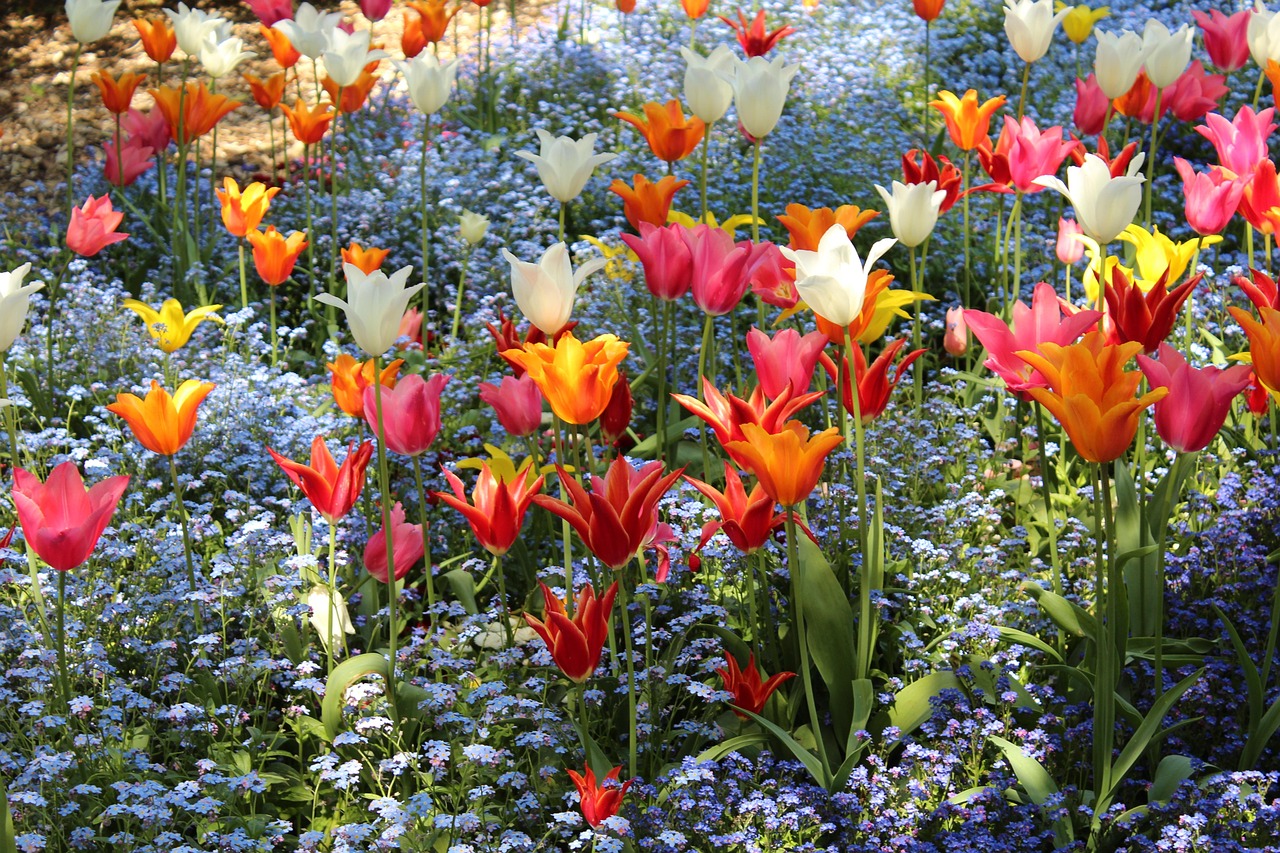
This peaceful garden on the southern edge of town is a local favorite. There’s a Japanese garden, rose gardens, themed beds, and a small pond with ducks. In spring and early summer, it’s spectacular.
My experience: On one trip, I brought a picnic and a book and ended up staying almost the whole afternoon. Families drifted by, couples sat on benches, and the city felt far away. It’s one of the best places to reset if you’re feeling overwhelmed by sightseeing.
Family-friendly: Very. Lots of space for kids to run around.
11. Augsburg Zoo

Right next to the botanical garden, Augsburg Zoo is a mid-sized, well-kept zoo that’s especially popular with families.
My experience: I visited with friends and their two kids, and it turned into a full-day outing with the zoo in the morning and the botanical garden in the afternoon. The kids loved the petting areas and watching feeding times.
Tip: Combine zoo + botanical garden in one day; buy combo tickets if available to save money.
12. Kurhaus Göggingen
The Kurhaus Göggingen is a strange and beautiful structure: part spa house, part theater, part glass pavilion. Built in the late 19th century, it feels like something out of a Wes Anderson movie.
My experience: The first time I saw it, I just stopped and stared. The ornate façade, the iron-and-glass interiors—it’s unlike anything else in Augsburg. I caught a small theater performance there once; even if you only visit for a quick look, it’s worth the tram ride out.
13. St. Anna Church & Lutherstiege
St. Anna is a former monastery church with a beautiful interior and a special connection to Martin Luther, who stayed here during the Diet of Augsburg in 1518. The “Lutherstiege” (Luther stairway) is a small museum about his time in the city.
My experience: I like to slip in here when the sun is high and harsh outside. The cool, quiet interior, with its mix of Gothic and Baroque elements, feels like stepping into a different century.
Tip: Often less crowded than the Dom or St. Ulrich, so it’s a good “quiet moment” stop on a busy day.
14. Mozart House (Mozarthaus Augsburg)
Yes, Mozart has a connection to Augsburg: his father, Leopold Mozart, was born here. The Mozarthaus is a small museum in his birthplace, focusing on the musical family and their ties to the city.
My experience: It’s not a huge museum, but I enjoyed the intimate feel. If you’re a classical music fan, it’s a must. If not, it’s still a pleasant, quick stop that adds nuance to your mental picture of Augsburg’s cultural history.
15. Schaezlerpalais & Baroque Hall
The Schaezlerpalais is a magnificent Baroque palace that now houses art collections, including works from the Augsburg art school and old masters. The highlight is the opulent Baroque banquet hall.
My experience: I wandered in on a rainy afternoon and ended up spending much longer than planned. The sequence of rooms, each more ornate than the last, leads you to the grand hall, which is simply breathtaking. Mirrors, gilding, chandeliers—the works.
Tip: Combine with a stroll through the nearby streets for one of the best “architecture days” in the city.
16. Augsburg Stadtmarkt (City Market)
The Stadtmarkt is my favorite place to feel the city’s pulse. Stalls selling fresh produce, cheeses, sausages, bread, flowers; small food counters where locals grab lunch; a mix of traditional Bavarian fare and international options.
My experience: I’ve lost count of how many lunches I’ve had here. My go-to: a simple Leberkässemmel (meatloaf roll) from a butcher’s stand, followed by a strong coffee and maybe a slice of cake. On Saturdays, it gets busy, but that’s half the charm.
Money-saving tip: Eating here is cheaper (and often tastier) than many sit-down restaurants. Perfect if you’re trying to keep a 4 or 5 day itinerary for Augsburg on a budget.
17. Augsburg Christmas Market (Augsburger Christkindlesmarkt)
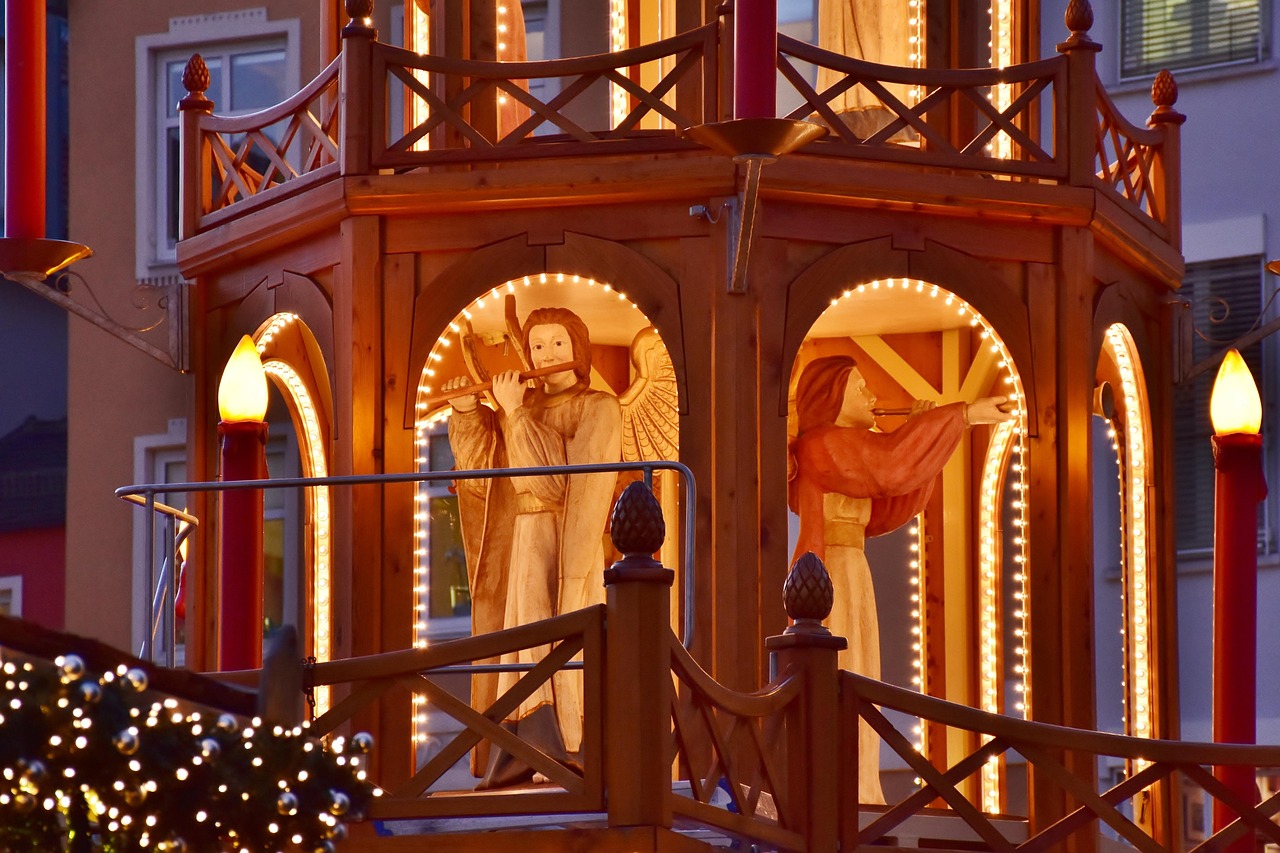
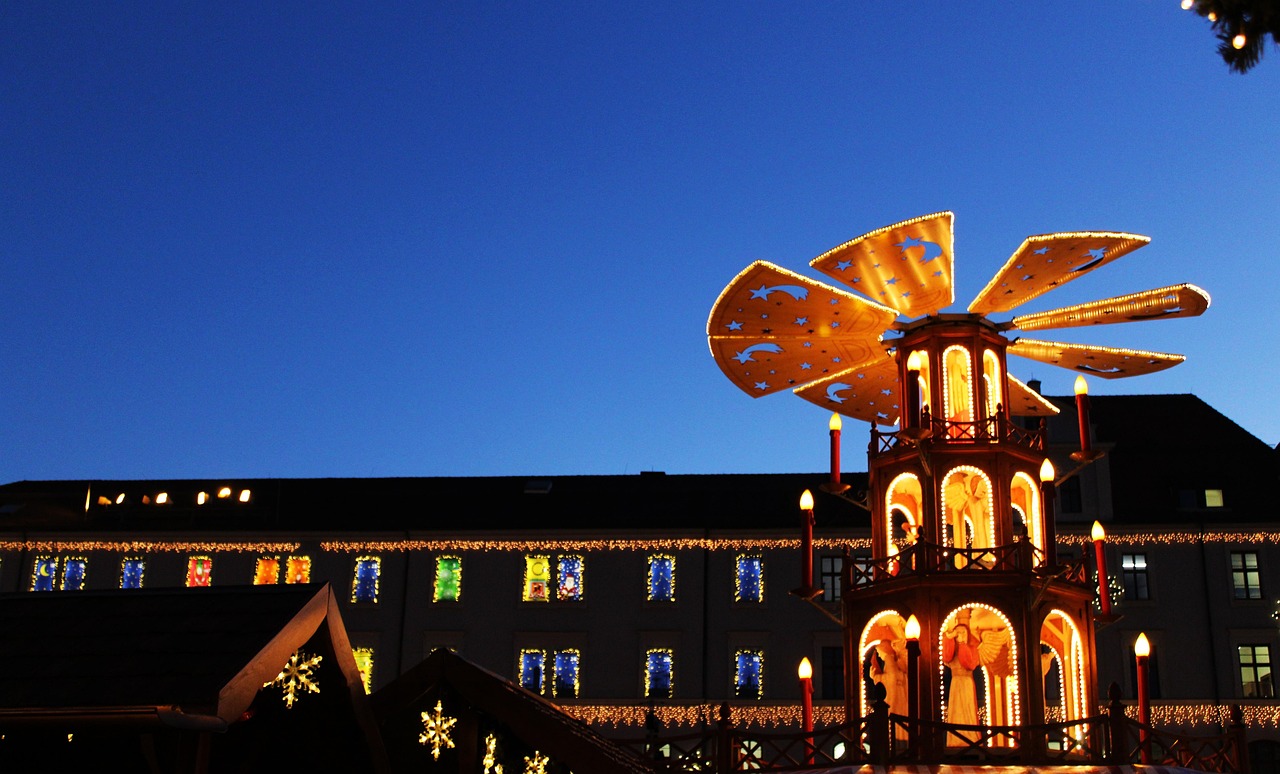
If you’re in Augsburg from late November through December, the Christkindlesmarkt around Rathausplatz is pure magic: wooden stalls, the smell of Glühwein (mulled wine), roasted chestnuts, and fairy lights everywhere.
My experience: I’ve been to Christmas markets all over Germany, and Augsburg’s is one of the most atmospheric. When the angels appear on the Rathaus balcony in the evenings (the “Engelsspiel”), the crowd collectively goes quiet—it’s goosebump-inducing, even if you’re not particularly religious.
Family-friendly: Yes, but bundle up—Augsburg winters are cold.
18. Rosenaustadion & Wittelsbacher Park
West of the center, Wittelsbacher Park and the nearby Rosenaustadion area offer big green spaces, walking paths, and a different, more local side of Augsburg.
My experience: On longer stays, this is where I go for runs or lazy afternoon walks. Locals picnic here, walk dogs, and play informal football matches. It’s not a tourist “must,” but it’s great if you’re staying 4–5 days in Augsburg and want a break from museums and churches.
19. Augsburg’s Water Towers & UNESCO Water Management Sites
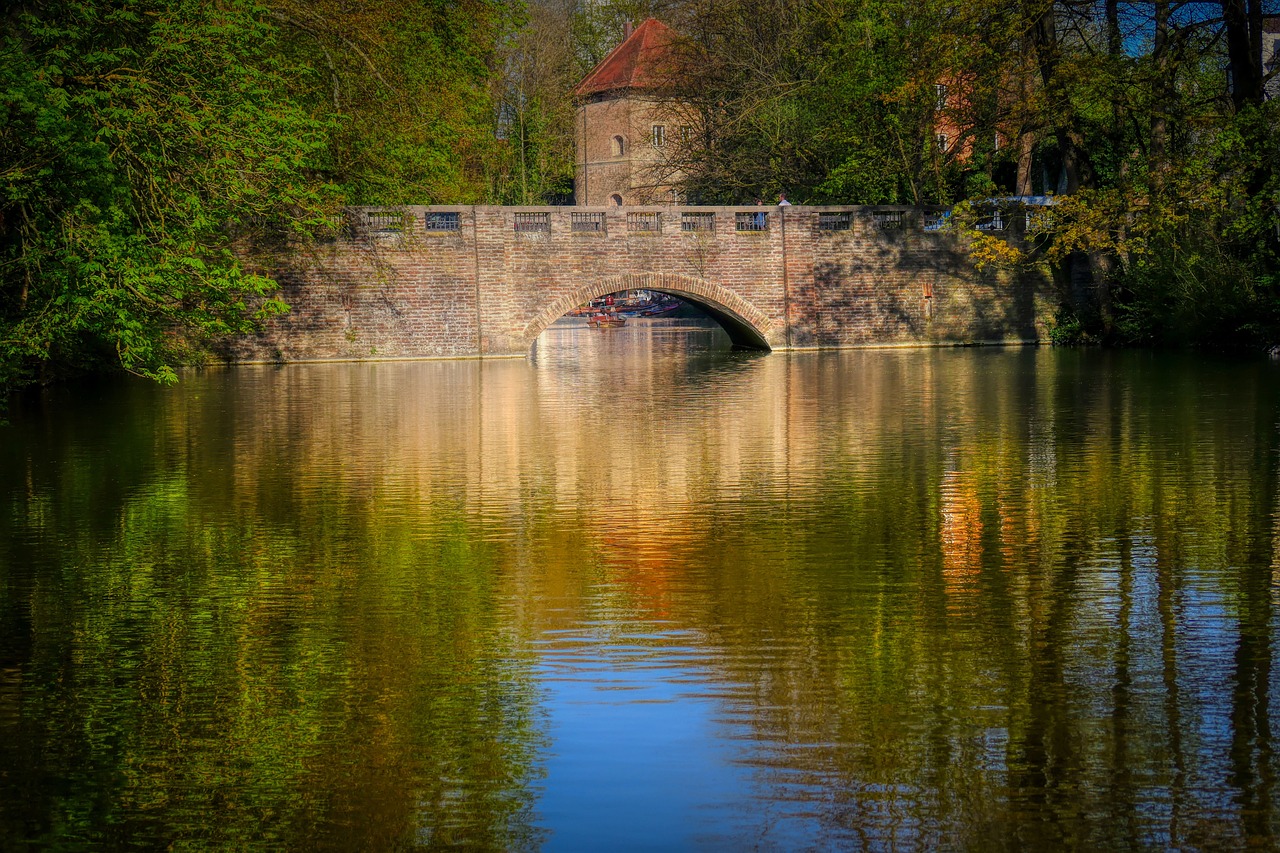
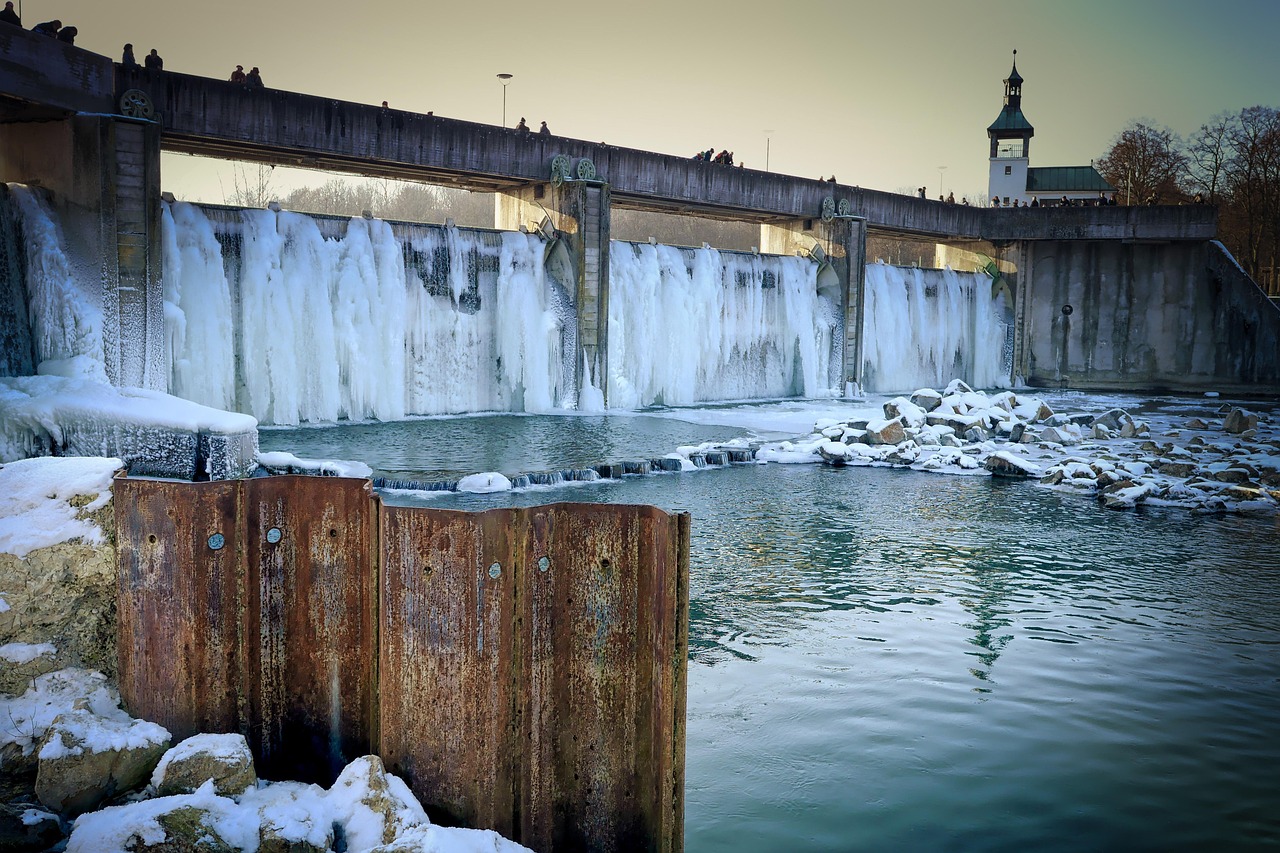
Augsburg’s historic water management system, with canals, water towers, and pumping stations, is a UNESCO World Heritage Site. Some of these structures, like the waterworks at the Hochablass, feel surprisingly modern for their age.
My experience: I did a self-guided “water walk” using a map from the tourist office. Following the canals and seeking out the towers took me through neighborhoods I might otherwise have missed.
Tip: Great for travelers who like slightly quirky, offbeat history instead of just “big” sights.
20. Hochablass & Kuhsee Lake
On the eastern edge of Augsburg, the Hochablass weir on the Lech river and the nearby Kuhsee lake make a lovely half-day escape, especially in summer.
My experience: I rented a bike from the city center and followed the river paths out here. Locals were swimming, grilling, and sunbathing by the lake. I grabbed a cold drink from a kiosk and just lay in the grass, listening to the sound of the weir and distant laughter.
Adventurous? Mildly—if you like cycling, swimming, or stand-up paddleboarding (available some summers). Great for active travelers planning 4 or 5 days in Augsburg.
Suggested 3–5 Day Itineraries for Augsburg
Here’s how I’d structure a 3 day itinerary for Augsburg, plus how I’d expand it into a 4 day itinerary for Augsburg or a full 5 day itinerary for Augsburg if you’ve got the time. These aren’t rigid schedules—they’re stories from how I’ve actually spent my days here, with a mix of must-see attractions in Augsburg and hidden gems in Augsburg.
3 Day Itinerary for Augsburg: Classic Highlights
Day 1: Old Town, Views & Canals
Morning – Rathausplatz, Rathaus & Perlachturm
I like to start my first day in Augsburg at Rathausplatz. Grab a coffee and simple breakfast at a café facing the square; sit outside if the weather allows. Watch the trams glide past and let the city’s pace sink in.
Then head into the Rathaus to see the Goldener Saal. Spend time looking up—the details in the ceiling are worth a slow lap around the room. Afterward, climb the Perlachturm for your first bird’s-eye view of Augsburg. Getting the “big picture” early helps you orient yourself for the rest of your stay.
Midday – Maximilianstraße & Lunch at Stadtmarkt
Stroll down Maximilianstraße, stopping at the Augustusbrunnen and other fountains along the way. Pop into one or two churches if they’re open. When you get hungry, cut west toward the Stadtmarkt.
For lunch, I usually grab something quick and local: a Bratwurstsemmel (sausage in a roll), Leberkäs, or a plate of Käsespätzle. Sit at one of the communal tables and listen to the blend of Bavarian dialects and student chatter.
Afternoon – Fuggerei & Lechviertel
Walk east toward the Fuggerei. Take your time inside; try to imagine what it meant to create social housing in the early 16th century and still have it functioning today. Visit the show apartment and the bunker exhibit.
When you’re done, don’t rush back to the main streets. Instead, drift into Lechviertel. Follow whichever canal looks prettiest. This is your introduction to the UNESCO water management system, but more than that, it’s just a beautiful, quiet area to wander.
Evening – Dinner & Night Stroll
For dinner, choose a traditional Bavarian restaurant in the Altstadt. Order Schweinshaxe (pork knuckle) or a lighter dish like Münchner Schnitzel if you’re not in the mood for something heavy. Pair it with a local beer—Augsburg has several breweries worth sampling.
End your day with an evening walk back along Maximilianstraße. The lights on the fountains and the softly lit façades are particularly photogenic at night.
Day 2: History, Culture & Neighborhoods
Morning – Dom & St. Anna
Start at the Augsburg Cathedral. Step inside, sit for a moment, and let your eyes adjust to the dim interior. Track down the famous prophet windows, then loop around the side chapels. Afterward, circle the building outside to appreciate its bulk and the play of light on stone.
Walk south through the old streets to St. Anna. Visit the Lutherstiege if you’re interested in Reformation history. Even if you’re not, the church interior is calming and worth a pause.
Midday – Schaezlerpalais & Lunch
Head to the Schaezlerpalais and let yourself be drawn through the sequence of rooms to the Baroque hall. Spend as much or as little time with the art collections as you like; between the building and the art, there’s plenty to admire.
For lunch, you can either eat at a nearby café or return to the Stadtmarkt if you’re craving something casual again. On one trip, I alternated between market food and sit-down lunches to balance budget and comfort.
Afternoon – Fugger & Welser Museum, Mozarthaus
In the afternoon, visit the Fugger and Welser Adventure Museum to dive deeper into Augsburg’s mercantile past. It will put the Fuggerei and the city’s grand houses into context.
Then walk to the Mozarthaus for a more intimate museum experience. If you’re a music lover, consider timing your visit with a small concert (check schedules ahead of time, especially in 2026, as more events are planned around anniversaries and cultural programming).
Evening – Local Dinner & Drinks
This evening, try a less touristy part of town for dinner—somewhere slightly off Maximilianstraße. Afterward, head to a cozy bar in the Altstadt or near the university for a beer or glass of Franconian wine. It’s a good way to see Augsburg’s younger side.
Day 3: Industry, Nature & Hidden Corners
Morning – Textile & Industry Museum (tim)
Take a tram to the tim. Give yourself a few hours to explore. Watch a loom demonstration if they’re running one; it makes the machinery come alive.
Midday – Lunch & Göggingen
Grab lunch either near the museum or back in the center, then ride out to Göggingen. Visit the Kurhaus Göggingen—peek inside if it’s open, or at least admire the architecture from outside.
Afternoon – Hochablass & Kuhsee
From Göggingen or the city center, make your way to the Hochablass and Kuhsee area. If you like cycling, rent a bike; otherwise, use public transport and walk. Spend your afternoon by the water—walk the trails, sit by the lake, and just enjoy the greenery.
Evening – Farewell Dinner
For your last evening on a 3 day itinerary for Augsburg, pick a favorite spot you’ve discovered or ask your accommodation host for their personal recommendation. I like to end somewhere with a view of either a canal or a square—reminds me of why I always come back here.
4 Day Itinerary for Augsburg: Adding Depth
If you have 4 days in Augsburg, keep the first three days roughly the same, and use the fourth day to dive deeper into neighborhoods and parks.
Day 4: Parks, Neighborhood Strolls & Local Life
Morning – Wittelsbacher Park & Rosenaustadion Area
Start your day with a slow walk or jog through Wittelsbacher Park. Stop at viewpoints, watch locals walk their dogs, and enjoy the quiet. You can peek at the Rosenaustadion from outside—especially interesting if there’s a game or event on in 2026–2027.
Midday – Lunch in Bleich & Pfärrle
Head toward Bleich & Pfärrle for lunch. This area isn’t polished, but that’s why I like it. You’ll find more multicultural dining options here: Turkish kebab shops, Asian eateries, and budget-friendly student spots.
Afternoon – Canal Walk & Coffee in Lechviertel
Spend the afternoon revisiting Lechviertel, but this time slower and more focused. Choose a café that overlooks a canal, order coffee and cake, and people-watch. If you enjoy photography, this is the time to wander with your camera.
Evening – Cultural Event or Quiet Night
On a 4 day itinerary for Augsburg, you have the luxury of an “extra” evening. Check what’s on: perhaps a concert at Kongress am Park, a smaller performance at Kurhaus Göggingen, or a local theater production. If nothing appeals, enjoy a low-key dinner and an early night.
5 Day Itinerary for Augsburg: Fully Settling In
With 5 days in Augsburg, you can slow right down, re-visit favorites, and add side trips.
Day 5: Zoo & Botanical Garden or Day Trip
Option 1 – Augsburg Zoo & Botanical Garden
Spend a relaxed day visiting the Augsburg Zoo in the morning and the Botanical Garden in the afternoon. This makes for a great family-friendly day, especially in spring or summer.
Pack snacks, take your time, and treat it as a gentle finale to your stay. It’s also a way to see how locals unwind on weekends.
Option 2 – Nearby Day Trip
If you’re more restless, use day 5 for a day trip—to Munich, Landsberg am Lech, or one of the nearby lakes. I’ve outlined options in the day trips section below, but with 5 days in Augsburg, you can easily fit one in without feeling rushed.
Local Food & Drink in Augsburg
Augsburg’s cuisine is a mix of Swabian and Bavarian traditions with a growing international scene thanks to students and new residents. Eating well without blowing your budget is very doable here.
Must-Try Local Dishes
- Schweinshaxe: Crispy roasted pork knuckle, usually served with Sauerkraut and dumplings. Heavy but iconic.
- Käsespätzle: Soft egg noodles with melted cheese and fried onions. Perfect comfort food on a cold day.
- Weißwurst: White sausages traditionally eaten before noon with sweet mustard and pretzels.
- Leberkässemmel: A thick slice of baked meatloaf in a crusty roll—an affordable, filling street snack.
- Zwetschgendatschi: Plum sheet cake, a regional dessert specialty when plums are in season.
Where to Eat (Personal Favorites)
I won’t list exact restaurant names for every meal (places change, chefs move), but here are types of spots I return to:
- Stadtmarkt stalls: For budget-friendly, fast, authentic bites at lunch.
- Traditional Wirtshäuser near Maximilianstraße: For hearty Bavarian-Swabian dinners.
- Canal-side cafés in Lechviertel: For cake, coffee, and light lunches with atmosphere.
- Student eateries near Universitätsviertel: For cheap and cheerful international food.
Beer & Local Drinks
Bavarian beer culture is alive here, though not as tourist-heavy as Munich’s. Order a Helles (pale lager) or a Weißbier (wheat beer) and enjoy it in a beer garden when the weather cooperates.
In winter, try Glühwein at the Christmas market or a warming schnapps after a cold evening walk.
Money-Saving Food Tips
- Eat your main meal at lunch—many places offer cheaper lunch menus.
- Use bakeries for breakfast and light dinners; German bakeries are excellent.
- Self-cater some meals if your accommodation has a kitchen; supermarkets like Rewe, Edeka, and Aldi are easy to find.
Nightlife, Entertainment & Cultural Experiences in Augsburg
Augsburg’s nightlife is more relaxed than Munich’s but can still be lively, especially on weekends and during university semesters.
Evening & Nightlife Options
- Bars around Maximilianstraße: Ideal for casual drinks and people-watching.
- Student bars near Universitätsviertel: Cheaper, more laid-back, good for younger travelers.
- Beer gardens: Seasonal but fantastic in summer—look for those along the Lech or in larger parks.
- Clubs: A few small clubs cater to students and younger crowds; check local listings for current hotspots in 2026.
Cultural Experiences
- Theater & Opera: Augsburg’s theaters often have interesting productions; even if your German isn’t perfect, opera or dance performances can be very accessible.
- Concerts: From classical in churches and Mozarthaus to rock/pop at Kongress am Park and other venues.
- Festivals: Smaller street festivals and seasonal events pop up through the year—ask at the tourist info office for what’s on during your visit.
Major Events & Festivals in Augsburg (2026–2027)
Dates shift slightly each year; always confirm closer to your trip, but here’s what to expect in 2026–2027.
Recurring Annual Highlights
- Augsburger Plärrer: Spring and autumn folk festival with rides, beer tents, and food—smaller than Oktoberfest but more local.
- Augsburger Christkindlesmarkt: Late November to December Christmas market around Rathausplatz.
- Sommernachtsfest & City Festivals: Various summer events with open-air stages and food stalls.
- Cultural & Music Festivals: Classical music weekends, jazz events, and city-organized cultural weeks that change themes yearly.
2026–2027 Travel Scene Notes
By 2026, Augsburg continues to lean into its UNESCO water heritage, with more guided tours and small exhibitions. Expect:
- Additional water-themed tours in English in peak season.
- Occasional open days at historic water towers and pumping stations.
- More concerts and events linking Mozart, Fugger history, and the city’s broader cultural scene.
Best Day Trips from Augsburg
If you’re here for 4 or 5 days in Augsburg, consider a day trip.
Munich
Just about 40 minutes by regional train. Visit Marienplatz, the English Garden, and the Residenz. Trains run frequently; no car needed.
Landsberg am Lech
A smaller, postcard-pretty town along the Lech river with a historic center and riverside walks. Around 30–40 minutes by train or bus. Very manageable half- or full-day trip.
Ulm
About an hour by train, Ulm boasts the world’s tallest church steeple and a charming old town. Perfect if you like church architecture and riverside walks.
Bavarian Lakes (Ammersee, Starnberger See)
Slightly more involved by public transport (often via Munich), but worth it in summer for swimming, boat trips, and lakeside beer gardens.
Cultural Etiquette & Local Customs in Augsburg
Understanding local customs in Augsburg will make your trip smoother and more enjoyable.
Greetings & Politeness
- Use “Guten Tag” (good day) or “Grüß Gott” (common in Bavaria) when entering shops or restaurants.
- Say “Auf Wiedersehen” or at least “Tschüss” when leaving.
- Germans value personal space and quiet; keep voices moderate, especially on public transport.
Restaurant Etiquette
- Wait to be seated or ask, “Ist hier frei?” before taking an empty spot.
- It’s fine to share tables with strangers in busy places; just ask politely.
- Tip around 5–10%, rounding up the bill when you pay.
Sunday Quiet
Most shops are closed on Sundays. Cafés, restaurants, and some museums stay open, but don’t plan big shopping days for Sundays. Locals often use Sundays for walks in parks, visiting family, or relaxing in beer gardens.
Public Behavior
- Queueing is generally respected; don’t push ahead.
- On trams and buses, offer seats to elderly or pregnant passengers.
- Keep staircases and sidewalks clear; stand to the right on escalators.
Practical Travel Tips for Augsburg
Getting Around Augsburg
Augsburg’s public transport is excellent for a city its size, and the center is very walkable.
Public Transport
- Trams & Buses: Efficient network centered on Königsplatz and the main station.
- Tickets: Buy from machines at stops or via app; day passes are good value if you’re hopping around.
- Validation: Some tickets must be stamped when you board; check signage.
Walking & Cycling
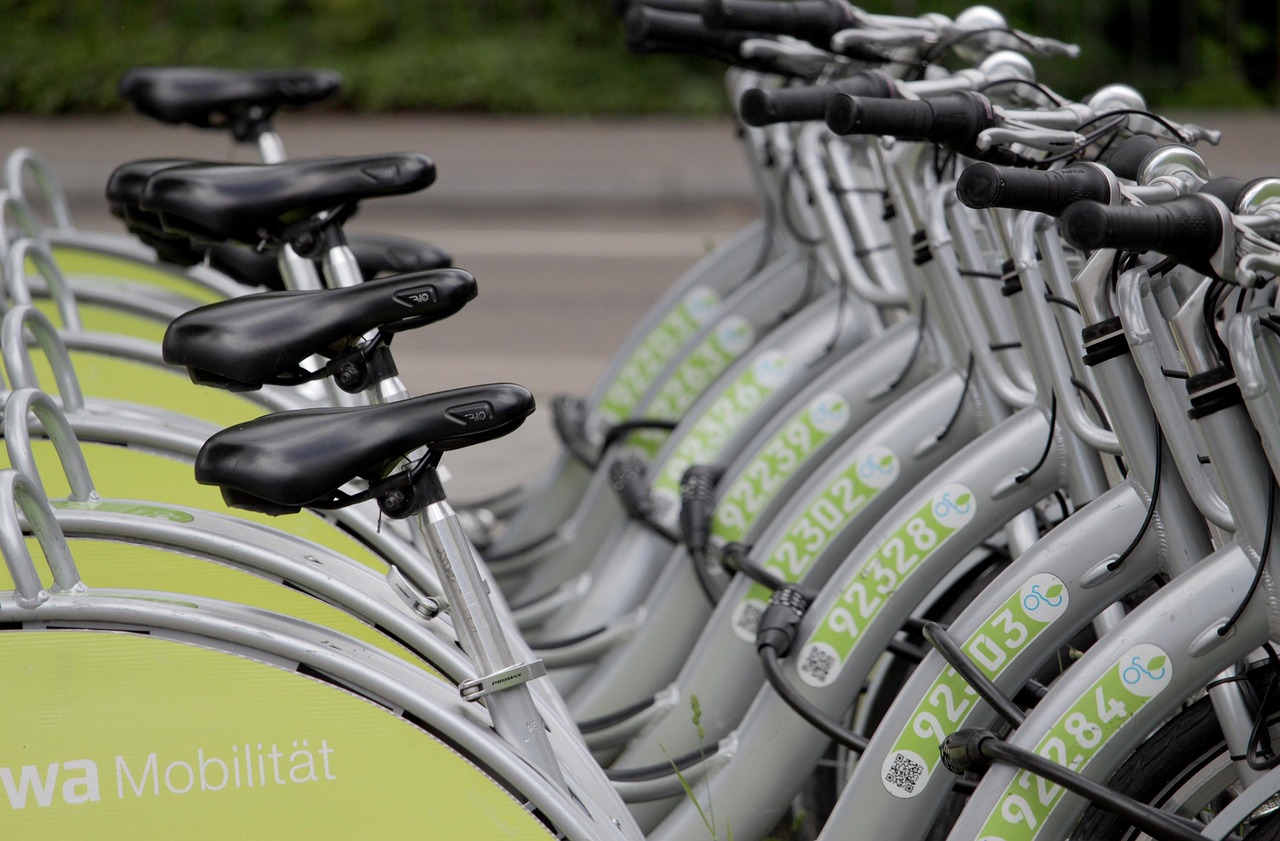
The old town is best explored on foot. For Hochablass, Kuhsee, and outskirts, consider renting a bike—Augsburg is relatively bike-friendly with riverside paths.
Car Rental & Driving
- You don’t need a car for the city itself; in fact, parking in the center can be expensive and limited.
- If you plan multiple day trips to rural areas, a car can be useful.
- Germany accepts most foreign driver’s licenses for short stays; non-EU visitors may also want an International Driving Permit—check your country’s rules.
Saving Money in Augsburg
- Use day passes for public transport instead of single tickets if you’ll ride multiple times.
- Stay slightly outside the very center (e.g., Göggingen, Bleich & Pfärrle) for cheaper accommodation, still close by tram.
- Eat lunch at the Stadtmarkt or bakeries and have lighter dinners.
- Look for museum combination tickets or discount days.
SIM Cards & Connectivity
- Major providers: Telekom, Vodafone, O2, plus budget brands.
- Buy prepaid SIMs at electronics stores, supermarkets, or dedicated phone shops—bring your passport for registration.
- Many hotels, cafés, and public areas offer free Wi-Fi, but a SIM is useful for maps and translations.
Visa Requirements
Augsburg is in Germany, part of the Schengen Area. Many nationalities can enter visa-free for short stays (up to 90 days) for tourism, but always check current requirements with a German embassy or official government site before traveling. Starting around 2025–2026, some travelers may also need to register with ETIAS (EU travel authorization system); verify if this applies to you.
Health & Safety
- Augsburg is generally safe; normal city precautions apply.
- Tap water is safe to drink—fill up your bottle instead of buying plastic.
- Emergency number: 112 for medical, fire, and police.
Weather & Seasons
- Spring (March–May): Unpredictable but often lovely. Great for city walks and the botanical garden; pack layers.
- Summer (June–August): Warm, sometimes hot. Perfect for beer gardens, Kuhsee swimming, and evening strolls. Also busier and pricier.
- Autumn (September–November): My favorite: golden light, colorful leaves, fewer tourists. Ideal for a culture-heavy 3 or 4 day itinerary for Augsburg.
- Winter (December–February): Cold, often grey, but magical around Christmas with the market and festive lights. Good for a cozy, museum-and-café-focused stay.
Hidden Tips from a Repeat Visitor
- Stop by the tourist information office on Rathausplatz early in your trip for updated event info and walking tour schedules.
- Revisit a favorite spot at different times of day—Perlachturm view in morning versus late afternoon, Lechviertel in sun and in drizzle; the city changes with the light.
- Don’t overschedule. Augsburg rewards unplanned wandering, especially in the Altstadt and along the canals.
- If you’re here in 2026–2027, look for extra programming around the city’s UNESCO water heritage—special tours, temporary exhibitions, even light installations sometimes pop up.
Summary: Key Takeaways & Best Time to Visit Augsburg
Augsburg isn’t about ticking off dozens of blockbuster sights; it’s about soaking up an atmosphere layered with Roman roots, Renaissance wealth, and present-day student energy. In 3 days in Augsburg, you can see its must-see attractions: Rathausplatz, Perlachturm, Fuggerei, Dom, Lechviertel, key museums, and a taste of local food. With 4 days in Augsburg, you add depth—parks, neighborhoods, perhaps a theater night. And with 5 days in Augsburg, you start to live the city’s rhythm, mix in a day trip, and discover your own hidden gems.
Best seasons:
- Late spring to early autumn (May–September) is ideal for canal walks, beer gardens, and day trips.
- Advent season (late November–December) is perfect if you love Christmas markets, lights, and cozy evenings.
However you structure your 3, 4, or 5 day itinerary for Augsburg, leave space for the unexpected: a side street that looks inviting, a church door that happens to be open, a café terrace that begs for an extra coffee. That’s where Augsburg shows its real charm—and why, like me, you might find yourself coming back again and again.