Why Travel the Berlin Wall Trail?
The Berlin Wall Trail (Berliner Mauerweg) is not just a bike path that loops around the city. It’s a 160 km ring of memories that traces the former border between East and West Berlin, skirting lakes, skimming housing estates, cutting through forests, and brushing past the remains of guard towers and watchful museums. It’s part long-distance cycling route, part open-air memorial, part suburban adventure.
I first rode the full loop in a single long summer day back in 2015, on a rattling second-hand bike, following the small white-and-green “Mauerweg” signs half by faith, half by GPS. Since then I’ve returned almost every year, breaking it into slow 7–10 leg itineraries, taking friends, kids, and visiting parents, and watching how the route – and the city – keeps reinventing itself.
What makes the Berlin Wall Trail special is the constant oscillation between heavy history and disarming normality. One minute you’re reading about escape tunnels and shot attempts, the next you’re eating ice cream by a lake while kids splash in the water where patrol boats once glided by. It’s an unusually emotional long-distance route, but it’s also surprisingly easygoing and family friendly if you pace it well.
Whether you choose a compact 7 leg itinerary for Berlin Wall Trail or stretch it into a slower 10 legs of Berlin Wall Trail, the loop can fill a long weekend or an entire week in Berlin. It’s equally rewarding as a series of day trips from the city center or as a full-blown Berlin Wall Trail road trip itinerary by bike, e-bike, or (with some tweaks) public transport.
This 2026 travel guide for Berlin Wall Trail is written as if we’re riding it together: leg by leg, viewpoint by viewpoint, with specific stories from my own rides, practical travel tips for Berlin Wall Trail, and plenty of hidden gems in Berlin Wall Trail that most guidebooks skip.
Table of Contents
- Why Travel the Berlin Wall Trail?
- Overview: How the Berlin Wall Trail Works
- Choosing Your Itinerary: 7–14 Legs of Berlin Wall Trail
- Detailed Itinerary – 10 Legs Around the Berlin Wall Trail
- Leg 1: East Side Gallery to Potsdamer Platz & Topography of Terror
- Leg 2: Checkpoint Charlie to Bernauer Straße Memorial
- Leg 3: Wedding & Nordhafen to Plötzensee & Hohenschönhausen
- Leg 4: Lichtenberg to Wuhletal & the Eastern Green Belt
- Leg 5: Marzahn, Ahrensfelde & the Fields of the Northeast
- Leg 6: Pankow to Tegel & the Northwestern Lakes
- Leg 7: Spandau Citadel to Grunewald Forest & Wannsee
- Leg 8: Wannsee, Glienicker Brücke & Potsdam’s Back Door
- Leg 9: Zehlendorf, Lichterfelde & the Southwest Suburbs
- Leg 10: Tempelhof, Sonnenallee & Return to East Side Gallery
- Eating & Sleeping Along the Berlin Wall Trail
- Evenings on the Road: Nightlife, Quiet Corners & Starry Skies
- 18 Prominent Stops & Viewpoints in Depth
- Cultural Etiquette & Local Customs
- Route Logistics & How to Drive/Ride the Berlin Wall Trail
- Practical Travel Advice for Berlin Wall Trail (2026–2027)
- Day Trips & Nearby Attractions from the Berlin Wall Trail
- Key Events & What’s New in 2026–2027
- Summary & Best Seasons to Visit the Berlin Wall Trail
Overview: How the Berlin Wall Trail Works
The Berlin Wall Trail follows the entire 160 km circumference of the former West Berlin. It’s mostly paved, well signposted (look for the green-and-white “Mauerweg” cyclist icons), and broken up by information boards that explain what stood here when the Wall was still up: death strip, signal fence, dog runs, towers, patrol roads.
Today, it’s a multi-use path: cyclists on touring bikes, families with kids in trailers, runners training for marathons, and dog walkers cutting between neighborhoods. You can start anywhere, but I like to treat the East Side Gallery as “km 0” because it’s the most iconic stretch of surviving wall and a natural magnet for first-time visitors.
The route surface is a mix of smooth city bike paths, forest tracks, suburban sidewalks, and the old patrol road’s concrete or gravel. A regular city bike or hybrid is fine; I’ve even done it on a basic rental bike, though a few sandy forest sections are easier with wider tires.
You can approach the trail in many ways:
- One long push – fit cyclists sometimes do the full loop in a single 10–14 hour day. Personally, I find that too rushed to appreciate the stories.
- 7 leg itinerary for Berlin Wall Trail – fast but realistic for experienced riders; about 20–30 km per leg with time for key stops.
- 10–14 legs of Berlin Wall Trail – my favorite style, especially with kids or if you want to savor the best places to visit in Berlin Wall Trail. Each leg becomes a half-day ride plus museums, cafés, and swims.
- Public transport hopscotch – dip in and out with S-Bahn/U-Bahn; every few kilometers you’re close to a station.
This guide is organized around a 10 leg itinerary for Berlin Wall Trail, but I’ll flag how to compress it into 7 legs or stretch it to 14.
Choosing Your Itinerary: 7–14 Legs Around the Wall
Because this is also an SEO-friendly guide, let’s address the buzzwords directly – and honestly.
If you’re planning:
- 7 legs of Berlin Wall Trail – Aim for 25–30 km per day, prioritizing the “big ticket” locations: East Side Gallery, Checkpoint Charlie, Potsdamer Platz, Bernauer Straße, Glienicker Brücke, Wannsee, and the lakes in the northwest. You’ll mostly skim the northeastern fields and industrial bits.
- 8 leg itinerary for Berlin Wall Trail – Adds breathing room for the lakes (Tegeler See and Wannsee) or for time-intensive museums like Hohenschönhausen.
- 9 legs of Berlin Wall Trail – Lets you slow down between Marzahn and Pankow, where the contrast between open countryside and concrete towers is especially striking.
- 10–12 legs of Berlin Wall Trail – Ideal balance for most travelers, especially families. You can take full afternoons off to swim, picnic, or wander Potsdam.
- 13 leg itinerary for Berlin Wall Trail or 14 legs of Berlin Wall Trail – A true slow-travel approach: think 10–15 km per day, with lots of side trips, hidden detours, and long café stops. Great if you’re combining remote work with a long stay in Berlin.
I’ll describe the loop in 10 legs, but under each leg you’ll find suggestions on how to merge or split segments to match your preferred Berlin Wall Trail road trip itinerary.
Detailed 10-Leg Itinerary Around the Berlin Wall Trail
We’ll travel clockwise, starting at the East Side Gallery by the Spree. You can absolutely go counterclockwise; I simply prefer hitting the most famous things to do in Berlin Wall Trail right at the beginning, while your energy is fresh.
Leg 1: East Side Gallery to Potsdamer Platz & Topography of Terror
Distance: ~15 km • Time: 1–2 hours cycling, plus 3–5 hours at stops
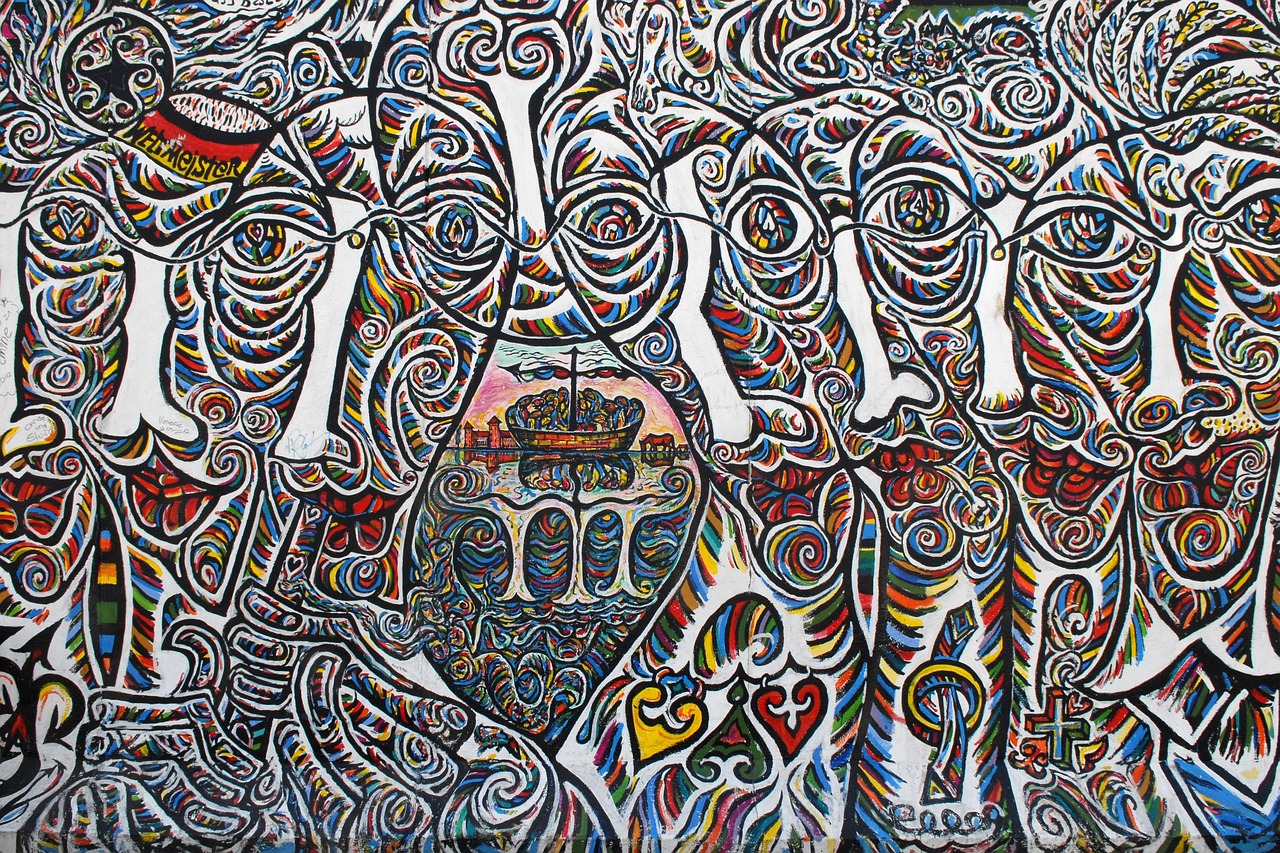
I like to start early, around 8:00, when the East Side Gallery is still quiet and the tour buses haven’t arrived. This is the longest remaining stretch of the Berlin Wall, now covered in murals dating mostly from 1990 and later restorations. Even as a local, I still get slightly choked up walking past Dmitri Vrubel’s famous “Fraternal Kiss” between Brezhnev and Honecker, even though the original was weathered away and repainted.
On my most recent visit in spring 2026, scaffolding covered a short section for conservation work – a reminder that this is a living artwork, not a frozen relic. New interpretive panels along the river now explain how apartments on the East Berlin side once looked across the water at freedom they couldn’t reach.
From the gallery, the Berlin Wall Trail slides along the Spree, then nudges inland. I usually grab a coffee at one of the small kiosks near Ostbahnhof; if you’re hungry, the Turkish bakery inside the station does excellent Gözleme and simit. Fuel early: this leg is packed with dense history.
Oberbaumbrücke & Warschauer Straße
Crossing or passing under Oberbaumbrücke, the red-brick double-decker bridge, you’re at a symbolic seam between Friedrichshain and Kreuzberg. In the 1990s this was the epicenter of Berlin’s techno and squat scene; now it’s a mix of clubs, new glass offices, and scruffy remains.
Families: in the mornings this area is calm; teens often like a quick detour into the East Side Mall for snacks or bathrooms. Couples: the bridge at sunset is one of the most romantic free viewpoints in the city, though that’s better saved for another evening than a packed cycling day.
From Kreuzberg to Checkpoint Charlie
The official Wall Trail sticks near the former border, but through Kreuzberg I sometimes allow myself a small detour via Oranienstraße for food. For something quick, Döner kebab is a local religion here; in 2026, my go-to is still a tiny, nameless stand near Kottbusser Tor where the line of taxi drivers is the only signpost you need.
Approaching Checkpoint Charlie, things get more theatrical – and, frankly, more touristy. Actors in costume, “passport stamps” for a fee, souvenir shops selling chunks of wall of dubious authenticity. Still, the intersection remains a powerful place. I always recommend stepping inside the BlackBox Cold War exhibition on the corner; it’s concise, clear, and gives context without overwhelming you at the start of your journey.
Topography of Terror & Niederkirchnerstraße
From Checkpoint Charlie, it’s a short ride to one of my must-see attractions along the entire loop: the Topography of Terror. This open-air and indoor documentation center sits on the former site of the Nazi Gestapo and SS headquarters. Along Niederkirchnerstraße, a long section of Wall has been preserved, looming over the excavated cellars.
This is one of those places that can consume hours without you noticing. I’ve brought friends here who thought they’d stay 30 minutes and had to be gently dragged out two hours later. It’s not specifically about the Berlin Wall, but it anchors Berlin’s 20th-century horrors in one place, making everything else you’ll see feel less abstract.
Tip: Lock your bike at the designated stands near the entrance; this area is generally safe, but don’t leave panniers with valuables attached.
Potsdamer Platz & Leipziger Platz
The run into Potsdamer Platz is visually jarring. Today’s glass towers and shopping centers stand where, from 1961 to 1989, a barren expanse of no-man’s land stretched between East and West. I remember my first time seeing the wartime photos – it was like looking at a different city.
In front of the malls, you’ll find a short reconstructed stretch of Wall and a line of cobblestones marking the former border. This is a good lunch stop: plenty of food options, from quick currywurst at Curry 36’s satellite stand to sit-down meals. It’s not the cheapest part of town, but after a heavy morning’s history, sometimes a slightly overpriced pizza is exactly what you need.
Where to Overnight & How to Extend This Leg
For a 10-leg itinerary, I usually end Leg 1 somewhere around Potsdamer Platz or a bit further along at Anhalter Bahnhof. If you’re consolidating to a 7 leg itinerary for Berlin Wall Trail, push on to the southern parks near Gleisdreieck and pick up Leg 2 from there.
Accommodation-wise, staying near Potsdamer Platz gives easy transit access and evening options. Budget travelers might drift further into Kreuzberg or Schöneberg where hostels and mid-range hotels are more affordable.
Leg 2: Potsdamer Platz to Bernauer Straße Memorial
Distance: ~14 km • Time: 1.5–2 hours riding plus museum time
Leg 2 begins by slipping past Park am Gleisdreieck, one of Berlin’s best examples of post-industrial green space. Old railway tracks slice through lawns and skate parks; in summer, it’s picnic blanket central. The Wall once cut across this area; now it’s one of the city’s most relaxed urban parks.
On a warm June afternoon in 2025, I spent an hour here lying in the grass watching kids race along the bike paths. If you’re traveling with little ones, the playgrounds here are a welcome break and there’s a decent café for ice cream and coffee.
Anhalter Bahnhof & the Southern Border
The ruined façade of Anhalter Bahnhof – once one of Europe’s great train stations – stands like a theatrical set. The Wall ran just south of here; the station, bombed in WWII, was later truncated by the border. Today, it’s a quiet but evocative stop, with panels explaining its role in deportations during the Nazi era.
Follow the Mauerweg northwards and you begin to trace the line between Kreuzberg and Mitte, past residential blocks where people’s living rooms once overlooked the death strip.
Reichstag & Brandenburg Gate (Optional Detour)
The official Wall Trail skirts slightly west of the Brandenburg Gate, but I always detour through the government quarter. Cycling past the Reichstag with its glass dome is a reminder that this whole area was a fenced-off frontier zone until 1989. If you have the energy, book a free dome visit online in advance (2026 still requires early registration, with security checks).
At the Brandenburg Gate, look for the double-row of cobblestones in the pavement marking where the Wall stood. I’ve watched countless visitors step over it without realizing; once you notice, you’ll see it everywhere.
To Nordbahnhof & the Ghost Stations
Heading north, the atmosphere shifts a bit. The Mauerweg threads through quiet residential streets until you reach Nordbahnhof, one of my favorite “hidden” spots. Inside the S-Bahn station, a free exhibition tells the story of Berlin’s “ghost stations” – West Berlin trains that ran under East Berlin territory without stopping, past dimly lit platforms guarded by soldiers.
Even Berliners sometimes miss this exhibit. On a rainy afternoon in autumn 2024, I spent nearly an hour there, listening to the audio testimonies of train drivers and border guards. It’s a concise, powerful stop that makes your ride feel like more than just exercise.
Bernauer Straße Memorial – The Emotional Heart
The leg’s highlight – and arguably the entire Berlin Wall Trail’s emotional core – is the Gedenkstätte Berliner Mauer (Berlin Wall Memorial) on Bernauer Straße. This is where the Wall cut directly between apartment blocks on one side and the sidewalk on the other, where people jumped from windows, where escape tunnels were dug.
The memorial stretches for several blocks, with a preserved section of Wall and death strip, a documentation center, and a viewing tower. Every time I come here, I notice something new: a photograph I’d overlooked, a name on the memorial wall, a story about a failed escape that sits uncomfortably in your chest long after you leave.
In 2026, new multimedia guides (available via QR code on your phone) make it easier to follow specific narratives – for example, one family’s story across the years. If you travel with teens, this is a good place to give them some space; I’ve watched 15-year-olds go from bored to deeply engaged here.
Overnight & Itinerary Adjustments
For a 10-leg route, I usually end this day around Bernauer Straße or in nearby Prenzlauer Berg, which has plenty of cafés, bars, and mid-range hotels. If you’re pushing for a 9 leg itinerary for Berlin Wall Trail, continue into Wedding to shave off a few kilometers from the next day.
Leg 3: Wedding & Nordhafen to Plötzensee & Hohenschönhausen
Distance: ~18–20 km • Time: 2–3 hours riding plus museum time
North of Bernauer Straße, the Wall Trail begins to feel more lived-in and less theatrical. Through Wedding, one of Berlin’s most diverse neighborhoods, you cycle along canals and past allotment gardens where people grill on weekends. The border here once sliced through an industrial landscape; today, it’s a patchwork of warehouses, hipster breweries, and immigrant-run shops.
Nordhafen & the Canals
The route near Nordhafen offers textbook “open-road-in-the-city” visuals: wide canal, long straight path, cranes in the distance. It’s not “pretty” in a postcard sense, but it captures Berlin’s gritty side. On my last ride here in 2025, I stopped at a tiny Syrian café under the S-Bahn tracks for outstanding falafel and mint tea – exactly the kind of local food in Berlin Wall Trail that never makes it into glossy brochures.
Plötzensee Memorial & Lake
A short detour leads to Gedenkstätte Plötzensee, a memorial on the site of a prison where thousands were executed during the Nazi era, including many involved in the 20 July plot against Hitler. The mix of somber memorial and, just beyond, a popular bathing lake (Plötzensee) can be jarring – you can literally hear people laughing and splashing from inside the memorial courtyard on summer days.
Each time I come here, I struggle with that contrast, but I’ve come to see it as part of Berlin’s identity: the city doesn’t cordon off its trauma; it lives with it, sometimes uncomfortably.
Across Reinickendorf to Hohenschönhausen
The official Wall Trail now bends eastwards, crossing into Reinickendorf and then on towards Hohenschönhausen. Here, the path feels more suburban: panel housing blocks, playgrounds, patches of woodland. It’s a good stretch for simply pedaling and letting the rhythm of your wheels wash away some of the heaviness of earlier stops.
Hohenschönhausen Memorial – The Former Stasi Prison
Strictly speaking, Gedenkstätte Berlin-Hohenschönhausen lies a bit off the precise Wall line, but I always include it in this leg. This former Stasi prison was one of the most feared sites in the GDR. Today, ex-prisoners still lead many of the tours, and their testimony is unforgettable.
One of my most sobering Berlin experiences was a 2023 winter visit here, when our guide casually mentioned that his cell was just down the hall from where we stood. The rooms are stark, the stories raw; I wouldn’t recommend it for very young kids, but older teens and adults will likely find it a defining moment of their trip.
Book ahead online; English tours are less frequent, especially outside summer.
Overnight & Itinerary Tweaks
End this leg in or near Hohenschönhausen. It’s not the most atmospheric place to sleep, but for a 10 leg itinerary for Berlin Wall Trail it balances distances nicely. If you prefer livelier evenings, you can ride or tram back to Prenzlauer Berg and return in the morning.
Leg 4: Lichtenberg to Wuhletal & the Eastern Green Belt
Distance: ~18 km • Time: 2–3 hours riding
Leg 4 is where the Berlin Wall Trail starts to feel unusually green for a supposedly “urban” route. From the outskirts of Lichtenberg, you ride past Plattenbau (panel) housing, then slip into long strips of parkland and allotments that run along the old border.
Landschaftspark Herzberge & the Quiet East
A favorite hidden gem: Landschaftspark Herzberge, where sheep graze among wildflower meadows and old hospital buildings. The Wall once ran nearby; now the area feels almost rural. I discovered it by accident on a scorching July ride when my phone battery died and I simply followed the greenest-looking path.
Pack a picnic here; there are a few benches and wide lawns, and in spring 2026 the city planted new fruit trees as part of a biodiversity project. Families love this stretch; kids can run free without traffic worries.
Wuhletal: The Long Green Corridor
The Wall Trail merges with the Wuhletalradweg, a gorgeous green corridor following the Wuhle stream. It’s almost shocking how fast the city noise disappears. I’ve ridden this in all seasons – cherry blossoms in April, golden leaves in October, a quiet white tunnel in January snow. In 2026, improved lighting and new benches make it friendlier for evening rides.
Along the way, watch for small “border history” panels that describe how escape attempts were foiled in what looks like innocent parkland today.
Family, Romance, and Quiet Adventure
This leg is perfect for a relaxed, romantic ride: side-by-side cycling, birdsong, the occasional heron. For families, there are multiple playgrounds and plenty of grassy banks to stop and play. Adventurous riders can explore side paths into the neighboring parks and nature reserves, though be careful not to stray too far without a map – the green corridors can be disorienting.
Overnight
Depending on your pace, you can end near Marzahn or continue slightly into the next leg. Accommodation options are more limited here; many riders hop on the S-Bahn back to the city center and return in the morning.
Leg 5: Marzahn, Ahrensfelde & the Fields of the Northeast
Distance: ~20 km • Time: 2–3 hours riding
The northeastern arc of the Berlin Wall Trail is, in my opinion, one of the most underrated sections. Many visitors skip it, assuming it’s all anonymous housing blocks. True, you’ll see plenty of Marzahn’s high-rise estates, but you’ll also encounter open fields and big skies that make you forget you’re in a city of nearly four million people.
Gärten der Welt (Gardens of the World)
A short detour south brings you to Gärten der Welt, a sprawling park with themed gardens (Japanese, Korean, Middle Eastern, etc.) and a cable car. It’s not directly on the Wall line, but I often recommend it as a reward for tackling this less glamorous section. In 2026, a new contemporary art pavilion is scheduled to open here with rotating installations.
Families can easily spend half a day here; couples will find quiet corners that feel a world away from the city.
Ahrensfelde & the Brandenburg Border
Back on the Mauerweg, you’ll cross into almost rural landscapes near Ahrensfelde. The Wall once marked the line between West Berlin and the GDR countryside; now the route runs between fields that glow yellow with rapeseed in May. On a clear evening in late summer 2025, I remember watching a combine harvester in the distance while a fox watched me from the edge of a hedgerow. No tour group in sight – just the long, gentle curve of the trail.
Why This Leg Matters
This part of the Berlin Wall Trail is less about blockbuster attractions and more about understanding the Wall as a 160 km ring, not a single line in the city center. It’s where the idea of “West Berlin as an island” starts to make physical sense.
Leg 6: Pankow to Tegel & the Northwestern Lakes
Distance: ~18–22 km • Time: 2–3 hours riding
From the northeastern fields, the Berlin Wall Trail bends back towards more densely built-up areas, skirting Pankow and then entering one of my personal favorite stretches: the long, watery sweep past the Tegel area.
Karow & Pankow
The route passes near Karow and through quieter green strips that locals use as their everyday jogging and dog-walking paths. In spring 2026, a new series of murals and information panels curated by local schools and artists was due to be completed here, adding a fresh, community-driven angle to the historical narrative.
Tegel: From Airport to Lake
For decades, Flughafen Tegel was West Berlin’s lifeline to the outside world; the Wall Trail runs not far from its former runways. Since the airport’s closure, the area has been slowly transforming. By 2026, parts are being redeveloped as a technology campus and housing, but the real draw for riders is nearby Tegeler See (Lake Tegel).
This is one of the best spots on the trail to pause for an afternoon swim or boat ride. On a hot day in July 2024, I parked my bike at Greenwichpromenade, grabbed a scoop of hazelnut ice cream, and watched boats shuttle to the forested islands. Families spread picnic blankets; couples shared Aperol spritzes at waterfront cafés.
If you’re compressing your route into a 7 leg itinerary for Berlin Wall Trail, you might merge this section with part of the Spandau/Wannsee leg, but try not to skip Tegel – it’s one of the route’s loveliest “soft” stops.
Leg 7: Spandau Citadel to Grunewald Forest & Wannsee
Distance: ~20–25 km • Time: 3–4 hours riding plus swim time
This leg is where the Berlin Wall Trail starts to feel like a bona fide “road trip” – long forest stretches, the wide Havel river, and some of the most beautiful water views of the entire loop.
Spandau & the Citadel
Starting near Spandauer Zitadelle, a well-preserved Renaissance fortress, you can choose to stop for a quick exploration (great with kids) or simply ride past the stout walls and over the Havel bridges. During the Wall era, this area was a westernmost bulge of West Berlin surrounded by GDR territory.
Havelradweg: Riding Along the River
Following the river south, the Mauerweg merges with the Havelradweg, a superb riverside cycling path. This is one of those “distance and journey” views you asked about: open path ahead, water to the side, far-off bridges. I’ve done this in light drizzle and in blazing sun; in all conditions, it feels like a proper day on the road.
Grunewald Forest & Teufelsberg (Optional Climb)
The trail then cuts through Grunewald, Berlin’s largest forest. Here, you can make a detour up to Teufelsberg, the abandoned NSA listening station built atop a rubble mountain. The climb is steep but short; at the top, you’re rewarded with graffiti-covered domes and one of the best panoramic views of Berlin’s western half.
In 2026, guided street-art tours continue to run here, and occasional events and DJ sets turn the site into a surreal party venue. It’s an adventurous, photogenic stop – probably more suited to couples and groups of friends than very young families.
Wannsee & the Strandbad
Descending from Grunewald, you reach the broad waters of Großer Wannsee, a classic Berlin getaway spot since the early 20th century. The Strandbad Wannsee is a vast lake beach with fine sand and Art Deco-style changing facilities. I’ve ended more than one long summer leg here with a sunset swim and a simple paper tray of French fries from the kiosk.
Romantic travelers: the lakeside promenade at dusk is lovely. Families: there are shallow swimming areas, playgrounds, and lifeguards in season.
Leg 8: Wannsee, Glienicker Brücke & Potsdam’s Back Door
Distance: ~18–22 km • Time: 3–5 hours with sightseeing
Leg 8 is where the Berlin Wall Trail brushes some of the prettiest scenery and grandest palaces in the region. You’re right on the fringe of Potsdam, capital of Brandenburg, and at the iconic Glienicker Brücke – the “Bridge of Spies.”
Glienicker Brücke – The Spy Bridge
The bridge’s simple green steel is instantly recognizable from Cold War films; here, East and West exchanged captured spies. Standing halfway across, you’re technically stepping out of Berlin and into Brandenburg. The view down the Havel, with villas and tree-lined shores, is one of my favorite vistas on the whole route.
On a chilly March morning in 2026, low mist hung over the water, and for a moment it was easy to imagine shadowy figures in overcoats waiting at each end.
Potsdam’s Palaces (Optional Day Trip)
If your schedule allows, consider folding in a half- or full-day trip into Potsdam: Sanssouci, the New Palace, and the Neues Garten. It’s not technically on the Wall Trail, but it’s a major “extra” that’s easy to combine with this leg. See the Day Trips section below for more planning details.
Klein Glienicke & Babelsberg
South of the bridge, the Wall once sliced through Klein Glienicke, turning it into a semi-isolated “island village” of the GDR. Today, the area feels idyllic – lakeside paths, old villas, and the sweeping lawns of Park Babelsberg. The Mauerweg follows the water, offering some of the most romantic cycling of the entire loop.
Couples: pack a simple picnic (a baguette, cheese, and a bottle of local Riesling from a supermarket) and find a bench overlooking the water. It’s one of the few stretches where I’ll happily stop for an hour just to watch the light change.
Overnight
This is a natural place to break your journey. Stay in Wannsee, Potsdam, or nearby Zehlendorf depending on your budget and whether you want lakeside calm or a livelier evening scene.
Leg 9: Zehlendorf, Lichterfelde & the Southwest Suburbs
Distance: ~18–20 km • Time: 2–3 hours riding
From the lakes, the Wall Trail swings east and then north through some of Berlin’s most comfortable suburbs: Zehlendorf, Lichterfelde, and Steglitz. This is villa country, leafy streets, and quiet residential zones that once pressed up against the Wall.
Checkpoint Bravo (Dreilinden/Drewitz)
A key stop here is the site of Checkpoint Bravo (Dreilinden/Drewitz), where the transit autobahn from West Berlin to West Germany crossed into the GDR. Today, a fragment of the old motorway and some signage remain, giving a sense of how strange it must have been to drive through this controlled corridor.
I once met an older German couple here in 2022 who told me how, as children, they’d sit in the backseat in absolute silence while their parents drove through GDR checkpoints, terrified of causing trouble.
Residential Calm & Everyday Life
This leg has fewer “wow” moments than the lakes or city center, but it’s an important part of understanding life along the Wall. You see schoolyards, supermarkets, dog parks – all signs of how thoroughly the death strip has been woven back into everyday life.
Food-wise, you’ll find good bakeries and small restaurants along the way. I’m fond of a simple Italian place near Zehlendorf S-Bahn where they still greet regulars by name and don’t blink when a sweaty cyclist asks to sit outside with a big carafe of tap water.
Leg 10: Tempelhof, Sonnenallee & Return to East Side Gallery
Distance: ~18–22 km • Time: 3–4 hours with stops
The final leg closes the circle through some of the most vibrant, complex neighborhoods of modern Berlin. From the southern suburbs, the Mauerweg heads towards Tempelhofer Feld, the vast former airport turned public park.
Tempelhofer Feld – Berlin’s Urban Prairie
Tempelhof isn’t exactly on the Wall line, but it’s close enough that I always include a spin around its runways. Cycling along the old tarmac with kitesurfers on landboards zipping past and gardeners tending community plots is a uniquely Berlin experience.
On a summer evening in 2025, I rode loops here until sunset, then sat on the grass watching the sky burn orange with half of Berlin. It’s incredibly family-friendly; bring a frisbee or just people-watch.
Neukölln, Sonnenallee & Today’s Berlin
The Wall once cut between Neukölln and Treptow; today, this area is one of the city’s most dynamic cultural zones. Sonnenallee is famous for its Middle Eastern shops and restaurants; if you want superb falafel, manakish, or knafeh, this is your moment.
I often end my Wall circuit with a big shared table meal here: grilled meats, piles of flatbread, mint tea. It’s a joyful way to land after a journey through some pretty heavy history.
Back to the Spree & East Side Gallery
The last few kilometers trace the canal and then the Spree, closing the loop near where we started. There’s a quiet satisfaction in rolling back under the same railway arches, now with the whole 160 km circling in your head.
Celebrate with a drink at one of the riverside bars or a simple scoop of ice cream from a kiosk. You’ve just completed one of Europe’s most unusual long-distance routes – not the highest, not the wildest, but perhaps one of the most emotionally layered.
Eating & Sleeping Along the Berlin Wall Trail
Because the Berlin Wall Trail wraps an entire metropolis, you’re never far from food, beds, or bike repair. Still, a bit of planning makes the difference between a smooth journey and an energy crash midway through a remote stretch.
Where to Eat: Local Food Along the Route
- Classic Berlin street food: Currywurst, Döner kebab, and Bouletten (meat patties) are ubiquitous. I like grabbing currywurst from Curry 36 (Kreuzberg) on Leg 1 or a kebab in Neukölln on Leg 10.
- Middle Eastern & Turkish: Sonnenallee (Leg 10), Kottbusser Tor (Leg 1–2), and parts of Wedding (Leg 3) are fantastic for falafel, shawarma, and grilled meats.
- Waterfront cafés: Tegel (Leg 6) and Wannsee (Leg 7) have promenades with ice cream, fish sandwiches, and relaxed terraces perfect after a long ride.
- Hidden gems: Small Syrian and Afghan cafés under railway arches in Wedding and Reinickendorf; family-run German restaurants in Zehlendorf and Lichterfelde serving schnitzel and seasonal asparagus in spring.
Sleeping: Best Areas to Base Yourself
You can either move hotels with the trail, or pick 1–2 bases and use public transport to reach your daily start/end points.
- Central base: Mitte, Kreuzberg, or Friedrichshain – easy access to most legs by U/S-Bahn; lively evenings with bars, restaurants, and late-night shops.
- Western base: Charlottenburg or Tiergarten – good for Tegel, Spandau, Grunewald, and Wannsee legs.
- Lakeside & quiet: Wannsee or Potsdam – perfect if you like early nights, morning swims, and forested rides.
Budgeting & Pacing
For a 7–10 day trip focused on the Wall Trail, a realistic daily budget per person in 2026:
- Budget: €60–90 (hostel or budget hotel, street food, public transport, maybe one museum per day).
- Mid-range: €100–160 (3-star hotels, sit-down dinners, multiple museum entries).
- Comfort: €180+ (4-star hotels, regular restaurant dining, guided tours, boat trips).
Breakfast is often included in hotels; I top up with bakery pastries to stash in panniers for mid-morning snacks.
Evenings on the Road: Where to Linger & Where to Roll Through
Part of the joy of a Berlin Wall Trail adventure is how different each evening can feel, depending on where you stop.
Best Towns/Areas for Night Stays
- Kreuzberg/Friedrichshain: Buzzing nightlife, live music, riverfront bars. Great if you want to fold Berlin’s club scene into your trip.
- Prenzlauer Berg: Tree-lined streets, wine bars, excellent restaurants; feels safe and relaxed for families and couples.
- Potsdam/Wannsee: Lakeside calm, evening walks, small-town charm. Ideal for romantic nights.
- Spandau: Historic old town, fewer tourists, local pubs – a good “authentic” Berlin neighborhood vibe.
Starry Nights & Quiet Corners
If you crave a sense of “being away,” evenings near Wannsee, Tegel, or in the northeastern fields (Ahrensfelde area) provide dark skies and a surprising amount of stars for such a big city. Official camping directly on the Wall Trail is limited; instead, look for legal campgrounds near the lakes or consider renting a lakeside cabin for a few nights.
18 Prominent Stops & Viewpoints on the Berlin Wall Trail (In Depth)
Below are 18 of the must-see attractions in Berlin Wall Trail, with history, significance, and personal tips. Many we’ve already passed in the itinerary; here they’re gathered in one place for easy reference.
1. East Side Gallery
The East Side Gallery is the longest surviving stretch of the Berlin Wall (about 1.3 km), transformed into an open-air art gallery in 1990. Over 100 artists from around the world painted murals here, reflecting on freedom, unity, and the trauma of division.
Over the years, weather and vandalism have required periodic restoration; in 2026, conservation is ongoing, with some panels temporarily scaffolded. My favorite time to visit is early morning on a weekday, when you can actually stand in front of “The Kiss” without a crowd.
Tip: Walk one direction and cycle back; it’s worth experiencing the murals at walking pace at least once.
2. Checkpoint Charlie
Checkpoint Charlie was the most famous crossing point between American and Soviet sectors. In 1961, US and Soviet tanks confronted each other here, bringing the world close to nuclear conflict. Today, the small guardhouse replica and flag-waving actors can feel kitschy, but the surrounding museums and outdoor exhibits still convey the location’s historical weight.
I suggest skipping the more sensationalist private museum and instead focusing on the well-curated outdoor panels and the BlackBox Cold War exhibition.
3. Topography of Terror & Niederkirchnerstraße
On the former site of the Gestapo and SS headquarters, the Topography of Terror documents the machinery of Nazi terror with chilling clarity. Alongside runs one of the most striking surviving Wall segments.
The juxtaposition – Nazi-era crimes and Cold War division – underlines how Berlin’s traumas layer upon each other. I usually allow at least 90 minutes here, more if it’s your first time engaging with this history.
4. Potsdamer Platz
Once the bustling heart of pre-war Berlin, Potsdamer Platz became a desolate no-man’s land after the Wall went up. Today’s glass skyscrapers and shopping centers are a monument to 1990s ambition. Scattered Wall fragments and information boards explain how this transformation happened.
Stand on Leipziger Platz and imagine: in 1985, this was sand, barbed wire, and watchtowers; now, it’s tourists and office workers grabbing lunch.
5. Brandenburg Gate & Pariser Platz
The Brandenburg Gate, once stuck in the border strip, is now a symbol of unity. The Wall once ran right in front of it; the double cobblestone line marks its course. Every New Year’s Eve, the area fills with revelers – a far cry from the eerily empty images of the 1980s.
Visit after sunset for a beautiful illuminated view; the gate is magical without daytime tour groups.
6. Berlin Wall Memorial, Bernauer Straße
This comprehensive memorial includes an open-air museum, preserved Wall segments, a chapel of reconciliation, and a tower from which you can overlook a reconstructed section of the border fortifications. It’s the only place in Berlin where you really see the Wall as it was: front wall, death strip, rear wall.
I recommend starting at the visitor center for orientation, then following the route along the street, reading panels as you go. Allow 2–3 hours if you can.
7. Nordbahnhof “Ghost Station” Exhibition
In divided Berlin, some West Berlin subway lines ran beneath East Berlin without stopping. Their East-side stations were sealed and guarded – so-called “ghost stations.” The exhibition at Nordbahnhof uses photographs and testimony to bring this world to life.
It’s free, compact, and perfectly suited to a 30–45 minute stop en route.
8. Plötzensee Memorial & Lake
The memorial at Plötzensee prison honors those executed for resisting the Nazi regime. The execution chamber is stark and profoundly moving. Just beyond lies a popular swimming lake, illustrating Berlin’s knack for placing life and remembrance side by side.
Plan your visit by mood: I often do the memorial first, then decompress with a quiet walk along the water rather than an immediate swim.
9. Hohenschönhausen Memorial (Former Stasi Prison)
This former remand prison of the Stasi is one of the most harrowing sites along any Berlin visit. Many tours are led by ex-prisoners who share personal stories of psychological torture and everyday prison life.
It’s not an easy visit, but it’s essential for understanding GDR repression beyond the Wall itself.
10. Wuhletal Green Corridor
Here the Wall Trail merges with a long, leafy parkway following the Wuhle stream. The former border installations have been completely erased, replaced by reeds, playgrounds, and dog walkers. It’s a powerful example of how landscapes can heal.
Bring a picnic and enjoy the rare sensation of riding for kilometers through continuous green in a major capital.
11. Ahrensfelde Fields
At Ahrensfelde, modern Berlin frays into open countryside. The Wall once marked the line between city and GDR farms; now the Mauerweg cuts past wheat fields and hedgerows.
On windy days, this stretch can feel physically demanding – there’s nothing to break the gusts – but the big sky views are worth it.
12. Tegeler See & Greenwichpromenade
The lakefront promenade at Tegel offers boat trips, cafés, and one of the most relaxed public spaces in the northwest. It’s a lovely contrast to the central city stops, showing how much nature Berliners have within reach.
Families will appreciate the playgrounds and easy swimming access in summer.
13. Spandau Citadel
This 16th-century fortress, surrounded by a moat, was never part of the Wall system, but its location near the western border and its brooding architecture make it a memorable waypoint. The views from the fortress walls over the Havel are superb.
In 2026–2027, the citadel continues to host concerts and festivals, including the popular summer open-air concerts.
14. Grunewald Forest & Teufelsberg
Grunewald is Berlin’s green lung; Teufelsberg is its strangest lung node. Built on wartime rubble, topped with a Cold War listening station, now covered in street art, it’s an urban explorer’s dream.
Bring a lock for your bike and good shoes; the climb is short but unpaved. On clear days you can see the skyline all the way to Alexanderplatz.
15. Strandbad Wannsee
Opened in 1907, this lake beach has been a Berlin summer institution for over a century. During the Wall years, West Berliners came here to feel some semblance of open space; now it’s popular with all Berliners and visitors alike.
Arrive early on hot weekends to avoid queues; the sunset light on the lake is spectacular.
16. Glienicker Brücke (Bridge of Spies)
Connecting Berlin and Potsdam, this bridge saw at least three major spy swaps during the Cold War. Information plaques outline the stories, and a line painted across the span marks the former border.
It’s hard to reconcile today’s tranquil scene with the tense negotiations that once took place here.
17. Checkpoint Bravo (Dreilinden/Drewitz)
Located on the former transit autobahn, Checkpoint Bravo was a key crossing for West Berliners traveling to West Germany. Remnants of the old motorway and checkpoint structures remain, along with interpretive panels.
Standing on the disused asphalt, I always imagine the long queues of cars, the anxious faces, the surreal experience of crossing a country that wasn’t really your destination.
18. Tempelhofer Feld
Though not directly on the Wall line, Tempelhof is too emblematic to ignore. The former airport was the stage for the Berlin Airlift; today, it’s a massive park where you can cycle, skate, grill, and garden.
My favorite memory here is a late September afternoon ride, with paragliders taking off from the grass and a busker playing saxophone under a pink sky.
Cultural Etiquette & Local Customs
Berlin is relaxed and diverse, but the Berlin Wall Trail runs through many memorial sites where a bit of extra sensitivity goes a long way.
- Silence at memorials: At places like Hohenschönhausen, Plötzensee, and the Bernauer Straße memorial, keep voices low. Avoid speakerphone calls and loud music.
- Photography: Photos are generally allowed, but avoid taking close-up pictures of people grieving or in guided groups unless you have permission.
- Dogs & bikes: Dogs should be leashed near memorials; walk your bike through narrow or crowded sections (especially at East Side Gallery and Bernauer Straße on busy days).
- Sunday quiet: Sundays are still relatively calm in Berlin; many shops close, but cafés and restaurants stay open. It’s a good day for longer legs on the trail.
- Tipping: Round up or tip ~10% in restaurants and cafés if service is good; it’s appreciated but not as ritualized as in some countries.
- Language: A simple “Hallo” or “Guten Tag” and “Danke” go a long way. Many Berliners speak English, but starting in German is always polite.
Route Logistics: How to Ride or “Drive” the Berlin Wall Trail
Direction: Clockwise or Counterclockwise?
I usually recommend clockwise from East Side Gallery because:
- You hit major highlights (Checkpoint Charlie, Brandenburg Gate, Bernauer Straße) early.
- You gradually transition to greener, quieter legs as your body settles into the rhythm.
- Sun position is kinder for riverside sections later in the day.
Counterclockwise works if you want to “save” the big central sights for the end; some riders prefer that narrative arc.
Daily Distance & Vehicle Suitability
- Realistic daily distance: 15–30 km if you’re stopping often; 40–60 km if you’re more interested in the ride than every museum.
- Bicycle: Ideal. A city bike or hybrid is fine; e-bikes make it very easy.
- Road bike: Possible, but some gravel and forest paths may be bumpy; consider wider tires.
- Walking: You can hike sections, but the full loop is a multi-day trek; better to break it into themed segments.
- Car: There is no continuous “Wall road” for cars. You can approximate a how to drive Berlin Wall Trail itinerary by using parallel roads and parking at key sites, but much of the charm lies in the car-free paths.
- Motorcycle/RV: Same caveat as cars; use them for a broader Brandenburg/Wall-themed road trip, stopping to walk or cycle short segments.
Fuel, Food & Charging
This isn’t a remote mountain pass – you’re never far from a supermarket, bakery, or café. Still:
- Carry water and a snack on all legs, especially in the northeastern and southwestern suburbs where shops can be sparse on Sundays.
- E-bike charging: Many cafés are relaxed about letting you plug in if you’re a paying customer; bring a compact charger and a plug adapter if needed.
- Bike repair: Numerous bike shops throughout Berlin; in a pinch, S-Bahn/U-Bahn can ferry you and your bike to a central repair shop.
Seasonal Considerations & Closures
- Spring (April–June): My favorite time: blossoms, mild temperatures, long days. Occasional showers; carry a light rain jacket.
- Summer (July–August): Warm to hot; perfect for lake swims but can be crowded at East Side Gallery and beaches. Start early to beat heat.
- Autumn (September–October): Golden light and fewer tourists; some lakeside facilities close by late October.
- Winter (November–March): Short days, cold, possible ice on paths. Some forest and lakeside kiosks shut; memorials mostly remain open. Dress in layers and watch for slippery patches.
Breakdowns & Emergencies
In case of bike breakdown:
- Carry a basic repair kit (spare tube, tire levers, multi-tool, pump).
- Use BVG (public transport) app to locate nearest station; bikes are allowed on most S- and many U-Bahn lines (small extra ticket needed).
- Emergency number in Germany is 112. Urban sections mean help is never far away.
Permits & Border Crossings
The Berlin Wall Trail stays entirely within Germany, though it briefly touches the Berlin–Brandenburg state border. There are no checkpoints or border formalities.
Practical Travel Advice for Berlin Wall Trail (2026–2027)
Visas & Entry
- Germany is in the Schengen Area. Many nationalities can visit visa-free for up to 90 days; check official sources before travel.
- From 2026, the EU’s ETIAS system is expected to be active; visitors from some visa-exempt countries will need to apply online in advance.
Driving Licenses & Car Rental
- Most foreign driving licenses in Latin alphabet are accepted; if in doubt, bring an International Driving Permit.
- Car rental is easy in Berlin, but remember: you can’t drive the actual Mauerweg, only parallel roads.
- Parking around major Wall sites (Brandenburg Gate, Potsdamer Platz, East Side Gallery) can be expensive; public transport is usually easier.
Getting Around Without a Car
Berlin’s public transport (BVG) is dense and reliable:
- S-Bahn & U-Bahn: Form a grid which intersects the Wall Trail regularly; ideal for accessing start/end points of legs.
- Buses & trams: Fill in gaps; many have bike racks or allow bikes onboard.
- Tickets: AB zone covers most of the Wall Trail; ABC includes Potsdam. Day tickets and 7-day passes can save money.
SIM Cards & Connectivity
- Prepaid SIMs from providers like Telekom, Vodafone, and O2 are available at supermarkets, electronics stores, and dedicated shops.
- Expect to pay around €10–20 for a starter pack with several GB of data in 2026.
- EU roaming rules mean many European visitors can use their home plans without extra charges, but check your carrier.
Money-Saving Tips
- Use supermarkets (REWE, Edeka, Lidl, Aldi) for picnic supplies; Berlin’s parks and lakes are perfect for DIY lunches.
- Tap water is safe and free; ask “Leitungswasser” in restaurants.
- Many memorials (Topography of Terror, Bernauer Straße, Nordbahnhof exhibition) are free, making the history component of your trip surprisingly affordable.
- Consider a WelcomeCard or similar tourist pass if you plan to visit many paid museums beyond the Wall-related sites.
Best Seasons for Specific Activities
- Lake swimming (Wannsee, Tegel): June–early September.
- Long-distance cycling in comfort: May–June, September.
- Photography of murals and autumn colors: Late October–early November.
- Quiet, introspective visits to memorials: November–February (cold but uncrowded).
Day Trips & Nearby Attractions from the Berlin Wall Trail
While the Wall Trail itself can occupy a full week, a few side trips enrich the experience.
Potsdam & Sanssouci
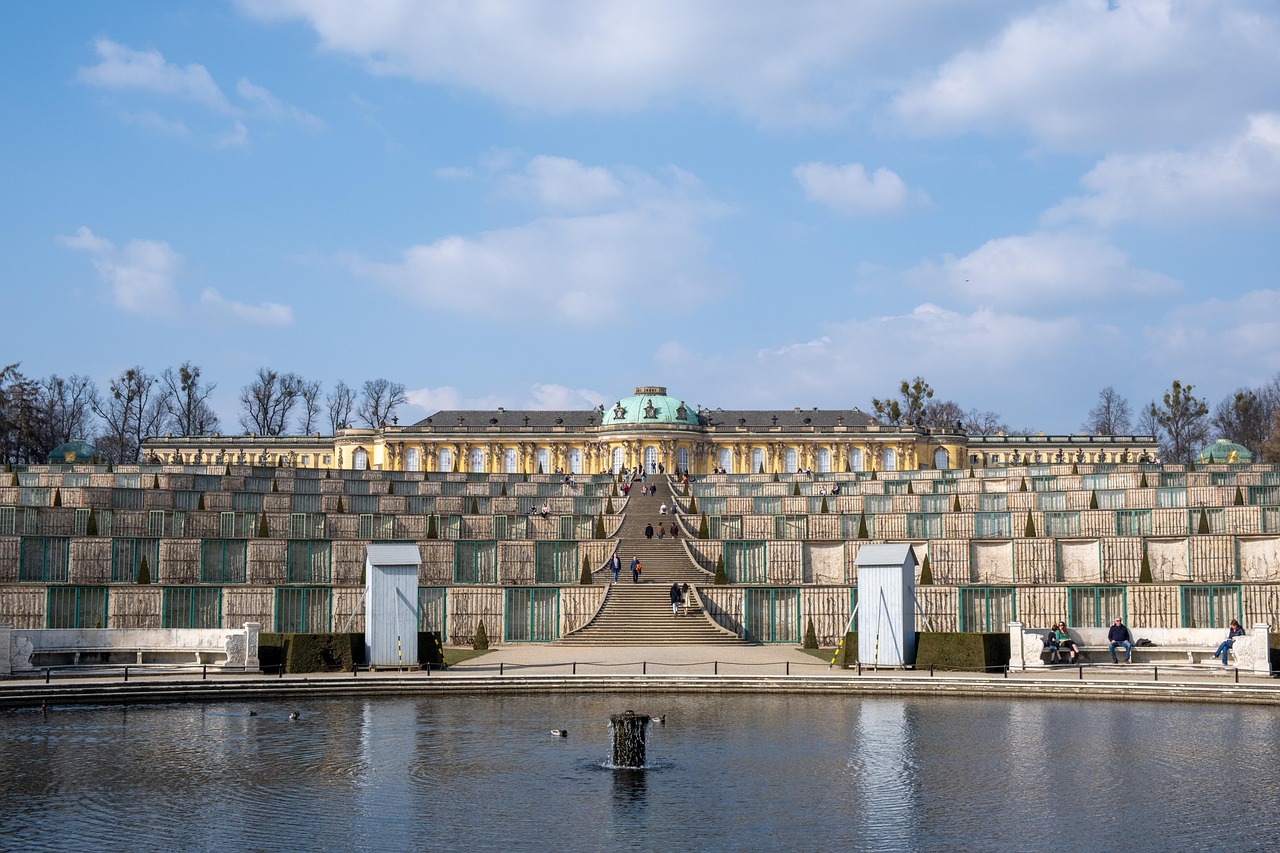
From Glienicker Brücke (Leg 8), it’s a short ride or tram hop into Potsdam’s palace-filled core. Spend half a day wandering the terraces of Sanssouci, the Dutch Quarter, and the lakeside parks. Lock your bike at designated stands; paths through the parks are mostly bike-friendly but respect pedestrian zones.
Wannsee Villas & House of the Wannsee Conference
Near Strandbad Wannsee lies the Haus der Wannsee-Konferenz, where Nazi officials planned the “Final Solution.” The villa is now an educational center and memorial. Combine this sobering visit with a lakeside walk to balance the mood.
Brandenburg Countryside
From the northeastern and southwestern arcs of the Wall Trail, you can easily venture deeper into Brandenburg: quiet villages, forests, and lakes. Regional trains accept bikes (with a small supplement), making loop rides easy: out by train, back via the Mauerweg or vice versa.
What’s New: Events & Changes for 2026–2027
- Berlin Wall Trail Signage Refresh (2026): The city continues a multi-year project updating and adding bilingual (German/English) signs along the Mauerweg, especially in the eastern sections.
- Anniversary Exhibitions: While 2029 will be the next big milestone (40 years since the fall), 2026–2027 still sees rotating special exhibits at the Berlin Wall Memorial and Topography of Terror, focusing on personal stories and digital archives.
- Cycling & Culture Festivals: Expect several cycling events and heritage rides along parts of the Wall Trail each summer; check Berlin’s official events calendar closer to your travel dates.
- Grunewald & Tegel Redevelopment: Ongoing work around former Tegel Airport and parts of Grunewald may cause occasional detours; follow local signage.
Summary & Final Recommendations
The Berlin Wall Trail is one of Europe’s most distinctive long-distance routes – not for its altitude gains or remote wilderness, but for the dense layering of history, everyday life, and quiet green spaces. Over 7, 8, 9, 10, 11, 12, 13, or even 14 legs of Berlin Wall Trail, you can shape the loop to your own rhythm: a compact weekend challenge or a slow-travel deep dive into Berlin’s past and present.
Best seasons for most travelers are late April–June and September–early October, when temperatures are mild, days are long, and crowds manageable. Summer is perfect if you prioritize swimming and lakeside life; winter suits those who prefer introspective museum visits and don’t mind the cold.
If you remember nothing else, take this: don’t rush. The Wall Trail rewards those who stop often – to read a panel, to sit on a bench, to talk with Berliners out walking their dogs, to watch kids play where soldiers once patrolled. The journey is not just around Berlin; it’s through the stories that still shape Europe today.