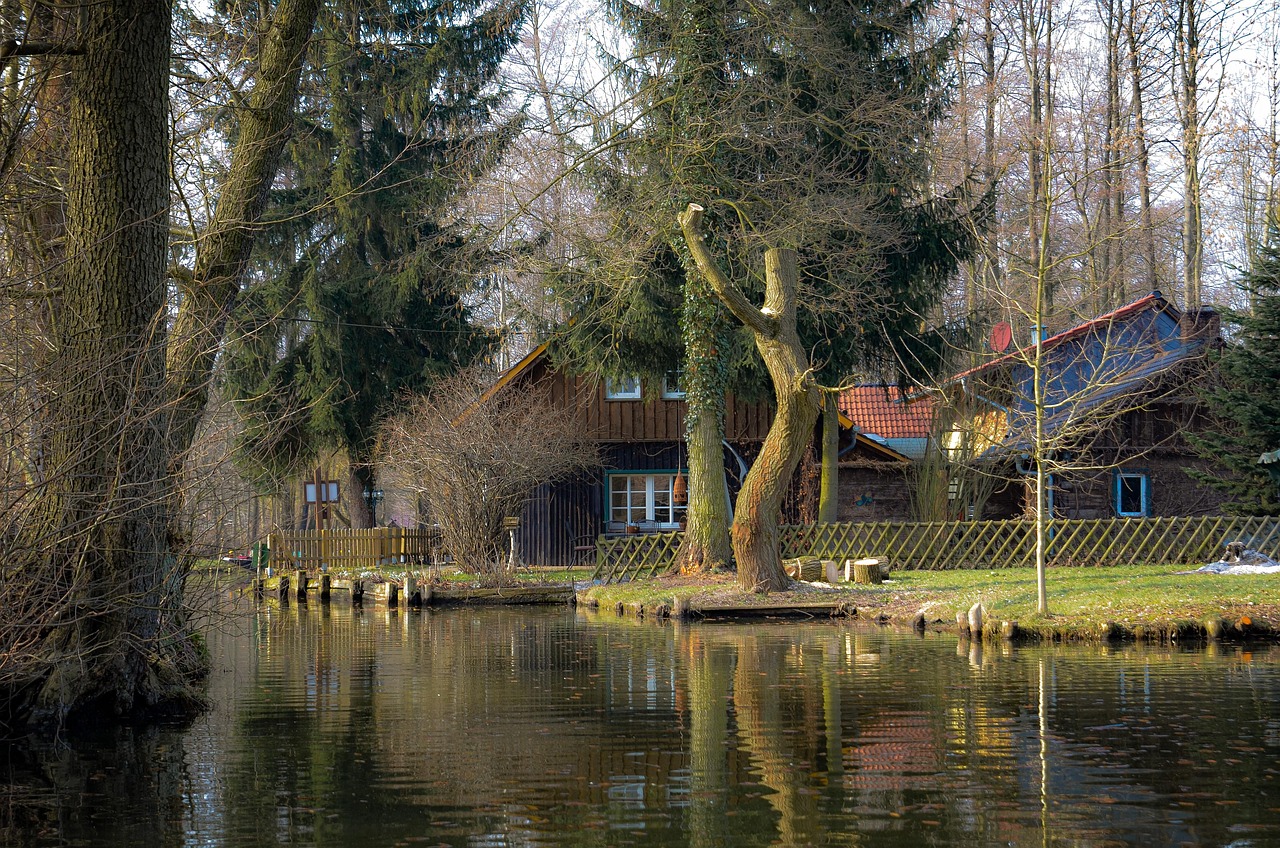
Why Visit Spreewald in 2026
The Spreewald is one of those places you think you’ll visit for a day trip and somehow end up returning to for years. It’s a lowland labyrinth of waterways, ancient forests, and Sorbian/Wendish villages, just an hour from Berlin yet utterly different from the capital’s frantic pace. Instead of traffic, you hear the soft splash of punt poles in the water. Instead of skyscrapers, you get timber-framed farmhouses draped in roses and laundry lines.
I’ve spent the last decade slipping back into the Spreewald whenever Berlin feels too loud — in misty March, in high summer when the canals are thick with water lilies, in October when the alders turn umber and gold. Every visit has been its own small story: a foggy sunrise paddle near Burg, a long winter’s lunch in a Lübbenau Gasthaus, a summer evening dancing at a village festival where I was the only outsider in the crowd.
What makes Spreewald special isn’t just the scenery. It’s the way life still moves by boat here, the Sorbian (also called Wendish) language on street signs, the pickles that have become a minor national obsession, the quiet pride people take in their gardens and traditions. It’s a region where you can plan a tight 4 day itinerary for Spreewald packed with must-see attractions, or linger for 7 days in Spreewald and fall into its slower rhythm.
In 2026, Spreewald feels particularly alive: expanded cycling routes, refreshed village museums, and a full festival calendar that makes it easier than ever to weave cultural experiences into your escape on the water.
Table of Contents
- Spreewald Overview: Landscape, Culture & Rhythm
- 4–7 Day Itineraries for Spreewald
- Guide to 18 Key Towns, Villages & Landscapes
- Local Food in Spreewald: What & Where to Eat
- Evenings in Spreewald
- Events & Festivals 2026–2027
- Day Trips from Spreewald
- Cultural Etiquette & Local Customs
- Practical Travel Advice for Spreewald
- Summary & Best Seasons to Visit Spreewald
Spreewald Overview: Landscape, Culture & Rhythm
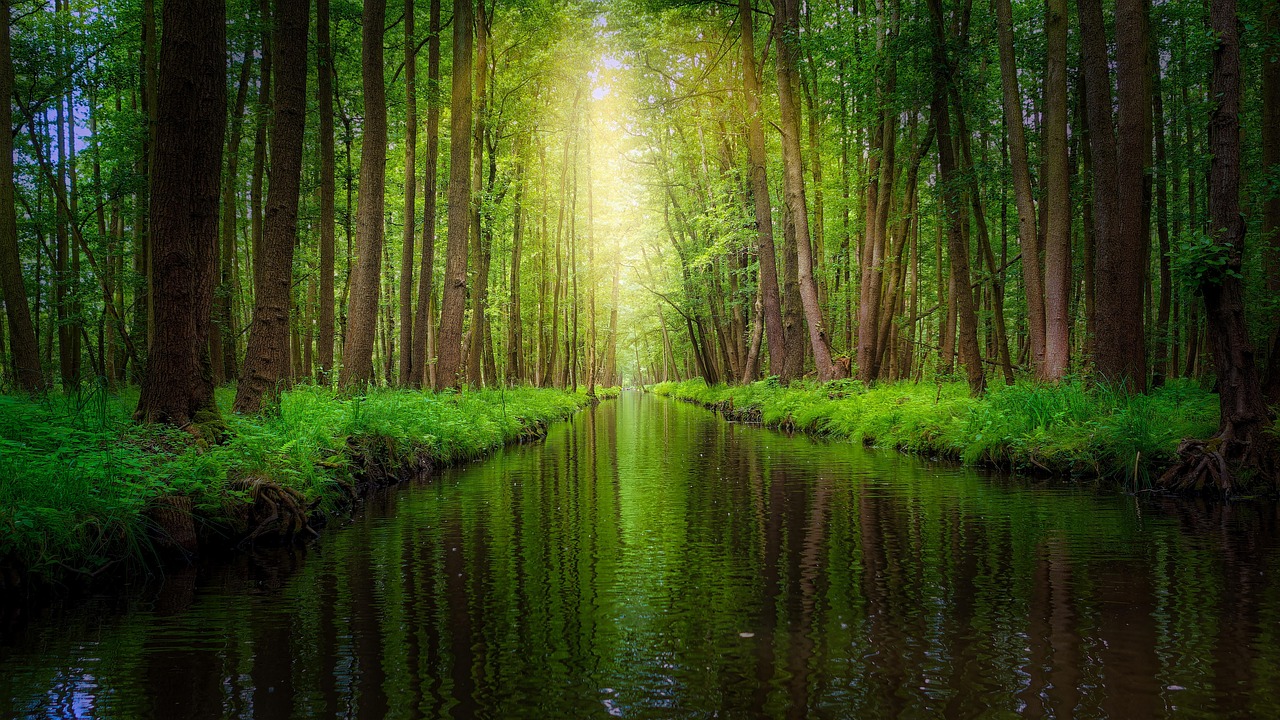
The Spreewald — literally “Spree Forest” — is a UNESCO biosphere reserve southeast of Berlin, centred around the town of Lübbenau and stretching between Lübben, Burg, and Cottbus. The River Spree breaks into over 200 small canals (called Fließe) that wind through meadows, peat bogs, alder forests, and hamlets that look almost too picturesque to be real.
Historically, this watery maze protected the Sorbs/Wends, a Slavic minority whose language and customs still shape the region. Many villages are reachable by both road and canal; some, like Lehde, still feel like little islands. Mail, milk, even building materials once travelled exclusively by boat. Today, you can glide along the same routes on quiet punts, kayaks, or canoes.
What ties the region together is water and wood: riverside pastures, dark forests, thatched barns, wooden bridges, and the feeling that you’re somewhere that has resisted the urge to modernise too quickly. It’s an easy place to explore without a car, though having one helps if you want to knit together multiple towns in a short window — especially for a 4 days in Spreewald or 5 days in Spreewald itinerary.
4–7 Day Itineraries for Spreewald
I’ve tested all kinds of trip lengths here, from whirlwind 4 day itineraries to lazy 7 days in Spreewald. Below are sample structures and personal notes rather than rigid timetables — adapt based on weather, energy, and whether you have kids in tow.
4 Day Itinerary for Spreewald: Classic Highlights
For a first visit, 4 days in Spreewald is enough to see the essentials while still feeling the slower pace. This outline hits the best places to visit in Spreewald without rushing.
Day 1 – Lübbenau & Lehde: First Glimpse of the Water Maze
I usually arrive in Lübbenau on the morning RE2 train from Berlin. Stepping out, the air already smells different: greener, damper, like the inside of a forest after rain. It’s a 10–15-minute walk through the compact old town to the Spreewald harbour, where colourful flat-bottomed punts wait like parked cars.
Morning: Drop bags at your guesthouse (I like staying within walking distance of the harbour), then head straight for a traditional Kahnfahrt (punt tour). For your first ride, choose a 2–3 hour loop to Lehde. The boat glides so slowly that your urban brain will protest at first; give it half an hour and you’ll start spotting kingfishers and dragonflies instead of checking your phone.
As the punter points out Sorbian farmhouses, you’ll hear stories of winter ice roads, old flax fields, and how children used to commute to school by boat. In 2025, one older boatman told me how his father smuggled potatoes past DDR ration inspectors along these same channels. That’s the kind of layered history you won’t get from a map.
Afternoon in Lehde: Lehde calls itself a “Lagoon Village” and the description isn’t exaggerated. Half the houses are only accessible via small bridges or side canals. Visit the Freilandmuseum Lehde (open-air museum) for a vivid sense of 19th-century life: smoke-blackened kitchens, woven linen, Sorbian costumes, and boats pulled up under barns like horses.
Have lunch at a waterside Gasthaus — order Spreewälder Gurken (pickles) in all their forms, from fresh to mustardy to spicy. I’m partial to the simple combination of boiled potatoes, quark with herbs, and warm bacon bits, washed down with a small local beer.
Late Afternoon: You can either boat back with your punter or rent a kayak/canoe for a self-guided paddle. First-timers often worry about getting lost, but routes are well signposted and the harbour offices give out decent maps. Just remember: currents are mild, but you share the canals with punters — keep right, and avoid sudden stops on blind corners.
Evening in Lübbenau: Stroll the old town, peek into the small shops selling pickles, honey, and linen, then have dinner at a traditional inn like those near the market square. On summer evenings, sit outside and watch the sky turn peach over the church spire. In shoulder season, the glow of candles and wood panelling feels almost alpine.
Day 2 – Lübben & Schlepzig: Forest, Beer & Quiet Corners
Morning in Lübben: Take a short regional train or drive to Lübben, another canal town that feels more like a lived-in small city. Stroll the castle island (Schlossinsel), where locals picnic under old trees and kids play in the water playground in summer. The castle itself holds a museum with exhibits on Spreewald history; I found the section on Sorbian wedding customs particularly charming.
Afternoon in Schlepzig: From Lübben, buses or a short drive take you to Schlepzig, one of my favourite hidden gems in Spreewald. Its thatched-roof houses and quiet canals feel like a movie set, especially in late afternoon light. Visit the local distillery and brewery (Spreewald brewery scene has grown slightly by 2026), sample a flight, and then walk the nature trail that loops through meadows and along the river.
In 2023 I spent a drizzly October afternoon here, listening to rain on the brewery’s wooden roof while chatting with a local couple about how tourism has changed the village. Their verdict: “More bikes, more pickles, same quiet winters.” That balance is part of the charm.
Evening: Either stay overnight in Schlepzig (romantic, very quiet) or head back to Lübbenau for dinner and a slightly livelier scene.
Day 3 – Burg (Spreewald): Wellness, Cycling & Viewpoints
Burg is where I go when I want to stretch my legs and lungs. It’s more spread out than Lübbenau, with a string of hamlets, farms, and spa hotels threaded along canals and bike paths.
Morning: Check into a guesthouse or spa hotel in Burg-Kolonie or Burg-Dorf. Rent bikes — widely available — and ride the “Gurkenradweg” (Cucumber Cycle Path), following well-marked trails through fields and canal-side forests. The ride from Burg to villages like Müschen or Werben is flat and family-friendly, with plenty of picnic spots.
Afternoon: Climb the Bismarck Tower (Bismarckturm) for panoramic views over the Spreewald’s patchwork of meadows and canals. On clear days you can see how water and land weave together like a green quilt. Afterwards, reward yourself with cake and coffee at a café in Burg-Dorf; many have sprawling gardens and homemade pastries.
Evening: Soak in the modern Spreewald Therme spa if you like thermal baths — the outdoor saltwater pools at dusk are pure therapy, especially in spring and autumn. For dinner, try a restaurant that leans into regional cuisine with a lighter, more contemporary touch.
Day 4 – Cottbus & Branitz Park: Artful Endings
Morning in Cottbus: Use your last day to step slightly outside the core Spreewald area and visit Cottbus, the cultural capital of Lower Lusatia. The compact old town has pastel façades, a handsome market square, and plenty of cafés. It’s a refreshing contrast: after days of villages and canals, a small city feels almost cosmopolitan.
Stop in at the Staatstheater Cottbus (the State Theatre) — even if you’re not catching a performance, the Jugendstil building is worth a look. Wander through the Branitz district to see how noble estates once linked city and countryside.
Afternoon in Branitz Park: The Branitz Park, redesigned by Prince Hermann von Pückler-Muskau, is a masterpiece of landscape art. Artificial lakes, tree-lined avenues, and most famously, two grass-covered pyramids that seem to float in the water. I still remember my first visit in late September: burgundy leaves, low sun, and the surreal sight of a pyramid mirroring in the lake’s surface. It felt more like an English landscape painting than Brandenburg.
In the late afternoon, grab a coffee and one last slice of cake in Cottbus, then catch your train back to Berlin or onward to your next destination, carrying the quiet of the canals with you.
5 Day Itinerary for Spreewald: Slowing the Pace
If you can stretch your trip, 5 days in Spreewald gives you a buffer day to get lost — intentionally — on the water or by bike.
- Day 1–3: Follow the 4 day itinerary for Spreewald as above.
- Day 4: Dedicate this to a full self-guided paddling day from Lübbenau or Burg, carving out time to picnic at one of the waterside rest areas, or detour to quieter arms of the canal system.
- Day 5: Add a deeper cultural day: visit the Sorbian Museum in Cottbus, pop into smaller village churches around Burg, or time your visit for a local festival (see the Events section below).
This version of a 5 day itinerary for Spreewald works especially well for couples and slow travellers; families sometimes keep it closer to 4 days unless staying in a resort with a pool.
6 Day Itinerary for Spreewald: Families & Active Travellers
A 6 day itinerary for Spreewald is ideal if you’re travelling with children or if you want more active days with shorter legs.
- Days 1–2: Base in Lübbenau for family-friendly boat trips and the open-air museum in Lehde.
- Day 3: Lübben and its castle island playground, followed by Schlepzig for the brewery and a short child-friendly boat ride.
- Days 4–5: Base in Burg; focus on cycling, short paddling trips, and the thermal spa (kids are usually welcome in certain areas).
- Day 6: Cottbus and Branitz Park, with plenty of space to run and explore.
For active couples or groups of friends, swap some of the gentler days for longer bike loops or multi-hour paddling, and add in one or two of the lesser-known villages described later.
7 Day Itinerary for Spreewald: Deep Immersion
With 7 days in Spreewald you can blend the must-see attractions in Spreewald with genuinely offbeat corners and rest days that feel like a rural retreat.
- Days 1–3: Lübbenau-based, exploring Lübbenau, Lehde, and Lübben/Schlepzig.
- Days 4–5: Burg and surrounding villages, with one full rest/spa day.
- Day 6: Cottbus and Branitz, plus optional evening theatre or concert.
- Day 7: A “free-form” day to revisit your favourite place, detour to a tiny village like Leipe or Straupitz, or take a day trip to nearby attractions (see below).
This 7 day itinerary for Spreewald is my personal sweet spot: long enough to get a feel for local rhythms, short enough that you’re still excited for each day.
18 Towns, Villages & Landscapes of Spreewald
Below are the places that, together, form the Spreewald I’ve come to know. Some are clear bases, others are day-trip material, and a few are just tiny specks on the map where I once had a conversation that stuck with me.
1. Lübbenau: Classic Canal Hub & Ideal Base
Why go: If you’re choosing one base, make it Lübbenau. It’s got the best mix of accommodation, restaurants, and boat tours, with the iconic harbour that appears in nearly every travel guide for Spreewald.
History & feel: First mentioned in the 13th century, Lübbenau grew as a trading point on the Spree. Under the DDR it was industrial, but its old town and harbour survived, and post-reunification efforts have carefully restored façades and bridges without turning it into a theme park.
What I love: Early mornings in shoulder season, when the harbour is still and the first punters are wiping dew off their seats. The small Saturday market, where you can buy smoked fish and pickles from people who will still chat with you in Sorbian if you listen carefully.
Best for: First-timers, families, couples. Great without a car.
Don’t miss: Evening walks along the harbour; a self-guided paddle; the little details in the old town façades.
2. Lehde: Lagoon Village Frozen in Time
Why go: Lehde is often called the “Venice of the Spreewald,” but that undersells it. There are no crowds jostling for gondolas here — just footbridges, storks on roofs, and gardens that dip straight into the water.
History & significance: Once only accessible by boat, Lehde preserved its traditional layout and building style because it was so hard to get to. The open-air museum brings that isolation to life, showing how families lived with floods, peat, and livestock practically on the doorstep.
Personal note: One autumn, I watched an elderly woman sweep leaves off her tiny private footbridge while a cat supervised from a windowsill. It felt like a painting. That quiet everyday life is as much a part of Lehde as any museum display.
Best for: Photographers, romantics, anyone wanting a slower afternoon.
3. Lübben: Gateway Town with Castle Island
Why go: Lübben sits between upper and lower Spreewald, making it a useful base for travellers with a car or those focused on public transport. It has more everyday life than Lübbenau — supermarkets, schools, offices — which I find grounding.
Highlights: The castle island with its park and playground; short boat tours that are less crowded than Lübbenau’s; pleasantly unflashy cafés where you can linger with a book.
Best for: Families (kids love the island playground), budget travellers, and those wanting easy train access.
4. Burg (Spreewald): Spa, Cycling & Sprawling Villagescape
Why go: Burg is where you feel the Spreewald’s expansiveness. Instead of one tight old town, you get a necklace of hamlets along canals and fields, threaded together by bike paths and small roads.
Character: More open sky than Lübbenau, more modern wellness hotels, and a subtle undercurrent of creative energy — yoga retreats, small galleries, and farm shops have multiplied since about 2020.
Personal tip: Stay in Burg for at least two nights if you like cycling or spa time. Mornings can be dedicated to rides; afternoons to long, lazy lunches and thermal baths.
Best for: Active travellers, couples, wellness-focused trips.
5. Schlepzig: Storybook Village & Brewery
Why go: Tiny Schlepzig embodies the “hidden gems in Spreewald” cliché in the best way. It’s often skipped by first-timers, which is precisely why you should go.
History: A farming and fishing village turned brewing and distilling hub, its low-slung houses and church cluster around quietly flowing water. Tourism has arrived, but at a gentler scale than in Lübbenau.
Best for: Day trips, beer enthusiasts, photographers, those who like small places with big charm.
6. Leipe: Remote Feeling in the Heart of the Maze
Why go: Leipe is one of the most atmospheric little hamlets in the central Spreewald. Surrounded by canals and forest, it feels more remote than it is.
My experience: I first arrived by kayak, pulling up at a small jetty where a family Gasthaus served simple lunches. The owner joked that they could tell who arrived by boat — “paddle hair, big smiles.” It’s that sort of place.
Best for: Paddlers, those seeking quiet, and anyone building a 6 day itinerary for Spreewald focused on nature.
7. Straupitz: Church Towers & Historic Oil Mill
Why go: Straupitz doesn’t sit right in the canal mesh, but it has two striking draws: a grand double-towered church by Schinkel and a historic triple-function mill (flour, oil, saw) where you can still see linseed oil pressed the old-fashioned way.
Tip: Combine Straupitz with a drive or bike ride through surrounding fields and forest. It’s a good break from pure water landscapes.
8. Werben: Quiet Village with Big Skies
Why go: Werben is less about specific sights and more about the feeling of old Lusatian countryside: wide meadows, storks on poles, and the sense that life ticks by at half speed.
Personal note: I once got caught in a summer storm here while cycling from Burg; a local farmer waved me into his barn to wait out the rain. We spent half an hour talking about the changing river levels and how tourists misjudge distances on maps.
9. Vetschau: Sorbian-German Twin Church Town
Why go: Vetschau’s standout is its dual church complex: Protestant and Sorbian/Wendish, side by side, a physical embodiment of the region’s layered identity.
Best for: Those interested in cultural experiences in Spreewald and local customs; easy stop if you’re driving between Burg and Cottbus.
10. Cosa & Surroundings: Forest Edges & Birdsong
Why go: Cosa and nearby hamlets sit on the quieter forest edges, good for walks and listening for woodpeckers and owls.
Tip: Bring insect repellent in summer and a good offline map; signage is improving but still patchy.
11. Byhlen: Tiny Hamlet on the Water
Why go: Byhlen is the kind of place you stop because you saw a curve of water and a bench and decided to rest. It’s perfect for those who love to wander without the pressure of “big sights.”
12. Alt Zauche-Wußwerk: Rural Core of Lower Spreewald
Why go: Alt Zauche is a working village with canals, meadows, and a feeling that life revolves around agriculture more than tourism. It’s an anchor for exploring the lower Spreewald landscape.
Best for: Cycling stopovers, glimpses of local life beyond the obvious tourist centres.
13. Neu Zauche & Libbenichen Area: Peat, Fields & Horizons
Why go: These villages open out into wide fields and peat landscapes, reminding you that Spreewald is as much about land use as about water.
14. Cottbus: Cultural Capital at the Edge of the Forest
Why go: Cottbus is the best base for urban comforts near Spreewald: theatres, galleries, a proper selection of restaurants, and the Sorbian Museum.
My habit: I often book my last night here, easing the transition from the quiet canals back to city life. A final walk through Branitz Park at golden hour is the softest possible goodbye.
15. Briesen & Kolkwitz: Transition Zone
Why go: These aren’t destinations in themselves for a first-time visitor, but they’re useful markers if you’re driving or cycling between Cottbus and Burg, and they offer a glimpse of everyday Brandenburg villages.
16. Lower Spreewald (Unterspreewald): Quiet Backwaters
Why go: The Unterspreewald area, south of Lübben and Schlepzig, is less visited but rich in wetlands, birdlife, and calmer waterways. If you want to escape even the modest crowds of Lübbenau, come here.
Best for: Birdwatchers, paddlers, those crafting a 6 or 7 day itinerary for Spreewald focused on nature.
17. Upper Spreewald (Oberspreewald) Forests
Why go: Denser forests, slightly wilder feeling paths, and the sense that you’re at the edge of something bigger — the wider Lusatian landscape.
18. The Canal Network Itself: The Real “Town”
Why it matters: If there’s one “place” that defines Spreewald more than any town, it’s the canals. They are at once roads, mirrors, playgrounds, and ecological corridors.
Personal reflection: On my third visit, I stopped thinking in terms of towns and began planning days as loops in the water labyrinth: Lübbenau–Lehde–Leipe–Lübbenau, Burg–Müschen–Werben–Burg. Once you do that, the region opens up in a new way.
Local Food in Spreewald: Where & What to Eat
Spreewald cuisine is rural, hearty, and inseparable from its landscape: cucumbers from sandy soils, fish from canals, potatoes from light fields, and herbs from kitchen gardens. It’s not fussy food; it’s comfort food with local character.
Signature Dishes & Products
- Spreewälder Gurken: The iconic pickles, in countless variants. Try them fresh, fermented, garlicy, spicy, or in mustard brine.
- Quark mit Leinöl: Fresh curd cheese drizzled with cold-pressed linseed oil, served with potatoes — a simple dish that tastes like the region.
- Fish: Smoked eel, pike-perch, carp, and trout from local waters. Often served with potatoes and horseradish.
- Sour soups & stews: Sometimes with pickles, sometimes with sorrel or other tart elements.
- Seasonal cakes: Rhubarb in spring, berries in summer, plum and apple in autumn.
Where to Taste It
Lübbenau & Lehde: Traditional inns along the harbour and in Lehde serve classic versions of most dishes. Look for places with handwritten menus and a mix of locals and visitors.
Burg: Here you’ll find both rustic and more contemporary restaurants, some attached to spa hotels, that reinterpret local ingredients with lighter sauces and more vegetables.
Farm-stays & agriturismi-style stays: Throughout Burg’s outskirts and lower Spreewald, many family-run guesthouses offer half-board with home-cooked meals. I’ve had some of my best dinners at such places: no-frills dining rooms, incredibly fresh food, and that lovely feeling of being “at home elsewhere.”
Markets: Lübbenau and Lübben have weekly markets where you can buy bread, cheese, smoked fish, pickles, and seasonal fruit for DIY picnics — an excellent way to save money over a multi-day trip.
Personal Tips for Eating Well & Affordably
- Opt for lunch as your main meal; lunchtime menus are often cheaper and portions generous.
- Share starters (pickle platters, soups) and focus on mains if you’re on a budget; portions can be large.
- Ask about daily specials — many places cook what’s freshest, especially fish and seasonal vegetables.
- Carry snacks on paddling or cycling days; distances between villages can be longer than they look on the map.
Evenings in Spreewald: Quiet Magic After Dark
Evenings in Spreewald are subtle. You won’t find pounding nightlife or neon; instead, you get soft light on the canals, village festivals, and lingering dinners.
Small-town squares: Lübbenau and Lübben have the liveliest centres, with people drifting between ice cream stands and pubs in summer. In Burg, life is more dispersed — restaurant terraces, hotel bars, and campfires at campgrounds.
Sunset viewpoints: The Bismarck Tower near Burg, bridges in Lübbenau’s harbour, and open fields near Schlepzig are my favourite places to watch the sky change.
Seasonal celebrations: Summer brings harbour concerts, open-air theatre, and occasional live music at inns. Autumn sees harvest festivals with regional products and crafts. Winter is quiet but poignant, with Advent markets in Lübbenau and Cottbus.
Events & Festivals in Spreewald (2026–2027)
Exact dates shift each year, but for 2026–2027 you can expect:
- Spreewald Marathon (April 2026 & 2027): A multi-day event with running, cycling, inline skating, and paddling routes. Even if you’re not competing, the atmosphere is lively.
- Gurkenmarkt & Pickle Festivals (Summer months): Lübbenau and surrounding villages host markets celebrating the cucumber harvest, complete with tastings and contests.
- Spreewald Folk & Harbour Festivals (June–August): Local music, Sorbian costumes, and food stalls, especially in Lübbenau, Lübben, and Burg.
- Autumn Harvest Festivals (September–October): Farmers’ markets, pumpkin displays, and regional product fairs in several towns.
- Christmas & Advent Markets (Late November–December): Cottbus, Lübbenau, and Lübben offer small but atmospheric markets with crafts and mulled wine.
By 2026, local tourism boards have improved English-language event listings online, making it easier to time your 4–7 day itinerary for Spreewald around something special.
Day Trips from Spreewald
Once you’ve soaked up the Spreewald, consider these nearby excursions:
Lusatian Lake District (Lausitzer Seenland)
A former mining region transformed into a chain of lakes, about an hour’s drive from Burg or Cottbus. Great for cycling, swimming, and seeing an evolving landscape.
Berlin
An obvious but worthwhile contrast: an hour by train from Lübbenau or Lübben to Germany’s capital, ideal for arrivals, departures, or a sharp cultural shift after your canal days.
Bad Muskau & Muskauer Park
A bit further afield but doable as a long day trip by car: Prince Pückler’s other famous landscape park, straddling the German-Polish border. Combine with Branitz to see his evolving garden ideas.
Cultural Etiquette & Local Customs
Spreewald is relaxed, but a few simple courtesies go a long way:
- Greetings: Say “Guten Tag” or at least nod when entering small shops, restaurants, and when passing people on quiet paths.
- Sorbian identity: You’ll see bilingual signs; respect the Sorbian/Wendish culture as a living minority, not a museum exhibit. Ask before photographing people in traditional dress at events.
- On canals: Keep right, avoid loud music, don’t block narrow passages, and slow down near wildlife.
- In villages: Many picture-perfect houses and jetties are private property. Stick to marked paths and be discreet with photography.
- Tipping: In restaurants, 5–10% is customary if service was good; round up in cafés and for boat tours.
Practical Travel Advice for Spreewald (2026)
Getting There & Around
By train: Direct regional trains connect Berlin to Lübbenau and Lübben in about an hour. Cottbus is around 1h20. Trains are usually reliable and bike-friendly with reservations recommended on peak weekends.
By car: The A13 motorway links Berlin and Dresden with exits for Lübbenau and Lübben. Driving distances: Berlin–Lübbenau ~90 km (1–1.5 hours); Lübbenau–Burg ~25 km (30–40 minutes); Burg–Cottbus ~20 km (25–30 minutes).
Do you need a car? For a focused 4 day itinerary for Spreewald centred on Lübbenau and Burg, trains and buses plus bikes are enough. If you want to reach many small villages or stay in rural guesthouses, a car is very useful.
Public Transport, Bikes & Boats
- Buses: Connect major villages, though frequencies can be low, especially evenings and weekends.
- Bikes: Excellent infrastructure; many dedicated paths. Most guesthouses rent bikes.
- Boats: Punts for guided tours, kayaks and canoes for self-guided trips. Reserve in high season (July–August weekends).
SIM Cards & Connectivity
By 2026, Germany’s mobile coverage is improved but still patchy in some forested areas. For visitors:
- Buy a prepaid SIM from major providers (Telekom, Vodafone, O2) at airports, large supermarkets, or electronics stores in Berlin or Cottbus.
- eSIM options are widely available for unlocked phones.
- Wi-Fi is common in hotels and many cafés, though speeds vary.
Money-Saving Tips
- Travel off-peak (May–June, September–early October) for lower prices and fewer crowds.
- Use regional train day passes; they can make day trips and hops between towns much cheaper.
- Stay in farm-stays or small pensions slightly outside the main hubs.
- Picnic for lunch and save restaurant meals for evenings.
- Rent bikes for multi-day use rather than per hour.
Visas & Driving Licences
Visas: Germany is in the Schengen Area. Many nationalities can stay 90 days in 180 without a visa, but always check current rules before travel.
Driving licences: EU/EEA licences are fully valid. Many non-EU licences are accepted; an International Driving Permit (IDP) is recommended if your licence is not in Latin script or if you’re staying long-term.
Seasons & What They’re Best For
- Spring (April–May): Fresh green, fewer crowds, cooler water. Ideal for cycling, early paddling, and wildflowers.
- Summer (June–August): Warmest weather, lush canals, busiest season. Best for swimming, family trips, and long evenings outdoors.
- Autumn (September–October): My favourite: golden forests, harvest festivals, fewer visitors. Perfect for photography and slower travel.
- Winter (November–March): Quiet, many seasonal businesses closed or reduced hours. Atmospheric if you love stillness; occasional ice skating on canals when conditions allow.
Parking & Historic Centres
Most towns have designated parking just outside the most scenic areas. In Lübbenau and Burg, follow signs to large visitor car parks, then walk or bike into harbours and village cores. Parking fees support maintenance of paths and canals; keep some coins or a card handy.
Summary & Final Recommendations
Spreewald is a region that reveals itself slowly: first as a picturesque tangle of canals and pickles, then as a layered landscape of Sorbian culture, quiet villages, and people whose lives are still tuned to water and seasons.
Best bases: Lübbenau for first-timers, Burg for cyclists and spa lovers, Cottbus for those who like a small city with day trips into nature.
Best trip length: A 4 day itinerary for Spreewald covers the essentials; 5–6 days lets you breathe; 7 days in Spreewald gives you time to sink into the rhythm and explore hidden gems in Spreewald without rush.
Best seasons: Late spring (May–early June) and early autumn (September–early October) strike the best balance of weather, prices, and atmosphere. Summer is vibrant but busier; winter is for connoisseurs of quiet.
Whether you come for must-see attractions in Spreewald, for local food in Spreewald, or simply to be gently carried along a shaded canal while dragonflies skim the surface, this is a place that stays with you. Plan your days, but leave space for detours — the best stories here tend to begin with a wrong turn on a forest path or a spontaneous stop at a village jetty.