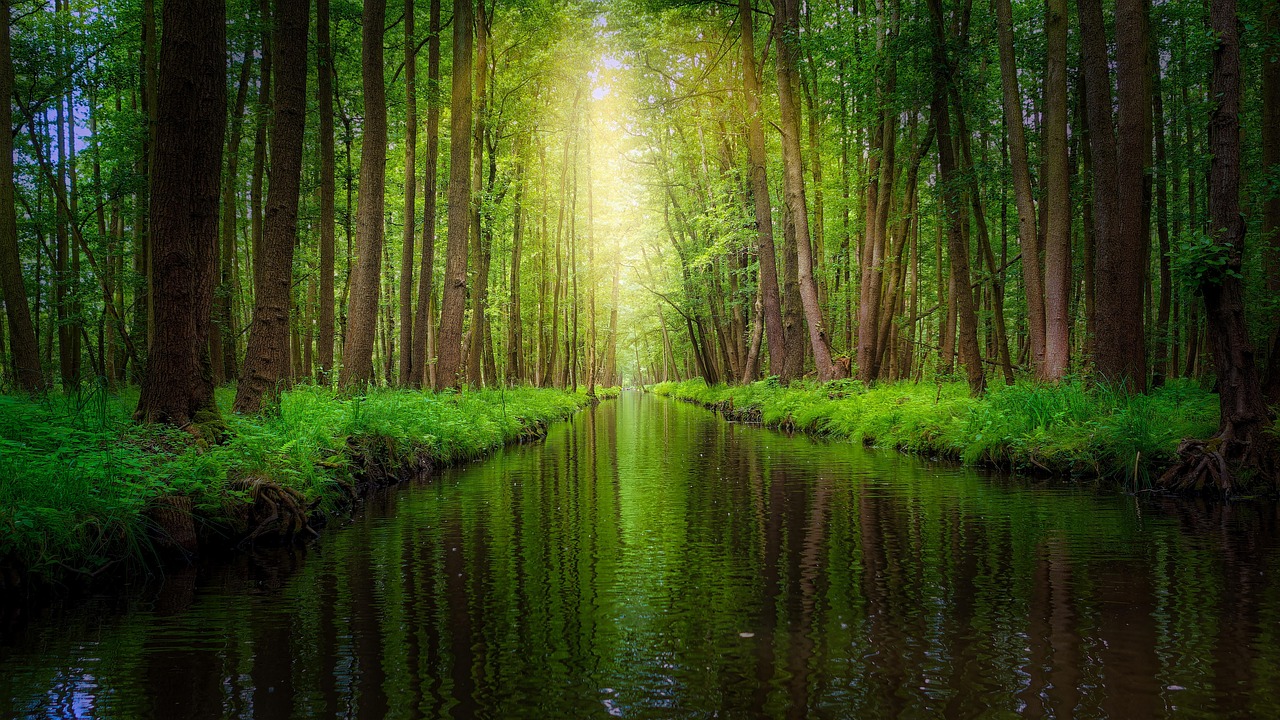
Why Visit Spreewald Biosphere Reserve?
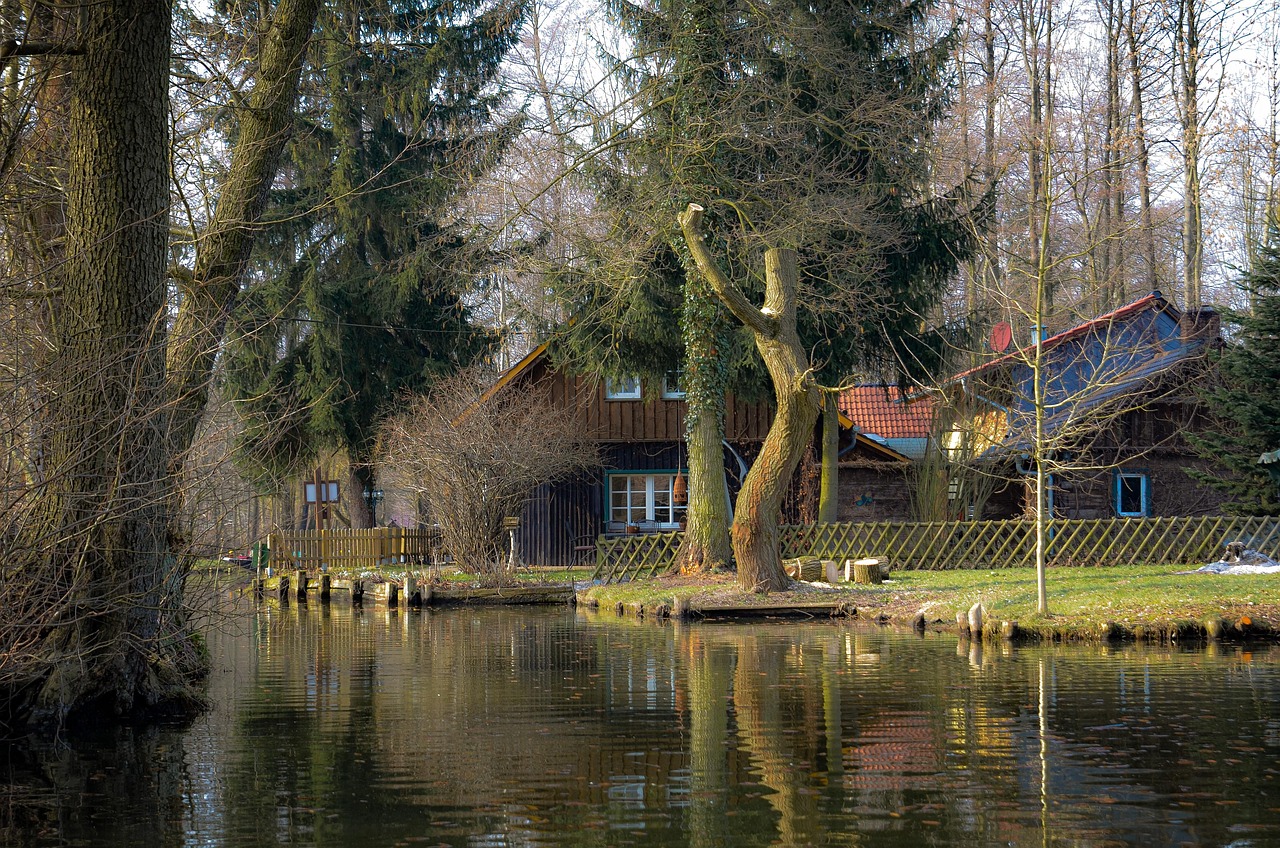
Spreewald Biosphere Reserve (UNESCO-listed since 1991) is one of those places that never quite fits into a neat category. It’s not just a forest, not just a river landscape, and not just a village region. It’s a dreamy, watery labyrinth of more than 1,000 kilometers of canals (called Fließe), centuries-old Slavic-Sorbian culture, and slow, river-bound life that still moves at the pace of a punting pole.
I’ve been returning here almost every year since my late teens, and every visit has felt different. I’ve watched spring mist roll over the meadows at dawn from a kayak, gotten hopelessly “lost” in the side channels near Leipe (and loved it), biked the dike paths in the heat of July when the forest smells intensely of pine and wild mint, and sat in a frozen winter harbor in Lübbenau with a mug of hot mulled wine as ice cracked on the water.
Spreewald is special because it’s both intensely peaceful and quietly alive. You hear more frogs than cars, more woodpeckers than people. Yet it’s close enough to Berlin (about an hour by train) to be an easy long weekend escape. It’s one of the best places in Germany for:
- Slow, water-based exploration – by traditional punt (Kahn) or self-paddled kayak/canoe.
- Family-friendly adventures – short flat bike rides, safe calm canals, farm animals, and interactive museums.
- Romantic getaways – quiet guesthouses on the water, moonlit punting tours, candlelit dinners with local fish and wine.
- Nature and wellness – forest walks, thermal spa in Burg, birdwatching, and true digital detox if you want it.
- Cultural immersion – Sorbian/Wendish traditions, bilingual place names, and seasonal festivals that still feel local.
In 2026, Spreewald is also doubling down on its identity as a model biosphere reserve: more ranger-led tours, better signposting of sensitive zones, and new interpretive exhibits in the visitor centers. If you’re looking for a place where nature, culture, and everyday life are still tightly interwoven, this is it.
Table of Contents
- Spreewald Overview & Key Regions
- Must-See Attractions & Signature Experiences
- 15 Key Trails, Viewpoints & Zones (In-Depth)
- 3–5 Day Itineraries with Personal Stories
- Where to Eat & Drink – Local Food in Spreewald
- Where to Stay – From Campsites to Waterside Pensions
- How to Get Around – Boats, Bikes & Trains
- After-Dark & Quiet Experiences
- Cultural Experiences & Local Customs
- Day Trips & Nearby Attractions
- Events & What’s New in 2026–2027
- Practical Travel Advice & Park Logistics
- Summary & Best Seasons to Visit
Spreewald Overview & Key Regions
The Spreewald Biosphere Reserve lies in Brandenburg, southeast of Berlin, centered around the town of Lübbenau, with Lübben and Burg (Spreewald) as its other main gateways. The River Spree splits into a dense network of branches that weave through forests, meadows, and tiny water-bound hamlets.
The reserve is roughly divided into a few practical “traveler zones”:
- Lübbenau & Lehde – the classic, postcard Spreewald with traditional farms, punting harbors, and museums.
- Burg (Spreewald) – more dispersed, with canals between farmsteads, thermal spa, and lots of bike routes.
- Lübben – a livelier small town with a great riverside park, family-friendly activities, and good transport links.
- Inner protected core & forests – quieter nature zones for hiking, birdwatching, and back-to-nature escapes.
Each area has its own character; I’ll weave them through the itineraries, but first let’s look at the must-see highlights.
Must-See Attractions & Signature Experiences in Spreewald
Lübbenau Old Harbor & Historic Town
If you only had an afternoon in Spreewald, this is where I’d send you. The old harbor in Lübbenau is the social heart of the reserve: wooden punts lined up, captains in flat caps, the smell of smoked fish and grilled sausages, and the soft slap of water against the quay.
Lehde – the Lagoon Village
Lehde is often called the “Venice of the Spreewald,” but that undersells it. It’s quieter, more organic, and more agricultural. Many households still have their own punt parked outside the front door.
Burg (Spreewald) & the Open Canals
Burg is where I go when I want space. Instead of one big harbor, you’ll find scattered landing points, long meadows, and broad canals flanked by willow trees.
Lübben Castle Island & Family Riverside Park
A perfect base for families: playgrounds, water playground, boat rentals, and easy access to both forest and town cafes.
Spreewald Thermal Spa (Spreewald Therme) in Burg
On my last winter visit in January 2026, I spent a blissful evening here watching snow fall into the steam over the outdoor pools.
15 Key Trails, Viewpoints & Zones – Deep Dive
Below are 15 of the best areas, trails, and routes in Spreewald Biosphere Reserve. Each subsection includes how to get there, what to expect, and a few personal notes from multiple visits.
1. Lübbenau–Lehde Classic Canal Loop
Best for: First-time visitors, couples, gentle introduction to punting or paddling.
Access: Start at Lübbenau harbor. Trains from Berlin to Lübbenau take about 1 hour; from the station it’s a 10–15 minute walk.
I’ve probably done this loop a dozen times, in all seasons. On a misty April morning, the canal feels like a secret passage; in July, dragonflies dart over the water and you pass gardens heavy with cucumbers and beans.
Punting vs. Paddling:
- Punted Kahn tour – sit back while a local punts you through main canals, usually with live commentary in German (sometimes English). The standard tour to Lehde and back is 2–3 hours.
- Kayak/canoe – more flexible; you can slip into smaller side channels, but you must respect marked routes and one-way sections.
Food stop tip: I like timing my visits to arrive in Lehde around lunchtime and grabbing a plate of Quark mit Leinöl (curd with linseed oil and potatoes) at a waterside tavern. It’s hearty, vegetarian, and intensely local.
Family note: With kids, I recommend the punt; it’s calmer, and they can move around a bit under supervision. You can also bring a stroller on board if needed.
2. Gurkenradweg (Cucumber Cycle Route) – Lübbenau to Burg Section
Best for: Easy cycling, foodies, scenic meadows.
The full Gurkenradweg is over 250 km long, but the stretch between Lübbenau and Burg is ideal for a day ride. It’s flat, signposted with little cucumber icons, and alternates between forest, dikes, and small villages.
I last rode this in September 2025 during a warm late-summer spell. The air smelled of hay, and nearly every farm gate had a small sign selling jars of homemade pickles.
Distance: Around 20–25 km depending on your exact route; allow a relaxed half-day with stops.
Tip: Rent bikes in Lübbenau or Burg; many guesthouses also offer them to guests for free or a small fee. Plan for a late-afternoon soak at Spreewald Therme at the Burg end.
3. Burg Spreewald Water Maze – Self-Paddle Exploration
Best for: Adventurous paddlers, photographers, couples looking for seclusion.
The canal system around Burg is less crowded than around Lübbenau. It’s where I send friends who already know how to handle a kayak and want to feel alone in the landscape.
My route suggestion: Start near Burg-Kauper, paddle through the narrow side channels towards Waldschlösschen, and loop back along a broader canal, stopping at a waterside café. In May and June, you’ll paddle under arching alder and birch branches heavy with leaves.
Note on navigation: The intersections can be confusing. Take a waterproof map from the boat rental and pay attention to directional signs; some channels are one-way or restricted to protect wildlife.
4. Lübben Castle Island & City Park
Best for: Families, first-timers, picnics, short walks.
Lübben’s Schlossinsel (Castle Island) is a green, playful, very accessible side of Spreewald. On my last visit with friends and their toddler, we barely left the park: there’s a big water playground, shallow canal edges, paddle boat rentals, and plenty of shade.
Short trail: A gentle loop around the park and along the Spree, with several bridges giving different perspectives. It’s not a “hike” but a relaxed stroll with lots of benches and interpretive boards about the biosphere reserve.
5. Lehde Open-Air Museum Area & Village Lanes
Best for: Cultural experiences, families, history buffs.
The Freilandmuseum Lehde is a cluster of historic farmhouses and outbuildings showing how people lived and farmed in Spreewald centuries ago. It’s one of the best curated regional museums I know, and kids love the animals and old tools.
I try to come here at least once every few years because the exhibits evolve: in 2024 they added more about climate change and water management; in 2026 they’re planning a new section on Sorbian seasonal rituals.
Tip: Combine the museum with a slow wander through the village footpaths. Many lanes are only accessible by foot or boat, and you’ll pass gardens, boathouses, and small private chapels.
6. Burg Forest & Spreewald Therme Loop
Best for: Wellness days, easy walking, shoulder-season visits.
On rainy days, I often base myself in Burg: a gentle walk through the surrounding pine and mixed forest, followed by hours in the thermal spa. The forest trails are mostly flat forest roads and soft footpaths, suitable for all ages.
Route: From the spa, head into the woods on any of the marked circular routes (3–8 km). You’ll cross small drainage canals, pass mossy trunks, and see plenty of fungi in autumn.
Tip: Bring lightweight sandals or water shoes and a small backpack so you can transition easily from trail to spa without returning to your hotel.
7. Easy Spreewald Rundweg near Lübbenau (Forest & Fields)
Best for: Casual walkers, sunrise or sunset strolls.
Behind Lübbenau, a network of field and forest paths makes for easy 5–10 km loops. When I stay overnight in town, I like to come out here at sunrise: the fog lifts slowly off the meadows, and the only sounds are birds and the distant thump of a punt pole.
Wildlife: Look for cranes in spring and autumn, storks in summer, and deer at the forest edges.
8. Moor & Wetland Boardwalk (Selected Core Protection Zones)
Best for: Nature lovers, photographers, educational visits.
Spreewald’s moors and fens are ecologically precious, and only a few boardwalks are open to the public without a guide. Check at the visitor centers (especially in Lübbenau or Burg) for the currently accessible boardwalk trails in 2026; they sometimes rotate access to protect habitats.
On a guided walk I joined in 2023, a ranger pointed out carnivorous sundew plants at our feet and explained the delicate water balance that keeps the peat intact.
Tip: Stay strictly on the boards; the surrounding ground is fragile and in places dangerous to step on.
9. Wotschofska Island & Forest Inn
Best for: Classic half-day punt, old-school charm, food in the woods.
Wotschofska is a forested island you can only reach by boat. There’s an old inn with a big terrace under trees, serving traditional dishes. I like coming here on a weekday in shoulder season – the journey feels almost pilgrim-like.
Access: Usually via organized Kahn tours from Lübbenau; some self-paddlers also make the trip, but check the map and regulations as some channels near the core zones are restricted.
10. Stradower Wiesen & Floodplain Meadows
Best for: Birdwatching, spring wildflowers, quiet walking.
The Stradower Wiesen are broad floodplain meadows that flood regularly and are rich in birdlife. I came here with a borrowed pair of high-quality binoculars one April and spent hours watching geese, ducks, and the occasional heron.
Access: Usually by bike or car; then short walks along dikes and farm tracks. Ask at local info points about best current spots and seasonal restrictions.
11. Night Punting Tour near Burg
Best for: Romantic experiences, stargazing, quiet introspection.
The first time I did a night Kahn tour near Burg, the captain turned off all onboard lights midway and let the boat drift under a canopy of stars. Fireflies flickered in the reeds, and you could hear fish jumping.
Note: These tours are seasonal (usually late spring to early autumn) and weather-dependent. Bring a warm layer, even in July; the damp air over the water can be chilly.
12. Spreewaldkanal Cycle Path (Historic Canal Route)
Best for: Longer day rides, history fans.
This route follows stretches of the historic Spreewald canal with its old locks and water engineering structures. It’s not as visually dramatic as the tight forest canals, but it tells the story of how Spreewald became navigable and economically important.
I rode this in early October 2024 when the trees along the banks were blazing in yellows and oranges. The reflections in the calm water were pure impressionist painting.
13. Inner Forest Nature Trail (Lehrpfad)
Best for: Families, school groups, curious adults.
Several short educational trails (Lehrpfade) thread through the forest, with interpretive signs about tree species, water levels, and animal tracks. They’re perfect for a 1–2 hour outing with kids or anyone who wants to understand the ecosystem rather than just look at it.
Tip: Many signs are in German, but some newer ones are bilingual. Even if you don’t speak German, the diagrams and maps are helpful.
14. Wendish/Sorbian Village Zone (Serbska Krajina)
Best for: Cultural immersion, photography, village walks.
Several villages in and around Spreewald are strongholds of Sorbian/Wendish culture. You’ll notice bilingual signs (German and Sorbian), traditional costumes during festivals, and occasional bilingual church services.
One early spring afternoon in 2025, I walked through such a village as women decorated Easter eggs in the Batik technique, their hands moving with practiced speed. They invited me to try, and I made a wobbly but beloved souvenir.
15. Wildlife Observation Hides & Quiet Corners
Best for: Birders, patient photographers, early risers.
Scattered around the reserve are simple observation platforms and hides overlooking reedbeds and wetlands. They’re rarely busy, especially at dawn. I like to bring a thermos of coffee, a light blanket, and just sit.
Tip: Ask at visitor centers for a current map of observation points – some are temporarily closed or rerouted depending on breeding seasons.
3–5 Day Itineraries for Spreewald Biosphere Reserve
The following itineraries are based on trips I’ve taken in the past few years, refined for 2026. They’re structured to balance punting, paddling, walking, cycling, food, and cultural experiences – with enough flexibility to adapt to weather and your energy levels.
3 Day Itinerary for Spreewald Biosphere Reserve (Classic Highlights)
This plan is ideal if you have 3 days in Spreewald Biosphere Reserve and want the essentials: Lübbenau, Lehde, Burg, and a taste of both water and land activities. I’ll write this as I experienced it on a long weekend in late May 2025, updated for 2026 logistics.
Day 1 – Arrival, Lübbenau Harbor & Lehde Village
Morning: Arrival in Lübbenau
I arrived on the morning train from Berlin Hauptbahnhof, which pulled into Lübbenau just after 9:00. From the station, I walked down Bahnhofstraße, stopping briefly at a bakery for a still-warm Schrippe (bread roll) and coffee to go.
Check-in tip: In 2026, many small pensions now allow early bag drop even if your room isn’t ready. I left my backpack at a tiny waterside guesthouse near the harbor and set off with just a daypack.
Late Morning: Classic Kahn Tour to Lehde
By 10:30, I was at the Lübbenau harbor. Punts lined up like wooden shoes, each with a small sign for duration and route. For a first-time-style day, I recommend booking a 2–3 hour tour that includes Lehde.
As we slipped away from the quay, the town sounds faded. Our captain, Herr Schulze, had been punting for over 30 years. He pointed out beaver lodges and explained how the water levels are managed by an intricate system of weirs and sluices.
Family option: Some boats are specifically set up for children, with blankets, snacks, and shorter, more interactive commentary. Look for kid-friendly signage at the harbor kiosks.
Afternoon: Exploring Lehde & Open-Air Museum
We disembarked in Lehde, where I had about two hours before the return leg. That’s enough time for:
- Lunch at a waterside restaurant – I went for Spreewaldgurken (pickles), smoked fish, and a cold local beer.
- A visit to the Freilandmuseum (open-air museum) – budget 60–90 minutes.
- A short wander along the village’s footpaths, watching resident boats glide silently past gardens.
2026 note: The museum is planning special interactive workshops on busy weekends – think bread baking, weaving, and Easter egg painting demonstrations.
Late Afternoon: Return by Boat & Lübbenau Old Town
The return Kahn ride took a slightly different route, weaving through quiet back channels. Back in Lübbenau, I walked into the compact old town: gabled houses, a church square, and a few shops selling local products (linseed oil, pickles, honey).
Evening: Dinner & Stroll
For dinner, I chose a simple restaurant near the harbor, ordering Quark mit Leinöl and a side of fried potatoes. As dusk fell, I walked once more along the harbor – many punts were now empty, water still, the air scented with damp wood and river plants.
Where I slept: A small pension with wooden balconies over the water. In 2026, expect most rooms to have decent Wi-Fi, but if you prefer digital detox, ask ahead; some places are intentionally low-tech.
Day 2 – Burg, Spa & Forest Walk
Morning: Train/Bus to Burg & Canal Walk
After breakfast, I headed to Burg (Spreewald). If you’re without a car, you can either:
- Take a regional train to Cottbus and connect by bus to Burg, or
- Use local buses that directly link Lübbenau and Burg in high season (check 2026 schedules at the tourist office).
I arrived in Burg around 10:00 and immediately felt the different rhythm: homes spread out, wide meadows, canals flanking narrow roads, storks perched on chimneys.
Mid-Morning: Short Paddle or Punting from Burg-Kauper
I rented a kayak from a small family-run booth near Burg-Kauper. For 2–3 hours, I followed a recommended loop: narrow, shaded canals out, broader sunlit canal back. The rental owner handed me a waterproof map and marked the key junctions.
Tip: If you’re not comfortable paddling, join a smaller, more intimate punt tour here. It’s generally quieter than Lübbenau’s harbor.
Afternoon: Lunch & Spreewald Therme
After returning the boat, I headed to the Spreewald Therme. There’s a café/restaurant either inside or nearby where you can grab a light lunch (Suppe, salad, simple pasta) before changing into spa mode.
From about 14:00–17:00, I moved between warm saline pools, saunas (textile-free in German style; check rules if you’re new to this), and quiet relaxation rooms with big windows overlooking trees.
2026 update: The spa is introducing more nature-based wellness programs, including guided forest breathing walks and outdoor yoga sessions in summer.
Evening: Dinner in Burg & Quiet Night
Burg has a handful of excellent restaurants focusing on regional cuisine. One of my favorites is a farmhouse-style place where I once had perch fillet with creamy dill sauce and potatoes, followed by a dessert of warm apple cake.
Overnight options here range from traditional guesthouses to more modern wellness hotels. Book early for weekends in May–September.
Day 3 – Lübben Castle Island, Easy Bike Ride & Departure
Morning: Lübben Castle Island
For my final day, I based myself in Lübben, which is on the main rail line and makes for a good departure point. I checked my bag into a locker at the station and walked 10 minutes to the Schlossinsel.
Mid-morning was devoted to:
- Strolling the park paths and over several small bridges.
- Watching kids at the water playground (if you’re traveling with your own, this is a highlight).
- Sitting with a coffee at a riverside kiosk, soaking up the last doses of Spreewald calm.
Afternoon: Short Bike Ride or Boat Trip & Departure
With a half-day left, you can:
- Rent a bike and do a 15–20 km loop through surrounding fields and villages, or
- Take a short 1–2 hour Kahn tour from Lübben to see a different side of the canals.
I opted for cycling, following a signed path that looped me back in plenty of time to catch my late-afternoon train back to Berlin.
After 3 days in Spreewald Biosphere Reserve, you’ll have seen the greatest hits without rushing – and probably be plotting a return, perhaps in a different season.
4 Day Itinerary for Spreewald Biosphere Reserve (Deeper & Slower)
If you have 4 days in Spreewald Biosphere Reserve, you can slow down further and add more nature trails, moor boardwalks, and cultural villages. I’ll summarize a pattern I followed over an early June 4-day stay, blending in updated 2026 info.
Day 1 – Lübbenau Old Town & Evening Stroll
Arrive, settle into a guesthouse in Lübbenau, and spend the afternoon exploring the town on foot. Check out:
- The old market square.
- Local product shops (pickles, linseed oil, jams, herbal liqueurs).
- Short walk to the harbor at golden hour.
Dinner at a harbor restaurant; early night.
Day 2 – Full Lübbenau–Lehde–Wotschofska Water Day
Dedicate an entire day to being on the water. Book a combined route that takes you via Lehde to Wotschofska and back (6–7 hours total with generous stops). This is a more in-depth version of Day 1 from the 3-day itinerary.
Lunch at Wotschofska’s forest inn, a beer under the trees, and maybe a short walk on the island’s small paths (staying on marked routes, as much of it is sensitive forest).
Day 3 – Burg: Moor Boardwalk & Sorbian Village
Transfer to Burg and spend the morning on one of the nature trails with boardwalk sections through moorland. Join a ranger-led walk if available; in 2026, they’re planning more English-language tours in peak season.
Afternoon: visit a nearby Sorbian village. Look for traditional farmsteads, bilingual signs, and if you’re lucky, a local café serving Sorbian pastries.
Day 4 – Long Bike Ride on the Gurkenradweg & Spa
Rent a good bike and ride a 40–60 km segment of the Gurkenradweg, perhaps looping Burg–Lübben–Burg or Burg–Lübbenau–Burg. Take your time, stopping at farm stands and view points.
Finish the trip with another session at Spreewald Therme or a smaller wellness hotel sauna before heading home on an evening train or the next morning.
5 Day Itinerary for Spreewald Biosphere Reserve (Immersive & Flexible)
With 5 days in Spreewald Biosphere Reserve, you can truly relax into the slow rhythm of the canals, mix in rest days, and explore some hidden gems. This outline is based on a 5-night stay I did in September 2024, updated for 2026.
Day 1 – Arrival & Lübbenau Orientation
Check into a waterside guesthouse in Lübbenau, wander the old town, and have a simple dinner. Early to bed, early to rise.
Day 2 – Sunrise Paddle & Lehde Museum
Rent a kayak as soon as the rental opens (in summer, often around 8:00). Paddling at sunrise is magical: mirrored water, mist, birdsong. Stick to a short loop (2–3 hours), then return, shower, and head to Lehde by foot or short boat for the open-air museum.
Day 3 – Lübben Family Day & Wildlife Evening
Base in Lübben for a laid-back day: park, playgrounds, short river cruises. In the late afternoon, take a bike or car to one of the recommended wildlife observation hides. Sit quietly through dusk watching birds return to roost.
Day 4 – Burg Adventure: Longer Paddle & Night Punting
Morning and early afternoon: longer self-guided paddle through Burg’s quieter canal network (4–5 hours with breaks). Late afternoon: rest at your accommodation, then join a night Kahn tour, ideally one that emphasizes stargazing or local legends.
Day 5 – Gurkenradweg & Sorbian Culture
Spend your final day cycling a segment of the Gurkenradweg that links several Sorbian villages. Stop at a local cultural center if open, or simply absorb the atmosphere: wooden houses, small chapels, and signs in two languages.
End with a farewell dinner featuring local specialties: fish, pickles, potatoes, and Spreewald-style desserts.
Where to Eat & Drink – Local Food in Spreewald
Spreewald’s cuisine is hearty, seasonal, and rooted in what the land and water give. My recurring favorites:
- Spreewaldgurken – the famous pickles. Try them plain, in salads, or as sides to almost everything.
- Quark mit Leinöl – curd cheese with cold-pressed linseed oil and boiled potatoes. Simple, filling, memorable.
- Fresh fish – pike-perch (Zander), perch, carp; often served pan-fried or baked.
- Wild game – venison or wild boar in autumn, with rich sauces and red cabbage.
- Sorbian pastries – especially at festivals or village cafés.
Saving money tip: Bakery breakfasts, supermarket picnics, and lunchtime specials (Mittagstisch) at local restaurants are much cheaper than evening à la carte meals. I often pack snacks (nuts, fruit, bread, cheese) for long days on the water.
In-park & harborside options: Lübbenau harbor, Lehde, Wotschofska, and Burg all have small restaurants and kiosks. On busy summer weekends, it’s worth reserving dinner if you have a specific place in mind.
Where to Stay – Guesthouses, Cabins & Camping
Lübbenau: Best for first-time visitors and car-free travelers. Plenty of pensions, small hotels, and apartments within walking distance of the harbor.
Burg: Excellent for wellness and longer stays. Many farm-style guesthouses and a few higher-end spa hotels.
Lübben: Good transport links, more “town” feeling, easy for families.
Rural hamlets (e.g., Lehde, Burg-Kauper): Ideal if you want true quiet, often right on the water. Expect fewer evening options within walking distance.
Camping: There are several campgrounds along the canals and near towns, with varying degrees of comfort. In peak summer 2026, book well ahead, especially for weekends.
Budget tip: Look for Ferienwohnungen (holiday apartments) if you’re staying 3+ nights; self-catering saves a lot on meals, especially for families.
How to Get Around – Boats, Bikes & Public Transport
Arrival: Most visitors arrive by train from Berlin, Dresden, or Cottbus. The key stations are Lübbenau and Lübben. From there, buses and occasional seasonal shuttles connect to Burg and smaller villages.
On the water:
- Punted Kahn tours – best for relaxed sightseeing and families.
- Kayak/canoe rentals – for independent exploration; available in Lübbenau, Burg, Lübben, and some villages.
On land:
- Bicycles – the single best way to move between villages. Flat terrain, plenty of dedicated paths.
- Walking – perfect for short distances and nature trails; not ideal for moving luggage between towns unless you pack light.
- Car – convenient but not essential. Parking in peak season can be busy near harbors; arrive early or in late afternoon.
SIM cards & connectivity: In 2026, coverage is generally good in towns and villages but can be patchy deep in the forest and moor areas. German prepaid SIMs from the main providers (Telekom, Vodafone, O2) are easy to buy at airports, major train stations, and supermarkets.
After-Dark & Quieter Experiences in Spreewald
Spreewald is not a nightclub destination, and that’s precisely its charm after dark. Nights here are about silence, stars, and soft light over water.
- Night Kahn tours: With lanterns or subtle lighting; some focus on legends and ghost stories, others on stargazing.
- Stargazing: Away from towns, the sky can be surprisingly dark. Bring a headlamp with red mode and a star app.
- Ranger talks: In 2026, the biosphere reserve is planning more evening presentations at visitor centers during peak months.
- Campfires: Only at designated fire pits in campgrounds and lodges; open fires elsewhere are usually prohibited.
- Sunrise sessions: Not quite “after dark,” but the hour before and after sunrise can be the most magical time on the water.
Cultural Experiences & Local Customs
Spreewald is a living cultural landscape, especially for the Sorbian/Wendish minority. Respecting local customs enriches your visit.
- Language: German is dominant, but you’ll see Sorbian on signs and in cultural institutions. English is spoken in most tourist-facing businesses, but a few German phrases go a long way.
- Greetings: Simple “Guten Tag” or “Hallo” when entering small shops or restaurants is appreciated.
- Churches & cemeteries: Many are active and local. Dress modestly and keep voices low.
- Photo etiquette: Ask before photographing people, especially in traditional dress at festivals.
- Tipping: 5–10% in restaurants if service was good, usually by rounding up and stating the total you want to pay.
Seasonal traditions:
- Spring/Easter: Sorbian Easter eggs, processions, and decorated trees.
- Summer: Village festivals with music, dancing, and local food stands.
- Autumn: Harvest events and markets; more game dishes on menus.
- Winter: Quieter, but some Advent and Christmas markets in nearby towns.
Day Trips & Nearby Attractions
Spreewald pairs well with a few nearby destinations:
- Cottbus: 30–40 minutes by train from Lübbenau. Attractive old town, Branitz Park with its famous landscape garden and pyramid tomb of Prince Pückler.
- Tropical Islands Resort: A large indoor tropical waterpark south of Berlin. Popular with families; can be a fun contrast on a rainy day.
- Berlin: Easy pre- or post-Spreewald city break; around 1 hour by direct train.
- Dresden: About 1.5–2 hours by train; an excellent cultural city to combine with nature in Spreewald.
Transport tip: Regional day tickets (Brandenburg-Berlin-Ticket) can make train travel between these destinations surprisingly affordable if you plan carefully.
Events & What’s New in Spreewald in 2026–2027
While exact dates can shift, here’s what to watch for in 2026–2027:
- Spreewald Marathon (Spring 2026 & 2027): A beloved regional event with running, cycling, skating, and canoe races.
- Gurkenfest (Cucumber Festival) in Lübbenau: Celebrating the region’s signature pickles with stands, music, and competitions.
- Sorbian Cultural Days: Rotating events showcasing Sorbian music, dance, costumes, and crafts.
- Nature & Dark-Sky Programs: The biosphere reserve is rolling out more guided night walks and astronomy events, especially around new moons in summer.
Check the official Spreewald tourism website closer to your travel dates in 2026–2027 for confirmed schedules.
Practical Travel Advice & Park Logistics
Entrance & Fees
Spreewald is a biosphere reserve, not a gated national park. There’s no single entrance fee, but you’ll pay for:
- Boat tours and rentals.
- Parking at major harbors and trailheads.
- Entry to museums and cultural sites.
Permits & Reservations
No general permit is required for day visitors. However:
- In summer, reserve popular Kahn tours and kayaks in advance, especially weekends.
- Some guided walks in core zones require advance sign-up.
- Accommodation should be booked early for May–September and major holiday weekends.
Seasonal Closures & Weather
Spring (March–May): Cool to mild; canals fully navigable by late spring. Great for birdwatching and fewer crowds.
Summer (June–August): Warm, sometimes hot. Peak boating season; book ahead. Afternoon thunderstorms are possible.
Autumn (September–November): My personal favorite: golden foliage, crisp air, fewer visitors. Some services start to reduce hours by late October.
Winter (December–February): Quiet; some canals may freeze. Limited boat operations, but magical if you enjoy cold, misty landscapes. Spa visits are especially rewarding.
Safety & Wildlife
There are no bears, wolves, or other large predators to worry about in tourist areas. The main safety considerations are:
- Water safety: Wear lifejackets, especially for children; don’t stand up in small boats; watch for low bridges and currents around weirs.
- Insects: Mosquitoes can be intense on still summer evenings near wetlands. Bring repellent and long sleeves.
- Ticks: Common in grassy and forested areas; use repellent and check yourself after hikes.
- Sun exposure: Reflected sunlight on water can be strong; hats and sunscreen are essential.
Leave No Trace & Environmental Respect
As a biosphere reserve, Spreewald depends on responsible visitors. Please:
- Stay on marked paths and waterways.
- Don’t pick plants or disturb wildlife.
- Pack out all trash or use provided bins.
- Respect quiet zones, especially in nesting seasons.
Packing List Essentials
- Light rain jacket and layers (weather can change quickly).
- Comfortable walking shoes; sandals with good grip for boats.
- Reusable water bottle and snacks for long outings.
- Sun hat, sunglasses, sunscreen.
- Insect repellent and basic first-aid kit.
- Dry bag for phone and valuables on boat days.
- Binoculars for birdwatching.
Visas & Driving
Visas: Germany is part of the Schengen Area. Many nationalities can enter visa-free for short stays, but always check current regulations before travel in 2026.
Driving licenses: EU/EEA licenses are valid. Non-EU visitors should carry an International Driving Permit alongside their home license; many rental agencies in Germany recommend or require it.
Money-Saving Strategies
- Travel off-peak (April, early May, late September, October).
- Use regional train tickets and day passes.
- Stay in apartments with kitchens and cook some meals.
- Share boat rentals as a group rather than private tours if budget is tight.
Summary & Best Seasons to Visit Spreewald Biosphere Reserve
Spreewald Biosphere Reserve is one of Germany’s most distinctive landscapes: a slow, watery maze of canals, forests, and meadows where traditional life still shapes the rhythm of the days. Whether you’re planning a 3 day itinerary for Spreewald Biosphere Reserve or stretching to 4 or 5 days in Spreewald Biosphere Reserve, the ingredients are the same: water, wood, and a deep exhale.
Best seasons by priority:
- For boating & cycling: May–September, with June and September as sweet spots for fewer crowds.
- For wildflowers & birds: April–June.
- For fall colors & quiet paths: Late September–October.
- For spa-focused, atmospheric stillness: November–February.
If you come with patience, curiosity, and a willingness to slow your pace to the rhythm of a punting pole, Spreewald will reward you with memories that feel both timeless and quietly transformative. My advice for 2026: pick your season, book a small guesthouse on the water, plan a loose 3–5 day itinerary, then leave plenty of space for unplanned detours down side canals – on the map and in your mind.