Why Visit Bacharach?
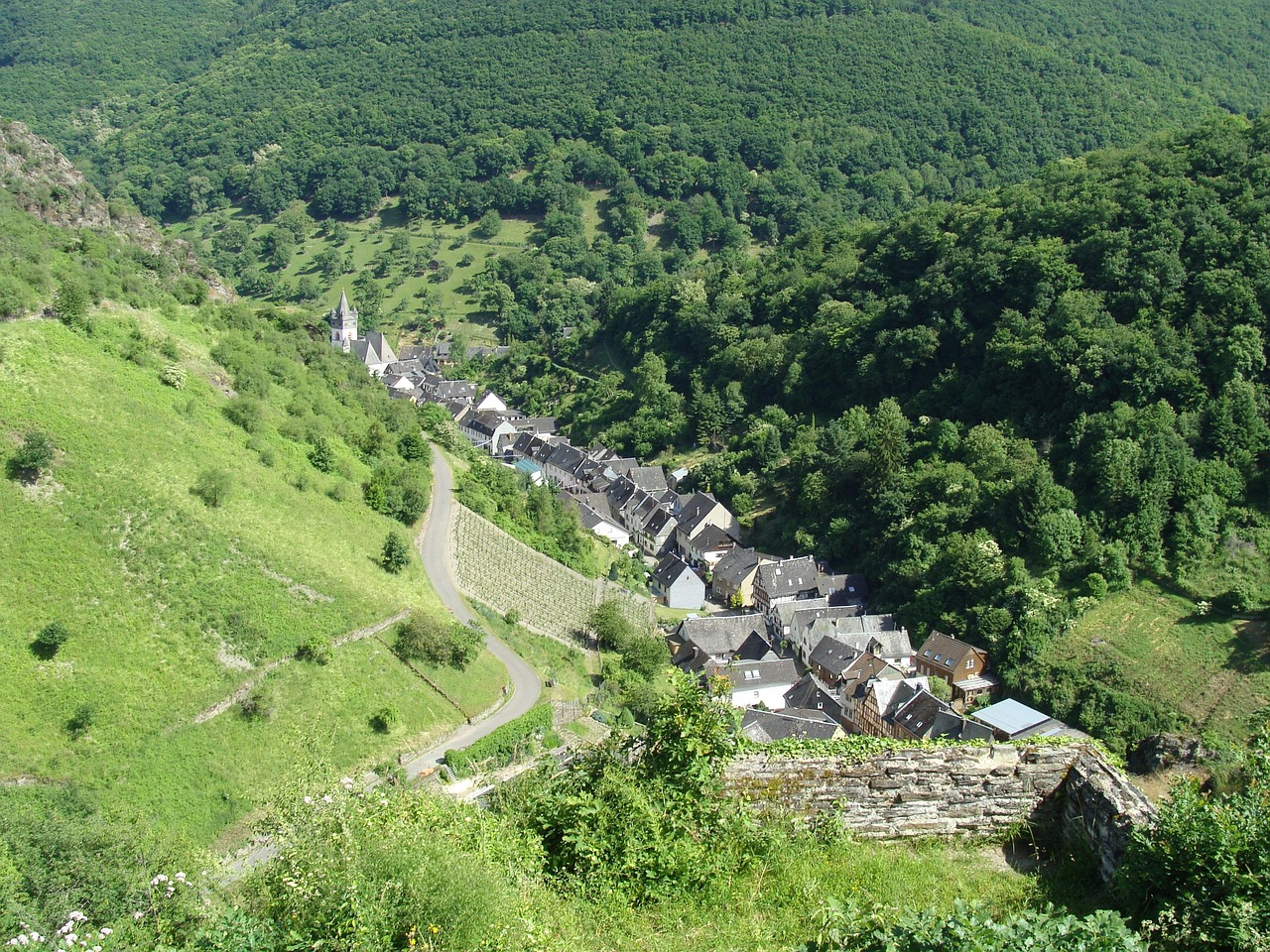
Bacharach is one of those rare places where the picture on the postcard actually matches reality. Half-timbered houses lean into cobbled lanes, vineyards spill down to the river, and the Rhine glides past as it has for centuries, carrying barges, cruise ships, and the occasional dreamy traveler staring up at castle ruins.
I’ve been returning to Bacharach almost every year since my early twenties. At first, it was just a base for exploring the Upper Middle Rhine Valley. Over time, the town itself became the destination: early-morning walks along the floodwall, quiet evenings under the plane trees on the Rhine promenade, and long, wine-fueled dinners where the church bells and passing trains become part of the soundtrack.
Bacharach is small, but don’t underestimate it: it’s one of the best places to visit in the Rhine Valley if you want a mix of romance, family-friendly activities, gentle adventure, and cultural experiences. Its compact size makes it ideal for a 3 day itinerary for Bacharach, but its surroundings easily justify a 4 or 5 day itinerary for Bacharach if you like castles, hiking, and wine.
In this travel guide for Bacharach, I’ll walk you through:
- How to spend 3, 4, or 5 days in Bacharach with detailed daily plans
- Must-see attractions in Bacharach and 20+ in-depth spotlights with local-style tips
- Neighborhoods and corners of town you shouldn’t miss
- Local food in Bacharach, where to eat, and what to drink
- Hidden gems in Bacharach that most day-trippers walk straight past
- Cultural experiences in Bacharach and local customs to know
- Practical travel tips for Bacharach: transport, SIM cards, money-saving tricks, best seasons, and more
Table of Contents
- Why Visit Bacharach?
- Bacharach at a Glance (2026 Update)
- 3–5 Day Itineraries for Bacharach
- Neighborhoods & Areas to Explore
- 20+ Must-See Attractions in Bacharach
- Local Food & Wine in Bacharach
- Nightlife, Entertainment & Cultural Experiences
- Best Day Trips from Bacharach
- Local Customs & Cultural Etiquette
- Practical Travel Advice for Bacharach
- Summary & Best Time to Visit
Bacharach at a Glance (2026 Update)
Bacharach sits roughly halfway between Koblenz and Mainz, in the heart of the UNESCO-listed Upper Middle Rhine Valley. With around 2,000 inhabitants, it feels more like a big village than a town, but its history as a trading hub and wine town runs deep.
In 2026, Bacharach is still blissfully small-scale: a few hotels and guesthouses, family-run wineries, and cafes that know their regulars by name. Tourism is steady but not overwhelming—especially if you stay overnight instead of just hopping off a cruise ship for an hour.
Major Events & Festivals 2026–2027
- Bacharach Wine Spring (Bacharacher Weinfrühling) – Late April 2026 & 2027: Tasting stands, live music, and local vintners pouring new vintages in the old town.
- Rhine in Flames (Rhein in Flammen) – Nearby dates in May–September 2026 & 2027 (Koblenz, Bingen, and others): While Bacharach doesn’t host its own fireworks night, it’s perfectly placed as a base; extra evening boats often run.
- Bacharach Christmas Magic – Advent weekends 2026 & 2027: A small but charming Christmas market in the historic center, with mulled wine and local handicrafts.
- Wine & Culture Evenings at Burg Stahleck – Selected weekends April–October 2026 & 2027: Concerts and themed dinners at the castle (check local listings closer to date).
3–5 Day Itineraries for Bacharach
These itineraries are based on trips I’ve taken over the last few years, tweaking them each season. They’re designed so you can mix and match depending on whether you want a 3 day itinerary for Bacharach, a 4 day itinerary for Bacharach, or a full 5 days in Bacharach.
3 Days in Bacharach: Classic Highlights & Rhine Romance
If you have 3 days in Bacharach, focus on the town itself, Burg Stahleck, one or two easy hikes, and a Rhine cruise. This is the perfect balance of iconic sights and relaxed riverside time.
Day 1: Old Town, City Walls & Sunset at Burg Stahleck
I like to arrive in Bacharach late morning. Trains from Mainz or Koblenz roll in every hour or so, and the moment you step out of the station and see the Rhine, there’s a subtle shift—you’ve officially entered wine country.
Drop your bags at your guesthouse—many are within a five-minute walk of the station—and head straight into the old town through one of the stone gates.
Late Morning: First Wander Through the Old Town
Start at the Marktplatz, Bacharach’s central square. On my first visit, I spent almost an hour here doing nothing more than sipping coffee and watching locals greet each other under the half-timbered facades.
- Admire the Altes Haus, a perfect fairy-tale timbered house dating back to the 14th century.
- Duck into the narrow side lanes—some are so tight you can reach out and touch both sides.
- Pop into a bakery for a Brötchen or slice of Rhabarberkuchen (rhubarb cake) if it’s in season.
Afternoon: Climb the City Walls & Visit Wernerkapelle
From the old town, follow the small signs to the Stadtmauer (city walls). The steps are a bit uneven, but the short climb rewards you with one of the best views of town: slate roofs, church spires, and the river beyond.
Walk along the walls toward the haunting ruins of the Wernerkapelle (more on this later). This roofless, Gothic chapel looks almost too delicate to have survived centuries of storms and wars.
- Family tip: Kids love spotting trains and boats from the walls—mine turned it into a game of “who can find the most red cargo ships.”
- Photo tip: Late afternoon light is perfect here; the red sandstone of the chapel glows warmly.
Evening: Hike Up to Burg Stahleck for Sunset
Leave about 30–40 minutes for the walk up to Burg Stahleck. There are a couple of paths; I prefer the one that zigzags through the vineyards, especially in late summer when the grapes are full and sweet-smelling.
At the top, you’ll find a castle that’s now a youth hostel, but the courtyard and terrace are open to non-guests. Order a beer or a glass of Riesling and watch the sun sink behind the hills across the Rhine.
- Romantic angle: This is probably the most romantic spot in Bacharach at golden hour—bring a light jacket and linger.
- Money-saving tip: Drinks here are reasonably priced compared with riverside bars down below.
Day 2: Rhine Cruise, Nearby Villages & Vineyard Walk
Day two is for the water. I always tell first-time visitors that the Rhine looks different from the deck of a boat—perspective shifts, castles slide into view, and you understand why this valley became a UNESCO site.
Morning: Rhine Cruise to St. Goar or Boppard
Head to the riverfront pier and catch a Rhine cruise heading upriver or downriver. KD and other operators usually start their season in April and run through October.
- Option 1: Cruise to St. Goar to visit Burg Rheinfels—one of the mightiest castle ruins on the Rhine.
- Option 2: Cruise to Boppard for a chairlift ride and sweeping views of the Rhine bend.
I usually go as far as St. Goar in the morning, explore for a few hours, have lunch, and then ride back by boat or train.
Afternoon: Vineyard Walk Back in Bacharach
Back in Bacharach by mid-afternoon, head up for a gentle loop through the Steeger Tal or the vineyards above town. The trails are well-marked, and you’ll often pass locals walking dogs or checking vines.
- Family-friendly tip: Pack a picnic from a local supermarket and stop at one of the benches overlooking the town.
- Adventure angle: If you want something more demanding, start on a short section of the Rheinburgenweg (Rhine Castle Trail), which crosses near Bacharach.
Evening: Wine Tasting in Town
In the evening, treat yourself to a proper Riesling tasting. A few wine taverns pour flights from local vineyards; many of the bottles are from slopes you saw earlier in the day.
On one of my favorite evenings here, I ended up sitting next to a retired winemaker who pointed out, on a small map, exactly which patch of hillside each glass came from. This is the kind of cultural experience in Bacharach that you don’t get if you rush through.
Day 3: Hidden Corners, Chapel Ruins & Riverfront Relaxation
Spend your final day diving deeper into Bacharach itself: the corners most day-trippers miss.
Morning: Peterskirche & Steeg
Visit Peterskirche, the main parish church, then wander out toward the quieter Steeg district. This side valley has a more residential, lived-in feel—laundry on balconies, kids on bikes, and the gentle sound of the Steegerbach stream.
Afternoon: Wernerkapelle Revisited & Museum Stop
Circle back to the Wernerkapelle, this time lingering with an audio guide or reading the posted history. Then, if open, pop into any small local museum or exhibition (they change seasonally) to understand Bacharach’s medieval trading past.
Evening: Farewell Dinner by the Rhine
On your last night, I recommend a relaxed dinner outdoors near the river. As trains and boats glide past, you’ll feel a bit like you’re sitting inside a moving painting. Walk the promenade one last time before heading back to pack.
4 Days in Bacharach: Castles, Hikes & More Wine
A 4 day itinerary for Bacharach lets you add a deeper hike and another castle or two. Here’s how I extend the 3-day plan.
Day 4: Oberwesel & the Rhine Castle Trail
Take a short train ride to Oberwesel (about 10 minutes). This town is like Bacharach’s slightly larger cousin, with formidable city walls and the striking Liebfrauenkirche.
- Walk a section of the Stadtmauer (city walls) for towering views.
- Visit Schönburg Castle above town—another incredible viewpoint and a hotel if you’re tempted by a splurge night.
If you’re up for it, hike a segment of the Rheinburgenweg between Bacharach and Oberwesel. It’s one of my favorite moderate day hikes on the Rhine, with plenty of photo stops and picnic spots.
Head back to Bacharach by late afternoon for a quiet evening and maybe a second visit to your favorite wine tavern—you’ll appreciate the Riesling even more after seeing the terrain it grows on.
5 Days in Bacharach: Slow Travel, Side Valleys & Day Trips
If you have 5 days in Bacharach, embrace the slow pace. This is my ideal 5 day itinerary for Bacharach when I really want to disconnect and live like a local for a few days.
Day 5: Side Valleys & Nahe Wine Country Day Trip
On your fifth day, consider a day trip to the nearby Nahe wine region (via Bingen and Bad Kreuznach) or explore deeper into the side valleys behind Bacharach.
- Option 1: Train to Bad Kreuznach for a stroll through its spa town center and the historic bridge houses, plus a wine tasting in the Nahe region.
- Option 2: Rent a bike in Bacharach (or nearby) and ride gently along the Rhine to neighboring villages, stopping at small ferry crossings and vineyards.
Return to Bacharach for your final evening, perhaps booking a special dinner or staying up late on the promenade listening to the river’s low murmur.
Neighborhoods & Areas of Bacharach
Bacharach is tiny, but each corner has its own flavor. When I say “neighborhoods,” think more in terms of micro-districts and landscapes.
Altstadt (Old Town)
This is the heart of Bacharach: narrow lanes, half-timbered houses, the Marktplatz, and most of the cafes and restaurants.
- Character: Storybook medieval, lively in the day, peacefully quiet at night.
- Best for: First-time visitors, short stays, easy access to everything on foot.
- Highlights: Altes Haus, Marktplatz, tiny passageways like Rosenstraße.
Rheinpromenade (Riverfront)
Stretching along the Rhine, this is where boats dock and locals stroll in the evenings.
- Character: Open, airy, with constant movement on the water and trains on the opposite bank.
- Best for: Picnic spots, jogging, people-watching, sunrise and sunset views.
Steeg & Steeger Tal
Steeg is a quieter residential area just upstream, leading into the beautiful Steeger Tal side valley.
- Character: Local, slower pace, stream-side houses.
- Best for: Walks, feeling the “real life” of Bacharach away from tourists.
Vineyards & Hillsides
Above the town, vineyards climb steeply. Trails crisscross between rows of vines and pockets of forest.
- Character: Open vistas, silence broken only by birds and the distant horn of a ship.
- Best for: Hikes, picnics, photography, understanding the wine culture.
Burg Stahleck & Castle Ridge
The hilltop around Burg Stahleck feels like its own world, especially once day-trippers leave.
- Character: Historic, slightly isolated, with commanding views.
- Best for: Sunsets, stargazing, overnight stays in a castle if you book the youth hostel.
20+ Must-See Attractions in Bacharach (Deep Dive)
Now let’s dig into the things to do in Bacharach in more detail. These are the must-see attractions in Bacharach, plus a few personal favorites and hidden gems. I’ll share history, significance, and the kind of small moments that made me fall in love with each place.
1. Burg Stahleck
Why go: For the best panoramic view over Bacharach, the Rhine, and the ring of vineyards; for a taste of medieval life with youth-hostel prices instead of luxury-hotel rates.
History: First mentioned in the 12th century, Burg Stahleck was a key stronghold in the Palatinate and changed hands many times. It was heavily damaged in the 17th century and lay in ruins for centuries before being reconstructed in the 20th century, eventually becoming a youth hostel.
My experience: The first time I stayed here, I woke up to church bells and the rumble of a freight train echoing along the valley. I leaned out the window and saw fog lifting off the Rhine—one of those simple but unforgettable travel moments.
What to do:
- Walk up through the vineyards or via the forested path from town.
- Explore the courtyard and ramparts—free and open to the public.
- Have a drink or snack on the terrace and soak in the view.
Tips: The path up can be slippery after rain; wear sturdy shoes. If you want to stay overnight, book the youth hostel (Jugendherberge Burg Stahleck) months ahead, especially in summer.
2. Wernerkapelle
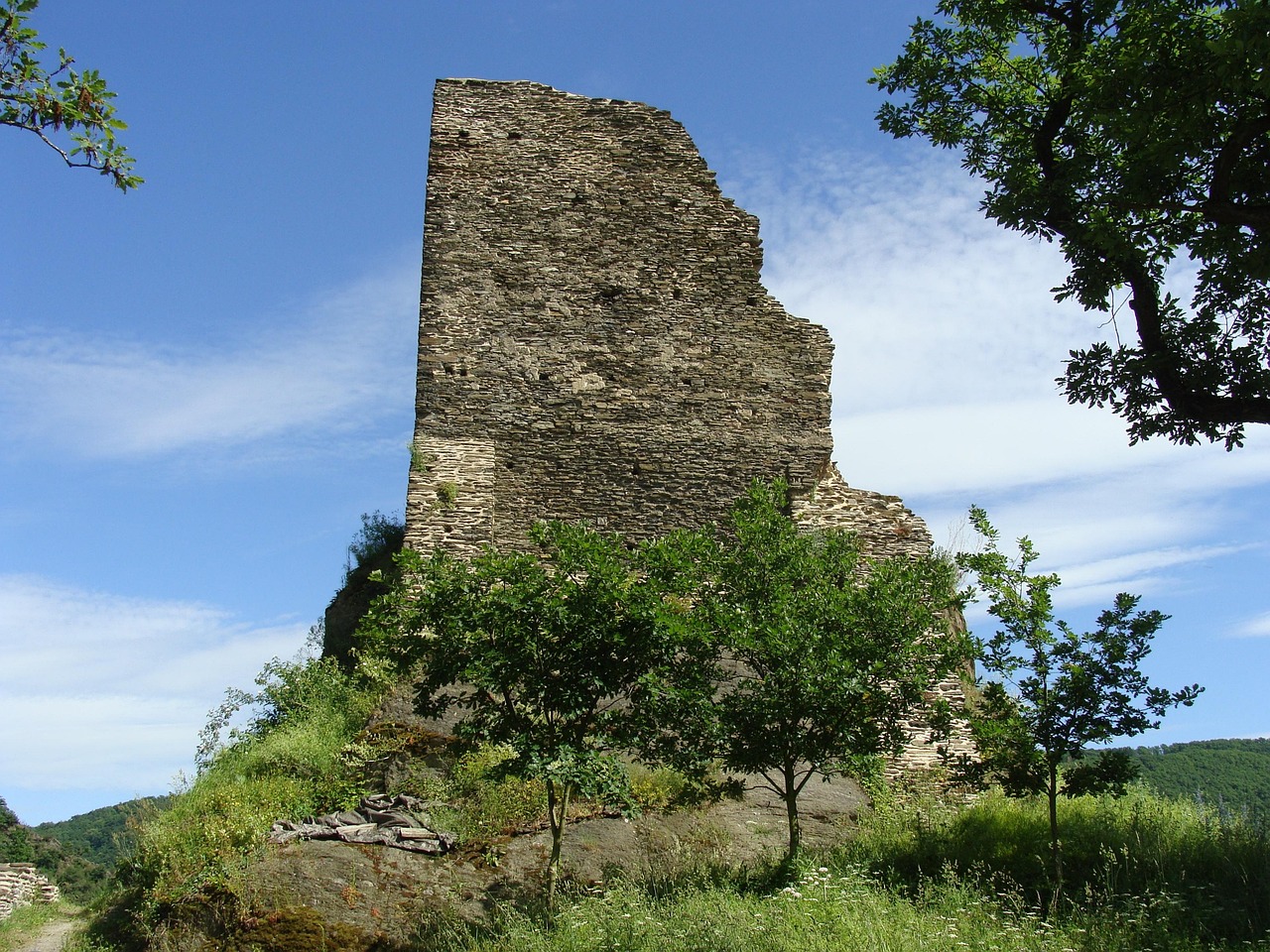
Why go: For hauntingly beautiful Gothic ruins and a lesson in how history and myth can intertwine in troubling ways.
History: The Werner Chapel dates from the 13th century and was built after the death of a boy named Werner, whose death was falsely blamed on local Jews. The cult that grew around him fueled anti-Semitic violence. The chapel was later damaged in wars and never fully rebuilt. Today, a plaque and interpretive signs explain this difficult history, turning the site into a place of reflection and learning.
My experience: I still remember the first time I read the plaque here. I stood for a long time, thinking about how a beautiful ruin can hide an ugly story—and how important it is that the town chose to acknowledge it clearly.
What to do:
- Walk up from the old town via the city walls for the most atmospheric approach.
- Spend time reading the explanations; this is a key cultural experience in Bacharach.
- Look out over the vineyards and river from the edge of the terrace.
Tips: This is a solemn place; voices tend to drop here naturally. Early morning is usually very quiet if you want to be alone with your thoughts.
3. Marktplatz & Altes Haus
Why go: This is the iconic postcard view of Bacharach: a little square ringed by timbered houses, with the red-and-white tower of Peterskirche in the background.
History: The Marktplatz has been Bacharach’s commercial heart for centuries. The Altes Haus, built in 1368, is one of the best-preserved half-timbered houses on the Rhine.
My experience: I make a ritual of having my first coffee here every trip. Once, a sudden summer storm swept in; the cafes scrambled to pull in cushions, everyone sheltered under umbrellas, and then, just as quickly, the sun came back and the square sparkled as if nothing had happened.
What to do:
- Sit at an outdoor table with coffee or wine and watch the world go by.
- Admire the intricate carvings and painted beams of the Altes Haus.
- Use the square as a starting point to explore the lanes radiating outward.
Tips: Prices here are slightly higher than back-street spots, but still reasonable. For quieter photos, come early in the morning.
4. Peterskirche (St. Peter’s Church)
Why go: For a peaceful, living church that has watched over the town for centuries, with a distinctive red-and-white exterior.
History: Peterskirche dates largely from the 12th–13th centuries, and like many Rhine churches, it has been modified over time. Inside, you’ll find a mix of medieval and later elements: altars, stained glass, and memorials.
My experience: I often slip in here for a few minutes of quiet. On one visit, a local choir was rehearsing; I sat in the back pew and listened to their voices filling the nave—a free, unexpected concert.
What to do:
- Admire the tall nave and simple but evocative interior.
- Check if there are any concerts or organ recitals during your stay.
- Walk around the church outside to appreciate its setting among houses and lanes.
Tips: Dress respectfully; the church is still in use. Donations are appreciated if you enjoy a concert or extended visit.
5. Bacharach City Walls & Towers
Why go: For elevated walks above the rooftops, with views that stitch the town, river, and vineyards into a single panorama.
History: In the Middle Ages, Bacharach was ringed by defensive walls and towers. Many sections survive and have been restored, giving visitors a rare chance to walk along intact fortifications in such a small town.
My experience: I love doing a full loop in the late afternoon. You’ll pass under archways, over stone steps, and sometimes right alongside people’s gardens—where you might catch scents of dinner cooking.
What to do:
- Walk from one gate to another, stopping at towers for views.
- Look down on the tangle of alleys; it helps you mentally map the town.
- Use the walls as a quieter alternative to the main streets when town gets busy.
Tips: Some sections are uneven or narrow; hold children’s hands. After rain, the steps can be slick—take your time.
6. Rhine Promenade
Why go: For easy, level walking with constant views of boats, vineyards, and passing trains.
History: The promenade occupies land that used to be more work-focused—wharfs, warehouses, and river infrastructure. Today, it’s a linear park for strolling and sitting.
My experience: This is my go-to place for a post-dinner walk. In summer, the light lingers, and families, couples, and solo travelers all share the same gentle rhythm.
What to do:
- Walk from one end of town to the other along the river.
- Find a bench under the trees and watch boats come and go.
- Picnic with supermarket snacks instead of eating every meal out.
Tips: Bring a light scarf or jacket in the evenings; the river breeze can feel cooler than in the sheltered old town.
7. Steeger Tal & Steeg District
Why go: To see where Bacharach breathes: a quiet side valley where the tourist sheen fades and daily life takes over.
My experience: I discovered Steeg on my second trip, when I just followed the sound of running water. The Steegerbach stream threads through the valley; houses cluster along it, and within minutes you feel like you’ve stepped out of a postcard and into a small, lived-in village.
What to do:
- Walk along the stream-side road/path, admiring gardens and small workshops.
- Follow marked paths up into the forest for short, shady hikes.
- Look back toward Bacharach for a different perspective on the town and river.
Tips: There are fewer services here (no big cafes or shops), so bring water. It’s a lovely place to walk during hot afternoons because of the shade.
8. Rheinburgenweg (Rhine Castle Trail) Segment
Why go: For some of the best hiking views in the Rhine Valley, with castles and vineyards as your constant companions.
History: The Rheinburgenweg is a long-distance trail running roughly 200 km along the Rhine, linking numerous castles. The section around Bacharach is particularly scenic.
My experience: One autumn, I hiked from Bacharach toward Oberwesel, leaves crunching underfoot and grapes almost ready for harvest. I met only a handful of people on the trail—mostly locals walking dogs—and felt like I had the valley to myself.
What to do:
- Choose a day hike segment, e.g., Bacharach–Oberwesel or Bacharach–Kaub.
- Use the train to get back to your starting point.
- Pack food and plenty of water; services on the trail are limited.
Tips: Good shoes are essential; some stretches are steep and rocky. In summer, start early to avoid the hottest hours.
9. Kaub & Burg Pfalzgrafenstein (Day Trip)
Why go: For a unique island castle perched like a stone ship in the middle of the Rhine—one of the valley’s most photogenic fortresses.
History: Burg Pfalzgrafenstein was built in the 14th century as a toll station. Its island location made it almost impossible for ships to evade paying.
My experience: Visiting this castle feels like a bit of an adventure: you take a small ferry from Kaub across the current to the island. Inside, the rooms are quite bare, but the sense of being surrounded by water, with barges drifting by, is unforgettable.
What to do:
- Train from Bacharach to Kaub (about 5 minutes).
- Walk through Kaub’s old town, then down to the Rhine for the island ferry.
- Explore the castle’s tower, ramparts, and views up and downriver.
Tips: Ferry and castle opening times vary by season; check ahead, especially in spring and autumn. This is a great half-day trip to pair with a relaxed evening back in Bacharach.
10. Oberwesel & Schönburg (Day Trip)
Why go: For towering city walls, another hilltop castle, and a slightly less touristy feel than some Rhine towns.
History: Oberwesel thrived as a fortified town; its walls and towers are among the best preserved on the Rhine. Schönburg castle, first mentioned in the 12th century, was also damaged in the 17th-century wars and later rebuilt.
My experience: I love combining Oberwesel with a hike. Climbing up to Schönburg after walking a stretch of the city walls gives a layered sense of how people defended and watched over this stretch of river.
What to do:
- Walk the city walls for views over Oberwesel’s old town.
- Visit Liebfrauenkirche with its distinctive red stone.
- Climb or drive up to Schönburg for lunch or coffee with views.
Tips: Trains between Bacharach and Oberwesel are frequent and fast. Combine with a Rhine cruise one way if you like.
11. St. Goar & Burg Rheinfels (Day Trip)
Why go: For the largest castle ruin on the Rhine and excellent views across to the Loreley cliffs.
History: Burg Rheinfels was once a massive fortress controlling trade and collecting tolls. It was partially blown up in the 18th century, but the remaining ruins still dominate the hill above St. Goar.
My experience: I once spent nearly four hours wandering the tunnels and ramparts here, losing track of time. Bring a flashlight or use your phone torch; some interior corridors are dark and fun to explore.
What to do:
- Walk or ride a shuttle up from St. Goar to Burg Rheinfels.
- Explore the outer walls, inner courtyards, and museum exhibits.
- Enjoy views over the Rhine, including the Loreley rock upstream.
Tips: Wear shoes with good grip; some paths are uneven. Kids tend to love this place—it’s basically a huge medieval playground (with supervision).
12. Loreley Cliffs & Visitor Area (Day Trip)
Why go: To stand atop the legendary Loreley cliff and look down on one of the narrowest, most dramatic stretches of the Rhine.
History & legend: The Loreley rock has long been associated with myths of a siren luring sailors to their deaths. In reality, the narrow, curved channel made navigation treacherous, and many boats sank here before modern engineering.
My experience: I’ve visited Loreley in both blazing summer and misty autumn. On a foggy morning, the rock emerges like something out of a Norse saga—mysterious and a bit eerie.
What to do:
- Take a train from Bacharach to St. Goarshausen, then bus or hike up to the Loreley plateau.
- Walk the paths along the cliff edge (safely behind railings) for sweeping views.
- Check if there are any concerts at the Loreley open-air stage during your visit.
Tips: Bring water and sun protection; the plateau can feel exposed in summer. Check bus schedules ahead of time if you don’t want to hike up or down.
13. Bacharach’s Local Wineries & Wine Taverns
Why go: Wine isn’t just a drink here; it’s the landscape in liquid form. Tasting local Riesling is essential to understanding Bacharach.
History: Bacharach has been a wine town since at least the Middle Ages, when barrels of Bacharacher were exported across Europe. Steep slate slopes and the river’s moderating effect make for distinctive wines.
My experience: I like to alternate between formal tastings and casual glasses in small taverns. Once, an owner poured me two different Rieslings from the same vineyard but different years; the difference was striking, and he could recall the weather from each vintage in minute detail.
What to do:
- Visit at least one Weingut (winery) for a structured tasting.
- Try dry (trocken), off-dry (feinherb), and sweeter styles to find your preference.
- Ask about vineyard walks or seasonal events; some estates organize them.
Tips: In Germany, it’s common and polite to pay a small fee for tastings, often waived if you buy bottles. Don’t feel pressured to finish every pour; it’s okay to leave a little if you’re pacing yourself.
14. Bacharach Ferry & Opposite Bank Views
Why go: Crossing the Rhine by small ferry gives you a sense of scale, and views back toward Bacharach from the opposite bank are excellent.
My experience: One hazy summer morning, I took the ferry across almost on a whim. I ended up walking a quiet lane along the opposite bank, with Bacharach’s skyline and Burg Stahleck hovering above, feeling oddly like I was looking at a model village.
What to do:
- Check the local timetable; the small ferries are primarily for cars but take foot passengers.
- Enjoy the short crossing and quick-shifting views.
- Walk or cycle a bit on the opposite bank for different photo angles.
Tips: Schedules can be limited in off-season; plan ahead. Have cash on hand for the fare.
15. Small Local Exhibitions & Seasonal Museums
Why go: To get context on Bacharach’s trading, wine, and shipping heritage beyond what you see in the streets.
My experience: I’ve ducked into several small exhibitions over the years, from collections of old Rhine shipping photos to displays on local folklore. They’re often volunteer-run and a bit old-fashioned, but that’s part of their charm.
What to do:
- Check the tourist information office for current exhibitions.
- Look for open doors and simple signs advertising local history displays.
- Spend half an hour learning how Bacharach’s wine and river trade intertwined.
Tips: Opening hours are often limited, especially outside summer. Entry fees are usually modest; bring small change.
17. Rhine Picnic Spots & Floodwall Benches
Why go: Sometimes the best “attraction” is simply sitting still, watching the river.
My experience: During one solo trip, I made a ritual of picking a different bench every evening. I’d bring bread, cheese, and a small bottle of wine, and watch the light change. It was the cheapest and probably the most memorable dining “experience” of that stay.
What to do:
- Shop for picnic supplies at the local supermarket or bakery.
- Find a bench atop the floodwall or in the small riverside park.
- Watch barges, cruise ships, and waterbirds as you eat.
Tips: Respect local rules about alcohol in public spaces; in small Rhine towns, a quiet, discreet picnic with wine is generally fine, but avoid noisy groups.
18. Seasonal Markets & Bacharach Christmas Magic
Why go: In Advent, Bacharach gets an extra layer of charm: lights strung across half-timbered facades, stalls selling Glühwein, and the smell of roasted almonds.
My experience: I visited Bacharach once in early December and was surprised by how intimate the Christmas market felt—more like a community gathering than a big, commercial event.
What to do:
- Sample mulled wine made from local Riesling.
- Browse stalls for handmade crafts and regional foods.
- Listen for carols or small live performances.
Tips: Market dates are usually limited to Advent weekends; plan accordingly. Dress warmly—river air can be biting in winter.
19. Lesser-Known Viewpoints Above Town
Why go: For quieter, less obvious viewpoints where you can sit in silence and feel the scale of the valley.
My experience: A local once tipped me off to a bench hidden along a trail above Steeg. It’s become my secret spot: just enough elevation to see the river, but far enough from main paths that I’ve never seen another tourist there.
What to do:
- Ask at your guesthouse or the tourist office for recommended short walks to viewpoints.
- Follow small side paths off the main trails (within reason) to find new angles.
- Bring a book or journal and stay for a while.
Tips: Mark your route on an offline map; it’s easy to forget which turn you took. In summer, check yourself for ticks after walking through long grass.
20. Bingen & Rüdesheim (Extended Day Trip)
Why go: For a busier, more touristy but still charming experience of Rhine wine culture, plus cable cars and nearby monasteries.
My experience: I like to do this as a full-day excursion when staying five nights in Bacharach: it’s a contrast. After the calm of Bacharach, Rüdesheim’s Drosselgasse feels almost rowdy—but in a fun way.
What to do:
- Take a train to Bingen, then ferry to Rüdesheim.
- Ride the cable car up to the Niederwalddenkmal monument for Rhine views.
- Stroll the famous Drosselgasse with its wine taverns and music.
Tips: This area can be crowded in peak season; if you prefer quieter spots, use it as a contrast and savor returning to Bacharach in the evening.
Local Food & Drink in Bacharach
Food in Bacharach leans hearty and traditional, with Rhine wine woven into almost every meal. Here’s what to look for and how to enjoy local food in Bacharach without blowing your budget.
What to Eat in Bacharach
- Riesling Everything: Beyond the wine itself, look for dishes cooked with Riesling, like Riesling-Suppe (a light wine soup) or fish poached in Riesling.
- Sausages & Sauerkraut: Classic German fare, but in wine country you’ll often find them paired with local mustards and wines.
- Flammkuchen: Thin, crispy pizza-like flatbread topped with crème fraîche, onions, and bacon—or creative variations with cheese and vegetables.
- Spundekäs: A creamy cheese spread (more common downriver near Mainz, but you’ll sometimes find it here), perfect with pretzels and wine.
- Seasonal Specials: In spring, white asparagus (Spargel) with butter or Hollandaise; in autumn, dishes featuring new wine (Federweißer) and onion tart (Zwiebelkuchen).
Where to Eat: Personal Favorites
I won’t list specific names that might change by 2026, but here’s the type of places I gravitate toward:
- Family-Run Wine Taverns: Often tucked into side streets or courtyards. Wooden tables, chalkboard menus, lots of locals. Order the day’s special and a glass of house Riesling.
- Riverside Cafes: Ideal for daytime snacks and cake. I like to sit with a slice of Käsekuchen (cheesecake) watching boats pass.
- Bakery-Lunch Strategy: For budget travelers, pick up fresh rolls, cold cuts, and fruit for lunch so you can splurge on dinner.
Saving Money on Food
Bacharach isn’t expensive by big-city standards, but eating out three times a day adds up. Here’s how I keep costs down:
- Stay in a Guesthouse with Breakfast: Many include hearty buffets—bread, cheese, cold cuts, muesli—which can keep you going until afternoon.
- Supermarket Picnics: There’s a small supermarket in or near the center; grab supplies and picnic by the river or on your balcony.
- Share Dishes: Portions can be large. Sharing a main and an appetizer at dinner is common and perfectly acceptable.
What to Drink
- Riesling: The star. Don’t assume all Riesling is sweet—some of the driest, most mineral wines I’ve had were from Bacharach’s slopes.
- Spätburgunder (Pinot Noir): Increasingly good reds from the region, especially in warmer recent years.
- Apfelschorle: A refreshing non-alcoholic mix of apple juice and sparkling water, perfect during hikes.
- Federweißer (in Autumn): Partially fermented new wine—sweet, slightly fizzy, and surprisingly strong. Enjoy with onion tart.
Nightlife, Entertainment & Cultural Experiences
Bacharach is not a party town, and that’s part of its appeal. Nightlife here means riverside walks, wine taverns, and occasional concerts in atmospheric settings.
Evening Wine Taverns
Most evenings, especially from spring to autumn, I end up in a cozy tavern with wood paneling and candles on the tables. This is where you’ll overhear snatches of local gossip and travelers swapping stories.
Castle & Church Concerts
Keep an eye on posters and ask at the tourist office about concerts at Peterskirche or Burg Stahleck. A string quartet or organ recital in these spaces is a cultural experience in Bacharach well worth rearranging your evening for.
Seasonal Festivals
The Bacharacher Weinfrühling (Wine Spring) and summer wine events bring live music, open-air tasting stands, and a more festive mood. Locals, visitors, and winemakers mingle, and the town stays lively later into the night.
Best Day Trips from Bacharach
One of Bacharach’s strengths is how easily you can reach other highlights of the Rhine and beyond. Here are my favorite day trips and hidden gems reachable by train, boat, or a combination.
Castles & Towns Along the Rhine
- St. Goar & Burg Rheinfels: As described above; a must for castle lovers.
- Oberwesel & Schönburg: For walls and hilltop views.
- Kaub & Pfalzgrafenstein: For the island castle experience.
- Boppard: For the Rhine bend, chairlift, and a slightly larger-town feel.
- Bingen & Rüdesheim: For cable cars, vineyards, and livelier taverns.
Nahe Valley & Bad Kreuznach
The Nahe wine region is a more off-the-beaten-path alternative to the Rhine. From Bacharach, take a train to Bingen and onward to Bad Kreuznach, a spa town with charming bridge houses and walking paths along the river.
Koblenz or Mainz as “Big City” Contrast
If you crave a day with more shops, museums, and urban buzz, both Koblenz and Mainz are about an hour away by train. I like doing this on a cloudy day when hiking feels less appealing.
Local Customs & Cultural Etiquette in Bacharach
Understanding local customs in Bacharach helps you fit into the gentle rhythm of this small town and makes interactions with residents more pleasant.
Greetings & Politeness
- Say “Guten Tag” (good day) when entering shops or cafes, and “Auf Wiedersehen” when leaving.
- In the evenings, “Guten Abend” is appreciated.
- A simple “Hallo” works in casual settings, but starting in German—even if you switch to English—shows respect.
In Restaurants & Wine Taverns
- Wait to be seated unless it’s clearly self-service. In some informal places, it’s fine to ask, “Ist hier noch frei?” (Is this seat free?) at a shared table.
- Service can feel slower than in some countries; it’s not neglect, just a different pace. Ask politely if you need something.
- Tip around 5–10% in restaurants by rounding up and telling the server the total you’d like to pay.
Quiet Hours & Sundays
- Germany has quiet hours, especially in residential areas at night. Keep noise down after around 10 pm.
- On Sundays, shops are generally closed, but cafes and restaurants are often open. Plan grocery shopping accordingly.
Churches & Sacred Sites
- Dress modestly when entering churches: shoulders covered, hats off.
- Keep voices low; avoid phone calls and loud chatter.
- At the Wernerkapelle, remember its complex history and treat it as a reflective space.
Hiking & Nature
- Stay on marked trails through vineyards; vines are farmers’ livelihoods.
- Take trash with you; bins are often only at trailheads or in towns.
- Greet fellow hikers with a simple “Hallo” or “Guten Tag.”
Practical Travel Advice for Bacharach (2026)
This section gathers travel tips for Bacharach so you can focus on enjoying the town instead of worrying about logistics.
Getting To & Around Bacharach
By Train
- Bacharach sits on the main Rhine rail line between Mainz and Koblenz.
- From Frankfurt Airport, change in Mainz; total journey is about 1.5–2 hours.
- Regional trains are frequent; check DB Navigator app for schedules.
By Car
- Driving along the Rhine is scenic but involves narrow roads and occasional tight village streets.
- Parking in Bacharach is limited near the center but there are designated lots just outside the old town.
- For short stays, I prefer train + walking; you won’t need a car in town.
Getting Around Town
- Bacharach is fully walkable. From the station to the far end of town is about 10–15 minutes on foot.
- For hills (castle, vineyards), expect short but sometimes steep climbs.
- Regional trains and boats connect you to nearby towns for day trips.
Public Transport vs. Car Rental
- Public Transport: Ideal for most travelers. Trains are reliable and frequent; boats add scenic variety.
- Car Rental: Useful if you plan to explore remote valleys or multiple wine regions in a short time. Park outside historic centers where streets narrow.
SIM Cards & Connectivity (2026)
- EU Visitors: Most EU phone plans include roaming in Germany at domestic rates.
- Non-EU Visitors: Buy a prepaid SIM from major providers (Telekom, Vodafone, O2) at airports, big cities, or online eSIMs before arrival.
- Signal in Bacharach is generally good; some forested hikes may have patchy coverage.
- Many hotels, guesthouses, and cafes offer free Wi-Fi.
Money & Costs
- Germany uses the Euro (€). Cards are widely accepted, but small wine taverns or bakeries may be cash-preferred.
- Budget travelers can get by on €50–80 per day (excluding accommodation) with picnics and simple dinners.
- Mid-range travelers should plan €80–150 per day (excluding accommodation), allowing for meals out and wine tastings.
Visa Requirements & Drivers License Acceptance
- Visa: Germany is in the Schengen Area. Many nationalities can enter visa-free for short stays (up to 90 days in 180). Always check current requirements with official sources before travel.
- Drivers License: EU licenses are fully valid. Many non-EU visitors can drive using their home license, but an International Driving Permit (IDP) is recommended and sometimes required by rental agencies.
Best Seasons & Weather
- Spring (April–June): Vineyards turn green, wine festivals begin, temps are mild. Great for hiking and a 3 or 4 day itinerary for Bacharach.
- Summer (July–August): Warmest and busiest. Perfect for river cruises and long evenings outdoors. Book accommodations early.
- Autumn (September–October): Harvest time, golden vineyards, new wine. My personal favorite for a 5 day itinerary for Bacharach focused on wine and hiking.
- Winter (November–March): Quiet, some restaurants and boats shut or reduce hours, but Christmas markets in December add charm. Good if you want solitude and lower prices.
Health & Safety
- Bacharach is generally very safe. Usual common sense applies: watch belongings in crowded trains or festivals.
- Trails can be steep; wear appropriate footwear and carry water.
- In summer, sun can be strong on exposed slopes—use sunscreen and hats.
Hidden Tips for Travelers
- Stay Overnight: The biggest mistake people make is visiting Bacharach only as a quick cruise stop. The magic starts after the day crowds leave.
- Early Morning Walks: Set an alarm at least once and walk the empty streets around 7–8 am. You’ll see delivery vans, hear church bells, and feel the town waking up.
- Ask Locals About Viewpoints: Most will happily point you to a favorite bench or lookout not on any map.
- Use Regional Day Tickets: German rail often offers regional day passes, making multiple short train trips cheaper if you plan wisely.
- Pack Layers: Even in summer, evenings by the Rhine can be cool. A light sweater and scarf go a long way.
Summary: Key Takeaways & Best Time to Visit Bacharach
Bacharach is small, but it’s layered: river, vineyards, castles, and centuries of stories compressed into a walkable radius. Whether you follow a 3 day itinerary for Bacharach, stretch it to a 4 day itinerary for Bacharach, or linger for a full 5 days in Bacharach, you’ll find more to do than you expect—and just enough time to slow down.
- Must-see attractions in Bacharach: Burg Stahleck, Wernerkapelle, the Marktplatz and Altes Haus, Peterskirche, city walls, and the Rhine promenade.
- Don’t miss: At least one vineyard walk, a Rhine cruise, and a proper Riesling tasting.
- Hidden gems in Bacharach: Steeger Tal, lesser-known viewpoints above town, and quiet back lanes of the old town.
- Best seasons:
- Spring for blossoms, moderate weather, and early wine events.
- Autumn for golden vineyards, harvest atmosphere, and balanced crowds.
- Summer if you love long, warm evenings and busy river life.
- Winter for solitude and Christmas markets (with limited services).
- Ideal trip length:
- 3 days in Bacharach for highlights and one or two day trips.
- 4 days in Bacharach to add a serious hike or extra castle.
- 5 days in Bacharach to truly sink into the slow rhythm of Rhine life.
Each time I leave Bacharach, I tell myself I’ve seen it all—and each time I return, I find a new lane, a different wine, a fresh angle on the view from Burg Stahleck. That, to me, is the real sign of a place worth traveling for.