Why Visit Bad Harzburg?
If you love mountain air, half-timbered charm, thermal spas, and easy access to nature without the chaos of big-city tourism, Bad Harzburg is the kind of place that quietly steals your heart. Tucked on the northern edge of the Harz Mountains in Lower Saxony, this spa town feels like a cross between a storybook village and an outdoor-adventure base camp.
My first visit was almost by accident—I was looking for a quieter alternative to the more famous Harz towns like Wernigerode and Goslar. I ended up staying four nights, came back the next year for a whole week, and now I return almost every autumn. Bad Harzburg is the kind of destination where you recognize faces by your second day, the baker remembers your order, and you can walk from mineral spa to mountaintop cable car in under 20 minutes.
In 2026, the town is especially appealing: its hiking and mountain-biking infrastructure has been steadily upgraded, wellness offerings are expanding, and several festivals (from forest concerts to Christmas markets) make it a surprisingly lively base in the Harz.
This travel guide is written as if we’re planning your trip together: I’ll walk you through the best things to do in Bad Harzburg, share a detailed 3–5 day itinerary, dive into local food, neighborhoods, hidden gems, and practical travel tips—so you can enjoy the town like someone who has been here a few times already.
Table of Contents
- Why Visit Bad Harzburg?
- Quick Overview of Bad Harzburg
- Neighborhoods & Areas to Explore
- 20 Must-See Attractions in Bad Harzburg
- Suggested Itineraries (3–5 Days in Bad Harzburg)
- Local Food & Drink in Bad Harzburg
- Nightlife & Cultural Experiences
- Events & Festivals 2026–2027
- Best Day Trips from Bad Harzburg
- Cultural Etiquette & Local Customs
- Practical Travel Advice & Money-Saving Tips
- Summary & Best Time to Visit
Quick Overview of Bad Harzburg
Bad Harzburg is a historic spa town (“Bad” indicates spa status in German) with about 22,000 residents. It sits at the foot of the Harz National Park, with cable-car access to the Burgberg mountain and hiking trails that fan out into the forest.
- Region: Lower Saxony, Germany (Niedersachsen)
- Nearest major cities: Braunschweig (~45 min), Hannover (~1.5 hours), Berlin (~3 hours)
- Best for: Hiking, thermal spas, family trips, slow travel, romantic wellness getaways
- Ideal trip length: 3–5 days in Bad Harzburg as a base to explore the Harz
Think of this guide as your all-in-one travel guide for Bad Harzburg, from must-see attractions to local food, hidden gems, and the best 3–5 day itineraries.
Neighborhoods & Areas to Explore in Bad Harzburg
1. Stadtmitte (Town Center)
The heart of Bad Harzburg is compact and walkable: Kurpark, shopping streets, cafés, and the start of key attractions like the sole-thermal spa and cable car.
Most visitors stay here because you can walk essentially everywhere. I usually book a guesthouse within 10 minutes’ walk of the Kurpark so I can sneak in early-morning strolls before breakfast.
2. Kurviertel (Spa Quarter)
This is the refined side of town: spa hotels, manicured gardens, and grand historic buildings. It’s where you’ll find the main Sole-Therme and classy older hotels with balconies overlooking the park.
3. Burgberg & Cable Car Base Area
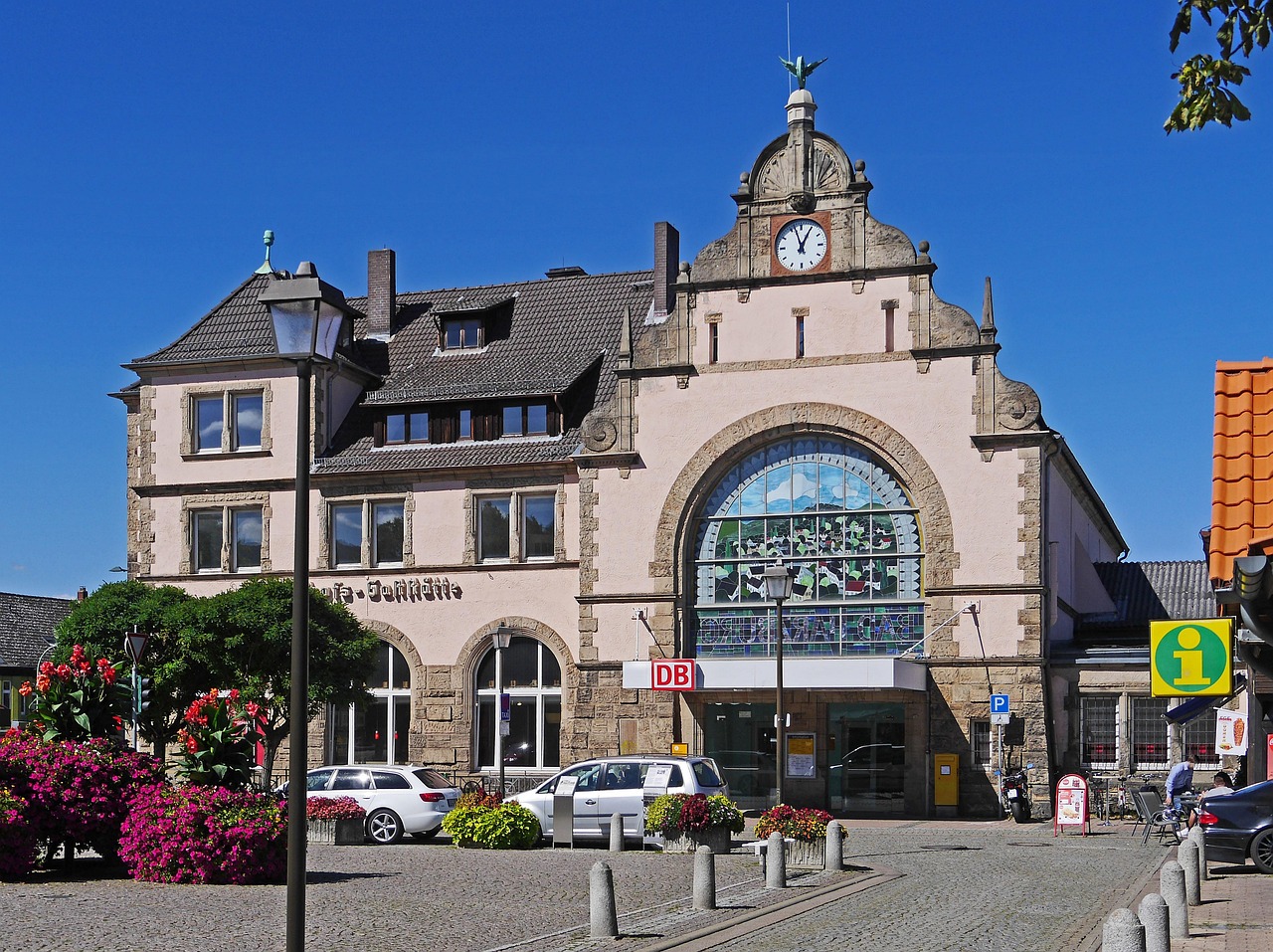
Just south of the center, this area clusters the Burgberg-Seilbahn base station, mini-golf, the Baumwipfelpfad (Treetop Walk) entrance, and some casual eateries. Great for families because the main attractions are side by side.
4. Westerode & Outskirts
Westerode is a quieter, more residential area north of the center, with traditional houses and easy access to countryside walking paths. If you’re traveling by car and want peace and cheaper stays, this is a good base.
20 Must-See Attractions in Bad Harzburg (With Local Insight)
Below are twenty of the best places to visit in Bad Harzburg. I’ve included history, practical info, and my own impressions to help you choose what fits your style—whether you’re on a 3 day itinerary for Bad Harzburg or stretching to 5 days in Bad Harzburg.
1. Burgberg-Seilbahn (Burgberg Cable Car)
The Burgberg-Seilbahn is the town’s signature attraction and the best way to get an instant overview of Bad Harzburg and the Harz foothills. The bright red gondolas glide up from the edge of town to the Burgberg plateau, where castle ruins and forest trails await.
Why it’s special: This is the view that made me fall for Bad Harzburg. On clear days, you can see across the North German Plain; in autumn, the hills burn gold and red. I usually ride up early, around 9 a.m., when it’s quiet and the sun is still soft.
History: The cable car opened in 1929 and was one of the earliest mountain lifts in the region. It was built to connect spa guests with the castle ruins and forest walks—a kind of early wellness tourism infrastructure that still defines the town today.
What to do up top: Visit the Harzburg castle ruins, walk to the Canossasäule monument, or simply grab a drink at the mountain restaurant and soak in the panorama. There are family-friendly loop trails and more serious hikes deeper into the Harz.
Tips:
- Pair your ride with the Baumwipfelpfad (Treetop Walk) on the same morning if you’re short on time.
- Consider one-way up and hike down if your knees are okay; it’s a lovely descent through the forest.
- In high season, arrive early to avoid queues, especially on sunny weekends and holidays.
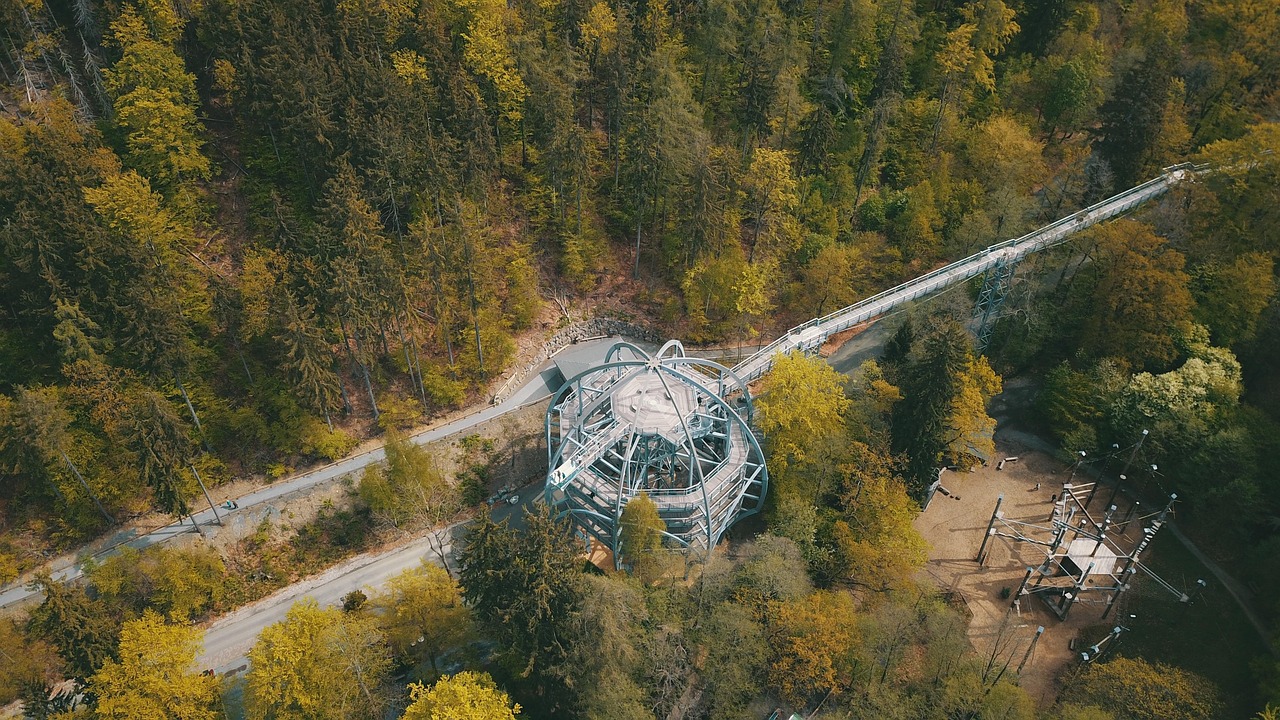
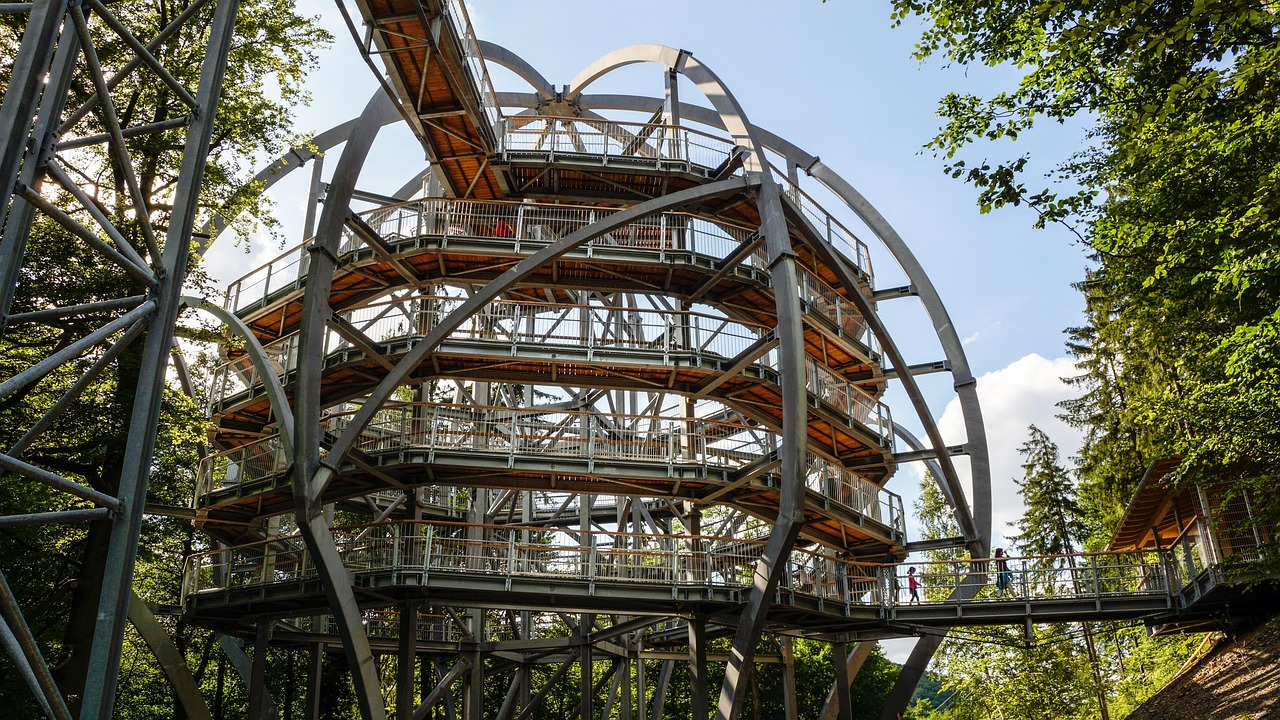
2. Baumwipfelpfad Bad Harzburg (Treetop Walk)
The Baumwipfelpfad is a raised walkway that winds through the forest canopy just outside town. It’s fully accessible and surprisingly educational, with exhibits on forest ecology, wildlife, and climate change.
I’ve walked it in sunshine, drizzle, and winter fog—and each time feels different. My favorite was a misty October morning when the forest felt like something out of a fairytale.
Family factor: This is one of the top things to do in Bad Harzburg with kids. There are interactive stations, sound installations, and small play elements that keep younger visitors engaged while adults enjoy the views.
Practical tips:
- Buy a combo ticket that includes Burgberg-Seilbahn if you plan to do both.
- Allow 1.5–2 hours for a relaxed visit.
- Go early or late afternoon to avoid midday groups and school trips.
3. Harzburg Castle Ruins (Harzburg-Ruine)
Perched above the town, the remains of the Harzburg castle date back to the 11th century. While only fragments of walls and foundations survive, the sense of history—and the sweeping views—make this a must-see.
History snapshot: The castle was built under King Henry IV and played a key role in imperial politics. It was later destroyed and never fully rebuilt, leaving atmospheric ruins that now sit quietly above the modern spa town.
My experience: I like to walk from the Burgberg cable car station to the ruins in the late afternoon. The light is beautiful, and the crowds from mid-day have usually dispersed. Bring a light jacket; the wind up here can be chilly even in summer.
4. Bad Harzburger Sole-Therme (Thermal Salt Spa)
Bad Harzburg’s Sole-Therme is the town’s wellness heart: mineral-rich saltwater pools, saunas, relaxation areas, and spa treatments. After a day of hiking or exploring, soaking here is bliss.
What I love: Floating in the warm brine pool at dusk, watching steam rise against the silhouette of the hills, is a ritual for me on every visit. Locals chat quietly, older couples float together, and the whole place has that unpretentious German spa atmosphere.
Good to know:
- There are mixed and single-sex sauna areas; note that German sauna culture is typically nude.
- Evenings (after 19:00) are quieter and sometimes cheaper with special rates.
- Bring flip-flops and a towel to avoid rental fees and save a bit of money.
5. Kurpark & Bummelallee (Spa Park & Promenade)
The Kurpark is where Bad Harzburg shows off its classic spa-town charm: manicured lawns, fountains, flowerbeds, and the elegant Wandelhalle (promenade hall). The Bummelallee, a leafy pedestrian avenue, leads you between the park, spa, and shops.
I like to start my mornings with a slow walk here, coffee in hand, watching locals take their constitutional strolls. In summer, open-air concerts and events add gentle liveliness.
Romantic factor: If you’re visiting as a couple, an evening stroll through the illuminated park after dinner feels wonderfully old-fashioned and intimate.
6. Canossasäule (Canossa Column)
The Canossa Column is a hilltop monument referencing Emperor Henry IV’s historic penance at Canossa. It’s a short, scenic walk from the Burgberg cable car station and offers another vantage over the landscape.
Why stop here: The path there is lovely, weaving through mixed forest with glimpses down to town. I often bring a simple picnic and sit nearby on warmer days.
7. Luchsgehege / Lynx Enclosure at Rabenklippe (Short Trip from Town)
Technically in the National Park but easily reached from Bad Harzburg, the Luchsgehege at Rabenklippe is one of the most memorable wildlife experiences in the region. Semi-wild lynx are fed at set times, and you can watch these elusive animals from viewpoints along the enclosure.
My first visit: I hiked from the Burgberg top station to Rabenklippe, arriving just before feeding time. Hearing the lynx vocalize in the forest twilight was spine-tingling. Kids around me were wide-eyed and silent—always a good sign.
Tips:
- Check current feeding times (usually afternoons on set days).
- Wear proper shoes; the trail is not difficult but can be muddy.
- Combine with a coffee and cake stop at the Rabenklippe mountain hut.
8. Harzer-Hexenstieg & Local Hiking Trails
Bad Harzburg is a gateway to the Harzer-Hexenstieg (Harz Witches’ Trail), one of Germany’s most famous long-distance hiking routes. Even if you’re not thru-hiking, you can sample sections as day hikes.
I’ve done several loops starting and ending in Bad Harzburg, ranging from 2–6 hours. The variety is impressive: dark spruce stands, open viewpoints, streams, and rocky outcrops.
Adventure factor: For a 5 day itinerary for Bad Harzburg, you can build in at least two full hiking days. In 2026, updated waymarking and smartphone-friendly maps from the Harz tourism board make navigation easier than ever.
9. Golf-Club Harz
Set in a gently rolling landscape at the edge of town, the Golf-Club Harz offers an 18-hole course with views of the wooded hills. Even as a casual player, I appreciated the laid-back vibe and friendly clubhouse.
Good to know:
- Equipment rental is possible; call ahead in high season.
- Dress code is smart-casual; typical German golf standards apply.
10. Märchenwald & Familien-Erlebniswelt (Family Adventure Areas)
Near the Burgberg base and Kurpark, small family-focused attractions—like a fairy-tale themed playground, mini-golf, and adventure playgrounds—make Bad Harzburg easy with children.
I’ve traveled here with friends and their kids; what we appreciated most was that everything is within walking distance, so naps and snack runs are easy.
11. Sole-Trinkbrunnen & Gradierwerke (Salt Drinking Fountain & Graduation Towers)
As a spa town, Bad Harzburg features traditional saline installations where mineral-rich water evaporates over blackthorn branches, creating a sea-like microclimate. Breathing this air is said to benefit the respiratory system.
My tip: Visit in the late afternoon, sit nearby with a book, and just breathe. It’s one of those slow experiences that sums up why people return to spa towns year after year.
12. Historic Streets & Timber-Framed Architecture
While Bad Harzburg isn’t as heavily timber-framed as some Harz towns, you’ll still find handsome half-timbered houses, Art Nouveau villas, and traditional guesthouses as you wander.
I usually spend one afternoon without an agenda, just meandering with my camera, capturing balconies, ornate doorways, and little architectural details.
13. Bad Harzburg “Skyline” Views & Lookouts
Bad Harzburg doesn’t have skyscrapers, but its “skyline” of hills, forested ridges, and church towers is beautiful from almost any elevated vantage. The Burgberg, Canossasäule, and certain hillside paths all provide postcard-worthy perspectives.
14. Marienteich & Wildtierbeobachtung (Wildlife Watching)
South of town, Marienteich is a tranquil forest pond and wildlife-spotting area. On quiet evenings, you might see deer at the water’s edge or hear owls.
My experience: I came here on a drizzly evening in September and saw mist hanging just above the water, with the faint movement of a deer backlit against the last light. It felt like stepping into a painting.
15. Harz National Park Visitor Information Bad Harzburg
This small but useful visitor center is where I always stop on my first day to pick up maps, trail updates, and ask about current conditions (especially in shoulder seasons). Rangers are helpful and can tailor suggestions based on your fitness and interests.
16. Lutherkirche & Local Churches
The main Protestant church, Lutherkirche, anchors the townscape with its tower. Even if you’re not religious, stepping inside for a moment of quiet can be grounding, especially on a rainy day.
Occasional concerts and organ recitals take place here—check posted notices.
17. Weekly Market & Seasonal Markets
Bad Harzburg’s weekly markets (usually in or near the town center) are where you’ll feel the local rhythm: farmers selling produce, cheese, sausages, and flowers; older residents chatting with baskets on their arms.
Money-saving tip: Pick up picnic supplies here instead of always eating out. A loaf of crusty bread, local cheese, and fruit make a perfect trail lunch.
18. Small Local Museums & Exhibitions
Bad Harzburg’s museums are modest, but rotating exhibitions (often in the Wandelhalle or cultural centers) focus on Harz history, geology, and spa traditions. They’re worth popping into if you’re a history buff or caught in bad weather.
19. Climbing & Adventure Parks Nearby
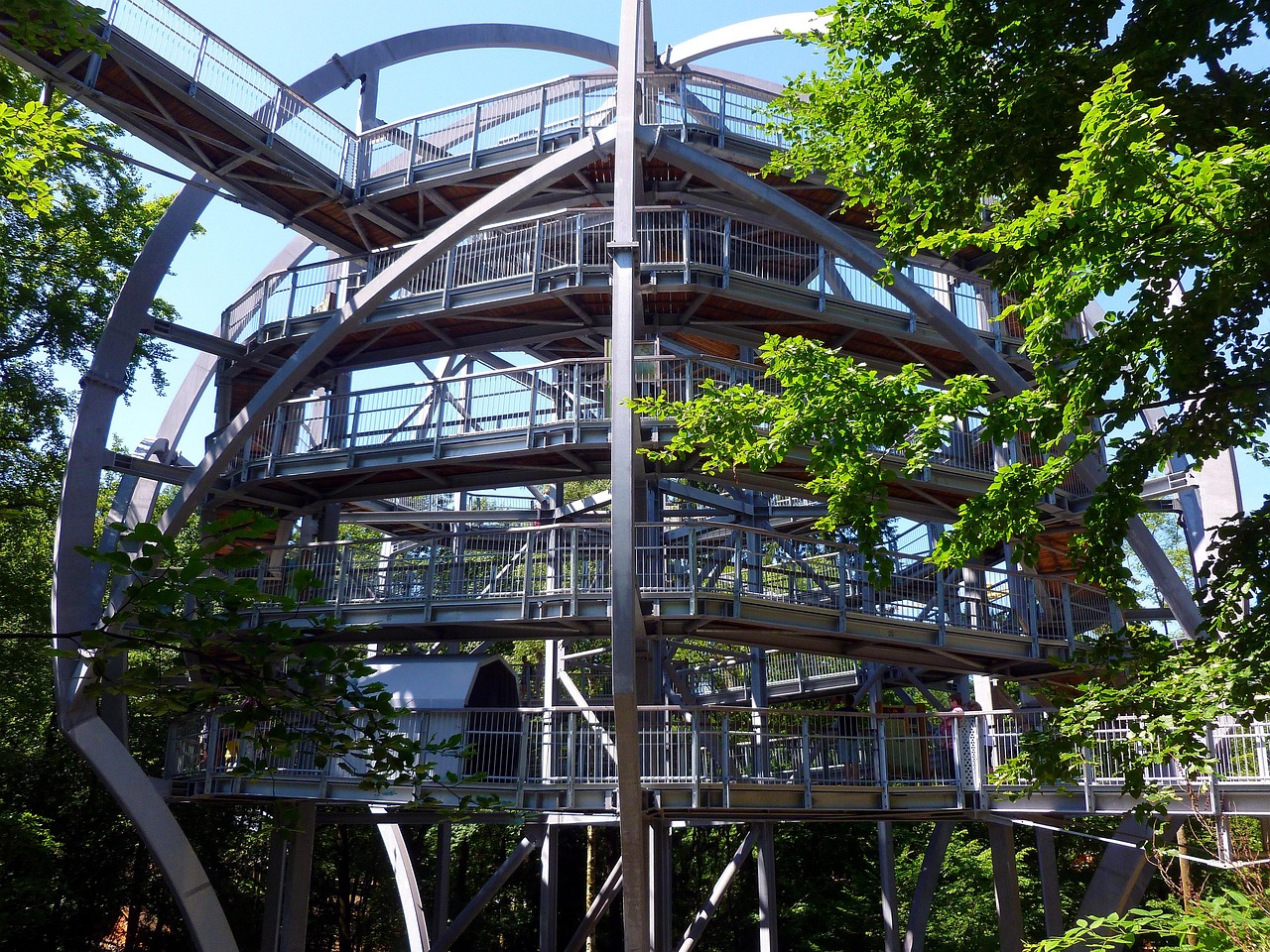
If you’re after more adrenaline, several high-ropes and climbing areas in the broader Harz region are reachable as half-day trips from Bad Harzburg. In 2026, packages combining treetop walks and adventure courses are increasingly common; ask at the tourist office for current deals.
20. Winter Magic: Snow Walks & Christmas Atmosphere
In winter, Bad Harzburg transforms into a quiet, snowy retreat. While it’s not a major ski resort, cross-country trails nearby and snow-dusted forests make it magical. The small Christmas market, usually held in the Kurpark area, is cozy rather than crowded.
I spent a few days here in early December once and loved the contrast: frosty morning walks, hot brine pools at the Sole-Therme, and Glühwein (mulled wine) in the evening under twinkling lights.
Suggested Itineraries: 3–5 Days in Bad Harzburg
Whether you’re planning a 3 day itinerary for Bad Harzburg, a more relaxed 4 days in Bad Harzburg, or a deeper 5 day itinerary for Bad Harzburg, the town works beautifully as a base. Below I’ll outline a flexible 5-day plan with personal notes; you can adapt it down to 3–4 days by skipping or combining elements.
Day 1 – Getting Oriented: Kurpark, Town Walk & Treetop Adventure
I usually arrive by late morning on my first day, drop my bag at the guesthouse even if check-in isn’t open, and head out to get my bearings.
Morning: Kurpark Stroll & Coffee
Start with a slow loop through the Kurpark. Let yourself adjust to the pace: spa guests in bathrobes heading to treatments, locals on benches reading newspapers, the murmur of fountains. Grab a coffee and a simple pastry from a nearby café—there are several on the streets leading into the park.
Tip: This is a great time to stop by the tourist information office for maps, event schedules, and discount cards that sometimes bundle attractions (especially in 2026 as more digital passes are introduced).
Late Morning to Early Afternoon: Baumwipfelpfad (Treetop Walk)
From the Kurpark, it’s an easy walk to the Baumwipfelpfad entrance. I like doing this first, because it gives you an immediate sense of the forest environment that defines Bad Harzburg.
Plan 1.5–2 hours, including time to linger at viewpoints and read the information displays. If you’re traveling with kids, let them set the pace; they tend to discover details adults miss.
Lunch: Casual Bite Near the Cable Car Base
There are a couple of casual restaurants and snack stands near the Burgberg cable car base. I often grab a simple plate of Bratwurst mit Brötchen (sausage in a roll) or a schnitzel with fries and a salad—nothing fancy, but hearty and satisfying.
Afternoon: Burgberg-Seilbahn & First Views
After lunch, ride the Burgberg-Seilbahn to the top. This is your first big “wow” moment, seeing the town nestled against the hills. Walk to the Harzburg castle ruins, explore the viewpoints, and soak in the sense of place.
If you still have energy, continue to the Canossasäule for another perspective on the landscape.
Late Afternoon: Hike or Cable Car Down
If your legs are up for it, walk down into town via one of the signed forest paths (about 45–60 minutes, depending on the route). Otherwise, ride the cable car back down and enjoy the scenery from above again.
Evening: Traditional Dinner & Early Night
For your first dinner, choose a classic German restaurant in the center. Order something hearty—Sauerbraten, Schnitzel, or Forelle (trout)—and a local beer.
I tend to turn in early on my first night in Bad Harzburg. The mountain air and travel day catch up quickly, and you’ll want to be fresh for your first full hiking or spa day.
Day 2 – Hiking & Harz National Park
On the second day, I like to dive straight into the natural side of Bad Harzburg. Adjust difficulty depending on your fitness; there are options for everyone.
Morning: Visitor Center & Trail Planning
After breakfast, stop at the Harz National Park visitor information in town. Ask about trail conditions, wildlife sightings, and weather for the day. In 2026, they often have QR codes for trail maps you can save offline.
Hiking Option A: Burgberg to Rabenklippe & Lynx Enclosure (Moderate)
This is my favorite day hike from Bad Harzburg:
- Cable car up Burgberg (or hike up if you want extra exercise).
- Follow signed trails to Rabenklippe, a rocky viewpoint with a small mountain hut.
- Time your arrival for lynx feeding at the Luchsgehege if possible.
- Enjoy coffee and cake at the hut; the Apfelkuchen (apple cake) tastes even better with a view.
- Return via a slightly different route if you want variety, or loop back to Burgberg and cable car down.
Hiking Option B: Shorter Forest Loop (Easy)
If you prefer something lighter, ask for one of the easy loops starting at the edge of town. You’ll still get forest immersion without major elevation gain.
Late Afternoon: Gradierwerk & Spa Hour
After hiking, stop by the Gradierwerk to breathe the saline air for 20–30 minutes. Then head back to your accommodation to change for the spa.
Evening: Sole-Therme Session
Spend 2–3 hours at the Sole-Therme. Rotate between warm and hot pools, the outdoor brine pool, and relaxation zones. If you enjoy saunas and feel comfortable with German nude-sauna culture, indulge in a sauna session to really unwind.
On one visit, I booked a 30-minute neck-and-shoulder massage at the end of the day—highly recommended after carrying a daypack on the trails.
Day 3 – Architecture, Local Food & Gentle Exploring
If you’re on a 3 days in Bad Harzburg schedule, this might be your last day; treat it as a gentle cultural and food-focused day.
Morning: Self-Guided Architecture Walk
Start with a slow wander through the streets radiating from the Kurpark and town center. Look for:
- Half-timbered guesthouses with flower boxes.
- Art Nouveau villas along quieter side streets.
- Historic hotels from the heyday of spa tourism.
Take your time; pop into small shops or bakeries you missed on previous days.
Late Morning: Lutherkirche & Quiet Time
Visit Lutherkirche or another local church if open. Even 10–15 minutes inside can offer a peaceful pause, especially after a couple of active days.
Lunch: Traditional Harz Specialties
Choose a restaurant known for regional dishes. Try:
- Harzer Käse – pungent local cheese, often served with bread and onions.
- Wildragout – game stew (deer or wild boar), especially in autumn.
- Kartoffelgerichte – hearty potato dishes common in the region.
Afternoon: Market Visit & Souvenir Shopping
If your day three falls on a market day, wander through and pick up edible souvenirs: jams, honey, herbal teas, or smoked sausages. Look out for locally produced spirits or liqueurs made with Harz herbs and berries.
Otherwise, explore shops selling Harz-themed crafts, woodwork, and local products.
Evening: Casual Bar or Wine Night
Bad Harzburg isn’t big on wild nightlife, but you’ll find cozy bars and wine-focused spots in the center. I like ending my third night with a glass of Riesling or a local beer, people-watching from a terrace if the weather is mild.
Day 4 – Day Trip & Deeper Harz Exploration
If you have 4 days in Bad Harzburg, use the extra time for a bigger excursion into the Harz. There are several standout options, all reachable within about an hour.
Option 1: Goslar – UNESCO Old Town
Goslar, about 15–20 minutes by train or bus, is a UNESCO-listed gem with perfectly preserved medieval streets and richly decorated houses.
What to do:
- Explore the old town and marketplace.
- Visit the Imperial Palace (Kaiserpfalz).
- Wander narrow lanes photographing timber-framed houses.
Return to Bad Harzburg by early evening for a light dinner and a walk through the Kurpark.
Option 2: Wernigerode – Colorful Harz Town
Wernigerode is a bit further (usually 45–60 minutes via train or car) but worth it for its fairy-tale town hall and castle above the town.
Option 3: Brocken Mountain (if Weather Cooperates)
The Brocken is the highest peak in the Harz and steeped in folklore about witches and legends. Reaching it typically involves connecting via another Harz town to the Brockenbahn (narrow-gauge steam railway) or a serious hike. Check weather: the summit is often foggy and windy.
Day 5 – Slow Day: Wellness, Hidden Corners & Last Looks
A 5 day itinerary for Bad Harzburg lets you truly slow down. I like keeping day five flexible—partly spa, partly gentle wandering.
Morning: Sleep In & Café Breakfast
Sleep a bit longer, then treat yourself to a full café breakfast instead of the hotel buffet. Order Brötchen (bread rolls) with cheese, cold cuts, jam, and a boiled egg, plus good coffee.
Late Morning: Lesser-Known Trails or Marienteich
Ask at the tourist office or your accommodation about a quieter walking route—perhaps to Marienteich or a small viewpoint not on the main tourist radar. I like this feeling of “living” in Bad Harzburg for a morning rather than ticking sights.
Afternoon: Final Spa Visit or Shopping
If you’ve fallen in love with the Sole-Therme (many people do), go back for one last soak. Otherwise, use the time for last-minute souvenirs and a final stroll through your favorite corners of town.
Evening: Farewell Dinner
On my last night, I like to revisit the restaurant I enjoyed most, order something distinctly local, and raise a glass to the hills. Bad Harzburg is the kind of place that leaves you planning a return while you’re still packing your bag.
Local Food & Drink in Bad Harzburg
Bad Harzburg’s food scene leans traditional and hearty, with influences from Lower Saxony and the broader Harz region. It’s not a cutting-edge foodie destination, but it is a great place to savor classic German comfort dishes between hikes and spa sessions.
What to Eat: Must-Try Dishes
- Harzer Käse: A strong, low-fat cheese, often served with onions, vinegar, and caraway. It’s an acquired taste, but very local.
- Wildgerichte (Game Dishes): Venison (Hirsch), wild boar (Wildschwein), and other game stews are excellent in autumn and winter.
- Schnitzel Variations: From classic Wiener Schnitzel to Jägerschnitzel with mushroom sauce.
- Forelle Müllerin: Trout, usually pan-fried with butter and herbs.
- Kartoffelgerichte: Potato-based dishes like fried potatoes with bacon and onions (Bratkartoffeln), a filling staple.
- Kaffee & Kuchen: Afternoon coffee and cake is almost a ritual; look for apple cake, Black Forest-style cakes, and seasonal fruit tarts.
Where to Eat: Types of Places
Instead of listing specific businesses (which can change), here’s how I usually structure my eating in Bad Harzburg:
- Breakfast: Included at most hotels and guesthouses. If not, bakeries and cafés around the center offer excellent, affordable spreads.
- Lunch: Casual spots near the Kurpark, cable car, or in the center – ideal for soups, sausages, and light plates.
- Dinner: Look for “Gasthaus” or “Wirtshaus” for traditional German fare; some hotel restaurants are also open to non-guests and can be quite good.
Drinks to Try
- Regional Beer: Pilsners and darker lagers from Lower Saxony and the Harz region.
- Local Schnapps & Liqueurs: Herbal, fruit, and berry-based spirits; ask for something from the Harz.
- German Wines: Even though this isn’t a wine region, restaurants often stock Rieslings and other whites from the Mosel or Rheingau.
Money-Saving Food Tips
- Use grocery stores for picnic supplies and snacks; quality is high and prices low.
- Take advantage of “Mittagstisch” (lunch specials) at restaurants—often cheaper than evening menus.
- Opt for bakeries at lunch for sandwiches and pastries if you’re on a tight budget.
Nightlife & Cultural Experiences in Bad Harzburg
Bad Harzburg is more about quiet evenings than wild nights. Think candlelit dinners, spa sessions, and occasional concerts rather than clubs.
Evening Ideas
- Kurpark Concerts: In warmer months, open-air performances in or near the Kurpark. Check local listings once you arrive.
- Wine & Cocktail Bars: A handful of cozy spots in the center for a glass of wine, beer, or simple cocktails.
- Night Walks: Strolling through the illuminated Kurpark or quiet streets is genuinely lovely; I do this almost every night I’m in town.
- Sole-Therme by Night: Evening spa sessions are wonderfully relaxing and feel a bit magical with the pools lit up.
Cultural Experiences
- Church Concerts: Watch for posters advertising organ recitals or choral performances.
- Local Exhibitions: Rotating shows on nature, history, or art in the Wandelhalle or cultural centers.
- Festivals: Seasonal events (see below) bring live music, food stands, and a festive mood.
Events & Festivals in Bad Harzburg (2026–2027)
Exact dates shift slightly each year, but here’s what to expect in 2026–2027. Confirm dates closer to your trip via the official Bad Harzburg tourism website or tourist information office.
Annual & Seasonal Highlights
- Spring Wellness Weeks (Spring 2026 & 2027): Special spa packages, guided walks focusing on forest bathing, and wellness talks.
- Harz Hiking & Nature Days (Late Spring/Early Summer): Guided hikes, themed walks (botany, birds, geology), and family-friendly activities.
- Summer Kurpark Concert Series (Summer Months): Regular musical performances ranging from classical to light pop, often free or low-cost.
- Autumn Forest & Game Weeks (September/October): Restaurants highlight game dishes and forest flavors; guided autumn hikes are popular.
- Christmas Market (Advent Season): A small but atmospheric market in or near the Kurpark and center, with Glühwein, crafts, and food stands.
- New Year’s & Winter Events (Late December/January): Spa specials, winter walks, and occasional fireworks or light shows.
In 2026, expect continued emphasis on sustainable tourism, with more guided tours focused on forest health, climate change, and low-impact hiking.
Best Day Trips from Bad Harzburg
One of the major advantages of using Bad Harzburg as a base is how easy it is to explore the Harz region.
Goslar
Travel time: About 15–20 minutes by train or bus.
Highlights: UNESCO-listed old town, Imperial Palace, market square, timber-framed houses.
Tip: An ideal half or full-day trip; combine with Bad Harzburg in a 4 day itinerary for Bad Harzburg.
Wernigerode
Travel time: Around 45–60 minutes (rail or car, often via Goslar).
Highlights: Colorful town hall, Wernigerode Castle, cobbled streets, access to Brockenbahn.
Brocken Mountain
Travel time: Varies, allow a full day.
Highlights: Highest Harz peak, legends of witches and Walpurgis Night, stark summit landscapes.
Tip: Check weather; it’s often cold and foggy even when Bad Harzburg is mild.
Quedlinburg
Travel time: About 1.5 hours (best by car or multi-leg train).
Highlights: One of Germany’s best-preserved medieval towns, thousands of timber-framed buildings, UNESCO status.
Regional Adventure Parks & Lakes
Within an hour’s drive are lakes suitable for swimming and boating, as well as ropes courses and biking trails. Ask at the tourist office for 2026 recommendations, as new attractions open and close over time.
Cultural Etiquette & Local Customs in Bad Harzburg
Bad Harzburg is friendly and relaxed, but a few cultural notes will help you fit in smoothly.
Greetings & Politeness
- Use Guten Tag (good day) or Hallo when entering shops or cafés.
- A simple Danke (thank you) and Bitte (please/you’re welcome) go a long way.
- Germans generally value personal space and quiet in public places.
In Spas & Saunas
- Swimwear is worn in pools, but sauna areas are textile-free (nude) by default; towels are used for hygiene.
- Talking is kept low; mobile phones are usually discouraged or banned.
- Shower before entering pools or saunas.
On Trails & in Nature
- Stay on marked paths in the National Park.
- Take litter with you; bins are often only at trailheads or huts.
- Greeting fellow hikers with a nod or Hallo is common.
Tipping
- In restaurants, rounding up by 5–10% is typical if service was good.
- Say the total including tip when paying (e.g., “Zwanzig, bitte” for a 18 € bill).
Practical Travel Advice for Bad Harzburg
How to Get to Bad Harzburg
- By Train: Regular regional trains connect Bad Harzburg with Braunschweig and Goslar, with onward links to Hannover, Berlin, and beyond.
- By Car: Easy access via A395/B4 from Braunschweig; good roads but watch for winter conditions in the Harz.
- By Air: Nearest major airports: Hannover (HAJ) and Berlin. From there, connect by train.
Getting Around Bad Harzburg
- On Foot: The center, Kurpark, cable car, and many attractions are walkable.
- Local Buses: Connect town with nearby areas and trailheads; schedules are posted at stops and online.
- Car: Useful for day trips deeper into the Harz, but not necessary in town.
- Bike: Cycling is possible; check with rental shops or your hotel.
Car Rental & Foreign Driver’s Licenses
- Most visitors rent cars from larger cities (e.g., Hannover, Braunschweig) and drive in.
- EU licenses are accepted. Many non-EU licenses are also accepted; an International Driving Permit is recommended if your license is not in English or German.
- Parking in Bad Harzburg is generally straightforward, with paid lots near the main attractions.
SIM Cards & Connectivity
- Major German providers (Telekom, Vodafone, O2) offer prepaid SIMs, available in supermarkets, electronics stores, and some kiosks.
- EU visitors can often roam on their home plans without extra charges (check with your provider).
- Free Wi-Fi is common in hotels and some cafés; don’t rely on it on forest trails.
Visa Requirements
- Germany is part of the Schengen Zone.
- EU/EEA/Swiss citizens do not need a visa.
- Citizens of many countries (e.g., USA, Canada, UK, Australia, New Zealand, Japan) can enter visa-free for short stays; others require a Schengen visa.
- Always check current rules with your local German embassy or consulate before travel; regulations can change.
Money & Costs
- Currency: Euro (€).
- Cards are widely accepted but carry some cash for small bakeries, markets, and rural stops.
- Bad Harzburg is moderately priced—cheaper than big German cities but not “dirt cheap.”
How to Save Money in Bad Harzburg
- Stay in guesthouses or Ferienwohnungen (holiday apartments) rather than luxury hotels.
- Use public transport and walking instead of relying on taxis.
- Picnic for some lunches using supermarket or market-bought items.
- Look for combined tickets (Baumwipfelpfad + Burgberg-Seilbahn, spa packages, etc.).
Best Seasons to Visit & What They’re Good For
- Spring (April–June): Blossoms in the Kurpark, pleasant hiking temperatures, fewer crowds. Great for outdoor lovers and budget travelers.
- Summer (July–August): Warmest weather, lush forests, full event schedule. Ideal for families and those wanting long daylight hours.
- Autumn (September–October): My personal favorite: golden forests, game-season menus, crisp air. Perfect for photographers and hikers.
- Winter (November–March): Quiet, occasional snow, Christmas markets in December, cozy spa days. Lovely for romantic wellness trips and those seeking peace.
Safety & Health
- Bad Harzburg is generally very safe; standard travel common sense applies.
- On hikes, carry water, a small first-aid kit, and a charged phone.
- Pharmacies (Apotheke) are easy to find in town for minor health needs.
Language
- German is the main language, but many people in tourism speak some English.
- Learning a few basic German phrases (Guten Tag, Bitte, Danke) is appreciated.
Summary & Final Recommendations
Bad Harzburg is not a place of big, flashy sights; it’s a place of quiet pleasures: early-morning walks in the Kurpark, long afternoons in the forest, brine-scented spa evenings, and simple, hearty meals after a day in the hills. It’s a town where a 3 day itinerary for Bad Harzburg can give you a refreshing reset—and where 5 days in Bad Harzburg can start to feel like a small, temporary life.
Key takeaways:
- Use Bad Harzburg as a calm, well-connected base to explore the Harz region.
- Don’t skip the combination of Burgberg-Seilbahn, Baumwipfelpfad, and at least one good hike.
- Build spa time into your schedule; the Sole-Therme is central to the town’s identity.
- For the best balance of weather, colors, and crowds, aim for late spring or autumn.
Whether you’re coming for family-friendly adventures, a romantic wellness break, or quiet solo hiking and writing time, Bad Harzburg has a way of slowing you down in the best possible way. If you let its rhythm guide your days, you’ll likely find yourself, as I do, already planning your next visit before you’ve even left.