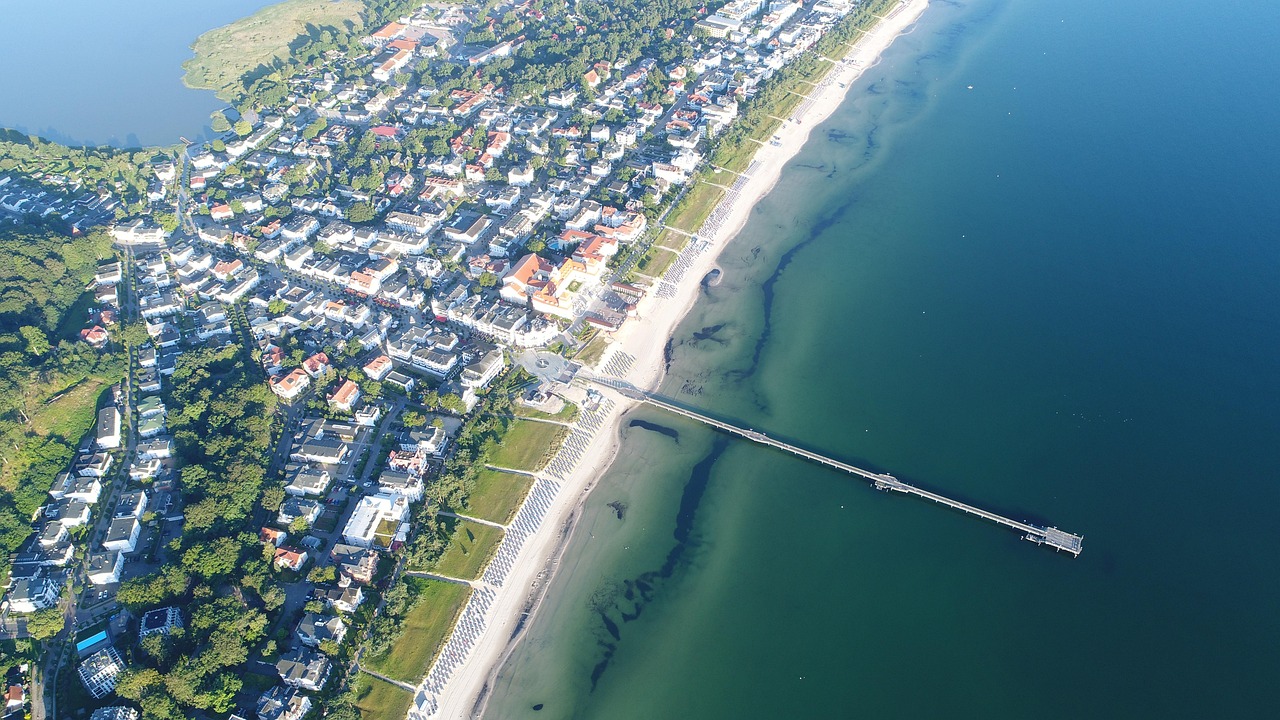
Why Visit Germany’s Baltic Sea Coast?
If you only know Germany for its beer halls, mountains, and big cities, the Baltic Sea Coast (Ostseeküste) will feel like stepping into a different country entirely. Here, the light is softer, the air is salty, and life moves at a tide-driven rhythm. In 2026, the coast is in a sweet spot: well-connected by trains and highways, but still dotted with pockets that feel quietly timeless.
Over the last decade I’ve returned to the Baltic Coast almost every year – sometimes for a winter storm-watching week in Ahrenshoop, sometimes for long summer days cycling across Rügen’s chalk cliffs and Bodden lagoons, sometimes just for 4 days in the Baltic Sea Coast to reset by the water. Every time, I’m struck by how varied this shoreline is: grand Hanseatic cities, sleepy thatched-roof villages, Art Nouveau spa towns, wide white-sand beaches, and nature reserves where you’ll meet more cranes than people.
This travel guide for Baltic Sea Coast, Germany (updated for 2026) is designed to help you plan anything from a 4 day itinerary for Baltic Sea Coast up to 7 days in Baltic Sea Coast, with detailed, on-the-ground advice about the best places to visit in Baltic Sea Coast, where to base yourself, what local food in Baltic Sea Coast to try, and the cultural experiences in Baltic Sea Coast that make this region quietly unforgettable.
How the Baltic Sea Coast Fits Together
The German Baltic Coast stretches from the Flensburg Fjord on the Danish border in Schleswig-Holstein all the way east to Usedom on the Polish border in Mecklenburg-Vorpommern. Think of it as a necklace of very different “beads”:
- Hanseatic heartlands – Lübeck, Wismar, Rostock, Stralsund: red-brick powerhouses of the medieval Hanseatic League.
- Island escapes – Rügen, Usedom, Poel, Hiddensee: each with its own mood, from grand spa promenades to car-free dunes.
- Resort coast – Timmendorfer Strand, Heiligendamm, Kühlungsborn, Warnemünde, Binz: classic “Seebad” spa towns with piers and promenades.
- Wild peninsulas – Fischland-Darß-Zingst, Holsteinische Schweiz lakes, Geltinger Birk: perfect for birding, hiking, and families who like nature more than nightlife.
In practice, that means you can design your 4 days in Baltic Sea Coast around one cluster (e.g. Lübeck + Timmendorf + Fehmarn), or if you have 6 days in Baltic Sea Coast or a full 7 day itinerary for Baltic Sea Coast, you can combine a Hanseatic city, a resort town, and an island for a deeper sense of the region.
Suggested Itineraries (4–7 Days)
I’ll outline four flexible itineraries: a classic 4 day itinerary for Baltic Sea Coast, then 5, 6, and 7 days in Baltic Sea Coast. Distances are short, but the mood changes dramatically with each stop. I’ll weave in personal experiences from my recent trips (2023–2025), updated for 2026 transport schedules and events.
4 Day Itinerary for Baltic Sea Coast: Hanseatic Flair & Classic Beaches
This 4 day itinerary for Baltic Sea Coast is ideal if you’re new to the region and want a balance of culture, seaside promenades, and easy logistics without renting a car.
Day 1 – Lübeck: Brick Gothic & Marzipan Mornings
I like to start every Baltic Coast trip in Lübeck. The first time I arrived by train one chilly March morning, the twin towers of the Holstentor gate loomed out of the mist like a film set. It hasn’t lost its magic.
Morning: Drop your bags at a hotel or guesthouse inside the Altstadt (old town), ideally on one of the quieter side streets off the Hüxstraße. From Hamburg, trains to Lübeck Hauptbahnhof run roughly every 30 minutes (40–45 minutes travel time in 2026). Walk from the station through the Holstentor into the UNESCO-listed old town.
- Visit the Holstentor Museum for context on Lübeck’s Hanseatic heyday.
- Wander up Königstraße and through the Buddenbrookhaus, freshly reopened after refurbishment, if you’re into literature.
Lunch: Try Labskaus (a traditional sailor’s dish with corned beef, beetroot, and potato) at a rustic tavern, or keep it light with fish rolls (Fischbrötchen) at the riverfront. In 2024 I stumbled into a small café on the Obertrave that did a wonderful smoked mackerel sandwich with horseradish cream – still there in 2026.
Afternoon: Climb St. Peter’s Church tower for a 360° view of Lübeck’s red brick and copper spires; then stroll the alleyways (Gänge) behind the main streets – these tiny courtyards and passageways are my favourite part of the city.
Coffee & marzipan: No travel guide for Baltic Sea Coast is complete without telling you to try Lübeck’s marzipan. Go to a traditional café (Niederegger is the famous one, but some smaller shops have more charm) and order a slice of marzipan torte and a Pharisäer coffee (coffee with rum and whipped cream, supposedly invented on a nearby island).
Evening: For your first Baltic sunset, walk the riverfront, then have dinner in a brick-vaulted restaurant near the Trave. Lübeck nights are more about conversation than clubbing – it’s a gentle start to 4 days in Baltic Sea Coast.
Day 2 – Timmendorfer Strand & Travemünde: Seaside Promenades
On my latest visit in summer 2025, I used Lübeck as a base and did a day trip to Timmendorfer Strand and Travemünde. In 2026 the regional trains from Lübeck to both are still frequent (20–25 minutes).
Morning in Timmendorfer Strand: This is one of the more polished resort towns, with designer boutiques and a long sand beach lined with striped Strandkörbe (wicker beach chairs). It’s family-friendly but also popular for romantic getaways.
- Walk the beach promenade early before it fills.
- Visit the SEA LIFE Aquarium – a lifesaver if you’re travelling with kids and the weather sours.
Lunch: Grab a Fischbrötchen from a kiosk on the promenade – look for one with a queue of locals – and eat it on the sand. I always go for matjes herring with pickles and onions.
Afternoon in Travemünde: Take a quick regional train or boat to Travemünde, Lübeck’s seaside suburb. The broad Mole (pier) is where I often end up just watching ferries glide toward Sweden and Finland.
- Climb the old lighthouse and walk the Priwall peninsula for quieter sands.
- Have coffee and cake in a café overlooking the harbour; the ship-watching is endlessly calming.
Evening: Return to Lübeck for dinner, or stay in a seafront hotel in Travemünde if you want to fall asleep to the sound of ship horns. For a romantic evening, sunset on the Priwall dunes with a picnic is hard to beat.
Day 3 – Wismar: UNESCO Harbour & Island of Poel
Take an early train from Lübeck to Wismar (about 1 hr 20 in 2026, with direct regional trains). Wismar’s old harbour and market square are some of my favourite “must-see attractions in Baltic Sea Coast” if you like history.
Morning: Drop bags at your accommodation (if staying overnight) and walk straight to the old harbour, where brightly painted gabled houses frame the quays. The smell of smoked fish is usually in the air: follow your nose to a boat selling warm smoked eel or mackerel.
Stroll through the old town, visiting St. Nikolai and the massive brick church ruins of St. Marien. The scale feels almost absurd for such a small town – a clue to Wismar’s Hanseatic wealth.
Afternoon: Island of Poel
I like to catch the late morning bus to Insel Poel (about 30–40 minutes). Poel is a low-key island: long beaches, a few villages, endless sea light. Rent a bike near Kirchdorf and cycle to the beaches at Timmendorf (not to be confused with Timmendorfer Strand!).
- Family-friendly: Shallow waters and gentle slopes make Poel’s beaches great for kids.
- Hidden gem: The walking trail to the lighthouse at Timmendorf on Poel is rarely crowded, especially in shoulder season.
Evening: Return to Wismar for dinner on the harbour; if herring season is on (spring), order Matjes nach Hausfrauenart – herring in a creamy apple-onion sauce, a classic local food in Baltic Sea Coast ports.
Day 4 – Rostock & Warnemünde: University City & Beach Town
Take a morning train from Wismar to Rostock (just over an hour, usually with a change in Bad Kleinen). Drop your luggage in a locker at Rostock Hauptbahnhof if you’re flying out later from Rostock-Laage or heading on by train.
Morning in Rostock: Explore the old town around the Kröpeliner Tor and the university. Rostock feels more lived-in than Lübeck or Wismar: more students, more grit, more everyday life.
Lunch: Try a modern canteen-style place popular with students, or head to the Alter Strom area in Warnemünde for fresh fish later.
Afternoon in Warnemünde: Jump on the S-Bahn (mini suburban train) to Warnemünde (20 minutes). Warnemünde’s wide beach, lighthouse, and Teepott building are among the best places to visit in Baltic Sea Coast for easy seaside vibes.
- Walk the Alter Strom canal lined with boats and houses.
- Climb the lighthouse for big Baltic views.
- If you have a late train, stay for an early dinner: grilled fish skewers, fried herring, or a warming fish soup are staples.
From here you can either stay the night in Rostock/Warnemünde, or continue east to Stralsund or Rügen if you’re extending beyond 4 days in Baltic Sea Coast.
5 Day Itinerary for Baltic Sea Coast: Adding Rügen Island
If you have 5 days in Baltic Sea Coast, bolt Rügen onto the 4-day itinerary. Rügen is Germany’s largest island and, in many ways, the jewel of the coast.
Day 5 – Stralsund & Arrival on Rügen
From Rostock, catch a regional express to Stralsund (around 1 hr 15). Stralsund’s skyline of brick spires rising above the harbour is spectacular; in 2026 the Ozeaneum marine museum remains one of the top things to do in Baltic Sea Coast for families.
- Spend a few hours in the Ozeaneum – the Baltic Sea tank and whale hall are highlights.
- Walk the harbourfront and through the market square framed by stepped-gable houses.
In the afternoon, cross to Rügen by train over the Rügenbrücke. I usually base in Binz for first-timers – it has the best combination of beach, restaurants, and access to other parts of the island.
Evening: Walk the historic pier, watch the sunset from the sand, and have dinner at a seafront restaurant. Try Sanddorn (sea buckthorn) ice cream or liqueur – a local specialty across the Baltic Coast.
6 Day Itinerary for Baltic Sea Coast: Deeper Into Rügen
With 6 days in Baltic Sea Coast, you can spend two full days on Rügen. This is where the landscape really opens up.
Day 6 – Jasmund National Park & Chalk Cliffs
In 2024 I woke before dawn in Binz to catch the first bus toward Jasmund National Park. Mist still clung to the beech forests as we walked toward the chalk cliffs – it felt more like a fairy tale than a German holiday island.
- Take a bus or drive to the Königsstuhl visitor centre (now revamped with new interactive exhibits for 2026).
- Walk the cliff-top paths through ancient beech forest – the UNESCO-listed “Ancient Beech Forests of Germany”.
- Views from the chalk cliffs over the turquoise Baltic are among the must-see attractions in Baltic Sea Coast.
Tip: Wear good shoes; the paths can be muddy after rain. For a quieter experience, start from Sassnitz and hike along the coast instead of using the main car park.
Evening: Back in Binz, reward yourself with a sauna session at one of the spa hotels – very Baltic, very relaxing.
Day 7 – Rasender Roland & Southeast Rügen
Ride the historic steam train Rasender Roland (Rushing Roland) from Binz through the countryside to Göhren and Lauterbach. The chug of the locomotive, the open windows, the scent of coal smoke – it’s a nostalgic way to traverse meadows and fields.
- Stop in Sellin to visit the iconic pier with its romantic pavilion – a favourite photo spot for couples.
- Continue to Göhren for quieter beaches and coastal hikes.
This day is as family-friendly as it gets: kids love the train, parents love the scenery, and there are beaches at every stop.
7 Day Itinerary for Baltic Sea Coast: Adding Fischland-Darß-Zingst
For a 7 day itinerary for Baltic Sea Coast, I recommend adding the wild peninsula of Fischland-Darß-Zingst, especially if you’re a nature lover or birder.
Day 8 – Fischland-Darß-Zingst: Ahrenshoop & Prerow
From Rostock or Stralsund, buses run to Ahrenshoop and Prerow, though a car makes it easier. I’ve done it both ways; driving lets you stop at tiny thatched villages en route.
Ahrenshoop is an artists’ colony turned tasteful seaside retreat: thatched cottages, galleries, and a rugged stretch of beach where waves hit a bit harder.
Prerow sits on the edge of the Darß Forest, with one of the most beautiful beaches in northern Europe at Weststrand. It’s a 5 km walk or bike ride through wild forest to reach the dunes; in October, I’ve stood here watching thousands of cranes migrate overhead – one of the most moving hidden gems in Baltic Sea Coast nature.
Evening: Stay in a thatched guesthouse and eat smoked fish in a garden restaurant under lanterns. Nights here are very quiet; bring a book and listen to the wind in the reeds.
From here you can loop back to Rostock or continue your exploration east toward Stralsund and Usedom, or south inland toward the Mecklenburg Lake District – but that’s another guide.
18 Key Towns, Islands & Landscapes of the Baltic Sea Coast
Below are deeper portraits of at least 18 of the most prominent places along Germany’s Baltic Sea Coast. I’ll share history, what each is known for, my own experiences, and tips for visitors – plus whether it makes a good base or is best as a day trip.
1. Lübeck – Queen of the Hanse
Why go: Lübeck is the cultural and historical gateway to the Baltic Sea Coast. In the Middle Ages it was the unofficial capital of the Hanseatic League, a trading network that controlled Baltic commerce. Today, its red-brick churches and merchant houses are UNESCO-listed.
My experience: I’ve visited Lübeck in every season: icy January mornings with frost on the Trave river, humid July evenings when café tables spill into alleys, and crisp October days when the low sun turns the brickwork almost orange. It’s a city that rewards slow wandering.
Highlights:
- Holstentor and city walls – iconic and photogenic. Go inside for exhibits on Hanseatic trade.
- St. Marienkirche – a masterpiece of Brick Gothic, with a dramatic war-damaged bell display.
- Gängeviertel – the maze of narrow passages leading to tiny courtyard houses; a hidden gem in plain sight.
- Marzipan culture – beyond the tourist tins, seek out small bakeries that still make traditional recipes.
Best for: History lovers, architecture buffs, slow travellers. Works well as a base for 4 days in Baltic Sea Coast if you focus on Lübeck Bay.
Getting there: Excellent train connections from Hamburg (45 min), Berlin (about 3 hours), and other German cities.
2. Timmendorfer Strand – Polished Baltic Resort
Why go: Long sandy beach, spa hotels, and a touch of glamour. Think German families and couples strolling in elegant leisurewear, ice cream in hand.
My experience: Personally, I prefer the wilder beaches further east, but when friends with young kids visit, I often recommend a night here. The infrastructure is excellent: playgrounds, aquariums, beachfront cafés, and lifeguards in summer.
Best for: Families, spa seekers, those who like facilities over solitude. A good base if you want a 4 day itinerary for Baltic Sea Coast without changing hotels often: Lübeck, Travemünde, and even Fehmarn are manageable day trips.
3. Travemünde – Seaside Arm of Lübeck
Why go: Classic seaside atmosphere with less gloss than Timmendorfer Strand. Ferries to Scandinavia give it a cosmopolitan, maritime feel.
Highlights: The old lighthouse, the Priwall peninsula with its quieter dunes, and the historic four-masted barque Passat moored in the river.
Hidden tip: In shoulder season, book a room with harbour view; watching the big ships pass in near silence at night is oddly meditative.
4. Wismar – Compact Hanseatic Gem
Why go: Wismar is smaller and sleepier than Lübeck but just as atmospheric, with a beautifully preserved harbour and market square.
My experience: I spent a late-September weekend here once when the tourist crowds had thinned. Mist rolled off the harbour in the mornings; by midday, locals sat on bench edges eating Fischbrötchen. It felt wonderfully unhurried.
Best for: Architecture, harbour walks, a base for exploring Island of Poel and the western Mecklenburg coast.
5. Island of Poel – Quiet Beach & Fields
Why go: Low-key island life: dunes, fields, small harbours, and big skies.
Activities: Cycling, beach days, birdwatching. Poel is not about nightlife; it’s about long walks and reading on the terrace of a holiday apartment.
Family tip: Many holiday apartments rent weekly and are well set up for kids (gardens, barbecues). Book early for school holidays.
6. Heiligendamm & Kühlungsborn – White Villas & Long Promenades
Why go: Heiligendamm, Germany’s oldest seaside resort, is a row of white classicist villas known as the “White Town by the Sea”. Nearby Kühlungsborn offers a long promenade, pier, and more accommodation options.
My experience: I once cycled from Heiligendamm to Kühlungsborn in a fierce autumn wind, rewarded with hot chocolate in a seafront café. The cycle path runs parallel to the shore, with constant glimpses of water through the trees.
Best for: Couples, slow seaside days, combining with a visit to the charming inland town of Bad Doberan (and its steam train, the Molli).
7. Rostock – Working Port & University City
Why go: A lived-in Hanseatic city with a major port, university, and less tourist sheen than Lübeck or Wismar.
Vibe: Brick Gothic churches and gates, student pubs, a revitalized harbour district with bars and event spaces. In 2026, the city is expanding riverfront bike lanes and adding more public art along the Warnow.
Best base for: Exploring Warnemünde, Fischland-Darß-Zingst, and the inland Mecklenburg countryside by train and bus.
8. Warnemünde – Beach, Lighthouse & Cruise Port
Why go: Wide sandy beach, picturesque lighthouse, and the bustling Alter Strom canal lined with boats and houses. In summer, it buzzes with day-trippers and cruise passengers.
Family & romantic: Safe swimming, mini-golf, ice cream for kids; long sunset beach walks for couples.
Hidden tip: Walk beyond the main stretch toward the west; the beach thins out and you’ll find quieter spots even in peak season.
9. Fischland-Darß-Zingst – Wild Peninsula of Artists & Cranes
Why go: For me, this is the soul of the Baltic Sea Coast: wind-bent pines, endless beaches, thatched villages, and, in autumn, the eerie bugling of cranes gathering in their thousands.
Key villages:
- Ahrenshoop – artists’ colony, small galleries, Bohemian feel.
- Wustrow – quiet, with both Bodden lagoon and open-sea beaches.
- Prerow – gateway to Darß forest and Weststrand beach.
- Zingst – more built-up, with a long pier and photo festival.
My favourite memory: Standing on an observation platform near Pramort in late October, watching V-shaped skeins of cranes settle onto the Bodden waters at sunset. It felt like being inside a nature documentary.
Best for: Hikers, birders, photographers, families who like nature over nightlife.
10. Stralsund – Gateway to Rügen
Why go: Another Hanseatic UNESCO town, but with a sharper maritime edge and the excellent Ozeaneum and Meeresmuseum.
Best for: A night stop en route to or from Rügen; families, thanks to the aquariums; history buffs.
11. Rügen – Germany’s Baltic Flagship Island
Why go: Chalk cliffs, spa towns, steam trains, idyllic fishing villages, and varied coastlines. It’s like a Baltic microcosm in one island.
Main areas:
- Binz, Sellin, Göhren, Baabe – southeast spa towns with piers and belle époque villas.
- Jasmund National Park – chalk cliffs, beech forests.
- Mönchgut peninsula – thatched villages, gentle hills, beautiful coves.
- Wittow peninsula & Kap Arkona – lighthouses and steep coasts at the island’s northern tip.
My experience: Rügen is where I first understood why Germans are so attached to their Baltic Sea holidays. On a still summer evening at Sellin pier, with jazz drifting from the pavilion and the sea flat as glass, the mood was almost Mediterranean – but the soft northern light gave it away.
Best base: Binz for first timers; smaller places like Baabe or Mönchgut for repeat visitors.
12. Binz – Grand Dame of Rügen’s Spa Towns
Why go: Wide sandy beach, elegant waterfront villas, a long pier, many restaurants and hotels. It has a resort-town energy without being rowdy.
Activities: Beach days, seafront walks, day trips by train, boat tours to the chalk cliffs.
Family tip: Many hotels offer kids’ playrooms and family rooms. Book a Strandkorb (beach chair) for shade and wind protection.
13. Sellin & Göhren – Piers & Headlands
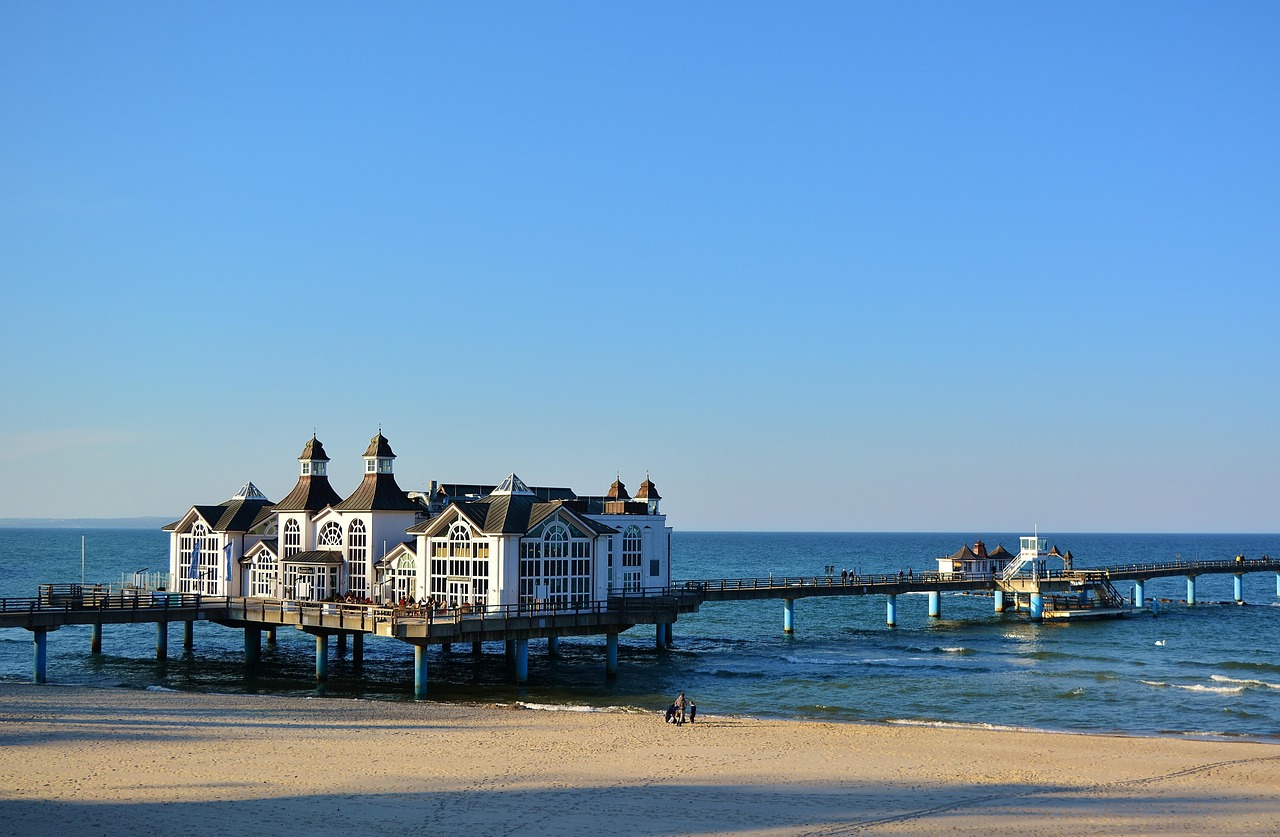
Why go: Sellin has perhaps the most photogenic pier on the Baltic Sea Coast; Göhren is slightly quieter and a good base for hikes.
Hidden gem: The high walkway through the trees down to Sellin’s pier. Go early or late to have it almost to yourself; early morning fog here is magical.
15. Usedom – Sunniest Island with Imperial Spas
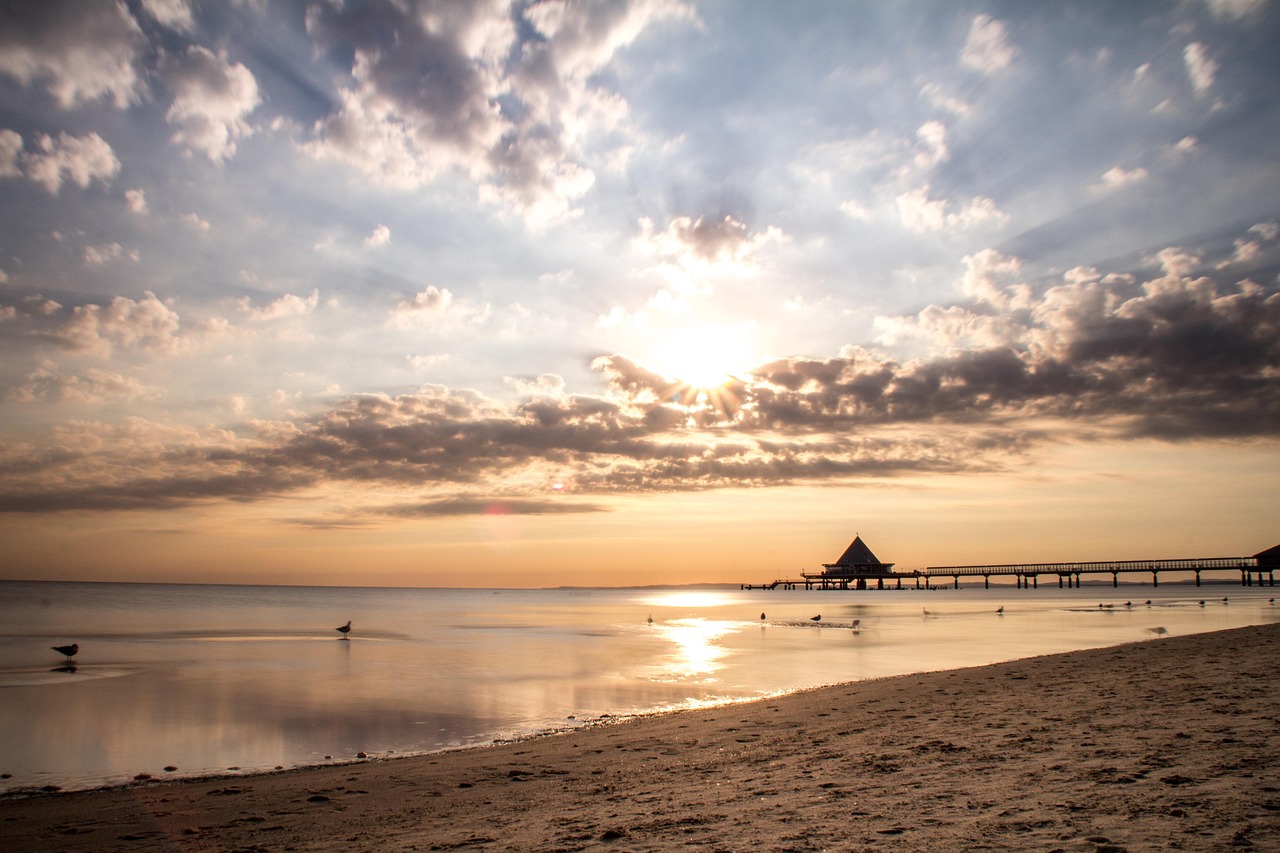
Why go: Usedom boasts some of the highest sunshine hours in Germany. It’s shared with Poland, and its “Kaiserbäder” (imperial spas) – Ahlbeck, Heringsdorf, Bansin – are strung along a long beach connected by promenade.
My experience: Cycling from Bansin to Świnoujście in Poland along the seafront promenade was a highlight: one continuous ribbon of sand, cafés, and piers, crossing a border almost unnoticed.
Best for: Families, spa-goers, people who like long, flat bike rides. A solid base for a 5 day itinerary for Baltic Sea Coast if you focus mostly on Usedom and the eastern mainland.
16. Greifswald & Greifswalder Bodden – Caspar David Friedrich Country
Why go: Small university city with a pretty market square and connections to Romantic painter Caspar David Friedrich, who grew up here.
Nearby: The Greifswalder Bodden lagoon: shallow waters, sailing, and birdlife. It lacks the drama of Rügen’s chalk coast but has a gentle, everyday beauty.
17. Fehmarn – Surfers, Kites & Open Sea
Why go: Fehmarn, connected by bridge to the mainland, is a wind and water sports paradise. Kitesurfers, windsurfers, and sailors flock here, especially to the Wulfener Hals and Orth areas.
My experience: I came to Fehmarn on a blustery April weekend and watched dozens of bright kites dance over the choppy water as beginners crashed and laughed in their wetsuits. The mood was optimistic and salty.
Best for: Active travellers, families with teens, anyone who loves open skies and doesn’t mind a bit of wind.
18. Holsteinische Schweiz – Lakes & Rolling Hills Near the Coast
Why go: Not strictly on the coast, but this lake district lies just inland from Lübeck and the Bay of Lübeck. Rolling hills, forests, and lakes make a great combination with a seaside stay.
Key town: Plön with its hilltop castle and lake cruises. In summer, you can swim, paddle, or cycle between lakeside villages.
Best as: A day trip from Lübeck or a 1–2 night nature retreat during a longer 6 day itinerary for Baltic Sea Coast.
Regional Cuisine & Where to Taste It
The local food in Baltic Sea Coast towns is rooted in the sea and the seasons. Expect fish in every form, hearty sailor’s dishes, and, increasingly, creative modern takes from young chefs.
Signature Dishes
- Fischbrötchen – Fish rolls with pickled herring, matjes, mackerel, or fish patties. Eat them at harbours, from kiosks with locals in line.
- Labskaus – A mash of corned beef, potatoes, beetroot, topped with a fried egg and pickles. Better than it sounds; try it once.
- Matjes – Young herring, lightly cured; served with onions, apples, and cream sauce.
- Sanddorn – Sea buckthorn products: jams, juices, liqueurs, ice cream. Tart and vitamin-rich.
- Räucherfisch – Smoked fish, from eel to salmon, often sold straight from smokehouses near harbours.
Where to Eat
Harbour shacks & smokehouses: My favourite meals are rarely in white-tablecloth restaurants; they’re at wooden benches beside smokehouses in Wismar, Stralsund, or Prerow. Look for plumes of fragrant smoke and handwritten menus.
Family-run inns: Inland villages and small islands like Poel, Mönchgut, or Hiddensee still have Gasthäuser where grandmothers stir the soup. Menus are short and seasonal. In Ahrenshoop, I return to the same thatched inn for fish stew every year; the recipe hasn’t changed, and I hope it never will.
Markets: Weekly markets in Lübeck, Rostock, and Stralsund are ideal for stocking picnic supplies: fresh bread, cheeses, cured meats, seasonal fruit, and regional honey.
Farm-Stays & Agritourism
Agriturismi in the Italian sense are rare, but farm-stays and Reiterhöfe (horse farms) dot the inland countryside. I’ve stayed on a small organic farm near Darß where breakfast included eggs from the hens scratching outside and jams from the orchard.
Tip: These farm-stays are superb for families and often cheaper per night than seaside apartments, especially in high season. You’ll need a car or bikes, though.
Evenings on the Baltic Sea Coast
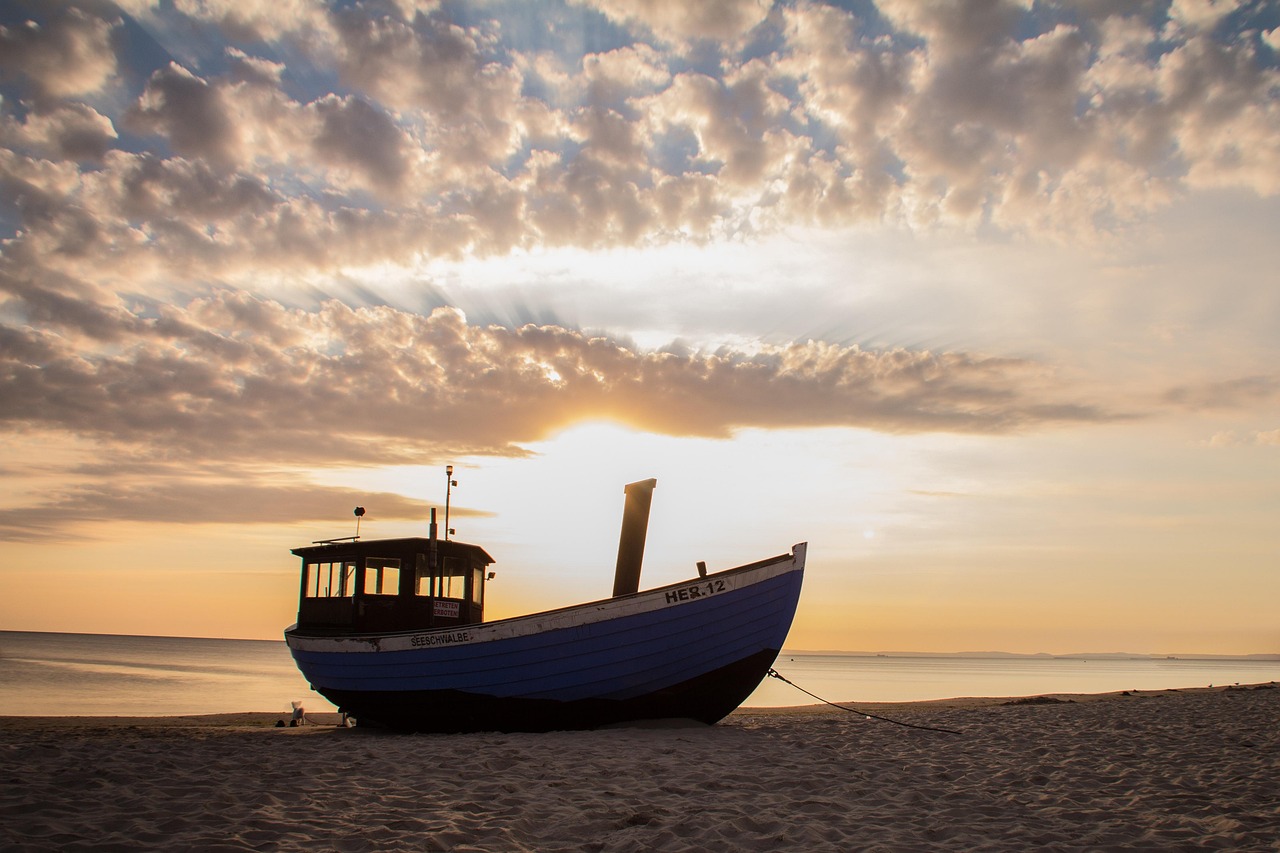
Evenings here are about slow rituals, not big nights out.
Piers & Promenades
In Binz, Sellin, Kühlungsborn, Heiligendamm, and Usedom’s imperial spas, evenings revolve around the seafront promenades. Families push strollers, older couples hold hands, teenagers lick ice cream and flirt awkwardly. Street musicians play sax or guitar; the air smells of waffles and salt.
Small-Town Squares
In Lübeck, Wismar, Rostock, and Stralsund, head to the market squares or riverfront promenades. In summer 2026, open-air concerts and film screenings are planned in many towns as part of regional culture programs.
Nature After Dark
On Fischland-Darß-Zingst, Rügen, and Hiddensee, the best evening activity is often a dusk walk: along Weststrand, on Hiddensee’s dunes, or to a Bodden bird hide. If you’re visiting in autumn, bring binoculars for crane-watching near Zingst or Ummanz island.
Events & What’s New in 2026–2027
Major Events (2026–2027)
- Hanse Sail Rostock (August 2026 & 2027): One of Europe’s biggest tall-ship gatherings. Expect crowds, fireworks, concerts, and historic ships.
- Warnemünder Woche (July 2026 & 2027): Sailing regatta and beach festival in Warnemünde.
- Greifswald Nordischer Klang (May 2026 & 2027): Festival of Nordic music and culture, reflecting Baltic links.
- Usedom Music Festival (Autumn 2026 & 2027): Classical concerts in the imperial spa towns.
- Zingst Environmental Photo Festival (early summer 2026 & 2027): Outdoor exhibitions and workshops on photography and nature.
New & Notable in 2026
- Upgraded Königsstuhl Visitor Centre (Rügen): Expanded exhibits and new viewing platforms enhancing the chalk cliff experience.
- Expanded Baltic Coast Cycling Routes: Sections between Lübeck Bay and Wismar have been resurfaced, with better signage and more e-bike charging stations.
- Harbourfront Renewal in Rostock & Stralsund: More public spaces, pop-up food stalls, and seasonal events along the water.
Day Trips & Nearby Attractions
- Mecklenburg Lake District: From Rostock or Wismar, head inland for a day of lakeside villages, castle hotels (like Schloss Ulrichshusen), and kayaking.
- Hamburg: From Lübeck, Hamburg is under an hour by train – feasible as a day trip if you’re splitting time between city and sea.
- Schwerin: Fairy-tale Schwerin Castle perched on a lake is reachable from Wismar or Rostock in about an hour by train.
- Polish Coast (Świnoujście): From Usedom, cross the border by bike or foot to explore Polish seaside promenades and markets.
Cultural Etiquette & Local Customs
Everyday Manners
- Greetings: A simple “Guten Tag” (daytime) or “Moin” (northern greeting, any time) is appreciated when entering shops or cafés.
- Punctuality: Trains, tours, and restaurant reservations expect punctuality. Arrive on time.
- Quiet hours: Residential areas, especially villages and islands, value peace at night. Keep noise down after 22:00.
Beach Culture
- Strandkörbe: Beach chairs are rented by the day or half-day; don’t occupy one if it’s clearly reserved.
- Dogs: Many beaches have designated Hundestrände (dog beaches); respect signage.
- Nude beaches: FKK (clothing optional) sections are common; they’re clearly marked and entirely normal in local culture.
Tipping & Payments
- Tipping: 5–10% is standard in restaurants and cafés, rounded up for taxis.
- Cards vs. cash: Cards are widely accepted but small kiosks and some rural inns prefer cash. Always carry a bit of it.
Practical Travel Advice for the Baltic Sea Coast
Getting Around: Train, Bus, or Car?
Trains: The backbone for a 4–7 day itinerary across the main towns. Lübeck, Wismar, Rostock, Stralsund, and major resorts like Binz and Heringsdorf on Usedom are all connected by reliable regional trains.
Buses: Fill gaps to islands (Poel), peninsulas (Darß), and smaller villages. Timetables can be thinner on weekends and off-season – always check ahead.
Car rental: A car is helpful but not essential. I usually go car-free when focusing on Lübeck, Wismar, Rostock, Rügen, and Usedom. I rent a car only when planning a deeper exploration of Fischland-Darß-Zingst and rural Mecklenburg.
Driving Distances (Approximate)
- Hamburg → Lübeck: 70 km / 45–60 min
- Lübeck → Wismar: 70 km / 1 hr
- Wismar → Rostock: 80 km / 1 hr
- Rostock → Stralsund: 80 km / 1 hr
- Stralsund → Binz (Rügen): 70 km / 1 hr 15
- Rostock → Fischland-Darß-Zingst (Ahrenshoop): 45–60 min
Foreign Licenses & Driving Rules
- Licenses: Most non-EU licenses are accepted for short stays; an International Driving Permit is recommended if your license is not in Latin script.
- Speed limits: Generally 50 km/h in towns, 100 km/h on rural roads, and variable on autobahns. Many rural roads are narrow; watch for cyclists and wildlife.
- Parking: Historic centres often have parking on the edges; look for P+Zentrum signs. Beach towns can fill up in summer; arrive early or use public transport.
SIM Cards & Connectivity
In 2026, eSIM options from major German providers (Telekom, Vodafone, O2) make data easy. You can also buy prepaid SIMs at supermarkets, electronics stores, or at train stations in Lübeck or Rostock.
- Cities & towns: 4G/5G coverage is excellent.
- Rural areas & peninsulas: Coverage can be patchy, especially in forests or dunes. Download maps offline.
Visa Requirements
Germany is part of the Schengen Area. Many nationalities can enter visa-free for short stays (up to 90 days in 180). Always check the latest requirements from official sources before travel, especially if planning long stays or workation-style trips.
Best Seasons & What They’re Good For
- Late spring (May–June): Long days, mild weather, wildflowers, fewer crowds. Great for cycling, hiking, and first dips in the sea.
- Summer (July–August): Peak beach season, all services open, lively festivals. Book early, especially for Rügen and Usedom.
- Early autumn (September–October): My favourite: warm seas, softer light, crane migrations on Darß and Ummanz, wine and harvest festivals inland.
- Winter (November–March): Quiet, moody, with storm-watching on Ahrenshoop or Hiddensee, Christmas markets in Lübeck and Rostock. Many smaller seaside businesses close or reduce hours.
Money-Saving Tips
- Regional transport tickets: Day passes and Länder-Tickets (e.g. Schleswig-Holstein Ticket, Mecklenburg-Vorpommern Ticket) make trains and buses much cheaper for 2–5 people travelling together.
- Self-catering: Apartment stays with kitchens let you cook some meals with market produce – especially good value for families or longer 6–7 day itineraries.
- Shoulder season: Late May/early June and September offer lower prices and fewer crowds with still-pleasant weather.
- Lunch vs. dinner: Some restaurants offer cheaper lunch menus; consider making lunch your main meal and keeping dinner simple.
Where to Base Yourself
- Lübeck or Travemünde: Ideal for a cultural and coastal 4 day itinerary for Baltic Sea Coast focusing on Lübeck Bay and Holsteinische Schweiz.
- Wismar: Good for western Mecklenburg, Poel, and day trips to Schwerin.
- Rostock/Warnemünde: Best central base for combining Hanseatic city life with beach days and excursions to Fischland-Darß-Zingst.
- Binz (Rügen): Perfect for 5–6 days in Baltic Sea Coast if you want a classic beach holiday with side trips to chalk cliffs and Mönchgut.
- Usedom (Heringsdorf/Bansin): Great for families and those who like promenades and spa hotels.
Summary & Final Recommendations
The German Baltic Sea Coast is not a region that shouts; it’s one that seeps into you slowly with salt air, red brick, and the steady rhythm of waves and ferries. After many trips, I still find new coves, new smokehouses, and new forest paths each year.
If you’re planning:
- 4 days in Baltic Sea Coast: Focus on Lübeck, Timmendorfer Strand/Travemünde, Wismar & Poel, and Rostock/Warnemünde.
- 5 days in Baltic Sea Coast: Add Stralsund and a first night on Rügen.
- 6 days in Baltic Sea Coast: Give Rügen two full days – chalk cliffs and Rasender Roland.
- 7 days in Baltic Sea Coast: Include Fischland-Darß-Zingst for wild beaches and cranes.
For most travellers, late May–June and September–early October offer the best balance of weather, prices, and atmosphere. Summer is glorious but busy; winter is for contemplative souls who like wind and quiet cafes.
Whatever you choose, leave space in your itinerary for unplanned detours: a side road to a Bodden shore, an extra hour on a bench watching ships, or a spontaneous second Fischbrötchen because the first one was simply too good. That’s the real rhythm of the Baltic Sea Coast, and it’s worth slowing down to match it.