Why Visit Bastei Bridge: What Makes It Special
If there’s one place in eastern Germany that still makes me stop mid-sentence and just stare, it’s Bastei Bridge. I’ve been coming here since my student days in Dresden, and even now, after dozens of visits in every season, the moment you step onto that sandstone bridge and look down into the Elbe canyon feels almost unreal.
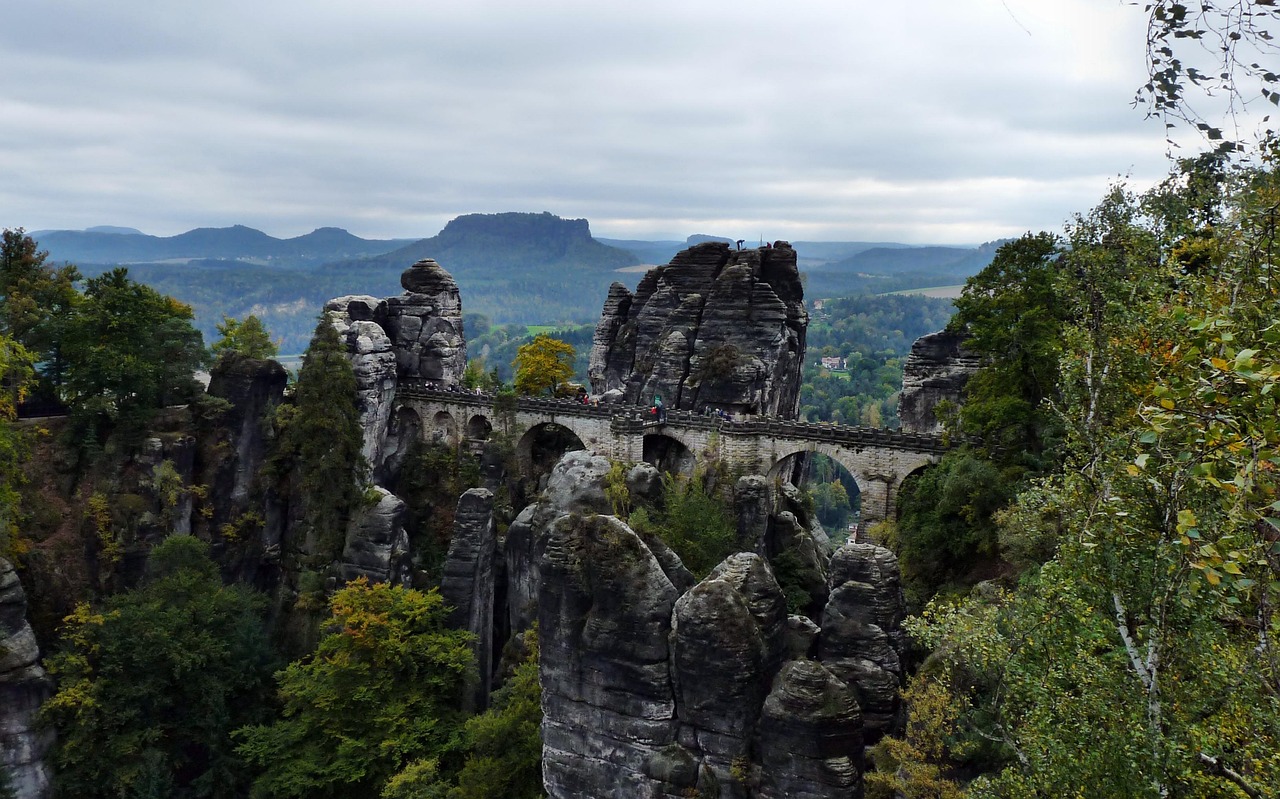
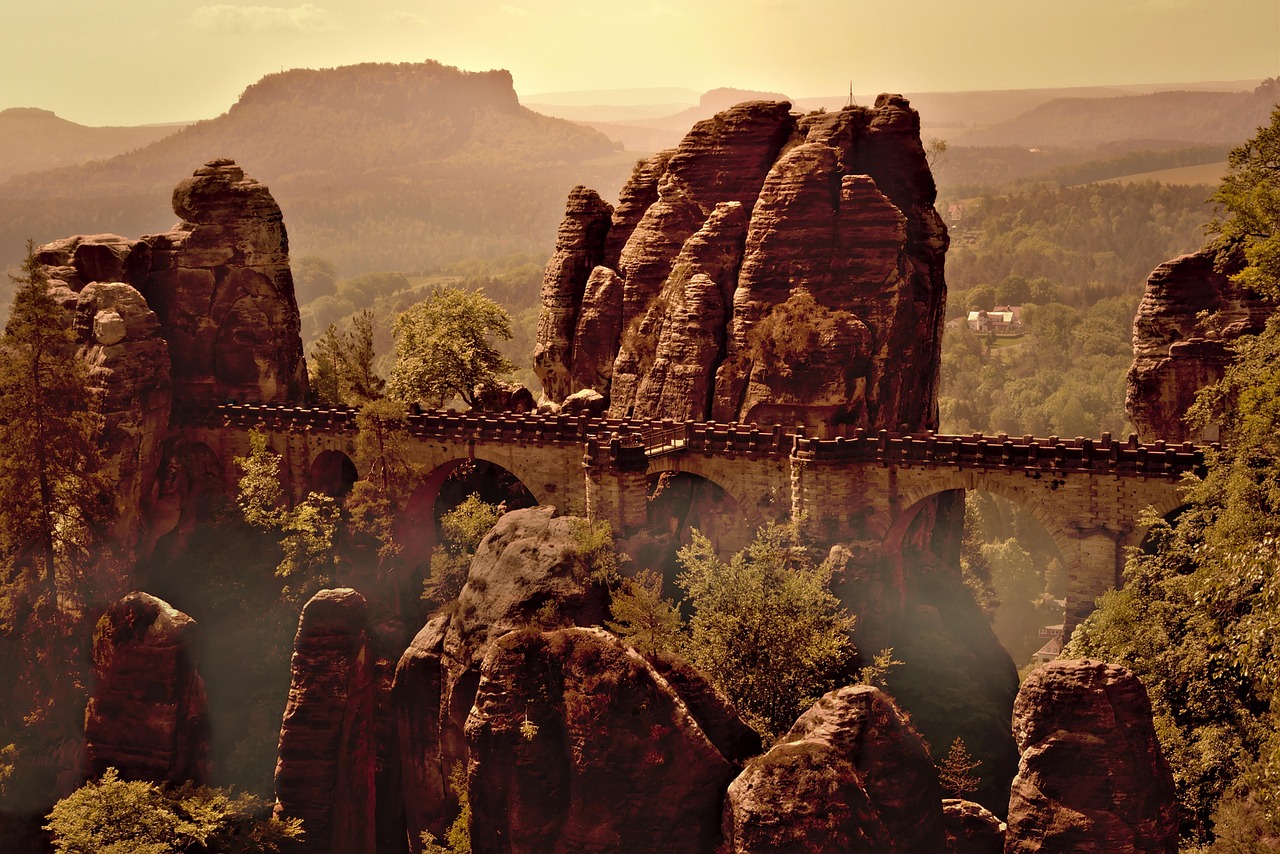
Bastei Bridge isn’t a city attraction; it’s a sculpted piece of landscape — a natural stone fortress turned romantic lookout point, sitting high above the Elbe River in Saxon Switzerland National Park (Sächsische Schweiz). Imagine towering sandstone needles, mist curling through the forest, and a bridge arcing between rock spires like something from a fantasy film. That’s your first impression — and it only gets better once you start walking the paths and viewpoints around it.
This 2026 travel guide for Bastei Bridge is written the way I wish someone had written it for me the first time: not just a list of “must-see attractions in Bastei Bridge,” but a lived-in, practical guide anchored in specific walks, coffee stops, early-morning hikes, and the little decisions that make a 1, 2 or 3 day itinerary here either magical or frustrating.
Whether you’re planning a quick 1 day itinerary for Bastei Bridge, a more relaxed 2 days in Bastei Bridge, or a 3 day itinerary that folds in nearby gorges and villages, this guide will walk you through:
- Exactly what you’ll see when you walk across Bastei Bridge, step by step
- The best places to visit in Bastei Bridge and its surroundings (with personal anecdotes)
- Where to eat without overpaying for mediocre food
- How to reach the bridge efficiently from Dresden, Berlin, and Prague
- Local customs, cultural etiquette, and how to avoid feeling like “the tourist”
- Bastei Bridge tickets and tips, opening hours, and 2026–2027 updates
- Family-friendly walks, romantic sunset viewpoints, and proper adventure hikes
If you’ve ever looked at photos of Bastei Bridge and thought, “It can’t look like that in real life,” let me reassure you: on a clear dawn or misty autumn morning, it is better than the photos.
Table of Contents
- Why Visit Bastei Bridge
- Bastei Bridge Overview & How the Site Actually Works
- Main Viewpoints & Adjacent Sites (8 Detailed Areas)
- 1, 2, and 3 Day Itineraries for Bastei Bridge
- Eating & Drinking Around Bastei Bridge
- Where to Stay Near Bastei Bridge
- Best Time to Visit Bastei Bridge & Off-Hours Magic
- Events & What’s New in 2026–2027
- Day Trips & Nearby Attractions
- Cultural Etiquette & Local Customs
- Logistics: Tickets, Opening Hours, Getting There & Around
- Practical Travel Advice (Money, SIM, Visas, Driving)
- Hidden Tips to Save Time, Money & Nerves
- Summary & Final Recommendations
How Bastei Bridge Works in Reality: Layout & First Impressions
The first time I visited Bastei Bridge, I made the classic mistake: I imagined a single viewpoint and an hour-long stop. In reality, Bastei is a small cluster of trails, rock platforms, and lookouts threaded together above the Elbe River — and if you use them well, you can turn a simple stop into a full, layered day.
Physically, you can think of Bastei as four interlocking pieces:
- The Bastei Plateau & Approach – your arrival area with parking, bus stop, and the short walk through pines and rock towers to the viewpoints.
- Bastei Bridge & Viewpoints – the stone bridge itself, plus viewing terraces like Basteiaussicht and Ferdinandstein.
- Felsenburg Neurathen (Neurathen Rock Fortress) – a ticketed open-air ruin and metal walkway system that lets you explore the rocks up close.
- Descent Trails – paths like Schwedenlöcher and the trails down into Wehlgrund, Amselgrund, and to Kurort Rathen.
On my most recent spring visit in May 2026, I arrived just before sunrise. From the Bastei car park, the path to the viewpoints took me less than 10 minutes: a gently sloping, well-paved route. Even before you reach the famous bridge, there’s that first gasp-inducing lookout — Basteiaussicht — where the Elbe curls far below and the Lilienstein mesa rises beyond the river like a sleeping whale. Only after that did I step onto the stone arches of the bridge itself, already warming in the first light.
For planning purposes, a typical visit breaks down like this:
- Quick stop (1–2 hours): From parking to main viewpoints and back, maybe a coffee. Enough for a sense of the bridge, but rushed.
- Half-day (3–5 hours): Add Felsenburg Neurathen and one descent trail (Schwedenlöcher or Rathen route).
- Full day (6–9 hours): Combine multiple viewpoints, at least one valley hike, a meal in Rathen, and maybe Amselsee.
This guide assumes you want more than a checklist photo — you want the best time to visit Bastei Bridge for light and atmosphere, the quiet corners, and the routes that bring the landscape to life.
Main Viewpoints & Adjacent Sites: 8 Detailed Areas
Below are the key areas that make up the full Bastei experience. Each one can be visited individually, but together they form a layered story of geology, Romantic-era tourism, and modern hiking culture.
1. The Bastei Bridge Walk Itself
The bridge is what brought you here, so let’s start with what it’s actually like to walk it.
Built originally as a wooden structure in 1826 and replaced by the current sandstone arches in 1851, Bastei Bridge was essentially an early tourist attraction. Dresden’s Romantic painters and poets had been coming to these rocks for years, and the bridge made their secret viewpoints accessible to the rest of Europe. To this day, walking across it feels like stepping into one of those 19th-century paintings — but with more hiking boots and camera straps.
The Approach
From the main Bastei parking area, follow signs marked “Basteibrücke / Aussicht” along a broad, mostly paved path. Within 5–7 minutes you’ll start seeing sandstone pillars looming between the trees. The path narrows slightly, turns rocky, and suddenly you’re at the first railings with a glimpse of the Elbe far below.
I like to stop here for a moment, before the “wow” of the main span, just to notice how the forest smells — pine and damp rock in spring, dry needles and dust in high summer, wet leaves and woodsmoke in autumn. It’s a small reset before the crowds and cameras.
Walking the Bridge
From the approach path, you’ll pass a few small souvenir stalls and then the stonework of the bridge rises ahead. The first time I stepped onto it, I instinctively slowed to a crawl; the drop on either side is dramatic, and you feel the void even though the bridge is completely solid and safe.
On your left and right, pillars of sandstone rise like giant fingers. You’ll see tiny pines clinging to impossible ledges, roots twisted into cracks. The Elbe, when visible, is a silver ribbon far below. The bridge itself is only about 76 meters long; if you strode across you’d be done in under a minute. Don’t. This is where you:
- Look down between the rocks into Wehlgrund valley
- Look up at the weathered shapes of the pinnacles
- Look out toward Lilienstein, Königstein Fortress, and the Czech border hills
On busy mid-summer days, the bridge can feel jammed, especially around 11:00–15:00. When I visit in high season, I aim for before 09:00 or after 17:00; in those windows you can still find pauses where you’re alone with the stone for a few seconds, which changes everything.
How Long to Spend & What to Look For
Set aside at least 30–45 minutes just for the bridge and its immediate viewpoints. This isn’t only about photos; it’s about giving your senses time to adjust to the scale. Look for:
- The small, metal stairways and platforms jutting into the rock – these belong to the Neurathen Rock Fortress (more on that below).
- The tiny climbers on distant spires, especially in good weather. They look like colorful insects against the stone.
- The lines of sediment in the sandstone, visible where the rock has broken away over millions of years.
In winter, when the bridge can be dusted with snow and the valleys filled with cloud, it feels almost like an island floating above a white sea. Dress warmly; the wind up here can be sharp.
Photography Tips
- Best angles of Bastei Bridge itself: not from the bridge, but from nearby viewpoints like Basteiaussicht and Ferdinandstein. Plan to walk those too.
- Golden hour: sunrise from the east side of the plateau, sunset from the western-facing terraces.
- Tripods: Allowed, but be considerate in narrow sections; I usually step aside to set up in slightly recessed spots.
2. Basteiaussicht: The Classic Postcard Panorama
If the bridge is the star, Basteiaussicht is the director’s favorite camera angle. This is the viewpoint that gives you the classic wide shot: the stone bridge arching between pillars, the Elbe snaking below, and the table mountains floating on the horizon.
Reaching Basteiaussicht
From the main approach path, you’ll see signs for “Basteiaussicht” before you even reach the bridge. The path curves around to the left, then funnels through a couple of narrow rock passages with railings. Within a minute or two, the rock opens out into a sort of natural balcony with metal fencing: that’s your stage.
I’ve stood here in every season. My most vivid memory is an October dawn in 2025: fog pouring through the valley like slow water, only the tips of the rock towers visible above the cloud, and the bridge itself appearing and disappearing as the mist shifted. The few of us who had dragged ourselves out of bed early just traded quiet looks — there wasn’t much to say.
What You’re Looking At
- Center-left: Bastei Bridge spanning the rock towers.
- Far left: the Elbe River and the white-and-red train of the S-Bahn gliding along its banks.
- Center-right horizon: the flat-topped Lilienstein mountain.
- Right horizon: the bulk of Königstein Fortress on its own mesa.
There are information boards here (in German and English) explaining the geology and history. It’s worth taking 5 minutes to read them; it turns a pretty view into a story of ancient seas, erosion, and 19th-century tourism.
Timing & Tips
- Best time: Sunrise or early morning for soft side light on the bridge; afternoon light can be harsher but still striking.
- How long to stay: Minimum 15–20 minutes. Let the tour groups arrive and leave; there are natural lulls.
- Family-friendly: Yes. The path is short; railings are secure, but keep younger kids near you — it’s a long way down.
3. Ferdinandstein Viewpoint: The Painter’s Balcony
While Basteiaussicht gives you the grand panorama, Ferdinandstein feels more intimate — a slightly different angle where the bridge appears to grow out of the rocks rather than cutting across them.
Getting There
From the bridge, follow signs toward “Ferdinandstein.” The path dips and climbs through the rock, with short staircases and railings. It’s only about 5–10 minutes, but the terrain is more uneven than the main tourist paths. On wet days, the sandstone steps can be slick; I’ve skidded here more than once in worn sneakers, so I strongly recommend shoes with some grip.
The View
The viewing platform itself is a small rocky outcrop with railings, perched just so that the bridge is framed between foreground pinnacles. The first time I reached it, a local photographer next to me simply nodded and said, “Das ist es.” This is it.
In spring and early summer, the surrounding forest is a bright, almost electric green. In late autumn, the valleys become a patchwork of gold and rust, and if you plan your 1 day itinerary for Bastei Bridge around sunrise or sunset here, you’ll understand why 19th-century Romantic painters fell in love with this exact scene.
Tips & Time
- Photography: This is one of the top spots for the iconic side-on view of the bridge.
- How long: 15–30 minutes; longer if you’re photographing.
- Crowds: Slightly fewer people than Basteiaussicht; many group tours skip it due to the stairs.
4. Schwedenlöcher Gorge Trail: Down Into the Rocks
Once you’ve seen the landscape from above, you owe it to yourself to enter it. Schwedenlöcher is a steep, narrow gorge that descends from the Bastei plateau toward Amselgrund valley. It’s a tangle of stairways, mossy rock walls, and dripping overhangs — and one of my favorite trails in the entire national park.
A Bit of History
The name “Schwedenlöcher” (“Swedish Holes”) comes from the Thirty Years’ War. Local villagers are said to have hidden in these rock crevices and caves from Swedish troops. Standing between the damp stone walls, it’s easy to imagine flickering torches and scared whispers here centuries ago.
The Descent
The trail starts from near the Bastei area and quickly becomes a staircase adventure: metal steps, wooden treads, and carved rock stairs twisting downward between narrow walls. In some places, the rock overhangs above you, and in rainy weather, water droplets fall like slow, constant drizzle.
On my last summer descent, I passed a family whose youngest insisted on counting every step aloud in German; they gave up somewhere around “hundertdreiundvierzig” but it gives you a sense: there are many steps. It’s manageable for reasonably fit children (5–6+) but can be tiring for anyone with knee problems.
What to Expect
- Duration: 45–90 minutes from Bastei plateau down to Amselgrund, depending on photo stops.
- Difficulty: Moderate. Lots of steps, sometimes slippery. Not recommended in icy conditions.
- Atmosphere: Cool, damp, quiet — a stark contrast to the open panoramas above.
If you’re planning a 2 day itinerary for Bastei Bridge, I recommend doing Bastei Bridge and viewpoints in the morning and descending Schwedenlöcher in the early afternoon, when the gorge feels refreshingly cool.
5. Felsenburg Neurathen: The Rock Fortress in the Sky
Hidden in plain sight above Bastei Bridge is one of the most intriguing sites in the region: Felsenburg Neurathen, the ruins of a medieval rock fortress turned open-air museum. This is where the stone spires stop being just a view and become a kind of vertical city.
Tickets & Entry (2026)
Entrance to Neurathen is ticketed, separate from the free access to Bastei Bridge itself. In 2026, you buy tickets at a small booth right by the entrance on the bridge-side (cash or card, but always good to have a few euros). There’s no timed entry yet, but in peak season the narrow walkways can bottleneck.
I usually tell people to treat Neurathen as a “bonus level” of their Bastei visit — it’s inexpensive, and the value in terms of views, history, and sheer fun is huge.
What You’ll See
Once inside, you follow a one-way loop of metal walkways and staircases bolted into the rock. Along the way:
- Traces of medieval fortifications carved directly into the rock: cisterns, storage spaces, wall grooves.
- Reconstructed wooden platforms showing where buildings once stood.
- A hanging metal balcony with a vertigo-inducing view straight down into the valley.
- Interpretive panels (German/English) explaining daily life here centuries ago.
The best moment for me is always when you step out onto one of the metal bridges between two spires and feel the empty air beneath your feet. If you’re afraid of heights, it’s a test — but the railings are high and sturdy, and I’ve seen plenty of nervous visitors manage it with a firm grip and a deep breath.
How Long to Spend
Allow 40–60 minutes for a relaxed visit. It’s easy to rush, but slow down to read the panels and look at how the builders used every natural niche in the rock. On a recent visit in 2026, I watched a climbing group below threading ropes between towers; seeing both the medieval and modern uses of the rocks at once was a powerful reminder of how this landscape has always invited humans upward.
Family & Accessibility Notes
- Not stroller friendly. Many stairs, narrow paths.
- Kids: Most children love it; it feels like a fortress playground. Keep close watch near railings.
- Mobility: Unfortunately not accessible for wheelchairs or those who cannot handle stairs.
6. Kurort Rathen: Riverside Village & Gateway to the Bridge
Below the cliffs, along a bend of the Elbe, lies Kurort Rathen — a small spa village that serves as both a charming base and a scenic approach route for Bastei Bridge.
Arriving by Train & Ferry
One of my favorite ways to start a day at Bastei is to board the S-Bahn from Dresden, rumble along the Elbe for about 40 minutes, and step off at Rathen (Kurort Rathen) station. From there, it’s a short walk down to the river, where a small passenger ferry takes you across to the village proper. The crossing takes just a minute or two, but the view of the cliffs rising behind the houses is worth the fare alone.
I still remember my first winter crossing: low mist hugging the water, the occasional honk of a swan somewhere in the fog, and the soft thud of the ferry bumping against the landing.
Village Atmosphere
Kurort Rathen is compact: a handful of guesthouses, small hotels, cafés, a bakery, and access paths leading into Amselgrund and up toward Bastei. It’s quieter in the evenings when day-trippers have left, making it a lovely place to stay if you’re planning 2 or 3 days in Bastei Bridge and the surrounding park.
From Rathen to Bastei Bridge
From the ferry landing, you can hike up to Bastei in about 40–60 minutes, depending on route and pace. The path winds through the forest, crossing streams and gradually gaining height. It’s far more satisfying than arriving at the top by car or bus; you feel the bridge as the culmination of a climb.
For a romantic or slower-paced itinerary, I often suggest:
- Morning coffee and pastry in Rathen
- Hike up to Bastei (late morning)
- Long lunch at the top or back in the village
- Afternoon boat on Amselsee or a gentle valley walk
7. Wehlgrund & Amselgrund Valleys: Under the Stone Towers
While the Bastei plateau gives you the big skies, the valleys of Wehlgrund and Amselgrund give you something quieter: moss, water, and the sense of being very small under very old stone.
Wehlgrund
Wehlgrund is the deep valley visible from Bastei Bridge itself. Trails run along its bottom, following the trickle of a stream and passing beneath huge rock walls where climbers practice. On one of my 2026 visits, I paused for a long time just to listen to the metallic clink of carabiners and the low murmur of climbers calling to each other in Saxon dialect.
The valley is shaded and damp, beautifully cool in summer and atmospheric in misty weather. Trails are generally easy, with some roots and rocks but no major climbs unless you head up toward the plateau.
Amselgrund
Amselgrund is a slightly broader valley that leads from Kurort Rathen up toward Amselsee and the base of several climbing and hiking routes. It’s a lovely family-friendly area: gentle gradient, lush forest, and occasional viewpoints where the cliffs open up above you.
On weekends, you’ll see Dresden families strolling here, kids hunting for sticks, grandparents in sturdy shoes taking their time. It’s a nice antidote to the more adrenaline-heavy parts of the national park.
8. Amselsee Lake: Pedal Boats & Storybook Reflections
Just above Kurort Rathen, tucked between forested slopes, lies Amselsee — a small artificial lake that feels straight out of a children’s book. It’s not as dramatic as the bridge, but if you’re traveling with kids or want a gentle, romantic interlude, it’s perfect.
What to Do at Amselsee
- Rent a rowboat or pedal boat in season (usually spring to autumn). Gliding quietly among the reflections of the rock walls is surprisingly calming.
- Walk the lakeside path, which is flat and easy, with benches for picnics.
- Look and listen for birds — the name “Amsel” refers to blackbirds; their song is a constant soundtrack in spring.
I like to end a long hiking day here with ice cream or a beer from the lakeside kiosk and just let my legs unwind. In 2026, the facilities remain pleasantly low-key — don’t expect fancy cafés, but you’ll find basics.
1, 2 & 3 Day Itineraries for Bastei Bridge (With Personal Notes)
Below are three itineraries I’ve personally followed and refined over multiple visits. Each balances popular viewpoints with quieter corners, and each can be adapted to your pace and fitness.
1 Day Itinerary for Bastei Bridge: The Essential Experience
If you only have 1 day in Bastei Bridge, this is how I’d spend it in 2026 — a mix of the iconic views and one gorge descent, plus a taste of village life in Rathen.
Morning: Arrive Early for the Bridge & Main Viewpoints
Ideal timing: Arrive at the Bastei parking area between 07:00 and 08:30 (earlier in July–August, slightly later in winter). On my last mid-May visit, I pulled in around 07:15; a handful of cars, a few camper vans with sleepy hikers making coffee — and almost no one on the viewpoints yet.
From the car park or bus stop, follow the signs to the bridge. In 10 minutes, you’ll reach the first views. My usual sequence:
- Walk directly to Basteiaussicht for the first panoramic hit. Spend 15–20 minutes just letting your eyes adjust.
- Continue to the bridge itself. Cross slowly, stopping at the middle to look into Wehlgrund.
- If you’re early enough that crowds are still thin, move on to Ferdinandstein while the light is still soft.
By about 09:30–10:00, day-trip buses begin to arrive; having seen the key viewpoints by then is a huge win. You can always loop back for another look later in the day under different light.
Late Morning: Felsenburg Neurathen
Next, head back towards the bridge and enter Felsenburg Neurathen. I like doing this around 10:00–11:00, once the sun is high enough to light the interior rock faces but before it gets too warm in summer.
Walk the one-way loop, pausing often. Take time to read at least a few of the information boards; knowing that these airy walkways once held wooden fort structures changes how you see the rocks. On my 2026 visit I watched a child look at one of the old cisterns and solemnly pronounce it “a dragon pit.” Honestly, not a bad guess.
Lunch: Avoiding the Tourist-Trap Radius
By now you’ll be hungry. The immediate area around the bridge has cafés and kiosks, and while they’re acceptable for a quick snack, I rarely linger there for a full meal; prices are high and quality middling.
On a one-day trip, you have two good options:
- Option A: Simple picnic – Bring sandwiches, fruit, and water from Dresden or Pirna. There are benches along the trails where you can eat with world-class views for free.
- Option B: Early lunch in Kurort Rathen – Start your descent toward Rathen around 11:30–12:00 and eat around 13:00 in the village (see the food section below for specific places).
Afternoon: Descend via Schwedenlöcher or Rathen Path
For a satisfying 1 day itinerary for Bastei Bridge, I recommend leaving the plateau behind and doing at least one descent.
- More adventurous option: Schwedenlöcher – great if you’re reasonably fit, okay with lots of steps, and curious to experience the rocks from the inside.
- Softer option: direct forest path down toward Kurort Rathen via Amselgrund – still beautiful, less stair-intensive.
Take your time; the descent can be tough on knees, especially if you’re tired. I often stop at particularly atmospheric corners in Schwedenlöcher just to listen to the echoes of footsteps and distant birds.
Mid-Afternoon: Kurort Rathen & Amselsee
Once you reach Kurort Rathen, reward yourself with a proper pause: ice cream in summer, hot chocolate or mulled wine in shoulder seasons. Walk through the village, peek into the small church, and then stroll up to Amselsee. If time and weather allow, rent a rowboat for half an hour.
On one hot August day, I spent an hour here just drifting in a rowboat, watching swifts circle above the cliffs and trying to convince myself that I really did have to go back to real life.
Late Afternoon: Return & Optional Second Look
If you arrived by car at the plateau, you’ll need to get back up. Options:
- Hike back up (if you still have energy; allow 45–60 minutes).
- Use local bus/taxi if operating (check schedules; services vary by season).
If you started your day at the top and plan to end it in Dresden, an alternative is to take the ferry across the Elbe and hop on the S-Bahn back to the city, skipping the return climb altogether.
For those staying nearby, consider heading back to the plateau for a sunset second look if your legs allow. Seeing the bridge bathed in golden light after having walked under and around it all day gives a sense of completion that I find deeply satisfying.
2 Day Itinerary for Bastei Bridge: Slowing Down
2 days in Bastei Bridge lets you exhale. You’re not just racing between views; you can linger in Rathen, explore more valleys, and perhaps watch both sunrise and sunset from different points.
Day 1: Classic Bastei & Kurort Rathen
For Day 1, follow the 1-day itinerary structure: early arrival at the plateau, main viewpoints, Neurathen, descent via Schwedenlöcher or Rathen path, lunch in Kurort Rathen, and a relaxed afternoon around Amselsee.
Stay overnight in Kurort Rathen or one of the guesthouses in the hills above the village. Having the area to yourself in the evening is one of the key luxuries of a 2 day itinerary for Bastei Bridge.
Day 1 Evening: Blue Hour by the Elbe
After dinner, walk down to the Elbe riverbank. In summer, twilight lingers; you can watch the last light fade behind the cliffs and the occasional train slide by across the water. The air smells of wet stone and river mud, with the faint clink of cutlery drifting from hotel terraces.
Day 2 Morning: Forest & Valleys
On your second morning, instead of rushing back up to the bridge, explore the Amselgrund and Wehlgrund valleys more deeply. There are multiple loop options; I like to start from Rathen, walk up Amselgrund to Amselsee, continue deeper into the forest, and then choose either:
- A loop that returns to Rathen via a different valley
- A climb back up to the plateau for a second, less crowded visit to the viewpoints
On a misty March day in 2026, I did precisely this: a slow forest loop with almost no other hikers, then a surprise break in the clouds just as I reached the plateau again, revealing the bridge in a sudden burst of sunlight. It felt like being let in on a private show.
Day 2 Afternoon: Optional Cultural Stop in Pirna or Königstein
With two days, you can also fold in a nearby cultural stop:
- Pirna: A pretty old town on the Elbe with Renaissance facades and cafés — nice for a gentle afternoon stroll, especially if you’re heading back to Dresden.
- Königstein Fortress: A massive hilltop fortress visible from Bastei. It’s a short train or drive away and offers its own excellent views back toward the Bastei cliffs.
This adds texture to your 2 days in Bastei Bridge by showing how the wild landscape and human fortifications have long been intertwined here.
3 Day Itinerary for Bastei Bridge: Deep Dive into Saxon Switzerland
With 3 days in Bastei Bridge and the surrounding Saxon Switzerland region, you can really start living with the landscape rather than just visiting it.
Day 1: Bastei Essentials
As per the 1-day itinerary, but with zero rush — stop longer at viewpoints, perhaps enjoy a sit-down lunch at the top, and spend more time in Neurathen and Schwedenlöcher.
Day 2: Extended Hikes & Hidden Corners
Use Day 2 for one of the longer hiking circuits that include Bastei as only one highlight among many rock formations. A popular and rewarding loop combines Bastei with other viewpoints and valleys (exact routes vary; check current park maps).
On a 2024 spring trip, I joined local friends for a 6–7 hour hike that took us across lesser-known rock outcrops, through quiet forest, and eventually to a remote beer garden where we refueled on Quarkkeulchen (Saxon curd pancakes) and local lager. That’s when Bastei stops being just “the famous bridge” and becomes part of a bigger personal map of the region.
Day 3: Day Trips to Königstein, Lilienstein, or Czech Side
For Day 3, I recommend a broader excursion:
- Königstein Fortress: Spend half a day exploring the citadel, then enjoy a late-afternoon Elbe cruise back toward Pirna or Dresden.
- Lilienstein hike: Climb this mesa visible from Bastei; its top offers panoramic views back toward the bridge and beyond.
- Czech Bohemian Switzerland: If you have a car, cross the border to explore the Czech side of the sandstone region (check current border and park regulations).
Returning to Bastei in the evening for a final sunset after these side trips ties your 3 day itinerary for Bastei Bridge together beautifully.
Eating Around Bastei Bridge: Where It’s Actually Good
Food at major tourist sites is always tricky, and Bastei is no exception. The immediate area around the main viewpoints leans heavily on basic snacks, average coffee, and the occasional decent cake. Prices reflect the location more than the quality.
What to Bring With You
- Water: At least 1–1.5 liters per person in summer; fountains are scarce on the plateau.
- Snacks: Nuts, fruit, sandwiches. You’ll be glad you did when you find the perfect viewpoint bench.
- Thermos in cold months: A hot tea or coffee makes winter visits infinitely more pleasant.
Better Eating Options Nearby
For actual meals, I usually aim for Kurort Rathen or nearby villages rather than the immediate bridge area.
- Kurort Rathen riverside restaurants: Simple but satisfying German dishes — schnitzel, trout, potato salads, seasonal soups. Sit outside if weather allows and watch the Elbe traffic.
- Guesthouse restaurants in the hills: Many offer hearty Saxon classics and good value, especially at lunch.
- Pirna or Königstein: If you’re returning to the city area, both have more varied dining scenes, from traditional Saxon to international.
What to Try (Saxon Specialties)
- Sächsischer Sauerbraten: Marinated roast, usually served with red cabbage and dumplings.
- Quarkkeulchen: Small curd pancakes, often dusted with sugar and served with apple sauce.
- Eierschecke: A layered Saxon cake with custard and quark — perfect with afternoon coffee.
- Local beers: Try regional lagers and pilsners; beer culture is quietly serious here.
Where to Stay Near Bastei Bridge
Your base will shape your experience of Bastei. For sunrise and sunset flexibility, staying nearby is ideal.
Kurort Rathen: Best for Car-Free Travelers
With its train station, ferry, and direct hiking routes, Kurort Rathen is perfect if you’re traveling without a car. Stay here if you want:
- Early-morning access to the trails
- Quiet evenings by the river
- Easy train connections to Dresden and Pirna
Villages on the Plateau & In the Hills
There are guesthouses and holiday apartments scattered in the villages above the cliffs. These are great if you have a car, prefer self-catering, and want immediate access to forest trails.
Dresden or Pirna: Urban Base with Day Trips
If you’d rather sleep in a city and do day trips to Bastei Bridge, Dresden (about 40–50 minutes by S-Bahn) or Pirna (closer) are your best bets. You’ll trade dawn/sunset access for restaurants, museums, and nightlife.
Bastei Bridge After Dark & Best Time of Day/Year
Strictly speaking, Bastei Bridge itself isn’t heavily “night-lit” like a monument in a city, and access hours can be limited in winter or for safety reasons. But the time of day
Dawn: My Personal Favorite
Dawn visits, especially in spring and autumn, are magical. The valleys often fill with mist, and you may share the viewpoints with only a handful of photographers and dedicated early birds. If your itinerary allows, choose at least one sunrise; it changes how you remember the whole trip.
Golden Hour & Sunset
Late afternoon light warms the sandstone and gives depth to the valleys. Sunset can be spectacular, especially when clouds catch fire above the cliffs. Do bring a headlamp if you plan to walk back to your accommodation after dark; forest paths are unlit.
Blue Hour & Evening Atmosphere
In summer, blue hour lingers. From lower viewpoints or riverside spots, you can watch the cliffs fade into silhouettes against the sky. There are currently no regular sound-and-light shows at Bastei itself (as of 2026), but occasional special events or guided evening walks may be offered by local tour companies — check with tourist offices in Pirna or Bad Schandau for up-to-date options.
Best Seasons for Different Travelers
- Spring (April–June): Lush green, variable weather, fewer crowds before school holidays. Great for hikers and photographers.
- Summer (July–August): Warm, long days, but also peak crowds. Ideal for families with school-age children who need easier logistics.
- Autumn (September–October): My personal favorite – autumn colors, morning mist, comfortable temperatures.
- Winter (November–March): Quiet, occasionally snowy and magical, but some trails (like Schwedenlöcher) can be icy or temporarily closed. Check current conditions.
Events & What’s New in 2026–2027 Around Bastei Bridge
While Bastei itself isn’t an events venue, the surrounding region has a few notable happenings that can enrich your trip.
Regional Highlights (2026–2027)
- Elbe River Cultural Summer (June–September 2026 & 2027): A series of open-air concerts, theater performances, and art events along the Elbe between Dresden, Pirna, and Bad Schandau. Dates vary annually; check regional tourism websites.
- Mountain Theater at Rathen (Felsenbühne Rathen): This open-air stage carved into the rock near Kurort Rathen hosts plays, operas, and concerts during the warm months. Seeing a performance here, with cliffs rising behind the stage, is unforgettable.
- Local Hiking & Climbing Festivals: Occasional gatherings and events celebrating the region’s climbing culture; ask in Bad Schandau or Pirna tourist offices for current dates.
In 2026, regional authorities continue to focus on sustainable tourism: improved signage, maintained trails, and efforts to spread visitor flows beyond peak hours. Expect more park ranger presence and occasional temporary trail diversions for restoration.
Extras: Day Trips & Nearby Attractions from Bastei
If you’ve based yourself near Bastei for several days, there are excellent excursions within easy reach.
Königstein Fortress
A vast hilltop stronghold visible from Bastei. You can reach it by car or train + bus from Rathen or Pirna. Allow at least half a day to wander the ramparts, exhibitions, and viewpoints. It’s very family-friendly and offers a different kind of “high place” experience.
Lilienstein
This table mountain is a classic hike. Several routes lead to its summit, where a network of paths and viewpoints offers 360-degree panoramas, including back toward the Bastei cliffs and over the Elbe. Good footwear recommended; some sections include steps and rock passages.
Bad Schandau & Kirnitzschtal
Bad Schandau is a small spa town further down the Elbe, with access to the beautiful Kirnitzschtal (Kirnitzsch Valley) and its historic tram. This area has quieter hikes, waterfalls, and a more relaxed spa-town vibe.
Dresden
If you’re not already staying there, Dresdens baroque skyline, museums, and cafés are an easy day trip away. Combining a day in the sandstone with a day among palaces and galleries makes for a rich, varied visit.
Cultural Etiquette & Local Customs
Saxony is friendly but understated. In the Bastei area, you’re in a mix of rural Saxon culture and international tourism. A few notes help you blend in and show respect.
On the Trail
- Greet people: A simple “Hallo” or “Guten Tag” when passing other hikers on narrower trails is appreciated.
- Stay on marked paths: This is taken seriously, both for safety and to protect fragile habitats.
- Silence in nature: People enjoy the quiet. Loud music from speakers is frowned upon.
- Climbing ethics: If you watch climbers, keep a respectful distance and avoid distracting them on difficult routes.
In Restaurants & Guesthouses
- Service style: Staff may seem reserved at first; it’s not unfriendliness, just Saxon directness.
- Tipping: 5–10% is common if service was good. Say the total you wish to pay when handing over cash or confirming card.
- Reservations: In busy seasons, especially weekends, reserve dinner in smaller villages.
Environmental Respect
- Carry your trash back with you; bins are limited on trails.
- Don’t pick flowers or disturb wildlife; the park is a protected area.
- Drone use is restricted or prohibited in many parts of the national park; check local regulations.
Landmark-Specific Logistics: How to Visit Bastei Bridge
Even though Bastei Bridge feels wild, it’s a well-organized tourist site. Knowing the basics will save you time and stress.
Bastei Bridge Tickets & Opening Hours (2026)
- Bastei Bridge itself: Access to the bridge and main viewpoints is currently free.
- Felsenburg Neurathen: Small entrance fee, tickets at the on-site booth. No online reservations necessary as of 2026.
- Opening hours: The area is generally accessible during daylight hours; specific facilities (museums, cafés, Neurathen) have posted opening times that vary by season.
Peak Hours & How to Avoid Them
On clear days in late spring, summer, and early autumn, peak time at Bastei is roughly 10:30–15:30, especially on weekends. To avoid shoulder-to-shoulder crowds on the bridge:
- Arrive before 09:00 or after 17:00.
- Visit outside of German school holidays when possible.
- Consider a winter or shoulder-season trip if you’re crowd-averse.
Dress Code & Gear
- Clothing: Layers. The plateau can be windy; valleys can be cool and damp.
- Shoes: At minimum, sturdy sneakers; ideally, light hiking shoes with good grip.
- Backpack: Bring water, snacks, a light rain jacket, and a small first-aid kit for blisters and scrapes.
Photography & Drones
- Photography: Allowed for personal, non-commercial use. Tripods are okay but use common sense in crowded spots.
- Drones: Heavily restricted in national parks; do not fly without explicit permission.
Accessibility
Some parts of the Bastei plateau are relatively accessible, with paved paths and gentle gradients, but many viewpoints and all descent trails involve stairs and uneven surfaces. Wheelchair users or visitors with limited mobility will be able to experience certain viewpoints close to the parking area, but not the full trail network.
Security & Safety
- Stay behind railings; drops are sheer and unforgiving.
- In wet or icy weather, watch for slippery sandstone and roots.
- Keep an eye on children, especially in crowded or exposed spots.
- Emergency services are reachable via the European emergency number 112.
Getting There Without Wasting Time
From Dresden:
- By train: S-Bahn S1 to Rathen (Kurort Rathen), then ferry across the Elbe and hike up (~40–60 minutes).
- By car: Drive to Bastei parking lot near Lohmen; follow signage. In peak season, arrive early for a spot.
From Berlin or Prague:
- Train or bus to Dresden, then S-Bahn to Rathen or regional bus/car to Bastei.
- From Prague, some tour companies run direct day trips to Bastei and Saxon Switzerland — time-efficient if you’re short on days.
Practical Travel Advice for Bastei Bridge Visitors
Money & Payments
- Germany uses the euro (€).
- Cards are widely accepted at larger restaurants and hotels; smaller kiosks and rural guesthouses may be cash-preferred.
- Carry some cash for parking, small snacks, and the Rathen ferry.
SIM Cards & Connectivity
- EU visitors can usually roam on their home plans.
- Non-EU visitors can buy prepaid SIMs from major providers (Telekom, Vodafone, O2) in Dresden or other cities.
- Mobile coverage on the plateau is generally good; valleys can be patchy but usually have at least basic signal.
Visas & Entry
- Germany is part of the Schengen Area. Check current visa requirements for your nationality before travel.
- Passport checks are rare within Schengen, but you should always carry ID.
Driving & Foreign Licenses
- Most foreign driving licenses are accepted for tourists in Germany; check if you need an International Driving Permit.
- Roads to Bastei are well-maintained but can be narrow in places. Drive cautiously and respect speed limits.
- Parking at Bastei is paid; follow posted rules to avoid fines.
Public Transport vs. Car Rental
- Public transport: Excellent between major hubs (Dresden, Pirna, Bad Schandau, Rathen). Perfect if you’re comfortable with trains and ferries.
- Car rental: Gives more flexibility to explore remote trailheads and villages, especially with a 3 day itinerary or longer.
Summary & Final Recommendations
Bastei Bridge is one of those rare places where the reality matches — and often exceeds — the photos. The stone bridge, the mist-filled valleys, the Elbe bending below: together they create a landscape that’s both dramatic and unexpectedly gentle.
If you remember only a few things from this travel guide for Bastei Bridge:
- Best time to visit Bastei Bridge: Early morning or late afternoon in spring or autumn, with at least one dawn or sunset if you can swing it.
- Minimum time: A well-planned 1 day itinerary is enough for the essentials; 2–3 days let you breathe, hike, and explore valleys and nearby sites.
- Don’t skip: Basteiaussicht, Ferdinandstein, Felsenburg Neurathen, and at least one descent trail (Schwedenlöcher or the path to Rathen).
- Eat smarter: Picnic or dine in Rathen or nearby towns rather than relying solely on the plateau kiosks.
- Respect the place: Stay on trails, keep noise down, and give the landscape the time it deserves.
Come with good shoes, a bit of curiosity, and enough time to watch the light change on the sandstone. The bridge will do the rest.