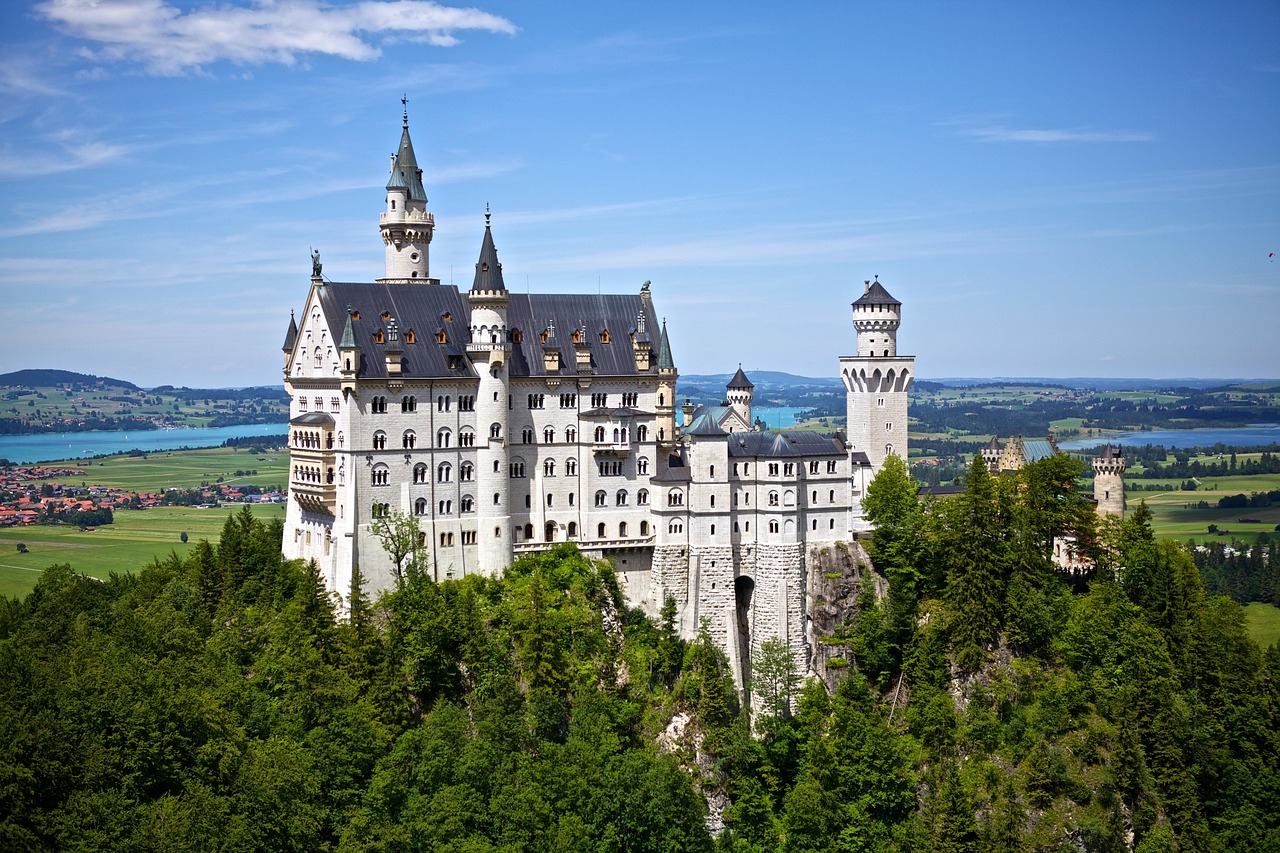
Why Visit Bavaria in 2026–2027
Bavaria is where Germany leans into every stereotype you secretly hope is true: fairy-tale castles on cliffs, timbered villages wrapped around onion-domed churches, beer gardens under chestnut trees, and mountains that turn rose-gold at sunset. But spend more than a weekend here and something subtler appears: a region that is deeply modern, quietly wealthy, and surprisingly progressive, holding tight to traditions without turning itself into a theme park.
I’ve been coming to Bavaria since my early twenties, and I still find excuses to return almost every year. I’ve watched snowstorms swallow the Zugspitze in April, biked through the hop fields of the Hallertau in late summer, and stood in a silent Franconian vineyard in October as mist rolled over the Main River. Bavaria is big, varied, and best savoured slowly — the perfect canvas for a 4, 5, 6 or 7 day itinerary that blends iconic sights with lived-in local life.
In 2026, Bavaria feels especially alive: Munich is polishing itself for the continued post-Euro 2024 tourism boom, Franconia’s wine estates are leaning hard into sustainable oenotourism, and the Alps are investing heavily in year-round hiking and biking infrastructure. New museum exhibitions, revitalised riverfronts, and updated rail links make it easier than ever to stitch together a multi-town trip without losing days in transit.
If you’re asking whether Bavaria is worth dedicating your precious European days: yes. Whether you have 4 days in Bavaria or a full week, you can craft an itinerary that feels dense with experiences yet oddly unhurried — provided you know where to go, when to slow down, and how to move between its mountain valleys, baroque cities, and quiet lake shores.
Table of Contents
- Why Visit Bavaria
- Bavaria at a Glance
- Suggested Itineraries (4–7 Days in Bavaria)
- Key Regions, Towns & Landscapes (18 Detailed Profiles)
- Regional Cuisine & Where to Taste It
- Evenings in Bavaria
- Major Events & Festivals 2026–2027
- Extra Day Trips & Nearby Attractions
- Cultural Etiquette & Local Customs
- Practical Travel Advice for Bavaria
- Summary & Final Recommendations
Bavaria at a Glance
Bavaria (Bayern) is Germany’s largest state, stretching from the Franconian wine country in the north down to the jagged Alpine border with Austria in the south. It’s not one homogenous region but a patchwork of distinct cultural zones: beer-loving Upper Bavaria, wine-focused Franconia, forested Upper Palatinate, the Allgäu’s dairy country, and the lakes and foothills lining the Alps.
What ties them together is a certain self-confidence and a pronounced sense of “Mia san mia” — “we are who we are.” Bavarians are proud, pragmatic, and more relaxed than their northern cousins. They dress up for festivals, ski hard, hike even harder, and take food seriously. Beneath the dirndls and lederhosen is an advanced economy, world-class infrastructure, and some of Europe’s most efficient public transport.
From a traveler’s perspective, Bavaria is forgiving. Trains are frequent, roads are excellent, English is widely spoken, and even small-town guesthouses are used to international visitors. The challenge isn’t logistics — it’s choosing how to spend your limited days among so many options.
Suggested Itineraries: 4–7 Days in Bavaria
These sample itineraries are built from my own repeat trips between 2019 and 2025, updated for 2026 infrastructure and openings. Treat them as flexible frameworks: swap in or out towns that speak to you, but keep the overall rhythm — one “big” day, one slower, one focused on landscape, one on lived-in city life.
4 Day Itinerary for Bavaria: Icons & Easy Alps
This 4 day itinerary for Bavaria is ideal for first-timers who want the must-see attractions without burning out: Munich, Neuschwanstein, and a taste of the Bavarian Alps around Garmisch-Partenkirchen. I’ve road-tested this route with friends and family, from toddlers to grandparents; everyone left wanting more.
Day 1 – Munich: Grand Boulevards & Beer Gardens
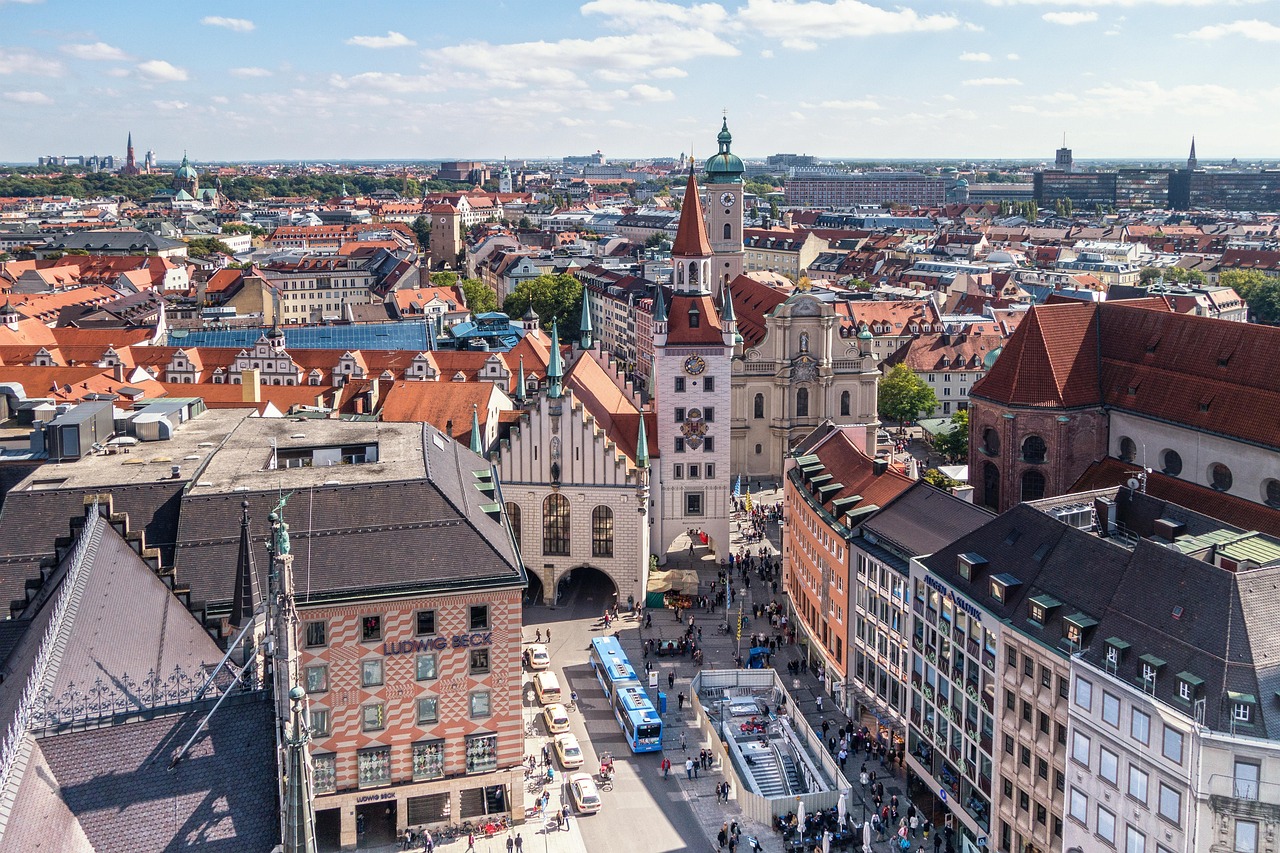
I still remember stepping into Munich’s Marienplatz on a bright May morning: the Glockenspiel chiming, café tables spilling onto cobbles, and cyclists threading through it all as if it were a private living room. For 4 days in Bavaria, Munich is the natural starting point — efficient airport, dense historic core, and enough culture to justify a longer stay if you have time.
Arrive, drop your bags (if you’re near the Hauptbahnhof, many hotels will store luggage early), and walk straight into the Altstadt. I usually start at Marienplatz, then loop past:
- Frauenkirche – the twin-domed symbol of Munich; climb the tower for orientation on clear days.
- Viktualienmarkt – Munich’s food market; my ritual is a late breakfast of Weisswurst, sweet mustard, and a Brezn (pretzel) around 11 a.m., when locals do the same.
- Residenz – the former royal palace of the Wittelsbachs; still one of the most underrated museum complexes in Europe.
In the afternoon, slow down in the Englischer Garten. I like to wander up from the Eisbachwelle — where surfers ride an improbable standing wave — then settle at the Chinesischer Turm beer garden. It’s family-friendly, shaded, and large enough that you’ll always find a table. If you’re jet-lagged, the combination of sunshine, a Helles beer, and roast chicken is a gentle reset.
Evening is for a classic beer hall (Augustiner-Keller, Donisl, or Hofbräuhaus if you don’t mind leaning into the cliché), or a more refined tavern like Andechser am Dom. I often end my first night wandering back through Marienplatz after dark, when the crowds thin and the neo-gothic façade of the Neues Rathaus glows amber.
Family-friendly? Very. The park, markets, and even beer gardens welcome children. Romantic? An evening stroll along the Isar, especially near the Reichenbachbrücke, is quietly lovely.
Day 2 – Neuschwanstein & Füssen: Fairy-Tale Bavaria
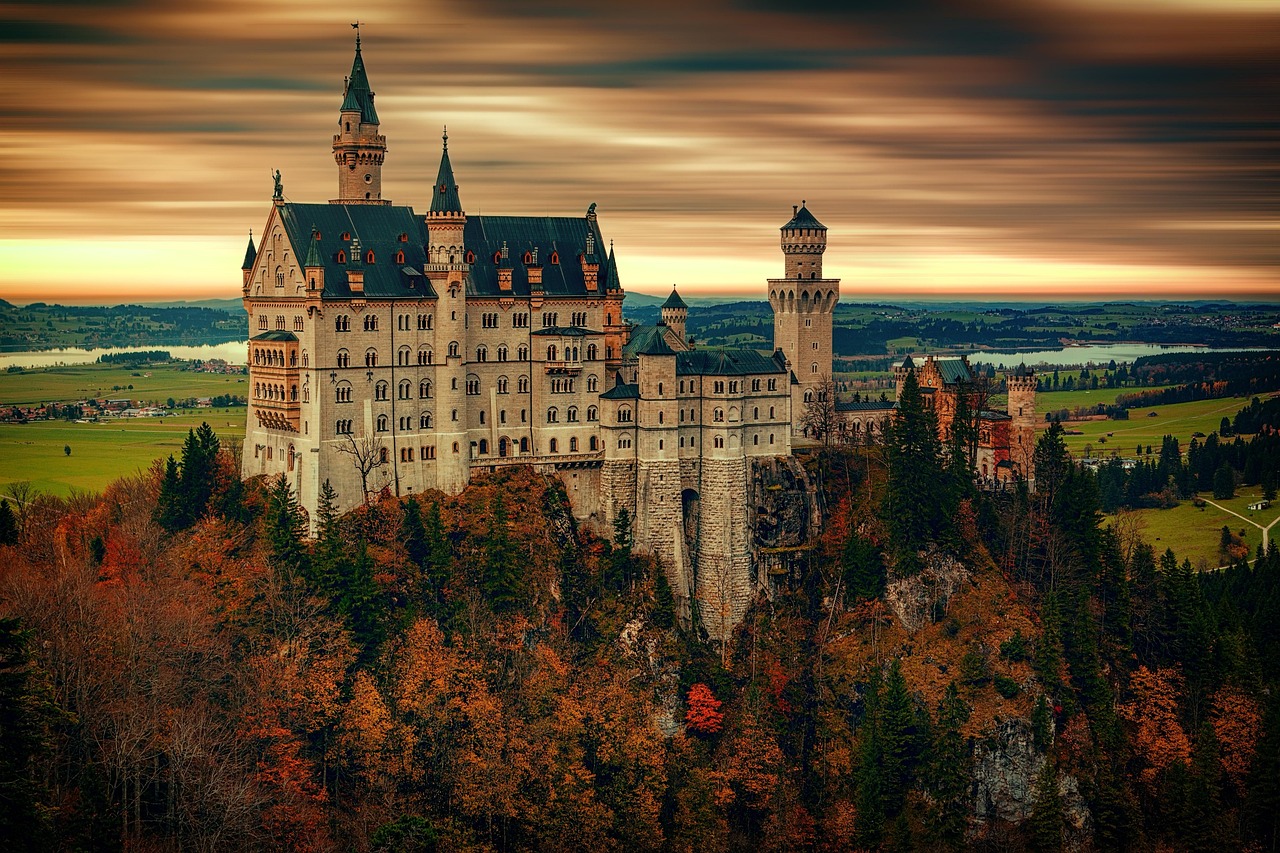
Neuschwanstein is the castle you’ve seen a hundred times in photos, and yes, in person it is that dramatic. I’ve visited in snow, spring blossom, and blazing autumn; each time the approach up through the forested slope still gives me a small jolt of wonder.
From Munich, catch an early train (around 2 hours via Füssen) or pick up a rental car. If you’re driving, I like to detour slightly through small villages south of Landsberg am Lech, where onion-domed churches rise above fields of bright yellow rapeseed in spring.
In Hohenschwangau, pick up your timed ticket (book well in advance, especially in 2026’s peak season). The official interior tour is efficient rather than magical; the real joy is the walk up and the viewpoints:
- Marienbrücke – the classic bridge shot; go early or late to avoid tour bus crushes.
- The small forest paths beyond the bridge – follow the signed trails a little further uphill; I once had a mid-October sunset up here almost to myself.
Pair Neuschwanstein with the older, warmer-feeling Hohenschwangau Castle, then drift down into Füssen. The town’s pastel buildings and riverfront make a good late lunch stop; I usually tuck into Käsespätzle and a Radler at a local Gasthof before the drive or train back to Munich.
Tip: With only 4 days in Bavaria, keep this day focused. Skip side-excursions to Linderhof unless you’re very efficient. Wear good shoes; the walk up can be steeper than photos suggest.
Day 3 – Garmisch-Partenkirchen & Zugspitze: Alpine Drama
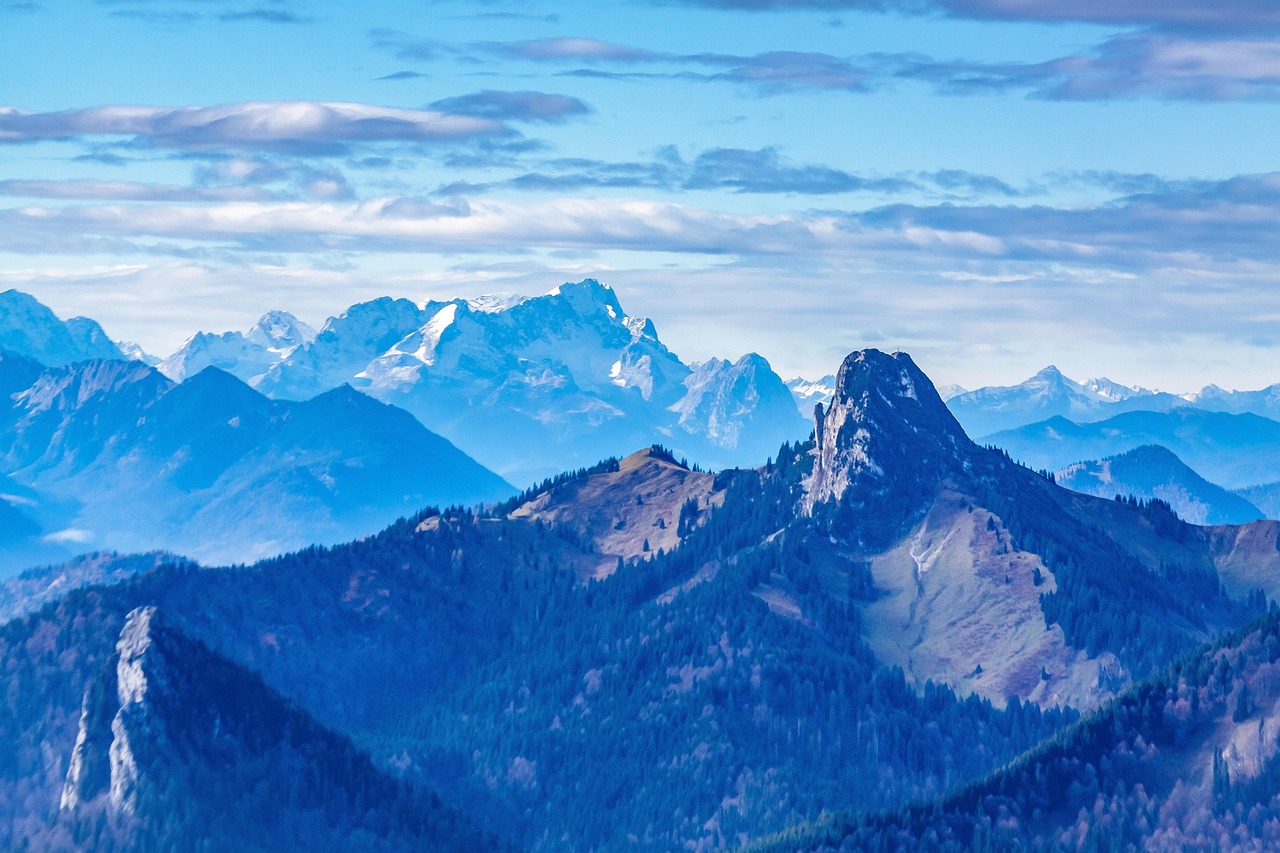
By day three, I itch for real mountains. Garmisch-Partenkirchen, about 1.5 hours from Munich by train, is the most accessible base for high Alpine scenery. I’ve woken here to church bells and cowbells echoing off peaks; there’s something deeply soothing about its setting.
Two classic options:
- Zugspitze – Germany’s highest peak. The 2017 cable car is smooth and quick; on clear days you can see deep into Austria. In 2026, timed ticketing apps make it easier to avoid queues.
- Partnachklamm – a narrow gorge hike, dramatic with snowmelt or after rain; my favourite with older kids or anyone who loves a bit of adventure without major exertion.
I usually split the day: morning up the Zugspitze for coffee and views, afternoon in the Partnachklamm, then a wander through the old Partenkirchen district, with its Lüftlmalerei (painted façades) and woodcarver shops. Dinner at a rustic Stüberl — venison in autumn, light trout dishes in summer — feels like the right punctuation.
Romantic? Hugely. Watch the late light on the Alps from a balcony guesthouse. Adventurous? In summer, consider renting e-bikes and following valley trails to small lakes like Geroldsee.
Day 4 – Munich Museums & Local Neighbourhoods
For the final day of this 4 day itinerary for Bavaria, slow down and deepen your relationship with Munich. I often devote it to a mix of museum time and neighbourhood wandering.
In the morning, choose one major museum cluster:
- Pinakotheken (Alte, Neue, Moderne) – for art lovers; the Neue Pinakothek’s renovation continues into 2026, but key works are displayed in the Alte and Schack collections.
- Deutsches Museum – a temple of science and technology; endlessly engaging for curious kids and adults.
Afternoon is for local quarters: Glockenbachviertel and Gärtnerplatz for stylish cafés and indie boutiques, or Haidhausen with its quiet squares and the riverfront. I like to end near the Isar, watching locals picnic and swim in summer or stroll under bare trees in winter.
By now you’ll have tasted enough of Bavaria to decide whether, next time, you want to go deeper into the Alps, the lakes, or north to the wine country. If you have 5 or more days in Bavaria, keep reading.
5 Day Itinerary for Bavaria: Castles, Lakes & a Second Base
With 5 days in Bavaria, add a second base and slow the pace. My favourite 5 day itinerary for Bavaria pairs Munich with either the lakes around Chiemsee or the Franconian city of Nuremberg, depending on whether you lean more toward nature or history.
Days 1–3 mirror the Munich–Neuschwanstein–Garmisch pattern above. For days 4 and 5, choose one of these extensions:
Option A – Lakeside Chiemsee Base (Nature & Relaxation)
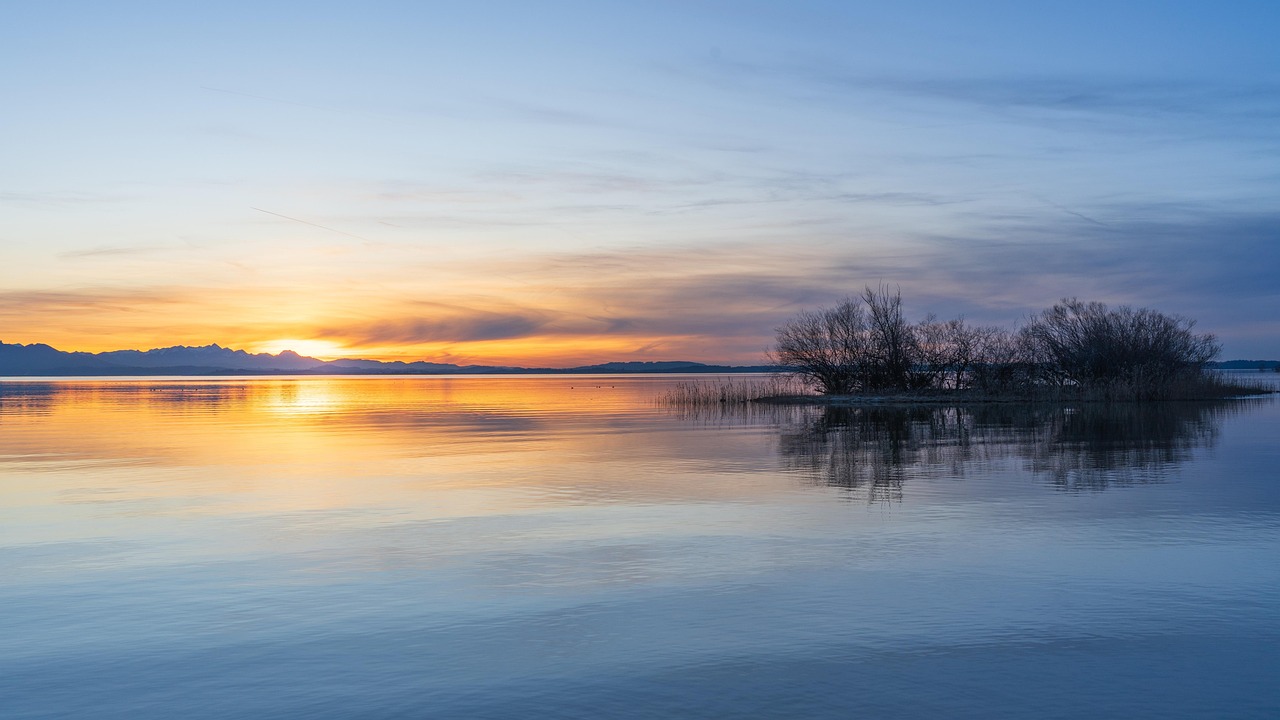
Head east from Munich to Prien am Chiemsee (about 1 hour by train). This is where Bavaria exhales: wide lake horizons, sailboats, and the Alps hazy in the distance.
On my last spring visit, I took the small ferry to Herreninsel to wander through Herrenchiemsee, King Ludwig II’s Versailles-inspired palace. Even if you’re a little “castled-out,” the combination of formal gardens and lake views is irresistible. Later, I rented a bike and circled parts of the shoreline, detouring into tiny villages with onion-domed churches and family-run Gasthöfe.
Day 5 can be pure relaxation — a lakeside spa, a hike up nearby Kampenwand for huge views, or a lazy day on the water. For families, shallow lake beaches and playgrounds make this an easy win. For couples, sunset at a lakeside café with a glass of local beer or Franconian wine is low-key romantic.
Option B – Nuremberg & Franconian Flavour (History & Food)
Alternatively, take the high-speed ICE (about 1 hour) to Nuremberg (Nürnberg). The city’s medieval core and heavy 20th-century history make it one of Bavaria’s most complex destinations — and one of the most rewarding.
I like to spend the first afternoon simply exploring the Altstadt: the castle, the half-timbered houses of the Tiergärtnerplatz area, the river island. Dinner is inevitably a plate of Nürnberger Bratwürste — tiny, smoky sausages — at a place like Bratwurst Röslein, washed down with a local Rotbier.
Day 5 is for the Documentation Center Nazi Party Rally Grounds, one of Germany’s most important interpretive sites about the Nazi era. It’s sobering, and I always leave quieter than I arrived, but it’s essential context. Balance the afternoon with something lighter: a stroll through the Hesperidengärten (formal baroque gardens) or a visit to a small craft brewery. In 2026, Nuremberg’s craft beer scene is finally beginning to rival its traditional taverns.
This 5 day itinerary for Bavaria gives you both the classic “Alpine postcard” and a deeper look at the region’s history and everyday rhythms.
6 Day Itinerary for Bavaria: Munich, Alps & Franconian Wine
With 6 days in Bavaria, you can comfortably add Franconia, the wine-growing north that feels like a different state entirely — softer accent, more wine than beer, and a slower, village-centric pace of life. This is my favourite way to structure 6 days in Bavaria when I’m introducing the region to friends who love both landscapes and gastronomy.
Use days 1–3 as in the 4 day itinerary (Munich, Neuschwanstein, Garmisch). On day 4, head north by train or car to Würzburg or Bamberg and spend days 4–6 in Franconia.
On my most recent 6 day route, I based in Würzburg for two nights, using it as a springboard to the Romantic Road town of Rothenburg ob der Tauber and the vineyards of the Maindreieck. Mornings were for baroque palaces and fortress views; afternoons for wine terraces and river walks. Evenings, we lingered in wine taverns (Heckenwirtschaften) where the owner poured his own Silvaner into bulbous Bocksbeutel bottles and the menu was handwritten on a chalkboard.
This split — three days “blue and white” Bavaria (mountains, lakes, beer) and three days Franconian (vineyards, wine, softer contours) — is one of the most satisfying 6 day itineraries for Bavaria I know.
7 Day Itinerary for Bavaria: A Week of Castles, Cities & Countryside
A full week — 7 days in Bavaria — lets you breathe. You can keep Munich as your anchor, dip into the Alps, and still give Franconia or the lakes proper time. This is the itinerary I now recommend most often, and a version of it is how I spent a particularly golden October in 2025.
Think of it as three acts: Munich (urban & culture), Alps (drama & nature), and Franconia (wine & slow towns). Here’s a succinct outline before we dive into detailed regional profiles:
- Day 1: Munich orientation – Old Town, Viktualienmarkt, Englischer Garten.
- Day 2: Munich museums & neighbourhoods.
- Day 3: Neuschwanstein & Füssen (from Munich or on the way to Garmisch).
- Day 4: Garmisch-Partenkirchen – Zugspitze or Partnachklamm; overnight in Garmisch.
- Day 5: Travel north to Würzburg or Bamberg; evening in a Franconian wine tavern or beer cellar.
- Day 6: Day trip to Rothenburg ob der Tauber or Franconian Switzerland nature area.
- Day 7: Würzburg/Bamberg morning, then return to Munich or continue onward by train.
This 7 day itinerary for Bavaria can be adapted easily for families (swap in more lakes and playgrounds) or for couples (add spa evenings and winery visits). In the next section, we’ll zoom into at least 18 key towns and landscapes so you can tailor your own route.
Key Towns, Sub-Regions & Landscapes in Bavaria (18 In-Depth Profiles)
Over the years I’ve stayed in more than 40 different Bavarian towns, from major hubs to villages that don’t appear in English guidebooks. Below are 18 of the most important and rewarding bases, day-trip targets, and landscapes, with history, character, and personal tips from repeated visits.
1. Munich (München): Bavaria’s Confident Capital
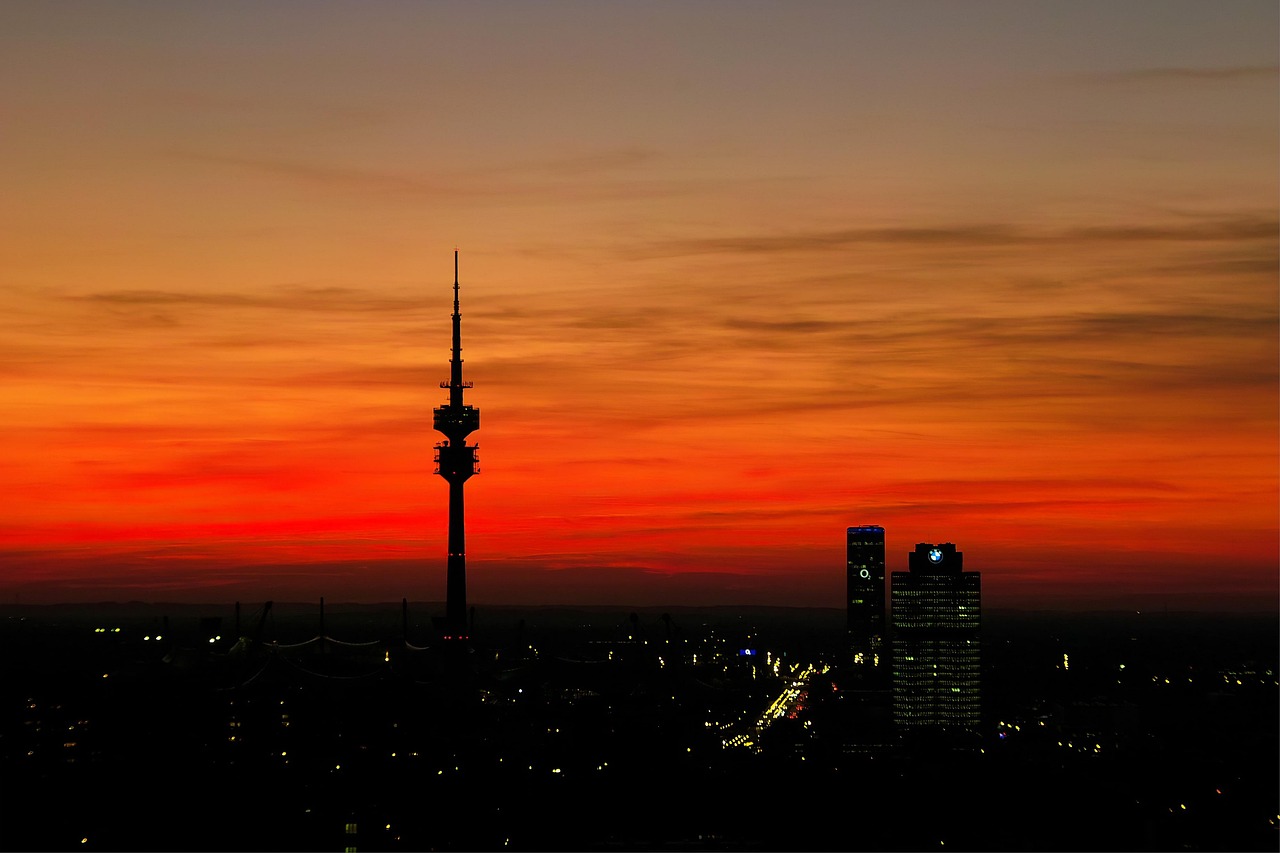
Munich is Bavaria’s beating heart and the obvious starting point for almost any travel guide for Bavaria. It’s wealthy without feeling stiff, traditional without being stuck, and large yet strangely liveable. Between 2022 and 2025, I spent several multi-week stints here, working remotely from cafés in Glockenbach and sneaking off on day trips whenever the Alps looked particularly tempting.
Founded in the 12th century by monks (“Mönche,” hence München), Munich grew rich as the seat of the Wittelsbach dynasty. Baroque churches and grand 19th-century boulevards reflect this past, while BMW headquarters, tech startups, and a booming media scene define its present.
What it’s known for: Beer gardens, art museums, Oktoberfest, the Englischer Garten, and as a gateway to the Alps.
Best base for: First-time visitors, 4–7 day itineraries, families who want city comforts plus easy day trips.
My favourite corners: The quiet backstreets of Lehel near the Isar; the Sunday flea market at Olympiapark; early mornings in Viktualienmarkt before tour groups arrive.
Practical tip: For 4 or 5 days in Bavaria with Munich as your hub, stay near a U-Bahn line rather than the central station; you’ll have quicker access to local neighbourhoods and a calmer base.
2. Nuremberg (Nürnberg): History in Layers
Nuremberg is the city that made me understand how Germany handles difficult history. Its medieval centre — lovingly reconstructed after WWII — feels storybook pretty: castle on a hill, half-timbered houses, market square. Yet woven into this fabric are the scars and lessons of the 20th century.
As an imperial city and later as a hub of the Nazi regime’s propaganda rallies, Nuremberg carries heavy symbolism. Today, it responds with some of the country’s best historical interpretation: the Documentation Center and the memorably sobering Courtroom 600 (Nuremberg Trials) exhibition.
What it’s known for: Medieval Altstadt, Christmas market (Christkindlesmarkt), sausages, gingerbread, and WWII history.
Best base for: History buffs, travellers continuing north to Berlin or west to Prague, those wanting a less touristy base than Munich.
Personal moment: One quiet November afternoon I climbed the castle just before closing time. Below, the city glowed orange, and a soft drizzle blurred the modern office blocks on the horizon. It was a reminder that cities are never just their postcards.
3. Würzburg: Baroque Splendour & Vineyards
Würzburg sits astride the Main River, wrapped in vineyards and dominated by the fortress Marienberg on its hill. I’ve based myself here several times for 2–4 nights, using it as a soft landing into Franconia.
History & character: Once the seat of prince-bishops, Würzburg showcases its wealth in the UNESCO-listed Residenz, a baroque palace with a staircase ceiling fresco so exuberant it almost feels Italian. The Allied bombing of 1945 destroyed much of the city; the reconstruction has been thoughtful, with reconstructed façades and modern infill coexisting.
What it’s known for: Franconian wine (particularly Silvaner), the Residenz, and as the southern gateway to the Romantic Road.
Best base for: Wine lovers, slower itineraries (6–7 days in Bavaria), day trips to Rothenburg ob der Tauber.
Personal ritual: I like to grab a glass of local wine “to go” from the Alte Mainbrücke wine stand and join the informal sunset gathering on the bridge — students, couples, older locals, all watching the light fade over the fortress and vineyards.
4. Bamberg: Seven Hills & Smoky Beer
Bamberg is the town that most often surprises people. Built on seven hills, laced with canals, and crowned by a Romanesque cathedral, it feels like a northern cousin to Prague or Rome, yet with a distinctly Franconian soul.
History & flavour: Largely untouched by WWII bombing, Bamberg’s old town is a UNESCO World Heritage site. Its famous Rauchbier (smoked beer) is divisive — my first sip at Schlenkerla tasted like liquid bacon; now I find it oddly addictive, especially with a plate of Schäuferla (roast pork shoulder).
Best for: Beer pilgrims, atmospheric evenings, as a base for exploring Franconian Switzerland (Fränkische Schweiz) with its climbing crags and hiking trails.
Hidden gem: The small rose garden behind the Neue Residenz offers one of Bamberg’s loveliest views with far fewer people than the riverside hotspots.
5. Rothenburg ob der Tauber: Romantic Road Icon
Rothenburg ob der Tauber is almost too perfect: intact city walls, leaning half-timbered houses, and cobbled alleys that curve just enough to keep you wondering what’s around the next bend. Come midday in summer, it can feel overrun with day trippers; yet in the early morning or late evening, it reclaims its magic.
I’ve stayed overnight three times now, and each visit has reinforced a rule: never judge Rothenburg by its midday crowds. Walk the walls at dusk; join the Night Watchman tour; seek out backstreets away from Plönlein (the iconic, endlessly photographed corner). You’ll find quiet courtyards, hidden gardens, and locals going about their lives.
Best as: An overnight stop or full-day trip from Würzburg or Nuremberg, especially on a 6 or 7 day itinerary for Bavaria.
Tip: Try a Schneeball (a local pastry “snowball”) once for the novelty, then focus your calories on better regional bakes.
6. Garmisch-Partenkirchen: Gateway to the Zugspitze
Garmisch-Partenkirchen is technically two older towns fused in 1935, each with its own character: “Garmisch” is a bit more modern and commercial; “Partenkirchen” has the traditional painted houses and village atmosphere. Both sit beneath a wall of limestone peaks that define southern Bavaria’s skyline.
I’ve come here in all seasons: skiing in February, hiking in June, leaf-peeping in October. The rhythm is always the same: mornings on the trails or slopes, afternoons lingering in cafés or saunas, evenings strolling between Gasthöfe.
Known for: Zugspitze, Partnachklamm, skiing, family-friendly hikes, and as a jumping-off point to Mittenwald and the Austrian Tirol.
Best base for: 4–7 day trips focused on the Alps, especially if you prefer a real town over a resort village.
Local tip: Many guesthouses include a regional card that gives discounts or free local bus use; in peak summer 2026, parking at trailheads is increasingly regulated, so take advantage of public transport when you can.
7. Füssen & Schwangau: Lakes & Castles
Füssen often plays second fiddle to nearby Neuschwanstein, but the town itself is worth at least a few unhurried hours. Its old town climbs a small hill above the Lech River, with colourful buildings, a former Benedictine monastery, and views toward the Alpsee and Forggensee lakes.
Best for: A gentle base for those who want Neuschwanstein without rushing, lakeside walks, family-friendly bike rides, and spa hotels with castle views.
Personal favourite: An evening lakeside stroll at Hopfensee, where locals call the promenade the “Allgäu Riviera.” On a still summer evening in 2024, the lake reflected the mountains in such perfect symmetry that it looked almost artificial.
8. Berchtesgaden & Königssee: Alpine Cathedral
If one landscape has imprinted itself most deeply on my memory of Bavaria, it’s the emerald waters of Königssee, hemmed in by sheer cliffs and snow-streaked peaks. Berchtesgaden National Park, tucked into a southeastern corner near the Austrian border, feels more remote than it is.
Highlights: Boat trips on Königssee to St. Bartholomä, hikes up to Malerwinkel and the Jenner, and the stark, windswept plateau of the Kehlsteinhaus (Eagle’s Nest), whose 20th-century history still hangs heavy.
Best base for: Hikers, photographers, couples craving romantic alpine scenery, and anyone on a 6–7 day Bavaria itinerary who wants one “wow” landscape day.
Tip: Stay at least one night in or near Berchtesgaden rather than day-tripping from Munich; morning mist over Königssee is worth the extra logistics.
9. Chiemsee & Chiemgau: The Bavarian Sea
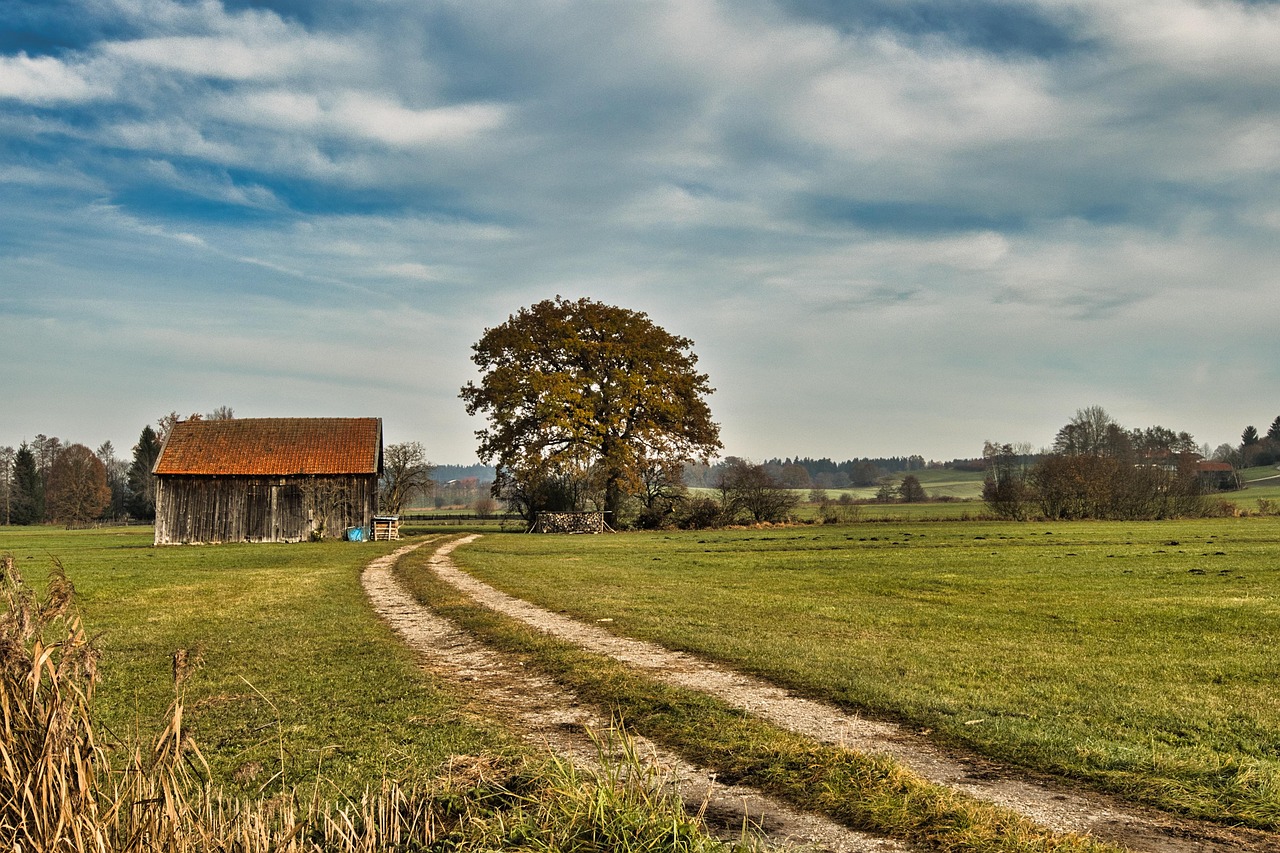
Locals call Chiemsee the “Bayerisches Meer” — Bavarian Sea. On a breezy summer afternoon, with sails dotting the horizon and the Alps faint in the distance, it’s easy to see why.
Beyond the lake itself, the Chiemgau region offers rolling farmland, small villages, and gentle hikes. It’s ideal if you want “Bavaria light” — pastoral rather than dramatic, with excellent cycling and lakeside lidos.
Best base for: Families, slower travellers, those looking for a restorative break in the middle of a longer European trip.
Hidden gem: The tiny island of Frauenchiemsee, with its monastery, gardens, and slower pace, feels worlds away from the main tourist circuits.
10. Allgäu: Dairy Country & Soft Alps
The Allgäu is where Bavaria softens: rolling green hills, contented cows, and mountains that rise more gently than the jagged Wetterstein range. Towns like Kempten, Oberstdorf, and Immenstadt make good bases for walking, cycling, and cheese-focused gastronomic adventures.
Known for: Emmental-style cheeses, family-friendly hiking, and in winter, cross-country skiing and smaller alpine ski areas.
Personal note: One September, I stayed at a family-run farmstay (Ferienhof) near Immenstadt. Mornings were for helping feed the cows with the farmer’s children; afternoons for hiking to panoramic huts where the only sound was cowbells and the occasional paraglider overhead.
11. Regensburg: Stone Bridge & Student Energy
Regensburg, on the Danube, is one of Bavaria’s best-preserved medieval cities and yet still feels very much alive, thanks to its large student population. Its UNESCO-listed old town is a maze of alleys, towers, and courtyards that reward aimless wandering.
Highlights: The 12th-century Steinerne Brücke (Stone Bridge), the Gothic cathedral, and riverside beer gardens that hum on summer evenings.
Best base for: A different flavour of Bavarian city life, Danube cruises, and as a stop between Munich and Prague or Vienna.
12. Passau: Three Rivers & Baroque Domes
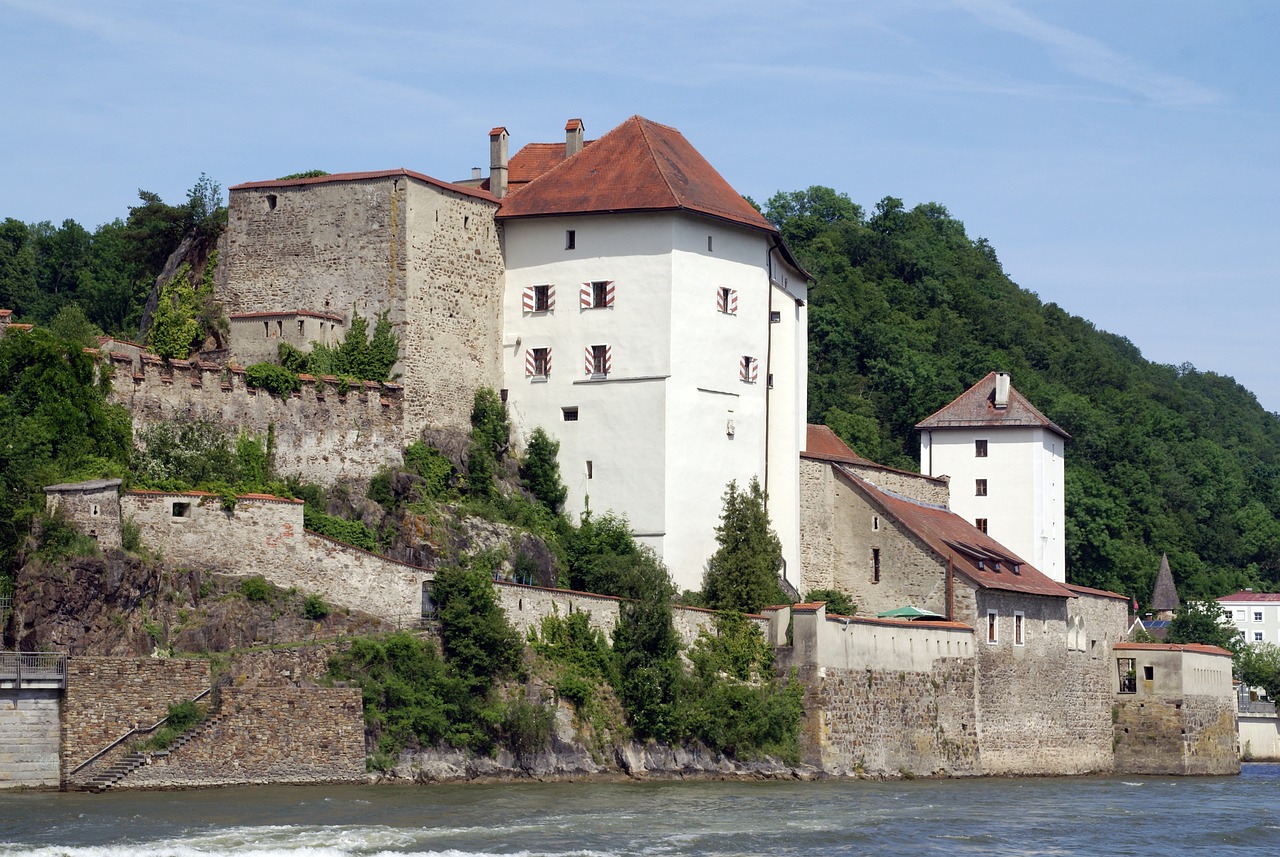
Where the Danube, Inn, and Ilz rivers meet, Passau sits on a promontory that has flooded regularly throughout its history — reminders are marked on building façades. Despite (or because of) this, it feels resilient and serene.
Known for: The baroque St. Stephen’s Cathedral with its famed organ, pastel riverfront houses, and as a starting point for Danube cycling routes.
Personal tip: Climb up to the Veste Oberhaus fortress for a sweeping view of the three rivers. I went up in a light drizzle one October; the mist made the confluence feel almost mythical.
13. Augsburg: Renaissance Wealth & Quiet Streets
Augsburg, founded by the Romans, became rich as a centre of trade and banking in the Renaissance. Today, it’s a workaday city with a beautiful historic core and fewer tourists than its charms warrant.
Must-see: The Fuggerei, the world’s oldest social housing complex still in use, founded in 1521 by the Fugger banking family. Walking its quiet lanes, I was struck by how early philanthropy shaped urban life here.
Best for: Those travelling the Romantic Road, or as a day trip from Munich if you’ve already seen the Alpine big-hitters.
14. Ingolstadt & the Danube Plain
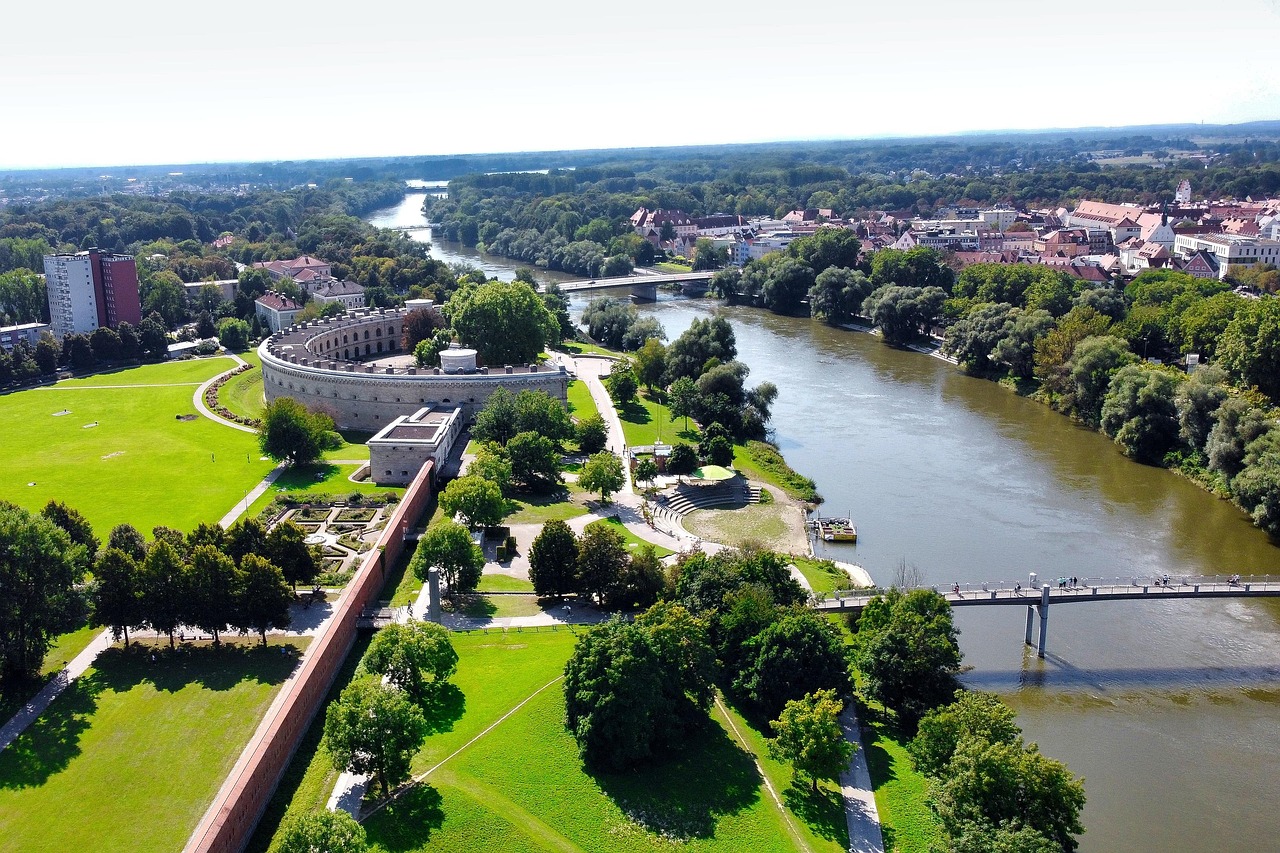
Ingolstadt is best known abroad for Audi, but its old town is handsome and historically rich, with fortifications, churches, and a student scene. It’s also a good jumping-off point for exploring the Danube plain and the hop-growing region of the Hallertau.
Best for: Travellers interested in Bavaria’s industrial side, or those connecting Munich and Nuremberg with a more offbeat stop.
Hidden gem: The hop fields of the Hallertau in late August, when tall green vines create corridors of scent. I biked through at harvest time once; the air smelled faintly of fresh beer.
15. Franconian Switzerland (Fränkische Schweiz): Cliffs, Castles & Beer Gardens
Despite the name, Franconian Switzerland is firmly German — a region of limestone outcrops, deep valleys, and some of the highest densities of breweries per capita in the world.
Landscape: Think pocket-sized canyons, hilltop castles, and villages with half a dozen breweries each. It’s a paradise for hikers, climbers, and beer aficionados.
Base towns: Ebermannstadt, Pottenstein, or Gößweinstein. I often base in Bamberg or Bayreuth and day-trip in by car.
Personal memory: After a sunny hike to the ruins of Neideck Castle, I ended up in a tiny village beer garden where the owner’s grandmother was still the one plating up sausages and potato salad. No English menu, just warm smiles and excellent, unfiltered Kellerbier.
16. Upper Palatinate & Forest Edges: Amberg & the Oberpfälzer Wald
The Upper Palatinate (Oberpfalz) is less visited than other parts of Bavaria, but it rewards those seeking quiet rivers, forest walks, and unpretentious small towns. Amberg, with its intact walls and ring of towers, is particularly atmospheric.
Best for: Experienced Bavaria travellers looking for new corners, or those driving between Prague and Munich who want a break from mainline routes.
17. Tegernsee & Bavarian Lakes Region
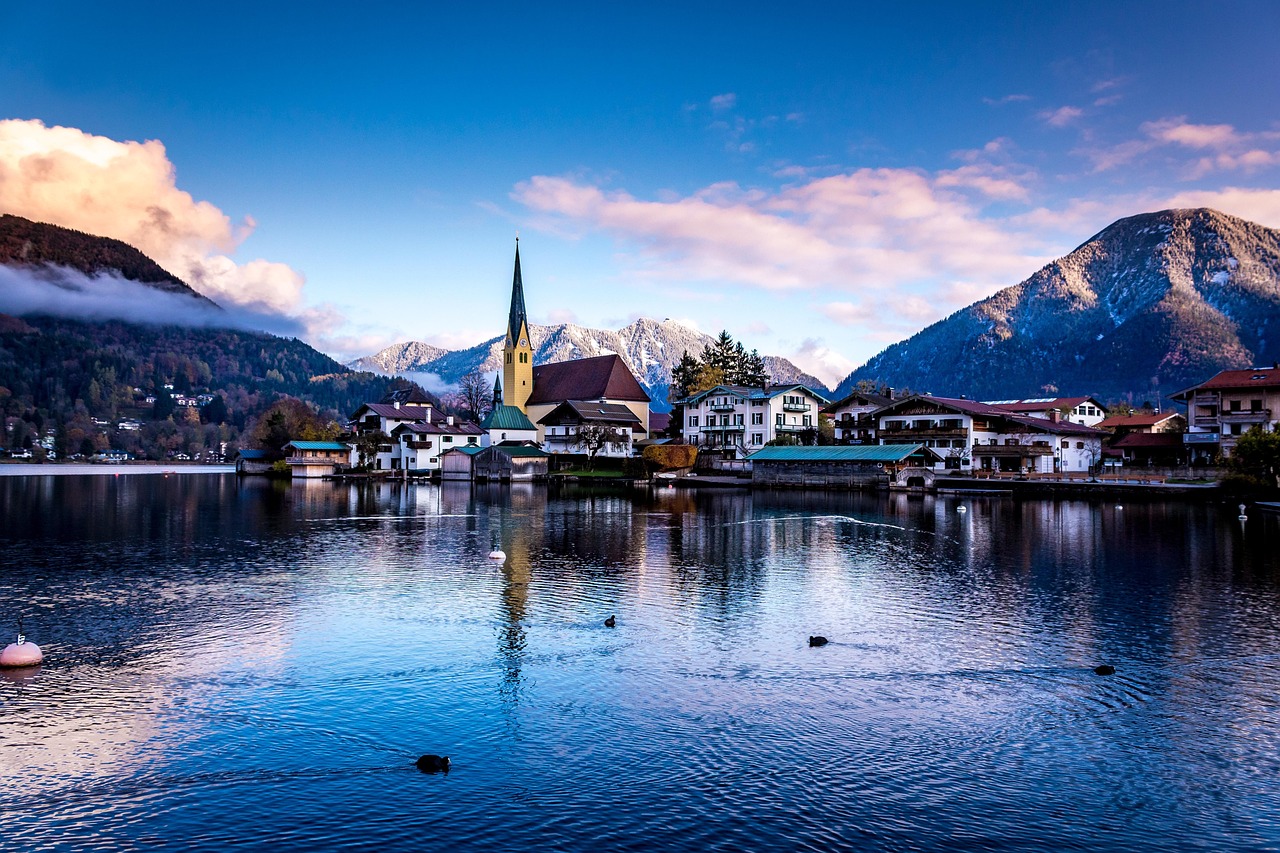
Lake Tegernsee, an hour from Munich, feels like the city’s elegant living room. Affluent villages ring the water; yachts bob alongside paddleboards; forested hills rise steeply behind.
Known for: Spa hotels, lakeside promenades, and excellent hiking up to peaks like Wallberg.
Romantic highlight: An evening at a lakeside restaurant with floor-to-ceiling windows; on my last August visit, a sudden storm swept across the lake mid-meal, then cleared to reveal a double rainbow over the opposite shore.
18. The Bavarian Alps Arc: From Mittenwald to Berchtesgaden
Finally, think of the Bavarian Alps as a continuous arch from Mittenwald in the west through Garmisch, the Ammergau, the Chiemgau Alps, and on to Berchtesgaden. Mittenwald, with its painted violin-maker houses, is one of my favourite small-town bases: less busy than Garmisch, more “storybook” than many ski-focused resorts.
Best for: Multi-stop road trips, serious hiking, and travellers who return to Bavaria primarily for its mountains.
Tip: For 6 or 7 days in Bavaria with an Alpine emphasis, consider two mountain bases — one western (Mittenwald or Garmisch) and one eastern (Berchtesgaden or Ruhpolding) — to cut backtracking.
Local Food in Bavaria: What to Eat & Where
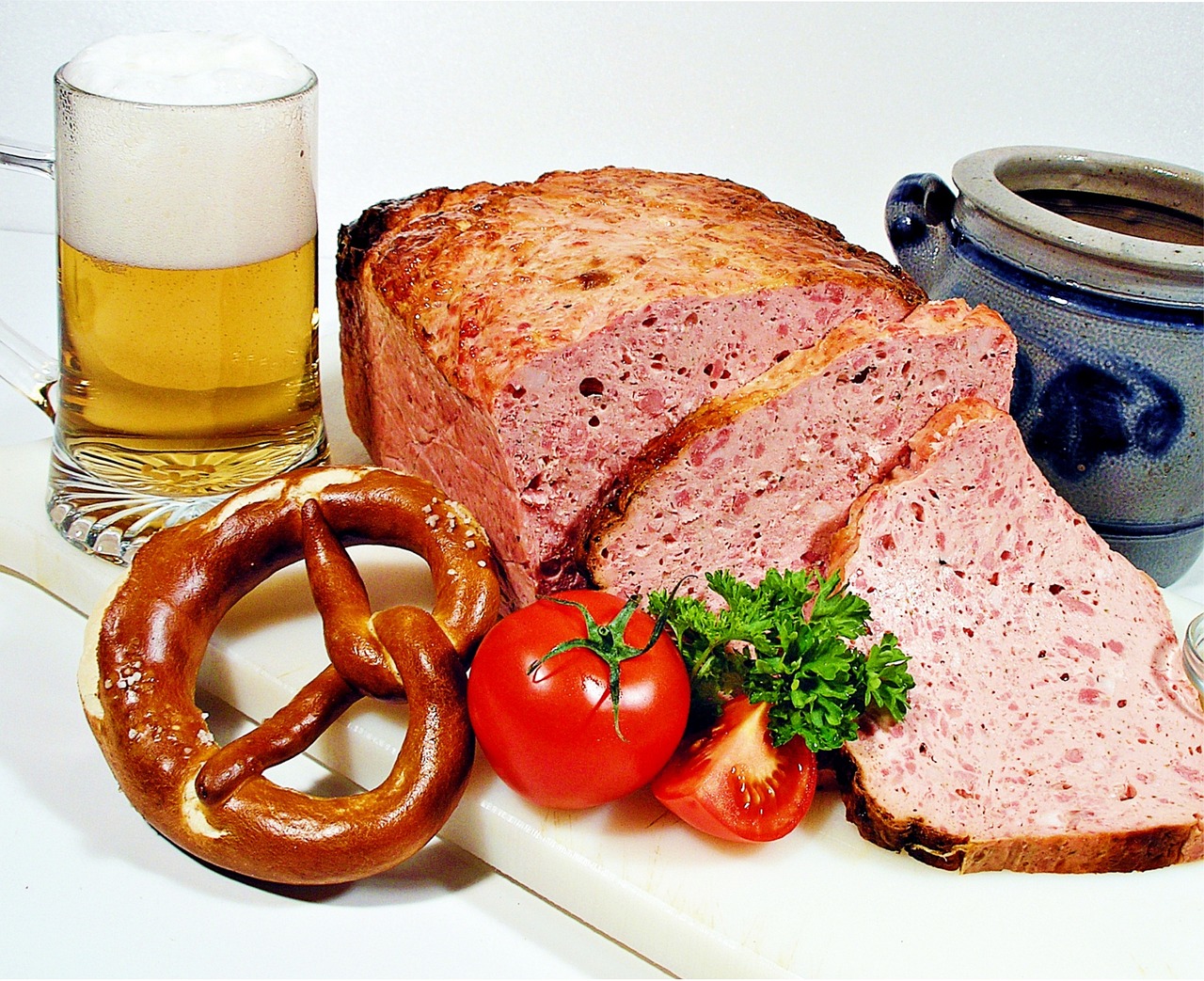
Bavarian cuisine is hearty, seasonal, and more varied than the clichés suggest. Yes, you’ll find sausages and pork knuckles — but also delicate river fish, fresh mountain cheeses, inventive vegetarian dishes, and refined pastry traditions.
Regional Signatures
- Upper Bavaria (Munich & Alps): Weisswurst with sweet mustard, roast chicken in beer gardens, Obazda (cheese spread), Kaiserschmarrn (shredded pancake dessert).
- Franconia: Bratwurst variations, Schäuferla (pork shoulder), carp in season, and above all Silvaner, Müller-Thurgau, and Spätburgunder wines.
- Allgäu: Käsespätzle (cheesy noodles), Bergkäse from mountain dairies, and buttermilk-based desserts.
- Danube & Passau region: River fish, dumplings (Knödel) in multiple forms, and Austrian-influenced pastries.
Where to Taste Authentic Bavarian Food
Agriturismi & Farm-Stays (Ferienhöfe): While “agriturismo” is an Italian term, Bavaria has its own version: farm-stays and mountain huts serving house-made cheese, butter, and cured meats. In the Allgäu and Chiemgau, I’ve had breakfasts where every element — butter, yoghurt, jam, bread — came from the farm or the next village.
Family-Run Trattorias & Inns (Gasthöfe): Look for words like “Wirtshaus,” “Gasthof,” or “Landgasthof.” These are where you’ll find grandmothers stirring the soup pot and menus that haven’t changed in decades. My rule: if the décor is a bit unfashionable and the parking lot is full of local cars, you’re in the right place.
Local Markets: Viktualienmarkt (Munich), Wochenmarkt in Würzburg and Bamberg, and seasonal farmers’ markets are ideal for picnic supplies and quick, budget-friendly lunches.
Personal Favourite Spots (as of 2026)
- Munich: A modest Wirtshaus in Haidhausen where the Schweinsbraten rivals any “famous” beer hall, and a tiny bakery near Gärtnerplatz that does a perfect Zwetschgendatschi (plum cake) in late summer.
- Würzburg: A Heckenwirtschaft on the hillside, open only a few weeks each year, where we ate onion tart and drank fresh Federweißer (new wine) as the sun set over the Main.
- Bamberg: Schlenkerla for the classic smoked beer experience, then a quieter, newer craft brewery a few blocks away when you’ve had your fill of Rauchbier.
Vegetarian & Vegan in Bavaria
In 2026, vegetarian and vegan travellers will find Bavaria far more accommodating than even five years ago. Most cities have dedicated vegetarian restaurants; alpine huts and Gasthöfe nearly always offer at least Käsespätzle, salads, and vegetable dumplings. In Munich, plant-based options are mainstream, especially in Glockenbach and Maxvorstadt.
Evenings in Bavaria: After-Dark Rhythms
Evenings in Bavaria aren’t about nightclubs (though Munich and Nuremberg certainly have them); they’re about soft-lit piazzas, riverfront promenades, and long, sociable sessions in beer gardens or wine taverns.
Small-Town Squares & Riverfronts
In Würzburg, evenings converge on the Alte Mainbrücke and the little squares behind it. In Bamberg, the riverfront near Klein-Venedig (Little Venice) glows with reflections. In Regensburg, locals fill riverside steps with take-away drinks.
Seasonal Celebrations
- Spring: Starkbierfeste (strong beer festivals) in Munich’s big beer halls.
- Summer: Open-air concerts in city parks, lakeside festivals around Chiemsee and Tegernsee.
- Autumn: Wine harvest festivals in Franconia; Oktoberfest and its many smaller, more local siblings.
- Winter: Christmas markets in virtually every town, with Nuremberg, Munich, Regensburg, and Rothenburg leading the pack.
Romantic & Family-Friendly Evenings
Romantic: Sunset viewpoint hikes (easy ones above Garmisch or Tegernsee), candlelit dinners in old town restaurants, late boat rides on lakes in summer.
Family-friendly: Early dinners in beer gardens with playgrounds (common in Bavaria), evening walks with gelato in university towns, nighttime castle wall strolls in Rothenburg (kids love the torches on the Night Watchman tour).
Major Events & Festivals in Bavaria (2026–2027)
Dates can shift slightly each year; always double-check close to your trip. But if you’re planning your 4–7 days in Bavaria around a festival, these are worth noting.
- Oktoberfest, Munich (late Sept–early Oct 2026 & 2027): The world’s largest beer festival. In 2026, expect continued emphasis on cashless payments and family-oriented daytime programming.
- Nuremberg Christkindlesmarkt (Advent 2026 & 2027): One of Germany’s most atmospheric Christmas markets.
- Salzburg Festival spillover (July–Aug 2026 & 2027): Not in Bavaria but close enough that Berchtesgaden and southeast Bavaria see a cultural and tourism bump.
- Franconian Wine Festivals (May–Oct 2026 & 2027): Würzburg’s Weindorf & Kiliani, smaller village fests along the Main; in 2026 there’s a push toward sustainable practices and local food pairings.
- Bavarian Alps Mountain Festivals: Almabtrieb (cattle drives) in September across the Allgäu and Chiemgau; these are colourful, musical, and very photogenic.
Extra Day Trips & Nearby Attractions
If you’re basing in one or two cities and want to add variety, these day trips round out a travel guide for Bavaria beautifully.
- From Munich: Salzburg (Austria), Nuremberg, Regensburg, Chiemsee, Tegernsee, Andechs Monastery (beer + pilgrimage site).
- From Nuremberg: Bamberg, Rothenburg ob der Tauber, Franconian Switzerland.
- From Würzburg: Rothenburg, Ochsenfurt & Sommerhausen wine villages, the Spessart forest.
- From Garmisch-Partenkirchen: Mittenwald, Innsbruck (Austria), Ettal Abbey & Linderhof Palace.
Practical tip: For many of these, Deutsche Bahn’s regional day tickets (Bayern-Ticket) remain excellent value in 2026, especially for couples or families travelling together off-peak.
Cultural Etiquette & Local Customs in Bavaria
Bavarians are generally warm once you’ve broken the initial formality. A few cultural notes make interactions smoother and deepen your experience of local customs in Bavaria.
Greetings & Politeness
Use “Guten Tag” or the regional “Grüß Gott” when entering shops, restaurants, or shared spaces like train compartments. A simple “Danke” (thank you) and “Bitte” (please/you’re welcome) go a long way.
Beer Garden Etiquette
- Self-service areas are common; look for signs (“Selbstbedienung”).
- It’s acceptable to share tables with strangers; ask politely if the seats are free.
- In traditional settings, clinking glasses is customary; look people in the eye when you say “Prost.”
Quiet & Order
On public transport, noise is kept relatively low; phone calls are brief and subdued. In hotels and guesthouses, noise after 10 p.m. is frowned upon, especially in small villages.
Cash & Tipping
Card payments are widely accepted in 2026, but small cafés and rural Gasthöfe may still prefer cash. Tipping around 5–10% in restaurants (rounding up in bars and cafés) is standard; hand the tip directly to the server rather than leaving it on the table.
Practical Travel Advice for Bavaria (2026 Edition)
This section gathers the nuts-and-bolts travel tips for Bavaria that I’ve learned from a decade of trips, from transport and SIM cards to seasons and money-saving tricks.
Getting Around: Car vs Train vs Bus
Trains: For most 4–7 day itineraries in Bavaria, trains suffice. Munich, Nuremberg, Würzburg, Bamberg, Regensburg, Passau, and even Garmisch-Partenkirchen are well-connected. Use high-speed ICE for longer hops and regional trains for shorter routes.
Car: A car is helpful — though not essential — for Allgäu villages, Franconian Switzerland, remote lakes, and smaller Alpine valleys. Distances between key towns are moderate: Munich–Garmisch (~1.5 hours), Munich–Nuremberg (~1–1.5 hours), Munich–Würzburg (~2 hours), Würzburg–Bamberg (~1.5 hours).
Bus: Regional buses fill gaps, especially around lakes and in mountain regions. In 2026, integrated ticketing apps make it easier to plan bus–train combinations.
Car Rental, Parking & Driving Licences
Car rental: Easiest in Munich and Nuremberg (airport or city). One-way rentals within Germany are usually affordable; cross-border drop-offs cost more.
Parking: Historic centres often have restricted zones. Use signed parking garages on the periphery and walk in. In small towns, look for blue “P” signs and pay-and-display machines.
Licences: Most foreign driving licences (including from the EU, UK, US, Canada, Australia, and many others) are accepted for tourist stays. An International Driving Permit can help if your licence is not in Latin script.
SIM Cards & Connectivity
By 2026, eSIMs are common; you can purchase data packages online before arrival. Physical SIMs from providers like Telekom, Vodafone, and O2 are available at airports, train stations, and supermarkets. Coverage is excellent in cities and good in most rural areas, with occasional dead spots in deep valleys.
Money-Saving Tips for a Multi-Day Trip
- Use regional day tickets (Bayern-Ticket) for groups on trains and buses.
- Stay in Ferienwohnungen (holiday apartments) for longer stays; cooking some meals at home saves significantly.
- Take advantage of lunch menus (Mittagstisch) in restaurants; same dishes, lower prices than dinner.
- Pick one or two major paid attractions per day; many churches, parks, and viewpoints are free.
Visa Requirements
Bavaria is part of Germany and the Schengen Area. Many nationalities (including EU, UK, US, Canada, Australia, New Zealand, Japan, and others) can enter visa-free for short stays (up to 90 days in 180). Always check current requirements and the rollout status of the EU’s ETIAS system for 2026, as registration may become mandatory for some visa-exempt travellers.
Best Seasons & What They’re Good For
- Spring (April–June): Wildflowers in the Alps, milder temperatures, fewer crowds. Great for 4 or 5 day itineraries focusing on cities plus first hikes.
- Summer (July–Aug): Peak season. Warm lake swimming, alpine hiking, festivals. Book early for popular towns; afternoon storms are common in the mountains.
- Autumn (Sept–Oct): Wine harvest in Franconia, fall colours, clear mountain air, Oktoberfest. My personal favourite time for 6 or 7 days in Bavaria.
- Winter (Nov–March): Christmas markets, skiing, cosy evenings. Short daylight hours in December; crisp, bright days more common in January–February.
Hidden Tips from the Road
- Start your days early: You’ll share Neuschwanstein, Königssee, and Rothenburg with far fewer people before 10 a.m.
- Mix famous & forgotten: Pair one “must-see” attraction each day with a lesser-known village, valley, or market to avoid burnout.
- Stay at least twice: For 6 or 7 days in Bavaria, use two or three bases (e.g., Munich + Garmisch + Würzburg) to reduce packing/unpacking.
- Ask for local wines & beers: Even small places take pride in regional producers; you’ll discover labels you won’t find at home.
Summary: Key Takeaways & Final Recommendations
Bavaria is not a single destination but a mosaic: Munich’s boulevards, Franconia’s vineyards, the Allgäu’s meadows, the Bavarian Forest’s quiet, the Alps’ drama, and hundreds of towns whose names you’ll forget but whose bakery smells you’ll remember.
If you have 4 days in Bavaria, anchor in Munich and taste the Alps. With 5 days, add either lakes or Franconia. In 6 days, combine mountains, a major city, and wine country. With a full 7 day itinerary for Bavaria, you can genuinely start to feel the region’s rhythms: morning church bells, midday markets, long summer evenings by the water or winter nights around a tavern table.
The best seasons overall are late spring (May–June) and early autumn (September–early October), when weather is kind, crowds manageable, and regional produce at its peak. Winter has its magic in the markets and mountains; high summer offers lakes and festivals if you don’t mind more company.
Ultimately, Bavaria rewards curiosity more than checklists. Use this travel guide for Bavaria as scaffolding, then leave space to follow a side street because you heard music, to stop at a village bakery because it smells right, or to sit a little longer in a beer garden because the daylight refuses to end. Those unscripted pauses are where Bavaria, in all its layered, stubborn, quietly proud self, reveals itself.