Why Visit Bavarian Forest National Park?
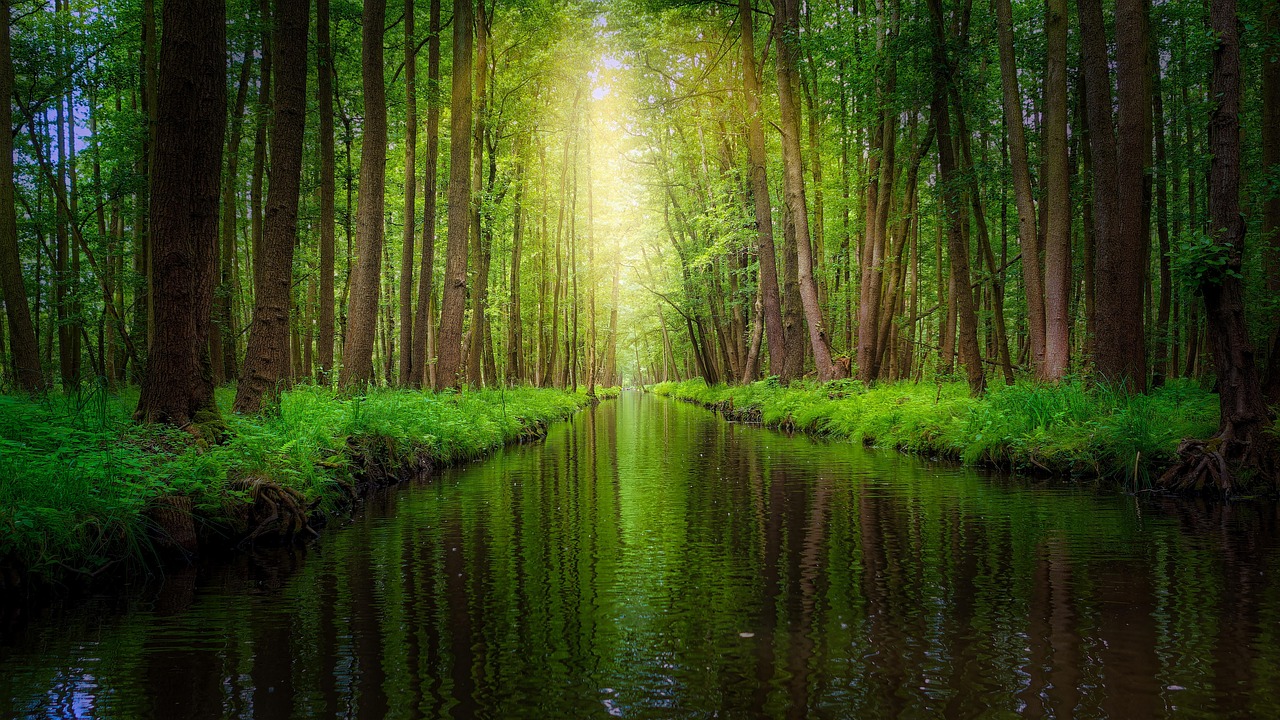
“Let nature be nature” – Die Natur Natur sein lassen – has been the motto of Bavarian Forest National Park since it was founded in 1970 as Germany’s first national park. It’s more than a marketing slogan. It’s a quiet revolution: dead trees are left standing, storms are allowed to reshape the forest, and bark beetles are not enemies but engineers of a wild, evolving landscape.
What this means for you as a traveler in 2026 is simple: this is one of the few places in Central Europe where you can walk for hours under a canopy that feels genuinely ancient, then suddenly emerge at a glassy mountain lake or a high moor that looks almost Scandinavian. You’ll share trails with families pushing strollers, ultra-runners chasing summits, retirees in sturdy hiking boots, and occasionally, the soft imprint of a lynx or the distant call of a capercaillie.
Unlike the crowded Alpine hotspots, the Bavarian Forest is subtle rather than showy. Its drama is in the details: moss glowing electric green after a summer storm; the mirror-calm surface of Rachelsee at sunrise; the metallic clink of glassblowers at work in nearby Zwiesel and Bodenmais; the smoky spice of a perfectly done Schweinsbraten in a village Gasthof after a long day on the trail.
It’s also remarkably practical for travelers. Gateway towns are compact and friendly, buses and the Waldbahn trains are integrated with the park (and often free with guest cards), and the park’s network of information centers, easy trails, and wildlife enclosures make it one of the best destinations in Germany for a 3, 4, or 5 day itinerary with kids, couples, or solo exploration.
Whether you’re piecing together a 3 day itinerary for Bavarian Forest National Park or stretching it to a 5 days in Bavarian Forest National Park deep dive, this guide is meant to feel like having a seasoned local friend along for the ride – the one who knows which viewpoint is overhyped, which bakery sells out by 10 a.m., and when to leave the car behind and trust the forest bus network.
Table of Contents
- Why Visit Bavarian Forest National Park?
- Overview of the Park & Gateway Towns
- Key Zones, Scenic Drives & Trail Systems
- 15 Essential Trails, Viewpoints & Zones (In-Depth)
- 3–5 Day Itineraries (With Personal Stories)
- Where to Eat & Drink – Local Food in and around Bavarian Forest National Park
- Where to Stay & How to Get Around
- After-Dark & Quiet Experiences
- Day Trips & Nearby Attractions
- Cultural Experiences, Local Customs & Etiquette
- Events & What’s New in 2026–2027
- Practical Travel Advice & Park Logistics
- Hidden Tips for Travelers
- Summary & Final Recommendations
Overview of Bavarian Forest National Park & Gateway Towns
Bavarian Forest National Park stretches along Germany’s border with Czechia, where it merges nearly seamlessly with Šumava National Park to form one of Europe’s largest protected forested areas. The German side alone covers more than 240 square kilometers of mixed spruce, beech, and fir forest, peat bogs, rocky summits, and quiet lakes.
There are two main park sections, each with its own personality:
- Falkenstein–Riedlhütte area (Northwest): Wilder, with longer hikes, fewer facilities, and broad views from Großer Falkenstein and Großer Arber (just outside but functionally part of the same mountain world).
- Rachel–Lusen–Neuschönau area (Southeast): More developed, home to the famous Baumwipfelpfad (tree-top walkway), Tierfreigelände (wildlife enclosures), and the glassmaking and mountain towns of Spiegelau, Neuschönau, and Grafenau.
Most visitors base themselves in one of a handful of gateway towns, all well-connected by regional trains and buses, many offering the Guti or Nationalpark-Card for free public transport and discounts:
- Zwiesel: Glassmaking heritage, good train connections, and a solid mix of guesthouses and restaurants.
- Spiegelau: Maybe the best all-round base for the Rachel–Lusen area; small, quiet, with excellent access to trails.
- Neuschönau: On the park’s doorstep; closest to the Baumwipfelpfad and Tierfreigelände.
- Grafenau: Slightly larger town with more services, family-friendly vibe, and easy bus links into the park.
- Bayerisch Eisenstein: Right on the Czech border; ideal if you plan to combine Bavarian Forest with Šumava.
Key Zones, Scenic Drives & Trail Systems
Before diving into specific hikes and viewpoints, it helps to understand the main “bones” of the park – the axes along which you’ll likely structure your 3 or 5 day itinerary.
National Park Centers & Scenic Access Points
- Nationalparkzentrum Lusen (Neuschönau): Home to the Baumwipfelpfad, Tierfreigelände, Hans-Eisenmann-Haus visitor center, and several family-friendly loops.
- Nationalparkzentrum Falkenstein (Ludwigsthal): Newer, slightly quieter, with modern exhibits and access to the northern wilderness zone and Großer Falkenstein region.
- Fahrnbacher Straße & Park-and-Ride Hubs: Seasonal shuttle buses connect trailheads like Gfäll, Racheldiensthütte, and Waldhäuser during peak seasons, easing parking pressure.
Signature Scenic Drives
- Glasstraße (Glass Road): A themed route connecting Zwiesel, Bodenmais, Frauenau, and other glassmaking villages; ideal for combining culture and short walks.
- B11/B85 Corridor: The main road spine, with access to Zwiesel, Regen, and the northern end of the park.
- Border Ridge Road (via Bayerisch Eisenstein): A beautiful connection toward the Großer Arber region, with side trips to moorlands and lakes.
Trail Systems – How the Park is Laid Out
The park’s trails are well-marked with colored symbols rather than just numbers, and many routes connect to form loops. Key themes:
- Summit Trails: To Großer Rachel, Lusen, Großer Falkenstein, and Großer Arber (just outside the park border).
- Lakes & Moor Trails: Rachelsee, Arbersee, high moors like the Großer Filz and Kleiner Filz.
- Family Loops: Around Neuschönau, the wildlife enclosures, and near the visitor centers, with educational signage and gentle gradients.
- Wilderness Routes: Longer, partly remote routes in the Falkenstein region, where you can walk all day and meet just a handful of people.
15 Essential Trails, Viewpoints & Zones – Detailed, On-the-Ground Insights
Below are 15 of the best places to visit in Bavarian Forest National Park – the must-see attractions, classic hikes, and a few hidden gems. I’ve visited each of these more than once over the years, most recently in late 2025 and early 2026, and the notes below combine official information with the small details you only pick up on repeat visits.
1. Baumwipfelpfad Neuschönau (Tree-Top Walkway)
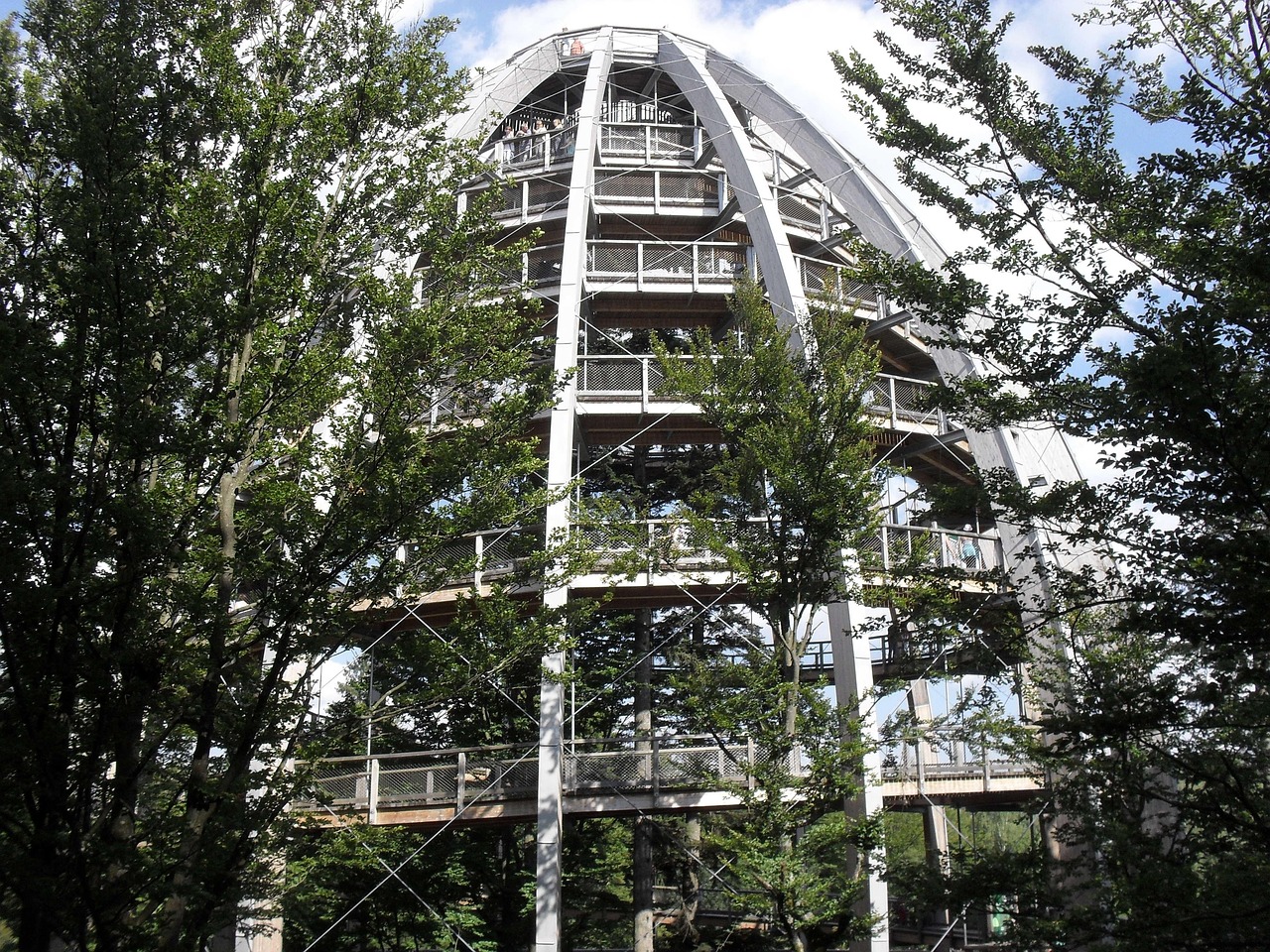
If you’ve googled the park at all, you’ve seen it: a spiraling wooden tower rising above the forest canopy, like a giant nest. The Baumwipfelpfad is the park’s most iconic man-made structure, and despite the crowds, it’s worth your time—especially if you’re crafting a 3 days in Bavarian Forest National Park itinerary with kids or first-time visitors.
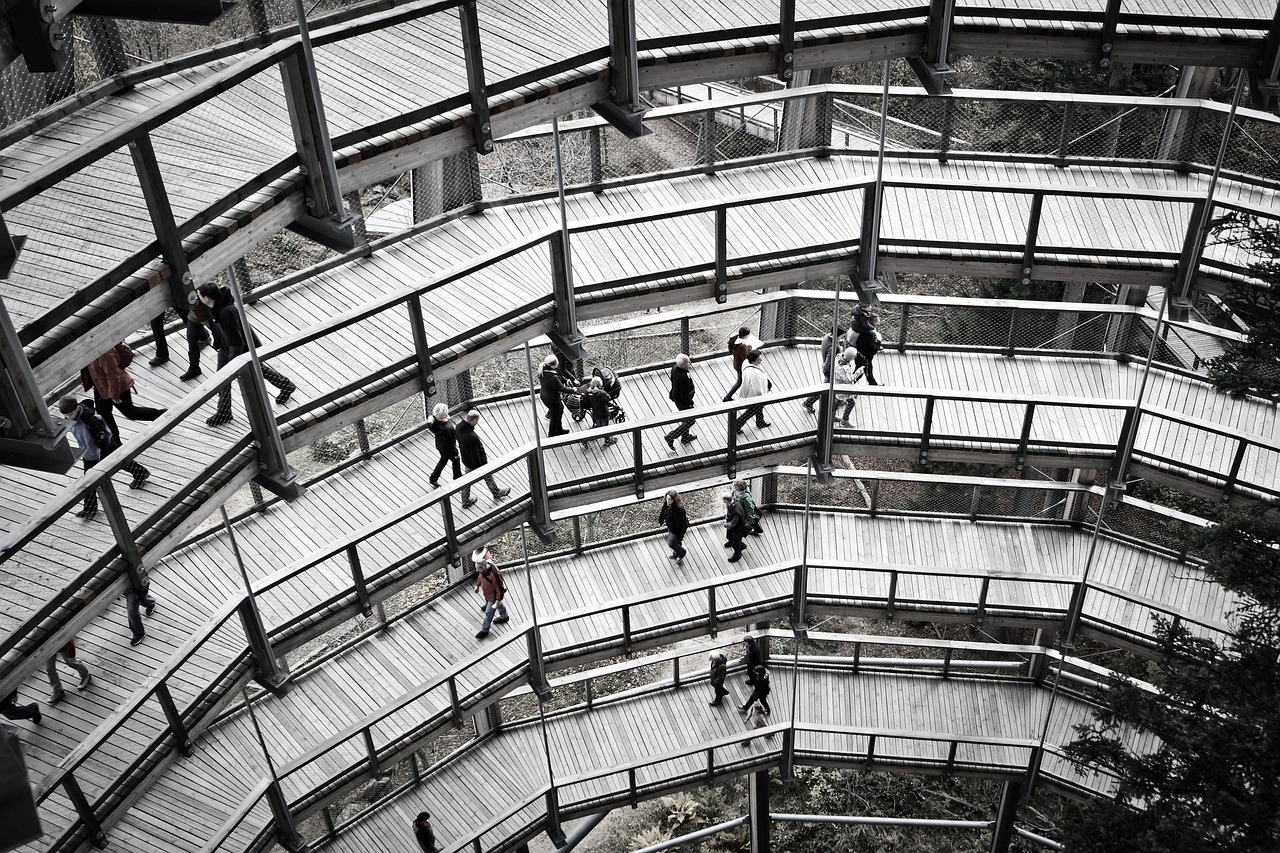
I’ve walked it in thick fog, under blazing July sun, and once on a December afternoon when snowflakes turned the world into a monochrome dream. Each time the experience felt different. The elevated boardwalk leads you gently up through the canopy, where interpretive panels explain the forest ecology in kid-friendly German and English. Squirrels sometimes dart across the neighboring trees; if you’re lucky, you might even spot a woodpecker at eye level.
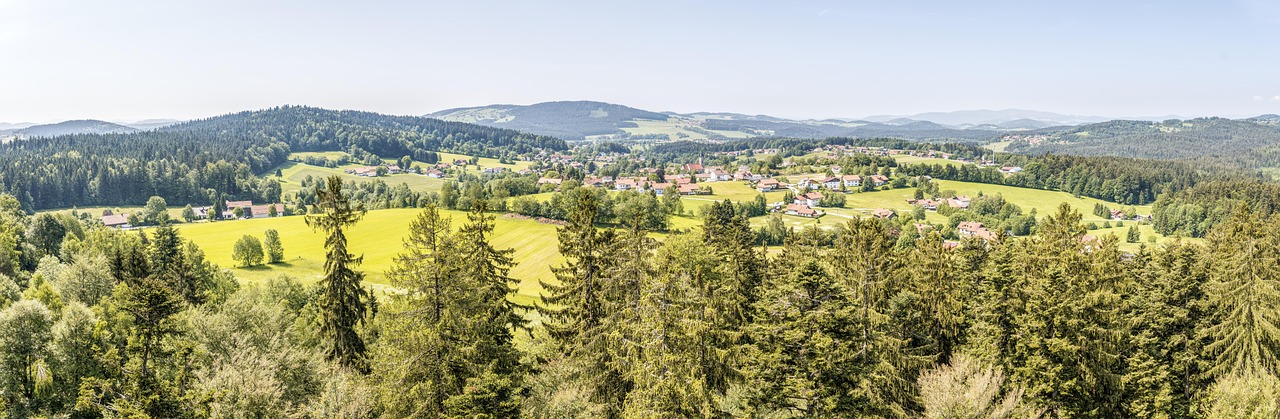
The highlight is the Egg Tower, a 44-meter-high structure that encircles several enormous trees. The ramp is gentle and accessible for strollers and wheelchairs, and at the top you’re rewarded with a 360-degree panorama over rolling forested hills, with Lusen and Rachel on the horizon. On crisp autumn mornings, you’ll see fog pooled in the lowlands like a white sea.
Practical tips: Go early (right at opening) or late in the afternoon to avoid the tour-bus crush. In 2026, timed entry is recommended in July–August and on holiday weekends; check the official website for current slot reservations. You’ll find a café and restaurant at the base—expect solid, if touristy, Bavarian dishes and good cake. Combine this with a gentle walk through the adjacent Tierfreigelände for a full day.
2. Tierfreigelände Neuschönau (Large Wildlife Enclosures)
This is where the park’s “charismatic megafauna” live in expansive, semi-natural enclosures: lynx, wolves, brown bears, wild boar, elk, bison, and more. I’m usually suspicious of animal attractions, but the Tierfreigelände is different. The enclosures are huge, forested, and designed to let animals behave naturally; spotting them can require patience and a bit of luck.
I’ve had magical encounters here—a lynx silently pacing along the fence line at dusk, bears wrestling in a pool on a hot July day, and once, in early spring, a wolf appearing like a ghost between the trees just as the first light touched the snow.
There are several loop options, from 3 to 7 kilometers, with well-marked paths and viewing platforms. Families can easily spend a half or full day here, especially if you factor in picnic stops. In 2026, new interpretive panels focus more on rewilding, connectivity with Šumava, and the return of the lynx to the wider region.
Tip: Go early morning or late afternoon for the best chance of active animals. On hot midday hours in summer they’ll often be asleep in the shade, out of sight. Wear quiet shoes and keep kids’ voices low near the viewing windows—you’ll see a lot more.
3. Lusen (1373 m) – Granite Summit with a Sea of Stone
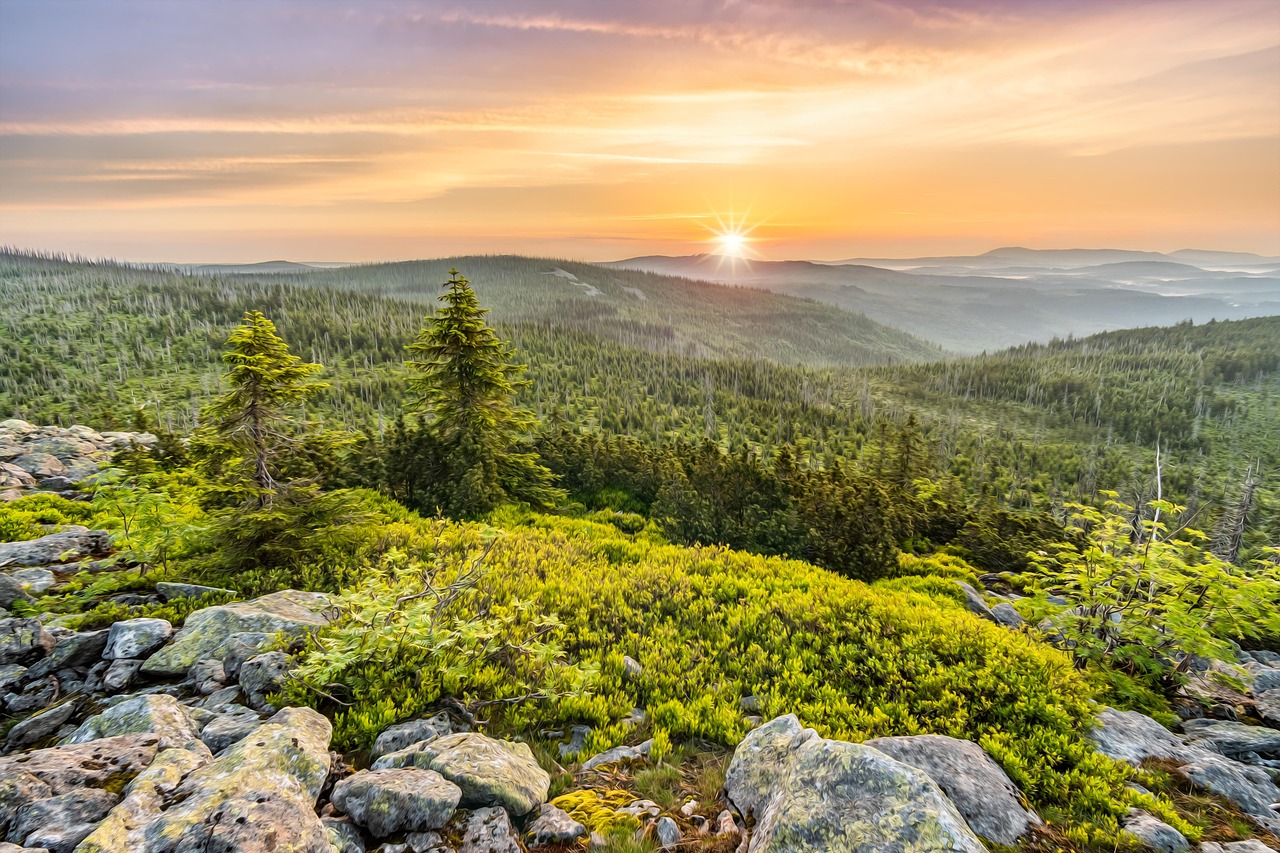
Lusen is my favorite summit in the park, partly because of its surreal stone-field crown, partly because of the wild, almost mystical approach through beech and spruce forests. I’ve climbed it in all seasons, but the most memorable was a frosty October dawn when the stone field glittered with rime and a low sun lit the Czech side in honeyed gold.
There are several routes up Lusen, but the classic is from Waldhäuser via the Sommerweg (summer path) or the steeper Winterweg (winter path) which follows a toboggan run in snowy months. The stone field near the top, called the “stone sea” (Blockmeer), is a geologic curiosity: a vast spill of boulders, home to specialized plant and animal life. Stick to the marked path—the ecosystem here is fragile.
On clear days, the summit offers sweeping views across the park and into Czechia, with the silhouette of Großer Arber in the distance. There’s often a brisk wind, even on summer days, so bring an extra layer. In winter, this becomes a snowshoe and ski-touring playground; I’ve trudged up in thigh-deep powder and been rewarded with utter, crystalline silence.
Accessibility & difficulty: This is a moderately challenging hike, around 800 m of elevation gain depending on your route. In wet conditions, the stone field can be slippery. In winter, avalanche risk is usually low but conditions can be harsh; check with rangers for current advice.
4. Großer Rachel (1453 m) & Rachelsee – The Park’s Highest Peak
Großer Rachel is the park’s high point and one of its most storied peaks. It’s also where you can best see the park’s “let nature be nature” philosophy in action: swathes of standing dead spruce, felled by bark beetles and storms, now giving way to a young, vibrant forest of beech and fir.
My favorite route starts from Gfäll (served by shuttle buses in peak season) and winds steadily upward through mixed forest, eventually emerging into the open near the summit ridge. On my last autumn ascent, low clouds parted just as I reached the top, revealing a patchwork of orange and green hills all the way to the Alps’ distant outline. There’s a small chapel and cross at the summit, and enough rock slabs for everyone to find a quiet spot.
On the descent, make sure you take the spur to Rachelsee, a dark, glacial cirque lake cradled under steep slopes. It’s one of the most atmospheric places in the park—quiet, a bit melancholy, especially in mist. Swimming is not allowed; consider it a sacred place and tread gently.
Logistics: Trails are well-marked, but in fog the upper sections can feel disorienting. In high summer and on clear autumn weekends, expect company at the summit. If you prefer solitude, start pre-dawn; I once had the summit to myself for an hour in August simply by starting at first light.
5. Großer Falkenstein (1315 m) – Northern Wilderness Vantage Point
Großer Falkenstein feels very different from Lusen and Rachel: less busy, slightly rougher around the edges, with a strong sense of stepping into a larger wilderness complex that stretches into Czechia. I usually approach from Ludwigsthal or Zwieslerwaldhaus, taking a full-day loop that passes through deep forest and occasional moorland clearings.
The summit itself has a cozy Schutzhaus (mountain hut) that serves simple, hearty food—think Suppen, sausages, and cake. I still remember sitting out on the terrace one windy September day, fingers wrapped around a mug of hot tea, watching clouds race over the forested ridges below.
Views here emphasize the continuity of the forest; you really sense how the Bavarian Forest and Šumava form one huge ecosystem. On very clear days, distant Alpine peaks can appear on the southern horizon.
Why go: If you’re assembling a 4 day itinerary for Bavarian Forest National Park that goes beyond the obvious, Großer Falkenstein is a perfect anchor for a northern day, especially combined with the Nationalparkzentrum Falkenstein.
6. Großer Arber (1456 m) & Arbersee – The King of the Bavarian Forest
Technically just outside the national park boundary, Großer Arber is nonetheless central to the region’s identity—often called the “King of the Bavarian Forest.” It’s busier and more commercial than Rachel or Lusen, with ski lifts, a weather station, and a strong winter sports scene, but its views and the nearby Großer Arbersee lake are gorgeous.
I like to visit Arber on days when the weather is a bit iffy: you can take the cable car up if conditions are marginal, or hike if the cloud ceiling is high enough. In winter, I’ve spent bluebird days here snowshoeing across pristine slopes, then drinking hot chocolate in the summit restaurant.
Down below, Arbersee is a classic glacial lake surrounded by steep, forested slopes. A gentle loop path makes it perfect for families and non-hikers. The floating bog islands near the shore are a botanical curiosity; interpretive signs explain the unique plant communities.
Note: In peak summer, Arber can feel a bit theme-parkish. If your time is limited and you’re focused strictly on national park experiences, prioritize Rachel and Lusen. But if you have 5 days in Bavarian Forest National Park and want a mix of wild and accessible, Arber is worth a day.
7. Rachelsee – Dark Mirror Lake under Steep Walls
Rachelsee deserves its own mention beyond being a side trip from Großer Rachel. I’ve visited it in all manner of moods: under heavy clouds, when the water looks like poured lead; in bright sun, when dragonflies skim the surface; and once in late October when the first snow dusted the surrounding slopes while the larches still glowed gold.
The lake itself is off-limits for swimming and boating, and the shore is partly cordoned to protect sensitive habitats. A viewing platform allows you to take it all in without trampling the fragile banks. It’s a place to linger quietly, watch the play of light and shadow, and remember that not every lake must be “used” to be appreciated.
How to get there: The most atmospheric approach is on foot from Gfäll or Racheldiensthütte, often in combination with a summit loop. Allow a full day if you want to take your time and enjoy breaks. In fog or low cloud, Rachelsee can be an end in itself even if summit views would be nonexistent.
8. Nationalparkzentrum Falkenstein (Ludwigsthal) – Modern Window into the Wilderness
The Falkenstein visitor center is the younger sibling of Lusen’s Hans-Eisenmann-Haus, with a more contemporary feel. Interactive exhibits walk you through the history of the forest, from heavy logging and glassmaking to its current protected status. Kids love the tactile displays; adults appreciate the nuanced discussions of bark beetles, rewilding, and climate change.
I often stop here on arrival days, before committing to big hikes. It helps you understand what you’re seeing on the trails—and why parts of the forest look “dead” but are in fact teeming with new life. In 2026, there’s an expanded exhibit on cross-border cooperation with Šumava, highlighting lynx tracking and shared wildlife corridors.
From the center, gentle paths lead into the surrounding forest and to small wildlife enclosures. It’s an excellent low-effort day if the weather closes in or if you’re adjusting after a long journey.
9. Hans-Eisenmann-Haus & Nationalparkzentrum Lusen (Neuschönau)
This is the beating heart of the park’s visitor infrastructure. The Hans-Eisenmann-Haus houses exhibitions, a cinema, a shop with well-curated books and maps, and a restaurant with big windows looking into the forest. It’s where I send first-time visitors who want a solid orientation before hitting the trails.
Exhibits explain everything from forest succession to the lives of red deer and owls. Ranger-led programs (many in German, some in English) depart from here, including family walks, night excursions, and seasonal themed hikes. Check the 2026 schedule online or at the information desk on arrival; some popular activities now require advance sign-up.
Tip: Buy your detailed hiking map here; the free park handouts are good, but a 1:25,000 map makes it much easier to plan creative loops and longer routes away from the crowds.
10. Tierfreigelände Ludwigsthal – Quieter Wildlife Enclosures
Less famous than its Neuschönau sibling, the Tierfreigelände near Ludwigsthal feels more intimate and less crowded. The enclosures are similarly spacious, but the layout encourages slightly longer walks through denser forest. I often see more patient wildlife watchers here—couples with binoculars, older hikers who know that waiting quietly is half the fun.
If you’re staying in Zwiesel or Bayerisch Eisenstein, this is the easier wildlife option. The mood is different too: more northern, more “wilderness” in feel. On a misty November morning, I watched a herd of red deer moving almost silently between the trees here; it felt like stepping into a 19th-century landscape painting.
Family note: Trails can be muddier and slightly more uneven than Neuschönau’s, so bring good footwear for kids. There are fewer playground-style distractions, but older children often love the “real forest” feel.
11. The Glass Road (Glasstraße) & Frauenau – Cultural Spine of the Region
The Bavarian Forest is as much about glass as it is about trees. For centuries, forests fueled glassworks, and in turn, glassmaking shaped the region’s culture and economy. Today, the Glasstraße (Glass Road) weaves these traditions into a themed route that complements your nature-focused days beautifully.
My favorite stop is Frauenau, home to a superb glass museum and several studios where you can watch artisans at work. On one rainy afternoon that washed out my hiking plans, I spent hours here watching molten glass globes slowly become vases, listening to the soft murmur of Bavarian dialect, and learning how the industry reinvented itself from mass production to art and design.
Zwiesel, Bodenmais, and smaller villages also offer factory tours, outlets, and workshops. If you’re building a 4 days in Bavarian Forest National Park itinerary that balances hiking with culture, dedicate one afternoon to the Glass Road—it adds depth and context to what you see in the forest.
12. Waldhausreibe & High Moor Trails – The Park’s Quiet, Northern Soul
North of the tourist hotspots, near Waldhausreibe and Zwieslerwaldhaus, you’ll find a network of trails that slip through spruce forest, across high moors, and along quiet ridges with minimal infrastructure. This is where I go when I need a day of real solitude.
Boardwalks carry you over fragile bogs dotted with cotton grass and dwarf shrubs. In late May and June, the moors burst into bloom; in autumn, they turn russet and gold. Birdlife is rich here—bring binoculars. On one early June morning, I sat on a bench above a moor for nearly an hour, watching a haze of dragonflies and listening to curlews and warblers.
Why it matters: These moors are climate archives and biodiversity hotspots. Interpretive signs (mostly in German) explain how peat accumulates and why it’s so critical for carbon storage. Walking here, you feel the park’s scientific side as much as its aesthetic one.
13. Großer Filz & Kleiner Filz – Peat Bogs on the Lusen Flanks
On the slopes below Lusen, the Großer Filz and Kleiner Filz bogs feel like something imported from Scandinavia: open, spongey landscapes of moss, stunted trees, and deep, dark pools. Boardwalks and narrow paths wind through them, and in the right light, the place looks almost otherworldly.
I like to combine a Lusen ascent with a detour through these bogs, especially in the shoulder seasons. In early October, the grasses glow copper, and mist often lies low in the hollows. The sense of space contrasts beautifully with the enclosing forest on the climb above.
Tip: Stay on the boardwalks; the peat is treacherous and extremely sensitive. In some wet years, short sections can be slippery—good soles are essential.
14. Bayerisch Eisenstein & Border Station – Cross-Border Gateway
Bayerisch Eisenstein is a quirky little border town where the train station literally straddles Germany and Czechia. Inside, you’ll find a small museum, art spaces, and a tangible sense of Europe’s shifting borders and histories.
I love arriving here by train: one minute you’re gliding through dense forest, the next you’re stepping onto a platform where announcements switch languages and old customs offices now host exhibitions. From here, you can easily hop across to Šumava National Park for day hikes or bike rides, making it ideal if your 5 day itinerary for Bavarian Forest National Park includes a taste of Czech landscapes and cuisine.
Several waymarked trails start from or pass near the town, leading into the Arber region and along the border ridge. In winter, this is also a base for cross-country skiing.
15. Neuschönau & Surroundings – Family-Friendly Hub at the Forest Edge
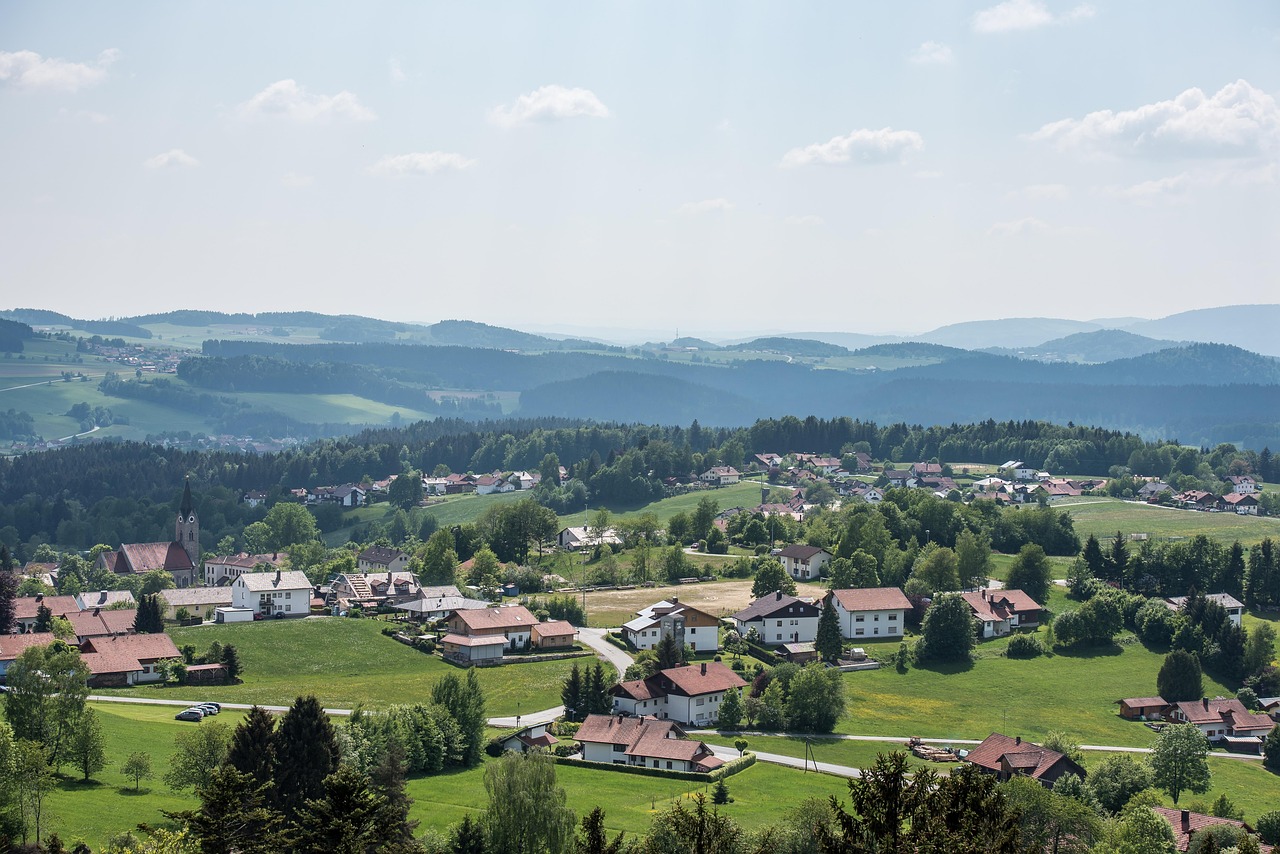
Neuschönau itself is small—a cluster of guesthouses, a few restaurants, a supermarket—but as a base it’s unbeatable for families. You can walk to the Baumwipfelpfad, Tierfreigelände, and visitor center, eliminating a lot of driving and parking stress.
I often recommend Neuschönau to friends planning 3 days in Bavarian Forest National Park with children under 10. The combination of easy forest trails, playgrounds, short walks with big payoffs (tree-top views, animals), and low-key village life keeps everyone happy. In the evenings, you can stroll quiet lanes, listen to cowbells on nearby pastures, and watch the forest silhouette darken as the sun drops.
From here, you’re also well-placed to drive or bus to Spiegelau, Waldhäuser, and Lusen trailheads, as well as to explore the Glass Road towns in short hops.
3–5 Day Itineraries for Bavarian Forest National Park (With Personal Stories)
Below are flexible itineraries that you can adapt depending on your pace, interests, and whether you’re traveling solo, as a couple, or with kids. Each day is described as I’ve actually experienced it, with a mix of classic attractions, hidden gems, and local food stops.
3 Day Itinerary for Bavarian Forest National Park – First-Timers & Families
Day 1 – Neuschönau, Baumwipfelpfad & Tierfreigelände
I like to start easy on arrival: shake off the journey, get oriented, and let the forest make the first move. On my latest 3-day trip in May 2025 (a template I repeated for friends in 2026), I based in Neuschönau at a family-run guesthouse with creaky floors and absolutely divine homemade jams at breakfast.
After a leisurely morning coffee on the balcony—watching mist lift from the treeline—we walked the 15–20 minutes to the Nationalparkzentrum Lusen. If you’re arriving that day, you can park in the main lot; in peak season, arrive before 10:00 to get a spot without circling.
Morning: Baumwipfelpfad
We started with the Baumwipfelpfad, buying combined tickets that covered both the tree-top walk and the adjacent exhibition. The early hour meant we had sections of the boardwalk to ourselves. My companions—two friends from Berlin with their 6-year-old—were giddy at being eye-level with the canopy. The little one raced from interactive station to station, while we lingered to read about bark beetles and deadwood ecology.
From the top of the egg-shaped tower, we could trace roughly where we’d be hiking the next days: Rachel to the left, Lusen slightly to the right, a dark green swell of hills fading toward Czechia. The air smelled of resin and damp earth; a mild west wind kept the haze away, so distant ridges were visible in fine gradations of blue.
Lunch: We descended around noon and snagged a table on the restaurant terrace. Is the food wildly original? No. But the Käsespätzle was comforting, the salad crisp, and the apple strudel freshly baked. For budget travelers, this is also where you’ll notice prices creeping up; consider packing your own sandwiches and just grabbing coffee and cake.
Afternoon: Tierfreigelände Loop
In the afternoon, we tackled a mid-length loop through the Tierfreigelände. With kids, I recommend picking 2–3 “must-see” animals—lynx, wolves, and bears are the usual favorites—and tailoring your route accordingly, rather than attempting to see everything in one go.
We veered first toward the wolf enclosure. It took patience: for 20 minutes, nothing moved but leaves and our own reflections in the viewing glass. Then a grey shape slid between trunks, then another, then three wolves trotting silently along a ridge, their coats catching stray beams of sunlight. My friends’ son went silent, wide-eyed, as if the air itself had thickened.
By the time we reached the bears, their afternoon nap had given way to lumpy, playful wrestling in a pool. We watched for another half hour, then wandered slowly back, stopping at a picnic area where kids clambered over wooden play structures that mimicked fallen logs and animal dens.
Evening: Back in Neuschönau, we treated ourselves to dinner at a local Gasthof—hearty Schweinsbraten for the adults, Spätzle and grilled sausage for the kid, a half-liter of unfiltered regional beer for me. We walked home under a sky just starting to reveal stars, the forest now a dark, protective wall on the horizon.
Family-friendly rating: 10/10. Minimal elevation gain, short walking distances broken up by “wow” moments, and easy bathroom/food access.
Day 2 – Summit Day: Großer Rachel or Lusen
On day two, I like to introduce visitors to the park’s higher country. If the weather is clear, you can’t go wrong with either Großer Rachel or Lusen. For that 3-day visit in 2025, the forecast promised morning sun and afternoon clouds, so we chose Rachel for its slightly more varied route and the bonus of Rachelsee.
Morning: Early Start from Gfäll
We drove to the Gfäll parking area, arriving just after 8:00. In peak summer, you might need to use shuttle buses from designated park-and-ride lots; in shoulder seasons, you can usually still park at the trailhead. Check the latest 2026 arrangements, as shuttle schedules can shift with demand.
The first part of the trail wound gently upward through thick forest, the path soft with needles and occasional wooden steps. Birdsong was our only soundtrack. The 6-year-old alternated between sprinting ahead and sulking at the next incline, but regular snack breaks did the trick. We kept a slow, steady pace, letting the day build around us.
As we climbed, the forest changed. Pockets of standing dead trees appeared—ghost-white trunks stripped of bark, surrounded by a dense understory of young saplings and grasses. This is where visitors sometimes say, “The forest looks destroyed.” Walking with a ranger here once, I learned how this phase is temporary, and how the diversity of young growth actually supports more species over time. Seeing that knowledge in action is one of the park’s great lessons.
Summit: A High Balcony over Forest & History
We crested the summit ridge just as the first thin clouds started to drift in. The small summit chapel, set just below the true high point, made a sheltered spot for snacks. From the cross, we had a wide view over the Bavarian and Bohemian forests—undulating hills, a patchwork of greens, and the occasional grey slash of deadwood.
We lingered for almost an hour, taking photos but also just letting the immensity of forest sink in. This isn’t dramatic like the Dolomites; its grandeur is in scale and continuity. You realize how rare it is in Central Europe to see so much land without major roads, towns, or clearcuts.
Afternoon: Descent via Rachelsee
Rather than retracing our steps, we dropped down toward Rachelsee. The trail steepened briefly before leveling near the lake. When we arrived, a thin veil of cloud had turned the surface into a soft mirror. No one spoke loudly; even the kid instinctively whispered.
We sat on the viewing platform, sharing the last of our sandwiches and watching the interplay of wind and reflection. A ranger group passed by, and I caught fragments of explanation about glacial origins and protected zones. It’s the kind of place that quietly gets under your skin.
The final section back to the trailhead was a gentle, meditative descent through forest, feet pleasantly tired, minds pleasantly emptied.
Evening: Back in Neuschönau, we bought picnic supplies—cheese, bread, cured meats, pickles—and ate on the guesthouse balcony as the sky turned lavender. The kid fell asleep halfway through a story; the adults stayed up just long enough to see the first stars before collapsing as well.
Adventure rating: Moderate. For fit adults, it’s an easy day; with kids, it’s a real achievement. Total walking time: 5–7 hours with breaks.
Day 3 – Glass Road & Gentle Forest Walks
By day three, legs are usually a bit weary, and curiosity about local culture starts to bubble up. This is when I like to weave in the Glasstraße and an easy forest walk.
Morning: Frauenau Glass Museum & Studios
After breakfast, we drove to Frauenau (about 30–40 minutes from Neuschönau). Parking is straightforward near the glass museum. Inside, the exhibits trace the history of glass from utilitarian production to high art—and how the Bavarian Forest’s abundant wood and sand made it a natural hub.
My personal highlight is always the contemporary glass art section: delicate, impossible-seeming forms that play with light and color. On one visit, a local artist was giving an informal talk; in 2026, the museum plans more regular artist-in-residence programs, so check the schedule for demonstrations.
We followed up with a visit to a nearby studio, where we watched a team of glassblowers transform a glowing blob into a vase. The kid pressed his nose to the safety glass, mesmerized. We left with a small, affordable glass ornament—a perfect, non-tacky souvenir.
Lunch: Frauenau and Zwiesel both have bakeries and Gasthöfe where you can refuel on soups, sandwiches, or more elaborate lunches. I gravitate to bakeries for budget-friendly meals: a crusty roll, local cheese, and a slice of fruit cake can carry you a long way.
Afternoon: Gentle Forest Loop near Zwiesel or Spiegelau
In the afternoon, we headed back toward the park for a low-effort walk. Around Spiegelau, there are several waymarked loops (2–6 km) that follow streams, pass through mossy ravines, and offer occasional viewpoints without big elevation gains.
We chose a 4-kilometer loop along a rushing brook, letting the sound of water wash away the last of our city noise. The kid built small dams with pebbles; we practiced identifying tree species and mushrooms (without touching the latter—many are protected or inedible).
Evening: Farewell Dinner
For our last night, we splurged slightly at a Zwiesel restaurant known for its updated takes on local classics: venison with red wine jus and seasonal vegetables; a vegetarian plate built around local mushrooms and potato dumplings. The beer list was a love letter to Lower Bavarian breweries.
Driving back through the dark, the forest no longer felt like an unknown mass—it felt, in a quiet way, like an acquaintance we’d begun to know.
4 Day Itinerary for Bavarian Forest National Park – Adding the Northern Wilderness
If you have 4 days in Bavarian Forest National Park, keep the 3-day structure above and add a dedicated Falkenstein/northern day. On my most recent 4-day trip in autumn 2024, I did just that.
Day 4 – Großer Falkenstein & Nationalparkzentrum Falkenstein
Morning: Ludwigsthal & Visitor Center
I took the Waldbahn from Zwiesel to Ludwigsthal (you can just as easily drive). The station is small, and within minutes I was at the Nationalparkzentrum Falkenstein. I spent an hour going through the exhibits, some of which had been updated for 2025–2026 with more climate-focused content.
Armed with a new appreciation for the northern wilderness zone, I headed out on a loop that would take me up toward Großer Falkenstein. The trail climbed steadily but never brutally, alternating between dense forest and occasional clearings with views back toward Zwiesel.
Summit & Lunch: I reached the summit hut just before noon. Inside, the air smelled of soup, coffee, and damp wool. I ordered a bowl of Gulaschsuppe and a slice of apple cake, then carried my tray to a wooden table by the window. Outside, ravens wheeled in the updrafts; beyond them, layers of hills faded into the haze.
After lunch, I walked the short path to the summit cross for the obligatory photo and a few minutes of wind-whipped contemplation.
Afternoon: Descent via Alternative Route
Rather than descending exactly the way I’d come, I followed a different marked route that looped back toward Ludwigsthal through slightly rougher terrain. Fallen logs, rooty sections, and the occasional boggy patch kept things interesting. It was rarely challenging, just pleasantly wild.
I arrived back at the station pleasantly spent, in time for an afternoon train. In my notebook that night, I wrote: “Falkenstein feels older, wilder—less curated. Keep coming back here.”
5 Day Itinerary for Bavarian Forest National Park – Deep Dive & Cross-Border Flavor
With 5 days in Bavarian Forest National Park, you can slow down, add moorland walks, and even dip into Czech Šumava. Building on the 4-day plan, here’s how I spent a luxurious 5-day stay in late September 2025.
Day 5 – Moorlands, Bayerisch Eisenstein & Optional Šumava Side Trip
Morning: Train to Bayerisch Eisenstein
I caught a mid-morning Waldbahn from Zwiesel to Bayerisch Eisenstein, watching familiar forest scenery slide by. At the border-straddling station, I spent a little time exploring the small railway museum and the exhibits inside the old customs building—short but evocative.
Late Morning: Forest Walk toward Šumava
From the station, I followed waymarked trails that gently climb into the forest and toward the Czech border. Signage is good on both sides, though in Czechia you’ll find less English. I carried a picnic and a flexible plan: walk as far as felt good, then loop back via a different path.
Within an hour, I was walking under tall spruce, the forest floor carpeted with moss and mushrooms. Crossing the border was almost anticlimactic—just a small sign, no checkpoints—but emotionally, it felt significant. One continuous forest, two countries, shared stewardship.
Lunch: I ate my picnic on a fallen log, listening to the wind in the canopy and the occasional passing of other hikers, mostly Germans and Czechs in bright jackets, exchanging quiet greetings.
Afternoon: Return via Moorland Loop
On the way back, I detoured along a marked moorland trail—a mix of boardwalks and firm ground—where the open landscape offered big sky and a different palette of colors: rust, gold, deep green. Interpretive signs in German and Czech highlighted rare plants and birds.
By late afternoon, I was back in Bayerisch Eisenstein, sipping a coffee at a small café near the station, feeling that I’d expanded my mental map of the forest significantly.
Evening: Back at my base town (Zwiesel on that trip), I joined a short, ranger-led evening walk advertised at the visitor center. We walked at dusk, learning about nocturnal species and listening to the forest move into its night shift. It was a quietly powerful way to end a 5-day immersion.
Where to Eat & Drink – Local Food in and around Bavarian Forest National Park
Food here is unapologetically hearty: meat-heavy, potato-forward, generous with dumplings and gravy. Vegetarians and vegans can eat well with a bit of attention; things have improved markedly in the last decade, especially in towns with younger chefs.
In-Park Lodges & Dining
- Summit Huts (e.g., Großer Falkenstein Schutzhaus): Expect soups, sausages, simple vegetarian dishes, and cake. Cash is still king; card acceptance is expanding but not universal.
- Visitor Center Restaurants (Neuschönau, Falkenstein): Reliable, mid-priced, with regional staples and kids’ menus. Good for hot meals on cool days.
Gateway Town Highlights
- Zwiesel: A couple of standout Gasthöfe serve refined takes on classics—think venison with seasonal sides, trout from local streams, and carefully curated beer lists. I often end trips here with a “farewell dinner.”
- Spiegelau & Neuschönau: Smaller selection but very local. Look for Tagesgerichte (daily specials) chalked on boards; they’re often cheaper and fresher.
- Grafenau: Slightly more modern café culture, good for midday breaks with cake and coffee.
What to Eat
- Schweinsbraten with Knödel (dumplings) and cabbage.
- Wildgerichte (game dishes) in autumn—venison, wild boar.
- Käsespätzle – cheesy noodles, a vegetarian staple.
- Forelle Müllerin – pan-fried trout, often local.
- Zwetschgendatschi (plum cake) in late summer; apple strudel almost year-round.
- Lower Bavarian beers and, increasingly, a few local craft options.
Saving Money on Food
- Breakfast included: Many guesthouses include generous breakfasts; fill up and carry a snack to reduce lunch costs.
- Picnics: Supermarkets in Zwiesel, Grafenau, and Neuschönau are well-stocked. I often buy bread, cheese, fruit, and nuts for trail days.
- Lunch menus: Look for Mittagsmenü deals in town; they can be significantly cheaper than dinner.
Where to Stay & How to Get Around
Accommodation Options
- Guesthouses & Pensions: The sweet spot for most travelers. Expect wood furnishings, hearty breakfasts, and owners who know the trails intimately.
- Holiday Apartments (Ferienwohnungen): Ideal for families or longer stays; good value if you self-cater.
- Hotels: Limited but growing; you’ll find a few mid-range and wellness-focused options in Zwiesel and Bodenmais.
- Campgrounds: Several in and near the park, some with direct trail access. In high summer, reserve ahead.
How to Get Around
The region excels at car-free access, thanks to integrated trains and buses:
- Waldbahn Trains: Connect Plattling–Deggendorf–Zwiesel–Bayerisch Eisenstein and Zwiesel–Grafenau. Frequent enough for flexible planning.
- Forest Buses (Igelbusse): Seasonal routes linking towns with trailheads like Gfäll, Waldhäuser, and Racheldiensthütte. Often free with guest cards.
- Guest Cards (Guti, Nationalpark-Card): Provided by many accommodations, these include free regional public transport—a huge money saver.
- Driving: Gives maximum flexibility, especially off-season, but parking at popular trailheads can fill. Use designated lots; avoid roadside parking.
Parking Strategy
- Arrive at popular spots (Neuschönau, Gfäll, Arber) by 9:00 in peak summer weekends.
- Use park-and-ride lots and shuttles when required; they’re efficient and reduce stress.
- Carry coins or a payment app; some machines still don’t accept cards.
After-Dark & Quieter Experiences
Night falls gently here. Villages are small, light pollution is low, and the forest takes on a different personality.
Stargazing & Dark-Sky Programs
- Open Fields near Neuschönau & Spiegelau: Walk a short distance out of town on clear nights; the Milky Way is often visible.
- Arber Region: Higher elevation and fewer lights make for superb stargazing outside ski season.
- Ranger-Led Astronomy Nights: Periodically offered; check 2026 schedules at visitor centers.
Evening Ranger Talks & Full-Moon Hikes
Both Nationalparkzentren host evening lectures (mostly in German) on wildlife, forest dynamics, and park history. Full-moon hikes, often by reservation, let you experience the forest in a safe, guided way after dark. On one such hike, we walked without headlamps for long stretches, letting our eyes adapt; the experience was uncanny and beautiful.
Quiet Evenings in Town
Don’t underestimate the pleasure of simple evenings: a walk through Zwiesel’s old streets, a beer on a terrace in Grafenau, a book on your guesthouse balcony accompanied by cowbells and distant owl calls.
Day Trips & Nearby Attractions
- Šumava National Park (Czechia): Easily reached via Bayerisch Eisenstein; similar landscapes with a distinct Czech flavor. Good for biking and long, gentle hikes.
- Bodenmais & Silberberg: A lively town with mine tours, glassworks, and family-friendly attractions.
- Deggendorf & the Danube: Combine forest days with a river-city excursion; about 1–1.5 hours by train or car.
- Passau: The “City of Three Rivers,” a bit further but excellent as a pre- or post-park stop.
Cultural Experiences, Local Customs & Etiquette
The Bavarian Forest is proudly traditional yet increasingly cosmopolitan. You’ll encounter locals in lederhosen and dirndls at festivals, but also young families in hiking gear and a steady trickle of international visitors.
Everyday Etiquette
- Greetings: A simple “Grüß Gott” or “Servus” on trails and in small shops goes a long way.
- Quiet on Trails: Keep voices moderate; loud music on speakers is strongly frowned upon.
- Cash Culture: Cards are common but not universal; always have some euros in small denominations.
- Tipping: 5–10% in restaurants if service is good; round up taxi fares and bar tabs.
Cultural Experiences & Festivals
- Kirchweih & Village Festivals: Local church and harvest festivals with music, beer tents, and traditional dress—ask your host what’s on.
- Glass Art Events: Frauenau and Zwiesel host occasional glass festivals and markets; 2026–2027 will see expanded events tied to regional anniversaries.
- Christmas Markets (Advent): Small but atmospheric markets in Zwiesel, Grafenau, and nearby towns, often with handmade glass ornaments.
Environmental Respect
Locals are deeply invested in the “let nature be nature” ethos. Respect trail closures, stay on paths in sensitive areas, and accept that some areas look “messy” because that’s what a natural forest in transition looks like.
Events & What’s New in 2026–2027
- 2026–2027 Wilderness & Climate Exhibits: Both Nationalparkzentren are enhancing exhibits about climate resilience, bark beetles, and old-growth dynamics.
- Expanded Ranger Programs: More English-language walks and talks are planned for peak season 2026, particularly around Neuschönau.
- Cross-Border Initiatives: Joint Bavarian Forest–Šumava events highlighting lynx and large carnivore research, including occasional bilingual guided hikes.
- Local Festivals: Annual glass festivals in Zwiesel and Frauenau continue, with special 2026 programming around contemporary glass art (check local tourism sites for dates).
Practical Travel Advice & Park Logistics
Entrance Fees & Permits
- Park access: Free. There is no general entrance fee for Bavarian Forest National Park.
- Paid attractions: Baumwipfelpfad, some exhibitions, and parking lots charge fees.
- No timed-entry: As of 2026, there is no park-wide timed-entry system, though popular attractions like the Baumwipfelpfad may use time slots on peak days.
Seasonal Closures & Weather
- Winter (Dec–Feb): Many high trails snow-covered; Lusen and Arber become ski/snowshoe areas. Some roads and shuttle routes pause.
- Spring (Mar–Apr): Shoulder season; snow lingering at higher elevations, muddy trails. Some facilities on reduced hours.
- Summer (May–Aug): Prime hiking; all services running. Afternoon thunderstorms possible.
- Autumn (Sep–Nov): Glorious foliage, fewer crowds; early snow possible at altitude by late October.
Best Seasons by Activity
- Hiking summits (Rachel, Lusen, Falkenstein): June–October.
- Wildflowers & lush forest: May–June.
- Fall colors: Late September–mid October.
- Stargazing: Year-round, but best on crisp autumn and winter nights.
- Snowshoeing & skiing: January–March, depending on snowfall.
Wildlife Safety & Leave No Trace
- Large animals: Bears and wolves are present in enclosures; wild populations are limited and very shy. Lynx are present but rarely seen.
- Ticks: Common in warmer months; use repellent, wear long trousers, and check your body after hikes.
- Leave No Trace: Pack out all trash, stay on trails in sensitive areas, and do not pick plants or mushrooms within the park.
What to Pack
- Sturdy hiking shoes (waterproof strongly recommended).
- Layers: base, fleece, waterproof shell—even in summer, weather can flip quickly.
- Hat, sunscreen, insect repellent.
- Refillable water bottle (streams are not guaranteed potable).
- Paper map and/or offline map app; cell coverage can be spotty.
- Small first-aid kit and tick removal tool.
Connectivity & SIM Cards
- Cell coverage: Good in towns, patchy to poor in deep valleys and some wilderness zones.
- SIM options: EU travelers roam as at home. Non-EU visitors can buy prepaid SIMs (e.g., Telekom, Vodafone, O2) at airports or larger towns.
- Wi-Fi: Standard in most accommodations; limited in huts and some campgrounds.
Visas & Driving
- Visas: Germany is in Schengen. Check current requirements based on your nationality; many visitors get 90 days visa-free.
- Driving licenses: EU and many international licenses accepted; some non-EU visitors may need an International Driving Permit alongside their national license.
- Roads: Generally excellent; winter tires mandatory in winter conditions.
Summary & Final Recommendations
Bavarian Forest National Park rewards those who linger. It may not have the instant, jagged drama of the high Alps, but its gifts are subtler and, in some ways, more enduring: a sense of time stretching beyond human management, a forest allowed to live and die on its own terms, and a culture shaped by both wood and glass.
For a 3 day itinerary for Bavarian Forest National Park, anchor yourself in Neuschönau or Spiegelau, weave together the Baumwipfelpfad, Tierfreigelände, and one big summit day (Rachel or Lusen), and finish with a taste of the Glass Road.
For a 4 day itinerary for Bavarian Forest National Park, add the northern wilderness—Großer Falkenstein and the Falkenstein visitor center—and you’ll feel the park’s full breadth.
For a 5 day itinerary for Bavarian Forest National Park, slow down further: add moor walks, a cross-border dip into Šumava, repeat a favorite trail at dawn or dusk, and settle into the rhythm of village life.
Best seasons:
- May–June: Fresh green, wildflowers, lively wildlife.
- September–mid October: Stable weather, fall colors, fewer crowds—the ideal window for most travelers.
- Winter (Jan–Mar): For snow lovers, quiet forests, and Arber/Lusen ski experiences.
If you come with curiosity, patience, and respect—for the forest, for its people, and for the idea that not all beauty is manicured—you’ll leave with something deeper than just photos. You’ll leave with a felt sense of what a truly wild Central European forest can be, and a quiet wish to return.