Why Visit Beilstein, Germany?
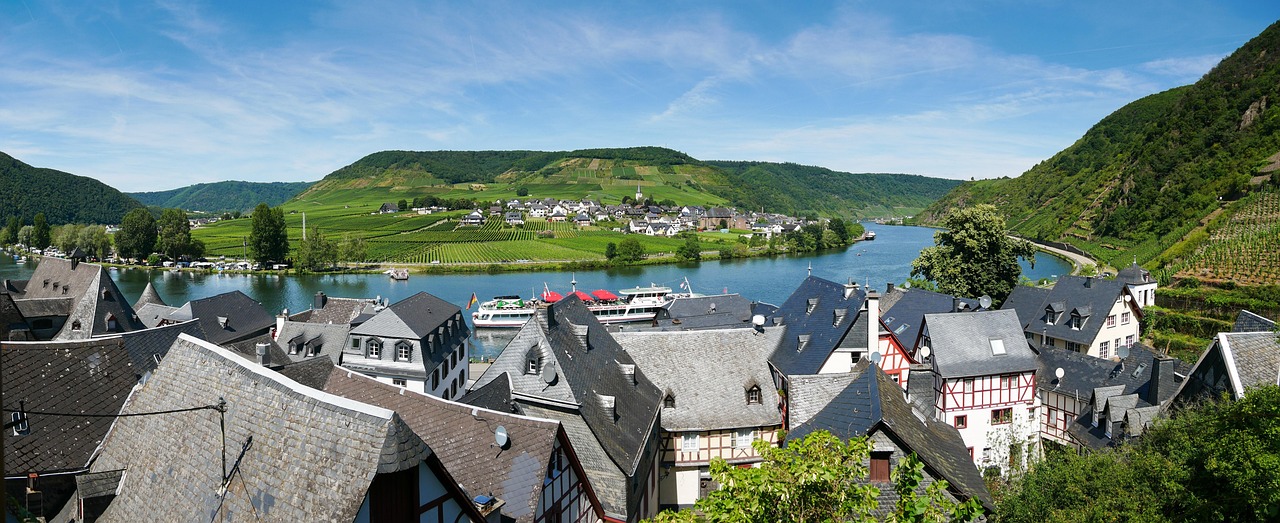
Beilstein is often called the “Sleeping Beauty of the Mosel.” Unlike larger Mosel towns like Cochem or Traben-Trarbach, Beilstein is tiny—just a few cobbled lanes, a medieval castle above, vineyards behind, and the Mosel in front. But that’s exactly why it’s so special.
- Authentic small-village feel: You can walk the whole village in 10 minutes, but you’ll want to linger for hours in its alleys, courtyards, and riverside terraces.
- Perfect for 3–5 day itineraries: Beilstein makes a peaceful base for exploring the Mosel region while still offering its own must-see attractions.
- Romantic and family-friendly: Couples love the candlelit wine terraces and castle sunsets; families love the car-free feel, boat trips, and easy hikes.
- Wine, wine, and more wine: This is Riesling country. Local winemakers still run small family wineries, and you can taste their wines just meters from the vineyards.
- Storybook architecture: Half-timbered houses, slate roofs, a baroque monastery church, and the ruins of Burg Metternich above.
If you’re looking for skyscrapers and a big-city skyline, Beilstein isn’t it. Its “skyline” is a jagged line of vineyards and castle ruins. But that’s the charm: this is where you come when you want to trade traffic noise for church bells and clinking wine glasses.
Table of Contents
- Beilstein Overview & Character
- Neighborhoods & Areas of Beilstein
- Top 20+ Attractions & Experiences in Beilstein
- 3–5 Day Itineraries for Beilstein
- Local Food & Wine in Beilstein
- Culture, Etiquette & Local Customs
- Nightlife, Entertainment & Cultural Experiences
- Day Trips & Nearby Attractions
- Events & Festivals in 2026–2027
- Practical Travel Tips for Beilstein
- Summary & Best Time to Visit Beilstein
Beilstein Overview & Character
Beilstein sits on a bend of the Mosel River in Rhineland-Palatinate, about 10 km from Cochem. With fewer than 200 residents, it feels more like a movie set than a town. In fact, it has been used as a film location several times, notably in older German films that needed a perfectly preserved medieval village.
The core of Beilstein is pedestrian and compact: a handful of lanes rising from the river to the base of Burg Metternich. Above the village, terraced vineyards climb steeply up the slopes, and a patchwork of hiking trails connects Beilstein to neighboring villages and viewpoints.
In summer, river cruise boats stop here during the day, and the village can feel surprisingly busy for its size. But early mornings and evenings are wonderfully quiet—this is when you’ll see locals walking dogs along the river and hear the ducks arguing under the pier.
Neighborhoods & Areas to Explore in Beilstein
Beilstein is small, but it has distinct little “zones” worth understanding when you plan your time here.
1. The Historic Core & Marktplatz
This is the heart of the village: cobblestone square, half-timbered houses, and a cluster of wine taverns and cafés. Whenever I stay in Beilstein, I end up crossing this square at least ten times a day—on the way to the bakery, the riverfront, the castle steps, or just to sit and watch visitors slowly fall in love with the place.
It’s the most atmospheric area to stay if you want to feel truly in the middle of things, but also where daytime crowds concentrate in high season.
2. The Mosel Promenade
The riverfront is lined with terraces from hotels, wine taverns, and cafés, plus the small boat landing. In the evenings, this is where the village gathers. Tables fill with locals and visitors sipping Riesling as the last boats glide past.
If you want a room with river views, choose one of the guesthouses or hotels directly on the promenade. It’s also a great area for families with strollers—flat and car-light.
3. The Monastery & Upper Lanes
Above the main square, narrow lanes climb toward the Karmeliterkirche and Burg Metternich. These streets are steeper and quieter, with ivy-covered stone walls, hidden courtyards, and fewer shops. I like to stay up here when I want quiet evenings and a slightly more “local” feel.
4. The Vineyards & Hillside Trails
Just behind the last houses, the village ends and vineyards begin. Several marked trails lead up the slopes and along the Mosel. From up here, Beilstein looks like a miniature model village pressed against the river.
These trails are where I go when the day-tripping crowds arrive. Within 10 minutes of walking uphill, you often have the views to yourself.
Top Attractions & Experiences in Beilstein (20+ Detailed Highlights)
Below are over 20 of the best places to visit in Beilstein and its immediate surroundings. I’ll weave them into the 3, 4, and 5 day itineraries later, but this section gives you a deeper dive into each spot, plus my personal tips and experiences.
1. Burg Metternich (Metternich Castle)
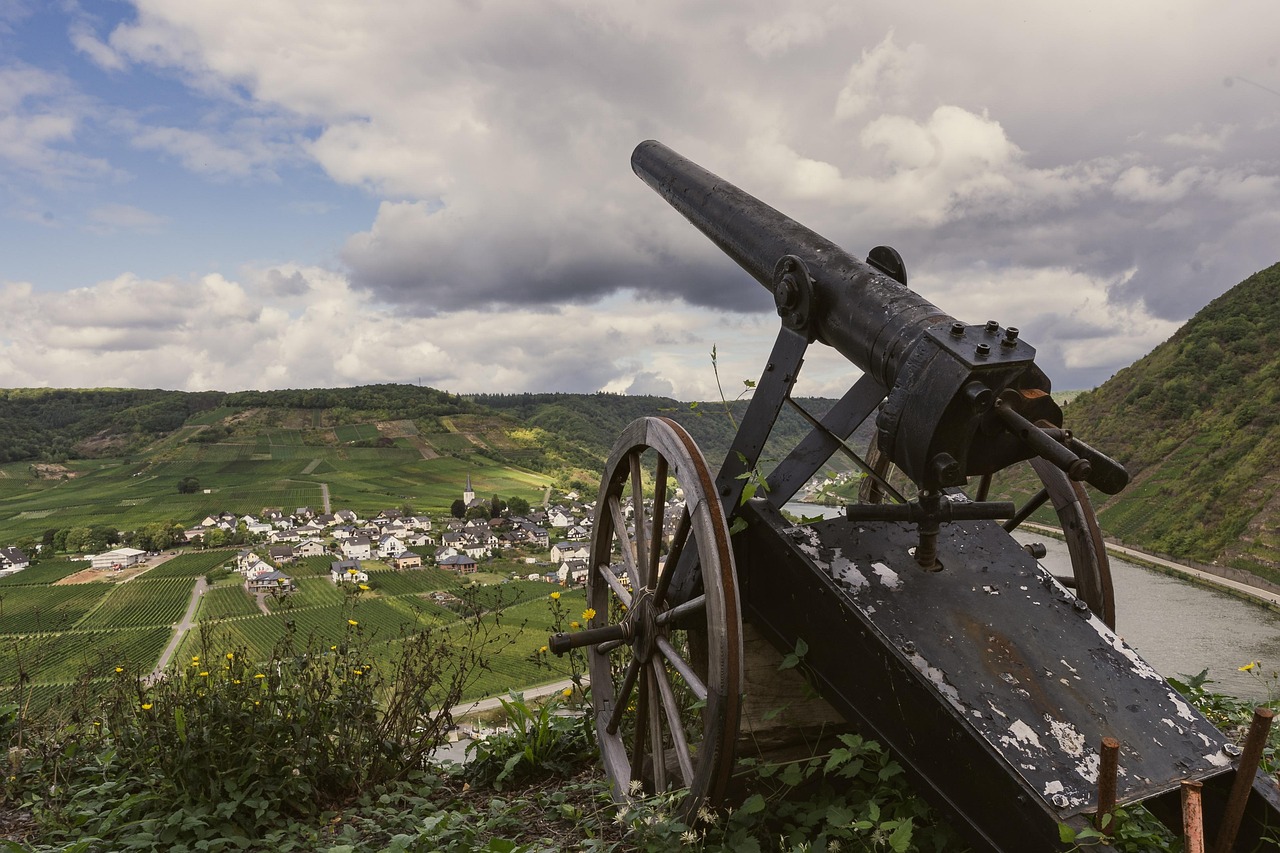
Why go: The ruined hilltop castle is Beilstein’s icon and offers the best panoramic view of the village and the Mosel. If you only do one thing in Beilstein, climb to Burg Metternich.
History: First mentioned in the 13th century, Burg Metternich belonged to various noble families (including the Metternichs) and was destroyed by French troops in the late 17th century. Today, its remaining towers and walls frame some of the most photogenic vistas on the Mosel.
My experience: I’ve been up here at all times of day, but my favorite is late afternoon on a clear day. In September 2019, I hiked up just before sunset with a picnic of local cheese and Riesling from a village winery. The castle café had already closed, and I shared the walls with only one older couple from Cologne. We sat in companionable silence watching the sunlight slide off the vineyards.
Practical tips:
- Access: Short but steep walk from the village (10–15 minutes) via signposted paths and steps.
- Opening times: Typically late March to early November during daylight hours; in 2026, check local postings as weather can shift season dates.
- Tickets: Small entrance fee; bring cash.
- Facilities: Small café/restaurant inside the castle complex (limited hours in shoulder season).
Best for: Couples (romantic views), families with older kids (fun castle ruins), photographers, and anyone who wants that postcard-perfect Beilstein panorama.
2. Karmeliterkirche & Former Carmelite Monastery
Why go: This baroque church is an unexpected jewel for such a small village. It’s also home to a revered statue of the Black Madonna, making Beilstein a minor pilgrimage site.
History: The Carmelite monastery was founded in the 17th century. The church interior is richly decorated in baroque style, with stucco, gilded altars, and the famous Black Madonna from the 12th century, brought here from Spain.
My experience: I slipped into the church on a hot July afternoon when the village was buzzing outside. Inside, it was cool and dim, a faint smell of incense lingering. A local woman was arranging flowers near the altar and smiled as I sat down. Even if you’re not religious, it’s a peaceful place to rest and reflect for a few minutes.
Practical tips:
- Dress: Casual is fine, but avoid beachwear; it’s an active place of worship.
- Respect: Keep voices low, especially during services or if pilgrims are present.
- Photography: Allowed in many parts, but avoid flash and be discreet if people are praying.
Best for: Cultural travelers, anyone interested in sacred art, and those needing a quiet escape from the midday sun.
3. Beilstein’s Historic Lanes & Half-Timbered Houses
Why go: Much of Beilstein’s charm is in its details: crooked doorways, flower boxes, stone staircases, and tiny courtyards. Wandering aimlessly is one of the best things to do in Beilstein.
My experience: On my first visit, I spent two hours exploring the back lanes and still found new corners the next morning. There’s a particular narrow passage behind the main square where grapevines hang overhead, and at certain times of year you can literally touch the ripening grapes as you walk.
Practical tips:
- Wear comfortable shoes – cobblestones are uneven, especially after rain.
- Be mindful of residents’ privacy; many beautiful doors and courtyards belong to private homes.
- Early morning (before 9 a.m.) is the quietest time to photograph the streets.
Best for: Photographers, slow travelers, and anyone who likes to “get lost” in a place (you can’t get very lost here, which is part of the fun).
4. Mosel Promenade & Riverfront Terraces
Why go: The Mosel is Beilstein’s lifeline. Sitting by the river with a glass of local Riesling is a must-do experience.
My experience: One May evening in 2024, I sat at a riverside table with friends as a light drizzle began. Instead of fleeing inside, the owner brought us blankets and moved a patio heater closer. We watched the rain rippling across the river while sipping a slightly off-dry Riesling that tasted like green apples and slate.
Practical tips:
- Riverside terraces can get busy from midday to late afternoon when tour boats stop; evenings are more relaxed.
- Ask for local wines by vineyard name if you want to taste truly local bottles (e.g., “Beilsteiner Blütenhang”).
Best for: Couples (romantic sunsets), wine lovers, and families (kids love watching boats and ducks).
5. Mosel Boat Cruises from Beilstein
Why go: Seeing Beilstein from the water puts everything in perspective—the steep vineyards, the castle, and the tiny size of the village.
My experience: I’ve taken both the short circular cruises and the longer ride to Cochem. On a sunny June afternoon, the upper deck was warm and breezy; we passed vineyard workers tending vines on impossible slopes and waved at cyclists on the Moselradweg (Mosel cycling path).
Practical tips:
- Check the schedule at the Beilstein boat landing; services are more frequent from late April to October.
- For a half-day trip, take the boat to Cochem, explore, then return by bus or boat.
- Bring a light jacket – it’s cooler on the water even in summer.
Best for: Families, relaxed travelers, photographers (great angles of Beilstein’s “skyline”).
6. Vineyard Hikes Around Beilstein
Why go: The vineyards are not just scenery; they’re working landscapes that define local life and wine. Hiking through them gives you a true sense of place.
My experience: A favorite loop is the climb behind the village toward a ridge that gives you a double view—Beilstein on one side, and the Mosel winding toward Cochem on the other. I once walked this in October; the vines were turning golden, and the air smelled faintly of fermenting grapes from cellars below.
Practical tips:
- Some paths are quite steep and narrow; proper walking shoes are strongly recommended.
- Carry water; there are no shops once you leave the village.
- Stick to marked trails to avoid damaging vines or getting stuck on dead-end terraces.
Best for: Active travelers, photographers, and wine enthusiasts wanting to physically connect with the landscape behind their glass.
7. Local Wineries & Wine Tasting in Beilstein
Why go: Beilstein is surrounded by some excellent Riesling vineyards, and several family wineries offer tastings in atmospheric cellars or terraces.
My experience: During a 2022 visit, I joined a small tasting at a family-run winery. The winemaker poured directly from stainless steel tanks and old oak barrels in the cellar, explaining the difference between dry (“trocken”), off-dry (“feinherb”), and sweet (“lieblich”) Rieslings. We ended up chatting about harvest dates and how climate change is slowly shifting the style of Mosel wines.
Practical tips:
- Many tastings are informal—just walk into the “Weingut” (winery) and ask. In busier months, call ahead for larger groups.
- Tastings are often free or low-cost if you buy a bottle or two.
- Ask about shipping if you’re flying home and don’t want to carry bottles.
Best for: Wine lovers, curious beginners, anyone wanting a deeper connection with the region beyond pretty views.
8. Marktplatz & Village Center
Why go: The tiny market square is the social heart of Beilstein—cafés spill out onto cobbles, and the surrounding houses are a study in Mosel architecture.
My experience: I love arriving here early, when delivery vans are dropping off bread and vegetables, and café owners are setting up chairs. By midday, the square fills with people enjoying cake and coffee (“Kaffee und Kuchen”), but in the early hours it still feels like a village, not a destination.
Best for: People-watching, casual meals, and soaking up the village’s everyday rhythm.
9. Beilstein Film & Photography Spots
Why go: Beilstein’s preserved medieval look has been used in several German films. Even if you don’t know the movies, certain corners feel suspiciously cinematic.
My experience: I once visited with a German friend who recognized locations from an old Heimatfilm. As she walked me through scenes, I realized how little had changed in the village between the 1950s and now—shop signs and tourists aside.
Tip: Look for narrow staircases, alleys with arches, and the contrast between whitewashed and slate-clad facades for the most “movie-like” shots.
10. Hilltop Chapels & Wayside Crosses
Why go: Small chapels and crosses dot the hills above Beilstein, remnants of the region’s Catholic heritage and a quieter layer of its history.
My experience: On a drizzly April afternoon, I followed a small path marked by a wayside cross to a tiny chapel overlooking the village. Someone had left fresh flowers inside, and a guestbook lay on a wooden bench; entries ranged from locals’ simple prayers to travelers’ thanks in half a dozen languages.
Best for: Quiet walkers, reflective travelers, and those who enjoy small, unspectacular but meaningful places.
11. Cycling the Moselradweg from Beilstein
Why go: The Moselradweg (Mosel Cycle Path) runs along both sides of the river, offering easy, mostly flat rides between villages.
My experience: I rented a bike in nearby Cochem and rode to Beilstein and beyond. The stretch along the river is gentle; you pass small marinas, picnic spots, and vineyards that almost touch the path. I stopped for cake at a café in a neighboring village and still made it back before sunset.
Practical tips:
- Bike rentals are easier to find in Cochem; you can cycle to Beilstein and back in a leisurely day.
- Wear a helmet (less common among locals but strongly recommended).
- Check which side of the river offers the best path quality for your chosen route.
12. Scenic Viewpoints Over Beilstein
Why go: Beyond Burg Metternich, several unofficial viewpoints offer spectacular photo opportunities of the village tucked into the river bend.
My experience: A local once pointed me to a bench on a small terrace above the vineyards—no signs, just a narrow path. From there, Beilstein looked like a postcard: church tower, castle ruins, boats drifting below. I’ve since gone back there every visit; it’s my “thinking bench.”
Tip: Ask your guesthouse host or a local for their favorite viewpoint; they’ll usually share at least one “secret” spot.
13. River Access & Swimming (With Caution)
Why go: On hot summer days, the Mosel looks incredibly tempting. While this is a working river with boat traffic and currents, there are calmer edges where locals cool their feet.
My experience: I’ve never fully swum here due to currents and boat traffic, but I’ve sat on low river stones dipping my feet in on hot days. Kids love throwing pebbles and watching the ripples.
Important: Always be cautious. Ask locals where it’s safe to wade, and never let children near the river unsupervised.
14. Small Village Festivities & Wine Events
Why go: Beilstein doesn’t have huge festivals like some larger Mosel towns, but small events—wine evenings, concerts in the monastery church, or local markets—are intimate and charming.
My experience: One September weekend, I stumbled onto a small courtyard wine festival. Long tables, live accordion music, and winemakers pouring generous samples. It felt less like a “festival” and more like being invited to a village party.
15. Day Excursion to Cochem
Why go: Cochem is the main town in this stretch of the Mosel, with more shops, restaurants, and the impressive Reichsburg castle looming above.
My experience: I usually take guests from Beilstein to Cochem for a half-day: stroll the old town, ride up to the castle, and maybe take a different boat back. It’s livelier and more touristy than Beilstein, which is why I like returning to the peace of the village in the evening.
16. ELLENZ-POLTERSdorf & Neighboring Villages
Why go: Just across the river and slightly down, Ellenz-Poltersdorf is another classic Mosel village with more everyday businesses and fewer tourists.
My experience: Walking or boating over here feels like peeking behind the tourist curtain—bakeries filled with locals, kids biking, older residents chatting on benches.
17. Calmont Climb (Steep Vineyard Hike)
Why go: A short drive from Beilstein is the Calmont Klettersteig, one of Europe’s steepest vineyard hikes, with dizzying views over a dramatic Mosel loop.
My experience: I tackled this on a cool October morning. The climb is strenuous, with ladders and steel cables, but the views are outrageous. Not in Beilstein itself, but a fantastic adventurous half-day from your Beilstein base.
Best for: Fit, adventurous travelers; not recommended for small children or those with severe vertigo.
18. Castle Café & Terrace at Burg Metternich
Why go: Combine a castle visit with coffee, cake, or a glass of wine on a terrace with panoramic views.
My experience: I once lingered over a slice of Zwetschgenkuchen (plum cake) up here for a full hour, delaying my hike down just to watch clouds drift over the river.
19. Local Bakery & Breakfast Culture
Why go: German bakeries are a cultural institution, and even tiny Beilstein relies on fresh bread rolls (“Brötchen”) in the morning.
My experience: When I stay in self-catering apartments, I love joining the short morning queue at the bakery, listening to local gossip while choosing between poppy seed rolls, pretzels, and crusty loaves.
Tip: “Moin” or “Guten Morgen” with a smile goes a long way here.
20. Architectural Details & Courtyards
Why go: Look beyond the big views: carved doorways, wrought-iron signs, slate-tiled facades, and flower-filled balconies tell quieter stories.
My experience: On a rainy afternoon, I spent an hour just photographing doorknockers and house numbers. It sounds obsessive, but it made me appreciate how much care goes into preserving Beilstein’s look.
21. Night Walks & Stargazing
Why go: After day visitors leave, Beilstein winds down into a soft, lantern-lit calm. On clear nights, stars reflect in the river.
My experience: I always take at least one slow night walk along the riverfront and up a lane or two. The castle is lit, the church clock ticks away the hours, and the village feels like it’s exhaling after a busy day.
3–5 Day Itineraries for Beilstein (With Personal Stories)
Because Beilstein is compact, you can see the major sights in a day. But to really enjoy it—and to use it as a base for the wider Mosel region—plan 3, 4, or 5 days. Below are sample itineraries for 3 days in Beilstein, 4 days in Beilstein, and 5 days in Beilstein, each blending must-see attractions, food, and hidden gems.
3 Day Itinerary for Beilstein: Classic Highlights & Easy Excursions
This 3 day itinerary for Beilstein is ideal if you want a relaxed yet complete introduction: the castle, vineyards, river, and a taste of nearby Cochem.
Day 1: Arrival, First Walk, and Sunset at Burg Metternich
Morning / Arrival: I like to arrive by late morning or early afternoon. If you’re coming by train, you’ll likely get off in Cochem and take a bus or boat to Beilstein. The moment you step off at the river landing, you’ll see why you chose this base: slate roofs, castle above, vines behind.
Check into your guesthouse—ideally in or near the historic center or riverfront. Drop your bags, splash some water on your face, and resist the urge to immediately climb to the castle. First, get a feel for the village.
Midday: Stroll through the Marktplatz and along the Mosel promenade. Choose a riverside terrace for lunch—something simple like Flammkuchen (a thin-crust tart with onions and bacon) or a seasonal salad and a small glass of Riesling. If you’ve had a long journey, this is your “exhale” moment.
Afternoon: Historic Lanes & Karmeliterkirche
- Wander the back lanes behind the main square.
- Visit the Karmeliterkirche, stepping into the cool baroque interior.
- Stop at a winery or wine tavern for a first tasting—ask for a dry (“trocken”) Riesling to get a sense of the classic Mosel style.
Late Afternoon / Sunset: Burg Metternich
- Climb up to Burg Metternich in the late afternoon to avoid the hottest sun in summer.
- Explore the ruins and walk the walls.
- Have a drink or cake at the castle café if it’s open; otherwise bring a bottle of water (or wine) and a snack.
As the sun starts to drop, watch the light move across the Mosel and down onto Beilstein. This is when you’ll understand why so many people fall in love with the village on day one.
Evening: Walk back down as the village lights come on. Have dinner at a traditional wine tavern—try something hearty like Sauerbraten (marinated beef) or local fish if available. End the night with a slow stroll along the water.
Day 2: Vineyard Hike & Mosel Boat Cruise
Morning: Bakery Breakfast & Vineyard Hike
- Pick up fresh Brötchen and pastries at the local bakery, or enjoy a hotel breakfast overlooking the river.
- Head out for a vineyard hike. Depending on your energy level, choose a short loop above the village or a longer route connecting to neighboring viewpoints.
I like to start early before the sun gets high, especially in summer. The vineyards feel almost private in the morning—just you, birdsong, and maybe a vintner’s tractor in the distance.
Midday: Picnic or Terrace Lunch
Grab cheese, bread, and fruit from a small shop or café before your hike so you can picnic at a viewpoint. Alternatively, return to the village for lunch on a shaded terrace.
Afternoon: Mosel Boat Cruise
- Check the schedule and hop on a boat from Beilstein.
- Option A: Short round-trip cruise, just to enjoy the scenery.
- Option B: One-way to Cochem, explore the town, then bus or boat back.
When I bring first-time visitors, I usually choose Option B: we cruise to Cochem, stroll the old town, maybe ride up to Reichsburg Cochem, then return to Beilstein by bus at dusk.
Evening: Back in Beilstein, choose a different restaurant or tavern. If you’re up for it, end with a small wine tasting at a local winery—many families are happy to pour you a few samples and chat about the vintages.
Day 3: Slow Morning, Hidden Corners & Departure
Morning: On your final morning, revisit your favorite spots: perhaps a last coffee in the Marktplatz, one more wander through the back lanes, or a quick walk along the riverfront. If you missed the castle on day 1, you could squeeze in an early-morning visit now.
Midday: Check out of your accommodation but leave your bags there while you enjoy a leisurely lunch. Then say your goodbyes to the village and head toward your next destination.
This simple 3 days in Beilstein plan hits the highlights without rushing and leaves enough space to actually feel the rhythm of the place.
4 Day Itinerary for Beilstein: Deeper Dives & Nearby Villages
If you have 4 days in Beilstein, you can keep the 3 day itinerary above and add an extra day exploring neighboring villages and viewpoints more thoroughly.
Day 4: Neighboring Villages & Another Perspective on the Mosel
Morning: Ellenz-Poltersdorf or Other Nearby Villages
- After breakfast, either take a short boat ride or bus to Ellenz-Poltersdorf or another nearby village.
- Stroll through quieter streets, visit local churches or chapels, and enjoy a coffee in a café that primarily serves locals.
On one spring visit, I spent a sunny morning in Ellenz-Poltersdorf, sitting at a simple bakery-café with older men discussing football and weather. It was an everyday slice of Mosel life that you don’t always see in postcard-perfect Beilstein.
Midday: Have lunch in the neighboring village—look for daily specials (“Tagesgericht”) written on chalkboards to save money and eat what’s fresh.
Afternoon: Scenic Walk or Short Hike Back
If possible, walk part of the way back along the river or via a hillside trail rather than hopping straight on a bus or boat. The slower pace lets you appreciate the continuity of vineyards and villages along the Mosel.
Evening: Back in Beilstein, choose a special dinner—maybe a slightly more upscale restaurant, or a table with especially good views if you’re traveling as a couple. Celebrate your extra time here with a bottle of local wine, not just a glass.
5 Day Itinerary for Beilstein: Adventure, Wine, and Real Downtime
With 5 days in Beilstein, you can keep the 3–4 day structure and add a full day trip plus genuine downtime—time to read by the river, get to know a winemaker, or attempt the Calmont climb.
Day 5: Adventure or Long Day Trip (Calmont or Traben-Trarbach)
Option A: Calmont Steep Vineyard Hike (Adventurous)
- Take a bus or drive to the starting point of the Calmont Klettersteig.
- Hike the steep trail with ladders and cables; enjoy outrageous views over the Mosel loop.
- Have a late lunch or early dinner in a village near the trailhead before returning to Beilstein.
I remember my first Calmont hike as equal parts awe and calf burn. Bring plenty of water, proper shoes, and don’t rush; this is a hike to savor.
Option B: Longer Mosel Day Trip (Traben-Trarbach, Bernkastel-Kues, or Zell)
- Use Beilstein as a base for a full-day river excursion by train, bus, or a combination with boat.
- Visit a larger town like Traben-Trarbach (Jugendstil architecture) or Bernkastel-Kues (fairytale old town).
Returning to Beilstein in the evening after a full day out always feels like coming home to a quieter, softer side of the Mosel.
Local Food & Wine in Beilstein
One of the joys of staying in Beilstein is eating and drinking as the locals do—slowly, with plenty of conversation, and often with a view of the river or vineyards.
What to Eat: Local Specialties
- Riesling Everything: From bone-dry to honey-sweet. Ask for local vineyard names and try a range of sweetness levels.
- Flammkuchen: Thin crust topped with crème fraîche, onions, and bacon or seasonal toppings.
- Sauerbraten: Marinated pot roast, a Rhineland classic, often served with red cabbage and dumplings.
- Spätzle: Soft egg noodles, often served with cheese or meat sauces.
- Federweißer (in autumn): Partially fermented grape juice, lightly fizzy and deceptively strong.
- Seasonal cakes: Plum cake, apple cake, and cheesecake (“Käsekuchen”) are café staples.
Where to Eat: My Personal Picks
Beilstein’s dining scene is small but satisfying. Names and ownerships can shift over time, but in 2026 you’ll find:
- Riverside terraces: Ideal for lunch or early dinner with views; menus often focus on regional classics.
- Wine taverns in historic houses: Dark beams, candlelight, hearty dishes, and generous pours of Riesling.
- Cafés on or near the Marktplatz: Great for coffee, cake, and people-watching.
For saving money, I often alternate between restaurant dinners and simpler meals: a bakery breakfast, a picnic lunch from a small grocery or deli, then a proper dinner.
Wine Tasting Tips
- Learn three key words: trocken (dry), feinherb (off-dry), and lieblich (sweet).
- Don’t be shy about saying you’re a beginner; winemakers usually enjoy explaining their wines.
- Tastings can be very affordable; a few euros often gets you several samples.
- If you like something, buy a bottle to enjoy later by the river or in your room.
Culture, Etiquette & Local Customs in Beilstein
Beilstein is small and relatively traditional. A little cultural sensitivity goes a long way.
Everyday Etiquette
- Greetings: A simple “Guten Tag” or “Hallo” when entering shops or cafés is appreciated.
- Quiet hours: After about 10 p.m., keep noise low in the lanes; sound carries in the narrow streets.
- Churches & chapels: Dress casually but respectfully; avoid loud conversations and phone calls inside.
- Tipping: Round up or add about 5–10% in restaurants and cafés; hand the total directly to the server when you pay.
Wine Culture
Wine is part of everyday life here, not an elite luxury. Locals drink moderately but regularly, often with meals. It’s normal to have a glass of wine with lunch on a weekend, especially in summer.
- Clink glasses and say “Prost!” making eye contact.
- It’s fine to share a tasting flight or a bottle among the table.
Photography & Privacy
Beilstein is incredibly photogenic, but remember that behind many postcard-perfect facades are people’s homes.
- Avoid photographing through windows into private interiors.
- If people are clearly the subject of your shot, ask permission with a smile and a “Ist es okay, wenn ich ein Foto mache?”
Nightlife, Entertainment & Cultural Experiences
Beilstein’s nightlife is gentle: think wine terraces, slow conversations, and starlit walks rather than clubs and loud bars.
Evening Wine & Dining
- Riverside terraces: The most popular evening hangouts in warm months.
- Cozy taverns: Perfect in cooler seasons—dark wood, candles, and the murmur of quiet conversations.
Cultural Experiences
- Church concerts: Occasionally held in the Karmeliterkirche; check local posters.
- Winery events: Some wineries host tasting evenings or small music events.
- Small festivals: In late summer or autumn, look for wine-related events or harvest celebrations.
Family-Friendly Evenings
- Early dinner on a terrace watching boats go by.
- Short, supervised walk along the riverfront.
- Board games or cards in your guesthouse; many family-run pensions keep a small selection.
Day Trips & Nearby Attractions from Beilstein
Beilstein makes an excellent base for exploring the middle Mosel. Here are worthwhile day trips and how to reach them.
Cochem
Highlights: Reichsburg Cochem castle, old town, riverside promenade, more shops and restaurants than Beilstein.
Getting there:
- By boat: Scenic and relaxed; check seasonal schedules.
- By bus: Regular services from the road behind Beilstein (10–20 minutes).
- By car: Short drive along the river.
Calmont Klettersteig (Bremm)
Highlights: One of Europe’s steepest vineyard hikes, spectacular views of a dramatic Mosel loop.
Getting there: Bus or car to Bremm area; allow a full half-day or more.
Traben-Trarbach & Bernkastel-Kues
Highlights: Larger Mosel towns with rich architecture, more extensive wine offerings, and museums.
Getting there: Combination of train, bus, or boat from Cochem; ideal for a full-day trip.
Other Mosel Villages
- Zell: Known for its “Zeller Schwarze Katz” wine, pleasant promenade.
- Smaller villages: Great for glimpses of everyday life and less-touristy wine taverns.
Events & Festivals in Beilstein (2026–2027)
Beilstein itself hosts small-scale events rather than huge festivals, but throughout 2026–2027 you can expect:
- Spring & Summer (April–August 2026): Occasional outdoor concerts, church music events, and local wine evenings. Keep an eye on notice boards near the Marktplatz and church.
- Late Summer & Autumn 2026: Harvest-related wine events, Federweißer (new wine) season, and small courtyard festivals on select weekends.
- Regional Wine Festivals (2026–2027): Larger festivals in Cochem and other nearby towns—worth pairing with your Beilstein stay if dates line up.
For the most up-to-date list, check the Beilstein tourist information website or ask your accommodation hosts; they’ll often know about smaller local happenings not widely advertised.
Practical Travel Tips for Beilstein (2026)
Getting To & Around Beilstein
By Train & Bus
- Nearest major train station: Cochem (Mosel). Regular connections from Koblenz and Trier.
- From Cochem to Beilstein: Regional bus (about 10–20 minutes) or seasonal boat. Bus stops are a short walk from the riverfront in Beilstein.
By Car
- Beilstein is accessible along the Mosel road; parking is usually on the edges of the village.
- Some guesthouses offer limited parking; confirm in advance if you’re driving.
Within Beilstein
- The village is entirely walkable; no car needed once you’re here.
- Streets are cobbled and sometimes steep; decent walking shoes are helpful even for short strolls.
Money-Saving Tips
- Stay slightly off-peak: Late April–early June and late September–October can be cheaper and quieter than midsummer.
- Mix meals: Alternate restaurant dinners with picnics or simpler meals from bakeries and small shops.
- Public transport: Use regional train and bus passes for day trips rather than renting a car if you’re mainly staying along the Mosel.
- Wine purchases: Buying directly from wineries can be better value than by the glass in restaurants.
Where to Stay
- Guesthouses & pensions: Family-run, often with breakfast included and a warm, personal touch.
- Hotels on the riverfront: Best for views and convenience; often a bit pricier.
- Self-catering apartments: Great for families and budget-conscious travelers who like to cook some meals.
I usually choose a small guesthouse up one of the quieter lanes: fewer people walking past at night, but still only a few minutes from the riverfront.
SIM Cards & Connectivity (2026)
- EU travelers: Roaming within the EU generally remains straightforward; check your plan.
- Non-EU travelers: Buy a prepaid SIM at major airports or in larger towns like Cochem or Koblenz (providers like Telekom, Vodafone, O2).
- Most hotels and guesthouses offer Wi-Fi, though speeds can vary.
Car Rental & Driving
- Rent cars in larger hubs (e.g., Koblenz, Trier, or major airports); Beilstein itself has no major rental agency.
- Roads along the Mosel are generally good but can be narrow and winding.
- Foreign driver’s licenses: Many foreign licenses are accepted for short stays; travelers from outside the EU/EEA should carry an International Driving Permit (IDP) alongside their home license.
Visa Requirements
- Beilstein is in Germany, part of the Schengen Area.
- EU/EEA/Swiss citizens can enter freely with an ID card or passport.
- Citizens of many countries (including the US, Canada, UK, Australia, etc.) can enter the Schengen Area visa-free for short stays (typically up to 90 days in any 180-day period). Check current Schengen rules for your nationality before travel.
- Others may require a Schengen visa obtained in advance from a German consulate or another Schengen state representing Germany.
Best Seasons & What They’re Good For
- Spring (April–May): Fresh green vineyards, fewer crowds, cooler but pleasant for hiking.
- Summer (June–August): Warm, lively, peak boat schedules; best for outdoor dining and evening riverside life, but also busiest.
- Autumn (September–October): Harvest season, golden vineyards, Federweißer, excellent for wine lovers and photographers.
- Winter (November–March): Very quiet; some businesses may close or reduce hours. Magical if you want solitude, but check in advance what’s open.
Hidden Tips Only Frequent Visitors Mention
- Early mornings: Set your alarm at least one day. A 7 a.m. walk through Beilstein feels like you’ve borrowed the whole village.
- Ask locals for viewpoints: Some of the best views aren’t signposted; a quick chat with your host can reveal them.
- Carry a small flashlight: Lanes can be very dark at night; a phone works, but a tiny flashlight is handy, especially after late dinners.
- Weather shifts: The Mosel can create its own microclimate—cooler near the river. Bring layers, even in summer evenings.
- Book accommodation early for autumn: Harvest season is incredibly popular with repeat visitors.
Summary: Key Takeaways & Best Time to Visit Beilstein
Beilstein is not a big city with a dramatic skyline; its “skyscrapers” are vineyards and castle ruins. But that’s exactly what makes it such a compelling destination for 3–5 days: it forces you to slow down, pay attention, and savor small details.
- Must-see attractions in Beilstein: Burg Metternich, Karmeliterkirche, Mosel promenade, historic lanes, and at least one vineyard hike.
- Best experiences: Sunset at the castle, a boat cruise on the Mosel, tasting Riesling in a family winery, and simple moments like bakery runs and riverside walks.
- Ideal trip length: A 3 day itinerary for Beilstein covers the essentials; 4 days in Beilstein add neighboring villages; 5 days in Beilstein let you explore the wider Mosel and even tackle the Calmont hike or more distant towns.
- Best time to visit: Late spring (May–June) and early autumn (September–early October) balance good weather, open services, and manageable crowds. Summer is vibrant but busiest; winter is quiet and atmospheric but requires more planning around seasonal closures.
Whether you’re a couple seeking a romantic long weekend, a family looking for a gentle base with boat rides and small adventures, or a solo traveler needing a peaceful corner of Germany to reset, Beilstein rewards those who stay long enough to see it in the quiet hours—before the first boat arrives and after the last one leaves.