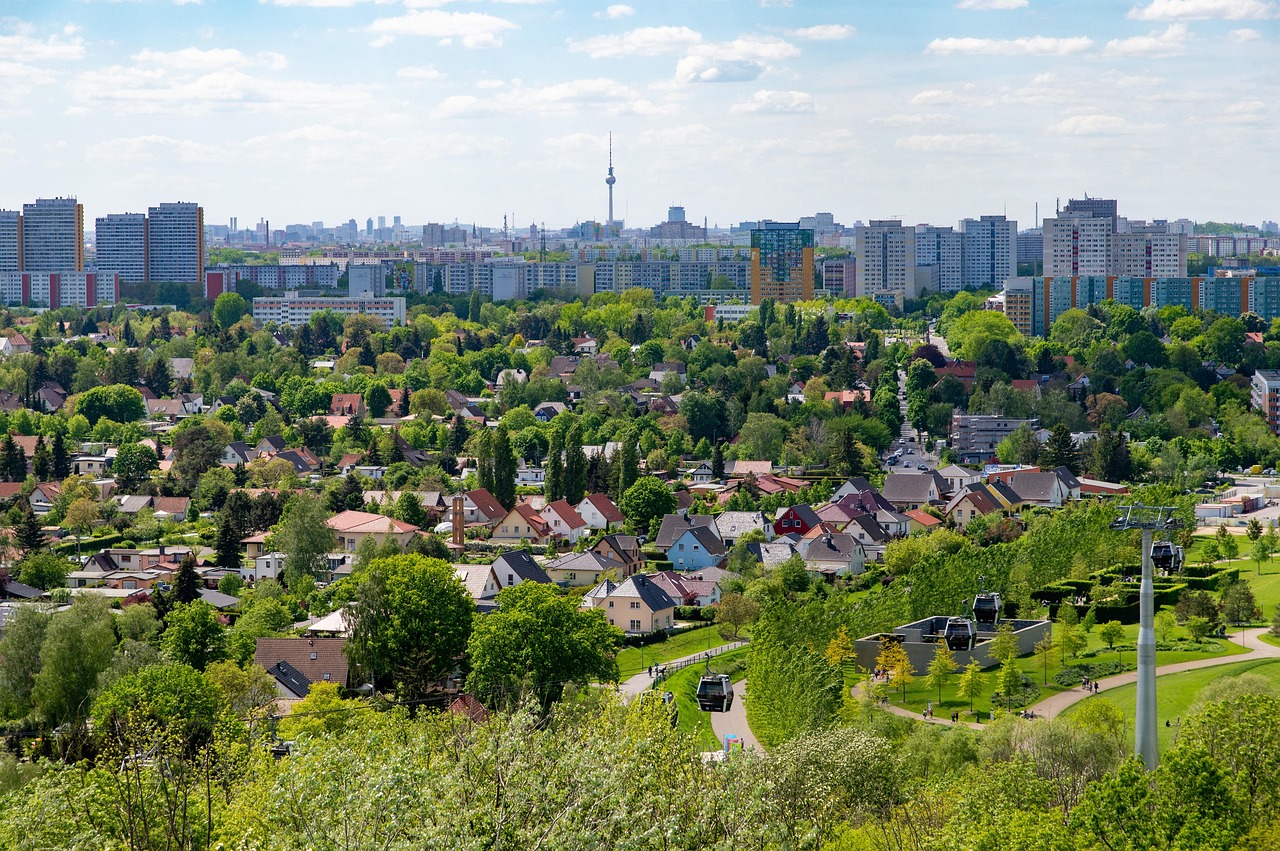
Why Visit Berlin-Brandenburg in 2026
Berlin is the obvious headline, but the Berlin-Brandenburg region is the real story—especially in 2026. High-speed rail upgrades mean faster trips across the region, new cycle paths link lakes and villages, and a wave of small, creative food and cultural projects have reached deep into Brandenburg’s countryside. If you’re looking for a base that combines world-class museums with quiet forests and swim-friendly lakes, this is your place.
In 2026–2027, expect a particularly lively calendar: Berlin’s cultural institutions are rolling out special programs for the 35th anniversary of reunification (2025–26), Potsdam is polishing up palace restorations, and Brandenburg continues to lean into sustainable tourism—bike routes, river cruises, farm-stays, and dark-sky stargazing in the Schorfheide.
- For families: Safe lakes, interactive museums, wildlife parks, and easy public transit.
- For couples: Romantic palace gardens in Potsdam, sunset boat rides on the Havel, boutique hotels in historic towns like Brandenburg an der Havel and Bad Saarow.
- For adventurers: Canoeing in Spreewald, cycling across Uckermark’s rolling hills, hiking in the Märkische Schweiz, and urban exploration in Berlin’s edgier neighborhoods.
- For culture lovers: From Berlin’s museums and techno clubs to Brandenburg’s small-town theatres, industrial heritage sites, and open-air festivals.
Berlin-Brandenburg at a Glance
Berlin is a city-state, a political island ringed entirely by the state of Brandenburg. On a map, Brandenburg looks like a loose wreath of forests, lakes, and low hills wrapped around a dense urban core. The geography is gentle: sandy soil, pine forests, river plains, and glacial lakes. The drama here is historical and cultural rather than alpine.
Three things tie the region together:
- Water: The Havel, Spree, and countless lakes—Wannsee, Müggelsee, Schwielowsee, Scharmützelsee—define leisure time: swimming, paddling, boating, lakeside saunas.
- Prussian heritage: Palaces, formal gardens, and historic town centers (Potsdam, Brandenburg an der Havel, Oranienburg) recall the era when this region was the heart of Prussia.
- Recent history: The Berlin Wall, Soviet garrisons, Stasi bunkers, and industrial ruins sit beside sleek museums and start-up hubs. You constantly feel the last 80 years under your feet.
Best bases: For most visitors, I recommend splitting your time between:
- Berlin (for museums, nightlife, and easy day trips by train), and
- Potsdam or Bad Saarow (for lakes, spas, and slower days).
If you’re staying longer (6–7 days), add a night in Spreewald or Uckermark for deep countryside and a different pace.
4–7 Day Itineraries for Berlin-Brandenburg
Below are flexible itineraries you can mix and match. I’ll speak from my own recent trips (2023–2025), but all logistics and opening times are updated for 2026 as far as current information allows. Think of these as narrative blueprints rather than rigid schedules.
4 Day Itinerary for Berlin-Brandenburg
This is my go-to suggestion when friends message: “We’ve got 4 days in Berlin-Brandenburg—what should we do?” The idea is to balance Berlin’s intensity with one full day out in Brandenburg.
Day 1 – Berlin Icons & First Taste of the Region
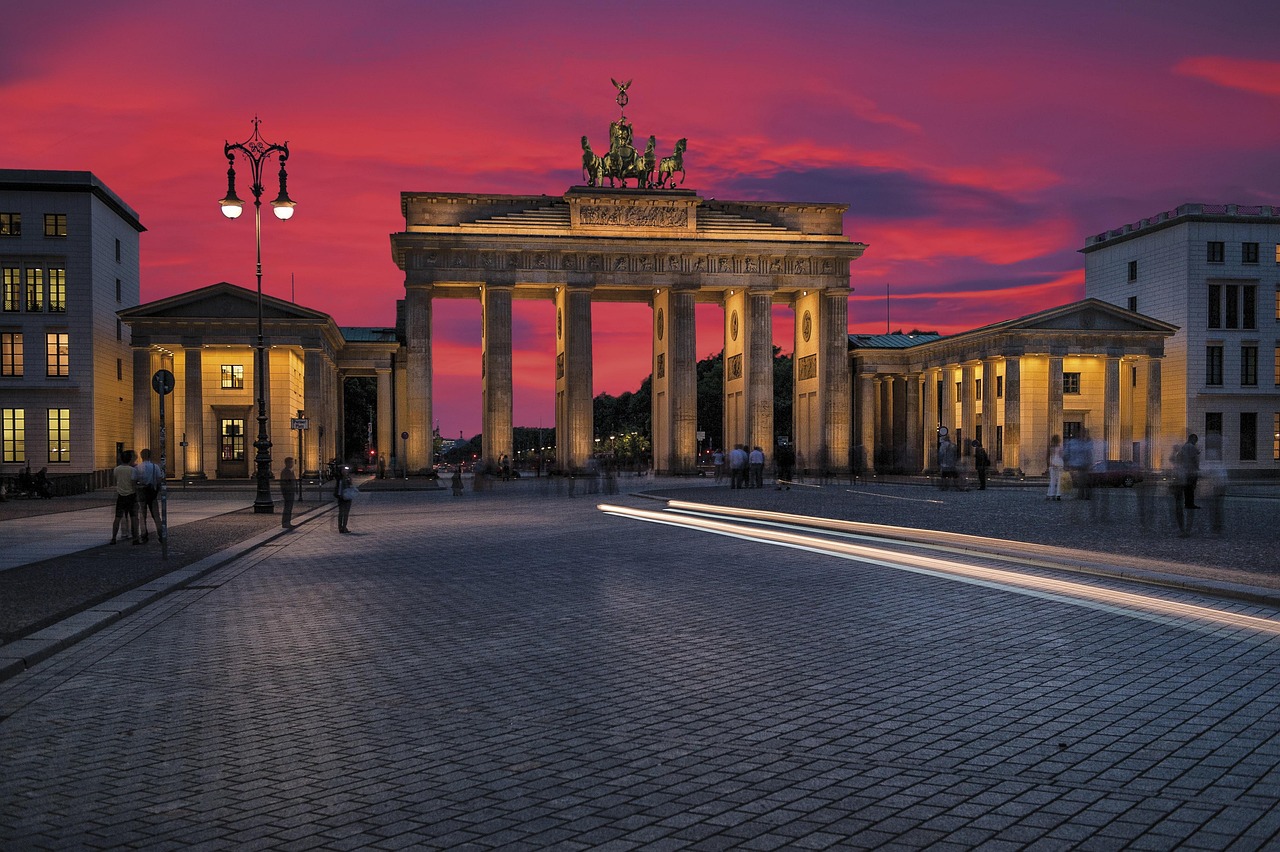
Start in the obvious place: the historic heart of Berlin. I like to begin at Brandenburger Tor around 8:00–8:30 a.m., when the bus tours haven’t fully descended. Standing under the gate in the quiet morning light still gives me goosebumps, even after a decade of living here.
- Morning: Walk from Brandenburg Gate down Unter den Linden, cut over to the Holocaust Memorial (take time to walk the field, not just snap a photo), then continue to Potsdamer Platz. I usually grab a quick coffee from a kiosk here before heading to the Topography of Terror—sobering, detailed, and free.
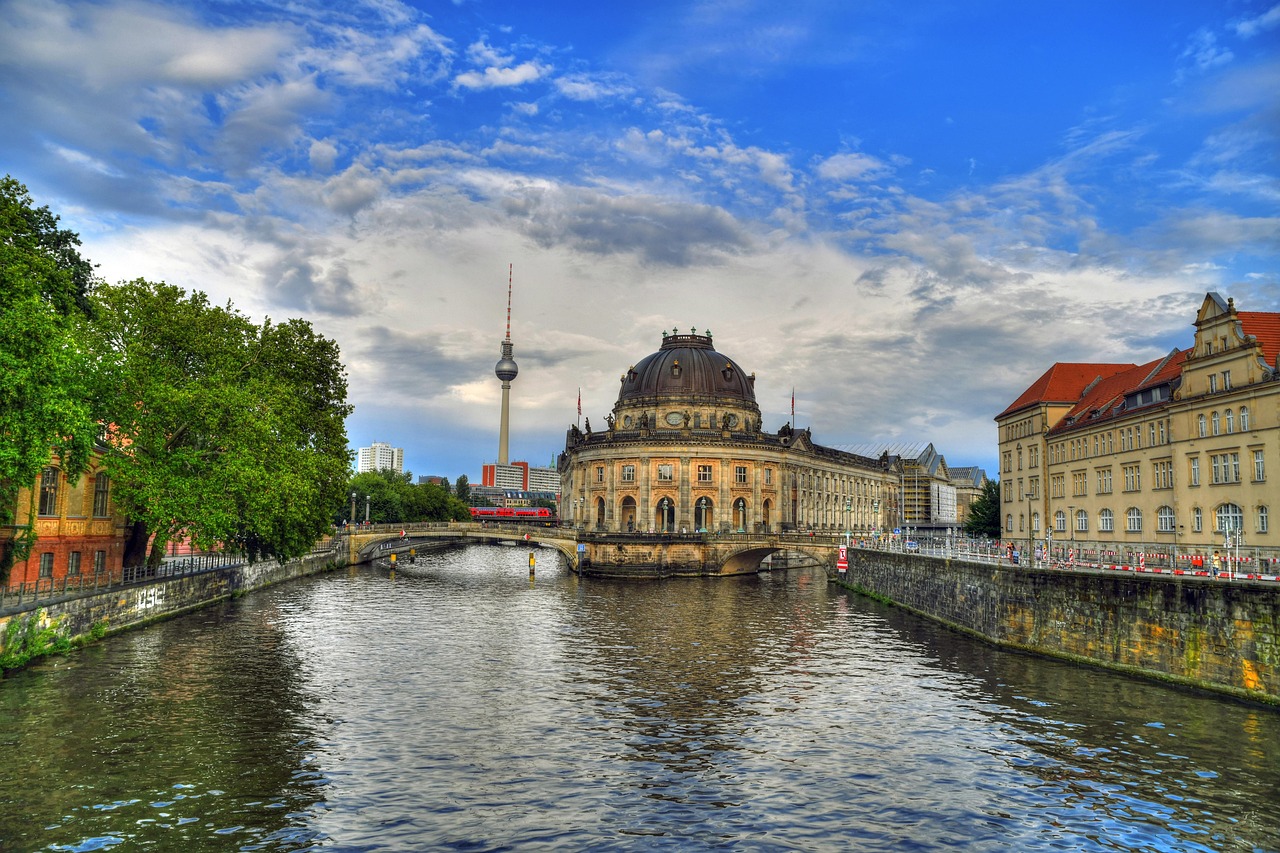
- Late morning to early afternoon: Take the U-Bahn or walk to Museum Island. Choose one or two museums—my current favorite combo is the Neues Museum (for Nefertiti and the Egyptian collection) and the Alte Nationalgalerie (for 19th-century art in a temple-like setting).
- Lunch: Cross to Hackescher Markt for a relaxed outdoor lunch. You’ll find everything from modern German to Middle Eastern. I usually end up with a plate of seasonal Spätzle or a big salad and a Schorle (sparkling juice spritzer).
By mid-afternoon, you’ll probably feel the museum fatigue kicking in, so I like to shift the mood completely.
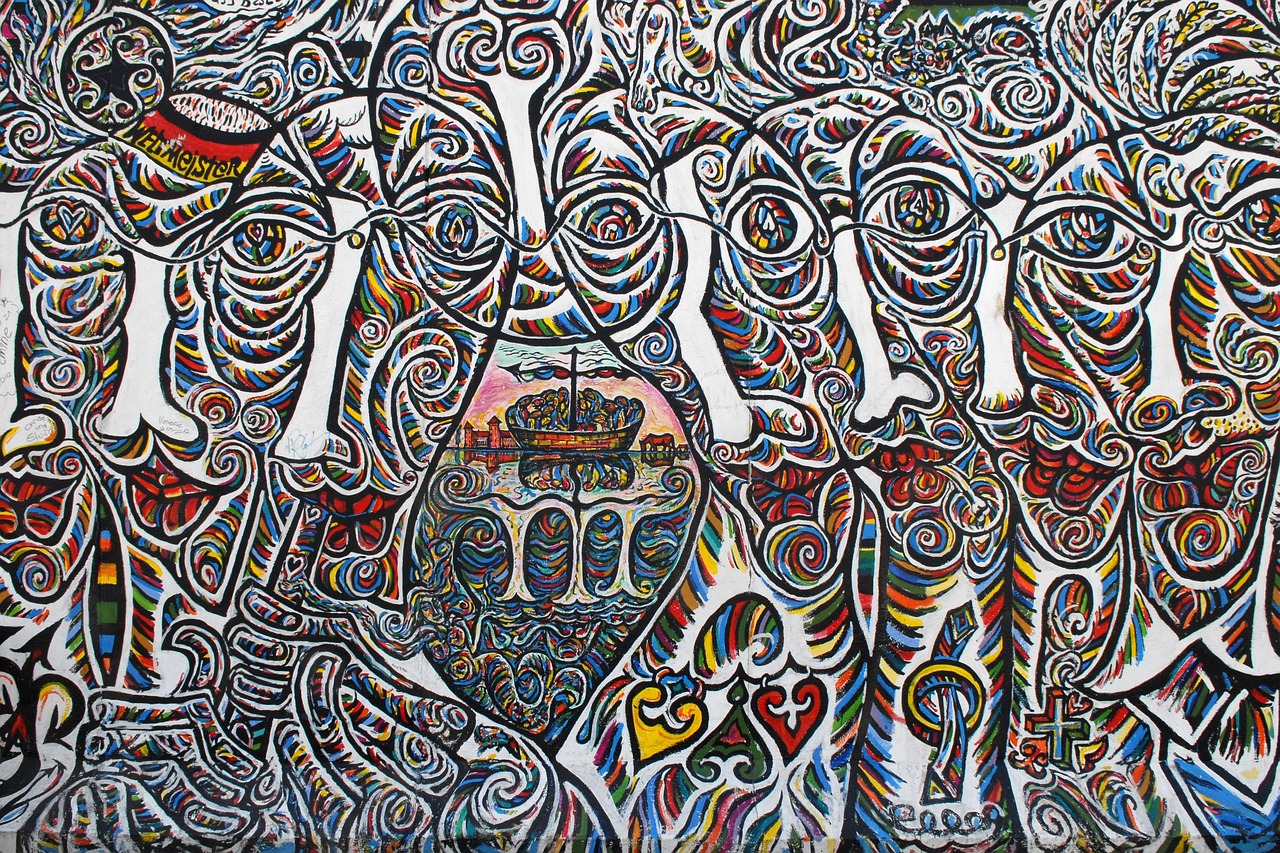
- Afternoon: Hop on the S-Bahn to Ostbahnhof and walk the East Side Gallery. It’s touristy but still powerful, and the river views start to open the city up. Continue across the Oberbaumbrücke into Kreuzberg.
- Evening in Kreuzberg: For a first-night dinner, I steer visitors to a mixture of classic and contemporary Berlin: maybe a Turkish Ocakbaşı grill on Oranienstraße, or a casual farm-to-table spot off Görlitzer Park. Afterwards, stroll along the canal—on warm nights the Landwehrkanal becomes one long picnic.
Family tip: Keep museums to 1–2 hours max and let kids run around on the lawns near the Berliner Dom or on the banks of the Spree. There are excellent playgrounds near Hackescher Markt and in Kreuzberg.
Day 2 – Neighborhood Berlin & Hidden Corners
Day 2 is about Berlin’s lived-in neighborhoods. I usually design it around a late, lazy breakfast and lots of walking with small rewards (cafés, bookshops, viewpoints) along the way.
- Morning in Prenzlauer Berg: Start at Wasserturm park, then wander Kollwitzkiez. The Saturday farmers’ market at Kollwitzplatz (check dates) remains one of my favorites: local cheeses, organic vegetables, street food, and a stall that does a dangerously good Apfelstrudel.
- Late morning: Take the tram or walk to Mauerpark, where the former death strip is now a strip of grass, flea markets, and street performers. On Sundays, the open-air karaoke is chaotic and oddly moving.
By midday, I usually feel like heading east.
- Afternoon in Friedrichshain: The streets around Boxhagener Platz are full of independent shops, record stores, and cafés. Grab a slice of cake at a neighborhood bakery, then wander toward the river. If I have energy, I’ll rent a bike here to cover more ground along the Spree.
- Alternate afternoon for kids: The Labyrinth Kindermuseum in Wedding or the Deutsches Technikmuseum near Gleisdreieck are excellent, hands-on experiences.
- Evening: For a mellow but atmospheric dinner, head to Neukölln, especially around Weserstraße or the Schillerkiez. Wine bars, small plates, and some of the best vegetarian food in Berlin cluster here. Finish with a sunset walk in Tempelhofer Feld, the former airport turned vast park.
Day 3 – Potsdam: Palaces, Lakes & Prussian Grandeur
On the third day, I usually feel ready to “leave” Berlin without really leaving the metropolitan area. Enter Potsdam, just 25–35 minutes by S-Bahn. I still get a small thrill each time the train crosses the Glienicker Brücke, once a Cold War spy swap bridge, now just a handsome river crossing.
- Morning at Sanssouci: Get an early train and head straight to Park Sanssouci. I like to start at the Neues Palais at the far end and walk back through the park, ending at Schloss Sanssouci itself. The terraced vineyard steps, the fountains, the unexpectedly intimate scale of the palace—all feel like stepping into a Rococo painting.
- Lunch: Drop into Potsdam’s Altstadt for lunch at a traditional Gasthaus—try Königsberger Klopse (meatballs in caper sauce) or seasonal dishes like asparagus in spring.
In the afternoon, switch from palaces to everyday life.
- Afternoon in the Dutch Quarter & along the Havel: The Holländisches Viertel (Dutch Quarter) is all red brick gables and cobblestone. I like to wander aimlessly, ducking into design boutiques and cafés. If the weather is good, rent a bike or take a Havel boat tour—floating past Potsdam’s villas and parklands at golden hour is one of the region’s most romantic experiences.
- Evening: You can either dine in Potsdam (lots of cozy, candlelit spots) and return to Berlin by train around 22:00, or head back earlier and finish the night with a drink along the Spree.
Day 4 – A Taste of Rural Brandenburg: Spreewald or Wannsee & Havelland
Your last day is your chance to see what lies beyond the suburban ring. I usually offer visitors a choice:
Option A: Spreewald Day Trip (Nature & Traditions)
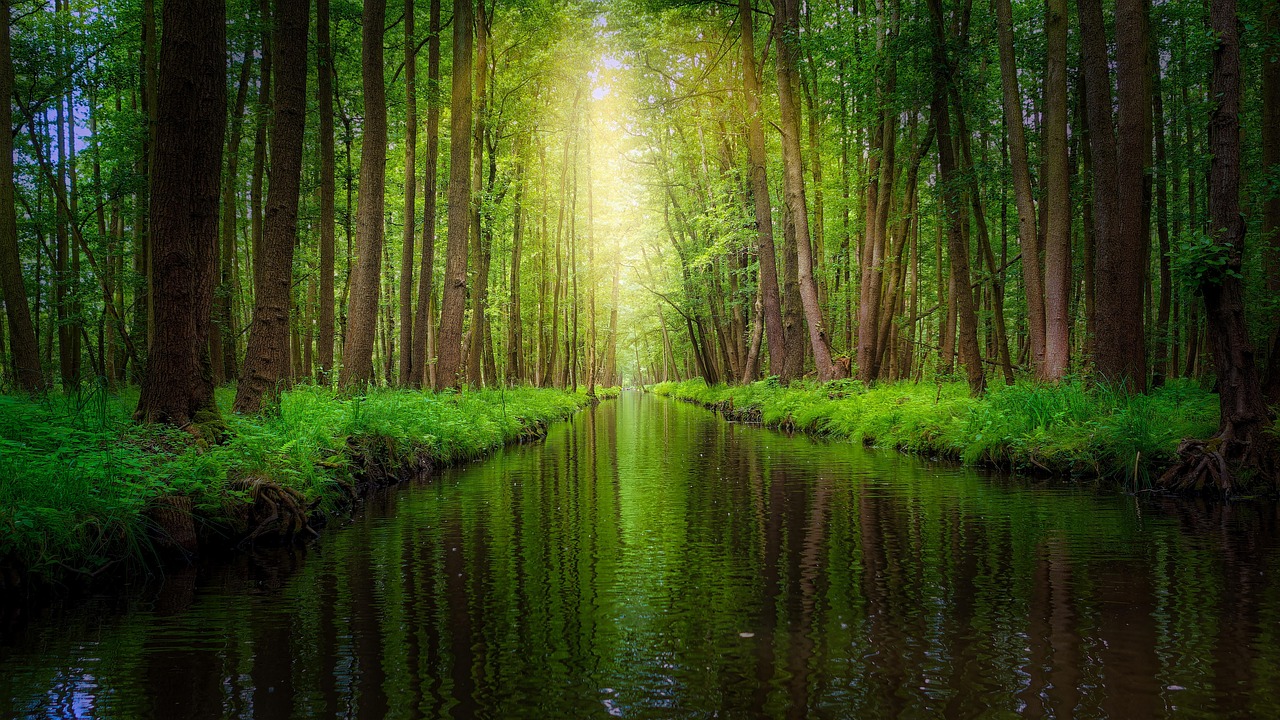
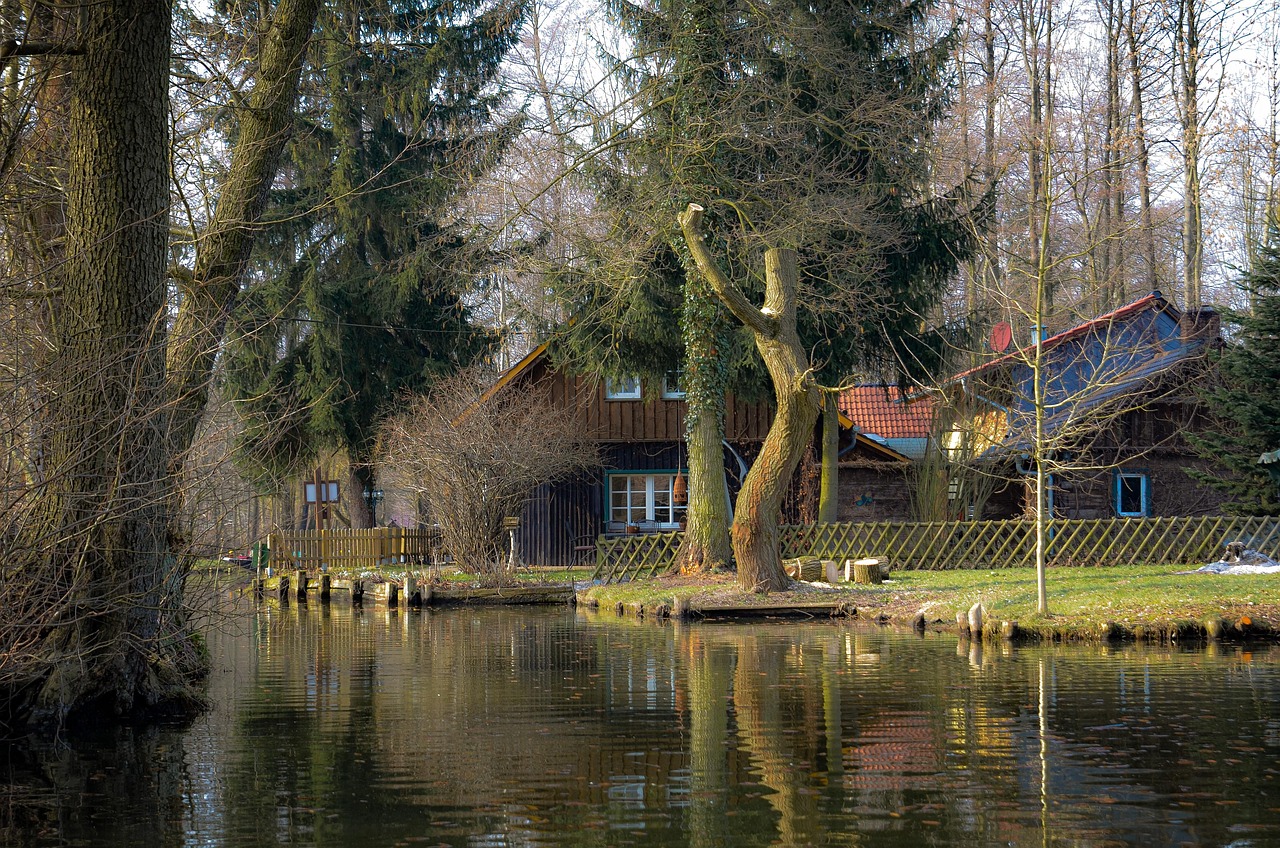
Spreewald feels like stepping into a fairytale version of rural Germany: flat, green, criss-crossed by narrow canals, with wooden houses on islands and boats as everyday transport. From Berlin Hbf, it’s about an hour by train to Lübbenau or Lübben.
- Morning: Arrive in Lübbenau, walk the short distance to the boat harbors, and join a Kahnfahrt (traditional flat-bottomed boat tour). I always choose the 3–4-hour route that includes a stop in the village of Lehde. Ask for a quieter route if you want fewer other boats.
- Lunch: Eat in Lehde—try Spreewälder Gurken (famous pickles) and dishes with linseed oil, smoked fish, or potatoes. There are several rustic inns along the canals; I love grabbing a seat right by the water.
- Afternoon: Rent a paddle boat or kayak and explore a bit on your own, or wander the open-air museum in Lehde, which reconstructs traditional Sorbian/Wendish farm life.
- Return: Evening train back to Berlin; you’ll be pleasantly tired.
Family tip: Kids tend to love the boats and the low-key adventure of island paths and bridges.
Option B: Lakes Near Berlin – Wannsee & Havelland (Easy & Close)
If you want less travel time and more flexibility, head to Wannsee and the western lakes. From Berlin’s city center, the S7 takes you to Wannsee in about 25 minutes.
- Morning: Visit the poignant Haus der Wannsee-Konferenz (Wannsee Conference House) to understand a chilling chapter of WWII history. Then walk or bike along the lakeshore.
- Midday: Swim at Strandbad Wannsee—a vast historic lido with fine sand, shallow water, and views across the lake. There’s a good playground and snack stands inside.
- Afternoon: Take a ferry or boat trip toward Königswinter or further into the Havelland lakes, or hop a regional train to Werder (Havel) to wander its island old town, particularly charming when fruit trees are in bloom.
- Evening: Return to Berlin; finish at a rooftop bar with views of the TV Tower and a sense that you’ve seen far more than just a city.
This 4 day itinerary for Berlin-Brandenburg works in all seasons, adjusting only for how much time you spend outdoors. In winter, swap lakes for more museums and cozy cafés; in summer, linger on the water as much as possible.
5 Day Itinerary for Berlin-Brandenburg
With 5 days in Berlin-Brandenburg, I’d keep the first four days broadly similar, then add a night away in the countryside. Two patterns have worked well for me with visiting friends: a spa-and-lake focus or a deep-dive into industrial and Cold War history.
Day 5 Option 1 – Bad Saarow & Scharmützelsee (Spa & Slow Life)
Bad Saarow sits on the eastern edge of Brandenburg, about an hour from Berlin Ostkreuz by regional train. It wraps around Scharmützelsee, one of the prettiest lakes in the region, with old villas, trees leaning over the water, and a low-key, slightly nostalgic spa-town vibe.
- Morning: Arrive mid-morning, check into a lakeside hotel or Pension. I like to drop my bag and walk straight to the lakeshore promenade. Rent bikes and follow the cycle path that loops parts of the lake, or simply stroll among the villas.
- Afternoon at the spa: The SaarowTherme is the main draw: indoor and outdoor thermal pools, saunas, and wellness treatments. I’ve spent entire afternoons drifting from warm saltwater pools to quiet nap rooms, emerging only for herbal tea.
- Evening: Dinner at a lakeside restaurant—fish from the lake, good German wines, and long, lingering twilights in summer. In winter, the lighted spa pools feel almost otherworldly against the early dark.
Romantic angle: This is one of my top recommendations for couples: strolls, spa time, and candlelit dinners by the water make it feel like a different world from Berlin’s grit.
Day 5 Option 2 – Oranienburg & Sachsenhausen (History & Reflection)
This day is emotionally heavy but historically essential. I never suggest it lightly, especially for families with younger children.
- Morning in Oranienburg: Take the regional train north to Oranienburg. Start with a walk through the town and a visit to Schloss Oranienburg, one of Brandenburg’s oldest baroque palaces, to understand the region’s earlier history.
- Afternoon at Sachsenhausen: From the town, it’s a short bus ride or 20–25 minute walk to the Sachsenhausen Memorial and Museum, the site of a former concentration camp. Plan 3–4 hours. The exhibits are thorough; the mood is somber. It’s not a place for photos, but for listening, reading, absorbing.
- Evening back in Berlin: I always plan a quiet evening after Sachsenhausen: a simple dinner, a walk along the river, time to digest everything.
Both of these options turn your 5 day itinerary for Berlin-Brandenburg into a more rounded experience: either giving you a restorative break or a deeper understanding of the darker parts of German history.
6 Day Itinerary for Berlin-Brandenburg
With 6 days in Berlin-Brandenburg, you can weave the city, lakes, and countryside into one coherent trip. My preferred 6 day itinerary looks like this:
- Days 1–3: Berlin highlights & neighborhoods (as above)
- Day 4: Potsdam
- Day 5: Spreewald overnight
- Day 6: Return via a smaller town (e.g., Cottbus) and a final Berlin evening
Day 5 – Spreewald Overnight
Instead of doing Spreewald as a day trip, stay the night. It changes everything: the canals are quieter, the light softer, and you start to sense how people actually live here.
- Morning: Train Berlin–Lübbenau, boat to Lehde.
- Check-in: Stay in a traditional guesthouse on one of the islands. The first time I did this, I woke up to fog lifting off the canal and the sound of a lone boatman humming as he passed.
- Afternoon: Rent a canoe and explore the smaller side-canals on your own. Maps mark routes, but part of the joy is getting a little lost and finding your way back.
- Evening: Dinner at a local inn with regional dishes, then a walk along the unlit paths (bring a headlamp) to admire the stars. Spreewald is far enough from big city lights for surprisingly good stargazing.
Day 6 – Cottbus & Return to Berlin
On your way back, stop in Cottbus, the second city of Brandenburg and a fascinating place in transition from coal mining hub to green-energy and culture center.
- Morning: Train Lehde/Lübbenau–Cottbus. Stroll the compact Altstadt: the marketplace, city walls, and restored townhouses.
- Afternoon: Visit Branitz Park and Palace, created by Prince Pückler, a slightly eccentric aristocrat and landscape designer. The park’s earth pyramids and carefully staged vistas feel almost surreal.
- Evening: Return to Berlin (about 1.5 hours by train). Finish your 6 days in Berlin-Brandenburg with a final dinner in a neighborhood you haven’t yet explored—perhaps Charlottenburg near the palace, or Schöneberg with its cafés and LGBTQ+ history.
7 Day Itinerary for Berlin-Brandenburg
7 days in Berlin-Brandenburg lets you breathe. You can linger, revisit places you love, and add a truly off-the-beaten-path landscape. My ideal 7 day itinerary is:
- Days 1–3: Berlin (icons + neighborhoods)
- Day 4: Potsdam
- Day 5: Spreewald
- Day 6: Uckermark countryside
- Day 7: Lakes & Havelland, then back to Berlin
Day 6 – Uckermark: Rolling Fields & Slow Travel
Uckermark is where many Berliners escape to recharge. It’s north of the city, a patchwork of lakes, fields, and gentle hills dotted with tiny villages and renovated farmsteads. You’ll want either a rental car (best) or a bike and regional train combo.
- Morning: Train to a hub like Angermünde or Prenzlau, then pick up a rental bike or car. Head to a lake such as Unteruckersee or Parsteiner See.
- Midday: Picnic on the lakeshore—many spots have unsupervised but safe swimming. On one trip, I swam alone in glassy water with only grebes for company, then dried off in a patch of wild thyme.
- Afternoon: Visit a local farm café or Hofladen (farm shop) for regional cheeses, bread, and jams. Some converted farms also offer wine tastings featuring bottles from Brandenburg and neighboring regions.
- Evening: Stay overnight in a Ferienwohnung (holiday apartment) or country inn. Life here is quiet: dinner, perhaps a short evening walk, early bed. It’s the perfect contrast to Berlin’s energy.
Day 7 – Havelland Villages & Return
On your last day, drift back toward Berlin through the Havelland. If you have a car, you can string together villages and viewpoints; by train, focus on a town like Brandenburg an der Havel or Werder (Havel).
- Morning: Explore Brandenburg an der Havel’s three-island old town—cathedral, city fortifications, and quiet side streets where roses climb half-timbered facades.
- Afternoon: Take a short boat ride on the Havel or simply sit at a riverside café watching kayakers and swans glide by.
- Evening: Return to Berlin for a final meal. If your train or flight leaves the next morning, I like staying near Hauptbahnhof or in Mitte for easy connections.
This 7 day itinerary for Berlin-Brandenburg gives you a true sense of the region: the capital, the palaces, the forests and canals, and the slower, rural life that frames it all.
Key Towns, Sub-Areas & Landscapes of Berlin-Brandenburg
Below are detailed portraits of at least 18 of the region’s main areas—places where I’ve stayed, eaten, swum, and gotten lost over the years. Think of this as your deep-dive reference once you’ve sketched your itinerary.
1. Berlin – The Magnetic Core
Berlin is impossible to summarize, but from a regional perspective, it’s your transport hub, cultural anchor, and rainy-day backup plan. Every train and bus network points here; every surrounding town times its events with Berlin’s flow of visitors.
Character: Contradictory, creative, sometimes scruffy. A place where Michelin-starred restaurants sit a few blocks from squatted art spaces, and where lakes and forests begin just a tram ride from the center.
Best for: Museums, nightlife, multicultural food, history, and as a base for day trips.
Where to base:
- Mitte: Great if it’s your first time and you want walkable access to must-see attractions in Berlin-Brandenburg like Museum Island and Brandenburg Gate.
- Kreuzberg/Neukölln: For nightlife, street food, and a younger, edgier vibe.
- Charlottenburg: For a slightly calmer, more “classic European city” feel near Schloss Charlottenburg and the Ku’damm.
Transport: Berlin’s BVG network (U-Bahn, S-Bahn, trams, buses) is your best friend. For regional trips, Berlin Hbf, Südkreuz, Ostkreuz, and Gesundbrunnen are the key hubs for trains into Brandenburg.
Personal tip: Always leave one day or at least half a day “unscheduled” in Berlin. This is when the city really shows itself—through a random flea market, a courtyard gallery, or a café you stumble into to escape the rain.
2. Potsdam – Palaces, Parks & Film Studios
History & significance: Potsdam was the residence of the Prussian kings and German Kaisers. Its carefully planned parks and palaces are a UNESCO World Heritage Site, showcasing 18th–19th-century landscape design at its most theatrical. After WWII, Potsdam hosted the Potsdam Conference, redrawing Europe’s map.
What I love: Potsdam feels like a city built for strolling. Everything is on a human scale: the Dutch Quarter with its brick houses, the baroque Neustädter Tor, the lakes and islands, the Babelsberg Film Studios where so much of German cinema history was made.
Must-see attractions:
- Schloss Sanssouci & Park: Frederick the Great’s summer palace. Go early, pre-book a time slot, and leave room just to wander the park’s smaller pavilions.
- Neues Palais: An exuberant statement of power, filled with opulent interiors.
- Neuer Garten & Cecilienhof: A more English-style park with the palace where the Potsdam Conference was held.
- Babelsberg: Both the park and the film studios are worth a visit; kids especially enjoy the behind-the-scenes tours.
Food & drink: I’ve had consistently good meals in the Dutch Quarter—think modern German cuisine, seasonal menus, and plenty of vegetarian options. In summer, seek out Havel-side beer gardens.
Family note: Potsdam is very stroller-friendly and parks offer playgrounds and lawns. Many cafés have kids’ menus and high chairs.
3. Brandenburg an der Havel – Medieval Core on the River
History: Once the political and spiritual center of the region, Brandenburg an der Havel gave its name to the entire state. The city is actually a trio of islands connected by bridges, with a cathedral dating back to the 12th century.
Why go: It’s less polished than Potsdam, more lived-in and authentic. I go for quiet river walks, the sense of deep time in the cathedral cloisters, and the pleasure of sitting at a café watching local life go by.
Highlights:
- Dominsel (Cathedral Island): Gothic cathedral, cloisters, and a small museum.
- Altstadt & Neustadt: Wander the narrow streets, see the city gates and remnants of medieval walls.
- Havel boat tours: Short cruises show you the city from the water and give a sense of the surrounding lake system.
Food: Look for simple, hearty Brandenburg dishes—pork roasts, fish, seasonal vegetables. The riverside spots are ideal for a slow lunch.
4. Spreewald – The Green Venice of the East
Landscape: A UNESCO biosphere reserve, Spreewald is a maze of more than 200 canals and waterways, surrounded by forests and meadows. Traditional Sorbian/Wendish culture remains strong here.
What it’s known for: Flat-bottom boat tours, pickles, traditional costumes at festivals, and a feeling of slowness that’s becoming rare.
Main bases:
- Lübbenau: Good transport links, plenty of boat operators, lots of accommodation.
- Lübben: Slightly quieter, great for families.
- Burg (Spreewald): More spread out, with thermal baths and a rural spa vibe.
Personal anecdote: The first time I paddled a canoe here, I expected crowds. Instead, within 15 minutes we were alone on a narrow canal, dragonflies skimming the surface, wooden bridges arching overhead. At a crossroads of waterways, a small sign pointed left to a village café, right to a nature route. It felt like a choose-your-own-adventure book in real life.
5. Uckermark – Rolling Countryside & Lakes
Character: Uckermark is where you go when you want to exhale. It’s an archetype of “new rural” Germany: organic farms, artists in converted barns, Berliners weekending in tastefully renovated farmhouses.
Base towns:
- Angermünde: Historic center, gateway to the Nationalpark Unteres Odertal.
- Prenzlau: Larger town on the shores of Unteruckersee, with lakeside promenades.
What to do: Cycling, swimming, hiking, farm visiting. In spring, fields of rapeseed turn the landscape neon yellow; in autumn, the light over harvested fields and misty lakes is pure poetry.
Tip: A car is very handy here; public transport exists but is sparse between villages.
6. Bad Saarow & Scharmützelsee – Lakeside Spa Town
History: Popular as a spa town since the early 20th century, Bad Saarow drew Berlin’s elite during the Weimar era. Many of the villas and the lakeside promenade date from this period.
Why I return: The combination of forest, water, and warm mineral pools is addictive. It’s an easy place to do very little in a very satisfying way.
Activities: Spa days, sailing, stand-up paddleboarding, lakeside cycling, and cozy winter weekends watching snow fall on the lake from a steam-filled thermal pool.
7. Havelland – River Landscapes & Small Towns
Landscape: Defined by the Havel River’s many curves and side channels, the Havelland is a land of meadows, floodplains, and small towns with baroque cores and riverfront promenades.
Notable towns: Brandenburg an der Havel, Werder (Havel), and smaller villages like Ketzin or Paretz.
Best for: Gentle cycling trips, river cruises, spring blossoms in Werder’s orchards, and autumn fog on the water.
8. Märkische Schweiz – Little Switzerland of Brandenburg
Misleading name, lovely landscape: The hills here are modest, but by Brandenburg standards they’re dramatic. Glacial valleys, forests, and lakes form a compact nature park east of Berlin.
Base: The spa village of Buckow, with its lake, boardwalk, and small-town theatres and cafés.
Activities: Hiking round-lake circuits, visiting the Brecht-Weigel house (where Bertolt Brecht spent summers), winter walks followed by hot chocolate in Buckow’s cafés.
9. Müggelsee & Köpenick – Berlin’s Eastern Lakes & Old Town
Where city blurs into nature: Eastern Berlin’s Müggelsee is one of the city’s largest lakes, framed by forests and low hills. Nearby Köpenick has a cobbled old town and a baroque waterside palace.
Activities: Swimming, sailing, lakeside saunas, walking the Müggelberge trails to viewpoints over water and forest. Köpenick’s town square often hosts small markets and concerts.
Tip: Even on busy summer weekends, you can find quieter spots if you walk or cycle a bit away from main beaches.
10. Wannsee & Pfaueninsel – Western Lakes & Island Escapes
Character: Grand villas, wooded islands, and classic bathing culture. Wannsee is where Berliners have been coming to swim and sun since the early 20th century.
Main draws:
- Strandbad Wannsee: Historic lido with a huge sandy beach.
- Pfaueninsel (Peacock Island): A small, UNESCO-listed island reached by ferry, with a whimsical little castle and, yes, peacocks wandering free.
Cultural note: The Wannsee Conference House requires a different mood—go with time and emotional space to engage with the exhibits.
11. Oranienburg – Baroque Palace & Somber History
Overview: Oranienburg is a small town north of Berlin, anchored by its elegant baroque palace and scarred by its proximity to Sachsenhausen.
What to see: Stroll the carefully kept palace gardens, visit the local museum for context on the town’s history, then, if you choose, continue to Sachsenhausen for a much heavier, more reflective experience.
12. Cottbus – Gateway to the Lausitz
Character: A former coal town remaking itself, Cottbus mixes Wilhelminian architecture, post-war housing, and ambitious cultural projects.
Highlights:
- Altmarkt & old town: Compact and walkable, lined with cafés.
- Staatstheater Cottbus: An ornate theatre that feels far grander than the city’s size would suggest.
- Branitz Park & Palace: Pückler’s eccentric landscape masterpiece.
Tip: Combine Cottbus with Spreewald or the Lausitz lake district for a few days exploring the region’s industrial heritage and its ecological transformation.
13. Schorfheide-Chorin – Forests, Lakes & Monastery Ruins
Landscape: Dense forests, clear lakes, and the gothic red-brick ruins of Kloster Chorin. This area was once a royal hunting reserve; today it’s a nature and cultural hotspot.
What to do: Hiking, cycling, swimming in lakes like Werbellinsee, and attending classical or experimental concerts at Chorin monastery, especially magical on summer evenings.
Tip: If you’re into stargazing, some parts of Schorfheide are dark-sky certified; check for guided night walks or astronomy events in 2026–2027.
14. Lausitzer Seenland – Man-Made Lakes & Industrial Ruins
Story: The Lusatian Lake District is one of Europe’s biggest landscape transformations: former open-cast coal mines flooded into a connected system of lakes.
Activities: Cycling along panoramic dike paths, climbing viewing towers that overlook lunar-like former mines, and water sports on the newly filled lakes. It’s a fascinating place to think about climate, industry, and regeneration.
Base: Towns like Senftenberg or Großräschen are practical hubs.
15. Werder (Havel) – Island Town & Blossom Festival
Character: A small town built on an island in the Havel, surrounded by orchards and vineyards. Werder has a quietly prosperous, almost Mediterranean feel on sunny days.
Known for: The annual Baumblütenfest (Tree Blossom Festival), one of Germany’s largest fruit wine festivals, usually in late April/early May. Expect crowds, music, and lots of tasting stands.
Tip: Outside festival time, Werder is delightfully peaceful. Stroll the island, visit wineries, and sit at the water’s edge with a glass of local wine.
16. Templin – Timbered Town & Thermal Baths
Overview: Templin is wrapped in nearly complete medieval town walls and surrounded by lakes and forests. It feels like a storybook town.
Why go: To combine historic ambiance with nature and wellness. The Therme Templin offers family-friendly pools and saunas, while the surrounding lakes are perfect for summer swimming.
17. Bad Belzig & Hoher Fläming – Castles & Rolling Hills
Landscape: The Hoher Fläming region is another of Brandenburg’s gentle hill areas, with beech forests, meadows, and castle-topped ridges.
Highlights: Burg Eisenhardt in Bad Belzig, hiking routes like the Burgenwanderweg (Castle Trail), and small village art initiatives.
Tip: Great for a spring or autumn hiking weekend from Berlin; trains connect Berlin to Bad Belzig in about an hour.
18. Frankfurt (Oder) & Słubice – Twin Cities on the Border
Character: Frankfurt (Oder) is a border city on the Oder River, linked by a bridge to Polish Słubice. It’s a place where European integration is an everyday reality: people cross the bridge to shop, eat, and work on both sides.
What to see: The old town’s churches and university buildings, riverside promenades, and art installations. Cross into Poland for pierogi and a very different vibe.
Tip: It’s best as a day trip for travelers interested in borderlands, history, and cross-cultural life.
Regional Cuisine & Where to Taste Local Food in Berlin-Brandenburg
Berlin-Brandenburg’s food scene spans everything from Michelin-starred tasting menus to farmyard picnics. The thread that ties it together is seasonality: asparagus in spring, berries and freshwater fish in summer, game and mushrooms in autumn, and hearty roasts in winter.
Signature Dishes & Products
- Spreewälder Gurken: Crunchy pickles from Spreewald, eaten as snacks or alongside rich dishes.
- Beelitzer Spargel: White asparagus from Beelitz (south of Potsdam), celebrated each spring with roadside stands and restaurant menus built around it.
- Freshwater fish: Pike-perch, carp, and eel from lakes like Müggelsee, Scharmützelsee, and the Havel system.
- Game: Venison, wild boar, and hare from forested areas like Schorfheide and Hoher Fläming.
Where to Eat
In Berlin: I seek out small, creative restaurants that work with Brandenburg producers—modern German and “farm-to-table” places in Mitte, Kreuzberg, and Neukölln. For traditional dishes, look in Charlottenburg and around Hackescher Markt.
In Brandenburg towns: Aim for family-run Gasthäuser and inns. In Spreewald, ask for regional specialties like Quark mit Leinöl (curd cheese with linseed oil) and potato dishes; in Bad Saarow and Havelland, focus on fish and seasonal vegetables.
Farm-stays & Hofläden: Uckermark, Havelland, and Hoher Fläming are full of farms selling cheese, bread, honey, apple juice, and sometimes cooking simple lunches. I still remember an impromptu meal on a Uckermark farm: thick slices of sourdough, goat cheese, and tomatoes still warm from the sun.
Markets
- Berlin: Weekly farmers’ markets in Kollwitzplatz, Boxhagener Platz, Winterfeldplatz, and Markthalle Neun (indoor) are my go-to spots for local produce and street food.
- Potsdam: Smaller markets in the old town often feature regional cheese, cured meats, and baked goods.
- Uckermark & Havelland: Seasonal village markets, especially during harvest time, are perfect for tastings and people-watching.
Money-Saving Food Tips
- Lunch menus: In both Berlin and Brandenburg towns, many restaurants offer cheaper lunchtime deals.
- Bakeries: German bakeries are your budget ally: fresh rolls, sandwiches, pastries, and coffee for a fraction of restaurant prices.
- Supermarkets: Look for regional labels in chains like REWE and Edeka; many have in-store bakeries and salad bars for picnic supplies.
Evenings in Berlin-Brandenburg
Evenings are when the region’s dual nature shows itself most clearly: Berlin buzzing with restaurant terraces and bars, Brandenburg villages settling into a quiet hum of clinking cutlery and dog-walkers.
In Berlin
Evenings in Berlin are almost overwhelming in choice: theatre, opera, clubs, late gallery openings, riverside bars, and street food markets. I like to mix high and low: maybe a performance at Berliner Ensemble or Schaubühne, followed by a simple drink at a neighborhood Kneipe.
In Brandenburg Towns
- Potsdam: Summer concerts in parks, open-air cinema, and Havel-side beer gardens.
- Bad Saarow: Long dinners, lakeside walks, and spa visits under the stars.
- Spreewald & Uckermark: Fire pits, starry skies, and early nights. Bring a book, a bottle of regional wine, and surrender to the slower pace.
Seasonal Celebrations
- Spring: Blossom festivals in Werder and surrounding orchards; Easter markets.
- Summer: Village fêtes, lake festivals, outdoor theatre and concerts at Chorin Monastery and Potsdam’s palaces.
- Autumn: Harvest festivals, wine tastings, and lantern walks for children (St. Martin’s Day).
- Winter: Christmas markets in Berlin, Potsdam, and smaller towns; ice skating in city squares and on frozen lakes (if conditions are safe).
Major Events & Festivals 2026–2027
Event dates shift slightly each year; always confirm closer to your trip. For 2026–2027, keep an eye on:
- Berlin cultural season 2026: Expanded programs at the Humboldt Forum, Museum Island, and Berlin State Opera, with many institutions theming exhibitions around 35+ years since reunification.
- Film festivals: The Berlinale (usually February) remains a highlight, especially for film buffs planning a winter city break.
- Baumblütenfest in Werder (Havel): Late April/early May blossom and fruit wine festival.
- Music at Chorin Monastery: Summer concert series in Schorfheide-Chorin.
- Palace Night in Potsdam (Schlössernacht): Usually in late summer—parks illuminated, concerts, performances in palace gardens.
- Regional harvest festivals: Uckermark, Havelland, and Hoher Fläming host multiple small harvest and pumpkin festivals in September–October.
Practical Travel Advice for Berlin-Brandenburg (2026 Edition)
Getting Around: Car vs Train vs Bus
Public transport: For most travelers, especially with a focus on Berlin, Potsdam, and major towns, trains and buses are sufficient.
- Trains (DB & regional): Fast and frequent between Berlin and Potsdam, Brandenburg an der Havel, Oranienburg, Frankfurt (Oder), and Cottbus.
- Regional buses: Fill in gaps, particularly in rural areas. Timetables can be sparse on weekends.
- Tickets: Berlin-Brandenburg tickets and day passes cover regional trains and local transport within defined zones. Consider day tickets if you’re making multiple trips.
Car rental: A car is very useful for Uckermark, Hoher Fläming, parts of Spreewald, and the Lusatian Lake District. Pick-up points at Berlin Brandenburg Airport (BER) and major Berlin train stations are easiest.
- Driving distances (approx.):
- Berlin–Potsdam: 35–45 minutes
- Berlin–Spreewald (Lübbenau): 1–1.25 hours
- Berlin–Bad Saarow: 1–1.25 hours
- Berlin–Angermünde (Uckermark): 1–1.5 hours
- Berlin–Cottbus: 1.5–2 hours
- Parking: Historic centers often have designated car parks just outside; follow local signs. In Berlin, expect paid street parking in central districts and tight spaces.
SIM Cards & Connectivity
SIM options: In 2026, eSIMs from major German providers (Telekom, Vodafone, O2) and pan-European eSIMs are common. Physical prepaid SIMs are easily available at airports, electronics stores, and some supermarkets.
Coverage: Generally good across the region, though some forested or very rural areas (especially in Uckermark and Schorfheide) can have patchy mobile data.
Visa Requirements & Driver’s Licenses
Visas: Germany is part of the Schengen Area. Many nationalities can stay up to 90 days in a 180-day period visa-free; others require a Schengen visa in advance. Always check current regulations for 2026 specific to your passport.
Driver’s license: EU/EEA licenses are accepted. Many non-EU licenses are accepted for short stays; an International Driving Permit (IDP) in addition to your home license is highly recommended if your license is not in German or English.
Best Seasons & What They’re Good For
- Spring (April–May): Blossoms in Werder, asparagus season, mild temperatures, fewer crowds. Great for city + day trips.
- Summer (June–August): Peak lake season: swimming, boating, outdoor festivals. Berlin can be hot but lakes and forests offer relief.
- Autumn (September–October): Harvest time, fall colors in forests, fewer tourists, often crisp, clear days. Ideal for hikes and road trips.
- Winter (November–March): Christmas markets, museums, spas, potential snow in rural areas. Short days, but cozy atmosphere. Beach/lake swimming replaced by saunas and thermal baths.
Extra Day Trips & Nearby Attractions
Already seen the main sights? A few more ideas within easy reach:
- Beelitz-Heilstätten: Abandoned sanatorium complex turned tree-top walkway and cultural venue. Fascinating for fans of history and architecture. Regional trains from Berlin; allow half a day.
- Wittenberg (slightly beyond Brandenburg): Luther’s city, just across the state border in Saxony-Anhalt, reachable by regional train in about an hour from Berlin.
- Nationalpark Unteres Odertal: For birdwatchers and nature lovers; wetlands on the Polish border, best accessed via Angermünde in Uckermark.
Cultural Etiquette & Local Customs
Directness: People in Berlin-Brandenburg tend to be straightforward. A brusque tone doesn’t usually indicate hostility; it’s just a style.
Greetings: A simple “Guten Tag” (formal) or “Hallo” (informal) when entering small shops, cafés, or train compartments is appreciated. Say “Tschüss” or “Auf Wiedersehen” when leaving.
Punctuality: Trains, tours, and reservations expect you on time. Arrive 5–10 minutes early.
Quiet in nature: In forests, on lakes, and in small villages, noise carries. Keep music low, respect posted rules about fires and swimming spots, and pack out all trash.
Tipping: In restaurants, rounding up or adding 5–10% is standard. Say how much you’d like to pay including tip when the server brings the bill or card reader.
Nudity & saunas: In German saunas (including many spas in Bad Saarow, Spreewald, and Berlin), nudity is the norm and swimsuits are often not allowed. Mixed-gender saunas are common. If you’re uncomfortable, look for “textil” (swimsuit) areas or private spa options.
Summary & Final Recommendations
Berlin-Brandenburg is more than a city with some countryside attached; it’s a region where history and landscape are inseparable. From Cold War memorials to baroque palaces, from quiet lakes to bustling markets, you can tailor a trip to almost any travel style.
Key takeaways:
- Use Berlin as your hub, but don’t miss at least one night in Brandenburg’s countryside.
- For 4–5 days, focus on Berlin, Potsdam, and one major nature escape (Spreewald or a lake district).
- For 6–7 days, add Uckermark, Schorfheide, or Bad Saarow for a more complete picture of the region.
- Trains are excellent for main routes; consider a car if you want to roam rural areas freely.
- Spring and autumn offer the best balance of weather, crowds, and prices; summer is unbeatable for lakes, while winter is ideal for culture, spas, and Christmas markets.
After years of returning, my favorite moments are still the simplest ones: sipping coffee on a quiet Potsdam street before the day-trippers arrive, gliding silently through Spreewald’s canals at dusk, or watching the TV Tower glow pink above Berlin’s rooftops from a park bench. Give yourself enough time and flexibility, and Berlin-Brandenburg will start to reveal these small, unforgettable details to you too.