Why Visit Bernkastel-Kues in 2026
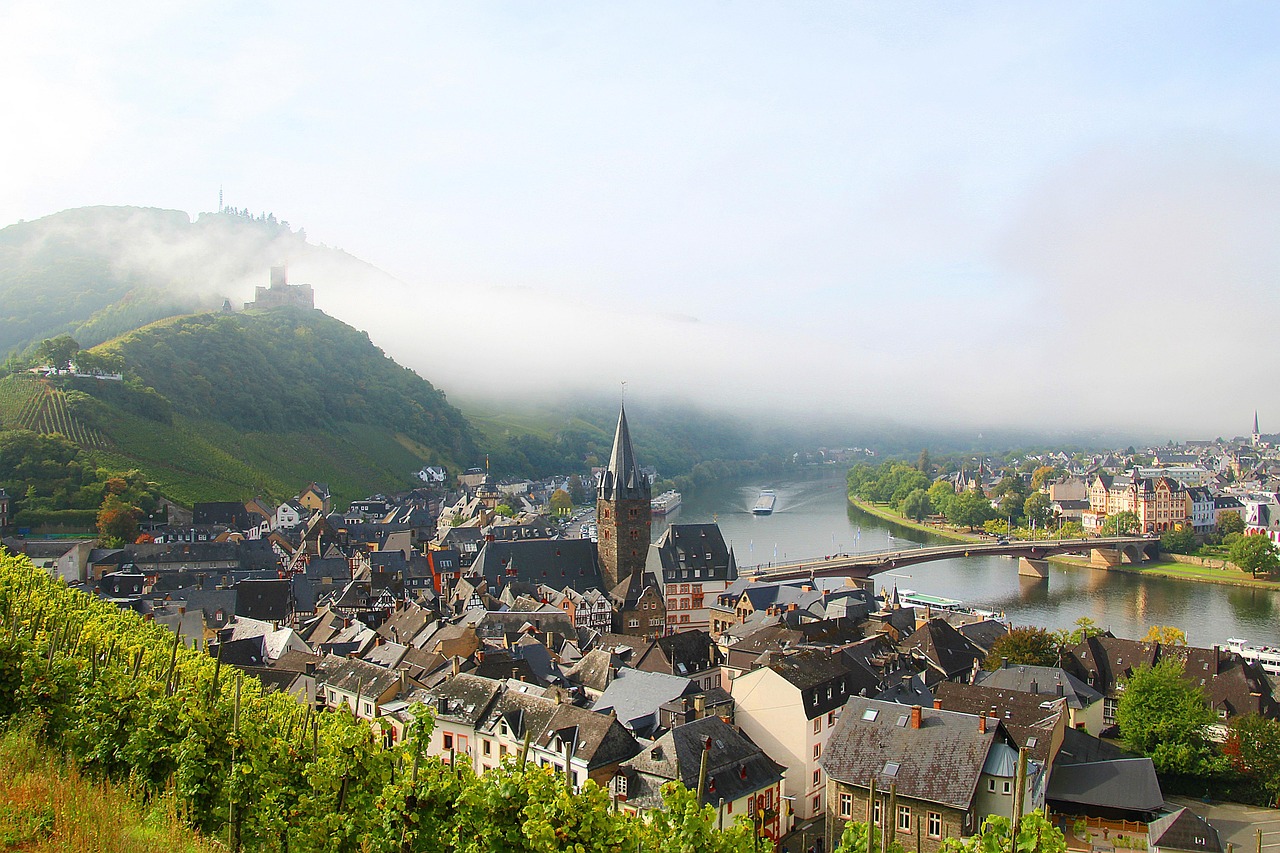
Perched on a bend of the Moselle River, Bernkastel-Kues looks like it was sketched from a fairy-tale: crooked half-timbered houses, steep vineyards rising behind them, a castle in ruins watching over the whole scene, and wine taverns glowing with candlelight. I’ve been coming here regularly for over a decade—sometimes for the wine festivals, sometimes for quiet winter weekends—and every visit feels like opening a familiar, well-loved book and still finding new pages.
If you’re planning 3 days in Bernkastel-Kues or stretching it to a 4 or 5 day itinerary for Bernkastel-Kues, this riverside town is ideal: compact, deeply atmospheric, easy to navigate, and full of small details that reward slow travel. It’s romantic without being pretentious, family friendly without being dull, and adventurous in that gentle, European way of hiking, cycling, and wine tasting your way through history.
In 2026–2027, Bernkastel-Kues continues to evolve while staying true to its medieval roots. New boutique guesthouses open in restored winegrower homes, younger winemakers experiment with organic Riesling, and cultural events grow more ambitious each year—yet you can still wander an alley at dusk and hear nothing but church bells and the clink of glasses from a tiny Weinstube.
This travel guide for Bernkastel-Kues is written as I experience the town: walking, tasting, chatting with locals, and revisiting favorite corners. I’ll give you detailed, story-like itineraries for 3, 4, and 5 days, and dive deep into at least 20 of the must-see attractions in Bernkastel-Kues, from the famous Marktplatz to hidden chapels on the hillside. Along the way, you’ll find practical travel tips for Bernkastel-Kues, advice on local customs, local food in Bernkastel-Kues, and ideas for day trips along the Moselle.
Table of Contents
- Why Visit Bernkastel-Kues
- Quick Overview & Orientation
- Neighborhoods & Areas to Explore
- Top 20+ Attractions & Experiences
- Suggested Itineraries: 3, 4, and 5 Days in Bernkastel-Kues
- Local Food & Wine in Bernkastel-Kues
- Nightlife, Entertainment & Cultural Experiences
- Events & Festivals 2026–2027
- Day Trips from Bernkastel-Kues
- Local Customs & Cultural Etiquette
- Practical Travel Advice & Money-Saving Tips
- Summary & Best Time to Visit
Quick Overview & Orientation
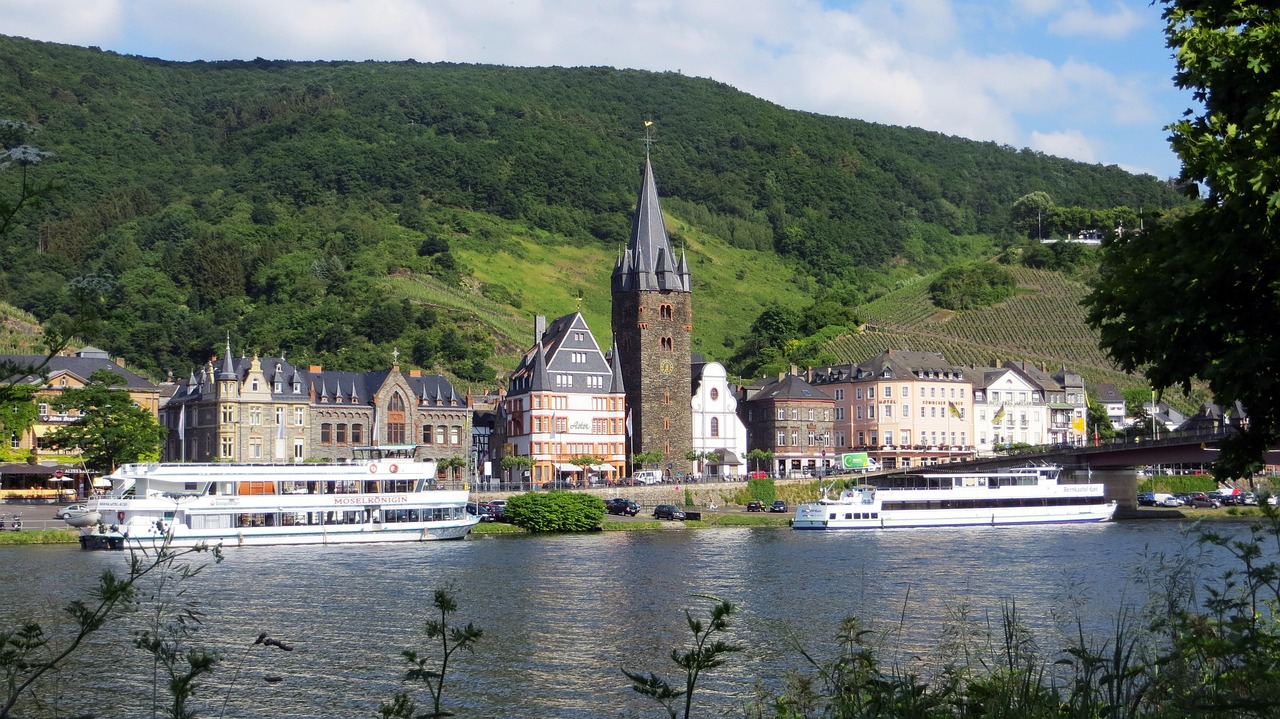
Bernkastel-Kues is actually two historic towns facing each other across the Moselle: Bernkastel on the right bank (with the iconic Marktplatz and castle view) and Kues on the left bank (more residential, with monasteries, vineyards, and quieter lanes). A short bridge links them, and you’ll cross it often: to catch the evening light on the Bernkastel skyline, to walk up into the Kues vineyards, or simply to find the bakery that sells your new favorite pastry.
The town is small enough that you’ll probably walk everywhere, but the experiences are layered: medieval architecture, Roman wine history, early printing, monastic medicine, and contemporary Riesling culture all overlap within a few kilometers.
Neighborhoods & Areas to Explore in Bernkastel-Kues
Bernkastel Altstadt (Old Town)
This is the postcard part: crooked half-timbered houses leaning in over cobbled lanes, the famous Marktplatz, and endless little courtyards. I like to get here just after sunrise when delivery vans are still trundling around and you can watch café owners setting out chairs—before the day-trippers arrive.
Kues Riverside & Hinter Kues
Quieter, more “lived in,” with a long riverside promenade, boarding points for river cruises, and lanes that climb up into the vineyards. This is where you’ll find some of the best value guesthouses and a more local feel, especially in the evenings when people walk their dogs along the river.
Vineyard Slopes (Bernkasteler Doctor & Surroundings)
Immediately behind the town, the land tilts sharply upward into some of Germany’s most storied vineyards. Paths zigzag between rows of vines, small shrines dot the hillsides, and the views down to the river are incredible. I often come up here with a picnic in late afternoon and watch the town slowly light up below.
Castle Hill (Burg Landshut Area)
The ruined castle of Burg Landshut crowns a wooded hill. The main path is well-trodden, but there are side trails that locals prefer. The hill feels almost like a separate micro-world: cooler, shadier, with birdsong instead of café chatter.
Top 20+ Attractions & Experiences in Bernkastel-Kues
Below are more than twenty of the best places to visit in Bernkastel-Kues. I’ll start with the most iconic and gradually move toward lesser-known corners. For each, I’ll weave in how I tend to visit, what times of day feel best, and what to combine it with in your own 3 day itinerary for Bernkastel-Kues or longer stay.
1. Bernkastel Marktplatz & Half-Timbered Houses
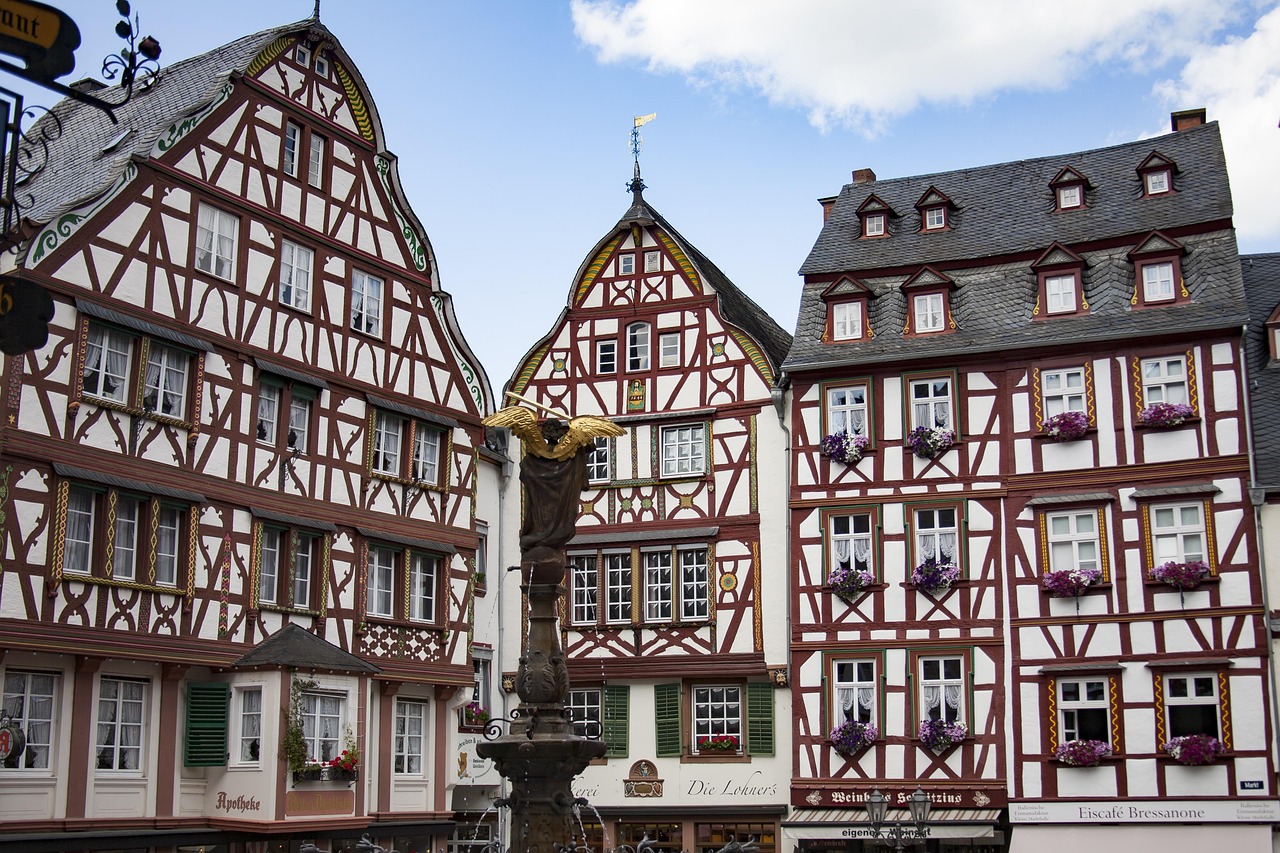
The Marktplatz is the living postcard of Bernkastel: a tight square ringed by half-timbered houses that lean at improbable angles, plus the Renaissance Rathaus (town hall) painted in deep red and white. I still remember the first time I stepped into the square on a foggy autumn morning—the timbered facades seemed to emerge from the mist like stage scenery.
History & significance: The square dates back to the Middle Ages, when Bernkastel became a market hub for wine, grain, and local goods. Many houses here are 400–500 years old; the famous Spitzhäuschen (pointed house) from 1416 is a marvel of early urban architecture, built on a tiny footprint that widens as it rises.
What I like to do here: I usually start or end each day weaving through the Marktplatz. In the morning, I grab a coffee and a buttered Brötchen at a café on the edge of the square and watch early risers. In the evening, I like to stand in the middle and look up: the narrowness of the square makes the facades feel like they’re closing in around the sky.
Tips for visitors:
- Best time: Before 9:00 or after 19:30 for photos without crowds.
- Family-friendly: Kids love counting how many floors the crooked houses have and spotting carvings on beams.
- Romantic: Come at dusk when the square’s lanterns glow; several wine taverns spill into the lanes around here—perfect for a Riesling date night.
2. Spitzhäuschen (The Pointed House)
The Spitzhäuschen is the single most photographed building in town: a tiny ground floor supporting upper levels that jut out like the prow of a ship. No matter how often I pass it, I still stop to marvel at the engineering nerve of medieval builders.
History: Built in 1416, this house shows how medieval towns solved the problem of limited ground space by enlarging upper floors. It was originally a winegrower’s house; today it often houses a shop or tasting room.
My ritual: I like to circle the Spitzhäuschen from every angle, then step back into the little side alley behind it, where you can see how it fits into the jigsaw of neighboring roofs. In the early evening, the warm light makes the timber beams glow.
Tip: Combine a quick stop here with your Marktplatz stroll. Early morning, when street sweepers are just finishing, is usually empty and magical.
3. Burg Landshut (Castle Ruins & Panoramic View)
Burg Landshut is the watchful guardian of Bernkastel-Kues. Its ruins sit high above the town, and every time I arrive, I instinctively look up to see what the light is doing on its stone walls. A hike up here is non-negotiable on any 3 days in Bernkastel-Kues itinerary.
History & significance: The castle has Roman origins and later became the residence of the Archbishops of Trier. A devastating fire in the 17th century left it in ruins, but the remaining walls and towers still convey power and history. The castle hill has always been strategic: you get views up and down the Moselle, and over the vineyards that sustained the region.
My experience hiking up: I usually start late afternoon from Bernkastel Altstadt, following the well-marked path that zigzags through woods and past small viewpoints. It takes about 20–30 minutes at a gentle pace. One November, climbing through a fine drizzle, I reached the top just as the clouds broke and the town below lit up with a double rainbow. That view is lodged permanently in my memory.
What to do at the top:
- Walk the perimeter and take in different perspectives of the Moselle.
- Have a drink or meal at the restaurant in the castle complex (a little pricier but worth it for the view).
- Find a quiet corner of wall to sit on with a picnic if the restaurant is busy.
Tips: Wear decent shoes—the path is steep and can be slippery after rain. Families with small children often manage fine, but strollers are impractical. For a romantic touch, time your visit for golden hour; for adventurous travelers, take one of the less-used side trails down toward Kues through the vineyards.
4. Moselle Riverside Promenade
The riverside promenade is Bernkastel-Kues’ breathing space: a wide path lined with trees, benches, and flowerbeds, following the slow curve of the Moselle. This is where locals walk at sunset, where kids wobble along on bicycles, and where you really feel the rhythm of the town.
My favorite times: Early morning in summer, when mist still hovers over the river and only joggers and dog walkers are around; and late evening, when the castle and old town are lit and their reflections shimmer on the water.
Things to do:
- Rent a bike and follow the Moselradweg (Moselle cycle path) for a few kilometers in either direction.
- Take a bench break with an ice cream from a nearby café.
- Watch riverboats docking and departing; kids love to see the big cruise ships up close.
Tip: The promenade is perfect for all ages and makes a gentle, accessible walk if you’re traveling with older relatives or young children.
5. Bernkasteler Doctor Vineyard
The Bernkasteler Doctor is one of Germany’s most storied Riesling vineyards, and its steep, slatey slopes tower over the town like an amphitheater dedicated to wine. Whenever I bring friends here for the first time, they always ask the same thing: “Do people really harvest by hand on those angles?” Yes. Carefully.
Legend & history: According to legend, a 14th-century archbishop of Trier fell gravely ill and was cured only after drinking wine from this vineyard—thus the name “Doctor.” Whether or not that’s true, the site has been prized for centuries for its exposure and slate soils, producing some of the world’s finest Riesling.
How I like to explore it: I usually start from Kues or Bernkastel and follow small paths that snake upward between the vines. There are spots where you can stand surrounded by grapes and look straight down on the town, the river curving like a silver ribbon below. In September, you might see harvest crews at work, clipping bunches and hauling them down in small bins.
Wine tasting tip: To really understand the Doctor, taste it. Many local wineries offer flights that include a Doctor Riesling alongside other sites—ask specifically for a tasting that compares vineyards. It’s not the cheapest wine, but sharing a bottle on a terrace overlooking the actual slope is a very Bernkastel experience.
6. St. Michael’s Church & Cemetery
St. Michael’s, with its sturdy tower and riverside position, is one of the most recognizable silhouettes in Bernkastel. I often use its clock tower as my internal compass when I’m wandering side alleys.
History: The Gothic church dates back to the 14th century, and its tower once served as part of the town’s fortifications. The quiet cemetery behind the church, terraced above the river, tells centuries of local stories in its headstones.
My visits: I like to slip into the church during the day when it’s quiet. The cool air and filtered light through stained glass offer a calm contrast to the busy lanes outside. Outside, the cemetery’s upper levels have peaceful benches with views over the Moselle—a contemplative place to pause.
Tip: Dress modestly inside (covered shoulders). It’s also a good place to teach kids about local history in a gentle way—reading dates and names on stones and imagining life here centuries ago.
7. Cusanus-Haus & Nikolaus von Kues Heritage
Kues’ most famous son is Nikolaus von Kues (Nicholas of Cusa), a 15th-century philosopher, theologian, and early humanist. His birthplace, a modest but beautifully restored house, is one of Kues’ quieter treasures.
History & significance: Nicholas of Cusa was a cardinal, mathematician, and one of the great minds bridging medieval and Renaissance thought. The house museum offers exhibits on his life and ideas, and on the intellectual climate of the Moselle region in his time.
My experience: On a rainy afternoon a few springs ago, I ducked in here almost on a whim and ended up staying far longer than planned. The exhibits are thoughtful without being overwhelming, and I loved the sense that this tiny river town produced someone whose ideas still echo in philosophy classes today.
Tip: Combine a visit here with a walk to the Cusanus Hospital and library (below). It’s a nice, low-key cultural morning away from the busier Bernkastel lanes.
8. St. Nikolaus-Hospital (Cusanusstift) & Historic Wine Cellar
The Cusanusstift is a former hospital and almshouse founded by Nicholas of Cusa in the 15th century, still operating today as a foundation. Its quiet courtyards, cloisters, and famed library feel like stepping into a different century.
Highlights:
- A beautiful, atmospheric courtyard with arcades.
- A historic library containing rare manuscripts (guided visits recommended).
- Old wine cellars where the foundation’s vineyards’ wines are stored.
My visits: I love the sense of continuity here: a philanthropic institution still fulfilling its founder’s mission centuries later, funded in part by vineyard income. The smell of old wood and stone, and the cool air of the cellars, make it a welcome summer refuge.
Tip: Check local schedules for guided tours—some include cellar visits and tastings, making this a great, educational wine experience for adults.
9. Moselweinmuseum & Vinothek (Wine Museum & Tasting Hall)
If you’re at all interested in wine—or just want to understand why the landscape looks the way it does—the Mosel Wine Museum and Vinothek is a must. This is where I send friends on their first afternoon, so they get a feel for the region’s history before diving into individual wineries.
What you’ll find: Exhibits on Moselle wine history, soil types, grape varieties (with Riesling front and center), and the challenges of steep-slope viticulture. The adjacent Vinothek offers an impressive selection of regional wines by the glass and bottle, often with flights that let you compare styles.
My routine: I like to do a short museum visit, then sit with a tasting flight overlooking the river, taking notes on which producers to seek out later. It’s also a great rainy-day activity.
Tip: Ask staff for recommendations tailored to your tastes; they’re usually very happy to guide you, and you’ll leave with a clearer idea of what to order in restaurants around town.
10. Moselle River Cruise from Bernkastel-Kues
A river cruise is one of the most relaxing things to do in Bernkastel-Kues. You see the town, vineyards, and neighboring villages from the water, which gives you a different sense of scale and history.
Options: Short one-hour scenic cruises, half-day trips to nearby villages like Traben-Trarbach, and full-day journeys further down the Moselle. Most depart from the Kues side or near the bridge.
My favorite kind: I prefer late-afternoon cruises in summer, when the light is warm and the vineyards are glowing. I usually bring a light jacket (it can be breezy on deck) and a camera; sitting on the top deck with a glass of local wine is peak Moselle life.
Family & romantic appeal: Kids enjoy watching locks and passing under bridges; couples often gravitate to the quieter bow or stern for more privacy and views.
11. Doctorwein Weg (Doctor Wine Trail)
This signposted hiking route winds through the Bernkasteler Doctor and surrounding vineyards, with information boards explaining viticulture and history. It’s one of my go-to recommendations for travelers who want a short, rewarding walk without committing to a full-day hike.
My experience: I’ve walked the Doctorwein Weg in every season: in spring, with tiny vine buds and wildflowers; in summer, under blazing sun; in autumn, when the leaves turn golden and harvest is under way. Each time, I notice different details—old stone walls, tiny chapels, and the intricate terracing that makes steep-slope viticulture possible.
Tip: Wear proper shoes and bring water. On hot days, start early; the slate can radiate heat. Reward yourself afterward with a glass of Doctor Riesling in town.
12. Oberstraße, Römerstraße & Hidden Alleys
Beyond the Marktplatz, lanes like Oberstraße and Römerstraße branch off, lined with shops, bakeries, and small wine bars. But my favorite parts are the nameless, narrow alleys that slip between houses, sometimes under overhanging upper stories.
My wandering habit: I rarely follow a fixed route. Instead, I let myself be pulled by interesting doorways, flower boxes, or snatches of conversation from hidden courtyards. One afternoon, I stumbled on a tiny inner courtyard where a winemaker had set up a handful of tables under grapevines, serving simple snacks and house wine. I still go back whenever I can find it again.
Tip: Don’t be afraid to get “lost”—you’re never more than a few minutes from the river or the Marktplatz. Just be respectful of private property; if a passageway feels too much like someone’s front yard, turn back.
13. Kues Vineyard Walks & Viewpoints
While the Doctor vineyard above Bernkastel is the star, the Kues side offers gentler, sometimes quieter vineyard paths. I often head up from Kues’ backstreets in the late afternoon, following farm tracks until I find a bench overlooking the river.
My favorite spot: There’s a bench on a small curve of the path where you can see both Bernkastel’s old town and Burg Landshut perfectly framed. I’ve sat there with everything from a take-away coffee to a fancy bottle of wine and cheese from the market.
Family & active travelers: These paths are great for families with older kids or anyone wanting a mild hike. Cyclists also use some of the wider tracks, though the steepest parts are better on foot.
14. Bernkastel-Kues Christmas Market (Adventszeit)
If you visit between late November and Christmas, the town transforms into one of the most atmospheric small Christmas markets in Germany. The Marktplatz and surrounding lanes fill with wooden stalls selling mulled wine, local crafts, and sausages sizzling on grills.
My winter memories: I’ve come several times in early December, when the air smells of cinnamon and cloves, and the castle above is lit like a beacon. One year, light snow began to fall as a brass band started playing carols on the square; everyone just stopped talking for a moment and looked up—pure movie-scene magic.
Tips:
- Dress warmly; evenings get cold, especially along the river.
- Try white Glühwein made from local Riesling as well as the red version.
- Families: there are often carousel rides and sometimes small performances for children.
15. Traditional Weinstuben (Wine Taverns)
Bernkastel-Kues’ Weinstuben are where the town really reveals itself: low ceilings, wooden beams blackened with age, candlelight, and tables where locals and visitors squeeze in together. This is where you’ll discover the true local food in Bernkastel-Kues and meet the people behind the wine.
My experiences: I’ve spent many evenings here, starting with a glass of off-dry Riesling and ending with conversations that stretch into the night. Once, an elderly couple at the next table started sharing stories of harvests in the 1960s while the owner poured us samples from his favorite casks.
Tips:
- Ask for local specialties: Federweißer (young, partially fermented wine) in autumn, or traditional dishes like Winzerschnitzel (winegrower’s schnitzel).
- If unsure about dry vs. sweet, tell your host what you usually drink; they’ll guide you.
- For solo travelers, sitting at the bar or communal tables often leads to conversation.
16. Doctorbrunnen (Doctor Fountain)
This ornate fountain commemorates the legend of the Bernkasteler Doctor wine and stands near the base of the vineyard. It’s easily overlooked, but I always stop by; the figures and inscriptions capture the town’s playful pride in its wine heritage.
My tip: Visit in the afternoon when the light catches the water and bronze; it’s a good little stop on your way from the old town up toward the vineyards.
17. Moselle Bridge & Riverside Views
The bridge connecting Bernkastel and Kues is more than just a crossing; it’s one of the best vantage points for town photography. I usually find myself pausing mid-bridge at least once a day.
What to look for: Upstream, the gentle curve of the river framed by vineyards; downstream, boats coming and going; to one side, Bernkastel’s packed roofs and Marktplatz spires; to the other, Kues’ quieter facades and promenades.
Tip: At night, the reflections of the lit castle and old town on the water are particularly beautiful—bring a tripod if you’re into photography.
18. Vineyard Chapels & Shrines
As you walk the hills above Bernkastel-Kues, you’ll notice small white chapels and roadside shrines tucked among the vines. They’re easy to pass by, but I’ve learned to stop whenever I see one—they’re often perched at the best viewpoints.
My habit: I like to rest briefly at each chapel, reading any inscriptions and imagining the generations of winegrowers who paused there for a quick prayer before or after a day in the vines.
19. Local Outdoor Pool & Sports Facilities
In summer, when the sun reflects off the slate and the town can feel hot, the local outdoor pool (Freibad) becomes a family favorite. It’s not glamorous, but it’s very local and wonderfully refreshing.
Family tip: Bring towels and snacks; kids will appreciate a break from sightseeing, and you’ll get to see everyday local life at play.
20. Sunset & Sunrise Viewpoints
Bernkastel-Kues rewards early risers and sunset chasers. Over the years, I’ve collected a mental map of favorite viewpoints:
- Castle hill for sweeping sunsets over the Moselle.
- Kues vineyards for sunrise looking back toward Bernkastel.
- Promenade benches for watching light change on the old town façades.
These are simple pleasures, but they’re often what visitors remember most.
3, 4 & 5 Day Itineraries for Bernkastel-Kues
Whether you have 3 days in Bernkastel-Kues or you’re planning a longer 4 or 5 day itinerary for Bernkastel-Kues, the town adapts beautifully. Below are narrative-style itineraries based on how I actually structure my own trips.
3 Day Itinerary for Bernkastel-Kues
Day 1: First Taste of the Old Town & Castle Views
I like to arrive in Bernkastel-Kues before lunchtime, drop my bag at a guesthouse in Kues (often better value than Bernkastel), and stretch my legs with a gentle walk across the bridge into the old town.
Morning: Start in the Marktplatz, letting yourself be surrounded by half-timbered houses. Visit the Spitzhäuschen, then duck into a bakery on Römerstraße for a simple lunch: a filled Brötchen and maybe a slice of Zwetschgenkuchen (plum cake) if it’s in season.
Afternoon: Head to the Mosel Wine Museum & Vinothek for an introduction to the region. Spend an hour among the exhibits, then sit with a tasting flight. I usually choose a mix of dry, off-dry, and slightly sweeter Rieslings to calibrate my palate for the days ahead.
Late Afternoon & Evening: Walk the riverside promenade, then tackle the climb to Burg Landshut for sunset. Take your time on the way up—stop at viewpoints and chapels—and reward yourself with a drink at the top. Walking down in the dusk, the lights of Bernkastel glittering below, is one of the most romantic experiences here.
Back in town, pick a Weinstube off the main drag (ask your host for a recommendation) and order a regional dish—perhaps pork medallions in Riesling sauce—paired with a local wine. If you still have energy, stroll the Marktplatz once more under the streetlights before heading to bed.
Day 2: Vineyards, Doctor Legend & Kues Heritage
Morning: After breakfast, lace up your walking shoes and set out on the Doctorwein Weg. The trail leads you through the Bernkasteler Doctor and neighboring vineyards, with boards explaining history and geology. I tend to stop frequently—both to read and to catch my breath on the steeper segments. Take plenty of photos; the angles on the town from here are spectacular.
Back down, grab a light lunch in Bernkastel—maybe Flammkuchen (Alsatian-style flatbread) and a salad at a café with street seating so you can people-watch.
Afternoon: Cross to Kues and visit the Cusanus-Haus and St. Nikolaus-Hospital. These visits always slow me down mentally; they’re quiet, reflective places, steeped in a different kind of history than the wine-focused parts of town.
Evening: Find a small wine tavern in Kues this time—slightly off the tourist path—and let the owner guide you through a few glasses from their own vineyards. I often end up chatting with locals here, especially midweek.
Day 3: River Cruise, Hidden Lanes & Last Glasses
Morning: Join a short Moselle river cruise departing from Bernkastel-Kues. Seeing the town from the water helps you visually connect the castle, vineyards, and old town. If you’re traveling with kids, they’ll enjoy being on the boat, especially if you pass through a lock.
Afternoon: Back in town, dedicate a few hours to aimless exploration: wander Oberstraße and Römerstraße, dip into hidden alleys, and pop into artisan shops and tasting rooms. This is the day to buy any bottles you’ve fallen in love with and small gifts like slate coasters or local honey.
Evening: For your farewell night, pick a terrace with a view of the river or Marktplatz. Order your favorite wine discovered over the last days and linger over dessert—perhaps Apfelstrudel or a simple scoop of ice cream. If you’re here in summer, stay out until it’s fully dark and watch the castle glow against the night sky.
4 Day Itinerary for Bernkastel-Kues
With 4 days in Bernkastel-Kues, you can add more depth and a short excursion.
Day 4: Deeper into the Moselle or Slow Vineyard Day
You have two main options, depending on your style:
Option A: Day trip to a nearby village such as Traben-Trarbach or Lieser. Take a riverboat or bus, wander another historic town, perhaps visit a spa or additional wineries, and return in the late afternoon.
Option B: Slow “local life” day in Bernkastel-Kues.
- Start with a leisurely breakfast at a riverside café.
- Rent bikes and explore the Moselradweg for a few hours.
- Spend midday at the outdoor pool or simply reading on a bench by the river.
- Visit one or two small, family-run wineries by appointment in the late afternoon.
Personally, I often choose Option B when I’ve been traveling hard elsewhere—Bernkastel-Kues is a great place to slow down, journal, and just exist for a while.
5 Day Itinerary for Bernkastel-Kues
With 5 days in Bernkastel-Kues, you can mix town life, vineyards, and multiple day trips.
Day 4: Hiking & Picnic Above the Moselle
Dedicate a full day to hiking. Choose a marked route that combines forest and vineyard paths, pack a picnic from a local bakery and supermarket (bread, cheese, cured meats, fruit), and aim for a high viewpoint by lunchtime. I’ve had some of my best Moselle meals sitting on a hillside wall with simple food and a half-bottle of Riesling.
Day 5: Second Day Trip & Farewell Evening
On your last full day, head further afield (see Day Trips section below) or visit spots you missed earlier. Maybe try a different river cruise route, visit another museum, or simply revisit your favorite café and tavern. I like to repeat one meal or wine bar that particularly charmed me—it gives the trip a satisfying sense of closure.
Local Food & Wine in Bernkastel-Kues
The local food in Bernkastel-Kues is hearty, seasonal, and built around what the Moselle does best: wine, river fish, pork, and apples or plums from nearby orchards. Portions tend to be generous, and menus usually include both traditional dishes and lighter, modern options.
Must-Try Dishes
- Riesling Soup: Creamy soup scented with local wine; a perfect starter on cool evenings.
- Winzersteak or Winzerschnitzel: Pork steak or schnitzel often marinated or sauced with Riesling.
- Saumagen & Bratwurst: Regional specialties often served with sauerkraut and potatoes.
- Forelle Müllerin: Pan-fried trout, sometimes from the Moselle or nearby streams.
- Flammkuchen: Thin, crispy flatbread with cream, onions, and bacon or seasonal toppings.
- Federweißer & Zwiebelkuchen (Autumn): Young, cloudy wine with onion tart—a classic harvest pairing.
Riesling & Other Wines
Riesling is the undisputed star, ranging from bone-dry to lusciously sweet. You’ll also find Pinot Blanc (Weißburgunder), Pinot Gris (Grauburgunder), and some Spätburgunder (Pinot Noir). I always recommend:
- Ordering wine by vineyard site (Lage) when possible: try a Bernkasteler Doctor alongside other Bernkastel or Kues wines.
- Asking for “trocken” if you want dry wine, “feinherb” for off-dry, and “lieblich” or “süß” for sweeter styles.
Saving Money on Food & Drink
To stretch your budget:
- Eat your main meal at lunch—many places offer cheaper lunch menus.
- Shop at local supermarkets and bakeries for picnics.
- Buy wine directly from producers or the Vinothek for better prices than some touristy shops.
Nightlife, Entertainment & Cultural Experiences
Bernkastel-Kues is more about cozy evenings than loud nightlife. Expect clinking glasses in Weinstuben, mellow conversations on terraces, and occasional live music during festivals.
Evening Options
- Wine Taverns: The heart of the town’s nightlife—arrive early for popular spots in high season.
- Riverside Bars: Seasonal pop-ups and hotel terraces offering cocktails and wine with a view.
- Cultural Events: Chamber concerts in churches, occasional open-air performances during summer and Advent.
Cultural Experiences
- Church Concerts: Check posters at St. Michael’s or in Kues for organ and choral concerts.
- Winery Tours: Many offer guided cellar visits with tastings—reserve in advance.
- Festivals: From wine festivals to Christmas markets, these are prime cultural experiences in Bernkastel-Kues.
Events & Festivals in 2026–2027
Event dates can shift slightly each year, but here’s what to expect around 2026–2027. Always confirm exact dates closer to your trip.
Major Annual Events
- Bernkastel-Kues Wine Festival (Moselblütenfest & Weinfest): Typically late August or early September; features wine tastings, parades, fireworks over the castle, and live music. In 2026, expect expanded tasting areas and more focus on young organic winemakers.
- Christmas Market: Late November through December 23rd, with extended weekend programs and themed evenings planned for 2026.
- Middle Moselle Marathon & Cycling Events: Late summer events combining sport and wine-country scenery.
- Open Cellar Days: Several local wineries host open days in late spring and early autumn, often with food trucks and live music.
Day Trips from Bernkastel-Kues
Bernkastel-Kues is an excellent base for exploring the Moselle and beyond.
Traben-Trarbach
A former wine trading powerhouse with Art Nouveau architecture and an atmospheric riverside. Reachable by boat, bus, or car within about 30–40 minutes. Visit the underground wine cellars, riverside promenade, and maybe a spa.
Cochem
Further down the Moselle, Cochem offers its own castle and bustling old town. It’s busier than Bernkastel but makes for a fun day of castle tours and riverside walks.
Trier
Germany’s oldest city, about an hour away by car or bus/train combo. Roman ruins, impressive churches, and a very different urban energy—great if you want a more city-like day during your stay.
Practical Tips for Day Trips
- Check river cruise timetables if you prefer traveling by water.
- For flexibility, a rental car is helpful, especially if you’re visiting multiple villages in one day.
- Always leave some buffer time to return before dark if you’re unfamiliar with the roads.
Local Customs & Cultural Etiquette
Understanding local customs in Bernkastel-Kues will make your trip smoother and help you connect more deeply with people.
Greetings & Politeness
- Use Guten Tag (good day) or Hallo when entering shops or restaurants.
- Germans appreciate directness but also courtesy; a simple Bitte (please) and Danke (thank you) go a long way.
In Wine Taverns & Restaurants
- Wait to be seated if staff are present; otherwise, you can often choose a table.
- Tipping: round up the bill or add about 5–10% for good service, handed directly to the server when you pay.
- It’s common to say Prost! (cheers) and make eye contact when clinking glasses.
Quiet Hours & Sundays
- Residential areas tend to be quiet after 22:00; keep noise down when walking back late.
- Many shops close or have limited hours on Sundays—plan accordingly.
In Churches & Historic Sites
- Dress modestly in churches (no beachwear; cover shoulders if possible).
- Speak quietly and avoid flash photography if services are in progress.
Practical Travel Advice for Bernkastel-Kues
Getting There
Most visitors arrive via:
- By Air: Nearest major airports are Frankfurt (FRA), Frankfurt-Hahn (HHN), Luxembourg (LUX), and Cologne/Bonn (CGN). From there, continue by train and bus or rental car.
- By Train & Bus: There’s no mainline station in Bernkastel-Kues; you’ll typically take a train to Wittlich or Trier, then a bus to Bernkastel-Kues.
- By Car: Driving offers maximum flexibility for day trips and vineyard visits. Parking is available around the edges of the old town on both sides of the river.
Getting Around
Within town, you’ll walk almost everywhere. For longer distances:
- Buses: Connect Bernkastel-Kues with nearby towns; check local timetables.
- Bikes: Rent from local shops for exploring the Moselradweg.
- Riverboats: Seasonal but scenic option for reaching some villages.
Car Rental & Driving
Foreign driver’s licenses are generally accepted for short stays; if your license is not in Latin script, an International Driving Permit is recommended. Drive slowly on narrow village roads and be cautious with parking restrictions in the old town.
Money-Saving Tips
- Stay in Kues or slightly outside the core for better deals on accommodation.
- Use supermarkets and bakeries for some meals.
- Focus on house wines in taverns—they’re often excellent value.
SIM Cards & Connectivity
In 2026, you can easily buy prepaid SIM cards from major German providers (Telekom, Vodafone, O2) at supermarkets, electronics stores, or kiosks in larger towns and cities before arriving. EU visitors often roam on their domestic plans; non-EU travelers should compare travel eSIMs as well. Coverage around Bernkastel-Kues is generally good, though some vineyard and forest areas may have weaker signals.
Visa Requirements
Germany is part of the Schengen Area. Visa requirements depend on your nationality:
- EU/EEA/Swiss citizens can enter with ID card or passport.
- Many non-EU travelers (e.g., from the US, Canada, UK, Australia) can enter visa-free for short stays but may need to comply with updated ETIAS requirements (check official sources before travel).
- Others may require a Schengen visa obtained in advance.
Best Seasons & What They’re Good For
- Spring (April–May): Vineyards wake up, fewer crowds, ideal for hiking and lower accommodation prices.
- Summer (June–August): Warm, lively, long evenings; best for river cruises and al fresco dining. Book ahead.
- Autumn (September–October): Harvest, golden vineyards, wine festivals—arguably the best time for wine lovers.
- Winter (November–March): Quiet, atmospheric, especially during the Christmas market period; some smaller businesses close or reduce hours.
Hidden Tips
- For quieter evenings, stay on the Kues side but wander into Bernkastel for dinner.
- Ask winery staff where they like to eat—you’ll often get excellent, less touristy recommendations.
- Carry a small backpack for spontaneous picnic opportunities; good spots appear constantly on vineyard paths.
- Always carry some cash; while card payments are increasingly common, small wine taverns and kiosks sometimes remain cash-preferred.
Summary & Final Recommendations
Bernkastel-Kues is a town that rewards both quick glances and long, lingering looks. In a 3 day itinerary for Bernkastel-Kues, you’ll see the essentials: Marktplatz, Burg Landshut, the riverside, and a taste of the vines and wines. With 4 days in Bernkastel-Kues, you can add a day trip or deep-dive into local life. A 5 day itinerary for Bernkastel-Kues lets you settle into a rhythm of walks, tastings, and quiet afternoons by the river.
For wine lovers, autumn (September–October) is the perfect season: harvest, festivals, and golden hillsides. For families and active travelers, late spring through early autumn offers the widest range of outdoor activities and river options. For romantics and Christmas fans, late November and early December wrap the town in lights and mulled-wine fragrance.
What makes Bernkastel-Kues special isn’t just its must-see attractions, but the small, everyday scenes: an elderly couple sharing a bench by the Moselle, a winemaker rinsing glasses at the end of a long day, church bells mingling with the laughter in a courtyard tavern. Build time into your itinerary to simply sit and watch these unfold—you’ll carry those moments with you long after the last bottle of Riesling is gone.