Why Visit Binz? What Makes This Baltic Seaside Town So Special
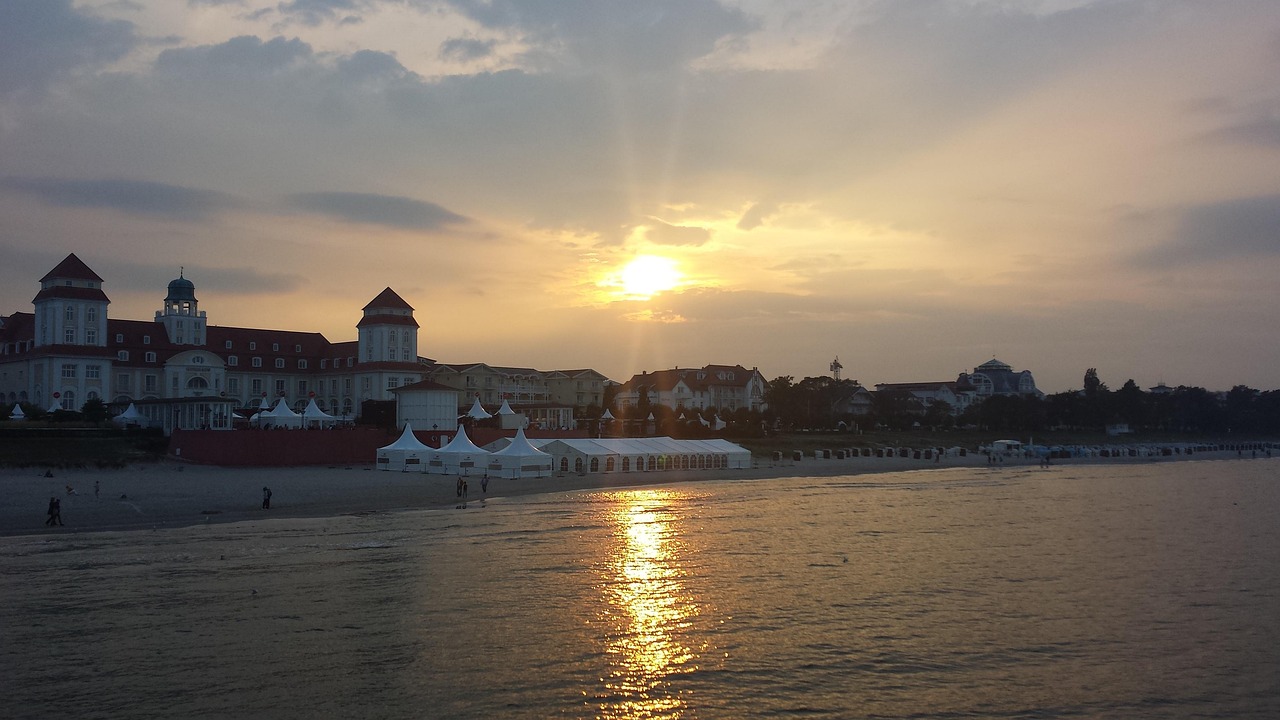
Binz, on the island of Rügen in northern Germany, is one of those places that quietly steals your heart. I still remember my very first morning here: standing on the long white pier just after sunrise, the Baltic Sea completely still, the elegant Bäderarchitektur (spa architecture) villas glowing pastel in the early light. There were only a few locals walking their dogs, the gulls were louder than the people, and I knew immediately I’d be back again and again.
Since then I’ve returned to Binz almost every year, in all seasons: summer swims and ice cream, stormy November walks, quiet winter spa weekends, and springtime bike rides through beech forests. It’s my go-to place when I want a mix of seaside calm, nature, good food, and just enough things to do that I never get bored.
Here’s what makes Binz special:
- Classic seaside charm: A wide sand beach, a long pier, and a promenade lined with white 19th–early-20th-century villas that make you feel like you’re stepping into an old postcard.
- Easy access to nature: Within minutes you can be walking in a UNESCO-listed beech forest, climbing chalk cliffs, or cycling along quiet country roads.
- Relaxed but not sleepy: You get cafés, bars, spas, and cultural events without the chaos of big-city nightlife.
- Family friendly & romantic: Shallow waters and playgrounds for kids, sunset walks and spa hotels for couples.
- Very walkable: The center of Binz is compact; you can do most of your exploring on foot, with buses and the steam train for fun day trips.
This 2026 travel guide for Binz is written like I’d plan a trip for close friends: detailed, honest, and full of personal stories, with complete 3 day itinerary for Binz, 4 days in Binz, and 5 day itinerary for Binz options, plus the best places to visit in Binz, local food in Binz, and very real-world travel tips for Binz.
Table of Contents
- Why Visit Binz
- Quick Overview of Binz in 2026
- Neighborhoods & Areas of Binz
- 20 Must-See Attractions in Binz (Deep Dive)
- Suggested Itineraries – 3, 4 & 5 Days in Binz
- Local Food & Drink in Binz
- Nightlife, Entertainment & Cultural Experiences
- Best Day Trips from Binz
- Cultural Etiquette & Local Customs
- Practical Travel Advice for Binz (2026)
- Best Time to Visit Binz & 2026–2027 Events
- Summary & Final Recommendations
Quick Overview of Binz in 2026
Binz is the largest seaside resort on the island of Rügen in Mecklenburg–Western Pomerania, northeastern Germany. It sits on the Baltic Sea with a long crescent of beach on the Prorer Wiek bay.
In 2026, Binz is in a sweet spot: developed enough to offer great infrastructure and comfortable stays, but still small enough that you can cross the center in 15–20 minutes on foot.
- Population: Around 5,000 permanent residents (and many, many more seagulls in summer).
- Vibe: Elegant seaside resort meets relaxed beach town, with a dash of East German history.
- Best for: Couples, families, spa lovers, nature enthusiasts, and anyone who likes slow travel.
- Not ideal for: Hardcore clubbing or those wanting huge-city buzz.
Neighborhoods & Areas of Binz to Explore
1. Seaside Promenade & Pier Area (Strandpromenade & Seebrücke)
This is the heart of Binz and where I almost always book my first few nights. The long promenade runs parallel to the beach, lined with cafés, restaurants, and those white spa villas with balconies and ornate wooden details.
In summer, the promenade is lively but never overwhelming; in winter, it’s peaceful and windswept. Most of the must-see attractions in Binz are either here or a very short walk away.
- Good for: First-time visitors, couples, families who want easy beach access.
- Highlights: Pier, Kurhaus, main beach, evening strolls, sunrise views.
2. Historic Village Center (Dorfkern)
Just a few blocks behind the promenade, the village center has small streets, older houses, and everyday shops: bakeries, supermarkets, and local services. When I stay longer than a weekend, I base myself here for a quieter, more local feel and better prices.
- Good for: Budget-conscious travelers, longer stays, people who like a local neighborhood vibe.
- Highlights: Weekly markets, small bakeries, normal (i.e., non-resort) life.
3. Schmachter See & Park der Sinne (Lake Area)
On the western edge of Binz, Schmachter See (a peaceful lake) is surrounded by a landscaped “Park of the Senses.” I love coming here in the late afternoon with a takeaway coffee or ice cream; it’s usually quieter than the beach.
- Good for: Walkers, runners, families with kids (play areas), photographers.
- Highlights: Sunset over the lake, nature trails, sensory garden installations.
4. Prora & Northern Beach Strip
North of Binz, Prora is a long stretch of beach framed by pine forests and the famous (or infamous) former Nazi holiday complex that has been partly transformed into apartments, hostels, and museums. I have very mixed feelings about Prora, but it’s a fascinating place to understand German history.
- Good for: History buffs, beach walkers, architecture geeks, budget travelers (hostels).
- Highlights: Dokumentationszentrum Prora, long natural beach, pine forest trails.
5. Granitz Forest & Hills
To the south and east, Binz is bordered by beech forests and gentle hills, leading up to the Granitz hunting lodge. This is where I escape on hot summer afternoons or windy off-season days. The forest smells of pine and damp earth, and you’re never far from a Baltic sea view.
- Good for: Hikers, mountain bikers, anyone needing a break from the beach.
- Highlights: Jagdschloss Granitz, viewing tower, forest trails, viewpoints.
20 Must-See Attractions & Experiences in Binz (With Local Insight)
These are the best places to visit in Binz, ordered roughly from the most iconic to the more hidden gems. I’ve visited each of these multiple times in different seasons; I’ll share what I actually do there, along with history, context, and practical tips.
1. Binz Main Beach (Hauptstrand Binz)
Binz’s main beach is the town’s living room. It’s a wide, soft, pale-sand beach stretching for several kilometers along the bay. The first time I stepped onto it, it felt almost Mediterranean—until the breeze reminded me we’re on the Baltic.
The water is usually calm and relatively shallow, which is great for families. In summer, rows of classic striped beach chairs (Strandkörbe) line the sand. I always rent one at least once per trip; it’s the most comfortable way to spend a breezy afternoon reading and people-watching.
History & vibe: Binz became a popular bathing resort in the late 19th century, and this beach has seen everyone from aristocrats in full bathing costumes to GDR families on state-organized holidays. Today it’s more relaxed and democratic, but still has that refined air.
What I usually do here:
- Morning coffee walk along the waterline, watching the light change on the villas.
- Quick dips throughout the day in summer (water is coolest early and warmer late afternoon).
- Long winter walks with a scarf wrapped up to my nose, then hot chocolate back on the promenade.
Food tip: Try a fish roll (Fischbrötchen) from one of the stands near the Kurhaus, or grab a waffle from a promenade kiosk. I often pick up something simple and eat it sitting on the sand.
How to get there: From almost anywhere in central Binz, the beach is a 5–10 minute walk. Look for signs to “Strand” or “Strandpromenade.”
Good to know: In high season, sections can be reserved for hotel guests (marked), but there are always public areas. There are also dog and nudist (FKK) zones further from the center—clearly signposted.
2. Binz Pier (Seebrücke Binz)
The pier is probably the single most iconic sight in Binz. It’s my favorite place for sunrise or sunset, and I’ve taken far too many photos from here in all kinds of weather.
History: The current pier is about 370 meters long and dates from the 1990s (past versions were destroyed by storms and war). Piers like this were typical of German seaside resorts, symbolizing the era of grand spa tourism.
What I love doing here:
- Sunrise: Almost no one around except a few photographers and joggers. In June–August, set an early alarm—it’s worth it.
- Boat trips: Sightseeing boats leave from the pier to the chalk cliffs and other Rügen spots. I like to do a cliff cruise once every few years; the view of the white cliffs from the water is something special.
- Storm watching: In autumn and winter, waves crash dramatically around the pier; I stand just far enough back to avoid getting soaked.
Photography tip: For classic shots, face back toward town to capture the Kurhaus and the line of villas. For a more moody shot, walk to the middle and shoot along the pier toward the sea.
Family note: The pier has railings, but keep an eye on small children as the gaps can tempt curious little ones.
3. Kurhaus Binz & Kurplatz
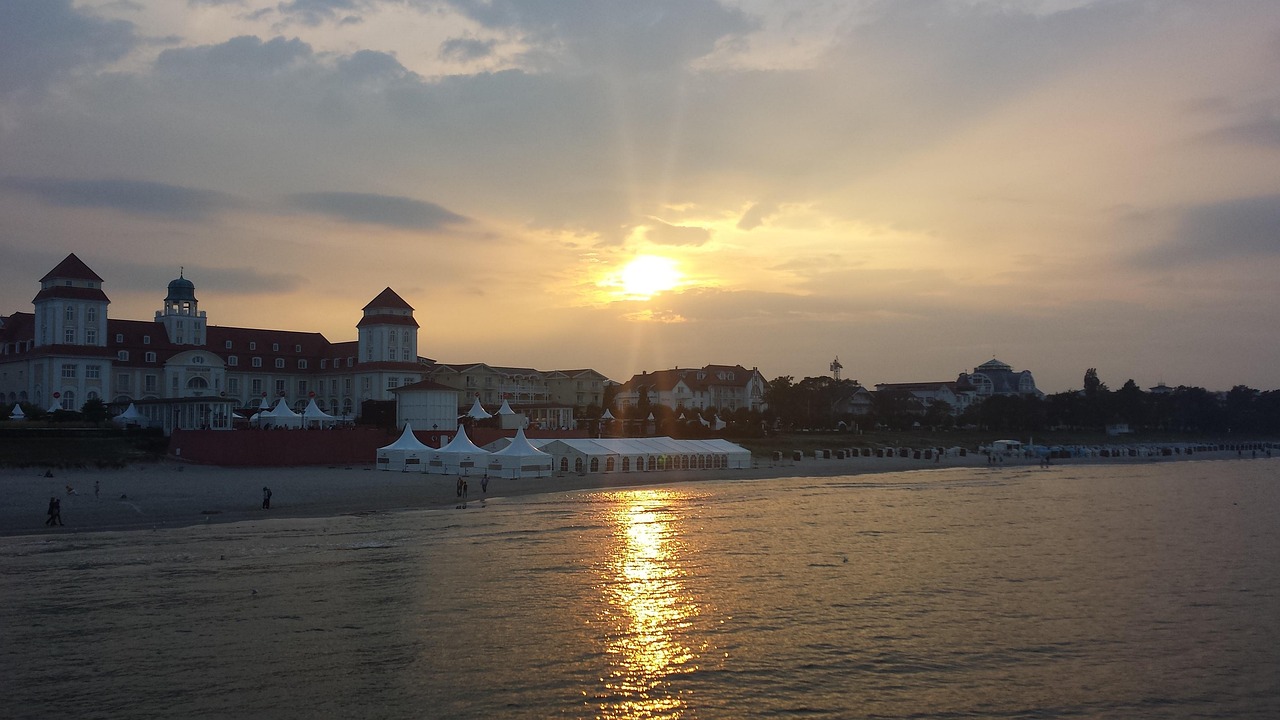
Right in the center of the promenade, the Kurhaus is the grand white building with its red rooftops that you’ll see in almost every postcard. It’s a luxury hotel today, but the building has served as a spa house and social hub since the early 1900s.
I like to think of the Kurplatz (the square in front) as Binz’s “living room.” In summer, there are concerts, events, and sometimes open-air cinema here. In December, I’ve sipped mulled wine at the small Christmas market while listening to carols under the lit-up facade.
What I do here:
- Grab a coffee or Aperol on the terrace and people-watch along the promenade.
- Come for evening events—live bands or classical ensembles often perform here in peak season.
- Use it as a meeting point whenever I’m with friends (“Let’s meet in front of the Kurhaus at 7”).
Tip: You don’t need to be a hotel guest to enjoy the outdoor terrace or many events; check the information boards in front for what’s on during your visit.
4. Jagdschloss Granitz (Granitz Hunting Lodge)
Perched on a hill in the beech forest south of Binz, Jagdschloss Granitz is my favorite half-day outing from town. The pinkish fortress-like building with a central tower looks a bit like a fairy-tale castle—if the fairy tale had been designed by a 19th-century Prussian duke.
History: Built in the 1830s–1840s as a hunting lodge for the Putbus noble family, the castle became a symbol of aristocratic leisure on Rügen. Today, it’s a museum with exhibits on local history and hunting traditions.
Personal ritual: I usually hike up through the forest from Binz (about 1–1.5 hours depending on the route and how often I stop for photos). The smell of the beech woods in late spring is incredible. I time my visit so that I reach the tower view either mid-morning or late afternoon, when the light is softer.
Don’t miss: The spiral staircase up the central tower. It’s a cast-iron structure that winds up like a double helix—if you’re sensitive to heights, this might be a challenge, but the 360° view from the top is absolutely worth it. You can see Binz, the sea, forests, and fields stretching across Rügen.
Getting there:
- On foot: Several marked trails from Binz and the surrounding area; pick up a map at the tourist office.
- By “Rasender Roland” steam train: Get off at the “Jagdschloss Granitz” halt and walk about 20–30 minutes uphill.
Tip: Bring water and a light snack; the small café can get busy in high season. In 2026, parts of the exhibition are being updated, but tower access remains open—check hours before you go.
5. Rasender Roland Steam Train
The Rasender Roland (“Raging Roland”) is a narrow-gauge steam railway that chugs between several seaside resorts on Rügen, including Binz. It’s charmingly misnamed—this train does not rage; it putters along at a wonderfully unhurried pace.
Every time I board, I feel like I’m in a different era: open windows, the smell of coal smoke, the sound of the whistle echoing through the trees. Kids absolutely love it, and I’ve yet to meet an adult who doesn’t smile when the train appears in a cloud of steam.
Route highlights from Binz:
- Binz – Sellin – Baabe – Göhren: A great way to combine multiple beach towns in one day.
- Binz – Putbus: For a bit of aristocratic architecture and parkland.
My favorite ride: Late afternoon from Binz to Göhren, with an early dinner and stroll there, then back again as the sun sets over the fields.
Practical tip: Trains can be busy in July–August; arrive a bit early to get seats, especially if you’re a family. Tickets can be bought on board (cash or card in 2026) or at stations.
6. Schmachter See & Park der Sinne
Schmachter See is my go-to place in Binz when I want calm. Just a short walk from the bustling promenade, it feels like a different world: reeds, waterfowl, wooden boardwalks, and trees.
Park der Sinne (“Park of the Senses”): This landscaped park around the lake has playful installations designed to engage your senses: sound elements, textured paths, scented plants. I’ve seen kids run from station to station, utterly absorbed.
What I enjoy here:
- Evening walks with a gelato, watching the sky turn pink over the lake.
- Taking a book and sitting on one of the benches away from the main paths.
- Jogging, especially on misty autumn mornings.
Tip: Bring mosquito repellent in summer—being near still water means bugs at dusk.
7. Prora Beach
While the main Binz beach can be lively, Prora’s stretch is where I escape when I want more space. The sand is just as soft, but the vibe is wilder, with dunes and a pine forest backdrop.
I usually reach Prora by renting a bike in Binz and following the cycle path through the woods. On a hot summer day, the scent of warm pine and the cool sea breeze is basically therapy.
Good for:
- Long uninterrupted walks.
- Beach picnics away from the crowds.
- Sunset photography (the light can be beautiful across the bay).
Tip: Facilities (toilets, kiosks) are more scattered than in central Binz; bring what you need, especially with kids.
8. Prora Historic Complex & Documentation Center
Prora is one of the most striking and unsettling pieces of architecture on Rügen: a 4.5 km-long complex built in the Nazi era as a massive seaside resort for the “Strength Through Joy” program. It was never fully used as intended, later taken over by the military, and after reunification became partially abandoned and then redeveloped.
Why visit: To understand a complicated chapter of German history and to see how the site is being reused and reinterpreted in the 21st century.
What I do here:
- Visit the Dokumentationszentrum Prora, which has exhibitions on the building’s history, Nazi leisure policies, and post-war transformations.
- Walk stretches of the complex to see the contrast between renovated luxury apartments and the remaining more raw sections.
- Combine with a swim at Prora beach to balance the heaviness of the history with some fresh air.
Tip: This can be emotionally heavy; I usually don’t plan anything too intense immediately afterwards. A quiet walk or café stop back in Binz helps process it.
9. Spa & Wellness Experiences in Binz
Binz is a classic Kurort (spa town), and wellness is part of its DNA. Even if you’re not a spa person, I recommend at least one afternoon dedicated to pure relaxation.
Types of places:
- Hotel spas (some open to non-guests for a fee).
- Smaller day spas with saunas and treatment rooms.
I’ve tried both ends of the spectrum: a full-on luxury spa day complete with seaweed wrap and a more basic sauna-and-swim session. Both left me happily exhausted in that good, heavy-limbed way.
Local customs: German sauna culture usually means nudity in mixed saunas; swimsuits are often not allowed inside the sauna cabins themselves (but are worn in pool areas). If you’re not used to this, check the rules at each facility and choose one that matches your comfort level.
Tip: Book treatments in advance in July–August and around long weekends; 2026 has several public holidays that may create busy spa periods.
10. Bäderarchitektur Villas & Architectural Walk
One of my absolute favorite things to do in Binz is simply to walk and admire the Bäderarchitektur—the ornate white villas from the resort’s golden age.
What to look for:
- Wooden verandas and balconies with intricate carvings.
- Towers, bay windows, and decorative railings.
- Subtle pastel color accents around windows and doors.
I like to grab a takeaway coffee and stroll the side streets just behind the promenade: less crowded and full of little architectural surprises. Many villas now house guesthouses or apartments; some have small plaques explaining their history.
Tip: Early morning or late afternoon is best for photography—soft light and fewer parked cars blocking the facades.
11. Museum Ostseebad Binz (Local History Museum)
Tucked away near the center, this small museum is an underrated gem. On a rainy afternoon a few years ago, I ducked in just to escape the drizzle and ended up staying much longer than planned.
Inside you’ll find:
- Old photographs of Binz as it evolved from fishing village to resort.
- Artifacts from the early tourism era and GDR holiday times.
- Stories about local families and how the town changed over the decades.
It adds context to everything you see outside: suddenly the villas, the pier, even the beach feel like part of a bigger story.
Tip: Check for temporary exhibitions; in 2026 there’s a planned focus on “Binz in the 1920s” tying in with wider German centenary retrospectives.
12. Binz Markets & Local Shopping
Binz isn’t a major shopping destination, but that’s partly why I like it. Instead of big chains, you get smaller boutiques, craft shops, and occasional markets.
Markets:
- Seasonal craft markets near the Kurhaus or along the promenade.
- Occasional farmers’ markets with regional produce and specialties.
I’ve picked up everything from handmade soaps to local honey and Rügen-based sea buckthorn products here—good, packable souvenirs.
Tip: Bring cash; not all small stalls accept cards, though this is improving by 2026.
13. Sunrise & Sunset Spots in Binz
Binz faces roughly east toward the bay, so it’s ideal for sunrises, but sunsets can be lovely too as the sky colors behind the town and reflects on the water.
My favorite spots:
- Sunrise: End of the pier or directly on the beach near the Kurhaus.
- Sunset: Schmachter See for reflections on the lake, or higher viewpoints near Granitz.
I make it a rule on every visit to catch at least one sunrise and one sunset. In winter, it’s very easy (the sun rises late); in summer, it takes more discipline—but the quiet, pastel-colored world you get in return is worth the early alarm.
14. Water Sports: SUP, Kayak & Boating
On calm days, the bay around Binz becomes a playground for water sports. I’m not a hardcore adrenaline junkie, but I do love renting a stand-up paddleboard or kayak for an hour or two.
Options include:
- Stand-up paddleboarding (SUP).
- Kayak and small boat rentals.
- Occasional sailing or windsurfing lessons (seasonal).
Tip: Winds can pick up unexpectedly; stick close to shore if you’re not experienced, and always follow the rental operator’s advice.
15. Cycling Around Binz & Rügen
Rügen is fantastic for cycling, and Binz makes a great base. I’ve had some of my best days here simply pedaling with no fixed plan, following signs and my curiosity.
Good routes from Binz:
- Binz – Prora – Mukran (coastal and forest mix).
- Binz – Sellin – Baabe – Göhren (resort-hopping along the coast).
- Binz – Granitz forest loops (for shade on hot days).
Tip: Rent a decent bike (with gears) and, if you plan to do long distances, consider an e-bike. In 2026, more charging spots are being added at major points around Rügen.
16. Family-Friendly Activities in Binz
I’ve visited Binz with friends who have kids, and it works surprisingly well for families of different ages.
Hits with children:
- Shallow main beach with lifeguard-supervised sections in summer.
- Playgrounds along the promenade and at Schmachter See.
- Rasender Roland steam train rides.
- Mini-golf and pedal car rentals in season.
Tip: In high season, consider staying slightly away from the noisiest promenade sections for better sleep with little ones.
17. Romantic Experiences in Binz
Binz can be wonderfully romantic if you lean into the slow pace. I’ve done a couple of short “escape” weekends here with my partner, and we always come back more relaxed and connected.
Ideas:
- Sunset walk along the beach followed by a candlelit dinner at a seafront restaurant.
- Couples’ spa session on a rainy or chilly day.
- Private picnic in the dunes near Prora or on a quieter stretch of beach.
- Evening concerts at the Kurplatz in summer.
Tip: Book a room with sea view if budget allows—even just two nights with that view feels like a big upgrade.
18. Seasonal Events & Festivals in Binz
Binz has a surprisingly rich calendar for its size. I’ve stumbled into concerts, food markets, and seasonal celebrations more than once.
Typical annual events include:
- Summer music series at the Kurplatz.
- Beach sports tournaments.
- Seafood and local product festivals.
- Christmas and winter markets (smaller but cozy).
For 2026–2027 (planned/expected):
- Expanded summer cultural program aligned with broader Mecklenburg–Vorpommern tourism initiatives.
- More outdoor wellness and yoga events on the beach in shoulder seasons.
- A focus on sustainable tourism, with themed weeks featuring local producers and eco-tours.
Tip: Check the official Binz tourism website close to your travel dates; events are updated regularly and some are very last-minute (in a good way).
19. Night Walks & Starlit Beach
One of my quiet joys in Binz is walking the beach at night. The promenade lights shimmer on the water, and on clear nights you can see a surprising number of stars—especially if you walk away from the brightest parts of town.
In winter, I bundle up and do a short loop from my guesthouse: down to the beach, along the water, then back via a quiet villa-lined street. In summer, after a late dinner, I’ll wander barefoot in the sand, shoes in hand, listening to the waves.
Safety note: Binz feels safe, but use normal common sense: stick to lit paths if you’re alone and let someone know if you’re going on a longer walk at night.
3, 4 & 5 Day Itineraries for Binz (With Personal Stories)
Here’s how I’d structure 3 days in Binz, 4 days in Binz, and a full 5 day itinerary for Binz, based on many repeat visits. Think of these as flexible frameworks rather than strict schedules.
3 Day Itinerary for Binz – Classic Highlights
If you only have 3 days in Binz, focus on the essentials: beach time, a bit of history, and at least one forest or cliff adventure.
Day 1: Promenade, Beach & Pier
Morning: Check into your hotel or guesthouse near the promenade if possible. Drop your bags and head straight to the beach. I like to start with a barefoot walk along the water, letting my brain adjust to “seaside mode.”
Grab a simple breakfast: a coffee and pastry from a bakery just behind the promenade (you’ll see people carrying little paper bags with fresh rolls). Find a bench facing the sea or sit on the sand and watch the early bathers.
Late morning: Stroll the length of the main promenade between the Kurhaus and the end of the villa row. Take your time looking at the architecture. If something catches your eye—a side street, a café terrace—follow it.
Lunch: Choose one of the seafront restaurants or a beach snack stand. I often go for Matjes (pickled herring) with fried potatoes or a fish roll for something lighter. Prices are higher directly on the promenade, but the view makes up for it on your first day.
Afternoon: Rent a beach chair for a few hours, especially in summer. Bring a book, nap, swim whenever you feel like it. This is your “vacation reset” time.
Evening: Walk out to the end of the pier for sunset. Watch the lights come on along the shore. Then have dinner back near the Kurhaus: either something more refined (fish, local produce) or a casual meal at a brasserie-style place.
Night: If you still have energy, take a short night walk along the beach. The combination of waves and distant laughter from the bars is gentle rather than rowdy.
Day 2: Granitz Forest & Jagdschloss
Morning: After breakfast (try a local bakery for fresh rolls and jam if your accommodation doesn’t include it), set out on foot toward the Granitz forest. Pick up a simple trail map from the tourist information office if you’re a planner, or follow the well-marked signs.
The walk gradually leaves the town behind and enters beech and pine woods. I often walk in near silence here, just listening to birds and my own footsteps.
Late morning: Arrive at Jagdschloss Granitz. Tour the interior, then climb the tower if you’re comfortable with heights. Spend some time on the viewing platform picking out Binz, Sellin, and other landmarks.
Lunch: Either eat at the small café (simple, decent food) or bring a picnic to enjoy in a clearing just off the main path (respect “no picnic” signs near the building).
Afternoon: Either hike back via a slightly different route or take the trail down to the Rasender Roland station and ride the steam train back to Binz. I usually choose the steam train at least once—it’s part of the fun.
Late afternoon: Back in Binz, reward yourself with a swim or a nap. If your legs are tired, consider a short spa session or at least a sauna if your hotel has one.
Evening: Dinner in the village center rather than on the promenade for a slightly more local vibe and often better prices. Try a place that serves regional dishes: fish, potatoes, and seasonal vegetables feature heavily.
Day 3: Prora History & Beach
Morning: Rent bikes in Binz and cycle north to Prora, mostly through pine forest and sometimes right along the beach. It’s an easy, flat ride.
Visit the Dokumentationszentrum Prora to learn about the complex’s history. Give yourself time; there’s a lot to take in. I usually plan at least 1.5–2 hours here.
Lunch: Have a simple lunch near Prora or pack sandwiches to eat on the beach. There are a few cafés and kiosks now, and more are likely by 2026 as redevelopment continues.
Afternoon: Enjoy the long, quieter Prora beach. Swim, walk, or just lie on a towel listening to the waves. If it’s not beach weather, explore more of the complex’s exterior and the surrounding trails.
Late afternoon: Cycle back to Binz. Drop off bikes and treat yourself to coffee and cake at a café in the village center or near Schmachter See.
Evening: For your final night, go back to the pier area for one more stroll. If there’s a concert or event at the Kurplatz, join in. If not, a relaxed dinner and a drink on a terrace is the perfect farewell.
4 Day Itinerary for Binz – Add a Nearby Resort
With 4 days in Binz, you can comfortably follow the 3-day plan and add a day trip to another seaside resort like Sellin or Göhren.
Day 4: Sellin & The Famous Pier
Morning: Take the Rasender Roland or a bus to Sellin. The moment you reach the top of Sellin’s main descent to the pier, you’ll see why it’s so famous: a steep staircase (or lift) leads down to a beautifully restored pier with a restaurant building that looks like something from a dream.
Late morning: Walk the beach, explore the pier, and maybe have an early coffee or snack there. The view back toward the cliffs is lovely.
Lunch: Eat in Sellin—there are several nice spots on and just off the main street.
Afternoon: Either spend more time on the Sellin beach or continue by bus/train to Baabe or Göhren for a bit of resort-hopping. Each has its own character but a similar spa-architecture charm.
Evening: Return to Binz. If you’re not too tired, consider a simple self-catered dinner (if you have an apartment) or a takeaway meal eaten on your balcony or by the lake.
5 Day Itinerary for Binz – Slow & Balanced
A 5 day itinerary for Binz is my sweet spot: enough time to see the highlights without rushing, plus some pure rest days and maybe one extra excursion.
Follow the 4-day schedule above and then add:
Day 5: Flexible Day – Spa, Cycling or Extra Beach Time
On your fifth day, choose based on your mood and the weather:
- Spa day: Book a half or full day at a spa, with treatments and time in saunas and pools.
- Extra cycling: Do a longer loop from Binz into the countryside, maybe toward Putbus or other inland villages.
- Pure beach laziness: Claim a beach chair and stay anchored there with a book and snacks.
- Photo walk: Spend time photographing villas, details, and views you might have rushed past earlier in the trip.
I like to keep this day unplanned until I’m actually in Binz—by then, I know if my body wants movement or stillness.
Local Food & Drink in Binz
Rügen and Binz don’t have a flashy food scene, but they do have honest, satisfying coastal fare. Over the years, I’ve developed a few traditions that I repeat almost every trip.
Must-Try Local Dishes
- Fischbrötchen: Fresh fish rolls with herring, mackerel, or fish patties—cheap, filling, and perfect beach food.
- Matjes & Bratkartoffeln: Pickled young herring with fried potatoes and onions.
- Labskaus (regional classic): A sailor’s dish made with corned beef, potatoes, beetroot, and herring—more common in the wider region but you’ll sometimes find it here.
- Smoked fish: Try smoked eel, salmon, or mackerel from local smokehouses.
- Sea buckthorn products: Juices, jams, and desserts made from bright orange Sanddorn.
- Cakes & tortes: German afternoon coffee and cake is a must—try seasonal fruit cakes and cheesecakes.
Where to Eat & Drink in Binz (Types of Spots)
Instead of listing specific places that may change by 2026, here’s how I approach food in Binz:
- Promenade restaurants: Best for views and atmosphere. Good for a first-night splurge.
- Village-center eateries: Often better value and more local regulars. I gravitate here by day three or four.
- Beach kiosks & snack stands: Ideal for casual lunches (fish rolls, fries, ice cream).
- Cafés near Schmachter See: Great for coffee-and-cake afternoons with a calmer vibe than the beach.
- Self-catering: Supermarkets and bakeries make it easy to assemble picnic lunches or simple apartment dinners.
Money-saving tip: Make lunch your main hot meal and have a lighter, self-catered dinner of bread, cheese, and salad in your room or on a balcony.
Drinks: From Beach Beers to Sea Buckthorn Liqueur
Binz isn’t about hardcore drinking, but you’ll find plenty of relaxed spots for a sundowner.
- Local beers: Try regional lagers or wheat beers from Mecklenburg–Vorpommern breweries.
- Sanddorn (sea buckthorn) drinks: Juices, hot drinks in winter, and liqueurs.
- Wine: German whites (Riesling, Silvaner) pair well with fish and are widely available.
- Cocktails: Beach bars offer all the classics; I like a simple spritz while people-watching.
Tip: Public drinking is generally allowed, but keep it low-key and respectful—especially on the beach at night.
Nightlife, Entertainment & Cultural Experiences
Binz’s nightlife is more about atmosphere than intensity. Think mellow bars, live music, and beach walks rather than mega clubs.
Evening & Night Activities
- Kurplatz concerts: Free or low-cost live music in summer, from jazz to pop to classical.
- Seafront bars: Cocktails and beer with sea views; some have live music on weekends.
- Hotel bars: Quiet, comfortable spaces for a nightcap—perfect for couples.
- Beach walks: My favorite “nightlife” option here—simple and soothing.
Cultural Experiences in Binz
Beyond museums and concerts, watching everyday life in Binz is a cultural experience in itself: older locals on their daily walks, kids building sandcastles, couples sharing ice creams on benches.
Look out for:
- Small exhibitions in the Kurhaus or local galleries.
- Workshops and guided walks organized by the tourist office (e.g., nature walks, historical tours).
- Seasonal festivals and markets showcasing regional crafts and foods.
Best Day Trips from Binz
Binz is a great base for exploring the rest of Rügen. Even if you’re car-free, buses and trains make several day trips easy.
Sellin, Baabe & Göhren
These three resorts south of Binz each have their own character but share the classic spa architecture and sandy beaches. I like to chain them together in one day using the Rasender Roland or buses.
Highlights: Sellin’s pier, Baabe’s quieter beach, Göhren’s mix of cliffs and sand.
Jasmund National Park & Königsstuhl (Chalk Cliffs)
Technically not in Binz, but absolutely worth at least half a day. The white chalk cliffs and beech forests of Jasmund National Park are one of Germany’s most iconic landscapes.
Getting there from Binz: Bus or train to Sassnitz, then local transport or walking routes into the park. Organized boat trips from Binz’s pier also give spectacular views of the cliffs from the water.
Tip: Wear proper shoes; some paths can be muddy or slippery.
Putbus & Surroundings
Putbus, with its planned neoclassical architecture and parks, shows a different side of Rügen—more aristocratic inland charm than seaside fun. I like combining it with a Rasender Roland ride and a walk through the park.
Cultural Etiquette & Local Customs in Binz
Germany is generally straightforward when it comes to social norms, but a few local habits in Binz and northern Germany are useful to know.
General Etiquette
- Greetings: A simple “Guten Tag” (good day) or “Hallo” is fine. In cafés and shops, greet staff when entering and say “Tschüss” or “Auf Wiedersehen” when leaving.
- Punctuality: Germans value being on time. For tours or spa appointments, arrive 5–10 minutes early.
- Quiet hours: Residential areas (and even some hotels) observe quiet times at night. Keep noise down after 10 pm.
Beach Etiquette
- Strandkorb respect: Don’t use beach chairs you haven’t rented; check with nearby kiosks or marked numbers for rental info.
- FKK zones: Nude beaches are common and clearly signed. Respect boundaries and don’t gawk or take photos.
- Dogs: Allowed only in marked areas and usually on a leash.
- Litter: Take your trash with you or use the bins. Locals take pride in clean beaches.
Restaurants & Tipping
- Seating: In many places, you can sit where you like unless a sign says “Bitte warten” (please wait).
- Ordering: Staff won’t usually hover; signal politely when ready.
- Tipping: 5–10% is standard if service is good. Round up when paying by card or cash and say the total including tip.
Practical Travel Advice for Binz (2026)
Getting There & Getting Around
Arriving by train: Binz has a train station with direct or easy connections from cities like Berlin, Hamburg, and Rostock. This is my preferred way to arrive: you step off the train and are basically in town.
By car: You can drive onto Rügen via the bridge at Stralsund. Parking in Binz can be limited and often paid; many accommodations offer guest parking for a fee.
Getting around Binz:
- On foot: The center and beach area are easily walkable.
- By bike: Ideal for reaching Prora and nearby areas.
- Local buses & Rasender Roland: Connect Binz with other Rügen resorts.
How to Save Money in Binz
- Travel in shoulder season (May–June, September–early October) for lower rates and fewer crowds.
- Stay one or two streets back from the promenade for better accommodation prices.
- Self-cater some meals using supermarkets and bakeries.
- Use regional train tickets and day passes for exploring Rügen instead of renting a car.
- Take advantage of free activities: beach, forest walks, some concerts.
SIM Cards & Internet in Binz
In 2026, mobile coverage in Binz is generally good, though it can dip in some forested or remote areas.
- EU visitors: Most EU SIMs roam at domestic rates; check with your provider.
- Non-EU visitors: Buy a prepaid SIM from major German providers (Telekom, Vodafone, O2) in bigger towns before arriving or at airports/train stations. Some kiosks on Rügen may also stock them.
- Wi-Fi: Hotels, many cafés, and some public areas offer free Wi-Fi.
Visa Requirements & Driving
Visa: Germany is in the Schengen Area. Many nationalities can enter visa-free for short stays; others need a Schengen visa. Check current rules for 2026 before traveling.
Driving:
- EU driving licenses are valid.
- Many non-EU licenses are accepted; an International Driving Permit (IDP) is recommended if your license isn’t in a widely understood language.
- Speed limits and parking rules are strictly enforced; pay attention to signs.
Best Time to Visit Binz & 2026–2027 Events
Seasons in Binz
- Summer (June–August): Warmest weather, best for swimming and long beach days. Also the busiest and most expensive.
- Shoulder seasons (May, September, early October): My personal favorite times: milder weather, fewer crowds, lower prices. Great for hiking and cycling.
- Winter (November–March): Quiet, atmospheric, sometimes stormy. Perfect for spa breaks and long, windswept beach walks. Some seasonal businesses close, but basics remain open.
For a 3 day itinerary for Binz focused on beach life, aim for June–early September. For more hiking and cultural things to do in Binz without heat or crowds, late spring or early autumn is ideal.
Major 2026–2027 Events & Trends
- Expanded summer concert programs at the Kurplatz, with more genres represented.
- Wellness and yoga weeks on the beach, especially in shoulder seasons.
- Environmental and sustainability-themed events, including coastal clean-up days and educational walks.
- Seasonal markets (Easter, summer, Christmas) with an increasing focus on local artisans and producers.
Check the official tourism site shortly before your trip for specific dates, as programs are refined each year.
Summary: Why Binz Belongs on Your 2026 Travel List
Binz isn’t a place that overwhelms you with must-see sights; instead, it quietly weaves itself into your memory through small, repeated pleasures: your first coffee on the promenade, the feel of the sand on a morning walk, the sound of the Rasender Roland’s whistle, the view from the Granitz tower, a perfectly simple fish roll eaten on a bench.
Whether you choose a packed 3 days in Binz, a more relaxed 4 day itinerary for Binz, or a slow, restorative 5 days in Binz, you’ll find enough things to do in Binz to keep you engaged and enough space to truly unwind.
If you love the idea of a classic European seaside resort with access to forests, cliffs, and small-town charm—and you’re happy to trade nightclub chaos for starlit beach walks—Binz will almost certainly win you over, as it’s done with me year after year.