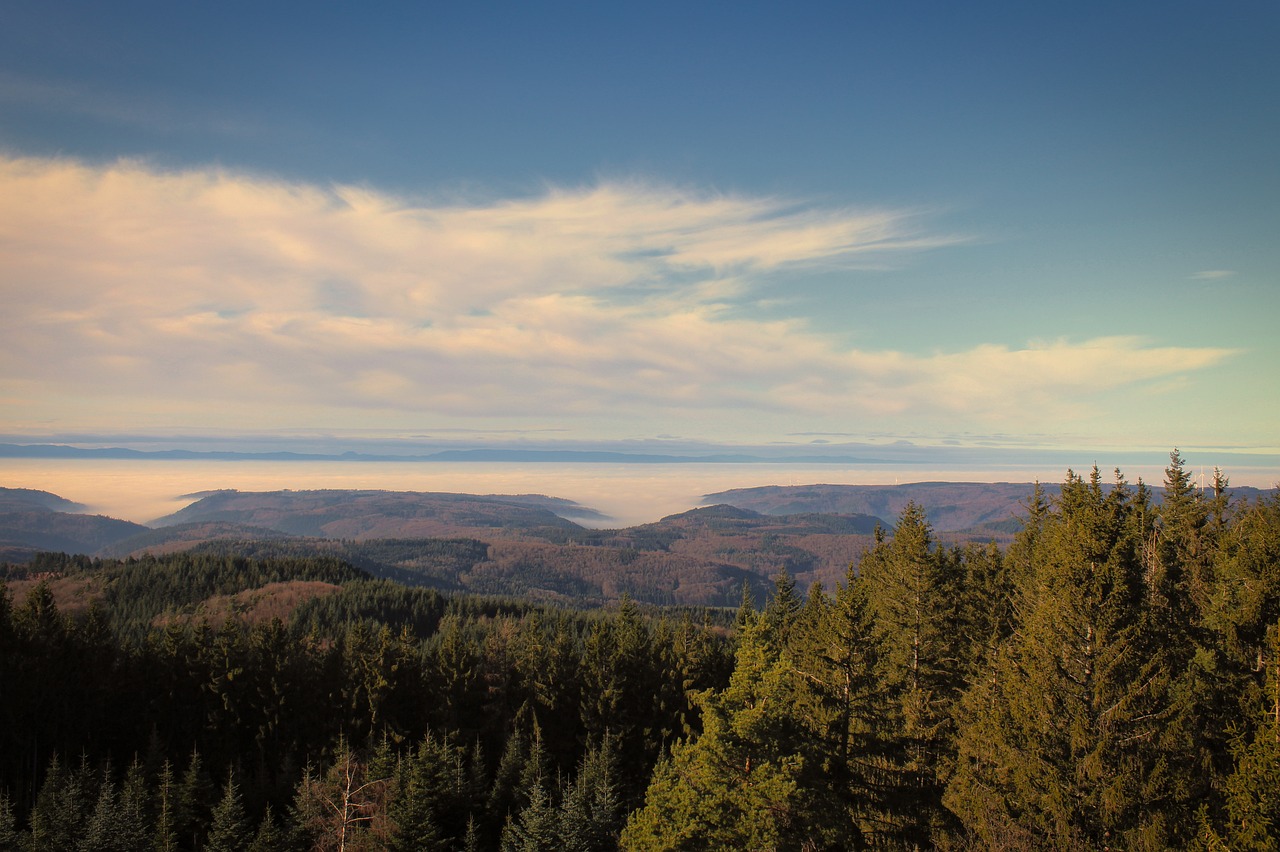
Why Visit the Black Forest Mountains in 2026
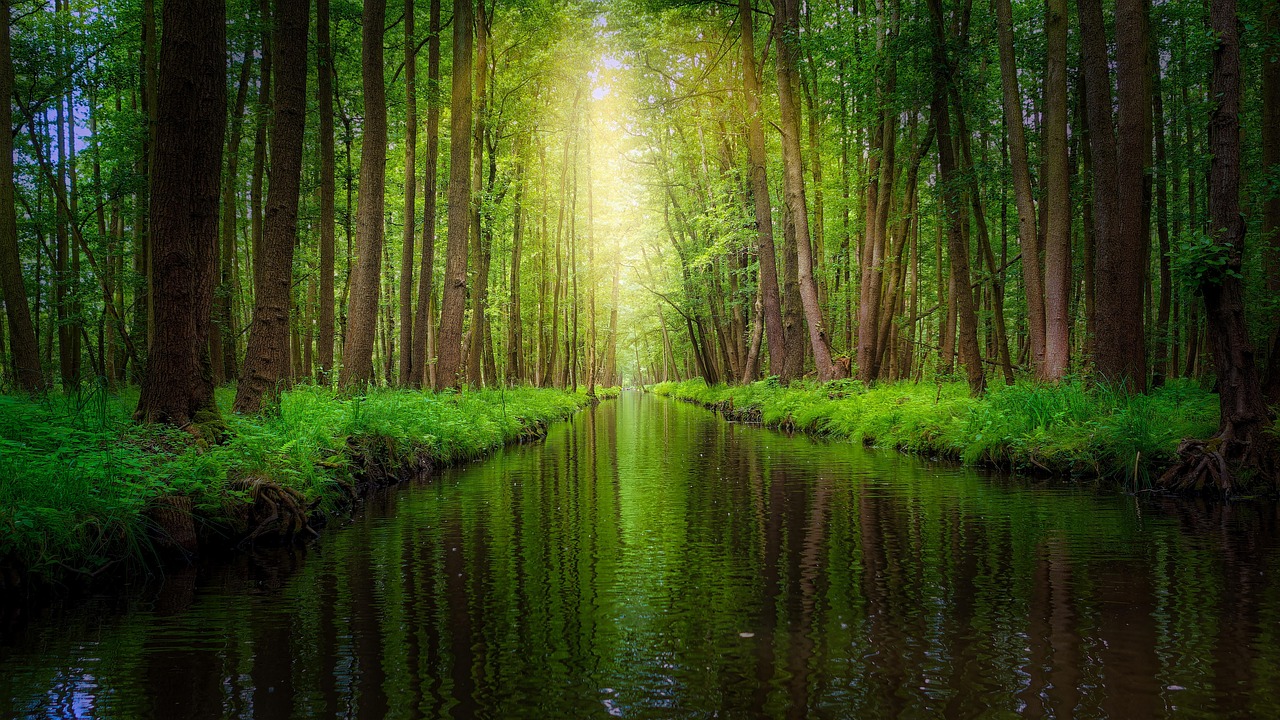
I’ve been sneaking off to the Black Forest (Schwarzwald) for more than a decade now, usually in shoulder seasons when the mist hangs in the firs and the smell of damp moss sneaks through every open window. Every visit confirms the same thing: this is one of Europe’s most quietly addictive mountain regions. Not as dramatic as the Alps at first glance, perhaps, but it gets under your skin in a different way – slower, greener, more storybook than summit-conquering.
The Black Forest Mountains stretch across southwestern Germany, roughly between the Rhine Valley and the Swiss border. Think rolling ridgelines broken by deep glacial valleys, moody spruce forests, high pastures, timbered farmhouses, and villages where the church bells still set the rhythm of the day. And yet, in 2026, it’s also modern: e-bikes, farm-to-table dining, excellent trains, and some of Germany’s most ambitious spa hotels.
Why put the Black Forest Mountains on your 2026 list?
- Accessible adventure: Gentle day hikes, alpine lakes, family-friendly treetop walks, plus some surprisingly tough long-distance routes for serious hikers and bikers.
- Storybook villages: Half-timbered old towns like Gengenbach and Triberg, farmhouse hamlets tucked into side valleys, and quiet passes where the only sound is cowbells.
- Year-round appeal: Wildflowers and forest hikes in spring, lake swims and mountain meadows in summer, blazing foliage and wine in autumn, and snowshoeing and cozy spas in winter.
- Food that feels like a hug: Rustic roasts, forest mushrooms, Kirschtorte (Black Forest cherry cake) that actually deserves the name, and small-batch schnapps in farmhouse distilleries.
- Easy logistics: Trains, buses, and cable cars knit the region together. The Konus Guest Card (when you stay locally) often covers regional public transport, which makes crafting a 4 day itinerary for Black Forest Mountains or a 7 day itinerary for Black Forest Mountains surprisingly stress-free.
In 2026–2027 the region is leaning more heavily into sustainable tourism: more e-bike charging stations, new car-free trailheads, and expanded public transport timetables centered around festivals and major hiking events. I’ll point those out as we go.
Recommended Itineraries: 4–7 Days in the Black Forest Mountains
To keep this guide manageable, I’ll sketch out “skeleton” itineraries here – ideal for planning a 4 day itinerary for Black Forest Mountains up to a 7 day itinerary for Black Forest Mountains. Later sections dive deeper into each peak, valley, pass, and village with personal anecdotes, history, and practical tips.
4 Days in the Black Forest Mountains
Four days is enough to taste the highlights: one base in the north (Baden-Baden or Baiersbronn) and one in the central highlands (Titisee or Hinterzarten). This makes an excellent first-time 4 days in Black Forest Mountains plan.
Day 1 – Baden-Baden & Merkur Mountain
I like to start gently. Arrive in Baden-Baden by late morning – the town is well connected by train from Frankfurt or Stuttgart. Drop your bags and head straight up to Merkur Mountain (Merkurberg, 668 m) on the historic funicular.
- Morning: Stroll the Lichtentaler Allee, a leafy riverside promenade that introduces you to the spa-town elegance. Have coffee and a slice of Schwarzwälder Kirschtorte at a café with outdoor seating – watch the dog walkers and older couples in their Sunday best.
- Afternoon: Take the Merkurbergbahn funicular up to Merkur. On a clear day, the panorama reaches to the Vosges in France. Easy loop trails make this family-friendly; I usually take the 1–2 hour ridge walk, looking for wildflowers in late May and early June.
- Evening: Ease into the spa culture with a soak at the Caracalla Therme. For a more traditional (and nude) experience, the Friedrichsbad offers a Roman-Irish bathing ritual that feels like stepping into another century.
Tip: For a romantic first night, book dinner at a wine-focused bistro in the old town and walk back through the Kurpark by lamplight. Families may prefer an earlier dinner and a stroll along the river – playgrounds are dotted along the way.
Day 2 – Mummelsee, Schwarzwaldhochstraße & Hornisgrinde
Day two introduces the high road of the northern Black Forest: the Schwarzwaldhochstraße (B500), famous for sweeping views, ski lifts in winter, and high bog landscapes.
- Morning: Pick up a rental car in Baden-Baden or join a guided excursion. The B500 winds up through forest to Mummelsee, a small glacial lake with a kitschy legend about a water sprite. Walk the easy loop, then take the path up to Hornisgrinde (1,164 m), the highest peak in the northern Black Forest.
- Lunch: Eat at the mountain inn near the summit – hearty soups, sausage plates, and the kind of potato salad that makes you rethink all previous potato salads.
- Afternoon: Drive or bus-hop along the Hochstraße, stopping at viewpoints like Schwarzwaldhochstraße Aussichtspunkte. In winter, this day can easily turn into a mini ski or sledding adventure.
- Evening: Either overnight in a rustic inn along the B500 or continue on to Baiersbronn, your gateway to deep-forest hiking and some of Germany’s most celebrated country restaurants.
Day 3 – Baiersbronn & Schwarzwald National Park Trails
Baiersbronn is where I fell in love with the Black Forest properly. Trails slip right out of the village, into a maze of spruce and beech forests. It’s an ideal base for walkers, food lovers, and families who like easy access to nature.
- Morning: Start with an easy signed “Genusswanderung” (pleasure hike) – often these routes are punctuated by small huts selling snacks or self-service farm fridges. The Sankenbachsee loop with its waterfall is a classic, manageable for kids, romantic in autumn when the leaves turn copper.
- Afternoon: If you’ve got energy, push into the Schwarzwald National Park – sections around Ruhestein are accessible by bus. There are well-marked family-friendly trails and more strenuous routes that climb to wild viewpoints.
- Evening: Treat yourself to a serious dinner. Baiersbronn’s long-standing reputation for Michelin stars isn’t exaggerated. Book well in advance if you want a table at one of the big-name restaurants; otherwise, choose a cozy Gasthaus for venison, Spätzle, and local Pinot Noir (Spätburgunder).
Day 4 – Titisee & Feldberg Highlands
On your final day, move south to the Feldberg area – the highest part of the Black Forest, where the mountains feel more overtly alpine.
- Morning: Travel by train via Freiburg to Titisee or Hinterzarten. Leave your bags at your guesthouse and head for the lake. Titisee can be touristy, but in the morning light it’s undeniably pretty. Take a short boat ride or rent a pedal boat if you’re with kids.
- Afternoon: Catch a bus up to the Feldberg (1,493 m) base. In summer: hike the panoramic loop via Feldsee, a glacial cirque lake tucked below steep slopes. In winter: hit the ski slopes or try snowshoeing. Either way, pack a windproof layer – it’s exposed up there.
- Evening: Return to Titisee or Hinterzarten for one last lakeside or village dinner. Try Forelle Müllerin (pan-fried trout) from local lakes and finish with a glass of kirschwasser (cherry schnapps) if you’re feeling brave.
This is the essence of a 4 day itinerary for Black Forest Mountains: spas and funiculars, high roads and deep forests, and a taste of the lake-and-peak south.
5 Days in the Black Forest Mountains
With 5 days in Black Forest Mountains, you can linger. I recommend adding a day around Triberg and the central valleys – it balances the spa-luxury and high peaks with classic half-timbered charm.
Day 5 – Triberg Waterfalls & Gutach Valley
From Titisee or Hinterzarten, it’s easy by train to reach Triberg, home to Germany’s (arguably) highest waterfalls and some of the region’s most photographed cuckoo clocks.
- Morning: Walk the Triberg Waterfalls path. It can be busy, but early mornings or late afternoons are peaceful. The sound of the water drowns out the traffic, and red squirrels are often bold here.
- Lunch: Have a casual meal in town – look for places where locals outnumber tour buses. Order a seasonal special; in late summer and early autumn, chanterelles (Pfifferlinge) appear on menus.
- Afternoon: Take a side trip by train or bus into the Gutach Valley. The Vogtsbauernhof Black Forest Open-Air Museum is one of my favorite family-friendly attractions: centuries-old farmhouses, working mills, demonstrations of traditional crafts. It’s touristy, yes, but thoughtfully done.
- Evening: Either overnight near Triberg/Gutach or continue back to your base. If you stay, plan an evening walk: small villages here get very quiet after dark, and you’ll see why the Brothers Grimm set their tales in forests like these.
This five-day pattern works well for couples and families: plenty of easy things to do in Black Forest Mountains, a balance of culture, nature, and classic “must-see attractions in Black Forest Mountains” without feeling rushed.
6 Days in the Black Forest Mountains
A 6 day itinerary for Black Forest Mountains gives you time to add a wilder corner. I’d invest the extra day in the southern Black Forest around the Wutach Gorge or the Schluchsee lake area.
Day 6 – Wutach Gorge or Schluchsee
Choose based on your appetite for adventure and trail conditions:
- Option A: Wutach Gorge (Wutachschlucht) – For hikers who like some mild adrenaline. The trail can be narrow and slippery after rain, but it’s one of the most dramatic river gorges in Germany. Start early, wear proper boots, and check local reports for closures.
- Option B: Schluchsee – For families and those craving a “holiday by the lake” vibe. The largest lake in the Black Forest offers swimming, stand-up paddling, boat rentals, and gentle lakeside walks. In summer, I like to pack a picnic and claim a quiet spot along the shore instead of staying in the main resort village.
Either way, base yourself that night back around Feldberg/Titisee/Hinterzarten – it’s a useful transport hub for trains back to Freiburg or onward connections.
7 Days in the Black Forest Mountains
With 7 days in Black Forest Mountains, you can let the region’s slower rhythm sink in. Use your extra day for either:
- a deeper dive into one of the valleys (e.g., Kinzigtal or Murgtal), or
- a cross-border day trip (e.g., Freiburg & Kaiserstuhl vineyards, or even Strasbourg or Basel).
Day 7 – Kinzigtal Villages & Gengenbach
The Kinzigtal is, for me, where the Black Forest’s lived-in authenticity shines. Timbered towns, orchard-dotted slopes, and a tangle of small roads leading to hamlets where time seems slower.
- Morning: Travel to Gengenbach, one of the prettiest towns on the western edge of the Black Forest. Wander the old town, climb up to the viewpoint above the vineyards, and stop for coffee in the main square.
- Afternoon: Explore nearby villages by train or bike – Haslach, Schiltach, and Wolfach are all picture-book pretty. Visit a local schnapps distillery if you can: many family farms run tiny operations, and tastings are both educational and pleasantly warming.
- Evening: For your final night, I love staying on a Schwarzwaldhof (traditional farmhouse guesthouse) somewhere on the slopes above the Kinzigtal. Dinner is often homemade, portions are generous, and you’ll go to bed to the sound of wind in the firs.
This makes a satisfying full week: a 7 day itinerary for Black Forest Mountains that touches spas, peaks, lakes, deep forests, gorge hikes, storybook towns, and farmhouse culture.
15 Peaks, Valleys, Passes & Villages – In Depth
Now let’s dive into the heart of this travel guide for Black Forest Mountains: the places themselves. I’ve chosen 15 of the most prominent peaks, valleys, passes, and villages – not just to list them, but to share what they feel like, when I go, what I eat, and how I’d recommend you weave them into your own trip.
1. Feldberg (1,493 m) – Roof of the Black Forest
Altitude: 1,493 m – highest peak in the Black Forest.
Best for: Hiking, skiing, snowshoeing, panoramic views, family-friendly mountain fun.
Best bases: Feldberg-Ort, Titisee, Hinterzarten (all seasons); Todtnau (for more local feel).
My most recent Feldberg visit was in late September 2025, a few weeks before the first snowfall. The air had that crisp edge that makes you want to walk for hours, and the slopes were a patchwork of fading green and early bronze. Feldberg is where the Black Forest feels closest to the Alps: rounded but muscular, with wide horizons and an unmistakably high-mountain atmosphere.
The classic summer hike is the Feldberg Panorama Trail, a loop that starts from the Haus der Natur at the pass. It’s well signposted and family-friendly, with options to shorten or lengthen. My favorite variant drops down to the Feldsee, a dark, still lake tucked under steep cirque walls. The path down can be rocky and a bit rooty – good shoes are non-negotiable – but the reward is a perfect picnic spot on the shore.
In winter, Feldberg transforms into the region’s main ski area. By Alpine standards it’s modest, but for a long weekend of mixed-ability skiing or boarding, it’s ideal. The lift system is modernizing steadily; in 2026 a new detachable chairlift is planned to reduce congestion on busy weekends. If you’re learning or traveling with children, book lessons early for school holidays.
Food & Refuges: Feldberg’s slopes and surrounding trails are dotted with Berghütten (mountain huts) and inns. On my last trip I had an indecently good Flammkuchen (thin, crispy flatbread with crème fraîche, onions, and bacon) at a hut overlooking the Feldsee basin. Coffee culture is strong here: most huts do excellent Kaffee und Kuchen in the afternoon, and you’ll never be far from a slice of homemade fruit cake.
Getting there: Trains run to Feldberg-Bärental, the highest standard-gauge station in Germany, from Freiburg via Titisee. From there, buses connect to the ski and hiking area. In winter, check weather and road conditions; chains may be required after heavy snowfall.
Tips:
- Start early on sunny weekends; car parks fill fast and trails can feel busy by late morning.
- Even in summer, bring a windproof layer – weather changes quickly at this altitude.
- If you’re planning a multi-day hike, Feldberg links nicely with the long-distance Westweg trail.
2. Belchen (1,414 m) – The Most Beautiful Peak (Locals’ Vote)
Altitude: 1,414 m.
Best for: Wide views, sunrise/sunset hikes, paragliding, romantic walks.
Best bases: Münstertal, Schönau im Schwarzwald, Todtnau.
If Feldberg is the obvious headliner, Belchen is the connoisseur’s choice. On my first Belchen ascent I arrived just before sunrise on an early October morning. A sea of fog filled the Rhine Valley below, and only the peaks of the Vosges and the Swiss Alps poked through. The Black Forest, usually such a forested, intimate landscape, suddenly felt oceanic.
You can either hike up from the valleys (steep but rewarding) or cheat a little and take the Belchenbahn cable car from the upper car park. From the mountain station, a gentle path (30–40 minutes) leads to the summit, where a circular panorama board helps you identify distant peaks.
Dining: The Belchenhaus near the summit serves exactly the kind of mountain food you want after a climb: thick soups, Bratwurst, cheese boards, and beer. In cooler months I always order a bowl of Linseneintopf (lentil stew) with sausage – simple, filling, and perfect with the wind howling outside.
Romantic angle: For couples, Belchen is a wonderfully atmospheric place for a sunset hike followed by dinner and a slow drive back down under the stars. Just bring headlamps and warm layers; temperatures drop fast after dark, even in late summer.
Family angle: With the cable car and short summit trail, Belchen is do-able with kids who can handle a gentle climb. There’s enough space at the top for supervised exploring and photo ops without cliff-edge anxiety.
Getting there: Public transport is less dense here than around Feldberg, but buses connect from Schönau and Münstertal. Many visitors come by car; parking at the cable car base is straightforward outside absolute peak weekends.
3. Schauinsland (1,284 m) – Freiburg’s Balcony
Altitude: 1,284 m.
Best for: Easy access from Freiburg, cable-car views, history, family outings.
Best base: Freiburg im Breisgau.
Whenever I stay in Freiburg, I treat Schauinsland as my “evening hill.” The Schauinslandbahn is Germany’s longest loop cable car, gliding over meadows and forest for 20+ minutes. Bring a bottle of local wine and some cheese, and you’ve got a moving picnic with a view.
At the top, short trails fan out across the plateau. On a clear day, the Alpine chain shimmers to the south, while the Rhine Valley stretches away to France. The summit area is gently rolling rather than dramatic, which makes it very family-friendly: kids can run around, and there are no sheer drops right by the main paths.
History note: Schauinsland has a mining history; you can visit a former silver mine on guided tours (great for kids and rainy days). In winter, locals come up for sledding and cross-country skiing when snow conditions allow.
Food: Several inns and kiosks near the top station serve typical local food: Currywurst if you’re in a hurry, or more substantial plates if you linger. I like to grab coffee and a slice of plum cake before walking back down part of the way and catching the cable car mid-station.
Getting there: Freiburg’s tram and bus system connects easily to the lower cable-car station. This is one of the easiest “mountain days” you can have in the region without a car.
4. Hornisgrinde & Schwarzwaldhochstraße – Wind & Wide Horizons
Altitude: 1,164 m.
Best for: High road viewpoints, gentle ridge hiking, winter sports, photography.
Best bases: Baden-Baden, Baiersbronn, small inns along B500.
The Hornisgrinde plateau feels different from other Black Forest peaks: windswept, open, and marked by raised bogs and boardwalks. It’s a reminder that this region isn’t just dark forest; it’s also a mosaic of delicate highland ecosystems.
I like to pair a Hornisgrinde walk with a slow drive along the Schwarzwaldhochstraße, stopping at lakes (Mummelsee), viewpoints, and trailheads. In 2026, several new interpretive panels are being installed along this route as part of a national park initiative, explaining the flora, fauna, and climate challenges facing the highlands.
Winter: When snow cooperates, this is the quickest way from the Rhine plain to winter. Sledding hills, small ski lifts, and cross-country trails draw weekenders from Karlsruhe and beyond. Book accommodation early for December weekends and school holidays.
Food: Roadside inns along B500 are classic Black Forest – wood-paneled rooms, tiled stoves, venison in autumn, and homey desserts. I once waited out a thunderstorm in such a place over a slow lunch, watching the clouds shred themselves on the ridgeline outside the window.
5. Mummelsee – Myth, Crowds & Misty Mornings
Altitude: ~1,036 m.
Best for: Short walks, family stops, folklore, pairing with longer hikes to Hornisgrinde.
Best bases: Any Schwarzwaldhochstraße accommodation, Baden-Baden or Baiersbronn.
Mummelsee is small, pretty, and, in high season, absolutely swamped. The key is timing. On my last visit, I arrived at 8 a.m. on a weekday in June; the lake was still, ringed with cloud remnants, and the only sound was a few early walkers crunching along the gravel path.
Walk the loop (20 minutes at a dawdle), read the legend of the lake spirit, then, if you’re up for more, take the signed path up to Hornisgrinde. This way Mummelsee becomes a pleasant prelude rather than the whole show.
Food: The lakeside hotel-restaurant does a roaring trade in bus-tour lunches and cakes. Quality is fine, not exceptional, but the terrace views are undeniably nice. For something more atmospheric, head up or down the B500 to a quieter inn.
Family angle: This is an easy stop with small children: no real drops, short trail, paddle boats in season, and plenty of ice cream.
6. Wutach Gorge (Wutachschlucht) – Wildest Corner of the Forest
Altitude: River level ~600–700 m, gorge walls rising steeply.
Best for: Adventurous hiking, nature photography, spring and autumn walks.
Best bases: Lenzkirch, Bonndorf, Schluchsee, Titisee.
The Wutach Gorge is where the Black Forest drops its cozy image and shows some teeth. The river has carved a twisting canyon through layers of rock, creating a microclimate of moss, ferns, and overhanging cliffs. Trails cling to the sides, sometimes reinforced with cables or steps, and in places you’ll need to watch your footing carefully.
My first time here, I underestimated it. I wore trail runners instead of proper boots and paid for it on a muddy traverse after overnight rain. Lesson learned: this is not a flip-flop walk. But it’s spectacular – the sound of rushing water, shafts of light cutting through the canopy, and the occasional kingfisher if you’re lucky.
Logistics: The gorge is usually divided into sections; you can do point-to-point hikes with shuttle buses in main season (check current timetables) or out-and-back walks from trailheads. Always check for closures or detours after storms – landslides and fallen trees are not uncommon.
Food: This is a pack-your-picnic situation. There are some inns at access points, but once you’re in the gorge, you’re on your own. I tend to stock up in Lenzkirch – bakeries there do excellent sandwiches and pastries.
Safety: This is not ideal in heavy rain, snowmelt, or for those with serious vertigo. Families with older, sure-footed kids who enjoy a challenge will love it; toddlers and unsteady walkers, not so much.
7. Titisee – Lakeside Hub (Touristy, but Useful)
Altitude: ~850 m.
Best for: Lake activities, central base, easy transport, family holidays.
Best bases: Titisee itself for convenience; Hinterzarten for quieter charm.
Titisee is the “resort” face of the Black Forest: lakeside promenade, boat rentals, souvenir shops, and a constant stream of day-trippers in summer. I have a complicated relationship with it – I avoid the busiest hours, but I appreciate how well-connected it is and how easy it makes logistics.
What I do: I stay in Hinterzarten, one train stop away, and visit Titisee for specific things: an early-morning paddle on the lake, a sunset walk, or a mid-day swim after a hike. The lake itself is lovely, ringed by forested slopes, and on a calm evening the reflections are pure magic.
Activities: In summer, rent a pedal boat, a rowboat, or a stand-up paddle board. There are designated swimming areas and a lido with changing facilities. In winter, if it freezes solid and conditions are declared safe (never assume), locals skate and walk on the ice – a very special experience.
Food: Plenty of options on the promenade; quality varies. Look for places with shorter menus and more locals than tour groups. Fresh fish from the lake or nearby waters is always a good bet.
Transport: Trains connect Titisee to Freiburg, Feldberg-Bärental, and beyond. Buses fan out to Schluchsee, Feldberg, and smaller villages. If you’re crafting a car-free 4–7 day itinerary, Titisee is a logical hub.
8. Hinterzarten – Quiet Sister of Titisee
Altitude: ~890 m.
Best for: Peaceful base, meadows, walking, cross-country skiing.
Best base: Hinterzarten itself.
Hinterzarten is one of my personal favorite bases in the entire region. It’s big enough to have amenities (shops, bakeries, rental shops) but small enough to feel like a village. Trails radiate from the center, through meadows and into forest; you can lace up your boots after breakfast and be on a ridge path within an hour.
Seasonal charm:
- Spring: The meadows explode with wildflowers; it’s one of the best places for easy, low-altitude walks.
- Summer: Mild temperatures make it a great escape from city heat.
- Winter: Cross-country ski trails and winter hiking paths are groomed; the atmosphere is postcard-perfect after fresh snow.
Food & cafés: There are several excellent cafés where I’ve spent rainy afternoons nursing coffee and writing. Local inns serve classics like Schäufele (smoked pork shoulder) and potato dumplings. If you’re interested in local food in Black Forest Mountains, Hinterzarten is a good place to start sampling without tourist mark-ups.
Transport: Regular trains to Freiburg and Titisee; buses to Feldberg and Schluchsee. Many guesthouses here participate in the Konus Guest Card scheme, giving you free regional bus/train travel.
9. Triberg – Waterfalls & Cuckoo Clocks
Altitude: ~600 m.
Best for: Waterfalls, traditional crafts, easy family excursions.
Best base: Triberg itself or nearby Gutach/Schonach.
Triberg is famous, and it knows it. But it also has more substance than the cuckoo-clock clichés might suggest. The Triberg Waterfalls are genuinely impressive, especially after rain or snowmelt. Several paths of varying steepness and length zigzag up the gorge, with viewing platforms and photo spots.
I like to visit in late afternoon, after the tour buses have gone. Squirrels come out, the light softens, and the sound of the falling water feels almost meditative. The town itself has a mix of souvenir-heavy streets and quieter back lanes where older houses and gardens give a sense of everyday life.
Cultural experiences: Clockmaking workshops and small museums here are a very accessible way into traditional crafts. Kids enjoy the moving figurines and chimes; adults tend to get lost in the intricacies of the mechanisms. If you’re hunting for a clock to take home, ask about the origin of the movement and the woodwork – serious makers are proud to explain.
Food: Some of my best Black Forest cake has been in small bakeries a street or two back from the main drag. Look for places where the Kirschtorte doesn’t look like a towering cream monster – the best versions are actually fairly modest in height but rich in flavor, with a noticeable hit of kirsch.
10. Baiersbronn – Deep Forest & Fine Dining
Altitude: ~550–800 m depending on hamlet.
Best for: Gourmet food, forest hikes, romantic stays, family-friendly nature trails.
Best base: Baiersbronn and its outlying hamlets (e.g., Mitteltal, Obertal).
Baiersbronn became famous for having one of the highest densities of Michelin stars per capita in the world, but what keeps me coming back is the combination of serious food and serious forest. This is where Schwarzwald National Park begins to feel tangible: wide tracts of forest with a wilder management philosophy, allowing deadwood and natural regeneration.
Hiking: The area has an excellent network of signed hiking routes, including “Genusswege” (pleasure paths) that connect scenic viewpoints, huts, and themed stations (herbal gardens, art installations, etc.). The walk to Sankenbachsee and its waterfall is a favorite – gentle gradient, shady paths, and a tranquil lake at the end.
Food: From rustic Vesperstuben (snack huts) to multi-course tasting menus, Baiersbronn covers the spectrum. If you’re on a budget, do lunch menus at high-end places rather than dinner; you’ll experience the kitchen’s style at a friendlier price. For families, many inns offer children’s menus and early seatings.
Personal anecdote: One rainy autumn afternoon, I ducked into a small roadside hut just as the sky opened. The owner had just pulled a tray of Zwetschgenkuchen (plum cake) from the oven. I shared a table with two elderly locals, and we ended up talking about how the forest has changed in their lifetimes – fewer small farms, more tourism, but also more wildlife. It’s those unscripted conversations that make Baiersbronn special for me.
11. Baden-Baden – Spa Gateway to the Forest
Altitude: ~180 m (town), with hills rising steeply behind.
Best for: Spas, culture, casino nights, gentle introduction to the mountains.
Best base: Baden-Baden for urban comforts with easy access to hills.
Baden-Baden is technically on the edge of the Black Forest, but in practical travel terms, it’s a key gateway and a fine base for those who want mountain days and urban evenings. The town’s 19th-century spa architecture, leafy parks, and grand hotels give it a slightly old-world glamour.
Spas: The Caracalla Therme and Friedrichsbad are the main draws. The former is modern, swimsuit-friendly, and family-compatible; the latter is historic, nude, and ritualized. Plan at least half a day if you’re a spa person, longer if you want to float between saunas and pools without checking your watch.
Mountain access: The Merkurbergbahn funicular makes a half-day in the hills effortless. From the top, trails lead along the ridge and down to neighboring valleys; you can craft loops of various lengths without needing a car.
Evenings: Dress up a bit (not too much; this is still Germany) and visit the Spielbank casino – even if you don’t gamble, the building is worth a peek. The restaurant scene runs from traditional Baden cuisine to modern fusion; book ahead on weekends.
12. Freiburg im Breisgau – Sunniest City & Forest Portal
Altitude: ~280 m.
Best for: Urban culture, markets, wine, easy access to southern Black Forest.
Best base: Freiburg itself or nearby vineyard villages.
Freiburg isn’t in the high mountains, but it’s intimately tied to them. The Black Forest rises immediately to the east, and in 20–30 minutes you can be on a hillside trail looking back at the cathedral spire. For many travelers, it’s the natural start or end point of a Black Forest itinerary.
What I always do:
- Have breakfast at the Münsterplatz market: fresh bread, cheese, fruit, and a grilled sausage from one of the stands.
- Walk up to the Schlossberg or take the little funicular; the views show you exactly how city and forest nest together.
- Hop on a train or tram out towards the hills – Schauinsland, Hinterzarten, or Titisee are all easy half-day or full-day trips.
Food & wine: This is where the Black Forest meets the Kaiserstuhl and Markgräflerland wine regions. Local whites (Gutedel, Grauburgunder) and reds (Spätburgunder) are excellent and often very reasonably priced in local taverns. If you’re interested in cultural experiences in Black Forest Mountains, a vineyard visit on the fringes is a nice way to connect landscape and glass.
13. Gengenbach & the Kinzigtal – Storybook Towns
Altitude: ~180–300 m in valley, higher on slopes.
Best for: Traditional architecture, gentle hiking, cycling, farmhouse stays.
Best base: Gengenbach, Haslach, Schiltach, or a rural guesthouse.
The Kinzigtal is one of the Black Forest’s cultural heartlands. You’ll find half-timbered houses leaning over cobbled squares, small-town life that hasn’t been completely overrun by tourism, and side valleys where cows graze under orchards.
Gengenbach itself is almost too pretty – pastel façades, a baroque town hall that doubles as a giant Advent calendar each December, and a web of lanes that invite wandering. On my last visit, I spent a late summer afternoon on a bench above the town, watching swallows loop over the rooftops and listening to the faint chime of church bells.
Activities: Easy hikes through vineyards and forest, cycling along the valley, visiting small museums and churches. This is also a good area to look for holiday on the farm accommodation: working farms with guest rooms or apartments. It’s fantastic for families – kids can help feed animals, and everyone eats well.
Food: Expect hearty Baden cuisine: Bibiliskäs (herbed quark cheese) with potatoes, Brägele (fried potatoes), seasonal asparagus in spring, and plum or cherry desserts in late summer.
14. Schluchsee – Big Lake, Big Sky
Altitude: ~930 m.
Best for: Water sports, swimming, lakeside walks, camping.
Best base: Schluchsee village, campgrounds along the shore.
Schluchsee is the Black Forest’s largest lake, and in many ways its most versatile water playground. Unlike Titisee, its shores are less built-up, with long stretches of forest and paths. I usually come here when I want a day that feels more “holiday by the water” than “mountain conquest.”
Activities: Swimming (water is cool but clean), sailing, stand-up paddling, boat tours, and cycling or hiking the shoreline. In 2026, the lakeside path improvements continue, with better signage for accessible sections suitable for strollers and wheelchairs.
Food: Lakeside kiosks, cafés, and restaurants cover the basics; quality varies, but sipping a cold beer watching the light shift on the water makes almost any snack taste good. I like bringing my own picnic and then rewarding myself with ice cream at the end of the day.
Family angle: Great for kids who like to swim and mess about in boats; shallower coves are safer for younger children, but always supervise closely – there are no lifeguards on many stretches.
15. Murgtal & Black Forest Railway – Valley of Viaducts
Altitude: ~150–700 m.
Best for: Scenic train rides, village-hopping, lesser-known hikes.
Best bases: Forbach, Baiersbronn, smaller villages along the line.
The Murgtal is threaded by one of Germany’s most scenic rail routes: the Murgtalbahn, climbing from Rastatt towards Freudenstadt. Viaducts, tunnels, and sweeping views make the journey itself an attraction.
I like to ride this line on days when the weather is uncertain – you can hop off in one village for a short walk, then continue later. Forbach, with its picturesque wooden covered bridge, is a charming stop; higher up, the valley narrows and the hills feel closer.
Hiking: Numerous side trails lead up to viewpoints, small waterfalls, and old mills. This isn’t where first-time visitors usually go, which is precisely why I recommend it to those craving hidden gems in Black Forest Mountains.
Food: Small guesthouses and cafés along the route are pleasantly unpretentious. Expect robust portions and prices a little lower than in headline destinations.
Mountain Dining & Food Culture in the Black Forest Mountains
If you travel the way I do, meals are as important as views. The Black Forest excels at food that matches the landscape: hearty, seasonal, and rooted in farm traditions. Here’s how to eat well, whether you’re on a ridge trail or in a village inn.
Refuges, Mountain Huts & Alpine Inns
In the Black Forest, you’ll find:
- Berghütten / Wanderhütten: Rustic huts, often reachable only on foot, serving simple hot dishes, cakes, and drinks. Some are self-service, others full-service.
- Gasthäuser: Village inns, usually with rooms upstairs and a restaurant downstairs. These are my favorite places to connect with local food in Black Forest Mountains.
- Schwarzwaldhöfe: Traditional farmhouses offering guest rooms or apartments and often dinner for guests, sometimes open to non-guests by reservation.
What to order:
- Schwarzwälder Schinken (Black Forest ham) – smoky, thinly sliced, perfect on bread.
- Brägele – pan-fried potatoes, often with onions and bacon.
- Rostbraten – beef roast, usually with rich gravy and Spätzle (egg noodles).
- Wildgerichte – venison and wild boar in autumn, often in creamy sauces with red cabbage.
- Kaiserschmarrn – shredded pancake dessert, not native but increasingly common in huts.
- Schwarzwälder Kirschtorte – properly boozy Black Forest cherry cake: sponge, cherries, cream, and kirsch.
Coffee, Cake & Slow Afternoons
Kaffee und Kuchen is not just a snack; it’s a ritual. Around 3–4 p.m., hikers drop into huts and cafés to refuel with coffee and cake. On a chilly day after a long walk, sitting by a tiled stove with a plate of Apfelkuchen feels like a hug from the region itself.
Where to Stay: Village vs. Slope-Side vs. Refuge
Village stays (Baiersbronn, Hinterzarten, smaller Kinzigtal towns) give you shops, multiple dining options, and better public transport. Ideal for first-timers and those using trains/buses.
Slope-side hotels (Feldberg, some B500 properties) are convenient for skiing and snow-heavy trips but can feel isolated off-season. Great if you want to roll out of bed and onto the piste.
Refuges / huts in the Black Forest are less common than in the Alps but do exist along long-distance trails (e.g., Westweg). These are more basic; some require reservations, others operate on a club basis. They suit experienced hikers looking for a multi-day trek.
How to Save Money on Food & Drink
- Eat your main meal at lunchtime – many places offer better-value menus then.
- Self-cater breakfast and some dinners if you have an apartment; local bakeries are inexpensive and excellent.
- Tap water is safe; ask for “Leitungswasser” (some places may still prefer you order bottled).
- Stay in guesthouses that offer half-board (breakfast + dinner) – often good value in rural areas.
Evenings in the Black Forest Mountains
Evenings are when the Black Forest’s pace really shows. This isn’t a region of wild nightlife, but it’s rich in quieter pleasures.
Après-Hike & Après-Ski
After a day on trails or slopes, locals gravitate to:
- Village bars & hotel lounges: Beer, local wine, and small plates. In winter, Glühwein (mulled wine) and hot chocolate appear.
- Saunas & spas: Many hotels have wellness areas; in spa towns like Baden-Baden and Bad Wildbad, public baths are a social evening ritual.
- Mountain huts: Some stay open for early dinners; walking back at dusk under a sky streaked with pink is a quiet joy.
Fondue Nights & Hearty Suppers
While fondue isn’t a traditional Black Forest dish (it’s more Swiss/Alpine), many mountain restaurants have adopted it in winter. On a snowy evening near Feldberg or Belchen, sharing a bubbling pot of cheese with friends feels exactly right.
Stargazing & Night Walks
Light pollution drops quickly once you leave larger towns. On clear nights, the Milky Way is often visible from higher villages and passes. I like to take short, familiar paths after dark – headlamp on, phone in pocket, listening to the forest’s different nighttime soundscape.
Seasonal Festivals
Across the region, village festivals (Dorffeste), wine fairs, and Christmas markets dot the calendar. Music, local food, and a few rides or games for kids make them perfect for low-key evenings. In 2026, several villages are planning expanded harvest festivals to coincide with regional culinary promotions – check local tourism websites closer to your dates.
Events & What’s New in 2026–2027
The Black Forest doesn’t shout about change, but things do evolve. For 2026–2027, keep an eye on:
- Schwarzwald National Park 10th Anniversary (2026): Special guided walks, exhibitions, and family programs around Ruhestein and Baiersbronn to mark a decade of the park’s existence.
- Expanded E-Bike Infrastructure: New charging points and signed e-bike routes between Feldberg, Schluchsee, and Wutach Gorge, making longer loops easier without a car.
- Rail Upgrades: Incremental improvements on the Höllentalbahn (Freiburg–Titisee–Donaueschingen) and Murgtalbahn with more frequent weekend services, especially during hiking and Christmas market seasons.
- Festivals:
- Annual Schwarzwald Music Festival (various venues, usually May/June).
- Black Forest Ultra Bike Marathon (Kirchzarten) – 2026 date TBA, a magnet for mountain bikers.
- Christmas markets 2026: Freiburg, Gengenbach (famous Advent calendar), Baden-Baden, and many smaller towns.
- Sustainability Initiatives: More car-free days on certain scenic roads in peak summer, pilot shuttle buses to popular trailheads like Feldsee and Wutachschlucht.
Day Trips & Nearby Attractions
Once you’ve ticked off the best places to visit in Black Forest Mountains, there are excellent side trips within easy reach.
Freiburg & Kaiserstuhl Vineyards
From Titisee, Hinterzarten, or Schluchsee, Freiburg is under an hour by train. From there, local trains and buses head to the Kaiserstuhl, a volcanic wine region with terraced vineyards and sun-warmed villages. Hike between villages, taste local wines, and be back in your mountain base by nightfall.
Strasbourg (France)
From Offenburg or Freiburg, Strasbourg is around an hour by train. Combine a morning cathedral visit and canal-side lunch with an evening back in Gengenbach or the Kinzigtal. Cross-border day trips like this add a cultural layer to a longer stay.
Basel (Switzerland)
From Freiburg or Titisee (with connections), Basel is easily reached. Art museums, Rhine walks, and Swiss chocolate contrast nicely with timbered Black Forest villages.
Cultural Etiquette & Local Customs
Southern Germans are generally friendly but reserved. A bit of cultural awareness makes interactions smoother and deepens your experience of cultural experiences in Black Forest Mountains.
Greetings & Politeness
- Say “Guten Tag” or the local “Grüß Gott” when entering small shops, huts, or shared spaces.
- On trails, a simple “Hallo” or “Guten Morgen” to passing hikers is normal.
- Use formal “Sie” with strangers unless invited to switch to “du.”
In Huts & Inns
- Wait to be seated in busier restaurants; in rustic places you may be invited to share a table – perfectly normal.
- Cash is still useful, especially in remote huts; cards are increasingly accepted but not universal.
- Service is usually included; rounding up or leaving 5–10% is appreciated.
On Trails & in Nature
- Stay on marked paths in national park zones; some areas are intentionally left wild.
- Leash dogs where required; many pastures and wildlife zones are sensitive.
- Take your trash out with you; bins are not always provided at remote spots.
Quiet Hours
In villages and guesthouses, expect quiet after around 10 p.m. Loud balcony conversations or music will not endear you to neighbors. On Sundays and public holidays, many shops close; plan ahead for groceries.
Practical Travel Advice & Logistics (2026)
Getting Around: Public Transport vs. Car
Public Transport: Trains and buses are excellent for most major valleys and hubs.
- Rail lines: Freiburg–Titisee–Donaueschingen (Höllentalbahn), Offenburg–Villingen, Murgtalbahn (Rastatt–Freudenstadt), and others connect key areas.
- Buses: Fill in gaps to trailheads, lakes, and smaller villages. Timetables are denser in summer and around ski areas in winter.
- Konus Card: Many accommodations provide this, granting free travel on regional buses/trains – a huge money-saver.
Car Rental: Gives flexibility for remote trailheads and off-peak travel. Roads are generally good; winter tires are mandatory in winter conditions, and snow chains may be needed on high passes after heavy snow.
SIM Cards & Connectivity
- Major German providers (Telekom, Vodafone, O2) all have coverage; Telekom tends to be strongest in remote valleys.
- Prepaid SIMs are easy to buy at supermarkets and electronics stores; eSIM options are widely available by 2026.
- Signal can drop in deep gorges (Wutach, narrow valleys); download offline maps.
Visa & Entry Requirements
- Germany is in the Schengen Area. Many nationalities get 90 days visa-free; others need a visa. Check current rules for 2026 well before travel.
- ETIAS: The planned European travel authorization system may be in force by 2026 for visa-exempt travelers; verify before departure.
Driving & Licenses
- Most foreign driver’s licenses (with Latin script) are accepted for short stays; some non-EU visitors may need an International Driving Permit – check for your nationality.
- Drive on the right; speed limits are enforced. In villages, 30–50 km/h is common; respect it.
- Parking in popular spots (Feldberg, Mummelsee) may be paid and fills quickly on sunny weekends.
Money-Saving Tips in a High-Cost Region
- Use the Konus Card and regional passes for transport.
- Stay in self-catering apartments or farm stays and cook some meals.
- Travel in shoulder seasons (May–June, late September–October) for lower prices and fewer crowds.
- Picnic at viewpoints instead of always eating in restaurants.
Best Seasons for Different Activities
- Spring (April–June): Wildflowers, moderate temperatures, some higher trails still snowy in April.
- Summer (July–August): Warm, great for lakes and high hikes; busier; thunderstorms possible.
- Autumn (September–October): My favorite: fall colors, harvest festivals, crisp air, usually stable weather.
- Winter (December–March): Skiing around Feldberg, snowshoeing, Christmas markets; variable snow at lower elevations.
Mountain-Specific Logistics & Safety
Altitude & Acclimatization
The Black Forest peaks max out under 1,500 m, so altitude sickness is not an issue for most travelers. What matters more is weather: wind chill on ridges, rapid changes, and snow lingering on north slopes into late spring.
Weather, Storms & Avalanche Risk
- Thunderstorms can build quickly on hot days; start hikes early and aim to be off exposed ridges by mid-afternoon.
- In winter, avalanche risk exists in certain steep areas (e.g., near Feldberg, Feldsee basin). Check local avalanche bulletins if venturing off-piste or onto steep unpatrolled terrain.
- Winter storms can close roads and passes temporarily (e.g., parts of B500). Always check conditions before driving high routes in snow season.
Gear & Clothing
- Hiking: Sturdy shoes or boots with grip, waterproof jacket, warm layer, hat, and gloves even in shoulder seasons.
- Winter: Insulated boots, traction (microspikes) for icy paths, proper gloves, and hat. Snowshoes are useful for un-groomed trails.
- Navigation: Paper map + compass or a reliable offline map app. Waymarking is generally good, but fog can reduce visibility on high plateaus.
Mountain Rescue & Insurance
- Dial 112 for emergency (EU-wide).
- Consider travel insurance that covers hiking, skiing, and rescue costs; while many rescues are state-funded, associated costs (e.g., medical evacuation) may not be.
- Inform your accommodation or a friend about serious solo hikes, especially in off-season or bad weather windows.
Cable Cars & Lift Passes
For a classic mountain experience with minimal effort, cable cars like Schauinslandbahn, Belchenbahn, and winter ski lifts at Feldberg are invaluable.
- Check combined tickets or regional passes if you plan multiple ascents.
- In winter, ski passes vary by area; Feldberg offers region-wide passes covering several small resorts.
- Operating hours are seasonal and weather-dependent; always verify on official sites.
Best Times for Wildflowers, Fall Color & Snow
- Wildflowers: Late May to late June in meadows around Hinterzarten, Belchen, and Schauinsland.
- Fall Color: Early to mid-October for mixed beech/fir forests; valleys often peak a bit later than higher slopes.
- Snow Sports: Typically late December to early March, but variable; January–February are most reliable for Feldberg.
Summary & Final Recommendations
Across more than a dozen trips, the Black Forest Mountains have become my reset button: a place where days fall into a simple pattern of walking, eating, and watching the light move across hills and lakes. It’s not about bagging 4,000-meter summits; it’s about finding quiet corners, good cake, and trails that end at a hut with a warm stove.
For a first visit in 2026:
- Plan at least a 4 day itinerary for Black Forest Mountains to touch Baden-Baden, the Schwarzwaldhochstraße, Baiersbronn, and Feldberg.
- If you can stretch to 5–6 days in Black Forest Mountains, add Triberg, Gutach, and either Wutach Gorge or Schluchsee.
- With a full 7 day itinerary for Black Forest Mountains, slow down in the Kinzigtal or tack on a day in Freiburg and the vineyards.
Best overall seasons:
- Late May–June: Blooming meadows, quieter trails, fresh greens everywhere.
- September–mid-October: Clear air, fall colors, harvest food, fewer crowds.
- December (pre-Christmas): Markets, early ski days if snow cooperates, cozy evenings.
Whether you’re a family seeking gentle adventures, a couple chasing romantic lakes and sunsets, or a solo hiker piecing together long-distance trails, the Black Forest Mountains reward those who move at their pace: unhurried, observant, and a little hungry for both scenery and cake.