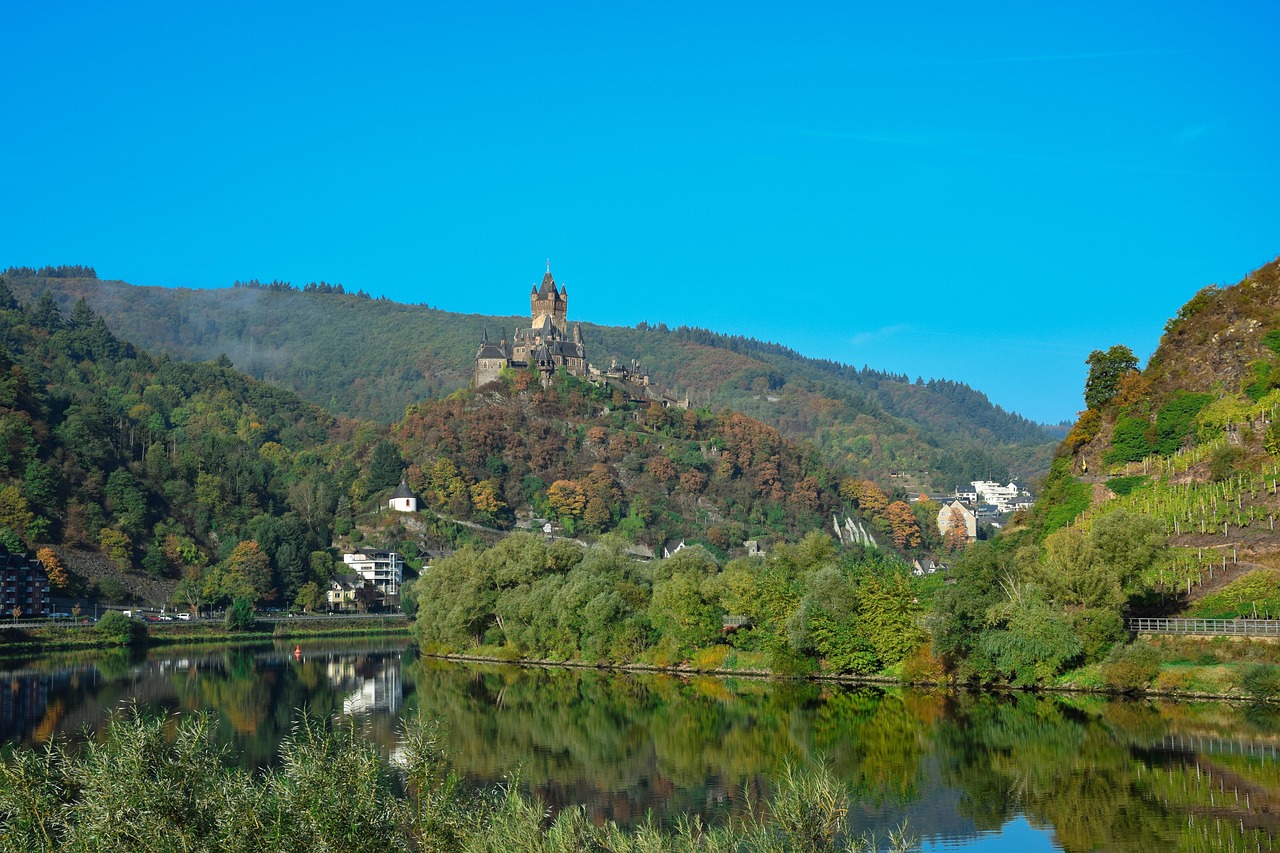
Why Visit Cochem? What Makes This Little Moselle Town So Special
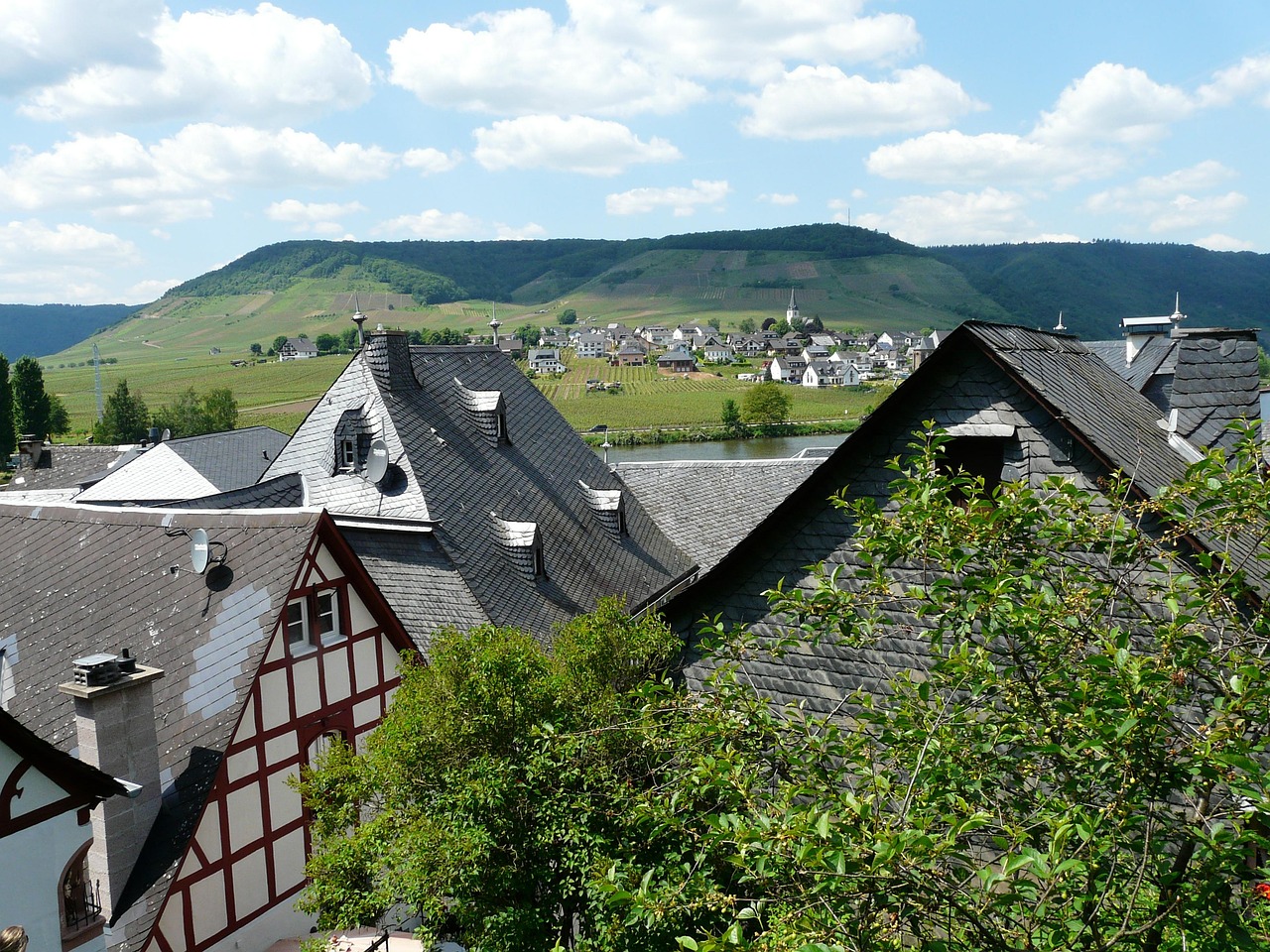
If your mental image of Germany is all glass skyscrapers and big city skylines, Cochem will feel like stepping into a storybook. Half-timbered houses lean into narrow lanes, vineyards climb impossibly steep hillsides, and a fairy-tale castle crowns everything. Yet it’s not just pretty: Cochem is one of the best bases on the Moselle for wine, hiking, castle-hopping, river cruising, and slow, scenic living.
I’ve been coming to Cochem for over a decade—solo, with friends, and with family—and it’s one of those places that reveals a new layer each visit. In the morning, you might be quietly watching the mist lift from the river; by afternoon, you’re clinking glasses of Riesling with a winemaker; and by night, you’re walking cobbled streets under the soft glow of centuries-old lanterns.
Why Cochem deserves a spot on your 2026 trip list:
- Perfect size for 3–5 days: A compact town with enough things to do to fill a long weekend or a lazy week—ideal for a 3 day itinerary for Cochem or a deeper 5 day itinerary for Cochem.
- Iconic castle views: Reichsburg Cochem might be one of the most photographed castles in Germany—for good reason.
- Wine, wine, wine: This is Riesling country. Wine terraces, tasting rooms, and festivals shape local life.
- Outdoor paradise: Vineyards, forest trails, cycling paths, and nearby via ferrata routes make it great for active travelers.
- Family-friendly & romantic at once: Medieval castles and chairlifts for families; candlelit wine bars and sunset cruises for couples.
- Easy logistics: Direct train links, walkable town, and plenty of boat and bus connections for day trips.
This travel guide for Cochem is written as if I’m planning your trip with you: you’ll get detailed 3, 4, and 5 days in Cochem itineraries, deep dives into at least 20 attractions, local food tips, cultural experiences in Cochem, and the little travel hacks I’ve collected over many visits.
Table of Contents
- Why Visit Cochem
- Cochem at a Glance (2026)
- 3–5 Day Itineraries for Cochem
- Neighborhoods & Areas of Cochem
- 20+ Must-See Attractions & Hidden Gems in Cochem
- Best Local Food & Drink in Cochem
- Nightlife, Entertainment & Cultural Experiences
- Best Day Trips from Cochem
- Cultural Etiquette & Local Customs
- Practical Travel Advice for Cochem (2026–2027)
- Summary & Best Time to Visit Cochem
Cochem at a Glance (2026)
Location: Rhineland-Palatinate (Rheinland-Pfalz), on the Moselle River between Koblenz and Trier.
Population: Around 5,000—tiny, but busy in summer.
Vibe: Romantic river town with a strong wine culture, lots of domestic tourists, and a laid-back pace.
Peak season: May–October, especially during wine festivals and fall foliage.
2026–2027 Highlights:
- Mosel-Wein-Woche Cochem 2026: Late August wine festival on the river promenade with local wineries pouring their best Rieslings and Spätburgunders.
- Cochem Christmas Market 2026: Late November–December, expanded riverside stalls and more regional artisan stands planned.
- Reichsburg Night Tours Expansion (from 2026): Additional English-language evening tours planned for peak months.
- New Bike & E-bike Rental Hubs: 2026 sees more docking points around the train station and Sehl, making cycling day trips even easier.
3–5 Day Itineraries for Cochem: How Long Should You Stay?
If you’re wondering how many days you need: I’d say 3 days in Cochem is the sweet spot for first-timers. Four is perfect if you want a day trip. 5 days in Cochem is ideal if you’re into hiking, wine, and slow mornings on the river.
3 Day Itinerary for Cochem – Classic Highlights & River Magic
Think of this as your “must-see attractions in Cochem” plan: castle, old town, scenic viewpoints, a bit of wine, and time by the river. This is based on how I usually introduce first-timers to the town.
Day 1 – First Glimpse of the Castle & Old Town Wanderings
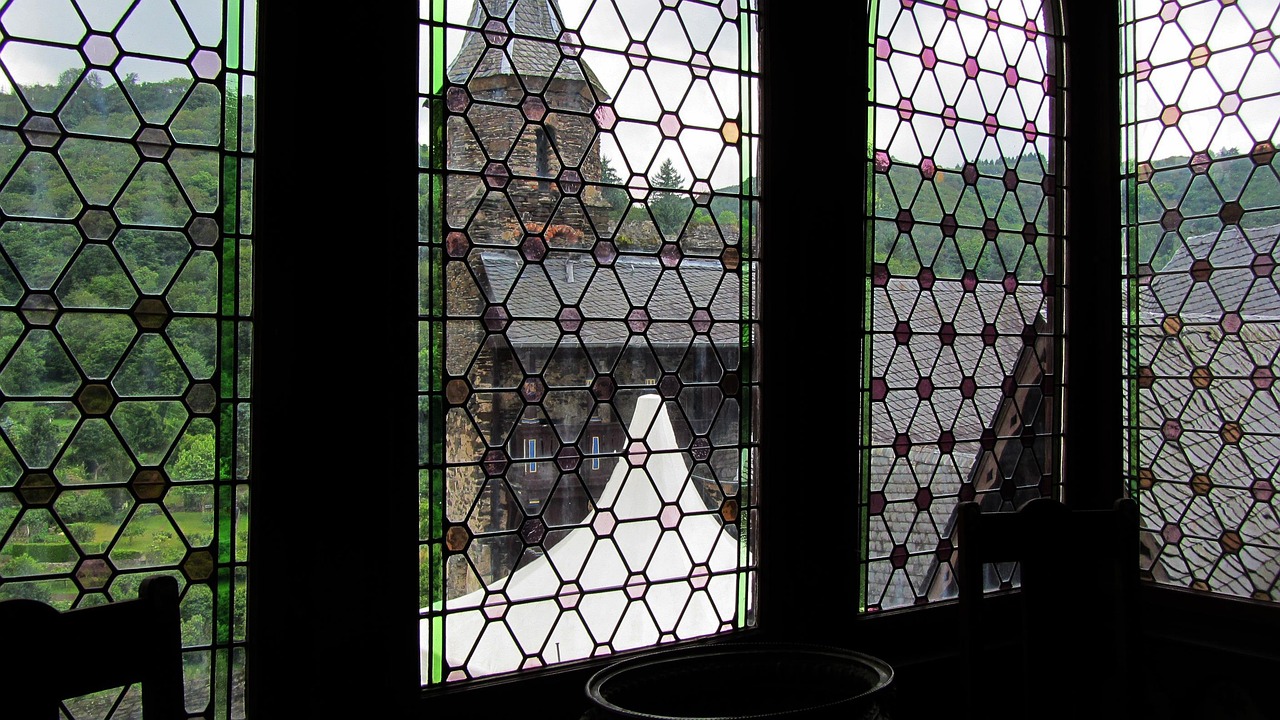
I still remember my first arrival in Cochem by train: stepping out, walking down towards the river, and suddenly the Reichsburg appearing high above the half-timbered houses. Every time since, I make a point to recreate that walk—it’s the best welcome.
- Morning: Arrival & Riverside Orientation
- Check into your guesthouse or hotel (I often stay near the river in the Altstadt—more on where to stay later).
- Walk along the Moselle promenade. Grab a coffee at a café with outdoor seating; I like starting with a simple Milchkaffee and a slice of Apfelstrudel.
- Midday: Explore the Old Town (Altstadt)
- Head to Marktplatz, the lively market square with its Baroque town hall and fountain.
- Wander the lanes like Balduinstraße and Bernstraße, peeking into wine taverns and specialty shops.
- Stop for lunch at a wine tavern; try Flammkuchen (a kind of thin-crust tarte flambée) or Schnitzel with mushroom sauce.
- Afternoon: Reichsburg Cochem Castle
- Walk up to Reichsburg Cochem (20–25 minutes uphill) or take the shuttle bus from the town center if you’re tired or traveling with kids.
- Join a guided tour (there are usually English tours; check times at the ticket office). You’ll get castle history, interior rooms, and stunning terrace views down the Moselle.
- Tip: I like booking the mid-afternoon slot—fewer tour groups than midday in peak season.
- Evening: Wine & River Views
- Dinner at a riverside restaurant. Order a glass (or two) of local Riesling. Ask for a feinherb if you like off-dry.
- Stroll the river promenade at dusk; watch the castle lights come on. It’s unbelievably romantic—great for couples.
Day 2 – Vineyards, Chairlift, and a Castle Evening
This day is about getting above the town for the signature skyline views and a deeper feel for wine country.
- Morning: Cochem Chairlift & Pinnerkreuz Viewpoint
- Walk to the Cochem Sesselbahn (chairlift) station and ride up to the Pinnerkreuz viewpoint.
- From the top, follow short trails to viewpoints over the town—this is where I take my favorite skyline photos.
- There’s a small café at the top; I’ve lingered there over coffee many times, just watching boats glide along the Moselle.
- Midday: Vineyard Walk & Wine Tasting
- Walk back down (or ride the chairlift) and head east towards the vineyards just outside town.
- Visit a family-run winery in or near Cochem (like a small Weingut in the Sehl or Cond area). Tastings are usually relaxed and affordable; you can often chat directly with the winemaker.
- Lunch: Some wineries offer simple food; otherwise, head back to town for a light meal.
- Afternoon & Evening: Castle Experience or River Cruise
- Consider an afternoon or early evening short Moselle cruise from Cochem—one or two hours is enough to see vineyards from the water.
- In summer, check if Reichsburg is running a medieval banquet or candlelit tour. I did one of these on a return visit and it was super atmospheric—tour, music, and a hearty multi-course meal in a hall that feels straight out of the Middle Ages.
Day 3 – Wild Card: Adventure, History, or Relaxing
Your third day can be as active or relaxed as you want.
- Option 1: Adventure – Moselsteig Trail & Via Ferrata
- Hike a segment of the Moselsteig, the long-distance trail running high above the river. The section between Cochem and Beilstein is especially rewarding.
- For experienced and well-equipped hikers, the Calmont Klettersteig via ferrata (reachable by short train and bus) offers ladders, cables, and exposed paths along Europe’s steepest vineyard.
- Option 2: History – Bundesbank Bunker & Old Town Museums
- Visit the Bundesbank Bunker, a Cold War bunker that once held Germany’s emergency currency reserves.
- Spend time in the Historische Senfmühle (historic mustard mill) and other small local museums.
- Option 3: Relax – Spa, Coffee, and Slow Wandering
- Sleep in, have a leisurely breakfast, and spend the day people-watching in cafes, poking through local shops, or taking a final short boat ride.
4 Day Itinerary for Cochem – Add a Day Trip
If you’re planning a 4 day itinerary for Cochem, follow the 3-day plan and add one dedicated day trip. My two favorite options:
- Day Trip to Beilstein: A tiny, impossibly charming village upriver, often called the “Sleeping Beauty of the Moselle.” Wander medieval alleys, climb to the castle ruins, and sip wine on a terrace overlooking the river.
- Day Trip to Burg Eltz: One of Germany’s most famous castles, hidden in a forested valley. Combine with a short hike for a full-day adventure.
I usually choose Beilstein for mellow, romantic vibes and Burg Eltz for that grand, dramatic castle experience.
5 Day Itinerary for Cochem – Deep Dive into Moselle Life
For a 5 day itinerary for Cochem, you really settle into the rhythm. Add:
- A second day trip (Beilstein + Burg Eltz, or maybe the Calmont region).
- Extra hiking or cycling day along the Moselle, perhaps combined with a picnic in the vineyards.
- More wine experiences—like an evening tasting at a different winery or a guided wine walk.
On one of my five-day stays, I started each morning with a short walk along the river, watched the town wake up, and then tackled one “bigger” activity per day—much more relaxed than trying to cram everything in.
Neighborhoods & Areas of Cochem to Explore
Cochem is small, but each part of town has a distinct feel. Here’s how I mentally map it when I’m choosing where to stay or wander.
Altstadt (Old Town)
This is the postcard: narrow cobbled streets, half-timbered houses, wine taverns, and the lively Marktplatz. It’s where I usually stay if I want to be in the thick of things.
- Best for: First-time visitors, couples, people who like being able to walk everywhere.
- Highlights: Marktplatz, St. Martin’s Church, river promenade, most restaurants and wine bars.
- Downsides: Can be noisy at night in peak season; parking is limited.
Sehl (East of the Center)
Sehl is a quieter stretch of Cochem along the river, just a 10–20 minute walk from the core. Many guesthouses here have balconies overlooking both the river and castle—my favorite spot for an evening glass of wine.
- Best for: Peaceful stays, families, longer visits.
- Highlights: Riverfront walks, easy access to vineyards, some excellent family-run hotels and apartments.
Cond (Across the Bridge)
Cond sits on the opposite bank of the Moselle, connected to the Altstadt by a bridge. It’s where you get that classic view of the entire town and castle from across the water.
- Best for: Great views, more local feel, slightly lower prices.
- Highlights: Panoramic views, easy parking, calmer evenings.
Surrounding Hills & Vineyards
Technically not a “neighborhood,” but the slopes around town feel like Cochem’s extended backyard. Trails weave between vines, chapels, and viewpoints; you’ll often be almost alone, even in high season.
20+ Must-See Attractions & Hidden Gems in Cochem (With Local Tips)
Below are over 20 of the best places to visit in Cochem, from headline sights to under-the-radar corners. Each one includes a bit of history, my own experiences, and practical tips.
1. Reichsburg Cochem (Cochem Imperial Castle)
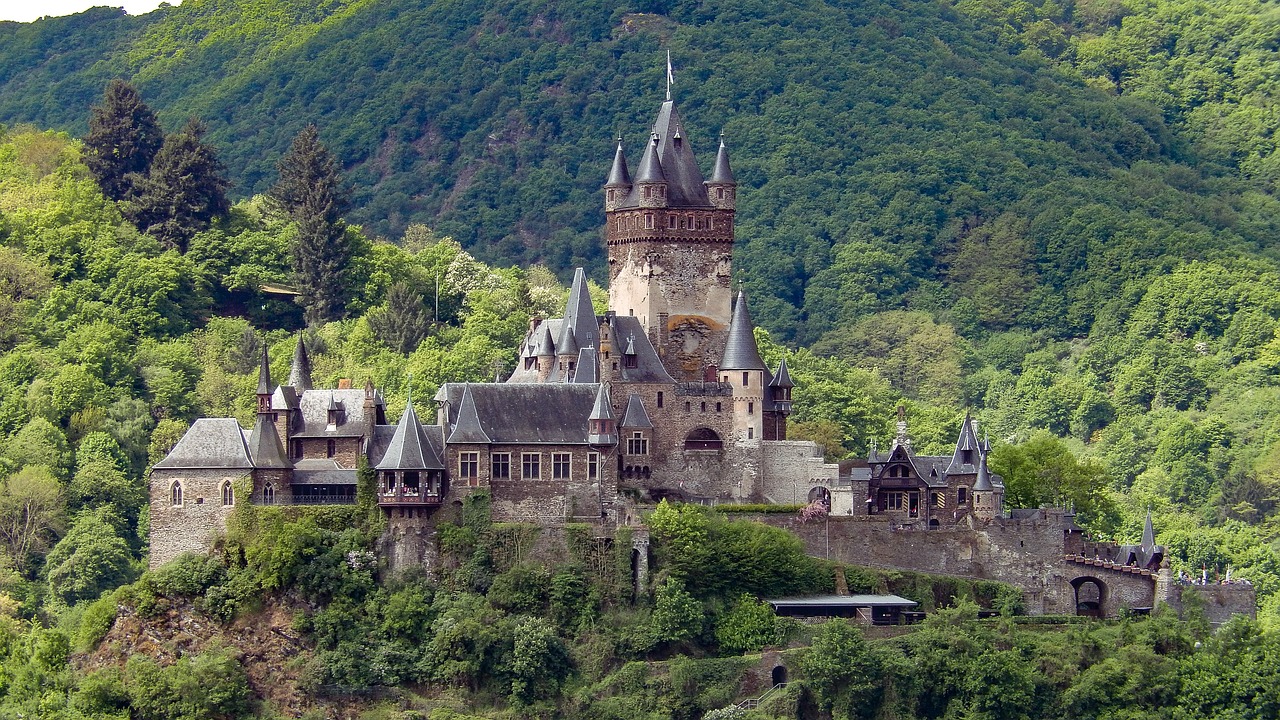
Why visit: The symbol of Cochem and one of the most picturesque castles on the Moselle, perched on a hilltop above the town.
History & significance: First mentioned around 1130, Reichsburg was destroyed by French troops in 1689 and lay in ruins for centuries. In the 19th century, a wealthy Berlin businessman rebuilt it in romantic neo-Gothic style, turning it into the fairy-tale castle we see today. It’s less about original medieval authenticity and more about 19th-century romantic imagination—but the result is spectacular.
My experience: I’ve toured this castle four times now, in different seasons. My favorite was a crisp October afternoon in 2024, when the vineyards were blazing yellow and orange. We took the steep footpath from the Old Town, arrived slightly out of breath, and walked straight onto the terrace. The river was mirror-still, reflecting the tiny houses below—it looked like a painting.
What to do:
- Join a guided tour (mandatory to see the interior). English tours usually run at set times—check ahead in high season.
- Wander the castle courtyard and terraces for 360° views.
- In summer and fall, look for themed evenings like medieval banquets or candlelit tours. They can sell out, so book early.
Practical tips:
- Getting there: 20–25 minutes uphill walk from the Old Town, or take a shuttle bus from near the tourist info office.
- When to go: Mornings or late afternoons avoid the biggest crowds. In 2026, expect longer opening hours in peak months.
- Family-friendly? Yes—kids usually love the turrets and views. The medieval feasts are especially fun for older children.
2. Cochem Old Town & Marktplatz
Why visit: This is the heart of town: colorful half-timbered facades, a Baroque town hall, and café terraces spilling onto the cobbles.
History & vibe: Cochem’s Old Town has grown up along the Moselle since at least the Middle Ages. Much of what you see today is a mix of historic and restored buildings, especially after wartime damage. But the layout—tight lanes, small squares—still feels medieval.
My experience: On my last winter trip, I stayed just off Marktplatz. I’d wake early, step outside to nearly empty streets, and watch delivery vans bring fresh bread to the bakeries. By mid-morning, the square fills with people, but if you come back around 9 p.m. in shoulder season, you can have it almost to yourself again.
What to do:
- Admire the Rathaus (town hall) and its ornate facade.
- Look for the martyr fountain in the center of the square.
- Duck into side streets like Schlossstraße and Balduinstraße to find small wine taverns and handicraft shops.
Tip: Many of my favorite photos come from looking up—window boxes, old signs, and carved beams are easy to overlook at street level.
3. Moselle River Promenade
Why visit: The promenade is Cochem’s living room. Locals stroll, kids ride bikes, travelers sit on benches with ice cream or wine.
My experience: I have a ritual: after dropping my bags at my guesthouse, I head straight to the river. One particular evening in May 2025, a local brass band was playing on a small stage by the water. We joined families and older couples listening, and the castle glowed gold as the sun set behind the hills. It felt like the town had wrapped us into its daily life for a while.
What to do:
- Walk the length of the promenade from the bridge towards Sehl.
- Grab a takeaway Bratwurst or ice cream and sit on the stone steps by the water.
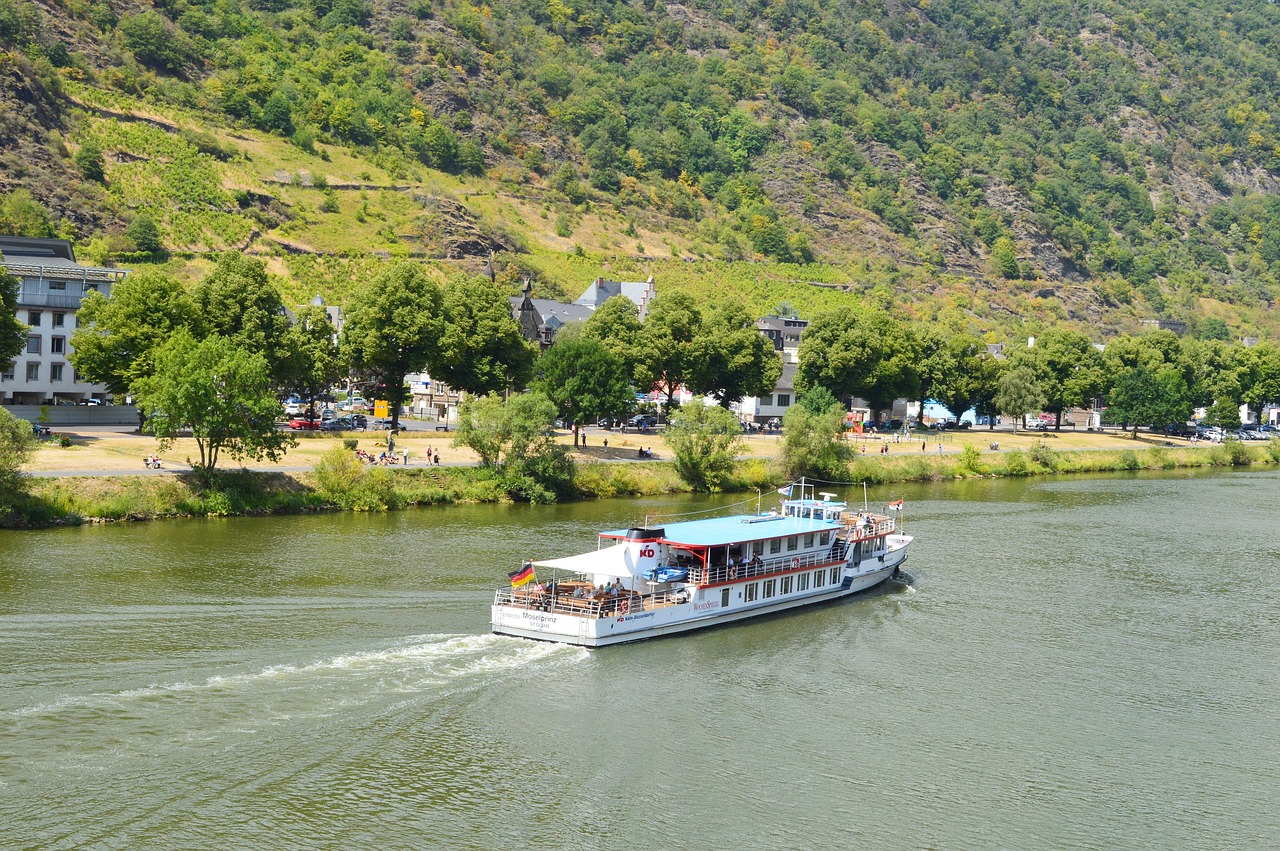
- Watch river cruise ships dock and depart—there’s always something happening.
Tip: For photos, late afternoon and sunset give you the best light on the town and castle.
4. Cochem Sesselbahn (Chairlift) & Pinnerkreuz
Why visit: The easiest way to get a bird’s-eye view over Cochem, vineyards, and the Moselle.
History & details: The Cochem chairlift has been carrying visitors up the slopes since the mid-20th century. It’s a simple two-seat open chair system—slightly nerve-wracking if you don’t love heights, but very scenic.
My experience: I first rode it on a hazy June morning and the town slowly spread out beneath us—boats, rooftops, the castle off to the side. The top station has a terrace café; I’ve spent more time than I’d like to admit sitting there over cake, watching paragliders launch from nearby hills.
What to do:
- Ride the chairlift up and walk a few minutes to the Pinnerkreuz viewpoint.
- Follow short forest paths along the ridge for additional angles of the town.
- Enjoy cake and coffee with a view at the summit café.
Tip: In summer weekends, lines can build up mid-morning. Go right after opening or later in the afternoon.
5. Bundesbank Bunker Cochem
Why visit: A Cold War relic hidden in the hills above town—this bunker stored secret emergency currency for West Germany.
History: Built in the 1960s, the bunker was disguised as a harmless residential complex. Inside, it housed billions of Deutsche Marks in case of economic collapse or hyperinflation. Its existence was only revealed to the public in the 1980s and converted to a museum more recently.
My experience: I visited on a hot July day; stepping into the cool concrete tunnels felt like entering another world. Our guide was excellent—funny but also sobering, explaining how seriously the government took the risk of currency crises.
What to do:
- Join a guided tour (mandatory; usually available in German with audio guides in other languages).
- Learn about Cold War fears, security measures, and monetary policy in an engaging, tangible way.
Tip: Book ahead in peak season; group sizes are limited. Bring a light jacket—the bunker stays cool year-round.
6. Historische Senfmühle (Historic Mustard Mill)
Why visit: A tiny, aromatic world of artisanal mustard—part museum, part tasting heaven.
History: The mustard mill revives traditional methods of making mustard using stone mills and old recipes. It’s small but full of character.
My experience: I popped in on a rainy afternoon and ended up staying for almost an hour. We sampled mustards ranging from mild honey to fiery chili; I left with jars wrapped carefully in my backpack, which perfumed my train ride home (in a good way, I hope).
What to do:
- Join a short tour or demonstration (often available in German, sometimes English).
- Taste different mustards and pick up small jars as gifts or picnic additions.
Tip: Check opening hours—they can be shorter outside high season.
7. St. Martin’s Catholic Church
Why visit: A peaceful, historic church in the middle of the Old Town, with a distinctive tower that punctuates Cochem’s skyline.
My experience: I often duck into St. Martin’s for a quiet moment between sightseeing stops. It’s a simple but beautiful space—stained glass, cool stone, and the faint smell of incense. One winter afternoon, a choir was rehearsing and the acoustics were incredible; no one seemed to mind that a few of us sat in the back and listened.
Tip: Be respectful of services and locals; avoid loud conversations and photography during mass.
8. Moselsteig Trail (Cochem Sections)
Why visit: A long-distance hiking trail that gives you a high, panoramic view of the Moselle, cutting through vineyards and forests.
My experience: I’ve walked several segments around Cochem. My favorite is the route towards Beilstein, where the path traverses terraced vineyards and dips into shady woods. One late September hike, the vines were heavy with grapes, and we passed pickers laughing and singing as they worked the slopes.
What to do:
- Pick a half-day or full-day hike from Cochem using Moselsteig signposts.
- Bring a small picnic from town—bread, cheese, fruit, and a bottle of mineral water.
Tip: The trails can be steep and exposed. Wear proper shoes, bring sun protection, and carry enough water.
9. Castle Park & Viewpoints Below Reichsburg
Why visit: A series of landscaped paths and viewpoints below Reichsburg with benches, flowers, and framed views of the town.
My experience: On one July evening, instead of going straight down from the castle, we wandered through the park-like paths. Couples were sitting on benches, sharing wine and watching the town lights flicker on. It’s much quieter than the main castle terrace and feels like a secret garden.
Tip: Great spot for photos of the castle itself, especially in the golden hour before sunset.
10. Enderttor & Old City Fortifications
Why visit: A surviving medieval city gate and part of Cochem’s old walls, giving a sense of its fortified past.
My experience: I stumbled on Enderttor while wandering aimlessly one afternoon and ended up following the wall remnants further than I’d planned. It’s the kind of place where kids’ imaginations kick into overdrive—my nephew immediately started talking about knights and sieges.
Tip: Combine a visit with exploring quieter backstreets behind the main tourist lanes.
11. Cochem–Cond Bridge & Riverside Views
Why visit: Crossing the river gives you the classic “postcard” view of Cochem’s skyline and castle.
My experience: I almost always cross to Cond on my first evening. There’s a spot midway on the bridge where you can line up the town, river, and castle perfectly. Sunset here is magic—expect plenty of fellow photographers.
Tip: For a quieter view, continue to the Cond riverbank and walk a little way upstream or downstream.
12. Traditional Wine Taverns (Weinstuben)
Why visit: Wine isn’t just a drink here—it’s culture. The taverns are where you feel that most strongly.
My experience: One rainy evening, I ducked into a low-ceilinged Weinstube with dark wood beams and candlelight. A local couple at the next table started chatting with us (in a mix of German and English), recommending their favorite Rieslings. That’s how we discovered a tiny family winery up the river; we visited them the next day.
What to do:
- Order a tasting flight (Probe) of several local wines.
- Ask staff to explain terms like trocken, feinherb, and lieblich so you can match sweetness to your taste.
Tip: Many taverns serve hearty local food—perfect for pairing with wine and avoiding a hangover.
13. Short Moselle River Cruises from Cochem
Why visit: Seeing the Moselle valley from the water gives a different perspective—villages, vineyards, and castles glide by like a film.
My experience: I love the short round-trip cruises, especially late afternoon. One September, we sailed as the sun dipped behind the hills, turning the river bronze. The commentary (in German and English) was surprisingly informative, pointing out vineyard names and historical sites.
Tip: For families and older travelers, this is one of the easiest, most relaxing “things to do in Cochem.” Bring a light jacket even in summer; it can be breezy on deck.
14. Cochem Christmas Market (Weihnachtsmarkt)
Why visit: In late November and December, Cochem transforms into a cozy, twinkling Christmas village.
My experience: I spent a December weekend here in 2023. The market stalls wound through the Old Town, selling mulled wine, handmade ornaments, and gingerbread. It’s smaller than big-city markets, but that’s its charm—less commercial, more intimate. In 2026, the town plans to expand the riverside section with extra lights and music.
Tip: Weekday evenings are quieter. Dress warmly and bring cash for small purchases.
15. Wine Festivals & Mosel-Wein-Woche
Why visit: If you can time your trip for a wine festival, do it. The town feels like one big open-air living room.
My experience: During one summer festival, rows of stalls lined the promenade, each pouring wines from a different local producer. I spent the evening hopping from stand to stand, chatting with vintners and trying everything from crisp dry Rieslings to floral Gewürztraminer. Live music, food stands, and families out late—this is Moselle life at full volume.
2026–2027: Expect the Mosel-Wein-Woche Cochem in late August to be the biggest event: expanded winery participation and themed tasting events are planned.
Tip: Book accommodation months in advance if you plan to visit during festival weekends.
16. Freizeitbad & Moselbad Cochem (Pools & Family Fun)
Why visit: For families or anyone needing a break from sightseeing, the local pools and leisure facilities are a great option.
My experience: Traveling with my niece and nephew one rainy spring week, we spent an afternoon at the indoor pool. Slides, warm water, and a view of the hills—everyone went back to the hotel pleasantly tired and calm.
Tip: Check current opening hours and any temporary closures or renovations for 2026 before you go.
17. Moselle Cycling Paths Around Cochem
Why visit: Flat(ish), scenic cycling routes run along both banks of the Moselle, connecting Cochem with nearby villages.
My experience: On a sunny day in 2022, I rented an e-bike near the train station and cycled to Beilstein and back. Vineyards on one side, river on the other, almost entirely separated from traffic—it felt safe and easy, even when I stopped constantly to take photos.
Tip: In 2026, new e-bike rental hubs make it even easier to pick up and drop off bikes. Reserve ahead on weekends.
18. Weekly Market & Local Food Stalls
Why visit: A chance to see local life in action—fruit, vegetables, cheeses, sausages, and flowers from the region.
My experience: I like grabbing picnic supplies here: grapes, a hunk of cheese, some olives, and a crusty baguette. Once, a stallholder insisted I try a slice of her homemade plum cake “on the house” because I was dithering between cakes. I still think about that cake.
Tip: Markets are usually mornings; go early for the best selection.
20. Small Local Museums & Exhibitions
Why visit: Beyond the big sights, Cochem has a handful of small museums and exhibitions about regional history, wine, and daily life.
My experience: On a drizzly day, I wandered into a small exhibition about Moselle winegrowers. Black-and-white photos showed families harvesting grapes on steep slopes long before modern machinery. It gave me a new appreciation for every glass of wine I’d been enjoying.
Tip: Ask at the tourist information office for current exhibitions and combined ticket options.
Local Food in Cochem – What to Eat & Where
Cochem’s cuisine is hearty, wine-friendly, and very regional. Portions are generous, and you’ll rarely leave a table hungry. Here are some staples you should try at least once.
Must-Try Dishes & Drinks
- Riesling (White Wine): The star of the Moselle. Try dry (trocken) for crisp acidity, feinherb for off-dry, and lieblich for sweeter styles.
- Federweißer (in fall): Young, partially fermented wine—cloudy, sweet, lightly fizzy. Often served with onion tart.
- Flammkuchen: Thin, crispy dough topped with crème fraîche, onions, and bacon; or vegetarian variations.
- Schnitzel: Breaded cutlet (often pork), served with fries or potatoes; sauces range from mushroom cream to pepper.
- Spätzle: Soft egg noodles, sometimes baked with cheese (Käsespätzle).
- Bratwurst: Grilled sausages—great as a quick bite on the promenade.
- Apfelstrudel & Käsekuchen: Apple strudel and German-style cheesecake for dessert or afternoon coffee.
Recommended Places to Eat & Drink
(Names kept general as they sometimes change, but you’ll easily spot them in town.)
- Riverside Restaurants: Great for watching boats and people. I like coming here for early dinners, especially if I want outdoor seating with castle views.
- Traditional Wine Taverns in the Old Town: Dark wood, candlelight, and handwritten menus. Perfect for a cozy evening and long conversations.
- Cafés on and around Marktplatz: Ideal for coffee and cake breaks. I usually plan at least one mid-afternoon stop each day.
- Bakery-Cafés: For budget-friendly breakfasts. Grab a coffee, a fresh roll or pastry, and sit at a tiny table while the town wakes up.
Saving Money on Food
- Big lunch, smaller dinner: Lunch menus are often cheaper; eat your main meal then and go lighter at night.
- Picnics: Buy bread, cheese, cured meats, and fruit from local shops or markets and eat by the river or in the vineyards.
- House wine: Order the house Riesling (Hauswein)—it’s usually excellent and cheaper than bottled brands.
Nightlife, Entertainment & Cultural Experiences in Cochem
Cochem isn’t a clubbing destination, but it has a gentle, sociable nightlife that suits its size and character.
Evening Experiences
- Wine Bars & Weinstuben: The main event after dark. Order by the glass, share a bottle, or taste several small pours. Locals linger here for hours.
- Castle Evenings: Medieval banquets or candlelit tours at Reichsburg (in season). These feel special, especially for couples or families with older kids.
- Riverside Walks: My favorite “nightlife” here is simple: walking the promenade after dinner, watching reflections of castle lights shimmer on the water.
- Live Music at Festivals: During wine weeks and summer events, stages pop up with bands ranging from folk to light rock.
Cultural Experiences
- Church Services & Organ Concerts: St. Martin’s sometimes hosts concerts—check flyers on church noticeboards.
- Guided City Walks: The tourist office often arranges themed tours (history, wine, night walks) in German, sometimes with English support.
- Local Events 2026–2027: Keep an eye out for expanded cultural programming around the wine week and Christmas market, as the town has been investing more in small performances and artisan markets.
Best Day Trips & Nearby Attractions from Cochem
One of the best things about basing yourself in Cochem is how easy it is to explore the wider Moselle and even the Rhine.
Beilstein
Why go: A tiny, remarkably preserved village upriver, often called the “Sleeping Beauty of the Moselle.”
What to do: Wander steep lanes, climb to the ruined castle for views, and have lunch or wine on a terrace overlooking the river.
Getting there: By boat from Cochem (scenic and relaxed) or by bus/car along the Moselle road.
Burg Eltz
Why go: One of Germany’s most famous medieval castles, tucked in a forested valley.
What to do: Take a guided tour, walk around the castle exterior, and follow forest trails for different viewpoints.
Getting there: Train from Cochem to Moselkern, then a signed hiking path (about 1.5 hours) or shuttle buses in season from parking lots closer to the castle.
Calmont & Bremm
Why go: Home to Europe’s steepest vineyards and the adventurous Calmont Klettersteig via ferrata.
What to do: Hike the steep trails above Bremm, visit viewpoints, or (if equipped and experienced) tackle the via ferrata.
Getting there: Short train ride from Cochem plus local connections or car/bus along the river.
Koblenz
Why go: Larger city at the confluence of the Rhine and Moselle, with a fortress, cable car, and more urban feel.
What to do: Visit the Deutsches Eck (German Corner), ride the Rhine cable car, and explore Ehrenbreitstein Fortress.
Getting there: Regular trains from Cochem, about 45–60 minutes.
Cultural Etiquette & Local Customs in Cochem
Germany is generally straightforward, but Cochem’s small-town, wine-country character adds a few nuances worth knowing.
Greetings & Interaction
- Greetings: A simple “Guten Tag” (good day) or “Hallo” is appreciated when entering small shops or restaurants.
- Politeness: “Bitte” (please) and “Danke” (thank you) go a long way. Locals are often reserved at first but very helpful.
- Language: Many people in tourism speak some English, but starting with a German greeting is seen as respectful.
Dining & Drinking Etiquette
- Seating: Wait to be seated in restaurants, or ask “Ist hier frei?” (Is this free?) before taking a table or bench.
- Paying: Table service is standard; you ask for the bill (“Zahlen, bitte”) and pay the server directly.
- Tipping: Round up or add about 5–10% if service is good. Hand the tip directly to the server when paying; don’t leave it on the table.
- Wine tasting: It’s normal to spit at professional tastings, but in casual taverns most people swallow. Don’t feel pressured to finish every pour if you’ve had enough.
General Behavior
- Quiet hours: Residential areas are very quiet at night. Keep noise down after 10 p.m.
- Trash: Use bins; recycling is taken seriously.
- Hiking etiquette: Greet fellow hikers with a friendly “Hallo” or “Guten Tag.” Stay on marked paths and respect vineyard property.
Practical Travel Advice for Cochem (2026–2027)
How to Get to Cochem
- By Train: Direct regional trains from Koblenz and Trier; easy connections from Frankfurt, Cologne, and beyond.
- By Car: Scenic drives along the Moselle. Parking in town can be tight; look for designated lots on the edges and walk in.
- By River: Some cruise itineraries stop in Cochem; you can also arrive via local Moselle boats from nearby towns.
Getting Around Cochem
- On Foot: The town itself is very walkable; most attractions are within 10–20 minutes of each other.
- Buses & Boats: Local buses and boats connect Cochem to neighboring villages—great for day trips without a car.
- Bikes: Rent bikes or e-bikes near the station or promenade for easy rides along the river.
- Car Rental: Available in larger nearby cities (Koblenz, Trier, Frankfurt). Useful if you want maximum flexibility, but not essential for Cochem itself.
SIM Cards & Connectivity (2026)
- EU Visitors: Most EU plans include roaming in Germany at domestic rates.
- Non-EU Visitors: Buy a prepaid SIM from providers like Telekom, Vodafone, or O2 in larger cities before arriving, or use an eSIM if your phone supports it.
- Wi-Fi: Most hotels, guesthouses, and many cafes offer free Wi-Fi.
Money & Costs
- Currency: Euro (€).
- Cards vs Cash: Card acceptance is improving, but small shops, bakeries, and some wine taverns still prefer cash.
- Budget tips: Use picnics and bakery breakfasts to save, focus on house wines, and take advantage of inclusive guest cards (sometimes provided by accommodations) for local transport discounts.
Visa Requirements & Driving Licenses
- Visas: Germany is in the Schengen Area. Many nationalities get visa-free short stays—check current rules for your passport.
- Length of stay: Typically 90 days in any 180-day period for visa-exempt travelers; confirm before your trip.
- Driving license: EU/EEA licenses are fully valid. Many non-EU licenses are accepted; an International Driving Permit (IDP) is strongly recommended if your license is not in German or English.
Best Seasons to Visit Cochem
- Spring (April–May): Blossoms, fresh green vineyards, fewer crowds. Good for hiking and lower prices.
- Summer (June–August): Warm, lively, peak season. Best for outdoor dining, river cruises, and festivals; also the busiest.
- Fall (September–October): My personal favorite. Vineyard colors, harvest time, wine festivals, and often mild weather.
- Winter (November–March): Quiet, some attractions have reduced hours. Christmas market period is magical; outside of that, come if you like peace and low prices.
Safety & Health
- Safety: Cochem feels very safe; usual common sense is enough.
- Health: Tap water is safe to drink. Pharmacies (Apotheken) are well stocked; for emergencies, dial 112.
Hidden Tips Only Regular Visitors Tend to Know
- Early mornings are gold: Between 7 and 9 a.m., the town is quiet and soft-lit. Perfect for photos and peaceful walks.
- Avoid peak castle crowds: Go to Reichsburg as soon as it opens or late in the afternoon; plan a café break or vineyard stroll at midday.
- Use both riverbanks: Stay or at least spend time in Cond or Sehl for different views and often better value accommodation.
- Ask your host about guest cards: Some accommodations include local transport discounts or free regional bus tickets in the room rate.
- Plan around Sunday closures: Many shops close on Sundays; plan sightseeing, hiking, or river activities for that day, and do your shopping beforehand.
Summary: Key Takeaways & Final Recommendations
Cochem may be small, but it’s one of those places that lingers in your memory long after you’ve left. Whether you follow a tight 3 day itinerary for Cochem or let yourself drift through a lazy 5 days in Cochem, you’ll get a mix of fairy-tale architecture, river views, vineyards, and genuine small-town warmth.
Best time to visit: For me, September and early October are unbeatable—golden vineyards, comfortable temperatures, and wine festivals. If you prefer quieter streets and lower prices, aim for April–May or post-Christmas winter weekdays.
However you shape your travel guide for Cochem into a real journey—castle visits, hidden gems in Cochem, local food in Cochem, and peaceful river walks—the town rewards those who slow down. Leave space in your schedule to sit on a bench by the Moselle, watch the water move, and listen to the church bells echo off the hills. That’s when Cochem really gets under your skin.