Why Visit Cottbus? What Makes It Special
If you only know Germany through Berlin, Munich, or the Rhine, Cottbus will surprise you. This small city in eastern Brandenburg sits right between old industrial Lusatia and the fairytale landscapes of Spreewald. It’s where ornate Baroque parks rub shoulders with GDR-era apartment blocks, where you can hear German, Sorbian, and Polish in the same tram, and where a lazy coffee in the Altmarkt can easily turn into an impromptu evening at the Staatstheater.
I first came to Cottbus almost by accident, on a day trip from Berlin. I expected a sleepy provincial town and instead found one of the most walkable historic centers in eastern Germany, a palace garden that honestly rivals much more famous European parks, and a surprisingly creative food scene. Since then I’ve returned multiple times, staying longer each visit. By 2026, Cottbus has quietly become one of my favorite “slow travel” bases in Germany.
What sets Cottbus apart:
- Branitz Park & Castle – Prince Pückler’s eccentric pyramids and landscape art make this one of Europe’s most memorable parks.
- Sorbian/Wendish culture – A living minority culture with its own language, costumes, Easter traditions, and festivals.
- Compact, walkable Old Town – Medieval gates, Art Nouveau facades, and relaxed squares all within easy strolling distance.
- Green spaces everywhere – From Branitz to the Spreeauenpark and the future Cottbuser Ostsee lake, nature is always close.
- Gateway to Spreewald – One of Germany’s most enchanting biosphere reserves is under an hour away.
- Affordable & uncrowded – Even in summer, you’re sharing cafés with locals, not tour bus unloads.
Whether you’re planning a 3 day itinerary for Cottbus, staying 4–5 days in Cottbus, or using it as a base to explore Lusatia, this travel guide for Cottbus gives you everything you need: must-see attractions, hidden gems, local food, cultural etiquette, and detailed daily plans.
Table of Contents
- Why Visit Cottbus
- Suggested Itineraries: 3, 4 & 5 Days in Cottbus
- Top 20 Attractions & Experiences in Cottbus (In-Depth)
- Neighborhoods & Areas to Explore
- Local Food & Drink in Cottbus
- Nightlife, Entertainment & Cultural Experiences
- Day Trips from Cottbus
- Events & Festivals 2026–2027
- Cultural Etiquette & Local Customs
- Practical Travel Tips for Cottbus
- Summary & Best Time to Visit Cottbus
Suggested Itineraries: 3–5 Days in Cottbus
Below are flexible outlines for 3 days in Cottbus, 4 days in Cottbus, and a full 5 day itinerary for Cottbus. Each day mixes the must-see attractions in Cottbus with quieter corners and local hangouts. I’m keeping this section reasonably concise so you can get a quick overview; the deep dives into each attraction come later.
3 Day Itinerary for Cottbus (First-Time Visitors)
This 3 day itinerary for Cottbus focuses on the city’s classic highlights, perfect if it’s your first visit or you’re coming on a weekend trip from Berlin or Dresden.
Day 1 – Old Town, City Walls & Theater
Morning: Start at Altmarkt, the main square. Have breakfast at a café with outdoor seating and watch the city wake up.
- Explore the Altmarkt and side streets.
- Climb the Spremberger Turm (Spremberg Tower) for a 360° view.
- Walk through the Spremberger Straße pedestrian zone.
Afternoon: Wander towards the Staatstheater Cottbus and the green banks of the river Spree.
- Guided or self-guided tour of the Staatstheater (if available).
- Relax in the Schillerpark or along the Spree.
Evening: Dinner in the Old Town and, if the schedule works, catch a performance at the Staatstheater.
Day 2 – Branitz Park & Prince Pückler’s Pyramids
Morning & Afternoon: Dedicate most of the day to Branitz Park & Castle – it’s that special.
- Tour Schloss Branitz (the castle museum).
- Walk or bike the landscaped park, see the land pyramids and lakes.
- Have cake (preferably Fürst-Pückler-Eis or Pückler-style ice cream) in the park café.
Evening: Head back to town for a casual dinner; try regional dishes like Lausitzer sausages or Spreewald pickles.
Day 3 – Museums, Sorbian Culture & Modern Cottbus
Morning: Visit the Stadtmuseum Cottbus to understand the city’s Slavic roots and industrial past.
Afternoon: Explore Blechen Carré and the newer parts of the center, or rent a bike and follow the Spree cycle path.
Evening: For a final evening, try a local bar or a relaxed wine place around the Altmarkt.
4 Day Itinerary for Cottbus
If you have 4 days in Cottbus, you can slow down and add more nature and local neighborhoods.
Day 1–3
Follow the 3-day itinerary above, but don’t rush. Linger in cafés, take your time in Branitz, and browse local shops.
Day 4 – Spreeauenpark & Cottbuser Ostsee (Emerging Lake)
Morning: Head to the Spreeauenpark (site of the 1995 Bundesgartenschau). Stroll through themed gardens and riverside paths.
Afternoon: Continue towards the Cottbuser Ostsee, the former open-cast mine that’s being transformed into a huge lake. By 2026, you can already explore sections of the lake shore, lookouts, and bike paths, and get a sense of the region’s transformation from coal to climate-friendly tourism.
Evening: Dinner back in Cottbus; if the weather is good, enjoy an outdoor terrace.
5 Day Itinerary for Cottbus
A 5 day itinerary for Cottbus lets you dive deeper: more cultural experiences in Cottbus, more local food, and a day trip.
Day 1–4
Use the 4-day itinerary as your base. With 4 days in Cottbus, you’ll cover most of the essential things to do in Cottbus.
Day 5 – Day Trip to Spreewald or Bad Muskau
- Spreewald: Take the train to Lübbenau or Burg and spend the day on a traditional punt boat or renting kayaks through the water labyrinth. Try Spreewald gherkins and linseed oil dishes.
- Bad Muskau (longer, ambitious day): Visit Muskauer Park, another Prince Pückler masterpiece split between Germany and Poland (about 1.5–2 hours each way by public transport, easier with a car).
Return to Cottbus for a final night – perhaps a simple beer in a student bar, reminiscing about how this “small city” filled an entire 5 days with ease.
Top 20 Attractions & Experiences in Cottbus (With Local-Style Insights)
Below are the best places to visit in Cottbus, each with history, atmosphere, and practical tips. These aren’t just bullet points; they’re places I’ve actually walked, cycled, eaten in, or gotten a bit lost around.
1. Branitz Park & Schloss Branitz
If you only have time for one major sight, make it Branitz Park. It’s where Cottbus stops being “just another small German city” and becomes something extraordinary.
The park is the life’s work of Hermann Fürst von Pückler-Muskau, an eccentric 19th-century nobleman, world traveler, and landscape designer. He transformed a flat, sandy area into a poetic landscape of rolling lawns, artificial lakes, and the famous earth pyramids reflected in the water.
The first time I walked into Branitz on an autumn morning, there was mist clinging to the lakes and just a handful of joggers. The pyramid rose out of the water like something from a dream. It felt more like a painting than a real park.
Highlights:
- Schloss Branitz: The yellow palace holds exhibitions about Pückler’s travels, his designs, and his rather colorful love life. Don’t skip the interior – the rooms give context to the park outside.
- Seepyramide (Lake Pyramid): Pückler’s burial place. Stand on the shore opposite and wait for the reflection to settle – it’s one of the most photogenic spots in Lusatia.
- Landpyramide: An earthen pyramid on land; climb nearby viewpoints to appreciate Pückler’s sense of staging and perspective.
- Historic nursery & kitchen garden: A reminder that parks were once working landscapes, not just for strolling.
Best time to visit: Early morning or late afternoon, especially in spring (rhododendrons) or autumn (golden foliage). Summer weekends are livelier, but never truly crowded.
How to get there: From the city center, tram line or bus towards Branitz (check current lines in 2026; they change occasionally) or rent a bike; it’s an easy 20–25 minute ride, mostly flat.
Food & drink: The park café serves decent coffee and cakes – try anything referencing “Fürst-Pückler” or the classic layered ice cream (vanilla, chocolate, strawberry). On warmer days I sit outside and people-watch: families, older locals on their daily walk, couples doing wedding photos.
Family-friendly? Very. Kids love the wide lawns and little bridges. Bring a ball or frisbee.
Romantic? Absolutely. This is my go-to suggestion for a slow, romantic afternoon in Cottbus.
2. Altmarkt (Old Market Square)
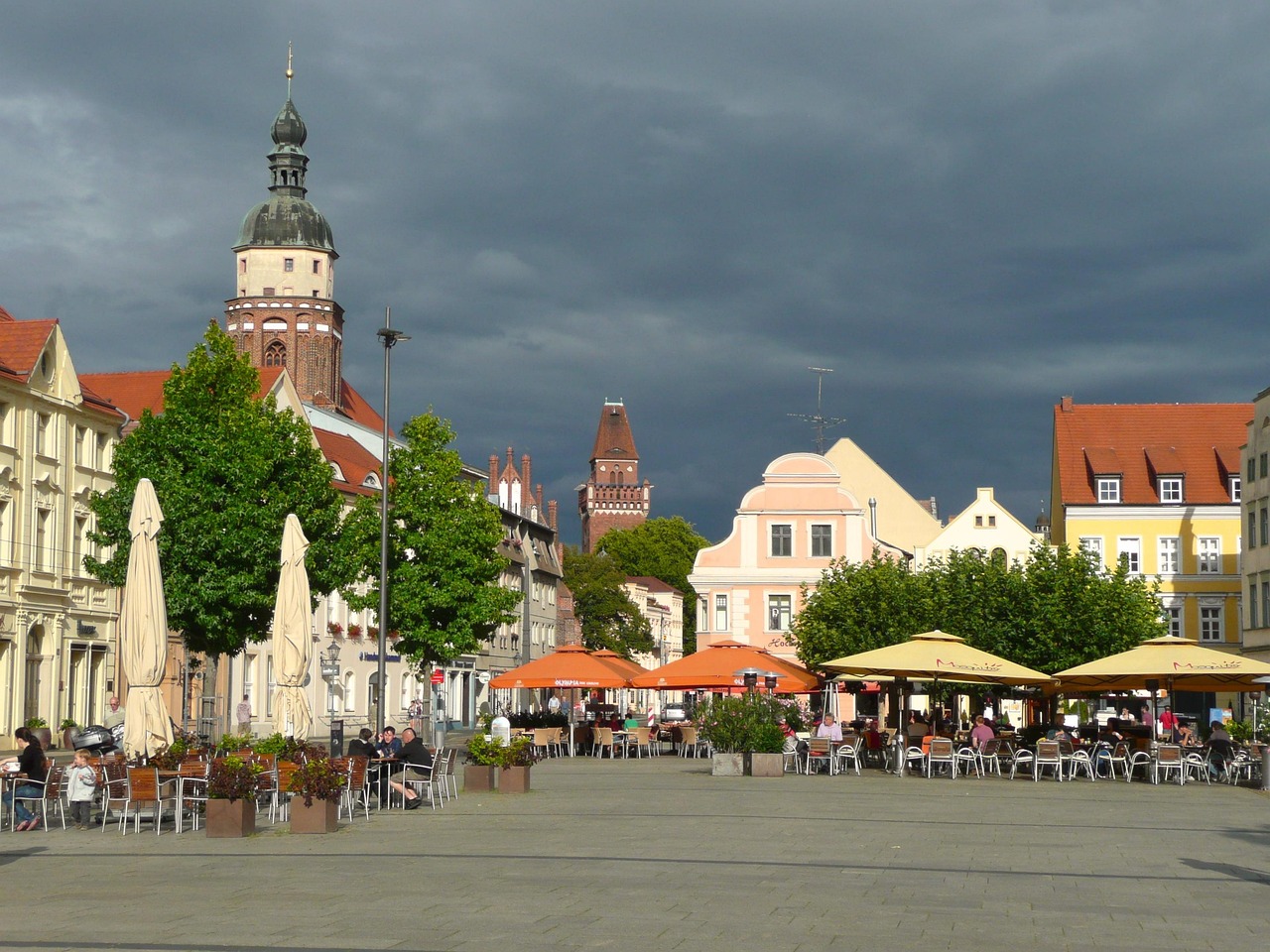
The Altmarkt is Cottbus’ living room. No matter how many times I visit, I end up back here – for coffee, for the Christmas market in winter, for lazy people-watching in summer.
It’s a spacious square framed by pastel-colored townhouses, some medieval in origin, reshaped during Baroque and later periods. Outdoor terraces spill across the cobbles, and the mood shifts with the seasons: students and cyclists in spring, families at the fountain in summer, stalls of mulled wine and gingerbread in December.
What to do:
- Grab breakfast or a mid-morning coffee at a café overlooking the square.
- Look up: many facades hide Art Nouveau and 19th-century details.
- In December, wander the Cottbus Christmas Market, one of the most atmospheric in Brandenburg.
Tip: I like to start my “3 day itinerary for Cottbus” here every time, just to get my bearings and soak up the local rhythm.
3. Spremberger Turm (Spremberg Tower)
The Spremberger Turm is the city’s iconic gate tower and my favorite quick introduction to Cottbus’ layout. Built in the 13th century, later heightened and modified, it once formed part of the medieval defenses.
On one of my first visits, I climbed it on a slightly windy day, and the bell’s faint resonance mixed with the city noise below – trams, snippets of German, the hiss of a coffee machine drifting through open windows.
Why go:
- Climb the steps (modest effort) for a panoramic view of the Old Town, Branitz direction, and the wider Lusatian plain.
- Notice how compact Cottbus is: everything you see is reachable on foot or by a short tram ride.
When: Clear afternoons or just before sunset for warm light on the rooftops – great for photos of the “skyline” and the Staatstheater’s dome.
4. Staatstheater Cottbus
The Staatstheater Cottbus is a jewel of Art Nouveau architecture and, frankly, way grander than you’d expect for a city this size. Built between 1906 and 1908, it dominates a small rise with its ornate facade and domed roof.
One rainy November evening, I ducked inside almost on a whim for a modern dance performance. Sitting under the curved ceiling, gilded ornamentation glowing in soft light, I forgot entirely that I was in “small” Cottbus – it felt like Vienna or Prague on a more intimate scale.
What to see:
- Opera, ballet, drama, and concerts – check the 2026 repertoire online and book ahead for popular productions.
- Guided tours of the building sometimes run during the day; they’re worth it if you’re into architecture.
Dress code: Smart casual is completely fine; locals mix jeans with a nice shirt or dress. Opening nights might be a bit dressier.
5. Historic Old Town & City Walls
The Old Town of Cottbus is compact but layered. Every time I wander it, I notice something new: a carved portal, a faded GDR-era sign, or a Sorbian inscription on a doorway.
Key corners:
- Münzturm & city wall remnants: Walk along the preserved stretches and imagine the medieval ring that once enclosed the town.
- Oberkirche St. Nikolai: A brick Gothic church whose tower you’ll see from almost everywhere.
- Spremberger Straße: The main pedestrian artery, blending historic facades with modern shops.
Tip: I like doing a self-guided loop: Altmarkt → Spremberger Turm → Münzturm → Oberkirche → back via side alleys. Plan 1.5–2 hours with photo and coffee stops.
6. Spreeauenpark & River Spree Promenades
Created for the 1995 Federal Garden Show, the Spreeauenpark stretches along the river Spree and is one of my go-to places when I need a break from cobblestones.
On one hot June afternoon, I rented a bike and followed the Spree cycle path out of the center. Within minutes, tram sounds faded and were replaced by birds, kids playing, and the rustle of river-side reeds.
What to do:
- Stroll or cycle the riverside paths; there are plenty of benches for reading or picnics.
- Visit the leftover garden show features – themed beds, small sculptures, lookout points.
- Continue on the cycle path if you want a longer ride to nearby villages.
Family-friendly: Very. Playgrounds, open lawns, and safe paths for kids on scooters or bikes.
7. Cottbuser Ostsee – From Coal Mine to Future Lake
The Cottbuser Ostsee is a story in progress and one of the most fascinating hidden gems in Cottbus if you’re interested in environmental change and post-industrial landscapes.
This huge artificial lake is being created by flooding a former open-cast lignite mine. By 2026, water levels have risen significantly; viewing platforms, initial lakeside promenades, and sections of the cycling path are in place. It’s still partly a construction site, but that’s part of the experience.
Standing on a lookout last summer, wind whipping across the water, I could see both the industrial scars and the beginnings of a future leisure lake. Locals were already out with binoculars watching waterbirds reclaim the space.
Why visit:
- Learn about Lusatia’s coal history and energy transition.
- Walk or cycle new paths with unexpected views over the emerging lake.
- Photography: the contrast between old industrial structures and new water is striking.
Getting there: As of 2026, dedicated bus routes and marked cycle paths run from the center. Tourist info can give up-to-date maps; these change as more of the shore opens.
8. Stadtmuseum Cottbus (City Museum)
The Stadtmuseum is modest but essential if you’re curious about how Cottbus became what it is today. Exhibits cover its Slavic roots, medieval cloth trade, industrialization, and the GDR era.
I spent a rainy afternoon here once and came out with a much deeper appreciation of details I had previously walked past: Sorbian street signs, old brick factories, even the tram network.
Don’t miss:
- Sections on Sorbian/Wendish culture and language.
- Industrial exhibits about textiles, brown coal, and energy.
- GDR everyday life displays, which older locals often comment on with “We used to have exactly that kitchen cabinet.”
Tip: Combine the museum with a café stop nearby; it pairs well with a slower, more reflective day in your itinerary.
9. Sorbian/Wendish Cultural Spots in Cottbus
Cottbus is one of the centers of the Sorbian/Wendish minority, a West Slavic people with their own language, traditional costumes, and customs. Even if you don’t dive deep, you’ll notice bilingual signs and occasional festivals.
On an Easter visit, I watched the Sorbian Easter riders depart from near Cottbus – men in black riding coats, on decorated horses, bringing the news of the Resurrection from village to village. It’s an unforgettable sight.
Where to explore:
- Small exhibitions and cultural centers dedicated to Sorbian history (check the latest locations via tourist info, as spaces shift).
- Events like Easter customs, costume parades, or language workshops.
Respect: Sorbian culture is living, not a tourist show. Ask before taking close-up photos of people in costume, especially at religious events.
10. Tierpark Cottbus (Cottbus Zoo)
For families, the Tierpark Cottbus is a gentle, leafy zoo with a strong focus on conservation and education. It’s big enough to fill a half day without overwhelming younger kids.
One sunny spring afternoon, I went with friends and their 5-year-old. We moved at child pace: flamingos, playground, snack; lemurs, goats, another snack. It was relaxed, not a tick-the-list rush.
Highlights:
- Big cats and primates, well-designed enclosures.
- Petting zoo area for younger children.
- Shady paths perfect for stroller walks.
Tip: Combine with nearby green spaces for a full outdoor day. Bring your own picnic to save money; there are plenty of benches.
11. Kunstmuseum Dieselkraftwerk (Art Museum in a Power Plant)
One of Cottbus’ coolest spaces is the Kunstmuseum Dieselkraftwerk, a contemporary art museum housed in a former diesel power station on the Spree. The red-brick industrial building itself is a work of art – all tall windows and steel.
I went in “just for a quick look” and ended up spending two hours. The contrast between edgy exhibitions and the historic machinery halls is powerful.
Expect:
- Rotating exhibitions of contemporary art and photography.
- Occasional events, talks, and workshops.
Good for: Rainy days, art lovers, and anyone intrigued by industrial architecture.
12. Blechen Carré & Modern City Life
Blechen Carré and the surrounding streets form Cottbus’ more modern commercial heart – shopping center, chain stores, and a steady stream of locals.
This isn’t an “attraction” in the classic sense, but if you’re staying more than 2–3 days, it’s where you’ll inevitably go for practical things: a new phone cable, a warmer sweater, or just to see contemporary life beyond the postcard Old Town.
My take: I often cut through here on the way to smaller side streets with independent shops and bakeries – it’s a useful orientation point.
13. Oberkirche St. Nikolai
The Oberkirche St. Nikolai is a classic North German brick Gothic church and one of the city’s most prominent landmarks. Inside, the quiet volume and filtered light feel miles away from the tram bells outside.
On one visit, I sat through part of an organ rehearsal; the music filled the nave, and for a moment Cottbus’ history – medieval merchants, Sorbian villagers, GDR factory workers – all felt present in that sound.
Check for:
- Organ concerts and evening music events.
- Open tower times (occasionally available) for another city view.
14. BTU Cottbus–Senftenberg Campus & Student District
Cottbus is a university town, anchored by the Brandenburg University of Technology (BTU). The campus area has a different energy: more bikes locked to railings, cheap eats, bars with student deals.
I like walking through campus late afternoon on weekdays – the mix of languages (German, English, Polish, Arabic, and more) is a reminder of how international even smaller German universities have become.
Why go:
- Grab a budget-friendly lunch in student canteens or kebab spots.
- Attend public lectures or events (check BTU’s 2026 calendar).
15. Park am Schwanenteich (Swan Pond Park)
This small park with a pond full of swans and ducks is one of my “reset” spots in Cottbus. It’s not famous, but that’s exactly why I love it.
On a crisp winter morning, I walked here with a takeaway coffee, watching the breath of joggers cloud the air and the swans glide through thin mist on the water.
Good for: A quiet pause between museum visits, a mini-walk if you’re staying nearby, or a quick nature fix with kids.
16. Art Nouveau & Historic Architecture Trail
Cottbus has some lovely Art Nouveau (Jugendstil) facades scattered throughout the center and surrounding streets. Once you start noticing them, you’ll see floral stucco, curved balconies, and elegant doorways all over.
One afternoon, I followed a self-made trail based on a leaflet from the tourist office: from the Staatstheater area through side streets with villas, then back via the Old Town. It turned into a photo walk of balconies, doors, and ironwork.
Tip: Grab the latest architecture map from the tourist office in 2026; they regularly update routes highlighting historic and modern buildings.
17. Stadion der Freundschaft (FC Energie Cottbus)
If you’re into football, catching a match of FC Energie Cottbus at the Stadion der Freundschaft is one of the most authentic local experiences you can have.
I once went to a Saturday match with a group of BTU students. Standing in the fan block, scarf around my neck, I joined in chants I only half-understood but fully felt. It was loud, intense, and full of local pride.
Tips:
- Check the 2026–2027 fixtures in advance; buy tickets online or at local outlets.
- Arrive early for the pre-match atmosphere and snacks (stadium Bratwurst is a must).
18. Surrounding Villages & Lakes by Bike
One of Cottbus’ underrated strengths is how quickly you can be in rural Lusatia. Rent a bike and within 20–30 minutes you’re cycling past fields, small lakes, and villages with Slavic-sounding names.
My favorite ride is a simple loop: out along the Spree cycle path, detouring to a village bakery, then back through different lanes. It’s not about big sights – it’s about the feel of everyday life in this borderland region.
Tip: Ask at rental shops or tourist info for current recommended routes; in 2026, many are being updated to link with the evolving Cottbuser Ostsee area.
19. Cottbus Museums & Culture Night (When in Season)
Depending on your timing, you might hit Cottbus during a Museumsnacht or cultural night, when museums and cultural institutions stay open late with special programs.
I experienced one in early autumn: lights on the Spree, live jazz in the art museum, guided flashlight tours in the Stadtmuseum. It was one of those evenings when a city suddenly reveals how much creative energy it has.
Check: Cottbus city cultural calendar for 2026–2027 dates; these events are fantastic value for culture lovers.
20. Weekly Markets, Seasonal Fairs & Street Life
Beyond fixed attractions, some of my best Cottbus memories are from everyday markets: buying cherries from a local farmer, tasting regional cheese, or chatting with a vendor about the weather (always a safe topic in Germany).
Look for:
- Farmers’ markets on central squares (days vary; check local listings).
- Seasonal fairs – spring, harvest, and Christmas markets bring extra life to the Altmarkt.
Money-saving tip: Markets are great places to assemble a picnic lunch – bread, cheese, fruit – for less than a sit-down restaurant meal.
Neighborhoods & Areas to Explore in Cottbus
Altstadt (Old Town)
The Altstadt is where you’ll probably spend most of your time: Altmarkt, Spremberger Turm, Oberkirche, and a warren of side streets. Expect cobblestones, historic facades, and a mix of traditional and modern shops.
Good for: First-time orientation, café hopping, photography, and anyone who wants everything within walking distance.
Sachsen-Vorstadt & Theater Area
Just beyond the old walls, the Sachsen-Vorstadt around the Staatstheater has broad streets, Art Nouveau villas, and a slightly grander feel.
Good for: Architectural walks, quiet, leafy streets, and being close to both the center and parks.
Branitz & Surroundings
Home to Branitz Park, this area has a more suburban feel: houses with gardens, tree-lined streets, and a slower rhythm.
Good for: Families, longer stays, and anyone wanting easy park access and quieter nights.
University District (BTU Area)
Centered around BTU, this district is more modern, with student housing, budget eateries, and bars.
Good for: Budget travelers, nightlife on a smaller scale, and feeling the international side of Cottbus.
Industrial Belts & Transitional Areas
Former industrial zones around Cottbus are evolving, especially as the region transitions away from coal. Here you’ll find a mix of active industry, vacant lots, and emerging creative spaces.
Good for: Urban explorers, photographers, and anyone curious about the real, unpolished side of Lusatia’s transformation.
Local Food & Drink in Cottbus
Cottbus isn’t a Michelin-star dining destination, but that’s part of its charm. You’ll find hearty Lusatian and Spreewald specialties, German classics, and a growing number of modern, international options – all at generally lower prices than Berlin or Dresden.
What to Eat: Regional Specialties
- Spreewaldgurken (Spreewald Gherkins): Pickled cucumbers in various marinades. You’ll see them in markets and as sides in many dishes.
- Leinöl mit Quark: Quark cheese topped with nutty linseed oil, usually served with potatoes. Sounds simple, tastes addictive.
- Lausitzer Wurst & grilled meats: Sausages from the region, often sold at markets and football matches.
- Fürst-Pückler-Eis: The classic tri-color ice cream (chocolate, strawberry, vanilla), linked to Prince Pückler.
- Kuchen & Torten: German cakes – often homemade in smaller cafés.
Where to Eat: Personal Picks
Names and owners can shift year to year, but these types of places are what I seek out on every visit:
- Altstadt cafés: For breakfast, I go for bakeries and cafés on or near the Altmarkt – fresh Brötchen, eggs, good coffee, and people-watching.
- Traditional German restaurants: Around the Old Town you’ll find rustic wooden interiors serving schnitzel, sausages, and regional dishes. Portions are generous; go hungry.
- Student-friendly spots near BTU: Kebabs, noodles, and cheap lunch menus – perfect if you’re watching your budget.
- Park cafés at Branitz and Spreeauenpark: Great for coffee-and-cake breaks mid-walk.
Money-saving tip: At lunchtime, many restaurants offer Mittagstisch (set lunch specials) that are significantly cheaper than evening à la carte. I often eat my main meal then and keep dinner lighter.
What to Drink
- Local beers: Regional pilsners and lagers dominate; look for brews from Brandenburg and Saxony.
- Herbal schnapps: After a heavy meal, a local digestive liqueur is standard.
- Coffee culture: Cottbus has a quietly good café scene; I’ve had consistently solid espresso and filter coffee in small independent spots.
Nightlife, Entertainment & Cultural Experiences
Theater, Music & Performances
Staatstheater Cottbus anchors the cultural scene with opera, ballet, and drama. Tickets are generally affordable compared to bigger German cities, and last-minute seats are often available.
Smaller venues and bars occasionally host live music – jazz, rock, or DJ sets. Check posters around the BTU area and the city’s 2026 culture portal.
Bars, Pubs & Student Hangouts
Cottbus’ nightlife is low-key but friendly. Don’t expect mega-clubs; think cozy bars, pub-style places, and a few dance venues popular with students.
- Altstadt bars: Perfect for wine, cocktails, or a quiet beer.
- BTU district bars: Cheaper, louder, and more student-heavy, especially Thursday–Saturday.
Tip: Cottbus is compact, so you can easily do a mini bar-hop on foot, starting in the Old Town and drifting toward the university if you want a livelier end to the night.
Romantic Things to Do in Cottbus
- Sunset walk in Branitz Park or along the Spree.
- Evening performance at the Staatstheater followed by a glass of wine on a terrace.
- Winter visit to the Christmas Market on Altmarkt, sharing a mug of Glühwein.
Family-Friendly Activities
- Tierpark Cottbus (zoo).
- Playgrounds in Spreeauenpark and smaller neighborhood parks.
- Paddle boat or bike rentals in nearby Spreewald (day trip).
Adventurous & Active Experiences
Cottbus itself is more gentle than extreme, but you can still get active:
- Cycling around the Cottbuser Ostsee and through the Lusatian countryside.
- Kayaking or canoeing in the nearby Spreewald.
- Long-distance cycling routes (Spree Radweg) passing through the region.
Day Trips from Cottbus
Spreewald Biosphere Reserve
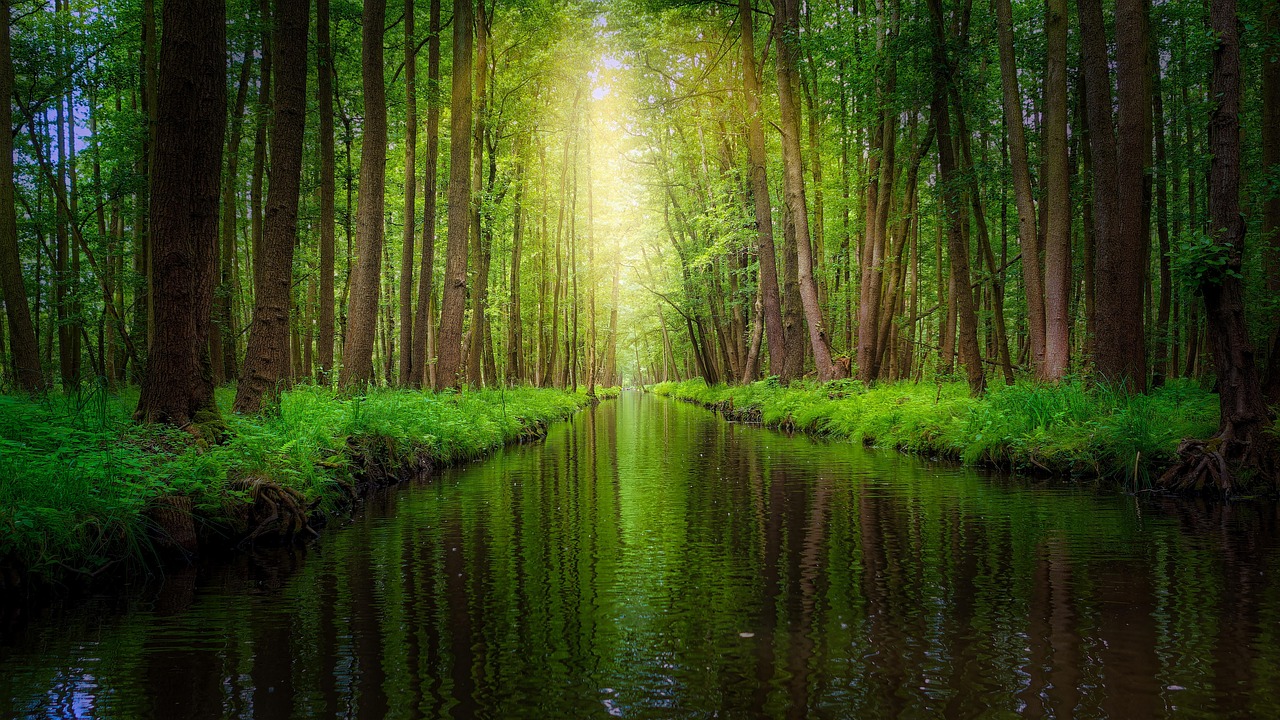
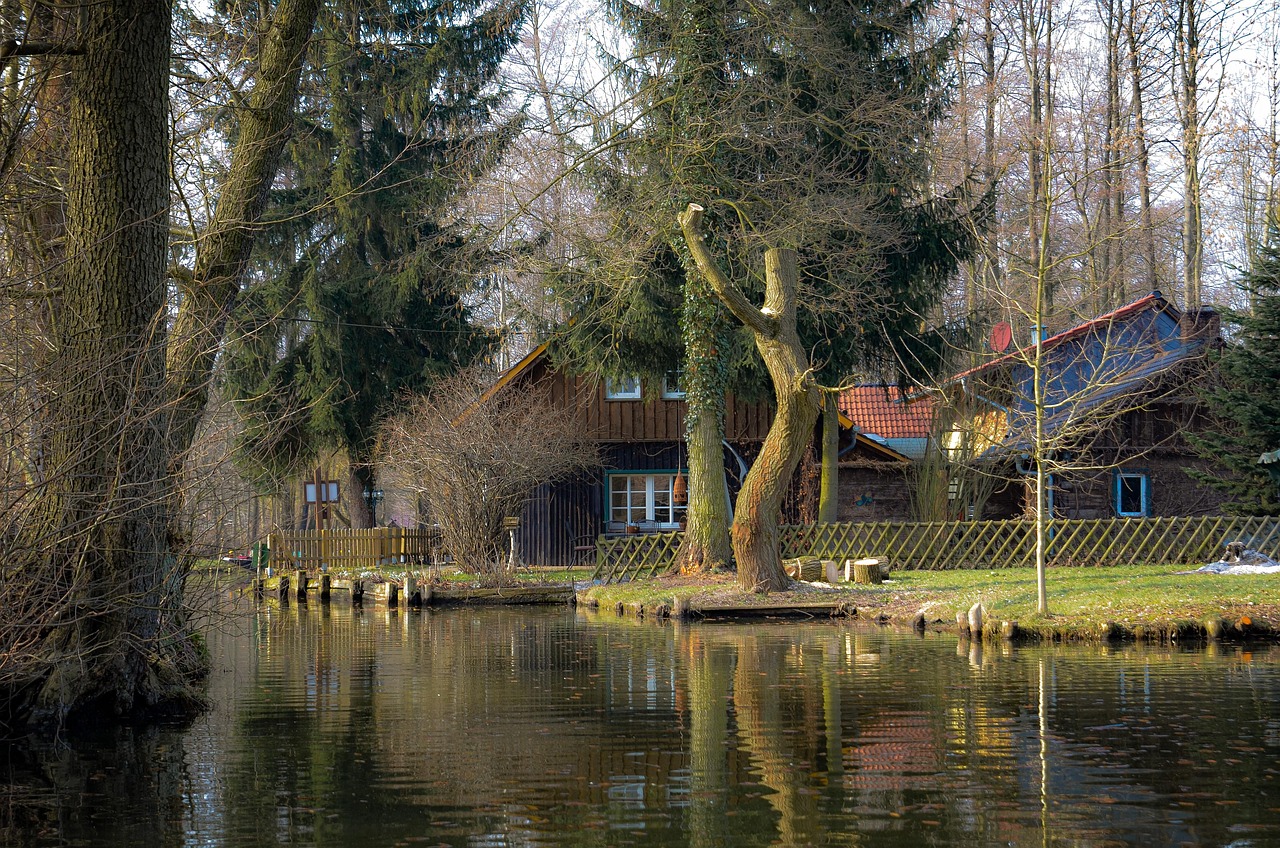
The Spreewald is one of Germany’s most magical landscapes: a network of slow-moving canals, traditional villages, and lush forest. It’s an easy, must-do day trip when you have 4 or 5 days in Cottbus.
How to get there: Trains from Cottbus to Lübbenau or Burg (check 2026 schedules) take about 30–45 minutes. From there, walk to the harbor for punting boat rides or kayak rentals.
What to do:
- Take a guided punt boat tour (1–3 hours) through the canals.
- Rent kayaks or canoes for a more active, independent exploration.
- Try local dishes: Spreewald gherkins, fish, and quark with linseed oil.
Bad Muskau & Muskauer Park
Muskauer Park, another of Prince Pückler’s masterpieces, lies on the German-Polish border at Bad Muskau. It’s larger and wilder than Branitz, with landscaped meadows, bridges, and the Neisse river as a natural boundary.
How to get there: Around 1.5–2 hours from Cottbus by regional trains and buses (easier with a car). Start early for a full day.
Why go: If you loved Branitz and want more landscape art, this is your next level. You also get the fun of crossing into Poland on foot within the park.
Lusatian Industrial Heritage
The Lusatia region is full of former mines, power stations, and industrial monuments. Some are being repurposed as viewpoints, museums, and cultural spaces.
Options:
- Guided tours of former brown coal mines.
- Lookouts over flooded mining pits turning into lakes.
Tip: Visit the tourist information in Cottbus for up-to-date 2026 brochures on industrial heritage routes; offers evolve as the region transforms.
Events & Festivals in Cottbus (2026–2027)
Exact dates shift each year, but these are key events to watch for in 2026–2027:
- FilmFestival Cottbus (Autumn 2026 & 2027): One of Europe’s leading festivals for East European cinema. The city buzzes with screenings and filmmakers; book accommodation early.
- Cottbus Christmas Market (Late Nov–Dec 2026 & 2027): Altmarkt transforms with lights, stalls, and performances. Great for families and couples.
- Branitz Park events (Spring–Autumn): Garden festivals, open-air concerts, and heritage days in and around the park.
- University & city cultural nights: Museumsnacht, Long Night of Science, and similar events (usually in spring or autumn).
- Sporting events: FC Energie Cottbus home games in 2026–2027 seasons, plus running and cycling events around the emerging Cottbuser Ostsee.
As you plan, check the 2026–2027 Cottbus city events calendar for exact dates and any new festivals related to the region’s energy transition and cultural projects.
Cultural Etiquette & Local Customs in Cottbus
Cottbus is relaxed, but a few local habits and travel tips for Cottbus will help you blend in.
Greetings & Politeness
- Use “Guten Tag” (good day) or “Hallo” when entering small shops, cafés, or elevators. Say “Tschüss” or “Auf Wiedersehen” when leaving.
- In Sorbian contexts, you might see or hear “Witaj” – a local greeting.
- Handshakes are common in formal introductions; among younger people, a simple “Hi” nod is normal.
Punctuality & Quiet
- Germans value punctuality. Arrive a few minutes early for tours, theater, or dinner reservations.
- Residential areas observe quiet hours at night; keep noise low after 22:00.
Respecting Sorbian Culture
- Always ask before taking close-up photos of people in traditional dress, especially during religious events (Easter processions, church festivals).
- Remember that Sorbian language and customs are a living minority culture, not a tourist show. Treat them with the same respect you would any local tradition.
Tipping & Payment
- In restaurants and cafés, a tip of 5–10% is customary if service was good. Round up in bars and taxis.
- Many places accept cards, but small bakeries, kiosks, and market stalls may be cash-only. I always keep some euros for this.
Language
- German is the main language; English is reasonably understood among younger people and in tourism-related places, but not guaranteed everywhere.
- Learning a few phrases – Bitte (please), Danke (thank you), Entschuldigung (excuse me) – goes a long way.
Practical Travel Advice for Cottbus (2026)
Getting to Cottbus
- By train: Regular regional and some IC trains connect Cottbus with Berlin (around 1.5 hours), Dresden, and other cities in Brandenburg and Saxony.
- By bus: Regional buses serve surrounding towns and villages; long-distance buses may run from major cities (check current 2026 services).
- By car: Highways and good regional roads connect Cottbus with Berlin, Dresden, and Poland.
Getting Around Cottbus
- On foot: The center and Old Town are extremely walkable; most must-see attractions in Cottbus are within a 10–20 minute walk.
- Trams & buses: Cottbus has a compact but efficient public transport system. Buy single tickets or day tickets at vending machines or via apps. Validate your ticket before riding.
- Bikes: Cottbus is flat and bike-friendly. Rent from local shops or some hotels. Great for Branitz, Spreeauenpark, and the Cottbuser Ostsee.
- Car rental: Not necessary for the city itself but handy for wider Lusatia exploration. Major rental agencies are available in larger nearby cities; some local options exist in Cottbus.
SIM Card & Connectivity
- EU visitors: Roaming rules often allow you to use your home data plan in Germany (check with your provider).
- Non-EU visitors: Buy a prepaid SIM from major German providers (Telekom, Vodafone, O2) in electronics shops or phone stores, usually in shopping centers like Blechen Carré.
- Coverage in Cottbus and surroundings is generally good; rural pockets may be weaker but still usable.
How to Save Money in Cottbus
- Accommodation: Hotels and guesthouses are cheaper than in major cities. For longer stays, look at apartments or guesthouses slightly outside the core center with good tram links.
- Food: Take advantage of Mittagstisch (lunch specials), bakeries for breakfast, and markets for picnic supplies.
- Transport: Day passes for trams/buses are often better value than multiple single tickets if you’re moving around a lot.
- Free activities: Parks (Branitz grounds, Spreeauenpark), architecture walks, and city strolls cost nothing.
Safety
Cottbus is generally safe. I’ve walked around the center and main streets at night without issues, using normal city awareness.
- Keep valuables close in crowded events or markets.
- At night, stick to lit main streets and tram routes, especially if you’re unfamiliar with residential areas.
Visa Requirements & Driving Licenses
- Visa: Cottbus is in Germany, part of the Schengen Area. EU/EEA/Swiss citizens can enter freely. Many other nationalities can enter visa-free for short stays (up to 90 days) or require a Schengen visa. Always check current 2026 regulations with your local German embassy or consulate.
- Driving license: EU/EEA licenses are valid in Germany. Many non-EU licenses are accepted; an International Driving Permit (IDP) plus your national license is recommended if your license is not in EU languages. Confirm with your rental company.
Best Seasons & Weather
- Spring (April–June): Mild, green, ideal for Branitz, cycling, and city walks. My personal favorite time.
- Summer (July–August): Warm (sometimes hot), great for outdoor cafés, Spreewald day trips, and evenings by the Spree. Occasional thunderstorms.
- Autumn (September–October): Colorful foliage in parks, comfortable temperatures, fewer crowds.
- Winter (November–March): Cold, short days; atmospheric Christmas market in December. Snow is possible but not guaranteed; museums and cultural venues shine this season.
Activity pairing:
- Nature & cycling: Best from late April to early October.
- Film & culture (FilmFestival, theater): Autumn and winter.
- Christmas markets & cozy cafés: Late November–December.
Summary: Key Takeaways & Final Recommendations
Cottbus is one of those places that rewards unhurried travelers. It doesn’t shout; it invites. Over multiple visits, I’ve come to see it as a perfect base for 3–5 days in eastern Germany – a city where you can wander historic streets in the morning, lose yourself in Branitz Park in the afternoon, and end the day with a student bar beer or a night at the Staatstheater.
For a 3 day itinerary for Cottbus, focus on the Old Town, Branitz Park, and a sampling of museums and riverside walks. With 4 days in Cottbus, add Spreeauenpark, the emerging Cottbuser Ostsee, and perhaps a deeper dive into Sorbian culture. A full 5 day itinerary for Cottbus opens up day trips to the Spreewald or Bad Muskau and lets you slow down to local speed.
The best time to visit Cottbus depends on your priorities:
- Spring & autumn: Ideal for parks, walking, and a balanced mix of city and nature.
- Summer: Perfect for outdoor cafés, cycling, and water-based day trips.
- Winter: For Christmas markets, theater, and a quieter, more introspective city experience.
If you’re looking for a destination with hidden gems in Cottbus, diverse cultural experiences in Cottbus, affordable prices, and a strong sense of place, Cottbus in 2026 is absolutely worth putting on your list.