Why Visit Eagle’s Nest (Kehlsteinhaus)?
I’ve been returning to Eagle’s Nest almost every year since 2012, in every season from blindingly bright July afternoons to eerie, snow-muted November mornings. Each visit reminds me that this is one of Europe’s most emotionally complex viewpoints: a place of almost obscene natural beauty layered over a very dark chapter of history.
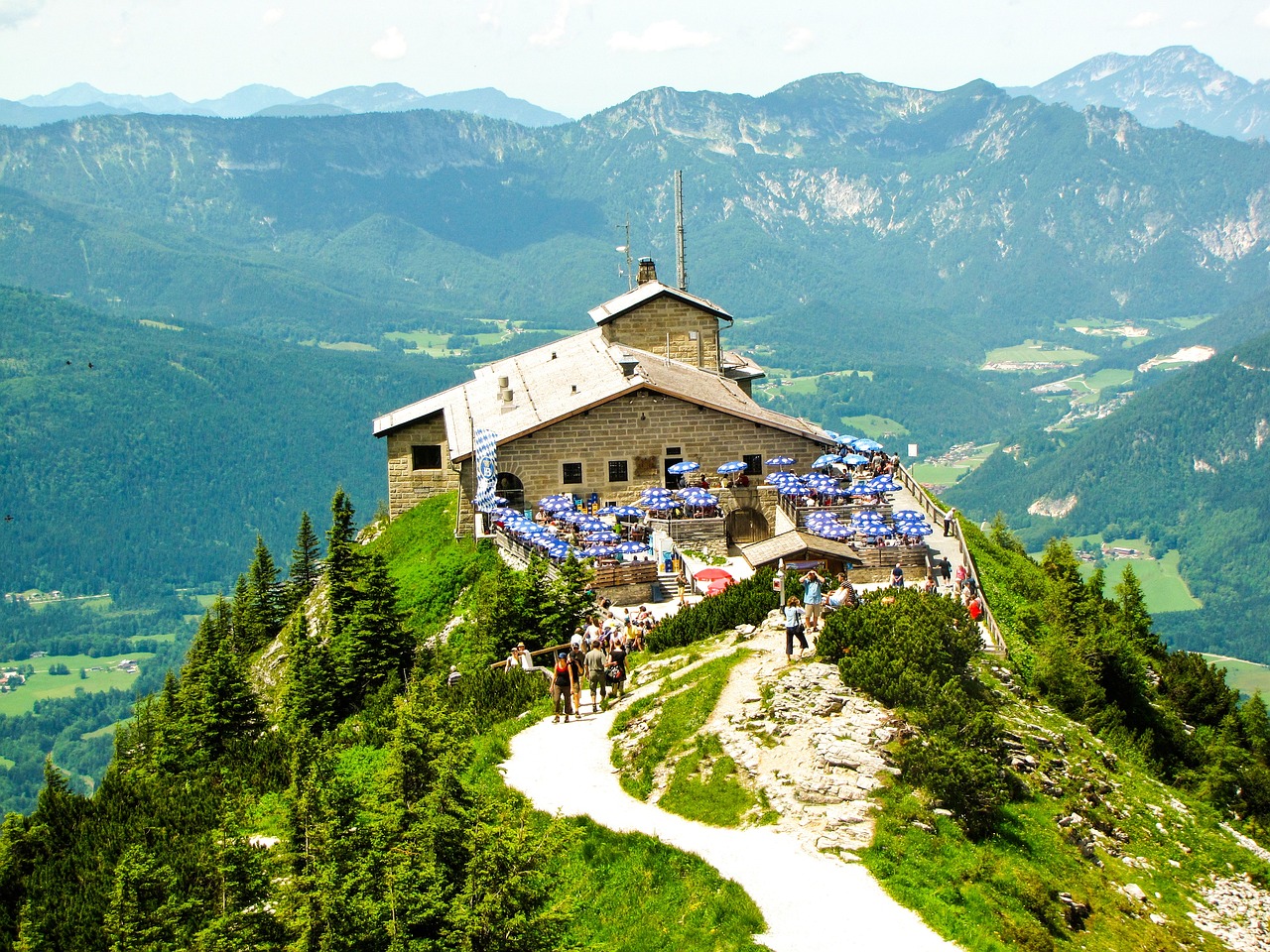
Perched on a rocky spur of the Kehlstein at 1,834 meters, Eagle’s Nest (German: Kehlsteinhaus) offers a 360-degree panorama of the Bavarian and Austrian Alps: the Watzmann massif, Königssee glinting below, and — on clear days — mountain ranges all the way into the Tyrol. You come for the view, but you leave thinking about what it means to stand in a place once used to impress visiting dignitaries of the Nazi regime.
This guide is written from those repeated visits: the days I’ve watched families picnicking on the terrace, couples quietly taking in sunset, hikers trudging up the Kehlsteinweg in the mist, and history buffs tracing every reference on the interpretive panels. I’ll walk you through not just the main viewpoints and historical context, but also how to actually structure a 1 day itinerary for Eagle’s Nest, extend it to 2 days in Eagle’s Nest or a 3 day itinerary for Eagle’s Nest in the wider Berchtesgaden area, where to eat without getting fleeced, and how to visit in 2026 without wasting time in queues.
If you’re weighing whether to include Eagle’s Nest on your Germany or Alps trip, here’s the short argument: it’s a must-see attraction in Eagle’s Nest not because of its architecture (that’s actually fairly modest), but because of the collision of breathtaking landscape, heavy history, and the way Germans have chosen to contextualize and not glorify the past.
Table of Contents
- Why Visit Eagle’s Nest in 2026
- Understanding Eagle’s Nest: History, Layout, and Feel
- 1–3 Day Itineraries for Eagle’s Nest & Berchtesgaden
- Key Sections, Viewpoints & Adjacent Sites (8 In-Depth Areas)
- Eating & Drinking Around Eagle’s Nest
- Where to Stay Near Eagle’s Nest
- Eagle’s Nest After Dark & Off-Hours Magic
- Day Trips & Nearby Attractions
- Cultural Etiquette & Local Customs
- Practical Logistics: Tickets, Transport, SIMs & Money-Saving Tips
- Best Time to Visit & 2026–2027 Events
- Final Summary & Key Takeaways
Understanding Eagle’s Nest: History, Layout, and Feel
When you picture Eagle’s Nest, you’re probably seeing that famous stone house perched high above the clouds, the access road snaking impossibly up the mountain. In reality, your experience is a sequence of places: the Obersalzberg base, the bus ride up, the tunnel and brass elevator, the terrace and interior rooms, then the short hike to the true summit cross.
The house itself was completed in 1938 as a representative building of the Nazi regime, used primarily for high-profile meetings and to impress foreign dignitaries. The myth that it was Hitler’s “mountain hideout” in the sense of day-to-day living is overblown; he visited relatively few times. After the war, the building could easily have been demolished. Instead, it was preserved, de-Nazified, and eventually opened to the public as a mountain restaurant and viewpoint, with interpretive panels and exhibits that stress remembrance rather than romance.
On my first visit, I was expecting a museum-like environment. What I found instead was a normal-seeming mountain hut atmosphere on the terrace — beer mugs clinking, kids chasing each other — with a slightly haunted feeling in the interior rooms. That contrast hasn’t faded with the years; if anything, it’s sharpened as I’ve come back during different seasons and with different friends and family members. The key is to give yourself enough time to both absorb the views and read the historical material without rushing.
Physically, you’ll walk through:
- The Obersalzberg Documentation Center area (if you choose to visit, which I strongly recommend)
- The Kehlstein bus departure point
- The Kehlstein road ride (bus-only, with sheer drops and huge views)
- The rock tunnel and brass elevator up into the house
- The main hall, fireplace room, and restaurant spaces
- The view terraces and panoramic balcony
- The short summit path up to the Kehlstein peak
Each section has its own rhythm, and knowing where to linger (and where not to) will shape your experience more than any checklist of “things to do in Eagle’s Nest.” I’ll break those spaces down in detail later, but first, let’s talk itineraries.
1–3 Day Itineraries for Eagle’s Nest & Berchtesgaden
Most visitors tackle a 1 day itinerary for Eagle’s Nest, often as a day trip from Salzburg or Munich. That’s absolutely doable if you’re organized. But if you give yourself 2 days in Eagle’s Nest and surroundings, or even 3 days in Eagle’s Nest region, you’ll tap into the lakes, alpine meadows, and quieter historical sites that make this corner of Germany so addictive.
Below I sketch three narrative-style days based on my own recent visits in 2024 and 2025, updated with what we know about 2026 ticketing and opening hours. Each day blends iconic sites with lesser-known corners and practical details like timing, meals, and how to dodge the tour-bus crush.
Day 1: Classic Eagle’s Nest Experience (Iconic Highlights)
On my last early-summer visit, I arrived in Berchtesgaden on the evening train, slept in a small guesthouse above town, and set aside the entire next day for Eagle’s Nest — with a strict rule for myself: no rushing, no box-ticking. If you only have a single day, this is the rhythm I’d follow.
Morning: Arrival in Berchtesgaden & Up to Obersalzberg
07:30–08:30 — Breakfast in town. I like to start at a local bakery rather than at the bus terminal snack stands. Get a couple of dense Bavarian rolls, maybe a pretzel, and a thermos of coffee if your accommodation allows. You’ll be glad later on the terrace when you can supplement pricey restaurant fare with your own snacks.
08:30–09:00 — Head up to Obersalzberg. From Berchtesgaden train/bus station, take the RVO bus (usually line 838, check 2026 schedules closer to your trip) towards Dokumentation Obersalzberg. The ride is about 15 minutes, winding uphill with expanding views across the valley.
By 2026, the new Obersalzberg Documentation Center complex will be fully open after its redevelopment, with an even more comprehensive historical exhibition. You have two options:
- Short visit (1–1.5 hours): Enough to get context before heading up to Eagle’s Nest.
- Deep dive (2–3 hours): Better if you have a 2 or 3 day itinerary and can spare the time.
Mid-Morning: Documentation Center & Bunker System
On my 2025 visit, I spent about 90 minutes here with a friend who hadn’t been before. It’s sobering, thorough, and unflinching: lots of multilingual panels, documents, photographs, and models explaining how the Nazis transformed Obersalzberg into a leadership complex.
Plan at least 60–90 minutes even for a short visit. The highlight — if that’s the right word — is the underground bunker system. You wander through concrete corridors where some sections of the Nazi leadership had shelters. It’s cold, damp, and the interpretive signage is excellent. Every time I go, I’m grateful the curators have resisted any temptation toward sensationalism.
Tip: If you’re traveling with kids, this is an intense but important stop. I’ve seen families take it in short bursts — a few rooms, then a break outside, then back in. The exhibit is recommended for older children and teens rather than very young kids.
Late Morning: Kehlstein Bus & The Famous Mountain Road
From the Documentation Center, it’s a short walk to the Kehlstein bus parking and ticket office. As of 2026, access to Eagle’s Nest is still strictly controlled: no private cars or motorbikes on the Kehlstein road. You either take the official buses or hike up (more on that in Day 3).
Tickets & timing (2026):
- Buses generally run from mid-May to late October, roughly 08:30–16:30 for uphill journeys, depending on daylight and weather.
- In high summer, pre-booking online timed tickets is strongly recommended; same-day slots can sell out by late morning.
- Return ticket includes the ride up, ride down, and use of the elevator.
I usually aim for a late-morning ascent (around 10:30–11:00). Early morning can be socked in with fog; late afternoon is beautiful but cutting it close for return buses. On one autumn trip, I took the 09:00 bus and spent the first hour in a cloud — atmospheric, but no views. By 11:00 the skies had cleared and the terrace was glowing.
The bus ride itself is an attraction. It takes about 20 minutes along a 6.5-km road carved into the rock, with several tight turns and sheer drops. Sit on the right-hand side going up for the best views down into the valley. Drivers sometimes narrate in German; even if you don’t understand, you’ll get a feel for the drama of the road’s construction.
Midday: Tunnel, Brass Elevator & First Terrace Impressions
At the upper bus station, you’ll step out into crisp mountain air and see the start of the short tunnel leading to Eagle’s Nest. Many first-time visitors are surprised: you’re not yet at the house itself. You’re on a sort of shoulder of the mountain.
The 124-meter rock tunnel is cool, echoing, and slightly damp — a theatrical prelude designed to impress. At the end, the polished brass elevator waits, still clad in its original green leather and shining metal. Up to 50 people squeeze in for the 41-second ride through solid rock. Every time I’m in there, I watch faces: some wide-eyed, some uneasy, all a little awed by the engineering and uneasily aware of who it was built to serve.
When the doors open, you emerge straight into the stone interior of Eagle’s Nest. Most people immediately beeline for the terrace, and honestly, that’s not a bad instinct.
Afternoon: Exploring Eagle’s Nest — Rooms, Terraces, and Summit Path
First hour: Walk the terraces. Step out onto the main terrace on the south side and just let your eyes adjust to the scale. On a clear day, you’ll see:
- The jagged pyramid of the Watzmann to the south.
- The dark ribbon of Königssee below, bordered by steep cliffs.
- Across the valley, the Untersberg and distant Austrian ranges.
On my last visit, I spent a full 30 minutes just walking the perimeter, taking in the different angles: the west side feels more intimate, the south side more dramatic, the east side gives you a sense of the Kehlstein’s isolation.
Interior rooms: After the initial wow, duck back inside to explore the main hall and dining areas.
- Main hall & fireplace room: The Italian marble fireplace (a gift from Mussolini) is the focal point. Look for the chipped spots where American soldiers broke off souvenirs in 1945.
- Side rooms & interpretive panels: In recent years, the historical information has been quietly increased. Take time to read the context; it changes the way you see the building.
- Restaurant: The interior dining space feels like a typical alpine hut now, which is exactly the point — normalized, not glorified.
How long to spend inside? About 30–45 minutes is enough unless you’re a serious history buff, in which case you might linger longer over the details and photos.
Lunch: Terrace Meal (With Strategy)
Expect high prices and average food. You’re paying for the view. I typically order something simple — a Bratwurst with bread or a Suppe (soup) — and a Radler (beer-lemonade mix) or sparkling water. On my 2024 trip, a basic sausage plate ran about €12–14; I’d expect slight increases by 2026.
Tip: Bring your own snacks (sandwiches, fruit, nuts) and buy just a drink, then take your time at a table. Staff are used to hikers and families stretching lunch; just be considerate during peak lunchtime (12:00–14:00) when turnover matters.
Early Afternoon: Short Hike to the Kehlstein Summit
The best view is not actually from the house but from the Kehlstein summit cross just above. From the terrace, follow the well-marked path (15–20 minutes uphill, moderate difficulty). If you have small kids or mobility issues, take it slowly; there are some rocky steps but no exposure if you stay on the path.
Up here, the crowds thin dramatically. On my last late-September visit, I sat near the summit cross for half an hour, sharing the space with just two couples and a family of three. The view down into the valley and across to the Watzmann is one of the best in the Bavarian Alps.
Family note: I’ve seen plenty of children do this walk; just keep an eye on them near rock edges. Good shoes are essential — no flimsy sandals.
Late Afternoon: Descent & Quiet Time in Berchtesgaden
Plan to start making your way back down by 15:00–15:30 in high season to avoid the last-bus crush and give yourself a cushion for weather changes. The return bus ride offers new angles, so sit on the left-hand side for views.
Back in Obersalzberg, you can either transfer straight to Berchtesgaden or linger at one of the viewpoints above town. I sometimes walk a short stretch of path downhill before catching the bus, just to decompress from the intensity of the site.
Evening in Berchtesgaden: Wander the old town, grab a simple dinner at a Brauhaus (brewpub) or family-run inn, and get an early night. If you’re doing only 1 day in Eagle’s Nest, this is your farewell. If you’re staying on, rest — tomorrow adds lakes and bunkers.
Day 2: Lakes, Bunkers & Alpine Villages (Context & Contrast)
If you’re planning a 2 day itinerary for Eagle’s Nest region, spend your second day exploring the watery and subterranean contrasts: the emerald depths of Königssee and the hidden remains of Obersalzberg’s underground world. This day is excellent for families and pairs well with either a sunny or overcast forecast.
Morning: Königssee — Mirror of the Alps
Catch a morning bus from Berchtesgaden to Königssee (about 15 minutes; same regional bus network). The earlier you arrive, the more chance you have of experiencing the lake before the big tour groups roll in.
On a clear June morning in 2025, I caught the 08:30 boat from Schönau am Königssee. The lake was still, the cliffs rising sheer from the water, and the echo of the trumpet call — a tradition where the boatman plays and the sound bounces off the rock walls — hung in the air like something out of a legend.
What to do:
- Take the electric boat to St. Bartholomä (the classic chapel with onion domes).
- Walk the short forest trails near the landing, soak up the alpine meadow atmosphere.
- If you have time and weather, continue further by boat to Salet and hike to the quieter Obersee.
Family & romance factor: Königssee is incredibly photogenic and gentle, with plenty of easy walks. It’s also a perfect romantic interlude after the heaviness of Eagle’s Nest. Pack a picnic and find a spot by the water at St. Bartholomä; I’ve had some of my most peaceful moments in the region here, just listening to cowbells and lapping water.
Afternoon: Back to Obersalzberg — Bunkers & Forest Walks
Return to Berchtesgaden by early afternoon and head back up to Obersalzberg if you didn’t fully explore the bunkers or Documentation Center the previous day. Even if you did, the forest walks and viewpoints up here are worth a repeat visit.
On one overcast September afternoon, I followed a local recommendation and took a gentle trail that loops behind the former hotel sites and through quiet woodland. You get glimpses down to the valley and occasional interpretive signs about buildings that once stood here and were deliberately demolished after the war.
Tip: Bring a light rain jacket; the weather can change quickly, and the forest holds moisture. Even in summer, temperatures are notably cooler than in the valley.
Evening: Berchtesgaden Old Town & Brewery Culture
By early evening, wander Berchtesgaden’s old town. I like to step into the main square, then slip into side alleys where locals actually live: flower boxes on balconies, kids cycling, the smell of wood smoke in shoulder seasons.
Dinner at a local Brauhaus is almost mandatory. Try a Schweinsbraten (roast pork) or Käsespätzle (cheese noodles) with a house beer. In 2024, I shared a long table with a mix of locals and German travelers; conversation drifted from football to mountain weather to how the town has changed over decades of tourism. This is where you feel the living culture that exists beyond Eagle’s Nest’s heavy history.
Day 3: High-Alpine Adventure & Slow Travel (For the Extra Day)
If you’re committing to a 3 day itinerary for Eagle’s Nest region, day three is all about earning your views and slowing down: hiking, lesser-known huts, and maybe a spa soak to finish. This day is ideal for active travelers and couples; families with older kids often love it too.
Option A: Hike Up to Eagle’s Nest via Kehlsteinweg
Instead of taking the bus again, hike up via the Kehlsteinweg. Starting near Obersalzberg, the trail climbs steadily for 2–3 hours (depending on fitness) with a mix of forest shade and balcony views.
On a crisp October morning, I set out around 08:00 with a friend, our breath fogging in the cool air. The trail is well-marked, moderate in difficulty, and you’ll share it mostly with Germans and Austrians — the atmosphere is more local than the bus queues. As we climbed, the Kehlstein road occasionally appeared below us, a ribbon etched into the rock, but we felt blissfully removed from the mechanical flow.
Practical tips:
- Wear good hiking shoes; parts of the trail can be muddy or rocky.
- Bring 1–1.5 liters of water per person.
- Check weather carefully; don’t attempt in storms or heavy fog.
- You can hike up and take the bus down, or vice versa (ask at the bus station for current rules on one-way tickets in 2026).
Option B: Jennerbahn & High-Alpine Views Without the Crowds
If you’d rather diversify your viewpoints, take the Jennerbahn cable car up to the Jenner summit overlooking Königssee. In some ways, I find this view even more beautiful than that from Eagle’s Nest: you’re right above the lake, with a feeling of hovering over the water.
From the top station, you can:
- Walk an easy panoramic loop suitable for most fitness levels.
- Hike further into the high pastures for a more secluded experience.
- Stop at a mountain hut for lunch — I still remember a plate of Kaspressknödel (cheese dumplings) with sauerkraut eaten here in 2023, the clouds drifting theatrically below.
Afternoon: Spa or River Walk
By your third afternoon, your legs may beg for mercy. This is when I treat myself to either:
- A few hours at a local spa/sauna complex (check current offerings in Berchtesgaden or nearby Bad Reichenhall — the latter has a long spa tradition), or
- A slow walk along the Ache river near Berchtesgaden, watching the water tumble over rocks and feeling the rhythm of normal life: dog walkers, cyclists, kids messing about by the riverbank.
In 2025, I ended my three-day stay sitting near the river with a takeaway coffee, flipping through photos of the past days: the golden light on Eagle’s Nest terrace, the green depths of Königssee, the dim corridors of the bunkers. It’s that blend — nature, history, daily life — that makes this region worth more than a rushed day trip.
Key Sections, Viewpoints & Adjacent Sites: 8 In-Depth Areas
Below are eight core places that shape the travel guide for Eagle’s Nest experience. Each has its own story, logistics, and personality.
1. Kehlstein Road & Bus Ride
The Kehlstein road is an engineering feat: 6.5 kilometers, 13 tunnels and galleries, and gradients up to 24%, clinging to bare rock. Built in just 13 months in the late 1930s, it was conceived as a showpiece of technical prowess. Today, its drama is repurposed for tourism — but the sense of daring remains.
Every time I ride it, there’s a moment when the bus rounds a bend and the valley suddenly drops away beneath you, the road seemingly suspended in mid-air. People fall silent, phones come out, and even the most jaded travelers look impressed.
What to look for:
- The narrowness of the road and the way it’s carved into the cliff.
- Small lay-bys where maintenance crews work; imagine heavy snow and ice here in winter.
- Occasional glimpses of hiking trails crossing below or above — a reminder of the human scale beneath the buses.
Time needed: 20 minutes each way. If you’re nervous about heights, sit on the mountain side; the drivers are extremely experienced and the road is tightly regulated.
2. Rock Tunnel & Brass Elevator
The tunnel and elevator are pure theater. The 124-meter tunnel is lined with granite blocks; cool, slightly damp air and the echo of footsteps set a tone of solemnity. On one visit, a light fog from outside drifted into the entrance, making the tunnel seem to float in cloud.
At the end, the elevator waits: circular, mirrored, lined in brass and green leather. It feels like stepping into a 1930s time capsule. The ride is short but uncanny — 41 seconds straight up through rock. Kids usually love it; some adults with claustrophobia find it challenging, so be prepared.
Accessibility note: The elevator makes the site reachable for visitors with limited mobility, but there are still some steps and uneven surfaces once you’re in the building and on the terraces.
Time needed: 10–15 minutes including queuing, more in high season.
3. Eagle’s Nest Main House & Interior Rooms
Inside, the building is smaller than many expect: a central hall, a few side rooms, and restaurant spaces. The stonework and timber ceilings are handsome but not lavish. This modesty is part of why it’s possible to stand here without feeling like you’re in a monument to megalomania; the interpretive choices steer the mood toward sober reflection.
On my last visit in 2024, I watched a small German tour group listening to a guide quietly explain the building’s functions: diplomatic receptions, strategic meetings, symbolic photo ops. No raised voices, no theatricality — just measured detail. It struck me how different this is from some other world sites of dark history, where guides sometimes lean into shock value.
Highlights:
- The main fireplace with its chipped marble and clear signage about its origins.
- Subtle historical panels that explain dates, uses, and post-war transitions.
- Windows framing the mountains like paintings — step back and imagine them as backdrops for propaganda photos.
Time needed: 30–45 minutes wandering at your own pace.
4. View Terraces & Panoramic Balcony
The terraces are where Eagle’s Nest breathes. Tables and benches line the southern side; visitors cluster along railings, cameras out, but you can almost always find a quieter corner if you walk the full circumference.
I like to do a slow loop: south side for Watzmann and Königssee, west side for more rugged peaks, north and east for views back toward Obersalzberg and Berchtesgaden. On one June afternoon, a storm cell rolled over the Austrian border, curtains of rain visible across the valley while our terrace stayed dry under a stubborn patch of blue sky. Everyone watched, half in silence, half in murmured conversation, united for a few minutes by weather theater.
Photography tips:
- Golden hour (late afternoon) softens harsh midday contrasts and gives depth to the peaks.
- Bring a polarizing filter if you’re serious about landscape shots; it cuts haze and deepens colors.
- Some of the best shots are not from the very edge but a few steps back, framing people against the drop to convey scale.
Time needed: 45–90 minutes, depending on how many photos you take and whether you’re staying for a drink.
5. Summit Path to Kehlstein Cross
The short hike to the Kehlstein summit cross is my favorite part of any Eagle’s Nest visit. The path begins near the terrace and winds up over rock and gravel, with handrails in a few sections and natural stone steps in others.
On an early October afternoon, I watched a family with two kids (maybe 7 and 10) tackling the climb. The kids raced ahead, then waited at bends, calling out new views. Their parents were more cautious but clearly delighted to give them this sense of accomplishment. At the summit, the children’s chatter dropped away for a moment as they took in the scale of the landscape. It felt like a tiny, hopeful gesture in a place tied to so much past harm: kids claiming the mountain as a place of wonder, not ideology.
Look for:
- The way the house seems to shrink below you as you climb.
- The summit cross itself, a typical alpine marker with small offerings and sometimes flowers.
- Far views into Austria; on very clear days, you can make out details deep into the Salzburg region.
Time needed: 30–60 minutes round-trip, including time at the top.
6. Obersalzberg Documentation Center & Bunker System
No serious travel guide for Eagle’s Nest can skip Obersalzberg’s Documentation Center and bunker system. In many ways, this is where you understand the why and how behind Eagle’s Nest’s existence.
The Documentation Center’s 2026 exhibition is expected to be even more immersive, combining traditional panels with multimedia and expanded coverage of local resistance, forced labor, and post-war denazification. The tone remains measured: educational, not sensational.
Descending into the bunkers is particularly powerful. Concrete corridors, steel doors, ventilation shafts — all the infrastructure of fear and control. I’ve walked these tunnels with friends who grew quiet and pale; others leaned in, asking question after question about logistics and chronology. Either way, you emerge changed.
Time needed: 1.5–3 hours depending on depth of interest.
7. Königssee & St. Bartholomä
Königssee is often marketed alongside Eagle’s Nest in brochures for must-see attractions in Eagle’s Nest region, and rightly so. The lake is glacially carved, deep, and startlingly clear — in places you can see down several meters to submerged rocks and fallen trees.
St. Bartholomä’s red onion domes, backed by cliffs, are one of the iconic postcard views of Germany. But on my favorite visits, I’ve walked a little beyond the crowds, following a shoreline path until noise fades and you hear only waves and cowbells.
Time needed: Half to full day depending on whether you go all the way to Salet and Obersee.
8. Jenner & High-Alpine Panoramas
The Jenner summit, reached via cable car or hiking, gives a more open, expansive feel than the Kehlstein. While Eagle’s Nest is about height and history, Jenner is about space: rolling ridgelines, layered peaks, and the full length of Königssee below.
On a 2023 solo hike, I spent a long, lazy hour at a viewpoint bench near the top station, watching boats trace white lines on the lake far below. A group of local retirees arrived, unpacked sandwiches and thermoses, and greeted me with the casual warmth of people who see mountains as their backyard. It was a reminder that while Eagle’s Nest is globally famous, this whole region is first and foremost a place people live, work, and age.
Time needed: Half day for cable car plus short walks; full day if hiking up or adding longer trails.
Eating & Drinking Around Eagle’s Nest
The immediate surroundings of Eagle’s Nest are dominated by the mountain restaurant itself — scenic but pricey and tourist-oriented. For genuinely good food and atmosphere, you need to drop down a bit, toward Obersalzberg and especially Berchtesgaden.
On-Site at Eagle’s Nest
What to expect: Classic Bavarian mountain fare: sausages, soups, schnitzel, cakes, and drinks. Food quality is decent but not standout; prices reflect the logistical challenges of getting ingredients up the mountain.
What I usually do:
- Bring a small picnic (sandwiches, fruit, nuts).
- Order a hot soup or coffee to justify terrace seating, especially in shoulder seasons.
- Indulge in a slice of Apfelstrudel or Kuchen with an afternoon coffee if I’m lingering.
Obersalzberg & Mid-Slope Options
Just below the bus station area, a few guesthouses and small restaurants offer more reasonably priced meals. I’ve ducked into these between Documentation Center visits and bus rides for simple but satisfying plates: Leberknödelsuppe (liver dumpling soup), Brotzeit (bread, cheese, cold cuts), and local beer.
Tip: Ask for the daily special (“Tagesgericht”) — it’s often what the kitchen is excited about and usually better value.
Berchtesgaden: Where Locals Actually Eat
Down in town, you’ll find the full spectrum: tourist-facing beer halls, quiet inns, Italian pizzerias catering to families, and a few surprisingly inventive spots playing with Alpine ingredients.
Based on my recent stays:
- Brauhaus-style restaurants near the center: hearty, loud, good for groups and families.
- Small inns on side streets: more local, often with seasonal menus (asparagus in spring, game in autumn).
- Cafés around the main square: perfect for coffee and cake in the late afternoon; look for Topfenstrudel (curd cheese strudel) as an alternative to apple.
Reservation tip: In high summer and around Christmas, book dinner a day ahead, especially if you want a cozy inn rather than a big hall. Shoulder seasons are more relaxed; I’ve usually been fine walking in before 19:00.
Where to Stay Near Eagle’s Nest
Your base will shape your experience more than you might think. Where you stay dictates whether Eagle’s Nest is a rushed day trip or a layered experience folded into local rhythms.
Berchtesgaden Town
Best for: Most travelers, especially without a car. You’re close to the train/bus station, shops, and evening dining, with easy access to buses for Obersalzberg and Königssee.
I’ve stayed several times in small family-run guesthouses on the slopes above town. Waking up to church bells and mist in the valley, then walking down cobbled lanes to catch the morning bus, has become a cherished ritual.
Schönau am Königssee
Best for: Families and nature lovers who want to prioritize the lake and a quieter vibe. You’ll still reach Eagle’s Nest easily by bus via Berchtesgaden, but evenings are more about lakeside strolls than town squares.
Salzburg (as a Day-Trip Base)
Best for: Travelers short on time who want an urban base. Many visitors do 1 day in Eagle’s Nest from Salzburg via organized tours or by public transport plus bus. This works, but it compresses the experience; you’ll likely skip Königssee and any evening in Berchtesgaden.
Eagle’s Nest After Dark & Off-Hours
Eagle’s Nest itself is not a night-time destination. The road and buses close before dark for safety, and there are no public evening openings as of the 2026 schedule. However, the time of day you visit transforms the site, and the region after dark has its own quiet magic.
Golden Hour & Late Afternoon Visits
If you can book a bus ticket that puts you at Eagle’s Nest in the late afternoon (around 15:30–17:00 in summer), do it. The crowds thin, the light warms, and the mountains gain depth and texture.
On a July visit, I lingered on the terrace until one of the last safe descent windows. The sky went from harsh blue to layered pastels; shadows lengthened across the valley. It felt entirely different from the midday glare and selfie-stick frenzy.
Evening in Berchtesgaden & Obersalzberg
Down in the valley, evenings are gentle. In summer, beer gardens hum until late; in autumn, you’ll see more locals gathering indoors, candles in windows. There are no big sound-and-light shows or dramatic spectacles here — which is, frankly, a relief.
Occasionally, special evening lectures or events are held at or near the Documentation Center, but these are typically in German and aimed at a local audience. Check local listings closer to your 2026 travel dates if you’re interested; they can offer a fascinating glimpse into ongoing remembrance culture.
Day Trips & Nearby Attractions from Eagle’s Nest
Once you’ve covered the core things to do in Eagle’s Nest, the surrounding region rewards extra days.
Salzburg, Austria
Just across the border (about 45–60 minutes by bus/train), Salzburg makes an easy and enriching day trip. Baroque churches, Mozart associations, and a vibrant café culture create a very different mood from the mountains — yet the Alps are still right there on the horizon.
Tip: Cross-border buses and trains are frequent; a Bayern Ticket or regional Salzburg ticket can often cover both sides — check 2026 fare structures.
Bad Reichenhall
This historic spa town offers salt-themed wellness, elegant 19th-century architecture, and a slower pace. Ideal if you want a “rest day” with gentle walks, café hopping, and maybe a soak.
Ramsau & Hintersee
The tiny village of Ramsau and nearby Hintersee lake are postcard-perfect: church by the river, wooden bridges, and a small alpine lake ringed by forests. I’ve walked the path around Hintersee multiple times; it’s flat, suitable for families, and uncrowded compared to Königssee.
Cultural Etiquette & Local Customs
Germany, and Bavaria in particular, is straightforward for visitors, but Eagle’s Nest and Obersalzberg carry extra layers of sensitivity.
At Sites Linked to Nazi History
- Dress respectfully (no offensive slogans or costumes).
- Avoid smiling, jokey group photos in front of bunker entrances or historical panels.
- Never perform or tolerate Nazi salutes or symbols; they are illegal and deeply offensive.
- Keep voices low in bunker areas and inside the Documentation Center.
General Bavarian Customs
- Greetings: A simple “Guten Tag” or “Grüß Gott” (especially in rural areas) goes a long way.
- Cash vs. card: Cards are widely accepted, but small inns and huts may prefer cash.
- Tipping: 5–10% in restaurants is normal; round up in cafés and for taxis.
- Quiet hours: Many accommodations expect quiet after 22:00; be mindful in hallways and balconies.
With Nature & Trails
- Stay on marked paths to protect fragile alpine vegetation.
- Pack out all trash, including tissues and snack wrappers.
- Respect livestock; close gates, don’t approach calves, and give cows space.
Practical Logistics & Travel Advice for Eagle’s Nest (2026)
Tickets, Opening Hours & Reservations
Eagle’s Nest season: Typically mid-May to late October, dependent on snow and weather. Outside this window, the road is closed.
Opening hours (indicative for 2026):
- First buses up: around 08:30–09:00.
- Last buses down: around 16:30–17:00 (earlier in shoulder seasons).
Check the official Kehlsteinhaus/Kehlsteinstrasse website closer to your travel dates; exact hours can shift with daylight and maintenance.
Ticket types:
- Standard round-trip bus + elevator ticket from Obersalzberg.
- Occasional combination tickets with the Documentation Center (varies by year).
- Potential one-way tickets (hike one direction, bus the other) — policies change; ask locally in 2026.
Reservations: In July–September, pre-book a timed departure online. Weekends and holidays see the heaviest demand; midday slots sell out first.
How to Get There Without Wasting Time
By public transport:
- Train or bus to Berchtesgaden Hbf (main station).
- RVO bus to Dokumentation Obersalzberg (15 minutes).
- Walk a short distance to the Kehlstein bus station.
By car: Drive to Obersalzberg and use the designated parking near the bus station. No private vehicles on the Kehlstein road.
Time-saving tip: Start early from Salzburg or Munich to hit the first or second wave of buses. If you’re based in Berchtesgaden, aim for a pre-10:00 departure to avoid the worst lines.
Accessibility
The combination of bus and elevator makes Eagle’s Nest relatively accessible compared to many Alpine viewpoints. However:
- There are uneven stone surfaces and some stairs inside and outside.
- The summit path is not wheelchair accessible.
- Contact the bus operator ahead of time for detailed current accessibility support (ramps, priority boarding, etc.).
SIM Cards & Connectivity
Germany in 2026 offers several simple options:
- eSIMs: Easiest for many travelers; buy via reputable providers before arrival for EU-wide roaming.
- Physical prepaid SIMs: Available at airports, supermarkets, and electronics shops (Telekom, Vodafone, O2). Bring your passport for registration.
- Coverage on the mountain is generally good for major networks, but expect patchy spots in valleys and tunnels.
Money-Saving Tips
- Use regional day tickets (e.g., Bayern Ticket) if traveling by train within Bavaria — they can dramatically cut costs for couples and families.
- Stay in guesthouses slightly outside the very center of Berchtesgaden for better value.
- Self-cater breakfast and some lunches from supermarkets; splurge on one or two special dinners.
- Choose a 2 day itinerary for Eagle’s Nest region instead of booking multiple expensive day tours; do part of it independently.
Car Rental & Driving Rules
Driving gives flexibility to reach lakes and trailheads, but you won’t use your car for Eagle’s Nest itself.
- Most major rental companies operate from Salzburg and Munich.
- Foreign driver’s licenses from many countries are accepted; an International Driving Permit is recommended if your license is not in Latin script or if your home country requires it for validity abroad.
- Observe speed limits strictly; Bavaria enforces them.
- Mountain roads can be narrow and steep; drive calmly and use low gears on descents.
Visa Requirements
Germany is part of the Schengen Area. For 2026:
- Many nationalities (including EU, UK, US, Canada, Australia, New Zealand, and others) can enter visa-free for short stays (up to 90 days in any 180-day period).
- Some travelers will need to complete the new ETIAS travel authorization prior to arrival once fully implemented — check official EU sources before your trip.
- Always verify up-to-date rules with your local German embassy or consulate.
Best Time to Visit Eagle’s Nest & 2026–2027 Events
Seasonal Breakdown
- Late May–June: Snow mostly gone, fresh green valley, moderate crowds. Excellent for hikers and photographers.
- July–August: Warmest weather and longest days — but also highest crowds and busiest buses. Book everything early.
- September–early October: My personal favorite. Golden light, autumn colors, cooler but often clear weather, fewer visitors.
- Late October–April: Eagle’s Nest access typically closed due to snow. Region shifts to ski and winter hiking; you’ll focus on Berchtesgaden, Salzburg, and lower-altitude activities.
Upcoming Events & Changes (2026–2027)
Based on regional planning as of 2024–2025, by 2026 you can expect:
- A fully updated Obersalzberg Documentation Center exhibition, with expanded multilingual content.
- Ongoing infrastructure improvements to bus ticketing (more digital options, clearer signage).
- Regular local festivals in Berchtesgaden and Schönau — church processions, music days, and harvest celebrations — particularly around late summer and autumn; check municipal calendars for exact 2026–2027 dates.
These aren’t mega-events that change your plans dramatically, but they enrich the atmosphere and occasionally affect accommodation availability on specific weekends.
Summary: Key Takeaways & Final Recommendations
Eagle’s Nest is not just another alpine lookout. It’s a rare place where world-class scenery collides with world-shaping history, and where contemporary Germany’s commitment to remembrance is on quiet but constant display.
- Plan at least a 1 day itinerary for Eagle’s Nest itself, ideally with time for the Obersalzberg Documentation Center.
- If possible, stretch to a 2 day itinerary for Eagle’s Nest region to include Königssee, or a 3 day itinerary for Eagle’s Nest area with hikes and slow time in Berchtesgaden.
- Visit in late spring or early autumn for the best balance of weather and crowds.
- Pre-book Eagle’s Nest tickets in 2026, especially July–September, and aim for morning or late-afternoon slots to avoid crushes and harsh light.
- Anchor your visit with context (Documentation Center, bunker system) so the beauty of the views sits honestly alongside awareness of the past.
Having walked these paths repeatedly over more than a decade, I still find new angles — a different quality of light on the Watzmann, a fresh exhibition panel, a small conversation with a local on a bus. That’s the mark of a destination worth your time: it keeps unfolding, even as the mountains above stay reassuringly the same.