Why Visit the Elbe Sandstone Mountains?
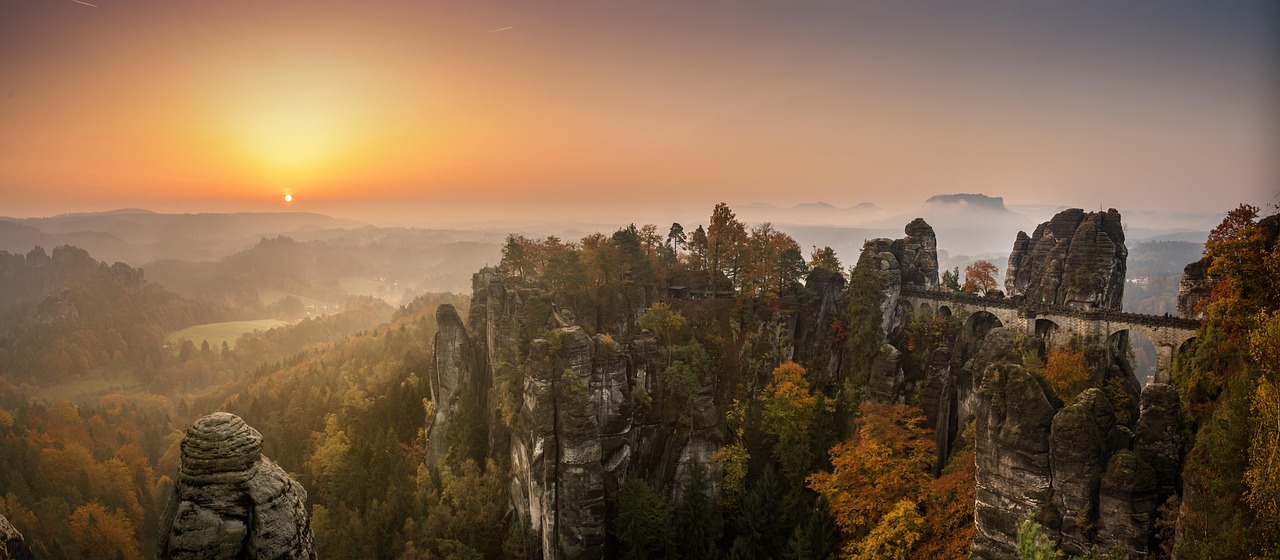
The Elbe Sandstone Mountains are one of Europe’s most surprising mountain regions. Technically they’re “only” up to about 560 m above sea level, but ignore the numbers: this is a world of vertical drama – thousand-tower rock labyrinths, sheer cliff faces dropping to the broad Elbe River, deep mossy gorges, and airy stone bridges seemingly strung between pinnacles.
Unlike the Alps, the Elbe Sandstone Mountains feel intimate. Trails slip right past village gardens. You can leave a bakery with a still-warm Streuselkuchen, climb 300 meters of steps through beech woods, and be standing on a lofty rock terrace in under an hour. It’s this juxtaposition – human-scale villages, high drama rock – that makes this one of my favourite places in Europe for both families and serious hikers.
What makes the region compelling in 2026:
- World-class viewpoints like the Bastei, Schrammsteine, and Königstein Fortress – iconic must-see attractions in Elbe Sandstone Mountains.
- Extraordinary rock formations that have made it a cradle of free climbing and an outdoor playground for over 150 years.
- Excellent public transport – you can build a 4, 5, 6, or 7 day itinerary for Elbe Sandstone Mountains entirely on trains, ferries, and buses.
- Rich cultural layer – spa traditions in Bad Schandau, historic riverboats, painters’ trails, and strong local customs.
- Affordable by alpine standards – especially compared to Switzerland or Austria, this is a very budget-friendly “mountain” destination.
Whether you want a 4 day itinerary in Elbe Sandstone Mountains focused on the highlights, or a slower 7 day itinerary for Elbe Sandstone Mountains that wanders into less visited valleys and villages, this region rewards lingering.
Table of Contents
- 1. Overview of the Region & How It Fits into Germany
- 2. 4–7 Day Itineraries (With Personal Daily Stories)
- 3. 15 Signature Peaks, Valleys, Passes & Villages – In Depth
- 4. Mountain Dining & Local Food in Elbe Sandstone Mountains
- 5. Evenings in the Elbe Sandstone Mountains
- 6. What’s New in 2026–2027: Events & Changes
- 7. Cultural Etiquette & Local Customs
- 8. Day Trips & Nearby Attractions
- 9. Practical Travel Advice & Money-Saving Tips
- 10. Mountain-Specific Logistics & Safety
- 11. Summary & Final Recommendations
1. Overview of the Elbe Sandstone Mountains
The Elbe Sandstone Mountains straddle the German–Czech border along the Elbe River, about 30–45 minutes southeast of Dresden by train. On the German side they’re called Sächsische Schweiz (Saxon Switzerland); on the Czech side, České Švýcarsko (Bohemian Switzerland). This guide focuses mainly on the German side, but I’ll point out cross-border detours where it makes sense.
Altitudes are modest – the highest point on the German side is the Großer Zschirnstein at 561 m – but what matters are the relative heights. Sandstone mesas rise 200–300 m above valley floors, carved into free-standing towers, ravines, and natural bridges. The Elbe itself slices through in a broad, majestic curve, with cliffs on either side.
For trip planning:
- Best bases: Bad Schandau, Rathen, Königstein, Pirna, and Hohnstein on the German side.
- Getting there: Direct trains from Dresden run frequently along the Elbe; you can step off almost at the mouth of the gorges.
- Best seasons:
- April–June: Wildflowers, clear air, long hiking days.
- September–October: Warm colours, quieter trails.
- Winter: Magical if you’re prepared for ice and shorter days; limited services in some villages.
2. 4–7 Day Itineraries for Elbe Sandstone Mountains
Below I sketch flexible itineraries that can be adjusted to your energy level and weather. Each day combines must-see attractions in Elbe Sandstone Mountains with one or two hidden gems. I’ll reference detailed sections later on so you can dive deeper into each place.
2.1 A 4 Day Itinerary for Elbe Sandstone Mountains – “First Time Highlights”
This 4 day itinerary in Elbe Sandstone Mountains is ideal if you’re visiting for the first time and want the iconic views without feeling rushed. I’ll assume you’re based in Bad Schandau, which has the best balance of transport, food, and spa comforts.
Day 1 – Bastei & Rathen: The Classic Introduction
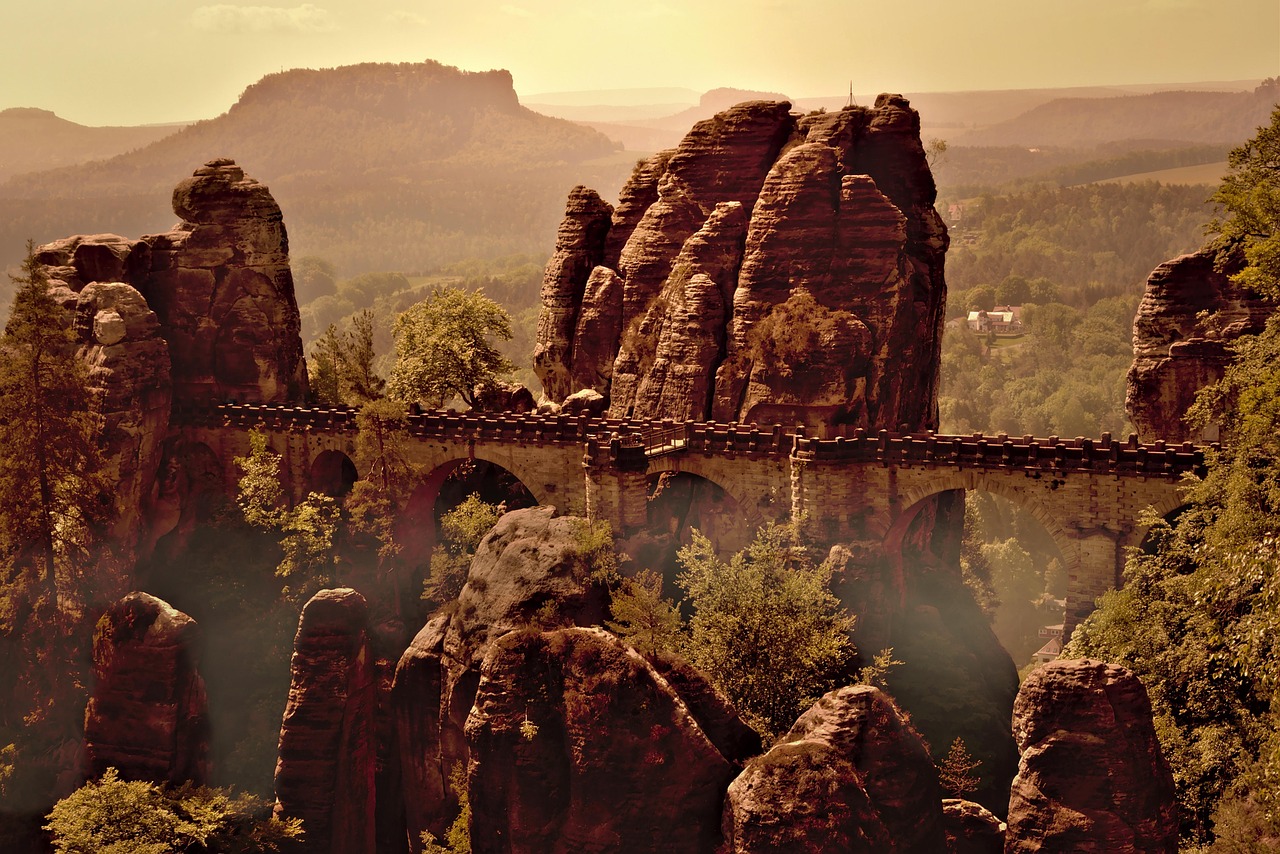
I like to start people at the Bastei
On my last visit in May 2025, I caught the 08:00 train from Bad Schandau to Kurort Rathen (10 minutes) and was on the rock bridge by 09:00 – early enough for soft light and relatively few tour groups.
Suggested plan:
- Take the train to Rathen, cross the river by the small passenger ferry, and follow the well-marked path to the Bastei (around 40–50 minutes uphill).
- Spend time on the main viewing platforms, then continue to the Felsenburg Neurathen (rock castle ruins) for a more intimate feel of the cliffs.
- Loop back via quieter forest paths toward Wehlgrund and Amselgrund.
For families, this is perfect: relatively short distances, lots of viewpoints, and a fun ferry ride. For couples, I recommend staying up there for a late morning coffee at the Panorama-Restaurant Bastei, even if the prices are tourist-heavy; the view is worth a splurge.
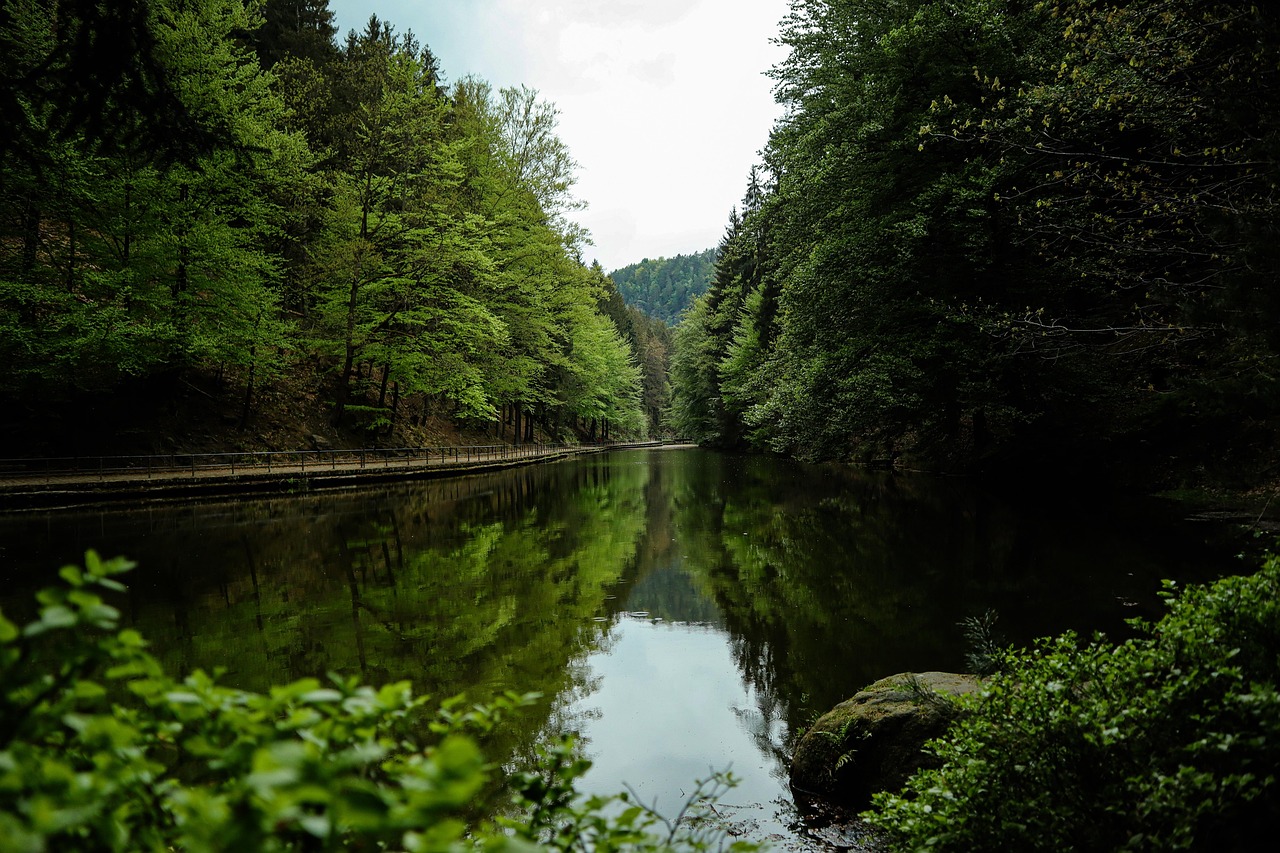
Back in Rathen, I usually grab lunch at one of the riverside restaurants – trout is common and excellent – then walk up the Amselgrund valley to the Amselsee, a small lake where you can rent rowboats. Children adore it, and it’s a gentle counterpoint to the morning’s drama.
Tips:
- Timing: Go early or late to avoid the heaviest crowds at Bastei.
- Tickets: The Bastei viewpoints are free; there’s a small fee for the Felsenburg Neurathen.
- Footwear: Sturdy shoes – there are steps, roots, and some uneven sandstone.
Day 2 – Schrammsteine Ridge: Airy Ladders & Epic Views
The Schrammsteine are where most first-time visitors gasp and say, “I had no idea Germany looked like this.” Jagged cliffs, iron staircases hugging the rock, and sweeping panoramas over a sea of towers. This is one of the essential things to do in Elbe Sandstone Mountains for hikers.
From Bad Schandau, I take the Kirnitzschtalbahn tram into the Kirnitzsch Valley and get off at Ostrauer Mühle. From there, you climb steadily into the rocks. My favourite circuit is:
- Ostrauer Mühle → Schrammstein-Aufstieg (steep ascent with ladders) → Schrammstein-Gipfelweg (ridge walk) → Wildschützensteig → descent via Lattengrund.
It’s not technically difficult, but you should be sure-footed and okay with heights; some iron staircases are exposed. I took my niece (11) on this route last autumn, and she was fine with close supervision – but I wouldn’t recommend it for very small children or anyone with vertigo.
Food & breaks:
- Pack a picnic; there’s no hut directly on the ridge.
- Back in the valley, the Gasthaus Lichtenhainer Wasserfall does hearty Saxon classics and cake; it’s a good early dinner stop.
Day 3 – Königstein Fortress & Lilienstein Mesa
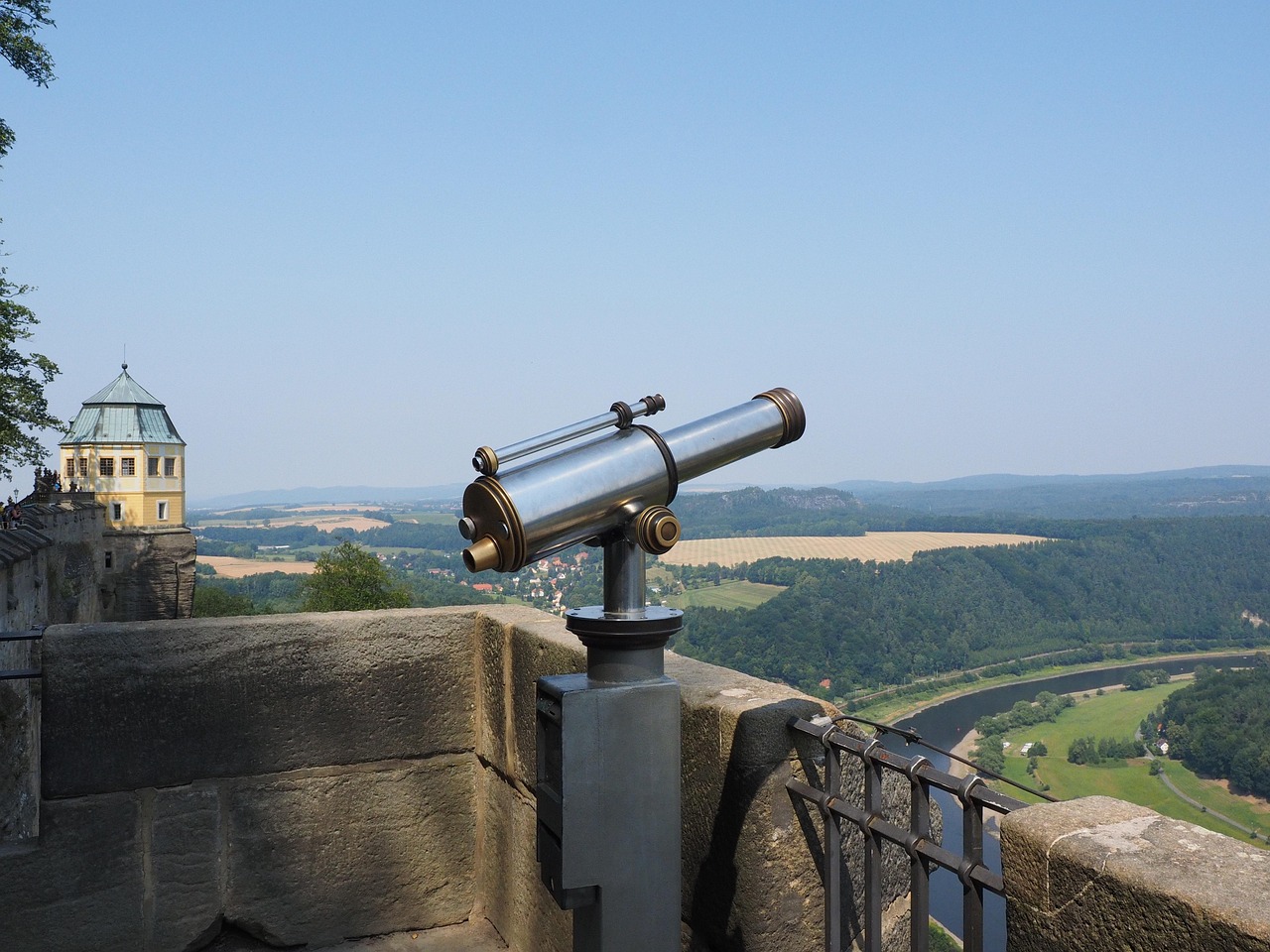
Day three is a blend of history and hiking. The Festung Königstein is one of Europe’s largest hilltop fortresses – a flat-topped mesa converted into a self-contained military city, never conquered in its 750+ years. It’s a must-see attraction in Elbe Sandstone Mountains even if you’re not usually a “castle person.”
I like to ride the train to Königstein, walk through the old village (stop at a bakery for a Quarktasche), then take the footpath up instead of the shuttle bus. The climb is about 30–40 minutes and gives you the satisfying sense of “approach” that the bus lacks.
Inside the fortress, plan 2–3 hours: there are exhibitions on its role as a state prison, a WWII POW camp, and a safe deposit for state treasures, plus sweeping views in all directions. In 2026, a new multimedia exhibit on “Everyday Life in the Garrison” is opening, making it even more engaging for families.
In the afternoon, cross the river (ferry or train bridge + short walk) and climb the iconic Lilienstein, a proud mesa that stands alone above the Elbe. Its altitudes:
- Height: 415 m
- Vertical gain from Elbe: roughly 250 m
There are two main routes – from the north (village of Waltersdorf) and from the south (from the Lilienstein parking above the river). I tend to choose the south route for the classic approach and the north for quieter, more forested trails.
Tip: Time your climb for late afternoon; sunsets from Lilienstein are among the finest in the region if weather cooperates.
Day 4 – Kirnitzsch Valley & Hohnstein: Forests, Cliffs, and a Castle Village
On your last day, ease into the region’s quieter side. The Kirnitzschtal is a deeply wooded valley with a vintage tram line, waterfalls, and access to many less crowded rock formations. It’s one of my favourite places when I want to feel small in the best way.
Start with the tram all the way to its terminus at the Lichtenhainer Wasserfall. The waterfall is modest but the surrounding rock amphitheatre is atmospheric. From there you can hike deeper into the forest toward the Kuhstall rock arch (details later), or do shorter loops.
Later, loop back toward Hohnstein, a hilltop village crowned by a castle. On a drizzly afternoon in March 2024, I ducked into a café there and watched the mist drift between rock towers – one of those small, quiet travel memories that sticks longer than many grand views.
Why this works for 4 days: You’ve now hit the Bastei, Schrammsteine, Königstein, Lilienstein, plus at least one gorge and one traditional village. It’s a solid introduction that balances some of the most famous things to do in Elbe Sandstone Mountains with time to just sit by the river and absorb.
2.2 A 5 Day Itinerary for Elbe Sandstone Mountains – “Add a Gorge & a Cross-Border Taste”
If you have 5 days in Elbe Sandstone Mountains, I recommend following the 4-day structure and adding one deeper gorge hike plus a foray into the Czech side.
Day 5 – Schmilka, Großer Winterberg, and Bohemian Switzerland
Schmilka is a tiny, almost theatrical village at the Czech border, all half-timbered houses and a watermill bakery. It has become something of a wellness and eco-hotel hub. In the last few years I’ve spent several long weekends here, using it as a base for long ridge walks.
Option A – Großer Winterberg (Germany):
- From Schmilka, cross the Elbe by ferry and head up to Großer Winterberg (556 m), one of the highest points in the German part of the range.
- The ascent is steady but not technical; families with older children manage it fine.
- At the top: a restaurant and viewing tower (check 2026 opening times – it has had intermittent closures for renovation).
Option B – Cross into Bohemian Switzerland (Czech Republic):
- From Schmilka, follow marked trails over the border toward Mezni Louka and the Kamenice Gorge (Czech side).
- Boat rides through the gorge are very atmospheric but can be crowded in high season; arrive early.
- Note you’re crossing into another country – carry your passport, and check any current park regulations for 2026 (the Czech side has had closures due to past wildfires).
Back in Schmilka, reward yourself with an organic beer from the local brewery and a slice of cake from the Mühlenbäckerei (watermill bakery). There’s often live music in summer evenings – one of the better low-key cultural experiences in Elbe Sandstone Mountains.
2.3 A 6 Day Itinerary for Elbe Sandstone Mountains – “For Walkers Who Want to Dig In”
With 6 days in Elbe Sandstone Mountains, you can start to feel the logic of the landscape: how mesas, towers, and villages connect; how the Malerweg (Painter’s Way) long-distance trail weaves between them. I suggest:
- Days 1–4: As above (highlights).
- Day 5: Schmilka / Bohemian Switzerland crossover.
- Day 6: A full Malerweg-style stage between two villages – for example, Pirna to Stadt Wehlen, or Stadt Wehlen to Hohnstein.
On my last 6-day trip, I walked the Hohnstein–Altendorf stage of the Malerweg, passing viewpoints I’d never reached on day hikes. This kind of through-hike day rewards those who like to see both frontstage and backstage landscapes: tourist hotspots, yes, but also farm tracks, quiet woods, and hamlets where chickens still wander across the road.
2.4 A 7 Day Itinerary for Elbe Sandstone Mountains – “A Week in the Sandstone Labyrinth”
Spending 7 days in Elbe Sandstone Mountains is where you stop ticking off sights and start living here a little. Build your week as:
- Days 1–4: Core highlights (Bastei, Schrammsteine, Königstein, Lilienstein, Kirnitzsch Valley).
- Day 5: Schmilka and Großer Winterberg or Bohemian Switzerland.
- Day 6: One long Malerweg stage.
- Day 7: A “free choice” day – repeat your favourite area at slower pace, or seek out a real hidden gem such as Großer Zschirnstein, Papststein, or the lesser-visited Rauenstein near Wehlen.
On my last 7-day stretch here, that final day was on Großer Zschirnstein, where I met exactly four other people in six hours on a clear October weekday. From its broad plateau you can see deep into the Czech side, and on a crisp day the peaks feel like a raised relief map laid at your feet.
3. Fifteen Signature Peaks, Valleys, Passes & Villages – In Depth
Below are 15 of the best places to visit in Elbe Sandstone Mountains, grouped loosely by type. For each, I’ll outline what it’s like, how to get there, and what kind of traveler it suits (family, romantic, adventurous).
3.1 Bastei & Rathen
Altitude: approx. 305 m.
Best for: First-time visitors, photographers, families, sunrise/sunset chasers.
Base villages: Kurort Rathen (below), Wehlen, or Pirna.
Historically, the Bastei was already on the tourism map in the early 19th century, a favourite of Romantic painters and early hikers. The sandstone bridge was built in 1851, replacing an earlier wooden structure that linked rock towers for defensive purposes. Today it’s one of the defining must-see attractions in Elbe Sandstone Mountains.
My most powerful memory up here is a February morning: minus 8°C, the Elbe steaming faintly below, and a temperature inversion that left only the highest towers poking above a white cloud sea. A couple from Dresden produced a thermos of hot tea and shared it with me; we stood in silence for ten minutes, not daring to break the spell.
When to go: Off-peak hours (early or late) and shoulder seasons (April, October, even winter) are best. In high summer midday it can feel like a theme park.
Food & drink: The Bastei area itself is touristy and slightly overpriced, but the terrace cafés have unbeatable views. Down in Rathen, smaller inns offer more authentic local food – try Sächsischer Sauerbraten (marinated roast) or Eierschecke (layered cake).
Personal tip: From Rathen, wander the riverside promenade in the evening and listen for the faint echo of train horns bouncing off the cliffs – it’s oddly soothing.
3.2 Schrammsteine
Altitude: up to about 417 m along the ridge.
Best for: Adventurous hikers, photographers, climbers.
Base villages: Bad Schandau, Ostrau, Schmilka.
The Schrammsteine massif is a serrated line of rock, its name derived from an old word describing sharp, “scarred” rock. It’s a climbing paradise with hundreds of routes; you’ll often see roped parties inching up nearby towers as you walk the iron staircases.
My favourite Schrammsteine memory is a late-summer evening hike, when most people had headed down. I reached the main viewpoint just as swifts were looping and squealing above the rocks, the air still warm, the Elbe a sheet of amber metal far below. I walked most of the ridge in a kind of trance, alone except for a couple of local climbers quietly coiling ropes.
Safety: The trails are well-built but narrow and exposed in places. In wet or icy conditions, the iron steps can be treacherous. If you’re not comfortable with heights, opt for lower balcony trails instead of the upper ridge.
Food: Pack snacks; there’s no hut on the ridge. Back in the valley, the Forsthaus and other Kirnitzsch valley guesthouses offer classic Saxon dishes and decent vegetarian options.
3.3 Königstein Fortress & Village
Altitude: Mesa plateau at 361 m.
Best for: History buffs, families, bad-weather days.
Base: Königstein village, Bad Schandau, or Pirna.
Königstein has been a fortification site since at least the 13th century, evolving from medieval castle to massive bastion fortress. It served as a state prison (both political prisoners and notorious criminals), a refuge in wartime, and even an early tourism site in the 19th century.
Inside, I like to follow a loose loop: start with the deep well (152.5 m, one of the deepest in Europe), then climb the ramparts clockwise, dropping into exhibitions as curiosity strikes. Children love the canons and models; adults are drawn to the WWII stories and Cold War-era use as a military museum.
Personal tip: Even on a grey day, the views make it worth coming. I actually prefer Königstein when clouds are low; it suits its brooding aspect.
3.4 Lilienstein
Altitude: 415 m.
Best for: Sunset hikes, photography, couples.
Base: Königstein, Waltersdorf, Bad Schandau.
Lilienstein is the only mesa on the right bank of the Elbe and features prominently in many landscape paintings. Its flat top has several viewpoints; the most famous looks west over the Elbe bend and the Bastei ridge in the distance.
One July evening, I carried up a tiny picnic – cheese, rye bread, local apples, a small bottle of wine – and watched the sky shift through every shade of orange and mauve. A local couple had brought their dog and a thermos, nothing more. There’s a quiet, everyday romance to such evenings here: no alpine pomp, just rock, river, and sky.
Tip: Take a headlamp if staying for sunset; the descent involves steps and roots. In summer, insect repellent is also wise.
3.5 Kirnitzsch Valley (Kirnitzschtal)
Altitude: Valley floor around 200–250 m.
Best for: Families, relaxed walkers, rainy days, heritage tram fans.
Base: Bad Schandau, local guesthouses along the valley.
The Kirnitzsch valley is a deep, forested cleft running east from Bad Schandau. The Kirnitzschtalbahn, in operation since 1898, rattles along the road on narrow-gauge tracks, one of the few tramways that still runs into a national park.
My rainy-day ritual: ride the tram to Beuthenfall or Lichtenhainer Wasserfall, walk short loops under tall beech and spruce, stop at a guesthouse for soup and cake, and ride back with wet boots and a clear head.
Family-friendly note: There are many short, signed nature trails branching off the tram stops – ideal for little legs and for introducing kids to the forest without committing to a big climb.
3.6 Hohnstein
Altitude: Around 320 m.
Best for: Village atmosphere, shorter hikes, cultural experiences.
Base: Hohnstein itself (several inns and guesthouses).
Perched on a rocky spur, Hohnstein looks like the set of a German fairy tale – castle, church, clustered roofs, and steep streets. Historically it was a small market town; today it’s a quieter alternative to the river villages, beloved by hikers who want to step directly onto trails.
I once spent a snow-dusted Advent weekend here. The little Christmas market in the main square glowed under lanterns, local choirs sang, and the smell of Glühwein and grilled sausages hung in the cold air. It felt almost impossibly cosy.
Hiking: From Hohnstein you can access the Brand viewpoint (often called the “Balcony of Saxon Switzerland”), plus various Malerweg stages.
3.7 Bad Schandau
Altitude: Around 120 m at river level.
Best for: Spa relaxation, central base, transport hub.
Seasonal base: Year-round; especially nice in shoulder seasons.
Bad Schandau is the beating heart of the German side of the Elbe Sandstone Mountains. A spa town since the 18th century, it has a handsome riverfront, a mix of 19th-century villas and modern hotels, and the excellent Toskana Therme – a thermal spa that’s perfect after long hikes.
As a travel writer, I often base myself here because you can turn almost any direction and find a new trail or viewpoint, yet still come “home” to good bakeries, supermarkets, and a choice of restaurants.
Personal favourite: Early morning walks along the Elbe promenade before the day-trippers arrive, with the first light catching the fortress and mesas upstream.
3.8 Schmilka
Altitude: Around 120 m by the river.
Best for: Romantic stays, eco-tourism, border hikes.
Seasonal base: Spring to autumn (some places close in deep winter).
Schmilka is tiny but characterful, with a strong focus on organic, sustainable tourism. The restored watermill bakery, a microbrewery, and carefully renovated guesthouses make it feel curated but still rooted in local traditions.
I’ve spent a couple of winter nights here with snow on the roofs and the ferry rhythmically crossing a quiet Elbe. It’s one of my top picks for couples who want a romantic base with direct access to serious hiking.
3.9 Großer Winterberg
Altitude: 556 m.
Best for: Longer hikes, forest lovers, cooler temperatures in summer.
Base: Schmilka, Bad Schandau.
Großer Winterberg is more about forest atmosphere than sharp rock drama. The plateau is heavily wooded, but there are viewpoints and a tower offering big panoramas. In hot summers, it’s a blessedly cooler place to wander.
Note 2026: Check current information on renovations of the summit facilities; the park authority has been upgrading paths and structures in phases.
3.10 Großer Zschirnstein
Altitude: 561 m (highest point in Saxon Switzerland).
Best for: Solitude, long views, experienced hikers.
Base: Bad Schandau, Königstein, local guesthouses in smaller villages.
Broad and plateau-like, the Großer Zschirnstein sits a little away from the main tourist flows. The hike in is longer and less obviously dramatic at first, but the reward comes when you reach the cliff edge: a vast panorama over mesas and towers, with the Czech side stretching away.
Personal moment: One quiet weekday I watched a storm sweep across the Czech hills, lightning silently flickering in the distance like a turned-down light show, while my side of the border stayed dry. Nature’s reminder that borders mean nothing to clouds.
3.11 Kuhstall & Neumannmühle
Altitude: Around 337 m.
Best for: Families, moderate walkers, history buffs.
Base: Kirnitzsch Valley guesthouses, Bad Schandau.
The Kuhstall (literally “cow stable”) is the second-largest rock arch in Saxon Switzerland. Legend says locals hid cattle here during wartime raids – hence the name. The ascent is on good paths with some steps; at the top, children love exploring the cavernous arch.
A hidden bonus is the narrow “Himmelsleiter” (ladder to heaven) crevice, where you can scramble to an even higher viewpoint; it’s narrow but not technical.
3.12 Brand Viewpoint (“Balkon der Sächsischen Schweiz”)
Altitude: Around 320 m.
Best for: Big panoramas with café comforts.
Base: Hohnstein, Bad Schandau.
The Brand viewpoint offers one of the broadest panoramas in the region and has been a classic excursion since the 19th century. There’s a mountain inn here – Brand-Baude – where you can sip coffee on the terrace and gaze at the rock sea below.
Personal favourite: Arriving by a longer forest approach and descending via the steep Brand steps into the Polenztal valley, you get a lovely sense of vertical transition from airy heights to enclosed riverside.
3.13 Stadt Wehlen & Rauenstein
Altitude: River level around 120 m; Rauenstein summit around 303 m.
Best for: Quieter river village vibes, moderate hikes.
Base: Stadt Wehlen.
Stadt Wehlen is smaller and less tour-busy than Rathen, with pastel houses clustered along the river. Above it rises the Rauenstein, a rocky ridge with splendid views back toward the Bastei.
I like to walk a loop: Wehlen → ascent to Rauenstein → traverse the ridge → down toward Rathen → ferry or train back. It’s a great half-day for those wanting some height without too much exertion.
3.14 Papststein & Gohrisch
Altitude: Papststein 451 m, Gohrisch 448 m.
Best for: Sunset hikes, off-the-beaten-path feeling, families.
Base: Bad Schandau, Gohrisch village.
These twin mesas south of Bad Schandau are beloved by locals for evening walks. Trails are well-marked, with some steps and simple iron ladders, but nothing too exposed for most hikers. At the top: broad rock terraces perfect for sprawling with a picnic.
Personal anecdote: One June evening, I shared the Papststein summit with a group of local teenagers celebrating the end of school exams. They had a portable speaker quietly playing 80s rock, and a bag of supermarket snacks; the mood was gentle, celebratory, entirely non-rowdy. We all applauded as the sun dipped and lit the Bastei ridge far off in molten gold.
3.15 Pirna
Altitude: Around 120 m.
Best for: Historic town charm, gateway to the region, rainy-day strolls.
Base: Great if you want to blend town and country.
Pirna sits at the western gateway to Saxon Switzerland and has a beautifully preserved old town that escaped heavy WWII damage. Painters of the Romantic era, including Canaletto, captured its riverside silhouette.
On days when the weather in the mountains is stubbornly wet, I often retreat to Pirna’s cafés, browse small galleries, and walk the cobbled streets. It’s also an excellent restaurant town – more variety than the smaller villages, and a chance to dive into wider Saxon culinary traditions.
4. Mountain Dining & Local Food in the Elbe Sandstone Mountains
The food culture here reflects both Saxon heartiness and modern influences. While you won’t find Swiss-style fondue huts, you will encounter:
- Hearty meat dishes: roast pork with dumplings, Sauerbraten, game in autumn.
- River fish: trout and char from local streams and the Elbe.
- Excellent baking: Eierschecke, Streuselkuchen, fruit tarts, and seasonal specialties.
- Forest flavours: mushrooms, berries, game.
Refuges here are more like Bauden (mountain inns) than high alpine huts. You can’t usually sleep high on the rock plateaus, but you can eat and drink wonderfully well at:
- Brand-Baude (Brand viewpoint) – coffee, cake, simple hot meals with a view.
- Papststein-Baude – casual terrace with sunset-facing benches.
- Großer Winterberg restaurant – check 2026 status, but typically offers regional dishes and beer.
Coffee culture is strong: many hikes here are designed (consciously or not) around coffee-and-cake stops. It’s entirely normal (and delightful) to schedule a mid-hike Kaffee und Kuchen at a mountain inn, then a second in a village later.
Vegetarians & vegans: Things have improved drastically in the last decade. Most menus now offer at least a couple of meat-free mains – think mushroom dishes, cheese dumplings, salads, and seasonal vegetable plates. Vegans need to look a bit harder, but in Pirna, Bad Schandau, and Schmilka you’ll find explicitly vegan-friendly spots.
Money-saving tip: To save in this relatively affordable but still touristy region, stock up on picnic supplies in supermarkets (Pirna, Bad Schandau) and use mountain inns for one main meal a day rather than every snack. Refilling water from inns or fountains (where marked safe) is also cheaper than constant bottled water.
5. Evenings in the Elbe Sandstone Mountains
Evenings here don’t have the wild après-ski energy of big alpine resorts, but that’s exactly why I like them. Think:
- Riverside strolls in Bad Schandau, Königstein, or Rathen, watching barges slide past under cliffs.
- Sauna & spa sessions at Toskana Therme in Bad Schandau – especially blissful in winter.
- Inn evenings with local beer, conversation, and the clink of cutlery rather than thumping music.
- Stargazing from quieter viewpoints like Papststein or Großer Zschirnstein on clear nights; light pollution is low once you’re away from Dresden.
Seasonal festivals and events in 2026–2027 (see next section) often include night-time concerts, open-air theatre at Königstein, or illuminated riverfronts. If you’re here in Advent, the Christmas markets in nearby Dresden and Pirna are a major draw and easy evening outings by train.
6. What’s New in 2026–2027: Events & Changes
While specific programming can shift, as of planning for 2026 the region is emphasizing:
- “Year of the Malerweg” (2026) – celebrating 20 years since the modern relaunch of the Painter’s Way long-distance trail. Expect:
- Guided themed hikes (Romantic painters, geology, forest ecology).
- Pop-up trail exhibitions in Pirna, Bad Schandau, and Hohnstein.
- Special multi-day Malerweg packages from local hotels.
- Fortress Königstein Open-Air Series (summer 2026 & 2027) – concerts and theatre in the fortress courtyards: classical, jazz, and occasionally rock.
- Elbe Sandstone Climbing Festival (autumn 2026) – a gathering of traditional sandstone climbers, with lectures, film screenings, and guided introduction courses (respecting strict local rules).
- Schmilka Eco-Wellness Weeks (spring & autumn) – themed around slow tourism, organic food, forest bathing, and yoga in nature.
Always check regional tourism websites (Saxon Switzerland National Park, local tourism offices) closer to your dates; programming and dates can shift with funding and weather, but 2026–2027 is shaping up to be a vibrant period for cultural experiences in Elbe Sandstone Mountains.
7. Cultural Etiquette & Local Customs
Saxony is friendly but a bit reserved compared to some regions. A few simple habits will help you blend in and show respect.
- Greetings: Say Guten Tag when entering small shops, cafés, or mountain inns, and when passing hikers on quieter trails. A simple nod or Hallo is appreciated.
- Language: Many younger people speak English, but not all. A few German phrases go a long way, especially in smaller villages.
- Trail behaviour:
- Stay on marked paths – the fragile sandstone and unique flora are easily damaged.
- Dogs should be on leads in the National Park.
- Carry out all trash; bins are not everywhere.
- Climbing rules: The region has strict traditional climbing ethics (no metal protection, no chalk, specific route rules). If you’re a visiting climber, book with a local guide or thoroughly learn the local regulations before heading out.
- Quiet hours: In villages, respect typical German quiet hours (roughly 22:00–06:00). Evenings are calm; loud balcony parties are frowned upon.
- Cash & tipping: Cards are increasingly accepted, but some small inns and guesthouses still prefer cash. Tipping of 5–10% in restaurants (or rounding up) is customary.
8. Day Trips & Nearby Attractions
The Elbe Sandstone Mountains sit in a rich cultural region; you can easily combine hiking with city or castle days.
- Dresden (30–45 minutes by train) – Baroque architecture, excellent museums (Zwinger, Green Vault), and a beautiful riverside setting. Ideal as a pre- or post-hike base.
- Pillnitz Palace – On the Elbe east of Dresden, with gardens and river views; easily reached by train + short bus or by seasonal riverboat.
- Bohemian Switzerland National Park (Czech side) – Including Pravčická brána (rock arch; check 2026 access status) and Kamenice gorge boat rides. Passport required; Czech crowns or card needed for some payments.
- Meißen – Upstream on the Elbe from Dresden, famous for porcelain and a hilltop cathedral; a good wine-tasting and old-town wander day.
Trains along the Elbe are frequent and scenic, so you can base in the mountains and pop into Dresden for a concert or exhibition without needing a car.
9. Practical Travel Advice & Money-Saving Tips
9.1 Getting Around: Public Transport vs Car
One of the joys of this region is how easily you can travel without a car.
- Trains: The S-Bahn line from Dresden runs along the Elbe, stopping at Pirna, Stadt Wehlen, Rathen, Königstein, Bad Schandau, Schmilka, and on to the Czech border and beyond. They’re frequent, scenic, and punctual.
- Buses: Link hilltop villages and trailheads not on the rail line; check local timetables in advance, especially on weekends.
- Ferries: Small ferries cross the Elbe at several points (Rathen, Königstein, Bad Schandau, Schmilka). They’re part of the rhythm of local life.
- Trams: The Kirnitzsch valley tram from Bad Schandau into the forest is both transport and attraction.
A car gives more flexibility for remote trailheads like Großer Zschirnstein or some plateau villages, but is absolutely not required for a classic 4–7 day itinerary for Elbe Sandstone Mountains.
Foreign driver’s licences: Most non-EU licences are accepted in Germany for short stays (up to 6 months), but an International Driving Permit is recommended, especially if your licence is not in Roman script.
9.2 SIM Cards & Connectivity
Germany’s mobile coverage is generally good in towns and villages, but expect patchy or absent signal deep in gorges or behind rock walls.
- eSIM & prepaid: In 2026, eSIM providers (regional and global) make it easy to get data-only plans before arrival. For local numbers, pick up a prepaid SIM from major carriers (Telekom, Vodafone, O2) in Dresden or larger towns.
- Wi-Fi: Most hotels and many cafés offer free Wi-Fi, though speeds in smaller guesthouses can be modest.
9.3 Visas & Entry
The Elbe Sandstone Mountains are in Germany, a Schengen Area country. Visa requirements depend on your nationality.
- EU/EEA/Swiss citizens: ID card or passport; no visa needed.
- Many other nationalities: 90-day Schengen tourist stay without visa; check your country’s status.
- Some nationalities: Need a Schengen visa obtained in advance.
If you plan cross-border hikes into the Czech side, this doesn’t change your visa needs if both countries are within your Schengen allowance – but always carry your passport.
9.4 Costs & Money-Saving Strategies
Compared to the Alps, this region is budget-friendly, though prices have risen since 2020.
- Accommodation:
- Guesthouses: 50–90 € per double room.
- Mid-range hotels: 80–140 €.
- Upscale spa hotels: 140–250 €+.
- Meals:
- Main dishes in village inns: 12–20 €.
- Coffee & cake: 5–8 €.
- Picnics from supermarkets are much cheaper.
- Transport: Day passes for regional trains and buses can be excellent value, especially the Saxony regional tickets.
Money-saving tips:
- Base yourself in one place (Bad Schandau, Pirna) to get weekly accommodation discounts rather than hopping every night.
- Use picnic lunches and one hot restaurant meal per day.
- Buy regional rail passes rather than single tickets if you plan multiple hops.
- Travel in shoulder seasons (April–May, late September–October) for better deals and fewer crowds.
9.5 Where to Stay: Village vs Slope-Side vs “Refuge”
You don’t have ski-in-ski-out resorts here; think in terms of:
- River villages (Rathen, Königstein, Bad Schandau, Schmilka):
- Best for first-timers and those relying on public transport.
- Easy access to multiple valleys and peaks.
- Atmospheric evenings by the river.
- Hilltop villages (Hohnstein, Gohrisch, Papstdorf):
- Quieter, often cheaper.
- Direct access to less-trafficked trails.
- Mountain inns (Bauden):
- Occasional options to stay near high viewpoints (check Brand, Papststein, etc.).
- Great for sunrise/sunset lovers; more limited nightlife.
10. Mountain-Specific Logistics & Safety
10.1 Altitude & Acclimatisation
Altitude sickness is not a concern here – the highest points are under 600 m. What matters more is vertical gain and the cumulative effect of stair-heavy trails on your legs and knees.
Tip: If you’re not used to climbing, start with moderate days (Bastei, Rauenstein) before tackling Schrammsteine or longer Malerweg stages.
10.2 Weather, Storms & Seasonal Closures
Weather can change quickly, especially in shoulder seasons:
- Spring (March–May): Unstable, with sudden showers and occasional late snow in March. Trails can be muddy but wildflowers and fresh green forests are stunning.
- Summer (June–August): Warm to hot (25–32°C typical), thunderstorms in late afternoon. Start hikes early, especially exposed ones.
- Autumn (September–November): Often the best combination of stable weather and colour. Foggy mornings are common and beautiful.
- Winter (December–February): Short days, possible snow and ice. Some trails become slippery; microspikes can be helpful. Some inns close or shorten hours.
Rockfall and storm damage can cause temporary trail or area closures. Always check the Saxon Switzerland National Park website or local tourist offices for up-to-date information, especially after major storms.
10.3 Avalanche Risk
There is no classic alpine avalanche risk here – altitudes and snowpacks aren’t comparable to the Alps. However, in snowy winters, icy paths and overhanging snow on rock ledges can be hazardous. Treat exposed, snowy sections with care.
10.4 Gear & Clothing
For most 4–7 day itineraries in Elbe Sandstone Mountains, you’ll want:
- Sturdy hiking shoes or light boots with good grip (sandstone + mud can be slick).
- Layered clothing; even warm days can cool quickly in forests and on exposed ridges.
- Waterproof jacket, especially in spring/autumn.
- Daypack with 1–2 L of water, snacks, map/gps, basic first aid.
- Headlamp if you plan sunrise/sunset hikes.
- Optional light microspikes in winter for icy stairways.
10.5 Rescue, Insurance & Trail Safety
Mobile coverage is patchy in gorges; don’t rely solely on your phone for navigation or emergencies.
- Emergency number: 112 across the EU.
- Mountain rescue: Integrated into regular emergency services; response times depend on terrain and weather.
- Insurance: Make sure your travel insurance covers hiking and, if applicable, climbing, including rescue costs.
Stay behind railings and on marked paths at viewpoints; sandstone edges can be undercut and unstable. Every year there are avoidable accidents from selfie-driven boundary pushing.
10.6 Cable Cars, Lifts & Pass Strategy
Unlike big alpine regions, there isn’t a dense network of cable cars. Two useful ones:
- Bad Schandau elevator (Personenaufzug): A historic lift taking you from the town up to the Ostrau plateau – handy for Schrammsteine approaches.
- Obere Schleuse boats (Czech side): Not a cable car, but boat rides through gorges can save time and energy.
There’s no ski area here in the classic sense; you won’t be dealing with ski passes or lift queues. Your “strategy” is more about choosing which combination of trains, buses, and ferries will get you to your trailheads most efficiently – something local tourism offices are very good at advising on.
10.7 Best Seasons for Hiking, Flowers, Fall Colour & (Modest) Winter Activities
Hiking: April–June and September–October are ideal – mild temperatures, manageable crowds.
Wildflowers: April–May in lower forests and meadows; later on higher plateaus.
Fall colours: Mid-October is usually peak, but it can shift by a week or two depending on the year.
Winter: Great for frosty landscapes, mist in valleys, and spa time. Some locals cross-country ski on plateaus when snow allows, but this is not a ski resort region.
11. Summary & Final Recommendations
The Elbe Sandstone Mountains are an ideal region if you love mountains but don’t need 3,000 m peaks to feel awe. Instead, you get:
- A labyrinth of rock towers, mesas, and gorges that feels larger than the map suggests.
- Villages where bakery smells drift into the street at dawn and hikers clatter down cobbles at dusk.
- Accessible yet adventurous trails: iron staircases, airy viewpoints, and deep mossy valleys.
- Rich layers of history, from Romantic painters to fortress intrigue to traditional climbing culture.
For most visitors, the best time to visit Elbe Sandstone Mountains is:
- Late April–June: Fresh green forests, flowers, comfortable hiking temps.
- September–mid-October: Stable weather, golden light, beautiful colours.
If you have 4 days, focus on the essentials – Bastei, Schrammsteine, Königstein, Lilienstein, and at least one gorge or quiet valley. With 5–6 days, add Schmilka, Großer Winterberg, and a Malerweg stage. With a full 7 days in Elbe Sandstone Mountains, you can slow down, nest in a village inn, revisit favourite spots in different lights, and explore true hidden gems like Großer Zschirnstein or Papststein.
My own advice, after years of coming back, is simple: give yourself time. Time to linger on a viewpoint after the camera is back in the bag, time to chat to a tram conductor or baker, time to walk the “in-between” stretches where nothing on the map has a star but everything feels quietly, stubbornly beautiful.