Why Visit Eltz Castle – What Makes It So Special?
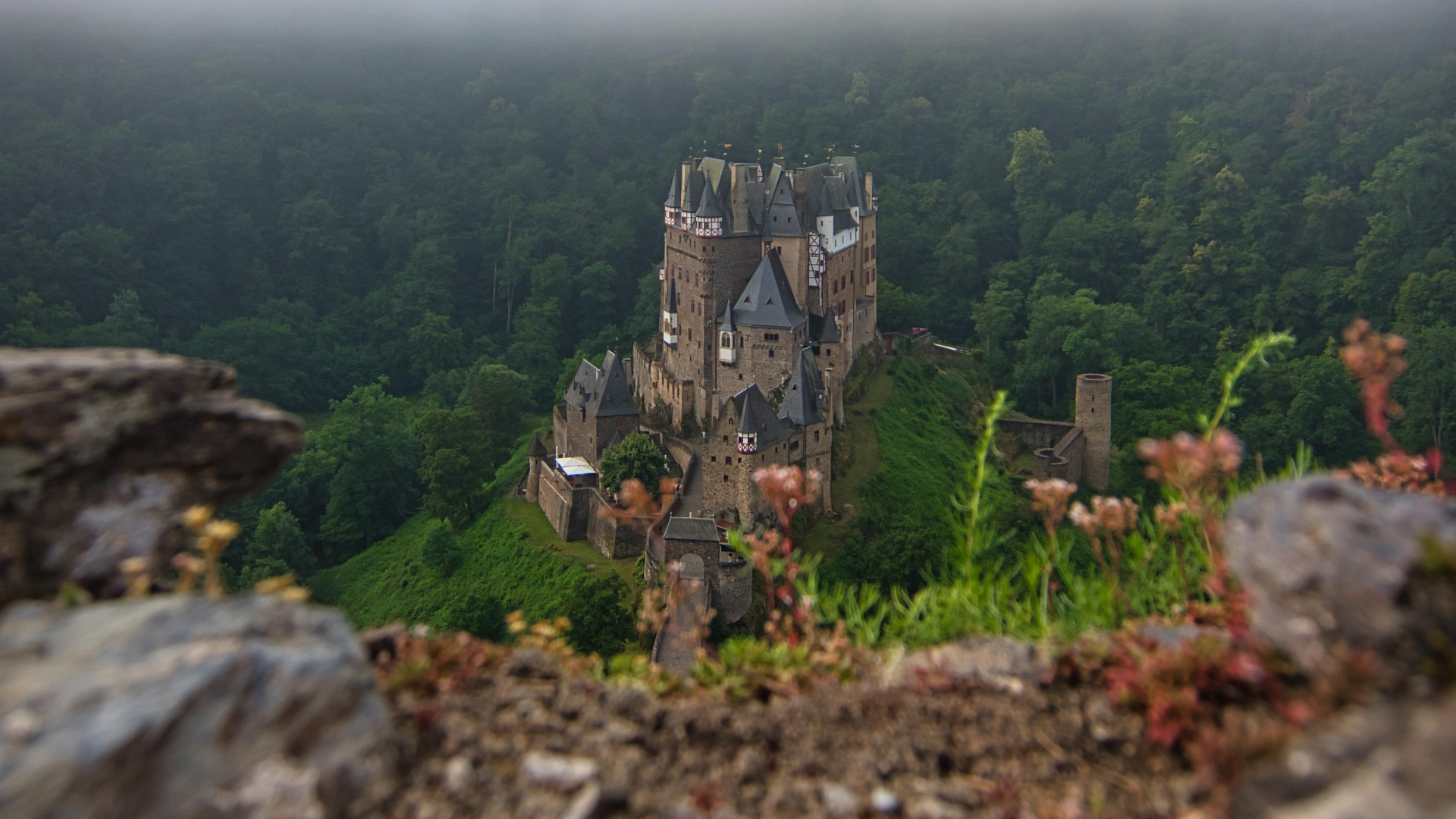
Eltz Castle (Burg Eltz) is the rare European castle that lives up to the fantasy in your head. It rises out of a forested valley in the Eifel region of western Germany, hovering above the Elzbach stream like something from a storybook. When I first rounded the final bend of the approach road and saw the spires and half-timbered upper floors backlit by morning haze, I actually stopped speaking mid-sentence. And I write about castles for a living.
What makes Eltz Castle different from the many “must-see” castles in Germany is threefold:
- It’s authentic, not a 19th-century fantasy. While Neuschwanstein is gorgeous but essentially a royal theme park, Eltz has been a lived-in fortress since the 12th century and has never been destroyed. The same noble family has owned it for over 850 years.
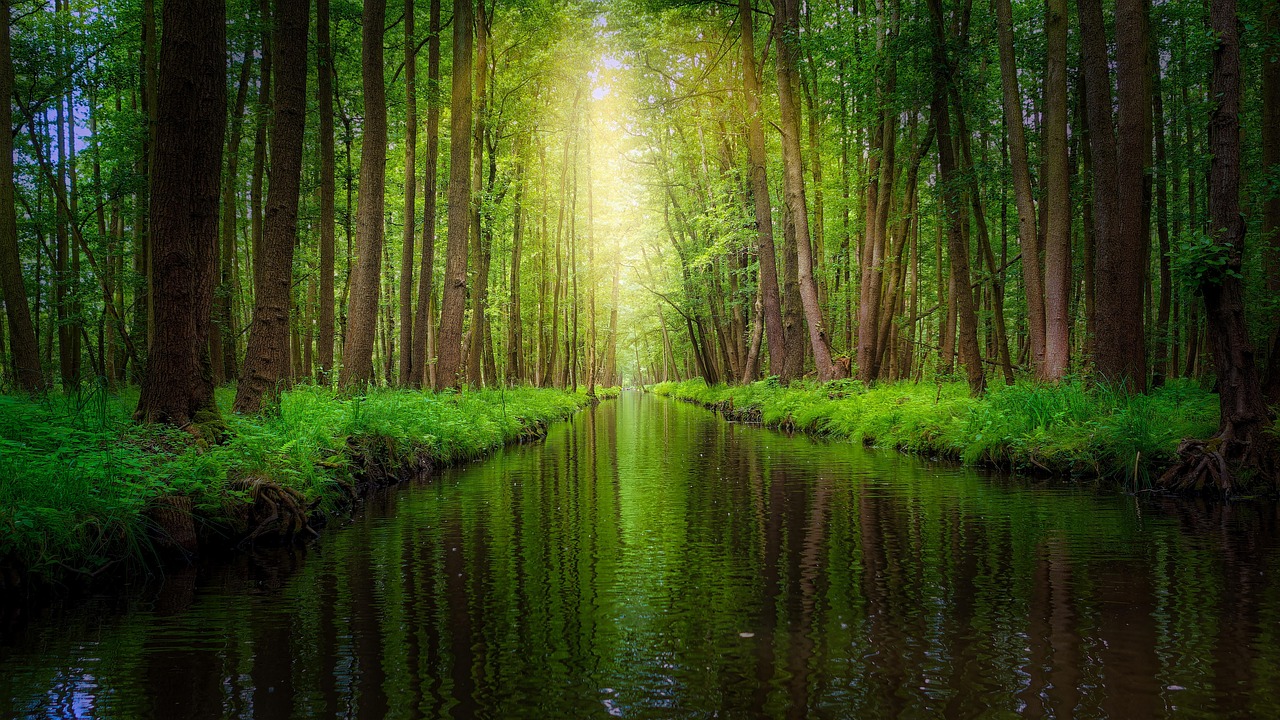
- Its setting is wild and intimate. The castle doesn’t dominate a city or river crossroads; it hides in a steep, wooded valley. Forest trails, birdsong, and the smell of damp leaves are part of the experience.
- It’s big enough to explore, but small enough not to exhaust you. You can see the castle’s interiors in about an hour on a guided tour, then spend the rest of your day hiking, picnicking, exploring nearby villages, and tasting local Riesling.
Over multiple visits—spring 2022 in a drizzle, a heat-hazy July day in 2023, misty October 2024, and a crisp blue-sky visit in May 2025—I’ve learned that how you visit Eltz makes all the difference. Arrive at the wrong time and it’s a queue of selfie sticks at the gate. Come in the right season and hour, and it’s you, the ravens, and the clatter of your boots on ancient cobblestones.
This 2026 travel guide for Eltz Castle is written the way I’d talk you through it over a glass of Riesling in nearby Münstermaifeld: opinionated, specific, and honest. I’ll show you the must-see attractions in Eltz Castle, the best places to visit in and around the valley, how to visit Eltz Castle efficiently, and how to build a 1, 2, or 3 day itinerary for Eltz Castle depending on your time and energy.
Table of Contents
- Why Visit Eltz Castle
- Eltz Castle Overview & Practical Basics
- The Main Approach & Iconic Viewpoints
- Inside Eltz Castle: Rooms, Treasury & Courtyard
- 8 Key Sections, Viewpoints & Adjacent Sites
- 1, 2, and 3 Day Itinerary for Eltz Castle
- Eating & Drinking Around Eltz Castle
- Where to Stay Near Eltz Castle
- Eltz Castle After Dark & Off-Hours Magic
- Best Day Trips & Nearby Attractions
- Cultural Etiquette & Local Customs
- Tickets, Opening Hours, and On-the-Ground Logistics
- Practical Travel Advice: Transport, SIMs, Visas
- Events & What’s New in 2026–2027
- Summary & Best Time to Visit Eltz Castle
Eltz Castle Overview & Practical Basics
Where is Eltz Castle? Burg Eltz is tucked into the hills between Koblenz and Trier, in Rhineland-Palatinate (Rheinland-Pfalz). The nearest small town is Moselkern on the Moselle River; from there it’s a hike or shuttle up into the forested valley.
What kind of visit does Eltz Castle suit?
- Families: Kids instinctively “get” this place. It’s a real-life fairy-tale fortress, with armor, weapons, narrow staircases, and a treasury full of glittering objects.
- Couples: Between the romantic forest approach, riverside wine villages, and sunset viewpoints, Eltz is a quietly perfect romantic escape.
- Hikers & photographers: The trails around the Elzbach valley and the Mosel region are superb. Dawn and golden hour are particularly rewarding.
- History lovers: You’re walking through 800+ years of lived history, from Romanesque foundations to late-Gothic and Baroque touches.
How long do you need? You can do a 1 day itinerary for Eltz Castle comfortably—castle interior, main viewpoints, and a short hike. If you can stay one or two nights nearby, a 2 day itinerary for Eltz Castle or even a 3 day itinerary for Eltz Castle lets you fold in wine villages, extra hikes, and quieter, more atmospheric time on the trails.
Opening months & hours (typical 2026 season):
- Season: Early April–early November (exact dates announced in late winter; check the official Burg Eltz site).
- Hours: Usually around 9:30–17:30 daily in high season. Last castle tour typically starts 16:30–17:00.
- Off-season: Grounds may be accessible for hikes and exterior views, but interior tours typically stop; there are occasional special winter events, especially around Advent.
All details in this travel guide for Eltz Castle reflect the situation up to early 2026; always double-check a week or two before your visit, as German sites love a good “wegen Renovierung geschlossen” (closed for renovation) surprise.
The Main Approach: First Impressions & That Famous View
My favorite way to “arrive” at Eltz Castle is not by stepping out of a shuttle bus into a crowd, but by walking through the forest until the castle appears almost accidentally.
From the main visitor parking area above the valley, you have two choices:
- The paved shuttle road: A 1.2 km downhill walk (or shuttle) that brings you directly to the castle bridge. Easy, but less atmospheric.
- The forest trail: About 1.5–2 km through beech and oak woods, with occasional glimpses of the valley before the big reveal.
On my last October visit, I took the forest trail just after 8:00. The air smelled of wet leaves and woodsmoke from some distant farmhouse. I could hear the Elzbach stream long before I saw it. After about 20 minutes, the path curved, the trees thinned, and suddenly Eltz Castle was there—stone and slate against a pale sky, the morning mist still clinging to the towers. No queue, no chatter, just a raven croaking from the ramparts.
Tip: For photos, the best iconic viewpoint is actually just before you reach the stone bridge, on a slightly elevated bend of the road where you can frame the entire façade, bridge, and valley. Early morning (before 9:30) and late afternoon (after 16:30) give the most flattering light and fewer people.
Allow 20–30 minutes from the car park if you walk the forest route, more if you stop for pictures. For families with strollers, the paved route is easier, and the shuttle (for a small fee) can be a sanity-saver on the way back up.
Inside Eltz Castle: Courtyard, Guided Tour & Treasury
Crossing the stone bridge into the main gate is like stepping behind a stage set. The outer walls feel solid and defensive; inside, the castle opens into a surprisingly intimate courtyard, ringed by three family wings with stacked, timbered façades and pointed roofs.
Court of the three branches: Historically, three branches of the Eltz family shared the castle, each with its own wing, kitchens, and living spaces. You’ll see their coats of arms on doorways and stair turrets. One of my favorite things to do is simply stand in the courtyard for ten minutes, watching how the light creeps down the stone and timber as the morning goes on.
Guided interior tour:
- Format: Mandatory guided tours; you cannot wander the living quarters on your own.
- Languages: Regular tours in German; English tours are usually grouped. When demand is high, they provide English information sheets or audioguides if a specific English group is not available.
- Duration: About 35–45 minutes.
The tour takes you through key rooms: the Knights’ Hall, bedrooms, a small chapel, a kitchen, and several chambers filled with period furniture and paintings. The guide will point out details like a secret toilet (yes, medieval sanitation), hidden doors in paneling, and a ceiling painting where the original artist sneaked in his self-portrait.
Personal note: In high summer, the interior can feel crowded, but in shoulder season (late April or October) I’ve had tours with fewer than 10 people. That’s when you can really feel the creak of old boards and the chill in the thick stone walls.
The Treasury (Rüstkammer & Schatzkammer):
- Included in your ticket; you can visit independently.
- Features armor, weapons, ceremonial objects, jewelry, and religious art spanning eight centuries.
- Photography is usually allowed without flash, but always check current signs and respect any restrictions.
Don’t rush the treasury. The armor of the Eltz knights, some shaped remarkably to the wearer, tells you more about medieval life than a dozen textbooks. I always spend at least 30 minutes here.
Time budget: For the inside of Eltz Castle—courtyard, guided tour, treasury—plan on 1.5–2 hours minimum, a bit longer if you like to linger and photograph details.
8 Key Sections, Viewpoints & Adjacent Sites Around Eltz Castle
Beyond the classic bridge shot and the official tour, the area around Burg Eltz rewards slow exploration. These eight spots are the backbone of most of my visits; you won’t necessarily see all eight in a 1 day itinerary for Eltz Castle, but they form the core options for 2 or 3 days in the area.
1. The Classic Roadside Viewpoint (Iconic Postcard Angle)
The image that sells a million postcards is taken from a bend in the access road overlooking the castle, with the valley falling away on both sides. This is where you get the sense of scale: tiny humans on the bridge, forest pouring down behind the towers.
How to get there: From the main car park, walk toward the shuttle road, then follow signs to Burg Eltz on foot. After 5–10 minutes you’ll come to a guardrail on the left with a clear view down to the castle. This is the spot.
What to look for:
- The way the bridge aligns with the gate and main tower—try a wide shot that includes the curve of the road.
- Morning mist or evening golden light on the slate roofs.
- In autumn, the explosion of color on the surrounding hills.
I like to stop here at two times of day: once on the way down in the morning, and again on my way back up, when the sun has shifted. The difference is remarkable; same scene, different mood.
Time needed: 10–20 minutes, more if you’re waiting for a tour bus crowd to thin out of your frame.
2. Elzbach Riverside Trail & Lower Bridge View
Down below the castle, the Elzbach stream winds through a narrow, wooded gorge. A trail follows the water, giving you fewer people and more birds. On hot summer days, this is the coolest place to be.
How to get there: From the castle bridge, follow the path down toward the stream (well signposted, but ask at the info booth if unsure). In about 5–10 minutes you’ll be walking alongside the water.
Highlights:
- Looking up at the castle from below; it feels more defensive and imposing from this angle.
- Small stone bridges perfect for photos, with the castle peeking through the trees.
- Quiet spots where you can sit on a rock, listen to the stream, and watch dragonflies.
I’ve picnicked down here more than once, with a simple spread from a bakery in Münstermaifeld: rye bread, soft cheese, sliced sausage, and apples. It’s hard to imagine a better lunch view.
Time needed: 45–90 minutes for a relaxed out-and-back wander.
3. The High Forest Ridge (Panoramic Castle & Valley Views)
If you enjoy a bit of a hike, the forested ridges around the valley let you view Eltz Castle from unusual angles. On one of my 2025 visits, I followed a local friend up an unmarked hunters’ track and ended up with my favorite wide panorama of the castle framed by treetops.
How to get there: The easiest legal way is to follow the marked Eltz Castle Panorama Trail (Traumpfad Eltzer Burgpanorama), a well-signed circular hike starting in Wierschem or near the outer parking area. Parts of this loop give you higher vantage points with glimpses of the castle.
What to watch for:
- Waymarks labeled “Traumpfad” (dream path) with a stylized logo.
- Openings in the forest where the valley drops away; these are your photo opportunities.
- Wild boar signs—stick to the official trails and avoid dusk in less-frequented areas.
This is a great option if you’re on a 2 day itinerary for Eltz Castle and want something more adventurous than the standard castle visit.
Time needed: The full panorama loop takes about 4–5 hours with breaks; you can just do a shorter segment from the castle side if you prefer.
4. Burg Eltz Courtyard Corners & Architectural Details
Many visitors rush through the courtyard straight to the ticket line, but the real charm of Eltz is in the details: carved stone lintels, timberwork patterns, little oriel windows with flower boxes, and the color shifts in the slate roofs.
What to look for:
- The contrast between rough stone lower levels and timber-framed upper stories.
- Coats of arms over doorways—these tell you which family wing you’re in.
- Drain spouts and gargoyles; some are delightfully grotesque.
On one drizzly May afternoon, I ducked under an archway to avoid a shower and ended up spending 20 minutes watching raindrops trickle down centuries-old stone. A guide passed by and pointed out a tiny carved face I’d never noticed before, tucked into a column capital at knee height. Eltz rewards those who slow down.
Time needed: 20–30 minutes before or after your tour, preferably when crowds thin (early morning or late afternoon).
5. The Knights’ Hall & Great Rooms (Interior Highlights)
The Knights’ Hall is the theatrical heart of the interior tour—a lofty room where important meetings, feasts, and court sessions took place. It’s also where the guide’s storytelling comes alive.
History & significance: As a shared family castle, Burg Eltz needed a neutral space where the different family branches could meet. The Knights’ Hall fulfilled this role, decorated to signal power but also camaraderie. You’ll see carved beams, heraldic motifs, and sometimes a reconstructed fireplace.
On a summer visit in 2023, our guide dimmed the modern lights for a moment and described how the hall would have looked with only candles and the open hearth. The shadows on the carved wood changed, and suddenly it felt like a very different room—more intimate, more mysterious.
What to notice:
- Original or restored wall paintings and paneling.
- The acoustics—imagine speeches, music, or the clatter of armor.
- Windowsills: the views framed there are some of the most atmospheric in the castle.
Photography rules may prohibit pictures here; when that’s the case, I simply stand at the back of the group for a minute and let my eyes wander in silence.
Time needed: 5–10 minutes during the tour; mentally mark details you want to research later.
6. The Castle Chapel
The small chapel inside Burg Eltz feels like a hidden heart—a quiet, vaulted space tucked into massive stone walls. Many visitors file through quickly, but if you hang back a little, you can enjoy a rare moment of peace even on busy days.
Significance: For centuries, this was where the family heard mass, marked births and deaths, and anchored their daily routine. The décor has changed, but the sense of continuity remains.
On my 2024 autumn visit, our guide allowed us an extra minute in the chapel while another group moved ahead. The air smelled faintly of old wood and dust. A shaft of light from a small window illuminated the simple altar. I watched a child in our group instinctively whisper; some spaces still command reverence without signs.
What to notice:
- Stained glass (where present) and how the light falls in different seasons.
- Carved details on the altar or pews.
- Any family memorial plaques or inscriptions.
Time needed: 5 minutes within the tour; respect the pace set by the guide.
7. The Treasury & Armory
The treasury is where Burg Eltz flexes as a museum: nearly 500 exhibits spanning eight centuries. This is a must-see attraction in Eltz Castle for anyone interested in cultural experiences, craftsmanship, or simply shiny, well-made things.
Highlights:
- Ornate armor and helmets, some decorated to impress as much as to protect.
- Fine goldsmith work—goblets, reliquaries, and jewelry.
- Rare coins, seals, and documents that chart the family’s political connections.
The labeling is solid, but on my second visit I brought a small notebook and jotted down a few names and dates to look up later. It’s fascinating to trace how artistic styles and technologies evolved across the centuries.
Tip: The treasury rooms are relatively small and can feel crowded in high season. If possible, visit either first thing in the morning or later in the afternoon, when tour groups have thinned out.
Time needed: 30–60 minutes, depending on how deeply you engage.
8. Moselkern & the Moselle Valley (Adjacent Scenic Base)
While not part of the castle complex, the riverside village of Moselkern is an essential piece of the Eltz experience, especially for 2 or 3 days in Eltz Castle’s orbit. This is where the train drops you off, where some of the friendliest guesthouses hide, and where wine culture becomes tangible.
On my first castle trip years ago, I stayed in a half-timbered guesthouse a few minutes from Moselkern station. The owner, a retired winemaker, pointed at the hillside vineyards and then at my glass of Riesling: “Das ist von da oben,” he said. “That’s from up there.” It changed the way I saw every hillside afterward.
What to do in Moselkern:
- Stroll the riverside and watch barges slide past.
- Wander narrow streets of old houses and small chapels.
- Have dinner at a local Gasthaus serving regional classics—Schnitzel, Flammkuchen, trout, and seasonal dishes like white asparagus in spring.
From Moselkern, you can also start the hiking trail up to Burg Eltz (about 5 km one way), a beautiful route if you’re relatively fit and have time to spare.
Time needed: Half a day, or longer if you use it as your overnight base.
1, 2, and 3 Day Itinerary for Eltz Castle
Whether you have a tight schedule or the luxury of time, here’s how I’d structure your days, based on multiple visits and a lot of trial and error. These itineraries are designed to balance must-see attractions in Eltz Castle with quieter, more local experiences.
1 Day Itinerary for Eltz Castle: Essentials Without the Rush
If you only have one day in Eltz Castle’s orbit—say you’re coming from Cologne, Frankfurt, or Koblenz—this is how to make it count.
Morning: Arrival & Forest Approach
07:00–09:30: Travel to Eltz. If you’re coming by train, aim to reach Moselkern by around 09:00. From there, you can take a taxi or seasonal shuttle up to the castle parking area. By car, plan to arrive at the upper car park by 09:00 at the latest in peak season to avoid queues and to secure a spot.
Once parked, skip the shuttle and take the forest trail to the castle. This is your first cultural experience in Eltz Castle territory: the quiet of the woods, the smell of damp soil, the anticipation of the first glimpse. It’s about a 20–30 minute walk.
Personal note: On a sunny June visit, I started down this trail just after 9:00. A few families were ahead of me, kids excitedly trying to spot the castle first. When we rounded that final bend and the spires came into view, everyone, adults included, fell silent for a moment. That shared hush—strangers united by awe—is one of those small travel moments I live for.
Late Morning: Courtyard, Guided Tour & Treasury
09:30–12:30: Head straight across the bridge and into the courtyard. Take a quick lap to orient yourself and then get in line for the next guided tour in your language. In high season, lines can form, but they move reasonably fast.
While waiting, pay attention to details: carved shields, uneven cobblestones, timberwork. This is where you begin to get a feel for the structure as a lived-in home, not just a postcard.
The guided tour will take 35–45 minutes. Follow the flow, but if you have questions, don’t be shy; German guides are often delighted by engaged visitors. On one tour, a teenager in our group asked a detailed question about a suit of armor’s weight, and the guide’s eyes lit up. We got an impromptu mini-lecture on medieval metallurgy.
After the tour, head to the treasury. Spend at least 30 minutes here. Look closely at the craftsmanship, especially on the gold and silver objects. This is the material culture of power, condensed into beautiful, intricate objects.
Lunch: Café Terrace or Forest Picnic
12:30–13:30: For a 1 day itinerary for Eltz Castle, you don’t have time to venture far for lunch, but you can still avoid the worst of the tourist-trap feel.
- Option A: On-site café/restaurant. The food is decent if not spectacular—soups, sausages, simple hot dishes. What you’re paying for is convenience and the view.
- Option B: DIY picnic. If you came via Moselkern or another base, grab supplies at a bakery or supermarket beforehand. Walk down to the Elzbach riverside trail and find a quiet rock or bench.
My usual move is a light snack at the café (coffee and cake—often a seasonal fruit torte), then a late, more substantial meal back in Moselkern or another village.
Afternoon: Elzbach Trail & Iconic Viewpoints
13:30–16:00: After lunch, walk down to the Elzbach stream. This is a refreshing change of perspective: you’ll see the castle looming above, more fortress than fairy tale from this angle.
Follow the stream for 30–45 minutes, stopping for photos and to soak your feet on hot days (where safe and permitted). Families love this part—stones to skip, little bridges to cross, and far fewer people than up at the main gate.
Make your way back up to the castle and then to the roadside viewpoint for your final iconic shots. By mid- to late afternoon, the light often softens, and the crowds begin to thin.
Late Afternoon: Coffee, Souvenirs & Departure
16:00–17:30: Have a last coffee or ice cream near the castle or at a simple café near the car park. Pick up any small souvenirs if you like—there are some tasteful options related to the castle’s history alongside the usual trinkets.
Head back to Moselkern (by shuttle, taxi, or car) and either catch your train onward or, if you’ve arranged it, check into a local guesthouse for the night.
Summary of 1 day itinerary for Eltz Castle: You’ve seen the must-see attractions in Eltz Castle, walked its most atmospheric approach, explored the interior and treasury, and dipped your toes into the surrounding nature. It’s a full but not frantic day.
2 Day Itinerary for Eltz Castle: Deeper Castle & Village Experience
With 2 days in Eltz Castle territory, you can slow down, add a scenic hike, and weave in more cultural experiences and local customs—especially around food and wine.
Day 1: Castle Focus & Forest Immersion
Day 1 largely mirrors the 1 day itinerary for Eltz Castle, but with more breathing space.
- Arrive in Moselkern by late morning.
- Check into a guesthouse (I often stay in small, family-run places within walking distance of the station).
- Head up to Eltz Castle either by afternoon shuttle/taxi or on foot via the hiking trail (allow 1.5–2 hours if walking from Moselkern).
- Do the interior tour and treasury in the late afternoon, when crowds thin.
On one June trip, I deliberately went against the standard advice and visited the interior in the late afternoon. The official explanation is that mornings have fewer tour buses, but on this particular day, the afternoon was blissfully quiet. Our group was half the size I’d had on a previous morning visit, and our guide shared more stories, clearly enjoying the smaller audience.
After the tour, wander the courtyard, then walk down to the Elzbach for golden-hour photos. Return to Moselkern for dinner on the riverfront—a Gasthaus terrace with candlelit tables, the river dark and slow beyond. Order trout from the Moselle if it’s on the menu, or a simple Schnitzel with potato salad. Pair it with a dry Riesling (trocken) from a local vineyard.
Day 2: Panorama Trail & Moselle Villages
Morning: After a hearty German breakfast (expect cold cuts, cheese, fresh bread, jam, and coffee strong enough to wake a dragon), set out on the Eltzer Burgpanorama Traumpfad. If you’re based in Moselkern, take a short train or taxi to Hatzenport or Wierschem, depending on which trailhead you choose.
This trail loops through fields, forests, and the Elzbach valley, with multiple vantage points of the castle and the surrounding landscape. It’s a perfect cultural experience in Eltz Castle country: you pass small chapels, shrines, and wayside crosses that speak to local religious traditions, as well as vineyards that represent the region’s economic lifeblood.
Afternoon: After the hike, reward yourself with a late lunch and wine tasting in a Moselle village like Cochem or Kobern-Gondorf. Both are reachable by train from Moselkern. Wander cobbled streets, taste a few styles of Riesling (dry, off-dry, and sweet), and watch how local life flows around you.
Return to Moselkern for a quiet evening. If the sky is clear, walk to the river just after sunset to watch the last light linger on the water.
Summary of 2 day itinerary for Eltz Castle: You’ve had time to see Eltz Castle without rushing, explore its valley on foot, and connect with the Moselle’s wine and village culture—more than just a checklist of things to do in Eltz Castle, but a genuine sense of place.
3 Day Itinerary for Eltz Castle: Slow Travel, Wine & Side Quests
If you can manage 3 days in Eltz Castle country, you unlock the luxury of slow travel—time to follow your nose, linger over meals, and chase lesser-known viewpoints.
Day 1: Iconic Eltz & First Impressions
Use Day 1 as described in the 1 day itinerary for Eltz Castle: forest approach, interior tour, treasury, riverside trail, iconic viewpoints. Check into a guesthouse or small hotel either in Moselkern or a nearby village such as Müden (Mosel) or Kobern-Gondorf.
Day 2: Hikes, Hidden Corners & Cultural Experiences
Morning: Choose a section of the Eltzer Burgpanorama trail or another local Traumpfad based on your fitness. One of my favorite 2025 mornings was a half-day loop starting near Wierschem, passing farm fields and forest edges alive with birds. I ran into exactly three other hikers in four hours, plus a farmer on a tractor who waved as if we’d known each other for years.
Afternoon: Instead of heading straight back, detour to Münstermaifeld, a small town perched above the valley with a striking Romanesque church, Stiftskirche St. Martin und St. Severus. Its heavy stone towers and quiet interior are a beautiful contrast to the fairy-tale silhouette of Burg Eltz.
Have coffee and cake at a local café—this is where you’ll overhear everyday conversations in dialect, watch kids on bikes, and see the slower side of regional life. If you’re comfortable with basic German, don’t hesitate to ask the staff about their favorite local walks or viewpoints; I’ve been tipped off to several quiet spots this way.
Evening: Return to your base village. On my last 3-day stay, I spent the second evening at a small Weinstube (wine tavern) in Kobern-Gondorf, sharing a wooden table with an older couple who’d lived in the village their whole lives. They insisted I try a particular Spätlese (late-harvest) Riesling and told stories about their childhoods among the vines. The bill was modest; the memory, priceless.
Day 3: Day Trip to Cochem or Koblenz
Use your third day for a broader day trip while still sleeping in the same base.
- Cochem: A picturesque Moselle town with its own hilltop castle, Reichsburg Cochem. Yes, it’s more touristy, but the views from the castle and riverside are magnificent. You’ll also find more restaurants and shops.
- Koblenz: A small city at the confluence of the Rhine and Moselle, with the Deutsches Eck monument, Ehrenbreitstein Fortress (reached via cable car), and a more urban energy.
Both are easy by train from Moselkern. For romance, I lean toward Cochem’s twilight riverfront; for history and views, Koblenz and its fortress impress. Return “home” to your village in the evening, pack leisurely, and enjoy one last glass of local wine.
Summary of 3 day itinerary for Eltz Castle: You’ve lived with the castle, not just visited it, and paired it with wine culture, village life, and at least one other regional highlight.
Eating & Drinking Around Eltz Castle
Inside the immediate orbit of Burg Eltz, your eating options are limited and skew touristy. The trick is to treat the castle as a daytime picnic-and-snack zone, and to eat your main meals in nearby villages where locals actually go.
On-Site Options (Castle & Car Park Area)
Within the castle grounds and near the parking area you’ll find:
- A self-service restaurant/café offering soups, sausages, fries, cakes, and drinks.
- Snack stands in peak season with ice cream, soft drinks, and simple hot snacks.
These are fine for a quick refuel. The coffee is acceptable, the cakes surprisingly decent. On a cold, rainy spring day in 2024, a bowl of hot Gulaschsuppe at the castle café kept my fingers working and my mood bright.
Where Locals Actually Eat: Moselkern & Nearby Villages
Moselkern: In the village and along the riverfront, look for small Gasthäuser with seasonal menus. Typical dishes include:
- Schnitzel “Wiener Art” with potato salad or fries.
- Forelle Müllerin (trout meunière), often from the region.
- Flammkuchen (thin, pizza-like flatbread with crème fraîche, onions, and bacon or vegetables).
- In spring, white asparagus (Spargel) with hollandaise and potatoes.
Kobern-Gondorf & Müden (Mosel): Slightly larger villages with a few excellent wine taverns and restaurants, many family-run. Order regional specialties and ask for a suggestion of a local Riesling or Elbling by the glass. Locals often drink their wine slightly chilled, even reds in summer.
What to Bring to the Castle
For a comfortable day at Eltz, I recommend packing:
- A refillable water bottle (there are limited fountains; buy water if needed but avoid overpriced plastic when you can).
- Snacks: nuts, fruit, a sandwich from a bakery.
- A lightweight picnic blanket or just a scarf—handy for impromptu riverside breaks.
Remember that eating is not allowed inside the castle interior; save your snacks for outside on benches, at the riverside, or near the car park.
Where to Stay Near Eltz Castle
There is no hotel inside Eltz Castle itself. Your best options are in nearby villages or small towns along the Moselle.
Moselkern: Closest & Quietest
For pure convenience, Moselkern is hard to beat. You’re one train stop from Koblenz, right on the river, and a short taxi or hike from Burg Eltz.
Why I like it:
- Walkable from the station to most guesthouses.
- Riverside strolling with relatively few crowds.
- Genuinely local atmosphere in the evenings.
On one visit, my Moselkern guesthouse owner insisted I borrow a bike to ride along the river at sunset. I ended up pedaling past vineyards glowing gold, with almost no one else on the path.
Cochem: More Services & Tourist Energy
Cochem is a larger, busier Moselle town about 20–30 minutes by train from Moselkern. It offers:
- A wider range of hotels, from budget to boutique.
- Plenty of restaurants, cafés, and wine bars.
- Its own castle and riverfront promenade.
If you’re planning a 3 day itinerary for Eltz Castle with side trips, Cochem makes a good base, especially if you appreciate a livelier evening scene.
Koblenz: Urban Base with Easy Access
Koblenz is a small city at the meeting of the Rhine and Moselle. Stay here if:
- You prefer urban amenities and more nightlife.
- You’re combining Eltz with Rhine castles and other regional sites.
- You’re using a rail pass and want a central hub.
From Koblenz, trains to Moselkern are frequent, and the journey is a pretty river-hugging ride.
Eltz Castle After Dark & Off-Hours Magic
Eltz Castle’s official visiting hours end before deep night, and there are no standard night tours as of the 2026 season. Still, the edges of the day—dawn, golden hour, and blue hour—transform the site.
Sunrise & Dawn
If you’re staying nearby and have a car, one of the most magical experiences is arriving at the upper car park just before sunrise and walking down the road to the roadside viewpoint. The castle often sits in a pool of mist, with only the tips of the towers visible at first. Birdsong is your soundtrack.
Note: In early season or bad weather, access may be limited; always respect any barriers or signs.
Golden Hour & Blue Hour
In summer, plan to be at the castle or nearby viewpoints from about an hour before sunset to half an hour after.
- Golden hour: Warm light grazes the stone and timber, ideal for photography from the roadside viewpoint or the bridge.
- Blue hour: The sky deepens, and if the castle exterior lights are on (often in the shoulder seasons or for special events), you’ll get that storybook glow.
Special Evening Events (2026–2027)
In recent years, Burg Eltz has occasionally hosted evening concerts, lectures, and special tours, particularly in shoulder seasons. For 2026–2027, look out for:
- Small classical or folk concerts in the courtyard or Knights’ Hall.
- Occasional themed tours focusing on topics like medieval daily life or architecture, sometimes offered in the late afternoon/early evening.
Events are not nightly and are usually announced only a few months in advance on the official website. If you’re planning a romantic visit, it’s worth checking dates; pairing a late-afternoon castle tour with an early evening concert is pure magic.
Best Day Trips & Nearby Attractions from Eltz Castle
While this is a travel guide for Eltz Castle first and foremost, it would be a shame not to mention how well it pairs with nearby sites.
Cochem & Reichsburg Cochem
As mentioned in the 3 day itinerary for Eltz Castle, Cochem is a photogenic Moselle town with its own hilltop castle. It’s busier and more commercial than Burg Eltz, but the view from Reichsburg Cochem over the river and vineyards is spectacular.
How to get there: Train from Moselkern, 20–30 minutes. From Cochem station, walk or take a shuttle/bus up to the castle.
Koblenz & Ehrenbreitstein Fortress
Koblenz offers an urban counterpoint to Eltz’s forest seclusion. Highlights include:
- Deutsches Eck: Monument at the meeting of the Rhine and Moselle.
- Ehrenbreitstein Fortress: Reached by a scenic cable car ride across the Rhine; extensive fortifications and panoramic views.
- Old town squares and river promenades.
How to get there: Direct trains from Moselkern to Koblenz, about 30 minutes.
Rhine Castles: Marksburg & Beyond
If you’re a castle enthusiast, consider adding Marksburg (above Braubach on the Rhine) to your loop. It’s one of the few Rhine castles never destroyed, with a very different vibe from Burg Eltz.
From Koblenz, Braubach is a short train ride away; from there, follow signs up to the castle or take a shuttle where available.
Cultural Etiquette & Local Customs in Eltz Castle Country
Rhineland-Palatinate is relaxed and friendly, but a few basics will deepen your experience and show respect.
Greetings & Politeness
- Use a simple “Guten Tag” (good day) or “Hallo” when entering shops, cafés, and small museums.
- Say “Tschüss” or “Auf Wiedersehen” when leaving.
- A simple “Danke” (thank you) goes a long way.
In the Castle
- Follow photography rules—some interior rooms forbid photos or flash.
- Keep voices low in interior spaces, especially the chapel.
- Don’t touch artifacts, walls, or furniture unless explicitly allowed; oils from hands damage old materials.
Dining & Tipping
- It’s normal to round up the bill or add ~5–10% as a tip in restaurants and cafés. Hand it directly to the server when paying, saying the total you’d like to pay.
- Many village restaurants close early or have a Ruhetag (rest day), often Monday or Tuesday. Check ahead.
Wine Culture
This is wine country. Locals take pride in their vineyards and vintages.
- Don’t be shy about asking for a recommendation; staff love to match wines to your taste.
- It’s perfectly fine to drink wine with lunch; locals do so sensibly.
- If invited to a tasting, pace yourself and drink water as well.
Eltz Castle Tickets, Opening Hours & On-the-Ground Logistics
Ticket Types & Pricing (Typical 2026 Season)
Exact prices change slightly year to year, but expect:
- Standard adult ticket: Includes guided tour of the interior and access to the treasury.
- Reduced tickets for students, children, and groups.
- Children under a certain age may enter free or at a nominal fee (check current policies).
Timed Entry & Reservations
As of 2026, Burg Eltz still operates mostly on a walk-up ticket basis, but that may evolve if visitor numbers rise further. In high summer, you may encounter:
- Short waits for the next available guided tour in your language.
- Occasional crowd management at peak hours (late morning to mid-afternoon).
For group visits or special events, advance booking is often required. Independent travelers typically do not need to reserve, but check if any new timed-entry system has been introduced for 2026–2027.
Peak Hours & Best Time of Day to Visit Eltz Castle
- Peak hours: 10:30–15:00, especially June–September and weekends.
- Best times: Right at opening (9:30-ish) or after 15:30, when buses start to depart.
If you’re a photographer, early morning and late afternoon are also the best for light and mood.
Seasonal Considerations
- Spring (April–May): Fresh green forests, fewer crowds, cool but pleasant temperatures. Some trails may be muddy.
- Summer (June–August): Long days, lush greenery, but also the most visitors. Consider early/late visits or midweek days.
- Autumn (September–October): Brilliant foliage, harvest season in the vineyards, cooler air, and often the best overall atmosphere.
- Winter (Nov–March): The castle interior is usually closed; exterior hikes possible but check for weather-related closures. Occasional special Advent or winter events may occur.
Dress Code & Behavior Rules
- No formal dress code, but sturdy shoes are essential—cobblestones, uneven steps, and forest trails.
- Dress in layers; interiors can be cool even in summer.
- Backpacks may need to be carried in front in some narrow interior spaces; follow staff instructions.
Photography Restrictions
Rules may vary by room and season, but generally:
- Exterior and courtyard photography is allowed.
- Interior photography may be restricted or banned in some rooms; when allowed, flash is usually forbidden.
- Tripods and drones are not permitted without special permission.
Accessibility
Burg Eltz is a medieval structure, and full accessibility is unfortunately limited.
- The approach paths include slopes and cobblestones; wheelchairs may find it challenging.
- Interiors involve narrow, steep staircases.
- Some ground-level exterior viewpoints are more accessible; contact the castle in advance if you have specific mobility concerns.
Security & Queue Times
Security is visible but low-key. Bag checks may occur at busy times. Queue times for guided tours are typically:
- Morning (opening–10:30): 0–20 minutes.
- Midday (10:30–15:00): 20–45 minutes in peak season.
- Afternoon (15:00–17:00): 0–25 minutes.
Practical Travel Advice for Visiting Eltz Castle
How to Get to Eltz Castle
By Train & Public Transport:
- Take a regional train to Moselkern on the Moselle line (between Koblenz and Cochem).
- From Moselkern, either:
- Hike up to the castle (~5 km, 1.5–2 hours, well-marked), or
- Take a taxi or seasonal shuttle to the castle parking lot (10–15 minutes).
By Car: Drive to the Burg Eltz car park (signposted from Wierschem and the surrounding area). From there, walk or take the shuttle down to the castle.
Getting Around Without Wasting Time
- Check train schedules in advance (Deutsche Bahn app or website); regional trains can be hourly.
- Time your castle visit to avoid getting stuck waiting for transport with no shade or shelter.
- If you’re combining Eltz with other sites in one day, a rental car can be more efficient, but watch for traffic on summer weekends.
Car Rental & Foreign Driver’s Licenses
Germany accepts most foreign driver’s licenses from EU countries, the UK, the US, Canada, Australia, and others for short stays. An International Driving Permit (IDP) is recommended (and sometimes required) if your license is not in Roman script or if you plan a longer stay.
Car rental is widely available in major cities like Frankfurt, Cologne, and Koblenz. Book ahead in summer and around school holidays.
SIM Cards & Connectivity
For easy navigation and communication:
- Buy a local prepaid SIM from providers like Telekom, Vodafone, or O2 at airports, train stations, or electronics shops.
- EU-roaming rules mean that SIMs from other EU countries generally work at no extra cost in Germany.
- Coverage around Eltz Castle is generally good but may dip in the deeper parts of the valley.
Visa Requirements
Germany is part of the Schengen Area. Travelers from many countries (including the US, Canada, Australia, Japan, UK) can enter visa-free for short stays (typically up to 90 days in a 180-day period). Others require a Schengen visa.
Always check current requirements with your local German consulate or official government resources, as policies can change.
Money-Saving Tips
- Use regional train tickets like the Rheinland-Pfalz ticket if making multiple journeys in one day; they can be much cheaper than single tickets.
- Stay in guesthouses or Ferienwohnungen (holiday apartments) in villages rather than big-name hotels.
- Picnic for one meal a day; bakeries and supermarkets offer excellent value.
- Travel in shoulder season (April–May, late September–October) for lower accommodation prices and fewer crowds.
Events & What’s New in 2026–2027 Around Eltz Castle
Each year, Burg Eltz and the surrounding region host a variety of small-scale events rather than huge festivals. For 2026–2027, keep an eye out for:
- Special exhibition in the treasury: Rotating focus on specific centuries or themes within the castle’s collection (e.g., medieval weaponry, sacred art).
- Evening concerts: Select dates in late spring and early autumn, often featuring classical or chamber music in the courtyard or Knights’ Hall.
- Regional wine festivals: In nearby Moselle villages (Cochem, Kobern-Gondorf, and others) typically from late summer into early autumn—perfect if you’re combining cultural experiences in Eltz Castle country with wine culture.
Exact dates are usually announced only a few months ahead. If your 2 or 3 day itinerary for Eltz Castle falls in late summer or early autumn, you have a good chance of stumbling onto a village wine festival with live music, food stalls, and locals in high spirits.
Summary & Best Time to Visit Eltz Castle
Burg Eltz is more than a day-trip box to tick. It’s a rare combination of intact medieval architecture, atmospheric setting, and accessible hiking, all wrapped in the rhythms of Moselle wine country.
Key takeaways from this travel guide for Eltz Castle:
- Plan at least a 1 day itinerary for Eltz Castle; if you can, stretch to a 2 day itinerary or even 3 days in Eltz Castle country to enjoy the valley, wine villages, and trails.
- Arrive early or late in the day to avoid peak crowds and to catch the best light for photography.
- Use nearby villages like Moselkern, Cochem, or Kobern-Gondorf as your base for more authentic food and lodging.
- Respect local customs in Eltz Castle and the region—greet people, keep noise down in sacred and historic spaces, and tip modestly but consistently.
Best time to visit Eltz Castle:
- Overall sweet spot: Late April–May and late September–October: mild weather, fewer crowds, lush spring or autumn colors.
- For families: Early summer weekdays (June), before schools fully release across Europe.
- For photographers: Autumn for foliage and mist; spring for fresh greens and wildflowers.
- For wine lovers: September–early October to coincide with harvest and village wine festivals.
Whether you’re here for a quick 1 day itinerary or a languid 3 day itinerary for Eltz Castle and its neighbors, the key is to slow down once you arrive. Let your first sight of the castle over the valley sink in. Linger in the courtyard corners. Walk the trails. Share a glass of Riesling with someone who calls this valley home. That’s how Burg Eltz stops being just a pretty picture and becomes a place you carry with you long after you’ve left.