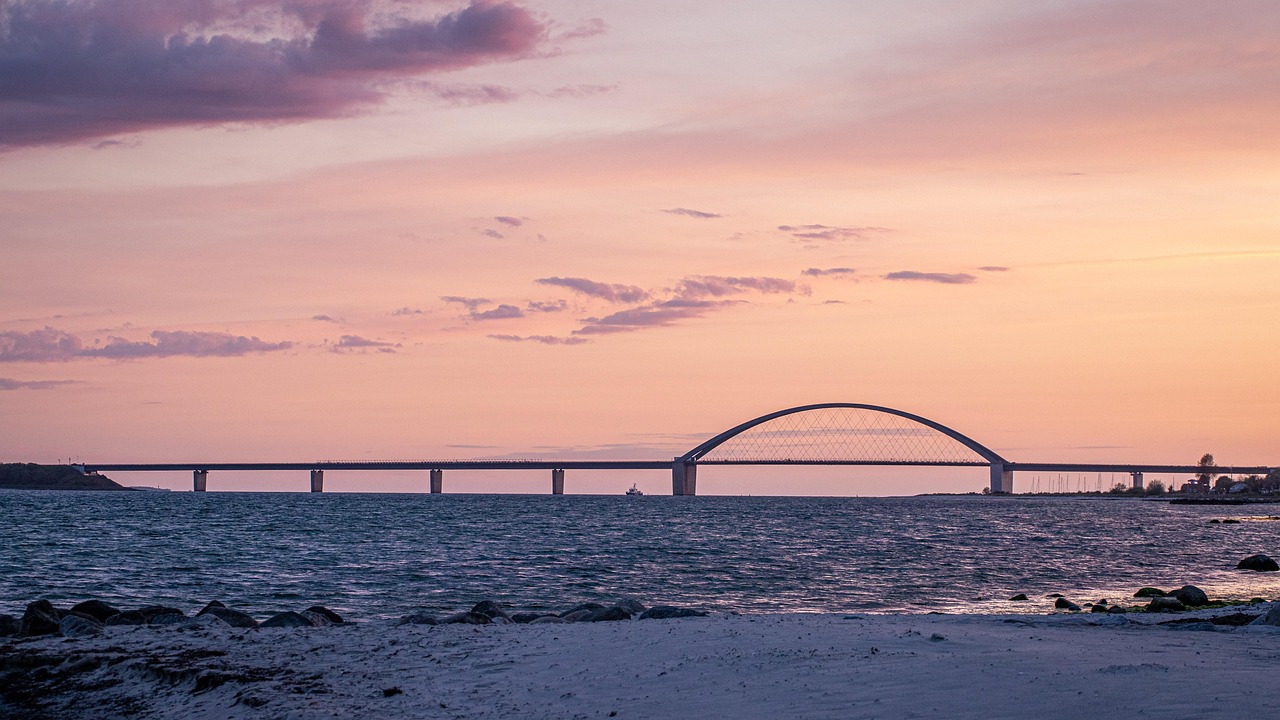
Why Visit Fehmarn in 2026
Fehmarn is the Baltic island Germans quietly keep for themselves. It isn’t flashy like Sylt, nor as wild as Rügen’s cliffs, yet every time I step off the train at Burg auf Fehmarn and smell that mix of salt, rapeseed fields, and seaweed, I remember exactly why I keep coming back.
This is an island for wind-chapped cheeks and bare feet, for kitesurf sails and lazy bike rides past thatched farmhouses. In 2026, Fehmarn is in an interesting moment: still low-key and villagey, but with new beach bars, better cycle paths, and a calendar of events that’s starting to attract more visitors without (yet) losing its sense of place.
You come to Fehmarn for:
- Wide, sandy Baltic beaches that feel almost Mediterranean on a hot July day, with turquoise shallows that families love.
- World-class wind and kitesurfing along the often-windy north and west coasts.
- Quiet coves and bird reserves in the east and south, where the only noise is the sea and the cries of geese.
- Unfussy, fresh seafood – smoked fish straight from the harbor smoker, matjes rolls, and fish soups that revive you after a long day outside.
- Laid-back villages and farm stays, where evenings are for grilling on the terrace or watching the sunset from a dune.
I’ve visited Fehmarn almost every year since 2014, usually for a week at a time, sometimes longer. In this 2026 travel guide for Fehmarn, I’ll share the island the way locals and regulars experience it: beach by beach, village by village, and day by day, with specific, recent impressions rather than generic “top 10” lists.
Table of Contents
- Island Overview: The Character of Fehmarn’s Coasts
- 14 Main Beaches, Coves, Villages & Viewpoints
- 3–7 Day Itineraries (Personal Day-by-Day Stories)
- Island Eating & Drinking
- Island Evenings & Nightlife
- Culture, Etiquette & Local Customs
- Events & What’s New in 2026–2027
- Day Trips from Fehmarn
- Practical Tips & Island Logistics
- Summary & Final Recommendations
Island Overview: How Fehmarn Changes as You Circle the Coast
Fehmarn is roughly circular, but each side of the island has a distinct personality. When I plan time here, I always think “clockwise.”
North Coast – Wind, Waves & Wide Horizons
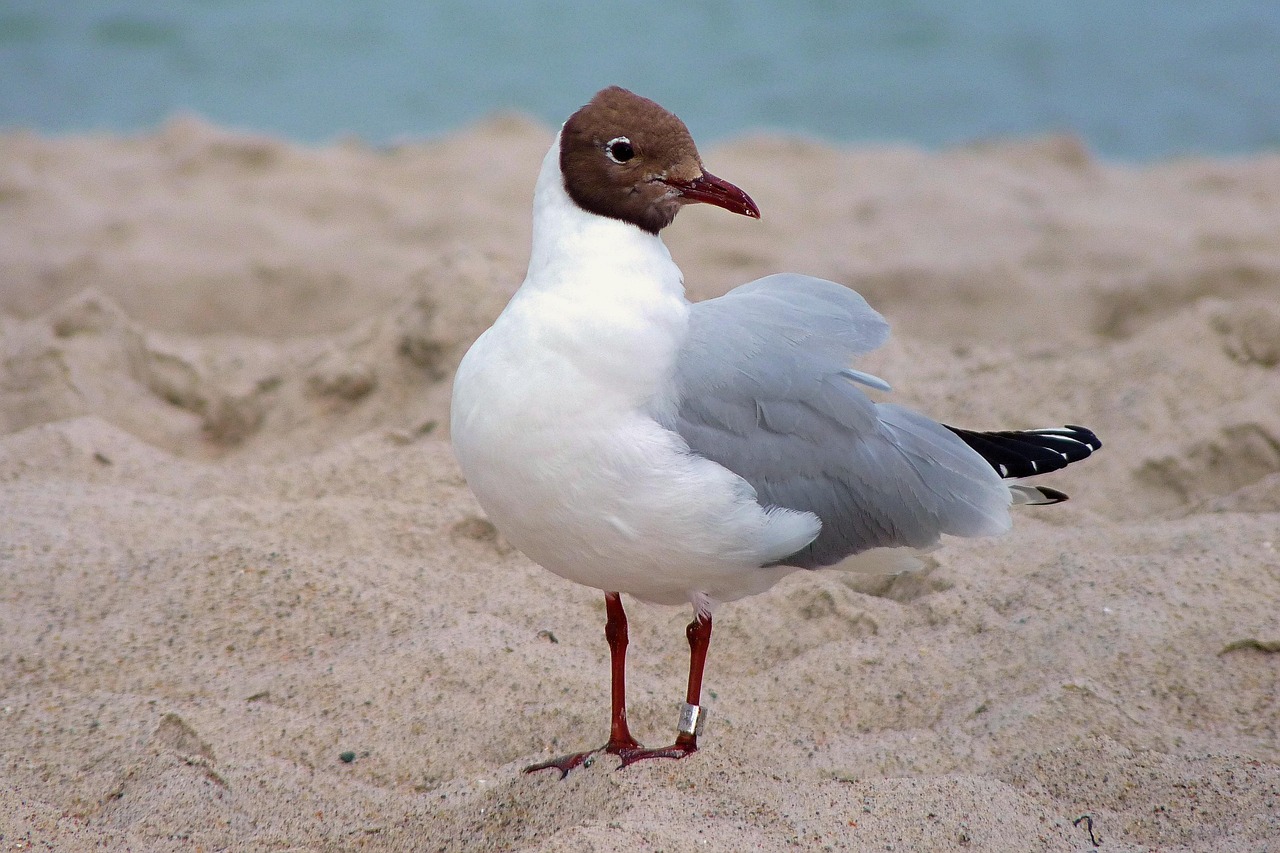
The north coast – around Fehmarnsund, Grüner Brink, Niobe – is where you feel the Baltic’s energy. It’s breezier, wilder, and usually cooler. This is where I go when I want space to think, walk for hours, and watch kites pepper the sky.
- Best for: Long beach walks, birdwatching, windsurfing, quieter dunes.
- Less ideal for: Tiny kids who need bath-warm shallows (try the south or southeast instead).
East Coast – Cliffs, Coves & Big Skies
The east coast is dramatic by Baltic standards. Around Katharinenhof and the nature reserves, clay cliffs crumble into pebble beaches, and on some evenings the sky glows pink for an hour. I’ve had some of my best off-season walks here, wrapped in a scarf, watching waves nibble at the foot of the cliffs.
- Best for: Hikers, photographers, couples seeking quiet, fossil hunters.
- Less ideal for: Stroller access; some stretches are pebbly and uneven.
South Coast – Family-Friendly Bays & Harbors
The south and southeast – around Südstrand, Burgtiefe, and Wulfen – is Fehmarn’s more “holiday island” face. The beaches are sandy and shallow, the water often warmer, and you have promenades, mini golf, and ice cream at arm’s reach.
- Best for: Families, first-time visitors, romantic strolls along the promenade.
- Less ideal for: People wanting wild solitude in high summer.
West Coast – Surfers, Sunsets & Big Winds
The west coast, including Gold and parts of Sulsdorf, is where windsurfers and kiters chase the perfect gust. When I’m craving a fiery sunset, I head west with a blanket and a bottle of local beer; if the wind is up, there’s usually a small, unofficial “audience” on the shore watching the action.
- Best for: Windsurfing, kitesurfing, sunsets, slightly sporty vibes.
- Less ideal for: Those who dislike wind – the west can really howl.
Inland – Fields, Villages & Farm Life
Inland Fehmarn is a patchwork of yellow rapeseed fields, red-brick farmhouses, and quiet villages such as Puttgarden, Landkirchen, and Bannesdorf. Cycling here feels like stepping into an illustrated children’s book. This is where to look for farm stays and quieter apartments, often at better prices than the seafront.
14 Main Beaches, Coves, Villages & Viewpoints (With Personal Notes)
Below are the places I return to trip after trip. Each subsection reads more like a short essay than a listing, because Fehmarn rewards lingering.
1. Südstrand & Burgtiefe – Classic Holiday Fehmarn
Where: South coast, a short bike ride from Burg.
My first memory of Südstrand is from a July evening: kids still splashing in the shallows at 9 p.m., adults wrapped in light jackets on the seawall, and the sky turning that pale, endless Baltic blue. I’d rented a small apartment in Burgtiefe and spent the week falling into a rhythm of morning swims, afternoon naps, and long, lazy dinners on the balcony.
The beach itself is wide, sandy, and gently shelving – ideal for families and anyone wanting a straightforward “lie on a towel and read” day. Behind it, low-rise 1970s buildings (some renovated, some charmingly dated) house holiday flats, cafés, and the occasional cocktail bar. In 2026, there are a couple of new beach kiosks doing decent coffee and surprisingly good poke bowls alongside the usual currywurst.
What I usually do:
- Start with a morning swim before the crowds, when the water is glassy and the beach cleaners have just passed.
- Rent a Strandkorb (wicker beach chair) for the day if I’m working remotely – they’re perfect windbreaks.
- Walk the promenade north in the late afternoon, ice cream in hand, to watch paddleboarders tracking the shoreline.
Food tips: The harbor-side fish stalls near Burgtiefe’s marina do excellent Backfischbrötchen (battered fish rolls). My ritual is to grab one and sit at the end of the harbor, watching the masts sway.
How to get there: Bus from Burg (10–15 minutes) or a flat, pleasant bike ride of around 20 minutes. Parking fills fast in high summer; arrive early if you’re driving.
Who it’s for: Families, first-timers, anyone wanting the “easy mode” version of Fehmarn with everything on the doorstep.
2. Grüner Brink – Dunes, Birds & Big Horizons
Where: North coast, between Marienleuchte and Puttgarden.
Grüner Brink is where I go when I need to reset. It’s technically a nature reserve, a long strip of dunes and brackish lagoons between the Baltic and the inland dike. The beach is sandy but less groomed than Südstrand; you’ll see driftwood, tangles of seaweed, and lots of birdlife.
On a calm June morning in 2025, I walked here for hours, watching terns dive and kids leap bravely into the chilly water. The inland lagoons shimmered in the sun, and the only real sound was the wind hissing through dune grass.
What to do:
- Walk or cycle along the top of the dike – you get sea views on one side and fields on the other.
- Bring binoculars if you like birds; the lagoons are rich feeding grounds for waders and ducks.
- Pack a picnic; there are fewer concessions here, and that’s part of the charm.
How to get there: Best by bike from Burg or Puttgarden. There is some parking at access points along the dike, but it’s limited.
Who it’s for: Nature lovers, couples, and anyone wanting a quieter, wilder beach day.
3. Katharinenhof – Cliffs & Pebbly Drama
Where: East coast, reachable by a lovely inland bike route or car.
Katharinenhof is the stretch I recommend most to people who say “I didn’t realize the Baltic could be wild.” Here, low clay cliffs crumble into a pebble-and-sand beach, and the shoreline curves away in long, painterly sweeps. It’s less about lying still, more about walking, beachcombing, and watching weather roll in.
I’ve been here in bright August sun and in March storms; both are spectacular. Once, in late September, I walked from Katharinenhof toward Staberhuk Lighthouse under a ceiling of migrating geese. The air smelled like wet clay and seaweed, and I didn’t see another person for an hour.
What to do:
- Walk along the cliff-top path (mind the edges) and then drop down via one of the small access trails.
- Hunt for fossils and interesting pebbles – children love this stretch.
- Visit the nearby open-air museum (if open in season) for a sense of Fehmarn’s rural history.
Practical tip: Wear sturdy shoes; erosion means some parts of the path can be muddy or uneven, especially after rain.
Who it’s for: Hikers, photographers, couples, and older kids with energy to explore.
4. Gold – Windsurfers’ Playground & Shallow Lagoon
Where: South-west coast, facing a shallow bay.
Gold is less a conventional “beach” and more a low, grassy shoreline edging a shallow, protected bay. On a windy day it’s a riot of sails and kites; on a still evening, the water mirrors the sky. I learned to windsurf here in my 20s, wobbling along in the safe, waist-deep water while instructors shouted encouragement from the shore.
Even if you don’t get on the water, Gold is wonderful at sunset. The horizon feels incredibly wide, and when the wind drops, the soundscape shrinks to lapping water and murmured conversations from camper vans parked behind the dike.
What to do:
- Book a windsurf or kitesurf lesson – Gold is one of northern Germany’s classic beginner spots.
- Walk along the shore in the late afternoon and watch the action on the water.
- Bring a camping chair and windbreaker and settle in for sunset.
Food: A couple of seasonal kiosks and food trucks appear in summer; otherwise, plan to eat in Burg or bring your own.
Who it’s for: Active travelers, watersports fans, and sunset-lovers.
5. Niobe Monument & Beach – History on the Dunes
Where: North coast, west of Puttgarden.
The Niobe Monument stands quietly behind the dunes, a simple memorial to the naval training ship Niobe that sank off Fehmarn in 1932. The first time I cycled here, I almost missed it; the monument rises out of dune grass like a pale sail. The story, once you read the plaques, is sobering, and it adds a layer of depth to what is otherwise a tranquil stretch of beach.
The Niobe beach itself is lovely: long, clean, and usually less crowded than places closer to Burg. The water here can feel cooler, but on a hot day that’s part of the appeal.
What to do:
- Cycle the coastal path from Burg or Puttgarden, stopping at the monument.
- Swim, then walk north or south along the shoreline until you find your own pocket of space.
- Pause at the monument around sunset; it’s a strangely moving place in the changing light.
Who it’s for: History-minded travelers, cyclists, and anyone wanting a quieter, contemplative beach experience.
6. Puttgarden & The Ferry Port – Gateway to Scandinavia
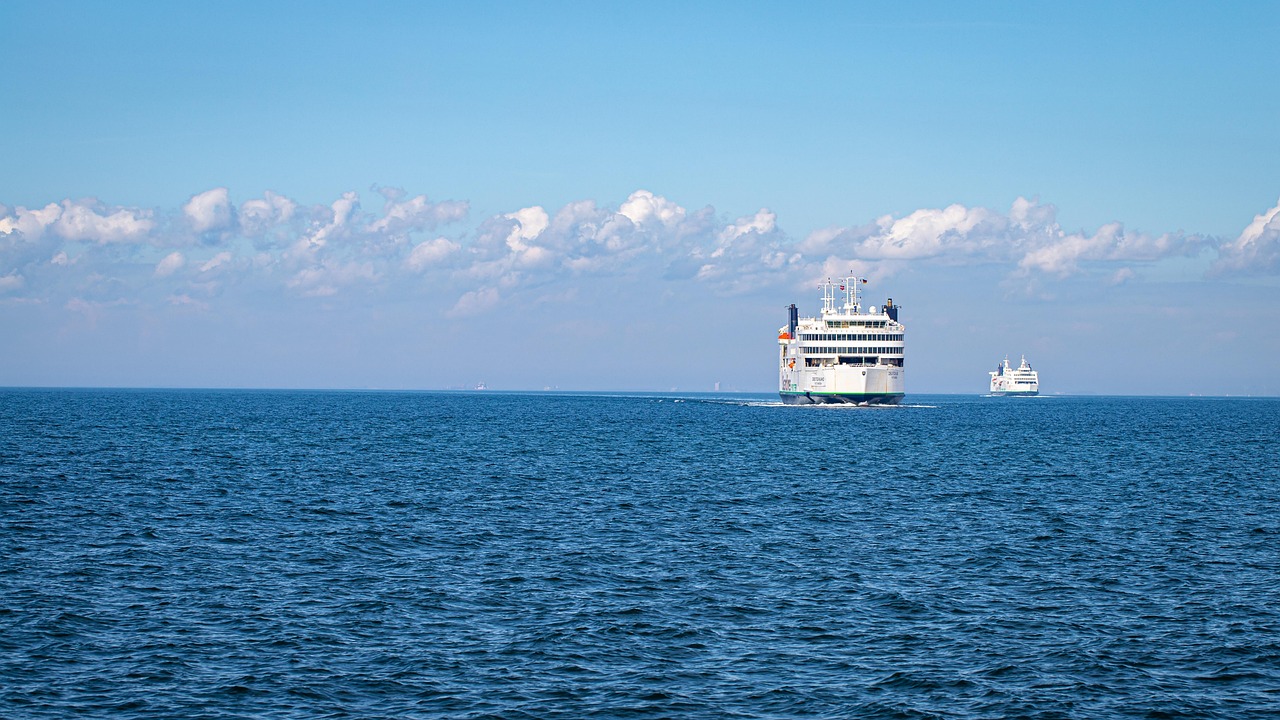
Where: North-east coast.
Puttgarden isn’t conventionally pretty, but I’ve always been drawn to its sense of movement. This is Fehmarn’s ferry port to Denmark, and the constant rhythm of ships sliding in and out gives it an almost cinematic atmosphere. If you love ferries and harbors (I do), you’ll enjoy lingering here longer than the average traveler.
I often come by bike in the late afternoon, park near the harbor, and watch the huge ferries nose up to the dock. The nearby Vogelfluglinie rail line (currently being reconfigured as the Fehmarnbelt Fixed Link project progresses) adds to the sense of connectivity. Over the next few years, Puttgarden will continue to evolve, but in 2026 the classic ferry operations are still a defining presence.
What to do:
- Take a day trip to Denmark (Rødby) if timetables and border regulations suit your plans.
- Walk along the shore north of the port; the industrial scenery quickly gives way to open beach.
- Visit the duty-free shop if you’re curious (or need affordable chocolate and coffee).
Who it’s for: Ferry geeks, photographers, and travelers transiting between Germany and Scandinavia.
7. Burg auf Fehmarn – The Island’s Lively Heart
Where: Inland, roughly south-central Fehmarn.
Burg is where the island gathers. It’s a small, red-brick town with cobbled streets, a church spire, and enough cafés and shops to keep you busy for an afternoon. Most of my Fehmarn trips start and end here: coffee on the main square, a stock-up at the bakery, and a quick wander through the shops.
On a warm evening, the café terraces spill into the streets, and kids pedal through on bikes while parents linger over beer. There’s a low-key, unhurried vibe – you feel like a guest in a community that functions year-round, not just a resort veneer.
Highlights:
- The St. Nikolai Church, with its simple, peaceful interior.
- A small cluster of museums and galleries, including maritime exhibits.
- Independent shops selling local honey, jams, and ceramics – ideal souvenirs.
Food: Burg has the island’s best selection of restaurants, from traditional German kitchens to modern bistros with good vegetarian options. I keep returning to a tiny place just off the main square that does a perfect Fischsuppe and homemade bread.
Who it’s for: Everyone – this is your practical base for supplies, dinners out, and rainy-day wandering.
8. Burgstaaken Harbor – Boats, Smoked Fish & Submarine
Where: South of Burg, on the harbor.
Burgstaaken is where Fehmarn’s maritime soul feels most tangible. Fishing boats, pleasure craft, and tourist vessels share the harbor, and the air smells of smoked fish and tarred rope. I’ve lost count of how many fish rolls I’ve eaten on the benches here, watching gulls wheel overhead.
One of the quirkiest attractions is the submarine museum – an actual decommissioned U-boat you can clamber through. It’s cramped, fascinating, and slightly claustrophobic; kids tend to love it, though it’s not for the very young or those uncomfortable in tight spaces.
What to do:
- Grab a smoked fish plate or roll from one of the harbor stalls.
- Visit the U-boat museum and maritime exhibits (check opening hours in 2026; they can vary by season).
- Take a boat tour in summer, some of which head out toward the Fehmarn Sound Bridge.
Who it’s for: Families, foodies, and anyone drawn to working harbors rather than manicured marinas.
9. Wulfen & Wulfener Hals – Sand, Shallows & Camping Culture
Where: South-east, on a peninsula jutting into the Burger Binnensee and Baltic.
Wulfen and the Wulfener Hals peninsula are a microcosm of relaxed German camping culture. The large campsite here (which feels more like a village) fronts a lovely stretch of beach with shallow water and views back toward Fehmarn’s coast. I once spent a late May week in a small mobile home here and quickly fell into neighborly chats, shared grilling, and spontaneous volleyball games on the sand.
Activities:
- Swimming and SUP in the calmer Burger Binnensee.
- Windsurfing and kitesurfing on the Baltic side when the wind picks up.
- Easy walks around the peninsula, with birdlife in the reed beds.
Food & atmosphere: A couple of bars and restaurants within the campsite complex create a cheerful, communal evening scene in high season. It’s not a rowdy party spot, more a family-friendly hum of activity.
Who it’s for: Families, campers, and watersports enthusiasts who like to stay right by the action.
10. Staberhuk Lighthouse & Eastern Cliffs
Where: South-east tip of Fehmarn.
Staberhuk Lighthouse feels like the end of the island. The road narrows, the fields open up, and suddenly you’re standing at the edge of low cliffs, with the red-brick lighthouse keeping watch. I love coming here on quieter days; there’s a feeling of distance, even though Burg is not far as the crow flies.
Below the lighthouse, a stony beach stretches away. It’s less about bathing, more about strolling, watching waves, and feeling the wind. The area also has associations with the artist Erich Heckel, who painted the Fehmarn coast in the early 20th century.
What to do:
- Walk the cliff path between Katharinenhof and Staberhuk if you’re up for a longer hike.
- Bring a thermos and sit on the cliff edge (well back from the rim) to watch shipping traffic pass in the distance.
Who it’s for: Walkers, art and history buffs, and anyone who appreciates a windswept outlook.
11. Orth Harbor – Laid-Back West Coast Charm
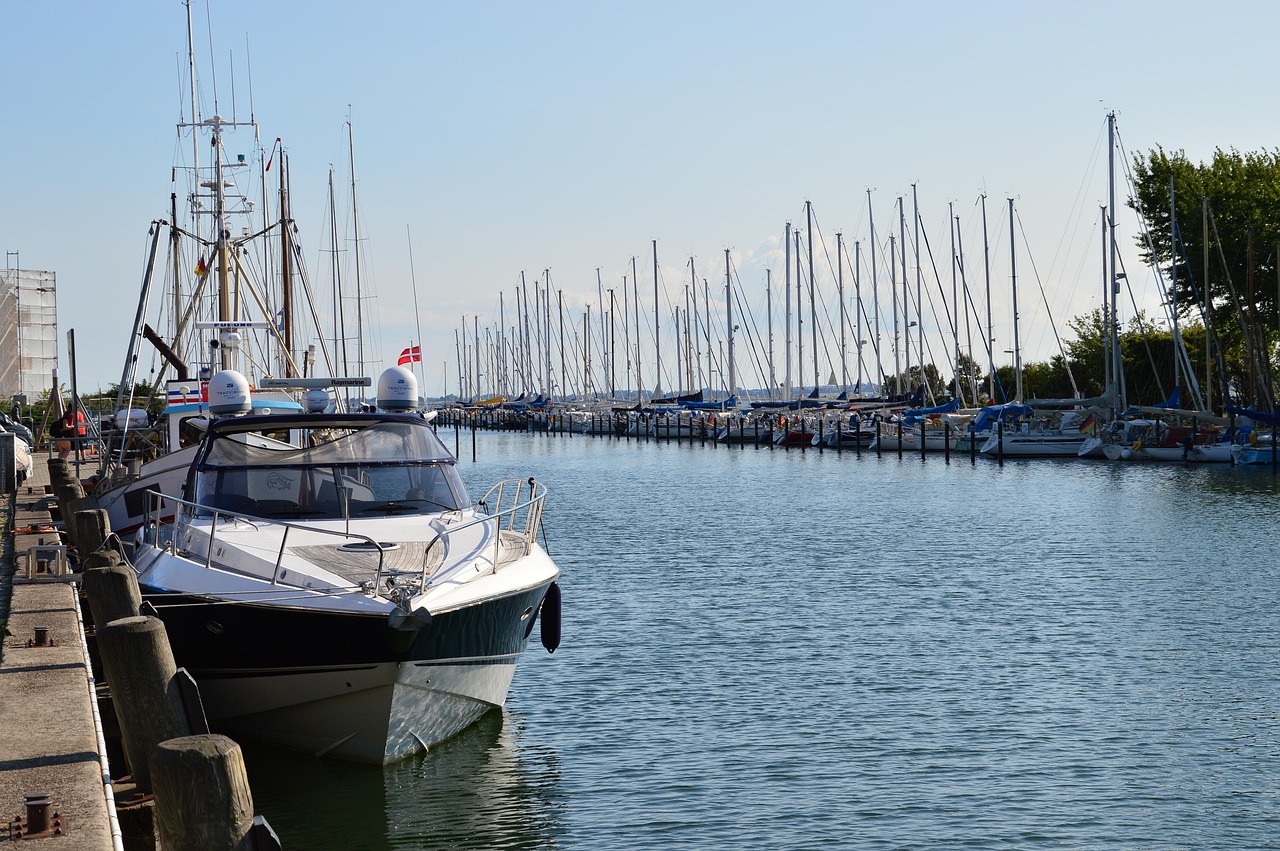
Where: West coast, south of Lemkenhafen.
Orth is a tiny harbor with a disproportionate amount of charm. Wooden jetties, small boats, and a couple of excellent waterside cafés and restaurants make it one of my favorite places for a long lunch. On a warm day, the entire village seems to gather around the harbor, kids dangling legs over the edge of the quay.
What I love: There’s a slight bohemian feel here – windsurfers and sailors mingling with day-trippers, dogs snoozing under tables, and sunsets that turn the bay gold. Orth is also a gateway to good windsurfing spots, with shallow areas extending far from the shore.
Who it’s for: Couples, foodies, and anyone who favors harbor atmosphere over big beaches.
12. Lemkenhafen – Windmill, Harbor & Flat Water
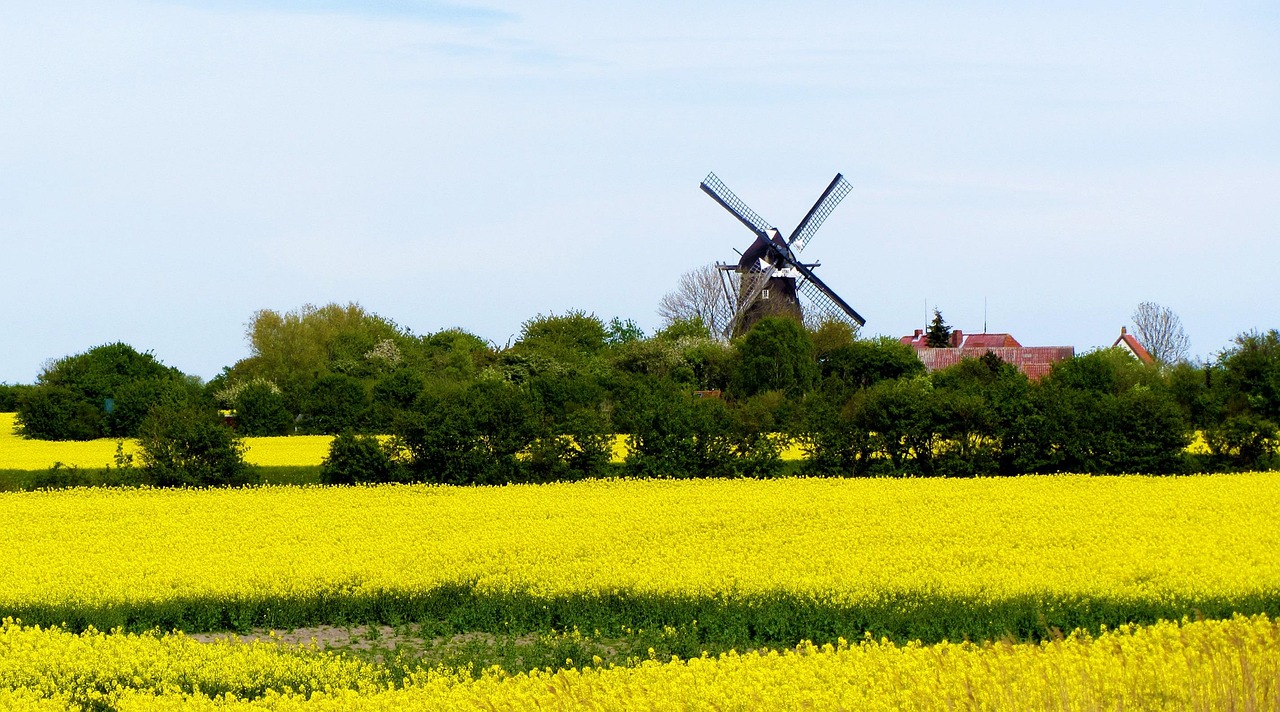
Where: West/south-west coast.
Lemkenhafen is instantly recognizable by its historic windmill and compact harbor. It’s postcard-pretty, especially in evening light when the boats and windmill reflect in the still water. I’ve spent several evenings here nursing a drink at a harbor-side table, watching the light slowly drain from the sky.
The waters around Lemkenhafen are popular with windsurfers, thanks to their shallow depth and often steady winds. If you prefer to stay dry, the small streets behind the harbor invite a gentle wander.
Who it’s for: Romantics, photographers, and travelers who like small, self-contained harbor villages.
13. Fehmarnsund Bridge Viewpoints – The Island’s Iconic Gateway
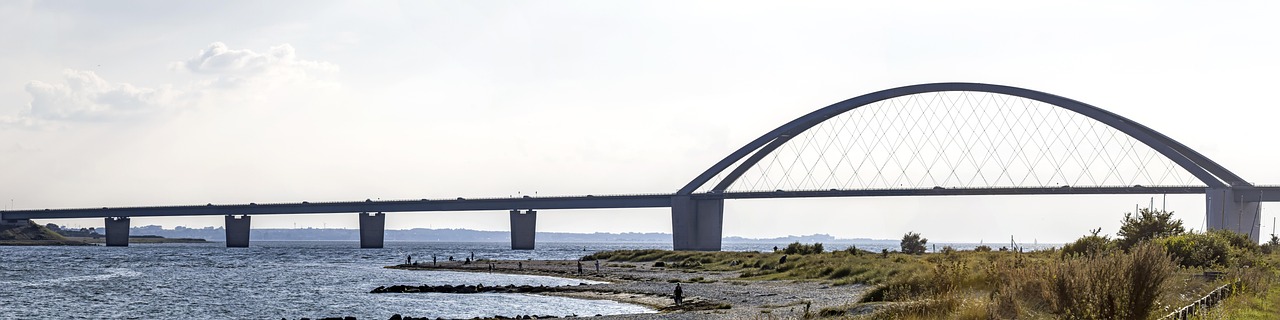
Where: South-west, spanning the Fehmarn Sound between the island and mainland.
The Fehmarnsund Bridge is Fehmarn’s calling card – that elegant, arched silhouette you see on postcards and license plates. No matter how many times I cross it, I always feel a little thrill: on one side, mainland Schleswig-Holstein; on the other, the promise of island time.
There are several viewpoints along the shore on both the island and mainland sides, where you can watch the bridge at sunset, ferries and sailing boats passing beneath. The nearby beaches are pleasant, though I mostly come for the view and the feeling of arrival or departure.
Who it’s for: Everyone. If you’re on Fehmarn, you’ll see this bridge; it’s worth taking time to admire it from the shore, not just through a car window.
14. Marienleuchte & North-East Cliffs
Where: North-east coast, between Puttgarden and Grüner Brink.
Marienleuchte is one of those names that comes up quietly in local conversations. It’s a slightly wilder corner: fragments of cliffs, pebble beaches, and views across to Denmark on a clear day. There’s a lighthouse here as well, completing the coastal tableau.
I usually come by bike, following small roads through fields that suddenly drop away to reveal the sea. On a blustery day, waves gnaw at the base of the small cliffs; on a calm one, the water turns an improbable turquoise, especially in the shallows over pale sand and stones.
Who it’s for: Repeat visitors seeking new corners, walkers, and anyone who prefers under-the-radar coastal spots.
Fehmarn Itineraries: 3–7 Days on the Island
Below you’ll find layered itineraries, so you can plan a 3 day itinerary for Fehmarn up to a full 7 day itinerary for Fehmarn. Each day combines popular attractions with quieter corners and local food. Treat this as a flexible framework, not a rigid schedule.
3 Days in Fehmarn – First-Timer’s Essentials
This 3 days in Fehmarn plan is what I often recommend to friends coming for a long weekend. It focuses on the south and center, with one foray to the north.
Day 1 – Arrival, Burg & Südstrand
My typical arrival day starts with dropping bags at my accommodation (often an apartment near Burg), then walking into town for a grounding coffee. Burg’s streets are the perfect soft landing: cobbles, church bells, and the feeling that life moves at half the mainland speed.
- Morning: Stroll Burg, visit St. Nikolai, pick up snacks from a bakery, and get your bearings. If you’ve driven, park the car and commit to mostly biking or walking.
- Afternoon: Head to Südstrand by bike or bus. Take a first Baltic swim, then simply lie on the sand and let the travel stress drain out. Rent a Strandkorb if the wind picks up.
- Evening: Walk the Burgtiefe promenade, then dine back in Burg – perhaps fish or a hearty German plate, with a glass of white from the Pfalz or Mosel.
Tip: If you’re planning a 4 day itinerary for Fehmarn or longer, still start this way – it gives you a gentle overview.
Day 2 – Burgstaaken Harbor & East Coast Cliffs
Day two introduces Fehmarn’s maritime history and its wilder east coast.
- Morning in Burgstaaken: Walk the harbor, try a smoked fish roll for an early lunch, and, if you’re curious, tour the submarine museum.
- Afternoon at Katharinenhof: Drive or cycle to Katharinenhof. Walk the cliff path, scramble down to the beach, and beachcomb for an hour or two.
- Late afternoon: Find a café near Katharinenhof or back in Burg; on cooler days, hot chocolate after a cliff walk feels perfect.
- Evening: Dinner in Burg. If you’re here in high summer, stay out to watch the lingering twilight; in shoulder season, a quiet drink in a pub is just right.
Day 3 – North Coast & Grüner Brink
On your last day, head north to experience the island’s wilder face.
- Morning: Cycle or drive toward Grüner Brink, stopping at viewpoints to look back toward the Fehmarn Sound Bridge.
- Midday: Walk the dike, watch birds, and picnic on the beach. If the weather cooperates, take a brisk swim.
- Afternoon: If you have time before departure, swing by Niobe or Puttgarden harbor to see the ferries.
This compact 3 day itinerary for Fehmarn gives you town life, a classic beach, a working harbor, and wilder coastline – a solid sampler.
4–5 Days in Fehmarn – Adding Harbors & West Coast Sunsets
If you have 4 days in Fehmarn or are planning a 5 day itinerary for Fehmarn, layer the following days onto the three above.
Day 4 – Orth & Lemkenhafen
This is what I think of as the “slow harbor” day.
- Late morning: Drive or cycle to Orth. Linger over coffee at a harbor café, watch boats come and go, and stroll the jetties.
- Lunch: Fresh fish or a seasonal dish at one of Orth’s waterfront spots; book ahead in high summer.
- Afternoon: Head up to Lemkenhafen. Visit the windmill (if open), photograph the harbor, and walk along the shore.
- Evening: Stay for sunset if the sky looks promising; the reflections on the still water are beautiful.
Day 5 – Gold & Wulfen
Now for watersports and camping culture.
- Morning: Book a windsurf or kitesurf lesson at Gold. Even if you’ve never tried, the shallow water and professional schools make it accessible.
- Afternoon: Move on to Wulfener Hals. Swim, paddleboard, or simply enjoy the family-friendly atmosphere of the campsite beach.
- Evening: Grab a casual dinner at one of the campsite restaurants, then walk the peninsula as the light fades.
By the end of a 5 days in Fehmarn stay built like this, you’ll have seen most of the island’s main faces.
6–7 Days in Fehmarn – Deep Dive & Hidden Corners
A 6 day itinerary for Fehmarn or 7 days in Fehmarn lets you slow down, revisit favorites, and explore quieter spots like Marienleuchte and Staberhuk. This is how I build a full week.
Day 6 – Staberhuk & Marienleuchte
This day strings together the more remote-feeling corners.
- Morning: Drive or bike to Staberhuk Lighthouse. Spend time walking the cliff edge and stony beach, feeling out at the edge of the island.
- Afternoon: Cut north to Marienleuchte, stopping in Burg or Landkirchen for coffee or provisions.
- Late afternoon: Walk the pebble beach at Marienleuchte, looking across to Denmark and watching the play of light on the sea.
Day 7 – Free Day & Favorites
On a full 7 day itinerary for Fehmarn, I always leave one day flexible. Use it to:
- Return to your favorite beach – maybe Südstrand for lazy sunbathing or Grüner Brink for a long walk.
- Try something you missed: a boat tour from Burgstaaken, a museum in Burg, or another watersport session at Gold or Wulfen.
- Simply slow down, sit in a café in Burg, and watch local life go by.
Fehmarn shines when you let gaps appear in your schedule; unexpected conversations and small discoveries fill them.
Island Eating: Local Food in Fehmarn
Fehmarn’s food scene is honest and rooted in the sea. You’re here for fresh fish, hearty northern German classics, and simple beach snacks eaten with sandy feet.
What to Eat
- Fischbrötchen: Fish rolls with matjes, smoked fish, or Backfisch (battered and fried). Essential harbor food – try them in Burgstaaken or Orth.
- Räucherfisch: Smoked mackerel, eel, and more, sold at smokeries and harbor kiosks.
- Fischsuppe: Rich fish soup or chowder, especially good on cooler days.
- Labskaus & northern classics: Salty, comforting dishes more common in traditional restaurants.
- Seasonal asparagus (Spargel): In spring, many menus feature white asparagus with hollandaise and potatoes.
Where to Eat
- Harbor-side stalls in Burgstaaken: My default lunch spot for fish rolls; you eat on benches overlooking the boats.
- Orth & Lemkenhafen waterfront restaurants: Slightly more polished fish dishes, great at sunset.
- Cafés in Burg: Ideal for cakes, light lunches, and rainy afternoons.
- Beach bars at Südstrand & Wulfen: Casual snacks, cocktails, and ice cream; more about the view than culinary finesse, but fun.
Market & Self-Catering Tips
If you’re staying a week, self-catering is a good way to save money on Fehmarn. The island’s supermarkets are in and around Burg, with bakeries in most villages. I like to:
- Stock up on basics in Burg on day one.
- Buy fresh bread and pastries every morning from the nearest bakery – part of the island rhythm.
- Visit farm shops for local eggs, honey, and jams when I spot them along country roads.
Island Evenings & Nightlife
Fehmarn is not a party island. Nights here are more about sunsets, quiet terrace drinks, and family evenings than clubs. That said, there’s a gentle, seasonal nightlife if you know where to look.
Sunset Spots
- West coast (Gold, Orth, Lemkenhafen): The classic sunset arc. Bring a blanket or sit at a harbor bar.
- Südstrand promenade: Lovely for evening walks; the sun dips behind the mainland, painting the sky.
- Cliffs at Katharinenhof or Marienleuchte: For more solitude and big-sky views.
Beach Bars & Low-Key Nightlife
- Südstrand: Seasonal beach bars serve drinks and casual food; some host live music in summer 2026.
- Wulfener Hals campsite: Evening events and music, family-oriented but lively.
- Burg: Pubs and wine bars with outdoor seating; a good place to linger if it’s chilly on the coast.
Occasional full-moon or seasonal events pop up at campsites and beach bars, particularly in July and August. Check flyers in Burg or campsite noticeboards; that’s where locals find out what’s happening.
Cultural Experiences, Etiquette & Local Customs in Fehmarn
Fehmarn is part of Schleswig-Holstein and culturally very northern German: reserved at first, warm once you’ve established a rhythm of small, everyday interactions.
How to Interact
- Greetings: A simple “Moin” works almost any time of day and marks you as someone who’s trying to fit into local patterns.
- Politeness: Use “Guten Tag” or “Hallo” when entering shops, and “Tschüss” or “Auf Wiedersehen” when you leave.
- Quiet: Even in summer, Fehmarn is not loud. Keep voices moderate, especially at night in villages and campsites.
Cultural Experiences
- Village festivals: Many villages hold small summer festivals with music, grills, and beer tents. Posters in Burg and village noticeboards advertise dates.
- Church concerts: St. Nikolai in Burg and other churches occasionally host classical or choral concerts – a lovely way to spend an evening.
- Maritime & agricultural heritage: Museums and farm visits (often informal) give a sense of island life beyond tourism.
Beach & Nature Etiquette
- Stay on paths in dunes and nature reserves; they’re fragile ecosystems.
- Leash dogs where indicated, especially near bird nesting areas.
- Take your trash – including cigarette butts – with you; bins are at main access points.
- Nudist areas (FKK): Some sections of beach may be clothing-optional; they’re usually signposted. Respect boundaries and don’t photograph people.
Fehmarn 2026–2027: Events & What’s New
Fehmarn’s events calendar continues to evolve, especially around music and watersports. Always confirm exact dates closer to travel, but in 2026–2027 expect:
- Watersports events: Regattas, windsurf and kitesurf competitions, especially around Gold, Wulfen, and Lemkenhafen in late spring and summer.
- Music festivals & concerts: Occasional open-air concerts near Burg or Südstrand, plus smaller music nights at campsites and bars.
- Maritime & harbor festivals: Summer weekends in Burgstaaken, Orth, and Lemkenhafen, with food stalls, music, and activities for kids.
- Fehmarnbelt project updates: The ongoing work on the Fehmarnbelt Fixed Link means occasional infrastructure changes around Puttgarden and transport routes – check 2026 updates if you’re planning to use ferries or rail.
Day Trips from Fehmarn
Fehmarn feels self-contained, but if you’re here a week, a day trip can be a nice contrast.
1. Rødby & Lolland, Denmark
From Puttgarden, ferries cross to Rødby on the Danish island of Lolland. In 2026, services still run, though schedules may adjust as infrastructure projects progress.
- How: Car, bike, or foot passenger on the ferry; check ID requirements and any border controls.
- What to do: Explore Lolland’s flat countryside, small towns, and Danish coastal landscapes.
2. Lübeck
The Hanseatic city of Lübeck, with its brick Gothic architecture and marzipan, makes a rich urban counterpoint to Fehmarn.
- How: Train or car via the Fehmarnsund Bridge (around 1–1.5 hours).
- What to do: Visit the old town, churches, and maritime museum; wander along the Trave River.
3. Baltic Coast Mainland (Heiligenhafen & Beyond)
On the mainland side of the Fehmarn Sound, Heiligenhafen offers its own harbor, beaches, and a modern seafront development. It’s interesting to compare its more polished tourist infrastructure with Fehmarn’s villagey feel.
- How: Short drive or bus across the Fehmarnsund Bridge.
Practical Travel Tips for Fehmarn (2026)
How to Get to Fehmarn
- By train: Regional trains connect Fehmarn-Burg or Puttgarden with Lübeck and Hamburg. In 2026, check for construction-related timetable changes due to Fehmarnbelt works.
- By car: Drive via the A1 to the Fehmarnsund Bridge. Traffic can back up on peak summer Saturdays.
- By ferry: Puttgarden–Rødby ferries connect Fehmarn with Denmark; always verify 2026 schedules.
- By air: Nearest major airports are Hamburg and sometimes Lübeck; from there, continue by train or car.
Getting Around the Island
- Bicycle: The best way to experience Fehmarn. Flat, well-marked cycle paths ring the island. Rent bikes in Burg or at larger campsites.
- Car: Useful in shoulder seasons and for reaching remoter spots, but parking can be tight near popular beaches in July–August.
- Bus: Regional buses link Burg with major beaches and villages, though frequency drops outside high season.
- Taxis: Available but relatively expensive; book ahead, especially at night.
Where to Stay: Beachfront vs. Village vs. Farm
- Beachfront (Südstrand, Wulfener Hals): Great for families and first-timers. You pay a premium, and it’s busier, but you can walk straight to the sea.
- Burg & inland villages: My usual choice. You get more local feeling, better prices, and easy access to multiple coasts by bike or car.
- Harbor villages (Orth, Lemkenhafen): Romantic and atmospheric; ideal for couples who don’t mind a bit of driving or cycling.
- Farm stays: Wonderful for kids and those seeking quiet; often more space and friendly hosts.
Saving Money on Fehmarn
- Travel off-peak: Late May, June (outside school holidays), and September offer lower prices and quieter beaches.
- Self-cater: Use supermarkets and farm shops; cook dinners at your accommodation several nights.
- Bike instead of drive: Save fuel and parking fees, and see more.
- Free activities: Beaches, walks, birdwatching, sunset watching – most of Fehmarn’s best experiences cost nothing.
SIM Cards, Connectivity & Money
- SIM cards: Germany is in the EU; EU visitors can usually roam. Otherwise, buy a prepaid SIM from major providers (Telekom, Vodafone, O2) in larger towns on the mainland before arrival; options on Fehmarn itself are more limited.
- Signal: Generally good in and around Burg and along main roads; can drop slightly in some rural or coastal pockets but usually usable.
- ATMs: Located in Burg and some larger villages. Carry some cash for small kiosks, farm stands, and campsite bakeries.
Visa Requirements & Driver’s Licenses
- Visas: Fehmarn is in Germany (Schengen Area). EU/EEA/Swiss citizens can enter freely. Many other nationalities can enter visa-free for short stays; others need a Schengen visa. Always check current 2026 requirements with official sources.
- Driver’s licenses: EU/EEA licenses are accepted. Many other foreign licenses are valid for short stays; some visitors may need an International Driving Permit in addition to their home license.
Seasons & Weather: When to Visit
- Spring (April–May): Cool, fresh, fields turning green, rapeseed in bloom. Quieter, great for walkers and birders.
- Early summer (June): My favorite. Long days, increasingly warm, but before peak crowds – perfect for most activities.
- High summer (July–August): Warmest water, busiest beaches, family holiday peak. Great atmosphere if you like buzz; book well ahead.
- Autumn (September–October): Softer light, fewer people, still pleasant temperatures. Good for cycling, walking, and photography.
- Winter (November–March): Quiet, windswept, some businesses closed or on reduced hours. Rewarding if you like solitude and bracing walks.
There is no hurricane or monsoon season; this is the Baltic, not the tropics. Storms can and do roll through in autumn and winter, bringing dramatic seas and strong winds – beautiful, but dress warmly and respect warning signs.
Water Safety & Beach Tips
- Currents: Generally manageable on main beaches, but always heed local signs and avoid swimming near jetties or harbor entrances.
- Jellyfish: Can appear in summer; usually harmless moon jellies, but if in doubt, ask locals or lifeguards.
- Lifeguards: Some main beaches (like Südstrand) have lifeguard supervision in high season; quieter coves typically do not.
- Sun & wind: The wind can make you underestimate UV; wear sunscreen even on cooler days.
Tipping & Payments
- Restaurants & cafés: Round up the bill or tip around 5–10% for good service, handed directly to the server when paying.
- Cash vs card: Card payment is increasingly common, but some smaller kiosks and older establishments may be cash-only.
Hidden Tips from Repeat Visits
- Carry a windbreaker: Even in July, evenings and the north/west coasts can be cool and breezy.
- Use the dike paths: For quiet cycling with big views, the tops of the sea dikes are unbeatable.
- Check campsite bakeries: Many campsites open their bakeries to non-guests in the morning – great for fresh rolls near beaches.
- Bring binoculars: Whether for birds at Grüner Brink or ship-spotting off Staberhuk, they add another dimension to the trip.
- Book early for high summer: July–August apartments and popular campsites near Wulfen, Südstrand, and Orth fill months in advance.
Summary: Key Takeaways & Final Recommendations
Fehmarn is an island that reveals itself slowly. It doesn’t shout; it nudges. After multiple trips over more than a decade, what stays with me isn’t just the postcard views but the everyday rhythms: morning bread runs, the first shock of cold water on skin, bikes leaning against café walls in Burg, the way the wind shifts over a week.
For 3 days in Fehmarn, base near Burg or Südstrand and focus on Burg, Burgstaaken, Südstrand, and at least one wilder beach like Katharinenhof or Grüner Brink.
For a richer 4 day itinerary for Fehmarn or 5 days in Fehmarn, add west-coast harbors (Orth, Lemkenhafen) and watersports at Gold or Wulfen.
With 6 days in Fehmarn or a full 7 day itinerary for Fehmarn, slow down. Explore Staberhuk, Marienleuchte, and inland villages, revisit your favorite beaches at different times of day, and let the island’s gentle routines shape your own.
Best seasons: For most travelers, late May–June and September balance pleasant weather with manageable crowds and prices. July–August is ideal for families and warm-water swimming if you don’t mind more people.
Pack a windbreaker, rent a bike, learn to say “Moin,” and let Fehmarn’s mixture of wide beaches, working harbors, and quiet fields do the rest. It’s not the loudest island in Germany, but for many of us who return year after year, it’s one of the most quietly rewarding.