Why Visit Garmisch-Partenkirchen?
Every time my train curves into Garmisch-Partenkirchen and the Zugspitze suddenly fills the windows, I feel the same mix of awe and calm. This is one of those rare mountain towns where serious adventure, family-friendly fun, and slow, romantic evenings all coexist in one walkable valley.
Garmisch-Partenkirchen (locals just say “Garmisch” for short, though true Partenkirchner will correct you with a smile) sits at the foot of Germany’s highest peak, a place where painted houses, cowbells, ski jumps, and crystal lakes are simply part of the everyday backdrop. It’s big enough for variety, but small enough that you’ll start recognizing faces after a couple of days.
What makes it special in 2026?
- Iconic Alpine scenery: Zugspitze, Alpspitze, and the Wetterstein range give you blockbuster mountain views from almost everywhere in town.
- Year-round things to do: World-class skiing, hiking, via ferrata, cozy Christmas markets, and wildflower meadows – Garmisch is not just a winter resort.
- Two towns in one: Elegant, modern Garmisch and old-world, cobbled Partenkirchen with its Lüftlmalerei (ornate frescoed façades).
- Easy access: Direct trains from Munich, Innsbruck, and beyond make this a perfect base for 3, 4 or 5 days in Garmisch-Partenkirchen.
- Authentic Bavarian culture: Traditional dress is everyday wear, not a costume, and local customs still shape the rhythm of the year.
Whether you’re planning a 3 day itinerary for Garmisch-Partenkirchen, stretching it to 4 days, or settling in for a 5 day itinerary, you’ll find more to do here than you can possibly fit in one trip – which is probably why I keep returning.
Table of Contents
- 1. Neighborhoods & Areas to Explore
- 2. Top 20+ Attractions & Hidden Gems
- 3. 3–5 Day Itineraries (With Personal Stories)
- 4. Local Food & Drink in Garmisch-Partenkirchen
- 5. Nightlife, Entertainment & Cultural Experiences
- 6. Events & Festivals 2026–2027
- 7. Best Day Trips from Garmisch-Partenkirchen
- 8. Cultural Etiquette & Local Customs
- 9. Practical Travel Advice & Money-Saving Tips
- 10. Summary & Best Time to Visit
Neighborhoods & Areas of Garmisch-Partenkirchen
Garmisch: Lively, Modern & Mountain-View Cafés
Garmisch is the busier, more modern half of town. This is where you’ll likely arrive by train and where you’ll find the main shopping streets, many hotels, and vibrant après-ski in winter.
Most of my evenings start on Bahnhofstraße and Marienplatz, wandering past outdoor gear shops and bakeries until the mountains turn pink at sunset. If you like to be in the middle of things, stay here: you’ll be walking distance from the Zugspitzbahn, bus stops, and most things to do in Garmisch-Partenkirchen.
Partenkirchen: Storybook Streets & Quiet Charm
Partenkirchen is older, quieter, and to me, endlessly photogenic. Its main street, Ludwigstraße, is lined with frescoed houses, tiny inns, and family-run guesthouses where breakfast still feels like visiting a relative.
I love staying in Partenkirchen in winter; walking those cobbles in light snow, ducking into a warm Gasthof for venison stew, feels like stepping into a snow globe.
Burgrain & Farchant: Village Feel & Budget-Friendly Base
North of the center, small districts like Burgrain and nearby Farchant have a more residential, village atmosphere. If you’re looking to save money and don’t mind a short bus ride, this is where I book simple guesthouses with balcony views and wake up to cowbells instead of traffic.
Grainau & Eibsee: Lakeside & Close to Zugspitze
Technically separate from Garmisch-Partenkirchen but functionally part of its orbit, Grainau and the Eibsee area are perfect if you want to stay closer to Zugspitze and the crystal-clear lake scenery.
I often recommend at least one night here if you’re on a 4 day itinerary for Garmisch-Partenkirchen or longer – watching the morning mist over Eibsee before the day-trippers arrive feels like a secret.
Top Attractions & Hidden Gems in Garmisch-Partenkirchen
This section dives into the must-see attractions in Garmisch-Partenkirchen plus some lesser-known corners I’ve fallen for over multiple visits. For each, I’ll share how to get there, when I like to go, and small tips that make a big difference.
1. Zugspitze – Germany’s Highest Peak
The first time I rode up Zugspitze, I pressed my face to the cable car window like a child. The valley falls away, the rock walls rear up, and then suddenly you’re above everything, clouds curling around jagged ridges.
Why go: At 2,962 m, Zugspitze is the literal high point of any travel guide for Garmisch-Partenkirchen. On a clear day, you can see across Germany, Austria, Italy, and Switzerland.
How to get there: From Garmisch station, take the Zugspitzbahn cogwheel train to Eibsee and transfer to the Seilbahn Zugspitze cable car, or ride the cogwheel all the way via the tunnel. Trains run regularly; I usually catch one around 8:15–9:00 to beat the crowds.
What to do:
- Walk the circular viewing platform between the German and Austrian sides and pick out the 400+ peaks on the panorama boards.
- Visit the small Zugspitze museum to understand how people once climbed this mountain long before cable cars.
- In winter, ski the glacier ski area – the snow quality here often stays good late into the season.
Food tip: I usually grab a coffee and apple strudel at the summit restaurant and save my main meal for lower down (prices are, unsurprisingly, high up here). Bring a snack if you’re budget-conscious.
Best time: Clear mornings outside of peak summer and Christmas–New Year. In shoulder seasons (May/June and late September/October), it’s often less crowded, but check weather and wind – the cable car can close in storms.
Personal tip: If you’re planning 3 days in Garmisch-Partenkirchen, choose your Zugspitze day flexibly based on the clearest forecast. I’ve reshuffled many itineraries at the last minute to catch that perfect blue-sky window.
2. Eibsee – Turquoise Jewel Below the Zugspitze
I’ve walked the loop around Eibsee so many times I can almost close my eyes and feel where the trail dips and rises. The water here shifts from emerald to deep navy, and the little islands look like they’ve been carefully arranged for photos.
Why go: It’s one of the most beautiful lakes in the Alps, and easily one of the best places to visit in Garmisch-Partenkirchen for families, couples, and solo travelers alike.
How to get there: Take the Zugspitzbahn train from Garmisch to Eibsee (about 35 minutes), or the Eibsee bus. If you’re driving, arrive early – the parking lot fills fast on sunny days.
What to do:
- Walk the 7–8 km lakeside loop (2–3 hours with photo stops). It’s mostly easy, with a few gentle ups and downs.
- Rent a rowing boat or SUP board in summer and drift between the islands.
- Swim if you’re brave – the water is cold, even in August, but incredibly refreshing after hiking.
Family-friendly: Yes. The path is fine for active kids; tiny legs might need a carrier/stroller for sections, but I see lots of families here. There are plenty of benches, ducks to watch, and shallow spots to paddle.
Food tip: I often pack a picnic and then treat myself to a coffee and cake at the Eibsee Hotel terrace at the end – the view is worth the price of a drink.
Hidden gem moment: On my last autumn visit, I started the loop clockwise just after sunrise. For the first hour I barely met anyone, and mist hovered over the water while the Zugspitze reflected perfectly in the lake. If you can manage an early start, do it.
3. AlpspiX Viewing Platform & Alpspitze Area
AlpspiX is where I take friends who say they’re “not really mountain people.” They come back converted. Two steel walkways jut out over a 1,000 m drop, right into the void, with the whole valley spread below.
How to get there: Take the Bavariazug or local bus to Garmisch Classic / Kreuzeckbahn, then ride the Kreuzeckbahn or Alpspitzbahn gondolas up. It’s well signposted from town.
What to do:
- Walk to the AlpspiX platform (just a few minutes from the top station).
- In summer, choose one of the Panorama trails around the top station or hike down to Höllentalklamm (for experienced hikers).
- In winter, this is part of the Garmisch-Classic ski area – a good place to start if you’re planning ski days in your 4 days in Garmisch-Partenkirchen.
Personal tip: Even on warm days in town, it can be windy and cold up here. I’ve regretted coming without a windproof layer; now I always pack a hat and light jacket, even in July.
4. Partnachklamm – Roaring Gorge Walk
Partnachklamm is one of those places where you suddenly realize just how powerful water can be. The path is carved into the rock, tunnels dripping overhead, while the river roars just below your feet.
How to get there: From Garmisch, walk or take a bus/taxi to the Olympia-Skistadion (about 20–25 minutes on foot), then follow the well-marked path to the gorge entrance (another 20–30 minutes).
What to expect: The gorge itself takes about 20–30 minutes to walk through. It’s narrow, wet, and spectacular. The path can be slippery – I’ve seen more than one person regretting their fashion sneakers here.
Seasonal note: In winter, icicles hang from the walls and it feels like a fantasy movie set, but the trail may close if conditions are unsafe. Always check the status in advance.
My favorite route: Walk through the gorge, continue up to the Partnachalm for a late lunch of Kaiserschmarrn (shredded pancake), then loop back via a forest path instead of returning through the gorge. It turns the gorge visit into a half-day hike with views.
5. Höllentalklamm – Wilder, Less Crowded Gorge
If Partnachklamm is dramatic, Höllentalklamm is raw and wild. It’s also more of a hike: you earn this gorge.
How to get there: Take the train or bus to Hammersbach, then hike up about 1.5–2 hours to the gorge entrance. The path is uphill but not technically difficult, just steady work.
What I love here: The way the trail alternates between open views and tight, echoing passages where the water crashes through. On a hot day, the cool microclimate in the gorge feels like natural air conditioning.
For whom: Suitable for reasonably fit adults and older kids who are used to hiking. Not ideal for toddlers or strollers.
Personal tip: Start early in the day, especially in summer. I like to pack a proper picnic and linger at one of the open spots above the gorge, where you can sit in the grass and watch the peaks.
6. Ludwigstraße & Old Partenkirchen
I never tire of walking Ludwigstraße. Each façade tells a story, from biblical scenes to everyday farm life, all painted in soft, faded colors. You can easily spend an afternoon just drifting, reading dates and names above doorways, imagining the lives that played out here centuries ago.
What to do:
- Visit Pfarrkirche St. Martin, the parish church with its onion-domed tower.
- Pop into small handicraft shops selling woodcarvings, ceramics, and traditional clothing.
- Settle into a café terrace for coffee and cake and watch the world go by – this is one of my favorite “do nothing” activities in town.
Romantic: Absolutely. In the evening, when the day-trippers thin out and the streetlights come on, Ludwigstraße is made for slow hand-in-hand walks.
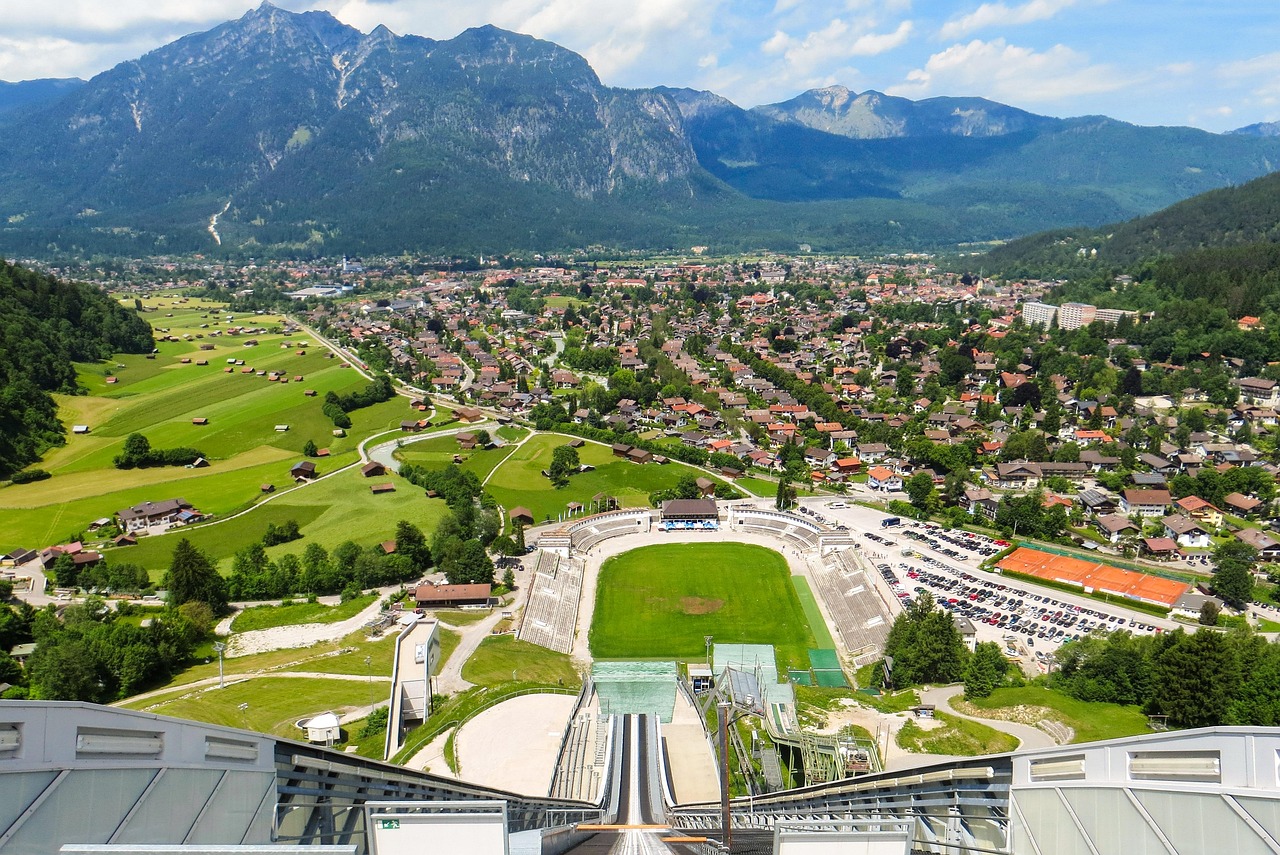
7. Olympia-Skistadion & Ski Jump
The first time I stood at the base of the ski jump and looked up, I wondered what kind of courage it takes to point your skis down that ramp. The Olympia-Skistadion is not just a sports venue; it’s a piece of living history from the 1936 Winter Olympics, still buzzing every New Year with the prestigious Four Hills Tournament.
What to see: You can walk around the stadium freely when it’s not in use, and there are informational boards about its Olympic past. Sometimes you’ll catch jumpers training – they look unreal in person, almost like they’re floating.
Family tip: Kids are often fascinated by the sheer size of the jump and love running around the open space here. Combine this with a Partnachklamm visit to create a varied, kid-friendly day.
8. Riessersee – Quiet Lake with Olympic Echoes
Riessersee is where I go when I want a lakeside walk without the crowds of Eibsee. It’s smaller, closer to town, and edged by forested slopes – a perfect place for a lazy stroll or picnic.
History note: During the 1936 Olympics, Riessersee hosted ice hockey and speed skating. You can still feel that echo of history in the quiet grandstand remains.
What to do: Walk the short loop trail, rent a small boat in summer, or just sit on a bench and watch the reflections shift on the water. In winter, if the ice is thick enough and officially opened (always check), locals skate and play curling here.
9. Wank Mountain – Sun Balcony of Garmisch
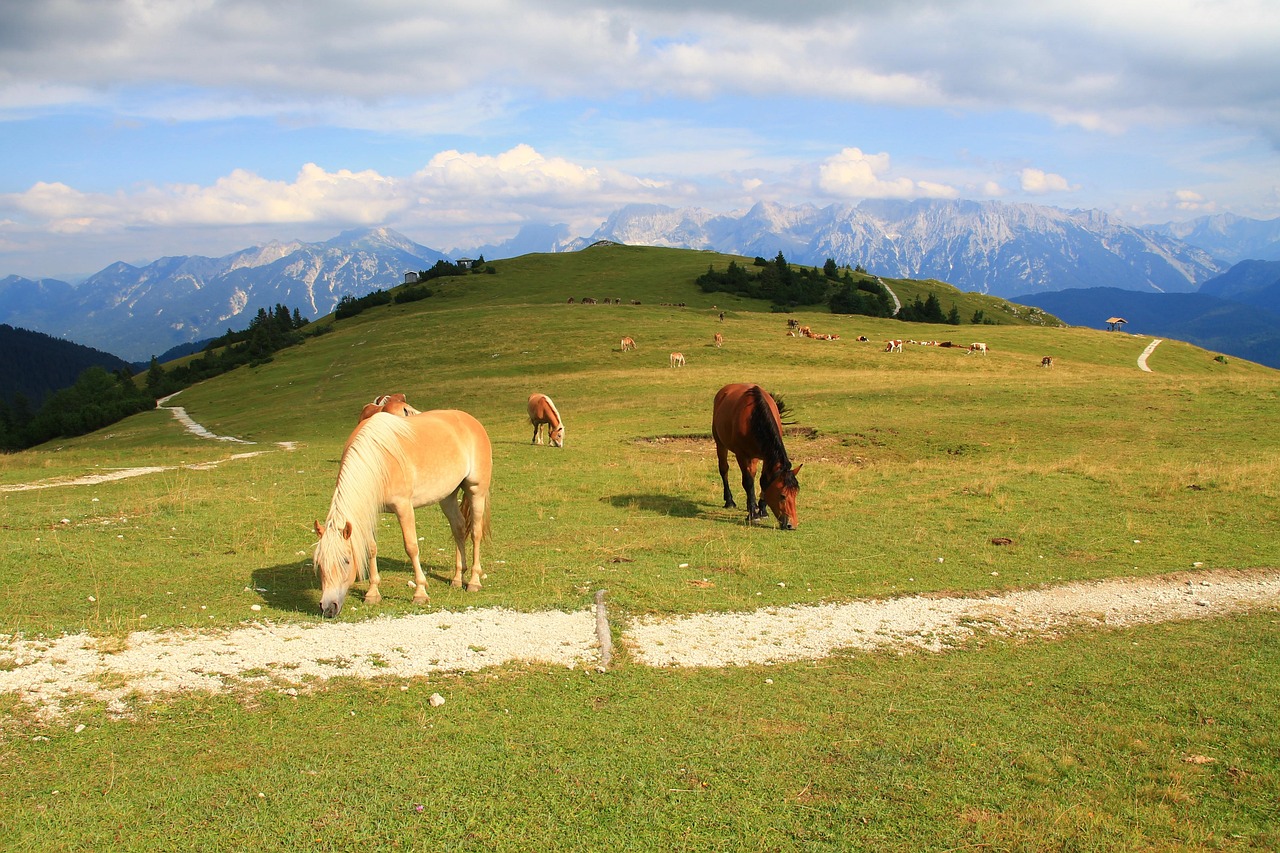
Wank (yes, the name always makes English-speakers smirk) is my favorite “lazy day” mountain. The cable car takes you up to a broad, grassy summit that feels like a giant natural sun terrace overlooking the entire valley.
Why I love it: The panorama from the top is arguably better than from Zugspitze because you can actually see Zugspitze itself, plus the whole layout of Garmisch-Partenkirchen, Grainau, and beyond. It’s a perfect spot for sunset if you time the last cable car down right.
Activities:
- Simple summit strolls suitable for families and casual walkers.
- Paragliding take-offs – even if you don’t fly, watching people launch into the air is mesmerizing.
- Longer hikes down to the valley for those with energy.
10. Walchensee & Kochelsee – Alpine Lakes Day Trip
On my second extended stay in Garmisch, a local friend insisted I spend a day at Walchensee. “You’ll think you’re in Canada,” she said. She wasn’t wrong. Surrounded by steep forested hills and with shimmering turquoise water, Walchensee feels wilder than many Bavarian lakes.
Getting there: Buses and trains via Kochel connect Garmisch with this lake pair, making it an easy day trip. I cover logistics in more detail in the day trips section, but it fits nicely into a 4 day itinerary for Garmisch-Partenkirchen if you want variety beyond the immediate valley.
11. Werdenfels Museum & Local History
On a rainy afternoon, I ducked into the Werdenfels Museum more to escape the weather than anything else. I ended up staying over two hours. The exhibits trace local history from early times through witch trials, farming life, and the development of tourism.
Why go: It gives context to everything else you see – why the houses look the way they do, how the valley changed when trains and ski lifts arrived, and what life was like here long before Garmisch became a hashtag.
12. Grainau Village
Grainau feels like the slightly sleepier cousin of Garmisch-Partenkirchen, closer to Eibsee and nestled right at the foot of the Zugspitze massif. I like to wander its quieter lanes, admire lovingly maintained flower-bedecked balconies, and drop into a café where almost everyone seems to know each other.
13. St. Anton Church & Hill
For a peaceful break without leaving town, the short steep walk up to St. Anton above Partenkirchen is ideal. The little pilgrimage church sits on a forested hill, with views back over the old town roofs and towards the mountains.
Personal ritual: I often walk up here in the late afternoon, sit on the bench outside, and let my thoughts unwind before heading back down for dinner.
14. Kramerplateauweg – Gentle Panorama Path
If you want a hike with big views but without big elevation gain, the Kramerplateauweg is your friend. This balcony path runs along the flank of the Kramer mountain, offering wide views across to Zugspitze and the Wetterstein range.
Family- and senior-friendly: Yes. It’s one of my go-to recommendations for travelers who want scenery but are wary of steep, rocky trails.
15. Michael-Ende Kurpark & Town Center
Named after the author of “The Neverending Story,” who grew up here, the Michael-Ende Kurpark is a surprisingly whimsical green space in the center of Garmisch. Sculptures, water features, and quiet corners make it a good place to take a break between errands or sightseeing.
16. Hausberg & Family Ski Area
In winter, Hausberg is where many families spend their ski days. The slopes are gentler, and the ski school area is excellent for beginners. I’ve spent a few mellow days here between more challenging runs at Garmisch-Classic and Zugspitze, just enjoying the sun terraces and watching kids conquer their first turns.
17. Auerbach & Local Farms
Walk or bike a little way out of town and you reach small farm hamlets where traditional wooden barns, cows, and open meadows dominate the landscape. This is where you start to sense the agricultural side of the region, beyond tourism.
18. Garmisch & Partenkirchen Christmas Markets
My favorite December evening in Garmisch is simple: mulled wine in hand, snowflakes drifting down, a brass band playing carols, and the smell of roasting chestnuts and bratwurst in the air. Both Garmisch and Partenkirchen host cozy Christmas markets, smaller than big-city versions but full of charm.
19. Via Ferrata & Adventure Routes
If your idea of a holiday includes harnesses and exposure, Garmisch has several excellent Klettersteig (via ferrata) routes, especially around the Alpspitze. I’ve tackled a couple with local guides and can say they are intense but incredibly rewarding.
Important: Don’t attempt these without proper gear and experience. Hire a certified guide if you’re new to via ferrata.
20. Seefeld & Tirol Panorama (Austria Day Trip)
Another favorite cross-border excursion is to Seefeld in Tirol, reached by a gorgeous train ride over the Mittenwald railway. I’ll go into practicalities later, but if your 5 days in Garmisch-Partenkirchen allow, it’s a fantastic extra dimension to your trip – different country, same mountains, new perspective.
3–5 Day Itineraries for Garmisch-Partenkirchen (With Personal Stories)
These itineraries are designed from my own trips, blending must-see sights, hidden gems in Garmisch-Partenkirchen, and time to simply breathe the mountain air. Use them as templates for your own 3 day, 4 day, or 5 day itinerary for Garmisch-Partenkirchen.
3 Day Itinerary for Garmisch-Partenkirchen
This plan focuses on the must-see attractions in Garmisch-Partenkirchen with a bit of flexibility depending on weather. I’ve done this exact flow with visiting friends more than once.
Day 1: Arrival, Old Town Stroll & Partnachklamm
I like to arrive in Garmisch-Partenkirchen by mid-morning, drop my bag at the guesthouse (most will store it even if your room isn’t ready), and head straight out for a first taste of the town.
Morning:
- Walk from Garmisch station through the town center, grabbing a snack from a bakery – a Butterbreze (buttered pretzel) is my go-to “I’ve arrived” treat.
- Wander the pedestrian zone, then make your way towards the Olympia-Skistadion.
Midday & Afternoon – Partnachklamm:
- From the stadium, follow signs to Partnachklamm. Pay the small entry fee at the hut.
- Walk through the gorge, taking your time. It’s tempting to rush, but pausing at small openings in the rock lets you feel the scale and sound of the water.
- Continue up to Partnachalm or another nearby Alm for a late lunch – I like to order a hearty Kaspressknödelsuppe (cheese dumpling soup) or Kaiserschmarrn here.
Evening – Ludwigstraße & Dinner:
- Head to Partenkirchen and stroll Ludwigstraße in the golden hour light.
- Choose a traditional Gasthof for dinner – I often recommend a place with local game dishes or seasonal specialties. Try Schweinshaxe (pork knuckle) if you’re hungry or Spinatknödel (spinach dumplings) for something lighter.
Why this works: It’s a gentle first day that still gives you a major highlight (the gorge) plus time to adjust, especially if you’ve just flown in from afar.
Day 2: Zugspitze & Eibsee – The Highs & the Water
This is your blockbuster day. When I bring first-time visitors, this is the day where they keep repeating, “I can’t believe this exists.”
Morning – Zugspitze:
- Check the weather early. If the summit is socked in, swap with Day 3 and hike instead.
- Take the Zugspitzbahn around 8:15–9:00 from Garmisch to Eibsee, switch to the cable car, and ride up to the summit.
- Spend 1.5–2 hours on top: walk the viewing platforms, browse the exhibits, have a coffee, and take far too many photos.
Midday & Afternoon – Eibsee:
- Descend back to Eibsee and start the lakeside loop. I prefer to walk clockwise, saving the iconic Zugspitze reflection views for the later half.
- Pause for an impromptu picnic at one of the small beaches – I usually bring sandwiches and fruit from town, plus a thermos of tea in colder months.
- Optional: Rent a rowing boat or SUP for an hour if conditions are calm.
Evening: Return to Garmisch tired and happy. On nights like this I often opt for something simple for dinner – a wood-fired pizza or a casual Brauhaus where you can try local beer and comfort food.
Day 3: AlpspiX, Garmisch Center & Kramerplateauweg (or Relax)
For your final day, you can choose adventure or relaxation depending on how your legs feel.
Option A – AlpspiX & Mountain Trails:
- Take the bus or walk to Garmisch-Classic gondola base.
- Ride up to the AlpspiX platform for sweeping valley views.
- Do one of the easy marked circular hikes around the top stations or, if you’re a more experienced hiker, tackle a longer route with a hut lunch.
Option B – Town Life & Kramerplateauweg:
- Spend the morning browsing shops in Garmisch, visiting the Werdenfels Museum, or relaxing in the Michael-Ende Kurpark.
- In the afternoon, walk up to the Kramerplateauweg for a gentle panorama walk and coffee and cake at a café along the way.
Evening farewell: For your last night, consider a slightly nicer restaurant with a view, or a cozy Stub’n (wood-paneled dining room). If you’re into nightlife, this is the night to check out a local bar or live music spot.
4 Day Itinerary for Garmisch-Partenkirchen
With four days, you can slow down a bit and add either a deeper hike or a side excursion.
Day 1–3: Follow the 3 Day Itinerary
Use the same structure as the 3 days in Garmisch-Partenkirchen above, adjusting for weather and energy.
Day 4: Höllentalklamm or Walchensee
Option 1 – Höllentalklamm Adventure:
- Take the train or bus to Hammersbach.
- Hike up to Höllentalklamm (1.5–2 hours) and through the gorge.
- Enjoy lunch at a mountain hut beyond the gorge, then descend in the afternoon.
Option 2 – Walchensee & Kochelsee Lakes:
- Travel by bus/train towards Kochel, then up to Walchensee.
- Spend the day walking lakeside paths, swimming in summer, or just enjoying the calmer pace compared to Eibsee.
My personal pick: If the weather is hot, Walchensee wins. If it’s cooler or you crave more dramatic scenery, Höllentalklamm is unforgettable.
5 Day Itinerary for Garmisch-Partenkirchen
With 5 days in Garmisch-Partenkirchen, you can mix in real downtime and multiple side trips, turning this into a true slow-travel base.
Day 1–4: Build on the 3–4 Day Itinerary
Combine the earlier days as you like. I often structure it like this:
- Day 1: Arrival, Partnachklamm, Partenkirchen evening.
- Day 2: Zugspitze & Eibsee.
- Day 3: AlpspiX & mountain trails.
- Day 4: Walchensee or Höllentalklamm.
Day 5: Seefeld & Mittenwald (Two Countries, Two Towns)
Morning – Mittenwald:
- Take the scenic train from Garmisch to Mittenwald (about 20–25 minutes). Sit on the right side going out for the best views.
- Stroll the old town with its violin-making history and lavishly painted buildings.
- Optionally, take the Karwendelbahn cable car up for a very different, more rugged mountain panorama.
Afternoon – Seefeld (Austria):
- Continue by train over the border to Seefeld in Tirol.
- Enjoy lunch in the pedestrian center, then walk out to one of the small lakes or viewpoints.
Evening: Return by train to Garmisch for a final dinner. Crossing a border, hearing a different accent, and yet still seeing the same mountain chain gives a surprising sense of how interconnected this region is.
Local Food & Drink in Garmisch-Partenkirchen
One of my consistent joys in Garmisch-Partenkirchen is how seriously people take food – not fancy, but honest, rich, and seasonal. If your idea of vacation includes eating well (mine definitely does), you’ll be in good hands.
Must-Try Local Dishes
- Weißwurst & Breze: Traditional white sausages, usually eaten before noon with sweet mustard and a pretzel.
- Käsespätzle: Think Bavarian mac and cheese, often topped with crispy onions.
- Schweinshaxe: Crispy roasted pork knuckle, huge and indulgent – best shared if you’re not very hungry.
- Kaiserschmarrn: Shredded pancake with raisins and powdered sugar, served with apple or plum compote. I often order this as a main meal in mountain huts.
- Obazda: A creamy, spiced cheese spread, perfect with bread and beer.
Where I Actually Eat (Personal Picks)
Names of specific places change over time, but what I look for remains the same: family-run Gasthöfe, busy bakeries, and breweries with locals at most tables. A few types of spots I return to:
- Traditional Inns in Partenkirchen: Dim wood-paneled dining rooms, seasonal game dishes, generous portions. I’ve had some of my coziest winter meals here with snowflakes piling on the window sills.
- Mountain Huts (Almen): Partnachalm, huts above Höllentalklamm, and those near Alpspitze all serve hearty, simple dishes. Food tastes twice as good after a hike.
- Town Center Cafés: For afternoon cake, I look for counters with a wide selection of Torten and tables full of locals gossiping over coffee.
- Bakeries: Breakfast or on-the-go lunch? Grab pretzels, sandwiches, and pastries. It’s the easiest way to save money on food without sacrificing quality.
Local Drinks
- Helles & Weißbier: Pale lager and wheat beer are staples. Try a local brewery’s version on tap.
- Radler: Beer mixed with lemonade – wonderfully refreshing after a hike.
- Schnapps: Fruit brandies like Enzian or Obstler are often offered as digestifs. Sip, don’t slam.
- Glühwein: Mulled wine at Christmas markets – part drink, part hand warmer.
Saving Money on Food
Over multiple visits, I’ve learned a few habits that keep my food budget under control without feeling deprived:
- Book accommodation with breakfast included. German breakfasts are typically generous.
- Make lunch the main meal at mountain huts or inns, then have a lighter, cheaper dinner (soup, salad, or sharing plates).
- Use supermarkets for fruit, snacks, and picnic supplies. Local cheese and bread can make a wonderful picnic at a fraction of restaurant prices.
- Skip expensive summit restaurants for full meals; snack instead and eat big lower down.
Nightlife, Entertainment & Cultural Experiences
Evenings in Garmisch-Partenkirchen
Garmisch is more about mountain mornings than late nights, but there’s still a pleasant after-dark scene.
- Cozy Bars & Pubs: You’ll find several spots in Garmisch center with local beer, occasional live music, and a mix of locals and visitors.
- Hotel Bars: Some of the larger hotels have elegant bars where non-guests are welcome – a good place for a quiet cocktail or glass of wine.
- Seasonal Events: In winter, après-ski spots around Hausberg and Garmisch-Classic add energy in the late afternoon.
Cultural Experiences
- Traditional Music & Dance: Look for events featuring Blasmusik (brass bands) or folk dancing, especially in summer festivals.
- Church Concerts: Local churches sometimes host classical or choral concerts – check posters around town.
- Museums & Exhibits: The Werdenfels Museum and smaller local exhibits give insight into Alpine life.
Romantic Ideas
- Sunset ride on the Wankbahn followed by a simple summit drink.
- Evening stroll on Ludwigstraße with a shared dessert and coffee.
- Nighttime walk in the Michael-Ende Kurpark when it’s quiet and softly lit.
Events & Festivals in Garmisch-Partenkirchen (2026–2027)
Event schedules can shift slightly year to year, but these are fixtures you can expect around 2026–2027:
- New Year’s Ski Jump (Four Hills Tournament) – Late December/1 January: The world-famous ski jumping event at the Olympia-Skistadion. Book accommodation well in advance.
- Almabtrieb / Viehscheid – Early autumn: Cows are brought down from mountain pastures, often celebrated with small festivals, music, and food.
- Summer Music & Folk Festivals – June–September: Open-air concerts, brass bands, and folk dancing, especially in Garmisch’s center and on Ludwigstraße.
- Christmas Markets – Late November–December: Both Garmisch and Partenkirchen host markets with crafts, food, and Glühwein.
- Sports Events – Various: Alpine ski races, cross-country events, and mountain running competitions pop up throughout the year. Check the official Garmisch-Partenkirchen tourism site before travel in 2026–2027 for current listings.
Best Day Trips from Garmisch-Partenkirchen
Mittenwald – Violin Makers & Painted Houses
Getting there: Direct train 20–25 minutes from Garmisch.
What to do: Stroll the old center, visit the violin museum, and maybe ride the Karwendelbahn for a high Alpine viewpoint. It’s a perfect half-day combined with a relaxed evening back in Garmisch.
Innsbruck (Austria)
Getting there: Train via Mittenwald and Seefeld, usually 1.5–2 hours with a change or two.
Why go: A small city with a big mountain backdrop, colorful old town, and museums – a nice contrast if you’re missing urban vibes.
Neuschwanstein & Hohenschwangau Castles
Getting there: Train/bus combinations via Füssen (allow 2–2.5 hours each way), or consider a rental car for flexibility.
Tip: Reserve castle tickets in advance; lines and wait times can be long, especially in summer.
Ammergau Alps & Oberammergau
Oberammergau is famous for its Passion Play (next big edition after 2020 is far off), but even in off years it’s a lovely day out, with more painted houses, woodcarving traditions, and access to hiking trails.
Cultural Etiquette & Local Customs in Garmisch-Partenkirchen
Garmisch-Partenkirchen is welcoming, but it’s still a small Alpine town with strong traditions. A bit of cultural sensitivity goes a long way.
Everyday Etiquette
- Greetings: A simple “Grüß Gott” or “Hallo” when entering small shops, mountain huts, or shared spaces is appreciated.
- Quiet hours: Residential areas are generally quiet after about 10 pm; keep noise down when walking back late.
- Cash vs Card: Cards are widely accepted, but small huts and some older inns may still prefer cash.
On the Mountain
- Trail manners: Greet fellow hikers with a nod or “Servus,” yield space on narrow paths, and let faster hikers pass.
- Alm etiquette: Order at the counter if it’s not clear, and return trays/dishes when you’re done.
- Respect signs: Stay on marked trails, follow closure notices, and don’t cross into grazing fields without permission.
Dress & Behavior
- You don’t need to wear traditional dress, but you will see Dirndl and Lederhosen worn proudly, especially at festivals.
- In churches, dress modestly and keep voices low. Photography may be restricted in some areas.
Practical Travel Advice for Garmisch-Partenkirchen (2026)
Getting To & Around Garmisch-Partenkirchen
Arriving by Train: Direct regional trains run from Munich (about 1.5 hours) and other Bavarian hubs. It’s my favorite way to arrive – easy, scenic, and stress-free.
By Car: The drive from Munich is straightforward on the A95/B2. Parking in town is limited in high season; check if your accommodation offers a spot.
Public Transport & Local Passes
- Buses: Connect main sights like Eibsee, Grainau, and nearby villages. Timetables are posted at stops and online.
- Trains: Useful for day trips to Mittenwald, Innsbruck, Oberammergau, and Munich.
- Guest Card: Many accommodations include a guest card that offers free or discounted local bus travel – always ask at check-in.
Car Rental & Driving
You don’t need a car for a classic 3 day itinerary for Garmisch-Partenkirchen, but for some day trips or if you’re a group, it can be convenient.
- Foreign licenses: Most non-EU licenses are accepted for short stays; an International Driving Permit is recommended if your license is not in Roman script.
- Winter: In snowy months, ensure your rental has winter tires; chains may be required on some mountain roads.
SIM Cards & Connectivity (2026)
Mobile coverage in and around Garmisch is generally good, with occasional weak spots in deep gorges (Partnachklamm, Höllentalklamm).
- eSIM & Roaming: Many travelers now use eSIM plans that cover Germany and neighboring countries – convenient if you’ll cross into Austria.
- Physical SIM: German providers like Telekom, Vodafone, and O2 offer prepaid SIMs; you’ll find them in bigger supermarkets, electronics stores, or at Munich airport.
Money & Costs
- Currency: Euro.
- ATMs: Plentiful in the town center.
- Budget tips: Use bakeries and supermarkets for some meals, take advantage of guest cards and regional rail passes, and choose a guesthouse with breakfast included.
Visa Requirements (2026)
Germany is part of the Schengen Area. Many nationalities can visit visa-free for short stays (up to 90 days within 180 days); others require a Schengen visa. Always check the latest requirements with your local German consulate or official government website before travel.
Seasons & When to Go
- Winter (Dec–Feb): Best for skiing, snowboarding, winter hikes, and Christmas markets. Short days, magical atmosphere.
- Spring (Mar–May): Shoulder season; snow lingering on peaks, valley greening up. Some high trails still closed.
- Summer (Jun–Aug): Prime hiking, lake swimming, long daylight hours, and festivals. Also the busiest and often priciest.
- Autumn (Sep–Nov): My personal favorite: golden forests, cooler temperatures, fewer crowds. Ideal for hiking and photography.
Health & Safety
- Tap water is safe and excellent; refill bottles before hikes.
- Mountain weather changes fast: always check forecasts and carry basic layers.
- Stick to your ability level on trails and ski slopes; rescue operations are professional but expensive if you’re uninsured.
Hidden Tips from Repeat Visits
- Start early: For Zugspitze, Eibsee, and the gorges, arriving before 9–9:30 am dramatically changes your experience.
- Flexible days: Keep your big-view days (Zugspitze, AlpspiX) flexible to chase good weather.
- Talk to hut staff: They often have the best up-to-date info on trail conditions, closures, and small local events.
- Stay at least one night in Grainau or near Eibsee if you’re doing a 4–5 day trip – you’ll see the lake and mountains at their quietest.
Summary: Key Takeaways & Best Time to Visit Garmisch-Partenkirchen
After several trips across seasons, Garmisch-Partenkirchen has become one of those places I instinctively return to when I need mountains, fresh air, and a reset.
- For a 3 day itinerary for Garmisch-Partenkirchen, focus on Zugspitze, Eibsee, Partnachklamm, and the twin centers of Garmisch and Partenkirchen.
- With 4 days, add a deeper hike (Höllentalklamm or Kramerplateauweg) or a lake day at Walchensee.
- With 5 days, use Garmisch-Partenkirchen as a base for cross-border day trips to Mittenwald, Seefeld, or even Innsbruck.
- Eat locally, ride the lifts, walk the valley paths, and leave space in your schedule for unexpected viewpoints and conversations.
Best time to visit:
- For skiing & snow magic: December–March (book early around New Year’s and school holidays).
- For hiking, lakes & long days: June–September, with September often offering the best balance of weather and fewer crowds.
- For quieter, atmospheric stays: Late May and October–early November, when the valley breathes between seasons.
Whichever season you choose, let Garmisch-Partenkirchen set the pace. Wake with the mountains, walk until your legs are pleasantly tired, eat well, and sleep deeply. It’s that simple – and that wonderful.