Why Visit Goslar?
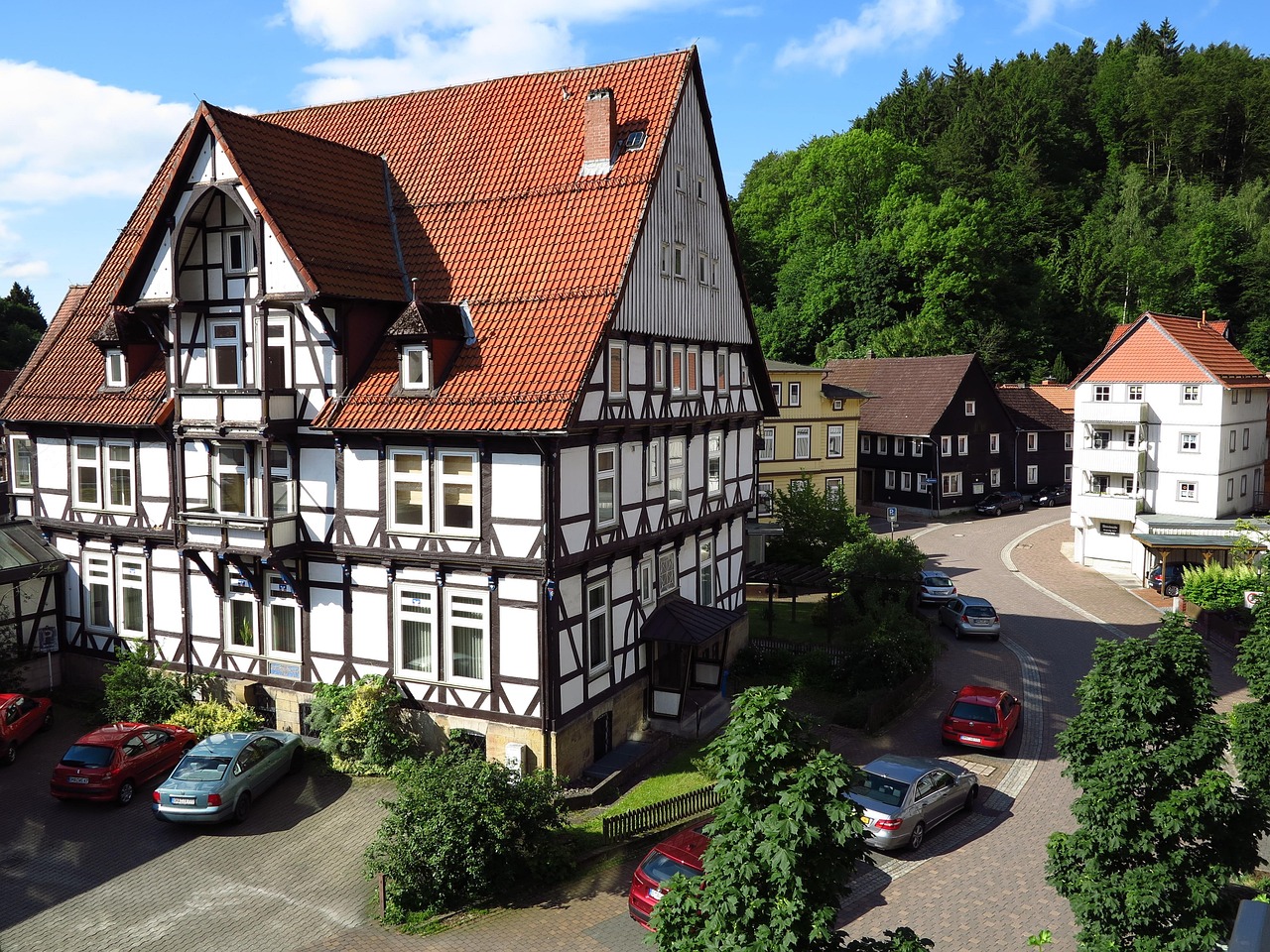
If you like cobbled lanes, crooked half-timbered houses, and mountains rising right behind a medieval skyline, Goslar will feel like a storybook come to life. I’ve been coming here regularly since my student days in nearby Göttingen, and every time I step out at Goslar station and see the Harz foothills and that sea of red roofs, I get the same little jolt of “wow, this is why I travel.”
Goslar is a UNESCO World Heritage city with over 1,000 years of history, born from silver mines and imperial power. But in 2026 it’s also a very livable small town: café tables under centuries-old facades, kids licking ice cream on the Marktplatz, hikers clomping through in muddy boots on their way back from the Harz. It’s compact enough to walk everywhere, yet big enough that you can spend 3, 4 or even 5 days in Goslar without running out of things to do.
Think of this travel guide for Goslar as a long walk with a local friend. I’ll share the must-see attractions in Goslar, the hidden gems I’ve found on rainy afternoons, the best local food in Goslar, and detailed 3, 4, and 5 day itineraries with a personal, boots-on-the-ground perspective.
Table of Contents
- Why Visit Goslar?
- Goslar at a Glance (2026–2027)
- Neighborhoods & Areas to Explore
- 20+ Must-See Attractions in Goslar (Deep Dive)
- Suggested Itineraries: 3, 4 and 5 Days in Goslar
- Local Food & Drink in Goslar
- Nightlife, Entertainment & Cultural Experiences
- Day Trips from Goslar
- Cultural Etiquette & Local Customs
- Practical Travel Tips for Goslar
- When to Visit Goslar & Seasonal Advice
- Summary & Final Recommendations
Goslar at a Glance (2026–2027)
Population: just over 50,000. Altitude: around 250–300 m, with the Harz mountains rising steeply to the south. Location: Lower Saxony, on the northern edge of the Harz, about an hour from Hanover by train.
Goslar’s heart is its preserved medieval Altstadt (Old Town) and the former imperial palace, the Kaiserpfalz. Under your feet lies the Rammelsberg, the silver and ore mine that made this tiny town powerful enough to host German kings and Holy Roman Emperors.
In 2026, Goslar is leaning even more into its cultural and outdoor strengths:
- Harz Mountain Festivals (2026–2027): Expect expanded hiking, trail-running, and mountain biking weekends, especially around Bocksberg and the Liebesbankweg, plus more English-language guided tours.
- UNESCO Heritage Events: The Rammelsberg mine and the Old Town host special nighttime illuminations and thematic weekends (mining life, medieval crafts, and music) slated through 2027.
- Goslar Christmas Market: The beloved Weihnachtsmarkt continues to grow, with a larger “forest of Christmas trees” on the Marktplatz and more regional food stalls.
Neighborhoods & Areas to Explore in Goslar
Goslar is small, but each little area has its own flavor. After multiple visits, I’ve come to think of the town in four “zones” that matter for visitors.
1. Altstadt (Old Town)
This is where you’ll spend most of your time: narrow lanes like Schuhhof and Worthstraße, the Marktplatz with its famous chimes, and the Kaiserpfalz just a short walk away.
- Vibe: Romantic, historic, walkable. Great for couples, families, and photographers.
- Highlights: Marktplatz, Marktkirche, Kaiserpfalz, Zwinger tower, city walls, dozens of half-timbered merchant houses.
- Best for: First-time visitors, short stays, Christmas market.
2. Rammelsberg & Bergwerksviertel (Mining Quarter)
South of the Old Town, the streets climb toward the forested slopes and the Rammelsberg mine. The houses here feel more “working class” historic, often with little gardens and a slightly scruffier charm.
- Vibe: Quiet residential, industrial heritage.
- Highlights: Rammelsberg Mine, old miners’ cottages, access to hiking trails into the Harz.
- Best for: History buffs, hikers, those who like less touristy streets.
3. Bahnhofsviertel (Station Area)
Goslar’s train station is about a 10–15 minute walk from the Marktplatz. The surrounding streets are more modern and functional: supermarkets, budget hotels, and bus connections. I almost always book a place either right in the Old Town or on the gentle slope between the station and the center, which lets me walk easily in both directions.
- Vibe: Practical, everyday local life.
- Highlights: Easy transport, cheaper accommodations, bike rentals.
- Best for: Budget travelers, road-trippers, people arriving late or leaving early.
4. Harz Edge & Surrounding Villages
Technically beyond Goslar, but functionally part of the experience: tiny villages like Hahnenklee, Clausthal-Zellerfeld, and Bad Harzburg feel like Goslar’s backyard. They’re key to understanding how tightly city and mountain are intertwined here.
- Vibe: Alpine-lite, forested, very seasonal.
- Highlights: Hahnenklee’s stave church, Bocksberg cable car, thermal spas, ski and sledding hills.
- Best for: Outdoor lovers, families, winter sports, summer hiking.
20+ Must-See Attractions in Goslar (Deep Dive)
Below are the best places to visit in Goslar, ordered roughly from most iconic to more hidden gems. I’ve included history, cultural context, and my own experiences and tips for each. Treat this as your long-list when deciding what to include in your 3 day itinerary for Goslar, or how to fill 4 or 5 days in Goslar.
1. Kaiserpfalz Goslar (Imperial Palace)
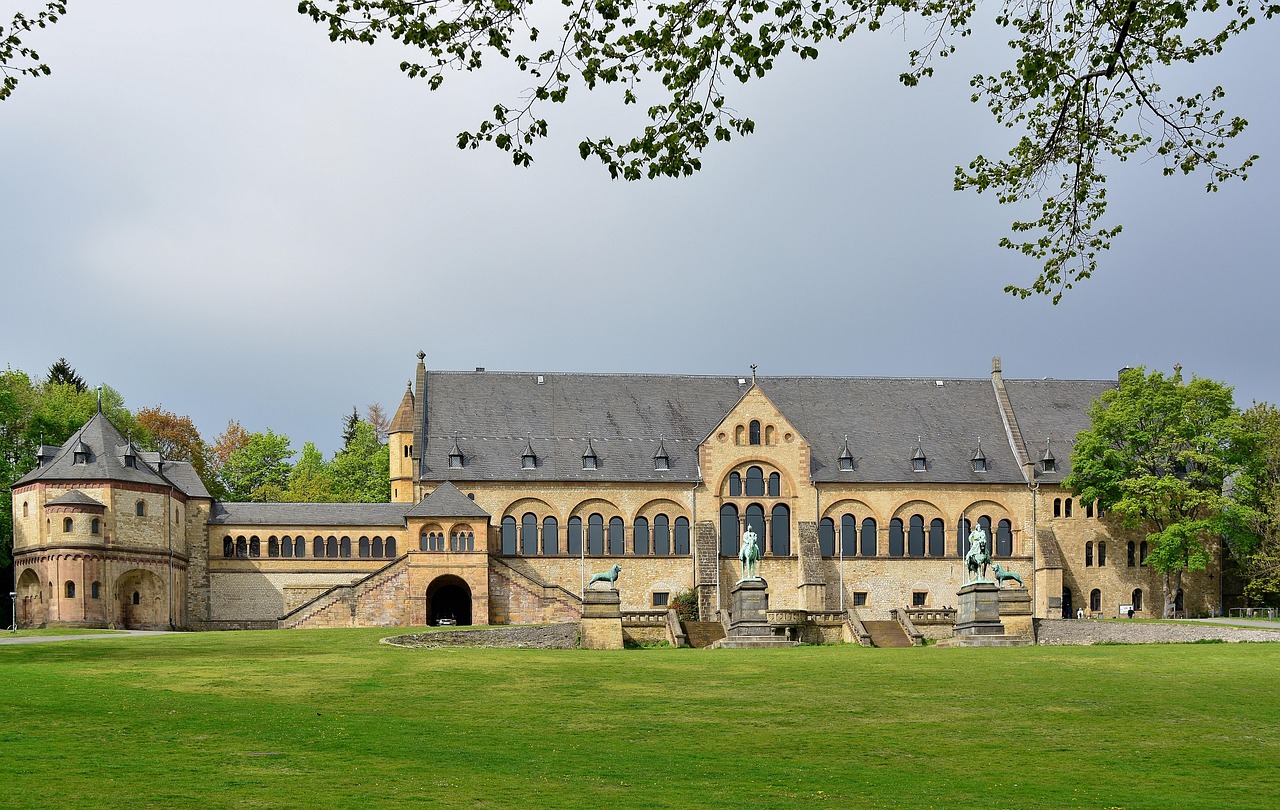
If Goslar has a single must-see sight, this is it. The Kaiserpfalz was one of the main residences of the Holy Roman Emperors in the 11th and 12th centuries, and the weight of that history is palpable as you approach across the broad lawn.
I usually begin my visits to Goslar here. My ritual: walk up from the Marktplatz via Kaiserbleek in the early morning, when the grass is still wet and the tour groups haven’t arrived. The building’s long, sober façade, with rows of arched windows and imperial statues, glows honey-gold if the sun cooperates. It’s a striking contrast to the crooked half-timbered houses behind you.
Inside, the main hall is vast and almost austere; a reconstructed 19th-century interpretation, but still impressive. The wall paintings tell the story of the empire and Goslar’s role in it. Don’t skip the small museum sections underneath, which explain how the palace changed across the centuries and how tied it was to the fortunes of the Rammelsberg mine.
Family-friendly? Yes, especially if you mix it with a picnic on the lawn. Kids can run around outside; inside, the big hall feels grand rather than fragile, so you don’t need to be hyper-nervous.
Romantic? Definitely. Come near sunset, then walk back down through the Old Town as the lamps come on; that’s one of my favorite golden-hour walks in Germany.
Tips:
- Best time: Early morning or late afternoon for softer light and fewer people.
- Tickets: Combined tickets are often available with other museums; ask at the desk.
- Language: Guided tours are usually in German, but printed English materials and audio guides are often available—check in 2026, as offerings keep expanding.
2. Marktplatz & Glockenspiel
The Marktplatz is Goslar’s living room. No travel guide for Goslar would be complete without lingering here, watching the world go by with a coffee or a beer in hand.
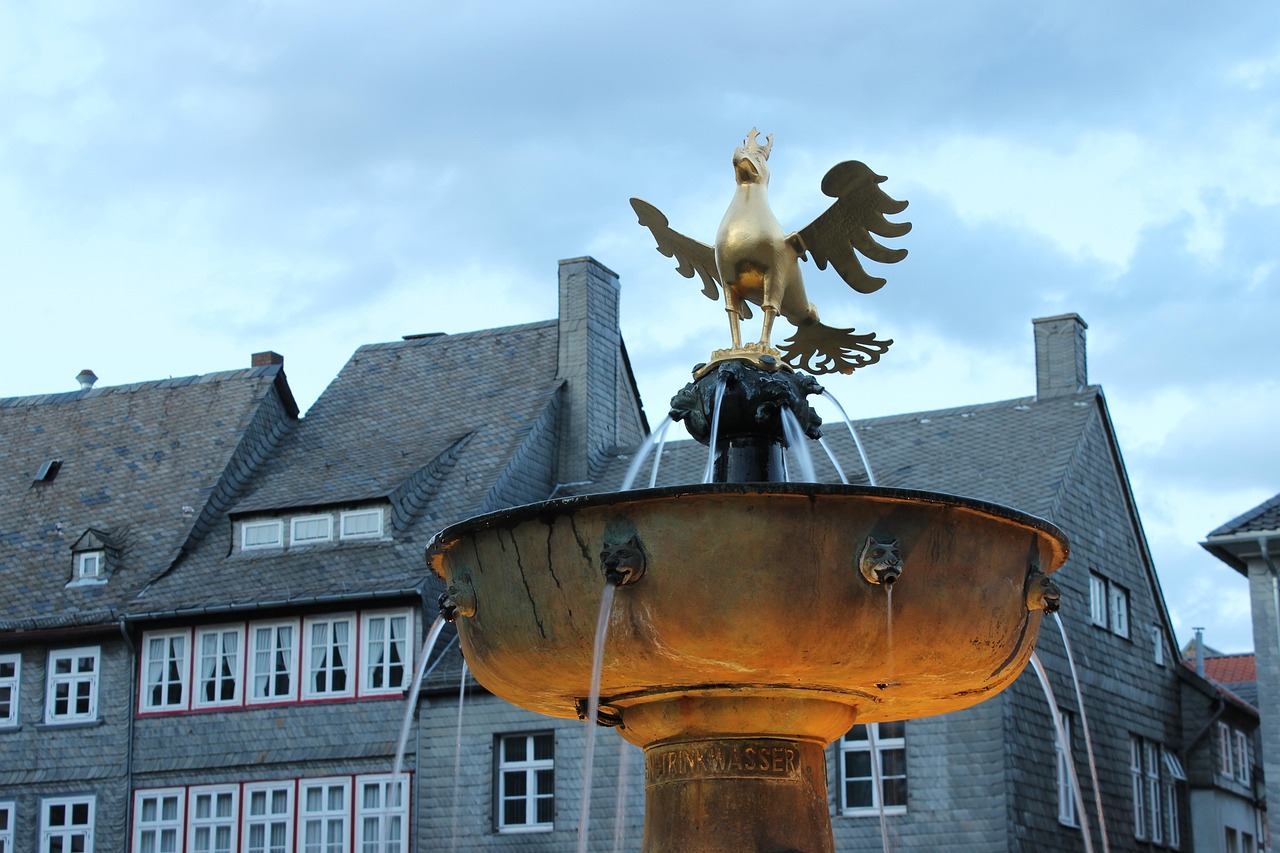
On my last autumn trip, I stayed in a little guesthouse just two minutes away. Each morning I’d weave through the side lanes, emerge into the square, and be met by the cheerful chaos of café umbrellas, delivery vans, and the old fountain (the Marktbrunnen) with its golden Imperial Eagle glinting above.
The real star is the Glockenspiel on the stepped gable of the Kämmereigebäude (the old council treasury). Several times a day, the bells ring and a charming mechanical procession tells the story of Goslar’s mining heritage—miners setting off, working underground, and returning. The tune will get stuck in your head, in the best possible way.
Best times: Morning for quiet photos, or late afternoon for that warm café buzz. In December, the Marktplatz becomes the heart of the Goslar Christmas market, with a small “Christmas forest” of fir trees set up right in front of the fountain. I still remember one snow-dusted evening in 2023, sipping hot mulled wine under the trees while a choir sang carols from the church steps—pure winter magic.
Tips:
- Time your visit around a glockenspiel performance; ask at the tourist office or check the posted times.
- For a budget snack, grab a Bratwurst or a slice of cake from a bakery instead of sitting at the pricier terrace cafés.
3. Marktkirche St. Cosmas und Damian
The twin-towered Marktkirche rises just off the main square, its uneven towers giving it a slightly whimsical silhouette. I recommend climbing one of the towers if your legs and lungs allow it.
The climb is narrow and a bit claustrophobic, but when you pop out above the rooftops, you get one of the best views in town: a sea of red tiles, the Kaiserpfalz on its little rise, and the dark green mass of the Harz beyond. The first time I did this, the bells rang while I was on the viewing platform, and the sound vibrated through my whole chest.
Inside, the church is relatively simple but peaceful. During one summer visit I ducked in to escape a downpour and ended up listening to an impromptu organ rehearsal—one of those serendipitous travel moments that stick.
Tips:
- Check opening hours for the tower; it’s not always accessible.
- If you’re afraid of heights or narrow spaces, maybe skip the climb, but still peek inside the church.
4. Rammelsberg Mine & Museum (UNESCO)
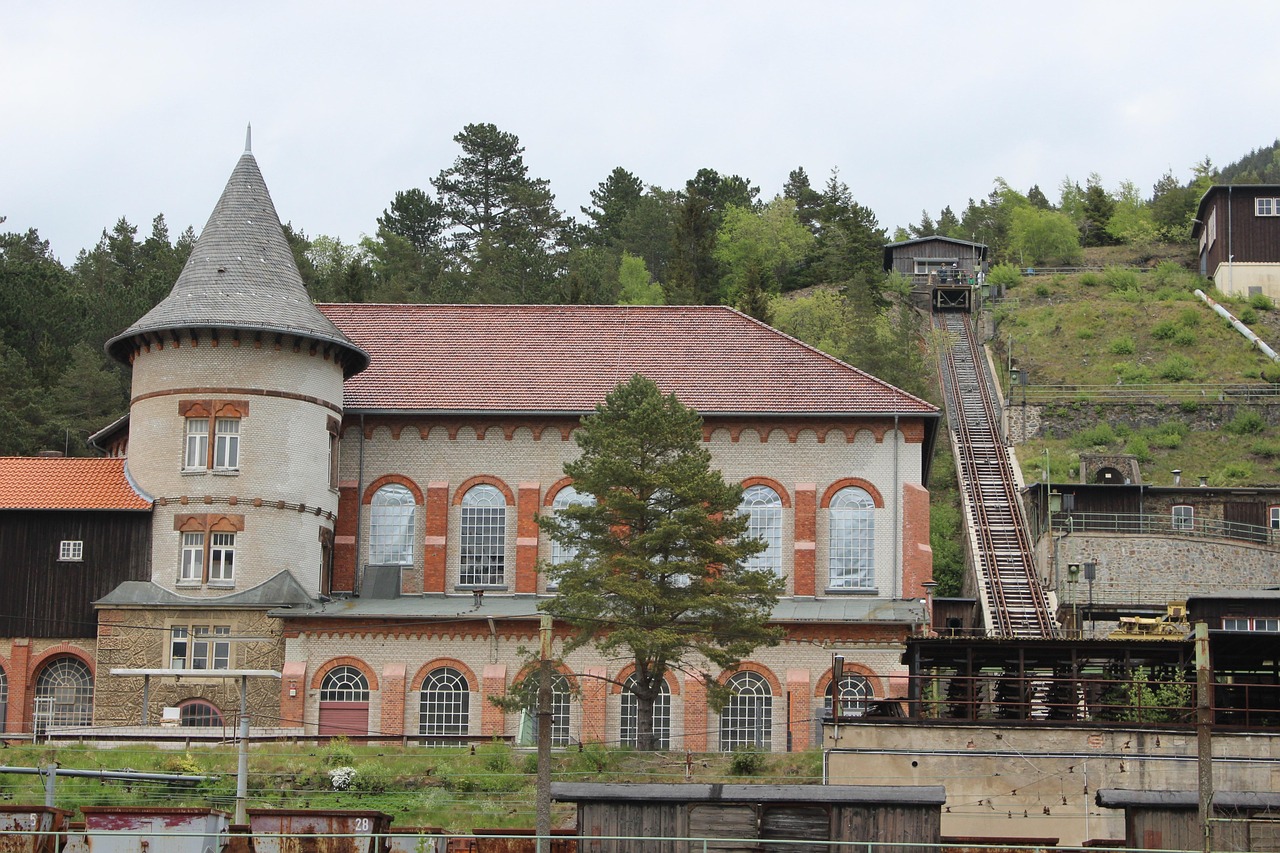
The Rammelsberg mine is where Goslar’s wealth—and much of its drama—came from. Mining here continued for over 1,000 years, and the site is now a UNESCO World Heritage museum that feels half industrial ruin, half science playground.
It’s a short bus ride or about a 30–40 minute uphill walk from the Old Town. I’ve done both; if the weather’s good, I like to walk up and take the bus back. As you approach, the terraced industrial buildings cling to the hillside, a striking contrast to the fairy-tale town below.
The tours are the heart of the experience. You don a helmet and sometimes a jacket (it’s chilly inside, even in August) and head into the mountain. There are different routes: medieval mine workings, 20th-century technology, and even a ride on the miner’s train. The first time I went, I chose the medieval tour and found myself squeezing along damp, narrow tunnels by lantern light, trying to imagine digging with hand tools centuries ago.
Family-friendly? Very. Kids usually love the helmets, machinery, and train. Some tours are better for younger ones—ask which routes are less cramped and more “wow.”
Adventurous? Yes, in a gentle way. If you’re claustrophobic, pick the more spacious tunnel tours or stay above ground and focus on the exhibitions.
Tips:
- Book tours in advance in peak seasons and weekends.
- Wear sturdy shoes and bring a light jacket; the temperature underground is around 10–12°C year-round.
- Look for combination tickets with the Old Town museums.
5. Zwinger Tower & City Walls
The Zwinger is a massive, squat stone tower that formed part of Goslar’s fortifications. It’s so thick that the walls seem almost comically overbuilt compared to the calm town that surrounds it today.
Inside, there’s a small museum with weapons, armor, and models of the city defenses. It’s one of those places that doesn’t look huge from the outside, but keeps revealing more corners and levels as you explore. In 2022, I visited on a gray November afternoon and had the whole place practically to myself. Climbing the stairs and peering out through narrow slits at the tiled roofs below, I could almost hear the ghost of the watchmen’s footsteps.
The surrounding stretch of wall and moat is also worth a stroll. I like to follow the wall path for a bit, then duck back into the Old Town through one of the gates, feeling like I’ve re-entered the medieval city.
Tips:
- Pair a visit to the Zwinger with a lazy loop around parts of the old walls for a deeper sense of Goslar’s layout.
- The tower steps are a bit steep; wear sensible shoes.
6. Brusttuch House
The Brusttuch is one of Goslar’s most photographed half-timbered houses, with an ornate façade covered in carvings and patterns. It’s called “Brusttuch” (literally “breast cloth,” a kind of shawl) because of the triangular shape of its lot.
I remember the first time I walked past it in the evening—the lamps highlighted all the tiny carved faces, leaves, and symbols along the beams. It’s the sort of building that rewards slow looking. These days, a hotel and restaurant occupy the interior, so you can actually stay inside this piece of history, or at least stop for a drink and soak up the atmosphere.
Photo tip: Late afternoon light, when the sun hits the façade at an angle, makes the carvings pop. Try shooting slightly from the side to capture the depth.
7. Schuhhof & Worthstraße Lanes
Schuhhof is one of the coziest little squares in Goslar, a small courtyard-like space ringed by half-timbered façades. From here, narrow lanes like Worthstraße wind deeper into the Old Town.
On several visits, I’ve ended up here more or less by accident—following some crooked alley and suddenly emerging into this pocket of warmth and chatter. In summer, cafés spill out into the square; in winter, it feels like the perfect place to duck into a pub and warm up.
Hidden gem factor: It’s not exactly a secret, but it’s quieter than the Marktplatz and feels wonderfully intimate, especially in the evenings.
8. Siemenshaus
The Siemenshaus is a grand late-medieval merchant’s house that belonged to the Siemens family (yes, the same family that later founded the industrial giant). It’s one of the best-preserved examples of a patrician residence in town.
The façade is impressive, but what really struck me during a guided visit was the inside: large timbered halls, carved doorways, and a sense of how business and home life overlapped. You can almost imagine merchants counting coins by candlelight while family life bustled in adjoining rooms.
Tip: Check tour times, as interior access is often only with a guide. If you can’t go in, it’s still worth admiring from the street as an example of Goslar’s mercantile wealth.
9. Goslar City Museum (Stadtmuseum)
When the weather turns, the Stadtmuseum is where I flee. Spread through a historic building, it covers Goslar’s story from medieval times through mining, trade, and into the 20th century.
What I like is that it’s not overwhelming. You can wander through at a gentle pace, picking up context for all the places you’ve been walking past. On a rainy day in spring 2024, I spent a happy hour here connecting the dots between the Rammelsberg mine, the Kaiserpfalz, and the merchant houses, then emerged back into the drizzle with a deeper appreciation for the streets I was splashing along.
Tip: If you’re doing multiple museums, ask at the tourist office about combo tickets and opening hours; winter hours can be shorter.
10. Abzucht River & Mühlengraben Walk
The Abzucht is the little river that winds through Goslar, feeding old mill channels like the Mühlengraben. Walking along its banks gives you a quieter, more local angle on town life.
I like to follow the water from near the Frankenberger quarter down toward the old mill buildings, watching reflections of half-timbered façades wobble on the surface. In summer, ducks patrol lazily; in autumn, fallen leaves swirl in eddies. It’s an easy, meditative stroll and a good way to escape the Marktplatz crowds.
Hidden gem factor: High. You’ll see locals walking dogs, kids on bikes, and not many tour groups.
11. Frankenberger Kirche & Quarter
The Frankenberger quarter, slightly uphill from the core Old Town, feels like a real neighborhood: fewer souvenir shops, more lived-in houses. At its heart stands the Frankenberger Kirche, with its stout tower and simple interior.
On a sunny afternoon in 2022, I followed a local friend up here. We sat on a bench near the church, watching the light play on the roofs and listening to distant train horns. There was nothing “spectacular” in a guidebook sense—just a sense of place and quiet, everyday beauty.
Tip: Combine a walk through Frankenberg with a loop along parts of the city wall and back toward the Kaiserpfalz.
12. The Old Granary (Alter Kornspeicher) & Medieval Storehouses
Goslar’s historic storehouses and granaries are easy to overlook, but they’re key to understanding how the town functioned as a trading and mining hub. Massive timbered structures, often without the decorative frills of merchant houses, they have a solid, workmanlike beauty.
I like to walk past in the early evening when light filters through the small windows, imagining grain sacks and wagons coming and going centuries ago. Some buildings now house cultural institutions or offices; others remain quiet, almost brooding presences along the lanes.
13. Mönchehaus Museum of Modern Art
After all the medieval and baroque, the Mönchehaus Museum offers a refreshing jolt of modernity. Housed in a lovely half-timbered complex with a sculpture garden, it focuses on 20th and 21st-century art, including works by Goslar’s “Kaiserring” art prize winners.
On a late summer visit, I spent a quiet hour moving between old beams and bold canvases, then sat in the garden, surrounded by sculptures and birdsong. It’s a reminder that Goslar isn’t just a preserved monument—it’s part of a living artistic conversation.
Tip: Check temporary exhibition schedules; 2026–2027 includes several shows tied to the Kaiserring award, often with international artists.
14. Goslar Christmas Market & Christmas Forest
If you can time your 3 days in Goslar for late November or December, the Christmas market alone is reason enough to visit. Stalls cluster around the Marktplatz and down side streets, but the most atmospheric feature is the Weihnachtswald—a miniature forest of fir trees planted right on the square, with woodchip paths, twinkling lights, and small stands nestled among the trunks.
I’ve been to a lot of German Christmas markets, but Goslar’s is one of my favorites precisely because of its scale. It’s big enough to feel festive and varied, but small enough that you start recognizing stall owners by your second or third visit. I still remember chatting with a lady selling handmade candles while fat snowflakes drifted down; she gave me an extra little candle “for luck on the road.”
Food to try: Hot mulled wine (Glühwein), local sausages, potato pancakes (Reibekuchen), roasted almonds, and Harz cheese specialties.
15. Kaiserringhaus & Contemporary Art Scene
The Kaiserringhaus, near the Marktplatz, is closely tied to Goslar’s prestigious Kaiserring art prize. It often hosts exhibitions and events related to the award, drawing contemporary art into the medieval fabric of the town.
On a weekend visit in 2025, I stumbled into a small but powerful photo exhibition here, completely by chance. Stepping out of the dim gallery back into a sunlit half-timbered alley was a surreal contrast that somehow encapsulated Goslar’s blend of old and new.
Tip: Check the local cultural calendar or pop into the tourist information office to see what’s on during your visit; some events are free.
16. Upper Harz Water Management System (Oberharzer Wasserwirtschaft)
Part of the broader UNESCO listing that includes Rammelsberg, this network of reservoirs, ditches, and channels across the Upper Harz was developed to power the mines. You’ll encounter parts of it on hikes above Goslar and in nearby villages like Hahnenklee and Clausthal-Zellerfeld.
Hiking along one of the old water ditches is one of my favorite ways to spend a sunny day here. The paths are often relatively level, following the contour lines, with the gentle sound of flowing water at your side. I remember one October afternoon when the larches had turned gold and the surface of a reservoir mirrored the sky—an almost unreal calm.
Tip: Ask at the tourist office or Rammelsberg museum for an English leaflet on the water management system; it makes what you’re seeing much more meaningful.
17. Liebesbankweg (Love Bench Trail) near Hahnenklee
A short bus ride or drive from Goslar brings you to Hahnenklee, a small resort village with one of the region’s most charming hikes: the Liebesbankweg. This circular trail is dotted with creatively carved wooden benches, each themed around love and relationships.
I walked it once with a couple of friends, laughing as we read the inscriptions and posed on the benches. The route isn’t strenuous, and it offers lovely views over the forests and lakes. It’s especially good for couples or families who want a lighthearted, scenic walk.
Tip: Wear proper shoes; parts can be muddy after rain. In 2026, new signage and rest spots are planned, making it even more accessible.
18. Stabkirche Hahnenklee (Stave Church)
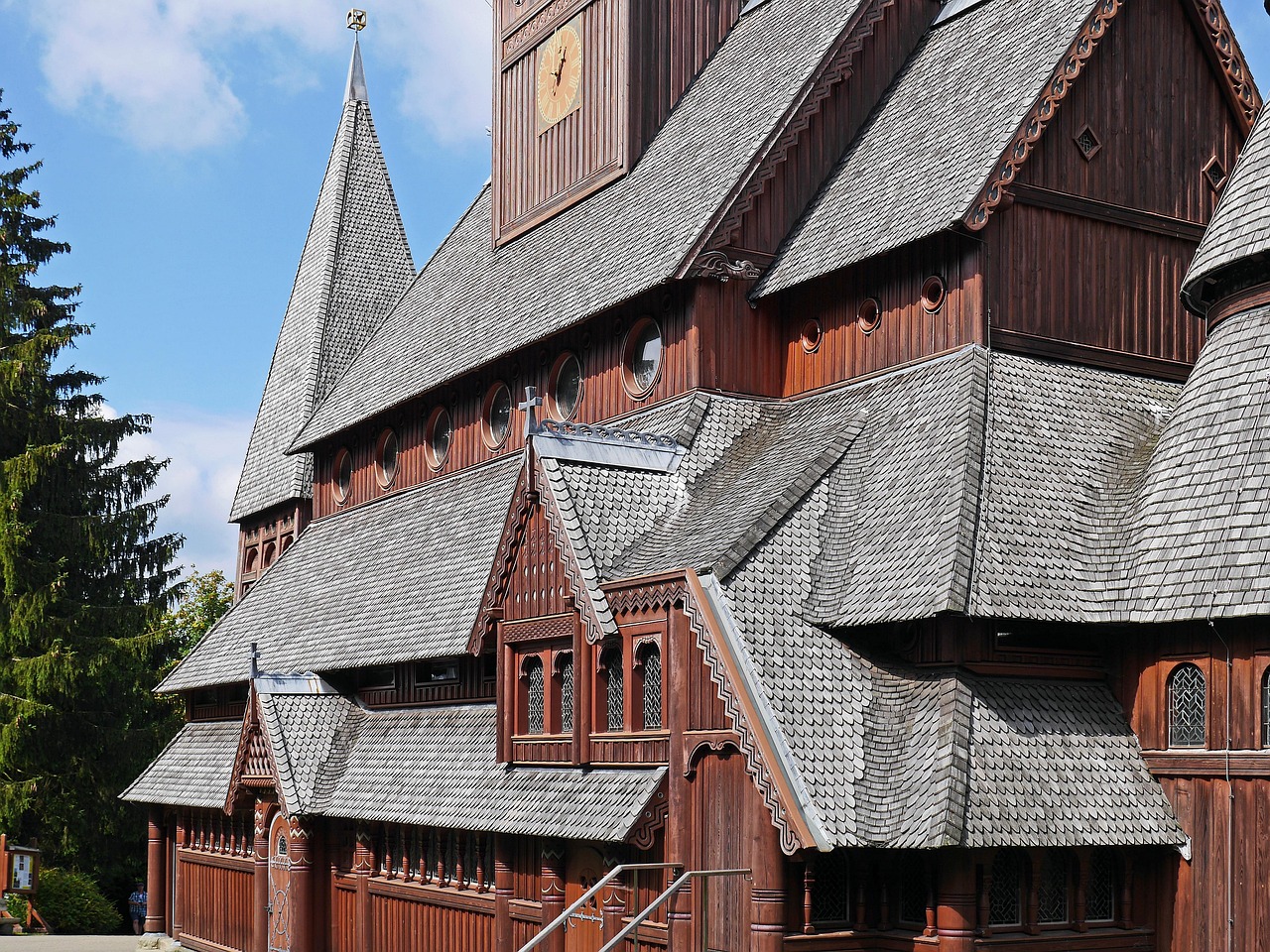
The stave church in Hahnenklee looks like it’s been airlifted from Norway. Built in the early 20th century in a Scandinavian style, it’s entirely wooden, with intricate carvings and a steep, layered roofline.
Inside, the warm scent of wood and the play of light give it a hushed, almost alpine feel. I visited on a rainy day when mist drifted through the trees outside; walking back out into that soft, damp forest was like stepping into a fairy tale.
Tip: Combine a visit here with either the Liebesbankweg or a ride up the Bocksberg cable car for views and (in winter) sledding or skiing.
19. Bocksberg Mountain & Cable Car
Bocksberg, above Hahnenklee, is a year-round playground. In summer you get hiking and a summer toboggan run; in winter, simple ski slopes and sledding. The cable car ride itself offers sweeping views of the Harz landscape.
On a clear summer day, I rode up with a picnic in my backpack, then wandered along the forest paths before finding a quiet overlook to eat. Meanwhile, families zoomed down the toboggan run squealing with delight—an infectious soundtrack to the mountain air.
Family-friendly? Very. Kids love the gondolas, toboggan, and playgrounds.
Tip: In high season weekends, arrive earlier in the day to avoid lines for activities.
20. Bad Harzburg Spa Town & Baumwipfelpfad (Tree-Top Walk)
Bad Harzburg, a short train or bus ride from Goslar, makes a great half-day escape. It’s a classic German spa town with a pedestrian main street, thermal baths, and a memorable tree-top walkway that takes you up among the forest canopy.
Walking the Baumwipfelpfad, 20–30 meters above the forest floor, you get a new perspective on the Harz. I went on a breezy day; the trees swayed slightly, and the structure creaked just enough to feel alive but not unsafe. Interpretive panels along the way explain the local ecology in German, with some English summaries.
Tip: Bring a swimsuit if you want to combine the tree-top walk with a soak in the thermal spa afterward—your legs will thank you.
More Notable Spots
Beyond these 20 essential attractions, Goslar is full of small chapels, courtyards, and viewpoints. As you plan your 3, 4, or 5 day itinerary for Goslar, leave some space for aimless wandering. That’s how I’ve discovered:
- Tiny side streets with unexpected courtyards filled with flowers.
- Mom-and-pop bakeries selling still-warm Brötchen.
- Local craft shops tucked into crooked timbered houses.
Suggested Itineraries: 3, 4 and 5 Days in Goslar
Here’s how I’d structure 3 days in Goslar for a first visit, plus how to extend to a 4 day itinerary for Goslar or a 5 day itinerary for Goslar if you have more time. Think of these as flexible frameworks; swap days around based on weather and your interests.
3 Day Itinerary for Goslar – Classic Highlights
Day 1 – First Impressions: Old Town, Kaiserpfalz & Marktplatz
Morning: Arrive in Goslar and drop your bags at your accommodation—ideally somewhere in or near the Altstadt so you can walk everywhere. I like to start with a slow orientation loop: from the station, walk toward the Marktplatz, letting the streets gradually narrow and the houses grow older. The first sight of the Marktplatz, with the fountain and stepped-gable buildings, sets the tone.
Grab a coffee and perhaps a slice of cake at a café on the square, then walk the two minutes to the Kaiserpfalz. Spend late morning exploring the palace and grounds. Don’t rush; read the panels, stand at the windows, and try to imagine emperors and their courts moving through the hall you’re standing in.
Lunch: Head back toward the center and pick a traditional restaurant for your first taste of local food in Goslar. I like to order something hearty like Sauerbraten (marinated roast) or Bratwurst with potatoes. If you’re vegetarian, you’ll often find Käsespätzle (cheesy noodles) or seasonal veggie dishes.
Afternoon: Climb the tower of the Marktkirche for that iconic rooftop view—this is a must for any 3 day itinerary for Goslar. Then wander through lanes like Schuhhof, Worthstraße, and around the Brusttuch, ducking into small shops and side alleys. I usually let myself get a bit lost here; Goslar is compact enough that you’ll end up somewhere familiar soon enough.
Later, circle out to the Zwinger tower and follow parts of the city wall, looping back into town near Frankenberg or along the Abzucht river.
Evening: Have dinner at a cozy half-timbered inn. Afterward, stroll the Marktplatz again. If you’re here in December, this is your moment for the Christmas market magic; if not, simply enjoy the quiet glow of the old buildings. I love how the town settles into a peaceful hush by 10 pm.
Day 2 – Mining Heritage & Harz Nature
Morning: After breakfast, head to the Rammelsberg Mine. If you’re up for it, walk; the uphill route gives you changing views back over the town. Otherwise, take the bus from near the station or Marktplatz area.
Join one or two different underground tours—ideally one focusing on medieval workings and another on more modern mining. This is where Goslar’s history really clicks. You’ll see how the clever use of water (the Upper Harz water management system) powered pumps and wheels long before electricity.
Lunch: You can eat at the mine’s café or bring a picnic to enjoy at a viewpoint just outside the complex. On one sunny day, I sat on a bench above the terraces, looking down at the industrial architecture stepping down the hillside.
Afternoon: From Rammelsberg, either:
- Option A (Easy): Return to town, visit the Stadtmuseum or Mönchehaus Museum, and stroll along the Abzucht river.
- Option B (More Active): Continue on foot into the Harz forest trails above Goslar, following parts of the old water ditches. This gives you a taste of the region’s nature without committing to a full day hike.
Evening: Try a different restaurant—perhaps one specializing in Harz regional cuisine. Order a local beer or a glass of wine and raise a quiet toast to the miners who made Goslar possible.
Day 3 – Flex Day: Art, Hidden Corners & Hahnenklee
Morning: Start with a leisurely breakfast, then explore the Frankenberger quarter and some of the lesser-known streets, stopping by the Frankenberger Kirche. This slower pace is one of the joys of spending 3 days in Goslar instead of racing through.
If you’re into art, drop into the Mönchehaus Museum or check what’s on at the Kaiserringhaus. If the weather is poor, this is an excellent museum day.
Lunch & Afternoon Option 1 – Hahnenklee & Bocksberg: Around midday, take a bus or drive to Hahnenklee. Visit the stave church, then either walk the Liebesbankweg or ride the Bocksberg cable car for views and light hiking. You can have a late lunch or early dinner in Hahnenklee before heading back to Goslar.
Lunch & Afternoon Option 2 – Stay in Town: If you prefer to stay local, treat day 3 as a “soak it in” day: revisit your favorite corners, pick up souvenirs, sit in cafés reading or people-watching, and perhaps take one more sunset walk up to the Kaiserpfalz lawn.
Evening: For your last night, book a table at a restaurant you’ve been eyeing. If it’s summer, linger outside with a drink. In winter, find a candle-lit interior with wooden beams and let the coziness sink in.
4 Day Itinerary for Goslar – Add a Spa or Extra Harz Adventure
If you have 4 days in Goslar, I recommend adding a relaxed day trip that showcases more of the Harz.
Day 4 – Bad Harzburg Spa & Tree-Top Walk
Morning: Take a short train or bus ride to Bad Harzburg. Stroll the pedestrian zone, have a coffee, then head to the Baumwipfelpfad (tree-top walk). Spend the late morning enjoying the elevated views and learning about the forest ecosystem.
Afternoon: After a light lunch, relax at one of Bad Harzburg’s thermal baths. When I did this combination, I emerged late afternoon feeling pleasantly wrung out—in the best way. It’s a perfect counterbalance to all the cobblestones and steps of Goslar.
Evening: Return to Goslar for dinner. If you’re not too tired, take a night stroll—the Old Town feels particularly atmospheric after a spa day, almost like you’re floating through it.
5 Day Itinerary for Goslar – Deep Dive & Extra Day Trip
With 5 days in Goslar, you can really settle in: repeat favorite walks, linger longer in museums, and add another day trip.
Day 5 – Upper Harz Lakes or Brocken Adventure
Option 1 – Upper Harz Lakes & Water System: Head to Clausthal-Zellerfeld or another Upper Harz village and spend the day walking along reservoirs and old water ditches. Pack a picnic and pick a lakeside spot. This is a calm, meditative way to end your 5 day itinerary for Goslar.
Option 2 – Brocken Mountain (Full Day): For a more ambitious day, you can make your way to the Brocken, the highest peak in the Harz. It’s a longer journey, involving trains and possibly the famous Harz narrow-gauge railway. On my Brocken day, clouds raced past the summit and the view shifted every minute. This makes sense if you’re into hiking and don’t mind an early start and late return.
Evening: Back in Goslar, have a final farewell dinner. I like to walk one last loop from the Marktplatz up to the Kaiserpfalz lawn and back, saying a quiet goodbye to the silhouettes I’ve come to know.
Local Food & Drink in Goslar
The Harz region has a sturdy, comforting cuisine—perfect after a day of walking or mining (even if your “mining” was just an underground tour).
What to Eat: Local Specialties
- Harzer Käse: A strong, sour, low-fat cheese that locals either love or politely ignore. Try it at least once, often served with onions, vinegar, and caraway. I like small amounts with dark bread and beer.
- Bratwurst & Sausages: Every Christmas market and many pubs serve excellent grilled sausages—simple, filling, and cheap.
- Game Dishes: Venison or wild boar, especially in autumn and winter, often with rich sauces and red cabbage.
- Potato Dishes: Expect potatoes in many forms—boiled, fried, in dumplings, or as Reibekuchen (crispy potato pancakes).
- Cakes & Pastries: Try Streuselkuchen (crumb cake), fruit tarts, and seasonal baked goods. Afternoon coffee and cake is practically a local ritual.
What to Drink
- Local Beer: Small regional breweries produce lagers, wheat beers, and seasonal brews. Ask what’s on tap that’s local.
- Fruit Schnapps: After dinner, locals might sip a small glass of plum, pear, or herb schnapps.
- Glühwein (in Winter): Hot spiced red wine at the Christmas market is non-negotiable. Try the white version too if available.
Saving Money on Food
On longer stays, I often mix restaurant meals with supermarket picnics. A bakery breakfast (fresh rolls, cheese, fruit) eaten on a bench near the Abzucht can be as satisfying as any café, for a fraction of the price.
- Lunch deals: Look for daily lunch specials (Mittagstisch)—often 8–12€ for a solid meal.
- Self-catering: If your accommodation has a kitchenette, stock up at a supermarket near the station for breakfasts and some dinners.
- Tap water: Perfectly drinkable. Refill a bottle instead of buying water constantly.
Nightlife, Entertainment & Cultural Experiences
Goslar isn’t a party town, and that’s part of its charm. Evenings here tend to be about slow meals, quiet drinks, and cultural events rather than clubs and all-night bars.
Evening Atmosphere
Most people gather around the Marktplatz and a few nearby squares. Terraces are lively in summer; in winter, the Christmas lights and market stalls provide the buzz. Pubs and wine bars offer a mellow place to end the day. My favorite evenings have been simple: a leisurely dinner, a glass of wine, and a stroll through lamp-lit alleys back to my guesthouse.
Cultural Experiences
- Church Concerts: Marktkirche and other churches sometimes host organ or choral concerts. I once walked into a free rehearsal that turned into an impromptu private concert.
- Mönchehaus & Kaiserring Events: Openings, talks, and small performances tied to the art scene. Check posters around town or the tourist office.
- Festivals (2026–2027): Expect expanded heritage weekends at Rammelsberg, outdoor concerts in summer, and the usual round of Christmas and Easter events.
Family-Friendly Evenings
Families often opt for an early dinner, then a twilight walk. Kids love the glockenspiel, the fountains, and the slightly spooky feeling of old walls at night (with parents in tow, of course). An evening ride on a nearby cable car (if you’re in Hahnenklee or Bad Harzburg) can also be a memorable treat.
Day Trips & Nearby Attractions from Goslar
One of the best things about basing yourself in Goslar is how many Harz highlights you can reach within an hour or so.
Hahnenklee & Bocksberg
Covered earlier, but to recap: stave church, Liebesbankweg, Bocksberg cable car, summer toboggan, simple ski slopes. Buses run regularly; driving takes about 20–30 minutes.
Bad Harzburg
Spa town, tree-top walk, and access to hiking trails via cable car. Easy by train or bus from Goslar.
Clausthal-Zellerfeld & Upper Harz Lakes
A high-plateau town surrounded by reservoirs and water ditches. Great for low-intensity hiking, picnics, and learning more about the Upper Harz water management system.
Wernigerode & Brocken (Longer Day)
Wernigerode, with its colorful half-timbered houses and castle, is another Harz gem. From there, you can board the Harz narrow-gauge railway toward the Brocken. It’s a full day, but if you’re a rail or hiking enthusiast, it’s unforgettable.
Quedlinburg (Ambitious Day Trip)
Another UNESCO-listed medieval town, Quedlinburg is a bit farther but still doable as a long day trip if you have a car or are comfortable with regional train connections. Its Old Town rivals Goslar’s for atmosphere.
Cultural Etiquette & Local Customs in Goslar
Everyday Manners
- Greetings: A simple “Guten Tag” (good day) or “Hallo” is appreciated when entering small shops or cafés.
- Punctuality: Trains, tours, and restaurant reservations expect you on time. It’s polite to be a few minutes early.
- Quiet Hours: Residential areas are generally quiet after 10 pm. Keep noise down in narrow lanes at night.
Dining Etiquette
- Wait to be seated in most restaurants; in casual cafés, you can often choose a table.
- Tipping: Around 5–10% is common if service was good. You usually tell the server the total you want to pay, including tip, rather than leaving cash on the table.
- Splitting bills: Perfectly normal; just tell the server who had what.
Churches & Religious Sites
- Dress modestly (no need for formality, but avoid beachwear).
- Keep voices low; don’t use flash photography during services.
Nature & Hiking Customs
- Stay on marked trails, especially in protected areas.
- Take your trash with you; bins may be scarce in remote spots.
- Germans tend to greet each other with a small nod or “Hallo” when passing on quiet forest paths—it’s a nice custom to adopt.
Practical Travel Tips for Goslar
How to Get To Goslar
- By Train: Regular regional trains connect Goslar to Hanover, Hildesheim, and Braunschweig. From Hanover, it’s about 1–1.5 hours.
- By Car: Easy motorway and main-road access. Having a car is handy for Harz exploration, but not necessary for Goslar itself.
- By Air: Nearest major airports: Hanover, then rail to Goslar.
Getting Around Goslar
The Old Town is wonderfully walkable. You’ll rarely need public transport inside the core, except for trips to Rammelsberg, Hahnenklee, or other day trips.
- On Foot: Expect cobblestones and gentle hills. Comfortable shoes are essential.
- Bus: Local buses connect the station to Rammelsberg and outlying villages.
- Bike: Doable, but the Old Town’s cobbles and slopes can be challenging; better for routes outside the center.
- Car: If you’re driving, park outside the tightest Old Town lanes and walk in. Many central streets are restricted or narrow.
Car Rental & Driving
You can rent cars in larger nearby cities (Hanover, Braunschweig) and sometimes locally. Foreign drivers’ licenses are generally accepted in Germany for tourists, especially EU and many international licenses. If yours is not in Roman script, an International Driving Permit is strongly recommended.
- Observe speed limits carefully; speed cameras are common.
- Winter tires are mandatory in winter conditions; rental agencies will provide them in season.
- Parking in or near the Old Town is usually paid—budget a few euros per day.
Money-Saving Tips
- Accommodation: Staying slightly outside the Old Town or near the station can be cheaper, with a 10–15 minute walk into the center.
- Transport: Look into regional day passes if you’re doing multiple train or bus trips in one day.
- Food: Use bakeries and supermarkets for some meals; look for lunch specials.
- Attractions: Get combination tickets for museums and ask about discounts (students, seniors, families).
SIM Cards & Connectivity
Germany in 2026 has widespread 4G and expanding 5G coverage, including Goslar and much of the Harz, though some deep valleys still have weaker signal.
- Tourist SIMs: Look for prepaid SIMs from major providers (Telekom, Vodafone, o2) at airports, electronics stores, or supermarkets in larger cities before you arrive in Goslar.
- eSIM: Many travelers now use eSIMs purchased online before arrival; they work fine in and around Goslar.
- Wi-Fi: Most hotels, guesthouses, and many cafés offer free Wi-Fi; speeds are generally adequate for normal use.
Visa Requirements
Germany is part of the Schengen Area. Visa requirements depend on your nationality:
- EU/EEA/Swiss citizens can enter freely with an ID card or passport.
- Many non-EU nationals can enter visa-free for short stays (typically up to 90 days in 180) but may need to meet new ETIAS authorization rules being phased in around 2025–2026.
- Others require a Schengen visa in advance.
Always check the latest official guidance from your country’s foreign ministry or the German embassy before traveling; rules can change.
Safety & Health
Goslar is generally very safe. Standard common-sense precautions apply: watch your belongings in busier areas and at the Christmas market, but serious crime is rare.
- Health: Pharmacies (Apotheke) are easy to find; for emergencies, dial 112.
- Water: Tap water is safe to drink.
- Weather: Can shift quickly in the Harz—carry a light rain jacket or umbrella, even in summer.
Hidden Tips from Repeated Visits
- Early mornings are gold: Walk the Old Town between 7–9 am to have many streets almost to yourself.
- Use side alleys: Instead of main tourist paths, cut through smaller lanes; you’ll find quieter angles and unexpected photo spots.
- Bench strategy: There are excellent benches by the Kaiserpfalz lawn, along the Abzucht, and near Frankenberg. Pack a snack and let your legs recover regularly.
- Weather plan: Have a wet-weather list (museums, Rammelsberg, cafés) and a sunny-day list (hikes, day trips) and swap days as the forecast dictates.
When to Visit Goslar – Seasons & Best Times
Spring (March–May)
Spring in Goslar is fresh and unpredictable. Trees along the Abzucht green up, and the Harz trails gradually shed their snow.
- Best for: Fewer crowds, lower prices, emerging greenery.
- Watch out for: Some higher hiking routes may still be muddy or partially snow-covered in early spring.
Summer (June–August)
Long days, café terraces, and prime hiking season. The Harz forests are lush, and lakes and reservoirs are at their most inviting.
- Best for: Outdoor activities, family trips, 4 or 5 day itineraries with multiple hikes and day trips.
- Watch out for: Busier weekends and school-holiday crowds, especially in Hahnenklee and at popular spots.
Autumn (September–November)
My personal favorite. The forests burn with color, the air is crisp, and the town feels a little quieter. Perfect for long walks and hearty meals.
- Best for: Romantic trips, photography, calm hikes, food (game season).
- Watch out for: Shortening days and occasionally wet weather—pack layers.
Winter (December–February)
Snow-dusted roofs, the glow of the Christmas market, and simple ski or sledding options nearby. Goslar’s architecture looks especially magical in the snow.
- Best for: Christmas market visits, cozy 3 day itineraries focused on the Old Town and a day in the snow.
- Watch out for: Cold temperatures, potentially icy streets, shorter daylight. Some attractions may have reduced hours.
Summary & Final Recommendations
Goslar is one of those rare places where world-class heritage, everyday German life, and easy access to real nature blend almost seamlessly. Whether you spend 3 days in Goslar focusing on the Old Town and Rammelsberg, stretch to a 4 day itinerary for Goslar with a spa day in Bad Harzburg, or indulge in 5 days in Goslar with extra Harz adventures, you’ll never be short of things to do.
For most travelers, I recommend:
- Minimum: 2–3 days to properly see the Old Town, Kaiserpfalz, Marktplatz, and Rammelsberg.
- Ideal: 4 days to add a Harz day trip and slower exploration.
- Leisurely: 5 days to settle into a rhythm, revisit favorite spots, and sample multiple hiking routes.
As for timing, autumn and December stand out: one for the colors and calm, the other for the Christmas market and festive glow. But every season has its charms, and part of Goslar’s appeal is that it never feels like a theme park—it feels like a living town that just happens to be extraordinarily beautiful.
If you let yourself wander, look up at the carved beams, listen to the bells, and follow the old water channels into the woods, Goslar will reveal itself slowly and deeply. And like me, you may well find yourself coming back again and again, each time discovering some new corner, view, or hidden gem in this remarkable Harz town.