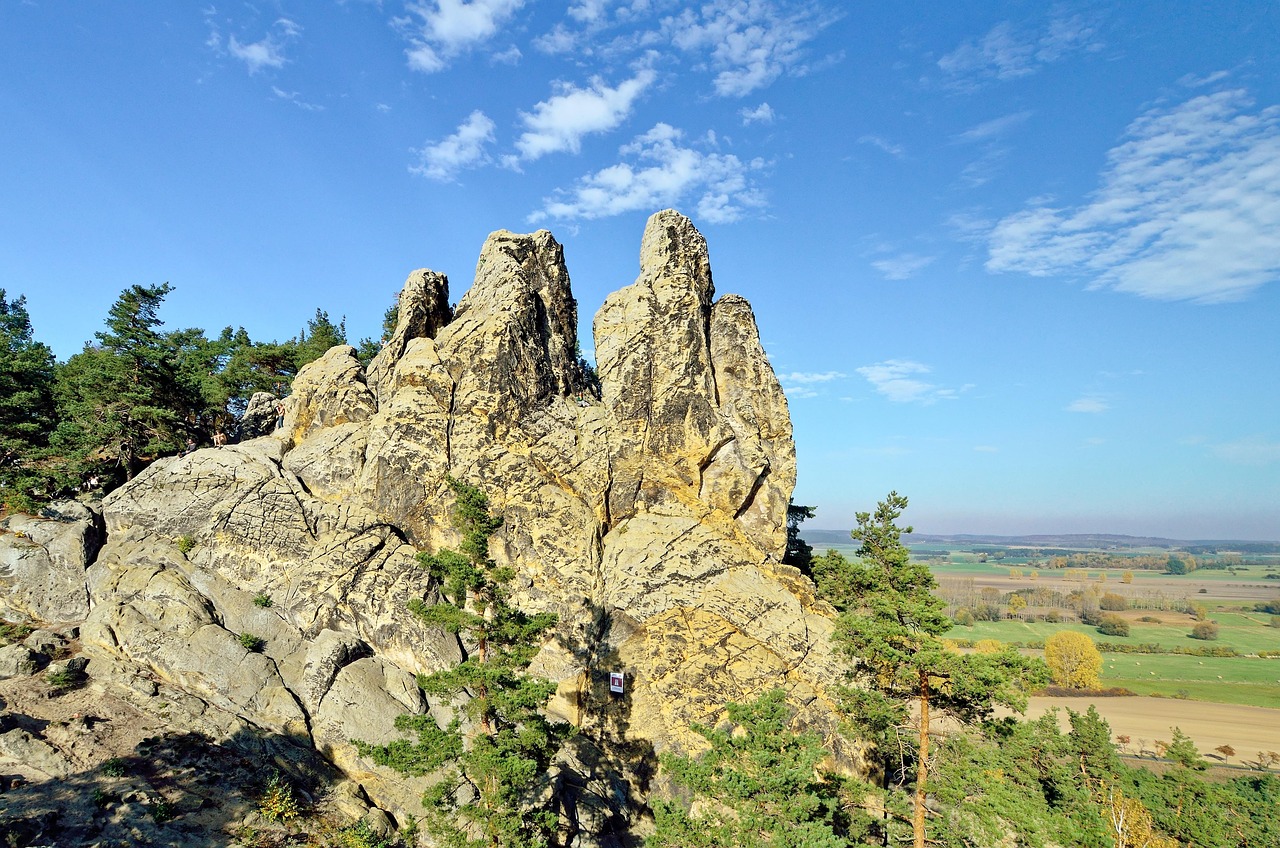
Why Visit the Harz Mountains?
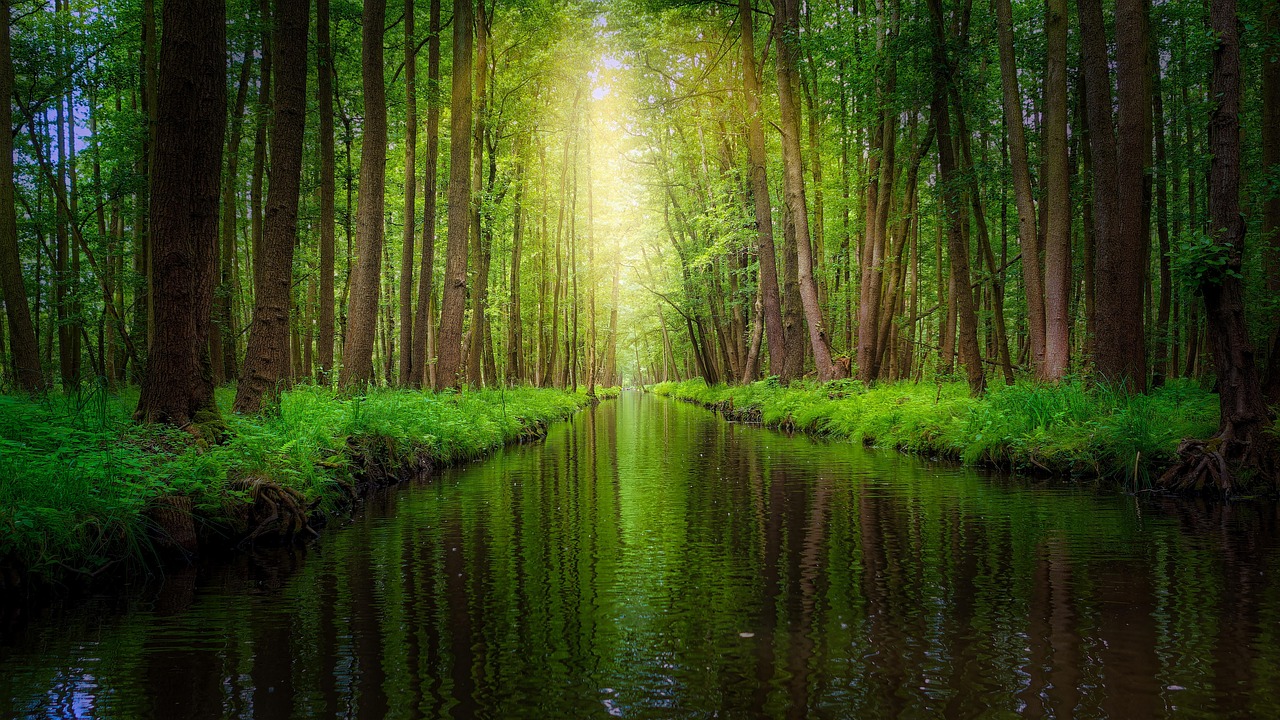
The Harz Mountains are where northern Germany suddenly crumples into a world of dense dark forests, half-timbered towns, granite peaks and misty valleys that feel like the backdrop to a Grimm fairy tale. I’ve been returning here since my student days, ducking out of Berlin on Friday nights to trade concrete and clubs for mountain air, schnitzel, and the whistle of the Brockenbahn steam train.
What makes the Harz special is its scale: it’s wild enough to feel like “real” mountains, yet compact, affordable, and gentle enough for families, couples on a romantic escape, or solo hikers trying their first multi-day trek. You can stand on the summit of the Brocken in the morning, wander medieval Goslar after lunch, and finish with craft beer in Wernigerode’s market square by dusk.
Unlike the Alps, distances are short, prices are kinder, and the stories feel closer to the surface. You’re walking through layers of history: medieval mining and trading routes, Cold War border paths, and older, stranger legends of witches and devils that still animate the Walpurgisnacht celebrations every spring.
That’s the Harz I know: a place you come for hiking, skiing, and timbered villages – and end up staying longer because the baker in Braunlage remembers your name, the forest ranger in Ilsenburg points you to his secret viewpoint, and you realize that four days in Harz Mountains weren’t nearly enough.
Harz Mountains Overview
The Harz range stretches roughly 110 km east–west across central Germany, between Lower Saxony, Saxony-Anhalt, and a sliver of Thuringia. It tops out at the Brocken (1,141 m), a granite dome that once sat in the no-go zone of the inner German border and still feels slightly haunted by its Cold War isolation.
To understand the Harz as a traveler, think in four layers:
- High Harz (Hochharz): Around the Brocken – serious hiking, winter sports, wild moorland and granite.
- North Harz Foothills: Goslar, Wernigerode, Quedlinburg – fairy-tale towns, breweries, culture.
- South Harz: Bad Lauterberg, Bad Sachsa – softer slopes, spa culture, easier family walks.
- Eastern Edge: Around Thale and the Bode Valley – dramatic gorges and cliffs, cable cars, legends.
Transport is relatively simple. The Harz has a dense web of regional trains and buses, topped with the nostalgic Harzer Schmalspurbahnen narrow-gauge steam trains that climb to the Brocken and loop through the forests. Distances are short: most places in this guide are 30–60 minutes apart by car, under 90 minutes by public transport.
4–7 Day Itineraries in the Harz Mountains (Personal Routes)
Across a decade of trips, I’ve distilled my favorite routes into flexible plans that work as a 4 day itinerary for Harz Mountains up to a full 7 days in Harz Mountains. Treat these as story-backed frameworks: you’ll see how I actually spent my days, then adapt to your pace.
4 Day Itinerary for Harz Mountains – Highlights & Legends
If you only have 4 days in Harz Mountains, focus on the essentials: Brocken, Wernigerode, Goslar and the Bode Valley. This is the itinerary I used last autumn with two friends from London who’d never heard of the Harz – they left plotting a return in winter.
Day 1 – Wernigerode’s Timbered Charm & Castle Views
I arrived on a soft September afternoon in 2025, stepping off the train at Wernigerode station with that fizzy feeling you get when the air changes. The town sits against the northern slope of the Harz, its half-timbered houses stacked like a theatre set beneath a fairytale castle.
Morning: Drop your bag at a guesthouse near the market square (I usually stay in a Gästehaus on Breite Straße – central but quiet). Wander directly to the Rathaus, the storybook town hall with its pointed towers.
- Grab a coffee and Streuselkuchen at a bakery under the arcades.
- Climb the small viewing platform near the Western Gate (Westerntor) for a first panorama of rooftops and the castle.
Lunch: For your first taste of local food in Harz Mountains, try Harzer Grilleck or one of the rustic inns around the square. Order Harzer Schmorbraten (slow-cooked roast) or Forelle Müllerin (trout) with potatoes and red cabbage.
Afternoon: Wernigerode Castle
Walk up (20–30 minutes) or take the little tourist train to Wernigerode Castle (Schloss Wernigerode). The climb is short but steep, winding through beech forest. I always walk – you catch glimpses of slate roofs and the Brocken beyond.
- Allow 2–3 hours to explore the castle rooms, terraces, and small museum.
- On clear days, you can see the Brocken plateau to the south-west – a nice teaser for later in your itinerary.
- There’s a café on the terrace; their apple cake is not life-changing, but the view is.
Evening: Back in town, stroll Breite Straße as the day-trippers leave. For dinner, I like a small spot on a side street where the owner still remembers my first visit in 2017 and my clumsy attempt to order in dialect.
Tip: Wernigerode makes a perfect base for 4 days in Harz Mountains if you prefer to use public transport and steam trains rather than a car.
Day 2 – Steam to the Brocken Summit
The second day is the heart of many must-see attractions in Harz Mountains: the Brocken summit and the legendary Harz narrow-gauge railway. This is where the region’s mountain character really announces itself.
Morning: Brockenbahn from Wernigerode
- Reserve a seat on the Harzer Schmalspurbahnen (HSB) to Brocken. In 2026, there are extra summer departures due to increased demand.
- Try to catch a mid-morning train so you’re on the summit late morning to early afternoon when weather is often clearest.
The train chugs slowly uphill, past allotment gardens, then into deep spruce and beech forest. On my last trip, a group of kids pressed their noses to the windows as mist swirled around the locomotive – someone whispered, “Hexenwald” (witches’ forest), and everyone fell quiet.
On the Brocken (1,141 m)
- Altitude: 1,141 m – high enough for a real summit feeling but no acclimatisation issues for most people.
- Activities: Easy summit strolls, nature interpretation trails, Cold War museum, expansive views.
- Season: Hiking from late May to October; winter snowshoeing and skiing Dec–March (depending on snow).
Walk the Brockenrundweg (circular path) around the summit – about 1.5–2 hours with stops. The landscape is a mixture of rocky outcrops, moorland, and wind-sculpted spruce, often shrouded in cloud. When it clears, you can see far across the North German plain.
Visit the Brockenhaus Museum for a short, sharp hit of history: from Goethe’s Faust and witch legends to its days as a Soviet and East German listening post. On my first visit, an older man pointed out where the barbed wire and minefields once ran; in 2026, the museum’s expanded exhibit on the inner German border is worth the hour.
Lunch: The summit restaurant is functional but handy. Grab a bowl of goulash soup and a beer; the food isn’t why you’re here, but the atmosphere – walkers shedding damp jackets, kids flushed from their first “mountain conquest” – is pure Harz.
Afternoon: Hike Down or Train Return
- Family-friendly: Take the train back to Wernigerode; wander town, ice cream on the square.
- Adventurous: Hike down to Schierke (about 2–3 hours, mostly on forest and gravel paths).
I prefer hiking down via the Goetheweg or Eckerlochstieg trails to Schierke, then taking a bus or later narrow-gauge train back. Late afternoon light through the beech trees is magical.
Day 3 – Goslar & the Rammelsberg Mines
Goslar is one of the best places to visit in Harz Mountains for history lovers: a UNESCO-listed medieval town wrapped in slate roofs and narrow lanes, backed by forested slopes.
Morning: Old Town Wander
- Travel: 45–60 minutes by regional train from Wernigerode (change in Halberstadt) or 40 minutes by car.
- Start at the Marktplatz, with its fountain and stepped gables.
- Visit the Kaiserpfalz (Imperial Palace), where Holy Roman Emperors once held court.
Goslar’s charm is in its details: carved wooden figures above doorways, tiny courtyards, the smell of wood smoke in winter. I like to follow my nose, looping through the old town toward the Rammelsberg mine complex.
Afternoon: Rammelsberg World Heritage Mines
The Rammelsberg mines operated for over 1,000 years, shaping the wealth and power of Goslar and much of the region. In 2026, guided tours are slightly expanded, including interactive experiences for kids.
- Book an underground tour (helmets provided) – you ride a small train into the tunnels, learning about medieval mining tech.
- The “water management” tour is especially fascinating for engineering geeks.
Tip: Wear sturdy shoes and a warm layer; even in August, the tunnels are cool and damp.
Evening: Either stay for dinner in Goslar – try a Brauhaus for hearty fare and local beer – or head back to Wernigerode. On one winter trip, I ate venison stew as snow thickened outside and missed the last train; the guesthouse owner, hearing my story, found me a spare room. That’s the Harz.
Day 4 – Bode Valley & Thale’s Dramatic Cliffs
On your final day, dive into the wildest-feeling landscape of this 4 day itinerary for Harz Mountains: the Bode Valley (Bodetal) near Thale, with its steep granite walls and roaring river.
Morning: Thale & Cable Car to Hexentanzplatz
- Travel: 60–75 minutes from Wernigerode by train (via Halberstadt and Quedlinburg) or about an hour by car.
- Take the cable car to Hexentanzplatz (“Witches’ Dancing Place”), a plateau with sweeping views down into the Bode gorge.
- Family-friendly: There’s a small animal park and summer toboggan run near the top.
This is a very “Harz” blend of kitsch and grandeur: witch statues, souvenir stalls, and then – step to the cliff edge – a view that punches all that into the background.
Afternoon: Hike the Bode Valley
- Take the cable car or chairlift down to Thale or Roßtrappe and follow the riverside path into the gorge.
- Classic route: Thale to Treseburg (about 10 km one way; 3–4 hours with stops).
The path clings to the cliff in places, with the river foaming below. I’ve walked it in high summer with dragonflies skimming the surface and in October when leaves flame orange and red. Both are glorious.
Tip: If you’re tired, just do a shorter there-and-back stretch from Thale. For a 4 days in Harz Mountains trip, don’t overpack your last day; leave time for a relaxed dinner and your onward journey.
5 Day Itinerary for Harz Mountains – Adding Braunlage & Torfhaus
With 5 days in Harz Mountains, add more high-mountain flavor and some quieter forest time around Braunlage and Torfhaus. This is the version I used in early 2024, working remotely from a guesthouse in Braunlage for a week.
Days 1–3: Follow the first three days of the 4-day itinerary (Wernigerode, Brocken, Goslar).
Day 4 – Braunlage & Wurmberg (971 m)
Braunlage is one of the classic base villages in the high Harz – a little worn around the edges in places, but friendly, practical, and surrounded by trails.
- Altitude: about 550–600 m.
- Known for: Skiing (in good winters), hiking, and as a base for Brocken and Torfhaus.
Morning: Travel Wernigerode → Braunlage
- By car: about 40–45 minutes via Elend and Schierke.
- By bus: 60–75 minutes with one change, depending on schedule.
Check into a guesthouse or small hotel. I often choose a family-run place slightly uphill from the center – quieter, with balconies facing the trees.
Afternoon: Wurmberg Adventure
- Take the Wurmbergseilbahn cable car to the summit of Wurmberg (971 m).
- On top: viewing platform, small lake, and in winter, ski slopes; in summer, mountain bike trails and hiking routes.
On a clear afternoon, Brocken lies across the valley like a brooding cousin. There’s a simple mountain restaurant on the summit where I’ve eaten everything from pea soup in a snowstorm to ice cream in August heat.
Hidden gem: From the mid-station, follow a lesser-known path to a small viewpoint overlooking Braunlage – almost always empty, even in high season.
Day 5 – Torfhaus Moor & Quiet Forest Trails
Torfhaus is a tiny settlement and pass at about 800 m altitude, perched on the northern edge of the Harz National Park. It’s one of my favorite places for short, atmospheric hikes.
- Travel: 20–30 minutes by car from Braunlage; 30–40 minutes by bus.
Morning: Moorland Boardwalks
- Pick up a trail map at the national park visitor center.
- Walk the Torfhausmoor boardwalk – an easy loop over peat bogs with Brocken views when clouds cooperate.
The moor has a quiet, almost eerie vibe: twisted pines, dark pools, cotton grass swaying in the wind. On one misty November morning, I walked here alone for an hour without seeing another soul – just the drip of water and the occasional raven.
Afternoon: Goetheweg or Forest Loops
- Ambitious: Start the Goetheweg towards the Brocken (you can do a section and turn back).
- Relaxed: Follow one of the signed forest loops (2–4 hours) that circle back to Torfhaus.
Tip: For a 5 day itinerary for Harz Mountains, keep this day flexible; if the weather is rough, swap in a spa afternoon in Braunlage (many hotels offer day passes) and a leisurely walk in the lower forest instead.
6 Day Itinerary for Harz Mountains – Adding Quedlinburg & Bode Valley Depth
With 6 days in Harz Mountains, you can linger longer in the Bode Valley and add Quedlinburg, one of Germany’s most gorgeous medieval towns.
Days 1–4: Use the 4-day route (Wernigerode, Brocken, Goslar, Bode Valley).
Day 5 – Quedlinburg’s Cobbled Perfection
Quedlinburg sits on the northern fringes of the Harz, a sea of red-tiled roofs and half-timbered houses untouched by modern war. It’s an essential cultural experience in Harz Mountains region, even if technically just outside the highest hills.
- Travel: 30–40 minutes by train from Wernigerode or Thale; parking is available at the town’s edge if driving.
Morning: Old Town Stroll
- Start at the Marktplatz, then wander into the labyrinth of alleys behind.
- Visit a local bakery for Quedlinburger Blechkuchen – simple tray-baked cakes with fruit and streusel.
Afternoon: Castle Hill & Romanesque Church
- Climb to the Schlossberg (castle hill) for views and the Collegiate Church of St. Servatius, a masterpiece of Romanesque architecture.
- Pop into a small museum to understand Quedlinburg’s role in early German history.
On my 2023 winter visit, the Christmas market here was one of the most atmospheric I’ve ever seen: mulled wine steaming in the cold, stalls wedged into tiny squares, carol singers echoing off stone walls.
Day 6 – Deep Bode Valley or Extra High Harz Hike
For the sixth day of a 6 day itinerary for Harz Mountains, choose your emphasis:
- Option A (Nature): A longer Bode Valley hike (e.g., Treseburg to Altenbrak and back) with picnic by the river.
- Option B (Mountains): Return to the high Harz near Braunlage or Torfhaus for a full-day loop (e.g., Wurmberg–Sonnenberg–Oderteich circuit).
One of my favorite less-known circuits links Oderteich (a historic reservoir) with stretches of the Harzer Hexenstieg long-distance trail. The mix of water, forest and high moorland is pure Harz, minus the crowds of the Brocken.
7 Day Itinerary for Harz Mountains – A Full Week in the Forest
Seven days in Harz Mountains lets you slow down: mix iconic sights with quiet valleys and spa towns. This is closest to the way I travel when I come here alone to decompress.
Days 1–5: Follow the 5-day plan (Wernigerode, Brocken, Goslar, Bode Valley, Braunlage/Torfhaus).
Day 6 – South Harz: Bad Lauterberg & Ravensberg
Bad Lauterberg is a gentler, spa-oriented town in the South Harz, tucked in a green valley.
- Travel: 45–60 minutes by car from Braunlage; 60–90 minutes by bus/train combinations.
Morning: Town & Spa
- Stroll the Kurpark (spa park) and pedestrian zone.
- Consider a morning session at a thermal spa – great if your legs are feeling the week’s hikes.
Afternoon: Ravensberg (659 m)
- Walk or drive up to Ravensberg, a panoramic hill above Bad Lauterberg.
- From the tower, you get a 360-degree view: the higher Harz to the north, rolling hills to the south.
Ravensberg is ideal for families or those wanting mountain views without strenuous climbing.
Day 7 – Bad Sachsa & Forest Lakes
On your final day, ease back toward “normal life” with mellow walks and lakeside time.
- Short hop from Bad Lauterberg to Bad Sachsa, another spa-oriented town.
- Take a loop walk around a small forest lake (e.g., Schmelzteich), visit a café, and let the week settle in your bones.
In 2026, Bad Sachsa is investing modestly in its cycling infrastructure; rental e-bikes are available if you’d like to spin through the valleys instead of walking.
Tip: For a 7 day itinerary for Harz Mountains, don’t cram your last day. The Harz is at its best when you leave room for serendipity: a last slice of cake, an unplanned path, a conversation with a local on a bench in the park.
15 Peaks, Valleys, Passes & Villages – Local Portraits
Below are in-depth profiles of 15 of the best places to visit in Harz Mountains. I’ve woven history, practical info, and personal anecdotes so you can decide which fit your own route.
1. Brocken (1,141 m) – The Roof of the Harz
Altitude: 1,141 m
Best for: Iconic summit, wide views, Cold War and folklore, gentle hiking from high start points.
Access: Steam train from Wernigerode, Drei Annen Hohne, Schierke; hiking trails from Torfhaus, Schierke, Ilsenburg.
The Brocken is the symbolic heart of the Harz. On clear days it’s simply beautiful; on stormy days, it’s unforgettable. I’ve experienced both: once bathed in a golden September sunset, once nearly blown sideways in sleet, laughing with strangers as we clung to the railing.
History & Legends: For centuries, locals believed witches and devils gathered here, a myth enshrined in Goethe’s Faust. In the 20th century, it became a heavily guarded East German border zone with radar installations and listening posts. Since reunification, it’s been reclaimed as a national park summit and hiking magnet.
Trails:
- Goetheweg from Torfhaus: Around 8–9 km one-way; moderate; moorland and forest.
- Eckerlochstieg from Schierke: Steeper, more rugged path through boulders and forest; my favorite on a dry day.
- Heinrich-Heine-Weg from Ilsenburg: Longer, scenic approach following rivers and waterfalls.
Local tip: In summer, consider taking the earliest train up, then hiking down on a quieter trail before afternoon crowds build. In winter, bring microspikes or at least very grippy boots; summit paths can be icy.
Best Bases: Wernigerode (all year, car-free friendly), Schierke (winter skiing and snowshoeing), Torfhaus (summer hiking).
2. Bode Valley (Bodetal) – Harz’s Wildest Gorge
Altitude: Valley floor around 200–300 m, cliffs up to 400–450 m.
Best for: Gorge hiking, rock formations, family-friendly cable cars, legends.
Access: Thale by train or car; trails start directly from town.
The Bodetal is the most Alpine-feeling part of the Harz: steep granite walls, a loud, fast river, and dramatic viewpoints above. It’s where I take friends who insist the Harz is just “gentle hills.”
Signature Experiences:
- Hike Thale–Treseburg along the river (3–4 hours one way).
- Ride the cable car to Hexentanzplatz for a top-down perspective.
- Visit the Roßtrappe cliff for another vantage point and an easy walk.
The valley is rich with stories: a giant’s leap, a princess turned to stone, witches’ sabbaths. Even if you take them with a pinch of salt, the mixture of myth and geology is potent.
Local tip: On hot summer days, start early and bring plenty of water; the gorge can feel oven-like by mid-afternoon. In shoulder seasons, check for trail closures due to rockfall.
Best Bases: Thale (for easy access), Quedlinburg (for a culture + nature combo), Wernigerode (for a day trip).
3. Wurmberg (971 m) – The Brocken’s Accessible Cousin
Altitude: 971 m
Best for: Views, family-friendly summit, skiing in winter, hiking and biking in summer.
Access: Cable car from Braunlage, multiple hiking paths.
Wurmberg is the highest peak entirely in Lower Saxony and a practical alternative to Brocken if trains are full or weather is better further south. Families love the cable car; hikers can link Wurmberg into longer loops.
I’ve done Wurmberg as a half-day from Braunlage on many trips, using it as a gentle acclimatization before longer hikes. The summit area is developed but not overwhelming – a playground for kids, a small lake, and a simple hut for food.
Tip: In 2026, Wurmberg’s bike park has expanded; check opening dates and lift schedules if you’re planning a downhill biking day. For quieter experiences, walk slightly away from the summit installations along signposted trails.
Best Base: Braunlage.
4. Torfhaus – Moorland Pass with Brocken Views
Altitude: ~800 m
Best for: Easy moorland walks, Brocken views, starting point for Goetheweg.
Access: By car or bus from Braunlage, Altenau, Clausthal-Zellerfeld.
Torfhaus is technically a tiny hamlet and a mountain pass, but functionally it’s a gateway to some of the Harz’s nicest high-level walks. On clear evenings, watching the sun set behind the Brocken from a bench above the moor is one of my quiet rituals.
There’s a visitor center, a few eateries, and lodging options, including an upmarket hotel with spa facilities. I’ve stayed here twice in winter; waking up to hoarfrost on the moor and heading out on snow-covered boardwalks is as atmospheric as it sounds.
Tip: Weather changes fast up here. Even if it’s mild in the valleys, bring a windproof layer and hat – I’ve seen people shivering in t-shirts while fog rolls over the moor.
5. Wernigerode – Colorful Gateway Town
Altitude: ~250 m
Best for: Half-timbered architecture, castle, Brockenbahn steam trains.
Access: Regional trains; good bus links into Harz, starting point for narrow-gauge railway.
Wernigerode is my go-to recommendation for first-timers and families. It’s big enough to have amenities (supermarkets, restaurants, a small shopping street), but small enough to feel intimate.
Over the years, I’ve developed a ritual: arrival coffee on the square, a slow drift down Breite Straße, then a late-afternoon climb to the castle. In winter, the town feels particularly cozy – Christmas markets, fairy lights strung across alleys, the steam train puffing into the station through the snow.
Tip: For photographers, try dawn in the old town before shop shutters roll up; the soft light on timber facades is worth the early alarm. Also, check HSB timetables in advance in 2026 – some off-peak services have been slightly reduced to save fuel.
6. Goslar – Imperial Town at the Forest’s Edge
Altitude: ~250 m
Best for: UNESCO-listed old town, Rammelsberg mine, beer and hearty food.
Access: Good rail connections; bus and road links to upper Harz.
Goslar was once one of the richest cities in the Holy Roman Empire, thanks to silver from the Rammelsberg mines. Today, it’s a mellow provincial town with serious historical gravitas.
I often use Goslar as a “soft landing” at the start or end of a Harz trip: a day of churches, cobbled lanes, and café stops after or before wilder days in the mountains. In 2026, the town is hosting a series of open-air concerts in the old town walls; check dates if you’re visiting in summer.
7. Quedlinburg – Half-Timbered Time Capsule
Altitude: ~120 m
Best for: Medieval architecture, history, Christmas markets.
Access: Regional trains from Magdeburg, Thale, Halberstadt.
Though not strictly in the high mountains, Quedlinburg is part of almost every extended travel guide for Harz Mountains because it pairs so well with hikes and wilderness. I’ve lost count of the evenings I’ve spent here at the end of a long ridge walk, nursing a beer in a crooked-beamed tavern.
Tip: Quedlinburg can be busier on weekends, especially in December. For a quieter feel, visit midweek or in shoulder season; you’ll have the narrowest alleys almost to yourself.
8. Thale & Hexentanzplatz – Legends on the Cliff
Altitude: Town ~200 m; Hexentanzplatz ~450 m.
Best for: Cable cars, cliff-top views, family attractions, gateway to Bodetal.
Access: Trains from Quedlinburg, buses and roads from around the Harz.
Thale sits at the mouth of the Bode Valley, with the Hexentanzplatz plateau and Roßtrappe cliff on either side. It’s a place where folklore is leaned into hard – witches, devils, kitschy souvenirs – but the natural stage is genuinely impressive.
On my most recent autumn visit, I watched paragliders launch from cliffs as mist filled the gorge below. We ate simple Bratwurst from a stand on the plateau, legs dangling over the edge, feeling very far from city life.
9. Braunlage – High Harz Hub
Altitude: ~550–600 m
Best for: All-round base: skiing, hiking, access to Wurmberg, Torfhaus, and Brocken region.
Access: Buses from Bad Harzburg, Wernigerode, and South Harz towns; car recommended for flexibility.
Braunlage is not the prettiest town in the Harz, but it’s comfortable, practical, and surrounded by forest. I’ve based myself here for writing retreats, using the town as a staging point for day hikes and evening sauna sessions.
In winter, ski lifts on Wurmberg draw crowds when snow is good. In summer, mountain bikers and hikers fill the trails. The town has enough restaurants and supermarkets to keep you well-fed without breaking the bank.
Budget tip: Self-catering apartments in Braunlage are good value, especially for 5–7 days in Harz Mountains. Stock up at supermarkets and cook some of your own meals to save.
10. Torfhaus Pass & Oderteich – Historic Waters & High Trails
Altitude: Torfhaus ~800 m, Oderteich ~730 m.
Best for: Scenic lakes, easy to moderate hikes, historic engineering.
Access: Short drive or bus from Torfhaus, Altenau, Braunlage.
Oderteich is one of Europe’s oldest reservoirs (early 18th century), built to supply water power to the mines. Today it’s a hauntingly beautiful lake ringed by pine forest and boulders.
On hot summer days, locals spread towels on the granite slabs and slip into the water. I’ve swum here at sunset, the water dark and cool, dragonflies skimming around my shoulders. Officially, swimming is tolerated but not always encouraged – check current signage and respect any restrictions.
The lakeside trail can be rocky but is manageable for most reasonably fit walkers; sturdy shoes recommended.
11. Bad Harzburg – Spa Town & High-Forest Gateway
Altitude: ~200–250 m
Best for: Spa, tree-top walk, cable car to Burgberg, family-friendly forest experiences.
Access: Excellent rail links; easy by car; cable car from town edge.
Bad Harzburg blends spa-town gentility with easy access to the high forest. The Baumwipfelpfad (tree-top walk) is a raised walkway through the canopy – a hit with kids and a nice gentle start for those new to the region.
A short cable car ride whisks you to the Burgberg hill, with views into the national park and ruins of an old castle. On one misty March day, I watched deer picking their way through the trees below, the town half-lost in fog.
12. Ilsenburg & Ilsetal – Romantic Valley to the Brocken
Altitude: Town ~250 m, valley rising toward Brocken.
Best for: Romantic forest walks, waterfall hikes, quieter Brocken approach.
Access: Trains to Ilsenburg; trails start near town.
Ilsetal is one of my favorite hidden gems in Harz Mountains. While the Brocken’s more famous approaches get crowded, the Heinrich-Heine-Weg from Ilsenburg threads through a valley of mossy rocks and waterfalls.
On my last spring visit, the path was lined with wildflowers, the river in full voice from snowmelt. I walked for an hour without hearing another language but German, which is increasingly rare near the Brocken.
Tip: Even if you don’t tackle the full route to the Brocken summit, a shorter out-and-back hike into Ilsetal makes a lovely half-day. Pack a picnic; there are plenty of boulder “sofas” by the water.
13. Bad Lauterberg – South Harz Spa & Valley Base
Altitude: ~300 m
Best for: Spa culture, gentle hiking, family-friendly base.
Access: Regional trains and buses; straightforward by car.
Bad Lauterberg is a quieter, less internationally known corner of the Harz, which is exactly its appeal. The town hugs a valley, with forested hills on both sides and a pleasant spa park at its heart.
I’ve used Bad Lauterberg as a base for trips with relatives who prefer easy walks and café stops to steep trails. There’s still plenty of elevation if you want it – Ravensberg looms above – but you can also spend days just meandering along river paths and through woods.
14. Bad Sachsa – Family-Friendly South Harz
Altitude: ~320 m
Best for: Family holidays, gentle lakes, small-town relax time.
Access: Similar to Bad Lauterberg; well connected by regional roads.
Bad Sachsa has a slightly more resort-like feel than its neighbor, with family attractions such as small indoor play areas and an artificial lake. I’ve stayed once in winter, using it as a quiet base for snowy forest walks and afternoons in hotel saunas.
In 2026–2027, local authorities are planning modest upgrades to cycling paths and family activity areas around town; check local tourism sites for current details.
15. Clausthal-Zellerfeld & Oberharzer Wasserregal – Mining Landscape of Lakes
Altitude: ~550–600 m
Best for: Lake walks, industrial heritage, quiet high plateau base.
Access: By car or bus from Goslar, Altenau, and other Harz towns.
The plateaus around Clausthal-Zellerfeld are dotted with small lakes and channels – part of the Oberharzer Wasserregal, a historic water management system that once powered the mines. Today, it’s a dream for mellow hikers and cyclists.
I once spent three late-summer days here, walking from lake to lake, swimming when it was warm enough, and watching the sun go down over still water. It felt like a different Harz: open, airy, and meditative instead of steep and dramatic.
Mountain Dining & Local Food in Harz Mountains
Food in the Harz is unapologetically hearty: think roasts, dumplings, stews, trout, mushrooms, and cakes that could double as ballast in your backpack. After long hikes, it’s exactly what you want.
Refuges & Mountain Inns
The Harz doesn’t have Alpine-style staffed huts at every pass, but there are plenty of Baude (mountain inns) and rustic restaurants near summits and trailheads:
- Brocken summit restaurant: Functional, with soups, sausages, cakes. Crowded but atmospheric.
- Wurmberg summit hut: Simple but satisfying; great for a hot meal in winter.
- Small forest inns near Ilsetal, Torfhaus, and around Clausthal-Zellerfeld’s lakes.
Local tip: Carry some snacks – nuts, chocolate, a sandwich – especially on shoulder season weekdays when some huts may be closed.
Classic Harz Dishes
- Harzer Käse: Strong, sour, low-fat cheese, often eaten with bread and onions. An acquired taste, but try it at least once.
- Wildgerichte: Venison or wild boar stews, especially in autumn.
- Forelle: Trout, often from local streams or fish farms.
- Grünkohl mit Pinkel: Kale with sausage – a northern German winter staple.
- Streuselkuchen & Blechkuchen: Crumb-topped tray-bakes with fruit – ideal with afternoon coffee.
Coffee & Cake Culture
One of my favorite Harz rituals is the mid-hike Kaffee und Kuchen stop. Tiny cafés in towns like Wernigerode, Goslar, Quedlinburg and Braunlage offer daily cake specials; in villages, look out for hand-painted signs advertising Hausgemachter Kuchen (homemade cake).
Where to Stay: Village vs Slope-side vs Refuge
- Village bases (Wernigerode, Goslar, Braunlage): Best for first-timers, public transport users, and those who like evening options.
- Slope-side / Summit hotels (e.g., Torfhaus, some Brocken/Bode area lodgings): Great for sunrise/sunset views and immediate trail access; often pricier and quieter at night.
- Rural guesthouses & farm stays: Hidden gems in side valleys; you’ll need a car, but prices can be excellent and hosts often very warm.
Money-Saving Tips in a Mountain Region
- Opt for self-catering apartments if staying 4–7 days; cook some dinners.
- Use lunch specials (Mittagstisch) for hot meals at better prices, then have lighter dinners.
- Buy regional transport passes where available, especially if using HSB trains more than once.
- Picnic: many of my best Harz meals have been bread, cheese, and cured meat on a rock with a view.
Evenings in the Harz Mountains
Evenings in the Harz are more about cozy than flashy. You won’t find big clubs, but you will find timbered taverns, starlit walks, and the occasional festival.
Après-Hike & Après-Ski
- In Braunlage and around Wurmberg, a small après-ski scene pops up in good winters – mulled wine stands, lively bars around the lift base.
- In Wernigerode and Goslar, post-hike evenings lean toward beer gardens, craft beer bars, and traditional taverns.
Fondue, Raclette & Hearty Dinners
Some alpine-style restaurants in resorts like Braunlage and Torfhaus offer fondue and raclette nights in winter. I still remember a snowy February evening in Torfhaus: outside, wind howled across the moor; inside, we lingered for hours over bubbling cheese and white wine, boots steaming by the radiator.
Stargazing & Night Walks
Light pollution is relatively low across much of the Harz. If you’re staying in a smaller village or near Torfhaus, step outside after 11 pm on a clear night and look up. On summer trips, I often take a short post-dinner stroll to a nearby meadow to watch the sky darken.
Seasonal Festivals
- Walpurgisnacht (30 April): Witches’ Night celebrated across the Harz, especially in Thale, Braunlage, and around the Brocken. Expect costumes, bonfires, music.
- Christmas Markets (late Nov–Dec): Wernigerode, Goslar, and Quedlinburg have particularly lovely markets with regional products.
Cultural Etiquette & Local Customs
Germans in the Harz can seem reserved at first, but warmth comes quickly with a little effort and respect.
On the Trail
- Greet fellow hikers with a simple “Hallo” or “Guten Tag.”
- Stay on marked paths, especially in the national park; off-trail shortcuts damage fragile moorland.
- Leash dogs where requested and always near wildlife areas.
In Restaurants & Inns
- It’s common to share large tables in busy mountain restaurants; ask politely if a seat is free.
- Service is less “chatty” than in some countries; don’t mistake efficiency for rudeness.
- Tip around 5–10% by rounding up and telling the waiter the total.
Local Rhythms
- Many shops close early on Saturdays and are closed on Sundays; plan grocery shopping accordingly.
- Quiet hours in lodging are generally respected, especially after 10 pm.
Harz Events & Festivals 2026–2027
- Walpurgisnacht 2026 (30 April): Major celebrations in Thale’s Hexentanzplatz, Braunlage, Schierke, and around the Brocken with parades, costumes, fireworks.
- Brocken Anniversary Hikes 2026: Special guided hikes commemorating reunification and the opening of the border paths; check Harz National Park sites for dates.
- Summer Open-Air Concerts 2026–2027: Goslar’s old town walls and Quedlinburg’s castle hill host classical and folk concerts on selected weekends.
- Christmas Markets 2026: Wernigerode, Goslar, and Quedlinburg from late November to just before Christmas; smaller markets in Braunlage and Bad Harzburg.
Day Trips & Nearby Attractions
- Magdeburg: About 1–1.5 hours by train from Quedlinburg; striking cathedral, Elbe riverfront, Hundertwasser’s Green Citadel.
- Kassel & Bergpark Wilhelmshöhe: Around 2 hours by car from the western Harz; UNESCO-listed park with waterfalls and a giant Hercules statue.
- Kyffhäuser Monument: South-east of the Harz; a dramatic hilltop monument with sweeping views, possible as a long half-day road trip.
Tip: If you have 7 days in Harz Mountains, I’d generally spend them inside the region rather than rushing to too many day trips – there’s more than enough here. Save side trips for a future journey if needed.
Mountain Logistics & Safety in the Harz
Altitude & Acclimatisation
The Harz tops out at 1,141 m, so altitude sickness is virtually unheard of. That said, weather changes quickly with elevation; a sunny valley day can be a windy, cold summit afternoon.
Weather, Storms & Winter Conditions
- Storms: Autumn and winter storms can be fierce, especially on the Brocken and Torfhaus moors. Forest trails may close due to windthrow risk; obey closures.
- Snow & Ice: Dec–March, expect snow at higher elevations. Traction devices and trekking poles help on icy paths.
- Avalanches: The Harz is not a major avalanche area like the Alps, but steep snowfields and cornices around Brocken and Wurmberg can be hazardous off marked routes. Stay on signed paths in winter.
Road & Pass Closures
Smaller forest roads and some high routes (e.g., around Torfhaus or Oderteich) may close or be difficult in heavy snow. In 2026, local authorities are improving real-time online updates; check Harz tourism and state road websites before driving after big storms.
Gear Essentials
- Spring–Autumn: Sturdy hiking shoes/boots, layered clothing, waterproof jacket, hat, and sun protection.
- Winter: Insulated boots, warm layers, gloves, beanie, optional microspikes/crampons for icy trails, especially around Brocken and Wurmberg.
- Always carry water, snacks, a basic first aid kit, and offline maps (phone battery can drain quickly in cold).
Mountain Rescue & Insurance
Germany has professional rescue services; dial 112 in emergencies. Rescue is typically covered or reasonably priced, but it’s still wise to have travel insurance that covers hiking and winter sports. Register your route with accommodation staff if you’re heading out solo on long hikes.
Cable Cars, Trains & Lift Pass Strategy
- Harzer Schmalspurbahnen (HSB): Consider a day or multi-day pass if using the trains frequently (Brocken + Selketalbahn, etc.). In 2026, dynamic pricing is being trialed in high season – booking early online can save money.
- Cable cars (Wurmberg, Thale, Bad Harzburg): Check combination tickets for families and hikers (e.g., ascent + descent + treetop walk).
- Ski passes: For Wurmberg and smaller ski areas, buy multi-day passes only if the snow forecast is solid; winters have become more variable.
Best Seasons for Hiking, Wildflowers, Fall Color & Skiing
- Hiking: May–October. May–June for wildflowers and fresh green; September–October for stable weather and fewer crowds.
- Wildflowers: Late May–June in meadows and moorlands around Torfhaus, Clausthal-Zellerfeld.
- Fall Colors: Mid-October is usually peak beech and maple color in valleys like Ilsetal and Bodetal.
- Skiing & Snowshoeing: Late December–March on Wurmberg, around Braunlage, Schierke, and Torfhaus – highly snow-dependent; some winters are lean, others excellent.
Practical Travel Advice for Harz Mountains (2026)
Getting There & Around
- By Train: Main gateways: Goslar, Wernigerode, Bad Harzburg, Quedlinburg. From Berlin, Hanover, or Hamburg, you can reach the Harz in 2–3.5 hours with 1–2 changes.
- By Car: Driving offers the most flexibility, especially for smaller valleys and lakes. Roads are generally good; winter tires mandatory in snowy conditions.
- Public Transport in the Harz: Regional buses link major towns and villages; schedules can be sparse on Sundays and evenings. Download current timetables or use local apps.
SIM Cards & Connectivity
- Germany has several major networks (Telekom, Vodafone, O2). Prepaid SIMs are easy to buy at supermarkets or electronics stores in gateway towns.
- Certain valleys have patchy coverage; download offline maps for hikes.
Visas & Entry Requirements
- Germany is in the Schengen Area. EU/EEA and Swiss citizens can enter freely.
- Many other nationalities can enter visa-free for short stays (up to 90 days in 180); check official German consular websites before travel.
- From 2026, some non-EU visitors may need to complete an electronic travel authorization (ETIAS) before arrival – verify current rules.
Driving & Foreign Licenses
- Most foreign licenses (especially EU, UK, US, Canada, Australia, etc.) are accepted for tourist rentals; some may require an International Driving Permit – check with your rental company.
- Drive on the right; seatbelts mandatory; strict drink-driving limits.
- Parking in towns often uses machines or apps; keep coins handy for rural spots.
Budgeting & Money-Saving
- Lodging is generally cheaper than in the Alps, but costs can rise in school holidays and Christmas.
- Self-catering, public transport passes, and picnics drastically reduce daily spend.
- Tap water is safe to drink; refill bottles rather than buying plastic.
Language
German is the main language; English is widely understood in tourist areas, especially among younger people and in hotels. A few phrases go a long way:
- “Guten Tag” – Good day
- “Bitte” – Please / you’re welcome
- “Danke” – Thank you
- “Entschuldigung” – Excuse me / sorry
Summary & Final Recommendations
The Harz Mountains are a place that reveal themselves slowly. At first, they’re a collection of nice towns and wooded hills; then you start to notice the layers: the way mist curls around the Brocken, the quiet of Ilsetal, the clang of a church bell in Goslar at dusk, the friendliness of a café owner in Braunlage who remembers your coffee order after two days.
For a 4 day itinerary for Harz Mountains, anchor yourself in Wernigerode: ride the steam train to the Brocken, wander Goslar, hike the Bode Valley. For 5–6 days in Harz Mountains, add Braunlage, Wurmberg, Torfhaus, and Quedlinburg. With a 7 day itinerary for Harz Mountains, slow down in the South Harz spa towns and the quiet lake country around Clausthal-Zellerfeld.
Best seasons to visit:
- Late spring (May–June): Ideal for hiking, wildflowers, and long daylight.
- Early autumn (Sept–Oct): Stable weather, vivid fall colors, quieter trails.
- Winter (Dec–Feb): For snowshoeing, Christmas markets, and cozy evenings – if you’re comfortable with variable snow conditions and short days.
Whatever your season, come with decent boots, a flexible plan, and time to linger over coffee and cake. The Harz rewards those who slow down, listen to the forest, and let its quiet magic accumulate day by day.