Why Visit Harz National Park? What Makes It Special
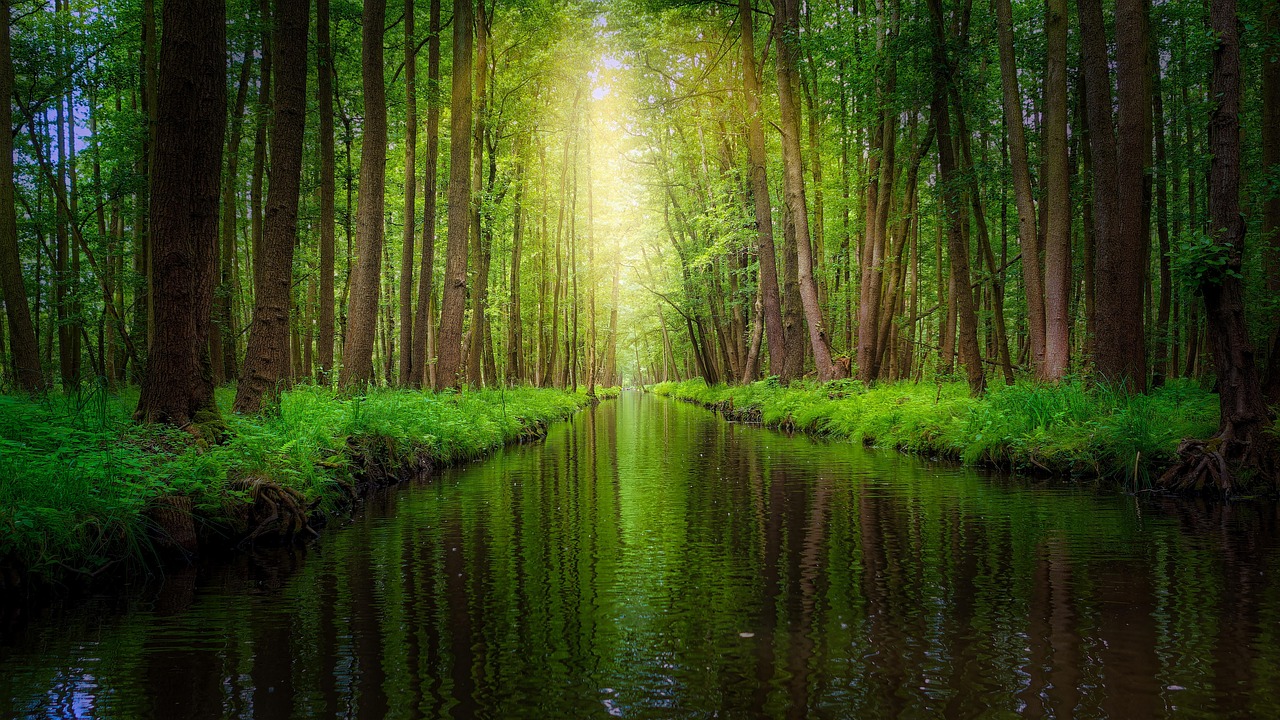
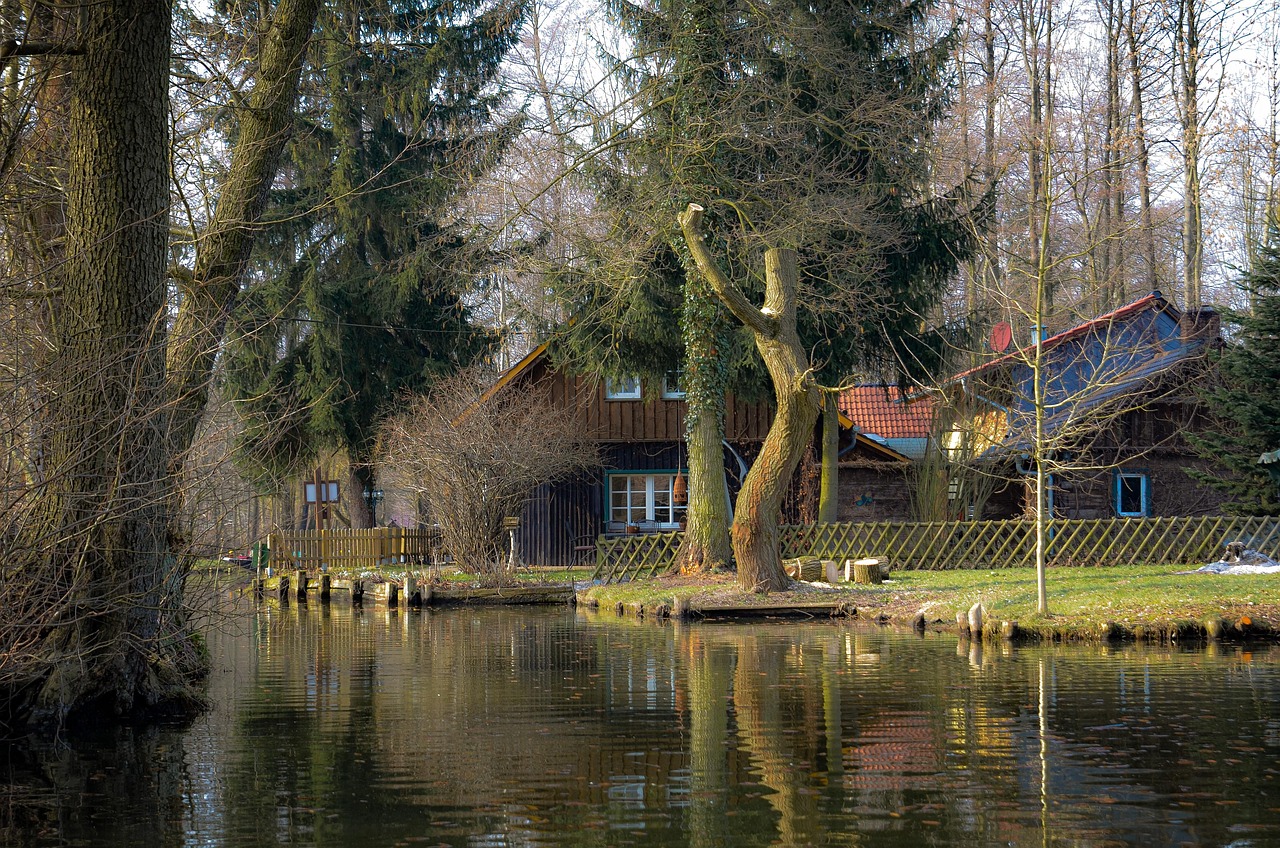
I’ve been hiking and writing about the Harz for more than a decade, and Harz National Park is still where I go when I need to reset. It’s not as loud or famous as the Alps, but that’s its magic: deep, misty spruce and beech forests, windswept granite peaks, mossy gorges, and half-timbered towns that look unchanged since the Brothers Grimm were collecting stories nearby.
The park stretches across Lower Saxony and Saxony-Anhalt in central Germany, wrapping around the Brocken massif and the wild core of the Upper Harz. It’s compact enough to explore in 3–5 days, but layered enough that each return visit reveals a new ravine, a quieter bog trail, or a village festival you somehow missed last time.
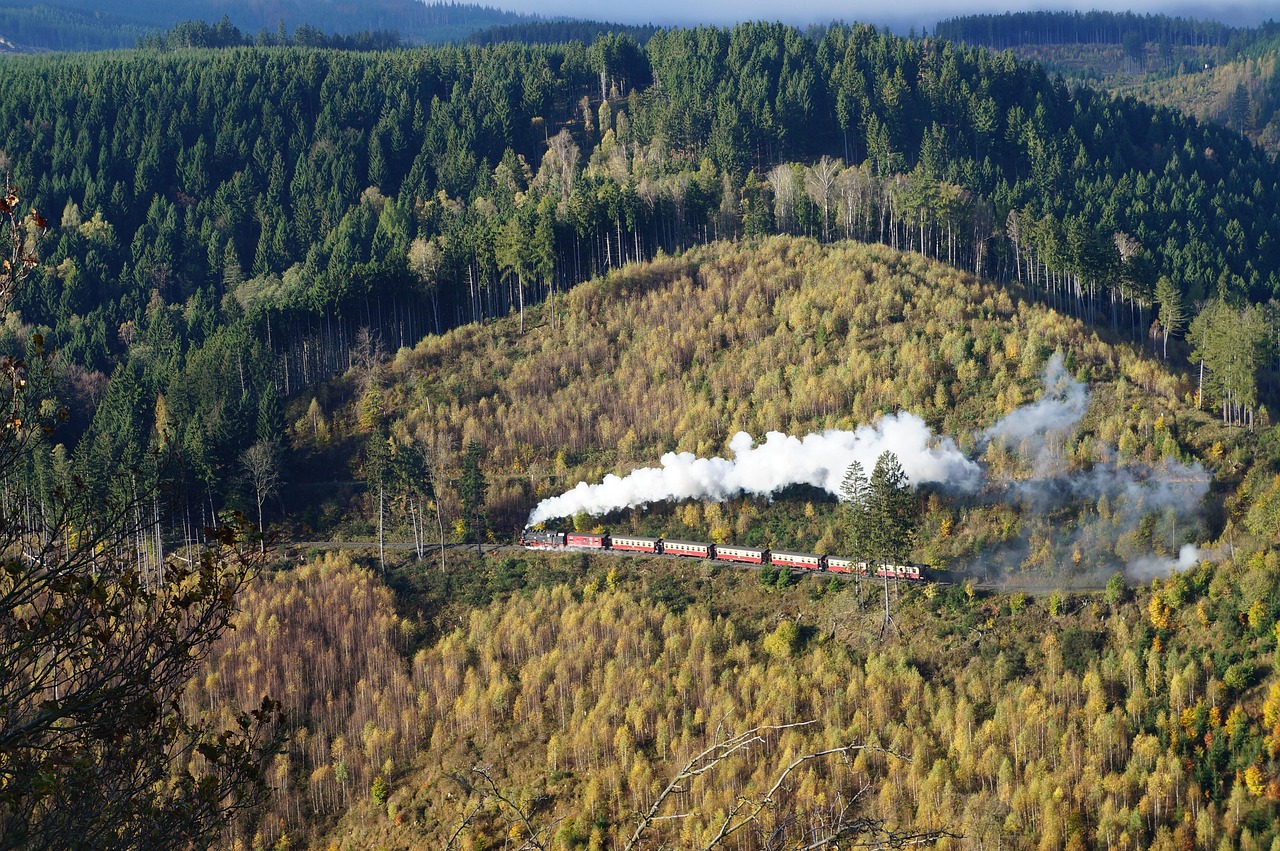
Harz National Park is special because it’s a landscape of stories: Cold War border scars on the Brocken summit, witches’ legends on Walpurgis Night, narrow-gauge steam trains that still chug up through the fog, and mining waterways that once powered Germany’s early industrial age. In 2026, the park is also doubling down on rewilding: bark beetle–opened clearings are returning to mixed forest, lynx reintroduction is maturing, and ranger programs are increasingly focused on climate and biodiversity.
Whether you’re planning a 3 day itinerary for Harz National Park, stretching it to 4 or 5 days in Harz National Park, or just looking for the best places to visit in Harz National Park, this long-form, local-style guide is meant to feel like you’re traveling with someone who’s already walked the trails, missed the buses, and learned which bakery sells out of Bienenstich by 10 a.m.
Table of Contents
- Why Visit Harz National Park?
- Overview of Harz National Park & Key Zones
- Gateway Towns & Where to Base Yourself
- 15 Key Trails, Viewpoints & Zones (Deep Dives)
- Suggested Itineraries: 3, 4 & 5 Days in Harz National Park
- Where to Eat & Drink in and Around Harz National Park
- After-Dark & Quiet Experiences
- Day Trips & Nearby Attractions
- Cultural Etiquette & Local Customs
- Practical Travel Tips & Park Logistics (2026–2027)
- Major Events & Festivals 2026–2027
- Summary & Final Recommendations
Harz National Park Overview & Key Zones
Harz National Park covers roughly 247 square kilometers around the highest part of the Harz mountains. It’s mostly forest and highland moor, with elevations rising from about 230 m to 1,141 m at the Brocken. The character of the park shifts quickly: dense spruce stands give way to open boulder fields, then to peat bogs and beech forest. Think “northern mystic mountains” more than jagged alpine drama.
For planning your travel guide for Harz National Park trip, it helps to think in four main zones:
- Brocken & High Harz Core: The iconic summit, railway, and high moors.
- Oker Valley & Granite Gorges: Steep, rocky canyon landscapes, via ferrata vibes without the gear.
- Ilse & Bode Valleys: Fairy-tale rivers, waterfalls, and forested valleys.
- Upper Harz Water Management System: UNESCO-listed ponds, ditches, and old mining landscapes.
Surrounding the park, a ring of small towns provides accommodation, food, and culture: Wernigerode, Braunlage, Schierke, Bad Harzburg, Sankt Andreasberg, and Clausthal-Zellerfeld are the main bases.
Gateway Towns: Where to Base Yourself
Across multiple visits, I’ve based myself in nearly every major Harz gateway town. Each offers a distinct mood and set of “things to do in Harz National Park.”
Wernigerode – Colorful Half-Timbered Hub
With its candy-colored half-timbered houses and fairy-tale castle, Wernigerode is my top recommendation for first-time visitors and for anyone planning a 3 day itinerary for Harz National Park. It’s lively without being hectic, with plenty of restaurants, easy access to the Brocken Railway, and good bus connections into the park.
- Best for: First-time visitors, families, travelers without a car, romantic weekends.
- Highlights: Wernigerode Castle, old town, Brockenbahn station, Christmas markets.
- Drawback: Can be busy on summer weekends and during school holidays.
Schierke – Brocken’s Quiet Forest Village
Schierke is tucked under the Brocken’s north flank, a cluster of houses and guesthouses threaded by streams. I come here when I want to hike right from the door: the trails to the Brocken, Elendstal, and into the high forest start practically at the bus stop.
- Best for: Hikers, couples, winter sports, those seeking quiet.
- Highlights: Direct Brocken trails, forest walks, winter cross-country skiing.
- Drawback: Limited nightlife and dining; you’re going to bed with the forest.
Braunlage – Practical Mountain Town
Braunlage has an unpretentious, outdoorsy feel. It’s not as pretty as Wernigerode, but it’s central for a 4 day itinerary for Harz National Park if you want to cover both the Brocken and the Oker/Bode valleys. There’s a supermarket, ski lifts, bus links, and solid midrange hotels.
- Best for: Active travelers, budget-conscious visitors, car-free hikers.
- Highlights: Wurmberg cable car (outside park), access to multiple trailheads.
- Drawback: Less historic charm.
Bad Harzburg – Spa Town & Oker Gateway
Bad Harzburg sits at the northern rim of the Harz, where the flatlands meet the hills. The tree-top path and cable car to the Burgberg viewpoint make it great for families and those wanting soft adventure with spa time.
- Best for: Families, wellness trips, travelers focused on the Oker gorge.
- Highlights: Baumwipfelpfad (tree-top walk), Burgberg cable car, spa.
- Drawback: A little removed from the Brocken core; you’ll be commuting in.
Sankt Andreasberg & Clausthal-Zellerfeld – Mining Heritage Towns
If your idea of hidden gems in Harz National Park includes abandoned mines, reservoirs, and quiet hill villages, base yourself in Sankt Andreasberg or Clausthal-Zellerfeld. Both are excellent for exploring the Upper Harz Water Management System and for less-traveled hikes.
- Best for: Repeat visitors, history buffs, hikers who prefer solitude.
- Highlights: Mining museums, ponds, cross-country skiing in winter.
15 Key Trails, Viewpoints & Zones – Personal Deep Dives
Below are 15 of the must-see attractions in Harz National Park, each based on multiple visits. I’ll mix practical details with a bit of storytelling so they’re more than just dots on a map.
1. Brocken Summit (1,141 m) – The Iconic Heart of Harz
The Brocken is where every first trip begins and where almost every later trip eventually loops back. I’ve climbed it in spring drizzle, summer heat, and one memorably hostile November sleet storm when my glasses froze. The mood of the summit changes with the weather; in fog, the radio masts loom like something from a Cold War film, while on clear days you see across what was once the Iron Curtain to the lowlands of Saxony-Anhalt.
Historically, the Brocken was a forbidden zone: from 1961 to 1989 it was a sealed-off East German military and surveillance base. Today, the old barracks house a hotel, a Brocken museum, and interpretive displays about the border. The summit also weaves in older stories: witches’ gatherings on Walpurgis Night, wild storms inspiring Goethe’s “Faust,” and sightings of the eerie Brocken spectre, when your shadow appears giant on the fog.
Getting There: The classic approaches are:
- By foot from Schierke: A steady 2–3 hour climb via the Eckerlochstieg (steeper, wilder) or the broader road/rail alignment (easier, more open). I prefer ascending via Eckerloch and descending the gentler path.
- By foot from Torfhaus: A scenic 3-hour route across moors and old borderland. Great for first-timers and families with older kids.
- By steam train: The Harzer Schmalspurbahnen’s Brockenbahn runs from Wernigerode via Drei Annen Hohne. It’s expensive but atmospheric; I usually hike one way and ride the train the other.
On the Summit: Expect a broad, open plateau with paved paths, information boards, the museum, a hotel/restaurant, and wind. Lots of wind. On my last summer visit (August 2025), it was 28°C in Wernigerode, 16°C and gusty on top.
Food & Tips: The summit restaurant is convenient but pricey and can be crowded at midday. I usually pack a picnic from a bakery in Wernigerode and then treat myself to hot soup or cake at the top. In summer 2026, the park is expanding summit interpretation displays about climate change and rewilding – worth 30 minutes of your time.
Who It’s For: Everyone. Families can take the train up and walk short loops; hikers can create big circuits; romantic travelers may prefer a late-afternoon ascent with sunset light (just watch return transport times).
2. Torfhaus & High Moor Trails – Big Skies & Boardwalks
Torfhaus sits on a high saddle overlooking the Brocken, and it’s where I often bring friends on their first Harz afternoon. The short boardwalk loop through the raised bog is one of the best places to visit in Harz National Park if you want wide-open views without a punishing climb.
Trail Experience: The Großes Torfhausmoor boardwalk leads over fragile peat bog, with views toward the Brocken and interpretive panels explaining the ecology. In late summer, the heather blooms and dragonflies patrol the pools. One evening in 2024, I watched a thunderstorm drift across the Brocken from here – the light show was better than any bar.
Practicalities: Torfhaus has a large parking area, public toilets, a visitor center, and café options. It’s well-served by buses from Bad Harzburg and Braunlage, making it a good starting point for car-free visitors. Trails range from 1–2 km family strolls to full-day hikes toward the Brocken and back.
Tip: Combine a morning here with lunch on the terrace overlooking the Brocken, then an afternoon descent toward Altenau or back via forest paths for a gentle but full day.
3. Ilsetal (Ilse Valley) – The Fairy-Tale Gorge
The Ilse Valley always feels like stepping into a Grimm story. The river chatters over rocks, moss climbs up every trunk, and the path threads between boulders and small cascades. I like starting early here: on a misty morning in May 2025, I walked for an hour before seeing another person, just the sound of the water and birds.
Route: From the village of Ilsenburg, follow the marked trail into the gorge. You can do a short out-and-back to the Ilsefälle (Ilse Falls), or continue as a full-day hike up toward the Brocken. The latter is demanding but rewarding, passing viewpoints like the Heinrich-Heine-Weg lookout.
History & Atmosphere: Poet Heinrich Heine walked this valley and wrote about it; you’ll see quotes along the path. The mix of beech forest, rock, and rushing water makes this one of the most romantic spots in the park – I’ve seen more than one proposal happening on the big riverside boulders.
Food: Pack lunch; there are a couple of rustic guesthouses near the trailhead but nothing once you’re deep in the valley. In Ilsenburg, I usually stop afterwards for a plate of Kartoffelpuffer (potato pancakes) and apple sauce at a local Gasthaus.
4. Bodetal – The Harz Grand Canyon
Strictly speaking, the most dramatic stretch of the Bode Gorge lies just outside the national park boundary, but in every practical sense it’s part of the Harz experience and a must on any travel guide for Harz National Park. The steep-walled canyon between Treseburg and Thale earns its nickname “Harz Grand Canyon” without exaggeration.
Trail: The classic hike runs along the river between Treseburg and Thale (about 10 km), mostly flat but rocky in places. I like starting in Treseburg and ending in Thale for more dramatic scenery unfolding as you go. In peak autumn, the beech and oak forest ignites in oranges and reds – it’s one of Germany’s finest fall-color walks.
Viewpoints: At the Thale end, cable cars ascend to the Hexentanzplatz and Rosstrappe plateaus. I’m usually suspicious of touristy viewpoints, but the sheer drop into the gorge is impressive, and kids love the folklore displays on Hexentanzplatz.
Tip: If you’re planning 3 days in Harz National Park, I’d fold Bodetal into one of those days even if it’s technically just outside the park boundary. Take an early bus or drive from Wernigerode or Braunlage, hike the gorge, then reward yourself with a hearty meal in Thale.
5. Okerstausee & Oker Valley – Granite Cliffs & Canyon Roads
The Oker Valley, north of the high Harz, feels different: steep granite walls, serpentine roads, and a reservoir whose waterline shifts with the seasons. On my first trip in 2016, I drove the Oker canyon road in a sudden October snowstorm – not recommended, but unforgettable.
Scenic Drive: The B498 between Goslar and Altenau is one of the most scenic roads in the region. Pull-outs offer views down to the river and up to rock towers popular with climbers. Even if you’re relying on buses, the ride itself is worth it.
Hikes: Several trails climb from the valley floor to viewpoints like the Kästeklippen and Romkerhall area. Expect rocky paths, occasional scrambling, and big payoffs in terms of views. These are among the more “adventurous” feeling hikes without needing technical gear.
Who It’s For: Hikers and photographers who want something moodier than forest walks. Families with older kids who enjoy a bit of scrambling will love the rock outcrops.
6. Luchsgehege & Lynx Trails – Rewilding in Action
One of the park’s most inspiring projects has been the reintroduction of the lynx. While seeing one in the wild remains rare (I’ve only seen tracks, never a cat), the Luchsgehege (lynx enclosure) near Bad Harzburg offers a chance to observe them up close and learn about the program.
Experience: I first visited in 2019 during a ranger-led feeding talk. Standing quietly as these big, silent cats emerged from the trees, I felt a mix of awe and a little humility: this forest doesn’t belong to us alone. The interpretive displays are well done, explaining how lynx help control deer populations and how their reintroduction has been monitored.
Hikes: A network of trails around the enclosure and up to the Rabenklippe viewpoint makes this a great half-day outing from Bad Harzburg. The paths are well marked and suitable for families, though there’s some climbing.
Tip: Check the park website for scheduled feeding and ranger talk times; in 2026, they’re expanding English-language programs during summer.
7. Wurmberg & Surrounding Forests – Views Facing the Brocken
Wurmberg is technically just outside the national park, but it offers one of the best perspectives of the park: a direct view toward the Brocken and across the forested ridges. I’ve come up here in all seasons: hiking in summer, snowshoeing in winter, and once just riding the cable car with a non-hiking friend who still talks about that panorama.
Access: From Braunlage, you can hike or take the cable car. The summit area has a viewing tower, restaurant, and in winter, ski infrastructure. The north side trails connect into the national park forests for longer routes.
Why It Matters: Standing on Wurmberg looking toward the Brocken, you visually understand the layout of Harz National Park: the high plateau, the forest belts, and the way the old border cut through it all.
8. Drei Annen Hohne – Steam Trains & Forest Gateways
Drei Annen Hohne is where the romance of the Harz narrow-gauge railways meets trailhead practicality. When I’m designing a 5 day itinerary for Harz National Park, I often use this little hub as the pivot point: ride up from Wernigerode, hike into the high forest, then either continue toward Schierke or loop back.
What to Do:
- Watch (or ride) the steam trains as they labor up toward the Brocken.
- Hike into the Hohnekamm and to rock formations like the Hohneklippen.
- Visit the nearby national park information center for up-to-date trail and wildlife info.
Personal Note: One autumn morning, I arrived here in thick fog. By the time I’d climbed to the Hohneklippen, the mist had dropped into the valleys, leaving just the rock peaks sticking out like islands. It remains one of my favorite Harz mornings.
9. Hochharz Wilderness Core – Bark Beetles & New Forest
Between the Brocken, Torfhaus, and Braunlage lies the park’s strictest protection core, where bark beetles have killed large areas of old spruce, leaving what some first-time visitors find “ugly.” But stay a while, and you’ll see the story: young beech and spruce regenerating under the dead trunks, sunlight flooding in, biodiversity erupting.
I’ve walked here with rangers who are visibly proud of letting nature take its course. In 2026, new interpretive trails explain the process more clearly, addressing concerns from visitors used to manicured forests. For me, this zone is a lesson in patience and humility; the forest is writing its next chapter with or without our approval.
Access: Trails from Torfhaus, Oderbrück, and near Braunlage slip in and out of the core zone. Respect off-trail restrictions: this is where Leave No Trace really matters.
10. Upper Harz Water Management System – Ponds, Ditches & Mining History
This UNESCO World Heritage system of artificial ponds, channels, and embankments once powered the silver mines that bankrolled parts of early modern Europe. Today, it’s a dreamland for gentle hiking and cycling: quiet water surfaces reflecting sky and forest, old embankments turned into paths, and occasional interpretive signs.
I spent a few rainy days here in 2022, based in Clausthal-Zellerfeld. The rain actually helped: mist on the ponds, reflections soft and painterly. It’s an excellent area for those who want the Harz but not the big climbs of the Brocken region.
Who It’s For: History-minded travelers, families with small children, cyclists, and anyone looking for quieter corners and hidden gems in Harz National Park environs.
11. Rabenklippe & Rabensteine – Clifftop Views
Rabenklippe is one of the northern rim’s finest viewpoints: a rock outcrop with sweeping views over the Harz foothills and, on clear days, a distant Brocken. I first came up here on a late summer evening from Bad Harzburg and ended up staying until after sunset, walking back by headlamp under a sky dense with stars.
Access: Trails lead up from Bad Harzburg (via the Burgberg cable car or directly) and from the lynx enclosure area. The climb is moderate but sustained, with some rocky sections.
Tip: Combine with a visit to the Luchsgehege to create a great “wildlife + views” day that’s especially good for families with teens.
12. Harzer-Hexen-Stieg (Witch’s Trail) Segments – Long-Distance Flavor
The Harzer-Hexen-Stieg is a 100+ km long-distance trail crossing the Harz from Osterode to Thale, skimming through the national park’s core. You don’t need to walk the whole thing; sampling a stage or two gives you a taste of the Harz as a connected landscape.
I’ve section-hiked it over several years. My favorite national-park-adjacent segment runs from Torfhaus across moors and forests toward the Brocken/Schierke area. The witch-themed branding is playful without being kitsch, and the waymarking is excellent.
For Itineraries: If you’re planning 4 days in Harz National Park and like the idea of a multi-day walk, you can string together two or three Hexen-Stieg stages with overnights in Braunlage, Schierke, and Thale.
13. Oderteich – Forest Reservoir & Lakeside Strolls
Oderteich is an atmospheric forest reservoir with a sandy shoreline in places where you can sit and watch dragonflies. It’s popular on summer weekends, but on a weekday morning, I’ve had whole stretches of shore to myself, just the lap of water and the call of ravens.
Trail: A well-marked loop circles the lake (about 4 km), with occasional roots and rocks but generally easy going. It’s one of my go-to recommendations for families or for a relaxed afternoon after a bigger hike earlier in the day.
Practicalities: Located near the B242 road between Torfhaus and Braunlage, with a parking area and information boards. Swimming is technically allowed but the water is cold; check current guidelines as the park occasionally restricts access to protect shorelines.
14. Braunlage & Southern Forest Trail Network
The forest network south and east of Braunlage is less dramatic than the Brocken slopes but more “everyday Harz”: mixed conifer and beech forest, old forestry tracks, small clearings. I’ve used these trails as my training ground, stringing together loops of 10–20 km with hardly any time on roads.
What Makes It Special: It’s where you start to feel like a local. The same dog walkers, mountain bikers, and trail runners appear again and again. Waymarking is good but less “touristy” than the big sights, so carry a map app or paper map.
Tip: If you’re on a 5 day itinerary for Harz National Park, use one day to slow down here and enjoy the less-visited paths rather than chasing yet another summit.
15. Winter Harz – Cross-Country Trails & Snowy Forests
Winter changes everything. The Brocken is often windswept and severe, but the surrounding forests turn into a Nordic landscape of ski tracks and silent trees. On my last winter trip (January 2024), I spent three days based in Sankt Andreasberg, skiing groomed trails by day and thawing out in a sauna by evening.
Activities: Cross-country skiing around Sankt Andreasberg, Torfhaus, and Braunlage; snowshoeing on designated routes; winter hiking on cleared trails. The narrow-gauge railway to the Brocken runs through snowfields, steam leaving contrails in the cold air.
Who It’s For: Those seeking a quieter, more introspective Harz; couples wanting a romantic, fire-and-snow sort of escape; families who enjoy winter sports.
Suggested 3, 4 & 5 Day Itineraries for Harz National Park (2026)
These itineraries are built from my own repeat visits. Adjust them depending on your fitness and interests, but they give a realistic sense of what you can fit into 3 days in Harz National Park, 4 days in Harz National Park, or a deeper 5 days in Harz National Park.
3 Day Itinerary for Harz National Park – Highlights from Wernigerode & Schierke
This 3-day plan focuses on the park’s greatest hits: Brocken summit, moorland views, and one classic valley hike. I’ll describe it as I actually did it in late September 2025.
Day 1 – Arrival in Wernigerode & Torfhaus Moorland
I arrived by train around 10:00, checked into a small guesthouse near Wernigerode’s old town, dropped my bag, and immediately walked up to the market square. Cobblestones, half-timbered facades, and the town hall’s ornate timberwork set the tone: this trip was as much about culture as about peaks.
Morning: After a quick coffee and Schokocroissant at a bakery on Breite Straße, I caught the bus up to Torfhaus. The ride itself was a preview of things to come: the landscape gradually traded fields for forest, the Brocken appearing and disappearing behind ridges.
Afternoon – Torfhaus Moor Loop & Brocken Views: At Torfhaus, I stopped by the national park information center to grab a current trail map and ask about any 2025–2026 trail closures (a habit worth cultivating; conditions change). Then I headed onto the Großes Torfhausmoor boardwalk.
The loop is short – 1–2 km – but I lingered: reading interpretive panels, watching clouds drag across the Brocken, listening to the squelch of peat under the boardwalk. This is an easy, family-friendly walk that still gives you that “I’m in the wild north” feeling. If you’ve arrived tired from travel, it’s a perfect leg-stretcher rather than a full-on hike.
With extra afternoon light, I extended my walk along a section of the Harzer-Hexen-Stieg, heading a couple of kilometers toward the Brocken before looping back. If you’re fit and keen, you can make this a 10–12 km half-day hike; if you’re traveling with small kids, just stick to the boardwalk loop.
Evening in Wernigerode: Back in town, I wandered the lanes behind the market square, then walked up to a castle viewpoint as the lights came on. For dinner, I chose a traditional restaurant serving Harzer Grünkohl (kale with sausages and potatoes) – hearty, regional, and filling enough to knock out any travel fatigue.
Day 2 – Brocken Summit by Foot & Steam Train
Morning – Schierke Trailhead: I took an early bus to Schierke, the forest village at Brocken’s foot. The air smelled of pine and wood smoke; hikers were sorting packs at the bus stop. I grabbed a last coffee and a slice of apple cake from a small bakery, then headed up the Eckerlochstieg trail.
Ascent via Eckerlochstieg: This is my favorite route up: steeper and rougher than the main road, with roots and rocks and the sense of moving through true forest. In late September, mushrooms were everywhere (do not pick unless you are an expert or with a guided group). Birdsong faded as I gained elevation; fog thickened, then thinned again near the tree line.
It took me about 2.5 hours to reach the summit area at a moderate pace with photo stops. Families with children should allow 3–4 hours; consider ascending via the broader road path instead if you want something gentler.
Midday on the Summit: The Brocken was its usual self: windy, busy, and oddly compelling. I ducked into the museum, revisiting the exhibits on Cold War surveillance. The contrast between military hardware and the fragile alpine flora outside always hits me. I ate my packed sandwiches on a leeward bench, then treated myself to hot soup in the restaurant.
Descent by Steam Train: For variety, I had pre-booked a one-way ticket on the Brockenbahn back to Wernigerode. The train ride is expensive, but watching the forest slide by through clouds of steam, leaning out the window (carefully) as the locomotive worked the gradients, was worth every euro. This is one of the most iconic things to do in Harz National Park and neighboring areas.
Evening: Back in Wernigerode by late afternoon, I picked up picnic supplies from a supermarket and had an informal dinner on a bench overlooking the town, saving money and energy. If you prefer, there are plenty of cozy restaurants – just reserve on weekends and in summer.
Day 3 – Ilse Valley Hike & Departure
On my last day, I wanted something lush and immersive rather than another summit. The Ilsetal delivered.
Morning – Train or Bus to Ilsenburg: It’s a short ride from Wernigerode. I started early to beat the crowds and have cool temperatures in the gorge.
Ilse Valley Hike: The path began gently along the river, then tightened as the valley narrowed. Water tumbled over stone steps; side paths led to small viewing spots. Within an hour I was surrounded by steep, forested slopes and the kind of green that seems to hum.
If you’re on a tight timetable, the out-and-back to the Ilsefälle makes a satisfying 3–4 hour excursion. On this trip, I turned back after the falls, returning to Ilsenburg for a late lunch of Forelle Müllerin (trout) at a riverside restaurant.
Departure: From Ilsenburg, you can catch trains toward Hanover, Magdeburg, or Berlin. If you have a late departure, linger in Wernigerode’s old town for one last stroll.
3-Day Takeaway: This 3 day itinerary for Harz National Park hits the Brocken, moorland views, and a classic gorge, with downtime in Wernigerode. It’s ideal for first-time visitors and balances hiking with culture.
4 Day Itinerary for Harz National Park – Adding the Oker & Hexen-Stieg
With four days, you can keep the 3-day structure and add a very different landscape: the Oker Valley’s granite cliffs and a longer section of the Harzer-Hexen-Stieg. I’ll describe a trip I did in June 2024, basing partly in Wernigerode and partly in Bad Harzburg.
Day 1 – Wernigerode & Torfhaus (As Above)
Follow Day 1 from the 3-day itinerary: arrival, Wernigerode old town, Torfhaus moor walk. Overnight in Wernigerode.
Day 2 – Brocken Summit by Foot & Train (As Above)
Repeat Day 2 from the 3-day plan, or if you did that on a previous trip, consider an alternative: ride the train up and hike down via a different route to Schierke or Drei Annen Hohne.
Day 3 – Harzer-Hexen-Stieg Stage & Transfer to Bad Harzburg
Morning – Hexen-Stieg from Torfhaus: I took an early bus back to Torfhaus and picked up the Harzer-Hexen-Stieg toward Altenau. This stage undulates through forest and alongside water channels, giving you a feel for the Upper Harz water management system without committing to a separate base.
I walked about 15 km, stopping at a pond for lunch and a quick foot-soak (icy but invigorating). The long-distance waymarking made navigation easy, and yet I saw only a handful of other hikers.
Afternoon – Bus to Bad Harzburg: From Altenau, I caught a bus down through the Oker valley to Bad Harzburg, checking into a small hotel near the Kurpark (spa park). An evening stroll through the park, with locals out for their constitutional walks, made a gentle contrast to the forest solitude earlier.
Dinner: I opted for a pizzeria – not traditional, but after a 15 km walk, carbs trumped sentiment. If you want local food, look for restaurants serving Harzer Schnitzel and regional beers.
Day 4 – Oker Valley & Rabenklippe
This day adds some adventure to your 4 days in Harz National Park plan.
Morning – Burgberg & Tree-Top Walk: After breakfast, I took the short walk to the Burgberg cable car. Riding up, you see the Harz foothills spread out. At the top, I explored the ruins and then walked over to the Baumwipfelpfad (tree-top path), where elevated walkways wind through the canopy with educational stops. Families in particular will love this; I still enjoyed the fresh perspective despite many prior forest hikes.
Midday – Hike to Rabenklippe & Lynx Enclosure: From Burgberg, I followed the trail to the Rabenklippe viewpoint, where the granite outcrop gives big views back toward the plains. After a picnic lunch, I continued on to the Luchsgehege (lynx enclosure) in time for the afternoon feeding talk.
Watching the lynx appear almost silently from the trees never gets old. Guides explained the latest on the wild population, including sightings and tracking data for 2024–2025.
Afternoon – Descent to Bad Harzburg: A forest trail brought me back down to town. If your legs are tired, you can shorten the day by riding the cable car down instead of walking.
4-Day Takeaway: This 4 day itinerary for Harz National Park combines Brocken, moors, gorge, long-distance trail flavor, and the Oker valley. It’s well-balanced between iconic and offbeat.
5 Day Itinerary for Harz National Park – Deep Dive with Hidden Corners
With five days, you can slow down and incorporate hidden gems in Harz National Park environs: the Upper Harz ponds, quieter Braunlage forests, and perhaps Bodetal.
Day 1 – Wernigerode & Torfhaus
Same as Day 1 above. Overnight in Wernigerode.
Day 2 – Brocken Summit Round Trip
Repeat or adapt Day 2 from the 3-day itinerary. Overnight in Wernigerode or transfer to Braunlage in the evening (there are direct buses; check current timetables).
Day 3 – Bodetal Gorge & Thale Plateaus
On my most recent 5-day trip, I used Day 3 for the Bodetal, staying based in Braunlage but day-tripping by bus and train.
Morning – Travel to Treseburg: From Braunlage, I took a bus to Thale (via Quedlinburg, depending on the schedule) and then a taxi to Treseburg. If you’re driving, park in Treseburg and plan to return by bus from Thale.
Hike Through the Bode Gorge: The 10 km walk to Thale is mostly riverside, occasionally climbing above the water. In June, the shade kept temperatures pleasant. I met a mix of day hikers, trail runners, and families doing shorter segments.
Afternoon – Hexentanzplatz & Rosstrappe: In Thale, I rode the cable car up to Hexentanzplatz. Yes, it’s touristy – but the view down into the gorge is undeniably impressive. A short walk took me to quieter edges away from the main playground. I then took the chairlift over to Rosstrappe for an alternative perspective, before returning to Thale and catching buses back to Braunlage.
Evening: A simple dinner in Braunlage – grilled sausages and potato salad at a no-frills Gasthaus – and an early night.
Day 4 – Upper Harz Ponds & Mining Heritage
Morning – Transfer to Clausthal-Zellerfeld or Sankt Andreasberg: For this day, I moved my base, though you could also day-trip from Braunlage if you don’t mind longer bus rides. I chose Sankt Andreasberg for its hilltop charm.
Upper Harz Pond Loop: After dropping my bag, I set out on a 12 km loop linking several of the Teiche (ponds). The paths mostly follow old embankments and water channels, with gentle grades and big sky reflections. I passed a few anglers, some local dog walkers, and otherwise had the place almost to myself – a stark contrast with Brocken’s bustle.
Mining Museum: In the afternoon, I visited the local mining museum for context: displays on the engineering behind the water system and guided tours into old shafts (check schedules; some tours are German-only).
Evening: Dinner in a rustic Stube, where the owner greeted half the guests by name. I ordered Harzer Käse (strong regional cheese) and rye bread – not for everyone, but very local.
Day 5 – Braunlage Forest Loops & Oderteich
For my final day, I wanted something relaxing that still kept me in the trees.
Morning – Transfer to Braunlage & Forest Loop: I returned to Braunlage and headed out on a 10 km forest circuit, using forestry roads and smaller paths. Navigation required a map app, but the reward was solitude and birdsong. This is where you feel the “everyday” Harz that locals enjoy.
Afternoon – Oderteich Loop: In the afternoon, I took a bus or short drive to Oderteich. The 4 km lakeside loop was a gentle way to close the trip: sitting on a rock, feet dangling over the water, I mentally replayed the week’s highlights.
5-Day Takeaway: This 5 day itinerary for Harz National Park covers iconic peaks, dramatic gorges, water landscapes, and quiet forests, with time to breathe between highlights. It suits moderately fit travelers who like a mix of popular spots and hidden corners.
Where to Eat & Drink in and Around Harz National Park
Harz cuisine is hearty, built for cold winters and long hikes. Expect potatoes, cabbage, sausages, game, and strong cheese. If you’re vegetarian or vegan, options are improving but still limited outside larger towns; plan accordingly.
In-Park & Trailside Options
- Brocken Summit Restaurant: Convenient, with hot soups, stews, cakes, and drinks. Prices are higher, but on a cold day you’ll be glad it’s there.
- Schierke & Torfhaus Cafés: Small bakeries and guesthouse cafés offer cakes, coffee, and simple meals. I often grab takeaway sandwiches here before a hike.
- Bad Harzburg Mountain Huts: Around Burgberg and Rabenklippe, rustic huts serve snacks and drinks in season. Perfect for a mid-hike break.
Gateway Town Highlights
- Wernigerode: The old town is full of restaurants: traditional German kitchens, bakeries with excellent cakes, and a few international spots. For local food, look for Wildgulasch (game stew), kale dishes in winter, and Bienenstich cake.
- Braunlage: More down-to-earth, with pizzerias, Greek restaurants, and German Gasthäuser. Great for big portions on a budget.
- Bad Harzburg: Mix of spa-town cafés, ice cream shops, and decent midrange restaurants. I like the bakeries around the Kurpark for picnic supplies.
- Sankt Andreasberg & Clausthal-Zellerfeld: Fewer options but very local. I’ve had excellent game dishes and stews in small, family-run places.
Saving Money on Food
- Self-cater when you can: Many guesthouses offer kitchen access or at least a kettle. Supermarkets in Wernigerode, Braunlage, and Bad Harzburg stock everything you need for picnic lunches and simple dinners.
- Big meal at lunch: Some restaurants offer cheaper lunch menus. Eat your main meal at midday and a lighter picnic in the evening.
- Bakery strategy: German bakeries are your best friend: fresh bread, pastries, sandwiches. I buy breakfast and hiking snacks here most days.
After-Dark & Quiet Experiences in Harz National Park
Harz nights are quieter than many visitors expect – this is not a bar-hopping destination – but they can be magical if you lean into the dark and the silence.
Stargazing & Dark-Sky Spots
While not formally certified as a dark-sky reserve, the park has low light pollution in many areas. My favorite stargazing spots:
- Near Oderteich: Short walk from the road, open sky over the water. Bring a headlamp with red light mode.
- Clearings near Braunlage: Forestry tracks lead to small clearings; check maps and pick one within a safe walking distance of town.
- Ridges near Sankt Andreasberg: Elevation plus low light = excellent Milky Way views on clear nights.
Ranger Talks & Evening Programs
In peak season (roughly May–October), the national park runs occasional evening talks and guided walks, some focused on bats, owls, or night skies. In 2026, they’re expanding English-language offerings on select dates – check the official park calendar before your trip.
Sunrise & Sunset Viewpoints
- Brocken: Sunrise here is legendary but requires an early start and good weather. Be prepared for cold and wind even in summer.
- Wurmberg: A more accessible sunset option with great views toward the Brocken.
- Rabenklippe: Evening light over the foothills is beautiful; bring a headlamp for the return walk.
Wildlife Windows
Dawn and dusk are prime times for spotting deer, foxes, and birdlife. Stay quiet, avoid sudden movements, and never approach or feed animals. Lynx are extremely shy; consider yourself lucky if you see tracks.
Day Trips & Nearby Attractions from Harz National Park
Even if your focus is a travel guide for Harz National Park, nearby towns add cultural depth and are easy day trips.
Quedlinburg – Half-Timbered UNESCO Gem
A short train or bus ride from Wernigerode, Quedlinburg is one of Germany’s best-preserved medieval towns. Cobbled streets, thousands of half-timbered houses, and a hilltop church make it worth a full day. I often tack this onto either the start or end of a Harz hiking trip.
Goslar – Imperial City & Rammelsberg Mine
Goslar’s old town and the Rammelsberg mining complex are UNESCO-listed, tying neatly into the Upper Harz water system story. Easy access from Bad Harzburg or Braunlage by bus or train plus bus.
Bad Lauterberg & Southern Harz
For spa time and gentler hills, head to Bad Lauterberg and the southern Harz. It’s a softer landscape but still very green, ideal if you’re tired from big hikes.
Practical Day Trip Tips
- Use the HarzTourCard or regional day passes if available; they can save money on buses and trains.
- Check last return times carefully; rural services may end early, especially on Sundays.
- Always carry a backup snack and water – some small-town shops close midday or early evening.
Cultural Etiquette & Local Customs in the Harz
The Harz region is friendly but fairly reserved. A few cultural notes will smooth your experience and deepen your cultural experiences in Harz National Park and surroundings.
Greetings & Manners
- Say Guten Tag or simply Hallo when entering small shops, mountain huts, or shared train compartments.
- On trails, a simple nod or Moin/Hallo is common, especially on quieter paths.
- Germans value punctuality: arrive on time for guided tours, trains, and restaurant reservations.
Restaurant Etiquette
- Wait to be seated or ask, Ist hier noch frei? before taking a table.
- Service is less intrusive than in some countries; you may need to signal when you’re ready to order or to pay.
- Tip by rounding up or adding ~5–10% for good service, leaving cash on the table or telling the server the total when paying.
Nature & Local Sensitivities
- Stay on marked trails in core zones; locals care deeply about forest regeneration.
- Respect quiet in small villages at night; loud outdoor gatherings after 22:00 are frowned upon.
- Walpurgis Night (30 April) has witch-themed festivities in places like Thale and Braunlage – playful, not sinister, but book ahead if you want to join.
Practical Travel Tips & Park Logistics (2026–2027)
Entrance Fees & Passes
Harz National Park itself does not charge a general entrance fee. However:
- Parking lots in and near the park often require payment; carry coins or use local parking apps.
- The Brockenbahn and other narrow-gauge trains are privately run and can be expensive; check current fares.
Permits, Reservations & Closures
- No general hiking permits are required, but some guided cave/mine tours outside the park need advance booking.
- Check the official park website for seasonal closures due to forestry work, storm damage, or wildlife protection (especially in spring).
- In winter, some trails are converted to cross-country ski tracks; walking on them is discouraged.
Weather, Seasons & Altitude
Altitude isn’t extreme (max 1,141 m), but weather changes quickly.
- Spring (April–May): Unstable weather; snow possible at higher elevations. Great for waterfalls and fewer crowds.
- Summer (June–August): Warm, sometimes hot in valleys; cooler on Brocken. Peak season – book accommodation early.
- Autumn (September–October): Arguably the best for hiking and fall colors, especially in Bodetal and Ilsetal.
- Winter (November–March): Snow likely at higher altitudes; best for cross-country skiing and winter hiking. Some services may be reduced.
Wildlife & Safety
- No bears or large predators that pose regular danger to humans; lynx are shy.
- Ticks are present in warmer months – use repellent and check your body after hikes.
- Stay clear of forestry operations and obey temporary closure signs.
Leave No Trace Basics
- Pack out all trash; bins are sparse deep in the park.
- Stay on marked trails in sensitive areas like moors and regeneration zones.
- Do not light fires outside designated areas; in dry summers, fire risk is high.
What to Pack
- Layered clothing, including a waterproof jacket – weather shifts quickly.
- Sturdy hiking shoes or boots; many paths are rocky and rooty.
- Daypack, water bottle (1–2 L), snacks, and a basic first-aid kit.
- Offline map app (e.g., with downloaded OpenStreetMap) or paper map; cell coverage can be spotty.
- Headlamp for early starts or late returns.
Getting Around – Public Transport & Car Rental
One of the advantages of Harz is its relatively good public transport for a rural area.
- Trains: Regional trains serve Wernigerode, Goslar, Bad Harzburg, Quedlinburg, and other gateway towns.
- Buses: Connect towns and trailheads like Torfhaus, Schierke, Braunlage, and Altenau. Schedules may be reduced on weekends and in off-season; check ahead.
- Car Rental: Available in larger towns and nearby cities (e.g., Hanover, Braunschweig). A car offers flexibility, especially for early starts and remote trailheads.
Driving & Foreign Licenses
- Most foreign driver’s licenses are accepted in Germany for tourists; check if you need an International Driving Permit based on your home country.
- Roads are generally good but can be narrow and winding; drive cautiously in fog, snow, or when wet leaves cover the road.
- Winter tires are strongly recommended in winter months; many rentals include them by default.
SIM Cards & Connectivity
- Germany has multiple mobile providers; for visitors, look for prepaid SIMs from major brands at airports, electronics shops, or supermarkets.
- Covers towns reasonably well; expect patchy or no coverage in deep valleys and some forest areas.
- Most hotels and many guesthouses offer Wi-Fi, but speed may vary.
Visa Requirements
Germany is part of the Schengen Area. Depending on your nationality, you may enter visa-free for short stays or require a Schengen visa. Always check official sources before travel and ensure your passport has at least six months’ validity beyond your planned departure.
Front-Country vs. Backcountry Experiences
- Front-country: Drive-up viewpoints, short walks from parking lots, Brocken summit by train, Torfhaus moor, Baumwipfelpfad. Ideal for families, those with limited mobility, or when weather is uncertain.
- Backcountry: Longer hikes like Ilsetal to Brocken, Bodetal traverse, multi-day segments on the Harzer-Hexen-Stieg, or quiet loops in Braunlage forests and Upper Harz ponds. Requires more planning and self-sufficiency.
Budget Tips
- Travel in shoulder seasons (May–June, September) for lower prices and fewer crowds.
- Use regional day tickets on trains/buses when possible; they can be excellent value for couples or small groups.
- Stay in guesthouses (Pension) or vacation apartments (Ferienwohnung) with kitchens to save on meals.
- Reserve Brockenbahn tickets only if you’re sure you want to ride – it’s a memorable but pricey experience.
Major Events & Festivals in Harz (2026–2027)
While specific 2026–2027 dates can shift, these recurring events shape the Harz travel scene and are worth planning around.
- Walpurgis Night (30 April 2026 & 2027): Witch-themed festivities in Thale, Braunlage, Schierke, and other towns. Costumes, bonfires, music, and late-night revelry. Book accommodation months in advance.
- Harz Narrow-Gauge Railway Events (2026–2027): Special steam train runs and heritage events; check Harzer Schmalspurbahnen’s calendar.
- Mining & Heritage Festivals: Towns like Goslar and Clausthal-Zellerfeld host periodic heritage days with tours, music, and food.
- Christmas Markets (Advent 2026 & 2027): Wernigerode, Goslar, and Quedlinburg hold atmospheric markets. Combine with winter hikes for a festive trip.
- Local Hiking & Trail Running Events: Various trail runs and organized hikes take place across the Harz. If you’re a runner, check regional sports calendars.
Summary & Final Recommendations
Harz National Park is not about ticking off an endless list of sights; it’s about letting the landscape’s layers reveal themselves slowly. Misty mornings in the Ilsetal, a wind-battered moment on the Brocken, quiet afternoons by an Upper Harz pond, the smell of wood smoke in Braunlage in winter – these are the memories that stick.
For first-time visitors, a 3 day itinerary for Harz National Park based around Wernigerode, the Brocken, and a valley hike is enough to fall in love. With 4 or 5 days in Harz National Park, you can add the Oker gorge, the Bodetal, or the Upper Harz water landscapes and start to feel the region’s deeper rhythms.
Best Seasons:
- Spring: Waterfalls, quieter trails, changeable weather; great for those who don’t mind some rain.
- Summer: Long days, lush forests, family-friendly; plan ahead for crowds on the Brocken and Bodetal.
- Autumn: My personal favorite: stable weather, rich colors, crisp air, fewer visitors.
- Winter: Quiet, snowy, atmospheric; best for cross-country skiing and those seeking a slower pace.
Whatever your season, respect the park’s wildness, support local businesses, and give yourself enough time to simply sit on a rock, watch the clouds drag across the hills, and feel – if only for a moment – like the Harz is yours alone.