Why Visit Hohenschwangau Castle in 2026
I still remember the first time I saw Hohenschwangau Castle: it wasn’t from the postcard-perfect lake, but through a curtain of fog just lifting off the Alpsee early one October morning. The yellow walls glowed faintly against a backdrop of dark evergreens and snow-dusted peaks, and for a moment it felt less like a museum and more like a place where someone might step out onto a balcony with a candle. Since then I’ve returned half a dozen times in different seasons—on icy January days, in summer thunder, even once during a freak April snowstorm—and each visit has confirmed the same thing: if you’re already drawn to Neuschwanstein, you ignore Hohenschwangau at your peril.
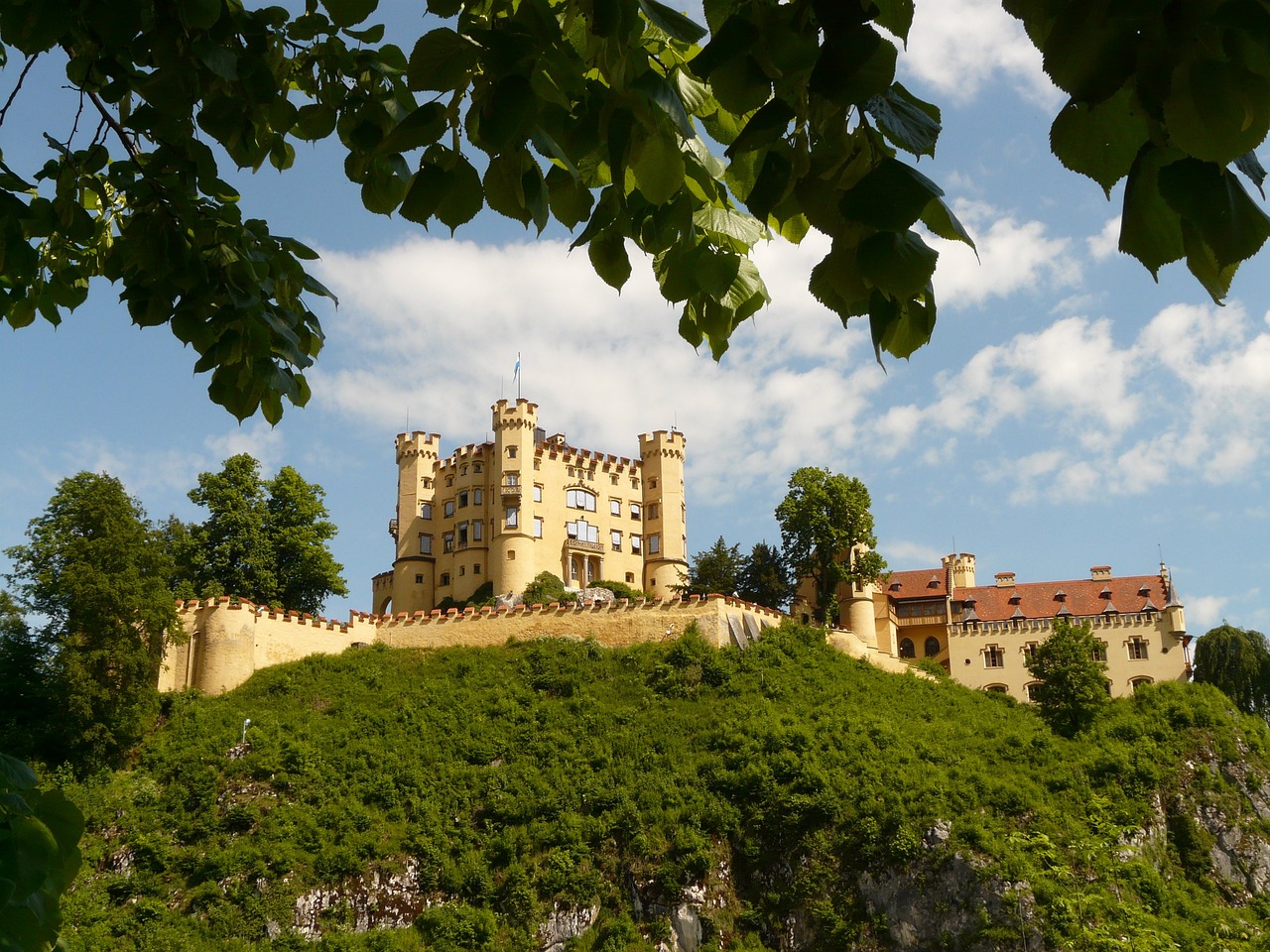
Hohenschwangau Castle is the lived-in, intimate counterpart to the more famous fairy-tale silhouette on the neighboring hill. Where Neuschwanstein is King Ludwig II’s dream project, Hohenschwangau is the family home that shaped that dream: the place where he spent his childhood, learned to love legends, and watched the Alps change color with the seasons. As a visitor, you don’t just walk through grand halls; you move through a surprisingly personal story told through wall paintings, furniture, and views out to the lakes and mountains.
What makes Hohenschwangau special—and why I keep sending friends here—is the combination of scale and setting. The castle is compact enough that you can truly take it in during a 1 day itinerary for Hohenschwangau Castle, yet the village of Hohenschwangau and the surrounding lakes and trails reward 2 days in Hohenschwangau Castle or even 3 days if you like to walk, linger in cafés, or explore nearby Bavarian towns. You have classic “must-see attractions in Hohenschwangau Castle” like the Throne Room, but step outside and you’re immediately in a landscape that invites picnics, swims, and quiet walks.
In 2026, Hohenschwangau is especially worth visiting: the region is doubling down on sustainable tourism, adding improved hiking signage, better bus connections, and more evening cultural experiences in nearby Füssen. There are also a few special exhibitions planned in 2026–2027 focusing on Ludwig’s childhood and the castle’s 19th-century renovations, which will make the standard tour richer if you time it right.
Whether you’re traveling as a family with kids, planning a romantic weekend, or chasing a bit of Alpine adventure, Hohenschwangau can comfortably anchor your trip. This travel guide for Hohenschwangau Castle will help you decide how to visit Hohenschwangau Castle, what to prioritize, how to avoid the worst crowds, and how to weave the castle into a 1 day, 2 day, or 3 day itinerary that feels like a story rather than a checklist.
Table of Contents
- Why Visit Hohenschwangau Castle in 2026
- A Local-Style Overview: Setting, History, and Atmosphere
- Main Areas & Viewpoints Inside and Around Hohenschwangau Castle
- 1. The Main Approach & Castle Courtyard
- 2. State Rooms & Ludwig’s Childhood World
- 3. Queen Marie’s Apartments & Family Spaces
- 4. Balconies, Viewpoints & The Best Castle Views
- 5. Castle Museum, Chapel & Shop
- 6. Alpsee Lake & Lakeside Trails
- 7. Schwansee Park: Quiet Paths & Local Escapes
- 8. Neuschwanstein & Shared Ticket Experiences
- Recommended Itineraries: 1, 2, and 3 Days in Hohenschwangau
- Eating Around Hohenschwangau Castle
- Where to Stay Near Hohenschwangau Castle
- Practical Logistics: Tickets, Opening Hours, and How to Visit
- Cultural Etiquette & Local Customs
- Hohenschwangau After Dark & Off-Hours Magic
- Day Trips & Nearby Attractions
- Events & What’s New in 2026–2027
- Hidden Tips, Money-Saving Advice & Transport
- Summary & Final Recommendations
A Local-Style Overview: Setting, History, and Atmosphere
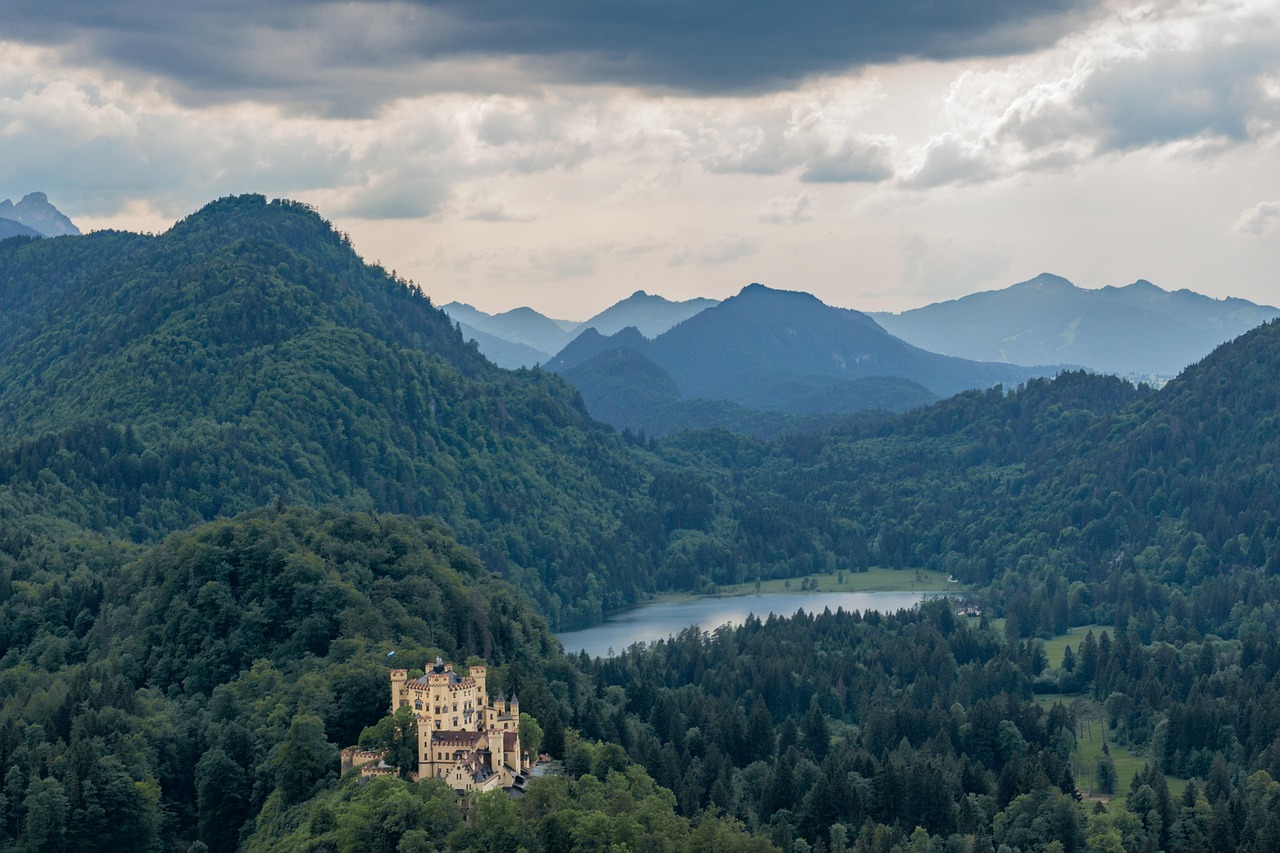
Hohenschwangau Castle sits on a low hill just above the village of Hohenschwangau in southern Bavaria, minutes from the Austrian border and about 5 km from the small town of Füssen. It’s an easy place to underestimate. From the parking lot, you mostly see ticket counters, souvenir stalls, and horses queued for carriage rides. But the moment you begin the short climb up to the castle, the noise drops away and the setting comes into focus: Alpsee lake on one side, Schwansee on the other, the rugged Ammergau Alps rising behind, and Neuschwanstein perched on the opposite hill.
Historically, Hohenschwangau is older than its bright 19th-century paint job suggests. A fortress existed here in the 12th century, but by the time Crown Prince Maximilian (later King Maximilian II of Bavaria) purchased the ruins in 1832, it was essentially a romantic pile of stone. Maximilian rebuilt it in neo-Gothic style, turning it into a summer and hunting residence for the royal family. His son, Ludwig II, spent his childhood here, absorbing the Wagnerian and medieval imagery that would later explode into the design of Neuschwanstein.
Today, Hohenschwangau is fully museumified—yes—but it somehow hasn’t lost the feeling of a lived-in house. Compared to Neuschwanstein’s theatrical interiors, the rooms here feel human-scale and, at times, almost cozy. When I bring first-time visitors, they’re often surprised by how much they end up preferring Hohenschwangau; it’s less crowded, more atmospheric, and easier to experience without rushing.
From a practical perspective, Hohenschwangau is one of the best places in Bavaria to combine “must-see attractions” with easy outdoor time. Within a radius of a few kilometers you can walk gentle lakeside paths, tackle more strenuous alpine trails, visit two famous castles, and still be back in Füssen for dinner. For families, this is ideal: you can reward kids with a swim in Alpsee after they behave through the guided tour. For couples, the lake and park walks offer quiet corners away from the tour buses. For solo travelers, the reliable public transport and clear signage make logistics simple.
Main Areas & Viewpoints In and Around Hohenschwangau Castle
1. The Main Approach & Castle Courtyard
Every visit to Hohenschwangau Castle starts with the approach up the hill. I’ve walked this path in blazing August heat with coaches emptying out below, and in January when the cobblestones were dusted with snow and every footstep echoed. In both cases, it’s worth slowing down. From the main ticket center in the village, you follow a gently sloping road that curves up through trees and offers your first side-on glimpses of the castle walls.
The walk takes about 10–15 minutes at a comfortable pace. Most people trudge straight up while checking their phones for tour times, but if you pause just before the final bend and look back, you’ll see Neuschwanstein framed perfectly between the trees. This is my favorite early “sense of place” moment and a good reminder that your experience here is shaped as much by what you notice outside as by what you’re shown inside.
Arriving in the courtyard, the first thing that strikes you is the color: a warm, almost buttery yellow that looks different in every light. On a gray day it glows; at sunset it becomes almost orange. The second thing is the intimacy of the space. Unlike many European castles with vast, windswept courtyards, Hohenschwangau’s is compact, almost village-like. You’ll see the well, the small chapel entrance, the main doorway for tours, and a scattering of decorative coats of arms.
If you’re early for your timed entry (which you should be; more on that later), this is a nice place to orient yourself. I often duck up to the small terrace overlooking Alpsee for a minute of quiet before joining the tour group. On busy summer days, you can also find a bit of shade pressed against the inner walls; in winter, this is the spot where your breath will be visible in the air as you wait for the doors to open.
How long to spend: 15–30 minutes before or after your tour. Arrive at least 20 minutes before your scheduled time to allow for the climb and a short pause in the courtyard.
Tip: If you’re visiting with kids or anyone with mobility concerns, skip the horse-drawn carriage for this side. The walk to Hohenschwangau is short and not too steep; save the carriage (if at all) for Neuschwanstein. Wear shoes with grip: in winter and early spring, the path can be slick.
2. State Rooms & Ludwig’s Childhood World
The guided tour through Hohenschwangau’s interiors is compulsory; you can’t wander solo. Normally I dislike being shepherded, but here the structure works in your favor. Groups are relatively small, and the guides—especially in recent years—are well-trained, balancing necessary information with dry Bavarian humor. Tours last around 45 minutes, which is just enough to feel substantial without inducing fatigue.
The state rooms are where Ludwig’s childhood comes into focus. You’ll see the Hall of Heroes and Knights, with its wall paintings of medieval legends that must have burrowed deep into a young king’s imagination. The guide will likely point out the scenes from the “Nibelungenlied,” and if you stand slightly apart from the group for a moment, you can imagine a boy standing in the same spot, tracing the figures with his eyes.
One of my personal favorite rooms is the Tasso Room, named for the Italian poet Torquato Tasso, whose life and works fascinated 19th-century romantics. The paintings here are delicate and richly detailed, and on a cloudy day the filtered light makes the colors feel particularly saturated. I always look for the small animal figures tucked into the scenes; they’re easy to miss if you’re just scanning for the “major” elements.
Ludwig’s own bedroom is another highlight, not for its size, but for its intimacy. There’s a starry sky painted above the bed, and if you’re lucky, your guide will mention the telescope he once used to watch progress on Neuschwanstein from this very room. That detail always lands with visitors: the idea of a king lying awake, staring through the dark at the building site of his dream castle across the valley.
Photography: As of my 2026 visit, photography is not allowed inside the castle rooms (this can change, but assume it’s prohibited). This frustrates some travelers, but I’ve come to appreciate it. The lack of screens changes the atmosphere. Instead of everyone jockeying for the same angle, you see people actually looking. If you’re a note-taker, jot down the room names afterward; it helps when you’re sorting through impressions later.
What to look for:
- The juxtaposition of medieval themes and 19th-century comfort: central heating, upholstered furniture, and practical family spaces.
- The recurring swan motifs, which nod to both the local landscape and the “Swan Knight” legends that so fascinated Ludwig.
- Views from the windows: whenever you can, step to the side and look out. On clear days, you’ll glimpse Alpsee and Neuschwanstein from certain rooms, and the contrast between interior decoration and exterior drama is striking.
How long to spend: The tour is about 45 minutes; give yourself another 15 minutes afterward for the small exhibit areas and to decompress in the courtyard.
Tip: If you’re serious about understanding the art and symbolism, consider taking the official tour once and then reading more about the iconography before a second visit. On my third trip, armed with more context, I noticed layers in the wall paintings that completely changed my sense of the castle’s “storyline.”
3. Queen Marie’s Apartments & Family Spaces
While the state rooms impress, it’s the more private spaces that linger in my memory. Queen Marie’s apartments, with their slightly softer palette and more personal touches, make it easier to imagine daily life here: children running along corridors, letters being written at small desks, servants bringing in trays of coffee while mist still clings to the lake below.
The Queen’s bedroom and dressing room are particularly evocative. Unlike some palaces where royal apartments feel like stage sets, these rooms retain a sense of human scale. You’ll see framed family portraits, modestly sized beds, and furniture that looks like it was chosen for comfort as much as display. One guide once told me, with a smile, that Queen Marie preferred her time here to the more formal life in Munich; standing in these rooms, I can believe it.
Pay attention to the textiles and small decorative objects. They speak volumes about 19th-century tastes: a mix of neo-Gothic inspiration, Biedermeier practicality, and Alpine romanticism. I often find myself imagining the soundscape: the crackle of fireplaces, the squeak of floorboards, the muffled hooves from the courtyard below.
Family-friendly angle: If you’re visiting with kids or teens, this is a good moment to gently translate royal life into something relatable. Point out the children’s rooms, talk about what “summer vacation” meant to a prince in the 1850s, or imagine what games Ludwig and his brother Otto might have played in the hallways. Guides sometimes touch on this, but a bit of parental storytelling goes a long way.
How long to spend: These rooms are part of the standard tour, but mentally budget more attention here. Don’t let your mind drift just because the biggest paintings were earlier; this is where the emotional texture of the castle resides.
4. Balconies, Viewpoints & The Best Castle Views
After the interior tour, step outside and give yourself time to explore the various terraces and viewpoints around the castle. This is where Hohenschwangau really reveals its setting—and where you’ll understand why the Wittelsbachs chose this particular hill.
The balcony and terraces facing Alpsee offer a broad, cinematic view: the lake framed by forested slopes, distant peaks, and, on very clear days, hints of the Austrian Alps beyond. I’ve stood here on summer mornings when the lake surface was glassy and dotted with rowboats, and in autumn when low clouds turned everything into layers of gray and gold. Both are beautiful, but for photography, early evening (golden hour) is your friend; the west-facing aspect catches the soft light perfectly.
On the Neuschwanstein-facing side, you’ll find a different kind of drama. From certain angles, you can line up the two castles in a single frame: Hohenschwangau’s warm yellow in the foreground, Neuschwanstein’s cool stone behind. This is an excellent spot for couples’ photos or family shots that capture the sense of place without the typical parking-lot chaos.
What to look for:
- Seasonal color changes: spring greens, summer blues, autumn gold, and winter whites all transform the same view into something new.
- Birdlife around Alpsee: bring binoculars if you have them; you’ll often spot waterfowl and raptors riding thermals.
- The lighting at different times of day: if you’re staying nearby, consider walking up twice—once in the morning, once in late afternoon—to feel the shift.
How long to spend: 20–40 minutes wandering the terraces and small paths near the castle. Don’t rush down the hill; this is one of the most rewarding parts of the visit.
Tip: In winter, these exterior areas can be icy. Use the handrails. In summer, the sun can be fierce; a hat and sunscreen are wise, especially if you’re also hiking around the lakes later.
5. Castle Museum, Chapel & Shop
Unlike some sprawling palace complexes, Hohenschwangau keeps its ancillary spaces compact and focused. After the main tour, you can explore a small museum area (often integrated into the exit route), the charming chapel in the courtyard, and the castle shop.
The chapel is an easy place to overlook, but I recommend stepping inside even if you’re not religious. It’s a quiet, dimly lit space with painted walls and a calm that contrasts nicely with the group-tour energy outside. I’ve ducked in here on rainy days to listen to the soft patter of water on the courtyard while the door muffled the sound of languages and logistics outside.
The museum displays rotate occasionally, but generally you’ll find artifacts related to the castle’s reconstruction, royal family life, and Ludwig’s youth. These aren’t blockbuster pieces; think letters, small objects, photographs. For history lovers, they add satisfying texture. For others, this might be a quick pass-through on the way to the shop.
The shop is, predictably, heavy on Ludwig-themed souvenirs—books, prints, magnets, and the usual suspects. But if you look closely, you can find more thoughtful items: high-quality art books about Bavarian castles, regionally produced food items, and elegant postcards that go beyond the standard tourist fare.
How long to spend: 10–15 minutes in the chapel and museum; 10 minutes in the shop unless you’re an avid browser.
Tip: If you want a compact, well-researched overview of both Hohenschwangau and Neuschwanstein, pick up a bilingual guidebook here. They tend to be better curated than what you’ll find in the general village shops below.
6. Alpsee Lake & Lakeside Trails
If the castle is the crown, Alpsee is the jewel. This lake, just below Hohenschwangau, is one of the most beautiful in Bavaria, and it’s criminal how many visitors barely glance at it from the parking lot before rushing back to their buses. Every time I build a 1 day or 2 day itinerary for Hohenschwangau Castle, I carve out at least an hour here—more if the weather’s kind.
The main lakeside path is easy, wide, and mostly flat, making it perfect for families, couples, or solo travelers wanting a gentle stroll. If you have time, walking the full loop around the lake (about 5 km) is deeply rewarding: you move from busy shore near the village to quiet, forested stretches where you might only hear birds and the soft lap of water.
In summer, locals and clued-in travelers bring swimsuits and towels. The water is cold but swimmable, and there are unofficial swimming spots along the shore. I’ve had some of my favorite Alpine swims here: slipping into the clear water in late afternoon, the castles visible through trees, dragonflies hovering above the surface.
Family-friendly: Kids generally love this part of the visit. Skipping stones, watching ducks, and exploring the small lakeside playground near the village can be as memorable as the castle itself. Bring snacks or a picnic and you have a ready-made afternoon.
What to look for:
- Reflections of Hohenschwangau and Neuschwanstein in the water on still days.
- Changing water color: Alpsee shifts from deep navy to turquoise depending on light and season.
- Quiet spots on the far side of the lake, where you’re more likely to encounter locals out on their daily walk than tourists.
How long to spend: Minimum 1 hour for a partial walk and rest by the shore; 2–3 hours if you walk the full loop and swim or picnic.
Tip: The far side of Alpsee (away from the village) is much calmer. If you’re looking for romantic moments or reflective solo time, head that way. The path is well marked, and you’re never truly far from “civilization,” but it feels worlds away from the bus park.
7. Schwansee Park: Quiet Paths & Local Escapes
Schwansee, just a short walk from Hohenschwangau, is the locals’ answer to the crowds at Alpsee. It’s smaller, shallower, and wilder in feeling, surrounded by meadows and forested slopes. The park trails here are some of my favorite in the area: gently rolling, well-marked, and blissfully quiet outside high summer weekends.
I often end my castle days here, wandering the paths at golden hour when the light filters through tall grasses and the water glows subtly. On my last spring visit, I watched a pair of swans glide across the lake while a family picnicked under a tree nearby—a scene so on-the-nose for “romantic Bavaria” that we all laughed about it.
For walkers and runners: Schwansee’s network of paths is ideal for a morning run or leisurely hike. If you’re staying in Füssen or Hohenschwangau for a few days, start one day here before tackling the castles. The relative solitude will reset your senses before the busier sites.
How to get there: From the Hohenschwangau village, follow signs for “Schwanseepark.” It’s an easy 15–20 minute walk along paths and side roads. You can also drive and park at the small lot, but walking sets the right tone.
How long to spend: 1–2 hours for a gentle lap of the lake and some meandering in the meadows. Longer if you bring a book or picnic.
Tip: In summer, bring insect repellent for Schwansee’s more marshy edges. In autumn, this is one of the best foliage spots in the area; the reflections in the water can be spectacular.
8. Neuschwanstein & Shared Ticket Experiences
While this guide focuses on Hohenschwangau Castle, it would be dishonest to ignore its glamorous neighbor. Most visitors combine both castles in a single day, and the ticketing system encourages this with combination tickets. If you’re crafting a 1 day or 2 day itinerary for Hohenschwangau Castle and surroundings, you’ll almost certainly be weaving in Neuschwanstein as well.
From Hohenschwangau’s viewpoints, you see Neuschwanstein across the valley, perched dramatically on its rocky outcrop. The interplay between the two is fascinating: one a lived-in family home with medieval fantasies painted on the walls, the other an unfinished dream palace built by Ludwig, partly inspired by the views he had from his childhood bedroom.
Logistics note: When you buy tickets at the central ticket center in the village, you can choose Hohenschwangau alone, Neuschwanstein alone, or both. Combination tickets are good value if you have the time and stamina. In high season, timed entries can sell out days (or even weeks) in advance, especially for Neuschwanstein. Hohenschwangau is somewhat easier to book, but don’t leave it until the last minute in July–September.
How long to spend: If you’re combining both castles, each tour is about 45 minutes, but you’ll need at least 4–5 hours total to account for walking time between them, waiting, and a break for food. For a more relaxed experience, give them room to breathe across a full day or even two days.
Recommended Itineraries: 1, 2, and 3 Days in Hohenschwangau
Over the years I’ve experimented with different ways of structuring time here—rushed day trips from Munich, lingering three-day stays, winter overnights. Below are three tested options: a focused 1 day itinerary for Hohenschwangau Castle, a deeper 2 day itinerary, and a slow-travel 3 day itinerary that folds in lakes, trails, and nearby towns.
1 Day Itinerary for Hohenschwangau Castle
If you have only one day in the area, you can still have a rich, memorable visit that balances must-see attractions in Hohenschwangau Castle with some outdoor time. This is the itinerary I suggest to friends who are doing a quick stopover but want more than just a bus-tour blur.
Morning: Early Arrival & Hohenschwangau Castle Tour
On my most recent one-day experiment, I arrived in Hohenschwangau village around 8:15 a.m. on a clear September morning. The first buses were just pulling in, and there was a faint smell of coffee from the cafés near the ticket center. If you’re driving, aim to park in one of the lots before 9:00 a.m. to avoid queues. If you’re coming by bus from Füssen, catch one of the early departures (around 8:00–8:30 a.m.).
I’d pre-booked a Hohenschwangau ticket for the 9:20 a.m. tour. That’s ideal: early enough to dodge the biggest tour groups, late enough that you’re not sprinting from the bus. After picking up the ticket (allow 10–15 minutes for this), I started the walk up to the castle at about 8:55 a.m., taking the slower path that curves gently through the trees. The light was still slanting low through the branches, and there was a quiet that disappears by mid-morning.
Arriving at the courtyard by 9:05 a.m., I had a few minutes to breathe, look around, and take some photos of the walls and views. The tour started right on time. Inside, the pace was calm; our group was small, mostly independent travelers rather than large tours. I focused on the little details: the brushwork in the wall paintings, the views from certain windows, the feel of the wooden floors underfoot.
By 10:15 a.m. the tour was over, and I stepped onto the balcony facing Alpsee. The lake was still, a few rowboats already out. I lingered for a while, then drifted through the chapel and the shop, picking up a slim booklet about Ludwig’s childhood. By 10:45 a.m., I began the descent back to the village, taking the slightly longer path that offers more views of Neuschwanstein through the trees.
Practical tips:
- Book your Hohenschwangau tour for between 9:00–10:00 a.m. for the best balance of light and lower crowds.
- Grab a quick breakfast in Füssen or bring something with you; village cafés can be slow when buses arrive.
- Bring a light jacket: castle interiors are cool year-round, even on hot days.
Midday: Alpsee Walk & Lakeside Lunch
By late morning, the village and bus park are usually buzzing. This is the moment to walk down to Alpsee and let the landscape reset your senses. I like to head directly to the shore, find a bench, and simply sit for 10 minutes watching light move across the water. After the formal interiors, the openness feels expansive.
If you only have a day, you probably won’t want to walk the entire lake loop, but a partial stroll along the near shore is easy and rewarding. On my last one-day visit, I walked about 20 minutes along the path, then doubled back, stopping at a lakeside spot where the view of Hohenschwangau’s yellow walls peeks through the trees.
Lunch options right by the lake are limited and often crowded, so I usually walk back toward the village and choose one of the slightly less touristy spots a few minutes away from the core (more on specific recommendations in the Eating section). A typical midday meal for me here: a plate of Käsespätzle (cheesy egg noodles) with a side salad and a Radler (beer with lemonade) or sparkling water. It’s filling enough to fuel the afternoon but not so heavy that you’ll regret the hills later.
Timing: 11:00 a.m.–1:30 p.m. for lakeside time and lunch. If you’re planning to add Neuschwanstein to this same day, keep an eye on your afternoon time window.
Afternoon: Optional Neuschwanstein or Deeper Lake/Trail Time
For a 1 day itinerary for Hohenschwangau Castle, you have two main choices after lunch:
- Add Neuschwanstein; or
- Lean into the landscape: more Alpsee, Schwansee, or a moderate hike.
If it’s your first time in the region, I generally recommend visiting Neuschwanstein on the same day. Book a timed entry between 2:00–4:00 p.m., depending on your pace and how early you started. The walk up to Neuschwanstein takes 30–40 minutes; add extra time if you plan to detour to Marienbrücke, the famous bridge viewpoint.
On one of my one-day experiments, I skipped Neuschwanstein entirely and did the full loop around Alpsee instead. It turned out to be one of my favorite days: few people on the far shore, long stretches of birdsong and water sounds, and the castles always visible in the distance when the trees opened up. This is the better option if you dislike crowds or have already seen Neuschwanstein on a previous trip.
Adventure tweak: If you’re reasonably fit and the weather is stable, consider one of the shorter marked trails that climb above the lakes for elevated views. Trailheads are well-signed, and you can get maps at the tourist office. Just keep an eye on time if you’re tied to a castle tour slot.
Evening: Golden Hour at Hohenschwangau & Dinner in Füssen
As afternoon shadows lengthen, many day-trippers drift back to their buses. This is when the area exhales. If you still have energy, walk back up toward Hohenschwangau Castle—not necessarily to go inside again, but to experience the exterior and terraces in golden hour light.
On a clear evening, the castle glows, and the view down to Alpsee is at its most painterly. I often walk a little way down the hill, then turn back repeatedly; each bend offers a slightly different composition. This is when you’ll take your best “iconic” exterior photos without as many people in the frame.
For dinner, I strongly suggest heading into Füssen rather than eating in Hohenschwangau village. Füssen has a more interesting restaurant scene, with everything from traditional Bavarian to modern European and decent vegetarian options. I like to arrive in town around 7:00 p.m., stroll through the old streets, then settle into a place like a local-run Wirtshaus (inn) for roast pork, trout, or seasonal specialties.
By the time you catch your bus or drive back to your accommodation, you’ll have experienced a full arc: morning castle quiet, midday lakes, afternoon bustle, and evening calm. It’s a satisfying 1 day itinerary that feels complete but still leaves you curious to return.
2 Day Itinerary for Hohenschwangau Castle
Two days in Hohenschwangau Castle and its surroundings is, in my view, the sweet spot. You can see both castles without rushing, spend real time at the lakes, and begin to feel the rhythm of the place rather than just its highlights. When friends ask for a 2 day itinerary for Hohenschwangau Castle, this is roughly what I describe, based on several stays spread between 2023 and 2026.
Day 1 Morning: Settle In & Hohenschwangau Castle In Depth
Arrive in the area by late morning. If you’re staying in Füssen, drop bags at your guesthouse and either walk, bike, or bus to Hohenschwangau. If you’re staying in the village itself, even better: you can leave your luggage and head straight to the ticket center.
For your first castle visit, make Hohenschwangau the focus. Book a late-morning or early-afternoon entry (between 11:00 a.m.–1:00 p.m.) so you’re not racing. Spend time on the approach, in the courtyard, and especially on the terraces afterward. Because you have two days, you can afford to linger: stand a little longer in each room, listen more closely to the guide, look longer at the views from the windows.
On one spring visit, I deliberately booked the last Hohenschwangau tour of the morning, then spent an hour afterward sketching on the balcony with Alpsee below. I’m a terrible artist, but the act of sitting still, pencil in hand, made me notice shapes and rhythms I’d never really seen before.
Day 1 Afternoon: Alpsee Loop & Lakeside Café Time
With the castle “done” for the day, devote your afternoon to a full loop around Alpsee. The path is well-maintained and signed, with occasional benches and clearings. Walking the loop at a leisurely pace with photo stops takes around 2–2.5 hours.
About halfway around, you’ll find yourself on the quieter side of the lake, where trees arch overhead and the only human sounds are usually hushed conversations or the whir of bicycle tires. This is my favorite part. On my last early-summer visit, I sat on a lakeside log here, sharing a simple picnic of bread, mountain cheese, and apples with a friend, while a family of ducks worked the shallows nearby.
Finish the loop back near the village and treat yourself to a drink at a lakeside café or on a terrace with a view up toward the castles. This is “touristy” in the best sense: you’re sitting where countless visitors have sat over the past century, letting the views soak in while the bustle hums around you.
Day 1 Evening: Füssen Old Town & Castle Views at Dusk
Head into Füssen in the late afternoon. Wander the old town: pastel-colored buildings, cobbled streets, small shops. Climb up to the Hohes Schloss (High Castle) courtyard for views over the rooftops, and if it’s open, step inside to see the trompe-l’oeil façade paintings.
Dinner in Füssen can be as traditional or as modern as you like. Some evenings I opt for a classic Wirtshaus with schnitzel or seasonal game; other nights I’ll choose a lighter Italian meal or a vegetarian-friendly spot. After dinner, walk down to the Lech river and watch the water rush by under the bridge. If the sky is clear, you may see the last light still lingering behind the mountain silhouettes.
Day 2 Morning: Neuschwanstein & Marienbrücke
On your second day, tackle Neuschwanstein with fresh legs and a clear head. Book a morning entry—ideally before 11:00 a.m.—to avoid the densest afternoon crowds. The walk up is steeper and longer than Hohenschwangau’s (30–40 minutes), so wear good footwear.
If weather permits and the bridge is open, detour to Marienbrücke either before or after your tour for the classic view of Neuschwanstein. From there, glance across the valley; you’ll spot Hohenschwangau looking almost modest in comparison. It’s instructive to have both castles in your field of vision at once: dream and reality, childhood home and adult fantasy.
Depending on timing, grab a snack or early lunch up near Neuschwanstein or back in the village. I often keep this meal light: a soup, salad, or simple sandwich, leaving room for a more substantial meal later.
Day 2 Afternoon: Schwansee Park & Quiet Trails
With both castles “ticked,” shift gears. Walk or bus back toward Hohenschwangau village, then follow signs for Schwanseepark. The character here is different: less monumental, more pastoral. Meadows roll gently away from the path, wildflowers dot the grass in late spring and early summer, and the lake sits calmly at the center of it all.
Spend the afternoon meandering: a loop around Schwansee, a detour into adjoining woods, maybe a short climb to a viewpoint. On one late-October afternoon, I watched fog roll in low over the meadows here, swallowing the castle silhouettes and turning everything into a muted, almost monochrome world. It was as memorable as any sunlit postcard scene.
If you’re traveling as a couple, this is a particularly romantic stretch. There are plenty of spots to sit and talk, out of sight of the main paths. For families, the open space is great for letting kids burn off energy. For solo travelers, this is where the trip takes on a reflective tone; bring a book or journal if that’s your style.
Day 2 Evening: Return to Hohenschwangau or Füssen
Depending on your energy and where you’re staying, you can either have an early dinner in Hohenschwangau village (quieter after day-trippers depart) or return to Füssen for more variety. If the sky is clear, consider one last stroll by Alpsee at dusk before fully calling it a night. The lake at blue hour, with castle lights just beginning to glow, is deeply atmospheric.
3 Day Itinerary for Hohenschwangau Castle
Three days in Hohenschwangau Castle’s orbit turns a famous sightseeing stop into a mini-retreat. You can spread out the castles, add a day trip or higher-altitude hike, and build in time to simply exist in the landscape. Over several trips, I’ve settled on a three-day pattern that feels balanced and immersive.
Day 1: Hohenschwangau & Alpsee Immersion
Use the 1 day itinerary for Hohenschwangau Castle as your template: Hohenschwangau tour in the morning, Alpsee in the afternoon, golden hour up at the castle, dinner in Füssen. But with three days, you can slow down each element. Sit longer by Alpsee. Maybe rent a rowboat if the weather is stable—rowing out far enough that you can look back and see both castles in one sweeping view.
On one summer trip, I spent almost four hours at Alpsee alone: a slow loop walk, a swim at a quiet spot on the far shore, and a long, lazy reading session under a tree. That evening, walking back up toward the castle as the last light hit the walls, I felt less like a visitor and more like someone who knew the area’s daily rhythms.
Day 2: Neuschwanstein & Higher Trails
Dedicate your second day to Neuschwanstein and some more ambitious walking. After your castle tour and Marienbrücke visit, continue along one of the marked trails that climb higher into the hills. The Tegelberg area offers well-signposted routes, and you can even take the Tegelberg cable car (a short drive or bus ride from Hohenschwangau) up for wider views over the region.
From higher vantage points, the two castles shrink into elements of a much larger landscape: lakes, forests, distant peaks, and the patchwork of fields and villages below. It’s a useful shift in perspective, especially if you’ve spent the first day focused on royal narratives and interior details.
Pack a picnic for this day: bread, cheese, fruit, chocolate. There is something deeply satisfying about eating a simple meal on a bench or rock outcropping with the whole Schwangau-Füssen area spread below.
Day 3: Füssen, Schwansee & Second Look at Hohenschwangau
On your third day, slow down again. Start with Füssen’s old town if you haven’t fully explored it yet. Visit the Museum of Füssen in the former Benedictine monastery, stroll the riverside, and enjoy a leisurely coffee and cake at a café with outdoor seating.
By midday, circle back toward Hohenschwangau and Schwansee. Approach Schwansee from a different angle than on previous days, perhaps starting in the meadows and looping into the woods. If the weather’s warm, this is a gentler swimming spot than Alpsee, with fewer people around. I’ve had entire stretches of shore to myself here on midweek mornings in June.
In the late afternoon, consider walking back up to Hohenschwangau Castle just to experience the exterior and courtyard one last time. You might not go inside again (though you can, if you truly love interiors), but there’s value in re-encountering the place with three days of context under your belt. The details you notice now—the way light hits a particular tower, a carving over a door, the sound of wind in the trees—will be different.
End your final evening with a special meal in Füssen or a quiet picnic by the lake, depending on your mood and budget. By the time you leave the next morning, you’ll have moved well beyond a “photo stop” into something closer to a relationship with this pocket of Bavaria.
Eating Around Hohenschwangau Castle: Where It’s Actually Good
The immediate surroundings of the ticket center in Hohenschwangau village are, frankly, a tourist trap: high prices, average quality, stressed staff. You can grab a quick snack there if you’re desperate, but if you care about your meals, step a little further away or time your main eating in Füssen.
Over repeated visits, here’s where I’ve had consistently good experiences:
Near Hohenschwangau (but not in the worst crush)
Walk 5–10 minutes away from the densest cluster of day-trip restaurants and you’ll find a few guesthouses and gasthäuser that serve solid, traditional Bavarian food. Look for places where you see German license plates out front and a mix of locals and travelers at the tables.
Typical dishes to look for:
- Käsespätzle: Soft egg noodles with melted cheese and fried onions. Hearty and comforting.
- Schweinshaxe: Roast pork knuckle with crispy skin, usually served with dumplings and sauerkraut—best on cooler days.
- Forelle (trout): Often sourced from local streams and lakes, simply grilled or pan-fried.
- Bayerischer Wurstsalat: Sliced sausage salad with onions and vinegar dressing; lighter but still substantial.
- Vegetarian plates: Mixed dumplings, seasonal vegetable dishes, and salads are increasingly common.
For drinks, try a local Helles (pale lager) or a wheat beer, or go for a non-alcoholic Apfelschorle (apple juice with sparkling water), a regional staple.
Füssen: Where Locals Actually Eat
Füssen is where I recommend doing most of your serious eating. The old town has a healthy mix of traditional Bavarian, Italian, and modern bistro-style spots, plus bakeries and cafés for daytime fuel.
What I tend to do:
- Breakfast: A bakery in Füssen for fresh rolls, pastries, and coffee; grab extra to carry with you to the castles.
- Lunch: Flexible—either a simple meal near the lakes or a more substantial plate in Füssen if I’m not tied to midday castle times.
- Dinner: Always in Füssen if possible, to avoid the emptier, more touristy feel of Hohenschwangau village after dark.
Don’t skip dessert. Bavarian kitchens do excellent simple sweets: Apfelstrudel, Kaiserschmarrn (shredded pancake), or just a slice of seasonal cake with whipped cream and coffee.
What to Bring with You
The best days around Hohenschwangau usually involve impromptu picnics. On your way out of Füssen in the morning, pick up:
- Fresh bread or rolls
- A wedge of mountain cheese or sliced cheese
- Fruit (apples, grapes, or whatever’s in season)
- Nuts or chocolate
- Plenty of water (you’ll walk more than you think)
There are plenty of benches and grassy spots around Alpsee and Schwansee where you can eat without disturbing anyone. Just remember to pack out all trash; Bavaria takes pride in clean trails and lakes.
Where to Stay Near Hohenschwangau Castle
You have three main options: stay in Hohenschwangau village itself, stay in nearby Schwangau, or base yourself in Füssen. I’ve done all three and tend to recommend Füssen for most travelers, with caveats.
Staying in Hohenschwangau Village
Pros:
- Walkable access to both castles and lakes.
- Possibility to experience early morning and late evening calm, once buses leave.
- Ideal for families who want minimal transport fuss.
Cons:
- Limited dining options after dark.
- Prices often higher for what you get, due to location.
- Can feel like a “castle resort bubble” rather than a real town.
Staying in Schwangau
Schwangau is the broader municipality that includes the castle village. Scattered guesthouses and hotels in the surrounding area often have quieter settings, with mountain views and cows in nearby fields.
This can be a sweet spot if you have a car: rural calm, short drives to the castles, and a sense of everyday Bavarian life beyond tourism.
Staying in Füssen
For most travelers, Füssen is the best base:
- Regular buses to Hohenschwangau (10–15 minutes).
- A real town with supermarkets, pharmacies, restaurants, and a walkable old center.
- More accommodation variety: from budget guesthouses to comfortable mid-range hotels.
I like staying in or near the old town, within walking distance of the train station and bus stops. That way, mornings are simple: breakfast, short bus ride, and you’re at the castles with no parking stress.
Practical Logistics: Tickets, Opening Hours & How to Visit
Good logistics can make the difference between a dreamy castle day and a frazzled one. Here’s how to visit Hohenschwangau Castle efficiently in 2026.
Hohenschwangau Castle Tickets and Tips
Ticket types:
- Hohenschwangau Castle only
- Neuschwanstein Castle only
- Combination ticket (both castles)
Timed entry is mandatory for all interior visits. You’ll be assigned a specific tour time and language. As of 2026, online booking is strongly recommended and often essential during high season (June–September, and around Christmas/New Year).
When reservations open: Usually several weeks to a few months in advance. For peak summer weekends, book as early as possible.
How far ahead they sell out: Neuschwanstein can sell out days or weeks ahead in summer. Hohenschwangau is more forgiving but still sells out on busy days. If you want a specific time window for both, don’t wait.
Peak Hours & Best Time of Day
Peak hours for castle tours are roughly 10:30 a.m.–3:00 p.m. The best time to visit Hohenschwangau Castle, in my experience, is:
- Morning (9:00–10:00 a.m.): Soft light, fresher groups, slightly fewer crowds.
- Late afternoon (after 3:30 p.m.): Buses start thinning, golden hour light outside.
If you’re combining both castles in one day, I often suggest Hohenschwangau earlier and Neuschwanstein later, or vice versa, depending on ticket availability. Just leave enough walking time between them.
Opening Hours (Typical Pattern)
Exact Hohenschwangau Castle opening hours can shift slightly by season, but generally:
- April–October: Tours from morning to late afternoon, 7 days a week.
- November–March: Slightly reduced hours; occasional closures for maintenance or holidays.
Always check the official website shortly before your trip, especially in winter or during shoulder seasons.
Dress Code & Behavior
There’s no strict dress code, but remember you’re in a historic building with religious art and a small chapel:
- Dress comfortably and modestly; no beachwear or shirtless wandering.
- Backpacks may need to be worn on the front or left in lockers for narrow rooms; follow staff instructions.
- Keep voices low during tours; sound carries in the rooms.
Photography Restrictions
As of my latest 2026 visit:
- No photography or video inside the castle rooms.
- Photography allowed outside in the courtyard, terraces, and around the lakes.
Rules can change, but assume interior photography is prohibited and enjoy the chance to simply look.
Accessibility
The castle is on a hill, reached by a sloping path. Inside, there are stairs and uneven floors. Wheelchair users and those with limited mobility may find access challenging, though there are occasional accommodations and partial-access tours. Contact the ticket office in advance with specific needs; they are generally responsive and honest about what’s feasible.
Security & Queue Times
Security is present but not intrusive. The main “queues” are:
- Ticket collection/verification at the ticket center (10–30 minutes in high season without pre-booking).
- Waiting for your group at the castle entrance (10–20 minutes).
Arrive at the castle 20 minutes before your tour time to avoid stress.
Cultural Etiquette & Local Customs in Hohenschwangau
Hohenschwangau is thoroughly used to international tourism, but you’ll have a smoother, more pleasant experience if you tune in to a few Bavarian norms.
Language & Politeness
Most people working in tourism speak good English, but starting interactions with a simple “Grüß Gott” (traditional Bavarian greeting) or “Guten Tag” often softens the tone. “Bitte” (please) and “Danke” (thank you) go a long way.
In Restaurants
- Wait to be seated unless it’s clearly self-service.
- It’s normal to share tables with strangers in busy traditional places; a polite “Ist hier frei?” (Is this seat free?) is appreciated.
- Service is less “performative” than in some countries; staff may be brisk but not rude.
- Tips of around 5–10% (rounded up) are customary; hand it directly to the server when paying.
At the Castles & Lakes
- Respect no-photo rules inside; staff enforce them, and other visitors appreciate the calmer atmosphere.
- Keep noise down in the chapel and interior rooms.
- On trails and lakeshores, pack out all your trash. Locals are proud of clean nature.
- Swimwear is fine at the lakes, but cover up when walking back through the village.
Hohenschwangau After Dark & Off-Hours Magic
Most day-trippers are gone by early evening, leaving the area surprisingly quiet. While there aren’t many late-night activities right at the castle, the off-hours atmosphere is one of the best reasons to stay nearby.
Sunset & Golden Hour
Golden hour (about an hour before sunset) is when Hohenschwangau’s yellow walls come alive. If you’re staying close, time a gentle walk up the hill for this window. The terraces are usually calm, with plenty of space to take photos or simply stand and watch the light change.
Blue Hour & Night Lighting
After sunset, both Hohenschwangau and Neuschwanstein are subtly illuminated. From Alpsee’s near shore or from certain points on the road between village and Füssen, you’ll see the castles glowing softly against dark hills. On clear nights, stars appear above the silhouettes; on cloudy ones, the whole scene feels like a moody oil painting.
Seasonal Evening Programs
In recent years, there have been occasional evening concerts and cultural events in Füssen and Schwangau that tie into the castles’ heritage—chamber music, Wagner-themed programs, or historical talks. For 2026–2027, expect more of these, especially in summer and around key anniversaries. Check local tourism websites or ask your hotel for current listings.
Day Trips & Nearby Attractions
Once you’ve had your fill of Hohenschwangau Castle and its immediate surroundings, there are several worthy day trips and half-day excursions within easy reach.
Tegelberg & Alpine Views
A short drive or bus ride from Hohenschwangau, the Tegelberg cable car whisks you up to panoramic views over the lakes, castles, and Bavarian foothills. From the top, you can do short walks, more challenging hikes, or simply sit at the mountain restaurant with a drink and watch paragliders launch.
Füssen Old Town & Hohes Schloss
If you’re not already based in Füssen, it’s worth a dedicated half-day. Explore the narrow lanes, visit the High Castle’s courtyard and art museum, and take a walk along the Lech river. This gives you a sense of the region’s non-royal history and everyday life.
Lake Forggensee
In summer, Forggensee (a large lake north of Füssen) offers boat trips, swimming, and wide-open views back toward the Alps. It’s less intensely scenic than Alpsee but feels spacious and relaxed.
Austrian Side Trips
The Austrian border is minutes away. Reutte and the Lech valley, or the Ehrenberg castle ruins with their suspension bridge, make fun forays if you have a car. Check border and vignette (toll sticker) rules if driving on Austrian highways.
Events & What’s New in 2026–2027
While Hohenschwangau itself is not a big festival hub, the wider Schwangau–Füssen area has a busy calendar. For 2026–2027, watch for:
- Special exhibitions in the castle or nearby museums focusing on Ludwig II’s youth and the castle’s 19th-century reconstruction, often timed around anniversaries.
- Summer music festivals in Füssen, sometimes with programs inspired by Wagner and romantic-era composers beloved by Ludwig.
- Local folk festivals (Volksfeste) in Schwangau and nearby villages: expect brass bands, traditional dress, beer tents, and hearty food.
- Advent and Christmas markets in Füssen and the region: small but atmospheric markets with crafts, Glühwein (mulled wine), and seasonal treats.
Exact dates shift each year; check the Füssen and Schwangau official tourism websites when planning your trip.
Hidden Tips, Money-Saving Advice & Transport
How to Get There
By train & bus: The simplest way from Munich is train to Füssen (about 2 hours), then bus to Hohenschwangau (10–15 minutes). The bus stop is directly by the ticket center. Trains are frequent, and Bayern Tickets offer good value for groups and off-peak travel.
By car: Driving gives flexibility, especially for day trips. Parking in Hohenschwangau is in paid lots near the village; arrive early in summer to secure a spot. Be mindful of speed limits and local driving norms.
Getting Around Locally
The area is compact. You can easily:
- Walk between Hohenschwangau village, the castles, and Alpsee.
- Use buses between Füssen and Hohenschwangau (included in some guest cards).
- Rent bikes in Füssen for scenic rides to the lakes and villages.
Money-Saving Tips
- Use regional train passes (like the Bayern Ticket) if traveling by rail within Bavaria.
- Picnic for one meal a day to avoid pricier restaurant lunches at the castle village.
- Stay in Füssen or Schwangau rather than directly in the castle village for better value.
- Book castle tickets online to avoid day-of disappointment and time-wasting lines.
SIM Cards & Connectivity
Germany has good mobile coverage in this area, though some forested or high trails can be patchy. For visitors:
- EU travelers can use roaming as at home (check with your provider).
- Non-EU visitors can buy prepaid SIM cards from providers like Telekom, Vodafone, or O2 in major cities or online before arrival.
- eSIM options are increasingly common and convenient.
Visa Requirements & Driving Licenses
Hohenschwangau lies in Germany’s Schengen zone. Many travelers (including from the EU, UK, US, Canada, Australia, and others) can enter visa-free for short stays; others require a Schengen visa. Always check current requirements for your nationality well before travel.
Foreign driving licenses are generally accepted for tourists; if yours is not in Roman script or you plan a longer stay, an International Driving Permit is advisable.
Best Seasons & Weather
Spring (April–May): Fresh greens, variable weather, fewer crowds. Some higher trails may still have snow or mud.
Summer (June–August): Warm, long days, ideal for lakes and hikes—but also peak crowds and higher prices. Book castle tickets and accommodation early.
Autumn (September–October): My personal favorite: stable weather, rich foliage, slightly fewer tourists after early September.
Winter (November–March): Quiet and atmospheric, with snow possible. Shorter opening hours, some facilities reduced, but the castles in snow are magical. Check for seasonal closures.
Safety & General Travel Advice
- Germany is generally very safe; standard city-wise precautions apply in Füssen.
- On trails, stick to marked paths and heed weather forecasts; storms can move in quickly in the Alps.
- Carry a small daypack with water, snacks, and a light layer even on sunny days.
Summary & Final Recommendations
Hohenschwangau Castle may not dominate Instagram the way Neuschwanstein does, but it’s the place where the fairy tale becomes human. Inside, you move through the rooms where Ludwig II actually grew up; outside, you stand on terraces and lakeshores that anchor the story in real mountains, real water, real weather.
For a 1 day itinerary for Hohenschwangau Castle, focus on an early castle tour, time by Alpsee, and either Neuschwanstein or more trail time, finishing with golden hour views and dinner in Füssen. For a 2 day itinerary, slow down: devote one day to Hohenschwangau and the lakes, the other to Neuschwanstein and Schwansee. With 3 days in Hohenschwangau Castle’s orbit, let yourself fully inhabit the landscape: repeat visits to favorite viewpoints, higher alpine walks, and unhurried evenings in Füssen.
The best time to visit Hohenschwangau Castle depends on your priorities. For swimming and long days, choose summer and book ahead. For atmosphere and manageable crowds, consider late spring or early autumn. For snow-dusted turrets and quiet paths, winter—if you’re comfortable with cooler temperatures and shorter days—can be unforgettable.
Above all, don’t treat Hohenschwangau as simply “the other castle” on the way to Neuschwanstein. Give it space in your plans and attention in your day. Walk the approach slowly, pause in the courtyard, look out from every window you can. Then wander down to Alpsee or Schwansee and let the yellow walls recede into the wider Bavarian landscape. If you do, you may find—as I have over multiple visits—that Hohenschwangau is the castle that stays with you long after you’ve left the valley.