Why Visit the Königsstuhl Chalk Cliffs?
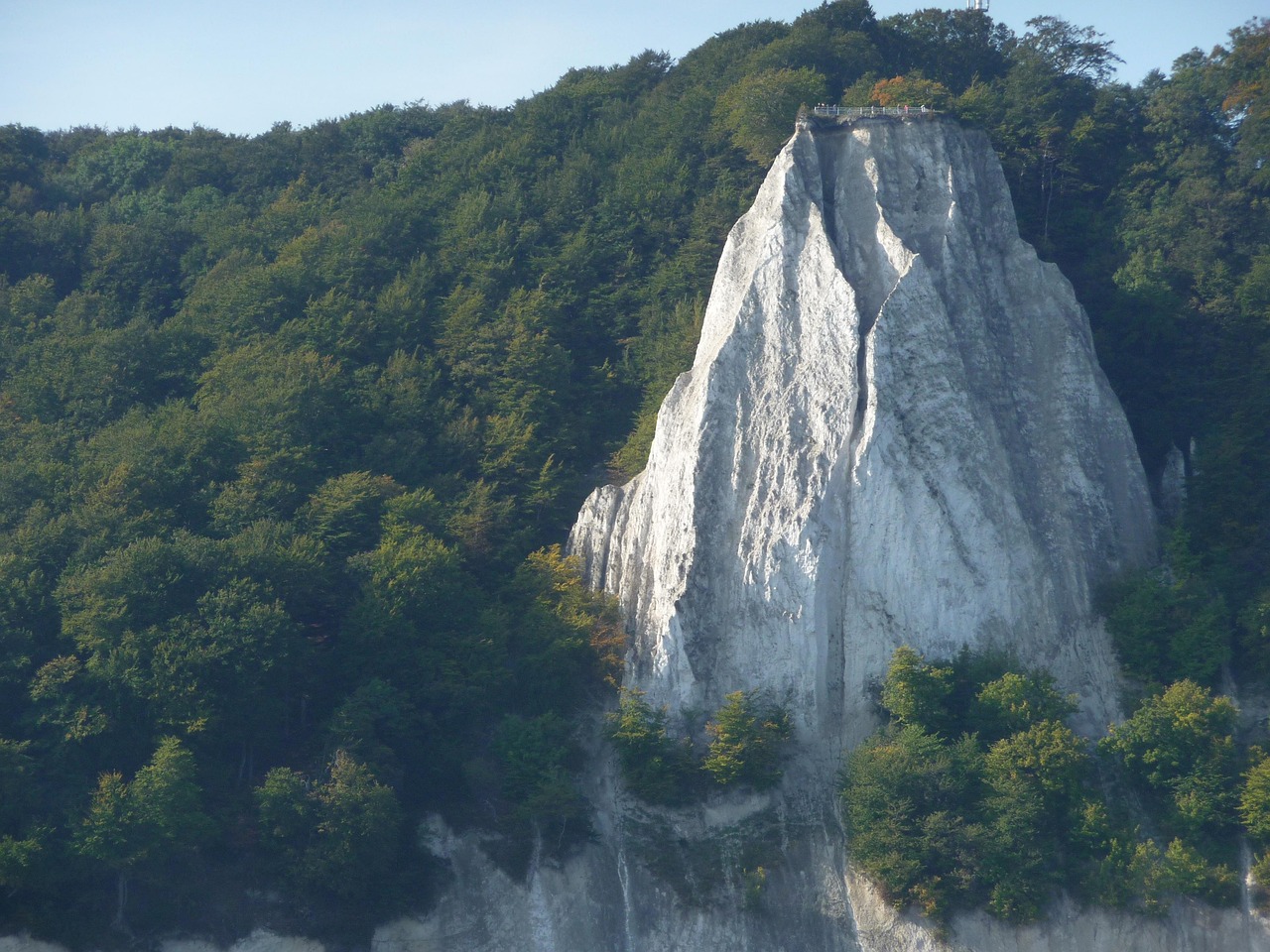
The Königsstuhl (literally “King’s Chair”) is the most iconic section of the chalk coastline within Nationalpark Jasmund on Germany’s Baltic Sea island of Rügen. Think dramatic white cliffs up to 118 meters high, dense UNESCO-protected beech forests, and that particular Baltic light that makes the sea look like brushed steel on some days and Caribbean turquoise on others.
What makes Königsstuhl special, and why you should consider it for your next trip:
- Raw coastal drama without the crowds of the Mediterranean: Steep cliffs, crashing waves, and sky-wide horizons, but with a Northern European quietness.
- Easy access to wild nature: Well-maintained trails, a new cliff-top skywalk, and clear signage mean you can dip into real wilderness without needing hardcore gear.
- A perfect fit for 1–3 days: You can do a focused 1 day itinerary for Konigsstuhl Chalk Cliffs or stretch to 2 days in Konigsstuhl Chalk Cliffs (or 3 days) by adding forest walks, boat trips, and nearby seaside towns.
- Family-friendly and romantic at once: Forest playgrounds, visitor centers, and safe viewing platforms for kids; lonely dawn viewpoints and sunset beaches for couples.
- Layers of culture and history: From Caspar David Friedrich’s romantic paintings to Cold War border stories and local fishing traditions.
If you’re looking for must-see attractions in Konigsstuhl Chalk Cliffs that blend grand landscapes with gentle walking, a bit of culture, and slow travel, this corner of Rügen is hard to beat.
Table of Contents
- 1. Essential Overview: How to Visit Königsstuhl in 2026
- 2. Main Sites & Viewpoints Around the Königsstuhl
- 3. 1 Day Itinerary for Konigsstuhl Chalk Cliffs
- 4. 2 Day Itinerary for Konigsstuhl Chalk Cliffs
- 5. 3 Day Itinerary for Konigsstuhl Chalk Cliffs
- 6. Eating & Sleeping Near the Königsstuhl
- 7. Königsstuhl After Dark & Off-Hours Magic
- 8. Cultural Experiences & Local Customs
- 9. Day Trips & Nearby Attractions
- 10. Practical Travel Tips & Logistics (Tickets, Transport, SIM, Seasons)
- 11. 2026–2027 Events & What’s New
- 12. Summary & Final Recommendations
Essential Overview: How to Visit Königsstuhl in 2026
By 2026, visiting the Königsstuhl Chalk Cliffs is easier, safer, and more structured than it was a decade ago. The coastal erosion that shapes these cliffs is both their beauty and their danger, so authorities have invested in a new skywalk and visitor center concept on the cliff edge, plus improved shuttle and trail systems.
How to Get There
The Königsstuhl sits at the northern edge of Jasmund National Park, on the northeast of Rügen. Most visitors base themselves in:
- Sassnitz – the closest town, a 10–15 minute drive or bus ride to the park entrances.
- Binz – Rügen’s stylish seaside resort, about 25–30 minutes by car to Königsstuhl.
From there:
- By car: Follow signs to “Königsstuhl” or “Nationalpark-Zentrum Königsstuhl.” In 2026 you park at the Hagen parking area (large, paid), then either walk through the forest (~3 km, 45–60 minutes) or take the shuttle bus to the visitor center.
- By public transport: Regional trains to Sassnitz, then the regional bus (usually line 23 or successor) towards Königsstuhl/Hagen. In high season, buses are frequent; in winter, check timetables carefully.
- By bike: A joy if you’re comfortable with some climbs; dedicated cycle paths lead through the forest and along quiet roads.
Tickets & Opening Hours for Königsstuhl Chalk Cliffs (2026)
Access to the cliff-top skywalk and main visitor center is ticketed; the surrounding national park trails are free.
- Ticket types: In 2026, you’ll find:
- Standard day tickets (adult, child, family).
- Combination tickets with boat tours (offered by some local operators).
- Discounts with regional tourist cards (e.g., Kurkarte from Sassnitz/Binz) – always ask.
- Timed entry: On busy summer weekends and school holidays, the skywalk may use timed slots to control numbers. For peak dates, I recommend booking online at least 3–7 days in advance.
- Opening hours: Typically from 09:00 to 18:00 in summer, shorter in winter (often around 10:00–16:00). The forest trails themselves are open 24/7.
Exact hours and ticket prices do change year by year, so before you finalize your 1 day itinerary for Konigsstuhl Chalk Cliffs, check the official Nationalpark-Zentrum Königsstuhl website.
Best Time to Visit Königsstuhl Chalk Cliffs
For both weather and crowds, my personal ranking for the best time to visit:
- Late April – early June: Fresh beech leaves, longish days, moderate crowds. Ideal for photographers and hikers.
- September – early October: Warm seas (relatively), softer light, the first hint of autumn color. Often my own choice for 2 days in Konigsstuhl Chalk Cliffs.
- High summer (late June–August): Long days, swimming weather, but busiest. Aim for early morning or late evening visits; book accommodation and tickets well ahead.
- Winter (November–March): Moody seas, frost-laced forests, and near solitude, but short days and more limited bus schedules. Some facilities close or reduce hours.
For golden hour at the cliffs, plan to be on the skywalk or nearby viewpoints 1–2 hours before sunset. Dawn can be even more magical: just you, the beech trunks, and the sound of the Baltic below.
Main Sites & Viewpoints Around the Königsstuhl
Over multiple visits I’ve settled into a rhythm: start with the famous Königsstuhl itself, then walk along the cliff path to quieter viewpoints and finally down to sea level if conditions allow. Below are at least eight key spots, each with its own character, history, and practical details.
1. Königsstuhl Skywalk & Visitor Center
The new cliff-top skywalk, opened and refined in stages through the early 2020s, has completely changed how you experience the “King’s Chair.” Where once you peered nervously over a barrier, now you step onto a solid, gently curving platform that seems to float out over the void, with the chalk wall plunging away beneath your feet.
What It Feels Like
My first time on the skywalk, in late September 2024, I arrived just after a squall passed through. The wetness had darkened the beech trunks; the air was scrubbed clear. I stepped onto the glass-floored section, looked straight down, and saw gulls circling between the white cliff face and the churning sea, far below. It’s the only place on the Rügen chalk coast where you feel truly suspended between forest and ocean.
What to Look For
- The vertical chalk face: Notice the fine horizontal bands – these are layers of tiny coccolith fossils, compressed over millions of years. On a dry day you can see where recent rockfalls have created brighter scars.
- Tree roots clinging to the edge: It’s a vivid lesson in erosion. In wet years, the park sometimes closes certain viewpoints for safety; respect the barriers.
- Caspar David Friedrich’s perspective: The Romantic painter made these cliffs famous around 1818. Interpretation panels show where he may have stood to paint “Chalk Cliffs on Rügen.” Try to match the skyline – the forest still whispers his melancholy.
How Long to Spend
For most travelers, 60–90 minutes is plenty for the skywalk and immediate exhibits. I often allow 2 hours, to linger with a coffee on the terrace and watch the changing light. If you’re weaving this into a 1 day itinerary for Konigsstuhl Chalk Cliffs, aim to be here in the morning, before the crowds thicken.
Visitor Center Highlights
Inside the visitor center, displays explain the geology, local flora and fauna, and the human stories of Rügen. Kids love the interactive sections – soundscapes of the forest, tactile fossil models, and occasional short films in German and English.
Each time I come back, there’s a new temporary exhibition: one year it was about Baltic herring fishing, another about the beech forests’ UNESCO World Heritage status. In 2026, a planned exhibit explores coastal climate resilience, connecting the chalk cliffs’ erosion to wider changes in the Baltic.
Practical Tips
- Tickets: Book online in summer; same-day purchase is usually fine off-season. Combination tickets sometimes include a guided walk.
- Accessibility: The skywalk and main exhibits are wheelchair-accessible via ramps and lifts.
- Photography: No tripods inside the exhibits; outside on the skywalk, they’re allowed but be courteous in tight spaces.
2. Victoria-Sicht Viewpoint
A few hundred meters along the cliff-top trail from the Königsstuhl, Victoria-Sicht (Victoria’s View) offers the classic postcard angle: the Königsstuhl itself framed by receding chalk walls and dense forest above a narrow strip of stony beach.
Why It Matters
This is the view that sells Rügen to the world. On my second visit, in early May, I arrived at Victoria-Sicht just as the sun broke through after a morning of drizzle. The chalk turned almost luminescent, and every camera on the platform started clicking in unison.
Timing & Crowds
Midday light here can be harsh; the cliff faces flatten into white slabs. For depth and shadow, try:
- Early morning: Fewer people, softer light slanting across the cliffs.
- Late afternoon/early evening: Golden-hour warmth, especially in autumn.
How Long to Spend
Budget 20–30 minutes just to soak it in and play with different angles. If you’re serious about photography, you might linger for an hour, waiting for shifting clouds and light.
Safety Note
Do not be tempted to step beyond the fenced area for a “better” shot. The cliffs are actively eroding; every few years there are serious collapses. Local rescue teams have enough to worry about without Instagram heroes.
3. Stubbenkammer Plateau & Forest Trails
“Stubbenkammer” refers to the high chalk plateau that includes the Königsstuhl and surrounding forest. Away from the viewpoints, a network of trails leads you through beech stands that feel almost cathedral-like.
Walking Through the Beech Cathedral
In late October 2023, I spent a day here while a storm raged offshore. The forest absorbed the wind into a low roar. Every gust sent a shimmer of copper and gold leaves down around me. The cliffs were dramatic, but it was the forest that left the deeper impression.
Trail Options
- Hagen–Königsstuhl main path: About 3 km each way on a wide, mostly level forest track. Great for families with strollers or visitors who want an easy, direct route.
- Cliff-edge path (Hochuferweg): Narrower, more undulating, with regular viewpoints. My favorite stretch runs between Sassnitz and Königsstuhl (allow 3–4 hours one-way).
- Short loops: Well-marked circular walks from the visitor center, 30–90 minutes, which combine forest and cliff glimpses.
What to Notice
- Beech trunks: The smooth, pale-grey bark has a subtle glow at dusk. These forests are part of the Ancient and Primeval Beech Forests of the Carpathians and Other Regions of Europe UNESCO listing.
- Deadwood: Don’t be surprised by fallen logs left to rot. This is deliberate: deadwood supports insects, fungi, and birds, and is part of the park’s conservation approach.
- Quiet: Step off the main routes and you quickly enter pockets of stillness. Bring a thermos, find a fallen trunk, and just listen.
Time & Difficulty
Even if you’re following a tight 1 day itinerary for Konigsstuhl Chalk Cliffs, build in at least an hour for forest wandering. For a fuller nature experience, spend half a day on the plateau, combining trails and viewpoints.
4. Sassnitz Old Town & Harbor
Sassnitz is the working harbor town that anchors the southern edge of Jasmund National Park. Architecturally it’s more practical than pretty, but the mix of fishing boats, Baltic ferries, and seagull-soundtracked promenades gives it a gritty charm.
Why Bother with Sassnitz?
On one of my first trips, I skipped Sassnitz entirely, rushing straight for the cliffs. Only later did I discover that the town is the best springboard for boat trips, offers more authentic food than many resort towns, and has its own quietly atmospheric old streets climbing up the hillside.
Highlights
- Harbor promenade: Walk past fishing boats selling smoked fish directly from kiosks, toward the long outer pier with its green lighthouse. On clear evenings, this is my go-to sunset stroll before dinner.
- Altstadt (Old Town): Clusters of old fishermen’s houses and small pensions up steep stairways. It’s not polished, but there’s a sense of lived history.
- Boat tours to the chalk cliffs: Depart regularly in season, giving that unbeatable sea-level perspective of Königsstuhl.
How Long to Spend
Half a day is enough to combine a harbor walk, quick old-town ramble, and a meal. If you’re on a 2 day itinerary for Konigsstuhl Chalk Cliffs, Sassnitz makes a natural base for one night.
5. Boat Tour Along the Chalk Coast
Seeing the Königsstuhl Chalk Cliffs from the sea is like flipping the map: suddenly you grasp their sheer scale and the way the forest seems to spill over the edge.
From Water Level
On a calm July afternoon, I boarded a mid-sized tour boat in Sassnitz. We chugged north along the coast, gulls in our wake, while a guide pointed out rockfalls and nesting cormorants. As we drew level with the Königsstuhl, the cliff rose like a chalk monolith, the skywalk and tiny human silhouettes perched high above.
Types of Tours
- Standard group cruises (1.5–2 hours): Frequent in high season, family-friendly, with commentary in German (some operators offer English summaries).
- Smaller boats / photography tours: Less frequent, but worth seeking out if you’re a photographer or prefer a quieter experience.
Practical Tips
- Best light: Morning or late afternoon. Midday sun can make the cliffs glare on camera.
- Seasickness: The Baltic here is usually calm, but if you’re sensitive, sit mid-ship and avoid heavy meals beforehand.
- Clothing: It’s always windier and cooler on the water – bring a layer, even in July.
How Long to Spend
Allow half a day door-to-door from Sassnitz (including boarding, the cruise, and a harbor stroll). In a 3 day itinerary for Konigsstuhl Chalk Cliffs, this is a must-do.
6. Herthasee & Herthaburg (Lake & Hillfort)
Tucked inland from the dramatic coastline, Herthasee is a small, dark lake ringed by forest, with the remains of an ancient Slavic hillfort (Herthaburg) nearby.
A Shift in Atmosphere
After the bright openness of the cliffs, Herthasee feels enclosed and slightly mysterious. On a foggy April morning I walked here alone, the path soft underfoot with last autumn’s leaves. The lake emerged almost suddenly, still and opaque, with mist hanging just above the surface.
History & Significance
The site has accumulated layers of myth and speculation – from supposed pagan rituals to 19th-century Romantic fantasies. While modern archaeology has demystified many of the legends, standing on the low earth ramparts of the hillfort, it’s easy to imagine how this secluded location once felt like a world apart.
Visiting Tips
- Access: Reachable via marked trails from the Königsstuhl area or from the Hagen parking.
- Time needed: 60–90 minutes for a there-and-back stroll; longer if you linger.
- Family note: Kids often like the idea of a “hidden lake” and an “old fort,” especially if you spin a story or two.
7. Victoria-Stiege & Beach Access (When Open)
Historically, steep stairways such as Victoria-Stiege allowed visitors to climb down from the cliff-top to the narrow shingle beaches below. Due to erosion and safety concerns, access is periodically restricted or closed entirely – in 2026, some of these paths may still be off-limits.
Why the Beach Matters
When conditions and regulations allow, standing at the base of the cliffs is unforgettable. The chalk towers over you; the beach is a mosaic of white chalk chunks and dark flint nodules. On one rare winter day when access was open and the crowds were non-existent, I walked alone under the precipice, every sound softened by the chalk around me.
Check Before You Go
Because collapses can happen without warning, always:
- Check the latest information at the visitor center or official park website.
- Respect closures – they’re not symbolic.
- Avoid walking directly under unstable overhangs or fresh collapse zones.
Time & Difficulty
If a staircase like Victoria-Stiege is open, the descent and ascent can be steep and demanding. Not suitable for every fitness level or for visitors with knee issues. Allow at least an hour including time on the beach.
8. Binz & Prora: Seaside Contrast to the Cliffs
While not part of the cliffs themselves, Binz and Prora are close enough that they become part of most travelers’ wider Konigsstuhl experience – especially on a 2 day or 3 day itinerary for Konigsstuhl Chalk Cliffs.
Binz: Belle Époque by the Baltic
Binz is Rügen’s most elegant resort town, with white villas, long sandy beaches, and a classic pier. After a day of forest and chalk, strolling here at dusk feels like slipping into a different film set.
Prora: Architecture & Memory
Just north of Binz, Prora’s long concrete blocks – built as a Nazi-era seaside resort – have been partly converted into museums, hostels, and apartments. It’s a stark, sometimes unsettling place, but important if you’re interested in 20th-century history.
How They Fit Your Itinerary
On my most recent 3 days in Konigsstuhl Chalk Cliffs, I spent one full day on the cliffs and forest, one day combining boat trips and Sassnitz, and one day balancing Binz beach time with a stop in Prora. The contrast made the whole experience richer.
Day 1: Classic 1 Day Itinerary for Konigsstuhl Chalk Cliffs
This 1 day itinerary for Konigsstuhl Chalk Cliffs assumes you’re based in Sassnitz or Binz and want to see the essential highlights with time to actually breathe, not sprint.
Morning: Forest Approach & First Glimpse of the Cliffs
Whenever I only have one day, I start early. On my last 1-day visit in June, I left Sassnitz around 07:30, catching one of the first buses to Hagen. The car park was nearly empty, the morning still cool.
From Hagen, I walked the forest trail rather than taking the shuttle. It’s about 3 km on a broad path, mostly level, perfect to settle into the rhythm of the day. The beech canopy filtered the sun into a soft green light; birds were louder than people.
Practical Notes for the Morning
- Start time: Aim to leave your base by 07:00–08:00 if you want to be on the skywalk soon after opening. This avoids coach groups and gives better light.
- Breakfast: Either eat at your accommodation or pack pastries and fruit to eat on the way. There’s a small café at the visitor center, but early mornings can be hit or miss.
- Gear: Comfortable walking shoes, a light jacket, and water. Even in summer, the forest can feel cool early on.
Late Morning: Skywalk, Visitor Center & Victoria-Sicht
Reaching the Nationalpark-Zentrum Königsstuhl around opening time, I bought my ticket (I’d booked a slot online, but on that particular weekday it wasn’t yet necessary) and headed straight for the skywalk.
The trick here, especially on a 1 day itinerary for Konigsstuhl Chalk Cliffs, is to visit the skywalk early, before exploring the indoor exhibits. The weather can change quickly, and views are your priority.
My Routine on the Cliff-Top
- First 30 minutes: Walk slowly along the skywalk, stopping at each vantage point. Take photos if you must, but also put the camera away for a while and just look. Try to spot boats cruising far below.
- Next 30–45 minutes: Wander through the visitor center, focusing on the sections that interest you most (geology, forest life, cultural history). Families can easily spend longer at the interactive stations.
- Coffee break: Grab a drink at the café and sit by the windows or outside terrace, reviewing the trails map for the afternoon.
Before lunch, I always make a short detour to Victoria-Sicht. It’s a 10–15 minute walk along the cliff path from the visitor center, and the view is the one you’ll likely remember years later.
Time Check
By now it’s probably between 11:30 and 13:00. Perfect for lunch and then an afternoon hike.
Lunch: Picnic with a Forest Backdrop
One of my firm travel tips for Konigsstuhl Chalk Cliffs is: bring a picnic. The café at the visitor center is fine for snacks and basic meals, but the real luxury here is eating in the forest.
On that June visit, I’d stocked up in Sassnitz the evening before: crusty Brötchen, local cheese, smoked fish spread, apples, and a thermos of coffee. Around noon I found a fallen trunk just off a side trail, sat down, and let the forest be my dining room.
Food Tips
- Where to shop: Supermarkets and bakeries in Sassnitz or Binz have everything you need. Ask for local smoked fish pâté or “Fischsalat” if you like seafood.
- What to avoid: Anything that melts easily (chocolate) in summer, and strong-smelling foods that might attract wasps.
- Leave no trace: Pack out all your rubbish. The beech forest is beautiful because people have mostly respected it.
Afternoon: Hochuferweg Hike or Herthasee Detour
After lunch, you have a choice depending on your energy and interests:
- Option A – Hochuferweg toward Sassnitz: The more dramatic choice, following the cliff-edge path south.
- Option B – Inland loop via Herthasee: A gentler, more introspective route around the lake and hillfort.
Option A: Hochuferweg (Cliff-Edge Path)
On a clear spring day, this is my preferred route. From the Königsstuhl area, I follow the Hochuferweg southward. The path undulates through forest, occasionally opening onto viewpoints where the cliffs drop away below.
It’s roughly 9 km from Königsstuhl to Sassnitz. Walking at a relaxed pace, with photo stops, it takes about 3 hours. Late in the afternoon, the light slants across the chalk, picking out every contour.
Option B: Herthasee & Forest Loop
If the weather is windy or misty, or if you prefer a quieter afternoon, head inland. Trails lead to Herthasee, where you can circle the water and explore the low remains of the hillfort. This loop can be made as short as 5–6 km or extended to 10+ km depending on side paths.
On a drizzly April day I chose this route, and the stillness around the lake – broken only by the odd duck call – felt almost sacred.
Late Afternoon/Evening: Sassnitz Harbor & Dinner
If you’ve walked back to Sassnitz via the Hochuferweg, you’ll emerge near the southern part of town. If not, catch a bus from Hagen or the Königsstuhl area into Sassnitz.
My ritual is simple:
- Drop my backpack at my guesthouse.
- Stroll down to the harbor promenade.
- Pick a fish smokehouse or simple restaurant with outdoor seating.
What to Eat
This overlaps with the “Eating Around Königsstuhl” section later, but for your 1 day itinerary for Konigsstuhl Chalk Cliffs, try:
- Fischbrötchen (fish rolls): A Rügen staple – fresh or smoked fish in a bun with onions and sauce.
- Matjes (young herring): Mild and tender, often served with potatoes.
- Local beer or apple juice: To wash it all down as the harbor lights flicker on.
By the time you walk back through the quiet old streets to your bed, you’ll have seen the essential things to do in Konigsstuhl Chalk Cliffs in one long, satisfying arc: forest, cliffs, viewpoints, and a working harbor town.
Day 2: Deeper Nature & Coastal Perspectives – 2 Day Itinerary for Konigsstuhl Chalk Cliffs
With a second day, you can slow down and add a completely different angle: seeing the cliffs from the sea, plus more time in Sassnitz or a side trip to Binz. This section focuses on the part of a 2 day itinerary for Konigsstuhl Chalk Cliffs that stays close to Jasmund and the coastline.
Morning: Boat Tour to the Chalk Cliffs
On my most recent 2 days in Konigsstuhl Chalk Cliffs, I dedicated the second morning to a boat trip. I booked a mid-morning departure from Sassnitz harbor, which gave me time for an unhurried breakfast at a café overlooking the water.
Choosing Your Boat Tour
As you walk along the harbor, you’ll see a line of ticket booths with photos of the cliffs. Compare:
- Departure times: In high season, boats often leave every 30–60 minutes. In shoulder seasons, there may be long gaps.
- Boat size: Larger boats are more stable but busier; smaller ones feel more intimate.
- Language: Ask if English commentary is offered if you don’t understand German.
On Board
Once underway, the boat noses out of the harbor and turns north. You pass under the long pier, with people waving down at you, and then the coastline quickly becomes wilder. Chalk outcrops appear, interspersed with wooded slopes.
As the Königsstuhl comes into view, everyone drifts to the same side of the boat. This is the iconic angle: forest on top, sheer white wall below, skywalk barely visible. The captain may slow or stop briefly to let passengers take photos.
Practicalities
- Duration: 1.5–2 hours round-trip.
- What to bring: Windproof layer, hat, sunscreen, camera, and maybe a small dry bag if showers are forecast.
- Suitability: Very family-friendly; kids love the boat and spotting birds and cliffs.
Late Morning: Harbor Walk & Museum Option
Back in Sassnitz, I like to stretch my legs along the outer mole – the long pier leading to the small lighthouse. From here, you get a low, distant view of the chalk coastline, plus a sense of Sassnitz as a working port.
If you’re in the mood for more structured culture, consider:
- Fisheries Museum: A compact introduction to Baltic fishing traditions, including old equipment and models.
- Submarine Museum (HMS Otus): A decommissioned British submarine you can clamber through. Not everyone’s taste, but memorable – I still recall the metallic smell and cramped bunks from a visit years ago.
Lunch: Smoked Fish on the Harbor
For lunch, lean fully into the Baltic vibe. There are several Räuchereien (smokehouses) along the harbor offering:
- Smoked salmon, mackerel, or eel to eat on-site or take away.
- Fischbrötchen in endless variations (try Bismarckhering or Brathering).
- Local beers or non-alcoholic malt drinks.
On my last visit I simply ordered whatever the staff recommended; it came wrapped in brown paper, still warm from the smoker, and I ate it at a wooden table with the smell of tarred ropes and seaweed around me.
Afternoon: Forest or Beach – Your Choice
For the afternoon of your 2 day itinerary for Konigsstuhl Chalk Cliffs, decide whether you’re craving more forest or a sandy beach.
Option A: Return to Jasmund for a Different Trail
If the weather is cool or you’re still under the spell of the cliffs, catch a bus or drive back toward Hagen and choose a different loop in the forest. I’ve spent many afternoons simply wandering lesser-used paths, with only the odd hiker for company.
Use the national park maps (available at the visitor center or online) to pick a 2–3 hour circuit that suits your energy level. This is a slower, more meditative complement to day 1’s highlights.
Option B: Beach Time in Binz
If it’s warm, head instead to Binz. From Sassnitz, it’s a short train or bus ride. The moment you step onto the promenade, you shift from wild cliffs mood to classic seaside holiday.
I usually:
- Walk the length of the beach promenade.
- Stroll out along the pier for views back toward Jasmund.
- Rent a Strandkorb (wicker beach chair) for an hour or two of reading and dozing.
Kids can swim or build sandcastles; couples can share an ice cream and watch the slow Baltic waves.
Evening: Dinner & Sunset
For dinner on day 2, choose between:
- Sassnitz: More low-key, harbor-focused, with traditional fish restaurants and simple pubs.
- Binz: Broader choice of restaurants, including more upscale spots and international cuisine.
On my last 2 days in Konigsstuhl Chalk Cliffs, I ended day 2 in Binz, eating grilled fish and sipping local white wine while the sky turned pink over the pier. It felt like a reward for two days of walking and sea-watching.
Day 3: Offbeat Corners & Nearby Highlights – 3 Day Itinerary for Konigsstuhl Chalk Cliffs
With three days, you can turn a simple sightseeing trip into a richly textured escape. This 3 day itinerary for Konigsstuhl Chalk Cliffs assumes days 1 and 2 broadly followed the patterns above; day 3 becomes your flex day for lesser-known corners, cultural experiences, or slower travel.
Morning: Herthasee & Mythical Forest Walk
If you haven’t already visited Herthasee, day 3 is the moment. Start early to catch the lake at its quietest; fog or low cloud makes it especially atmospheric.
From the Hagen car park or the Königsstuhl area, follow signs into the forest. The path undulates gently before dropping to the lakeside. I like to walk the entire circumference of the lake (a modest undertaking) and then climb to the Herthaburg earthworks.
Storytelling with Kids
Travelling with family? Spin a story about forest spirits or ancient guardians of the lake. My niece still remembers this part of the trip more vividly than the cliffs themselves, because we “searched for the old fort.”
Late Morning: Quiet Jasmund Corners
After circling Herthasee, wander deeper into the less-frequented parts of Jasmund’s forest. Some paths feel almost abandoned, moss reclaiming fallen trunks and the air thick with birdsong.
One November afternoon I deliberately took every smaller side path I saw (staying within marked trails, of course). I met exactly three other people in two hours. It was a reminder that even near famous must-see attractions in Konigsstuhl Chalk Cliffs, solitude is possible if you drift just a little off the main axes.
Lunch: Country Guesthouse or Forest Picnic
For lunch on day 3, you might:
- Seek out a village Gasthaus: Small country inns on the fringes of Jasmund often serve hearty dishes – schnitzel, fish, potatoes – in wood-paneled rooms.
- Repeat the picnic trick: If the weather is good, it’s hard to beat a simple picnic in a forest clearing.
Ask locals or your host where they like to eat on their day off; that’s how I found my current favorite countryside inn, where the owner still bakes bread in a wood-fired oven out back.
Afternoon: Side Trip – Binz & Prora, or Putgarten & Cape Arkona
For the afternoon, you have two compelling options, depending on whether you prefer seaside resort life or windswept headlands.
Option A: Binz & Prora (Culture & Beach)
If you haven’t yet visited Binz and Prora, day 3 is perfect. Spend an hour or two exploring Binz’s promenade and villas, then head to Prora.
In Prora, walk the length of the massive concrete blocks, visit one of the small museums that explain the Nazi-era “Kraft durch Freude” resort project, and then decompress on the surprisingly lovely beach.
Option B: Putgarten & Cape Arkona (Rugged Coastline)
Alternatively, drive or take a combination of bus and tourist train to Putgarten and Cape Arkona, at the northern tip of Rügen. Here the cliffs are different – less chalk, more mixed geology – but the sense of exposure is intense.
- Walk to the lighthouses and viewpoints.
- Visit the small fishing village of Vitt, tucked into a sheltered bay.
- Sample fish dishes at one of the kiosks or cafes.
The round-trip from the Königsstuhl region takes time, but it’s a superb addition if you want your 3 days in Konigsstuhl Chalk Cliffs to include a broader sweep of Rügen’s coast.
Evening: Last Light on the Cliffs or Beach
For a final evening, I recommend one of two things:
- Return to a favorite viewpoint: If the sky looks promising, head back to Victoria-Sicht or a lesser-known lookout for sunset or blue hour. Watching the cliffs darken and the first stars appear is a quietly emotional way to say goodbye.
- Beach bonfire (where allowed): On some stretches of Rügen’s beaches, small, controlled bonfires are permitted. Ask your accommodation about local rules. Sitting by the Baltic with a small fire and a blanket, listening to the waves, is as romantic as it sounds.
However you close your 3 day itinerary for Konigsstuhl Chalk Cliffs, try to build in space not just to see, but to feel the place one last time.
Eating & Sleeping Around Königsstuhl
Where to Eat: Beyond the Tourist Traps
Immediately around the visitor center, options are limited and geared toward quick, functional meals. To eat like a local:
- Sassnitz harbor: Head to the working quays rather than the most polished waterfront spots. Look for small, slightly weathered restaurants with handwritten menus.
- Back streets of Sassnitz: You’ll find simple, family-run places serving hearty home-style dishes at better prices than the seafront.
- Village inns around Jasmund: Ask your host to recommend a Gasthaus where locals go on Sundays; you’ll likely need a car or taxi.
What to Try
- Fresh and smoked fish: Everything from herring and sprat to salmon and eel. Smoked fish on dark bread is a classic.
- Rügener Kartoffelgerichte: Potato dishes are taken seriously here – try potato pancakes with applesauce or bacon.
- Seasonal specials: White asparagus in spring, chanterelle mushrooms in late summer, venison in autumn.
What to Bring Onto the Site Itself
For your days in the national park, I recommend:
- Water bottle (refill at your accommodation or visitor center).
- Sandwiches, fruit, nuts, and maybe a thermos of tea or coffee.
- A lightweight sit mat or small blanket for impromptu picnics.
Where to Stay: My Tried-and-True Bases
After multiple visits, I’ve gravitated to three main accommodation types:
- Sassnitz guesthouses: Small pensions on the hillside above the harbor, often with sea views and simple, generous breakfasts. Ideal if you want quick access to both the cliffs and boat tours.
- Binz hotels/apartments: More polished options with spa facilities, right by the beach. Slightly longer commute to Königsstuhl but better for mixed beach/cliff holidays.
- Rural stays near Jasmund: Farm stays or Ferienwohnungen (holiday apartments) in villages give you quiet evenings and starry skies, but you’ll likely need a car.
Booking Tips
- High season (July–August): Book 3–6 months ahead for the best choices, especially in Binz.
- Shoulder season: Easier to find last-minute deals, but still book weekends a few weeks in advance.
- Winter: Some smaller guesthouses close; check availability before you commit to dates.
Königsstuhl After Dark & Off-Hours
Sunset & Golden Hour
The cliffs face roughly northeast, so you won’t see the sun sinking directly into the sea from the main viewpoints. But the side-lighting at golden hour can be exquisite, especially in spring and autumn.
My favorite moments are when low sun from the west catches the upper parts of the chalk and beech canopy while the lower cliffs fall into shadow. The visual contrast is subtle yet powerful.
Blue Hour & Night
After the official facilities close, the forest remains open. Walking the main paths in the blue hour – that soft twilight between sunset and full dark – is a hushed, almost meditative experience.
I’ve walked out of the forest more than once with only the last band of light over the sea and the first stars overhead, using a small headlamp on the final kilometers. If you do this, stay on wide, known routes and avoid the cliff-edge paths in low visibility.
Seasonal Evening Programs
In recent years, the Nationalpark-Zentrum has occasionally offered:
- Guided night walks focusing on bats, nocturnal birds, and forest soundscapes.
- Special stargazing events when the moon is new and skies are clear.
For 2026, keep an eye on the park’s events calendar; these programs sell out quickly and must be booked in advance.
Cultural Experiences & Local Customs Around Königsstuhl
The chalk cliffs themselves are more about nature than overt culture, but the surrounding communities have distinct rhythms and customs worth respecting.
Everyday Etiquette
- Quiet in the forest: Germans tend to be respectful of natural spaces. Keep voices low on trails, especially in early morning and evening.
- Stick to paths: Not just for safety; it’s a deeply ingrained rule in national parks here.
- Greetings: A simple “Moin” or “Guten Tag” to fellow walkers on quieter trails is common.
Dining Customs
- Cash still useful: While cards are increasingly accepted, some smaller places prefer cash (Bargeld). Always have some euros on hand.
- Tipping: 5–10% is typical in restaurants if service was good; round up small bills in cafes.
- Reservations: For popular restaurants in Binz or harbor spots in Sassnitz on summer evenings, reserve ahead.
Cultural Experiences
- Local festivals: Small harbor or village festivals often include live music, grilled fish, and beer tents. Tourist offices in Sassnitz and Binz list current events.
- Art & photography: Galleries in Binz sometimes show works inspired by Caspar David Friedrich and the chalk cliffs; worth a peek if you’re into landscape art.
Day Trips & Nearby Attractions from Königsstuhl
Binz & Prora
Already covered in the itineraries, but to recap as stand-alone day trips:
- Transport: Regional buses and trains link Sassnitz, Binz, and Prora. Driving takes 25–35 minutes from the Jasmund area.
- What to do: Beach, promenade, pier, spa visits in Binz; architecture, museums, and beach walks in Prora.
Cape Arkona & Vitt
A classic excursion from Rügen’s eastern side. From Sassnitz or Binz:
- By car: 45–60 minutes to Putgarten, then walk or take tourist shuttles to the cape and village.
- By public transport: Longer, with connections via Bergen or other hubs – check the latest timetables.
Sellin & Göhren
Further down the southeast coast, these resort towns offer more piers, beaches, and an old narrow-gauge steam railway (Rasender Roland) that kids adore.
Practical Travel Tips & Logistics
Tickets & Timed Entry
For the Königsstuhl skywalk and visitor center:
- Book ahead in peak season (July–August, public holidays) and on sunny weekends from late April to early October.
- Timed slots may be in use; arrive 10–15 minutes before your slot.
- Combination offers: Sometimes paired with guided walks or other attractions; check the official site and local tourist offices.
Peak Hours & How to Avoid Them
The busiest periods are:
- 10:30–15:30 on sunny summer days.
- Late mornings on weekends in shoulder season.
To dodge crowds:
- Visit the cliffs right after opening or in the last two hours before close.
- Explore forest trails during peak times; return to viewpoints later.
Clothing & Gear
- Footwear: Sturdy walking shoes or light hiking boots; trainers are okay in dry weather on main paths.
- Layers: The Baltic can change mood quickly. Even in summer, bring a light jacket and windproof layer.
- Rain protection: Compact umbrella or packable rain jacket; forest showers can appear out of nowhere.
- Backpack: Daypack for water, snacks, camera, and a small first aid kit.
Accessibility
The modern visitor center and skywalk are wheelchair-accessible, with:
- Ramps and elevators.
- Accessible restrooms.
- Reserved parking spaces at Hagen and shuttle access.
Forest trails vary: the main Hagen–Königsstuhl path is relatively smooth and wide; side trails can be uneven, muddy, or rooted.
Photography Restrictions
In general:
- Photography is allowed throughout the park and on the skywalk for personal use.
- Tripods may be restricted in tight spaces and inside exhibits; ask staff if in doubt.
- Drone use is typically prohibited in the national park – check regulations.
Saving Money
- Picnics: Bring your own food and drinks instead of relying on cafés at major sights.
- Public transport: Use regional day passes where available; they can cover trains and buses across Rügen.
- Shoulder season travel: Accommodation prices can drop significantly in April, May, late September, and October.
SIM Cards & Connectivity
Germany’s mobile coverage is generally good, but some forest pockets have weak signals.
- eSIMs: Easiest option for most international visitors; providers like Airalo or local operators offer tourist-friendly data packages.
- Physical SIMs: Available at larger supermarkets, electronics stores, and sometimes gas stations on Rügen; bring your passport for registration.
- Wi-Fi: Most hotels and many cafés offer free Wi-Fi, but speeds vary.
Transport: Public & Car Rental
Public Transport:
- Rügen is linked to the mainland by rail; regional trains run to Sassnitz and Binz.
- Buses connect major towns and the national park. Schedules thin out in winter; check current timetables on VVR (Verkehrsgesellschaft Vorpommern-Rügen) channels.
Car Rental:
- Available on the mainland (e.g., Stralsund, Rostock) and in some larger Rügen towns. Booking ahead is wise in summer.
- Parking at Hagen is well organized but paid; have coins or a card ready.
Visa & Driving Requirements
For 2026, Germany remains part of the Schengen Area:
- Visas: Many nationalities can enter visa-free for short stays (up to 90 days in 180). Check your specific country’s requirements well in advance.
- ETIAS: The EU’s travel authorization system may be in place; some visa-exempt travelers may need to apply online before arrival. Confirm closer to departure.
Driving licenses:
- EU/EEA licenses are valid as is.
- Many non-EU licenses are accepted; some travelers may need an International Driving Permit (IDP) in addition to their home license. Check with your rental company and official German guidance.
Season-by-Season Advice
- Spring (March–May): Cool to mild; forests awakening. Great for quiet hiking and photography. Bring layers and rain protection.
- Summer (June–August): Warmest and busiest; best for combining cliffs with beach time. Book ahead, visit sites early or late in the day.
- Autumn (September–November): My favorite: fewer tourists, golden forests, moody seas. Ideal for 2 days in Konigsstuhl Chalk Cliffs or a 3 day itinerary if you like walking.
- Winter (December–February): Short days, potential snow or ice, but hauntingly beautiful. Check opening hours, dress warmly, and expect some services to be limited.
What’s New in 2026–2027: Events & Changes
The travel scene around the Königsstuhl Chalk Cliffs continues to evolve. For 2026–2027, keep an eye out for:
- Expanded climate & erosion exhibits: The visitor center is planning updated displays on how climate change affects the Baltic coast, including new interactive elements for families.
- Guided night walks: A growing program of evening forest tours in summer, focusing on bats, owls, and nocturnal life. These require advance booking and may be offered in German with occasional English dates.
- Local festivals: Check 2026–2027 listings for harbor festivals in Sassnitz, classical and jazz concerts in Binz, and seasonal markets (especially around Christmas).
- Trail maintenance & rerouting: As erosion continues, certain cliff-edge paths may be rerouted or closed; new observation spots and educational signage are periodically added. Always check fresh maps and notices.
Because details shift year by year, I recommend checking the websites of Nationalpark-Zentrum Königsstuhl, Tourismuszentrale Rügen, and local tourist information offices as your trip approaches.
Summary & Final Recommendations
The Königsstuhl Chalk Cliffs are not a place you “do” and tick off; they’re a landscape you inhabit for a few days. After several visits across seasons, a few key takeaways stand out:
- Give yourself at least one full day: A 1 day itinerary for Konigsstuhl Chalk Cliffs can cover the essentials – skywalk, forest walk, Victoria-Sicht – but feels best if you don’t rush.
- Two or three days are ideal: A 2 day or 3 day itinerary for Konigsstuhl Chalk Cliffs lets you add boat trips, Herthasee, Binz or Cape Arkona, and unhurried forest time.
- Balance viewpoints with wandering: The famous lookouts are must-see attractions in Konigsstuhl Chalk Cliffs, but the real magic often happens on quiet trails and in unplanned pauses.
- Respect the cliffs: Stay behind barriers, heed closures, and remember that erosion is both dangerous and the source of this landscape’s beauty.
- Travel in shoulder season if you can: For peace, soft light, and lower prices, late spring and early autumn are the best times to visit Konigsstuhl Chalk Cliffs.
Whether you come as a family seeking easy hikes and beaches, a couple in search of romance and quiet, or a solo traveler chasing wind and wide horizons, the Königsstuhl has room for you. Walk slowly, look long, and let the chalk, forest, and Baltic light work on you. They always have on me – and they keep drawing me back.