Why Visit Kühlungsborn in 2026
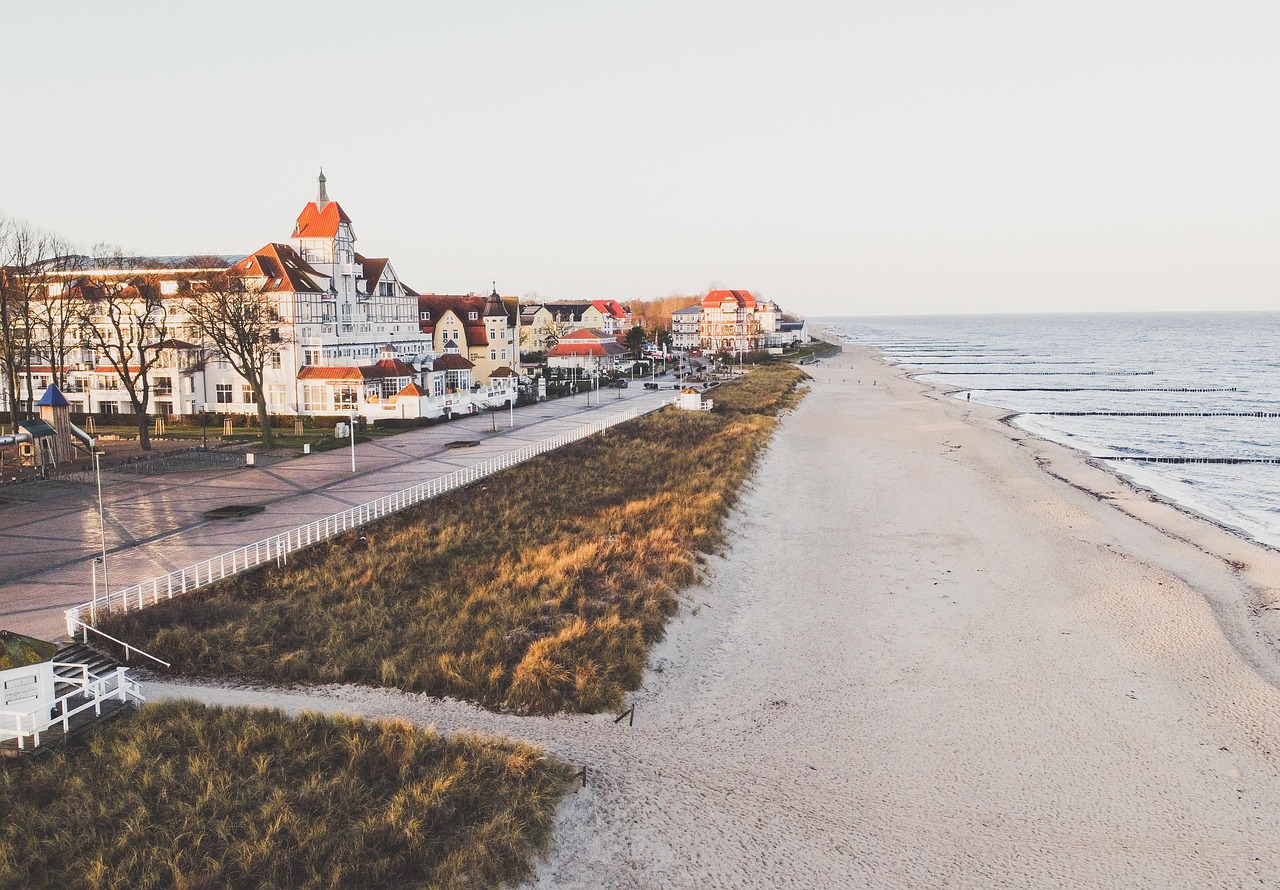
When people imagine a German beach town, they often think of something practical, efficient, perhaps a bit austere. Kühlungsborn quietly ruins those expectations. It’s one of the Baltic Sea’s most elegant resorts: long, honey-colored sands, a century-old promenade lined with white villas, the nostalgic whistle of a steam train in the distance, and just behind town, forested hills that smell of pine and wet leaves after rain.
I first came here on a blustery October afternoon more than a decade ago “just for a weekend.” I’ve kept coming back in every season since—alone with a notebook, with my partner for long, lazy spa days, and with friends and their children who somehow never get bored of the beach and the steam train. Kühlungsborn has become my personal reset button: large enough to fill a week or more, small enough to feel knowable.
In 2026, Kühlungsborn is in a sweet spot. The town is polished but not pretentious, with a strong year-round community that keeps cafés and bakeries open even after the last beach chair is folded away. The Baltic stays refreshingly cool in summer, the air is clean, and the scale is human: you walk or cycle everywhere, stopping for smoked fish and coffee whenever the mood strikes.
Whether you’re planning a 3 day itinerary for Kühlungsborn or a slower 7 days in Kühlungsborn, this guide is written to feel like a local friend walking you through town—beach by beach, café by café, and day by day.
Table of Contents
- Why Kühlungsborn Should Be Your Next Coastal Escape
- Kühlungsborn at a Glance
- Top 10 Attractions & On-Property Zones (with Personal Notes)
- 1. The Seaside Promenade & Beachfront
- 2. East & West Beach Zones (Families vs Couples vs Solo)
- 3. Kühlungsborn Pier (Seebrücke)
- 4. Molli Steam Railway
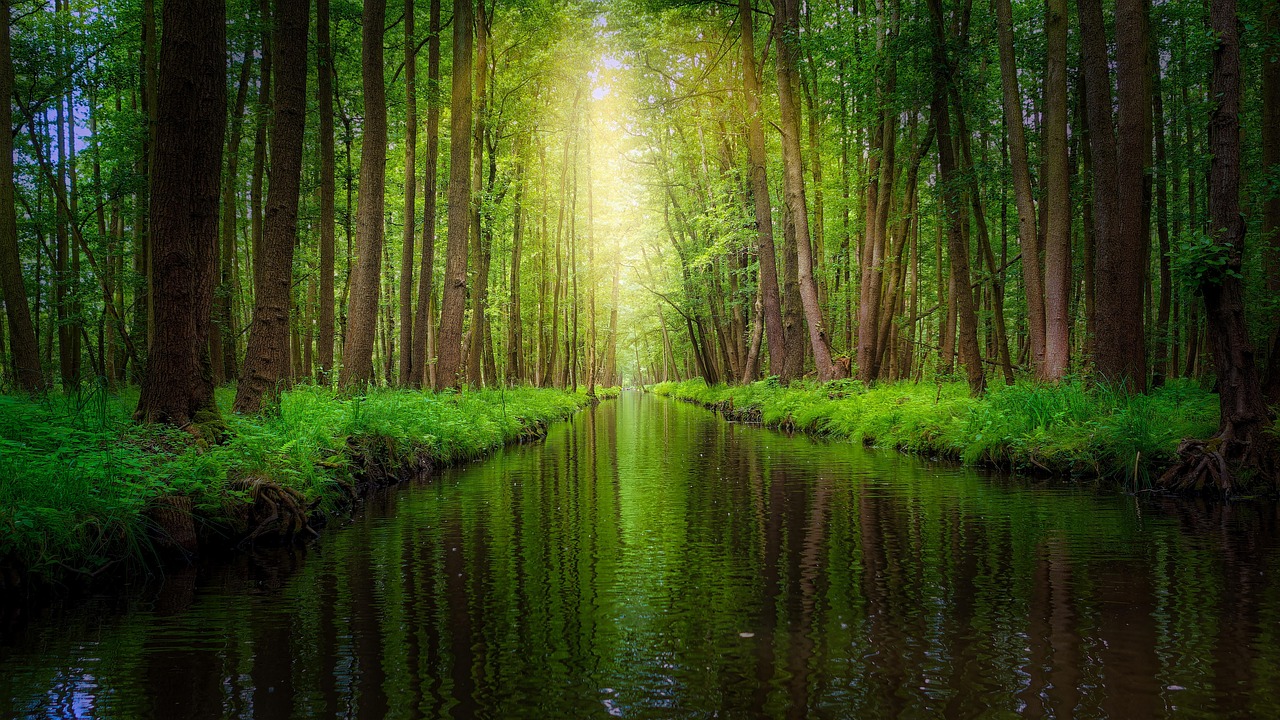
- 5. Stadtwald & Kühlung Hills
- 6. Kühlungsborn Marina & Waterfront Dining
- 7. Spas, Pools & Wellness Resorts
- 8. Family & Kids’ Zones
- 9. Local Food, Cafés & Bakeries
- 10. Cultural Spots, Events & Seaside Architecture
- Itineraries: 3–7 Days in Kühlungsborn
- Dining in Kühlungsborn: From Beachfront Fish to Hidden Backstreet Gems
- Evenings & Nightlife: Quiet, Cozy, and Occasionally Lively
- Day Trips & Nearby Attractions
- Cultural Etiquette & Local Customs
- Practical Travel Advice & Logistics
- When to Visit Kühlungsborn: Seasons & Pricing
- What’s New in 2026–2027: Events & Changes
- Summary & Final Recommendations
Kühlungsborn at a Glance
Kühlungsborn lies on Germany’s Baltic Sea coast in Mecklenburg-Vorpommern, about 25 km west of Rostock. It’s sometimes called the “Green City by the Sea” because a belt of forest—the Stadtwald—runs right behind town. You get the unusual combination of resort-town comfort, long sandy beaches, and proper woodland walking trails all within a few minutes’ stroll.
The town is effectively split into three zones: Kühlungsborn West, Stadtwald, and Kühlungsborn East. West feels a bit more laid-back and residential, East feels slightly more “resort chic,” and the forest stitches the two together with bike and walking paths. The seaside promenade runs for around 4 km, making Kühlungsborn home to one of Germany’s longest continuous beach promenades.
Top 10 Attractions & Zones in Kühlungsborn (With Local Insight)
Instead of just rattling off “things to do in Kühlungsborn,” I’ll walk you through the ten places and on-property zones I inevitably return to each trip—what they feel like, when they’re at their best, and who they suit most.
1. The Seaside Promenade & Beachfront
If Kühlungsborn has a living room, this is it. The seaside promenade runs along the entire beachfront, linking West and East without a single car in sight. It’s where I start almost every day in town, usually with a coffee in hand and no clear plan other than “walk until something smells good or looks interesting.”
Architecturally, the promenade is flanked by restored Wilhelminian-era villas—white facades, ornate balconies, and the occasional turret that makes you think of a storybook seaside sanatorium. Many of these now house hotels, small pensions, and cafés. On the sea side, wide sandy beaches open up, punctuated by rows of Strandkörbe (those iconic wicker beach chairs) in summer.
My routine here: On my last trip in late May 2026, I made a habit of walking from West to East just after sunrise. The light comes in low and golden, the beach is almost empty except for dog-walkers, and the only sounds are gulls and the slap of small waves. Around 8:30, the first bakeries along the promenade open; I usually stop for a still-warm Franzbrötchen (cinnamon pastry) or a buttered Schrippe (bread roll) and an Americano.
Best times: Early morning or the blue hour after sunset. Midday in July and August this strip is lively and family-centric; in shoulder season it’s peaceful and slightly melancholic in the nicest way.
Who it suits: Everyone. Families for stroller-friendly walks, couples for romantic sunset strolls, solo travelers for aimless wandering.
Tip: In high season, the promenade can feel busy, but all you need to do is step down onto the sand and walk closer to the water. The vibe changes instantly.
2. East & West Beach Zones: Choosing Your Patch of Sand
The beach in Kühlungsborn is one long curve, but it has distinct personalities.
Kühlungsborn West Beach
West Beach feels a bit more relaxed, with a good concentration of family-friendly areas and easy access to the Stadtwald. When I stay with friends and their kids, we almost always base ourselves near West. Beach sections are numbered (you’ll see signs like “Strandaufgang 13”), which makes it easy to find “your” spot each day.
Family tip: The lifeguarded zones (DLRG towers) are best if you’ve got little ones. The Baltic is usually calm, but it is still the open sea—currents and wind can change quickly.
Kühlungsborn East Beach
East Beach feels slightly more polished—closer to the marina, higher-end hotels, and more bars and restaurants. This is where I go when I want to swim, then grab a drink still wrapped in a towel and sarong. There’s also a nice run of textile-free (FKK) sections further along, marked clearly with signs.
Couples & solo tip: If you’re comfortable with Europe’s relaxed approach to nudity, the FKK sections are often less crowded and more serene. Just respect the boundaries: don’t wander in fully dressed to gawk, and don’t photograph.
Beach rentals & amenities: In season (roughly May–September), you can rent Strandkörbe by the day or half-day from booths along the beach. They’re pricier than just throwing down a towel, but if you’re here for more than a day or two, they’re worth it—especially on windy days, which are frequent on the Baltic.
3. Kühlungsborn Pier (Seebrücke)
The Seebrücke Kühlungsborn is the town’s visual anchor: a 240-meter wooden pier thrusting out into the Baltic, framed by the beach and villas behind it. I’ve walked this pier in every possible mood and weather—sunburned in August, bundled up in January, slightly tipsy after a long dinner—and it never feels the same twice.
Why it matters: Beyond the obvious photo op, the pier gives you a rare perspective: you can see the full curve of the coastline, the forest behind town, and on clear days bits of the distant coastline east and west. It also serves as a boarding point for boat trips to Warnemünde, Rerik, and occasional sunset cruises.
Personal moment: One September evening, I came out here during a storm front. The pier was technically still open, but I had it almost to myself. The waves weren’t huge by ocean standards, but for the Baltic they were impressive—slamming into the wooden piles below. There’s something grounding about standing at the very end, face stung by salt spray, watching the tidy resort town blur into a silhouette behind you.
When to go: Sunrise for quiet reflection, late afternoon for photos, or after dinner for a digestive stroll. In summer, it can be busy with families until late, but the crowd is always gentle.
Tip: If you’re prone to seasickness, this is a good place to test the waters (literally) before you book a boat tour. If the slight swaying here bothers you, pick a shorter cruise on a calmer day.
4. Molli Steam Railway (Mecklenburgische Bäderbahn Molli)
The Molli is Kühlungsborn’s heartbeat on rails: a narrow-gauge steam train that’s been puffing between Kühlungsborn, Heiligendamm, and Bad Doberan since 1886. Even if you’re not a train person, you’ll probably be charmed; if you are, you might be tempted to ride it back and forth all day.
The route: The line runs from Kühlungsborn West station through Kühlungsborn Ost, then on to Heiligendamm (Germany’s oldest seaside resort) and finally Bad Doberan. It passes through meadows, little villages, and even runs along the street in Bad Doberan in that delightfully old-fashioned way that makes you question modern traffic planning.
My favorite ride: I like to take the morning train from Kühlungsborn Ost to Bad Doberan, wander the cloister and town, have lunch, then hop back in the afternoon. Riding in an open window carriage in summer, soot on your cheeks, the smell of coal and salt mixed together—it’s transport as theater.
Tickets & logistics: You can buy tickets right at the station or on board. In 2026, a return trip to Bad Doberan is still reasonably priced. Seats aren’t reserved; if you want a window or specific carriage, line up a bit early. The timetable is posted at all stations and online; trains run year-round but less frequently in low season.
Family tip: Kids adore the Molli. Sit near the back if they love watching the train snake around curves; sit near the front if they want to hear and see the locomotive working.
5. Stadtwald & Kühlung Hills
The Stadtwald is the long, narrow forest that forms a green spine behind the town, connecting East and West. Just beyond lie the Kühlung hills, a low ridge that gives Kühlungsborn its name and its surprising topography.
Why I love it: This is where Kühlungsborn stops being just a beach resort and becomes a real all-season destination. On hot summer afternoons when the sand is blazing, the forest trails are cool and dappled; in autumn, the beech and oak leaves turn copper and gold, and you crunch through them on quiet paths with occasional sea glimpses.
Favorite walks:
- West to East through the Stadtwald: About 30–40 minutes if you walk straight, but I always detour onto little side paths and dragging it to an hour. Good for families with kids who like climbing logs.
- Up into the Kühlung: From town, you can follow signed hiking routes up the gentle hills. On my last spring trip I did a loop that took about 3 hours, with fields of rapeseed in bloom and the distant glitter of the sea.
Tip: Paths can get muddy after rain. I’ve ruined one pair of white sneakers here; now I travel with lightweight hiking shoes or at least something I don’t mind getting dirty.
Who it suits: Walkers, runners, cyclists, anyone who needs a break from sand. Couples will find quiet spots for picnics; solo travelers get that forest-bathing calm.
6. Kühlungsborn Marina & Waterfront Dining
The marina (Yachthafen) in Kühlungsborn East is where the town feels most like a modern resort. Sleek yachts and small motorboats bob in their berths, a neat row of restaurants and bars lines the waterfront, and there’s a constant low hum of conversation, clinking glasses, and halyards tapping masts.
My ideal marina afternoon: I like to come here around 4 p.m. for a late coffee or early drink, watch boats move in and out, then linger into dinner. One May day in 2026, I ordered a plate of Matjes (young salted herring) with fried potatoes and a local beer, and watched a rainstorm sweep across the sea while we stayed dry under the awning. By dessert, a rhubarb crumble with vanilla sauce, the clouds had broken and the whole marina lit up in that post-rain gold.
Food scene: This is not where you come for the cheapest meals in town, but it’s also not outrageously priced by European marina standards. Expect lots of fish and seafood, decent vegetarian options, and ice cream stands for kids.
Who it suits: Couples for romantic dinners, families for early-evening meals with a view, solo travelers for people-watching with a book.
Tip: In peak summer, book dinner ahead at the more popular restaurants if you want a waterfront table around sunset. Walk-ins will often be seated further inside.
7. Spas, Pools & Wellness Resorts
Even if you’re not staying in a big resort hotel, Kühlungsborn’s wellness scene is easy to tap into. Several properties sell day passes to their pools, saunas, and spa facilities, and there are independent spa studios dotted around town.
My go-to approach: When I’m here in shoulder season—say, March or November—I usually book a hotel that includes a modest wellness area, then splurge one day on a day pass at one of the larger spa resorts. A typical “spa day” for me here: lazy breakfast, late-morning swim, alternating between steam room and relaxation area while reading, a light lunch, then a late-afternoon massage.
Etiquette: German spa culture generally expects nudity in sauna areas (with a towel to sit on) and swimsuits in pools. Mixed-gender saunas are common. If you’re shy, you can often find women-only sauna hours or smaller, more private saunas.
Tip: Check whether your chosen spa includes towels and robes or charges extra. I’ve been caught once without a robe and had to rent one for a surprisingly steep fee.
Who it suits: Couples, solo wellness-seekers, and any beachgoer who gets a rainy day. Families with kids should look for hotels with separate kids’ pools or clear policies; not every spa is child-friendly.
8. Family & Kids’ Zones
Over the years, I’ve watched Kühlungsborn refine its offering for families without turning into a theme-park town. The main draws for kids remain delightfully simple: sand, water, trains, bikes, and ice cream.
Highlights for families:
- Beach playgrounds: Scattered along both East and West, often with climbing frames and swings right on the sand.
- Molli railway: As noted, perennial kid-pleaser.
- Mini-golf & bike rentals: Several spots around town offer both standard and child-sized bikes, trailers, and child seats.
- Hotel kids’ clubs: Many larger resort hotels run supervised kids’ activities in summer—crafts, games, mini-discos. Even as a non-parent, I appreciate these; they keep the main pools calmer.
Personal observation: Kühlungsborn is one of the few places where I’ve seen toddlers and retirees share public spaces comfortably. There’s a gentle, multigenerational feel.
9. Local Food, Cafés & Bakeries
When people ask me about local food in Kühlungsborn, I always start with three words: fish, cake, and bread. If you lean into those, you’ll eat very well.
Must-try staples:
- Fischbrötchen: Fresh fish rolls—often herring, mackerel, or salmon—sold from harbor stands and simple snack bars.
- Matjes: Young, mild herring, usually with fried potatoes and onions.
- Sanddorn: Sea buckthorn—bright orange and tart—turned into juices, liqueurs, and desserts.
- Kuchen & Torte: Afternoon cake is practically a religion here. Look for seasonal fruit cakes and classic German cream tortes.
More restaurant specifics come in the dedicated Dining section, but know this: if you wander a block or two behind the promenade into the residential streets, you’ll find smaller, more local spots with gentler prices and less fuss.
10. Cultural Spots, Events & Seaside Architecture
Kühlungsborn isn’t a museum town, but it does have layers of history. Before reunification it was part of the GDR; many of the now-restored villas were once state-run holiday homes. There’s something moving about seeing them so carefully repainted and loved again.
Architectural walks: I like to wander the backstreets of both East and West and look for details: carved wooden balconies, old nameplates, and the occasional unrenovated holdout with peeling paint that hints at the town’s more modest past.
Museums & culture: Kühlungsborn has a small local history museum and several galleries and event spaces that host concerts, readings, and exhibitions especially in summer. These are rarely crowded and give you a feel for local life beyond the sand.
Events: More on specific festivals and 2026–2027 events in the Events section below.
Itineraries: 3–7 Days in Kühlungsborn
The most common question I get is some version of: “We have 3 days in Kühlungsborn. What should we absolutely not miss?” The second-most common: “We booked a week—what on earth do we do for 7 days in Kühlungsborn?”
Below are flexible itineraries for 3, 4, 5, 6, and 7 days. Each is structured like a personal travel diary, with time-of-day suggestions and specific spots, but think of them as frameworks. Mix, match, and reorder to suit your interests and the weather.
3 Day Itinerary for Kühlungsborn
If you only have 3 days in Kühlungsborn, focus on the essentials: promenade, beach, Molli train, and at least one good walk or spa session.
Day 1: First Taste of the Baltic – Promenade & Beach
Morning: Check into your hotel or pension—ideally somewhere between East and West so you can walk both ways easily. Drop your bags and head straight for the promenade. On my last short stay, I arrived on a Friday around 10 a.m., checked into a small villa in Kühlungsborn West, and was on the sand by 10:30.
Start with a slow walk along the promenade toward the pier, getting your bearings. Note where the bakeries, bike rentals, and lifeguard towers are. This “orientation stroll” is my favorite travel ritual; it tells you how busy the town feels, what the weather’s really doing, and where you might like to linger later.
Lunch: Grab your first Fischbrötchen from a snack stand near the beach. I usually order a simple Bismarck herring roll with onions and pickles—messy, salty, perfect with a cold beer or apple spritzer. If fish isn’t your thing, there are plenty of cafés offering salads, soups, and Flammkuchen (a kind of thin, crispy pizza).
Afternoon: Rent a Strandkorb for a half-day. Yes, you can just lie on a towel, but the wind here is no joke; the Strandkorb shelters you and gives you a little nest to read, nap, and people-watch. I like to bring a book and a light scarf, because even on hot days the wind can feel cool after a swim.
Take your first dip in the Baltic. If you’re coming from warmer seas, prepare for a shock: even in mid-summer the water is “refreshing.” I usually do the inelegant but effective method: walk in steadily without stopping, then dunk under once. After that, it feels wonderful.
Late afternoon: Walk the pier. Take your time, pausing along the way to look back at town and forward to the horizon. If boat tours are running and the sea looks calm, consider booking a short sunset cruise for the evening or next day.
Dinner: For your first night, pick somewhere on or just behind the promenade—you’ll pay a bit more for the view, but the atmosphere of your first sunset is worth it. Order something classic: grilled Baltic fish, a local beer, maybe a Sanddorn dessert.
Evening: Walk the promenade again at night. The lights in the villas and hotels glow warmly, and you’ll hear a mix of languages: German, Danish, Polish, the occasional English. End the day with a scoop of ice cream or a digestive schnapps.
Day 2: Steam, Hills & Harbors
Morning: Molli to Bad Doberan
Have an early breakfast at your hotel or a bakery (I like grabbing a pastry and coffee to-go). Then head to the Molli station—either West or Ost, depending on your lodging. Aim for a morning departure to give yourself plenty of time in Bad Doberan.
On board, choose a window seat and let the ride do the work. You’ll pass gardens, fields, and little halts that seem frozen in time. On my last ride, I shared a compartment with an older couple who’d been coming here for 40 years; they pointed out how the landscape had changed and where they used to sneak off as teenagers.
In Bad Doberan: Visit the Doberan Minster, a stunning brick Gothic church that feels worlds away from the beach scene. Wander the town center, grab lunch at a local tavern or café, and if you’re curious about everyday life in eastern Germany, this is a good place to observe it.
Afternoon: Return & Marina time
Take the Molli back in the early afternoon. Back in Kühlungsborn, walk toward the marina in the East. This is a good time to explore the slightly more upscale side of town—peek into boutiques, look at the boats, maybe book a short harbor cruise if one is leaving soon.
Dinner: Eat at the marina. On my last visit I had a plate of grilled zander with herb potatoes and a salad, watching kids feed scraps of bread to gulls (despite the warning signs). The sunset over the moored boats is quietly spectacular.
Evening: If there’s live music at one of the marina bars or back along the promenade, linger for a nightcap. Otherwise, take a slow walk through the Stadtwald back to your accommodation, listening to the wind in the trees.
Day 3: Forest & Farewell
Morning: Stadtwald walk or spa session
If your departure time allows, spend your final morning in the Stadtwald. Pick up a coffee, duck into the trees, and follow one of the main paths between East and West. If you’ve been here in high season, this will feel like stepping out of the crowd and into another world.
Alternatively, if the weather is grim, treat yourself to a short spa session: a morning swim and sauna at your hotel or a nearby wellness center. I’ve done this on stormy November departures, and it makes the journey back feel much kinder.
Lunch & last stroll: Grab one more fish roll or a slice of cake, then take a final walk along the beach or promenade, committing the curve of the coast to memory. I always try to leave Kühlungsborn with salty hair—it makes the journey home feel like a temporary interruption rather than an ending.
3-day takeaway: In three days you can experience the town’s core: promenade, beach, Molli, marina, and forest. You’ll likely leave wanting more, which is exactly how a good short break should feel.
4 Day Itinerary for Kühlungsborn
With 4 days in Kühlungsborn, you can keep the entire 3-day itinerary and add either more nature or more wellness, depending on your mood.
Day 4: Hills, Villages & Hidden Cafés
Morning: Into the Kühlung
After breakfast, head up into the Kühlung hills. You can walk from town or take a short bus or taxi ride to a trailhead if you want a shorter hike. Trails are generally well-marked; I like to follow routes that loop through forest and fields, giving occasional glimpses of the sea.
On one April trip, I packed a simple picnic—cheese, bread, apples—and ate it sitting on a fallen tree with the distant roar of the sea in my ears. It was one of those moments that felt almost too idyllic: just me, a thermos of coffee, and the muffled thud of my own heartbeat.
Afternoon: Café-hopping off the main strip
Back in town, spend the afternoon exploring the back streets of West or East. Look for smaller cafés tucked between residential houses. These often have quieter terraces, homemade cakes, and more local clientele. I stumbled into one such place on a drizzly day and ended up chatting with the owner about how the town has changed since reunification.
Evening: Keep it low-key. Consider a simple dinner at a local pub-style restaurant with hearty German dishes—Schnitzel, roast pork, or vegetarian spätzle—followed by a short beach walk. With four days, you don’t need to chase every sunset; you can let some evenings be about warmth and conversation instead.
5 Day Itinerary for Kühlungsborn
A 5 day itinerary for Kühlungsborn lets you slow down properly. You can work in both a proper spa day and a mini day trip without feeling rushed.
Day 5: Full Wellness & Slow Promenade Day
Morning: Spa immersion
Book a day pass at a larger spa hotel if yours is small, or simply commit to using the wellness facilities where you’re staying. I like to treat this as an “off-grid” day: no major plans, no long excursions, just reading, sauna cycles, swims, and naps.
Lunch: Either eat at the spa restaurant (which is usually decent if unremarkable) or step out for a quick bowl of soup and bread at a nearby café, then return to your cocoon.
Afternoon: Book a massage or treatment if your budget allows. I once had a sea-salt scrub and massage here after a week of daily swimming; my skin felt brand new, and I slept like a stone that night.
Evening: Keep it simple: light dinner, perhaps a glass of wine on your balcony or a quiet corner of the hotel bar, listening to the murmur of other guests comparing their sunburn lines.
6 Day Itinerary for Kühlungsborn
With 6 days in Kühlungsborn, you can add a proper regional day trip and still have unscheduled time. This is my favorite length for a balanced stay.
Day 6: Day Trip to Warnemünde or Rostock
Option A: Warnemünde
Warnemünde is another Baltic resort town near Rostock, reachable by car, bus, or boat (in season). It’s busier and more urban than Kühlungsborn, with a major harbor, lots of shopping, and a broad sandy beach.
Spend the morning walking its promenade, climb the lighthouse for views, and have lunch at one of the many harbor fish stalls. It’s a nice contrast to Kühlungsborn: livelier, more commercial, but with its own charm.
Option B: Rostock
If you’re more into history and city life, head to Rostock. Wander the Hanseatic old town, visit churches, sit in cafés filled with students, and explore the harbor area. The contrast—university city vs resort town—deepens your understanding of this corner of Germany.
Evening back in Kühlungsborn: Return “home” for a relaxed dinner and a grounding walk along your now-familiar beach. This is when Kühlungsborn starts to feel not just like a place you’re visiting, but a place you inhabit, however briefly.
7 Day Itinerary for Kühlungsborn
A full week—7 days in Kühlungsborn—lets you live with the rhythm of the town. You’ll likely fall into your own patterns: a favorite bakery, a go-to swimming spot, a bench on the promenade that becomes “yours.”
Day 7: Make It Yours – Free Day & Hidden Gems
For your final day, I deliberately don’t prescribe much. By now you know what you’ve loved most: maybe it’s the beach at dawn, maybe it’s a particular café, maybe it’s the forest trails or the marina buzz. Give yourself permission to repeat your favorites rather than chase something new.
Ideas if you need them:
- Rent bikes for a longer coastal ride toward Rerik or Heiligendamm.
- Have an indulgent cake-and-coffee afternoon, trying a different Konditorei (patisserie).
- Do a photography walk, capturing the villas, boats, and beach life.
- Take one more Molli ride just because you can.
Evening: Choose your favorite dinner spot of the week and go back. There’s something sweet about being recognized by the staff (“Ah, wieder da!”) even after just a few days.
End the night with a final pier walk. I often linger at the very end until it’s almost dark, letting the sound of the waves write the closing paragraph of the trip in my head.
Dining in Kühlungsborn: Where & What to Eat
Food in Kühlungsborn is honest rather than flashy. The best meals I’ve had here were never about Michelin stars; they were about fresh fish, seasonal produce, and unhurried time.
On-Property vs Local Restaurants
If you’re staying in a large resort hotel, you’ll likely have on-property restaurants offering buffets or set menus. These are convenient, especially with kids or on stormy evenings. In my experience, quality is solid but rarely exceptional, and prices reflect the convenience.
Stepping off-property—even just one or two side streets away—opens up a mix of smaller, often family-run places where the cooking can feel more personal and the bill a little lighter.
All-Inclusive vs European Plan
Some Kühlungsborn resorts offer all-inclusive or half-board packages. Whether they’re worth it depends on your style:
- All-inclusive / Half-board: Great for families who value predictability and don’t want to wrangle restaurant decisions every night. Less ideal if you love exploring local food and spontaneously trying new places.
- European plan (room only or B&B): My preference. It gives you freedom to follow your appetite and mood, and Kühlungsborn is compact enough that you’re never far from a good meal.
Signature Dishes to Look For
- Fischbrötchen: As mentioned earlier, grab these at harbor stands, beach kiosks, or small Imbiss (snack) spots. I usually order one a day as a kind of ritual.
- Gebratener Hering / Matjes: Fried or pickled herring, often served with potatoes and onions. Much milder than you might fear.
- Dorsch (cod) or Zander: Common local fish, often grilled or pan-fried with herb butter.
- Sanddorn specialties: Try Sanddorn juice (tangy) or a creamy Sanddorn dessert.
- Rote Grütze: A red berry compote, served with vanilla sauce or ice cream. Classic northern German comfort dessert.
Hidden Food Gems & Backstreet Finds
Some of my best meals here came from places I found by accident while wandering residential streets. Look for:
- Small bistros one or two blocks behind the promenade, where locals gather for weekday lunches.
- Bakeries that still feel like neighborhood spots rather than tourist showcases. If the bread shelves are half-empty by mid-morning, it’s usually a good sign.
- Ice cream parlors with long lines of German families in the afternoon—that’s often the best endorsement.
Tipping & Hidden Charges
In Germany, service is nominally included, but it’s customary to tip about 5–10% in restaurants if you’re happy with the service. You generally round up the bill rather than leaving coins on the table:
For example, if your bill is 27 €, you might say “Mach 30, bitte” (make it 30, please). I usually tip closer to 10% for friendly or attentive service.
Hidden charges to watch for:
- Cover charges for bread or small appetizers: Sometimes added, though not common; check the menu small print.
- Tap water: Not always offered; you may be expected to order bottled mineral water. Ask for “Leitungswasser” if you want tap, but don’t be offended if some places say no.
- Resort surcharges: In some on-property restaurants, drinks and certain dishes may not be fully covered by half-board; clarifying at check-in saves surprises.
Room Service & Getting a Real Local Meal
Room service is available at larger hotels, but I rarely use it here. Kühlungsborn is too walkable, and the pleasure of eating outside—be it at a café or on a bench with a takeaway fish roll—is part of the experience.
If you want a truly local meal:
- Walk a few streets inland from the beach.
- Aim for places that don’t have menus translated into five languages.
- Go at typical German mealtimes—lunch around 12–2, dinner from 6–8:30.
On one October evening, I ducked into a small, busy restaurant on a side street mostly out of the wind. The menu was on a chalkboard, the decor simple. I ended up with a bowl of fish soup that tasted like it had been simmered all day, and the neighboring table of locals insisted I try their favorite local schnapps. It was one of the most memorable meals of that trip.
Evenings & Nightlife in Kühlungsborn
Kühlungsborn is not a party town. If you’re looking for clubs and 3 a.m. dance floors, this isn’t your spot. Evenings here are about soft lights, sea air, and gentle sociability.
On-Property Entertainment & Bars
Many larger hotels offer live music a couple of nights a week—pianists in the lobby bar, small jazz trios, or nostalgic hits aimed at an older crowd. I’ve stumbled into more than one impromptu singalong of 80s German pop songs here.
Lobby bars are often cozy, with comfortable chairs and a mixed-age clientele. I like perching at the bar with a glass of Riesling, eavesdropping on other travelers’ stories.
Beachfront & Promenade at Night
On summer evenings, the promenade is still lively at 10 or 11 p.m., especially around ice cream stands and beach bars. Street musicians occasionally set up, and groups of friends sit on the sand with blankets and bottles of wine (discreet open-air drinking is generally tolerated if you’re respectful).
The pier is open late, and the subtle rocking under your feet, combined with the sound of the waves and distant laughter, feels cinematic.
Spa Evenings
In cooler months, an evening spa session can be magic: a twilight swim, a sauna or two, then a quiet drink. Check spa hours; some close earlier on Sundays or in low season. I’ve spent more than one winter evening dozing in a relaxation lounge, wrapped in a robe, while a storm rattled the windows.
Nearby Towns After Dark
Most nearby towns like Bad Doberan or Heiligendamm are fairly quiet at night as well. If you want a somewhat livelier scene, Rostock has bars and clubs, but it’s generally a daytime or early evening excursion rather than a late-night out if you’re based in Kühlungsborn, given transport timings.
Day Trips & Nearby Attractions from Kühlungsborn
Once you’ve settled into Kühlungsborn’s rhythm, you may feel curious about what lies beyond its edges. Here are some worthwhile day trips, all feasible without your own car (though a rental makes them easier).
Heiligendamm
Getting there: Take the Molli or cycle along the coastal route.
Why go: Germany’s oldest seaside resort, with striking white classical buildings right on the shore. It’s quieter than Kühlungsborn, almost austere, and has a certain faded grandeur.
What to do: Walk the promenade, admire the architecture, have coffee and cake at a seaside café, then return by late afternoon.
Bad Doberan
Getting there: Molli from Kühlungsborn West or Ost.
Highlights: Doberan Minster, old town, cafés. Good for those who like a dose of history with their beach holiday.
Warnemünde
Getting there: Seasonal boat from Kühlungsborn pier (check 2026 schedules), or train/bus via Rostock if you have more time.
Highlights: Wide sandy beach, lighthouse, harborfront full of fish stalls, lots of shopping.
Rostock
Getting there: Molli to Bad Doberan, then regional train; or direct bus/car.
Highlights: Brick Gothic architecture, harbor area, university vibe, museums, and more urban dining options.
Rerik & Salzhaff
Getting there: By car or bike; some buses run but schedules can be sparse.
Why go: Smaller, quieter coastal town with views over the Salzhaff lagoon. Good for cycling, kite-surfing, and those who like their beach towns with fewer people and more sky.
Cultural Etiquette & Local Customs in Kühlungsborn
German seaside culture is relaxed, but there are a few customs and expectations that will make your stay smoother.
Beach Etiquette
- Strandkorb use: Don’t occupy a rented beach chair without paying. Look for the rental hut or staff nearby.
- FKK zones: Respect textile-free areas; if you’re not participating, choose a different beach section.
- Noise: Even in family zones, people tend to keep a moderate noise level, especially in the evenings.
Social Norms
- Greetings: A simple “Guten Tag” or “Hallo” when entering small shops or cafés is appreciated.
- Punctuality: If you book spa treatments, tours, or restaurant tables, arrive on time. Punctuality is taken seriously.
- Quiet hours: Residential areas and many hotels observe quiet hours at night. Keep balcony conversations and music low after 10 p.m.
Nudity & Sauna Culture
As mentioned, saunas are typically textile-free. This is not sexualized; it’s just practical and cultural. If you’re uncomfortable, look for spas with private saunas or women-only sessions, or stick to pools and steam rooms where swimsuits are the norm.
Cash vs Card
Card payments are widely accepted, but small kiosks, bakeries, and some snack stands may still prefer cash. I always keep a small stash of euros for ice creams, fish rolls, and tips.
Practical Travel Advice & Logistics for Kühlungsborn
Getting There & Airport Transfers
Most visitors arrive via:
- Rostock–Laage Airport (RLG): Closest airport, with limited but growing seasonal flights in 2026. From there, rent a car or take a shuttle/bus to Kühlungsborn (about 45–60 minutes).
- Hamburg or Berlin Airports: Larger hubs; from there, take a train to Rostock or Bad Doberan, then Molli or bus to Kühlungsborn. The journey takes several hours but is scenic and straightforward.
Some resort hotels offer private transfers; these are convenient for families or late arrivals, but pricier than public transport. I’ve done both; if I’m traveling light and not arriving too late, I enjoy the train/bus combo for the gradual shift from city to sea.
Getting Around: Public Transport & Car Rental
Once you’re in Kühlungsborn, you don’t need a car for daily life. The town is walkable, and bikes are widely available to rent. Public buses connect to neighboring towns, and of course the Molli covers the Heiligendamm–Bad Doberan axis.
A car becomes useful if you plan multiple day trips to more remote spots like Rerik or rural inland areas. Foreign driver’s licenses from most countries are accepted; non-EU visitors may benefit from carrying an International Driving Permit alongside their national license.
Saving Money
- Travel in shoulder season: May–June and September are cheaper and calmer than July–August, with still-pleasant weather.
- Self-catering: Apartments with small kitchens let you enjoy local bakeries and supermarkets; cooking some meals saves significantly over a week.
- Public transport: Use regional tickets and day passes for trains and buses; they often cover multiple modes.
- Lunch vs dinner: Have your main meal at lunchtime when many restaurants offer cheaper menus, then a lighter dinner.
SIM Cards & Connectivity
Germany has strong mobile coverage along the Baltic coast, though forested areas can be patchy. For visitors:
- EU SIMs: If you’re from another EU country, your plan will usually roam at domestic rates.
- Non-EU visitors: Buy a prepaid SIM from major providers (Telekom, Vodafone, O2) at airports, big supermarkets, or electronics shops in Rostock. Data packages are generally good value.
- Wi-Fi: Most hotels and many cafés offer free Wi-Fi, though speeds can dip in peak times.
Visa Requirements
Germany is in the Schengen Area. EU/EEA and Swiss citizens can enter freely. Many other nationalities (including US, UK, Canadian, Australian, and some Asian and Latin American countries) can enter visa-free for short stays; others require a Schengen visa. Always check current rules with official sources before travel, especially as ETIAS (the EU travel authorization system) is being phased in around this period.
Water, Electricity & Quirks
- Water: Tap water is safe to drink. I refill a reusable bottle from the sink without a second thought.
- Electricity: Standard European 230V, type C and F plugs. Bring an adapter if needed.
- Hurricane season: Not relevant here; the Baltic isn’t a hurricane zone. But winter storms can be fierce, which is part of the charm if you’re prepared.
- Kurabgabe (tourist tax): Expect a small per-night tax, usually added to your bill or paid separately, which funds local infrastructure. You may receive a “Kurkarte” giving small discounts on buses or attractions.
Tipping & Service in General
We covered restaurant tipping, but in general:
- Housekeeping: A small tip at the end of your stay (a few euros per day) is appreciated but not mandatory.
- Taxi drivers: Round up to the nearest euro or add 5–10%.
- Spa staff: Tips are welcome for good treatments—around 5–10 € for a massage, given discreetly in cash.
When to Visit Kühlungsborn: Seasons & Pricing
Spring (April–May)
Fresh, bright, often windy. Trees in the Stadtwald start to leaf out, and there’s a hopeful energy as beach infrastructure reappears. Prices are lower than in high summer, and you’ll share the promenade mainly with locals and early-season visitors. Water is cold but swimmable for the brave.
Summer (June–August)
This is peak season. Long days, bustling beaches, full schedules of events. July and early August are busiest and priciest; book well in advance if you want specific hotels or Strandkorb locations. Ideal for families and those who like a lively atmosphere, less ideal for people seeking solitude on the sand.
Autumn (September–October)
My personal favorite. The sea is often at its warmest from residual heat, crowds thin out after school holidays, and the forest slowly shifts to autumn colors. Prices drop, and storms become more frequent, which makes for dramatic skies and rewarding spa days.
Winter (November–March)
Quiet, sometimes almost eerily so—but in a lovely way. Many seasonal eateries close or reduce hours, but year-round cafés, bakeries, and hotels remain. You get stormy seas, empty beaches, and low prices. Perfect for writers, walkers, and anyone who loves the coast in its raw state.
What’s New: Kühlungsborn Events & Changes for 2026–2027
Event schedules evolve each year, but based on recent patterns and 2026 announcements as of this writing, here’s what to look forward to:
Annual & Recurring Events
- Summer Music & Jazz Evenings (June–August 2026): A program of outdoor concerts on or near the promenade and in local venues. Ideal for low-key nightlife.
- Beach Sports Festivals: Periodic beach volleyball, kite-surf, and stand-up paddle events, especially in July and August. Great to watch, even if you don’t participate.
- Christmas & Winter Markets (late November–December): Smaller than big-city markets, but cozy, with mulled wine, local crafts, and lights along the promenade and in town squares.
Trends in the 2026–2027 Travel Scene
- More year-round offerings: Kühlungsborn continues to develop as a four-season resort, with more wellness and cultural programs outside summer.
- Improved cycling infrastructure: Ongoing upgrades to bike paths between Kühlungsborn, Heiligendamm, and surrounding villages, making two-wheeled exploration easier and safer.
- Digitalization: Expect more digital info boards and mobile apps for event schedules, Kurkarte benefits, and real-time transport updates.
Always check the town’s official tourism website closer to your travel dates for detailed 2026–2027 event listings and any special one-off festivals.
Summary & Final Recommendations
Kühlungsborn isn’t a place that shouts for your attention. It’s a place that quietly gets under your skin: the steady hush of small Baltic waves, the feel of dune grass under your fingers, the smell of coal smoke from the Molli mingling with sunscreen and sea salt.
Whether you follow a 3 day itinerary for Kühlungsborn packed with highlights or give yourself the luxury of 7 days in Kühlungsborn to move more slowly, you’ll find a resort town that balances comfort and authenticity. The villas and promenades speak of a long spa tradition; the forest and hills remind you that nature is always just a few steps away.
Key takeaways:
- Best seasons: For swimming and buzz, choose June–August. For calm beauty and good value, come in May or September–October. For storms and solitude, try winter.
- Ideal trip length: 4–6 days hits a sweet spot, but 3 days is enough for a taster and 7 days lets you truly exhale.
- Don’t miss: The promenade and pier at different times of day, at least one Molli ride, a walk in the Stadtwald, and a lingering evening at the marina.
- Eat: Fischbrötchen, Matjes, cake and coffee, and something with Sanddorn.
Most of all, give yourself permission to do less than you think you “should.” Let the town’s slow, steady rhythm set the pace. Kühlungsborn rewards lingering—on the pier, in a Strandkorb, over a second cup of coffee—as much as it does ticking off attractions. And that, in an age of hurried travel, is perhaps its greatest luxury.