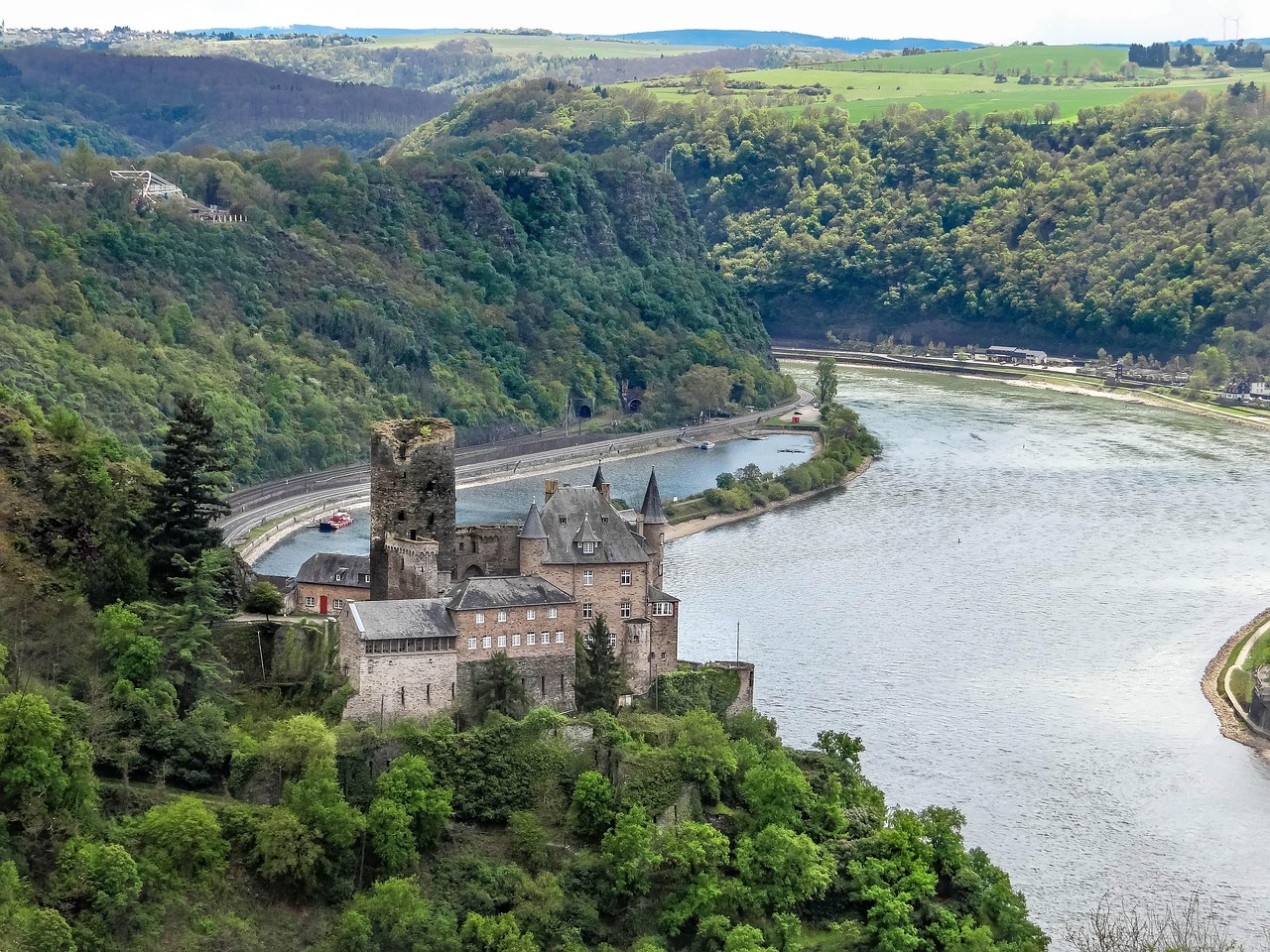
Why Visit Lorelei: What Makes It Special
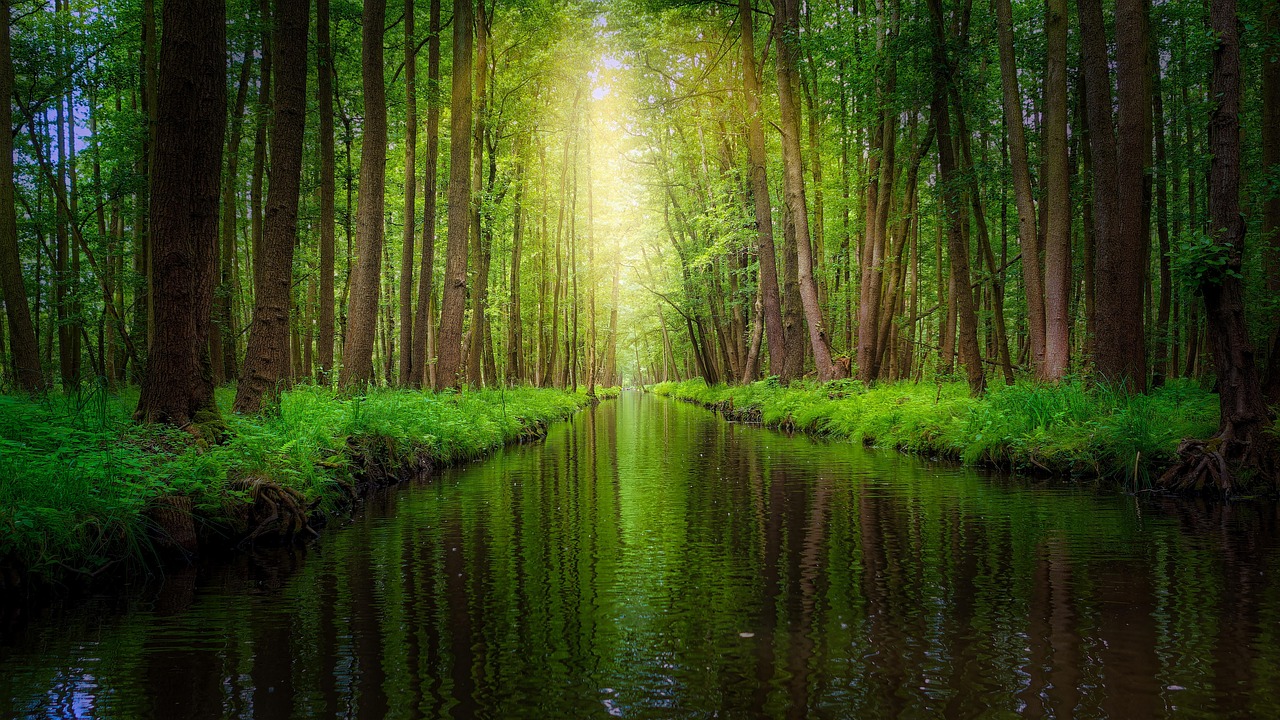
People come to the Lorelei expecting a single rock and a postcard view. They leave with memories of misty mornings on the river, late-night wine chats with local winemakers, kids squealing with delight on forest trails, and the eerie echo of freight trains rolling by at 2am. The Lorelei is where the Rhine narrows, currents quicken, and history and legend fuse into a landscape that feels both wild and deeply lived-in.
The Lorelei rock itself rises about 132 meters above the river, at one of the most treacherous stretches of the Rhine. For centuries, sailors blamed shipwrecks on a siren-like maiden sitting on the rock, combing her golden hair and singing them to ruin. Today, the danger is mostly gone, but the myth lingers in statues, songs, and the way the cliff glows copper at sunset.
What makes Lorelei worth a dedicated stop in 2026:
- Legendary landscape: One of the most iconic bends of the Rhine, part of a UNESCO World Heritage stretch packed with castles and vineyards.
- Compact but rich: You can see the main viewpoints in a 1 day itinerary for Lorelei, or stretch to 2 days in Lorelei or 3 days in Lorelei to fold in hikes, castles, and wine villages.
- Real local life: This is not a polished theme-park village; it’s a working river corridor with freight trains, barges, and winemakers who’ll tell you exactly what they think.
- Easy access: Between Koblenz and Mainz, well connected by trains, riverboats, and the B42/B9 roads.
- Great for different travelers: Romantic Rhine views for couples, castles and boats for families, and steep trails and via ferrata-style paths for hikers and adventurous types.
If you’re wondering how to visit Lorelei, whether a 1 day itinerary for Lorelei is enough, or when the best time to visit Lorelei is, this travel guide for Lorelei pulls everything I’ve learned from multiple stays — including what not to do, where not to eat, and how not to get stranded on the wrong side of the river after the last ferry.
Table of Contents
- Why Visit Lorelei in 2026
- Understanding Lorelei & The Region
- 1–3 Day Itineraries for Lorelei
- Must-See Attractions & Viewpoints
- Eating & Drinking Around Lorelei
- Where to Stay Near Lorelei
- Lorelei After Dark & Off-Hours Magic
- Day Trips & Nearby Highlights
- Cultural Experiences & Local Customs
- Events in 2026–2027
- Practical Travel Advice for Lorelei
- Lorelei Tickets, Opening Hours & Logistics
- Summary & Final Recommendations
Understanding Lorelei & The Region
“Lorelei” is often used loosely. Technically, it refers to the dramatic slate rock on the right bank of the Rhine, between the villages of St. Goarshausen (right bank) and St. Goar (left bank). In practice, when travelers say they’re visiting Lorelei, they mean this whole micro-region: the cliff, the viewpoints, the statue on the water’s edge, the nearby castles, and the riverside towns.
In 2026, the Lorelei is part of the Upper Middle Rhine Valley UNESCO World Heritage Site, which stretches for about 65km between Bingen/Rüdesheim and Koblenz. It’s a corridor of castles, terraced vineyards, half-timbered villages, and one of Europe’s busiest inland shipping routes.
The Lorelei itself has always been about danger and allure. Early records mention the rock for its echo, not yet for a siren. The romantic myth of the Lorelei maiden took shape in the 19th century through writers like Clemens Brentano and Heinrich Heine, exactly when Rhine tourism started booming. Tourism and legend have been intertwined here from the very beginning.
1–3 Day Itineraries for Lorelei
You can treat Lorelei as a quick stop on a Rhine cruise — and many do. But having stayed in St. Goarshausen and St. Goar several times, including a long, rainy week in March 2026 and a hot, hazy stretch in August, I’m convinced it’s worth at least one full day, and ideally two or three. Below are layered itineraries: a 1 day itinerary for Lorelei if you’re pressed for time, a 2 day itinerary for Lorelei that folds in hiking or castles, and a 3 day itinerary for Lorelei that lets you slow down to local speed.
1 Day Itinerary for Lorelei: The Essentials
When I bring friends to the Lorelei for a single day, I focus on three things: the signature cliff view, the river-level statue and bend, and a quick taste of village life. This is your classic “1 day in Lorelei” plan — a mix of must-see attractions in Lorelei and a few lived-in details.
Morning: Arrive, Cross the Rhine, and Climb to the Lorelei Plateau
Aim to arrive by around 9:00–10:00. If you’re coming by train, get off at St. Goarshausen on the right bank — this puts you on the same side as the Lorelei rock itself.
From the station, you feel the geography immediately: the tracks wedged between the river and the cliff, barges sliding by almost within arm’s reach, and the Lorelei looming to the south.
Walk through town, keeping the river on your right. You’ll see signs for Loreley Plateau (Loreley-Plateau). There are two main ways up:
- By bus/shuttle (easy): In high season (roughly April–October), a shuttle bus runs from St. Goarshausen up to the plateau. Check current times at the tourist office or online before you go in 2026 — schedules shift slightly each year.
- On foot (more rewarding): My preferred choice if you’re reasonably fit. From town, follow the marked trail through the forest. It’s steep but short (count on 45–60 minutes), with a few viewpoints that frame the river and tracks below.
The first time I hiked up in late September, the forest smelled of damp leaves and slate dust. Every so often the trees opened just enough to show a passing freight train, tiny against the rock. Take your time: this ascent is as much a part of the Lorelei experience as the top.
Late Morning: Lorelei Plateau — Iconic Views & Loreley-Open-Air
The Lorelei Plateau is the developed area at the top of the cliff. This is where you’ll get the best places to visit in Lorelei in a single glance: the dramatic bend in the Rhine, opposite villages, and the cliff itself falling away beneath you.
The plateau is arranged like a small park:
- Main panoramic terrace: Walk straight toward the edge (behind the safety rails). This is the classic postcard view: river curving below, barges dwarfed by the cliffs, and trains etching along both banks. Allow at least 30–45 minutes just to stand here and watch traffic drift by.
- Loreley Statue (on the plateau): Not to be confused with the river-level statue, this modern sculpture is more symbolic — a nod to the legend. Good for photos, especially with kids.
- Loreley Open-Air stage: A large open-air venue cut into the rock. Outside of concert times, you can often wander around the edges and feel the scale.
- Short themed paths: Small walks with interpretive signs about geology, legends, and the Rhine’s shipping history.
If the small café or kiosk is open, this is a good time for a coffee and slice of Käsekuchen (cheesecake). Prices are higher than in town, but not outrageous by tourist standards. I usually pack my own picnic (bread, cheese, grapes, and a half bottle of Riesling from the supermarket) and use the benches instead.
Lunch: Picnic or Simple Plateau Meal
For a 1 day itinerary for Lorelei you don’t want to waste time on a long sit-down lunch at the top. Either:
- Bring a picnic from St. Goarshausen or St. Goar (better bread and prices).
- Grab something light at the plateau kiosk if it’s open (sausages, fries, basic snacks).
In warm weather 2026, picnic spots fill quickly around midday. If you want a quieter corner, walk a bit away from the main terrace along the forest edge; I like the benches slightly back from the rim where you still see the river but escape the crowds.
Afternoon: Descend to the River and Visit the Lorelei Statue
In early afternoon, either take the shuttle bus or hike back down to St. Goarshausen. From the center, follow the riverside promenade southwards. After about 10–15 minutes, you’ll reach a small harbor and the famous Lorelei statue on the rocks at the water’s edge.
The statue, perched slightly offshore, is one of those places that looks kitschy in photos but feels oddly poignant in person. On grey days I’ve stood there alone, listening to the slap of waves against the rocks and the low rumble of barges, and the whole legend of the siren suddenly seems less far-fetched.
Give yourself 20–30 minutes to walk the short riverside path, take photos, and watch how the currents swirl at this tight bend — a reminder of why this section was so feared before modern navigation.
Late Afternoon: Cross to St. Goar & Explore the Village
From St. Goarshausen, hop on the small car-and-passenger ferry to St. Goar. It runs frequently throughout the day (roughly every 15–20 minutes in daytime; check posted times for the last boat back in 2026). The crossing takes only a few minutes but gives you a beautiful mid-river angle on the Lorelei.
On the left bank, St. Goar feels a bit more open and relaxed than its twin. Wander up from the ferry to the main square. Peek into:
- The small church with its understated interior.
- Wine shops offering tastings of local Riesling and Spätburgunder (Pinot Noir).
- Side streets with timbered houses and slate roofs.
If you have the energy and daylight, you can also catch the shuttle or walk up towards Burg Rheinfels (Rheinfels Castle) for a quick look or a drink on the terrace. For a tight 1 day in Lorelei, I’d keep this optional — Rheinfels deserves a proper visit if you extend to 2 days in Lorelei.
Evening: Dinner with a View & Blue Hour Over the Lorelei
Have dinner in St. Goar — you’ll find several restaurants with terraces or Rhine views but slightly fewer tourist-trap menus than directly under the Lorelei rock. I tend to choose a place one or two streets back from the waterfront to avoid the most generic schnitzel choices.
After dinner, stroll back to the riverfront. Blue hour — that deep cobalt phase just after sunset — is when the Lorelei feels most magical. The cliff turns almost black, lights from passing boats streak the water, and windows flicker on across the valley.
If you’re staying overnight, you can linger; if not, use this time to catch your train connection from St. Goar or to cross back to St. Goarshausen by ferry (watch those last-boat times carefully).
2 Day Itinerary for Lorelei: Castles & Wine
A 2 day itinerary for Lorelei gives you time to pair the cliff and river with at least one major castle and a slower evening. I like to base myself in St. Goar or St. Goarshausen and then fan out.
Day 1: Classic Lorelei (As Above)
Follow the 1 day itinerary for Lorelei outline for Day 1: plateau, statue, ferry, and relaxed village evening.
Day 2 Morning: Burg Rheinfels — Exploring the Ruins
On your second morning, climb up to Burg Rheinfels, one of the most impressive castle ruins on the Rhine. It’s on the St. Goar (left bank) side, a steep 20–30 minute walk from the village center, or a quick ride on the shuttle bus (check local 2026 schedules).
Rheinfels is less manicured than some nearby castles, which is precisely why I love it. The first time I visited, on a drizzly spring morning, low clouds clung to the battlements and the entire place felt like a movie set. You can wander through:
- Thick outer walls with archways framing the river below.
- Underground passages and tunnels (bring a small flashlight or phone torch; kids adore this).
- Remains of halls and towers that once controlled this vital stretch of the Rhine.
Allow at least 2–3 hours — longer if you linger over coffee or cake at the castle café, which has one of the most underrated views in the region.
Day 2 Afternoon: Wine Tasting & Riverside Stroll
Back in St. Goar, slide into the more indulgent part of your 2 days in Lorelei: wine. The Middle Rhine is Riesling country, and even if you’re not a wine expert, tasting a few different expressions — dry, off-dry, and sweeter styles — is part of the experience.
Look for:
- Small family-run wine shops: They’ll often pour you a sample while telling stories about the vintages and the precarious slate vineyards.
- Wine taverns: Order a glass of local Riesling with a Flammkuchen (a thin, crispy flatbread) or cheese plate.
Keep the afternoon flexible: if the weather is good, walk the riverside promenade, photograph the Lorelei from different angles, or simply sit on a bench watching boats slide past. If you’re with kids, a short boat trip (St. Goar – St. Goarshausen loop or a segment towards Boppard) adds variety.
Evening: Romantic Dinner & Nighttime Lorelei
For couples, the second evening is your chance to go fully romantic: look for a restaurant with balcony seating overlooking the Rhine, ideally timed for sunset. A bottle of local Riesling, river glinting in the last light, Lorelei silhouetted upstream — this is the postcard memory you’ll keep.
After dinner, if you’re staying on the right bank, walk a little out of the village (towards the Lorelei statue) where it’s darker; you’ll get a better sense of the river’s scale at night, with only navigation lights and the occasional passing train.
3 Day Itinerary for Lorelei: Hikes, Hidden Corners & Side Trips
A 3 day itinerary for Lorelei is where this region really breathes: you can hike, dip into neighboring villages, or take a boat up or down the UNESCO-listed Rhine corridor. Here’s how I’d structure it.
Day 1: Lorelei Core
Use the 1 day in Lorelei plan as your Day 1, but slow down where it feels right: linger longer at the plateau, or spend more time in St. Goar’s side streets.
Day 2: Rheinfels & Wine Villages
Adopt the Burg Rheinfels and wine-tasting focus from the 2 day itinerary for Lorelei, maybe extending with a late-afternoon trip to Oberwesel or Boppard by train or boat for a change of scene.
Day 3: Hiking & Adventure
On your third day, lean into the region’s hiking and adventure options:
- Loreley Premium Hiking Trails: Well-marked routes that loop through forests, vineyards, and viewpoints. Some are family-friendly, others more demanding.
- Rhinesteig segments: The famous long-distance trail that snakes along the right bank; you can walk a section between St. Goarshausen and Kaub or St. Goarshausen and Kestert.
- Adventure park (when open): Seasonal high-ropes / climbing areas that are great for teens and adventure-seekers (check 2026 opening details locally).
I like to pack a picnic, start early to beat the heat in summer, and follow a loop that brings me back to the river by late afternoon, just in time for a lazy drink at a riverside café. For families, choose a shorter loop with clear bailout options back to the road or train line.
Must-See Attractions & Viewpoints Around Lorelei
Beyond the core cliff and statue, there are at least eight main places I return to repeatedly — each with its own history and mood. Think of this section as the deep-dive part of your travel guide for Lorelei, with personal notes and practical tips.
1. Lorelei Plateau (Loreley-Plateau)
The Lorelei Plateau is the star of most guidebooks, and for once, the hype is justified. It’s not just a single viewpoint but a broad, landscaped area at the top of the cliff with multiple vantage points, paths, and the open-air stage.
Historically, this was simply a wild, steep rock. The plateau’s development into a visitor area is relatively recent, driven by the need to handle increasing crowds while preserving the fragile slate landscape. In 2026, ongoing improvements mean better signage, safer railings, and more accessible paths than a decade ago.
When I visit, I always:
- Head straight to the furthest panoramic terrace first, before the tour buses unload. Early morning, you might share the view only with local walkers.
- Walk the loop paths around the plateau, which reveal slightly different angles on the river and villages below.
- Take a quiet bench facing away from the main viewpoint, towards the inland forest, for a breather from the crowds.
How long to spend: 2–3 hours for a relaxed visit with photos and a drink; 1–1.5 hours if you’re rushing through a tight 1 day itinerary for Lorelei.
Family tip: Kids love watching trains from up here. I’ve seen children counting freight cars for half an hour, completely enthralled, while parents enjoy the view.
Best time of day: Late morning for bright views; late afternoon/early evening for softer light and fewer day-trippers. Avoid high noon in midsummer if you burn easily — shade can be limited.
2. Lorelei Statue at the River’s Edge
The Lorelei statue on the rocks just off the right bank south of St. Goarshausen is the physical embodiment of the legend: a woman looking almost casually over the water that supposedly swallowed so many ships.
It’s a modern statue (unveiled in the late 20th century) rather than an ancient relic, but its location near the narrowest part of the river gives it weight. When fog hangs low in the valley — something that often happens in autumn — the statue can appear and disappear like a mirage.
I tend to walk here in the late afternoon, when the sun starts sliding behind the left bank and light ripples across the water. Stand slightly upstream and you’ll see how the currents collide, forming swirling eddies that look almost alive.
Photography tip: Bring a mid-range zoom if you want tighter frames of the statue with boats sliding past in the background. From the promenade, you can also shoot back towards St. Goar with the river curving nicely.
3. St. Goarshausen Village & Promenade
St. Goarshausen sits snug between the Lorelei rock and the Rhine. Trains thunder through, barges pass within earshot, and the cliff wall looms right behind the houses. It’s not a polished resort town; it’s a working village that happens to sit at one of the Rhine’s most dramatic points.
I like to walk its length slowly, starting near the station and heading south along the river. You’ll pass:
- A small cluster of cafés and restaurants, some with outdoor seating.
- Moored boats and occasional river cruise ships stopping briefly.
- Bits of industrial river life: cranes, freight loading points, and the infrastructure that keeps this shipping artery moving.
Hidden gem: Just a block or two back from the waterfront, you’ll find quieter residential lanes with steep stairways climbing towards the forest. I’ve had some of my favorite conversations with locals on these steps, usually about how the town has changed as tourism waxes and wanes.
Time needed: 1–2 hours, longer if you sit for coffee or ice cream.
4. St. Goar Village & Riverside
On the opposite bank, St. Goar feels a bit more open and leisurely. It has its share of souvenir shops, but also a real small-town core where people live, shop, and gossip.
I like to:
- Start at the ferry landing and wander into the main square.
- Visit the church for a moment of quiet.
- Walk the riverside promenade northwards, where you get big-sky views downstream and the Lorelei upstream.
Food note: St. Goar is where I usually eat in the evening when I’m staying nearby. There are a few places that focus on regional dishes — think Sauerbraten, grilled fish, and seasonal asparagus in spring.
From the riverside, look back across to St. Goarshausen. With the Lorelei just out of frame to the south and castle silhouettes above, you get a sense of the whole valley as one connected space rather than two separate towns.
5. Burg Rheinfels (Rheinfels Castle)
Burg Rheinfels is technically outside the strict Lorelei rock area, but it’s so woven into the region’s story that I consider it part of any complete list of things to do in Lorelei.
Built in the 13th century, Rheinfels was once one of the mightiest fortresses on the Rhine, controlling trade and extracting tolls. Today, its sprawling ruins are a joy to explore — a warren of stairs, walls, and underground passages.
On my last visit in 2026, the tunnels were still as atmospheric as ever: damp, echoing, and faintly smelling of earth and stone. Bring a small torch and good shoes; some floors are uneven. Kids — and adventurous adults — will love the chance to duck into shadowy corners and imagine sieges.
Time needed: 2–4 hours, depending on how many tunnels you crawl through and whether you linger at the café.
Accessibility: Many areas involve stairs and uneven ground; wheelchair access is limited to select parts of the exterior and terrace.
6. Rhine Boat Trip Around the Lorelei Bend
Seeing the Lorelei from the water is non-negotiable in my book. Even a short boat ride offers a sense of how intimidating this stretch must have been to pre-modern captains.
In 2026, several companies run:
- Short local cruises that loop around the Lorelei section.
- Longer segments between Bingen/Rüdesheim and Koblenz, passing multiple castles.
I often time a boat ride for late afternoon, when the light slants across the cliff and you can see every fold in the slate. Sit on the open deck if possible, even in cooler weather — the experience is entirely different without glass in between.
Tip: If you’re traveling with kids, bring a simple “spot the castle” game or a map. The constant motion and changing views usually keep them happy without screens.
7. Lorelei & Rhinesteig Hiking Trails
For hikers, this region is a playground. The Rhinesteig long-distance trail runs along the right bank, often high above the river, while local Loreley-themed circuits thread through forests and vineyards.
My favorite loop starts near St. Goarshausen, climbs through the forest, skirts above the Lorelei, and then loops back along a different path with intermittent Rhine views. It takes about 3–4 hours at a moderate pace. On one chilly March morning in 2026, I had entire segments to myself, accompanied only by woodpeckers and the faint rumble of a train below.
Practical tips:
- Wear real hiking shoes; slate fragments can be slippery.
- Trail markings (blue “R” for the Rhinesteig) are generally good, but a GPS app is handy in fog or dense forest.
- Carry water — once you’re above the villages, there are few fountains.
8. Oberwesel & Surrounding Vineyards (Nearby Gem)
A short train ride upstream from St. Goar, Oberwesel is one of my favorite “overflow” destinations for a Lorelei-based stay. Its virtually intact town walls, Gothic churches, and steep vineyards give a more complete sense of life along the Middle Rhine.
Walk the walls, peek into the churches, then climb a little into the vineyards for wide views back towards the Lorelei section. It’s a perfect half-day trip from your Lorelei base, especially if you want to escape peak crowds but stay within the same valley.
Time needed: Half a day to a full day, depending on how much hiking and tasting you do.
Eating & Drinking Around Lorelei
The immediate waterfront around tourist magnets anywhere can be a minefield of laminated menus and microwaved schnitzels. The Lorelei is no exception — but with a little effort, you can eat very well, and fairly, here.
Over several visits, I’ve developed a simple rule: if a place’s name or sign is more about “Loreley view” and less about what’s on the plate, I walk one block further inland.
Where to Eat (Without Getting Trapped)
I won’t list specific restaurant names — they change, chefs move, and 2026 may look different than my latest visit — but here’s where I consistently find better food:
- Second row back in St. Goar: The streets just behind the riverfront tend to host more local-facing spots, with daily specials in German on chalkboards.
- Small wine taverns: Look for “Weinstube” signs; these often offer a focused menu of regional dishes and seasonal specials.
- Bakeries and Metzgerei (butchers): Ideal for picnic supplies: crusty rolls, cured meats, local cheeses, and pastries.
What to Eat
Regional specialties to look for:
- Riesling everything: Dry and off-dry whites, sometimes used in sauces for fish and poultry.
- River fish: Trout or other freshwater fish, often grilled or pan-fried.
- Flammkuchen: A thin, crisp flatbread with toppings like bacon and onions, or seasonal variations.
- Sauerkraut & Sausages: Classic, but often done better at family-run places than tourist traps.
- Seasonal dishes: Asparagus in spring, game in autumn, hearty stews in winter.
What to Bring Onto the Site Itself
For the Lorelei Plateau and long hikes:
- Water (always).
- Snacks or a light picnic — nuts, fruit, bread, cheese.
- A compact rain layer; weather can turn quickly.
Alcoholic picnics are tolerated in moderation, but be respectful and avoid leaving any trash. Glass bottles on rocky edges are a bad combination — I prefer small reusable bottles or cans if I’m bringing wine or beer up.
Where to Stay Near Lorelei
I’ve stayed on both sides of the river, in hotels overlooking the tracks and in quieter guesthouses tucked into side streets. Each comes with trade-offs.
St. Goarshausen (Right Bank, Under the Lorelei)
Pros: Closest to the Lorelei Plateau and river statue; you feel the cliff presence constantly. Excellent for early-morning hikes or late-night riverside walks with the siren rock looming nearby.
Cons: Trains can be noisy, especially freight at night; choose accommodations with good soundproofing or rooms facing away from the tracks if possible.
St. Goar (Left Bank)
Pros: Slightly calmer feel, great views back towards the Lorelei and St. Goarshausen, easy access to Burg Rheinfels.
Cons: Slightly longer journey to the Lorelei Plateau itself (ferry plus bus/hike).
Nearby Bases
For travelers who like a quieter base or more varied restaurant options, consider:
- Oberwesel: For walls, vineyards, and a slightly less touristy vibe.
- Boppard: A larger town with a lovely riverside promenade and a wider range of stays.
Lorelei After Dark & Off-Hours
Night is when the Lorelei sheds most of its tourism gloss and returns to being a working river gorge. The difference between midday and midnight is dramatic.
Sunset & Golden Hour
On clear evenings, golden hour bathes the slate cliffs in warm light. From the plateau, you’ll see the river turn molten and every contour of the valley stand out. Even from river level, along the promenades, the glow is unforgettable.
Blue Hour & Night Views
As the sky deepens, boat lights and village windows reflect in the water. Standing on the river promenade in St. Goar or St. Goarshausen, you’ll hear:
- The low thrum of diesel engines from passing barges.
- The metallic squeal of freight trains.
- Occasional laughter from riverside terraces.
It’s not silent — the Rhine is never really silent — but it’s hypnotic.
Evening Programs & Concerts
The Loreley Open-Air stage hosts concerts and festivals throughout the warmer months. In 2026, expect a mixed program of rock, pop, and classical events; some include special lighting on the surrounding rock walls. Tickets usually need to be booked well in advance for major acts.
Check the 2026 calendar via the official Loreley or St. Goarshausen websites before your trip; these events can transform the entire plateau area and may affect access and parking.
Day Trips & Nearby Highlights
If you’re staying around the Lorelei for 2 days in Lorelei or 3 days in Lorelei, it’s easy to branch out without a car.
Oberwesel
How to get there: Short train ride (about 10–15 minutes) from St. Goar or St. Goarshausen; also reachable by boat in season.
What to do: Walk the medieval walls, visit Gothic churches, wander up into vineyards.
Boppard
How to get there: Train north from St. Goar.
What to do: Chairlift to a viewpoint, stroll the promenade, sample more Middle Rhine wines.
Marksburg Castle (Braubach)
How to get there: Train to Braubach (usually via Koblenz) plus a steep walk or shuttle up.
Why go: One of the best-preserved medieval hill castles on the Rhine, with guided tours that bring its history to life.
Cultural Experiences & Local Customs
The Lorelei region sits within the broader culture of the Middle Rhine, shaped by wine, river trade, and a long tradition of hosting travelers — from medieval merchants to 19th-century Romantic poets to modern cruise passengers.
Local Customs & Etiquette
- Greetings: A simple “Guten Tag” (daytime) or “Guten Abend” (evening) when entering shops or restaurants is appreciated. In smaller places, not greeting can feel brusque.
- Reservations: For popular restaurants, especially on weekends or during festivals, reserving a table is wise.
- Cash vs. card: Card acceptance is better every year, but small wine taverns and bakeries may still prefer cash.
- Tipping: Round up the bill or add ~5–10% in restaurants and cafés; hand it directly to the server when paying.
- Noise: Locals tolerate the ambient noise of trains and boats, but late-night shouting on promenades or in residential streets is frowned upon.
Cultural Experiences
- Wine tastings: Beyond the drink itself, tastings often come with stories about the land, steep vineyards, and family histories.
- Church concerts: In summer, look out for small classical or choral concerts in local churches; these are often inexpensive and atmospheric.
- Festivals: Wine festivals and village fêtes bring together locals and visitors, with music, food stalls, and open-air dancing.
Events & Festivals in 2026–2027
Exact dates and lineups change each year, but here’s what to expect around the Lorelei corridor for 2026–2027 (always confirm closer to your travel dates):
- Loreley Open-Air Concert Series (Spring–Autumn 2026 & 2027): Major and mid-level bands, plus some classical one-offs, performing at the cliffside stage.
- Wine Festivals (late summer–autumn): Oberwesel, Boppard, and other nearby towns host wine and harvest festivals with tastings, parades, and fireworks.
- Rhein in Flammen (Rhine in Flames): A series of illuminated boat parades and fireworks events along the Rhine. While the main events are often centered around Koblenz or other towns, they’re easily combined with a Lorelei trip.
- Christmas Markets (Advent 2026 & 2027): Smaller markets in the nearby towns, with mulled wine, crafts, and seasonal foods — much quieter and more intimate than big-city markets.
Practical Travel Advice for Lorelei (2026 Edition)
How to Get There
- By train: Regular regional trains connect St. Goar and St. Goarshausen with Koblenz, Mainz, and Frankfurt. Trains are usually the most stress-free way to arrive.
- By car: Scenic but occasionally congested roads trace both banks. Parking near the Lorelei Plateau and in the villages can be tight in high season.
- By boat: Riverboats are a memorable way to arrive or depart, but less flexible for tight schedules.
Getting Around Locally
- Ferries: Short cross-river ferries link St. Goar and St. Goarshausen; check last departure times carefully.
- On foot: Villages and promenades are easily walkable; hikes require proper shoes.
- Public buses: Connect some villages and the plateau; schedules can be sparse outside peak season.
Saving Money
- Use regional day tickets on trains for groups or families; these can be excellent value.
- Buy picnic supplies from supermarkets and bakeries instead of eating every meal out.
- Consider guest cards: some accommodations issue local cards with discounts on attractions and transport.
SIM Cards & Connectivity
In 2026, German networks cover the Rhine corridor well, though signal may dip in steep valleys. For visitors:
- EU visitors: Roaming is usually included; check with your provider.
- Non-EU visitors: Buy a prepaid SIM or eSIM from major providers (Telekom, Vodafone, O2) at airports or in larger cities before heading to the valley.
Visa Requirements & Driving Licenses
Germany is part of the Schengen Area:
- EU/EEA/Swiss citizens: No visa needed.
- Many other nationalities: Short tourist stays (up to 90 days in 180) may be visa-free; check official Schengen guidelines for your passport.
- Others: May require a Schengen visa obtained before arrival.
Foreign driving licenses are generally accepted for tourists; an International Driving Permit can be useful if your license is not in Latin script.
Best Time to Visit Lorelei
When you ask “best time to visit Lorelei,” you’re really asking what kind of experience you want:
- Spring (April–May): Fresh green slopes, mild temperatures, fewer crowds. Great for hiking.
- Summer (June–August): Warmest weather, longest days, busiest period. Best for boat trips and evening outdoor concerts, but book ahead.
- Autumn (September–October): Vineyards burn gold and red, wine festivals pop up, and the light is gorgeous. My personal favorite season.
- Winter (November–March): Quiet, atmospheric, with possible fog and occasional snow. Some attractions and boat services run on reduced hours or close entirely.
Lorelei Tickets, Opening Hours & On-Site Logistics
Lorelei Plateau
In 2026, access to the plateau area itself is typically free, though parking and specific attractions or events (like concerts) may be ticketed.
- Opening hours: The outdoor plateau is generally accessible year-round, but facilities (cafés, visitor center) may have seasonal hours.
- Tickets: No general ticket needed for the viewpoint area; separate tickets required for concerts and some special programs.
Burg Rheinfels & Other Castles
Burg Rheinfels and other castles in the region charge entrance fees, with reduced rates for children, students, and sometimes combined tickets.
- Reservations: Usually not needed for standard visits, but check if any timed-entry systems are introduced in 2026 for crowd control.
- Peak hours: Late morning to mid-afternoon on weekends and during school holidays; arrive at opening or later in the afternoon to avoid the worst of the crowds.
Accessibility
The river promenades are generally flat and paved, suitable for strollers and wheelchairs. The plateau has some accessible sections but also steeper paths and gravel. Castles and hiking trails often involve stairs and uneven surfaces.
Dress Code & Behavior
There’s no strict dress code, but:
- Wear sturdy shoes for any ascent or castle visit.
- Bring layers; river winds can be chilly even in summer.
- Respect barriers at viewpoints and cliff edges; they’re there for a reason.
Photography Restrictions
On the plateau and promenades, photography is unrestricted for personal use. Some castles may have restrictions on tripods or commercial shoots; check at the ticket office if in doubt.
Security & Queues
Security is generally light. Occasional bag checks may occur at major events (concerts) or in very busy periods. Queues are usually short, except:
- At ferry crossings during peak midday hours in high season.
- For ticket purchase at popular castles on sunny weekends.
Summary & Final Recommendations
The Lorelei is far more than a single rock and a tourist legend. It’s a lived-in stretch of the Rhine where myth, industry, and quiet daily rituals overlap. From the plateau’s panoramic terraces to the river-level statue, from village cafés to castle ruins, it offers an unusually concentrated slice of the Middle Rhine’s character.
If you only have a 1 day itinerary for Lorelei, focus on the plateau, the river statue, and one village promenade. With 2 days in Lorelei, add Burg Rheinfels and a proper wine-tasting. With 3 days in Lorelei, stitch in hikes, boat rides, and day trips to Oberwesel or Boppard.
In terms of best time to visit Lorelei, I’d choose late spring or autumn for comfortable hiking and softer light, but each season has its own charm. Whatever your timing, approach the Lorelei not as a box to tick but as a place to inhabit for a little while: wake up early, watch the river traffic, climb slowly, eat simply, talk to the people who live with this cliff as a neighbor.
Do that, and the Lorelei will feel less like a legend printed in a guidebook and more like a landscape you’ve genuinely met.