Why Visit Lübeck? What Makes This Hanseatic City Special
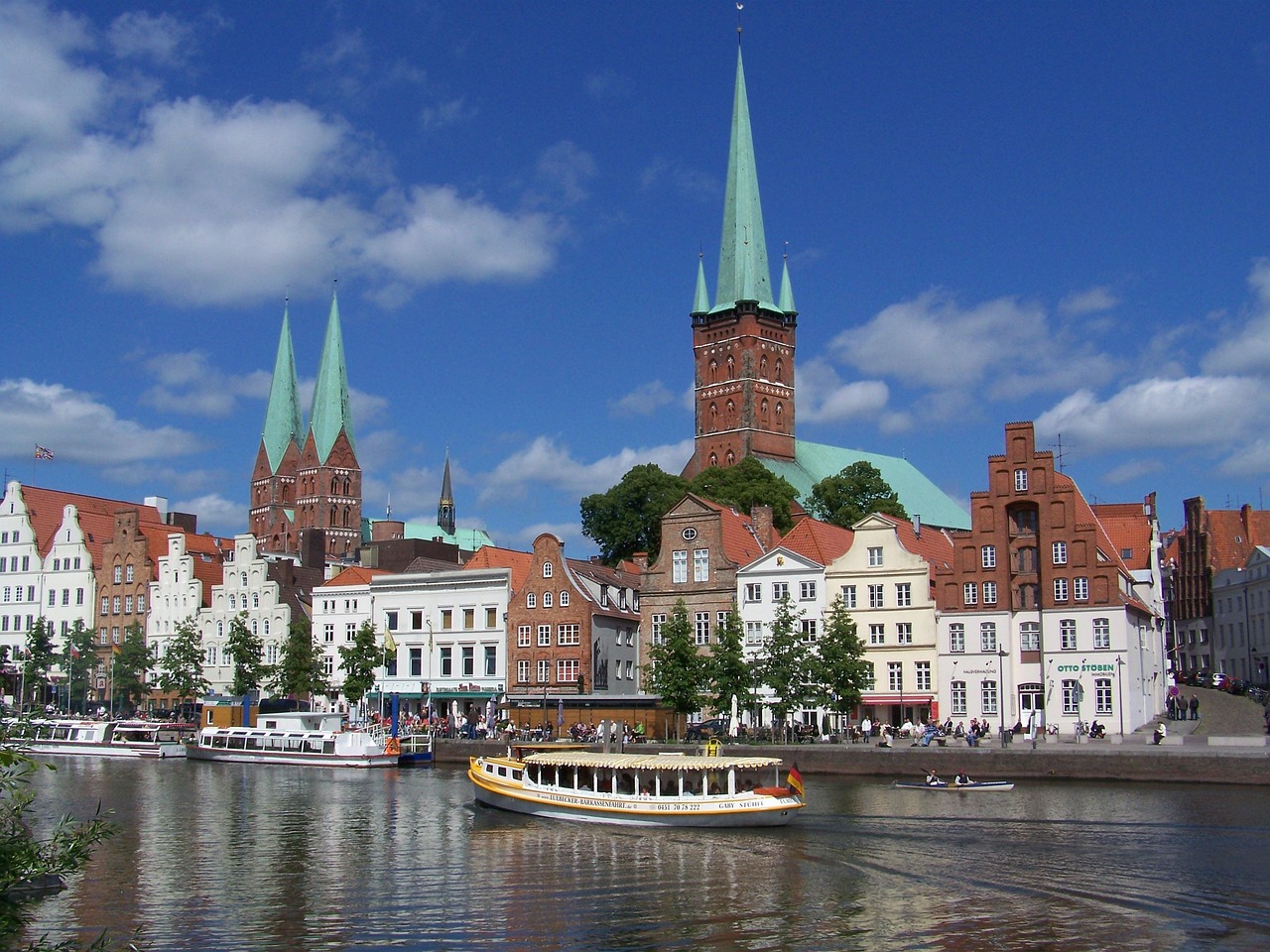
If you’ve ever wondered what a real-life medieval trading city felt like in its prime, Lübeck is as close as you’ll get in modern Europe. I’ve been coming here regularly for over a decade—on rainy winter weekends for cozy café hopping, in early summer for breezy walks along the Trave River, and in December for the famous Christmas markets that light up the UNESCO-listed Old Town. Every time I cross the Trave and see the brick gables of Lübeck’s skyline, it still feels a bit like stepping into a storybook.
Lübeck, in northern Germany’s Schleswig-Holstein, was once the queen of the Hanseatic League—a medieval powerhouse of trade. Today, it’s a compact, walkable city with red-brick Gothic churches, narrow cobbled alleys, hidden courtyards, and a strong maritime soul. It’s also the spiritual home of marzipan, Thomas Mann’s Buddenbrooks, and some of the most atmospheric brick Gothic architecture in Europe.
What I love most about Lübeck is its balance: it’s big enough to keep you busy for 3–5 days, but small enough to feel intimate and personal. You can spend your mornings inside centuries-old guild halls, your afternoons strolling along the canals with an ice cream, and your evenings in candle-lit wine cellars or casual beer gardens tucked under old city walls.
In 2026, Lübeck is particularly exciting: new exhibitions around Hanseatic history, revamped museum programs, and expanded cultural events mean there’s always something happening—yet it’s still blissfully less crowded than the big-name German cities.
Table of Contents
- Why Visit Lübeck?
- Quick Overview of Lübeck
- 20+ Must-See Attractions in Lübeck (With Local Stories & Tips)
- 3–5 Day Itineraries for Lübeck
- Best Neighborhoods & Areas to Explore
- Local Food in Lübeck: What to Eat & Where
- Nightlife, Entertainment & Cultural Experiences
- Best Day Trips from Lübeck
- What’s New in 2026–2027: Events & Festivals
- Cultural Etiquette & Local Customs in Lübeck
- Practical Travel Tips for Lübeck
- Summary & Best Time to Visit Lübeck
Quick Overview of Lübeck
Country: Germany (Schleswig-Holstein, Baltic coast region)
Population: ~220,000
Vibe: Historic Hanseatic port, university town, relaxed and walkable, with strong maritime and literary heritage.
Perfect for: History lovers, couples, families, slow travelers, architecture nerds, foodies, and anyone building a 3–5 day itinerary for Lübeck or combining it with Hamburg or the Baltic Sea coast.
Best for: Brick Gothic churches, riverside walks, marzipan tastings, Christmas markets, and hidden courtyards.
20+ Must-See Attractions in Lübeck (With Local Stories & Tips)
Below are the best places to visit in Lübeck, each with background, personal anecdotes, and practical advice. I’ve ordered them starting with the most iconic, then gradually moving toward lesser-known but worthwhile hidden gems.
1. Holstentor – Lübeck’s Iconic City Gate
The first time I arrived in Lübeck by train, I walked straight down from the station and suddenly—there it was: the Holstentor, slightly leaning, with its round towers and black slate roof, guarding the entrance to the Old Town. It’s Lübeck’s postcard child and one of the absolute must-see attractions in Lübeck.
Built in the 15th century, the Holstentor was once part of a larger fortification system. Today, it houses a small museum about Lübeck’s Hanseatic past. It’s not a huge museum, but the exhibits—models of old ships, trading routes, and medieval artifacts—are perfect for setting the scene for your entire trip.
My routine here: Whenever I bring friends to Lübeck for the first time, we start at Holstentor. We take the classic photo from the lawns in front (come early in the morning for soft light and almost no crowds), then I like to walk through the gate and pause in the tunnel to imagine all the merchants who passed under these arches with salt, grain, and amber centuries ago.
Tips for visiting:
- Best time: Early morning or late afternoon for fewer tour groups and nice light for photos.
- Tickets: The museum inside is included in some combined tickets with other city museums; check at the Stadtmuseum or tourist office for current offers in 2026.
- Family-friendly: Kids love the ship models and the sense of “entering the city” through a real medieval gate.
- Nearby snack: Grab a coffee and pastry from a bakery near the station, then stroll to Holstentor and have a mini-picnic on the grass if the weather is good.
2. St. Mary’s Church (Marienkirche) – Brick Gothic Masterpiece
Marienkirche dominates Lübeck’s skyline with its twin copper spires. I still get goosebumps every time I step inside—the soaring brick vaults, the cool air, and the echo of footsteps on old stone immediately transport you centuries back.
Completed in the 14th century, this church set the standard for many brick Gothic churches around the Baltic. Inside, look for the broken bells on the floor, left where they fell during WWII bombing—a poignant reminder of the city’s more recent history.
Personal tip: I usually combine Marienkirche with a late-morning coffee nearby and a climb up another tower later in the day for views (St. Peter’s, coming up next). Take your time here—sit on a pew for a few minutes and just look up. The scale is overwhelming in the best way.
Good for: Architecture lovers, history buffs, and anyone interested in the must-see attractions in Lübeck.
Dress & etiquette: Casual but respectful clothing is fine. Keep voices low; locals still use this space for quiet contemplation, even outside formal services.
3. St. Peter’s Church (St. Petri) – Best City View
If you want that “Best view of Lübeck, Germany” shot, you’ll find it from the viewing platform of St. Petri. This is where I always bring my camera-shy friends; the panoramic view does the talking by itself.
The elevator (a blessing, especially after a full day of walking) takes you up to a platform with sweeping views of the Old Town’s red roofs, the spires of Marienkirche, the Holstentor, and the Trave River wrapping around the island-like Altstadt. On clear days, you can see surprisingly far across the flat northern landscape.
My favorite time: About an hour before sunset. The brick façades glow warm, and the city feels soft and calm. In winter, going up around 4 pm can coincide with blue hour and the first Christmas lights below.
Photo tip: Walk slowly around the entire platform; the view changes dramatically depending on which direction you face. One side gives you the Holstentor and trains coming in from Hamburg; another gives you the dense cluster of gabled houses in the Old Town.
4. Lübeck Old Town (Altstadt) – UNESCO World Heritage Heart
Lübeck’s Altstadt is literally an island of history, surrounded by the Trave and Wakenitz rivers. The entire Old Town is a UNESCO World Heritage Site, and walking here is the core experience of any 3 days in Lübeck or longer trip.
I like to enter through Holstentor and wander aimlessly at first—down Breite Straße, across to Königstraße, and then into the narrow alleys (Gänge) that hide between the main streets. Many of these Gänge lead into tiny courtyards with secret gardens and small houses that once housed workers and poorer residents. Today, they’re some of the most atmospheric corners of the city.
Don’t miss:
- The elegant patrician houses around Königstraße and Fischergrube.
- The tiny passageways signed with names like “Engelsgrube” or “Hüxstraße Gänge.”
- Small independent shops and cafés on Hüxstraße—perfect for a mid-morning break.
Personal ritual: I often start my first full day in Lübeck with a slow loop around the Altstadt, just to get my bearings and feel the rhythm of the city. No big agenda, just exploring and noting places I want to return to later.
5. Buddenbrookhaus – In the Footsteps of Thomas Mann
If you’ve read Thomas Mann’s novel Buddenbrooks, visiting Buddenbrookhaus is like walking into the book. Even if you haven’t, the museum offers a fascinating window into Lübeck’s bourgeois life in the 19th century. The building is currently in a long-term redevelopment phase, but in 2026 there are expanded exhibitions and more interactive displays than in years past.
My experience: On a particularly rainy November afternoon, I ducked in here to escape a downpour and ended up staying almost three hours. The mix of literary history, family stories, and city life made Lübeck feel much more three-dimensional. It’s a good way to understand the mindset of the city’s merchant families.
Tip: Check opening times carefully; the museum sometimes adjusts hours for events or renovations. Combine it with a stroll along Mengstraße to see more grand façades.
6. Market Square & Town Hall (Marktplatz & Rathaus)
Lübeck’s Marktplatz is the social and architectural heart of the city. The black-brick façade of the Rathaus, with its ornate windows and towers, looks like something from a fantasy movie. I’ve watched everything from farmers’ markets to political rallies to Christmas festivities here over the years.
Try this: Sit at one of the outdoor cafés on the edge of the square with a coffee or a beer and just people-watch. In December, the square becomes one of the main hubs of the Christmas market, with stalls selling hot Glühwein, roasted almonds, and local crafts.
Tours: Rathaus tours (often in German, sometimes with English summaries) are worth it if you like political history and seeing historic council chambers.
7. Café Niederegger – Marzipan Heaven
No travel guide for Lübeck is complete without marzipan, and no marzipan experience beats Café Niederegger on the Marktplatz. Even as someone who’s not obsessed with sweets, I make a point of visiting every trip.
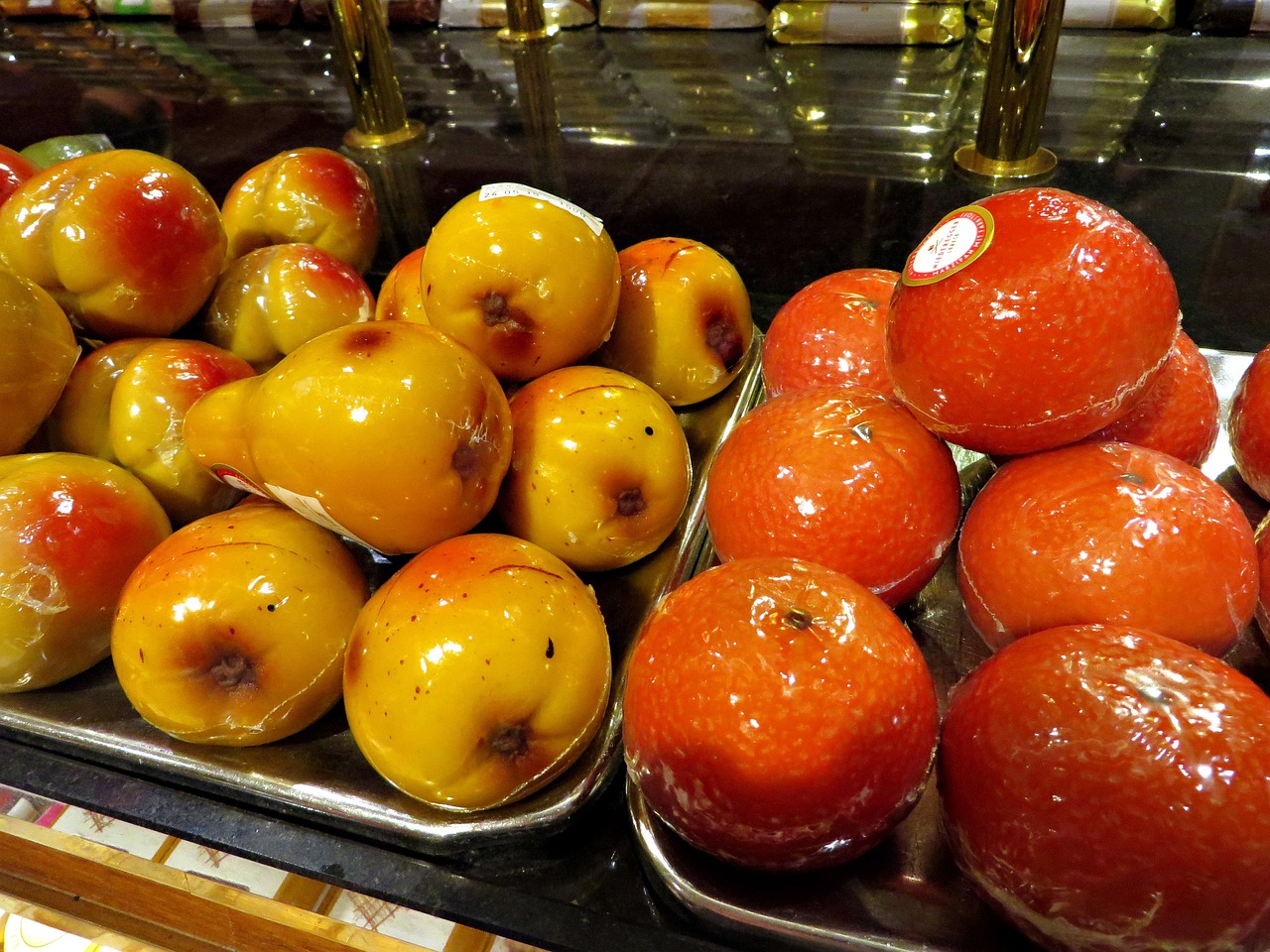
The ground floor is a shop filled with every marzipan shape you can imagine—fruits, animals, classic bars. Upstairs is a café that feels frozen in time, with polished wood, glass cabinets, and servers in traditional uniforms.
What I order: The marzipan nut cake is rich but not cloying, and pairs beautifully with a strong coffee. If you’re not a big marzipan fan, try a slice of regular cake and just sample a marzipan praline on the side.
Money-saving tip: If you’re on a budget, skip the full café experience and just grab a small marzipan bar or two from the shop downstairs to eat later on a bench by the river.
8. St. Anne’s Museum Quarter (St. Annen Museum) – Art & Medieval Life
Housed in a former convent, the St. Annen Museum is one of Lübeck’s quieter gems. It’s my go-to place on days when I want to slow down and let the city’s medieval past sink in more deeply.
The museum’s collection includes religious art, altarpieces, and everyday objects from Lübeck’s history. The building itself, with its cloisters and brick vaults, is as much a reason to visit as the exhibits.
Personal tip: I like coming here mid-afternoon, when my legs need a break from walking. The cool interior and the slower pace are refreshing. If you’re traveling with kids, pick a few rooms rather than trying to see everything; it can be a lot in one go.
9. Trave River Promenade – Waterside Walks & Boat Tours
The Trave River wraps lazily around Lübeck’s Old Town, and walking along its banks is one of the simplest yet most rewarding “things to do in Lübeck.” In summer, I often grab an ice cream from a stand near the Holstentor and follow the river, watching tour boats glide by.
Boat tours: Short cruises offer commentary on the city’s history and waterfront warehouses, and are great for families. On one particularly hot July afternoon, I joined an evening cruise with a friend; we sat on the upper deck with a cold drink, watching the sun turn the brick façades golden.
Romantic angle: For couples, a late-afternoon or sunset boat ride can be quietly romantic, especially on a weekday when it’s less crowded.
10. Museum Harbour (Museumshafen) – Historic Ships & Maritime Charm
Just a short stroll from the Old Town center, Lübeck’s Museumshafen is lined with beautifully restored wooden sailing ships. They’re often open for a closer look during special events, but even when they’re not, the harbor is a lovely place to linger.
My favorite time: Early evening in summer, when locals sit on the quay edges with take-away fish rolls, chatting and watching the water. The reflections of the masts in the river make for great photos.
Food tip: There are a few casual spots nearby where you can get Fischbrötchen (fish sandwiches), a northern German classic—perfect cheap and filling street food.
11. Hospital of the Holy Spirit (Heiligen-Geist-Hospital)
One of the oldest social institutions in Europe, the Heiligen-Geist-Hospital is both architecturally impressive and historically touching. Its long hall, once filled with beds for the elderly and poor, gives a sense of how charitable care was organized in medieval Lübeck.
I first wandered in during a city festival and was struck by the peaceful atmosphere, even with people around. At Christmas, parts of the building host a lovely arts-and-crafts market with high-quality handmade goods.
Good for: History lovers and travelers interested in social history, not just grand churches and patrician houses.
12. Burgtor – The Other Historic City Gate
Holstentor gets all the fame, but Burgtor, at the northern edge of the Old Town, is another handsome city gate worth visiting. The surrounding area feels more residential and less touristy, and it’s a nice way to round out a walk around the Old Town.
Personal tip: I like to walk from the center up through the quieter northern streets and exit via Burgtor, then loop along the water back toward the main part of the city. It’s a good way to escape the busier central lanes for a bit.
13. Glockengießerstraße & Gänge – Hidden Courtyards
One of my favorite local experiences in Lübeck is exploring the tiny passageways (Gänge) off streets like Glockengießerstraße. These narrow corridors lead to small courtyards that once housed modest workers’ dwellings. Today they’re often beautifully kept, with potted plants and colorful doors.
How to explore: Look for small signs marking the Gänge entrances. They’re usually open to the public during the day, but be respectful—these are residential areas. Keep your voice low and avoid peeking into windows.
Photo note: These are great spots for atmospheric photos of Lübeck’s unique urban texture. I like going on overcast days when the soft light brings out the details of the brickwork and cobblestones.
14. Lübeck Cathedral (Dom zu Lübeck)
Less imposing than Marienkirche but equally interesting, Lübeck Cathedral stands at the southern edge of the Old Town. Its interior is calmer and often much quieter than the more touristed churches.
I like to come here when I need a bit of quiet. The cathedral’s long nave and historic artworks give a sense of the city’s spiritual history that feels different from the grand, mercantile energy of Marienkirche.
Nearby: The green spaces and small paths nearby are ideal for a short breather away from the busier central streets.
15. European Hanse Museum – Deep Dive into Trade History
This is one of the most impressive modern museums in northern Germany and a must-see attraction in Lübeck if you’re at all interested in how trade shaped Europe. The European Hanse Museum uses immersive exhibits, recreated historical rooms, and interactive media to tell the story of the Hanseatic League.
My visit: I once spent nearly five hours here on a cold January day and still didn’t see every little detail. The audio guides and English explanations are excellent, and the way they connect Lübeck to ports around the Baltic and North Sea really brings the Hanse to life.
Tip: Plan at least 2–3 hours. It’s ideal for a rainy day. Families should pace themselves and pick highlights so kids don’t get overwhelmed.
16. Salt Warehouses (Salzspeicher) – Lübeck’s Salt-Fueled Wealth
The row of stepped-gable brick buildings near Holstentor are the Salzspeicher—former salt warehouses that symbolized Lübeck’s role in the salt trade from Lüneburg to the Baltic. You can’t tour them inside in the way you might tour a museum, but even from the outside they’re a powerful image of the city’s commercial history.
Photo tip: Stand across the canal for a symmetrical view of the warehouses lined up along the water. I like coming here early in the morning when the surface is still, creating good reflections.
17. Hüxstraße – Independent Shops & Café Culture
When locals talk about “going into town,” Hüxstraße usually features somewhere on their route. This pedestrian-friendly street is lined with independent boutiques, design shops, bookstores, and cozy cafés.
My routine: On my last spring visit, I spent an entire afternoon hopping from shop to shop, picking up small gifts (handmade ceramics, local teas) and refueling with cappuccinos and slices of cake. It’s a great area to feel Lübeck’s day-to-day life, beyond the obvious tourist spots.
Budget tip: Even window-shopping here is fun, and many cafés offer reasonably priced daily lunch specials.
18. Old Harbour & Fischmarkt Area
By the Trave, near the Old Town, the Fischmarkt area blends historic warehouses, water views, and fish restaurants. It’s a great spot to try northern German seafood and watch harbor life without leaving the city.
What to eat: Fischbrötchen (fish rolls), Matjes (young herring), or a simple plate of fried fish with potatoes. I often come here for a late lunch after a morning of museum visits—fresh air and hearty food are exactly what you need by then.
19. Theater Lübeck – Culture in a Historic Setting
For a cultural evening, Theater Lübeck offers opera, drama, and concerts in an atmospheric building near the Old Town center. Even if your German isn’t perfect, opera and concerts are very accessible, and the experience of sitting among locals at a performance can be a highlight.
My tip: Book tickets online ahead of time, especially for weekend performances. Dress is smart-casual; you don’t need a suit or evening gown, but many locals enjoy dressing up a bit.
20. Museumsquartier St. Annen Courtyards & Surroundings – Quiet Corners
Around the St. Annen Museum and nearby streets, you’ll find some of Lübeck’s quietest, most beautiful corners—small squares, leafy courtyards, and lesser-known churches. On days when the main streets feel busy, I slip away here for a more contemplative wander.
Good for: Slow travelers who enjoy discovering the subtle layers of a city, photographers looking for peaceful scenes, and anyone who’s already ticked off the “big” sights.
3–5 Day Itineraries for Lübeck (With Personal Stories)
Below are sample 3 day, 4 day, and 5 day itineraries for Lübeck, based on how I actually structure my own trips and how I guide visiting friends. Each day mixes must-see attractions in Lübeck with hidden gems, local food, and time to simply enjoy the city without rushing.
3 Day Itinerary for Lübeck – Classic Highlights
If you have 3 days in Lübeck, you can comfortably see the main sights, enjoy local food, and still have time for slow wandering. Here’s how I’d plan it.
Day 1: First Impressions & Hanseatic Icons
I like to dedicate the first day in any city to orientation and essential landmarks. In Lübeck, that means the Holstentor, Old Town, and riverfront.
Morning: Arrive, check in, and walk from the station toward Holstentor. Take photos on the grass, then tour the museum inside to get a feel for Lübeck’s Hanseatic heyday. Cross through the gate into the Altstadt and wander to the Marktplatz and Rathaus.
Stop by Café Niederegger for a late-morning coffee and marzipan treat—it’s a delicious way to officially “start” your trip.
Lunch: Grab a simple lunch at a casual spot near the Marktplatz (there are plenty of bakeries and small restaurants; try a soup or salad plus a pastry to keep it flexible).
Afternoon: Visit Marienkirche and then stroll along Breite Straße, detouring into a few of the Gänge. Let yourself get a little lost. End the afternoon with a gentle walk along the Trave River promenade, watching boats and admiring the Salzspeicher from across the water.
Evening: For your first dinner, choose a restaurant near the Old Harbour or Fischmarkt for a taste of local seafood. Afterward, take a brief night walk through the softly lit Old Town—Lübeck feels safe and calm at night, and the churches look particularly impressive when illuminated.
Day 2: Museums, Views & Hidden Courtyards
Morning: Start at the European Hanse Museum. Give yourself at least 2–3 hours; it’s dense but very engaging. Afterwards, walk out via Burgtor and explore the nearby quieter streets, then loop back into the center through some of the Gänge off Königstraße and Glockengießerstraße.
Lunch: Head toward Hüxstraße and pick a café with a daily lunch menu. These are usually good value and freshly made.
Afternoon: Visit Buddenbrookhaus (or its exhibitions, depending on redevelopment schedules in 2026), then head to St. Petri. Take the lift up to the viewing platform for a panoramic overview of everywhere you’ve been so far.
Late afternoon option: If the weather’s nice, join a short boat tour on the Trave, or walk a longer loop along the riverbanks.
Evening: Try a traditional northern German restaurant for dishes like Labskaus or hearty stews, then maybe a drink at a cozy bar on a side street off Hüxstraße. If there’s a performance at Theater Lübeck that interests you, this is a good night for it—book ahead.
Day 3: Churches, St. Anne’s & Last Wanders
Morning: Begin at Lübeck Cathedral for a quieter church experience, then make your way to the St. Anne’s Museum Quarter. Explore as much as your interest (and energy) allows; the art and medieval pieces are excellent.
Lunch: Have lunch in the Museumsquartier area or walk back toward the center for more options.
Afternoon: Leave this open for revisiting your favorite places: perhaps another wander along Hüxstraße, a final marzipan purchase from Niederegger, or a relaxed coffee in a courtyard café. If you’re catching a late train, the station is only a short walk from most places in the Old Town.
By the end of 3 days in Lübeck, you’ll have a strong feel for the city’s history, main sights, and everyday rhythm.
4 Day Itinerary for Lübeck – Deeper Dive & Slower Pace
With 4 days in Lübeck, you can keep the classic 3 day itinerary and add a slower day focused on neighborhoods, culture, or a short nearby excursion.
Day 4: Neighborhoods, Café-Hopping & Optional Mini-Excursion
Morning: Use this morning to explore more of the lesser-known side streets and residential areas just outside the densest Old Town core. Walk along the Wakenitz side of the island, where the atmosphere is quieter and more local. Peek down smaller streets that don’t appear in every travel guide for Lübeck; you’ll find tiny parks, local bakeries, and everyday life.
Coffee break: Stop at a neighborhood café (ask your accommodation for a current favorite—these change slightly year by year). I’ve had some of my best conversations with locals in small, unpretentious cafés just off the regular tourist trail.
Afternoon options:
- Option 1 – Culture: Visit the Heiligen-Geist-Hospital and any smaller museums you missed, or return to your favorite one for a more focused visit.
- Option 2 – Nature: Take a longer walk along the riverbanks or in a nearby park, especially if the weather is pleasant. Lübeck’s flat terrain makes walking easy for all ages.
Evening: Choose a restaurant you haven’t tried yet—perhaps something a bit more modern or international if you’ve had a lot of traditional food already. End with a slow evening walk through the Old Town to soak in the atmosphere before leaving the next day.
5 Day Itinerary for Lübeck – Including a Classic Day Trip
A 5 day itinerary for Lübeck gives you enough time for everything above and at least one full day trip to the Baltic Sea. This is my favorite way to experience the region as a whole.
Day 4: Baltic Sea Escape – Travemünde
Travemünde is Lübeck’s seaside district, about 20–25 minutes away by train. On warm days, this is where locals go to breathe sea air, eat fish, and stroll along the beach.
Getting there: From Lübeck’s main station, frequent regional trains run to Travemünde Strand or Travemünde Hafen. Your regional day ticket or Schleswig-Holstein ticket usually covers it; check current fares in 2026.
My typical day: I’ll take a late-morning train, walk along the promenade, grab a Fischbrötchen from a stand near the harbor, and then spend a couple of hours on the sand reading or just watching ships in the distance. In summer, you can rent a classic Strandkorb (beach basket chair) to shelter from the wind.
Family-friendly: Kids love the beach, the shallow water (on calm days), and the ice cream stands. Bring a towel, sunscreen, and a light jacket—Baltic winds can be cool even in summer.
Evening: Return to Lübeck for dinner or stay for a seaside meal before catching a later train back.
Day 5: Flexible Day – Your Lübeck, Your Way
Use your final day according to your interests:
- Revisit the European Hanse Museum or St. Annen for a deeper look.
- Do last-minute shopping on Hüxstraße or Königstraße.
- Take another boat trip if you enjoyed the first one.
- Simply sit in a café with a book, watching Lübeck live around you.
I often spend my last day in Lübeck tying up loose ends—one more marzipan purchase, a final walk along the river, and a quiet hour in one of my favorite courtyards before heading back to the station.
Neighborhoods & Areas to Explore in Lübeck
Old Town Island (Altstadtinsel)
The Altstadtinsel is where you’ll spend most of your time. It’s compact, walkable, and full of layers: grand merchant houses, humble workers’ courtyards, churches, and former warehouses. Every main street has smaller side lanes worth exploring.
Harbor & Museumshafen Area
Along the Trave on the northern and western edges of the Old Town, the harbor area shows Lübeck’s maritime side. It’s a gentle mix of old and new, with historic ships, converted warehouses, and riverside paths.
Dom & St. Annen Quarter (Southern Old Town)
Quieter and more residential, this area around Lübeck Cathedral and St. Anne’s feels a little removed from the central bustle. It’s a good place to seek calm, find smaller cafés, and walk tree-lined streets.
Outskirts & Residential Districts
Just beyond the Old Town bridges, you’ll find typical northern German residential neighborhoods. They’re not “attractions” in the strict sense, but if you like to see daily life, a short wander here shows parks, playgrounds, small supermarkets, and local bakeries.
Local Food in Lübeck – What to Eat & Where
Marzipan, Naturally
Marzipan is Lübeck’s edible calling card. Beyond Café Niederegger, smaller bakeries also sell excellent marzipan treats—sometimes at slightly lower prices, and with fewer crowds.
Try: Marzipan bread (Marzipanbrot), marzipan-filled pastries, and marzipan chocolates. If you’re not sure, ask for a recommendation; bakers are usually happy to suggest something.
Northern German Classics
- Fischbrötchen: Fish sandwiches, often herring, mackerel, or salmon, are cheap and filling. Great for lunch by the river.
- Labskaus: A traditional sailor’s dish—an acquired taste, but very local.
- Grünkohl (kale) with sausages: Winter specialty, hearty and comforting.
Cafés & Bakeries
Lübeck’s café culture is strong. I tend to rotate between a couple of favorites on Hüxstraße and smaller spots in quieter side streets. Many have good-value breakfast deals (brötchen, jam, cheese, coffee) if your accommodation doesn’t include breakfast.
Budget Tips for Eating in Lübeck
- Look for lunch menus (“Mittagstisch”) with discounted dishes.
- Use bakeries for breakfast or light lunches; they’re affordable and fresh.
- Buy picnic supplies from supermarkets and enjoy them on a bench by the Trave in good weather.
Nightlife, Entertainment & Cultural Experiences in Lübeck
Evenings in the Old Town
Lübeck isn’t a wild party city, but it has a cozy, sociable nightlife. Think wine bars, craft beer spots, and candle-lit restaurants more than nightclubs.
- Romantic: Wine bars or quiet restaurants in side streets off Hüxstraße or Königstraße.
- Social: Pubs with local beers and student crowds, especially nearer university areas.
Cultural Experiences
- Theater Lübeck: Opera, theatre, concerts.
- Church concerts: Organ or choral performances in Marienkirche or the Dom, especially around Christmas and Easter.
- Festivals: See the 2026–2027 events section for key highlights.
Day Trips & Nearby Attractions from Lübeck
Travemünde – Lübeck’s Seaside Resort
As described in the 5 day itinerary for Lübeck, Travemünde is the easiest and most popular day trip: beaches, promenades, and Baltic Sea views.
Timmendorfer Strand & Scharbeutz
Further along the coast, Timmendorfer Strand and Scharbeutz offer classic German seaside resorts: long sandy beaches, piers, cafés, and family-friendly attractions.
Getting there: Regional trains or buses from Lübeck, often with a change in direction toward the coast. Check current timetables on Deutsche Bahn’s app.
Hamburg – Big City Contrast
About 45–60 minutes by fast regional train, Hamburg makes an excellent contrast: a bustling port city with major museums, a huge harbor, and a vibrant urban feel. If you’re staying in Lübeck for 5+ days and want one “big city” day, Hamburg is your best bet.
What’s New in 2026–2027: Events & Festivals in Lübeck
Lübeck’s cultural calendar in 2026–2027 continues to grow, with a mix of long-standing traditions and evolving festivals.
Christmas Markets (Weihnachtsmärkte)
From late November through December, Lübeck hosts some of northern Germany’s most atmospheric Christmas markets. Expect stalls on the Marktplatz, inside the Heiligen-Geist-Hospital, and in side streets, with lights, crafts, and food. I try to visit at least once every few years; the combination of brick Gothic backdrops and warm lights is magical.
Music & Cultural Festivals
- Summer music events: Open-air concerts and church performances, including organ recitals.
- Literary events: Occasional festivals and readings tied to Lübeck’s literary heritage (Thomas Mann, Günter Grass).
Exact dates shift each year; check the Lübeck tourism website or local event listings for up-to-date schedules for 2026–2027.
Cultural Etiquette & Local Customs in Lübeck
General Behavior
- Quiet in churches: Keep voices low, even if many other tourists are around.
- Respect residential courtyards: Gänge are open, but they lead to people’s homes. Walk quietly, don’t linger right outside windows, and avoid large groups.
- Punctuality: Trains, tours, and performances start on time. Arrive a bit early.
Dining Customs
- It’s common to say a simple “Guten Appetit” at the table before eating.
- Tipping: Around 5–10% on top of the bill is standard in restaurants if service was good. You usually say the total amount you want to pay when handing over cash or card.
Language
Most people in tourism, shops, and restaurants speak at least some English. A few German phrases—“Bitte” (please), “Danke” (thank you), “Entschuldigung” (excuse me)—go a long way and are appreciated.
Practical Travel Tips for Lübeck
Getting To & Around Lübeck
By train: Frequent connections from Hamburg (about 45–60 minutes). This is the most convenient way for most travelers.
By air: Many visitors fly into Hamburg Airport, then take a train to Lübeck.
Local Transport
- Walking: The Old Town is compact and best explored on foot.
- Buses: Efficient local buses connect the Old Town with outer districts and Travemünde.
- Car: Not needed inside the Old Town; parking can be expensive or limited. If you do drive, park outside the core and walk in.
SIM Cards & Connectivity
In 2026, eSIMs and travel SIMs for Germany are widely available. If you prefer a local SIM, look for shops from providers like Telekom, Vodafone, or O2 in larger shopping areas. EU visitors can often use their home plans at domestic rates.
Money & Costs
- Currency: Euro (€).
- Cards: Cards are widely accepted, but it’s still wise to carry some cash for small bakeries, toilets, or markets.
- Saving money: Use lunch specials, bakeries, free walking routes, and combined museum tickets when available.
Visa & Entry Requirements
Lübeck is in Germany, part of the Schengen Area. Travelers from many countries can enter visa-free for short stays; others need a Schengen visa. Check current regulations with your local German embassy or consulate well before your trip, as rules can change.
Driving & Foreign Licenses
Most foreign driver’s licenses are accepted for temporary visits, especially within the EU/EEA. For non-EU visitors, an International Driving Permit (IDP) alongside your home license is recommended if you plan to rent a car. Always confirm with your rental company in advance.
Safety
Lübeck feels very safe, including in the evenings. Normal city precautions apply: keep an eye on your belongings in crowded areas, and avoid leaving valuables visible in cars.
Best Seasons & What They’re Good For
- Spring (April–June): Mild weather, blooming trees, fewer crowds. Great for walking-focused itineraries and boat tours.
- Summer (July–August): Warm, sometimes hot; ideal for combining Lübeck with Baltic Sea beaches like Travemünde. Longer days, more festivals, but also more visitors.
- Autumn (September–October): Crisp air, colorful trees, comfortable temperatures. Good balance of quieter streets and still-pleasant weather.
- Winter (November–February): Cold, short days—but magical Christmas markets from late November through December. Perfect if you love festive atmospheres and cozy cafés.
Hidden Tips from a Repeat Visitor
- Early mornings: See Holstentor, Marktplatz, and Marienkirche exteriors before 9 am to have them mostly to yourself.
- Rainy-day plan: European Hanse Museum + St. Annen + long café break makes for a surprisingly perfect rainy day.
- Quiet corners: If crowds get too much, head toward the Dom area or along the Wakenitz side of the island for calmer streets.
- Mix your days: Alternate “heavy” museum days with lighter walking/river/sea days so you don’t burn out.
Summary & Final Recommendations – Planning Your Lübeck Trip
Lübeck is one of those cities that reveals itself gradually. On the surface, you’ll see brick churches, marzipan shops, and pretty river views. Spend 3–5 days in Lübeck, though, and layers emerge: medieval trade networks, literary families, shipbuilders, everyday workers in the Gänge, and modern students sharing cafés with visitors.
Key takeaways from this travel guide for Lübeck:
- Must-see attractions: Holstentor, Marienkirche, St. Petri’s viewpoint, the Altstadt, European Hanse Museum, and Café Niederegger.
- Best itineraries: A 3 day itinerary for Lübeck covers highlights; 4 days in Lübeck add breathing room; 5 days in Lübeck let you include Baltic Sea day trips.
- Local food: Try marzipan, Fischbrötchen, regional stews, and cakes in independent cafés.
- Hidden gems: Gänge and courtyards, quiet Dom quarter streets, Museumshafen, and lesser-known residential areas just beyond the bridges.
- Cultural experiences: Theater and concerts, Christmas markets, church music, and small festivals throughout the year.
Best time to visit Lübeck: For most travelers, late spring (May–June) and early autumn (September) offer the best mix of pleasant weather, manageable crowds, and full access to all attractions. If you love Christmas markets and cozy winter vibes, late November to mid-December is unforgettable.
Whether you come for 3 days or settle in for 5 days in Lübeck and beyond, take your time, walk slowly, look up at the brick gables, and duck into those small courtyards. That’s where Lübeck’s true charm lives.