Why Visit Mainz?
Mainz is one of those cities that quietly gets under your skin. It doesn’t shout like Berlin or pose like Munich. Instead, it hums along the Rhine, mixing 2,000 years of history with wine taverns, student energy, and a riverside calm that makes you slow down without even noticing.
The first time I came to Mainz, I planned a half-day stop on my way to Frankfurt. I left three days later, mildly sunburnt from sitting by the Rhine too long, with my notebook full of church spires, wine labels, and snippets of conversations overheard in cozy Weinstuben (wine taverns). Since then, I’ve returned almost every year—sometimes in spring for the pink cherry blossoms, sometimes in autumn for the wine festivals, once in winter just to see the Christmas market lights reflected in the river mist.
Mainz is perfect if you want:
- A relaxed base on the Rhine with easy day trips to castles, vineyards, and the romantic Rhine Gorge.
- Rich history – from Roman ruins and half-timbered houses to the birthplace of the printing press.
- Local food and wine – hearty Rhineland dishes, excellent Riesling, and affordable, authentic places where locals actually eat.
- Manageable size – you can walk most places, yet never feel bored over 3–5 days in Mainz.
- Genuine cultural experiences – lively festivals, traditional Carnival, and a down-to-earth, friendly local culture.
If you’re planning a 3 day itinerary for Mainz, 4 days in Mainz, or even a 5 day itinerary for Mainz, this comprehensive travel guide for Mainz will walk you through the must-see attractions, hidden gems, local food, neighborhoods, and practical travel tips—sprinkled with personal stories from my own visits.
Table of Contents
- Why Visit Mainz?
- Mainz at a Glance (2026–2027)
- Mainz Neighborhoods & Areas to Explore
- 20 Must-See Attractions in Mainz (With Personal Tips)
- 3–5 Day Itineraries for Mainz
- Local Food & Drink in Mainz
- Nightlife, Entertainment & Cultural Experiences
- Best Day Trips from Mainz
- Cultural Etiquette & Local Customs
- Practical Travel Advice for Mainz
- Summary & Best Time to Visit Mainz
Mainz at a Glance (2026–2027)
Mainz is the capital of Rhineland-Palatinate, perched at the confluence of the Rhine and Main rivers, opposite Wiesbaden and just 30 minutes by train from Frankfurt Airport. It’s a university city with a strong wine culture, a rich Roman and medieval heritage, and a famously exuberant Carnival tradition.
Population: ~220,000
Region: Rhineland-Palatinate, western Germany
Known for: Gutenberg and the printing press, Rhine wine, Carnival (Fastnacht), Roman history, half-timbered old town, riverside promenades.
What’s New in 2026–2027
- Gutenberg Museum Renovations (Phase Updates in 2026): Ongoing modernization of exhibits, with new interactive displays about printing and media history. Check ahead for temporary room closures, but the main treasures remain on display.
- Mainz Rhine Promenade Enhancements (2025–2026): Fresh landscaping, more seating, and upgraded bike paths along the riverfront, making evening strolls even more inviting.
- Major Events 2026–2027:
- Mainzer Fastnacht 2026 & 2027: Late February/early March – one of Germany’s most famous Carnival celebrations.
- Mainzer Johannisnacht (St. John’s Night) 2026 & 2027: Late June – celebrating Gutenberg with book markets, fireworks, and riverfront festivities.
- Mainz Wine Market (Mainzer Weinmarkt): Late August/early September in Stadtpark – a must for wine lovers.
- Mainz Christmas Market: Late November–December in Domplatz and surroundings – atmospheric and relatively less commercial than bigger-city markets.
Mainz Neighborhoods & Areas to Explore
Mainz is compact, but each area has its own character. Over several trips, I’ve stayed in or near almost all of these and walked them at different times of day.
Altstadt (Old Town)
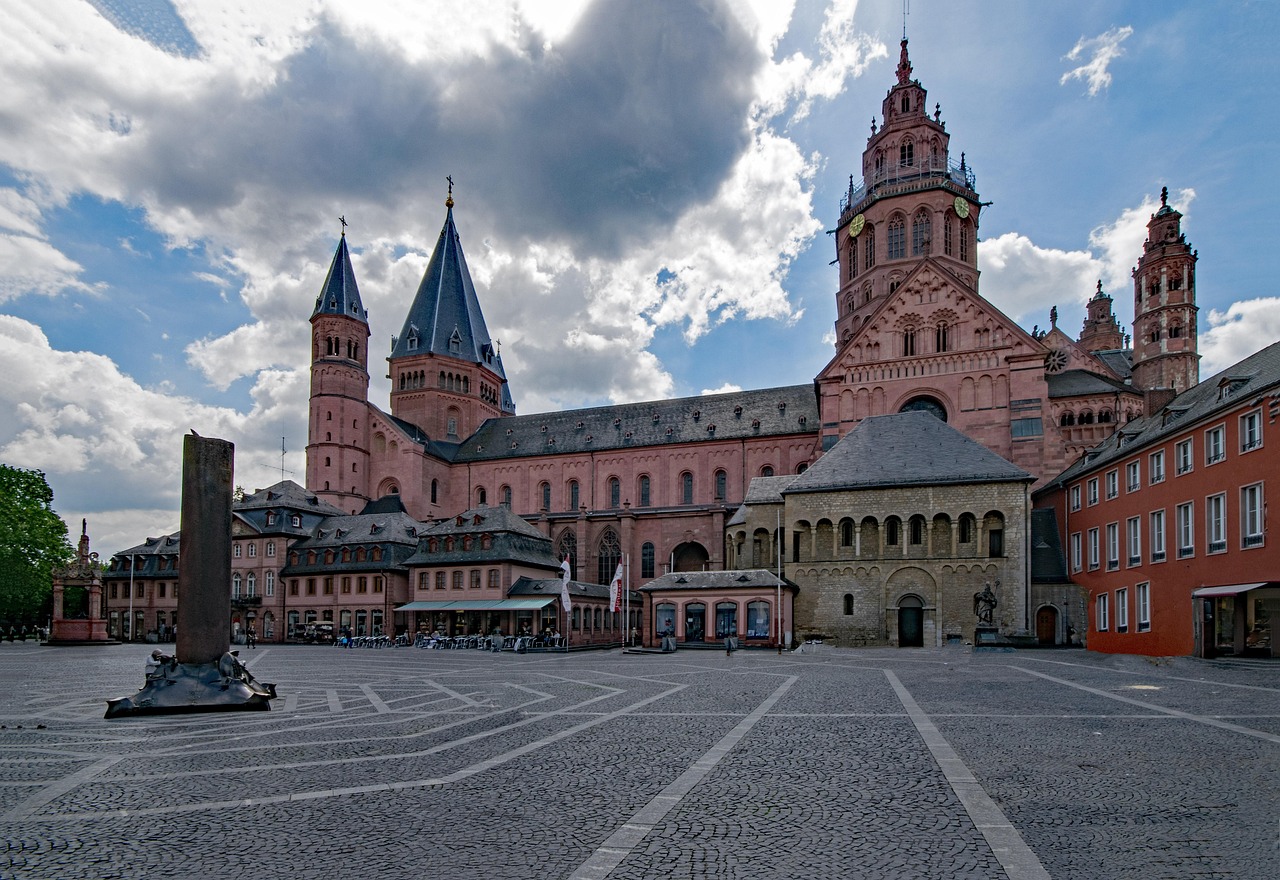
The heart of Mainz: cobbled lanes, half-timbered houses, the cathedral looming above red sandstone facades, and wine taverns tucked into courtyards.
- Best for: First-time visitors, short stays, romantic trips, photography.
- Highlights: Mainz Cathedral, Kirschgarten square, Gutenberg Museum, Augustinerstraße, market days around Domplatz.
- My note: I love staying here when I want to roll out of bed and be sipping coffee under the cathedral in five minutes.
Neustadt (New Town)
“New” is relative—Neustadt emerged in the 19th century and feels more local and lived-in. It’s slightly grittier, full of independent shops, cafes, and student haunts.
- Best for: Budget travelers, longer stays, nightlife, café-hopping.
- Highlights: Kaiserstraße’s grand buildings, weekly markets, hip spots around Frauenlobplatz and Boppstraße.
- My note: When I stay in Neustadt, I end up chatting with baristas and students more; it feels less “postcard,” more everyday Mainz.
Oberstadt
A mostly residential, leafy district on higher ground, with hospitals, the university area, and quieter streets.
- Best for: Longer stays, families, those who like calm.
- Highlights: Proximity to Stadtpark, good bus links, some excellent local bakeries.
Gonsenheim & Mombach
Green, village-like areas a short tram or bus ride from the center, with woods nearby.
- Best for: Nature lovers, runners, those wanting a local neighborhood feel.
- Highlights: Gonsenheimer Wald (forest), smaller local restaurants with fewer tourists.
Rhine Riverfront & Zollhafen
The revitalized harbor area north of the historic center feels modern and urban, with new architecture, bars, and riverside walkways.
- Best for: Evening strolls, sunset views, architecture fans.
- Highlights: Former harbor cranes, stylish apartment blocks, pop-up events in summer.
20 Must-See Attractions in Mainz (With Detailed Local Insights)
These are the must-see attractions in Mainz I keep revisiting. I’ve grouped them roughly from most iconic to more hidden gems. For each, I’ll share history, why it matters, and how I personally like to experience it.
1. Mainz Cathedral (Mainzer Dom)
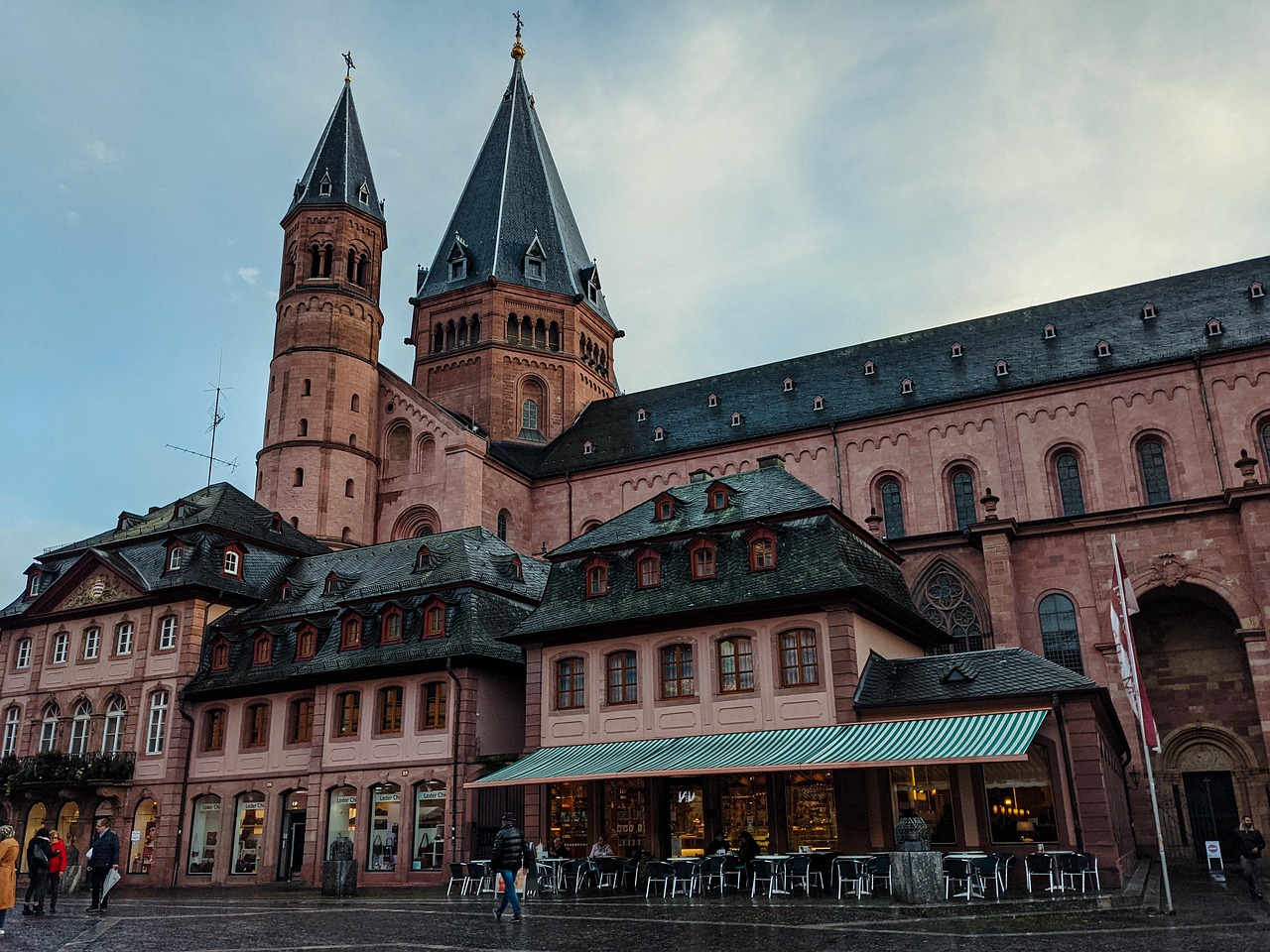
The red sandstone bulk of Mainz Cathedral dominates the skyline, and honestly, I still get a little jolt every time I step into Domplatz and look up. This Romanesque cathedral was started around the year 975 and has survived fires, wars, and centuries of renovations. Its mix of Romanesque, Gothic, and Baroque details reflects that long story.
What I love doing here: I usually come to the cathedral twice: once in the morning when light filters softly through the windows, and once around sunset when the stone glows deep red. Inside, the atmosphere is hushed; you can feel the weight of centuries in the heavy columns and side chapels.
Tips for visiting:
- Time it with the market: On Tuesdays, Fridays, and Saturdays, the square around the cathedral hosts a lively farmers’ market. I like to grab a coffee and a pretzel, wander the stalls, then duck into the cool cathedral interior.
- Don’t miss the cloister and museum: The cloister is a peaceful place to pause, and the adjacent museum holds sculptures and liturgical treasures.
- Dress & behavior: This is still an active place of worship; dress modestly and keep voices low, especially during services.
Family-friendly? Yes, for short visits—kids often enjoy the sheer scale and the echo of their footsteps, but keep it brief.
2. Gutenberg Museum
Mainz is the birthplace of Johannes Gutenberg, the man who revolutionized printing in Europe. The Gutenberg Museum, just across from the cathedral, is one of my favorite museums in Germany—not massive, but dense with fascinating detail.
Why it’s special: You can see two original Gutenberg Bibles here, as well as early presses, typefaces, and printing from around the world. For anyone who loves books, design, or media history, this place is like a pilgrimage.
My routine: I like to visit in late morning when my brain is fresh. The printing demonstration (where staff show how a historic press works) is always a highlight. The smell of ink and paper feels timeless.
2026 updates: Some galleries are being refreshed with interactive digital exhibits, but the core collection is accessible. Check the museum’s website in 2026–2027 for any temporary closures.
Tip: Don’t rush the upper floors—there are beautiful examples of bookbinding and printing techniques that often get skipped by hurried visitors.
3. Altstadt & Kirschgarten Square
If you’ve seen photos of Mainz, you’ve probably seen Kirschgarten: a tiny medieval square framed by impossibly crooked half-timbered houses. In person, it feels like stepping into a storybook.
What to do: I like to wander Altstadt without a strict route: start at Domplatz, head down Augustinerstraße, dive into the narrow alleys, and eventually emerge at Kirschgarten. Sit at an outdoor table with a glass of local wine and simply watch the life of the square swirl around you.
Hidden detail: Look up at the carvings and dates on the beams—many houses here are from the 15th–17th centuries, with intricate woodwork that rewards slow attention.
Best time: Early morning for quiet photos; late afternoon or early evening for atmosphere and golden light.
4. Rhine Promenade (Rheinufer)
The Rhine is the city’s lung. When the weather’s good, half of Mainz seems to be down by the river: jogging, strolling, picnicking, or simply leaning on the railing watching barges glide past.
My favorite stretch: From the Theodor-Heuss-Brücke (the main bridge) south towards Stadtpark. In the late afternoon, I grab a takeaway coffee or a bottle of local Riesling and find a spot on the steps near the river.
For couples: This is one of the most romantic places in Mainz at sunset. If you cross the bridge to the Wiesbaden side, you’ll get lovely views back towards the red spires of Mainz.
For families: Plenty of space for kids to run, and in summer there are often ice cream stands and pop-up events.
5. St. Stephan’s Church & Chagall Windows (St. Stephan zu Mainz)
High above the old town, St. Stephan’s is famous for its luminous blue stained-glass windows designed by Marc Chagall. The first time I stepped inside, I instinctively lowered my voice—the light feels sacred in a very modern, emotional way.
History & significance: The church itself is medieval, but the windows were added in the late 20th century as a gesture of reconciliation between Christians and Jews after World War II.
How to experience it: Go on a bright day if possible; the blues and greens are more vivid. Sit for at least 10–15 minutes to let your eyes adjust and notice the details in the glass.
Getting there: It’s an uphill walk from the old town (10–15 minutes) or a short bus ride. I usually walk—part of the charm is winding through residential streets and glimpsing the city below.
6. Augustinerkirche (St. Augustine’s Church)
Tucked along Augustinerstraße, this Baroque church can be easy to miss from outside—but step in, and you’re greeted by an explosion of stucco, frescoes, and ornate details.
Why I love it: After the heavy Romanesque of the cathedral, Augustinerkirche feels almost theatrical. I once ducked in during a rainstorm and ended up staying through a short organ rehearsal, which felt like a private concert.
Tip: Check the noticeboard for organ recitals or choral performances; they’re often free or donation-based and are a beautiful way to experience the space.
7. St. Christoph Church Ruins (Mahnmale St. Christoph)
One of the most moving sites in Mainz, St. Christoph is a ruined church preserved as a memorial to the destruction of World War II and to the Jewish community of Mainz.
Experience: There’s no ticket, no crowds—just open walls, a tower, and plaques telling the story of the 1942 air raid that devastated the city. I usually walk through on my way between the old town and more modern areas, and it always makes me pause.
Good to know: This is a place for quiet reflection—keep voices low and be respectful of people who may be visiting for personal reasons.
8. Staatstheater Mainz (State Theater)
For a dose of culture, the Staatstheater offers opera, plays, dance, and concerts. The building sits near the main station and marks the transition from old town to newer Mainz.
My habit: I try to catch at least one performance every few trips. Even if your German is limited, opera or ballet can be accessible. I once saw a modern dance piece here that still sticks with me years later.
Tip: Check for last-minute tickets or student discounts if you’re on a budget. Dress is generally smart-casual; no need to overdo it.
9. Stadtpark & Rosengarten (City Park)
South of the center, Stadtpark is where Mainz comes to breathe. Lawns, old trees, a small lake, and a rose garden make it ideal for picnics and lazy afternoons.
Why I go: When I stay several days or work remotely from Mainz, Stadtpark becomes my living room. I’ve written entire chapters of travel articles sitting under those trees, with the distant hum of the city as background.
Seasonal highlight: In late summer and early autumn, the park hosts the Mainz Wine Market (Mainzer Weinmarkt), with dozens of wine stands, food stalls, and music. It’s one of my favorite wine festivals—festive but not overwhelming.
10. Zollhafen & Modern Harbor District
The old harbor north of the center has been transformed into a modern quarter with sleek apartment blocks, restaurants, and a waterfront promenade.
What to do: I like to walk from the old town up to Zollhafen in the late afternoon, watch paddleboarders on the water, and grab a drink at one of the riverside spots. The contrast between old cranes and new architecture makes for great photos.
For architecture fans: Look at how the new buildings play with brick, glass, and metal, echoing the industrial past.
11. Roman Theatre (Römisches Theater) & Citadel
Mainz was once a major Roman military base called Mogontiacum. You can still see traces of that era, especially at the Roman theatre just behind the Römisches Theater train station and up at the Citadel.
My route: I hop off at the Römisches Theater station, peek at the amphitheater ruins (still being excavated and partially reconstructed), then hike uphill to the Citadel for views and a wander around the fortifications.
Why it’s interesting: You get a layered sense of history—Roman ruins, medieval walls, and modern city all in one panorama.
12. Mainz Citadel (Zitadelle Mainz)
Perched on Jakobsberg hill, the Citadel offers sweeping views of Mainz and the Rhine. The fortifications date back to the 17th century, built on even older Roman and medieval structures.
Experience: I love coming up here late afternoon. The paths along the walls are rarely crowded, and you get that satisfying “overview” of a city you’ve been wandering at street level.
Tip: Combine with a visit to the Roman theatre below and bring water—there’s a bit of climbing involved, especially in summer heat.
13. Kupferbergterrasse & Sparkling Wine History
On the hill above the city near the Citadel lies Kupferbergterrasse, once the site of the famous Kupferberg sparkling wine cellars. While tours have changed over the years, the terrace area still offers beautiful views and a sense of Mainz’s wine heritage.
What I like: Even when cellar tours are limited, the area is worth a detour for its architecture and vantage point. If tastings are available during your visit, it’s a great introduction to German Sekt (sparkling wine).
14. Iron Tower (Eisenturm) & Old City Gates
Remnants of Mainz’s medieval fortifications survive in the form of towers like the Eisenturm and Holzturm. They once guarded the city’s river gateways.
My tip: I like doing a “tower walk,” starting near the Rhine bridge and following the line of former walls to spot these historic sentinels. They’re great photography subjects, especially in early morning light.
15. Natural History Museum (Naturhistorisches Museum Mainz)
A surprisingly engaging museum, especially for families. It covers regional geology, animals, and fossils, including some impressive prehistoric creatures from the Rhine area.
Why go: On rainy days or with kids, this is a fun, low-pressure cultural stop. I once ended up here purely to escape a downpour and stayed for two hours, fascinated by a local dinosaur species I’d never heard of.
16. Botanical Garden of Johannes Gutenberg University
Run by the university, this botanical garden is a calm, green oasis on the edge of the city. It’s not flashy, but it’s peaceful and varied.
What I enjoy: Wandering among themed sections—alpine plants, Mediterranean species, greenhouses. It’s ideal if you need a mental break from sightseeing or you’re in Mainz for more than a quick city-break.
Tip: Check opening hours; they can vary by season, and some greenhouses may have restricted access.
17. Mainz Weekly Market (Wochenmarkt & Farmers’ Market)
The market around Domplatz is one of my favorite “everyday life” spots in Mainz. On market days (typically Tuesdays, Fridays, and Saturdays), stalls overflow with seasonal produce, flowers, cheeses, meats, and local specialties.
My ritual: I buy fresh fruit, a slice of cheese, and maybe a Spundekäs dip to snack on later. It’s also a good place to grab an inexpensive, high-quality lunch from food stalls.
Travel tip: This is where I see the most locals and the least tourists—great for people-watching and hearing the “real” sound of Mainz dialects.
18. Traditional Wine Taverns (Weinstuben)
Mainz is deeply tied to wine culture, especially Riesling and other whites from the Rheinhessen region. The city’s traditional wine taverns are some of the best places to experience local food and drink.
What to expect: Wooden tables, candlelight, shared benches, and a menu heavy on hearty dishes designed to pair with wine. On more than one occasion, I’ve ended up in long conversations with the people squeezed in next to me.
Tip: Ask staff for a recommendation rather than just ordering the cheapest Riesling. They’re usually happy to find something that matches your taste.
19. Neustadt Streets & Café Culture
Neustadt doesn’t have big-ticket sights, but its streets are where you feel Mainz’s daily rhythm. Bakeries, record shops, vintage stores, and small cafes line roads like Boppstraße and surroundings.
My favorite pastime: A slow café crawl—start with breakfast at a bakery, move to a specialty coffee shop, end with a late-afternoon cake and coffee. If you’re working remotely, many spots have Wi-Fi and a relaxed attitude to laptop lingerers.
20. Mainz Christmas Market (Weihnachtsmarkt)
If you’re in Mainz in late November or December, the Christmas market is unmissable. Wooden stalls cluster around the cathedral, selling everything from handmade ornaments to sausages and mulled wine.
Atmosphere: Less crowded than big-city markets like Cologne or Nuremberg, but still full of festive energy. I like to go on a weekday evening when locals come after work, grab a mug of Glühwein, and soak in the smell of cinnamon and roasted nuts.
Tip: Keep the mug as a souvenir (you’ll pay a small deposit, which you don’t get back if you keep it). I have a growing collection of Mainz Christmas mugs at home.
3–5 Day Itineraries for Mainz
Whether you have 3 days in Mainz, 4 days in Mainz, or a full 5 days in Mainz, you can balance must-see attractions with relaxed riverside time and side trips. Below are flexible itineraries based on how I actually structure my own stays. Distances are walkable unless noted, and you can shuffle days to match the weather (e.g., keep museums for rainy days).
3 Day Itinerary for Mainz – Classic Highlights
If you’re aiming for a 3 day itinerary for Mainz, this plan gives you a strong overview: history, river life, and local food, without feeling rushed.
Day 1 – Old Town, Cathedral & Rhine Promenade
I like to start my first day in Mainz by grounding myself in the old town. Drop your bags at your accommodation (ideally in or near Altstadt), then head straight for Domplatz.
Morning:
- Mainz Cathedral: Spend 45–60 minutes exploring the interior, cloister, and crypt. If it’s a market day, browse the stalls first and grab a snack.
- Gutenberg Museum: Walk across to the museum and give yourself 1.5–2 hours. Join a printing demonstration if available (usually included in entry).
Lunch: Try a simple lunch at a nearby café in the old town—soups, salads, or a Flammkuchen (thin crispy tart) are good options.
Afternoon:
- Altstadt wander: Meander along Augustinerstraße, visit Augustinerkirche, then continue to Kirschgarten. Allow time for photos and a drink at an outdoor table if the weather’s nice.
- St. Christoph ruins: Detour via this poignant site to get a sense of the city’s more recent history.
Evening:
- Rhine promenade: Head to the river for a pre-dinner stroll. If you’re visiting in summer, you might catch live music or a small festival.
- Dinner at a Weinstube: Choose a traditional wine tavern in the old town. Order a local Riesling and a regional dish like Handkäse mit Musik or Bratwurst with sauerkraut.
Day 2 – St. Stephan, Roman History & Neustadt
Morning:
- St. Stephan Church: Walk uphill to St. Stephan and spend time with the Chagall windows. Aim for mid-morning when the sun is higher.
- Citadel & Views: Continue to the Citadel for panoramic views. Explore the grounds and connect it to what you’ve already seen below.
Lunch: Pick up sandwiches or pastries from a bakery and have a casual picnic either at the Citadel or in a small park on your way down.
Afternoon:
- Roman Theatre: Stop by the Roman theatre ruins near the Römisches Theater station; even a 20–30 minute visit gives a sense of scale.
- Neustadt exploration: Tram or walk into Neustadt. Wander Kaiserstraße, then delve into side streets. Drop into a café for coffee and cake.
Evening:
- Dinner in Neustadt: Choose a more contemporary restaurant or bar—Neustadt has great international food if you’re craving something beyond German fare.
- Drinks: End with a glass of wine or craft beer at a neighborhood bar; it’s a good way to feel the younger side of Mainz.
Day 3 – Museums, Parks & River Time
Morning:
- Natural History Museum or another small museum of your choice: Spend a few hours indoors—especially useful if the weather isn’t cooperating.
- Shopping & souvenirs: Browse old town shops for local wine, printed items referencing Gutenberg, or artisanal products.
Lunch: Try a casual spot around the old town or near Schillerplatz.
Afternoon:
- Stadtpark: Walk south to Stadtpark, stopping by the Rhine en route. Relax, read, or rent a bike and cycle along the river.
- Optional boat trip: If it’s Rhine cruise season, consider a short afternoon river cruise to see Mainz and its surroundings from the water.
Evening: For your final night, return to your favorite spot—maybe Kirschgarten for one last glass of wine or the Rhine promenade for a farewell sunset.
4 Day Itinerary for Mainz – Culture & Vineyards
A 4 day itinerary for Mainz lets you keep the classic sights and add a deeper cultural layer plus a taste of the surrounding wine country.
Day 1–3:
Follow the 3-day itinerary above, adjusting based on weather and your interests.
Day 4 – Rheinhessen Wine Country or Rüdesheim
Use your fourth day for a wine-focused excursion.
Option A – Rheinhessen (Nierstein/Oppenheim):
- Take a short train ride (20–30 minutes) to Nierstein or Oppenheim.
- Walk through vineyards with Rhine views—well-marked trails start right from these towns.
- Visit one or two wineries for tastings. Many are family-run and happy to explain local varieties.
- Enjoy lunch in a village restaurant with seasonal, regional dishes.
Option B – Rüdesheim am Rhein:
- Train to Rüdesheim (about 1–1.5 hours with a change).
- Stroll the Drosselgasse (touristy but fun), take the cable car up over vineyards to the Niederwald Monument, and enjoy sweeping Rhine Gorge views.
- Return to Mainz for dinner.
My preference: I lean toward Rheinhessen for a quieter, more local vibe; Rüdesheim is more dramatic landscape-wise but busier with tourists.
5 Day Itinerary for Mainz – Deep Dive & Day Trips
With 5 days in Mainz, you can really settle in. Follow the 4-day plan, then add one more day for another excursion or slow exploration.
Day 5 – Koblenz or Speyer / Slow Mainz Day
Option A – Koblenz:
- Train up the Rhine to Koblenz (about 1.5 hours). Sit on the river side for views of castles and vineyards.
- Visit the Deutsches Eck (German Corner), where the Mosel meets the Rhine, and take the cable car up to Ehrenbreitstein Fortress.
- Return in the evening to Mainz.
Option B – Speyer:
- Head south by train to Speyer (about 1 hour), another historic Rhine town with a magnificent Romanesque cathedral.
- Explore the old town, cathedral, and possibly the Technik Museum if you like planes and trains.
Option C – Slow Day in Mainz: If you’re tired of trains, stay put. Revisit a favorite museum, linger longer in Stadtpark, spend an extended afternoon café-hopping in Neustadt, and enjoy not being in a rush. Some of my best memories of Mainz are from “non-programmed” days like this.
Local Food & Drink in Mainz
Eating in Mainz is hearty, comforting, and usually very affordable compared to bigger German cities. The city sits in a wine region, so expect wine to feature prominently—not just as a drink, but as part of social life.
Must-Try Local Foods
- Spundekäs: A creamy cheese spread (usually quark and cream cheese) seasoned with paprika and onions, served with pretzels or bread. I order this almost every time I sit in a wine tavern.
- Handkäse mit Musik: A sour milk cheese marinated in vinegar, oil, and onions. It’s an acquired taste; I didn’t love it my first time, but by my third trip, I was converted.
- Bratwurst & Saumagen: Regional sausage specialties; Saumagen is a Palatinate dish of stuffed pig’s stomach, more delicious than it sounds.
- Flammkuchen: Thin, crispy tart topped with crème fraîche, onions, and bacon or other toppings. Perfect with wine.
- Seasonal asparagus (Spargel): In spring, menus fill with white asparagus dishes—try it with hollandaise and potatoes.
Local Wines & Drinks
- Riesling: The star of the region—dry, crisp, and food-friendly. Ask for trocken (dry) if that’s your preference.
- Silvaner, Grauburgunder, Weißburgunder: Other whites worth tasting.
- Schorle: Wine mixed with sparkling water—a lighter option for hot afternoons.
- Federweißer (in autumn): Partially fermented young wine; slightly fizzy and sweet. Enjoyed with onion tart.
Where I Like to Eat & Drink
(Names can change, but these types of places are what I look for when I’m in Mainz.)
- Traditional Weinstuben in Altstadt: Look for wooden signs, candlelit interiors, and menus in German first. I gravitate toward places packed with locals speaking dialect.
- Neustadt Cafés: For brunch, specialty coffee, and cake, Neustadt is my go-to. Many places have creative menus with vegetarian options.
- Rhinefront Stands & Kiosks: In summer, grab simple snacks and drinks from kiosks by the river for budget-friendly meals with a view.
- Markets & Bakeries: For picnics, I buy bread, cheese, spreads, and fruit at the Domplatz market and local bakeries—perfect if you want to save money and still eat well.
Saving Money on Food in Mainz
- Lunch specials: Many restaurants offer cheaper lunch menus; eat your big meal midday and go simpler at dinner.
- Self-catering: Supermarkets like Rewe or Edeka have good ready-to-eat options. I often stock up on breakfasts and snacks this way.
- Tap water: Tap water is safe to drink; ask for “Leitungswasser” (though not all restaurants love providing it, so be prepared for mixed responses).
Nightlife, Entertainment & Cultural Experiences in Mainz
Mainz’s nightlife reflects its student population and wine culture. It’s lively on weekends without being overwhelming.
Nightlife & Bars
- Altstadt wine taverns: Cozy, conversation-focused, ideal for couples or groups of friends who like to linger over drinks.
- Neustadt bars & pubs: Trendier, younger, and often more budget-friendly. You’ll find everything from craft beer spots to cocktail bars.
- Rhinefront in summer: Informal gatherings with people bringing their own drinks, music, and snacks—almost like a huge open-air living room.
Cultural Experiences
- Staatstheater performances: Opera, plays, and dance—check the program and book ahead for popular productions.
- Festivals:
- Mainzer Fastnacht: In February/March, the city explodes in costumes, parades, and satire. It’s loud, crowded, and deeply local.
- Johannisnacht: Late June book and culture festival celebrating Gutenberg; great for evening strolls, live music, and fireworks.
- Wine Market: Late summer in Stadtpark—my personal favorite blend of wine, food, and atmosphere.
- Christmas Market: Late November–December—traditional and charming.
- University events: Public lectures, student concerts, and exhibitions often pop up; check campus noticeboards or local listings.
Romantic, Family-Friendly & Adventurous Experiences
- Romantic: Sunset walk along the Rhine, dinner in a candlelit Weinstube, day trip to vineyards with a picnic.
- Family-friendly: Natural History Museum, Stadtpark, river cruises, Christmas market, and easy walks through Altstadt.
- Adventurous: Longer bike rides along the Rhine, hiking vineyard trails in Rheinhessen, exploring castle ruins on day trips.
Best Day Trips from Mainz
Mainz is a great base for exploring the Rhine and beyond. These are my favorite day trips, all easy by train or boat.
1. Rüdesheim & Rhine Gorge
Vineyards cascading down to the river, castles on every bend, and a lively wine town—Rüdesheim is classic Rhine. Take a boat one way and train the other if possible.
2. Koblenz & Ehrenbreitstein Fortress
Ride the cable car over the Rhine to Ehrenbreitstein, explore the massive fortress, and walk along the confluence of Rhine and Mosel at Deutsches Eck.
3. Rheinhessen Wine Villages (Nierstein, Oppenheim)
Quieter than Rhine Gorge towns, these villages are perfect for vineyard walks and intimate tastings.
4. Wiesbaden
Just across the river, Wiesbaden offers grand spa-town architecture, elegant streets, and a different vibe from Mainz—more polished, less studenty.
5. Frankfurt
In about 30 minutes by train, you can be in Germany’s financial capital for museums, skyscrapers, and a very different city energy. I like doing this as a contrast day if I’m in Mainz for a full week.
Cultural Etiquette & Local Customs in Mainz
Mainz is friendly and relaxed, but a few local norms help you blend in and avoid awkward moments.
Greetings & Communication
- Greetings: A simple “Guten Tag” (good day) or “Hallo” works. In shops and small restaurants, greet when entering and say “Tschüss” or “Auf Wiedersehen” when leaving.
- Forms of address: Use the polite “Sie” and last names with adults you don’t know, unless they invite you to use “du.”
- Volume: Germans tend to speak more quietly in public than in some cultures; keep noise down on public transport and in residential areas at night.
In Restaurants & Bars
- Seating: In busy places, it’s normal to share tables with strangers. Simply ask “Ist hier frei?” (Is this seat free?).
- Payment: Ask for the bill: “Zahlen, bitte.” Tipping around 5–10% is appreciated; round up and tell the server the total you want to pay.
- Cash vs card: Cards are increasingly accepted, but small places may still prefer cash. I always carry some euros just in case.
Local Customs
- Wine culture: Wine is part of social life; it’s normal to linger over a glass for hours. Don’t feel pressured to drink heavily; moderate enjoyment is the norm.
- Quiet hours: Residential areas expect quiet after 10 pm; avoid loud outdoor gatherings in courtyards or streets late at night.
- Recycling: Germans take recycling seriously. Use the correct bins where provided and return bottles with deposits to supermarkets.
During Festivals
- Fastnacht: People dress up, streets get crowded, and satire is everywhere. Respect costumes and floats; don’t interfere with parades.
- Wine festivals: Glassware is usually real; treat it carefully. If you’re unsure about how a wine is served, just ask politely.
Practical Travel Advice for Mainz
Getting To & From Mainz
- By air: Frankfurt Airport (FRA) is the closest major hub. Direct regional trains to Mainz Hauptbahnhof take about 25–30 minutes.
- By train: Mainz is well connected to Frankfurt, Wiesbaden, Koblenz, Cologne, and beyond. Use Deutsche Bahn or regional networks.
- By car: Highways connect Mainz to major cities, but you don’t need a car to enjoy the city itself.
Getting Around Mainz
- On foot: Most attractions in Altstadt and Neustadt are easily walkable.
- Public transport: Trams and buses cover the city and surroundings. Day passes are cost-effective if you plan multiple rides.
- Bikes: Bike lanes are common; renting a bike is a pleasant way to explore the riverfront and parks.
- Car rental: Useful only if you’re planning many rural or off-the-track day trips. Parking in the center can be limited or paid.
SIM Cards & Connectivity
- Local SIMs: Available from major providers (Telekom, Vodafone, O2) at shops or electronics stores; bring your passport for registration.
- eSIM: Many travelers now use eSIM packages purchased online before arrival, which is often easiest.
- Wi-Fi: Most hotels, cafes, and some public areas offer free Wi-Fi, but coverage can be patchy outdoors.
Money & Costs
- Currency: Euro (€).
- Budget estimate (per person, per day):
- Budget: €60–90 (hostel/cheap hotel, self-catering plus some meals out).
- Mid-range: €100–160 (comfortable hotel, daily meals out, some wine).
- Comfort: €180+ (nice hotel, frequent dining, activities and performances).
- Saving money tips: Use weekly or day transport passes, eat your main meal at lunch, self-cater breakfasts, and favor wine taverns over touristy restaurants.
Visa Requirements & Entry
- Schengen Area: Germany is in the Schengen Zone. Many travelers from Europe, North America, and parts of Asia can enter visa-free for short stays; always check up-to-date rules before travel.
- Passport validity: Typically needs to be valid for at least 3–6 months beyond your planned departure, depending on your nationality.
- Registration: For short tourist stays in hotels, registration is handled by the hotel. Longer stays may require registering your address with local authorities.
Driving & Foreign Licenses
- Foreign license: Many foreign driver’s licenses are accepted for short stays; an International Driving Permit can be useful, especially if your license is not in Latin script.
- Rules: Drive on the right, seatbelts mandatory, strict drink-driving limits. Speed cameras are common.
- Parking: Use marked spots and pay attention to signs; park-and-ride lots can save money compared to central garages.
Seasons & What They’re Best For
- Spring (March–May): Mild weather, blossoms, fewer crowds. Great for general sightseeing and walks along the Rhine.
- Summer (June–August): Warm, sometimes hot. Best for river life, outdoor festivals like Johannisnacht and Wine Market, and long evenings outside.
- Autumn (September–November): Wine harvest season, beautiful vineyard colors, Federweißer and onion tart. My personal favorite time for wine-related trips.
- Winter (December–February): Christmas market magic, cozy taverns, and Carnival in late winter. Colder and darker, but very atmospheric if you like seasonal festivities.
Hidden Tips from Many Visits
- Use Mainz as a base: Instead of hopping hotels, stay in Mainz and day-trip out. You’ll get to know your “home” neighborhood and feel less rushed.
- Plan museum days around weather: Keep flexible—if rain rolls in, swap a park day for the Gutenberg or Natural History Museum.
- Gutenberg souvenirs: Look for local printshops or museum stores selling letterpress cards, posters, and bookish souvenirs—more unique than standard magnets.
- Talk to wine staff: Don’t be shy about asking for recommendations. I’ve discovered some of my favorite bottles by describing what I like and letting the server choose.
Summary & Best Time to Visit Mainz
Mainz is an easy city to love and a hard one to leave. It’s big enough to keep you busy for 3–5 days in Mainz, yet compact enough that you’ll start recognizing corners and café owners by your second morning. It offers rich cultural experiences in Mainz—from cathedral and Chagall windows to theater and festivals—without the stress or expense of bigger hubs.
Key takeaways from this travel guide for Mainz:
- Base yourself in or near Altstadt for short trips; consider Neustadt or Oberstadt for longer, quieter stays.
- Don’t just tick off things to do in Mainz—build in slow time on the Rhine promenade and in Stadtpark.
- Explore at least one wine tavern and one festival if timing allows; they’re central to local life.
- Use Mainz as a jumping-off point for day trips along the Rhine and into Rheinhessen’s vineyards.
- Respect local customs, especially during religious events and at memorial sites.
Best seasons for visiting Mainz:
- May–June: Ideal mix of pleasant weather, blossoms, and early festivals.
- September–early October: Perfect for wine lovers and mild temperatures.
- Late November–December: For Christmas markets and cozy evenings.
Whether you follow the 3 day itinerary for Mainz, expand to a 4 day itinerary for Mainz, or linger for a full 5 day itinerary for Mainz, give yourself enough time to wander, taste, and simply sit by the Rhine watching the slow movement of the water. That, more than any single sight, is what keeps drawing me back.