Why Visit the Moselle Valley in 2026
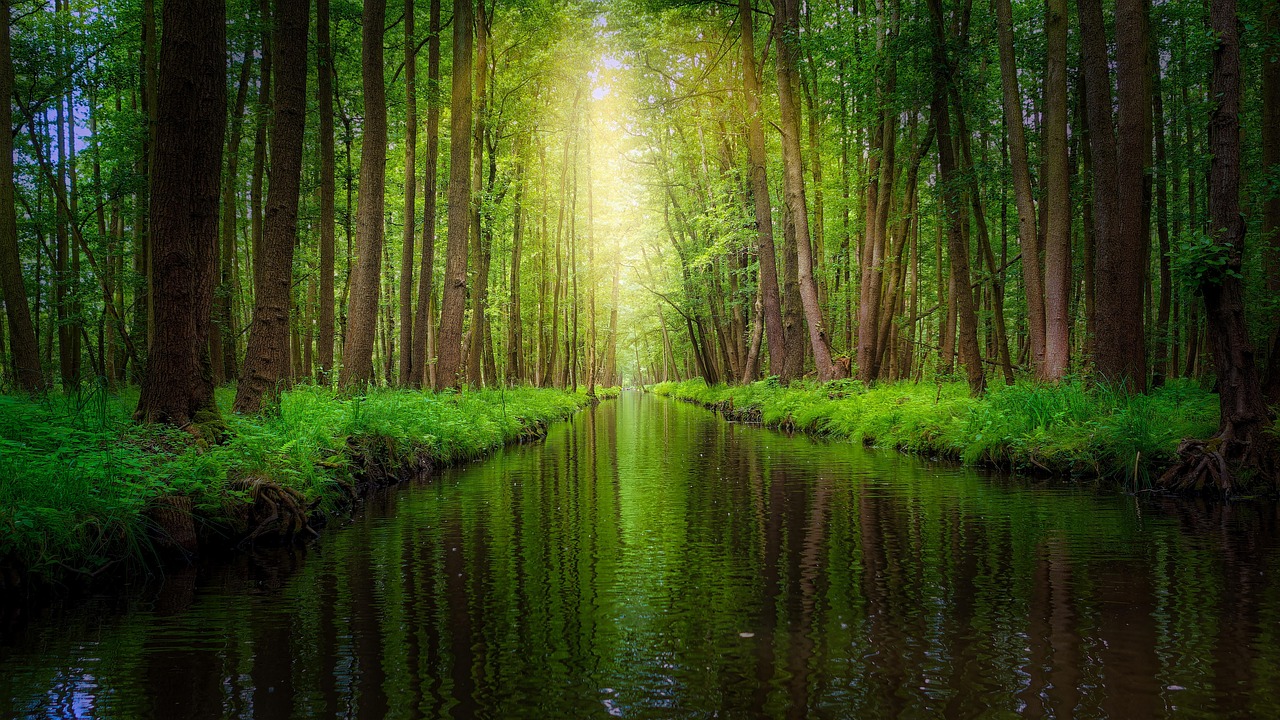
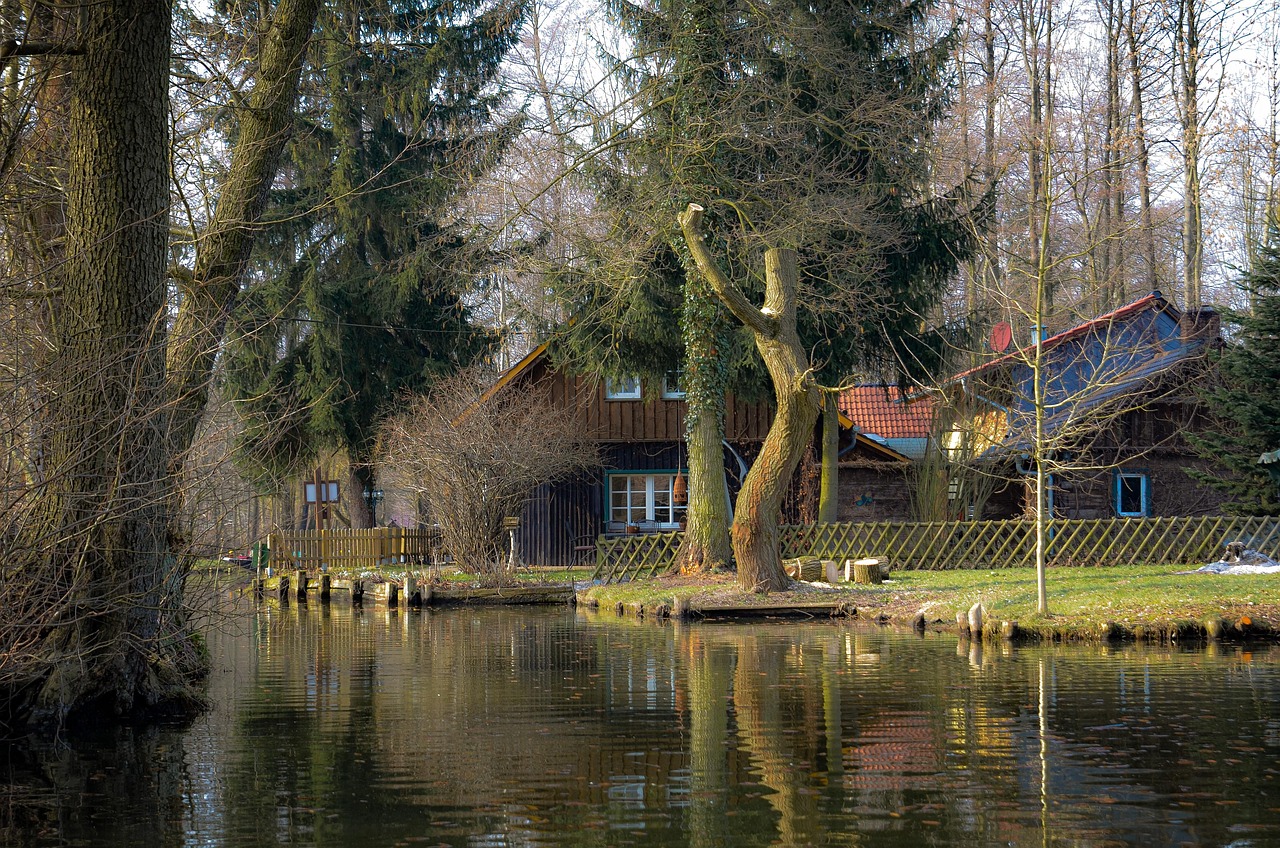
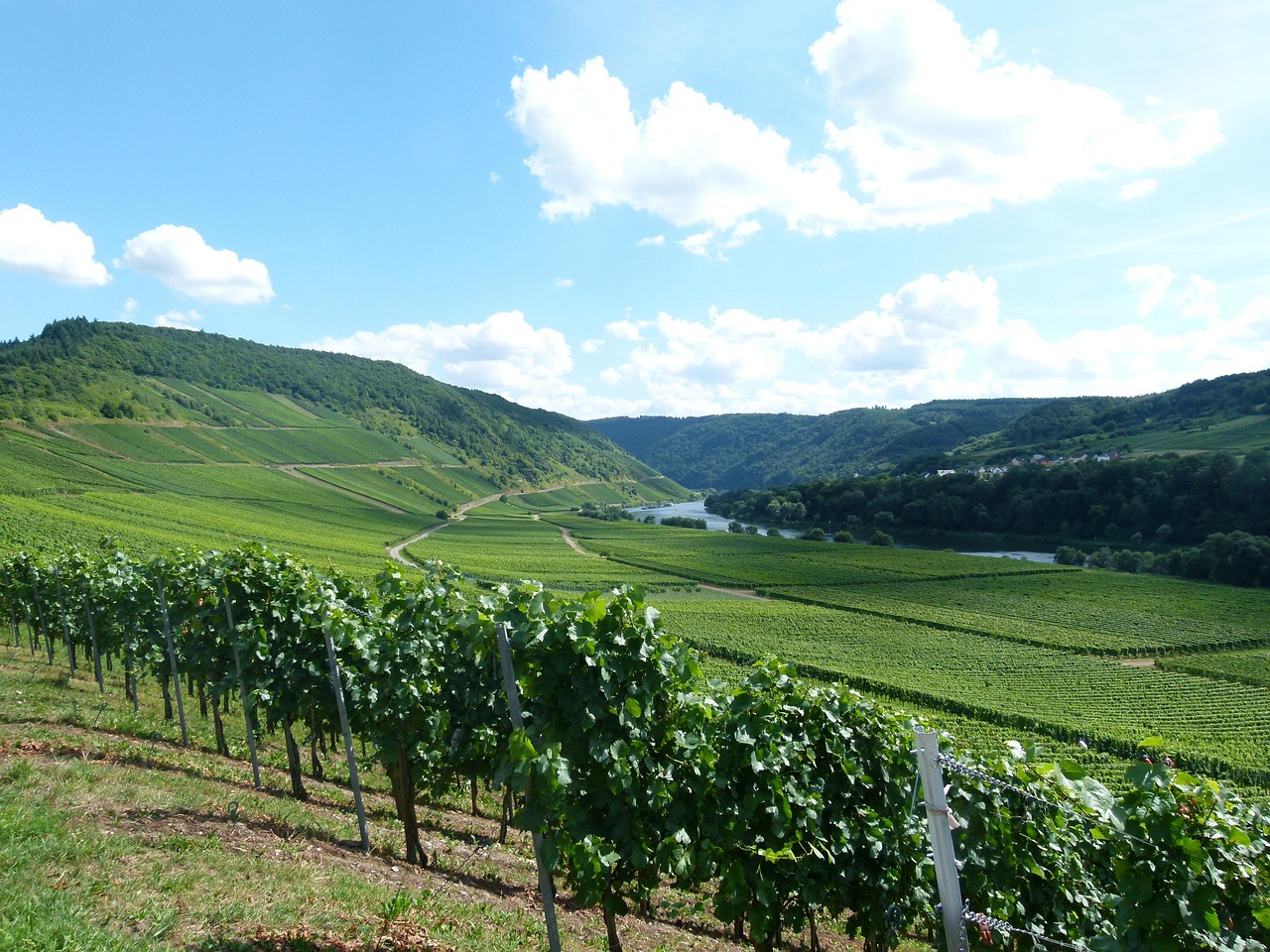
I keep coming back to Germany’s Moselle Valley for the same reason many locals never leave: there is nowhere else in the country where life feels so gently tuned to the river, the vines, and the seasons. The Mosel (as Germans spell it) curves between steep slate hillsides, half-timbered villages cling improbably to the banks, and castles guard bends in the water like something lifted from a storybook. Yet this is not a museum piece. It’s a living wine region, a place where you can still knock on a cellar door and be poured a glass by the winemaker’s grandmother.
Between 2018 and 2025 I’ve spent the equivalent of several months here, usually in late spring and again during harvest. I’ve cycled from Trier to Koblenz more than once, worked a few sticky days helping with Riesling harvest in a family Weingut, and learned which village baker opens earliest (Bernkastel-Kues) and who makes the best Flammkuchen (fight me on this, but it’s in Traben-Trarbach).
In 2026 the Moselle Valley feels particularly worth your time. Post-pandemic upgrades to cycling routes and riverfront promenades are complete, small family wineries have stepped up their tasting room experiences, and a handful of thoughtful boutique hotels and farm-stays have opened, especially around Zeltingen, Neumagen, and near Cochem. There’s also a renewed focus on slow travel: farm-to-table dinners in the vineyards, guided walks through terraced slopes, and candlelit concerts in old cellars.
This guide is written for travelers who want more than a rushed day-trip: couples plotting a romantic 4–7 day itinerary in the Moselle Valley, families looking for castle adventures and easy cycling, and solo travelers or friends seeking a mix of wine, walking, and river life. I’ll walk you through my favorite river towns and landscapes, share detailed day-by-day itineraries, and sprinkle in the sort of practical, slightly unglamorous advice (parking, SIM cards, how to navigate wine tastings without speaking German) that makes the difference between a “nice trip” and a trip you’ll keep daydreaming about.
Table of Contents
- Why Visit the Moselle Valley in 2026
- Moselle Valley Overview & How the Region Fits Together
- Key Towns, Sub-Areas & Landscapes (18+ Detailed Profiles)
- 4–7 Day Itineraries: How to Spend Your Days Along the Moselle
- Regional Cuisine & Where to Taste It
- Evenings in the Moselle Valley
- What’s New in 2026–2027: Events & Changes
- Day Trips & Nearby Attractions
- Cultural Etiquette & Local Customs
- Practical Travel Advice for the Moselle Valley
- Summary & Final Recommendations
Moselle Valley Overview: How the River, Towns & Landscapes Connect
The Moselle Valley in Germany stretches roughly from Trier in the southwest to Koblenz in the northeast, where the Moselle meets the Rhine. Between these points, the river loops through a chain of wine villages and small towns: some famous (Bernkastel-Kues, Cochem), others barely more than a street between the river and the vineyards. The character shifts subtly as you move downstream:
- Upper Moselle (around Trier): A Roman and university atmosphere, broad valley, mixed wines (including Elbling), good base for history lovers.
- Middle Moselle (Leiwen–Bernkastel–Traben-Trarbach): Steep slate vineyards, classic Riesling country, many of the region’s best-known names, great cycling and wine-tasting.
- Lower Moselle (Cochem–Beilstein–Burg Eltz–Koblenz): Narrower, more dramatic valley, fairy-tale castles, family-friendly attractions, excellent for shorter stays.
Think of the Moselle as a string of small, walkable worlds. Most villages are under 5,000 people, and the line between “town” and “landscape” is blurred: vineyards climb up behind every church spire; hiking trails and bike paths begin a few minutes from your guesthouse door.
In this guide I’ll focus on 18+ of the most characterful places and landscapes, from Trier’s Roman ruins to the hidden side valleys like the Kyll and the Endertbach.
Key Towns, Villages & Landscapes of the Moselle Valley
Below you’ll find detailed portraits of at least 18 major and minor hubs along the Moselle, moving roughly from southwest (near Luxembourg) to northeast (toward the Rhine). These are the backbone of any good travel guide for Moselle Valley and the best places to visit in Moselle Valley if you want to balance famous must-see attractions with genuine hidden gems.
1. Trier – Roman Bones & Youthful Energy
If you’re doing 4 days in Moselle Valley or longer, Trier is where I usually tell people to start. It’s Germany’s oldest city, a former Roman imperial capital, and today a lively university town with students spilling into the squares, Roman monuments scattered like oversized playground equipment, and the Moselle drifting quietly at the edge.
I first arrived in Trier on a drizzly May afternoon in 2019, coming by train from Luxembourg. The Porta Nigra, a hulking black Roman gate, loomed at the end of a tram-lined street, impossibly intact. Inside the old town, pastel facades framed the Hauptmarkt, and I remember the smell of rain on stone and fresh pretzels from a bakery tucked under a half-timbered house.
Things to do in Trier:
- Porta Nigra & Roman Monuments – The gate itself is the most obvious must-see attraction in Trier. I like to climb to the upper levels just before closing when the day-trippers thin out. Also visit the Imperial Baths (Kaiserthermen) and the Roman Amphitheater if you have time.
- Dom & Liebfrauenkirche – The cathedral complex is a layered history of Christianity in stone. Even if you’re not religious, the atmosphere is quietly powerful, especially in the late afternoon.
- Moselle Riverfront & Zurlauben – Walk or cycle along the riverside; the little riverside district of Zurlauben has old fishermen’s houses and beer gardens. It’s where I had my first Moselle Riesling on a cool autumn evening, under strings of lights.
Food & drink: Trier has everything from student kebab spots to serious wine bars. For local food in Moselle Valley style, look for Weinstuben (wine taverns) serving Winzersteak (grilled pork or beef), Sauerbraten, and seasonal dishes with asparagus (spring) or game (autumn). Ask for a dry (trocken) Riesling from the Saar or Ruwer tributaries for a slightly different expression than the main Moselle.
Base or day trip? Trier makes a great base for 1–2 nights, especially if you’re arriving by train and want to settle in before heading along the river. For a focused 4 day itinerary for Moselle Valley, I’d do one night here and then move on to a smaller village.
2. Leiwen & Trittenheim – Classic Wine Villages on a Gentle Bend
This stretch between Trier and Bernkastel is where the Moselle Valley’s wine culture really begins to wrap itself around you. I usually hop off the train in Schweich, pick up a rental car, and drive the short distance to Leiwen or Trittenheim. The valley opens a bit here, the slopes are green and inviting, and the villages are small enough that you’ll quickly recognize faces.
Leiwen has become a sort of unofficial “wine tourism” hub, with modern holiday apartments, a few small hotels, and easy access to cycling paths. Trittenheim, just across a memorable bridge, feels slightly sleepier and more traditional.
Things to do:
- Vineyard walks – I love the marked trail up to the Trittenheimer Apotheke vineyard. In June 2024 I walked it with a local guide who had harvested grapes there for 40 years; he pointed out individual vines like old friends.
- Wine tastings – Many small family wineries (Weingüter) here offer informal tastings. Call or email ahead, especially outside summer weekends. Expect to try several styles of Riesling from the same slope; the differences in sweetness and site exposure are fascinating.
- River activities – There are canoe rentals and easy bike paths along both banks. Families will find this section flatter and less crowded than the Bernkastel area.
Food: Look for seasonal Straußwirtschaften (seasonal wine taverns) — they pop up in courtyards or barns. My favorite memory is a long wooden table under lanterns in a Leiwen courtyard, eating Spundekäs (a creamy cheese dip) with warm pretzels while the winemaker’s kids raced scooters between the barrels.
Base or day trip? For 5 days in Moselle Valley or longer, spending 1–2 nights in Leiwen or Trittenheim gives you a true “live in the vineyards” experience without the crowds of the more famous towns.
3. Neumagen-Dhron – Germany’s Oldest Wine Village
Neumagen-Dhron markets itself as Deutschland ältester Weinort (Germany’s oldest wine village), and here history really does seem layered into the soil. The village is quieter than Leiwen, set on a pretty bend where the Moselle almost seems to pause.
I came here first in 2020 to escape a crowded Bernkastel weekend and ended up staying two extra nights. A retired couple renting out a few rooms above their cellar adopted me for that stay, insisting I join them for their evening glass of Riesling in the garden.
Highlights:
- Stella Noviomagi – The Roman wine ship – A modern replica of a Roman wine ship does short cruises from Neumagen. It’s kitschy in concept but surprisingly atmospheric once you’re on board and gliding past vineyards while someone explains 2,000 years of wine history.
- Local trails – Short circular hikes take you through vineyards to small chapels and viewpoints. I like the loop up to the Römische Weinschiff viewpoint, where an oversized stone relief of a Roman wine ship looks out over the valley.
Who it’s for: Neumagen-Dhron is ideal if you want quiet evenings, direct contact with winemakers, and lower prices than the big-name towns. It’s also a lovely family stop: no major nightlife, plenty of space by the river, and safe streets for kids to roam a little.
4. Bernkastel-Kues – The Storybook Heart of the Middle Moselle
Bernkastel-Kues is what most people picture when they think of the Moselle: half-timbered houses leaning toward a cobbled square, a castle ruin on the hill, riverfront promenades lined with café umbrellas. It’s also the busiest place on this stretch of river, especially on weekends and in high season.
I have a complicated relationship with Bernkastel. On sunny August afternoons, when tour buses line the parking lots, I sometimes want to flee. And yet on a foggy November morning or late on a June weekday evening, it is pure magic. Over several stays — including a rainy week in 2022 when the town felt like it belonged to a few locals and a handful of us stubborn visitors — I’ve learned how to enjoy Bernkastel without being overwhelmed.
Must-see attractions in Bernkastel-Kues:
- Marktplatz – The central market square is one of the loveliest in Germany. Go early (before 9am) when delivery trucks are still rattling through and locals duck into the bakery; you’ll have the square almost to yourself.
- Burg Landshut – The castle ruin on the hill, reached by a steep but rewarding 20–30 minute walk or a little shuttle. The terrace restaurant has a panoramic view and surprisingly good food. I once watched a summer thunderstorm roll up the valley from here, lightning reflected in the river below.
- Doctor vineyard – The Bernkasteler Doctor is one of the Moselle’s most famous vineyards. You can walk right up between the vines on narrow paths. It’s steep enough that you’ll understand why harvest here is still done by hand.
Food & wine: Bernkastel-Kues has some of the densest clusters of wine bars and taverns in the region. Look beyond the riverfront for better value: the alleys behind the Marktplatz hide small Weinstuben where locals actually go. For dessert, try Weincreme — a silky Riesling cream — or a slice of plum cake in late summer.
Base or day trip? Bernkastel makes a good base for first-time visitors, especially if you’re relying on buses rather than a car. That said, for a 4 day itinerary for Moselle Valley, I often suggest just 1–2 nights here, then moving to somewhere quieter like Zeltingen or Kröv for balance.
5. Zeltingen-Rachtig – Under-the-Radar Base with Big-Name Vineyards
Just upriver from Bernkastel, Zeltingen-Rachtig is where I quietly base myself when I want the middle Moselle’s best things to do without sleeping in the eye of the tourist storm. Two compact villages face each other across the river, joined by a bridge, framed by serious vineyards with names you’ll see on high-end wine lists: Zeltinger Sonnenuhr, Zeltinger Himmelreich.
In September 2023 I rented a small apartment above a winegrower’s cellar here for a week. Every evening I’d walk down to the riverfront benches with a glass of something from the Sonnenuhr vineyard and watch the light fade behind the slate slopes. A few locals always seemed to be doing the same, nodding hello but otherwise content in shared silence.
What to do:
- Riverside strolls & cycling – The path between Zeltingen and Bernkastel is one of my favorite evening walks, especially in summer when swallows skim the river.
- Vineyard tours – Many prestigious estates here now offer bookable tours in English. If you’re serious about Riesling, this is where to schedule a deep-dive tasting.
- Boat trips – Passenger boats stop regularly in Zeltingen, making it easy to explore without a car.
Who it suits: Couples on a romantic trip who want quiet evenings and serious wine. It’s also good for 5 days in Moselle Valley as a central hub: you can day trip to Bernkastel, Traben-Trarbach, and the Kröv loop easily.
6. Kröv – A Wine Village with a Slightly Mischievous Streak
Kröv sits on a picturesque loop of the Moselle and has long been associated with a cheeky wine brand name that translates, more or less, as “Priest’s little buttocks.” The label is everywhere, and the village leans into its reputation with a wink.
Underneath the silliness, Kröv is a very real winegrowing community with steep vineyards climbing straight up from the river and a compact main street lined with traditional guesthouses. I spent a long weekend here in 2021, arriving for what was meant to be one night and staying because my pension owner kept pressing homemade jam and extra coffee on me at breakfast.
Activities & vibe:
- Easy hikes – Trails climb to viewpoints over the Moselle loop. Families will enjoy the short, well-marked circuits; there’s even a barefoot trail segment in summer.
- Wine festivals – Kröv’s wine festivals in late spring and harvest season are famously lively, with brass bands and long rows of benches along the river. Perfect for people-watching.
Family-friendly? Yes, with a caveat: festival weekends get rowdy after dark. At other times, Kröv is very manageable for families, with safe riverfront paths and a friendly, slightly nostalgic feel.
7. Traben-Trarbach – Art Nouveau Charms & Underground Wine Cellars
Traben-Trarbach is really two towns facing each other across the river, linked by an ornate bridge. Around 1900 it was one of the world’s most important wine trading centers, second only to Bordeaux, and you can still feel that former wealth in the Art Nouveau villas and the grand merchant houses.
I’ve stayed here four or five times now, in every season. It’s where I send friends who want a slightly urban feel without leaving the river: there are enough cafés, wine bars, and small shops that you can wander aimlessly and still feel like there’s more to discover.
Things to do in Traben-Trarbach:
- Art Nouveau walk – Pick up a map from the tourist office and follow the self-guided route past Jugendstil villas, ornate hotels, and old wine trading houses. In 2025 the town refreshed the signage with QR codes, making it easy to access English info.
- Underground cellars – Beneath the town lies a warren of old wine cellars. Guided tours (often combined with tastings) are a highlight, especially on hot summer days when the cool, damp air feels wonderful.
- Grevenburg castle ruin – A somewhat steep walk up leads to castle ruins with a rustic café and sweeping views of the valley.
Food: Traben-Trarbach is where I go when I’m tired of hearty tavern fare and want something a little more inventive. Several kitchens here do modern takes on regional dishes, and there’s a good gelateria for hot days. Don’t miss Flammkuchen at a riverfront spot on the Trarbach side — thin, crisp, perfect with a glass of off-dry Riesling.
Base? Absolutely. For 6 days in Moselle Valley, spending 2–3 nights here gives you access to both middle and lower stretches of the river, plus more off-river hiking in the Hunsrück hills behind town.
8. Enkirch – Half-Timbered Time Capsule
Enkirch is a place I almost hesitate to write about. It has one of the finest ensembles of half-timbered houses on the Moselle, but far fewer visitors than Bernkastel. It feels like a village that has quietly continued living its life while the tourism boom passed it by.
I discovered Enkirch by accident in 2018 when a wrong turn off the main road dropped me into a warren of impossibly narrow lanes. I parked by the church, walked ten minutes, and booked a guestroom for the night on the spot.
What to expect:
- Atmospheric streets – The old town is a photographer’s dream. Early mornings, when locals are setting out crates and sweeping stoops, are particularly lovely.
- Tranquil riverbank – There’s a long, grassy riverside area with camper vans, a small playground, and lots of space. Families and slow travelers will love it.
Hidden gem factor: High. This is one of the true hidden gems in Moselle Valley, ideal if you want to feel like a temporary local rather than part of a crowd.
9. Zell – Black Cat, Bright River Loop
Zell is famous for its black cat (Zeller Schwarze Katz) wine brand, which you’ll see on every postcard and bottle in town. The story goes that a cat defended one particular barrel so fiercely that the wine was deemed special. Today, a giant black cat statue perches in the center of town, and the branding is unabashedly touristy.
Luckily, Zell is more than a mascot. It sits on a dramatic river loop, the town pressed between the water and steep vineyards. I like it as a low-key base: it has enough shops and services but still feels like a real working town.
Things to do:
- River loop views – A hike up to the Prinzenkopf tower or other viewpoints gives you classic Moselle panoramas.
- Wine & strolling – Zell’s main street is lined with wine shops, bakeries, and small cafés. It’s a pleasant place to wander without big-ticket sights.
Family note: Zell has good playgrounds and a family-friendly atmosphere away from major festival weekends.
10. Cochem – Castle on the Cliff & Family-Friendly Buzz
Cochem is one of the most popular bases in the Moselle Valley — and for good reason. Its hilltop castle, Reichsburg Cochem, is a must-see attraction, and the old town below is a cluster of colorful houses, narrow lanes, and lively riverfront cafés. This is where many first-time visitors doing 4 days in Moselle Valley choose to stay, particularly families.
I’ve visited Cochem more times than I can count, often as a day trip but also for a few longer stays. My best memory is a misty March morning when the castle emerged slowly from the fog, bells ringing somewhere below as the town yawned awake.
Top things to do in Cochem:
- Reichsburg Cochem – The castle tour is theatrically presented (costumed guides, furnished rooms) and especially fun for kids. The walk up is steep but short; there’s also a shuttle bus in season.
- Historic old town – Wander the lanes behind the main square; they’re quieter than the riverfront and full of small details: carved doors, flower boxes, and cats sunning in windows.
- Chairlift to Pinnerkreuz – The chairlift gives you an easy route to a viewpoint over Cochem. In autumn the forest below glows in oranges and gold.
Food & family fun: Cochem has ample ice cream, casual eateries, and boat tours — ideal with children. There’s also a small Freizeitbad (leisure pool) and mini-golf nearby.
Base or day trip? For a 4 day itinerary for Moselle Valley with kids, 2–3 nights in Cochem works very well. Couples seeking romance and quiet might prefer Beilstein or a smaller lower Moselle village, using Cochem as a day trip.
11. Beilstein – The Sleeping Beauty of the Moselle
Beilstein is tiny, impossibly picturesque, and often crowded between 11am and 4pm. Tour buses arrive, visitors fan out through alleys and up to the castle ruin, and then — and this is the secret — they all leave. By evening, Beilstein exhales, and the village becomes one of the most romantic places in the valley.
I stayed here in October 2022, just after the grape harvest, when the vines were turning yellow and mornings were crisp. My pension room had a small balcony over the river, and at night the only sounds were church bells and the murmur of the water below.
What to do in Beilstein:
- Burg Metternich – The castle ruin above the village is easily reached and offers a spectacular view. There’s a simple café at the top that’s perfect for a late-morning coffee.
- Streets & squares – The joy here is simply wandering. The central square with its church and inn is almost too charming.
Romantic factor: Very high after dark. For couples planning 5 days in Moselle Valley, a night or two in Beilstein makes a lovely contrast to busier bases.
12. Bremm & the Calmont – Europe’s Steepest Vineyards
The dramatic Moselle loop at Bremm, crowned by the Calmont vineyards, is one of the most iconic landscapes in the valley. A rocky ridge covered in vines plunges almost vertically to the river, and hiking trails cling to the slope in a way that makes you understand just how heroic traditional viticulture can be.
I first tackled the Calmont Klettersteig — a via ferrata-style trail with ladders and handholds — on a hot June day. I wouldn’t recommend it to anyone with a fear of heights, but for adventurous travelers it’s a highlight. Later visits in spring and autumn confirmed that even the gentler trails here offer some of the best views in the Moselle region.
What to do:
- Calmont Klettersteig – For fit, sure-footed hikers. Wear proper shoes, carry water, and avoid in wet weather.
- Panorama trail – A more moderate route leads to a cross and viewpoint high above the loop. Perfect for sunrise or sunset if you’re staying nearby.
Base or stop? Bremm itself is small but has a few guesthouses and winegrowers’ rooms. For a 6 day itinerary for Moselle Valley focused on hiking and outdoor activities, 1–2 nights here or in nearby Ediger-Eller is a good idea.
13. Burg Eltz & the Eltz Valley – Fairy-Tale Castle in a Green Side Valley
Although not directly on the Moselle, Burg Eltz is tied culturally and historically to the region and is one of the absolute must-see attractions in Moselle Valley itineraries. Tucked in a forested side valley, the castle rises from a rock outcrop like something drawn for a high fantasy novel — except it’s real, and remarkably intact.
I’ve visited Burg Eltz in every kind of weather: mist, blazing sun, even light snow. Each time the approach through the forest path builds a quiet anticipation, the castle revealing itself slowly through the trees. Inside, the guided tours (required) take you through furnished rooms that feel oddly lived-in, as if the lords of Eltz might return at any moment.
Tips:
- Arrive early (before 10am) or late (after 3pm) to avoid crowds.
- Wear comfortable shoes; it’s a 15–20 minute downhill walk from the main parking lots.
- Combine with a walk in the surrounding forest or a visit to nearby villages like Moselkern.
Family-friendly? Very. Children tend to be wide-eyed here; the treasury with its armor and gold intrigues them, and the setting feels like a fairy tale.
14. Hatzenport & the Terraced Lower Moselle Vineyards
Between Cochem and Koblenz the Moselle narrows and deepens, and villages like Hatzenport cling to the riverbank below terraced vineyards. This is one of my favorite underappreciated stretches of the valley. The wines here — intensely slatey, often bone-dry Rieslings — are beloved by connoisseurs but still relatively unknown to mainstream tourists.
I spent a few days in Hatzenport in 2024, basing myself in a simple guesthouse above a wine tavern. Evenings were spent at wooden tables outside, glasses of Riesling catching the last light as freight trains rumbled along the opposite bank.
What to do:
- Hiking – The Traumpfade (dream paths) network includes excellent day hikes here, with ladders, rocky sections, and big views.
- Wine taverns – Several produce-focused taverns serve seasonal dishes that pair beautifully with the local wines.
Who will love it: Hikers, wine geeks, and travelers who prefer quiet, authentic villages to big-name destinations.
15. Koblenz – Where the Moselle Meets the Rhine
Koblenz sits at the Deutsches Eck, the “German Corner” where the Moselle flows into the Rhine. It’s a mid-sized city with a relaxed feel, not as pretty as some of the smaller villages but with its own understated charm and excellent transport links. For many travelers, it’s either the start or end point of a Moselle journey.
My Koblenz days tend to involve logistics — picking up or dropping off rental cars, catching trains — but I always make time for a stroll through the old town and along the riverfront. The cable car over the Rhine to Ehrenbreitstein Fortress is a highlight, especially around sunset in summer when the light turns everything honey-gold.
Things to do:
- Deutsches Eck – Stand at the tip where the two rivers meet; the shift in color and flow is subtly mesmerizing.
- Ehrenbreitstein Fortress – Take the cable car up for views, exhibitions, and often seasonal events or concerts.
Base? For a pure Moselle Valley immersion, I prefer smaller towns. But Koblenz can be a practical overnight if you’re combining the Moselle with a Rhine Valley trip.
16. Saar & Ruwer Tributary Valleys – Cool-Climate Counterpoints
The Saar and Ruwer rivers are key tributaries of the Moselle and have their own distinct wine personalities. Cooler, often more austere wines come from their slopes, and the landscapes are quieter, with fewer tourists and more working vineyards.
I’ve done several day trips from Trier into these valleys, visiting small estates and walking between vineyards and woods. Villages like Wiltingen, Kanzem, and Mertesdorf don’t have big attractions; their charm lies in their everyday rhythms and top-notch wine.
Who should go: Serious wine travelers, hikers, and anyone on a 7 day itinerary for Moselle Valley who wants to dig deeper than the main river.
17. Hunsrück Hills & Side Valleys – Forests, Streams & Quiet Trails
Above the Moselle’s steep slopes lies the Hunsrück, a region of rolling hills, forests, and small farming villages. Several side valleys (like the Endertbach near Cochem) cut down from these hills to meet the river, creating opportunities for superb day hikes with waterfalls, mills, and far fewer people.
On hotter summer visits I often escape up here for a day: the forests are cooler, and the sense of space is a nice counterpoint to the tightly packed river villages.
Activities:
- Day hikes – Trails like the Wanderweg Enderttal from Cochem to Martental monastery are among my favorites.
- Farm-stays – If you’re interested in agriturismo-style experiences, some of the best farm-stays in the wider Moselle region are technically in the Hunsrück, with easy access down to the river.
18. Mosel-Radweg & Riverside Landscapes – The River as Your Constant Companion
Finally, a “place” that isn’t a town at all: the Mosel-Radweg cycling route and the continuous riverside landscapes that tie everything together. Even if you never get on a bike, you’ll see the path nearly everywhere you go — sometimes right beside the water, sometimes ducking behind villages or vineyards.
Over the years I’ve cycled the full German Moselle from Trier to Koblenz twice, and shorter sections countless times. It’s almost entirely flat, well-signed, and family-friendly. The rhythm of pedaling past vines, stopping whenever a village or viewpoint catches your eye, is one of the best ways to discover hidden gems in Moselle Valley.
Tips:
- Bike rentals are available in major towns (Trier, Bernkastel, Traben-Trarbach, Cochem, Koblenz) and often in smaller ones.
- Trains run parallel to the river, so you can do one-way rides and return by rail.
4–7 Day Itineraries for the Moselle Valley (With Personal Notes)
Below are suggested itineraries for 4, 5, 6, and 7 days in Moselle Valley. I’ll keep them concise here for planning purposes, but the structure reflects trips I’ve actually taken between 2019 and 2025. Adjust pacing based on whether you’re traveling as a couple, solo, with friends, or with children.
4 Day Itinerary for Moselle Valley – The Highlights Loop
This 4 day itinerary is ideal for first-timers who want the must-see attractions in Moselle Valley without feeling rushed. It works best with a car, but I’ll note public transport options.
Day 1 – Trier & Arrival on the Moselle
Arrive in Trier by train or car. Spend the morning exploring the Porta Nigra, cathedral, and Hauptmarkt. After lunch, stroll along the river or do a short cruise if time allows.
By late afternoon, either stay the night in Trier (if arriving late) or drive/train to Bernkastel-Kues (about 45–60 minutes). Check into a guesthouse. Evening wine tasting in a local Weinstube.
Day 2 – Bernkastel-Kues & Middle Moselle Vineyards
Morning wander through Bernkastel’s old town and up to Burg Landshut. Lunch on a terrace overlooking the river. Afternoon bike ride or boat trip to Zeltingen or Kröv for a tasting and vineyard walk.
Return to Bernkastel for dinner. If you’re visiting during a wine festival (especially in late summer), plan on a late, lively evening with music and local food stands.
Day 3 – Traben-Trarbach & Underground Cellars
Drive, bike, or boat to Traben-Trarbach (30–60 minutes depending on mode). Spend the late morning on an Art Nouveau walk and lunch along the river. Afternoon tour of historic underground wine cellars with tasting.
Option: Short hike up to Grevenburg for views and a simple café stop. Either overnight in Traben-Trarbach (recommended if you like a slightly urban feel) or return to your Bernkastel base.
Day 4 – Cochem & Burg Eltz
Early start toward Cochem (about 1–1.5 hours from Bernkastel by car; longer by train/bus). Tour Reichsburg Cochem and stroll the old town. After lunch, drive to Burg Eltz (around 40 minutes) for an afternoon castle visit.
End your 4 days in Moselle Valley either by overnighting near Burg Eltz/Moselkern, or continuing to Koblenz or back toward Frankfurt/Cologne depending on onward plans.
5 Day Itinerary for Moselle Valley – Wine, Castles & Slow Evenings
With 5 days in Moselle Valley you can slow down, add a romantic night in Beilstein, and explore a bit more of the middle and lower river.
Day 1 – Trier & Neumagen-Dhron
Morning in Trier as above. In the afternoon, drive to Neumagen-Dhron (about 45 minutes). Check into a winegrower’s guesthouse. Evening stroll and simple dinner at a seasonal wine tavern, if open.
Day 2 – Leiwen & Trittenheim Vineyards
Base yourself in Neumagen or move to Leiwen. Spend the day walking vineyard trails and tasting at two or three family wineries (book ahead). Late afternoon bike ride along the river to neighboring villages. Quiet evening with homemade dishes at your guesthouse or a nearby tavern.
Day 3 – Bernkastel-Kues & Zeltingen
Head to Bernkastel for a half-day of sightseeing, then continue to Zeltingen-Rachtig in the late afternoon. Check into a riverside hotel or apartment. Evening riverside walk and dinner with a serious Riesling lineup.
Day 4 – Traben-Trarbach & Enkirch Hidden Corners
Boat or drive to Traben-Trarbach. Explore in the morning, then cross to Enkirch in the afternoon to wander its half-timbered lanes. Return to Zeltingen or stay in Traben-Trarbach depending on your preferred base atmosphere.
Day 5 – Cochem & Beilstein
Drive to Cochem, tour the castle, then continue a short distance to Beilstein. Spend the afternoon climbing to Burg Metternich and lingering in Beilstein’s tiny squares. Spend your final night in Beilstein for a peaceful, romantic end to your 5 days in Moselle Valley.
6 Day Itinerary for Moselle Valley – Add Adventure & Lower Moselle Terroir
With 6 days in Moselle Valley you can weave in more hiking, adventurous trails, and quieter wine villages on the lower river.
Day 1–3 – Follow the 4 Day Itinerary Pace but Stay Longer
Use the 4 day itinerary’s first three days, but slow the pace: spend two nights in Bernkastel or Zeltingen and one in Traben-Trarbach.
Day 4 – Bremm & the Calmont
Drive or cycle to Bremm. Hike the Calmont panorama trail or, if adventurous and properly equipped, the Klettersteig. Enjoy a tasting in a local wine tavern afterward. Overnight in Bremm or nearby Ediger-Eller.
Day 5 – Cochem & Endert Valley Walk
Visit Cochem as above, then in the afternoon escape into the Endert valley for a forested walk with old mills and waterfalls. Return to Cochem for the night or continue downriver.
Day 6 – Hatzenport & Lower Moselle Villages
Spend your last day exploring Hatzenport and neighboring villages, tasting intensely mineral Rieslings and hiking a short segment of a Traumpfad trail. End in Koblenz for onward travel the next day.
7 Day Itinerary for Moselle Valley – Deep Dive into River Life
Seven days in Moselle Valley lets you really exhale. You can mix history, wine, hiking, cycling, and even a dip into the Saar or Ruwer valleys.
Day 1 – Trier & Saar/Ruwer Tasting
Arrive Trier, explore, then spend late afternoon in nearby Saar or Ruwer villages visiting one or two wineries. Overnight in Trier.
Day 2–3 – Neumagen-Dhron & Leiwen
Move along the river to Neumagen-Dhron or Leiwen. Use two full days for a mix of vineyard walks, bike rides, and slow evenings in wine taverns.
Day 4–5 – Bernkastel-Kues & Traben-Trarbach
Split these days between Bernkastel and Traben-Trarbach, perhaps with an overnight in each. Include a boat trip, a cellar tour, and a hike to Burg Landshut or Grevenburg.
Day 6 – Enkirch & Zell
Drive or cycle via Enkirch to Zell. Explore both villages, enjoy river views, and hike to a viewpoint over the Zell river loop. Overnight in Zell.
Day 7 – Bremm, Cochem or Beilstein, & Burg Eltz
Finish with a morning hike above Bremm, a midday stop in Cochem or Beilstein, and an afternoon at Burg Eltz before heading toward Koblenz or your onward destination.
Regional Cuisine & Where to Taste It in the Moselle Valley
Moselle cuisine is hearty, seasonal, and built to accompany wine. It’s not flashy, but when you find the right places — often family-run inns or simple farm-stays — it can be deeply satisfying.
Signature Dishes & Drinks
- Riesling (of course) – From bone-dry to lusciously sweet. Ask locals for recommendations from specific vineyards (Lagen), not just producers.
- Elbling – A crisp, light white mostly from the Upper Moselle near Trier. Perfect for hot days.
- Federweißer & Zwiebelkuchen – In early autumn, partially fermented young wine served with onion tart. Sweet, fizzy, dangerously drinkable.
- Flammkuchen – Thin flatbread with crème fraîche, onions, and bacon; many variations exist.
- Saumagen, Bratwurst, & Schnitzel – Classic German comfort dishes appear everywhere, often with local twists.
- River fish – Trout or pike-perch served simply grilled or pan-fried.
Where to Eat: My Personal Shortlist
Names change and ownership shifts, so I’ll focus on types of places and general locations rather than individual restaurants that might change by 2026:
- Bernkastel-Kues backstreets – Look for small Weinstuben a few lanes behind the Marktplatz. These often have handwritten menus and a mix of locals and visitors.
- Traben-Trarbach riverside – Several spots here do excellent Flammkuchen and lighter, more modern dishes—ideal if you’ve had one schnitzel too many.
- Farm-stays in the Hunsrück – A few farms open for overnight stays and dinners featuring their own meat, eggs, and produce. Ask local tourist offices for current recommendations.
- Seasonal wine taverns in Leiwen, Trittenheim, Neumagen – When you see sprigs of greenery above a door and simple outdoor tables, you’ve likely found a Straußwirtschaft. These pop up primarily in late spring and autumn.
Evenings in the Moselle Valley
Nightlife in the Moselle is less about clubs and more about quiet conviviality. After dark, the river reflects village lights, church bells mark the hours, and conversation hums around wineglasses.
Typical Evening Rhythms
- Piazza-style squares – In Bernkastel, Cochem, and Traben-Trarbach, people drift to central squares and riverfront promenades after dinner. Children play, couples linger on benches, and musicians occasionally busk in summer.
- Harvest festivals & wine evenings – From late August through October, every village seems to have a festival: long tables, brass bands, grills smoking, Federweißer flowing.
- Cellar concerts & tastings – Some wineries host candlelit concerts or themed tastings, especially on weekends. Tourist offices usually have updated lists.
My own favorite evenings are the quiet ones: a glass of spätlese on a bench in Zeltingen watching bats flicker above the water, or a late walk in Beilstein when the day-trippers have gone and the village feels half-dreamed.
What’s New in 2026–2027: Events & Changes
While exact festival dates shift, here’s what to watch for in 2026–2027 when planning your Moselle Valley trip:
- Wine Festivals (Weinfeste) – Almost every town hosts at least one. Bernkastel-Kues, Traben-Trarbach, and Cochem have particularly large ones, usually between late August and mid-September.
- Federweißerfeste (Young Wine Festivals) – In September and October, villages like Kröv and Zell celebrate Federweißer with onion tarts and music.
- Christmas Markets – Trier’s market (late November–December) is one of the region’s best; Traben-Trarbach’s underground cellar market is uniquely atmospheric.
- Infrastructure updates – By 2026, cycling paths and riverfront promenades upgraded in 2023–2025 are fully open, making car-free travel easier than ever.
Always check local tourism websites for current dates — smaller festivals can shift or be canceled due to weather or harvest timing.
Day Trips & Nearby Attractions from the Moselle Valley
- Luxembourg City – Around 1.5–2 hours by train or car from Trier. Easy day trip for a taste of a very different, more cosmopolitan atmosphere.
- Rhine Gorge (Boppard, St. Goar) – From Koblenz, cruise or train into the UNESCO-listed Middle Rhine with its own castles and vineyards.
- Eifel & Volcanic Lakes – Inland from Cochem and Zell, the Eifel region has crater lakes, hiking, and small spa towns.
These make good additions if you have more than 7 days in the region or want a contrast to the river landscape.
Cultural Etiquette & Local Customs
The Moselle is relaxed, but a few cultural notes will make interactions smoother and more enjoyable.
In Wine Taverns & Wineries
- Greet with a simple “Guten Tag” or “Hallo” when entering.
- Reservations are appreciated for tastings, especially at smaller family estates.
- Tastings are often free or low-cost if you buy a few bottles; if not, expect a modest fee.
- It’s fine to say you prefer dry (trocken) wines; locals are used to guiding visitors through sweetness levels.
General Customs
- Punctuality – Trains, tours, and tastings run on time; aim to be a few minutes early.
- Quiet hours – In small villages, noise late at night (after 10pm) is frowned upon.
- Cash – Card acceptance has improved, but some smaller places are still cash-only; carry some euros.
Practical Travel Advice for the Moselle Valley (2026 Update)
Getting There & Around
- By train – Trier and Koblenz are main hubs with frequent connections to Frankfurt, Cologne, and beyond. Regional trains run along much of the Moselle, especially between Trier and Koblenz.
- By car – A car offers maximum flexibility, especially for smaller villages and the lower Moselle. Distances are short: Trier–Bernkastel ~45 minutes, Bernkastel–Cochem ~1.5 hours, Cochem–Koblenz ~1 hour.
- By bike – The Mosel-Radweg is flat and well-marked; many travelers combine biking with trains for one-way segments.
- By boat – Seasonal passenger boats link major towns, good for leisurely travel between Trier–Bernkastel–Traben-Trarbach–Cochem–Koblenz.
Is a Car Essential?
Not strictly, especially if you base yourself in well-connected towns like Trier, Bernkastel-Kues, Traben-Trarbach, Cochem, or Koblenz. However, for exploring smaller wine villages, side valleys, and the lower Moselle, a car makes life much easier.
Parking & Historic Centers
- Most historic centers are partially car-free; expect to park on the edge and walk in.
- Pay-and-display machines are common; carry coins or use apps where available.
- In very small villages, ask your guesthouse about parking — they often have spaces tucked behind buildings.
SIM Cards & Connectivity
- Major German providers (Telekom, Vodafone, O2) sell prepaid SIMs in supermarkets and electronics stores in Trier, Cochem, and Koblenz.
- Cafés and hotels increasingly offer free Wi-Fi, but speeds can be slower in some rural spots.
Visa & Driver’s License Requirements
- Germany is in the Schengen Area. Many visitors (EU, UK, US, Canada, Australia, etc.) can enter visa-free for short stays; check current rules before travel.
- EU licenses are valid. Many non-EU licenses are accepted; some rental agencies may prefer or require an International Driving Permit (IDP) alongside your home license.
Money-Saving Tips for Multi-Day Trips
- Base yourself strategically – Two bases (e.g., Trier + Cochem or Neumagen + Traben-Trarbach) reduce packing/unpacking while keeping day-trip distances short.
- Use regional train/bus passes – Day tickets and regional passes can be excellent value if you’re moving a lot by public transport.
- Picnic lunches – Buy bread, cheese, sausages, and fruit from village bakeries and markets; eat by the river.
- Taste smart – Share tasting flights, and buy a bottle to enjoy later instead of multiple glasses in pricey bars.
Best Seasons & What They’re Good For
- Spring (April–May) – Fresh green vineyards, fewer crowds, good for hiking and cycling. Weather can be changeable.
- Summer (June–August) – Warm, often hot; ideal for river activities and outdoor dining. Busiest season; book ahead.
- Autumn (September–October) – My personal favorite. Harvest, golden vineyards, wine festivals, Federweißer. Can be busy on weekends, but atmosphere is unbeatable.
- Winter (November–March) – Quiet, some smaller places close or reduce hours. Trier and Traben-Trarbach Christmas markets are highlights. Good for contemplative trips, but not ideal for full wine tourism.
Summary & Final Recommendations
The Moselle Valley is less about ticking off sights and more about slipping into a different tempo of life. The must-see attractions in Moselle Valley — Trier’s Roman relics, Bernkastel’s Marktplatz, Cochem and Burg Eltz, the Calmont above Bremm — are genuinely worth your time. But the real magic happens in the quieter moments: in a Neumagen courtyard at dusk, in a Hatzenport wine tavern after a long hike, in the way fog curls around the vineyards on a cool September morning.
If you’re planning 4 days in Moselle Valley, focus on Trier, Bernkastel, and Cochem with one or two smaller villages. For 5 or 6 days in Moselle Valley, add Traben-Trarbach, Beilstein, and a day of hiking around Bremm or Hatzenport. With 7 days in Moselle Valley, give yourself permission to slow down: linger in one place, get to know a winemaking family, and let the river set your pace.
For most travelers, the sweet spot is late May–June or September–early October, when the weather is kind, the vines are full, and the valley feels most itself. Whatever season you choose, come prepared to walk, taste, and look up often — at castle silhouettes, at terrace walls of slate, at rows of vines that have, for centuries, defined this quietly extraordinary corner of Germany.