Why Visit Neuschwanstein Castle in 2026
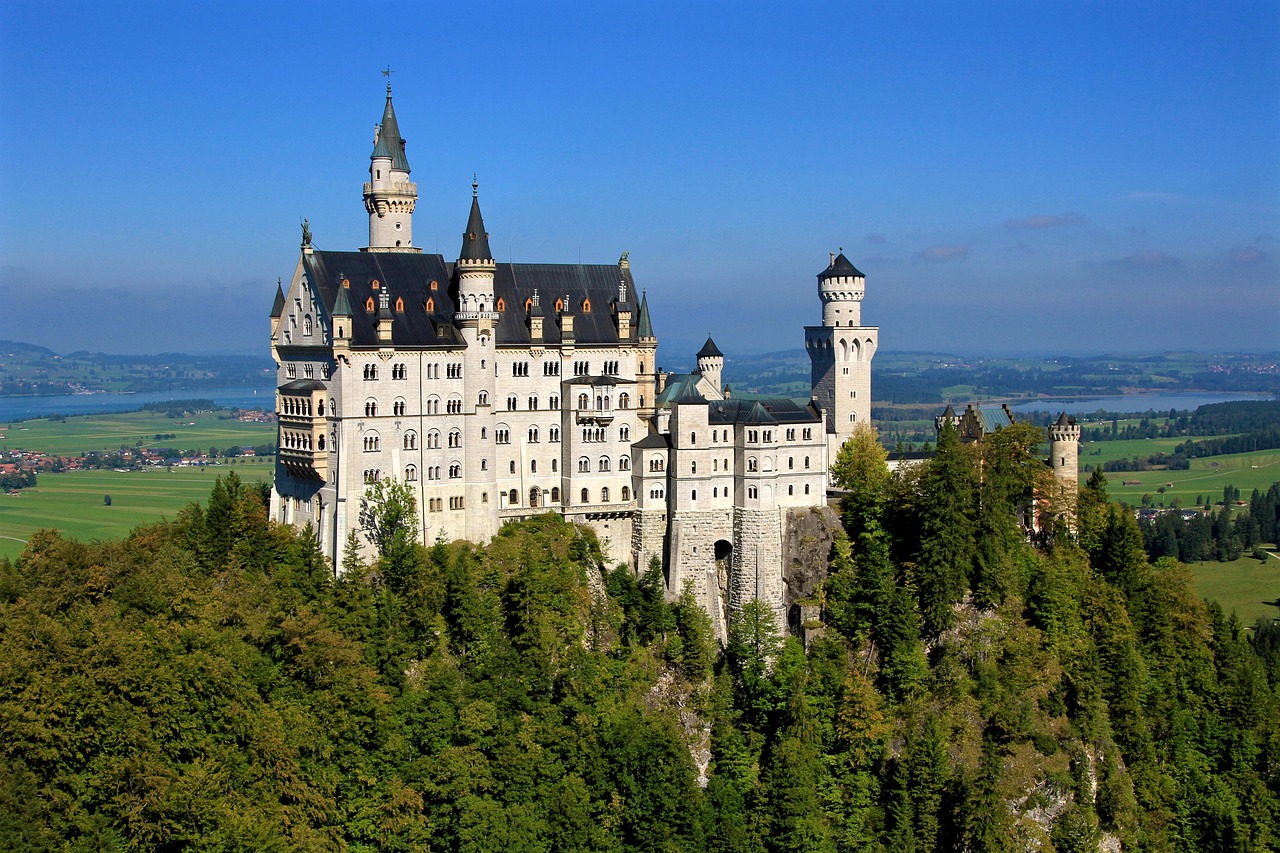
Neuschwanstein isn’t just a “pretty castle” or the inspiration for Disney’s Sleeping Beauty Castle (though it is that too). It’s the unfinished dream of King Ludwig II of Bavaria—a deeply personal, almost obsessive project that blends medieval fantasy, Wagnerian opera, and 19th-century engineering in a way you won’t see anywhere else in Europe.
What makes Neuschwanstein truly special, and why I keep returning:
- The setting: Sheer cliffs, deep forest, lakes, and Alpine peaks. You get a full mountain experience without needing to be a hardcore hiker.
- The interiors: A riot of murals, carved wood, and unexpected technology (for the 1880s). It’s theatrical, romantic, and a bit mad.
- The approach: The walk up through the forest and along the gorge is half the magic. Every few steps, the view shifts and the castle reveals another angle.
- Nearby castles and lakes: With Hohenschwangau Castle, Alpsee lake, and the historic town of Füssen nearby, you can easily turn a standard 1 day itinerary for Neuschwanstein Castle into a rich 2–3 day escape.
- Year-round character: In 2026–2027, seasonal programs, improved visitor infrastructure, and better timed-entry systems are making it easier than ever to plan your visit precisely—whether for peak summer hikes or snow-dusted winter romance.
If you’re wondering how to visit Neuschwanstein Castle in a way that feels personal instead of packaged, this guide is for you. I’ll share travel tips for Neuschwanstein Castle drawn from repeat visits across more than ten years, most recently in spring and autumn 2025 as the region geared up for the 2026 season.
Table of Contents
- Why Neuschwanstein Castle Belongs on Your 2026 Itinerary
- Essential Overview: Location, Atmosphere & What to Expect
- 1–3 Day Itineraries for Neuschwanstein Castle
- Must-See Attractions in and Around Neuschwanstein Castle
- Where to Eat & Drink Around Neuschwanstein Castle
- Where to Stay: Füssen, Hohenschwangau & Beyond
- Logistics: Tickets, Opening Hours, Transport & Accessibility
- Neuschwanstein by Time of Day: Dawn to After Dark
- Cultural Etiquette & Local Customs
- What’s New in 2026–2027: Events & Travel Scene Changes
- Day Trips & Nearby Attractions
- Practical Travel Advice: Money-Saving, SIM Cards, Visas & Seasons
- Summary & Final Recommendations
Essential Overview: Setting the Scene
Neuschwanstein Castle is perched above the village of Hohenschwangau in southern Bavaria, near the Austrian border, about 120 km from Munich. It was commissioned in 1869 by King Ludwig II as a private retreat and a homage to the operas of Richard Wagner. Ironically, Ludwig lived in it only briefly before his mysterious death, and the castle opened to the public shortly afterward.
On my most recent visits in 2025, I stayed several nights in Füssen and Hohenschwangau, walking the hill at sunrise, visiting the interiors with early-morning and late-afternoon timed tickets, and revisiting Marienbrücke at quiet moments. The contrast between the hectic midday scene and the calm of early morning or evening is staggering—think tour groups and selfie sticks at noon versus birdsong and mist at 7:00 am.
Neuschwanstein is not a museum you can just wander through; it’s highly controlled, with timed, guided tours and strict photography rules inside. But outside, you have enormous freedom: forest paths, lakes, mountain trails, and multiple vantage points that let you see the castle from different angles and distances.
In this travel guide for Neuschwanstein Castle, I’ll focus on how to combine the structured interior visit with flexible outdoor exploration so you can experience the place as more than a stop on a bus tour.
1–3 Day Itineraries for Neuschwanstein Castle
Whether you have just one day or a long weekend, it’s possible to design an itinerary that feels considered rather than rushed. Here’s how I’d structure 1, 2, or 3 days in Neuschwanstein Castle and its surroundings, based on trips I’ve personally taken and refined over the years.
1 Day Itinerary for Neuschwanstein Castle
A 1 day itinerary for Neuschwanstein Castle is intense but very doable. I’ve done it as a day trip from Munich, Ulm, and even Innsbruck. The key is timing: book the earliest or latest castle tour you can, and build your walks and viewpoints around that.
Morning: Arrival & The Climb to the Castle
Let’s imagine you’re arriving from Munich by train in 2026. The standard route is Munich–Füssen (about 2 hours), then a short bus transfer (lines 73 or 78) to Hohenschwangau. Aim to reach Füssen by 9:00 am or earlier.
By 9:30–10:00 am, you’ll be in Hohenschwangau village. This is where you pick up your pre-booked ticket at the Ticket-Center (more on tickets later). In 2025, I tested both the early morning (around 9:00) and late afternoon (around 16:00) time slots; both worked, but the late afternoon tours had slightly thinner crowds.
From the ticket center, you have three ways up:
- On foot (recommended): About 30–40 minutes uphill on a paved road with forest shortcuts. This is my go-to, because you can pause at viewpoints and avoid queues.
- Shuttle bus: Leaves from below Hohenschwangau and drops near Marienbrücke (then a few minutes’ downhill walk to the castle). Expect lines from late morning onward.
- Horse-drawn carriage: Picturesque but slow, with variable wait times. Drops below the castle (a short but steep walk up from there).
On a one-day visit, I usually walk up via the main road and one of the forest cut-throughs. The moment when the trees open and you see Neuschwanstein’s towers rising above the rock never loses its impact. Allow extra time to linger at the first viewpoints; they’re less crowded than Marienbrücke and give a great sense of scale.
Late Morning: Exterior Views & Marienbrücke
Before your timed entry, head to Marienbrücke (Mary’s Bridge). It’s a 10–15 minute walk from the castle entrance along a gently rising path. In 2025, new safety barriers and a more regulated path made it feel more secure, though it does get crowded.
This is the canonical view: Neuschwanstein perched on its rocky spur, backed by mountains, forest dropping away below. I like to:
- Walk all the way across the bridge for slightly different angles.
- Step just off the bridge on the far side and follow the trail up a bit; a few meters of climbing earns you quieter viewpoints.
- Return 30–45 minutes before your tour time so you’re not rushing to the entrance.
Photography tip: mid-morning light generally works well here, especially in spring and autumn, when the sun angle gives texture to the cliffs.
Midday: Inside Neuschwanstein Castle (Guided Tour)
Entry is only via guided tour at your precise time. Your ticket will have a group number; follow the signs on the digital boards. In high season, don’t be surprised if the queue feels chaotic—staff are used to it and keep things moving.
The standard tour lasts about 30–40 minutes and covers:
- Throne Hall: A dazzling, Byzantine-inspired space without an actual throne (Ludwig died before it was installed). Look up at the ceiling for constellations and saints.
- King’s Bedroom: Dark carved wood, deep blue textiles, and delicate Gothic ornamentation. In 2025, I noticed more visitors lingering at the windows for glimpses down into the valley.
- Singesaal (Singer’s Hall): One of my favorite rooms, designed for imagined performances of Wagner’s operas. Long, ornate, and strangely modern in its theatricality.
- Artificial cave (Grotto): A tiny, whimsical “cave” between rooms, illuminated and utterly eccentric.
Important: Photography is not allowed inside. Guards are strict, and it’s part of the castle etiquette. Think of it as a chance to actually look, rather than just capture.
Afternoon: Lunch & Alpsee Lake Walk
After the tour, you exit through the gift shop and descend back toward Hohenschwangau. Avoid the most obvious restaurants right at the ticket center—many are perfectly serviceable but priced for captive crowds.
I usually walk 10 minutes toward Alpsee and either:
- Grab a simple snack or sandwich from a café and eat by the lakeshore.
- Head slightly uphill to a guesthouse restaurant with a terrace view (more on specific places in the eating section).
With a 1 day itinerary for Neuschwanstein Castle, a full loop around Alpsee is ambitious but possible if you walk briskly (about 1.5–2 hours). Personally, I like to stroll only partway along the shaded lakeside path, sit on a bench, and watch swans glide by. It’s especially magical for families: kids can throw pebbles, everyone can decompress after the structured castle tour.
Late Afternoon: Hohenschwangau Castle or Füssen Old Town
If you have energy and your timing works, you can visit:
- Hohenschwangau Castle: Ludwig II’s childhood home, painted in warm yellow with more intimate interiors. Tours are also timed but somewhat less overrun.
- Füssen Old Town: A short bus ride away, with cobbled streets, a hilltop castle (Hohes Schloss), and cafés perfect for coffee and cake before your train back.
On a recent one-day trip, I skipped Hohenschwangau and instead wandered Füssen’s streets, ending with a slice of Apfelstrudel at a café near the Lech River. It felt like a proper endnote, calmer than squeezing in another timed tour.
Evening: Return Journey
If you’re day-tripping, aim for an evening train no later than 19:00–20:00 to avoid late-night connections. If you’re staying overnight, consider a gentle evening stroll around Füssen or a quick drive/walk back toward Hohenschwangau to see Neuschwanstein lit softly against the mountain (not dramatically floodlit, but beautifully silhouetted).
2 Day Itinerary for Neuschwanstein Castle
Spending 2 days in Neuschwanstein Castle’s orbit allows you to slow down: combine the main castle with lakes, an extra castle, and either Füssen or a light hike.
Day 1: Iconic Neuschwanstein & Marienbrücke
Day 1 of a 2 day itinerary for Neuschwanstein Castle can follow the 1 day plan, but with less rushing and more lingering.
Morning: Early Start & Forest Approach
Since you’re not racing back to Munich, you can:
- Arrive in Hohenschwangau around 8:30–9:00 am.
- Walk up to the castle via the quieter forest path that branches off the main road (locals use this to avoid the carriage traffic).
On one chilly April morning, I walked this route alone, hearing only woodpeckers and the occasional carriage. When the trees opened just below the castle, I had one of my favorite photos of Neuschwanstein framed by budding branches and snow-dusted peaks.
Late Morning: Neuschwanstein Interior Tour
Schedule your timed entry for late morning. Because you have the whole afternoon, you can:
- Take advantage of any multilingual tours that better suit your group.
- Spend extra time afterward in the castle courtyard and on the viewing terrace, studying details of the façade and the valley below.
Afternoon: Extended Marienbrücke & Pöllat Gorge Option
After the tour, head again to Marienbrücke. Many people see it only once; I like to visit at different times of day. With two days, you can:
- Walk beyond the bridge on the higher trail, gaining elevated, less crowded perspectives.
- If conditions and safety rules allow (they are sometimes closed for maintenance or weather), descend into or near the Pöllat Gorge, where waterfalls and rock walls give a wilder feel to the landscape.
The first time I ventured further up from Marienbrücke, I found a small clearing where locals had clearly been sitting for decades: a rough bench, some carved initials on tree trunks, and an absolutely stunning side-on view of the castle.
Evening: Dinner & Sunset View
Stay overnight in either Hohenschwangau (quiet, close to the castles) or Füssen (more restaurants and evening life). I often choose Füssen for variety.
If the weather is clear, I recommend:
- Having an early dinner in Füssen.
- Driving or taking a taxi back toward Hohenschwangau about an hour before sunset.
- Walking up partway toward the castles to catch the golden hour on the façades.
Day 2: Hohenschwangau Castle & Alpsee + Füssen
Morning: Hohenschwangau Castle
Start your second day in 2 days in Neuschwanstein Castle’s surroundings with Hohenschwangau. The yellow castle is often overlooked but gives crucial context: this is where Ludwig spent his youth, looking across the valley at the future site of Neuschwanstein.
The tour feels more intimate and historically grounded than Neuschwanstein’s theatrical interiors. You’ll see:
- Rooms filled with paintings of German legends.
- Ludwig’s bedroom with a starry night ceiling.
- Views across to the white silhouette of Neuschwanstein.
I like to imagine teenage Ludwig standing at the window, already dreaming beyond the existing castle. The guides often include charming details about the royal family’s everyday life here.
Midday: Lakeside Time at Alpsee
After Hohenschwangau, wander downhill to Alpsee. With no time pressure, you can:
- Walk the full circuit around the lake (2–2.5 hours at a relaxed pace).
- Rent a rowboat in warm months (usually late spring to early autumn) and see the castles from the water.
On a hot July afternoon, I took a rowing boat with a friend; from the middle of the lake, both castles appeared like stage sets, mirrored in the water. It’s one of the most romantic experiences in the area, especially at quieter times.
Afternoon & Evening: Füssen Old Town
Spend your final afternoon in Füssen:
- Climb to the Hohes Schloss (High Castle) for views and a different flavor of castle architecture.
- Stroll along the Lech River with its milky turquoise water.
- Stop at a bakery for a slice of Käsekuchen (cheesecake) or a hearty Bavarian snack.
Füssen in the evening feels lived-in, not just touristic. In 2025, I ate at a small, family-run restaurant tucked into a side street and chatted with the owners about the slow return of international visitors. They agreed: two days here is the sweet spot if you want to feel the rhythm of the place.
3 Day Itinerary for Neuschwanstein Castle
With 3 days in Neuschwanstein Castle’s region, you can go beyond the obvious. This 3 day itinerary for Neuschwanstein Castle mixes castles, culture, and light adventure—ideal for couples, families with active kids, and solo travelers.
Day 1: Neuschwanstein Deep Dive
Use Day 1 exactly as in the 1 day itinerary for Neuschwanstein Castle, but stretch it:
- Arrive early, walk up via the forest path.
- Take your interior tour mid-morning or mid-afternoon.
- Visit Marienbrücke twice: once in the brighter part of the day, once near sunset.
- Spend extra time on the terrace and castle courtyard, observing details.
I once dedicated an entire afternoon just to sitting on the terrace bench, sketching the façade details and listening to the swirl of languages around me—American English, Japanese, Brazilian Portuguese, Bavarian dialects. It reminded me how global this place has become, yet the mountain silence still dominates whenever there’s a lull in the chatter.
Day 2: Hohenschwangau, Alpsee & Hidden Viewpoints
Day 2 of 3 days in Neuschwanstein Castle’s area mirrors the second day of the 2 day itinerary, but with added detours.
Morning: Hohenschwangau & Museum of the Bavarian Kings
Start with Hohenschwangau Castle, then add the Museum der Bayerischen Könige (Museum of the Bavarian Kings) near Alpsee. The museum, revamped with modern displays, gives excellent background on Ludwig II and his family.
On a rainy October morning, I spent nearly two hours here, sheltered and absorbed by the exhibits and multimedia presentations. It made my later walks feel richer, like I was traveling through a landscape of stories instead of just scenery.
Afternoon: Full Alpsee Circuit & Lesser-Known Trails
After the museum, walk the complete Alpsee loop. On the far side of the lake, away from the main village, you’ll find:
- Quiet forest stretches where you might meet only local dog-walkers.
- Filtered views back to the castles through the trees.
If you have energy and good shoes, explore some of the signed forest paths that branch upward from the lakeside. They lead to small clearings and occasional benches with views that are never crowded, even in high summer.
Evening: Füssen Night Stroll
Return to Füssen for dinner. Walk the old town after dark, when day-trippers have gone and locals linger in bars and ice-cream parlors in summer. The softly lit façades and quiet streets are a pleasant contrast to the daytime bustle at the castle.
Day 3: Tegelberg Mountain & Adventure or Relaxation
Option A: Tegelberg for Light Adventure
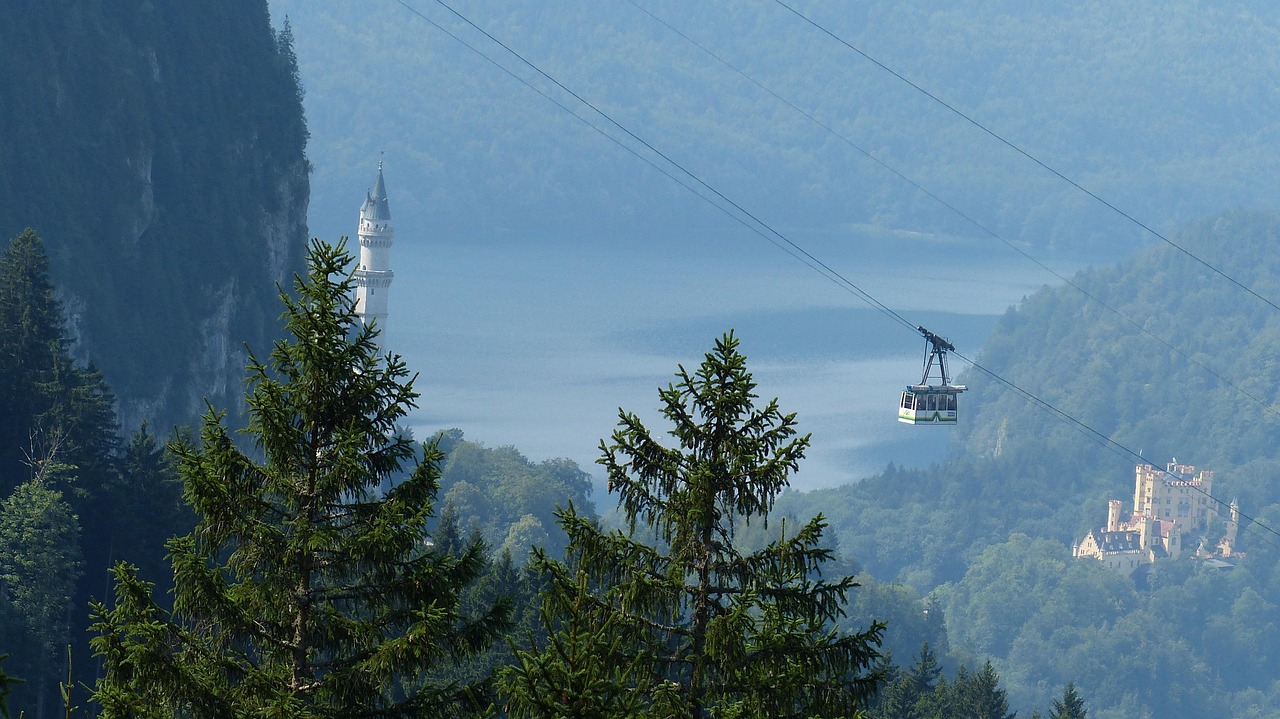
On Day 3 of a 3 day itinerary for Neuschwanstein Castle, I often head to Tegelberg, the mountain opposite the castles.
Take the Tegelbergbahn cable car up (operating schedules vary seasonally) for:
- Panoramic views: You can see Neuschwanstein, Hohenschwangau, the lakes, and into Austria.
- Easy alpine walks: Well-marked trails with modest elevation changes.
- Mountain hut food: A plate of Kaiserschmarrn (torn pancake with powdered sugar) tastes different at altitude.
On a bright September day, I sat at the terrace of the mountain restaurant with a steaming coffee, watching paragliders leap into the void. If you’re adventurous, tandem paragliding flights are available—floating over Neuschwanstein is unforgettable.
Option B: Spa & Wellness Day
If adventure isn’t your thing, use Day 3 for relaxation:
- Book a spa hotel in or near Füssen.
- Enjoy saunas, pools, and massages with Alpine views.
- Take a gentle walk by the Lech River or nearby lakes.
After a November research trip, I gave myself a “reward” day at a wellness hotel near Füssen. Watching snowflakes drift outside while sitting in a hot outdoor pool was as memorable as any castle view.
Must-See Attractions in and Around Neuschwanstein Castle
These are the core experiences you’ll weave into any itinerary: the key things to do in Neuschwanstein Castle and its immediate surroundings. Each deserves at least an hour, some much more.
Inside Neuschwanstein: Rooms, Routes & What to Look For
The interior tour is the headline experience, but it can feel rushed if you don’t know what you’re looking at. Here’s how the route typically unfolds and what to pay attention to.
The Main Approach & Courtyard
As you walk up to the castle, watch how the towers interplay with the cliff. Ludwig wanted the building to feel like it grew from the rock, a fantasy medieval castle reinterpreted with 19th-century materials. In the main courtyard, look at:
- The red-brick gatehouse, earlier in style than the white limestone main building.
- The murals depicting scenes from legends and Wagnerian operas.
Interior Highlights
Once inside, you’ll climb a staircase and move through a sequence of rooms, each with a specific mood:
- Throne Hall: Two levels, columns, and a painted apse. Even without the throne, it feels like a sacred space. I always look for the golden mosaic floor details and the angels on the ceiling.
- Dining Room: Rich dark wood, tapestries, and a sense of private opulence. Imagine intimate dinners here, far from the formal pomp of Munich’s Residenz.
- King’s Bedroom: The carved bed canopy is so intricate it took woodworkers years to complete. Guides often highlight the surprising modernity of the hot running water system—state-of-the-art at the time.
- Grotto: A tiny artificial cave with colored lighting and a small “balcony” looking onto a winter garden. Every time I pass through, I’m struck by how childlike Ludwig’s fantasies could be.
- Study & Living Room: Heavy with paintings from Germanic legends. Look for scenes inspired by Wagner’s Tannhäuser and Lohengrin.
- Singer’s Hall: Think of it as Ludwig’s personal opera house. The acoustics are superb; occasionally, special concerts are held here (tickets sell out fast when they happen).
Tours wrap up with a visit to the kitchen level or lower floors depending on the route currently in use, where you’ll see some of the practical side of running such a fantastical residence.
Time & Tips
- Allow at least 1.5–2 hours total for arrival, queuing, tour, and exit.
- Listen for small details from the guide; each has their own favorite anecdotes.
- If you want a deeper dive into Ludwig’s psychology and politics, pair the interior visit with the Museum of the Bavarian Kings.
Marienbrücke (Mary’s Bridge): The Classic View
Marienbrücke is a slender steel bridge across the Pöllat Gorge, named after Queen Marie, Ludwig’s mother. The original wooden bridge was replaced in the 19th century to support more traffic. Today, it’s the place everyone goes for the famous shot.
Over the years, I’ve seen it in all moods: packed with summer visitors, almost empty in a snow flurry, veiled in autumn mist. The key is timing and patience.
- Best time: Early morning (before 9:00) or late afternoon/early evening, especially in summer.
- Photography: A mid-range zoom lets you frame the castle beautifully. Step to both ends of the bridge for variations.
- Safety: Don’t lean over the rails too far; the drop is serious, and staff are vigilant.
Pöllat Gorge & Forest Trails
The Pöllat Gorge (Pöllatschlucht) is the deep cleft beneath Marienbrücke. Depending on rockfall risks and maintenance work, some paths down into or near the gorge may be open or closed. Always check current conditions at the ticket center.
When open, these trails are a way to experience the raw landscape that shaped Ludwig’s imagination:
- Roaring waterfalls and misty air in spring.
- Cool, shaded paths in summer.
- Ice formations and a hushed atmosphere in winter (if accessible).
The first time I descended toward the gorge, I understood why Ludwig wanted his retreat here, away from court politics and into something elemental. It’s a good reminder that Neuschwanstein is as much about nature as architecture.
Hohenschwangau Castle: Ludwig’s Childhood Home
Hohenschwangau is older and more historically grounded than Neuschwanstein. Rebuilt in neo-Gothic style in the 19th century on medieval foundations, it was Maximilian II’s summer residence and Ludwig’s formative environment.
The interior feels lived-in, with:
- Bedrooms, dining rooms, and salons filled with murals depicting German myths.
- Balconies with strategic views over Alpsee and toward the future site of Neuschwanstein.
- Stories of Ludwig’s fascination with Wagner and medieval romance.
I like visiting Hohenschwangau either before or after Neuschwanstein to frame Ludwig’s story: where he came from versus where his imagination took him. For families, it can be easier to engage kids here, as the rooms feel more like a “real” palace than a fantasy stage.
Alpsee Lake: Mirror of the Castles
Alpsee is a deep, clear lake nestled between forested hills and rocky slopes. On calm days, the reflections of Hohenschwangau and the surrounding peaks turn it into a living postcard.
Things to do:
- Walk the full loop: A gently undulating path, mostly in shade. Wear decent shoes; parts can be muddy after rain.
- Picnic: Bring your own snacks; there are a few benches and grassy areas.
- Rowboats: In high season, rent a boat for 30–60 minutes. Great for couples and patient kids.
My favorite Alpsee moment was in late May: light rain had just passed, a faint rainbow arched over Hohenschwangau, and the air smelled of wet earth and pine. Most visitors had retreated to cafés, leaving the lakeside path almost empty.
Füssen Old Town & Surroundings
Füssen is more than just a gateway town. With its pastel houses, baroque churches, and hilltop castle, it’s a charming base and a destination in its own right.
Highlights include:
- Hohes Schloss: A late Gothic castle overlooking the town. Its trompe-l’oeil (illusion) façade paintings are unique.
- Basilika St. Mang: A former Benedictine monastery with richly decorated interiors.
- Lech River: Walk the banks or cross one of the bridges for wide views of the town against the mountains.
Füssen has a lived-in atmosphere: school kids, retirees, hikers, and travelers mingle. In the evenings, local restaurants fill with a mix of dialects and accents. It’s where I most feel the rhythm of everyday Bavarian life after the theme-park feel of the castles.
Tegelberg Mountain: Views, Hikes & Paragliding
Tegelberg is the mountain directly opposite Neuschwanstein. The Tegelbergbahn cable car takes you from valley to high Alpine vistas in minutes.
At the top:
- Marked trails range from easy panoramas to more serious hikes.
- A mountain restaurant and hut offer hearty Bavarian food.
- In good weather, paragliders launch from the take-off area, sometimes circling above the castles.
I’ve done both the cable car up & hike down combo and the full round trip by cable car when short on time. The descent hike is steep in places but rewarding, with repeated views into the valley and across the lakes.
Lesser-Known Viewpoints & Hidden Spots
Beyond Marienbrücke, there are other, quieter ways to see Neuschwanstein:
- Lower valley fields: From Hohenschwangau’s meadows, you can frame the castle above grazing cows—very “classic Bavaria.”
- Side trails above Marienbrücke: Short, steeper paths (stay on marked trails for safety) offer different angles with fewer people.
- Distant viewpoints from Füssen’s outskirts: On clear days, you can see Neuschwanstein’s silhouette from certain hills around town.
I keep a mental list of “quiet benches with castle views” built up over years of wandering. They’re not secrets so much as places most visitors don’t have time to find. Your best strategy: leave an hour unstructured and follow any marked paths that climb gently toward the forested slopes, always checking local signs and respecting closures.
Where to Eat & Drink Around Neuschwanstein Castle
Food near major attractions often disappoints, but around Neuschwanstein Castle you can eat well if you step just beyond the obvious.
In Hohenschwangau Village
The immediate cluster of restaurants by the ticket center leans touristy, but for convenience:
- Stick to simple dishes: soups, sausages, schnitzel, salads.
- Check daily specials, which are often better value.
Just Outside the Tourist Core
Walk 5–15 minutes away from the crowds and you’ll find:
- Guesthouse restaurants with terraces looking toward the castles.
- Small cafés closer to Alpsee, good for coffee and cake.
One of my go-to lunches is a bowl of Knödel (dumplings) with mushroom sauce and a side salad, eaten on a terrace where Neuschwanstein peeks between trees.
In Füssen
Füssen has the best overall food scene nearby:
- Bavarian restaurants: Try Schweinshaxe (pork knuckle), Käsespätzle (cheesy noodles), or a simple grilled trout from local lakes.
- Italian & international: Popular with locals and visitors alike, especially for pizza and pasta after long hikes.
- Cafés: Look for places with home-baked cakes; apple strudel, cheesecake, and seasonal fruit tarts are staples.
I like to time my dinner in Füssen for around 19:00–20:00. In summer, outdoor seating lets you enjoy long evenings; in winter, cozy interiors with wood paneling and candlelight are exactly what you want after a cold castle visit.
What to Bring with You
- A reusable water bottle (fill up before your climb).
- Light snacks—nuts, fruit, or a sandwich—for the walk and while waiting for your tour.
- In colder months, a thermos with tea or coffee can be a small luxury on a bench above the village.
Where to Stay Near Neuschwanstein Castle
Choosing the right base shapes your experience. I’ve tried all three main options over the years: Hohenschwangau, Füssen, and rural guesthouses.
Hohenschwangau: Sleep at the Foot of the Castles
Best for:
- Early-morning and late-evening walks up to the castles.
- Families who want minimal commuting.
Expect:
- Fewer dining options, but ultimate convenience.
- A quiet atmosphere after day-trippers leave.
Füssen: Best All-Round Base
Füssen is my personal favorite base:
- 10–15 minutes by bus or car to Hohenschwangau.
- Plenty of restaurants, shops, and evening life.
- Accommodation ranging from budget hostels to boutique hotels and spa resorts.
I like staying near the old town, where I can wander to the river or castle in the evenings.
Rural Guesthouses & Farm Stays
In the surrounding countryside, you’ll find:
- Farm stays with breakfast made from local products.
- Small pensions with mountain or lake views.
These are ideal if you have a car and want to combine Neuschwanstein with hiking or cycling in a quieter setting.
Logistics: Neuschwanstein Castle Tickets, Opening Hours & Practicalities
Getting the logistics right is essential; Neuschwanstein is hugely popular, and mis-timing can cost you hours.
Ticket Types & Booking
As of 2026, the main options are:
- Neuschwanstein Castle timed-entry ticket: Mandatory for interior visits.
- Combo tickets: Neuschwanstein + Hohenschwangau, sometimes with the Museum of the Bavarian Kings.
- Guided packages: External tour operators selling transport + tickets; convenient but less flexible.
Reservations:
- Book online via the official site as early as possible, especially for peak months (June–September) and weekends.
- Bookings typically open several weeks to a few months in advance; popular time slots can sell out quickly.
- Last-minute tickets may be available at the ticket center, but don’t count on it in high season.
Neuschwanstein Castle Opening Hours (Typical Pattern)
Exact times vary by season; always check the official site for current opening hours. Generally:
- April–October: Longer hours, first tours around 9:00, last around 17:00–18:00.
- November–March: Shorter hours, fewer tours per day, later sunrise and earlier sunset.
- Closed on some public holidays (e.g., 1 January, 24–25 December); check ahead.
Peak Hours & How to Avoid Crowds
- Bus tour peak: 10:30–15:00, when most day tours arrive.
- Best slots: First and last tour of the day if you can manage it.
- Off-season advantage: Late autumn and winter have fewer visitors, but also shorter days and potentially tricky weather.
Getting There Without Wasting Time
By Train & Bus:
- Take a train to Füssen, then bus 73 or 78 to Hohenschwangau.
- Check synchronized timetables; connections are usually designed for visitors.
By Car:
- Paid parking lots at Hohenschwangau; arrive early on busy days.
- Parking does not reserve you a castle ticket—book those separately.
Accessibility
Neuschwanstein’s location and 19th-century architecture present challenges:
- The walk up is steep; shuttle buses and carriages help but still involve walking.
- Inside, there are many stairs; check the official site for current accessibility provisions.
Dress Code & Behavior
- No specific dress code, but comfortable walking shoes are essential.
- Inside the castle, follow the guide’s instructions; don’t touch walls or furniture.
- Photography is forbidden indoors; outside, be mindful of others when using tripods or drones (drones are generally not allowed near the castles).
Security & Queues
Expect:
- Bag checks at entry points.
- Waiting times for shuttle buses and carriages in high season; walking is often faster.
Neuschwanstein Castle by Time of Day: Dawn, Golden Hour & After Dark
Neuschwanstein transforms dramatically with the light. Some of my most vivid memories here come from off-hours visits.
Dawn
If you stay nearby, an early-morning walk is magical:
- Cool, often misty air.
- Almost no one on the paths.
- Soft, pastel light on the castle and surrounding peaks.
Golden Hour (Before Sunset)
The best time for photography:
- Warm light on the white façades.
- Long shadows emphasizing the castle’s dramatic perch.
- Fewer tour buses as the day winds down.
Blue Hour & After Dark
Neuschwanstein is not heavily floodlit, but:
- Windows glow with warm interior light.
- The silhouette stands out against a darkening sky.
- In winter, snow reflects what little light there is, adding to the fairy-tale feel.
As of 2026, there are occasionally special night events or extended evening openings for concerts or cultural programs, but they are infrequent and ticketed separately. Check the official website and regional tourism portals for specific dates.
Cultural Etiquette & Local Customs Around Neuschwanstein
Bavaria is proud, traditional, and generally very welcoming—especially in this region where tourism is a major part of life. A few cultural notes help smooth your visit.
Greetings & Politeness
- “Grüß Gott” is a common greeting in Bavarian German; “Guten Tag” also works.
- Say “Bitte” (please) and “Danke” (thank you) in shops and restaurants.
- Staff at the castles deal with huge crowds; a little patience and courtesy go a long way.
In Restaurants
- Wait to be seated unless it’s clearly self-service.
- Tipping of around 5–10% is appreciated; round up the bill when paying.
- Sharing tables (Stammtisch) is common in traditional beer halls, but less so in touristy areas; follow the staff’s lead.
At the Castles & Outdoors
- Speak quietly inside the castles; voices echo in historic rooms.
- Stick to marked trails; this is both for your safety and to protect the landscape.
- Pack out your trash; bins are provided at main points but not always on trails.
What’s New in 2026–2027: Events & Travel Scene Changes
As of 2026, Neuschwanstein and its region continue to refine visitor management and cultural programming.
Improved Timed-Entry Systems
Expect:
- More precise online booking with clearer time slots.
- Better real-time information on delays and group sizes.
Local Festivals & Events (2026–2027)
While Neuschwanstein itself is not a festival venue, nearby Füssen and surrounding villages host:
- Almabtrieb (Cattle Drive) in autumn: Decorated cows returning from mountain pastures—colorful, traditional, and very photogenic.
- Christmas markets (late November–December): Small but atmospheric markets in Füssen with mulled wine and local crafts.
- Classical music concerts: Occasional performances in churches and historic halls, sometimes with programs inspired by Wagner and the Romantic era.
Check regional tourism websites closer to your travel date for exact 2026–2027 schedules.
Day Trips & Nearby Attractions from Neuschwanstein
If you base yourself in Füssen or Hohenschwangau for several days, there are excellent day trips within easy reach.
Wieskirche (Pilgrimage Church of Wies)
A UNESCO-listed rococo church set amid meadows. Drive or take a regional bus; pair it with a countryside lunch. The interior is extravagantly light and ornate—a contrast to Neuschwanstein’s darker, denser style.
Nearby Lakes: Forggensee & Others
The region is dotted with lakes:
- Forggensee: Large reservoir with boat tours in season.
- Smaller swimming lakes: Locals often have favorite spots; ask your guesthouse for recommendations.
Austria: Reutte & Highline179
Across the border in Austria (short drive):
- Reutte’s castle ruins and the Highline179 suspension bridge provide a different kind of thrill and history.
Garmisch-Partenkirchen & Zugspitze
A longer day trip but possible by car or organized tour:
- Germany’s highest peak (Zugspitze) and the mountain resort town of Garmisch-Partenkirchen.
Practical Travel Advice for Neuschwanstein Castle
How to Save Money
- Use regional train tickets (like Bavaria tickets) for groups—significant savings on rail.
- Bring your own snacks and water instead of relying solely on tourist cafés.
- Visit in shoulder season (April–May, late September–October) for more availability and sometimes lower accommodation prices.
SIM Cards & Connectivity
- Buy a local SIM from major German providers (Telekom, Vodafone, O2) at airports or in larger cities before arriving.
- Coverage is generally good, though some forested or mountainous spots may be weaker.
Public Transport vs. Car Rental
Public Transport:
- Works very well for a 1–2 day itinerary for Neuschwanstein Castle from Munich or other cities.
- Timetables are reliable; check Deutsche Bahn’s app or website.
Car Rental:
- Gives flexibility for rural guesthouses and day trips.
- Foreign driver’s licenses are generally accepted; if your license is not in Latin script, an International Driving Permit is recommended.
Visa Requirements
Neuschwanstein is in Germany, part of the Schengen Area. Check current Schengen visa rules for your nationality. In general:
- Many visitors from Europe, North America, and some other regions can enter visa-free for short stays.
- Others require a Schengen tourist visa arranged in advance.
Best Seasons & What They’re Good For
- Spring (April–May): Blossoms, fewer crowds, unpredictable but often pleasant weather. Great for hiking and photography.
- Summer (June–August): Long days, warm weather, but busiest crowds. Ideal for swimming and mountain activities.
- Autumn (September–October): Colorful foliage, calmer crowds, crisp air. My personal favorite time.
- Winter (November–March): Short days, cold, potential snow and ice. Magical in good weather, but some trails and facilities may close or reduce hours.
Hidden Tips from Repeat Visits
- Buffer time: Always build in at least 30–45 minutes more than you think you need between transport, ticket pick-up, and your tour.
- Layered clothing: Weather in the Alps changes quickly; bring a light waterproof layer even in summer.
- Printed backups: Keep your ticket confirmation and key details printed or downloaded—mobile coverage at key moments can fail.
- Be flexible: If Marienbrücke is closed or a trail is under maintenance, remember: the castle is only part of the story. Lakes, forests, and Füssen offer plenty of alternatives.
Summary & Final Recommendations
Neuschwanstein Castle is one of those places that can be either a box to tick or a landscape to inhabit, depending on how you approach it. With a carefully planned 1 day itinerary for Neuschwanstein Castle, you can see the essentials: the interior tour, Marienbrücke, and at least a taste of Alpsee or Füssen. With 2 days in Neuschwanstein Castle’s region, you add depth: Hohenschwangau, the Museum of the Bavarian Kings, and slow walks by the lake. And with 3 days in Neuschwanstein Castle’s surroundings, you can truly settle into the rhythm of Bavaria—exploring Tegelberg, nearby villages, and quiet forest paths.
For most travelers, I recommend:
- Best time to visit Neuschwanstein Castle: Late spring (May) or early autumn (late September–October) for a balance of weather and crowds.
- Base in Füssen: Especially if you’re staying more than one night.
- Book tickets early: Secure timed entry and build your day around it.
- Walk whenever possible: The approach to the castle is part of the experience; don’t skip it unless mobility issues require it.
After multiple visits across seasons, my strongest memory is not of a single room or photo, but of moments when the castle, mountains, and lakes aligned in unexpected ways: a break in the clouds, a reflection on still water, the echo of distant cowbells on a quiet trail. Give yourself enough time and space, and Neuschwanstein becomes less a crowded attraction and more a small, intense chapter in your own travel story.